Connecticut Hemp Legalization
On May 9, 2019, Connecticut launched a pilot hemp program. The Department of Agriculture (DA) was made responsible for regulating growers and processors while the Department of Consumer Protection (DCP) was tasked with regulating hemp product manufacturers. House Bill 7003 was signed into law on October 8, 2020, (effective October 31, 2020) amending the hemp law to conform to federal regulatory requirements issued by the United States Department of Agriculture (USDA). In addition to the USDA required changes, the new regulations combined the grower license and processor license into one “producer” license in order to make the licensing process easier for growers who may be processing on site.
As of January 2022, Connecticut has an approved state plan by the USDA for hemp producers. Under the state plan, the Connecticut Department of Agriculture is authorized to issue producer licenses, conduct inspections and investigations, issue penalties, promulgate regulations, issue cease and desist orders, issue hold and destroy orders, and perform other actions so that it can effectively regulate the hemp industry in Connecticut.
The independent testing laboratory shall test each sample for THC concentration level, microbiological contaminants, mycotoxins, heavy metals and pesticide chemical residue. THC testing fees are paid by the grower directly to the laboratory and may range from $100 to $2000 depending on the number of samples tested.
There are three types of licenses and one certificate: producer, manufacturer, infused beverage manufacturer and moderate-THC hemp vendor certificate of registration.
In 2023, House Bill 6699 was signed into law and came into effect on 1 October 2023. The regulations classified certain hemp products as high-THC hemp products. The thresholds for a product being classified as a high-THC hemp product were:
- Edibles, topicals and transdermal patches: 1 mg/serving, 5 mg/container
- Tinctures: 1 mg/serving, 25 mg/container
- Concentrates: 25 mg/container
- Flower or trim: 0.3% THC by dry weight
Another bill signed into law in 2023, House Bill 6700, allows manufacturer hemp-derived products to be sold in cannabis dispensaries, retailer facilities and hybrid retailer facilities.
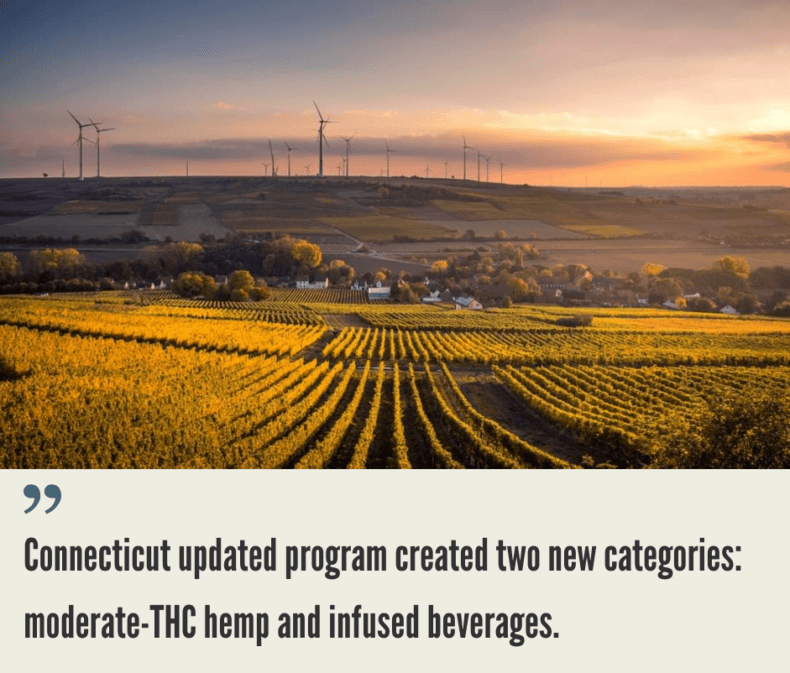
In 2024, the Public Act 24-76 (HB 5150) was signed into law, introducing several amendments to the hemp program which went into effect from July 1, 2024. Among these amendments is the prohibition of synthetic cannabinoids. One of the amendments concerns high-THC hemp and went into effect from October 1, 2024. It re-defines high-THC hemp to include all manufacturer hemp-derived products including edibles, topicals, tinctures and concentrates which have a THC content from 1 mg/serving to 5 mg/container, or hemp flower or trim with more than 0.3% of THC content in dry weight. In addition, two new categories are created: moderate-THC hemp and infused beverages.
Moderate-THC hemp: Manufacturer hemp products with a THC content from 0.5 mg/serving to 5 mg/container, excluding Infused Beverages. From January 1, 2025, only businesses certified by the DCP are allowed to sell these products. Moderate-THC hemp products cannot be sold to individuals younger than 21 years old.
Infused Beverages: Non-alcoholic beverages with a maximum of 3 mg of THC per 12-ounce container. These products can only be manufactured by permitted licensees and sold by licensed dispensaries or cannabis retailers. Infused beverages cannot be sold to individuals younger than 21 years old.
What Types of Hemp Products are Legal in Connecticut
In Connecticut, hemp products can be sold in a variety of forms including edibles, tinctures and infused beverages provided they have less than 0.3% THC content. While consumers can purchase all of these products, it is important to note that individuals wishing to sell these products must obtain the relevant certifications. For instance, moderate-THC hemp products cannot be sold without an appropriate certificate of registration from the Commissioner of Consumer Protection.
In addition, hemp products classified as high-THC hemp products can only be sold by licensed cannabis dispensary facilities, cannabis retailers and hybrid retailers. High-THC hemp products include all manufacturer hemp products such as edibles, topicals, tinctures and concentrates which have a THC content from 1 mg/serving to 5 mg/container, or hemp flower or trim with more than 0.3% of THC content in dry weight.
Hemp Licenses and Certifications Available in Connecticut
Producer licenses are issued by the Commissioner of Agriculture while manufacturer licenses are issued by the Commissioner of Consumer Protection. No license is required to sell hemp products as long as they do not fall into the high-THC, moderate-THC or Infused Beverages categories. In order to sell moderate-THC or Infused Beverages, separate certifications must be obtained from the Commissioner of Consumer Protection.
A Producer license issued by the Commissioner of Agriculture allows to produce and market producer hemp products. A producer hemp product is a raw hemp product, fiber-based hemp product or animal hemp food product that contains no more than 0.3% of THC on a dry weight basis or per volume or weight of the product.
- Application fee: $50
- License fee: $450 for up to 1 acre.
- For every additional acre of planned hemp planting (rounded to the nearest acre) an additional payment of $30 is required.
- Maximum license fee: $3,000
- License period: A producer license expires on the third December 31st following its issuance.
A Manufacturer license issued by the Commissioner of Consumer Protection allows to manufacture, handle, store and market manufacturer hemp products. A manufacturer hemp product is a commodity manufactured from the hemp plant for human ingestion, inhalation, absorption or other internal consumption with no more than 0.3% THC on a dry weight basis or per volume or weight of the product.
- Application fee: $75
- License fee: $375
- License period: A manufacturer license expires on the third June 30th following its issuance.
An Infused Beverage Manufacturer license issued by the Commissioner of Consumer Protection allows to produce hemp products classified as Infused Beverages.
- Application fee (the same for initial and renewal): $5,000
- Validity period: One year
A Moderate-THC Hemp Vendor Certificate of Registration issued by the Commissioner of Consumer Protection allows to sell moderate-THC hemp products in Connecticut.
- Application fee (the same for initial and renewal): $2,000
- Validity period: One year
Note: Academia, state agency or department research projects are exempt from the application fee and licensing fee for producers.
Application and other requirements:
- Submit a complete application with all the required information, applicable application fee and license fee as well as national fingerprint-based criminal history record checks for the applicant and each key participant if applicant is an entity.
- The Commissioner of Agriculture will review the application and if the applicant meets the applicable requirements, the license will be issued.
The application must include:
- The name, telephone number, electronic mail address, business address and address of the applicant. If the applicant is an entity: the full name of the entity applicant, the principal business location and full name, title and electronic mail address of each key participant.
- The name and address of each lot for hemp cultivation or producing location.
- The geospatial location of each lot using GPS coordinates and legal description of each lot used for hemp cultivation.
- The size of each lot used for hemp cultivation, in acres.
- Written consent which allows the Commissioner of Agriculture to carry out both scheduled and random inspections of and around the premises where hemp will be cultivated, harvested, stored and produced.
- The applicant’s employer identification number or, if this is not available, the applicant’s Social Security number.
- Any other information requested by the Commissioner of Agriculture.
A producer licensee can apply for renewal in October preceding the 31 December on which their license expires.
- Submit a complete application with all the required information and the non-refundable application fee of $50.
- If the applicant meets the relevant requirements, the license will be issued.
Any hemp from which a manufacturer hemp product will be manufactured, must be tested by an independent testing laboratory in Connecticut. A manufacturer licensee must provide samples of hemp to an independent testing laboratory. Until the results of testing are known, the manufacturer licensee must keep the entire batch of hemp separated from the hemp that is intended for use as a manufacturer hemp product. The manufacturer licensee also cannot manufacture or sell a manufacturer hemp product made from the hemp batch submitted for testing, before the testing and analysis is completed and results are provided in writing. Once the sample passes all the required tests, the whole hemp batch will be released for manufacturing, processing and sale.
If a sample does not pass the testing, then the manufacturer licensee must:
- Retest and reanalyze the hemp in the same laboratory, by submitting another randomly selected sample from the same batch. If this yields satisfactory results, an employee from a different laboratory will randomly select a different sample from the same batch for testing. If this yields satisfactory results again, then the hemp batch can be released for manufacturing, processing and sale.
- If a remediation plan has been submitted to and approved by the Commissioner of Consumer Protection, then the hemp batch can be remediated and a new sample can be taken by the same laboratory. If this yields satisfactory results, an employee from a different laboratory will randomly select a different sample from the same batch for testing. If this yields satisfactory results again, then the hemp batch can be released for manufacturing, processing and sale.
- Dispose of the entire hemp batch if they choose not to retest or remediate or further testing yields unsatisfactory results.
An electronic copy of each laboratory test result for any batch that did not pass any of the tests must be filed to the Department of Consumer Protection.
In order to be able to manufacture infused beverages, an individual must submit a complete application with the relevant application fee.
An Infused Beverages Manufacturer Licensee cannot obtain any hemp product for manufacturing an infused beverage except of hemp product in the form of hemp oil. Only hemp oil can be used in the manufacturing of infused beverages.
Before an infused beverage can be sold, its final form must be tested by a cannabis testing laboratory. An infused beverage can only be sold to a cannabis dispensary facility, a hybrid retailer, a retailer or a holder of a wholesaler permit or a wholesaler permit for beer.
In order to be able to sell moderate-THC hemp products, an individual must submit a complete application with the applicable non-refundable application fee. The application must include:
- The location in the state where the applicant currently sells or plans to sell moderate-THC hemp products to consumers.
- Information sufficient to show that during the preceding year, at least 85% of average monthly gross revenue generated from an existing retail location came from sales of moderate-THC hemp products. Alternatively, information sufficient to show that it can be reasonably expected that at least 85% of the average monthly gross revenue will come from sales of moderate-THC hemp products.
The information regarding the sales thresholds (stated above) does not have to be provided if the applicant currently manufactures moderate-THC hemp products at the same location where the applicant sells or plans to sell moderate-THC hemp products. Even if such an applicant does not satisfy the sales thresholds, the Certificate of Registration can still be issued to them.
A renewal application must be submitted along with the nonrefundable renewal application fee. With the renewal application, the licensee must provide information sufficient to show that during the preceding registration year, at least 85% of average monthly gross revenue came from sale of moderate-THC hemp products. This does not apply if the licensee manufactures moderate-THC hemp products at the same location where they sell them to consumers.
Connecticut Hemp Industry Statistics
The number of licensed hemp producers initially increased from 109 producers in 2019 to 140 producers in 2020. However, then came a consistent reduction in their number; falling from 140 to 57 over the course of four years from 2020 to 2023.
As of November 2024, according to the Hemp Search Tool on USDA’s official website, there are 62 active licenses in Connecticut.
Acres planted and harvested followed a pattern similar to producer licenses except for the change between 2022 and 2023 – the acres planted and harvested both increased despite the fall in the number of licensed producers.
Connecticut Hemp Industry Infographics
Hemp CBD Products Manufacturing Business Plan Template Sample, Connecticut
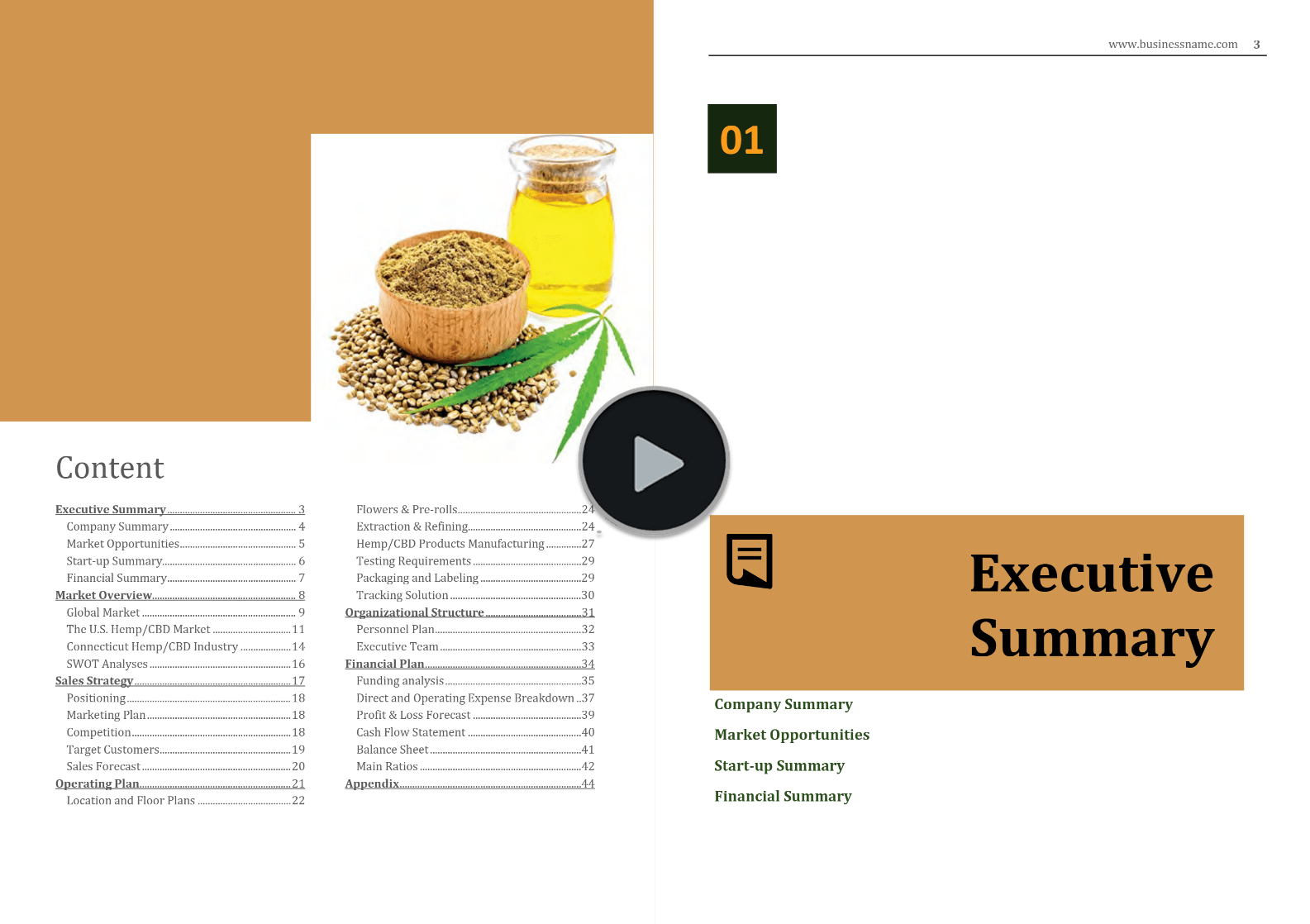
'70% ready to go' business plan templates
Our hemp/CBD financial models and business plan templates will help you estimate how much it costs to start and operate your own hemp/CBD business, to build all revenue and cost line-items monthly over a flexible seven year period, and then summarize the monthly results into quarters and years for an easy view into the various time periods. We also offer investor pitch deck templates.
Best Selling Templates
-

Hemp Cultivation Business Plan Template
Price range: $75.00 through $275.00 Select options This product has multiple variants. The options may be chosen on the product page -

Hemp CBD Financial Model All in One
$200.00 Select options This product has multiple variants. The options may be chosen on the product page -
CBD Retail Investor Pitch Deck Template
$75.00 Select options This product has multiple variants. The options may be chosen on the product page
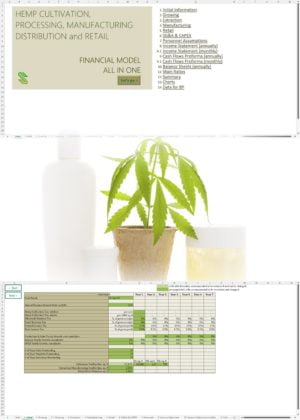
We also offer cannabis business plan templates on cannabusinessplans.com.
Our Templates
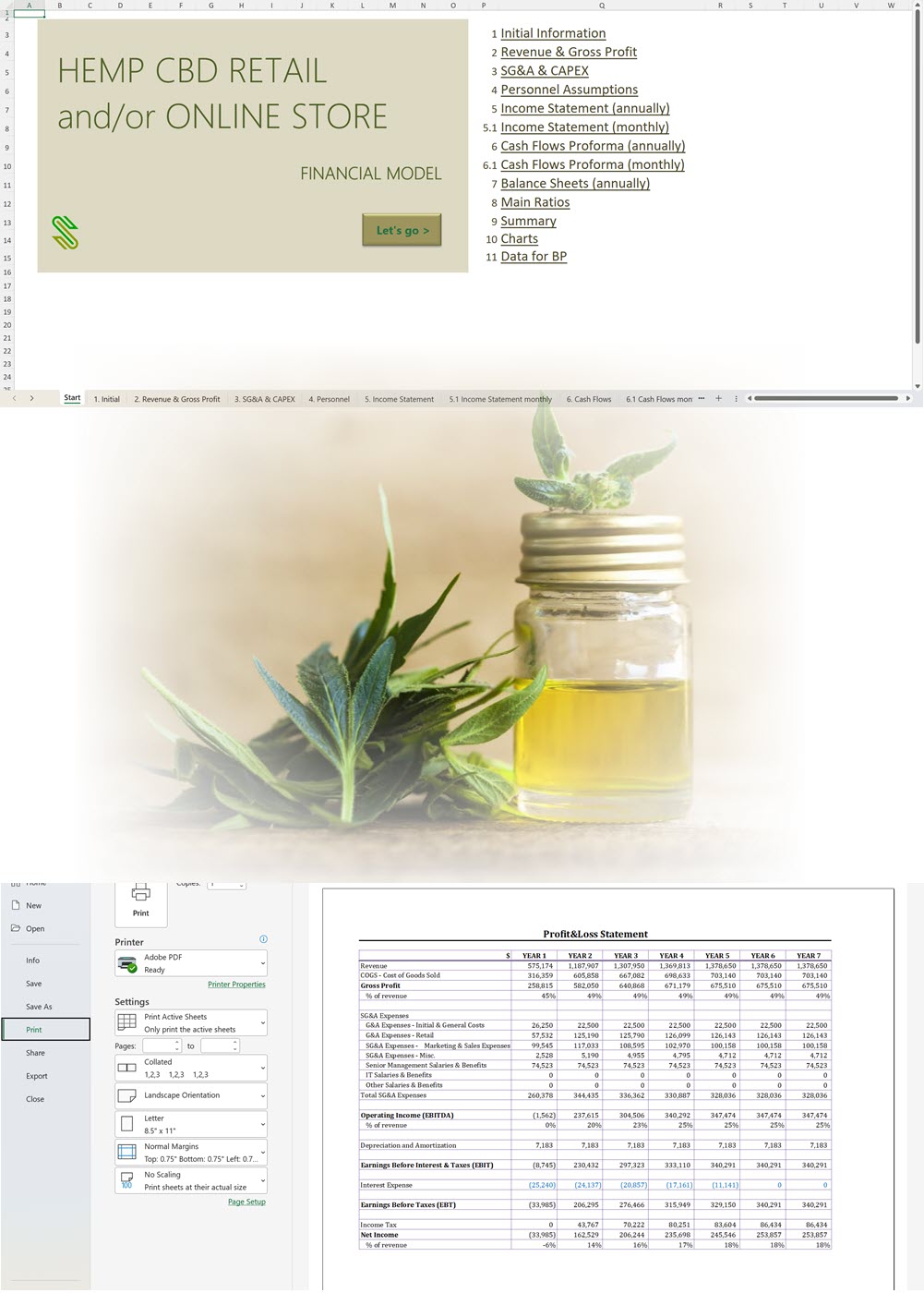
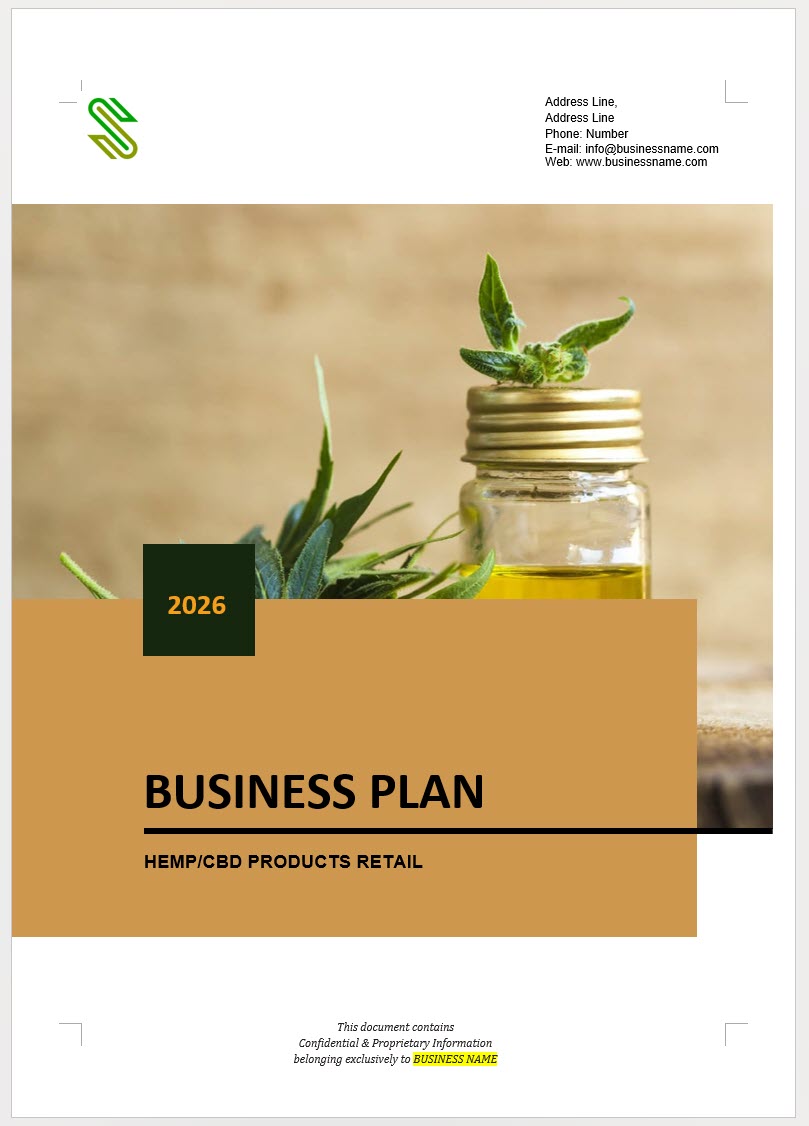
CBD Products Retail/Online Store Business Plan Template
Price range: $75.00 through $275.00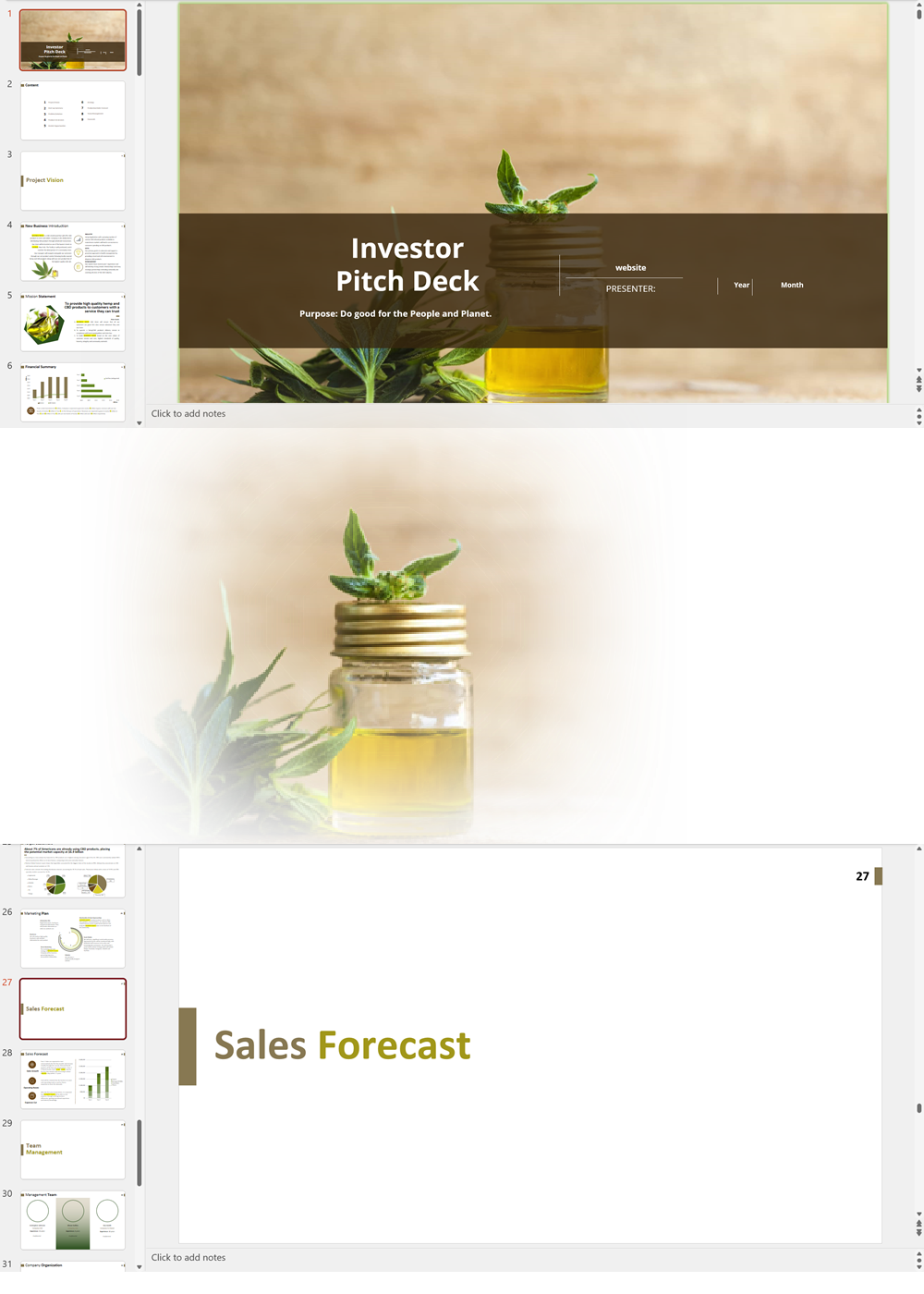
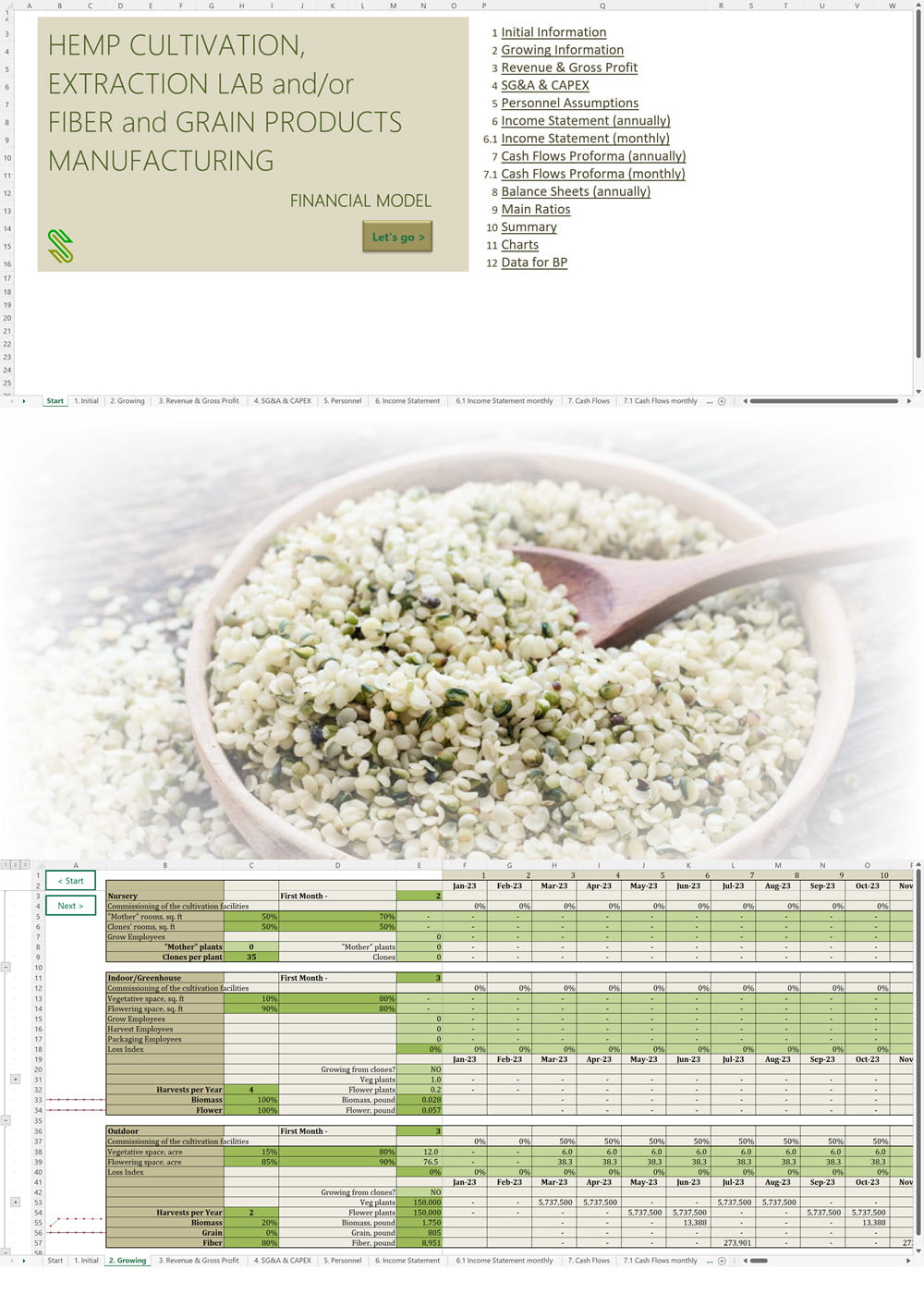
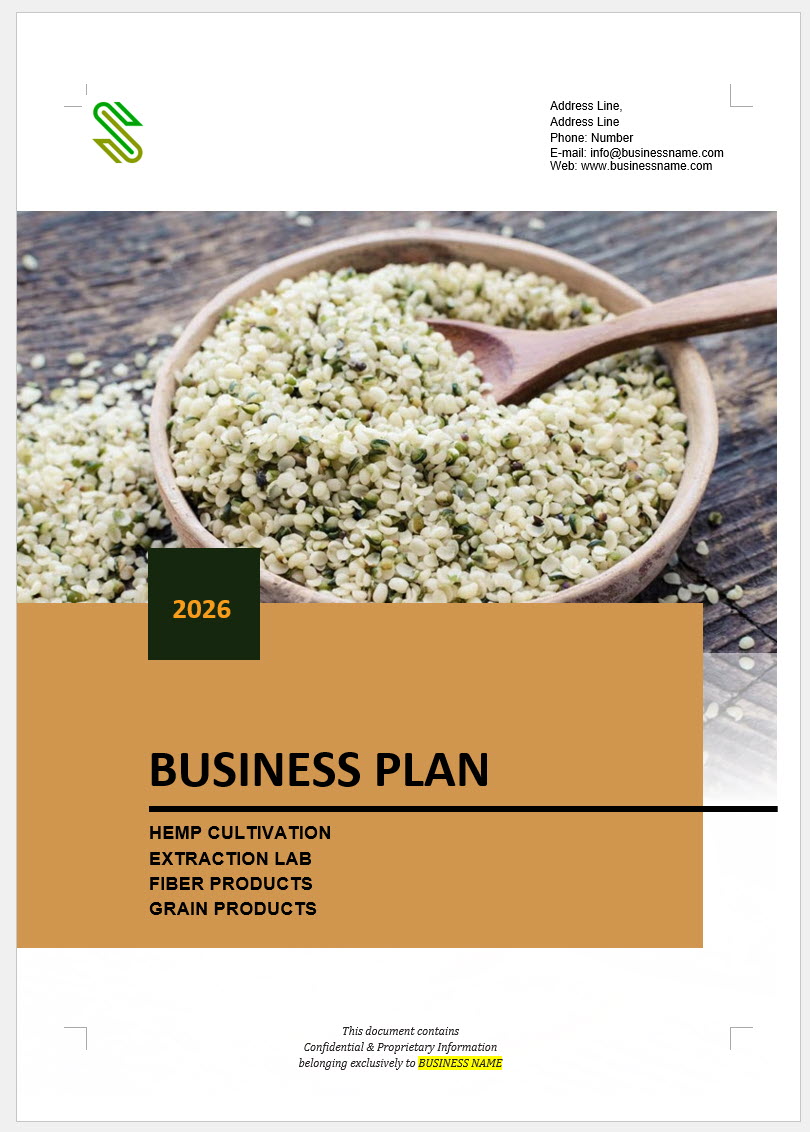
Hemp (Biomass, Fiber, Grain) Cultivation and Processing/ Manufacturing Business Plan Template
Price range: $75.00 through $350.00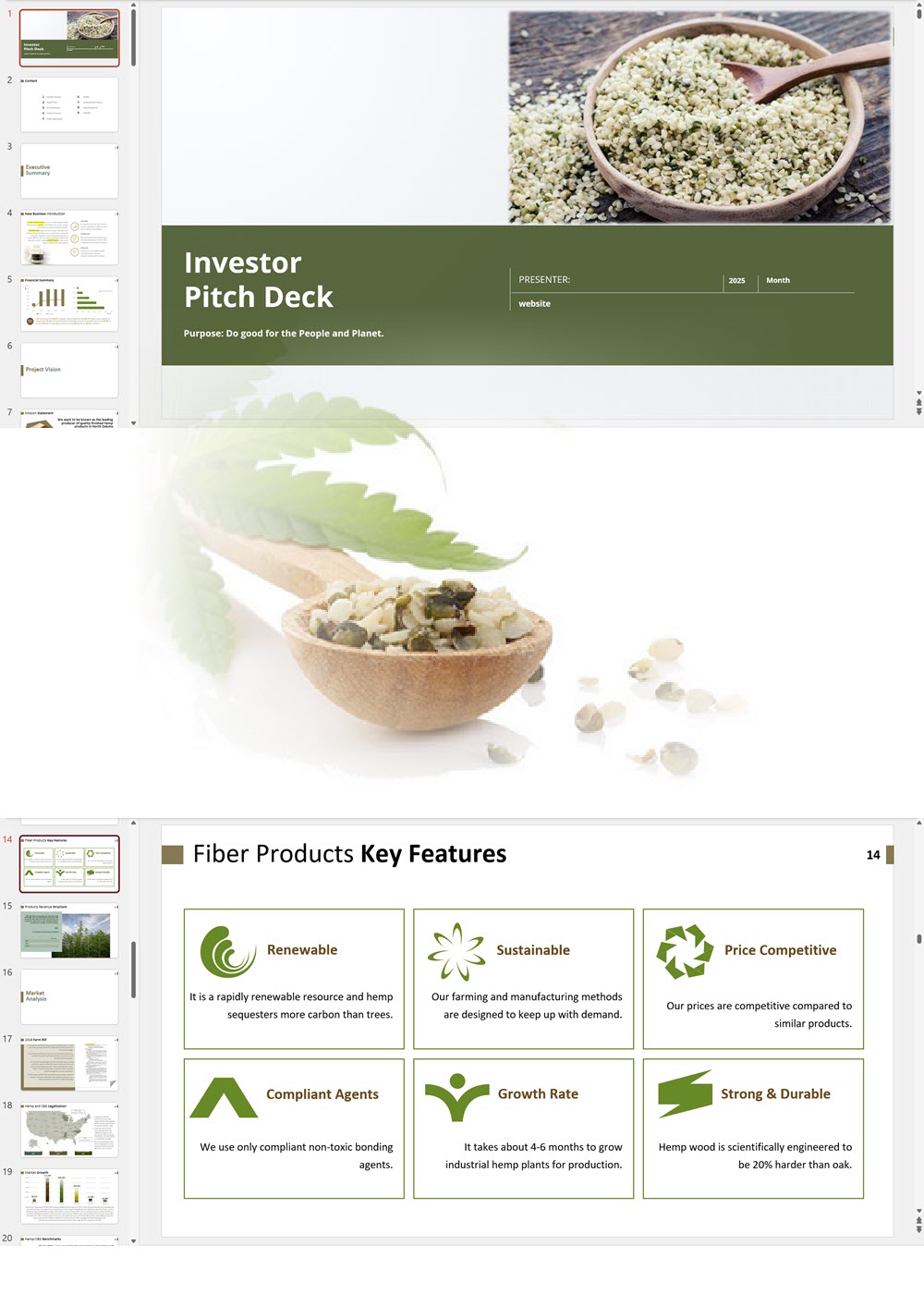
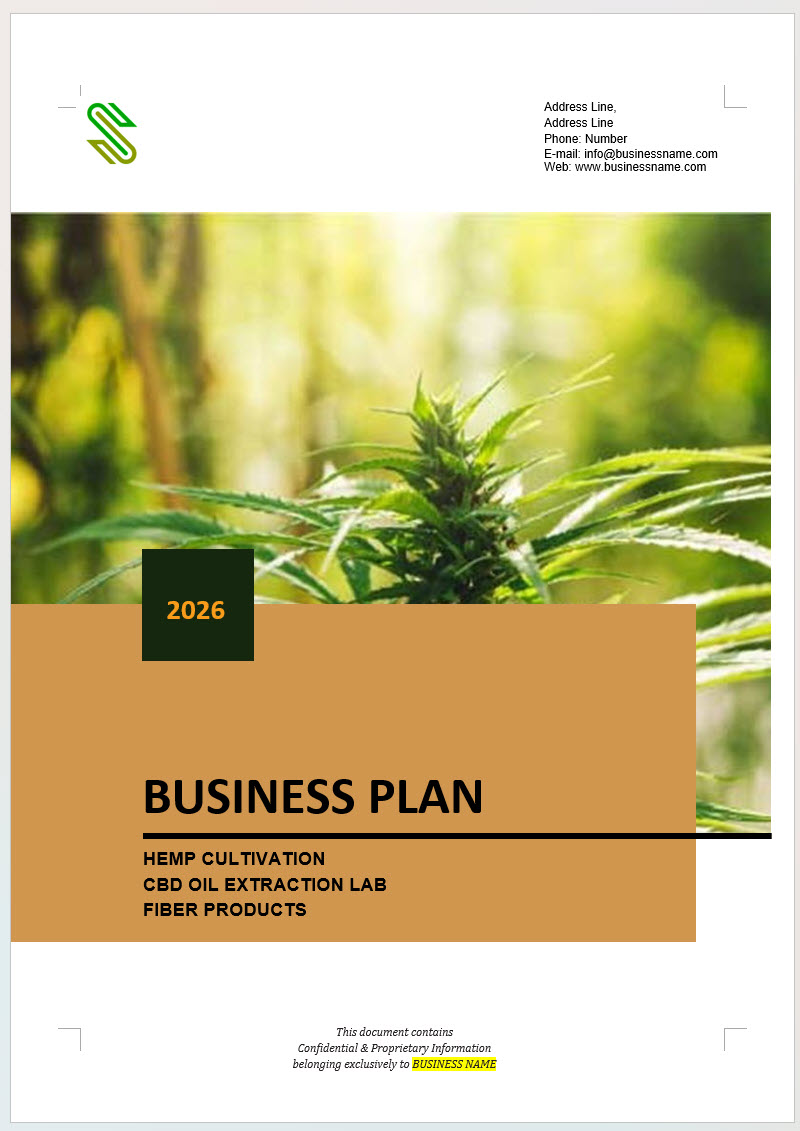
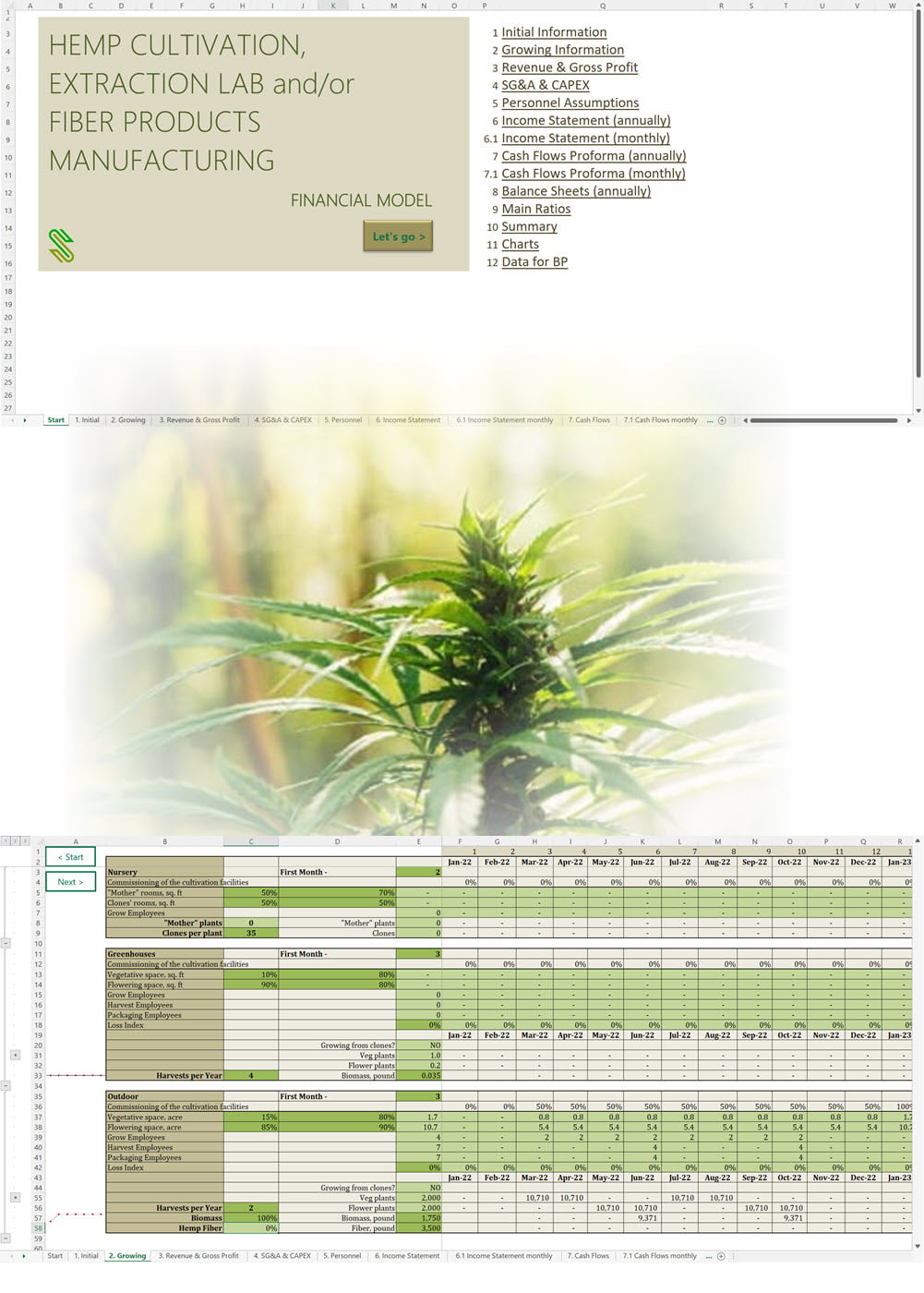
Hemp Cultivation and CBD Oil Extraction and/or Fiber Products Business Plan Template
Price range: $75.00 through $350.00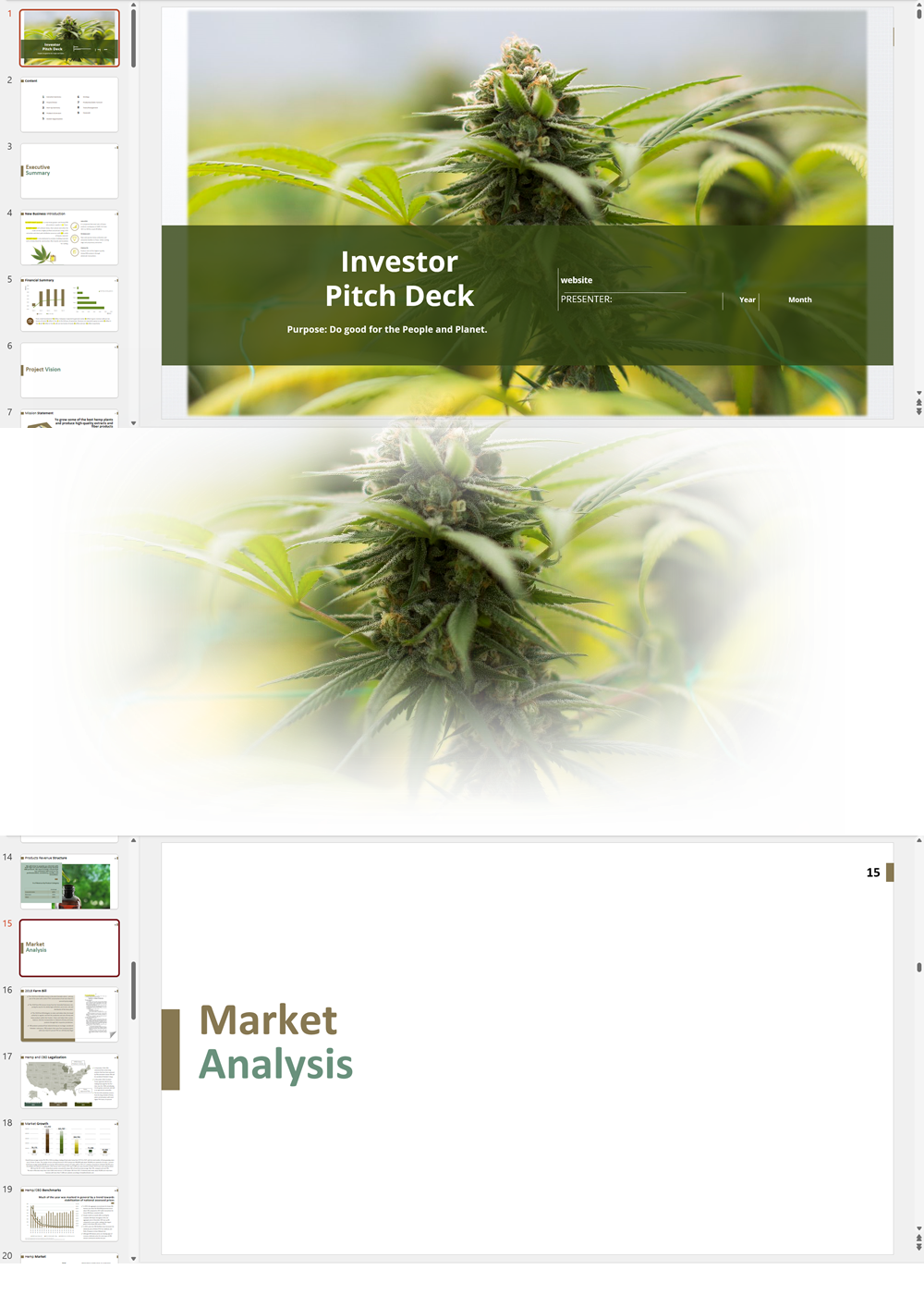
Hemp Fiber Growing and Manufacturing Business Plan Template
Price range: $75.00 through $275.00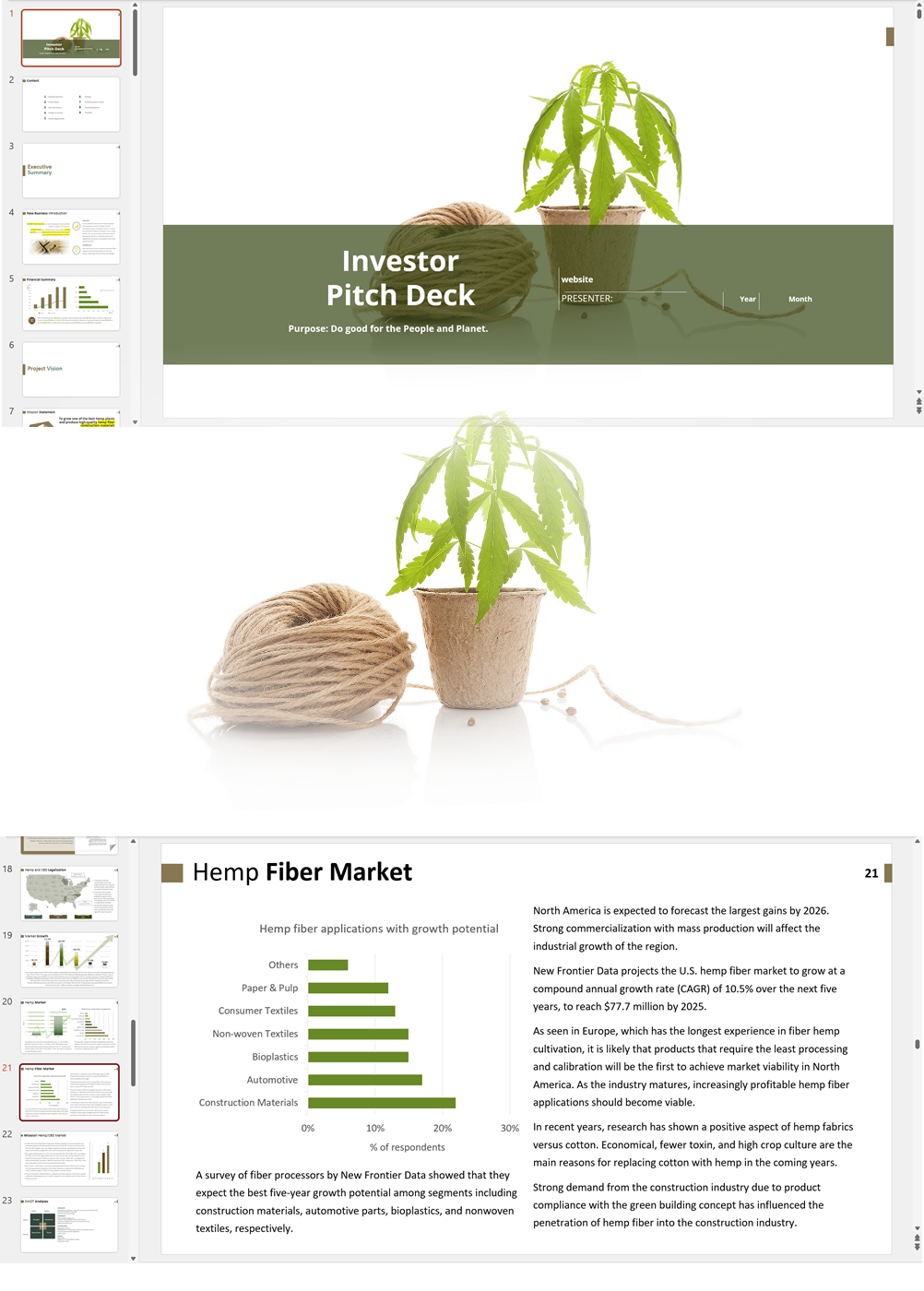
Hemp Cultivation + Extraction + Manufacturing Business Plan Template
Price range: $75.00 through $450.00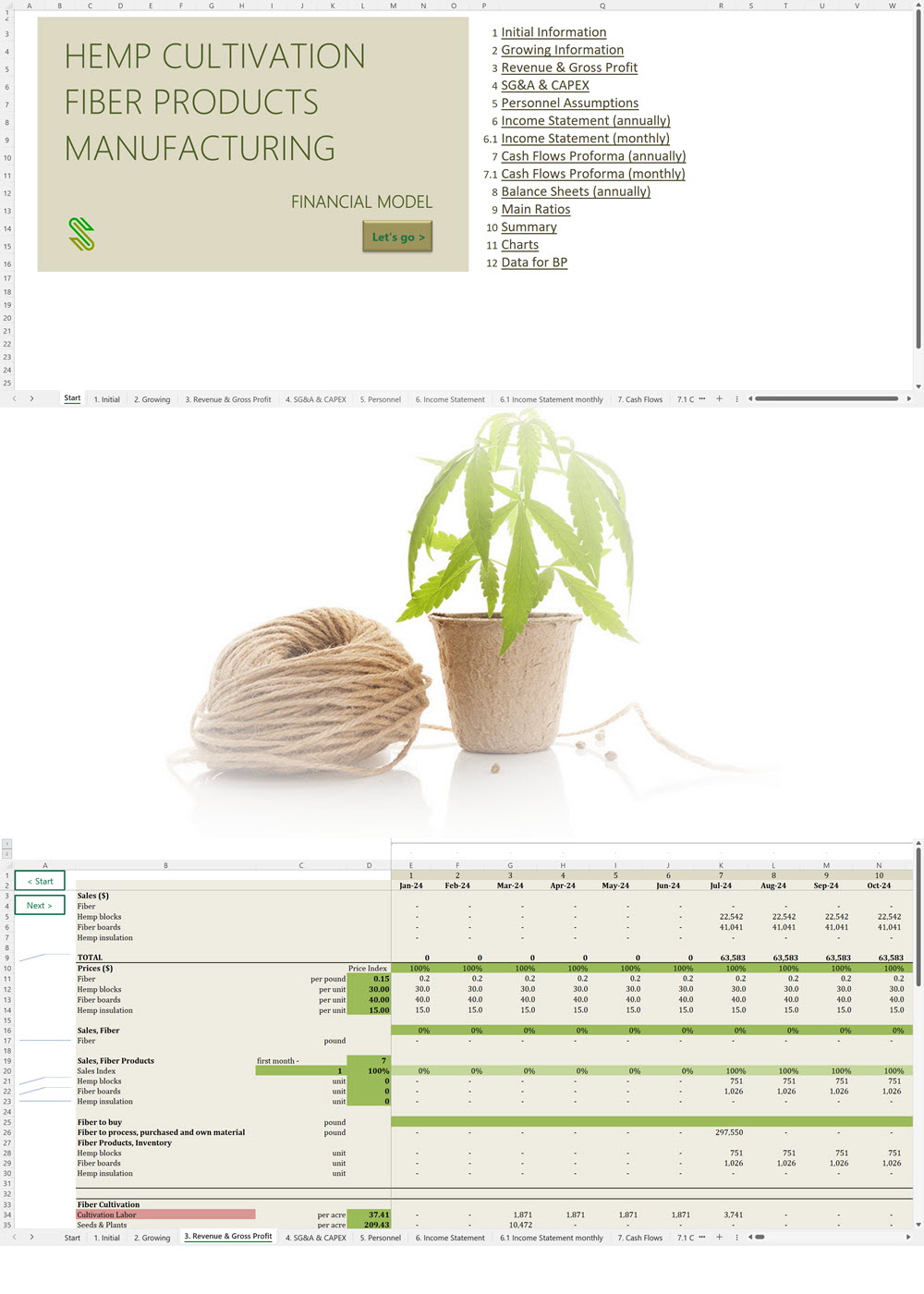
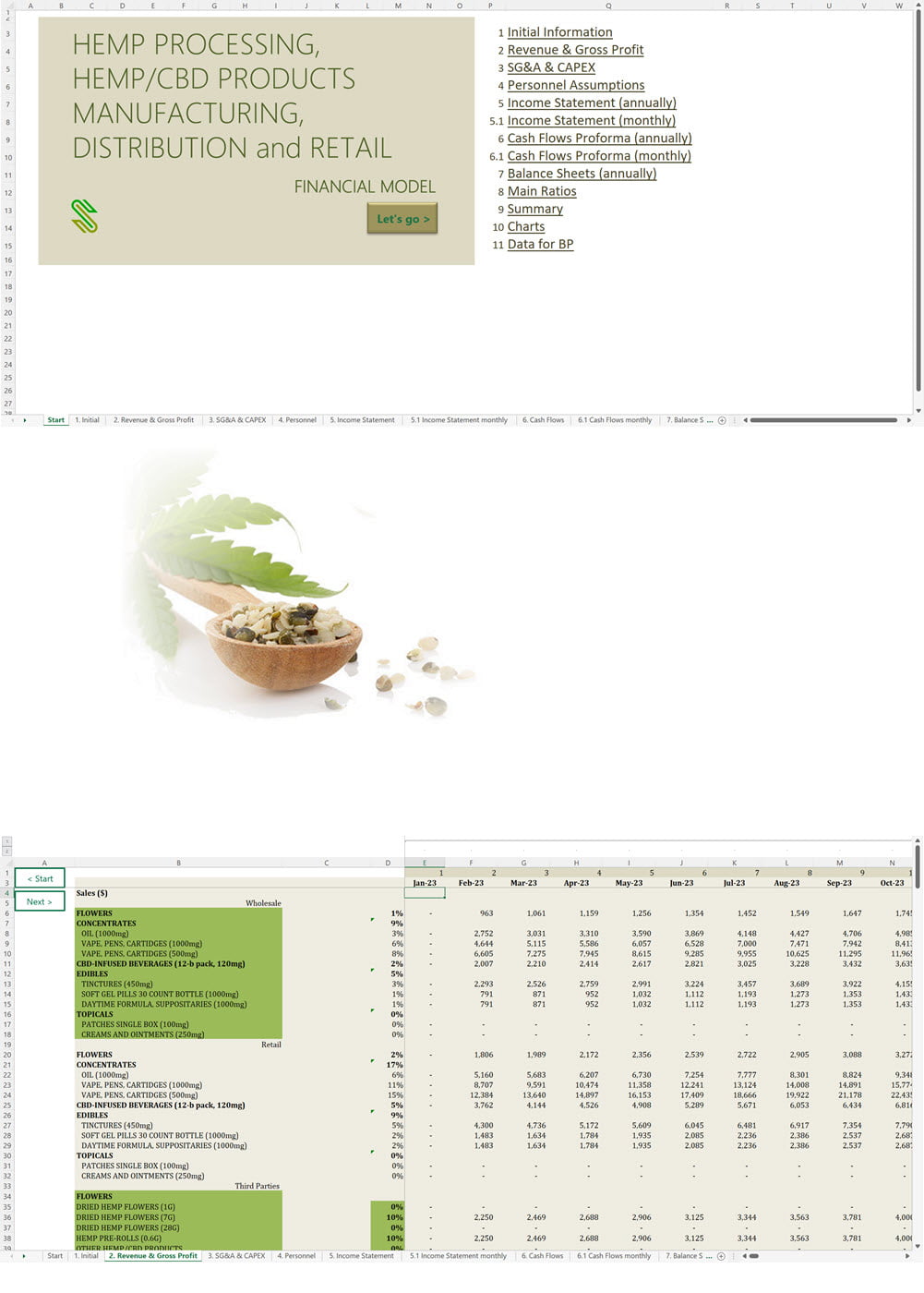
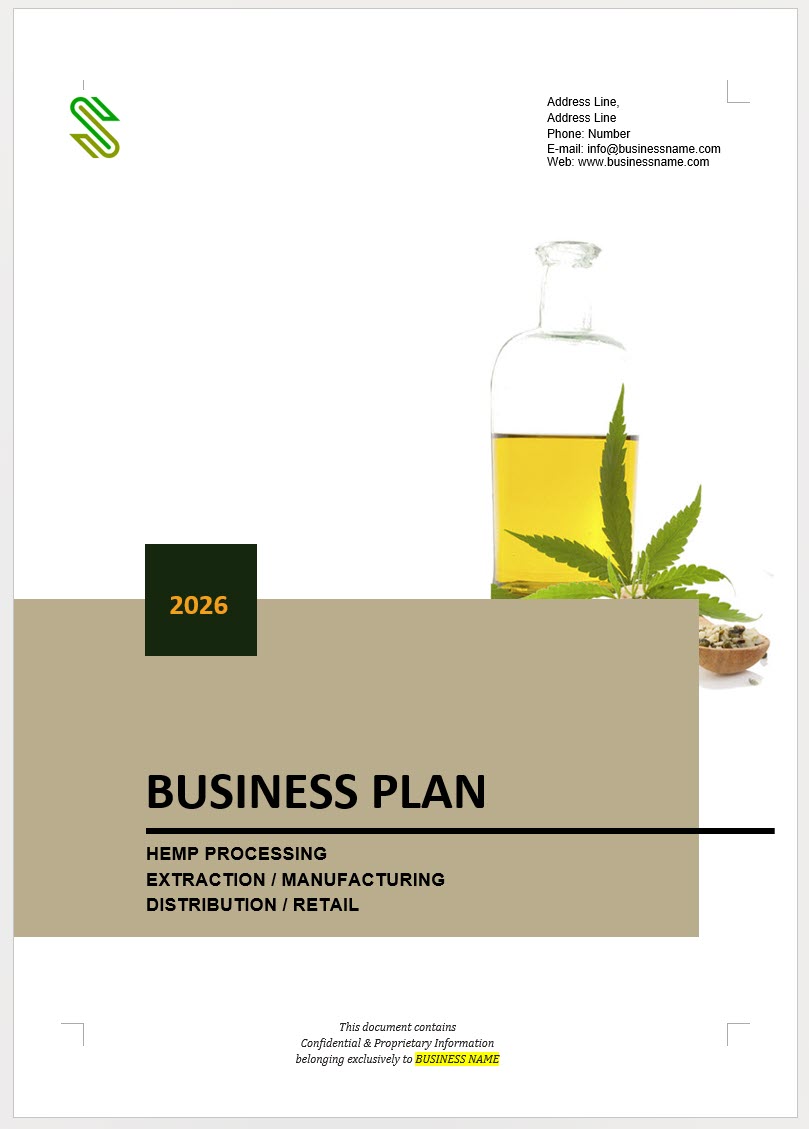
Hemp CBD Extraction + Manufacturing + Retail Business Plan Template
Price range: $75.00 through $450.00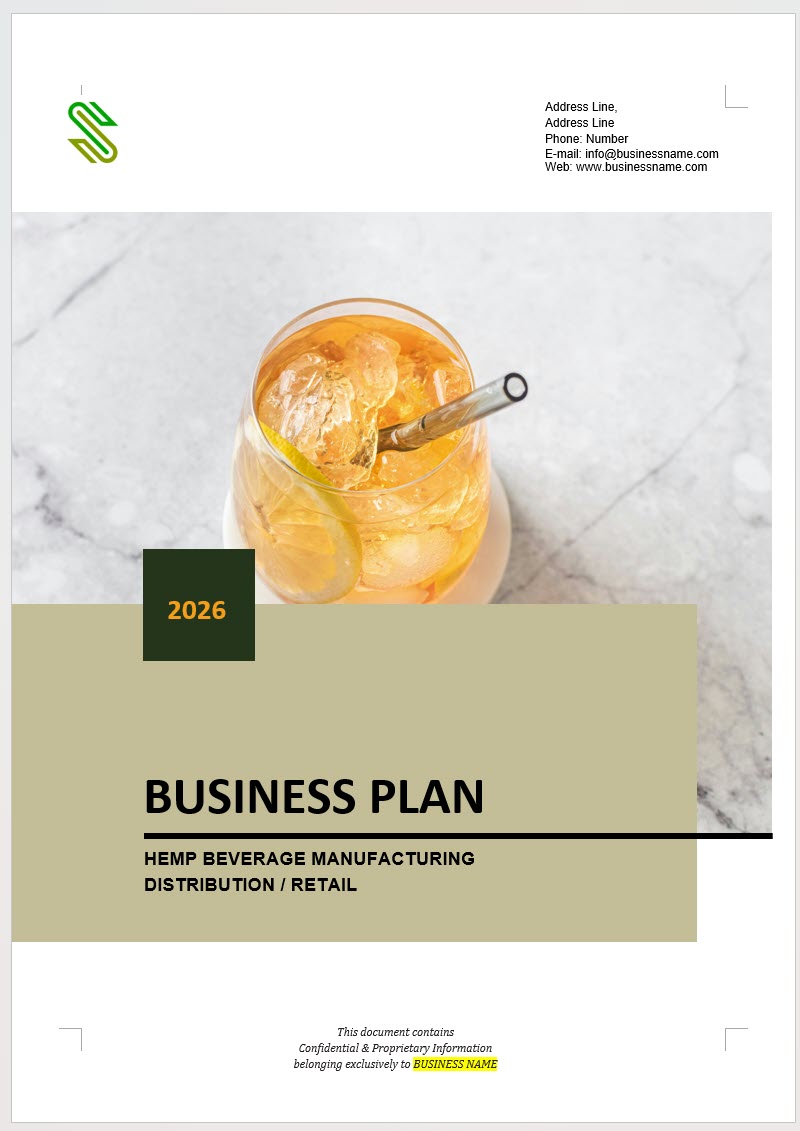
Hemp CBD Beverage Manufacturing, Wholesale and/or Retail Business Plan Template
Price range: $75.00 through $350.00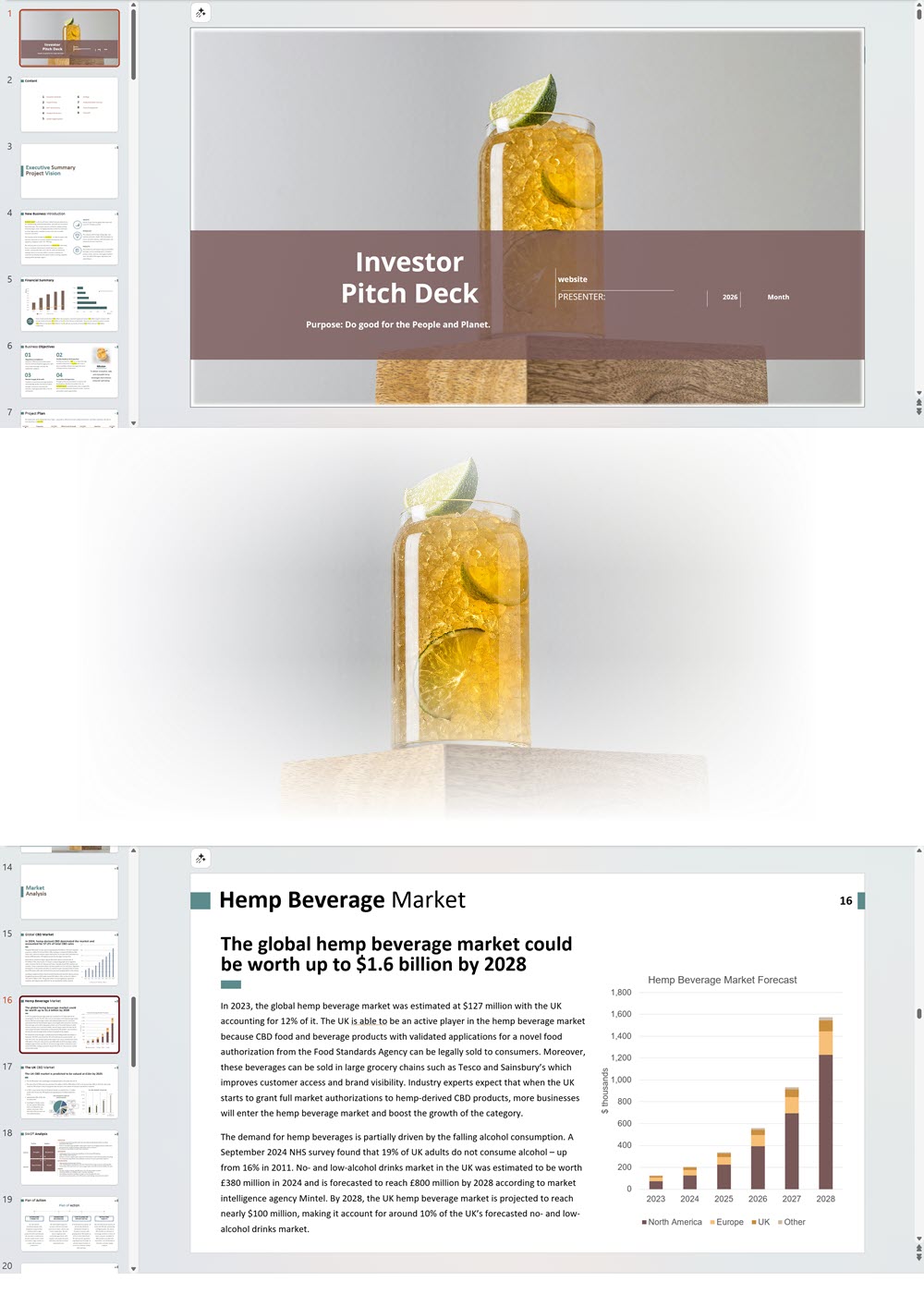
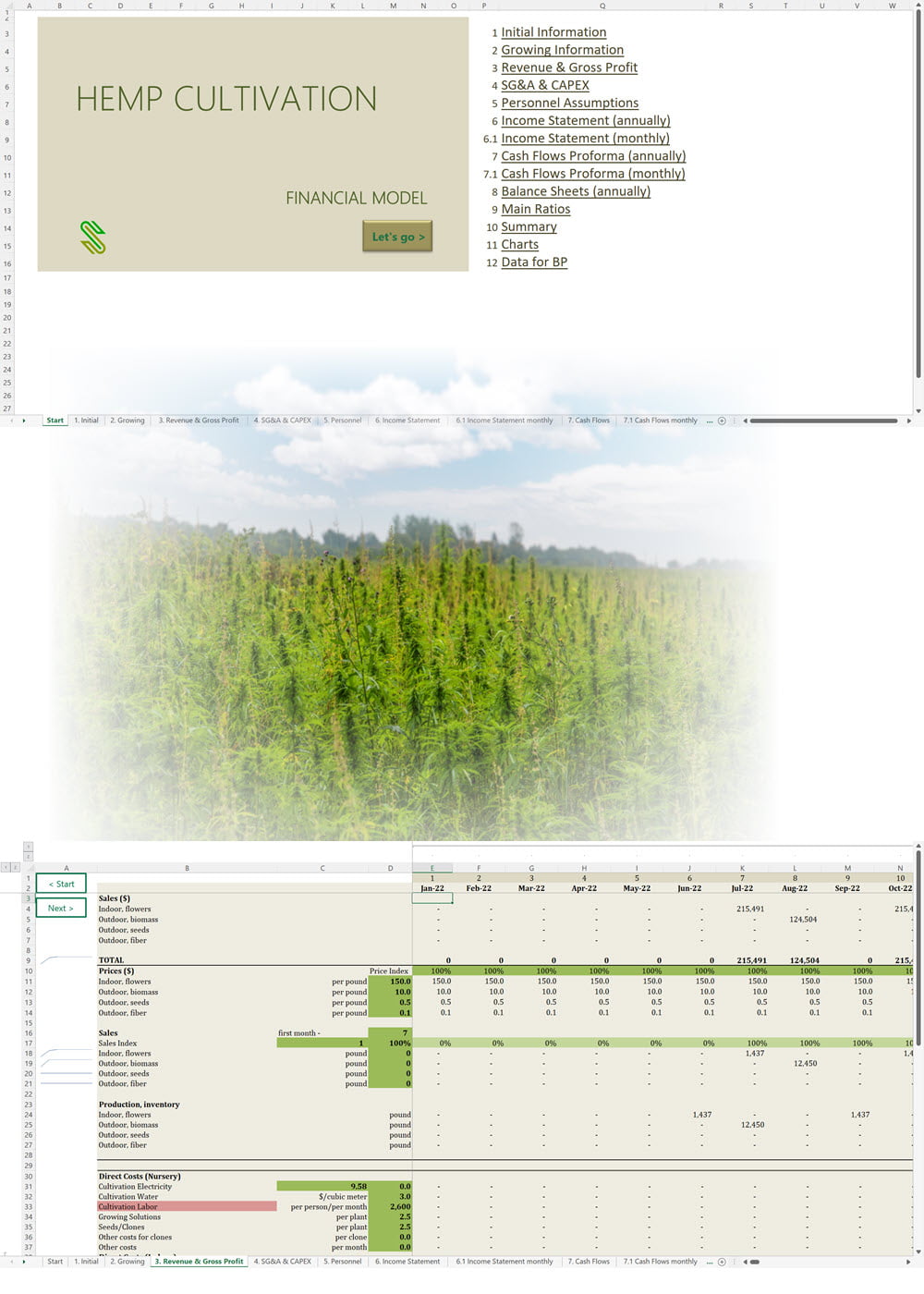
Hemp Cultivation Financial Model
$100.00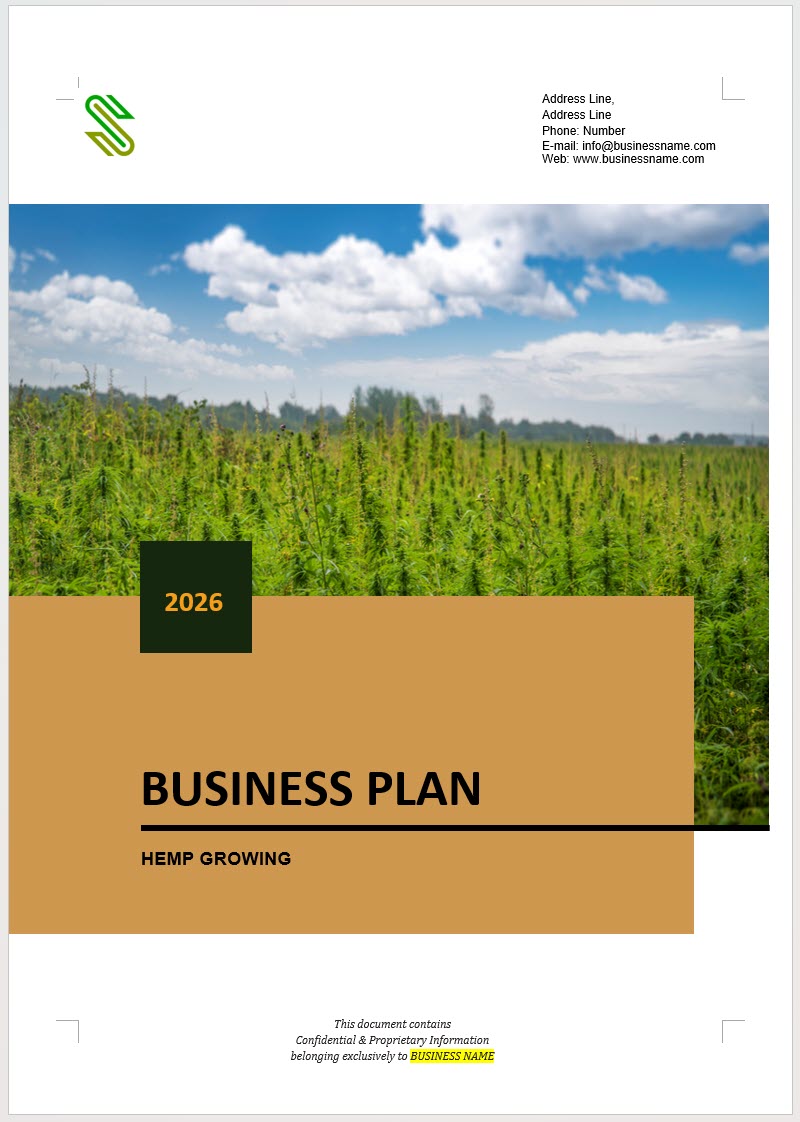
Hemp Cultivation Business Plan Template
Price range: $75.00 through $275.00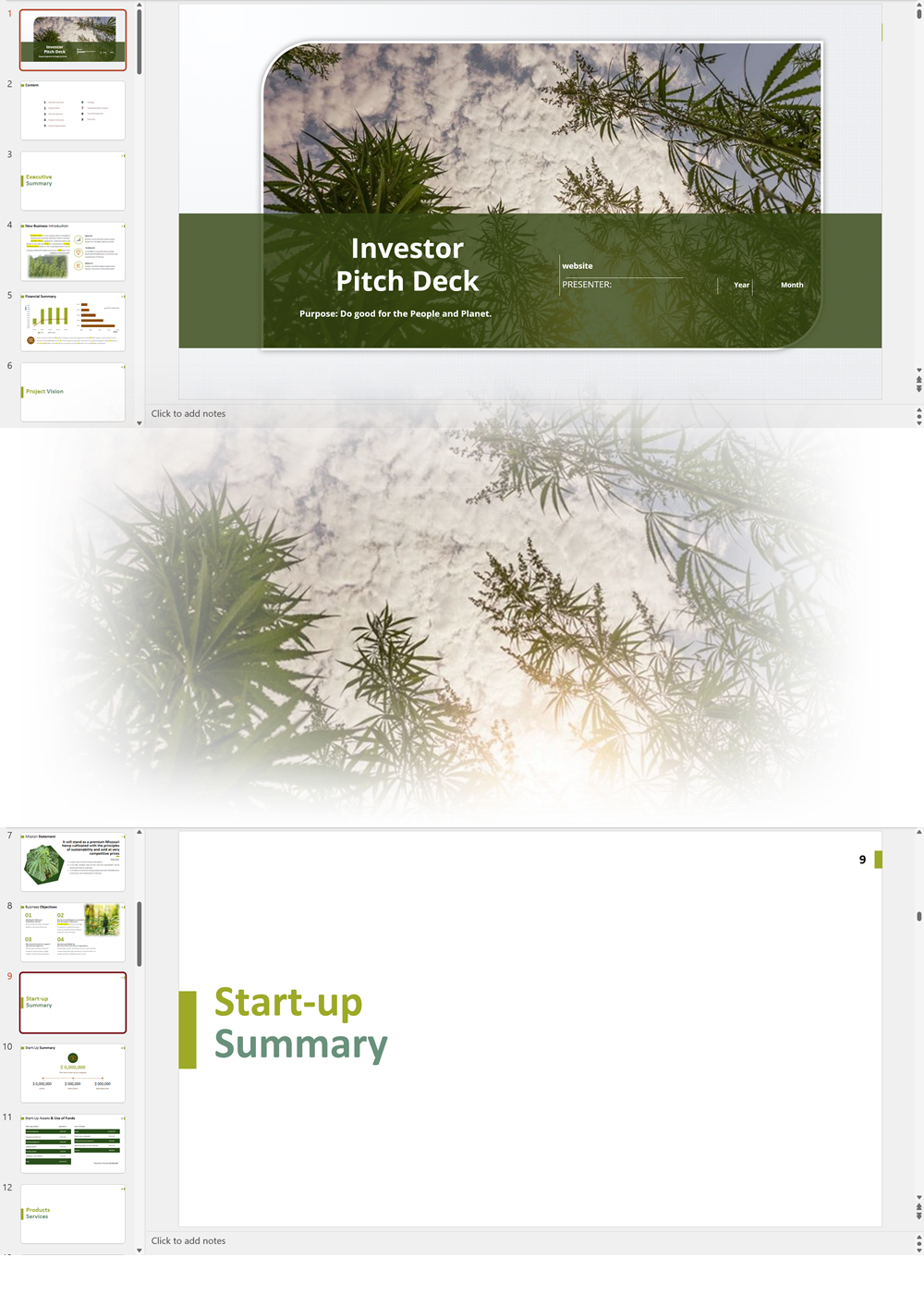
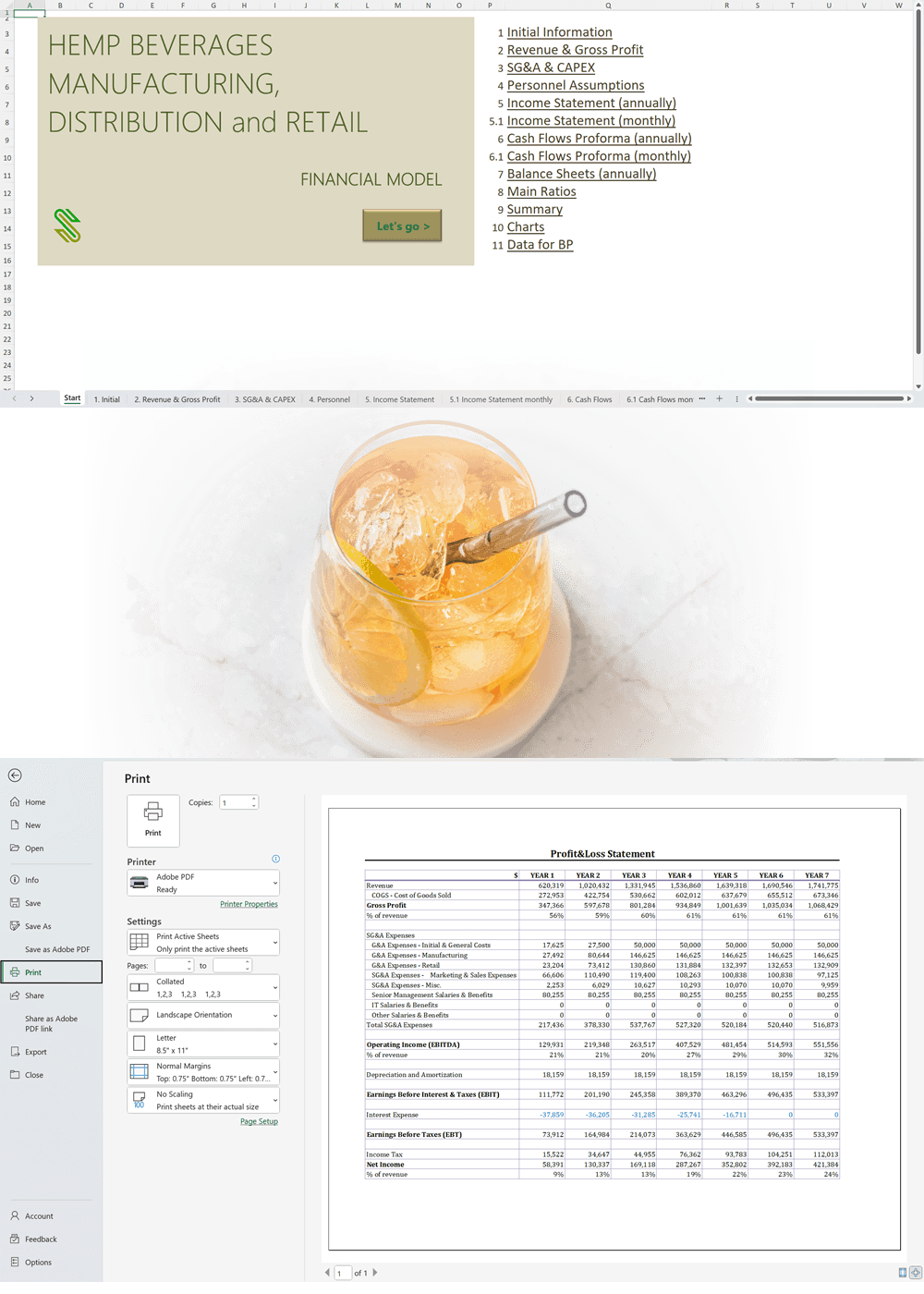
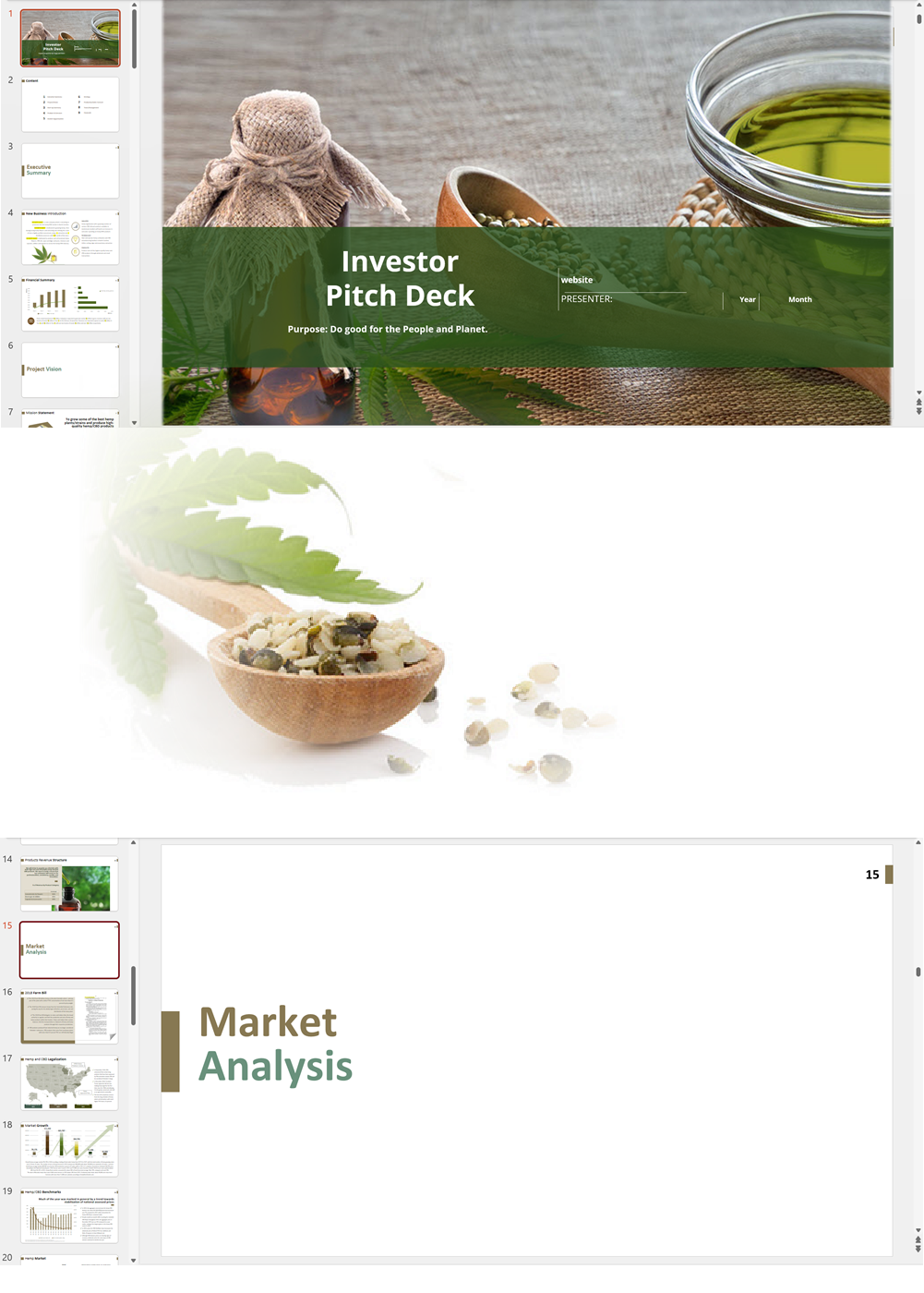
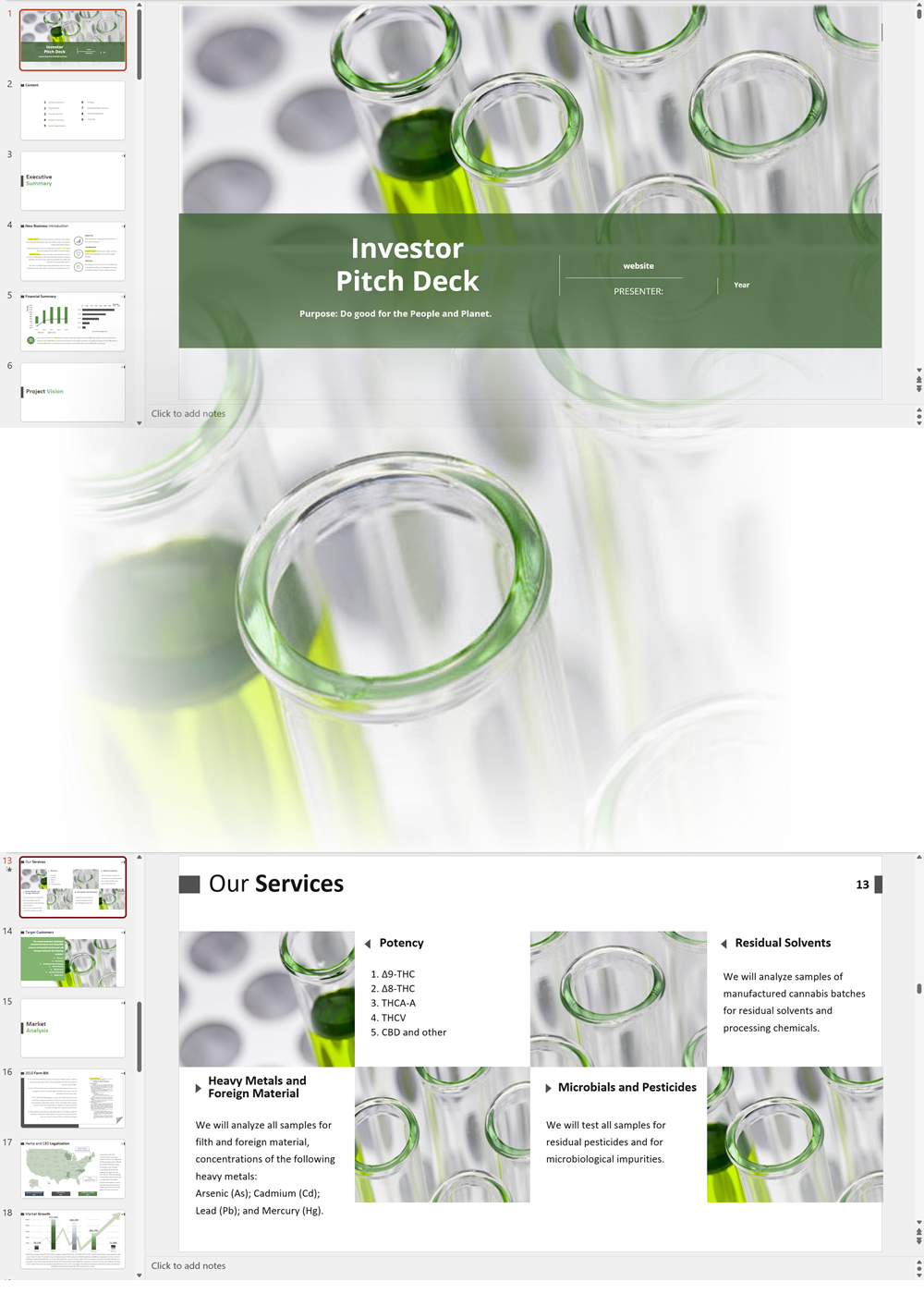
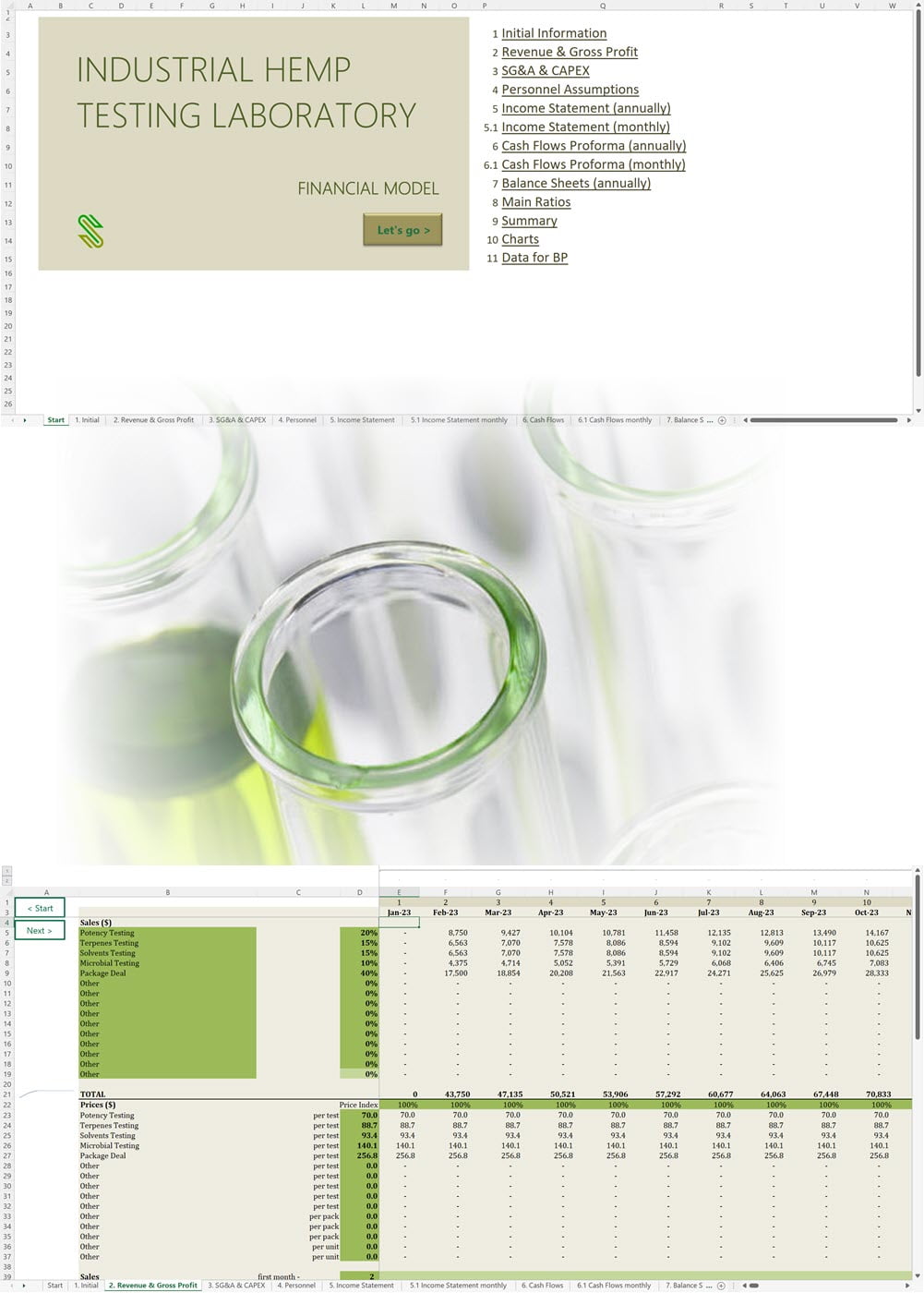
Hemp Testing Laboratory Business Plan Template
Price range: $75.00 through $275.00