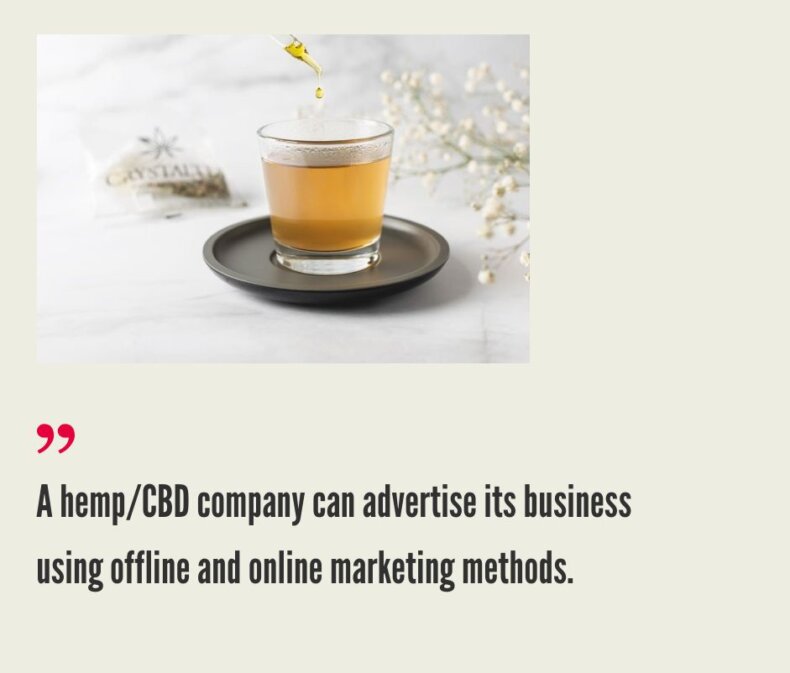
A hemp/CBD company can advertise its business using offline and online marketing methods. The most effective offline strategies for hemp/CBD companies include direct marketing at industry conferences and other events, street promotions and pop-up stores, building communities around hemp/CBD-related concerns such as health and wellness. Social media advertising, which helps increase brand awareness and drive traffic to a website, is also a valuable tool within online marketing, which can also include SEO optimization, email and SMS campaigns, and a wide range of online advertising.
Offline Events and Activities
In-store advertising
Displaying products in unique and creative ways to draw attention, offering samples, and using BOGO offers, coupons, and discounts, bulk deals and various types of loyalty programs to attract new customers and increase the loyalty of existing ones. The store can also offer branded items such as shirts, hats, grinders, cases/containers, etc.
Information kits for clients
Information kits may include registration forms, brochures, and general information about the use of hemp/CBD products. They can also provide information on how to process orders.
Conferences and trade shows
Participating in hemp/CBD-related conferences and trade shows gives businesses an opportunity to present their products and connect with individuals working in the industry. Designing creative booths enhances brand awareness and builds a strong brand image. Various hemp/CBD expos allow exhibitors to sell their products on-site during the conference. Hence, potential customers can be offered the chance to sample the product and give positive exposure for the business, encouraging future purchases.
Event sponsorship
Sponsoring various events such as yoga practices, golfing events and other sport events can give beneficial exposure as the brand will be better connected in consumers’ minds with a healthy lifestyle. For instance, in 2021 UFC (Ultimate Fighting Championship) announced a five-year agreement naming Love Hemp the Official Global CBD Partner of UFC. This is a great way for Love Hemp to promote its CBD products for training recovery, targeting athletes and fitness enthusiasts, through UFC’s “premium global sports brand” image. Similarly, in 2022 the MLB (Major League Baseball) announced its sponsorship agreement with a CBD company Charlotte’s Web. Such sponsorships allow businesses in the CBD industry to really position their products as safe and linked to wellness.
Offline advertising can also include street promotions and pop-up stores.
Online Marketing Techniques
Website
A well-designed website that is easy for consumers to navigate is essential for successful marketing. It should be easy for customers to find CBD or hemp products they are looking for and check FAQs (Frequently Asked Questions) in case they are wondering about any of the products being offered by the business. An easy-to-use and informative website will improve customer satisfaction and increase the likelihood of customers returning to make purchases in the future, helping to build brand loyalty. Data from 2022 shows that only 51% of current customers in the cannabis product industry are excited to try new products after finding out about them. This suggests that businesses should place emphasis on making customers’ experience of ordering from their website as pleasant as possible in order to increase customer retention.
While use of paid advertising is limited due to restrictions on terms like cannabis and lack of distinction between hemp-derived CBD and marijuana-based products because of federal laws, it may be more effective to build a strong organic following of customers using search engine optimization. Some keywords: hemp oil, hemp flower, hemp fiber, hemp seeds, CBD for sale, CBD isolate, CBD wholesale, CBD infused products.
Social Media
Although platforms such as Google, Meta (which owns Facebook and Instagram) and X still have restrictive policies on advertising of CBD and hemp products, there has been progression that has made promotion through those channels possible. On January 20 2023, Google made some changes to its Dangerous Products and Services and Healthcare and Medicines Google Ads policies so that now after obtaining the LegitScript certification, businesses can promote their products in California, Colorado and Puerto Rico, provided that they are “FDA-approved pharmaceuticals containing cannabidiol (CBD) and topical, hemp-derived CBD products with THC content of 0.3% or less”. If a business has certified its full product range with LegitScript, then it can also apply its website for LegitScript certification. Furthermore, CBD has been removed from the Unapproved Pharmaceuticals and Supplements list. According to Google, even recreational CBD advertisers will be able to promote on Google after being certified by LegitScript and approved by the FDA as well as being certified by Google.
The application fee for LegitScript certification per product ranges from $500 USD to $650 USD with the price per product falling as more CBD products are submitted for LegitScript certification. In addition, the annual monitoring fee per product will be applicable after certification and ranges from $750 USD to $1,000 USD. Obtaining a LegitScript certification for a website will have a one-time fee of $800 USD and then an annual fee of $1,600 USD per website.
Meta’s new policy that was adopted on 10 July 2023 reveals that a LegitScript certification allows businesses to promote their CBD products in the United States on Meta platforms (Facebook and Instagram) with the additional need of receiving permission from Meta. While advertising CBD products is allowed only in the United States, hemp products can be advertised in Canada and Mexico in addition to the United States. Promoting or offering hemp products (that do not contain CBD or have less than 0.3% THC) for sale does not require written permission from Meta or a LegitScript certification.
The social media platform X allows approved cannabis advertisers to target Canada and the United States with “informational or brand-preference content” as long as the advertisers comply with all laws and regulations and in the case of advertising in Canada, they must also be licensed by Health Canada. In the United States, businesses selling non-ingestible “hemp-derived CBD topical products containing equal to or less than 0.3% THC” can promote and offer these products for sale.
SMS marketing
SMS marketing has the highest opening rate in marketing at 98%. Using this to inform customers about discounts and loyalty rewards can be a valuable asset to a CBD business’s marketing strategy. One example of successful use of SMS marketing is from a dispensary in Los Angeles which sent a text with a code for obtaining a discount to 21 consumers who opted-in to receive text message marketing. The Los Angeles dispensary was able to convert 14.92% of those customers to sales in 24 hours.
Email marketing
Email marketing can be an amazing way to increase traffic to the website through sending reminders about special offers or recommendations of products customers may be interested in based on their past purchases. This can add an element of personalization and build customer loyalty. Email marketing has an average ROI of “£42 for every pound spent”.
It is essential that the business follows CTIA (a trade association representing the wireless communications industry in the United States), TCPA (Telephone Consumer Protection Act), CAN-SPAM Act and other federal laws when undertaking this type of marketing. CBD businesses must also take care to not use words related to marijuana in their promotional text messages.
Podcasts
Podcasts are not regulated and this provides the opportunity to discuss cannabis and hemp-related topics and inform the audience about cannabis-derived and hemp-derived products offered by businesses. Through the sharing of experiences and honest reviews by podcast owners, stigmatization can be overcome and listeners are encouraged to try CBD-related products from a brand mentioned in the podcast. This allows to build close relationships with customers based on trust. Advertising through podcasts that focus on specific themes such as CBD skincare can help businesses to reach their target audience and increase their ROI as listeners of such podcasts are more likely to be interested in buying the brand’s products.
Influencers
Influencers’ audience is likely to include potential customers – people who are already interested in buying hemp/CBD-related products. Influencers can introduce a brand’s products to their viewers and explain its benefits, helping to build brand awareness as well as trust in the brand. According to these statistics, “69% of respondents are likely to trust a friend, family member or influencer recommendation” rather than information that the brand communicates itself. This demonstrates that using influencers as part of a marketing strategy can unlock deeper trust in potential customers for CBD and hemp-related products sold by a brand.
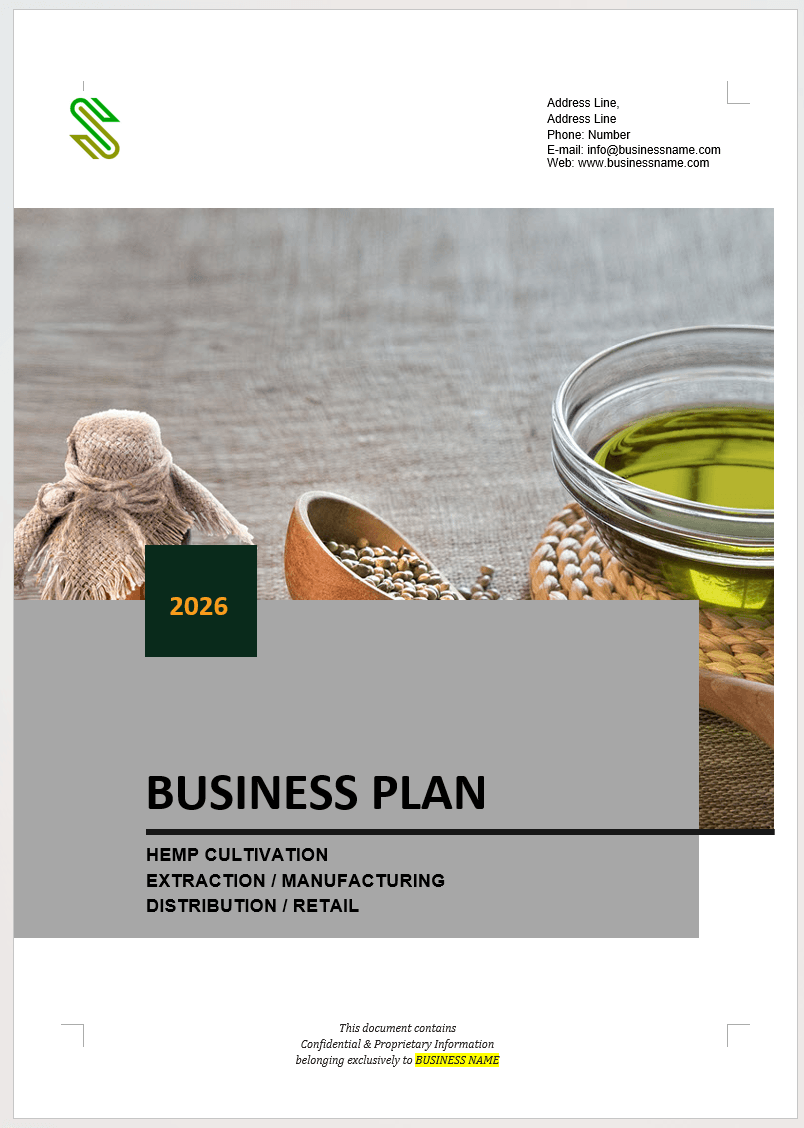
Hemp/CBD Products Retail/Online Business Plan Template Sample, Maryland
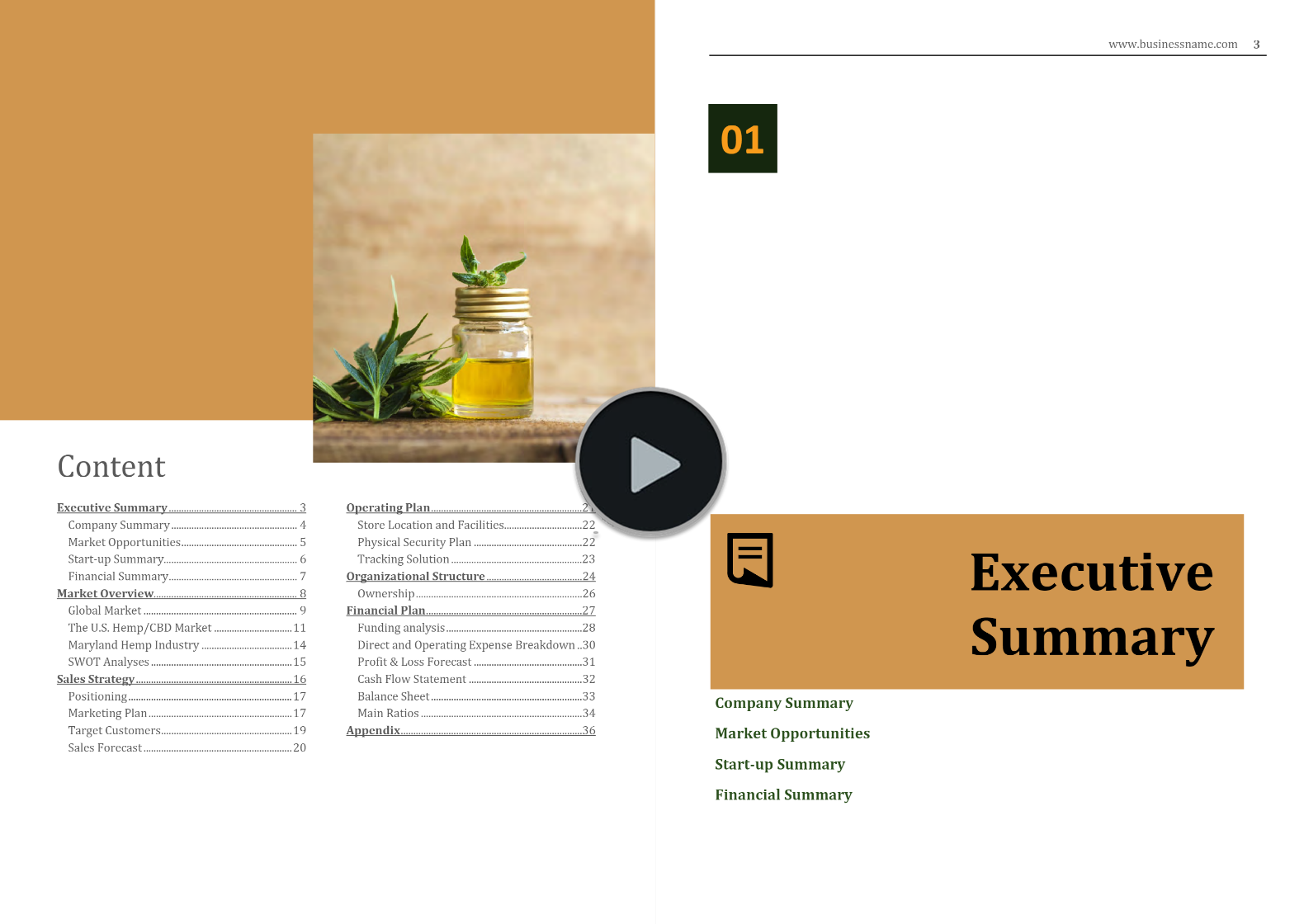
'70% ready to go' business plan templates
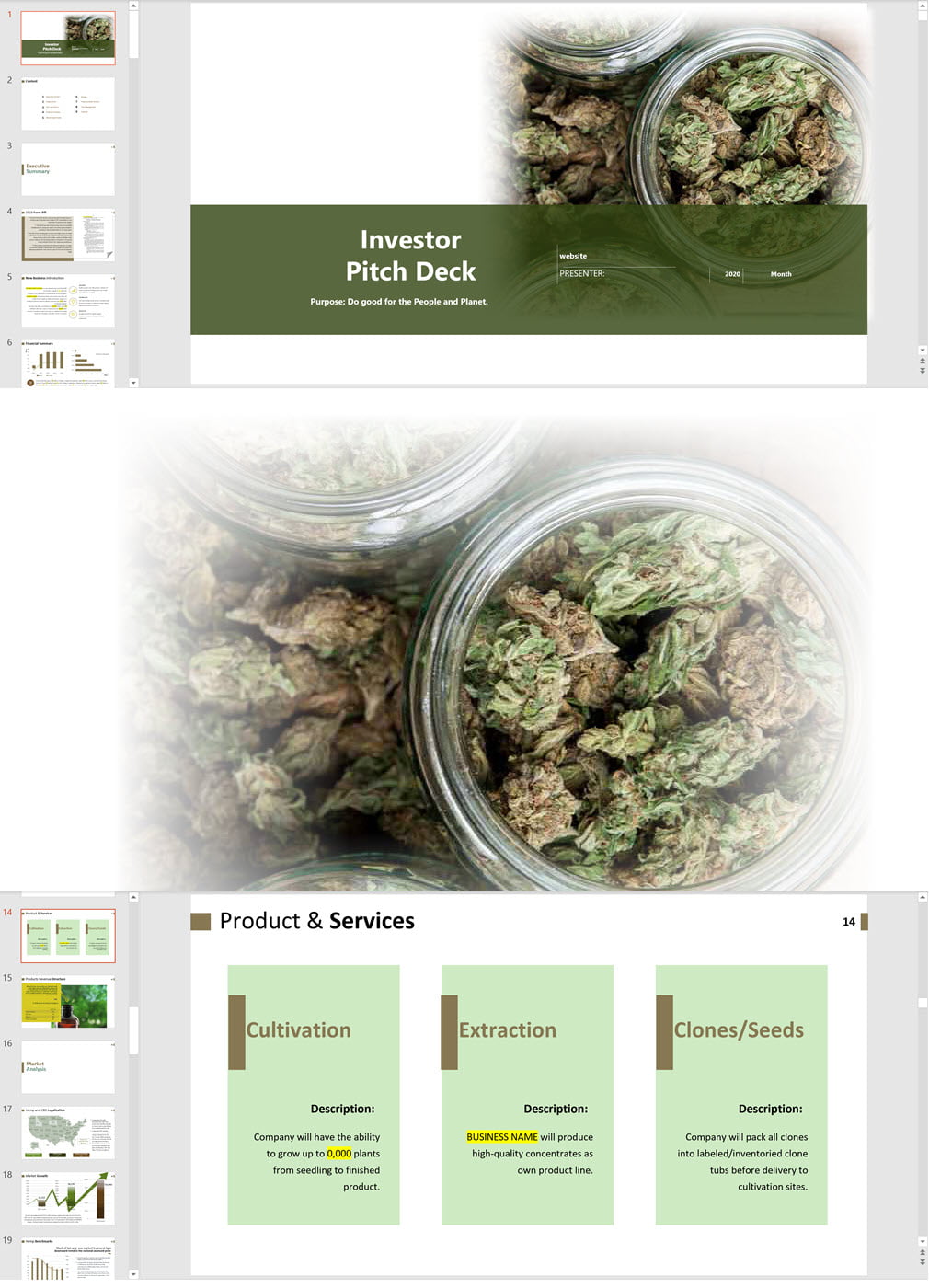
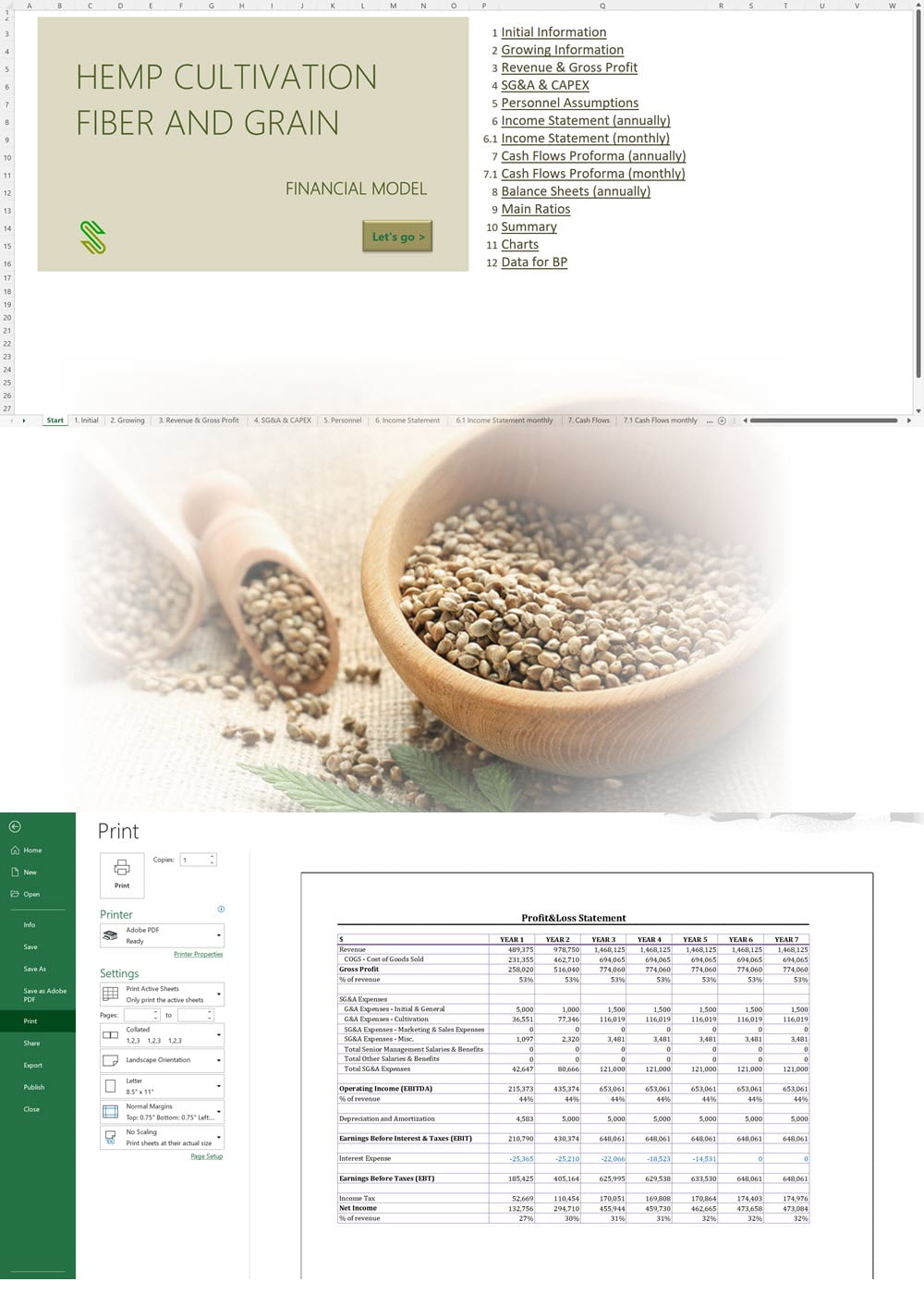
Our hemp/CBD financial models and business plan templates will help you estimate how much it costs to start and operate your own hemp/CBD business, to build all revenue and cost line-items monthly over a flexible seven year period, and then summarize the monthly results into quarters and years for an easy view into the various time periods. We also offer investor pitch deck templates.
Best Selling Templates
-

Hemp Cultivation Business Plan Template
Price range: $75.00 through $275.00 Select options This product has multiple variants. The options may be chosen on the product page -

Hemp CBD Financial Model All in One
$200.00 Select options This product has multiple variants. The options may be chosen on the product page -
CBD Retail Investor Pitch Deck Template
$75.00 Select options This product has multiple variants. The options may be chosen on the product page
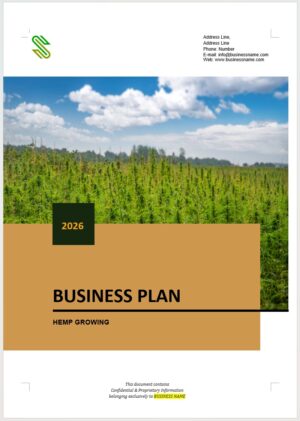
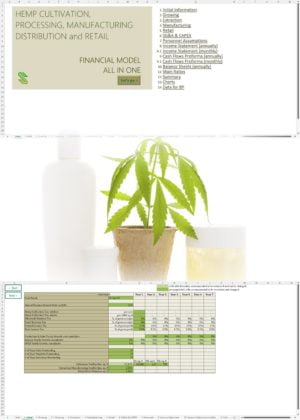
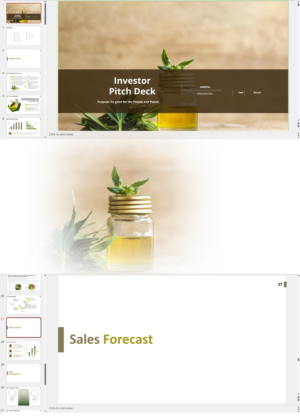
Cannabis business plan templates are available at cannabusinessplans.com.
Our Templates
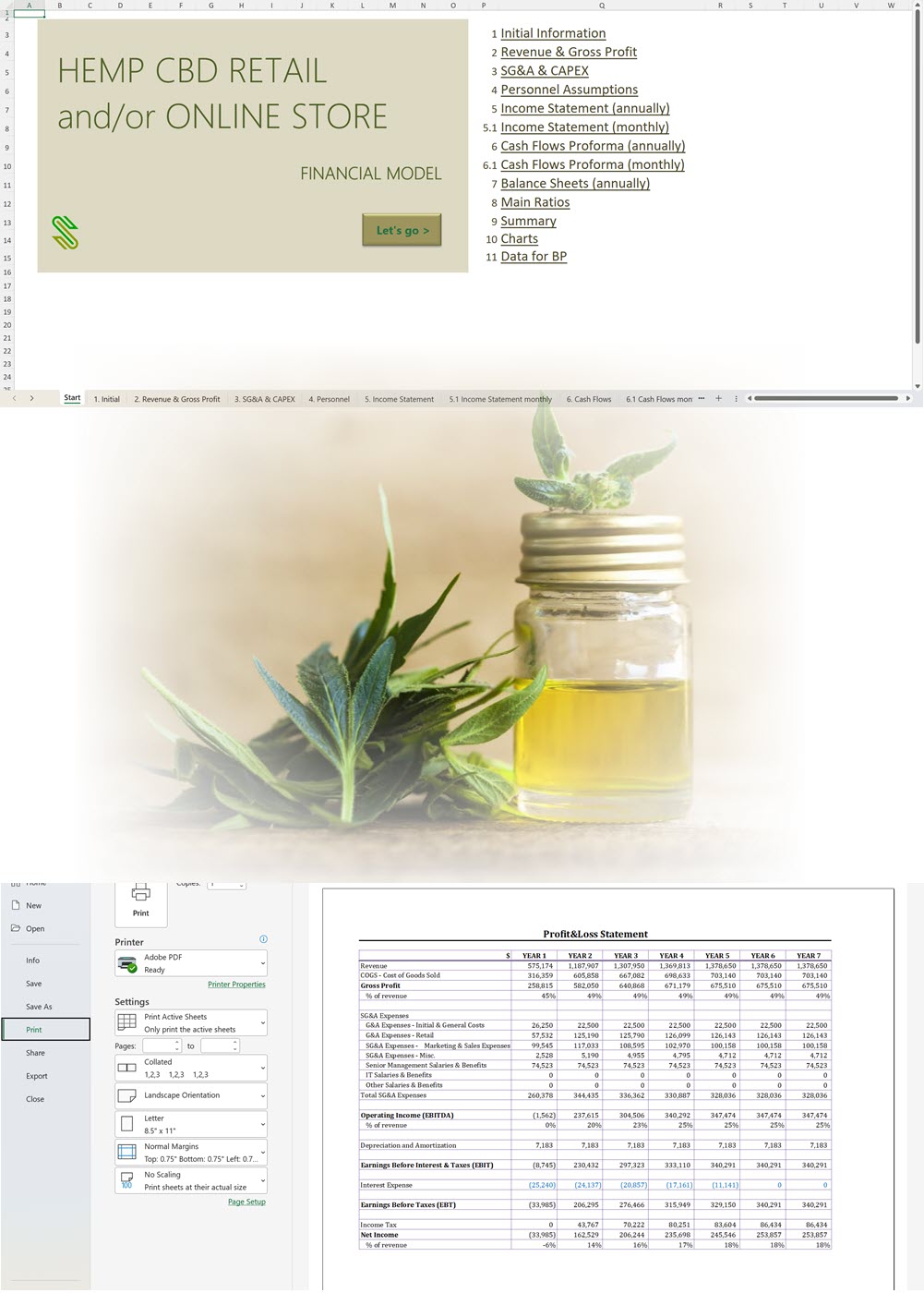
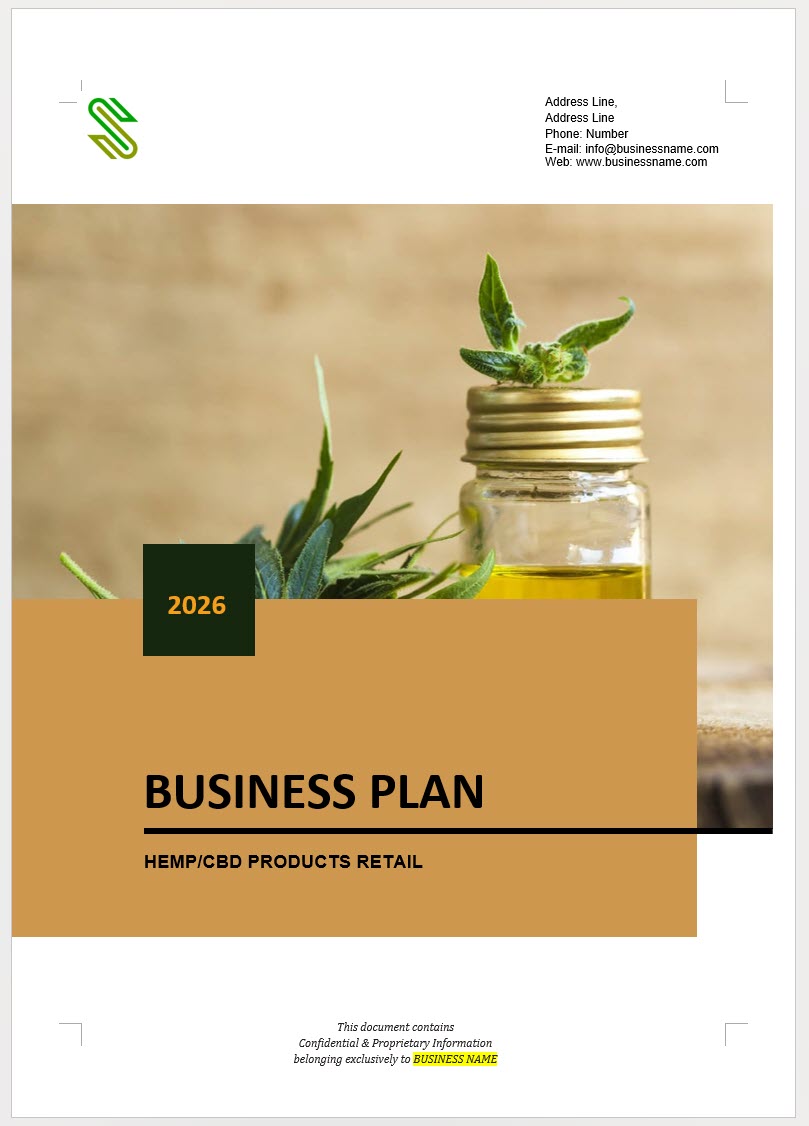
CBD Products Retail/Online Store Business Plan Template
Price range: $75.00 through $275.00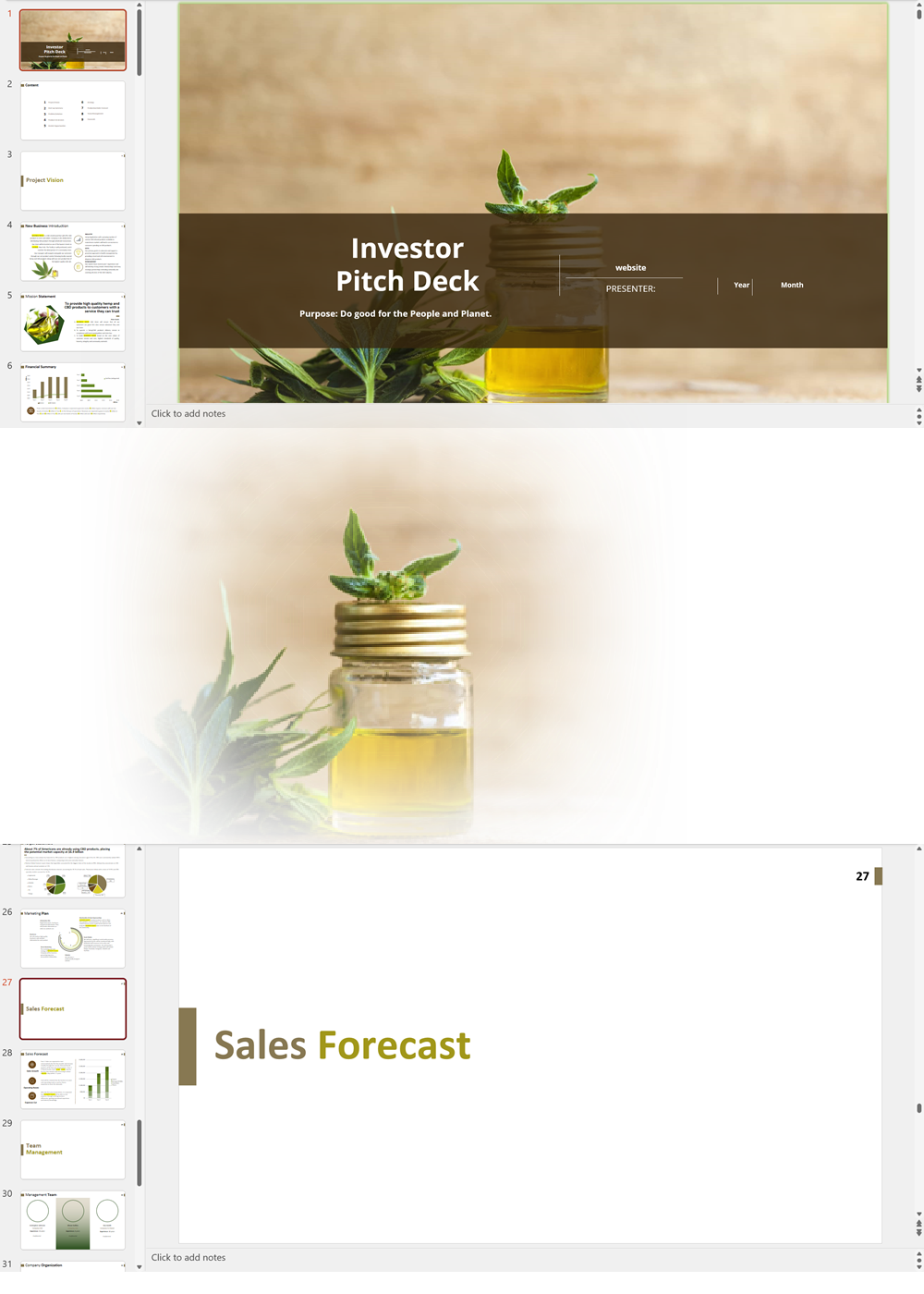
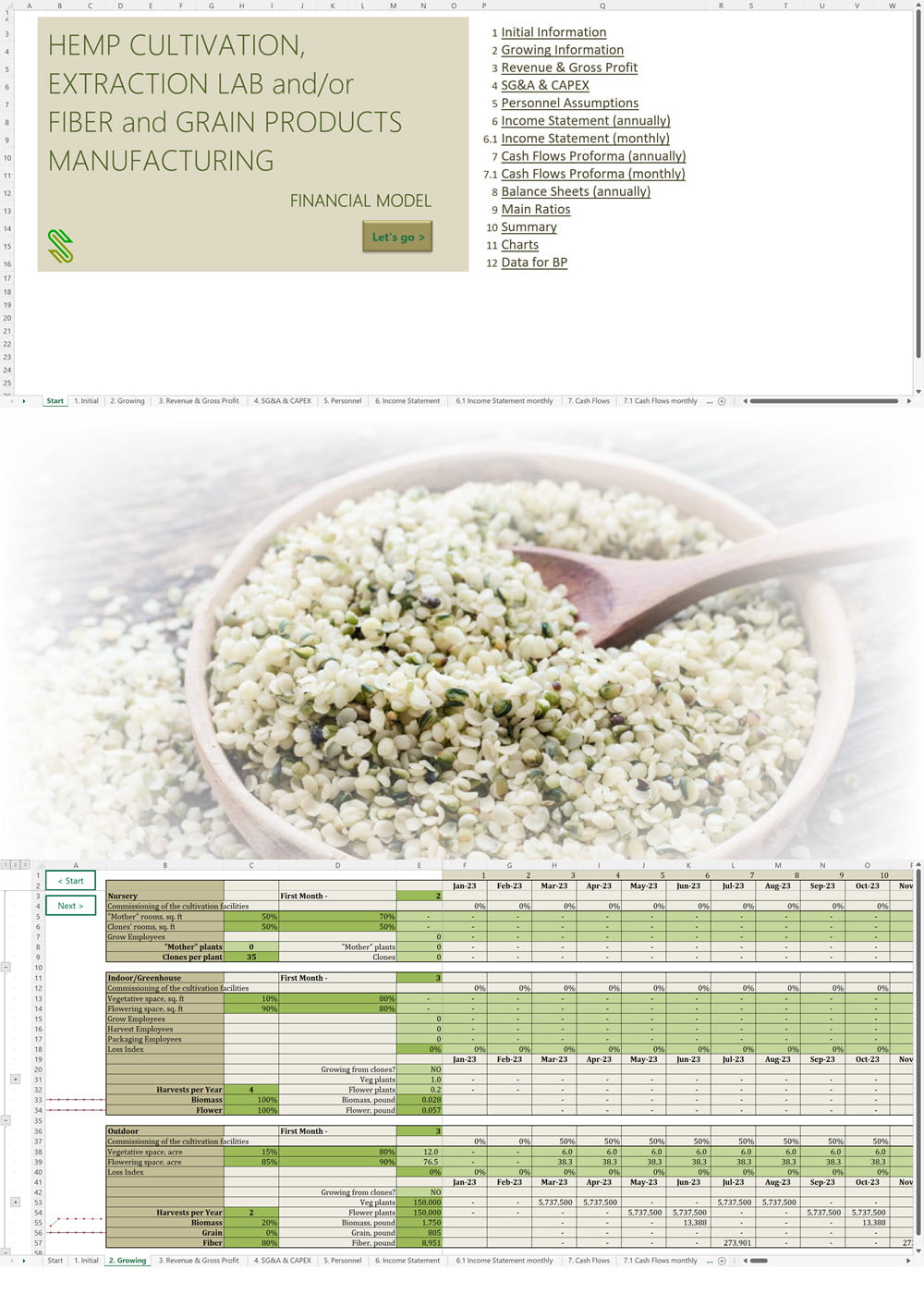
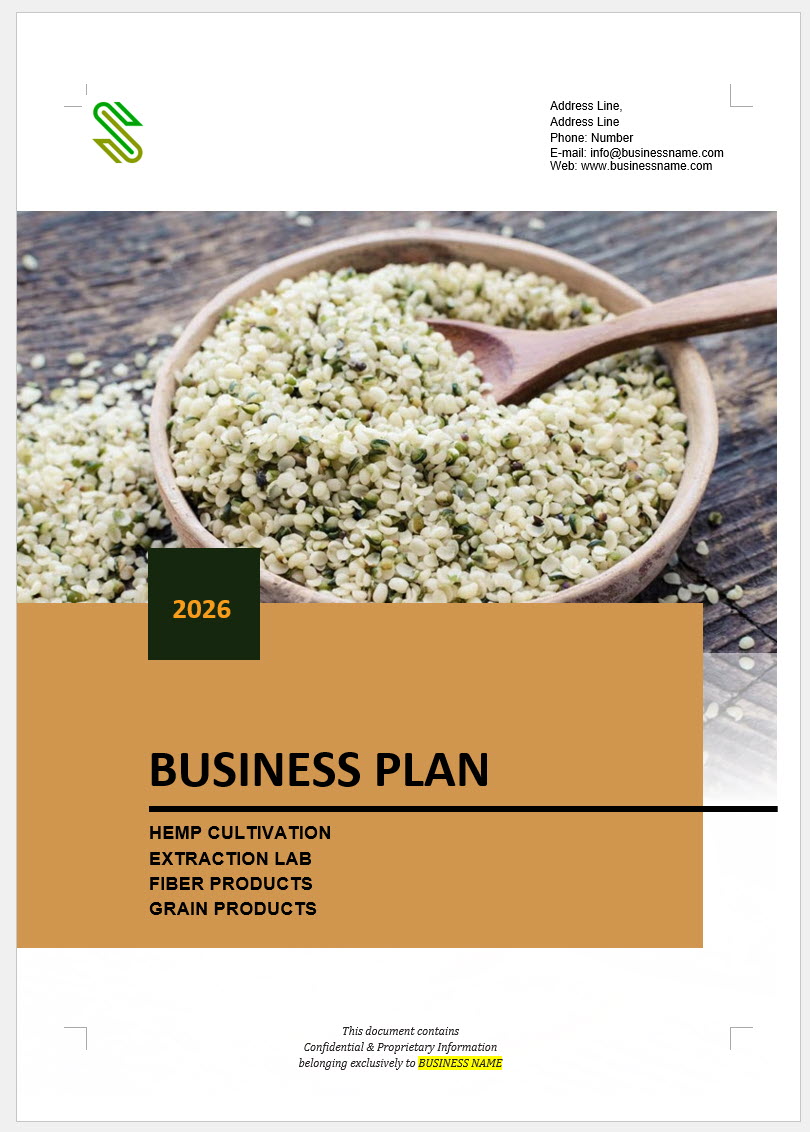
Hemp (Biomass, Fiber, Grain) Cultivation and Processing/ Manufacturing Business Plan Template
Price range: $75.00 through $350.00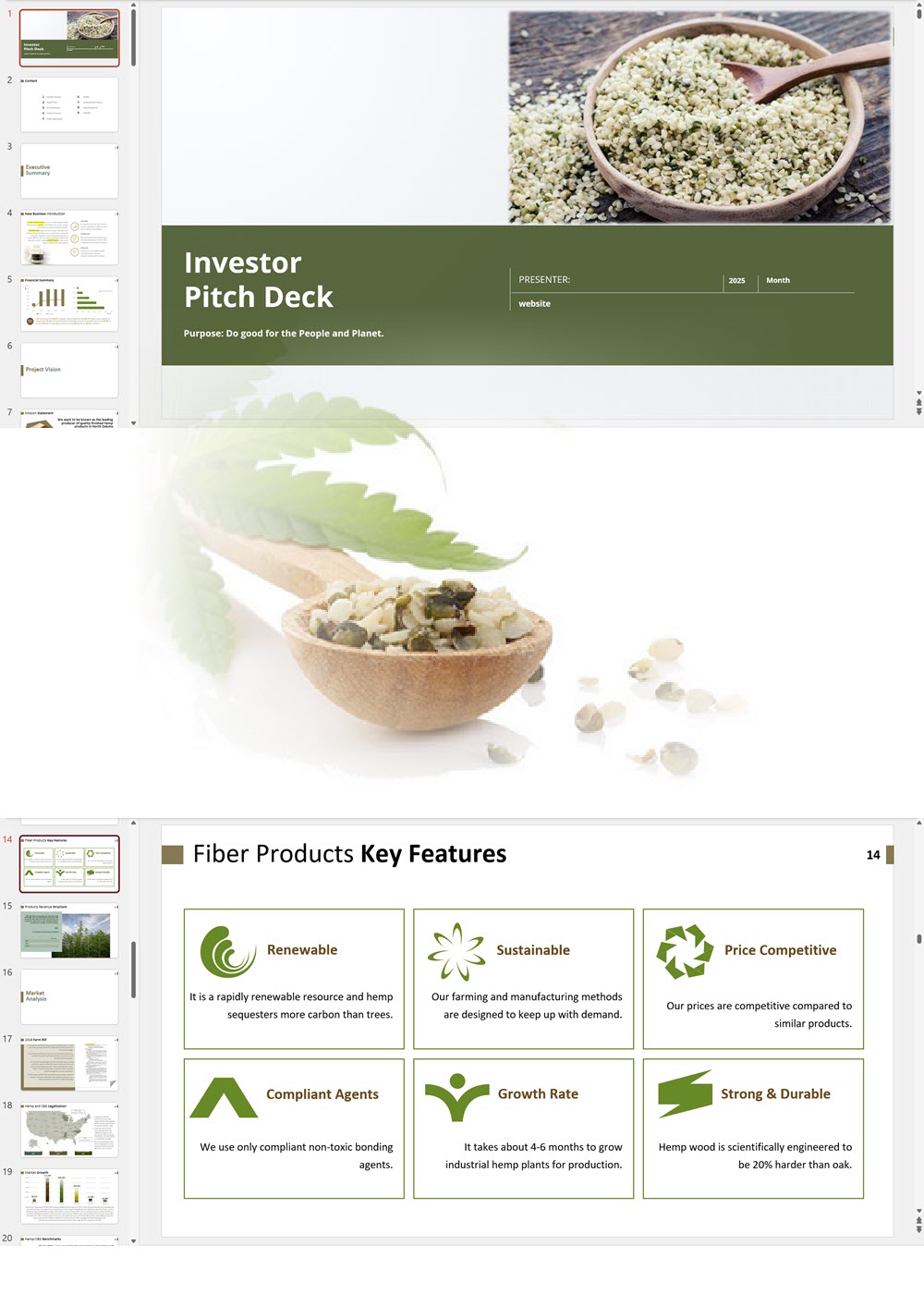
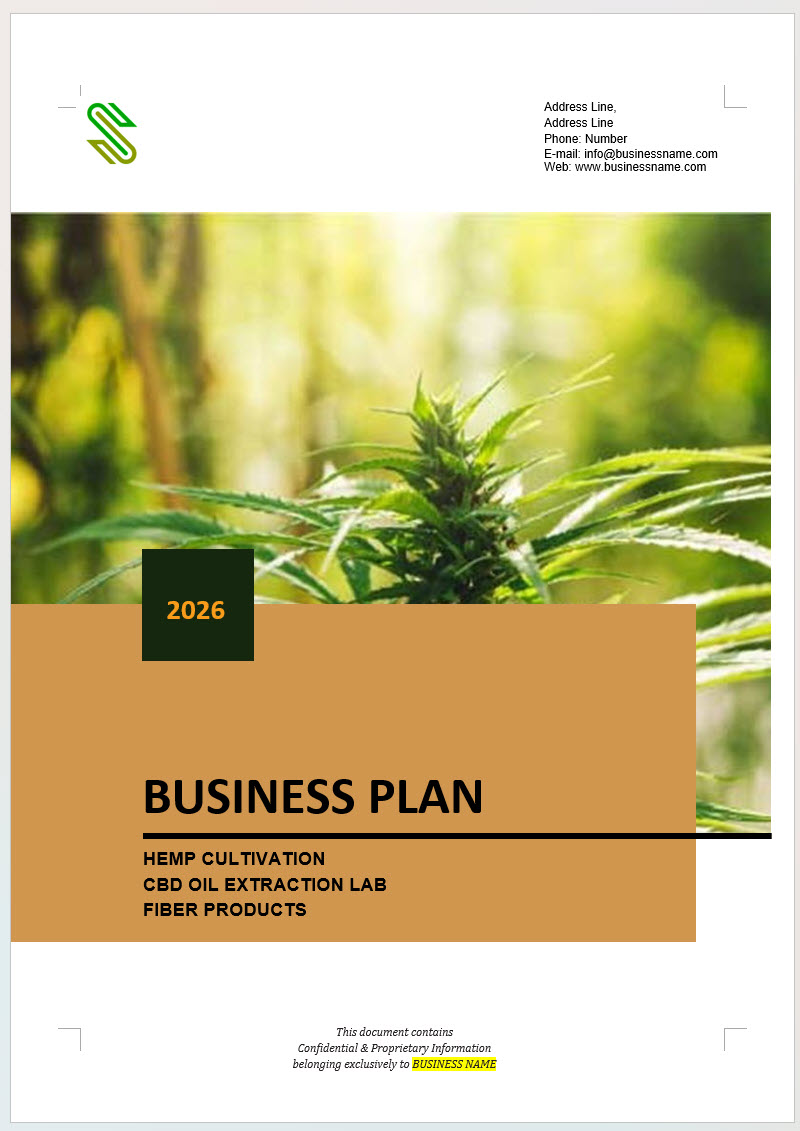
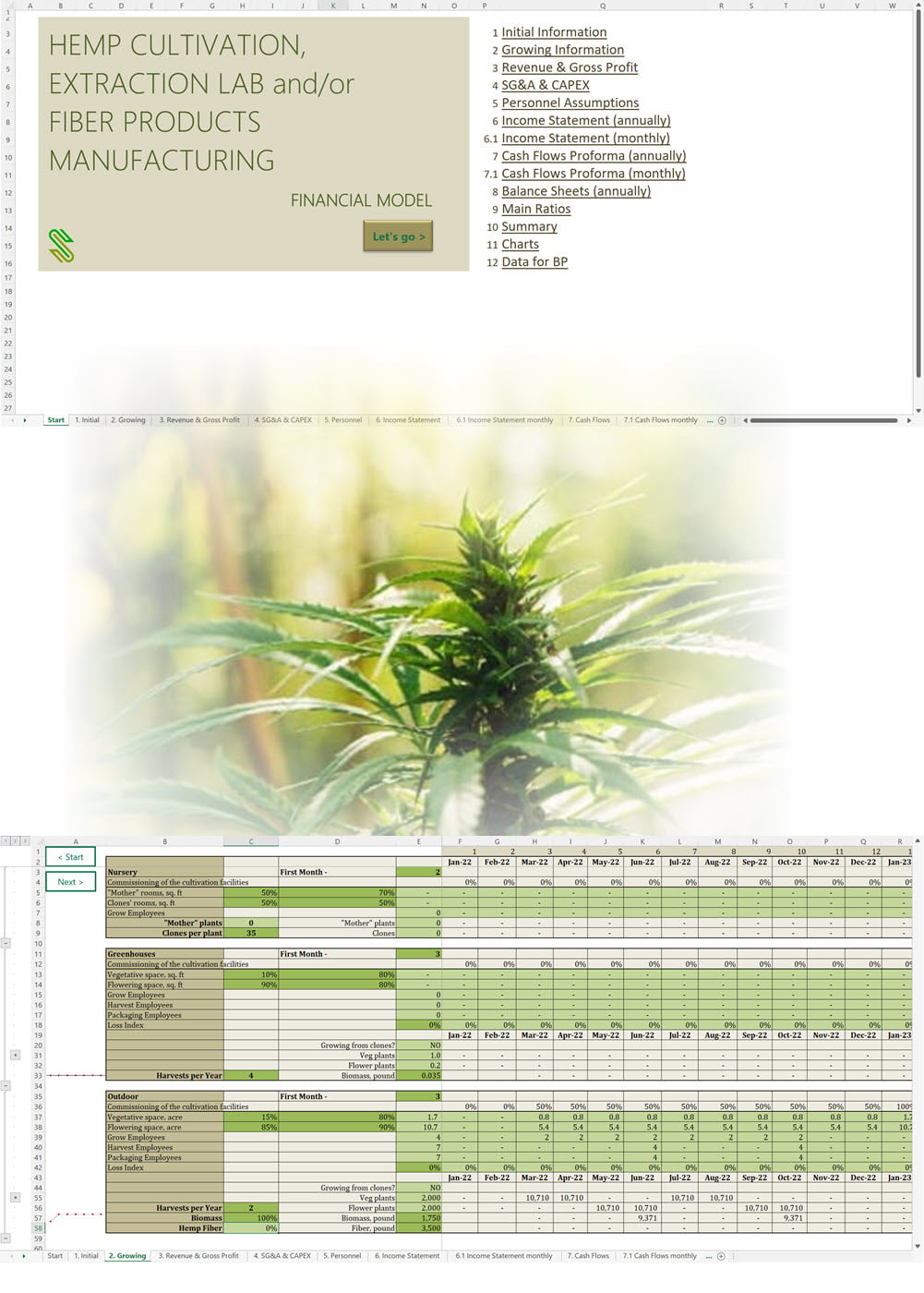
Hemp Cultivation and CBD Oil Extraction and/or Fiber Products Business Plan Template
Price range: $75.00 through $350.00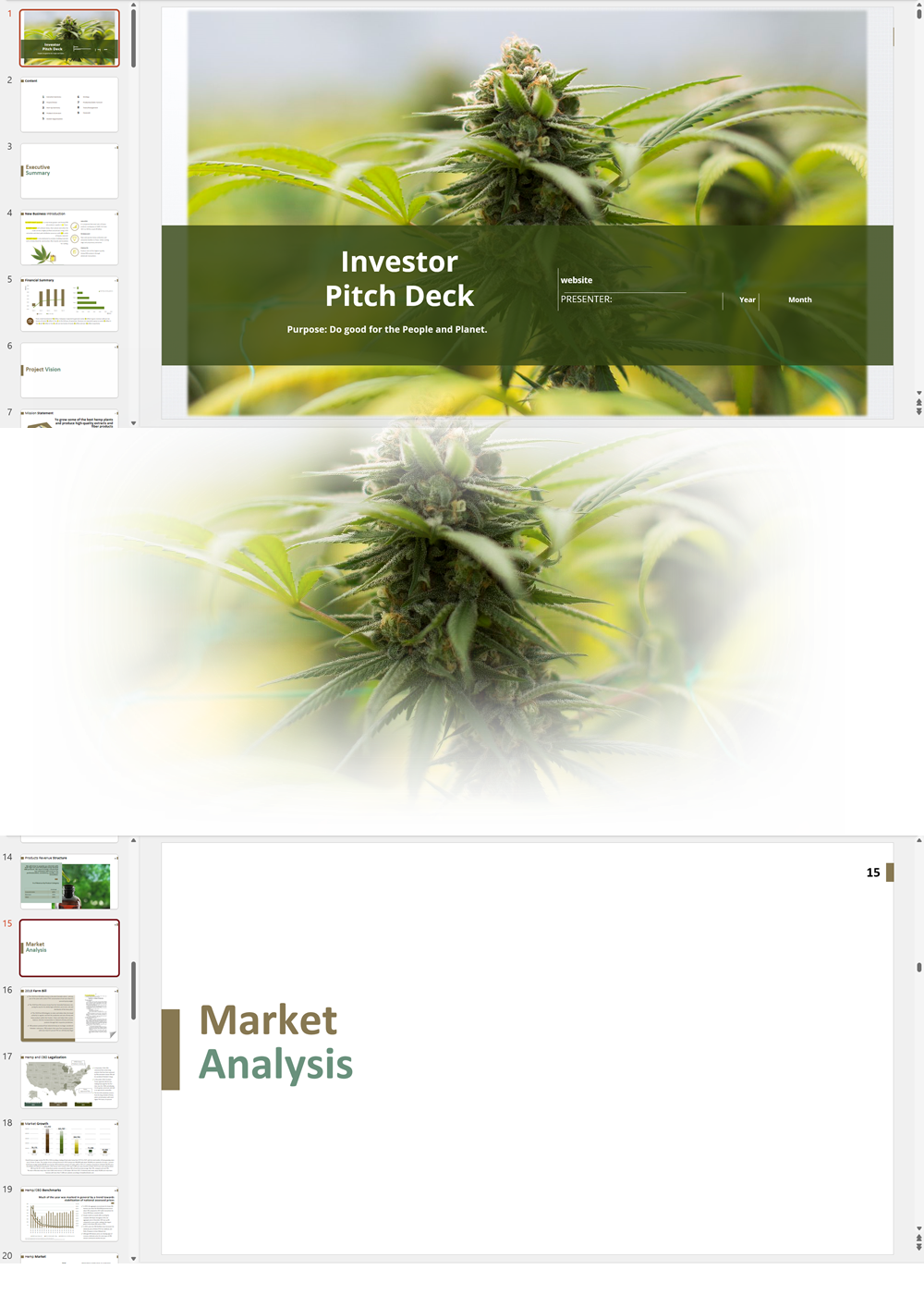
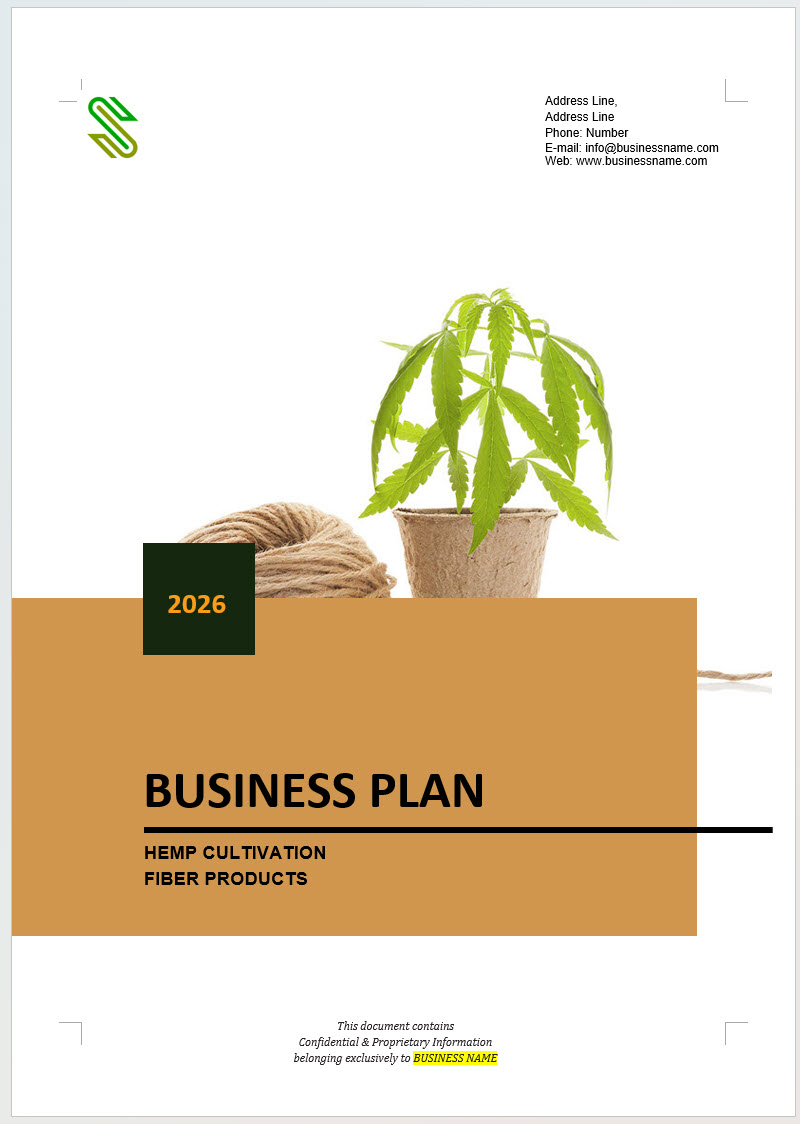
Hemp Fiber Growing and Manufacturing Business Plan Template
Price range: $75.00 through $275.00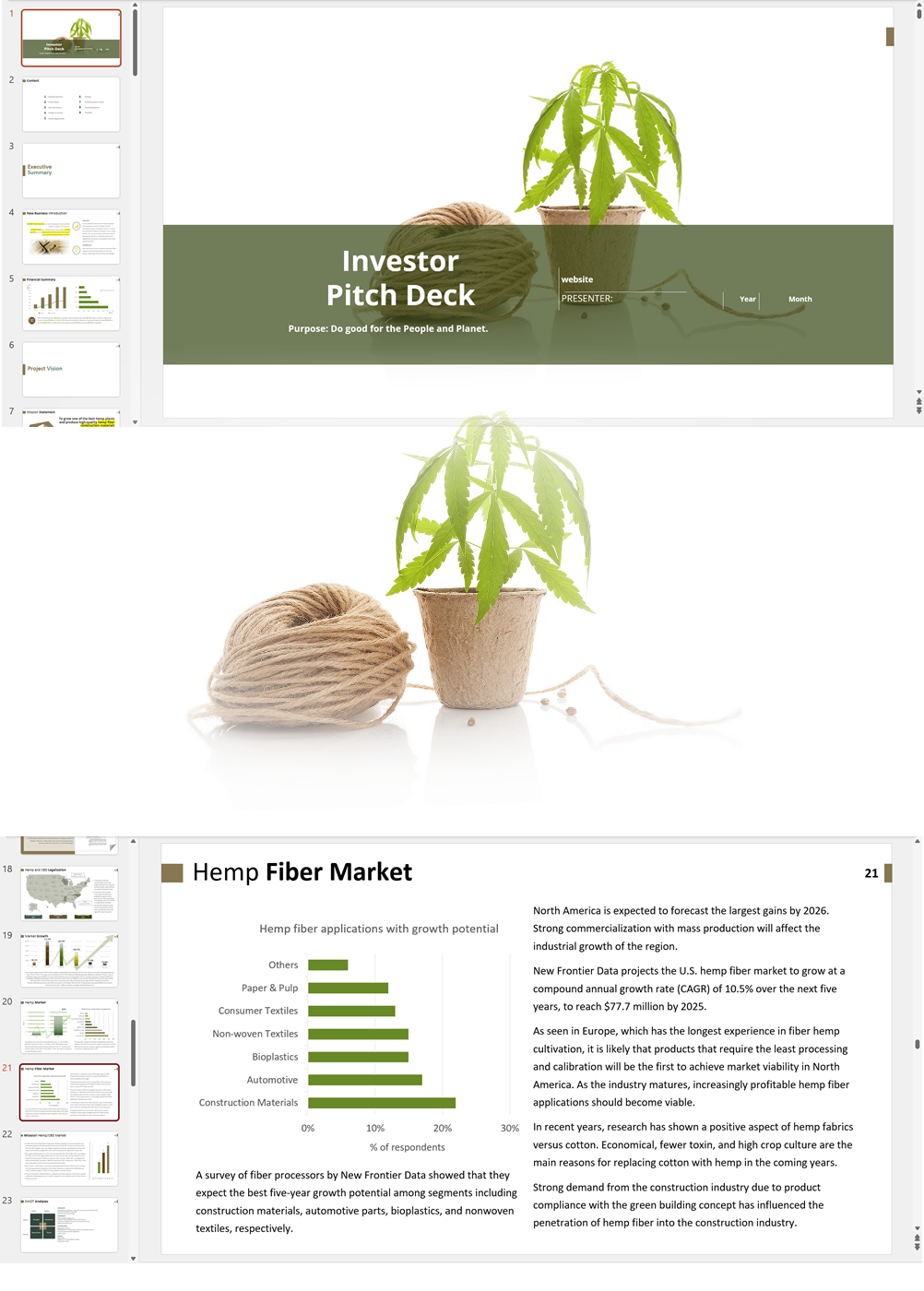
Hemp Cultivation + Extraction + Manufacturing Business Plan Template
Price range: $75.00 through $450.00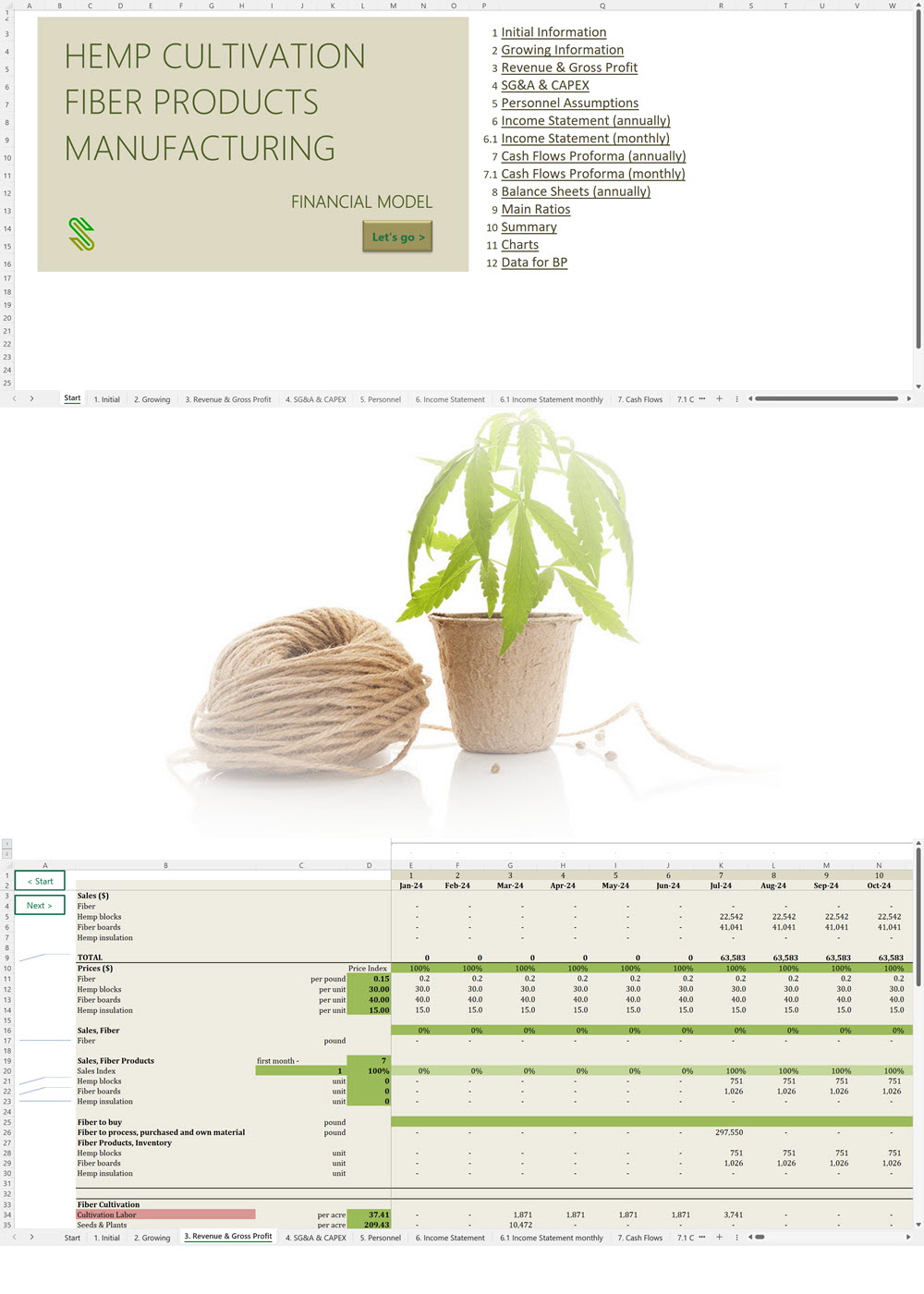
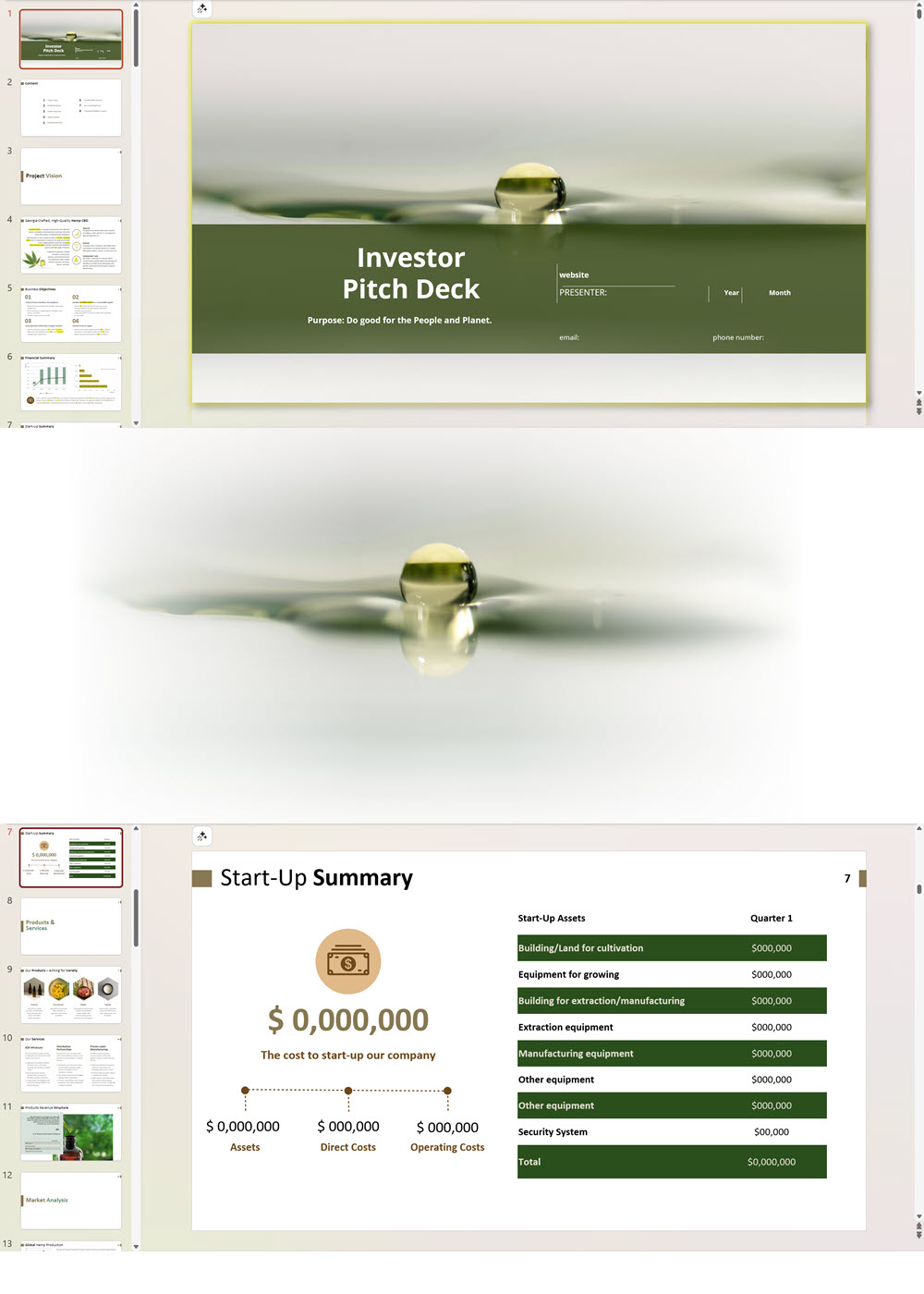
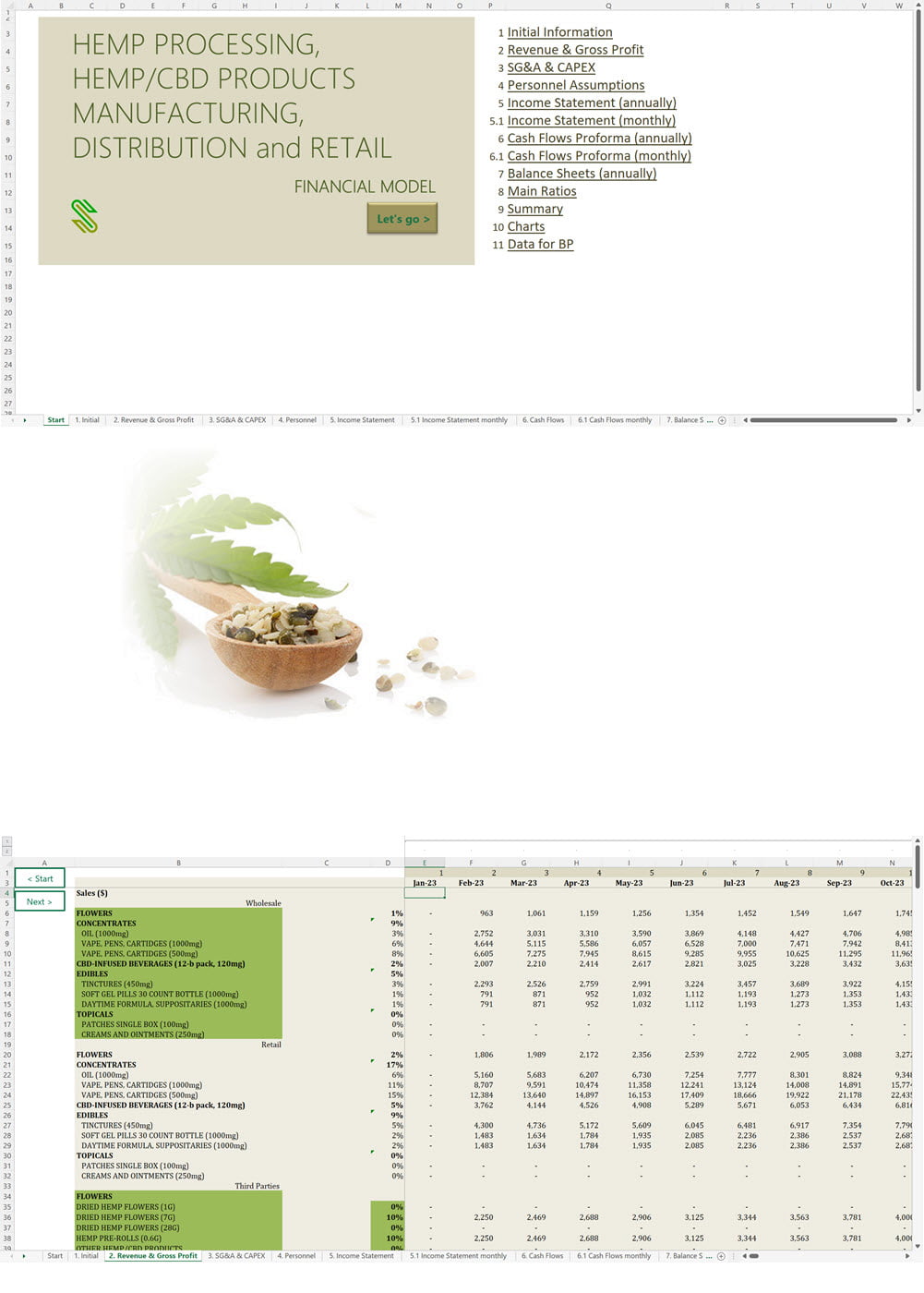
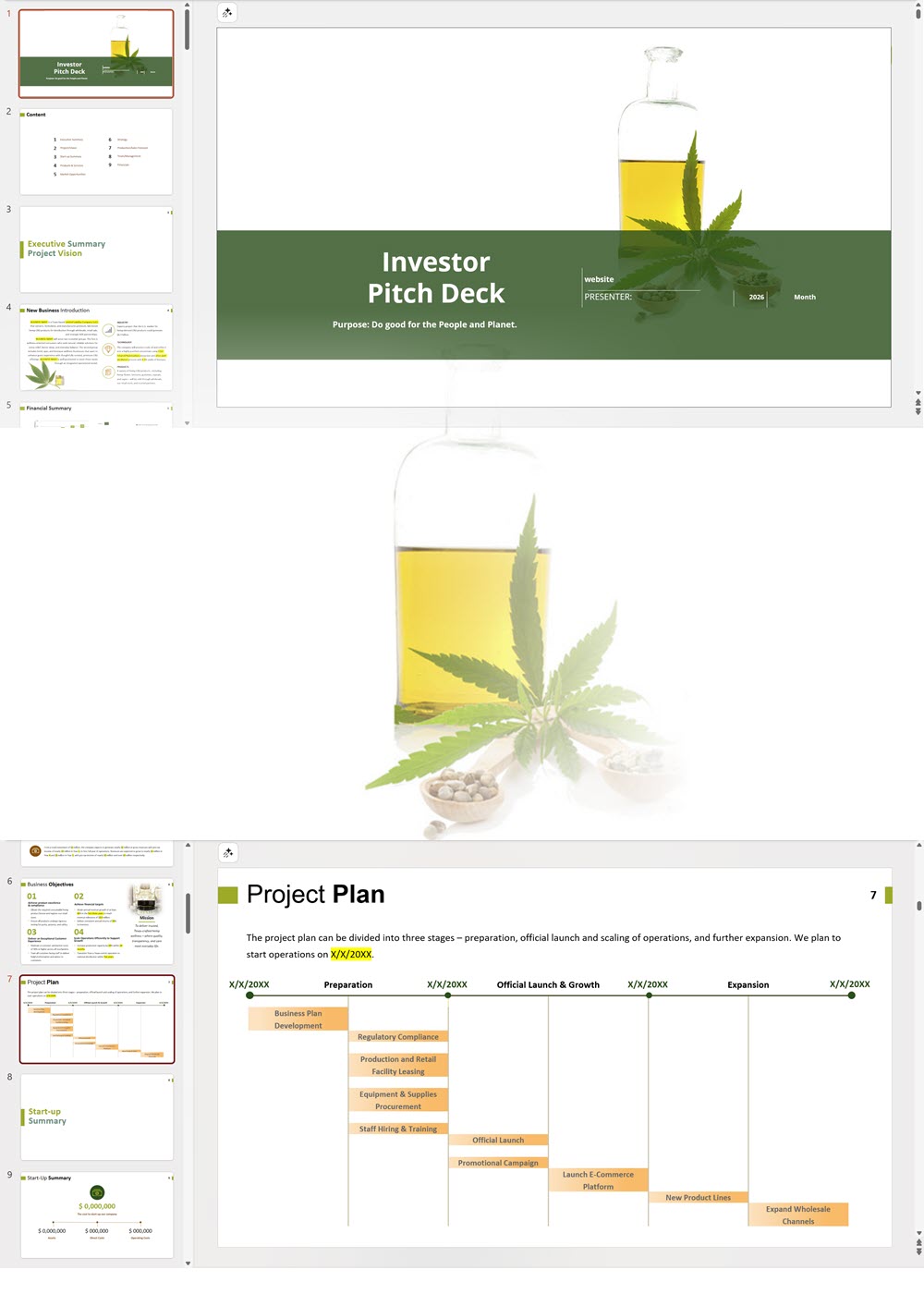
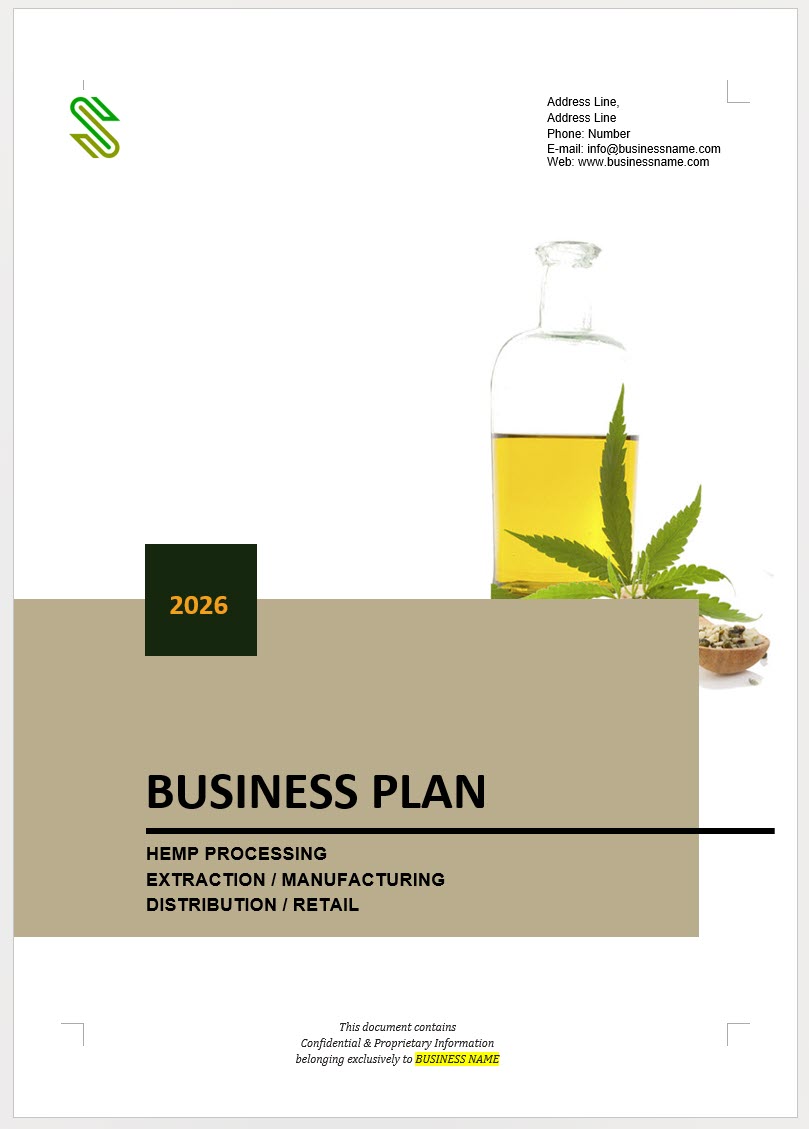
Hemp CBD Extraction + Manufacturing + Retail Business Plan Template
Price range: $75.00 through $450.00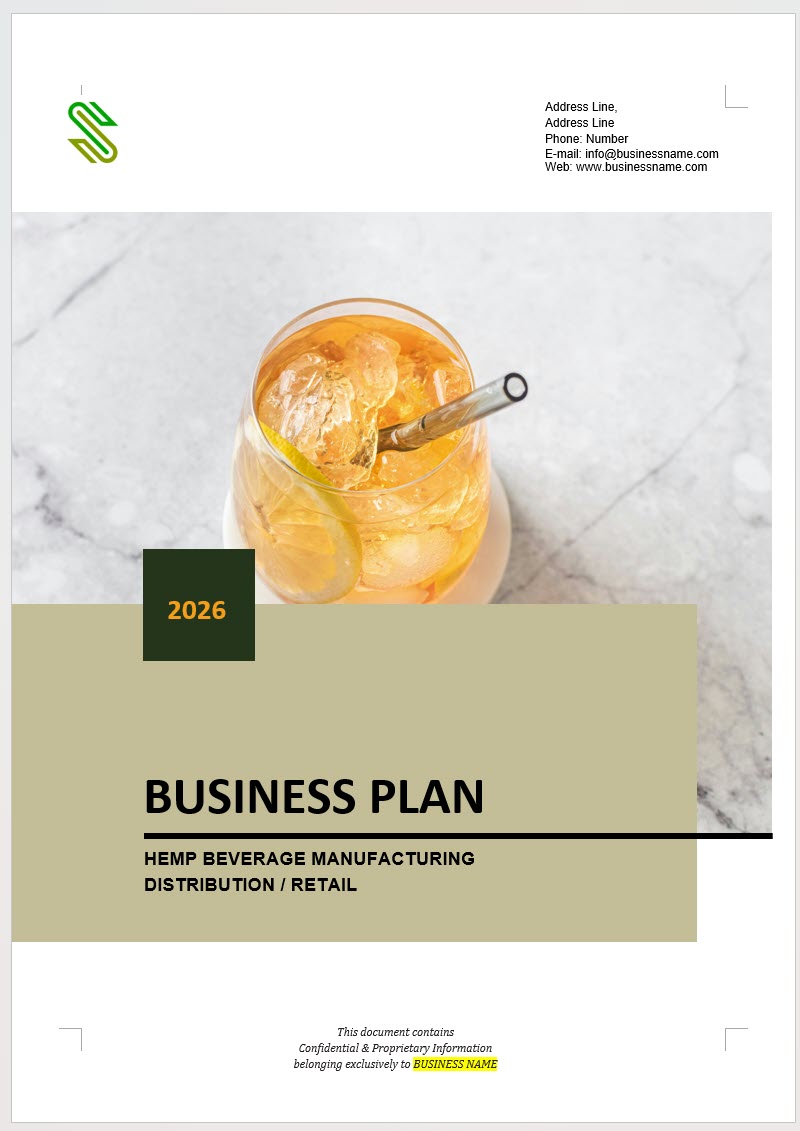
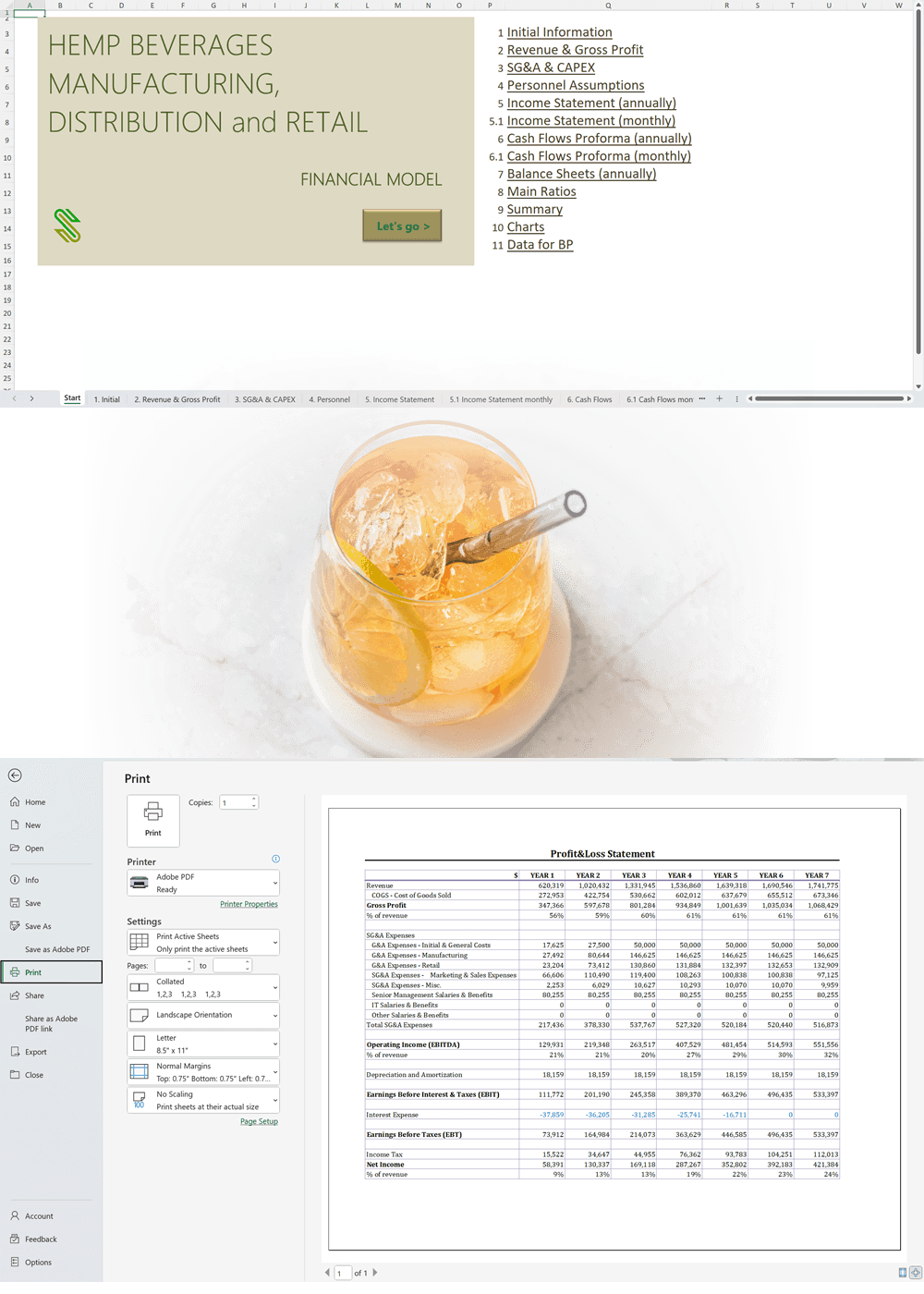
Hemp CBD Beverage Manufacturing, Wholesale and/or Retail Business Plan Template
Price range: $75.00 through $350.00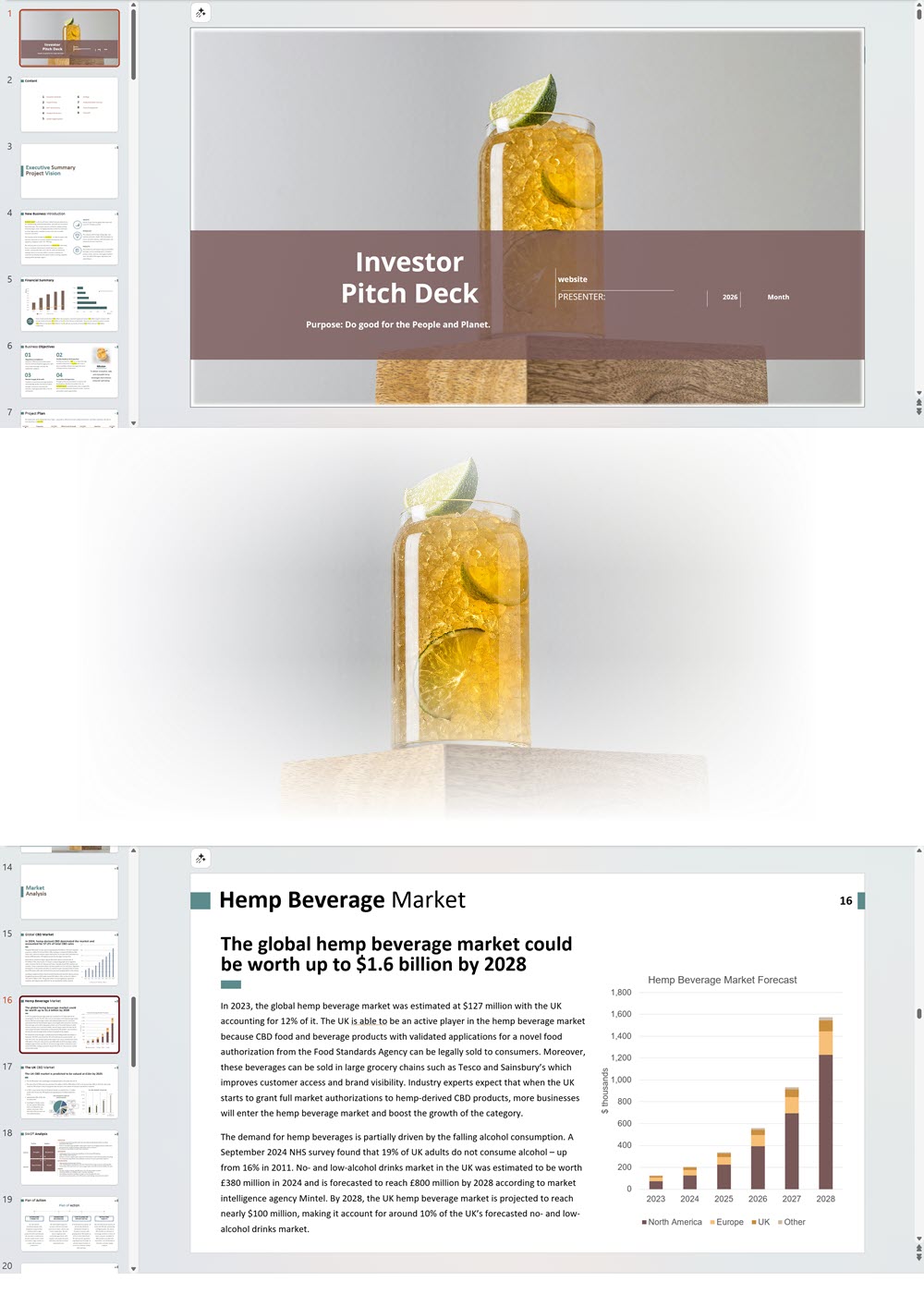
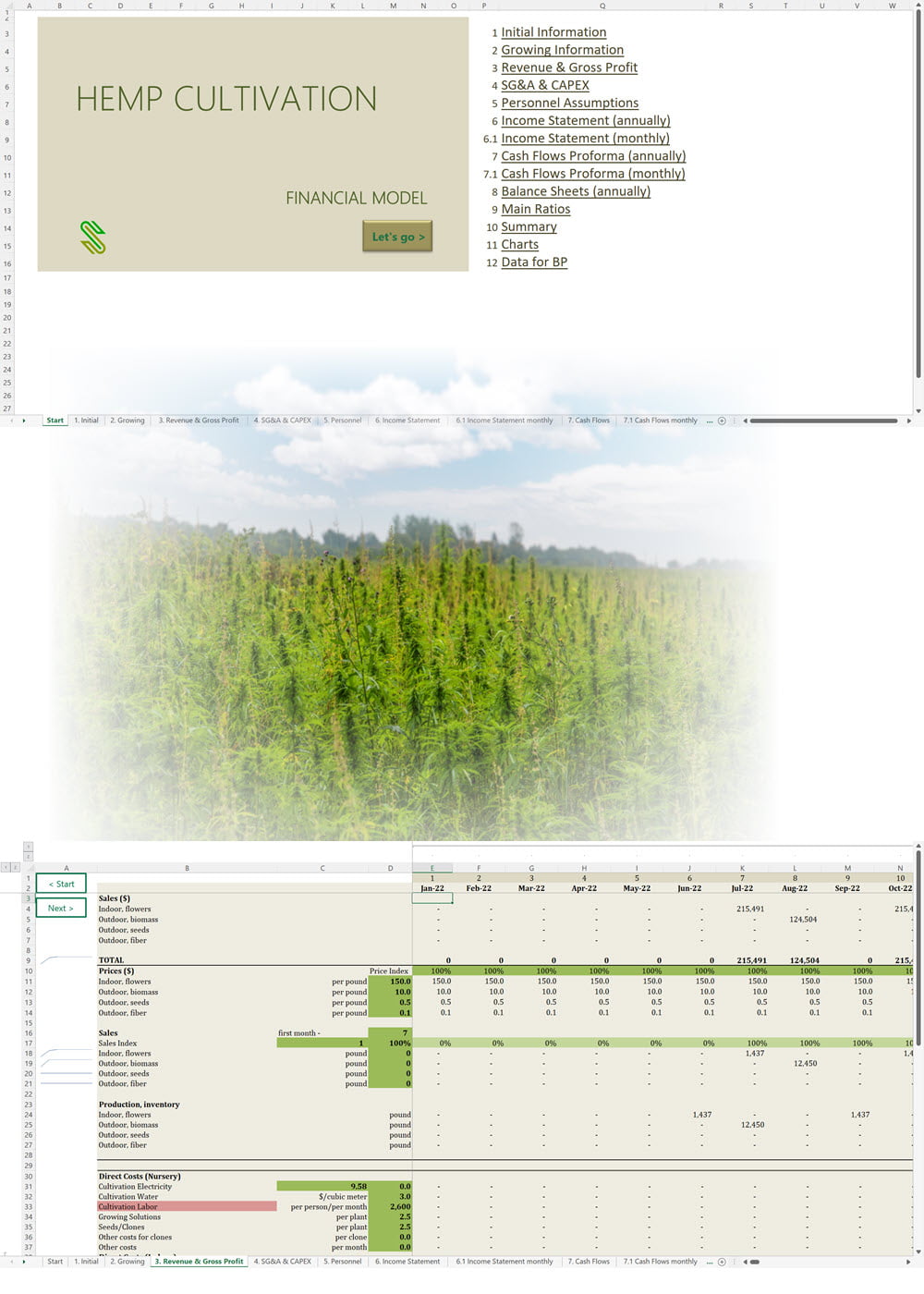
Hemp Cultivation Financial Model
$100.00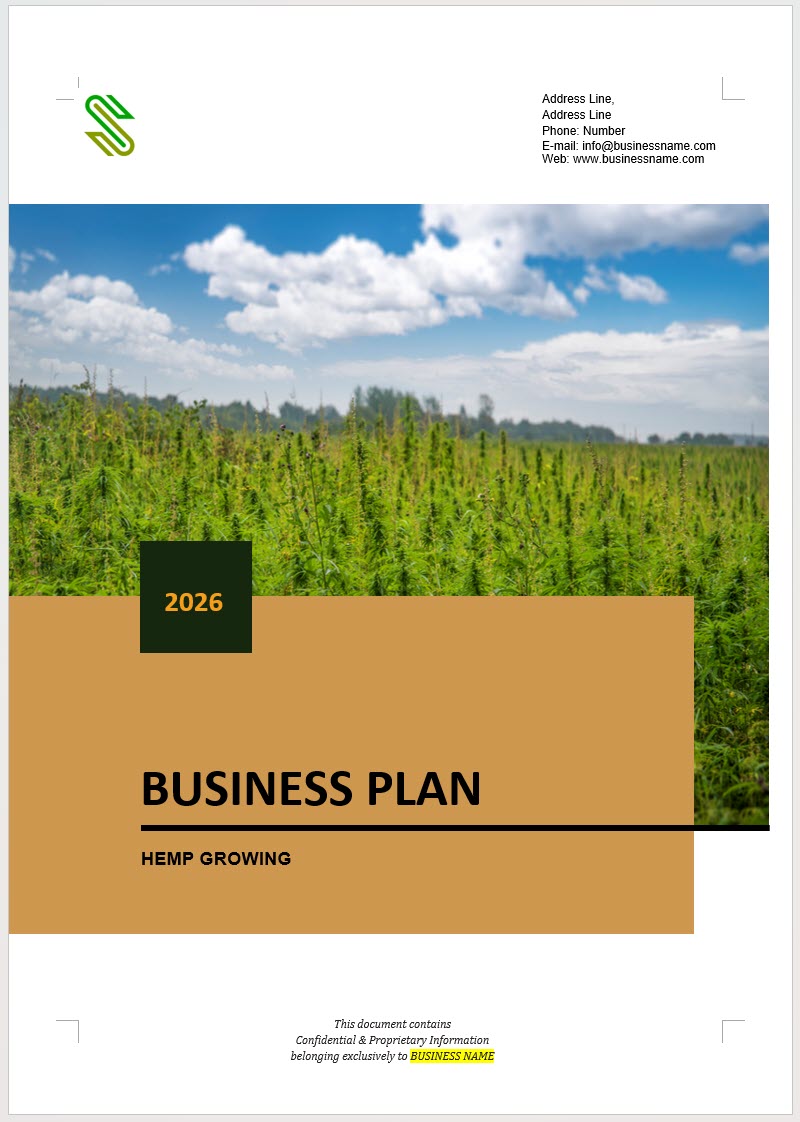
Hemp Cultivation Business Plan Template
Price range: $75.00 through $275.00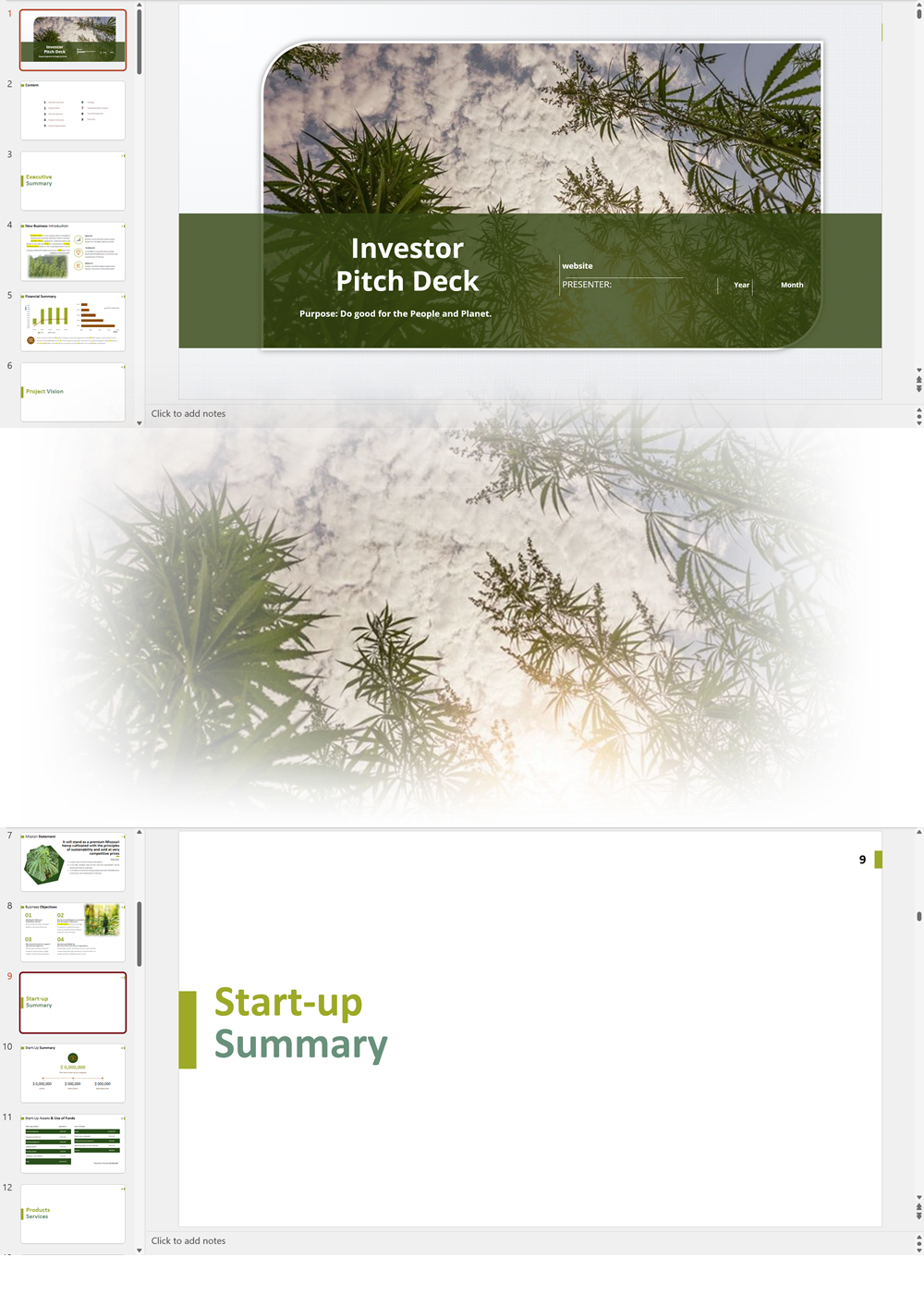
Hemp Testing Laboratory Business Plan Template
Price range: $75.00 through $275.00