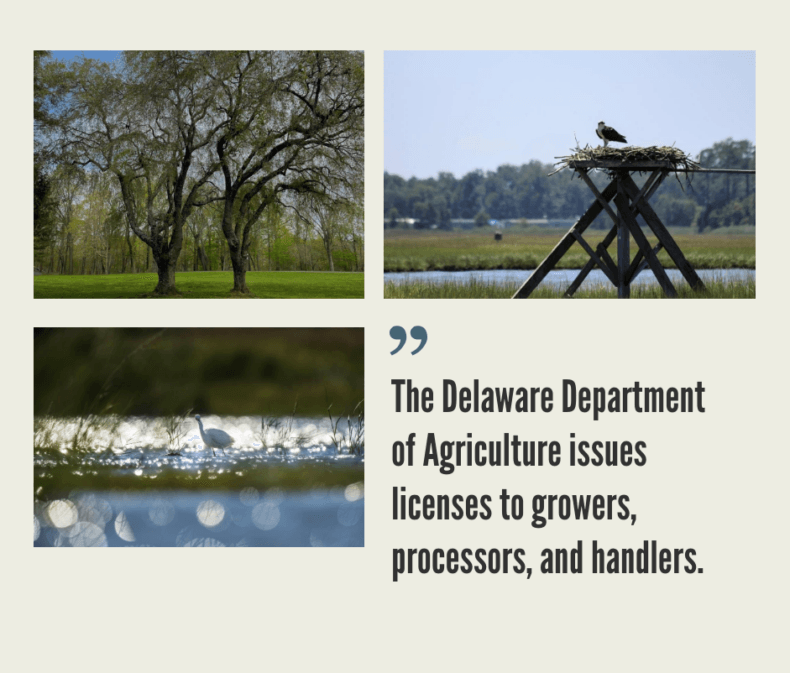
Delaware Hemp Legalization
Hemp cultivation for agricultural or academic research was legalized on August 28,2018, through Senate Bill 266. This law also allowed Delaware’s Department of Agriculture to adopt any policies and regulations necessary for hemp cultivation once federal law legalized the cultivation of hemp for more than only agricultural or academic research.
The State of Delaware Plan for a Domestic Hemp Production Program was approved by the USDA on January 27, 2020.
In 2021, the regulations governing Delaware’s hemp industry were amended through Final Order for the Rules and Regulations for Delaware Domestic Hemp Production Program which came into force on March 11, 2021.
What Types of Hemp Products are Legal in Delaware
In Delaware, all hemp and hemp-derived products with less than 0.3% of THC are legal for production and sale. However, hemp-derived THC isomers such as Delta-8 and Delta-10 (intoxicating hemp products) are illegal in the state.
Hemp Licenses and Permits Available in Delaware
The state requires separate licenses for growers, processors and handlers. All hemp licenses are issued by the Delaware Department of Agriculture (Department).
A producer license allows to grow, cultivate, harvest, store or transport hemp and hemp products.
- Application and renewal fee: $300
- Annual Growing Site Registration: $500 per site
- License period: Valid until 31 December of the third year from the date the license is issued.
A processor license allows to convert hemp in any way, including drying down and packaging.
- Application and renewal fee: $300
- Annual Processor Facility Registration: $1,000 per facility
- License period: Valid until 31 December of the third year from the date the license is issued.
A handler license allows an individual, who is not a producer or a processor, to transport and store hemp or hemp plant parts before they are delivered for processing.
- Application fee: $100 annually
- License period: Valid until 31 December of the third year from the date the license is issued.
Licensing Process:
New applications and renewal applications must be submitted between 1 November and 1 February. To be eligible for a producer license, the applicant must be 18 years of age or older.
Application process:
- The applicant must submit a Producer Application and Growing Site Registration with the applicable fees and other required information.
- The Department will review the application and information provided to determine the applicant’s eligibility. Within 30 days of submission, the Departments will either approve or deny the application.
- If the application is approved, a Producer License and License Number will be mailed to the applicant with an identification card for the Authorized Representative.
Information required to be submitted with the application includes:
- The Growing Site Registration which must:
- Be completed annually for each indoor and outdoor growing site.
- Identify GPS coordinates and show at least 2 labeled roads and points of entry as well as boundaries or dimensions of the growing area.
- A Criminal History Report, issued by the FBI, that was completed within 4 months before the date of the application.
- An indication of who will be the Authorized Representative of the applicant: the person who will act as a contact point. The Authorized Representative must submit a Criminal History Report.
After obtaining the license:
- The licensee must submit annually, before 1 February, an Annual Growing Site Registration to the Department.
- The licensee must submit an Annual Report to the Department, before 1 December, which includes:
- Total acreage/square footage planted
- Total acreage/square footage harvested
- Total acreage/square footage disposed
- Plant storage records
- Intended crop use
- Within 15 days of planting hemp, the licensee must submit an acreage report to the FSA (Farm Service Agency).
- Prior to harvesting hemp, the licensee must notify the Department by submitting a Sampling Request 30 days before the expected harvest date. The Department will collect a sample for regulatory THC testing. Within 15 days of the sample collection, the licensee must harvest the crop. A fee of up to $350 per sample must be submitted with the Sampling Request.
If the producer licensee wants to sell viable plants or viable plant parts, then a Delaware Nursery License must be obtained. It can be obtained from the Department for no charge.
New applications and renewal applications must be submitted before 31 October.
Application process:
- The applicant must submit a Processor Application and Processing Facility Registration with the applicable fees and other required information.
- The Department will review the application and information provided to determine the applicant’s eligibility. Within 30 days of submission, the Departments will either approve or deny the application.
- If the application is approved, a Processor Registration and Registration Number will be mailed to the applicant.
Information required to be submitted with the application includes:
- The Processing Facility Registration.
- A Criminal History Report, issued by the FBI, that was completed within 4 months before the date of the application.
- A list of key participants: individuals who have a direct or indirect financial interest in the hemp processing entity, as defined on Delaware’s official website. Each key participant must submit a Criminal History Report.
Application process:
- The applicant must submit a Handler Application with the applicable fee and a Criminal History Report, issued by the FBI, that was completed within 4 months before the date of the application.
- The Department will review the application and information provided to determine the applicant’s eligibility. Within 30 days of submission, the Departments will either approve or deny the application.
- If the application is approved, a Handler License and License Number will be mailed to the applicant.
Delaware Hemp Industry Statistics
In 2021, there were 14 registered producers with hemp planted on 12.87 acres outdoors and 18,095 square feet indoors. From this amount planted, 12.17 outdoor acres and 15,258 indoor square feet were harvested. However, in 2022, the number of registered producers fell to 11 with a reduction in both hemp planted and harvested as well. This fall continued in 2023 as the number of producers decreased to 8.
According to the USDA Hemp Public Search Tool, as of November 2024, there were seven active licensees in Delaware.
Delaware Hemp Industry Infographics
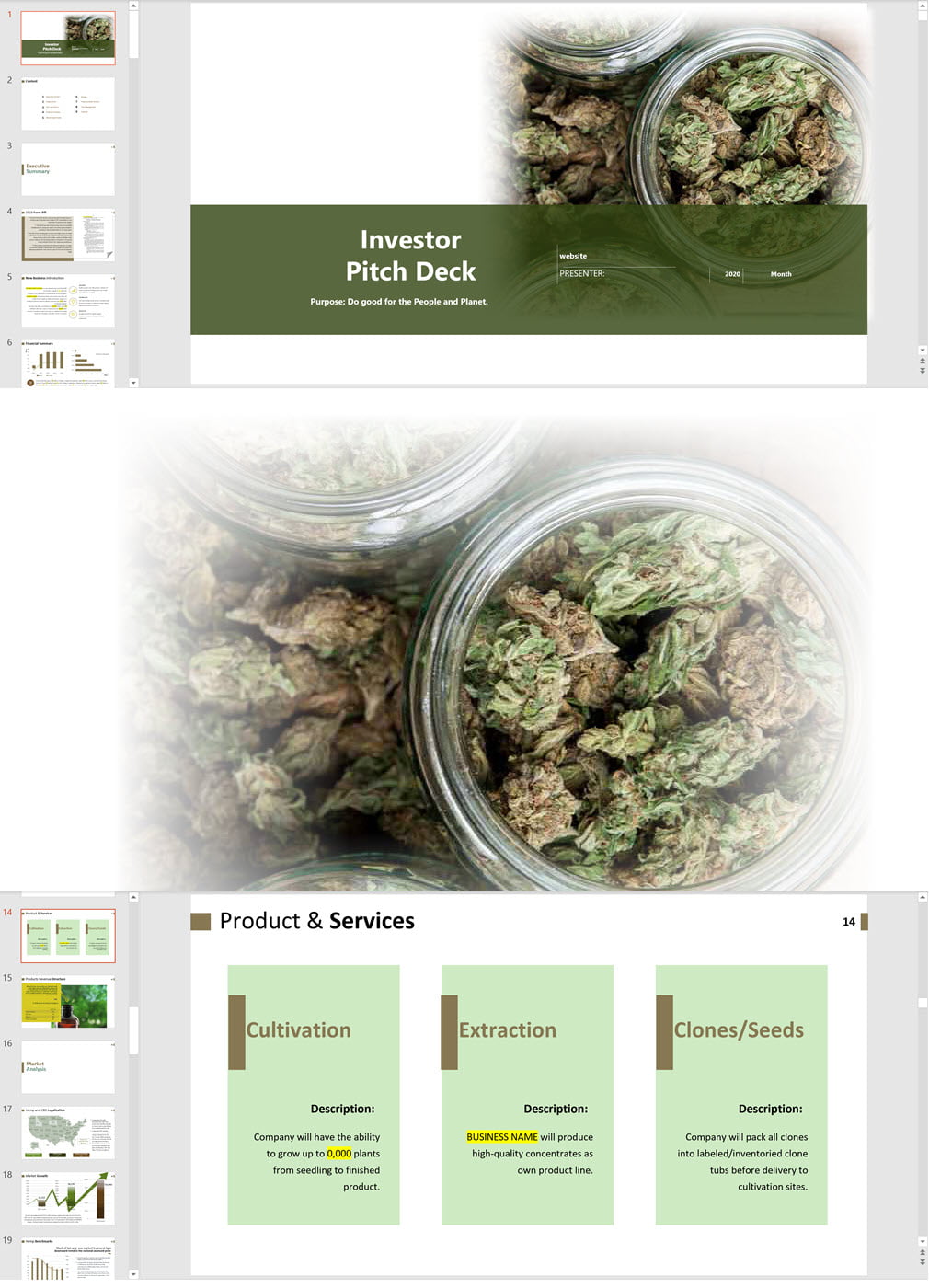
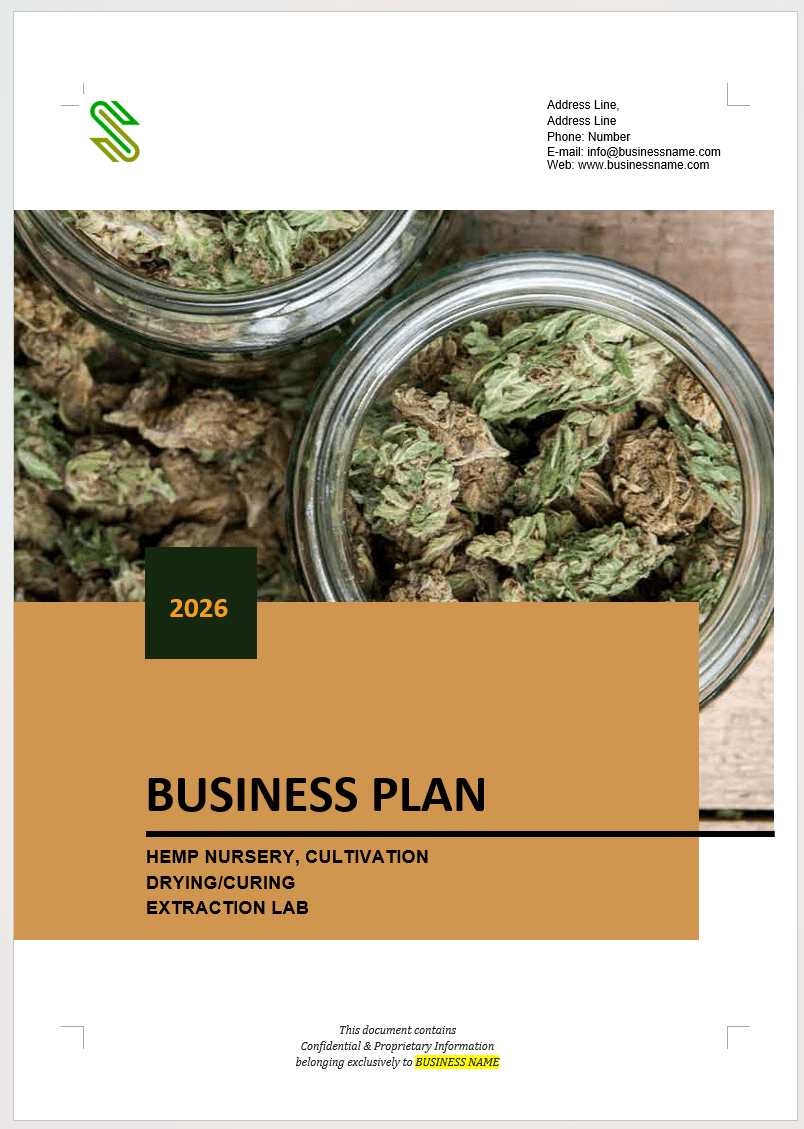
Hemp CBD Vertically Integrated Business Plan Sample, Delaware
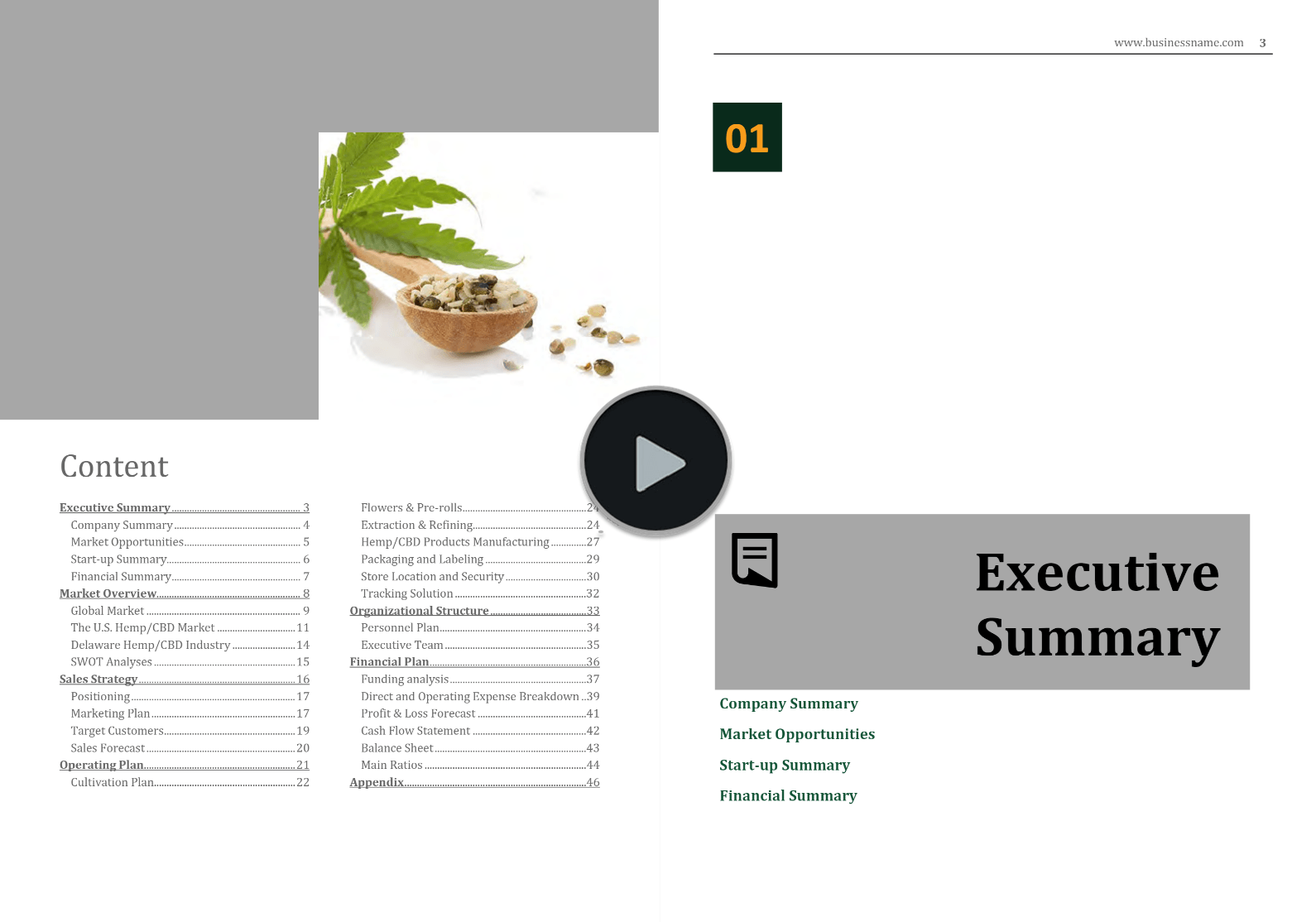
'70% ready to go' business plan templates
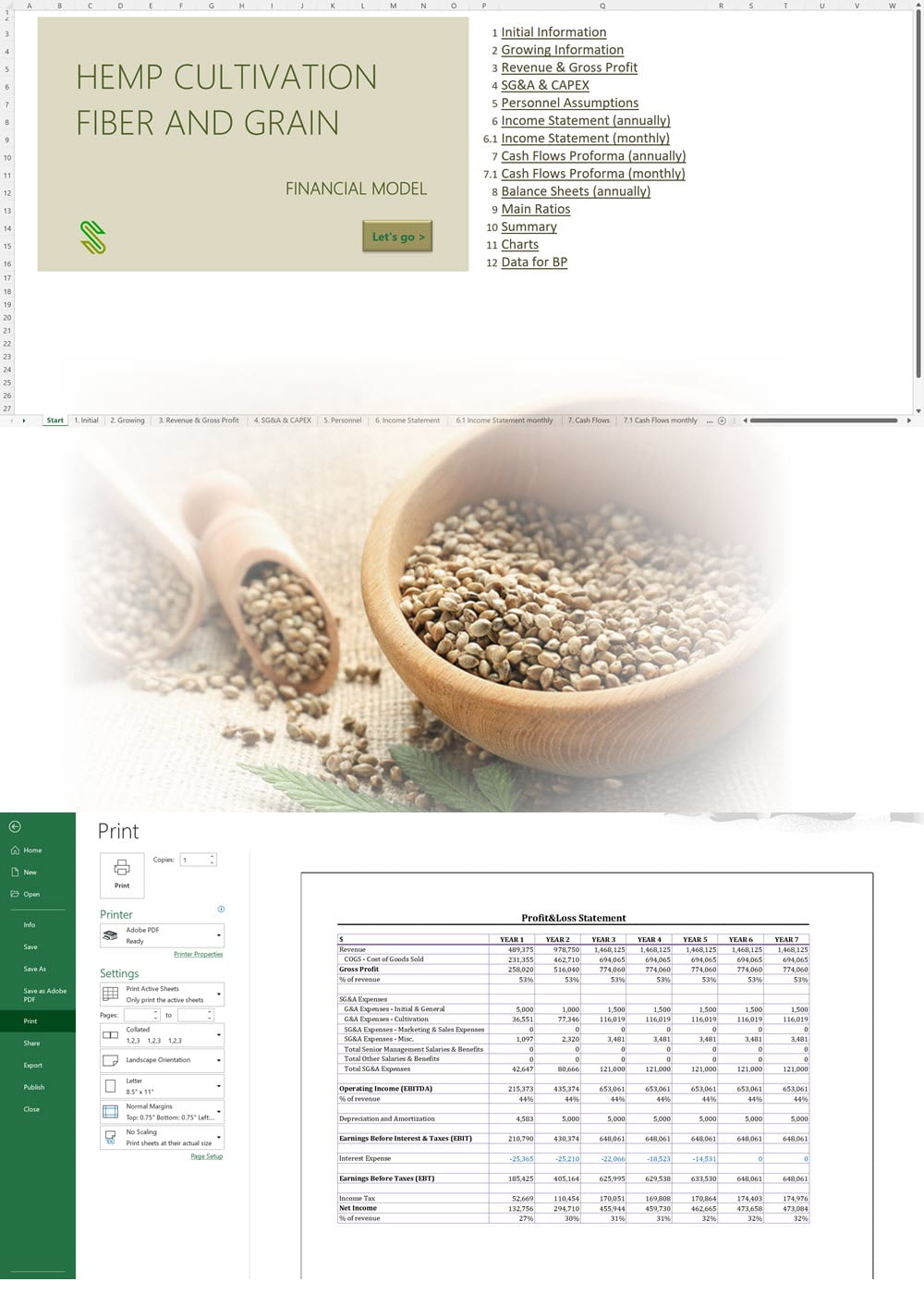
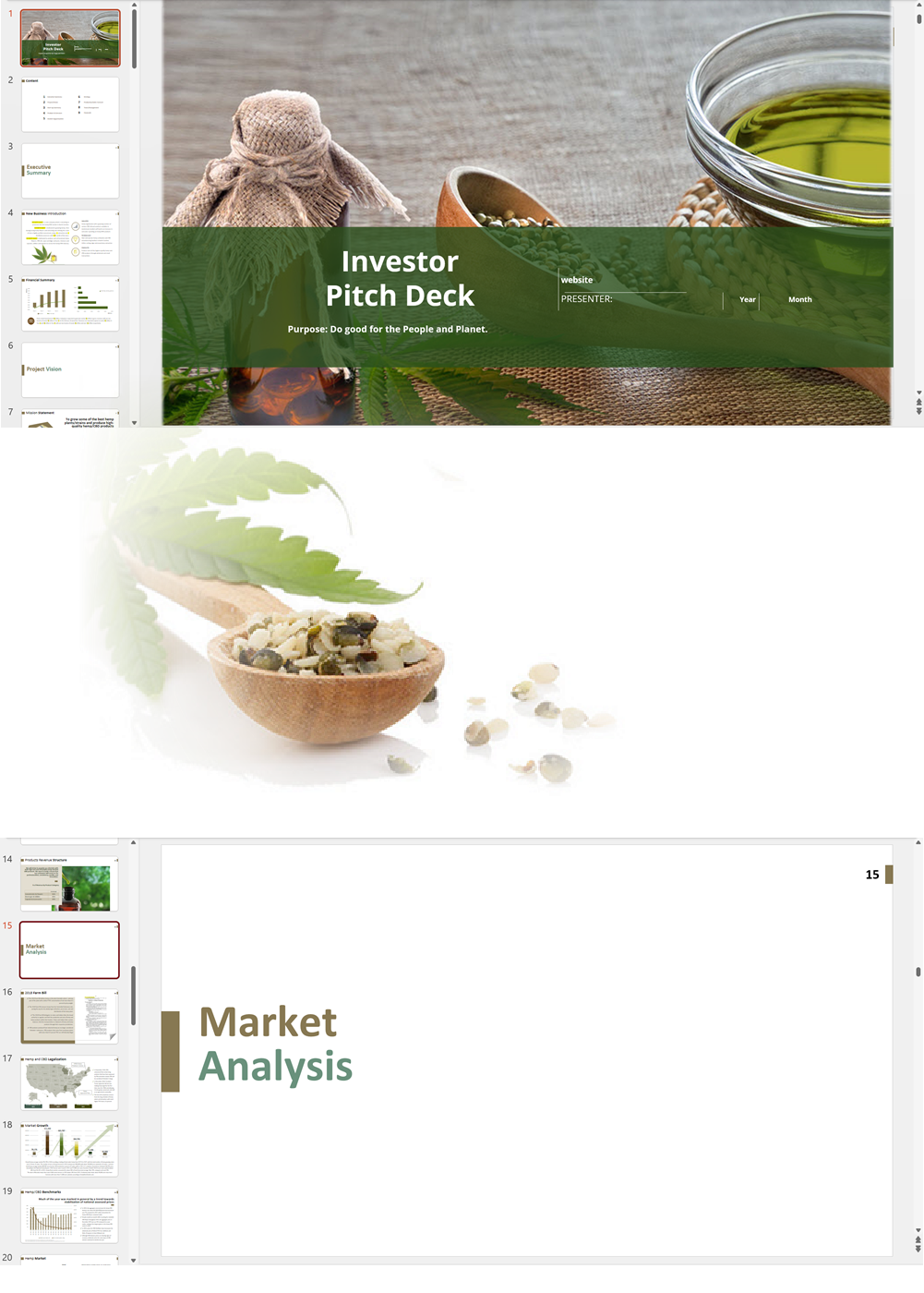
Our hemp/CBD financial models and business plan templates will help you estimate how much it costs to start and operate your own hemp/CBD business, to build all revenue and cost line-items monthly over a flexible seven year period, and then summarize the monthly results into quarters and years for an easy view into the various time periods. We also offer investor pitch deck templates.
Best Selling Templates
-

Hemp Cultivation Business Plan Template
Price range: $75.00 through $275.00 Select options This product has multiple variants. The options may be chosen on the product page -

Hemp CBD Financial Model All in One
$200.00 Select options This product has multiple variants. The options may be chosen on the product page -
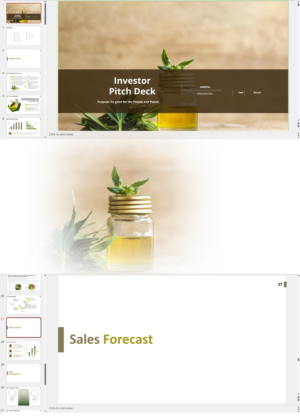
CBD Retail Investor Pitch Deck Template
$75.00 Select options This product has multiple variants. The options may be chosen on the product page
Our Templates
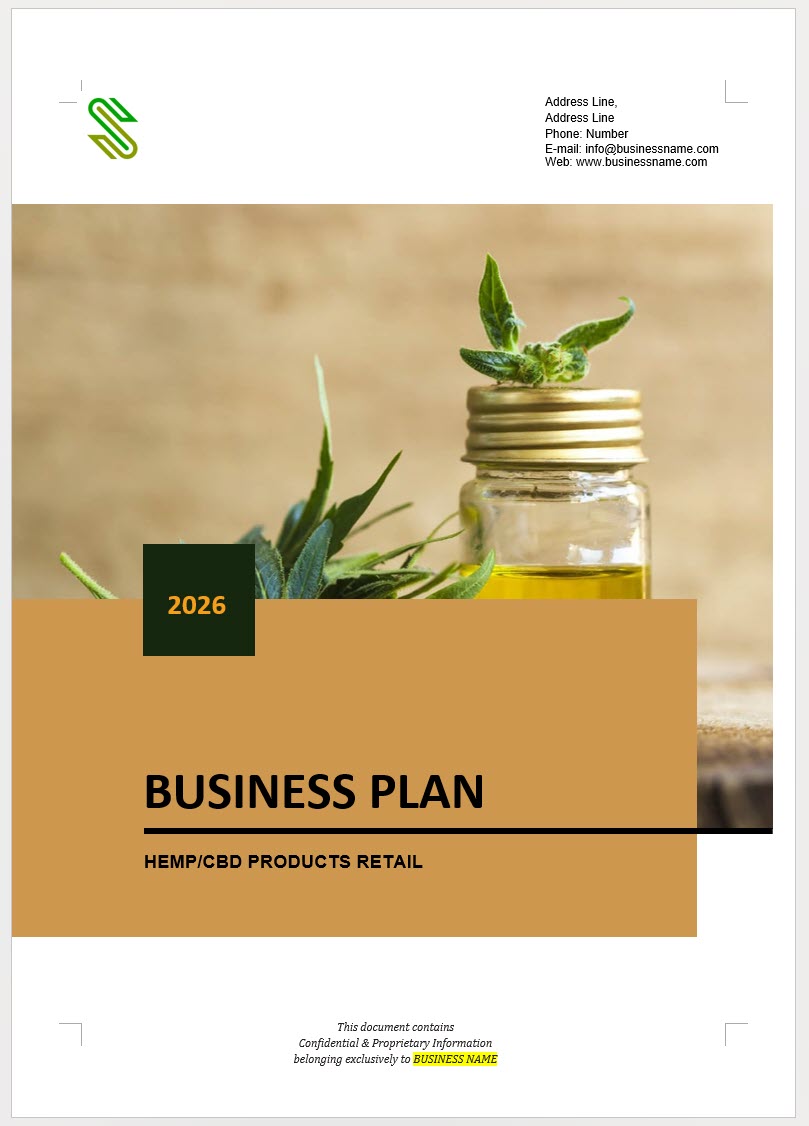
CBD Products Retail/Online Store Business Plan Template
Price range: $75.00 through $275.00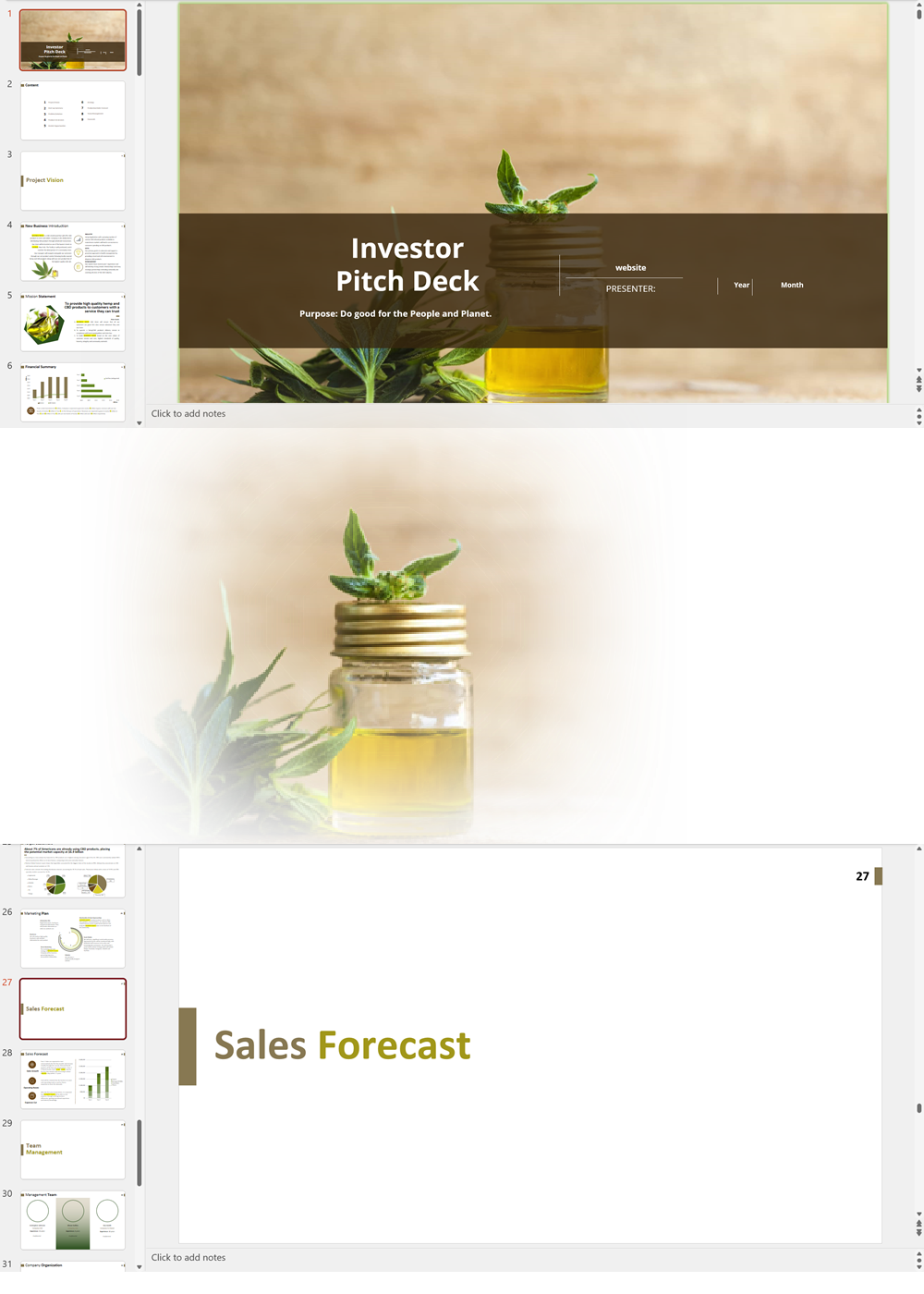
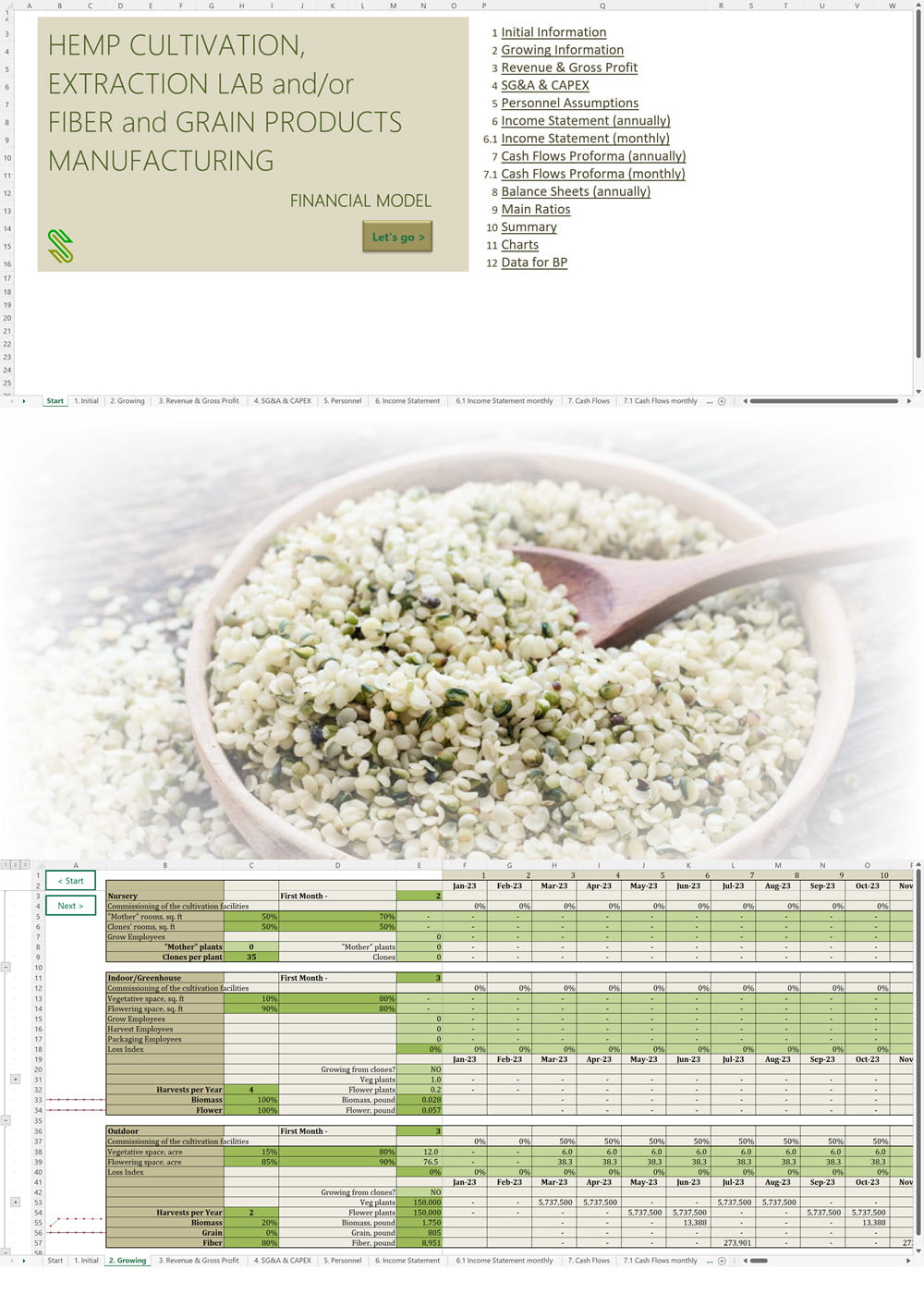
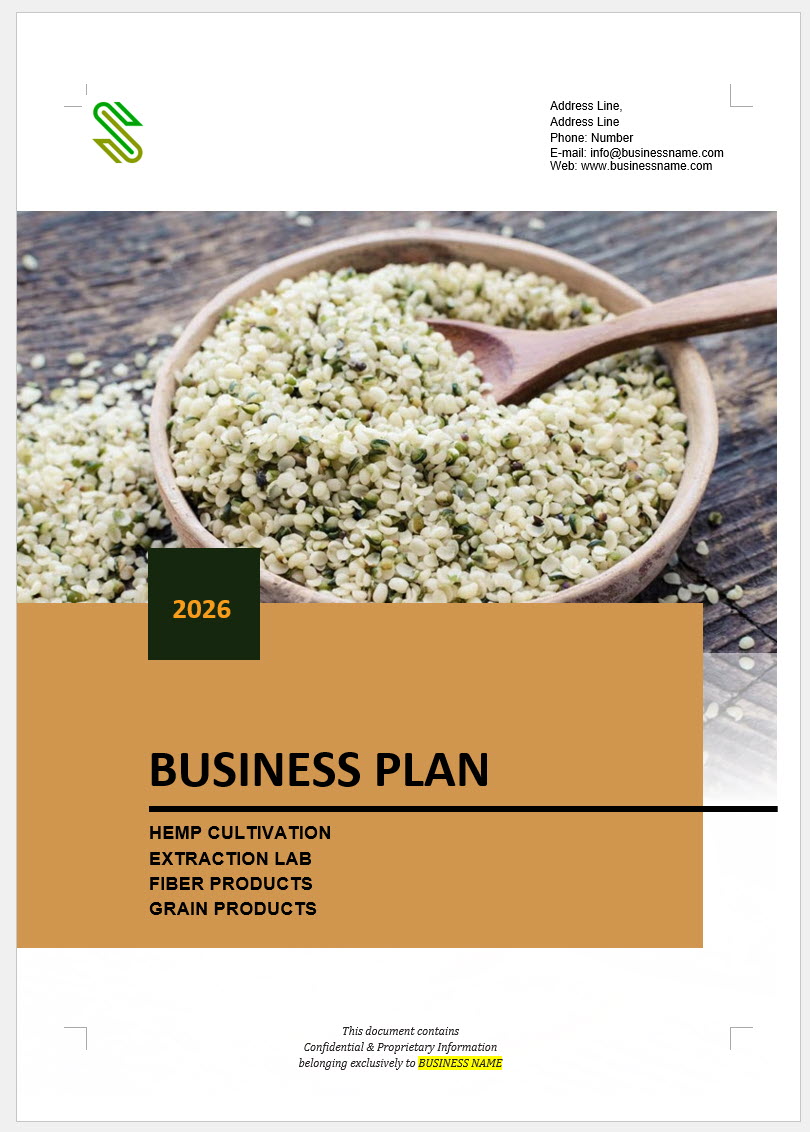
Hemp (Biomass, Fiber, Grain) Cultivation and Processing/ Manufacturing Business Plan Template
Price range: $75.00 through $350.00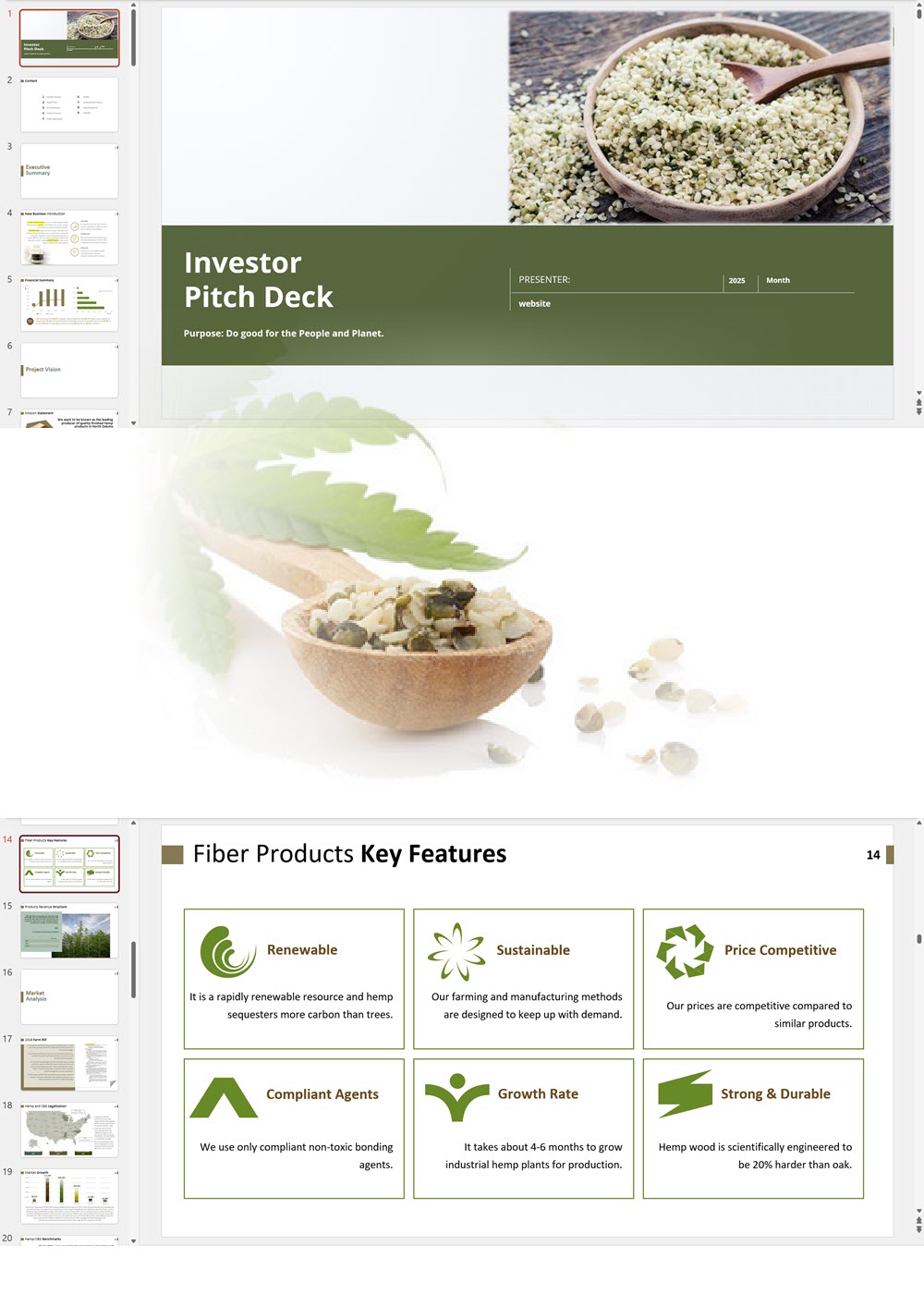
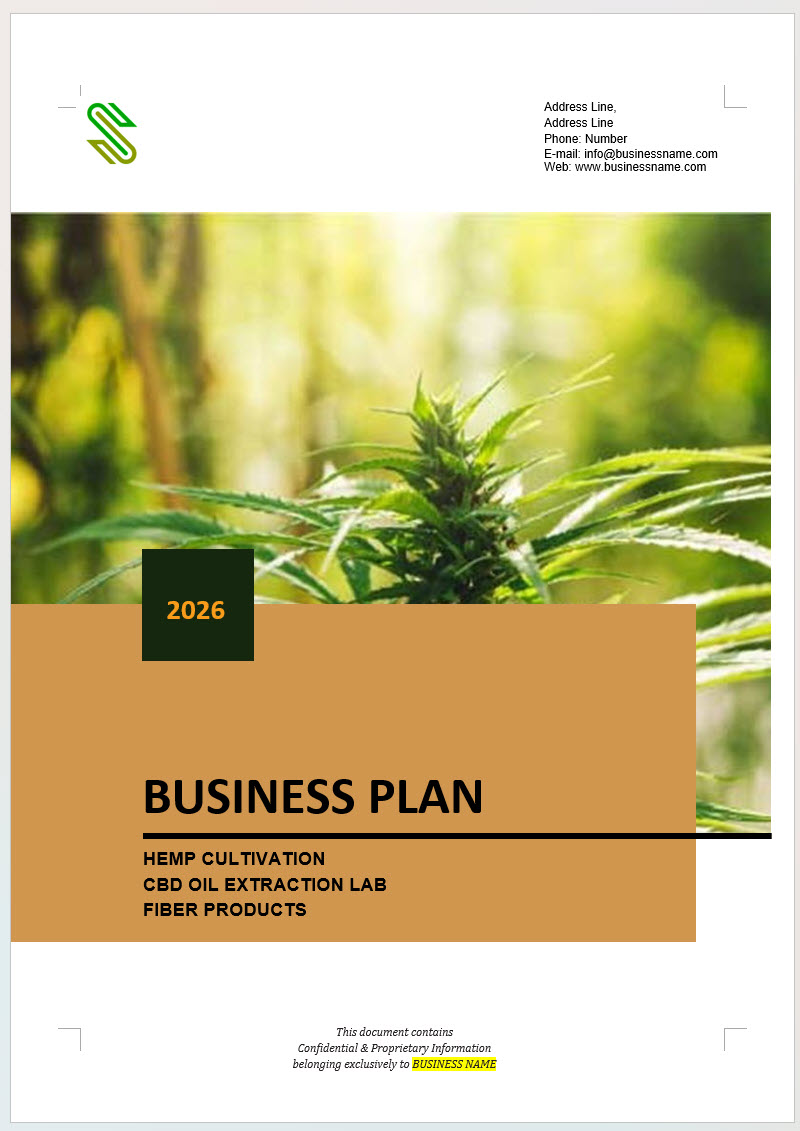
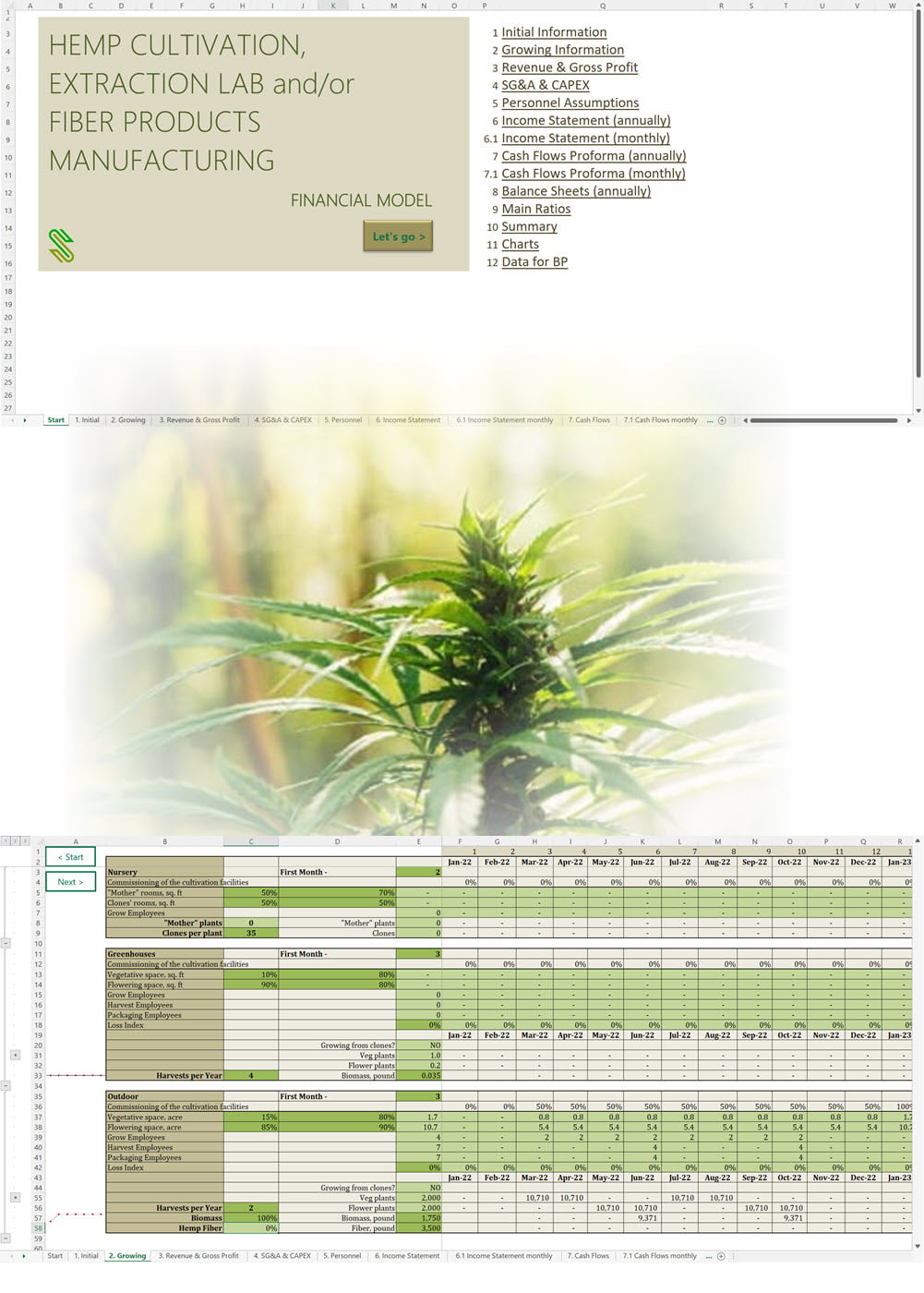
Hemp Cultivation and CBD Oil Extraction and/or Fiber Products Business Plan Template
Price range: $75.00 through $350.00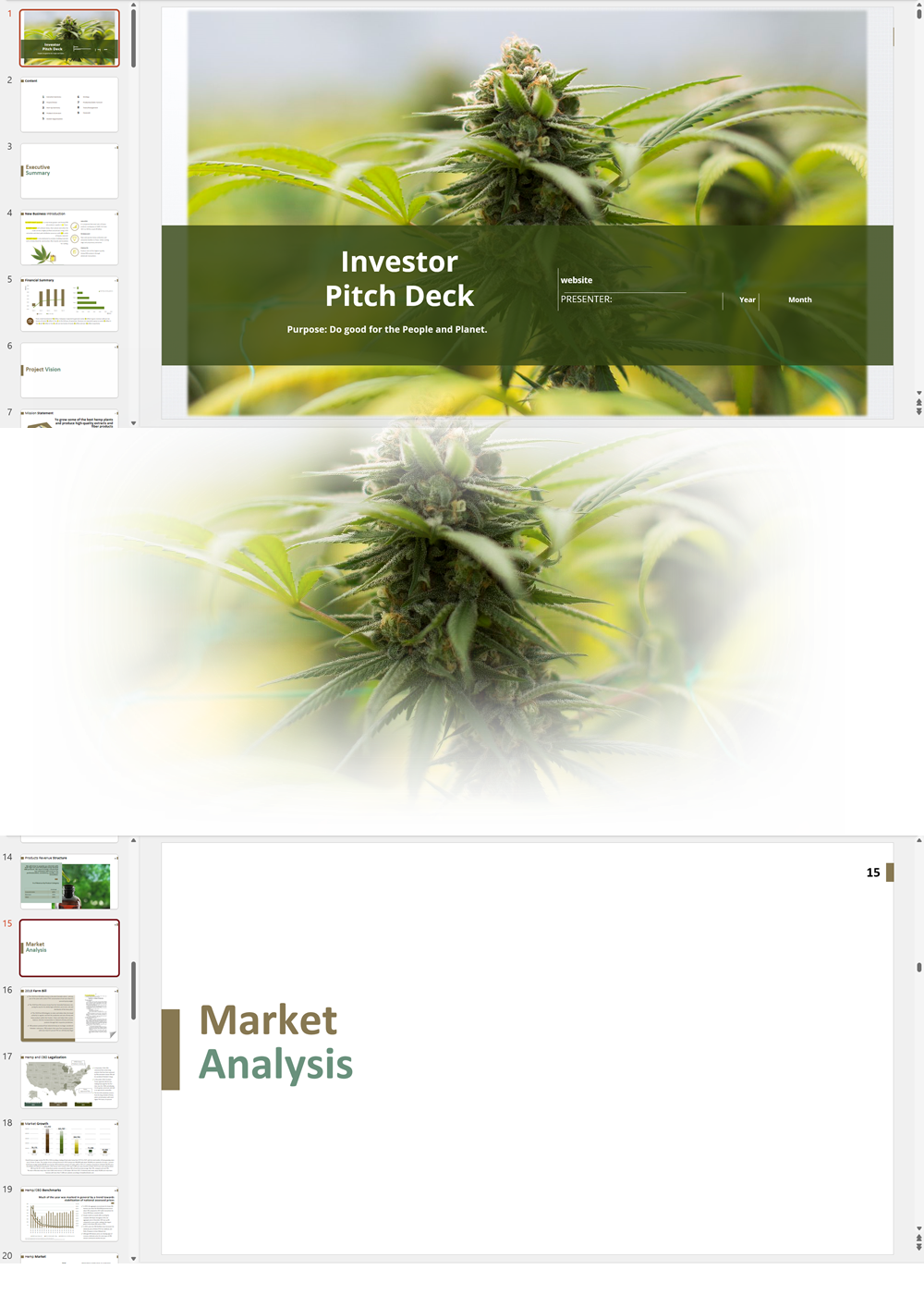
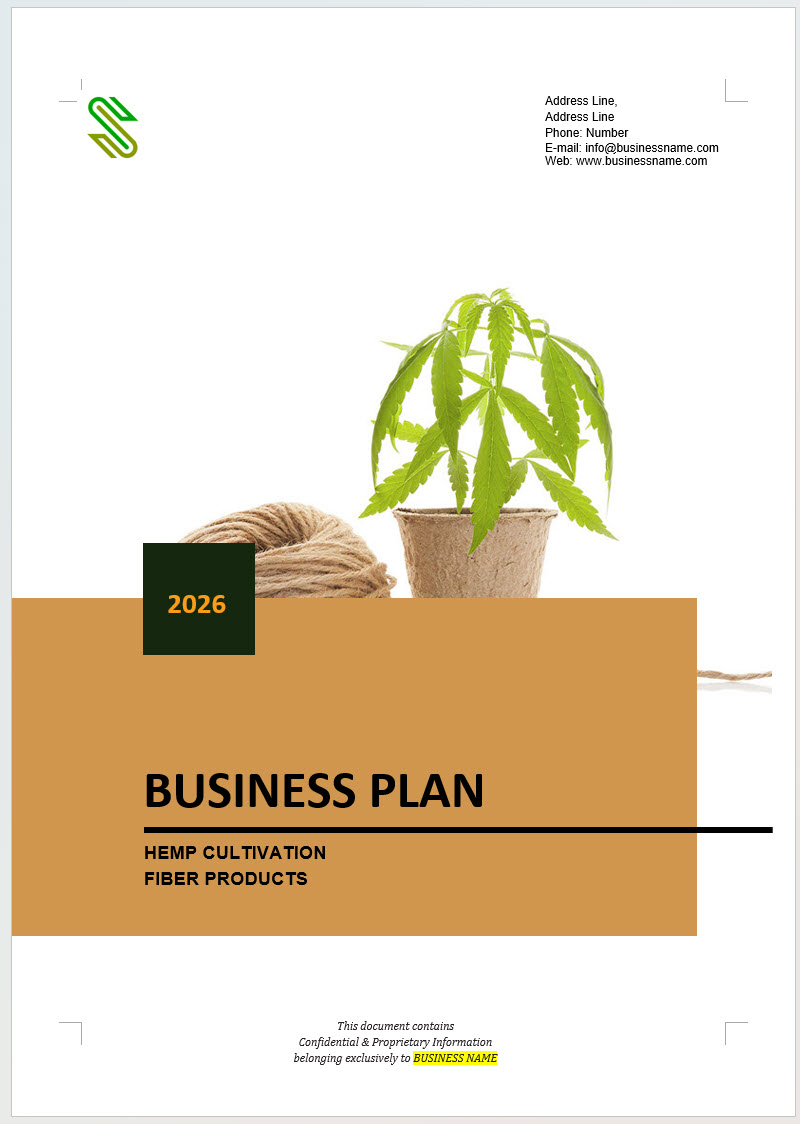
Hemp Fiber Growing and Manufacturing Business Plan Template
Price range: $75.00 through $275.00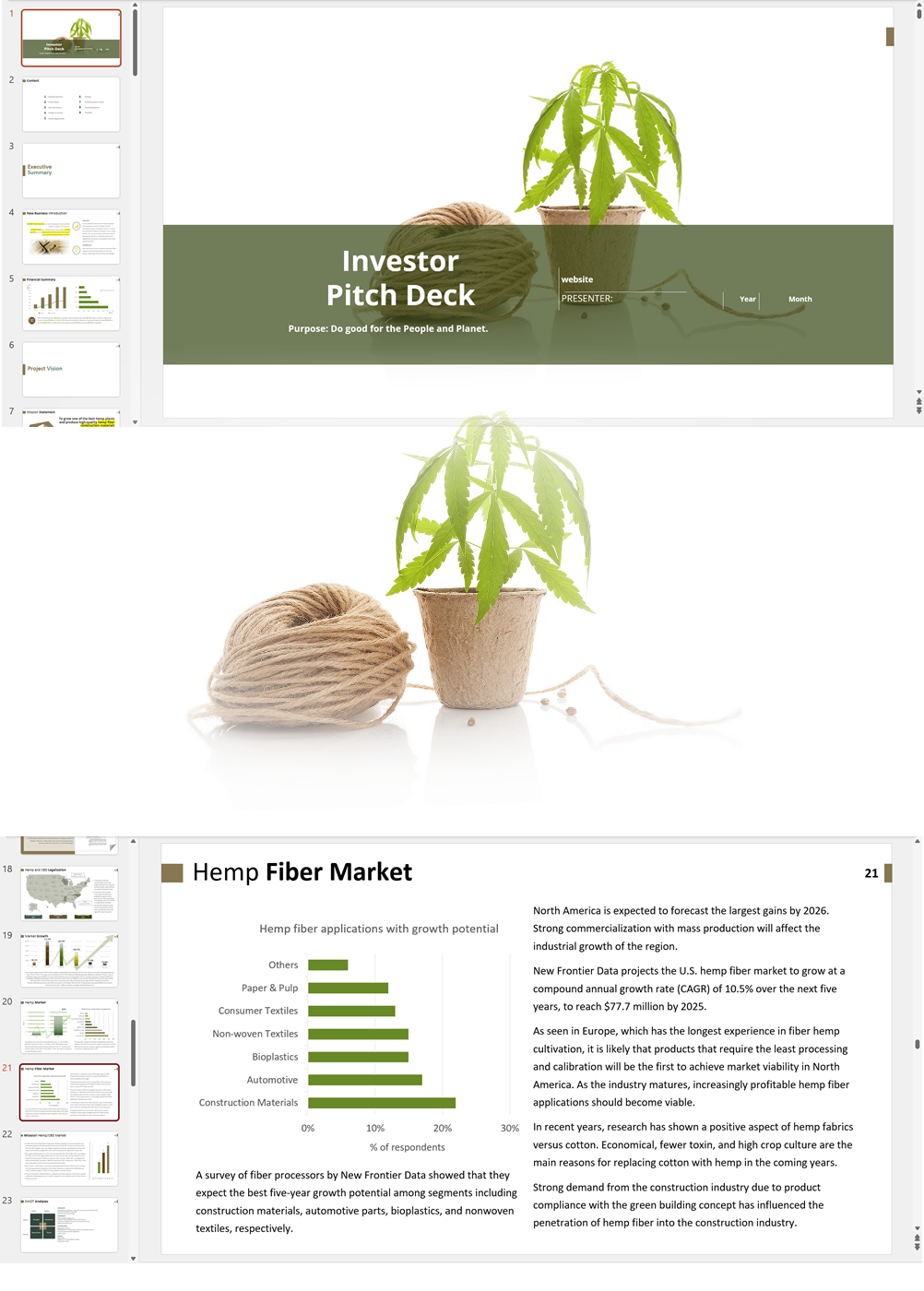
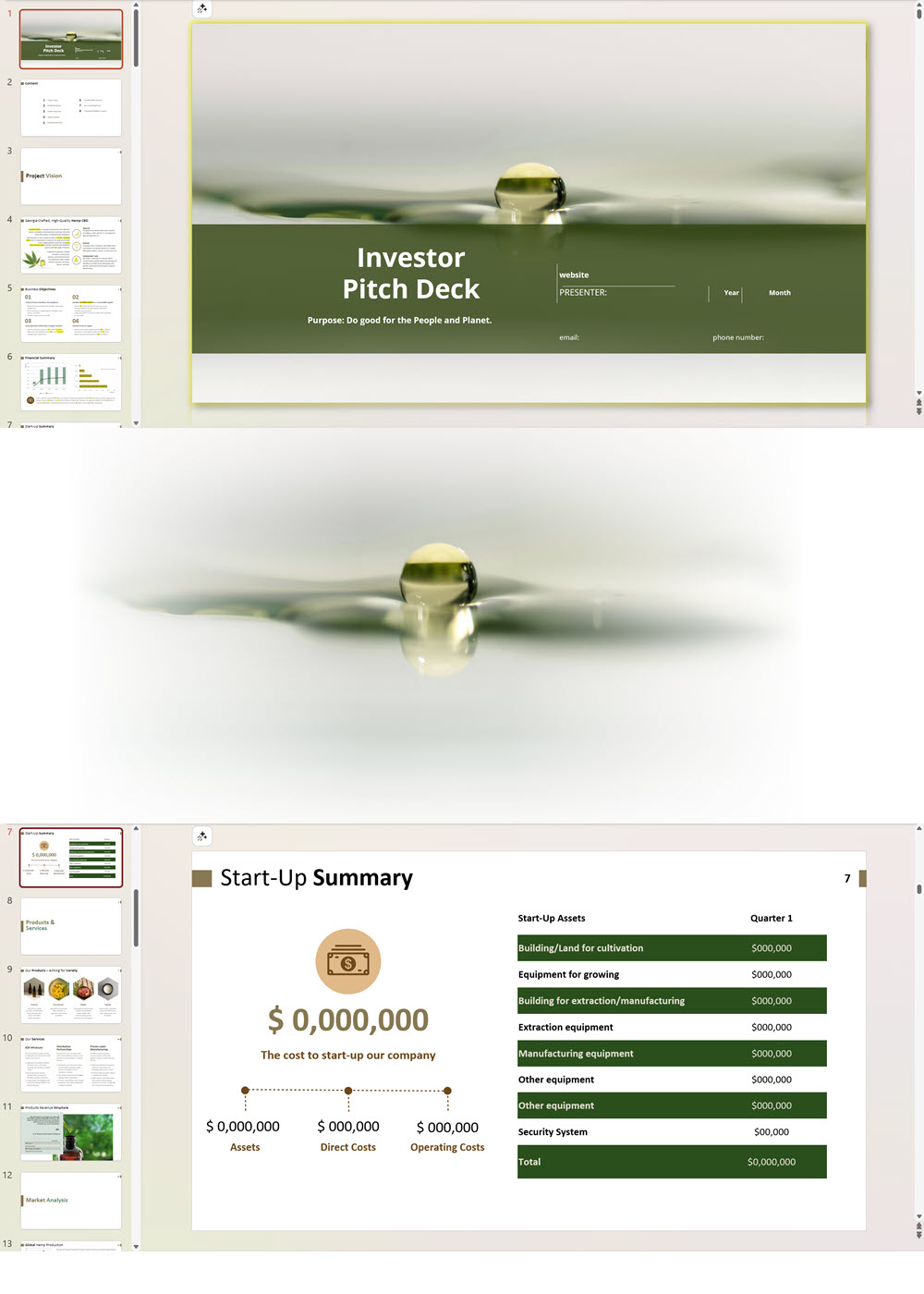
Hemp Cultivation + Extraction + Manufacturing Business Plan Template
Price range: $75.00 through $450.00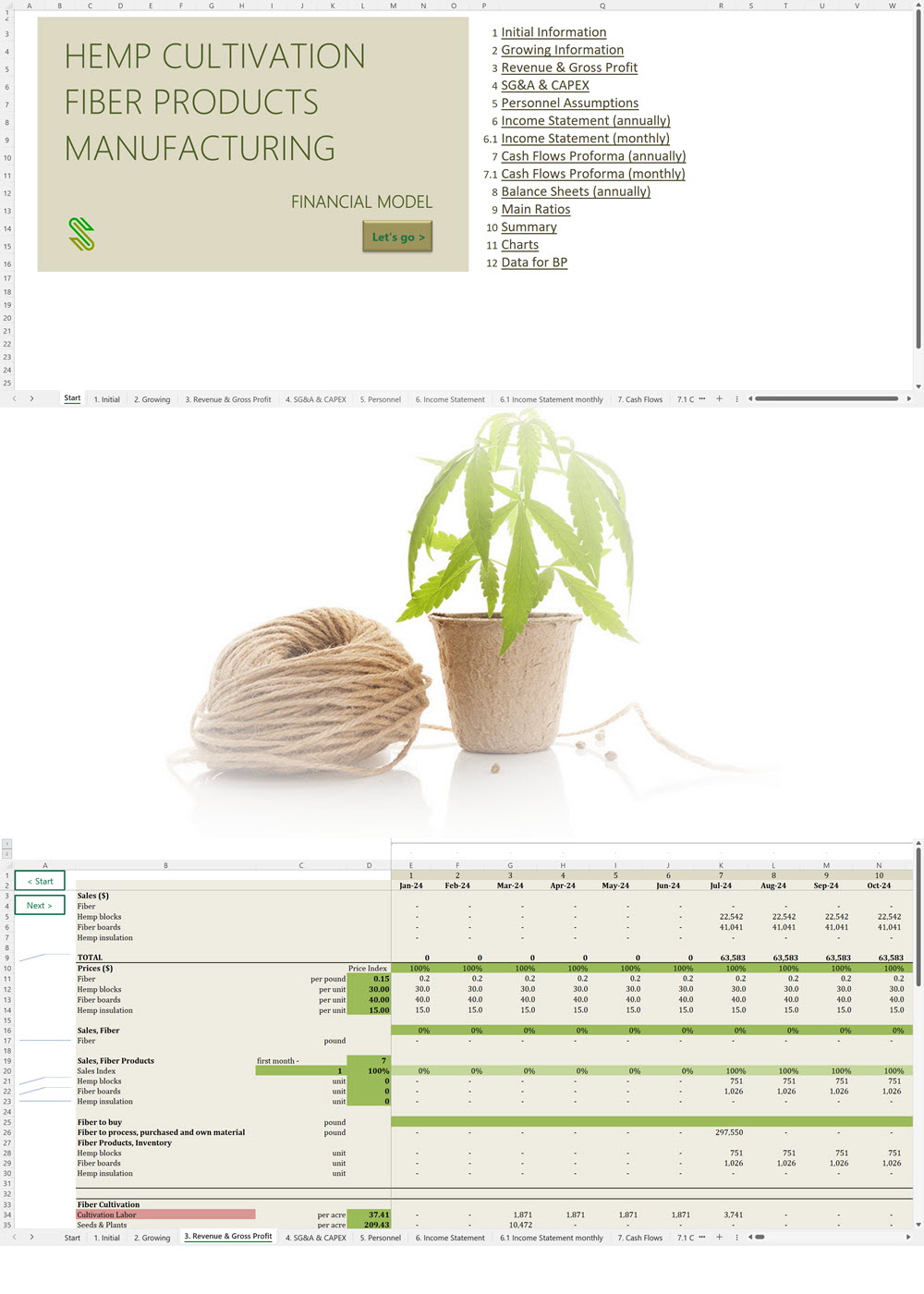
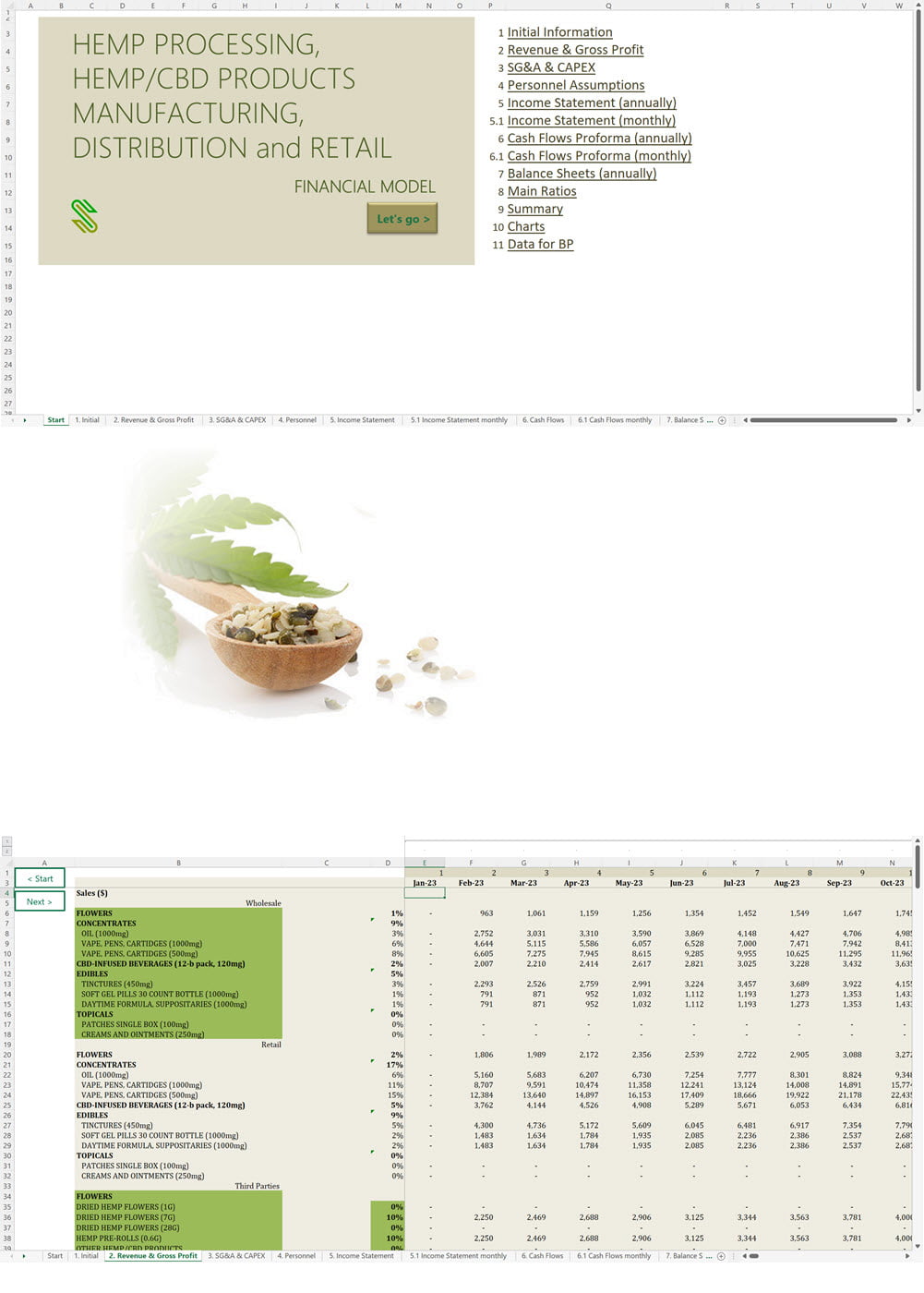
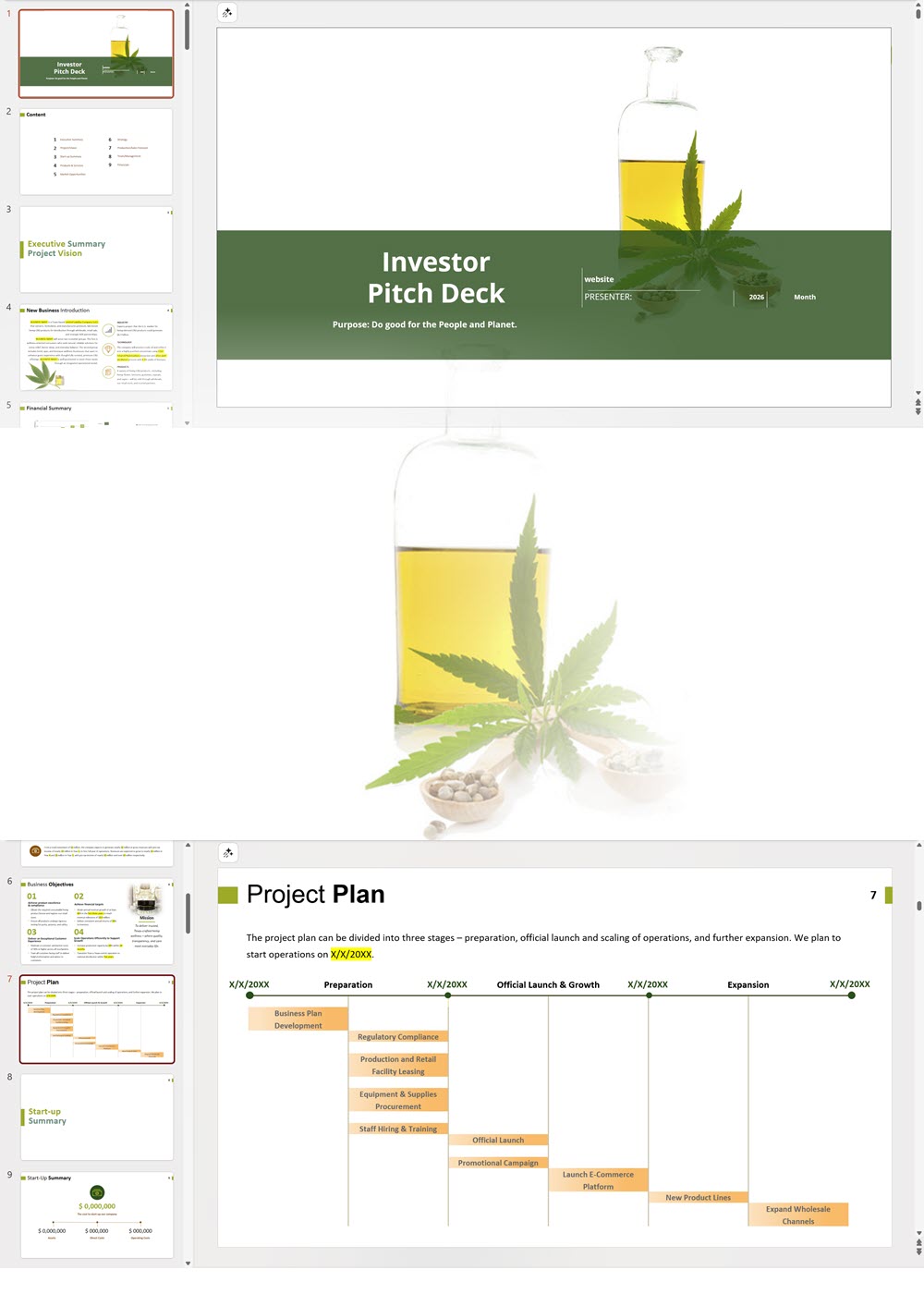
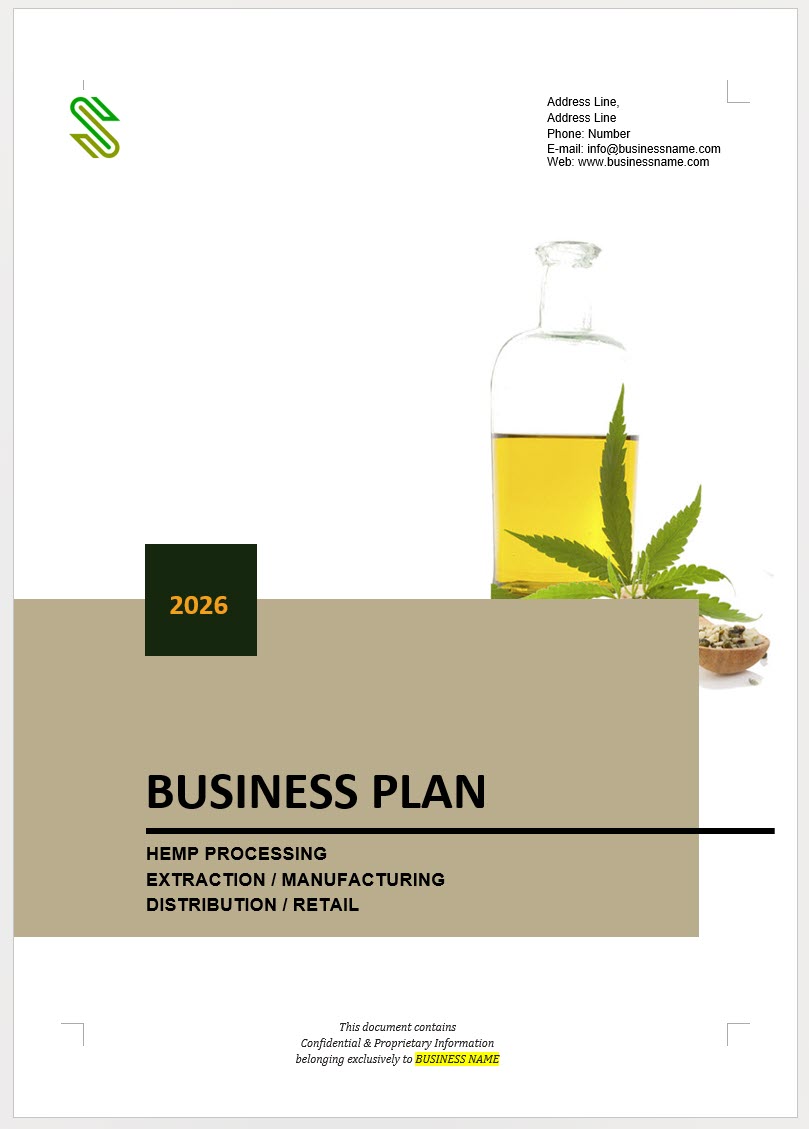
Hemp CBD Extraction + Manufacturing + Retail Business Plan Template
Price range: $75.00 through $450.00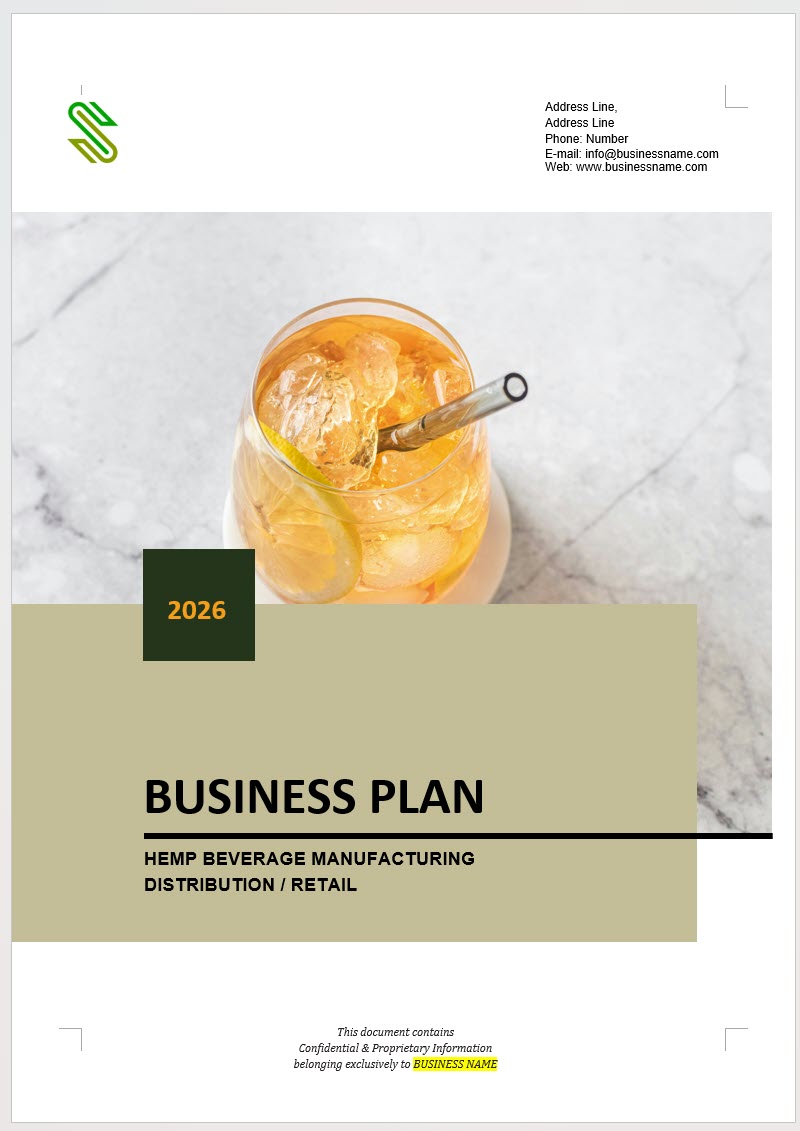
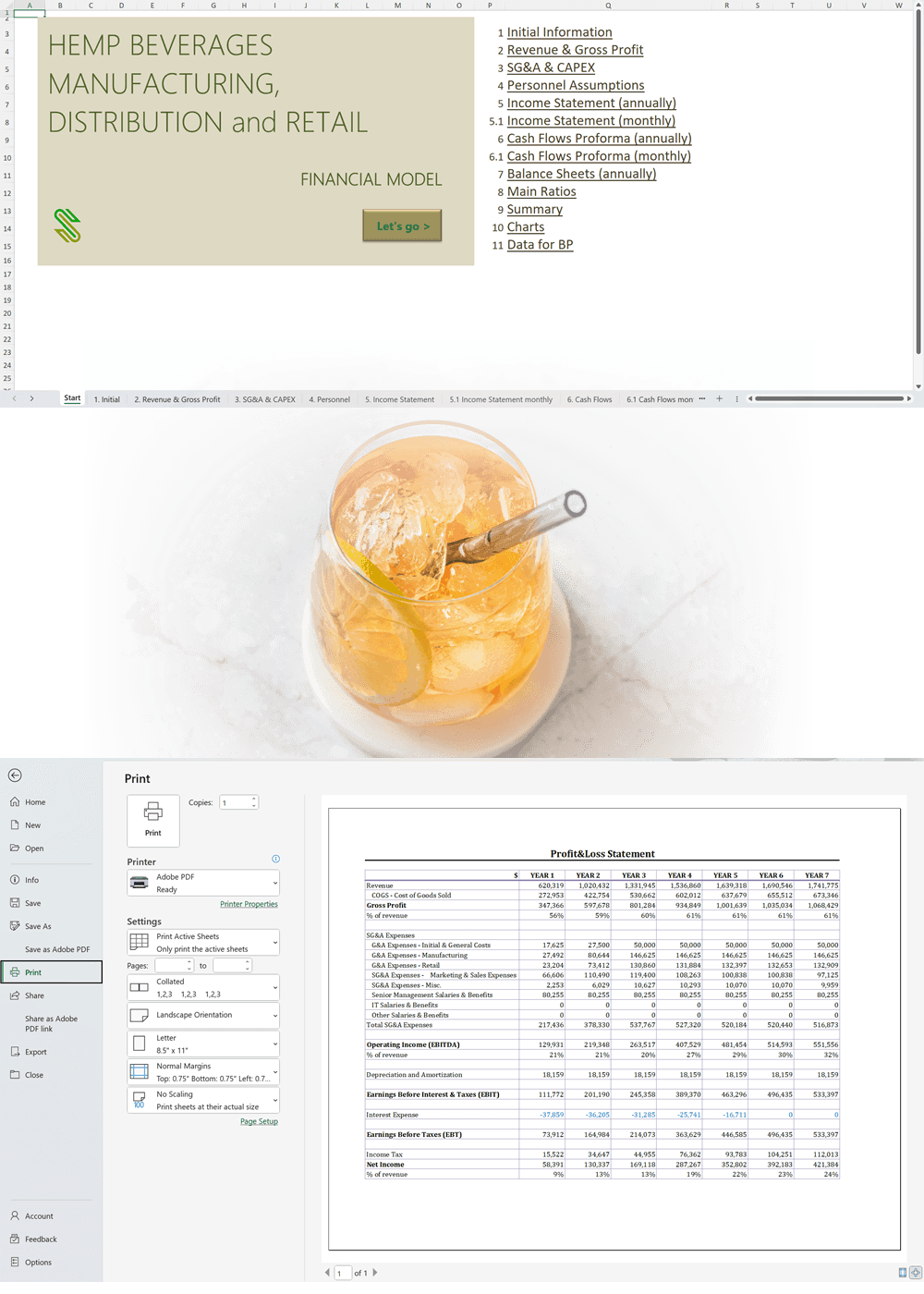
Hemp CBD Beverage Manufacturing, Wholesale and/or Retail Business Plan Template
Price range: $75.00 through $350.00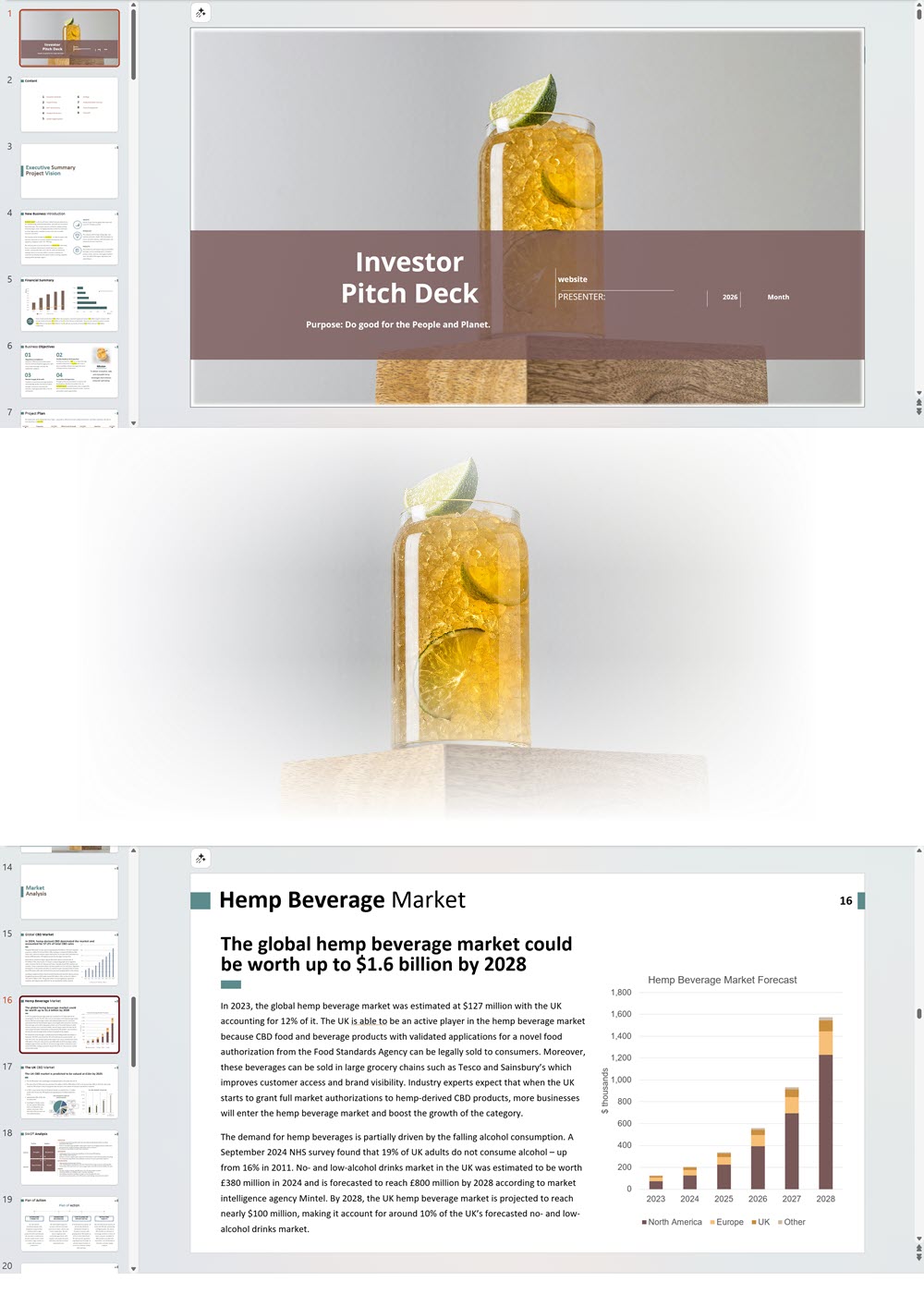
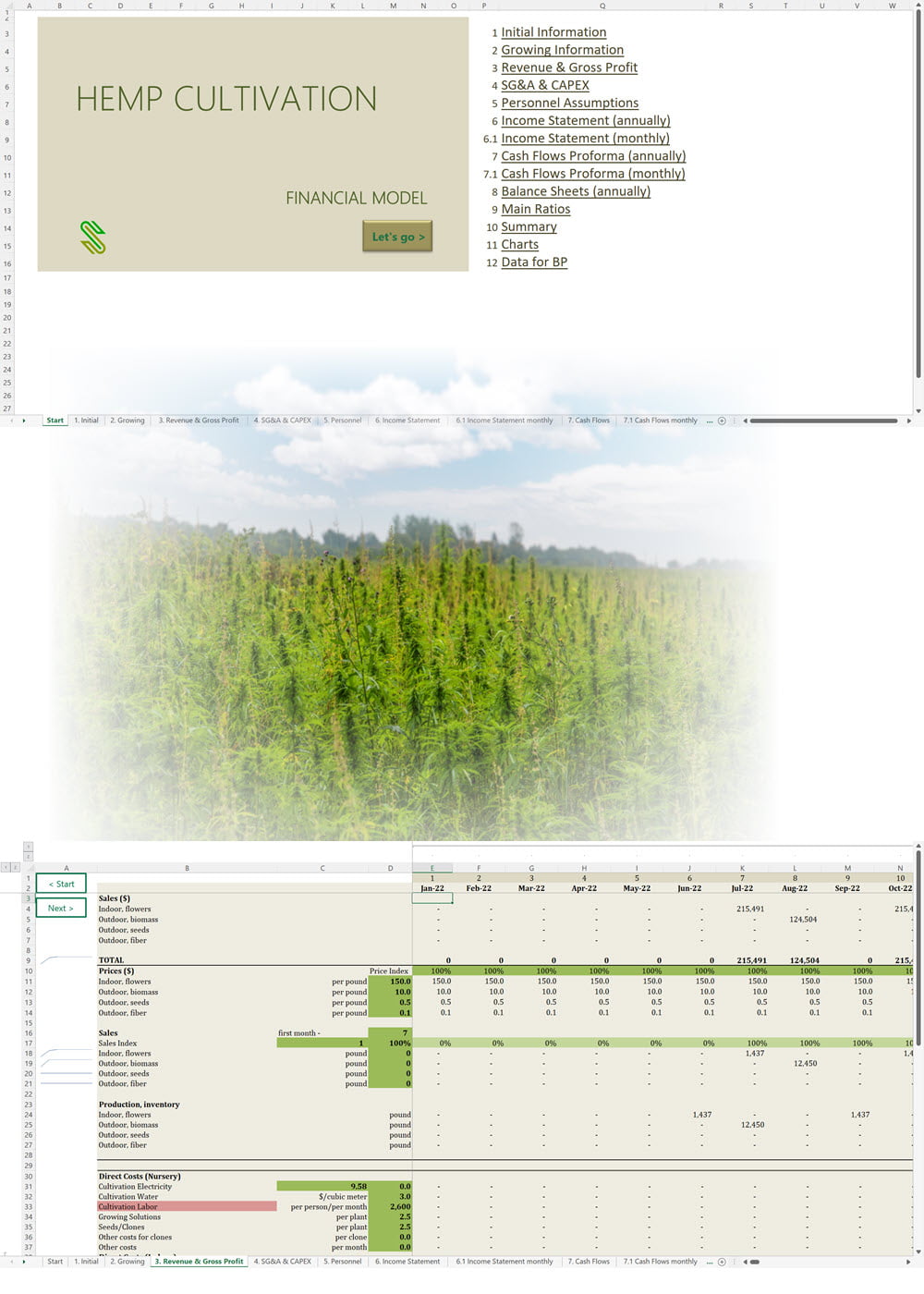
Hemp Cultivation Financial Model
$100.00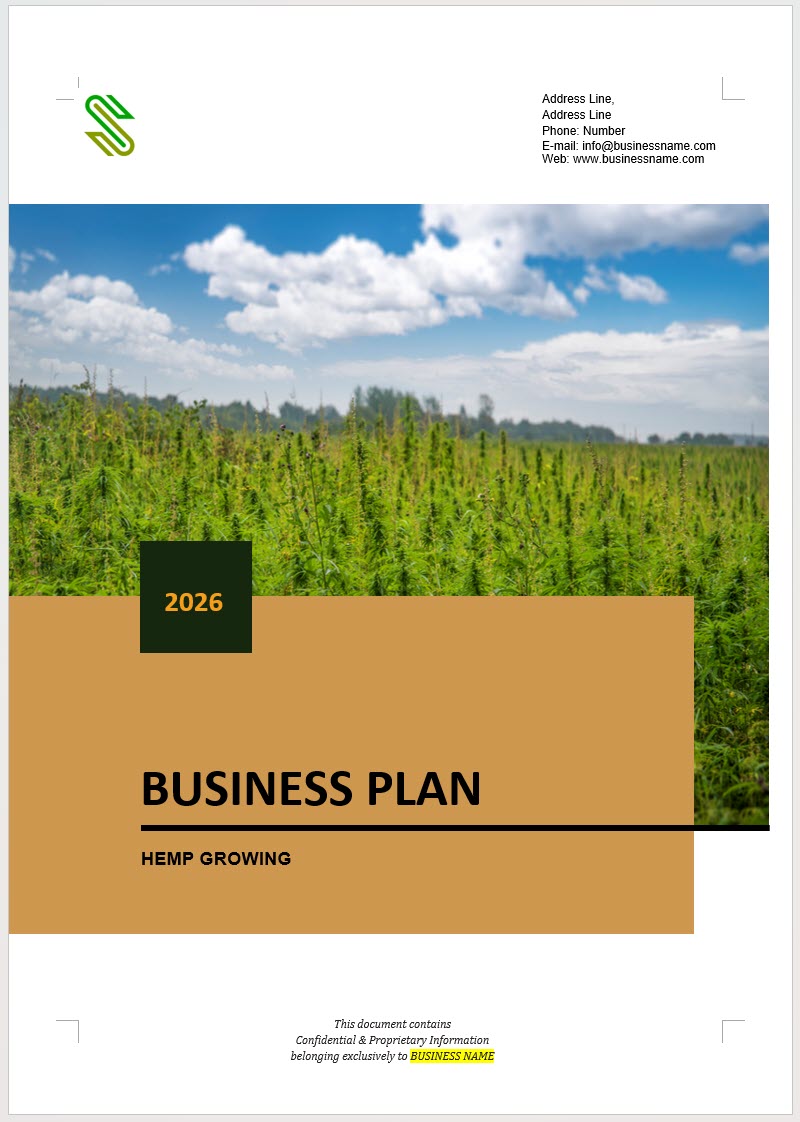
Hemp Cultivation Business Plan Template
Price range: $75.00 through $275.00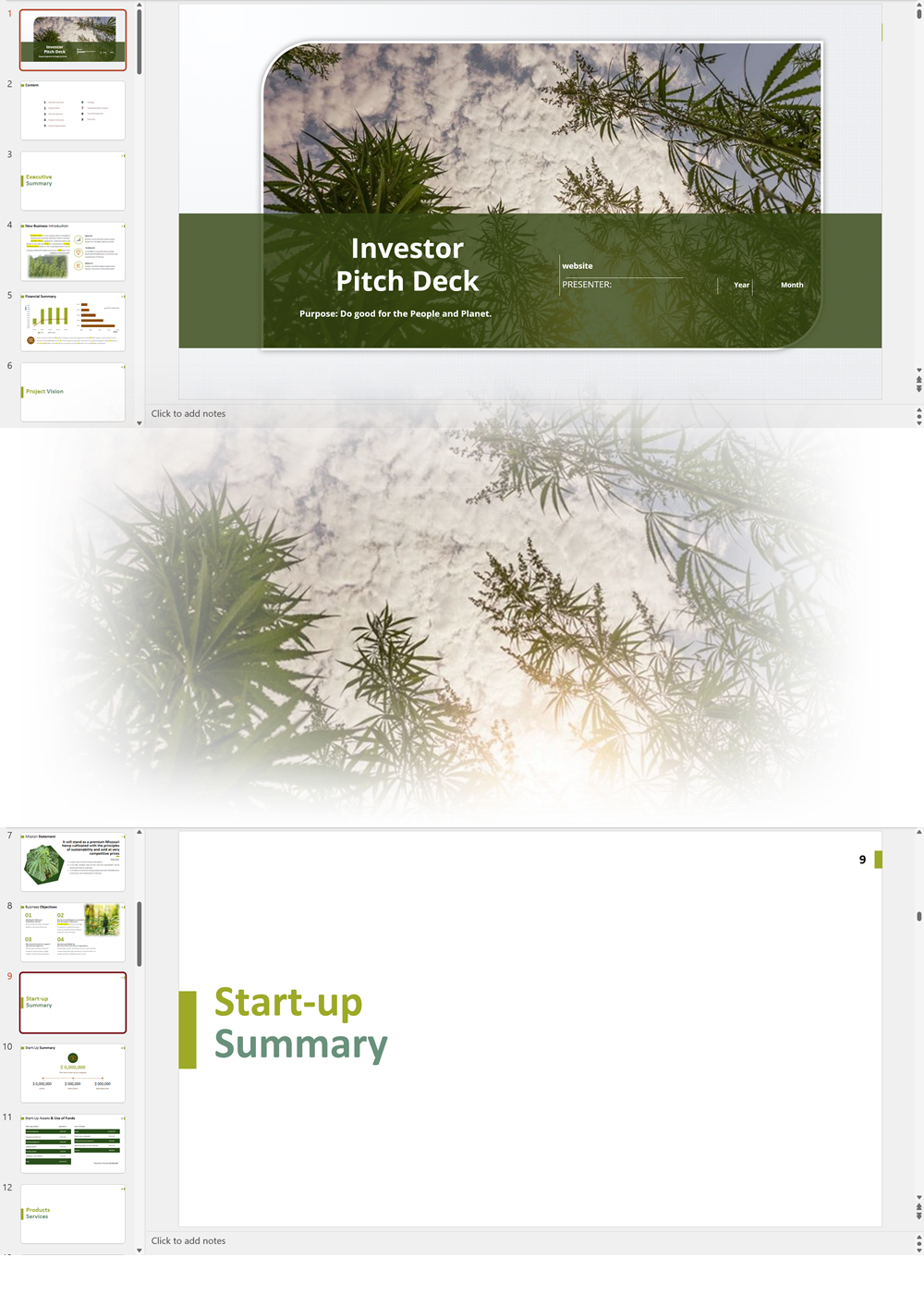
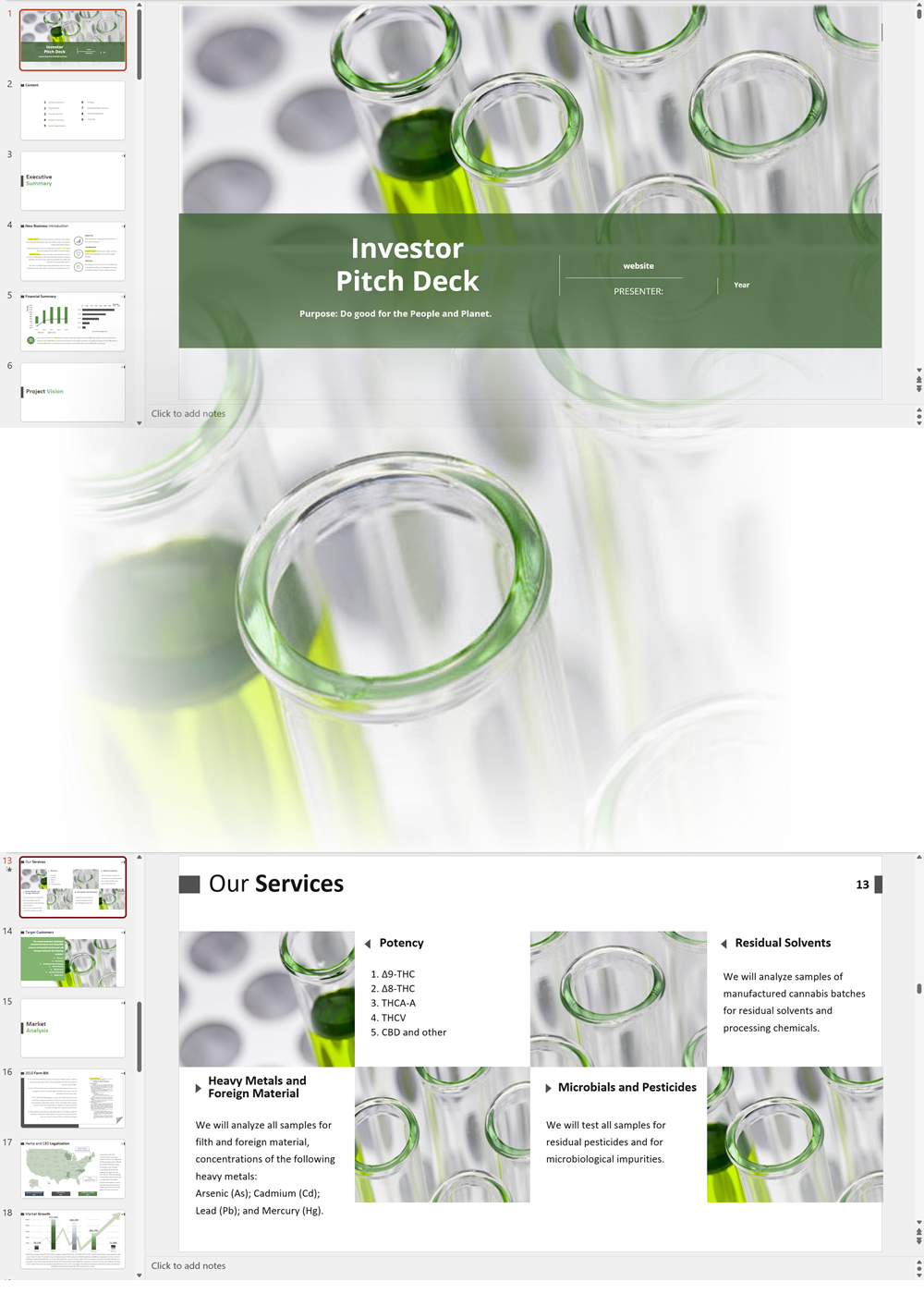
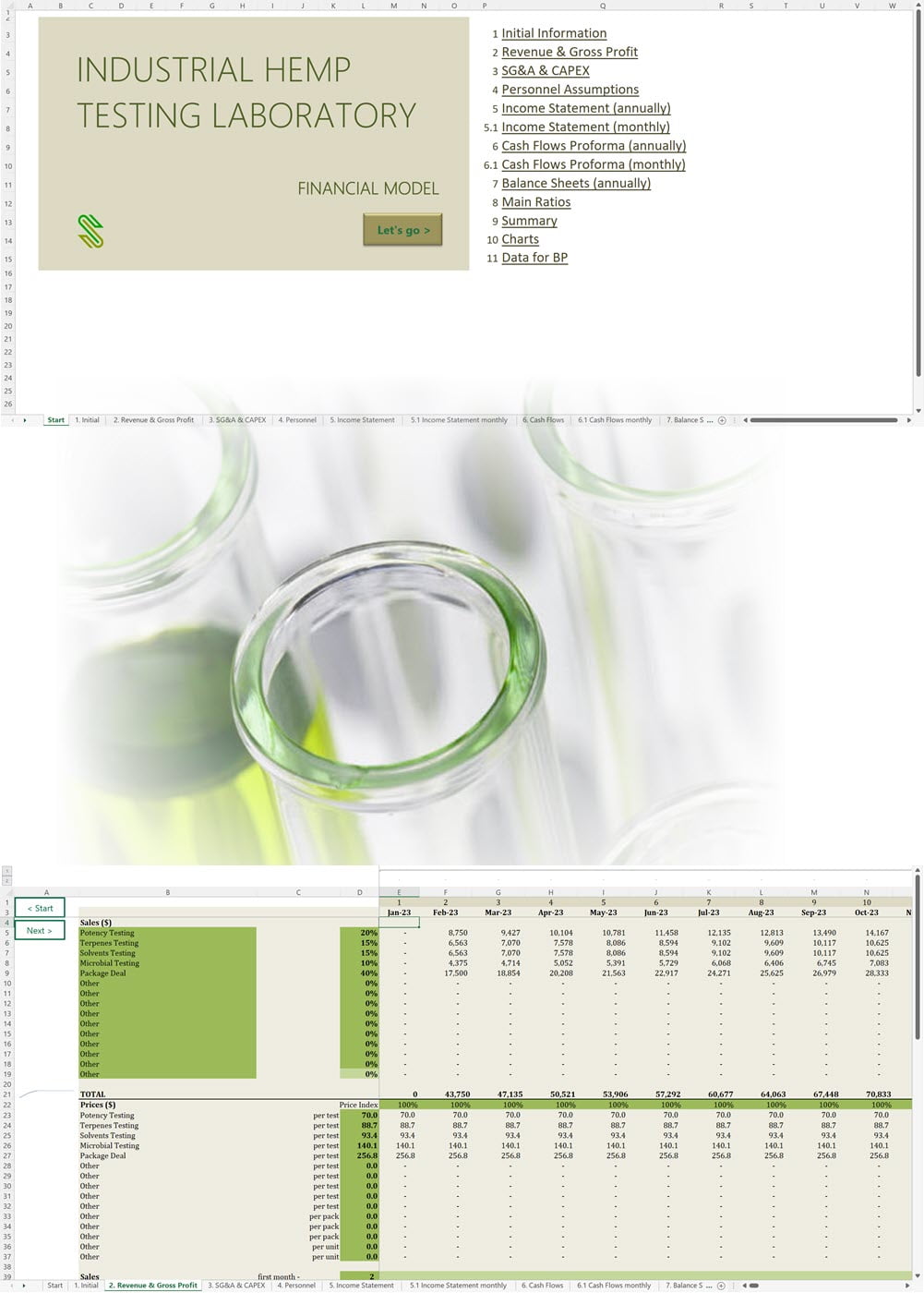
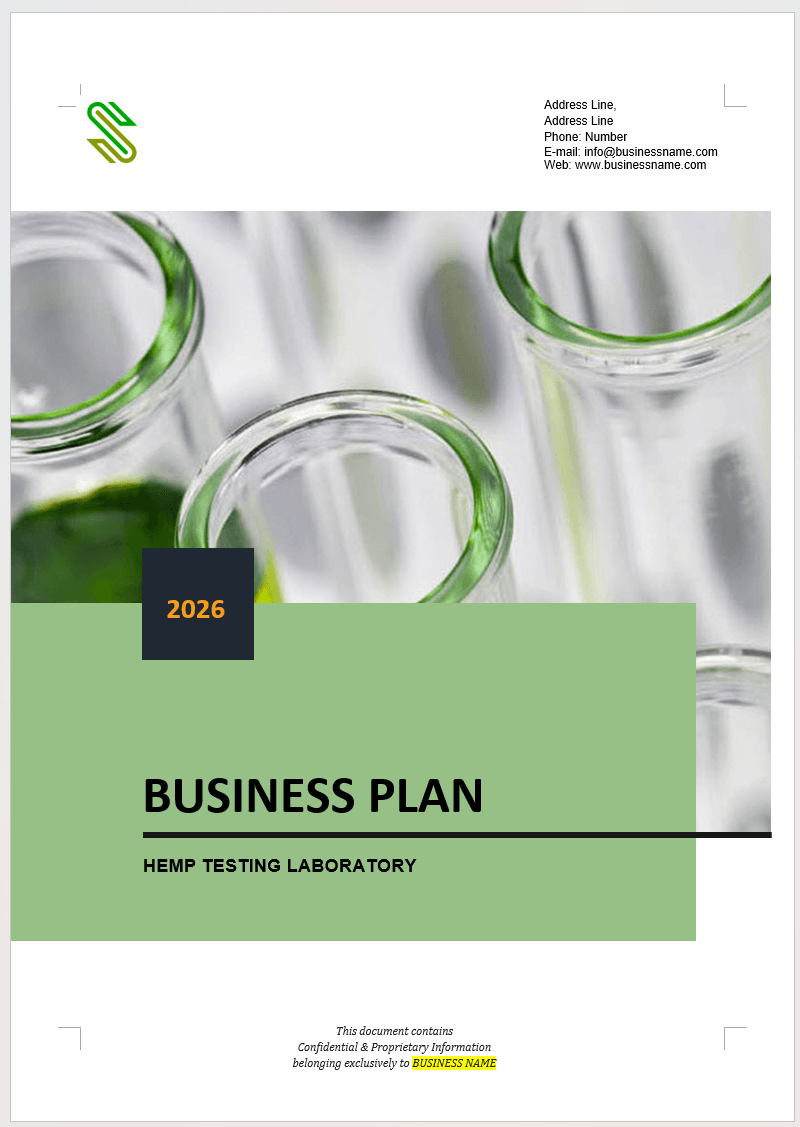
Hemp Testing Laboratory Business Plan Template
Price range: $75.00 through $275.00
Hemp CBD Vertically Integrated Business Plan Template
Price range: $75.00 through $450.00