West Virginia Hemp Industry Regulations
In 2002, the West Virginia Legislature authorized hemp cultivation through Senate Bill 447 (known as the Industrial Hemp Development Act), recognizing industrial hemp with no more than 1% THC as an “agricultural crop.” This legislation also establishes licensing procedures to allow local farmers to “plant, grow, harvest, possess, process and sell” hemp commercially.
In 2014, Congress allowed industrial hemp research pilot projects to be established under state departments of agriculture through the 2014 Farm Bill. The West Virginia Department of Agriculture (WVDA) implemented a pilot program.
In 2017, the pilot program was expanded to allow cultivation of industrial hemp for commercial purposes.
In 2018, Congress legalized the production of hemp and West Virginia consequently passed House Bill 2694 in 2019, which regulates hemp production in the state and establishes a licensing procedure.
West Virginia’s industrial hemp plan was approved by USDA in 2020.
In May 2023, the Senate passed SB 546 which adds delta-8 and delta-10 THC products to the list of Schedule 1 controlled substances under state law. The ban became effective on June 8, 2023. However, this regulation does not apply to products or substances that are legally manufactured, distributed or possessed under §19-12E-1 et seq.
In 2023, another bill was passed, SB 220, which regulates the distribution or sale of hemp-derived cannabinoid products to individuals younger than 21. SB 220 also calls for the Commissioner of Agriculture to develop guidelines in order to restrict the advertising of unapproved or unlawful products and prohibit packaging which targets children. It also establishes an excise tax of 11% which is charged on the retail sales price of hemp-derived cannabinoids listed in this guide from the WVDA.
Hemp Licenses and Permits Available in West Virginia
According to state law, growers are allowed to produce or process hemp if they are licensed by the WVDA. The state requires separate licenses for cultivation and processing of hemp.
The cultivator license allows to plant, water, grow and harvest industrial hemp.
- Application fee: $100.00 per number of non-contiguous locations in Attachment A as specified in the application guide.
- License fee: $100.00 + $5.00 per total acreage for all properties applied for.
- Renewal fee: calculated similarly to the initial application fee.
- License period: Until December 31 of the year of application
A processor license allows to process industrial hemp into hemp products.
- Application fee: $100.00 per number of Attachment B’s as specified in the application guide.
- License fee: $500 per processor facility.
- Renewal fee: calculated similarly to the initial application fee.
- License period: Until December 31 of the year of application.
The manufacturer of all hemp products available for distribution in West Virginia must register annually with the Department.
- Annual registration fee per product: $200
The annual registration fee is capped at $500 per manufacturer for products that are manufactured and sold in West Virginia.
If hemp materials are grown, harvested and manufactured in West Virginia and the products are registered with the West Virginia Grown program, then instead of the $200 per product, an annual registration fee of $100 per product will be paid annually to the WVDA.
- Registration period: The registration expires on 31 December of the year for which the registration was issued.
Hemp fiber products such as rope, fiber, hempcrete, paper and other industrial uses are exempt from the $200 annual fee and registration requirements. Hemp products that are not consumed, inhaled, ingested, absorbed, come in contact with the skin or otherwise have an effect on human or animal health are also exempt from the $200 annual fee and other registration requirements.
All retail facilities, including online retailers, must register with the WVDA in order to be able to sell hemp products or extracts in West Virginia.
- Annual registration fee paid with the application to sell and distribute hemp products: $100
- Registration period: The registration expires 31 December of the year for which the registration was issued.
Retailers that sell only products that they manufacture themselves are exempt from the requirement to pay the fee but are still required to register annually.
Licensing Process:
Eligibility criteria:
- The applicant must not have been convicted of a felony for a controlled substance in the 10 years prior to the application date.
Licensing process:
- Submit a complete application to the WVDA with the required application fee.
- The application will be checked for completeness and legibility.
- The WVDA will first issue a “Letter of Intent” which does not allow the applicant to possess industrial hemp. It indicates the intent of WVDA to issue a Full License to the applicant once the background checks are completed and all fees are paid.
- Once the background checks are completed and all fees are paid, the WVDA will issue a Full License to the applicant.
Registration process:
- Submit an application to the WVDA with all the required information.
Information required to be submitted with the application is not limited to:
- Name and address of the applicant’s retail store. If the applicant sells through an online store, this must be indicated on the application.
- Name and home address of the responsible party.
- Tax identification number of FEIN.
- Letter of good standing with the state’s Tax Division.
Registration process:
- Submit an application to the WVDA with all the required information.
Information required to be submitted with the application is not limited to:
- The name and address of the applicant.
- The name and address of the person whose name will appear on the label, if not the applicant.
- The name of the product.
- The name and address of the origin of the raw hemp product which was used to manufacture the final product.
- A complete copy of the label that will appear on the product.
What Hemp Products are Legal in West Virginia
Under West Virginia law, hemp derivatives, isomers and cannabinoids with less than 0.3% of THC content are legal. Hemp and hemp-derived cannabinoids can be ingested and added to cosmetics and personal care products for animal or human consumption.
The following hemp derived cannabinoids are subject to an additional 11% excise tax paid quarterly to the WV Tax Division:
- Delta-10-Tetrahydrocannabinol (Delta-10-THC)
- Delta-9-tetrahydrocannabinol (THC) <0.3% Total THC
- Delta-8-tetrahydrocannabinol (Delta-8-THC)
- Delta-9-tetrahydrocannabivarin (THCv)
- Hexahydrocannabinol (HHC) (-)
- Tetrahydrocannabiphorol (THCp)
- All kratom products
West Virginia Hemp Industry Stats
Even though West Virginia allows seed and fiber production, almost all the hemp growers are growing plants for CBD extraction.
Vote Hemp reported that 155 acres of hemp were grown in West Virginia in 2018 compared to 14 acres in 2017.
During the 2019 application period, the WVDA saw a 300% increase in applicants versus the previous year. According to the WVDA, 158 licenses were issued in 2019, and 2,531 acres of land were registered, compared to 46 licenses and 155 acres in 2018.
In 2020, the acres of registered land further increased to 2,760. The WVDA received 232 applications for the cultivation and/or processing of hemp for the 2021 growing season.
According to the WVDA, in 2019, in total 649.5 acres of hemp were grown in the state.
As of 8 August, 2024, there were 3 processing licenses, 8 cultivating and processing licenses and 44 cultivating licenses issued by the WVDA.
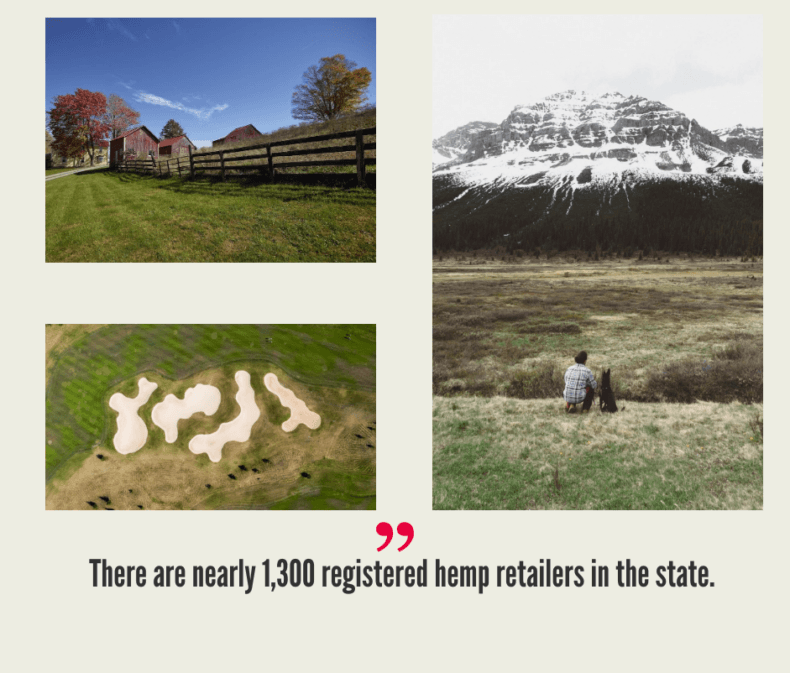
As of October 2024, there were 1,266 registered hemp retailers in the state.
West Virginia Hemp Industry Infographics
Hemp CBD Vertically Integrated Business Plan Sample, West Virginia
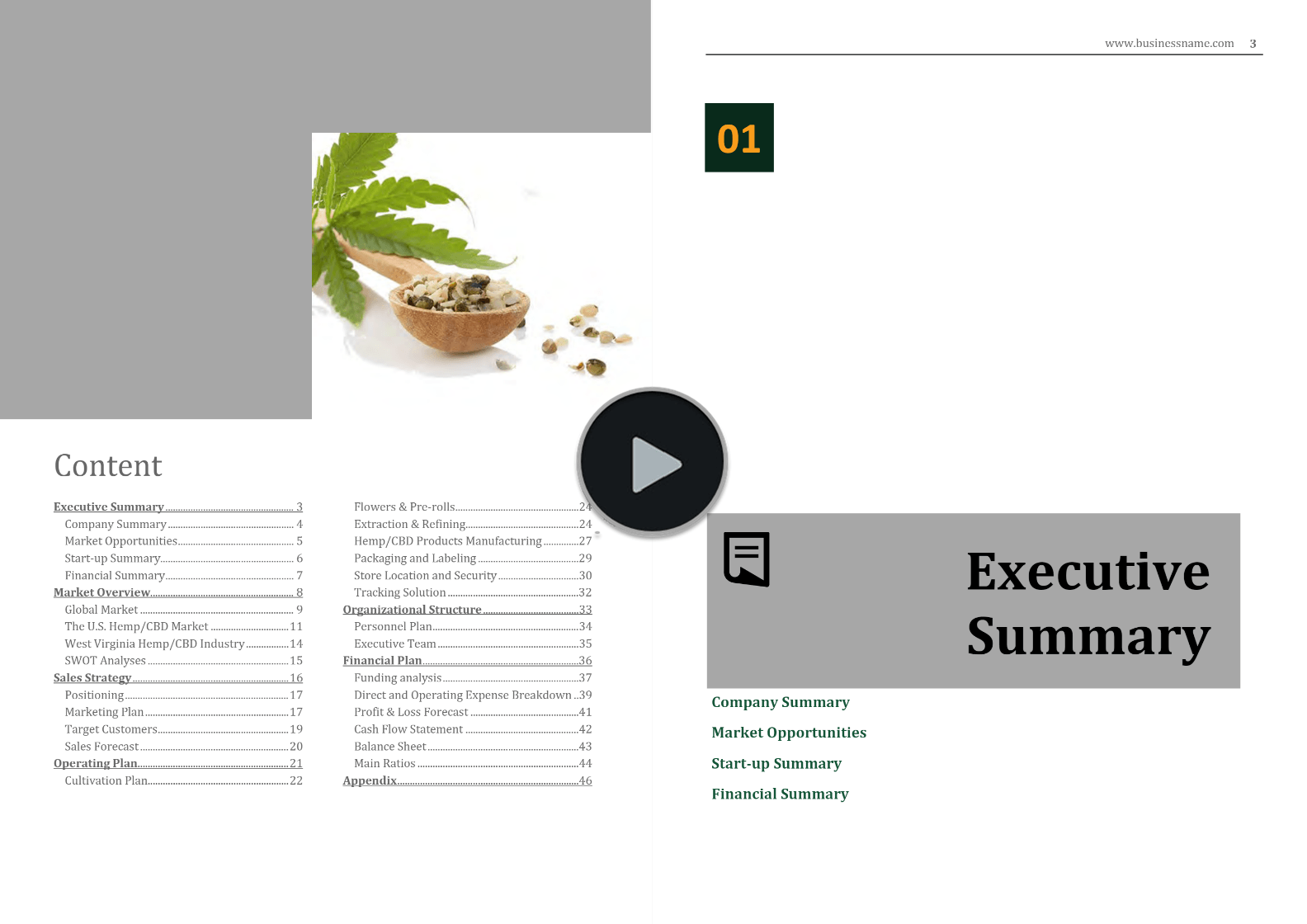
'70% ready to go' business plan templates
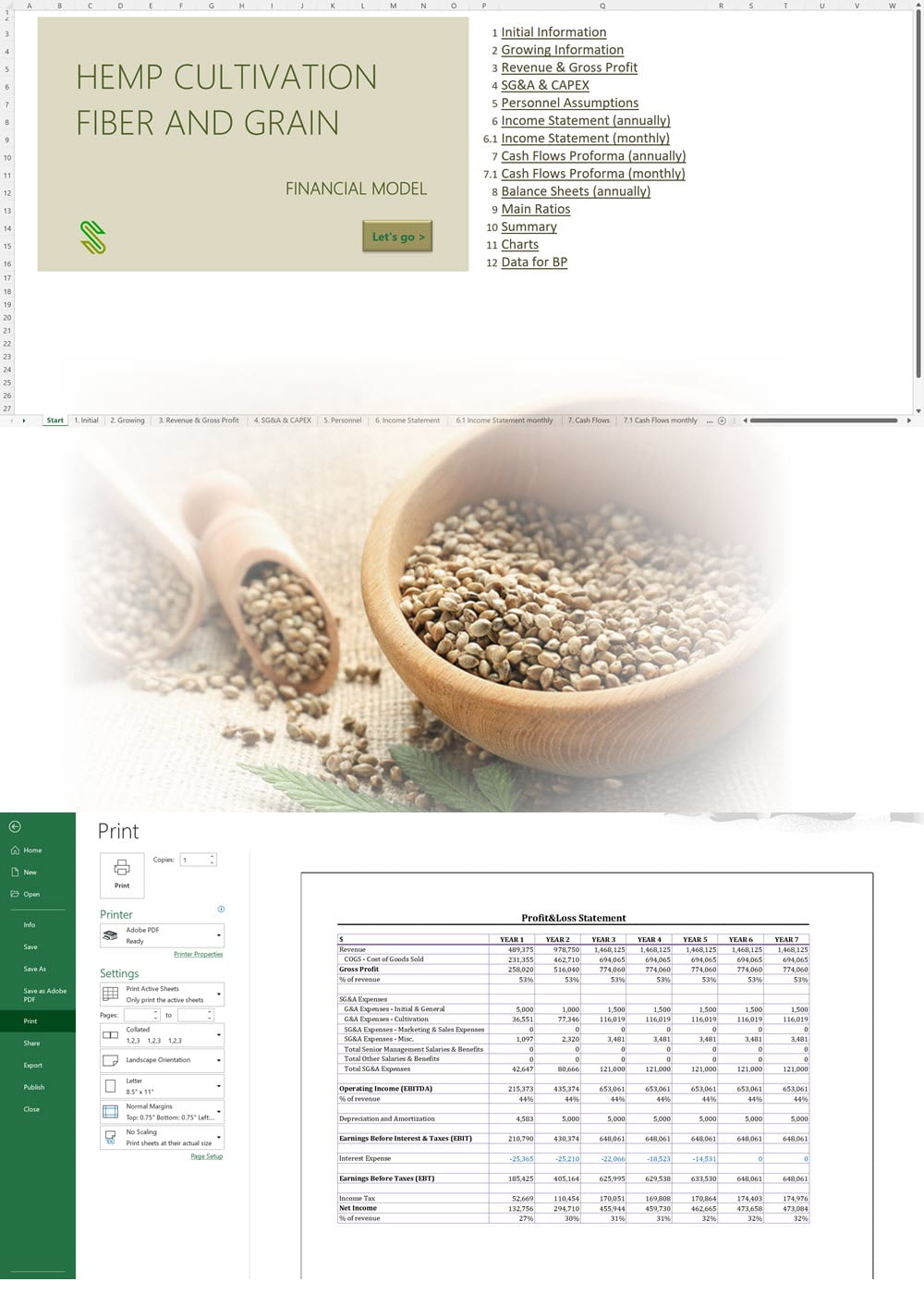
Our hemp/CBD financial models and business plan templates will help you estimate how much it costs to start and operate your own hemp/CBD business, to build all revenue and cost line-items monthly over a flexible seven year period, and then summarize the monthly results into quarters and years for an easy view into the various time periods. We also offer investor pitch deck templates.
Best Selling Templates
-

Hemp Cultivation Business Plan Template
Price range: $75.00 through $275.00 Select options This product has multiple variants. The options may be chosen on the product page -

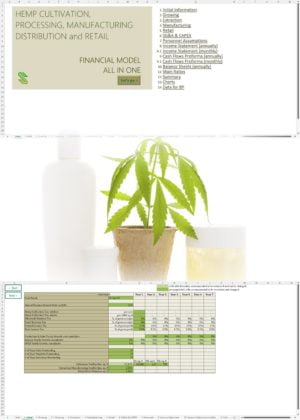
Hemp CBD Financial Model All in One
$200.00 Select options This product has multiple variants. The options may be chosen on the product page -
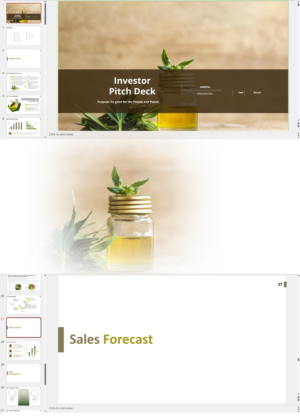
CBD Retail Investor Pitch Deck Template
$75.00 Select options This product has multiple variants. The options may be chosen on the product page
Our Templates
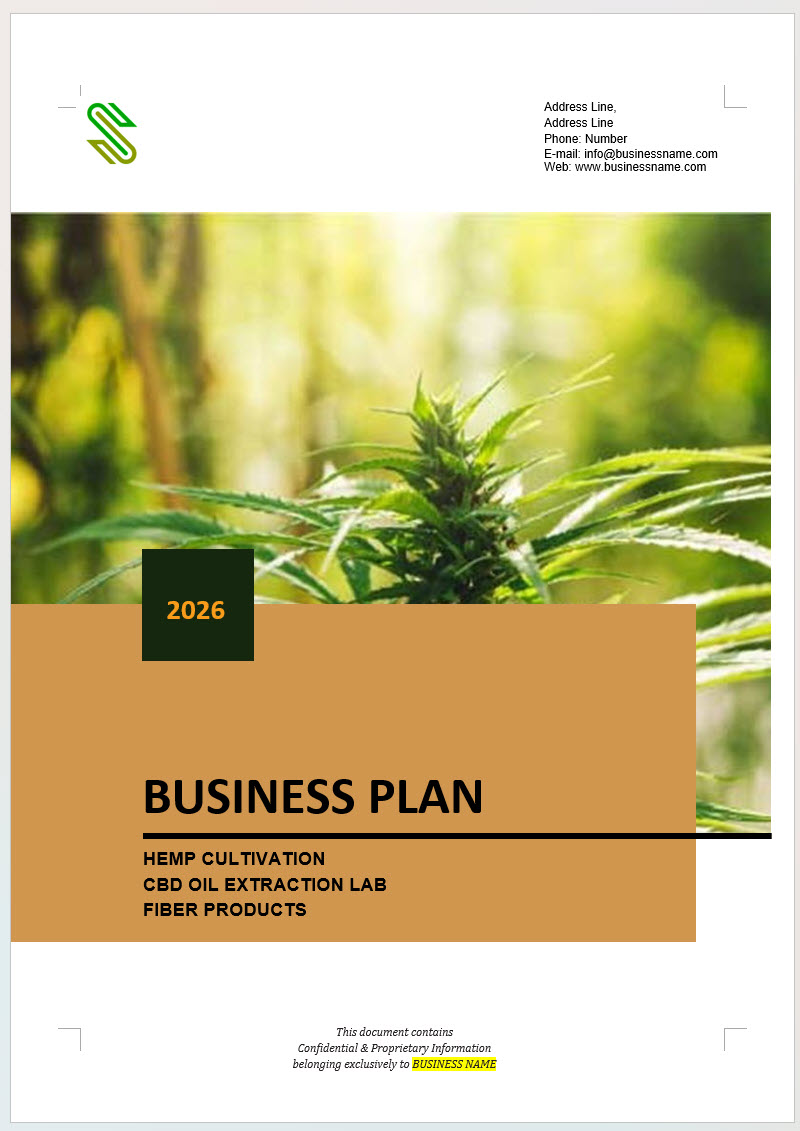
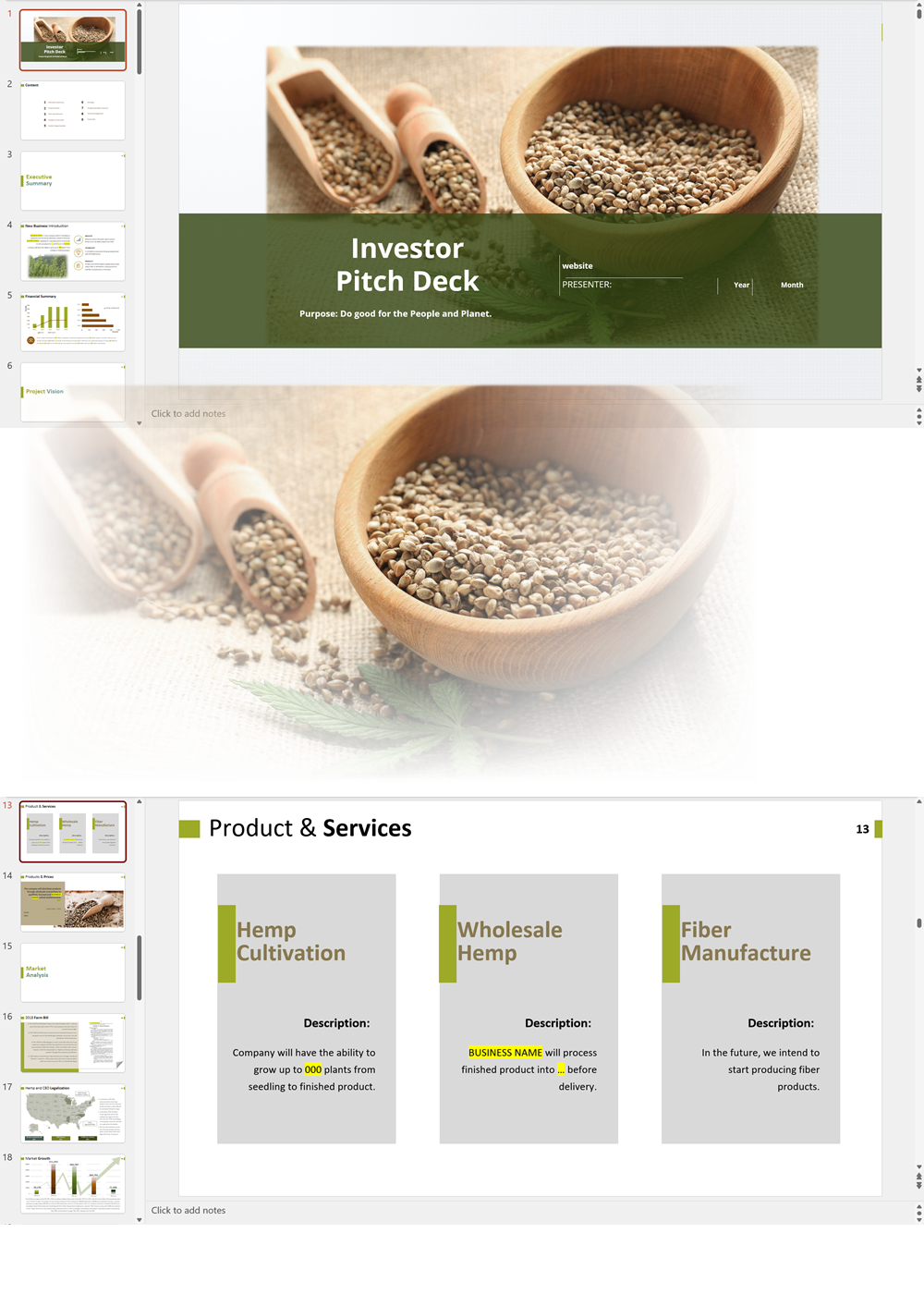
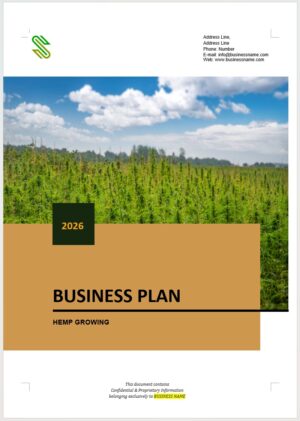
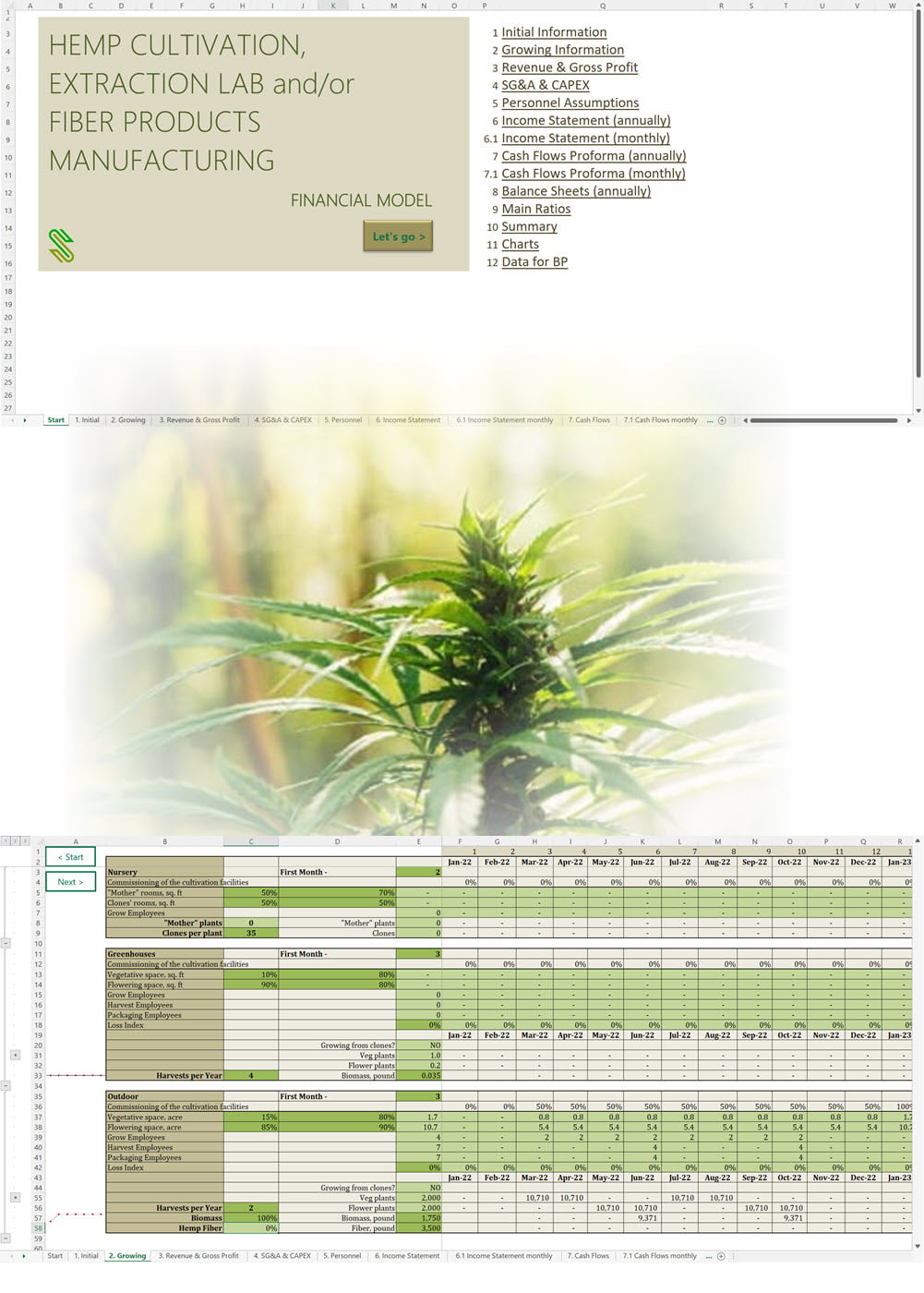
Hemp Cultivation and CBD Oil Extraction and/or Fiber Products Business Plan Template
Price range: $75.00 through $350.00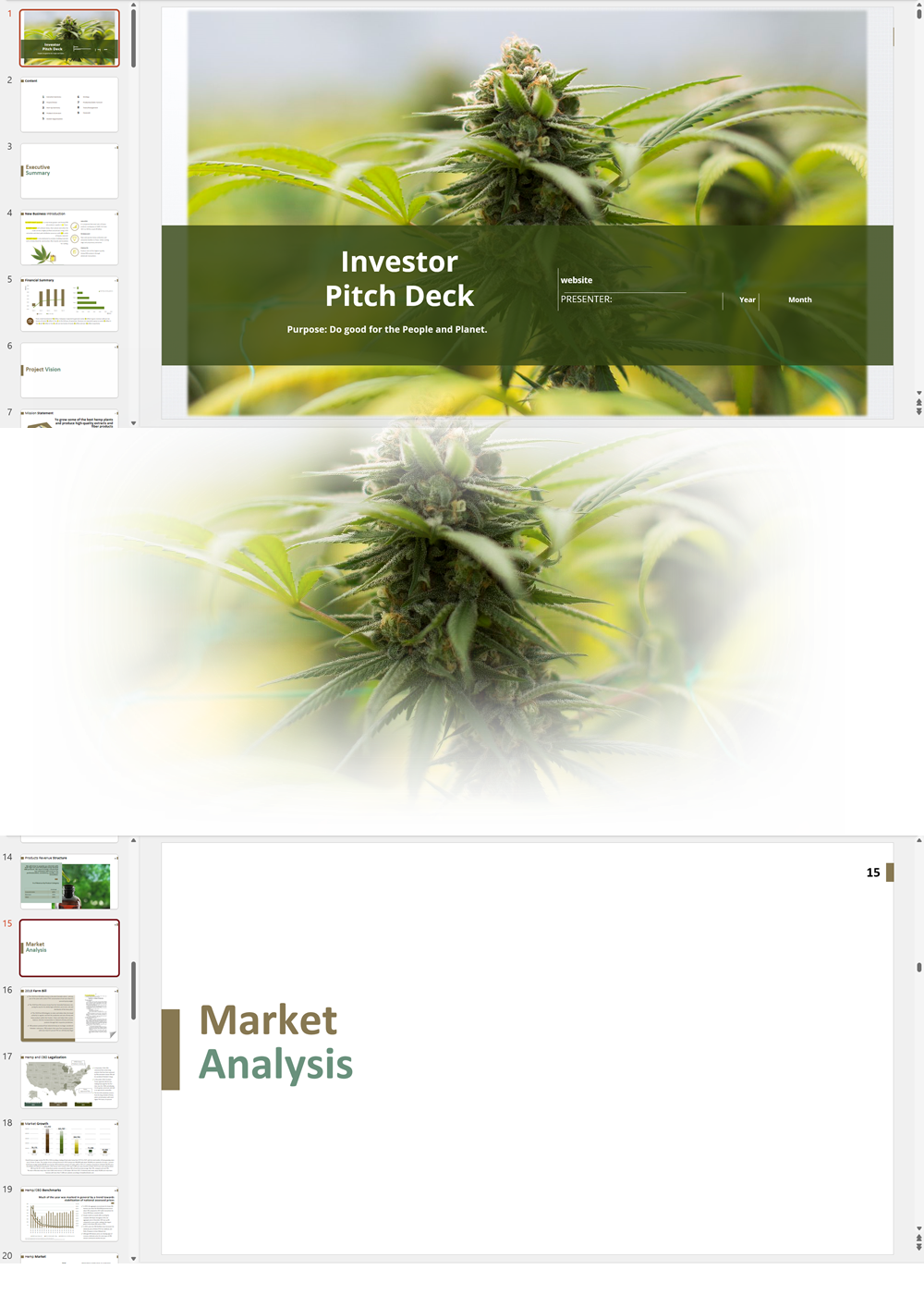
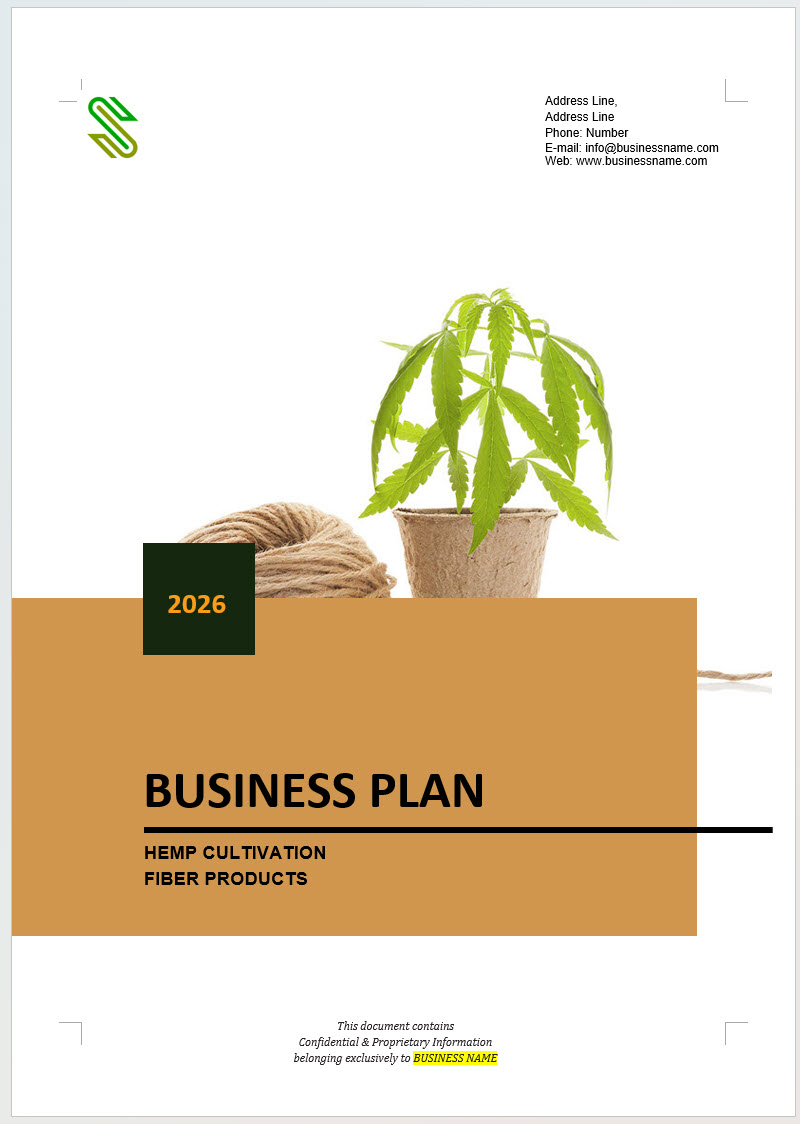
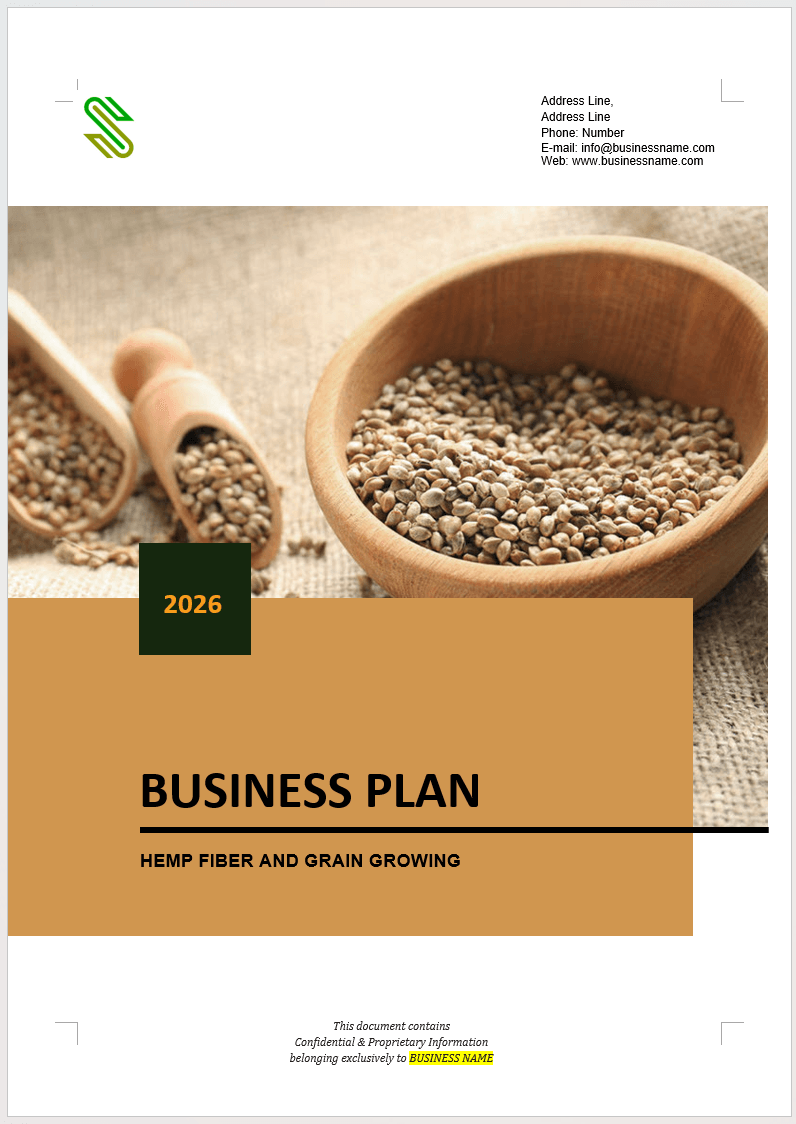
Hemp Fiber Growing and Manufacturing Business Plan Template
Price range: $75.00 through $275.00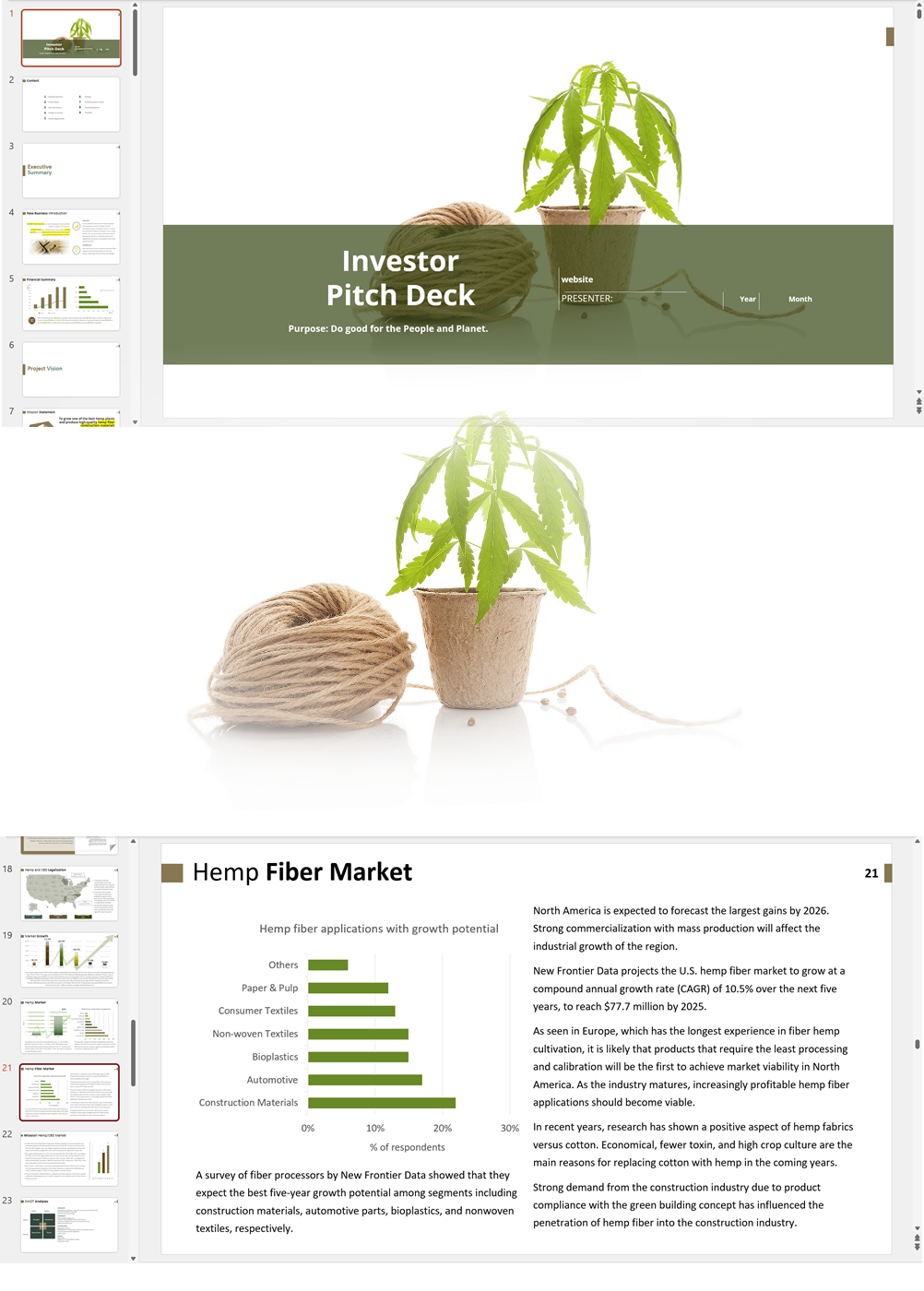
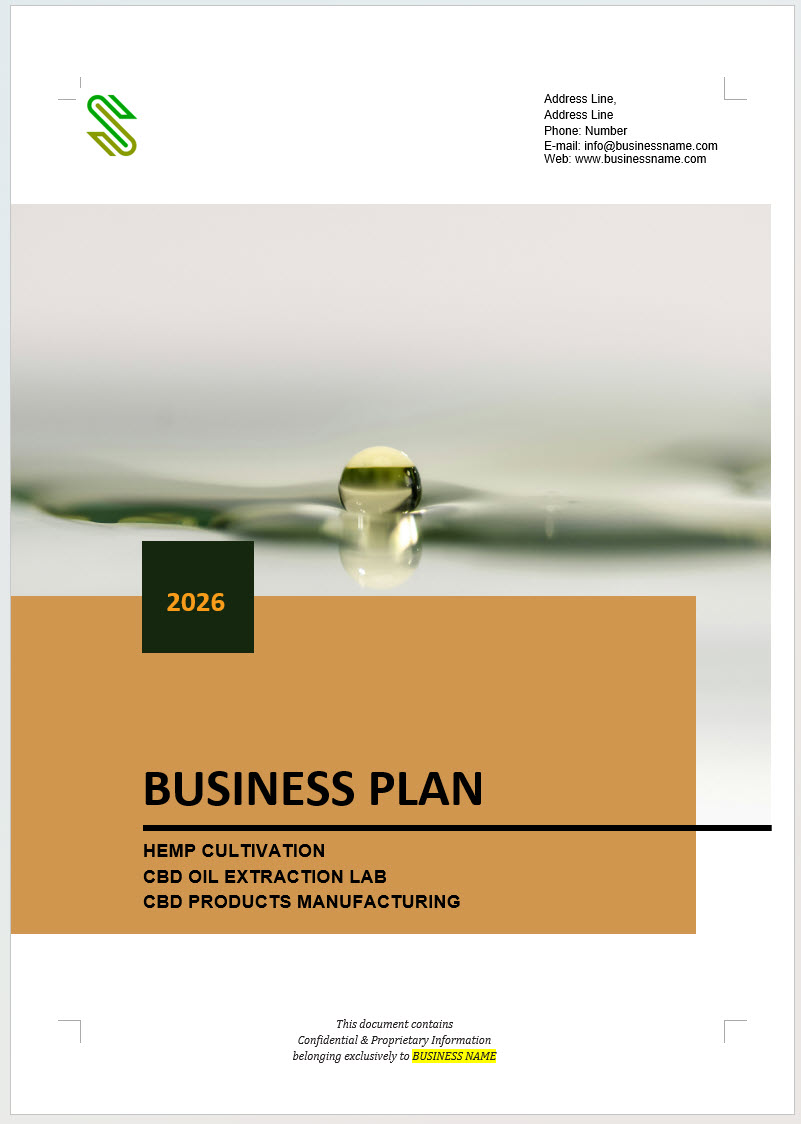
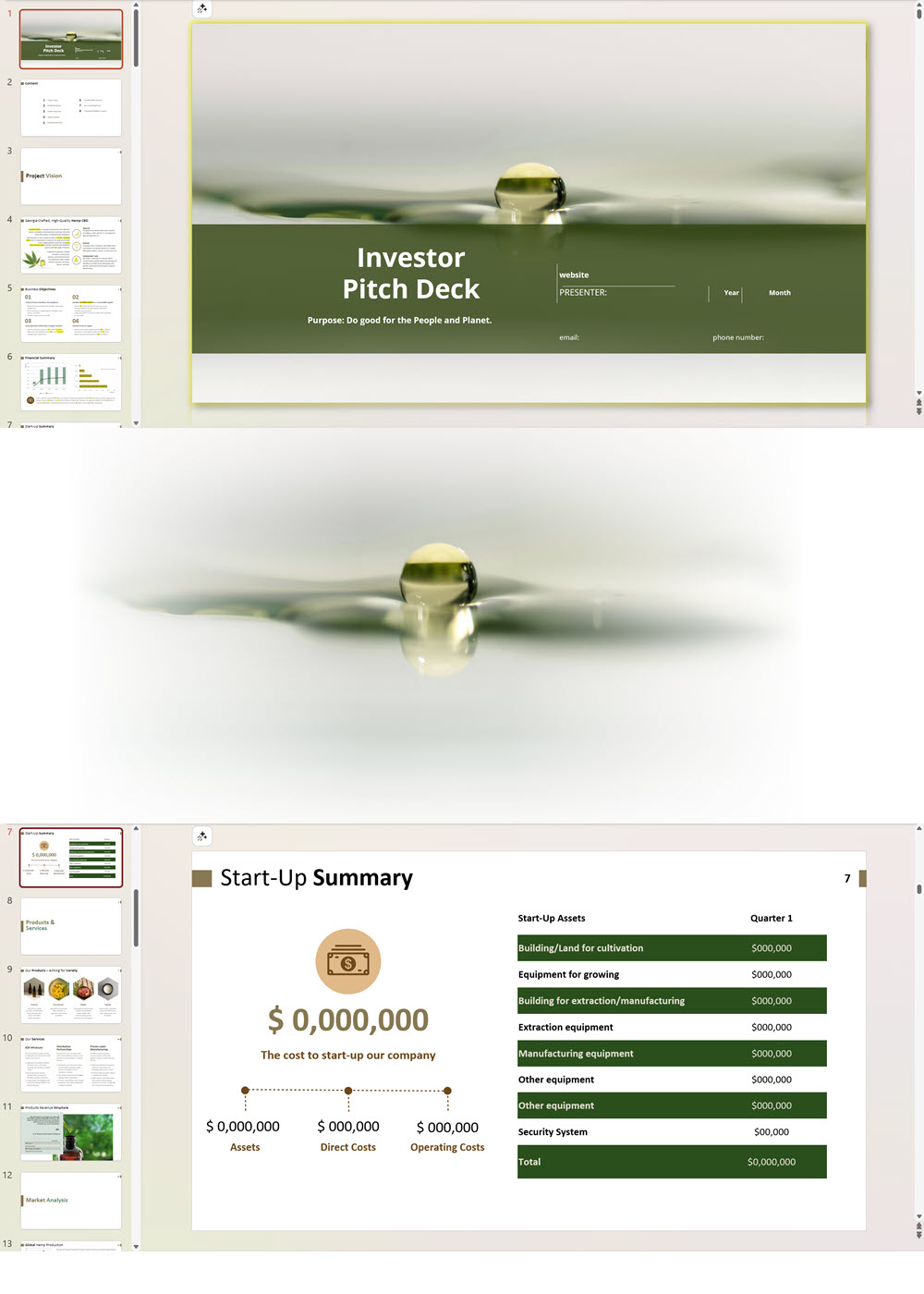
Hemp Cultivation + Extraction + Manufacturing Business Plan Template
Price range: $75.00 through $450.00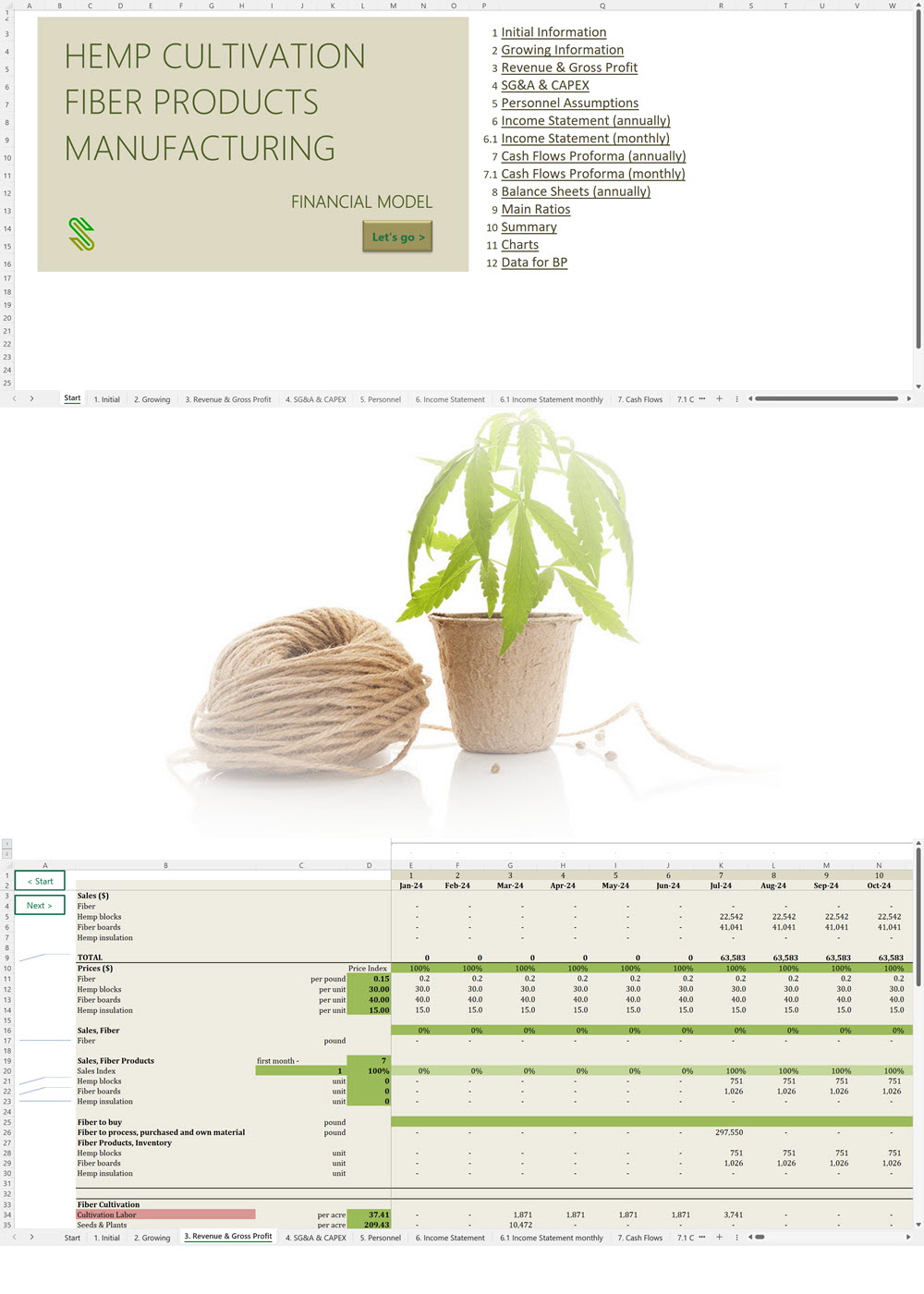
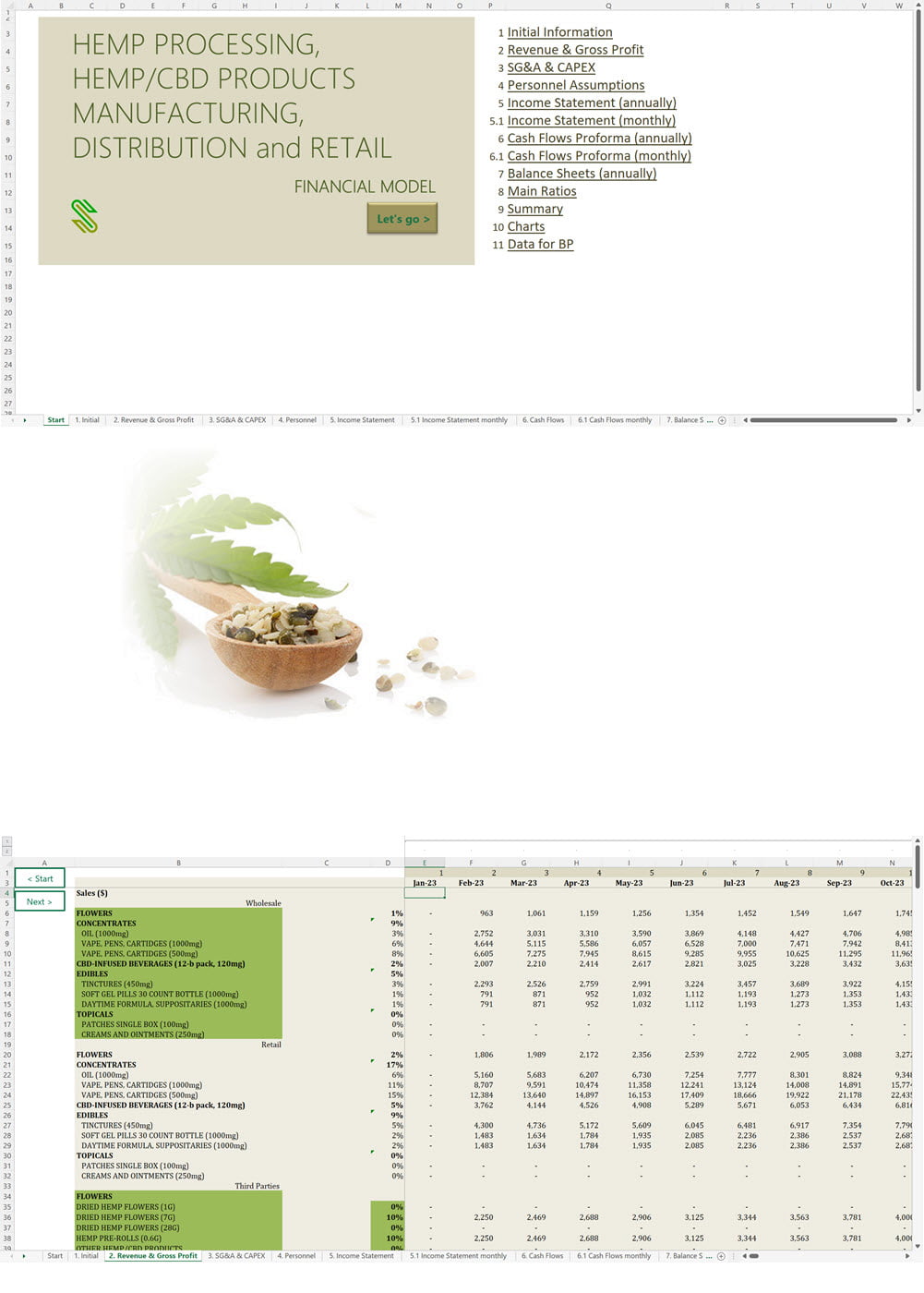
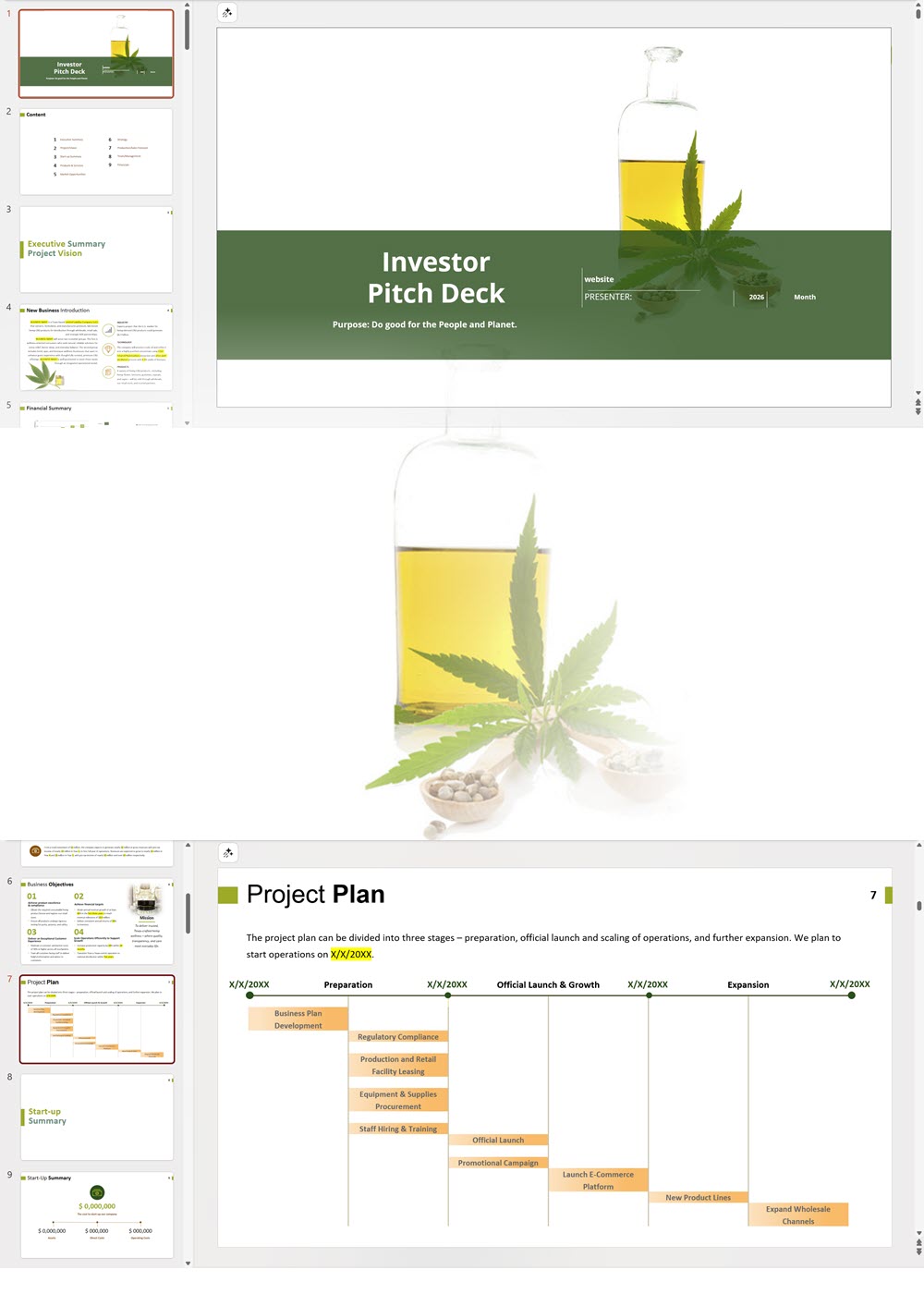
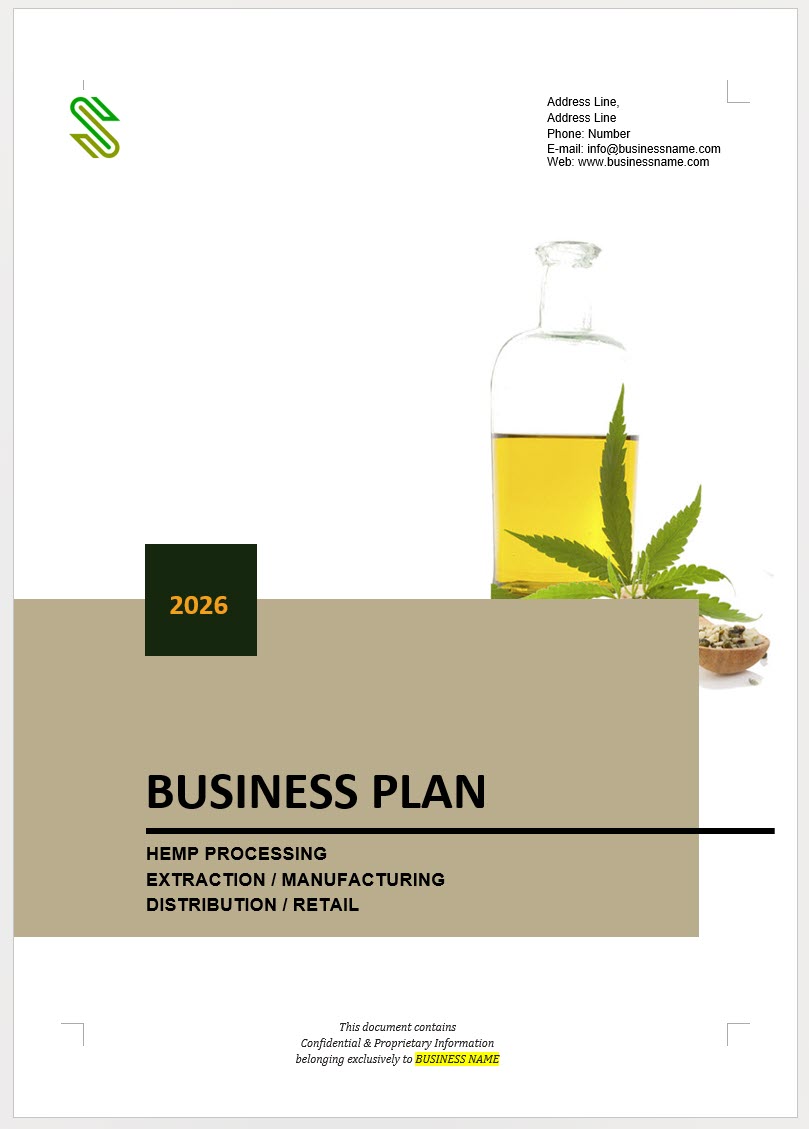
Hemp CBD Extraction + Manufacturing + Retail Business Plan Template
Price range: $75.00 through $450.00
Hemp CBD Beverage Manufacturing, Wholesale and/or Retail Business Plan Template
Price range: $75.00 through $350.00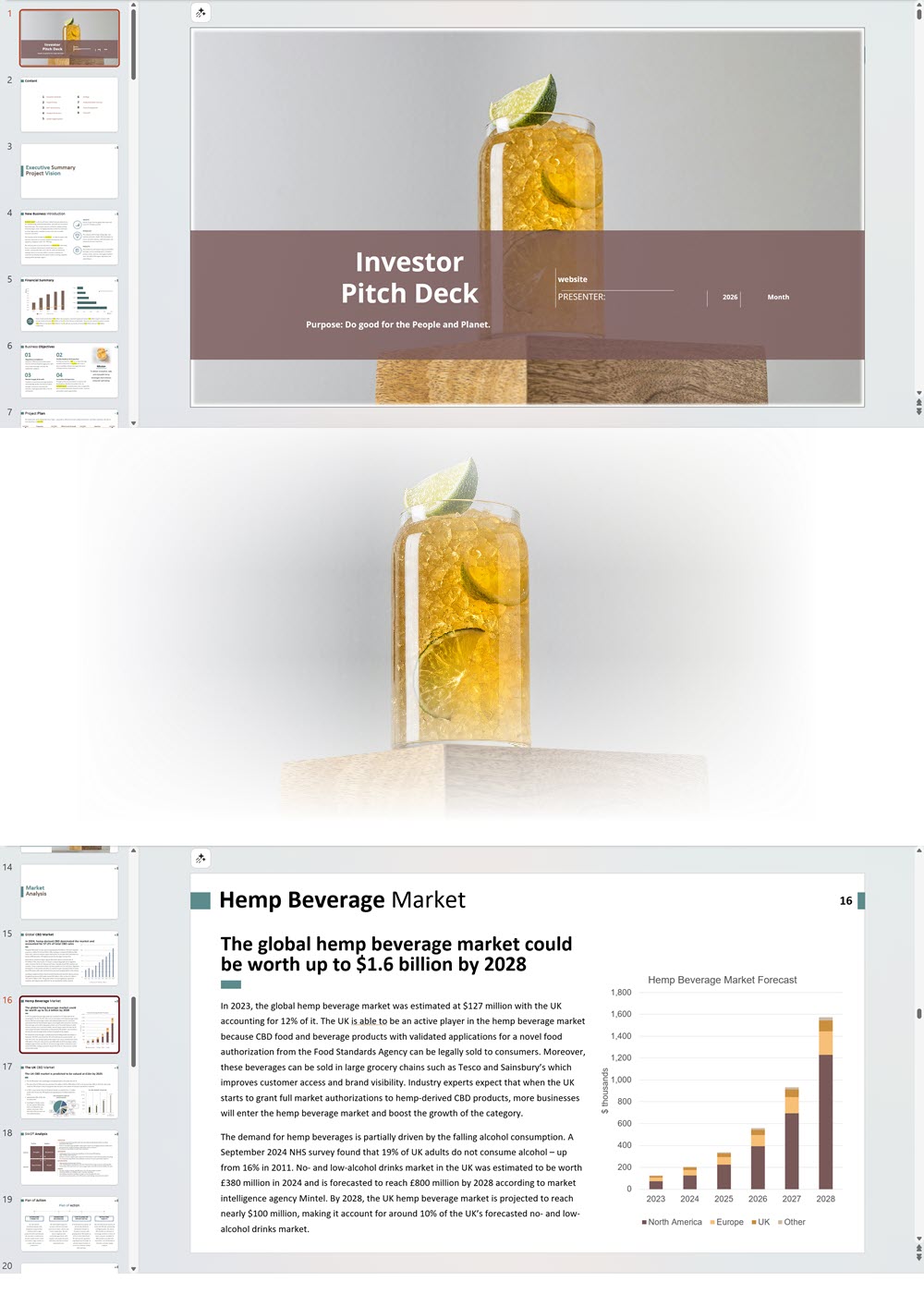
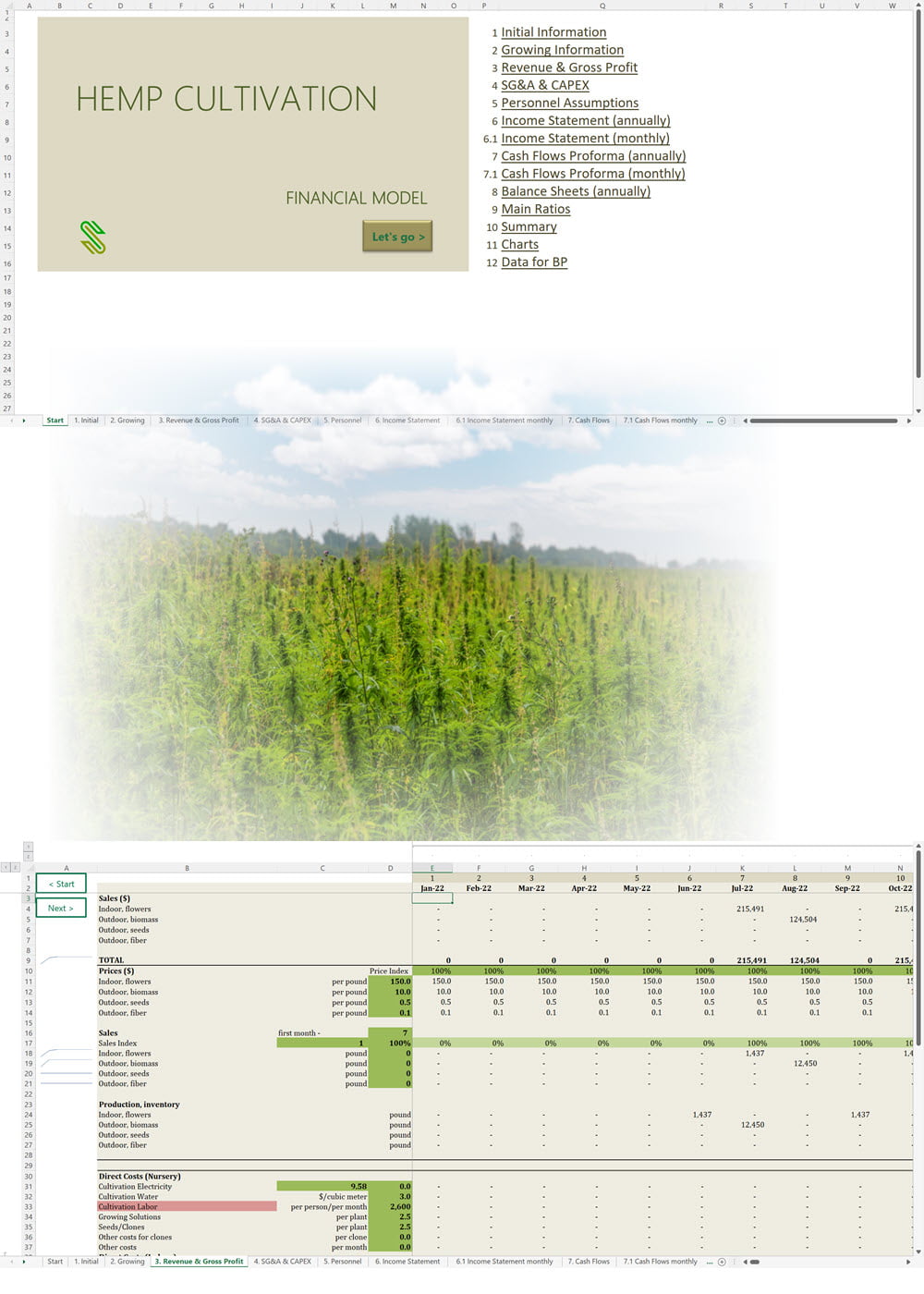
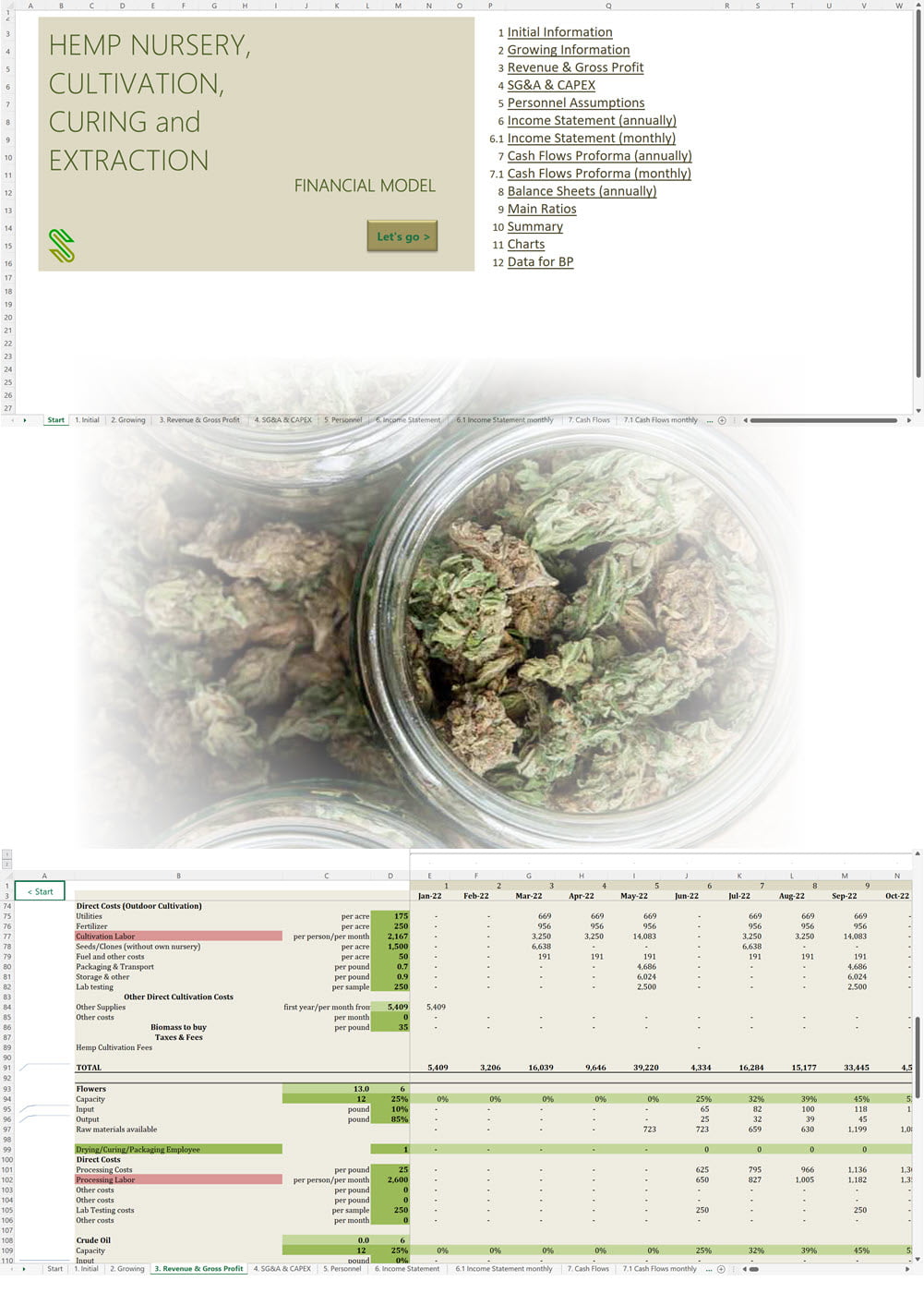
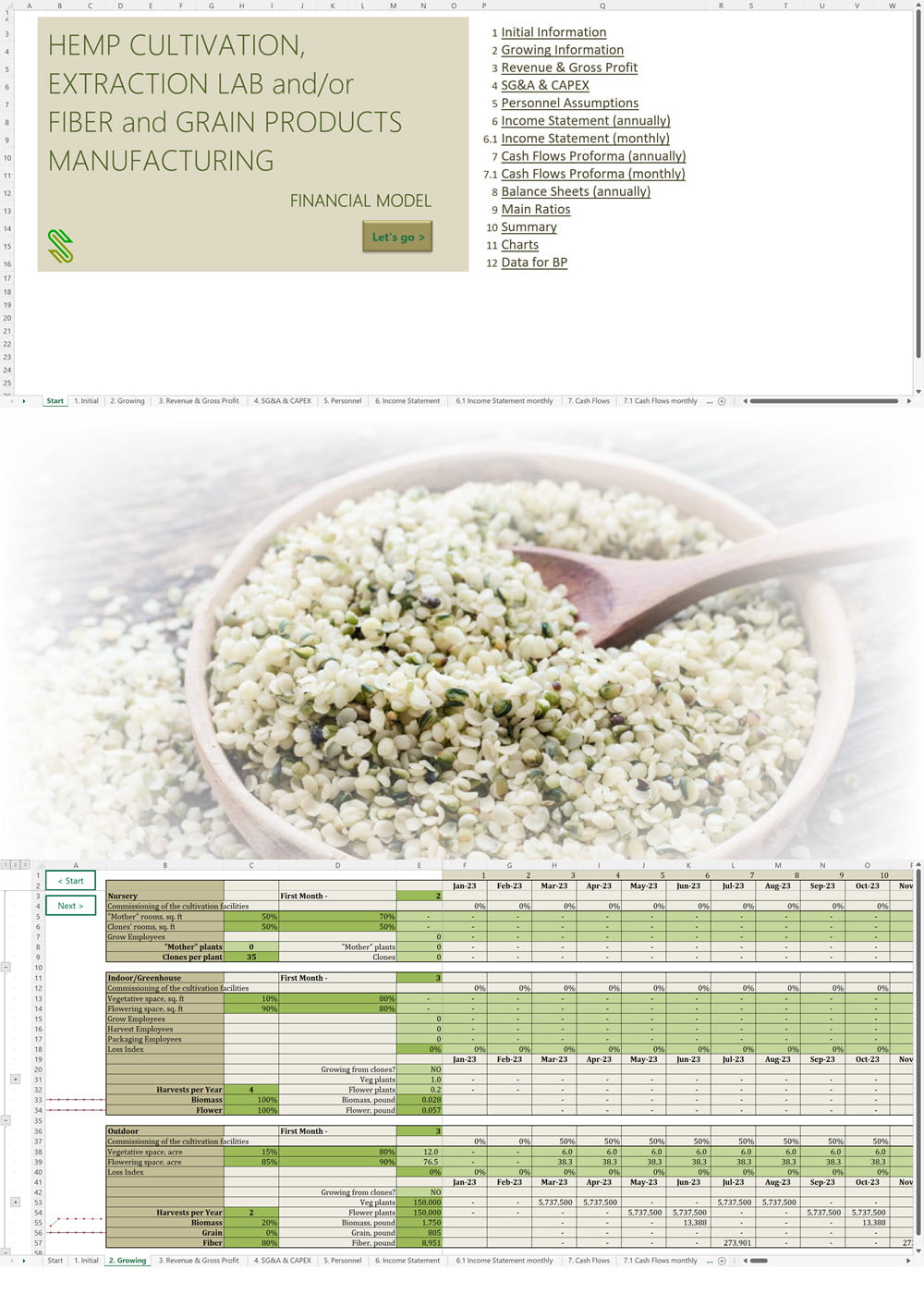
Hemp Cultivation Financial Model
$100.00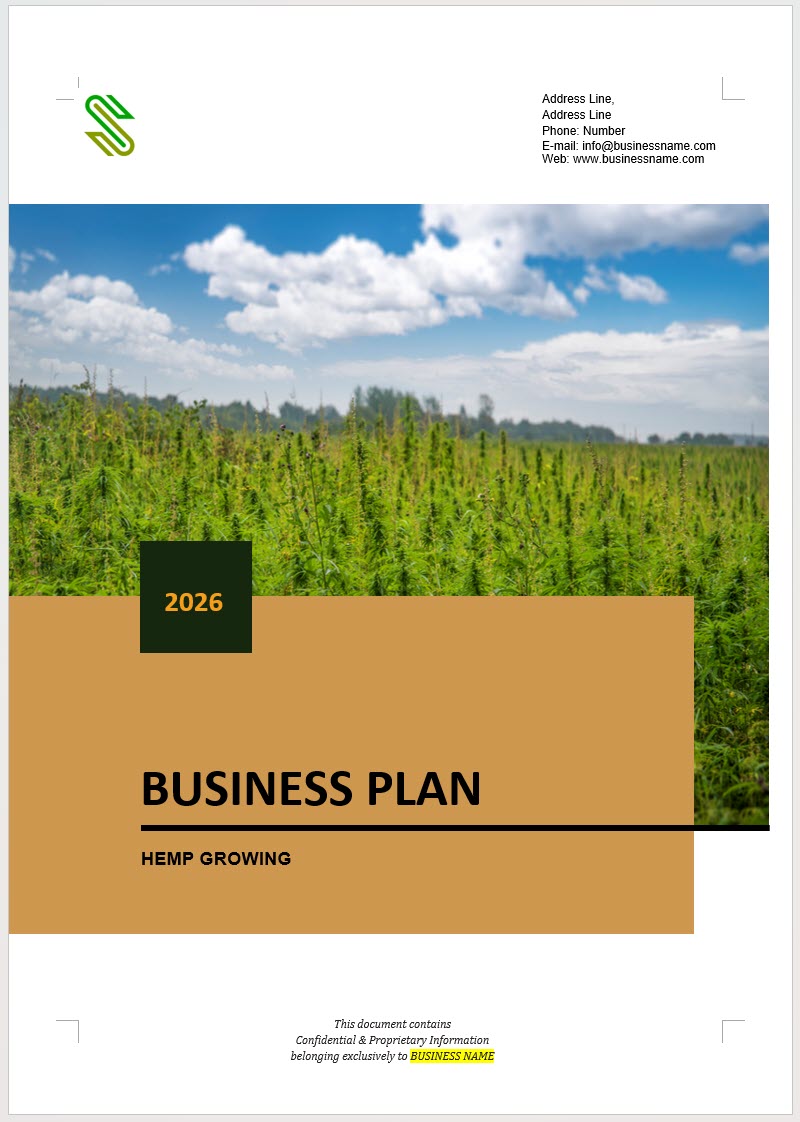
Hemp Cultivation Business Plan Template
Price range: $75.00 through $275.00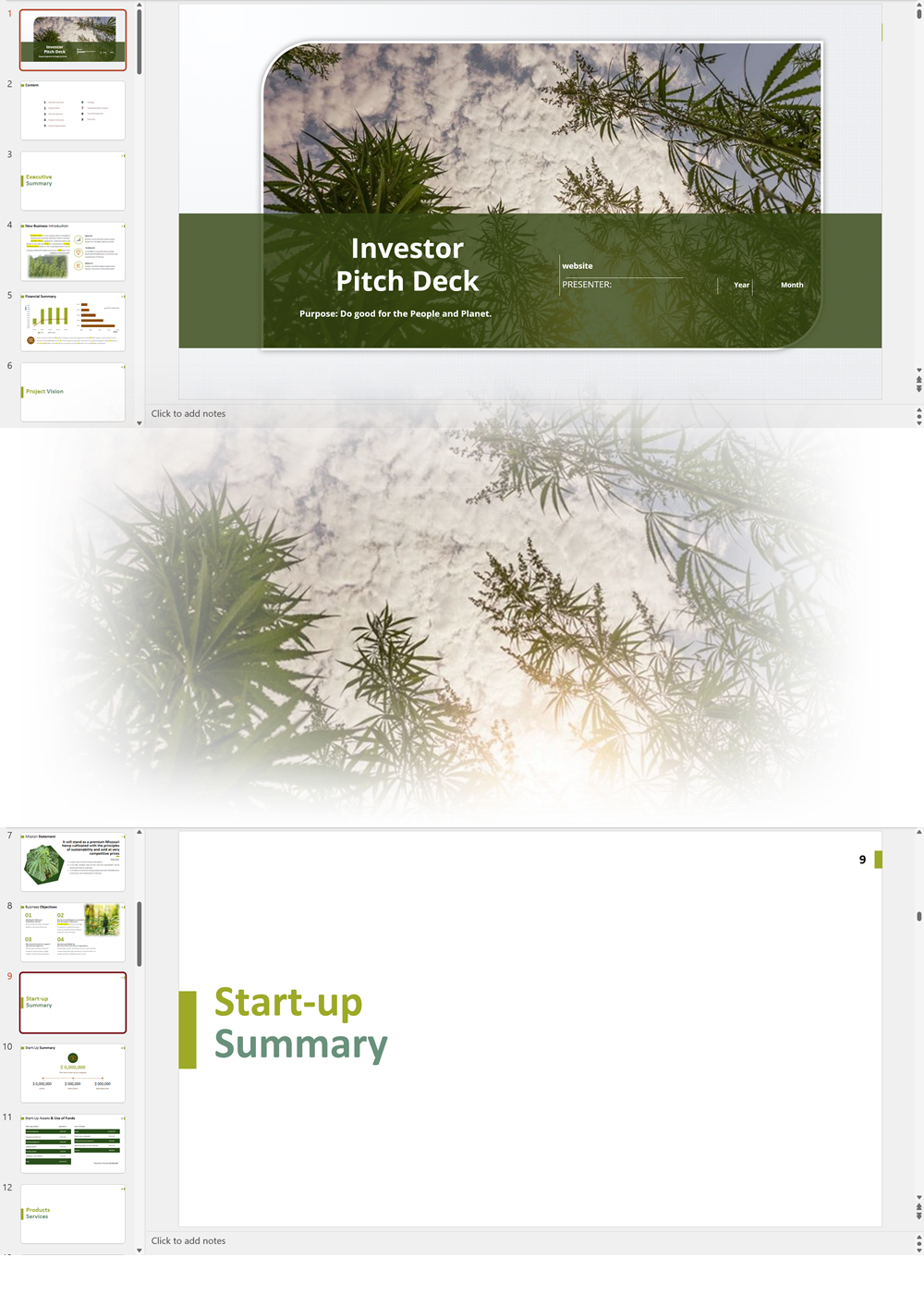
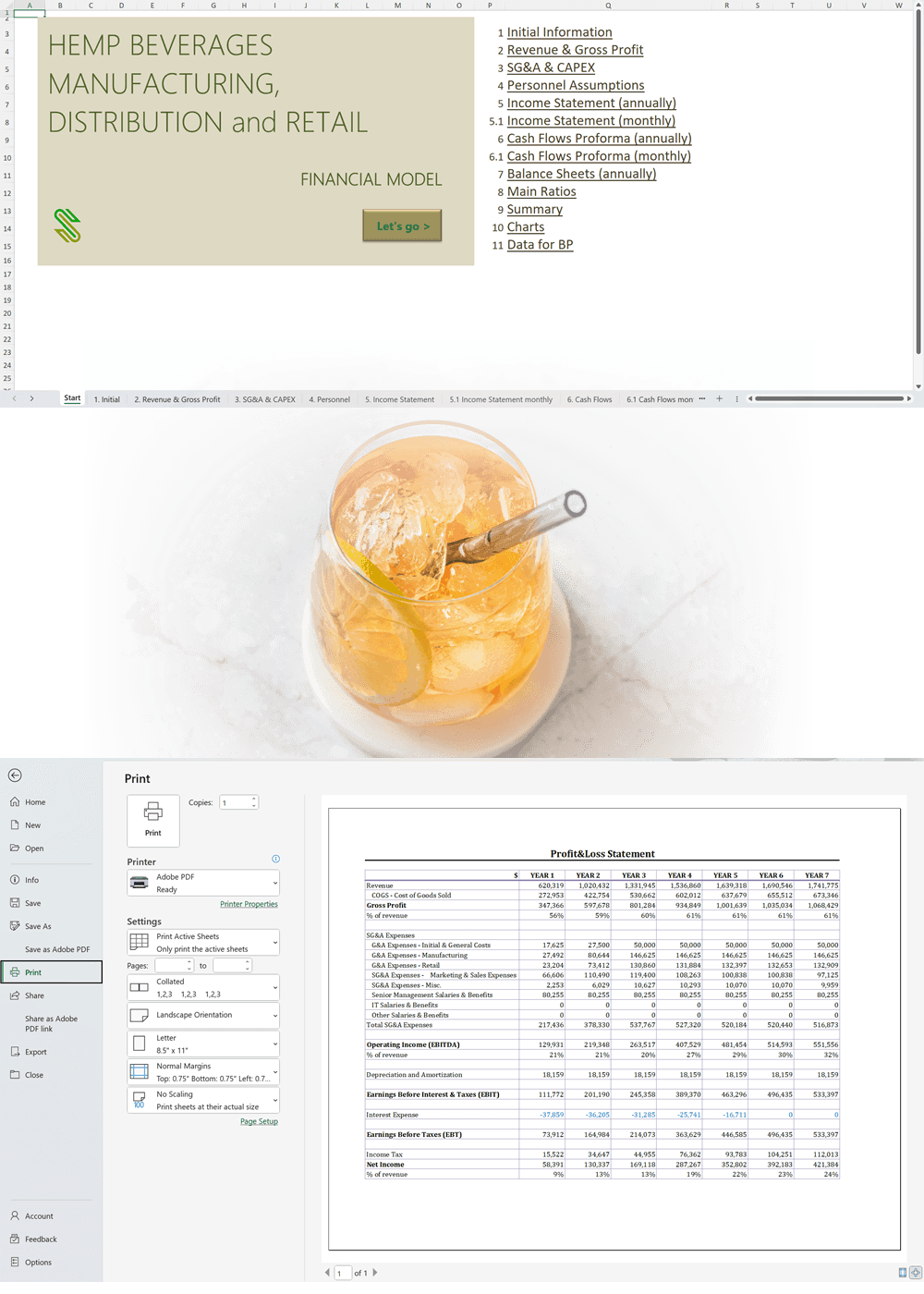
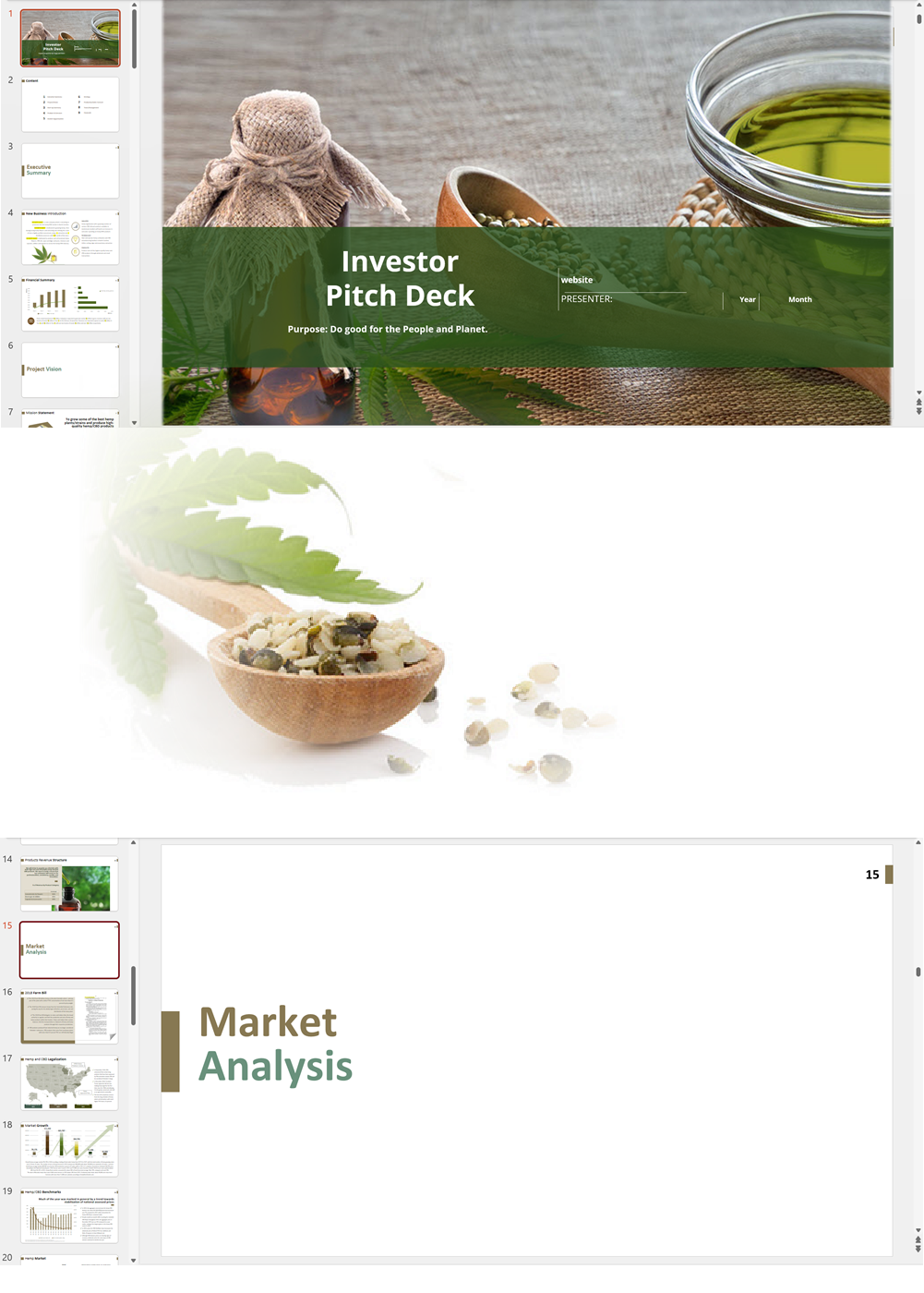
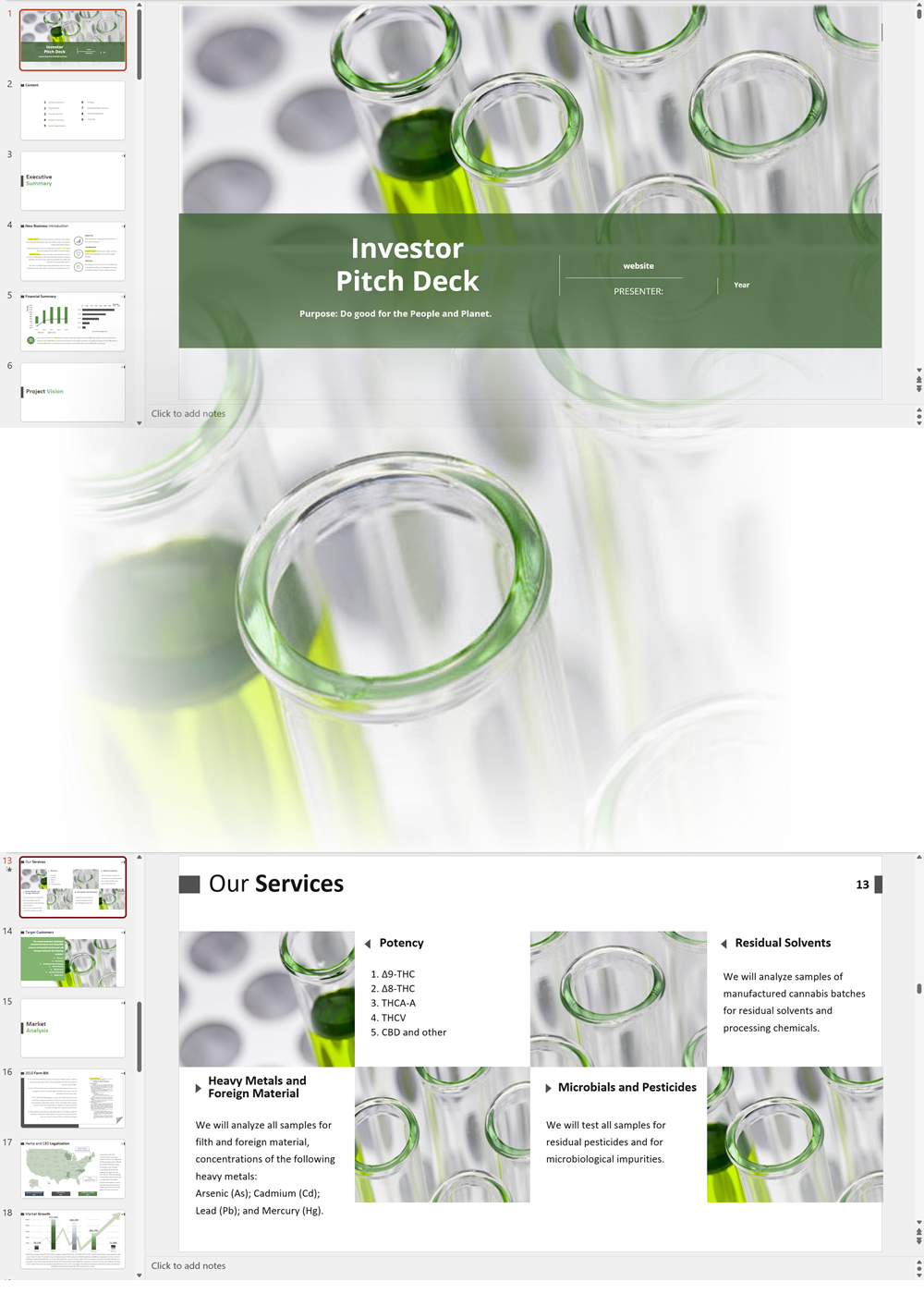
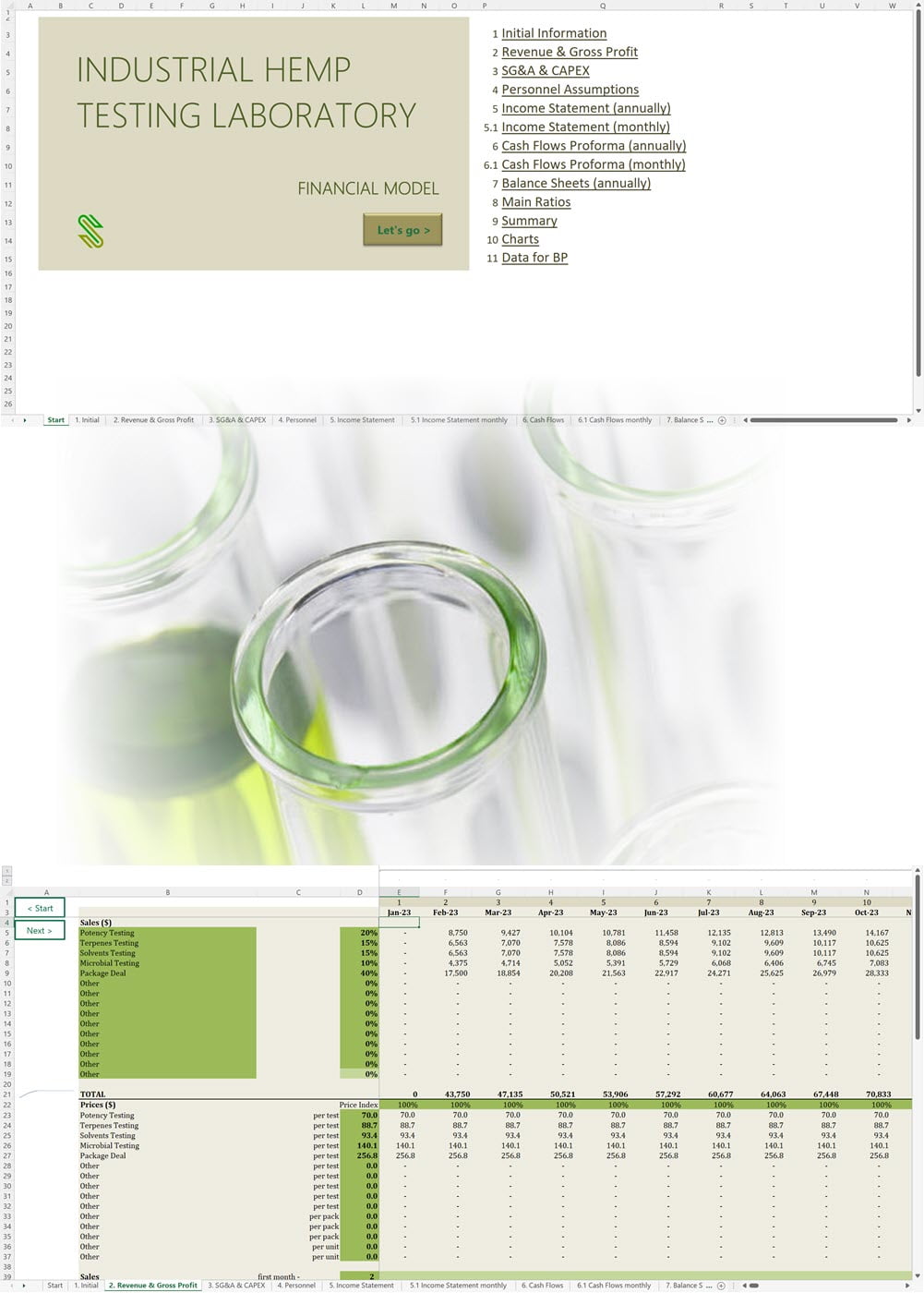
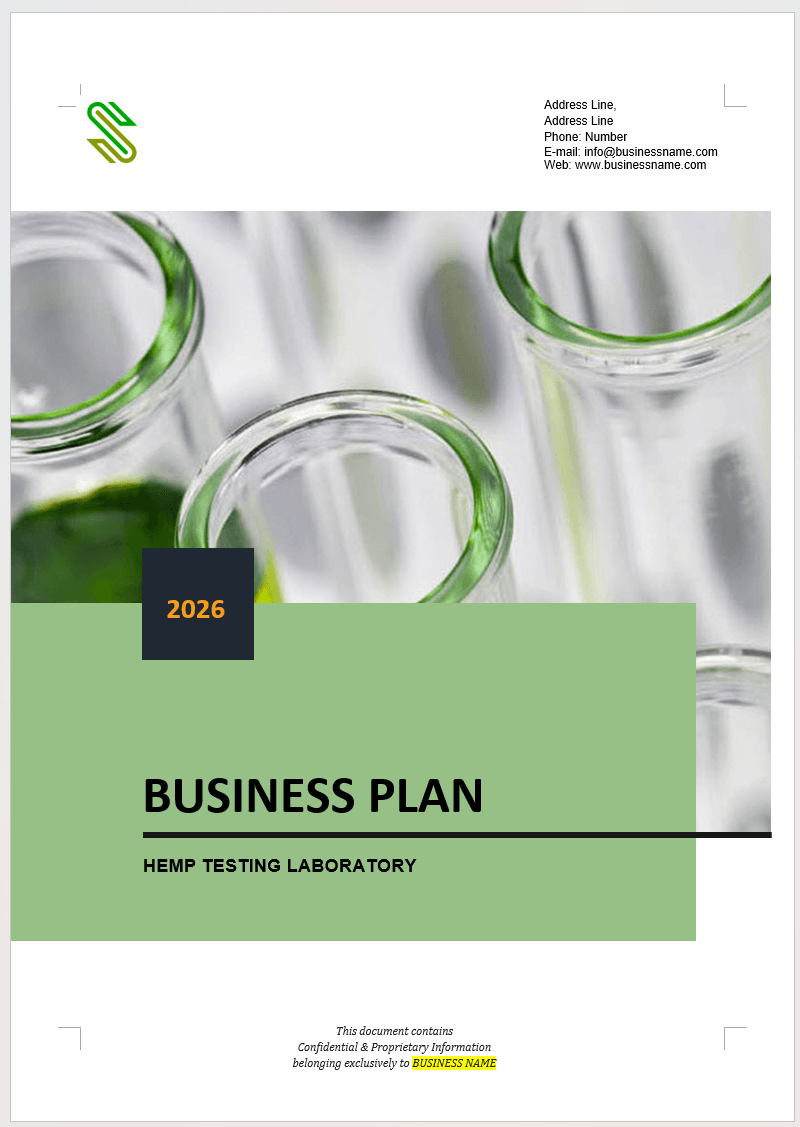
Hemp Testing Laboratory Business Plan Template
Price range: $75.00 through $275.00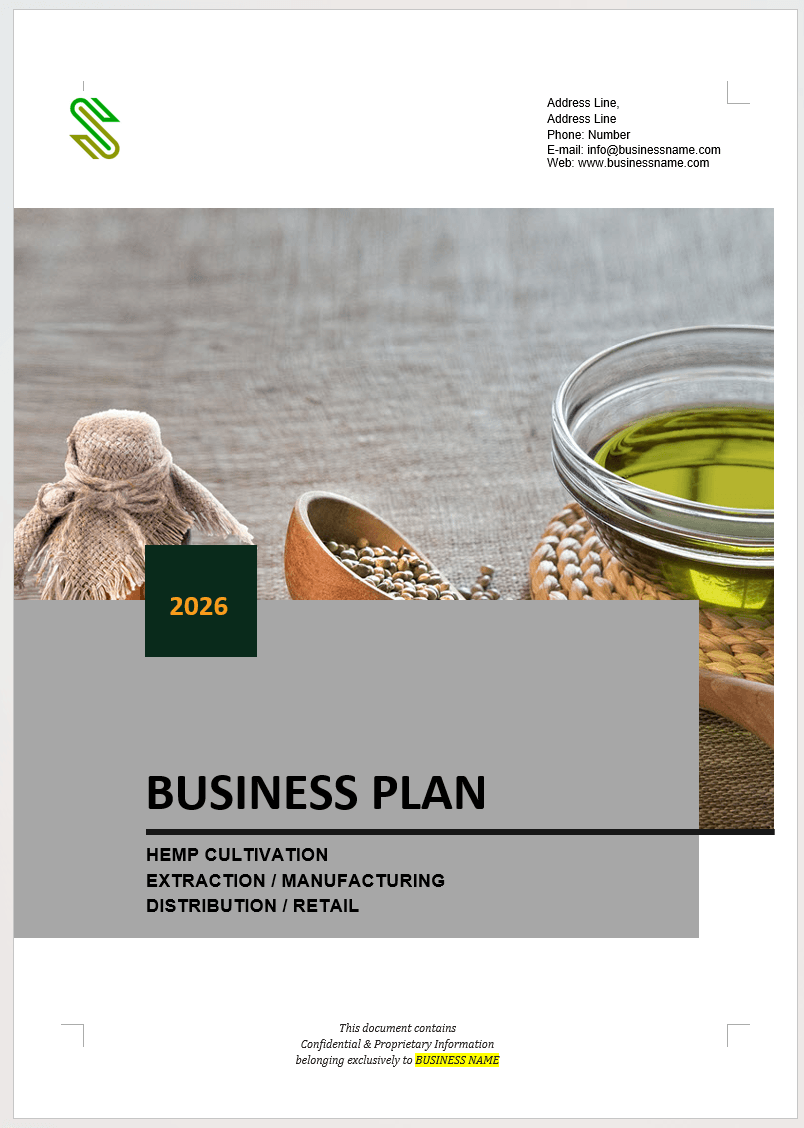
Hemp CBD Vertically Integrated Business Plan Template
Price range: $75.00 through $450.00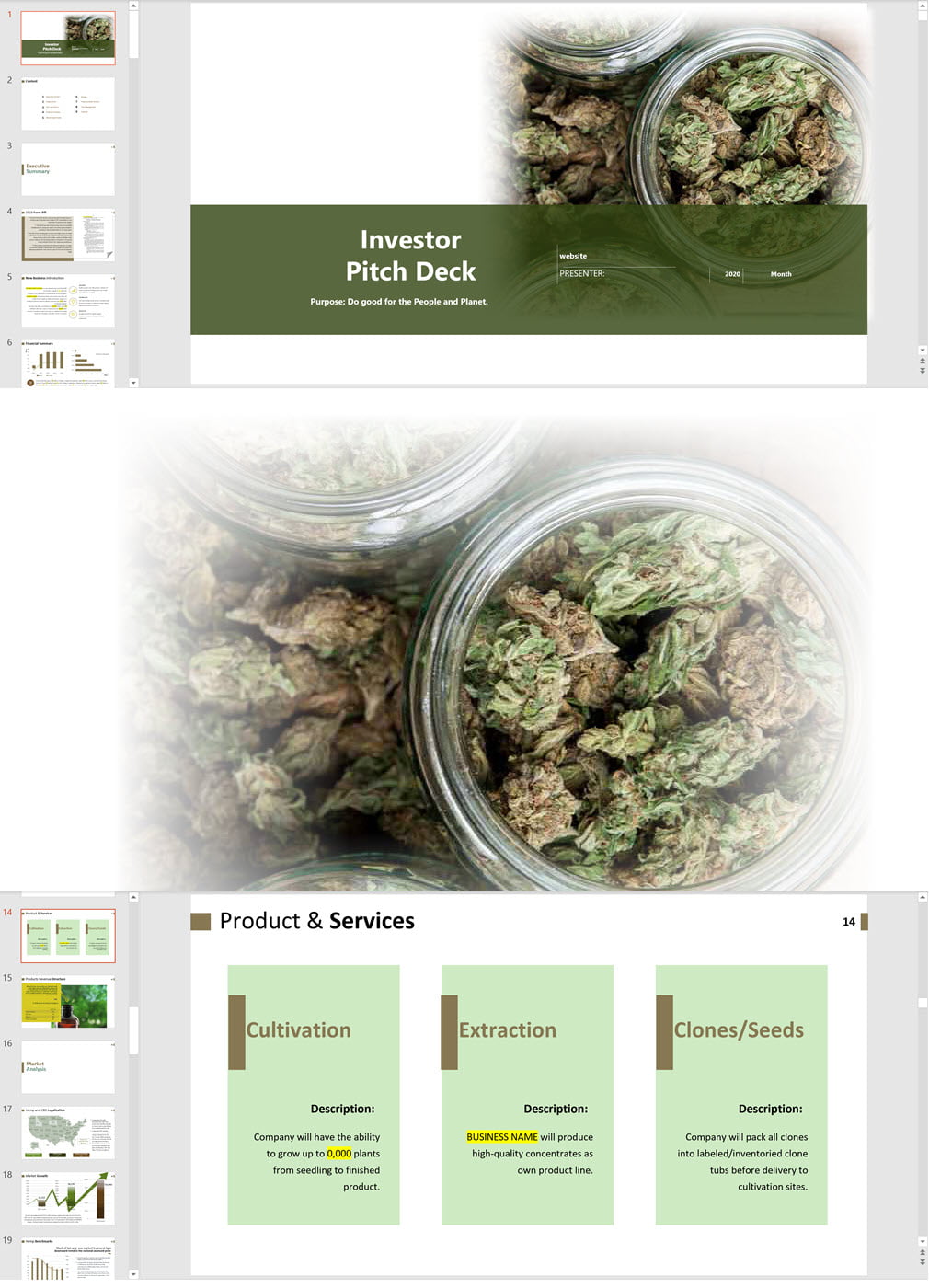
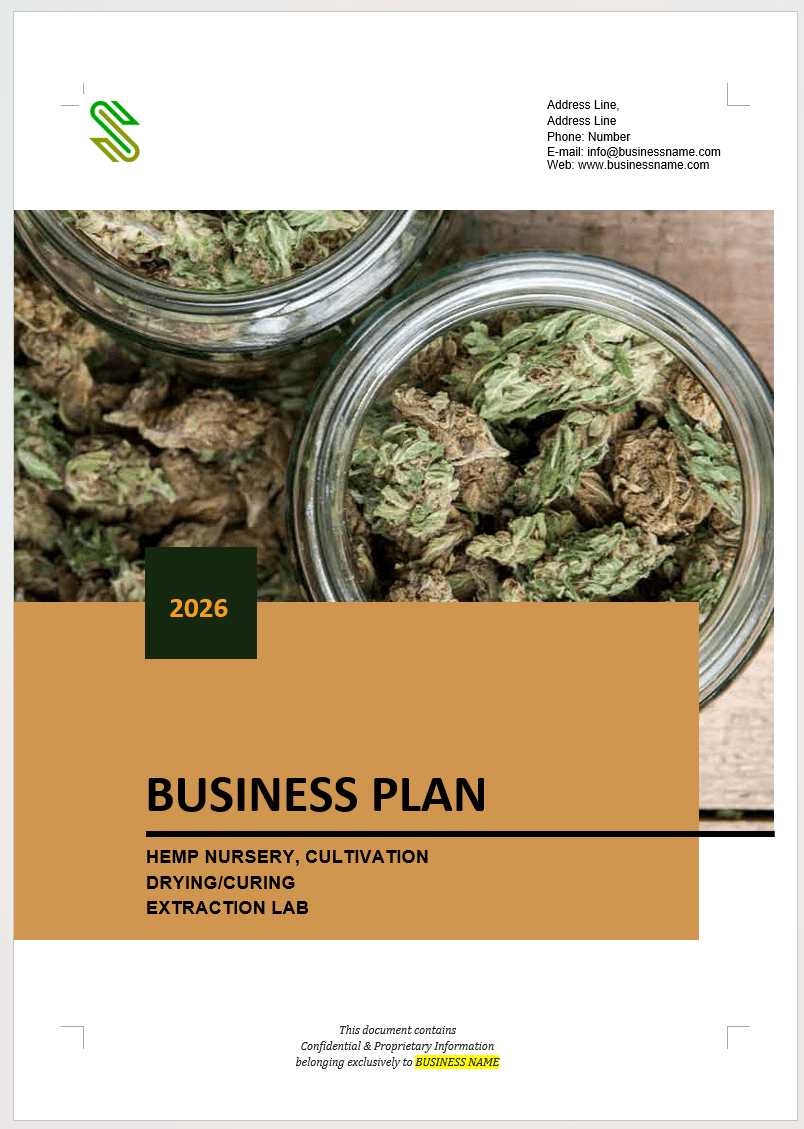
Hemp Nursery, Cultivation, Curing, Extraction Business Plan Template
Price range: $75.00 through $350.00