Hemp Legalization in Michigan
Michigan laws passed in December 2018 that require firms to be licensed by the Michigan Department of Agriculture and Rural Development (MDARD) to grow, process or market industrial hemp. MDARD launched an Industrial Hemp Ag Pilot Program in April 2019.
On October 16, 2020, the Michigan Industrial Hemp Growers Act, Public Act 220 of 2020, was enacted authorizing MDARD to establish an industrial hemp program. Public Act 220 established hemp cultivation requirements that were consistent with the USDA’s Interim Final Rules. The Act was again updated on March 24, 2021 to align with the USDA’s Final Rule. In 2022, the USDA approved the updated hemp production plan for Michigan that allows for performance-based sampling starting in 2022 based on types of crops.
On February 11, 2022, Governor Whitmer signed Executive Reorganization Order 2022-1, assigning the regulation of processing, distribution, and sale of hemp and hemp-derived products to the Cannabis Regulatory Agency (CRA). As of April 13, 2022, The CRA regulates hemp processing and Hemp Processor-Handler Licenses.
In November 2024, Michigan transitioned oversight of hemp cultivation in the state to the USDA. From January 1, 2025, persons wishing to cultivate hemp must obtain a hemp producer license through the USDA’s Domestic Hemp Production Program.
Any product derived from industrial hemp with a THC concentration above 0.3% is classified as marijuana and regulated under the laws that apply to those products through the Michigan Department of Licensing and Regulatory Affairs.
Hemp-derived CBD foods and beverages can be distributed to only consumers aged 21 and over, and only through licensed cannabis dispensaries. Industrial hemp-derived products such as hulled hemp seeds, hemp seed protein, and hemp seed oil, can be produced and sold anywhere in the state since they are considered to be Generally Regarded as Safe by the U.S. Food and Drug Administration.
How to Obtain a USDA Hemp Producer License
Application Process:
- Create an account on the USDA’s website.
- Submit a complete USDA hemp application along with the required information (mentioned below) through the Hemp eManagement Platform or by mail.
- The USDA will review the application for completeness and to determine if the applicant is eligible.
- The USDA will notify the applicant by mail or email to inform them whether their application has been approved or denied. If the application has been approved, a producer license will be issued.
There is no application fee.
If the license application is denied, applicants may appeal the denial in accordance with Subpart D of Part 990 of the Domestic Hemp Production Program.
Information required to be provided with the completed application form is not limited to:
- Contact information of the applicant.
- If the applicant is a business entity:
- Full name of the business.
- Address of the principal business location.
- Full name and title of the key participants on behalf of the entity.
- Email address (if available).
- Employer Identification Number.
- FBI criminal history report for an individual or, if the applicant is a business entity, all key participants, issued within 60 days of the application submission date.
Applicants must also certify that they will adhere to the USDA Domestic Hemp Production Plan.
Hemp producer licenses must be renewed every three years. The expiration date of a hemp producer license is on December 31 of the year that is at least three years after the license is issued. Applications for renewal must have the same information as required for the initial application. There is no renewal application fee.
Hemp Processor-Handler License in Michigan
Hemp Processor-Handler License (HPHL) through CRA allows for:
- Converting raw hemp into a marketable form; winterizing; extracting; distilling
- Possessing, storing, or transporting industrial hemp on premises owned, operated, or controlled by a registered grower or licensed processor
- Marketing hemp by acting as an intermediary or negotiator between buyers and sellers
- Promoting, selling, or gathering info about customer preferences regarding hemp
- Selling intermediary, in-process, or finished hemp products
- Selling smokable flower
- Selling viable hemp (seeds, plants) to registered growers or those with a HPHL. Those holding a medical marijuana processor license can perform all above activities without a HPHL.
Hemp Grower Registration Application Fee: $1,350.
Michigan Hemp Industry Stats
In 2019, MDARD registered and licensed more than 572 growers and 433 processors. Farmers grew approximately 3,689 acres of hemp outdoors and an additional 400,977 square feet of hemp indoors across the state.
In 2020, MDARD registered 631 growers and 517 processors. According to Hemp Industry Daily the state licensed 13,225 outdoor acres and 11 million square feet of indoor hemp production in 2020.
In 2021 and 2022, 175 and 92 growers were registered and 297 and 250 processors, correspondingly.
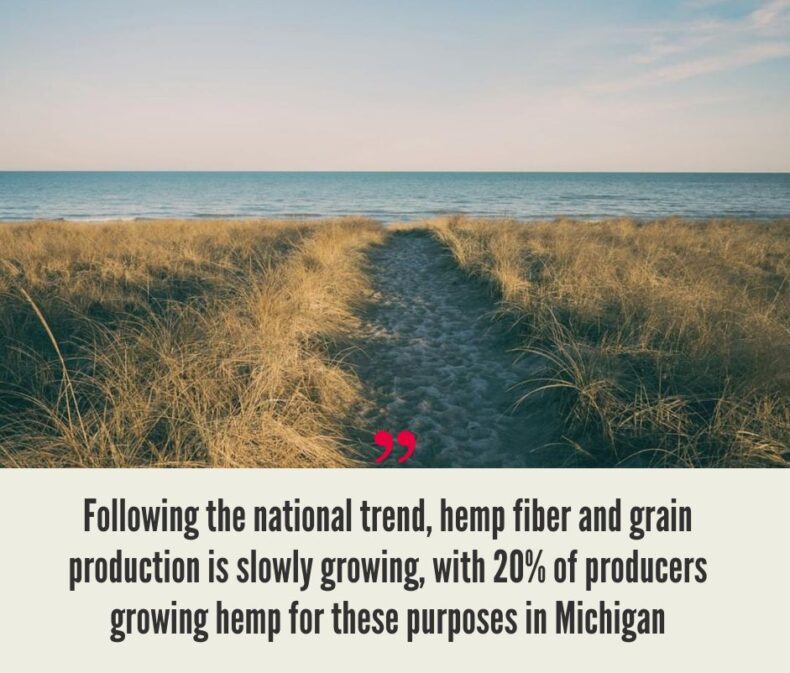
In 2021 and 2022, the amount of approved acreage declined as a result of oversupply and market correction across the industry and resulted in 2,284 and 225 acres planted and 1,005 and 207 acres harvested, correspondingly, according to the 2021-2022 Michigan Industrial Hemp Report. Despite the market decline, hemp cultivation for CBD or other cannabinoids via extraction or smokable flower continued to be dominant in Michigan; 89% and 80% of growers in 2021 and 2022, respectively, grew hemp for this purpose. However, following the national trend, hemp fiber and grain production is slowly growing, with 20% of producers growing hemp for these purposes in 2022.
Despite licensed hemp grower numbers falling to 49 in 2023, acres planted actually significantly rose to 848 – a surge of nearly 277% from 2022. However, acres harvested were only 68 due to issues such as crop disease, weed pressure, and low vigor. The proportion of farmers growing hemp for fiber and/or grain increased to 33.5% while the proportion of farmers growing hemp for smokable flower or cannabinoid extraction fell to 61.5%.
In 2024, 36 hemp growers planted 393 acres and harvested 330 acres which was a great improvement from the previous year – 84% of acres planted were harvested – and according to information from the 2024 Michigan Industrial Hemp Program Summary the acres harvested could have been even higher if not for the crop failure due to pests, weed pressure, and low vigor that hemp growers reported.
The proportion of farmers growing hemp for smokable flower or cannabinoid extraction remained roughly the same around 61%. Unlike the previous year, the next most frequently reported use of the hemp crop was cultivation for clones/transplants (20%) and seed for propagation (15%).
This signifies a shift from the previous trend where Michigan growers were cultivating less and less hemp for its cannabinoid content and more for fiber and grain. The recent decision in 2024 to cultivate hemp for seed and clones, if not for cannabinoids extraction or smokable flower, appears to show that Michigan hemp growers are planning to create internal supply of the starting material for their hemp crops. This will help to build resilience in Michigan hemp farmers’ supply chain and cut costs by reducing dependency on out-of-state suppliers.
Michigan Hemp Industry Infographics
How Can HempCBDbusinessplans Templates Help Start or Grow Your Hemp CBD Business?
A business plan is essential for securing funding. It will also help you understand how much money it will take to start a hemp CBD business and how much profit it could make. A well-structured business plan can make all the difference in demonstrating your proposed hemp CBD business’ compliance with regulations and its operational viability.
Our complete hemp CBD business plan template package is everything you need to create a professional business plan for a hemp CBD business with expert financials and projections. A complete hemp CBD business plan template package includes:
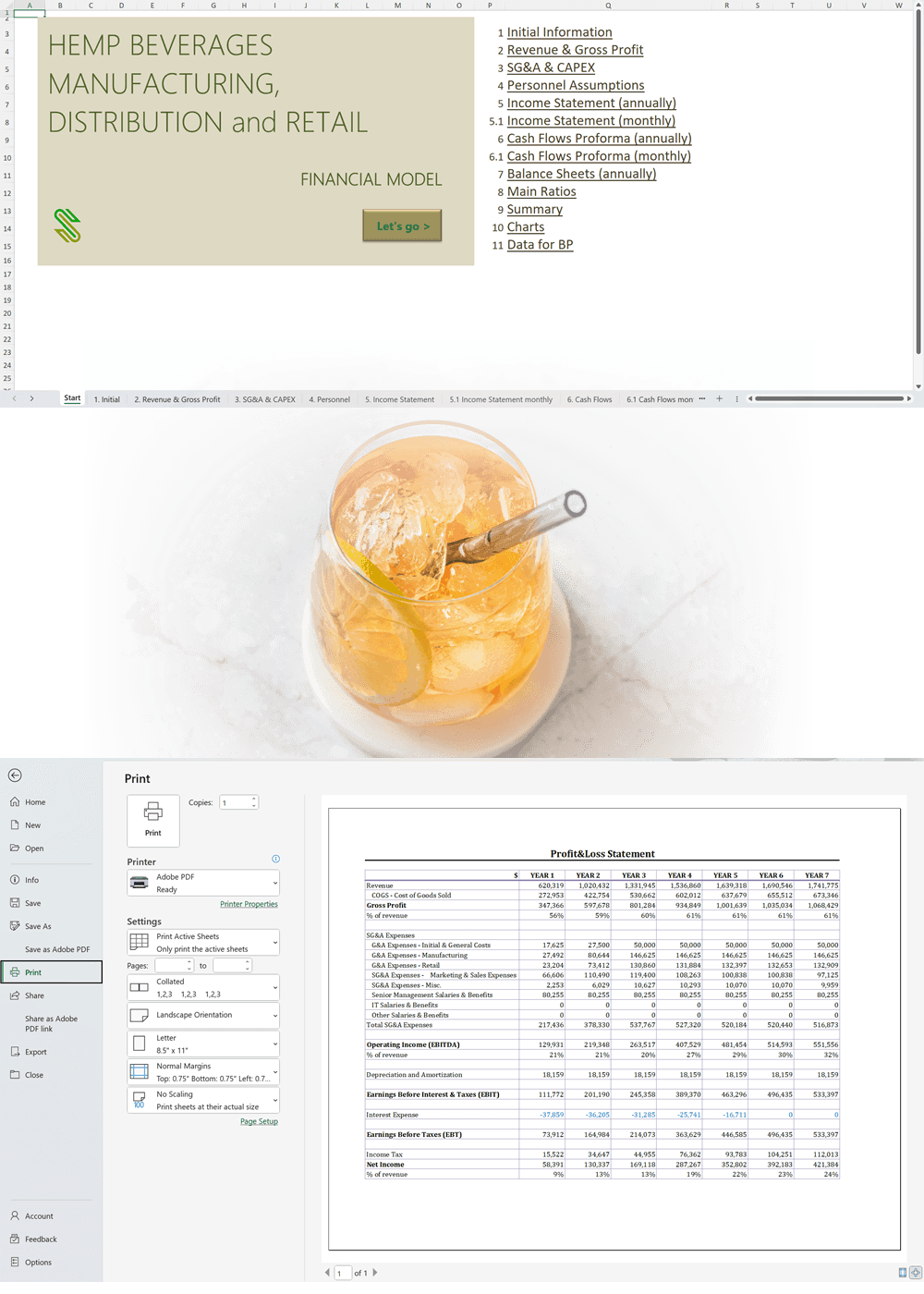
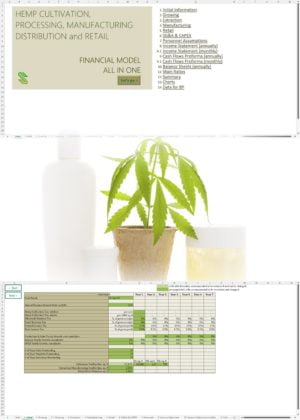
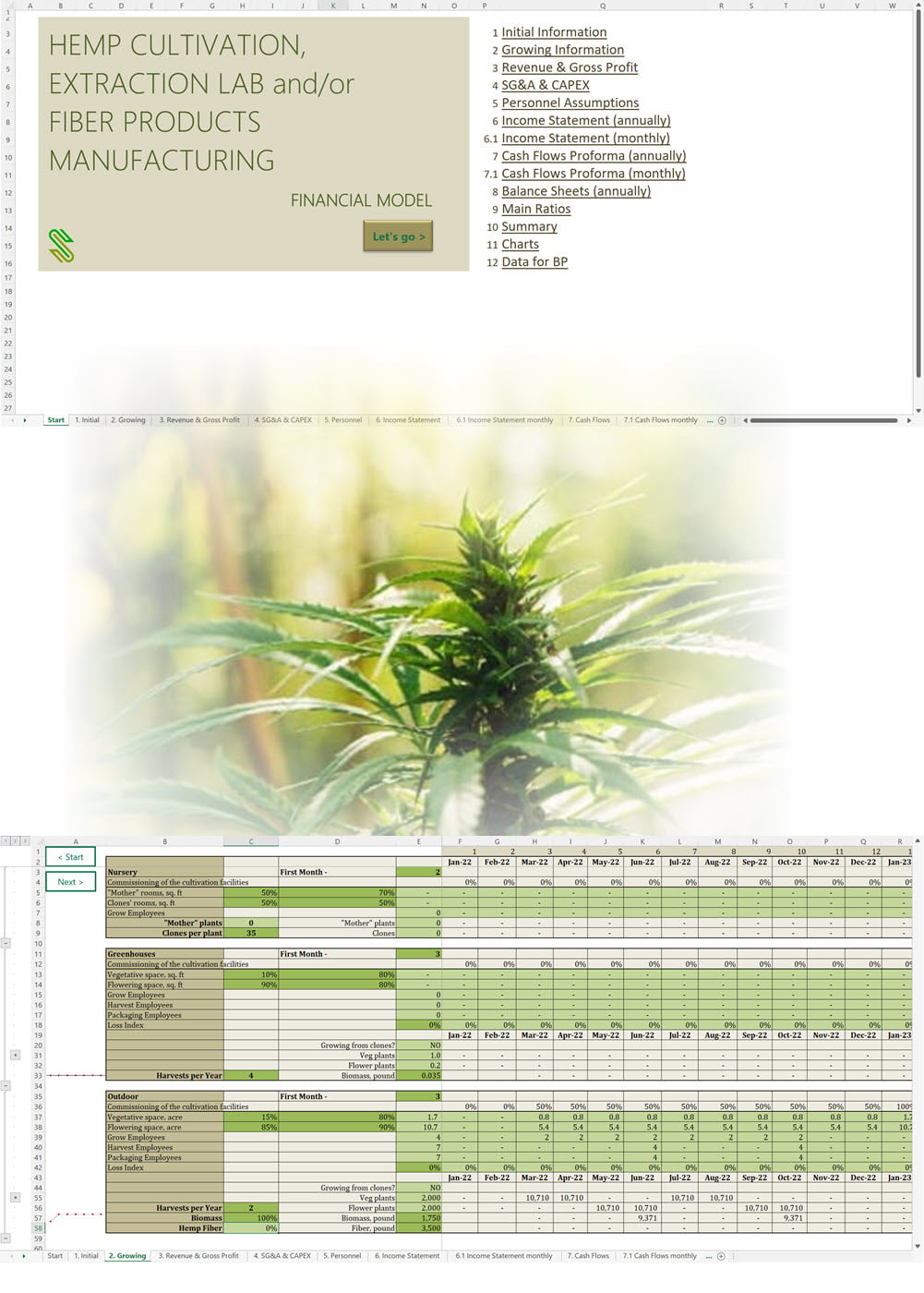
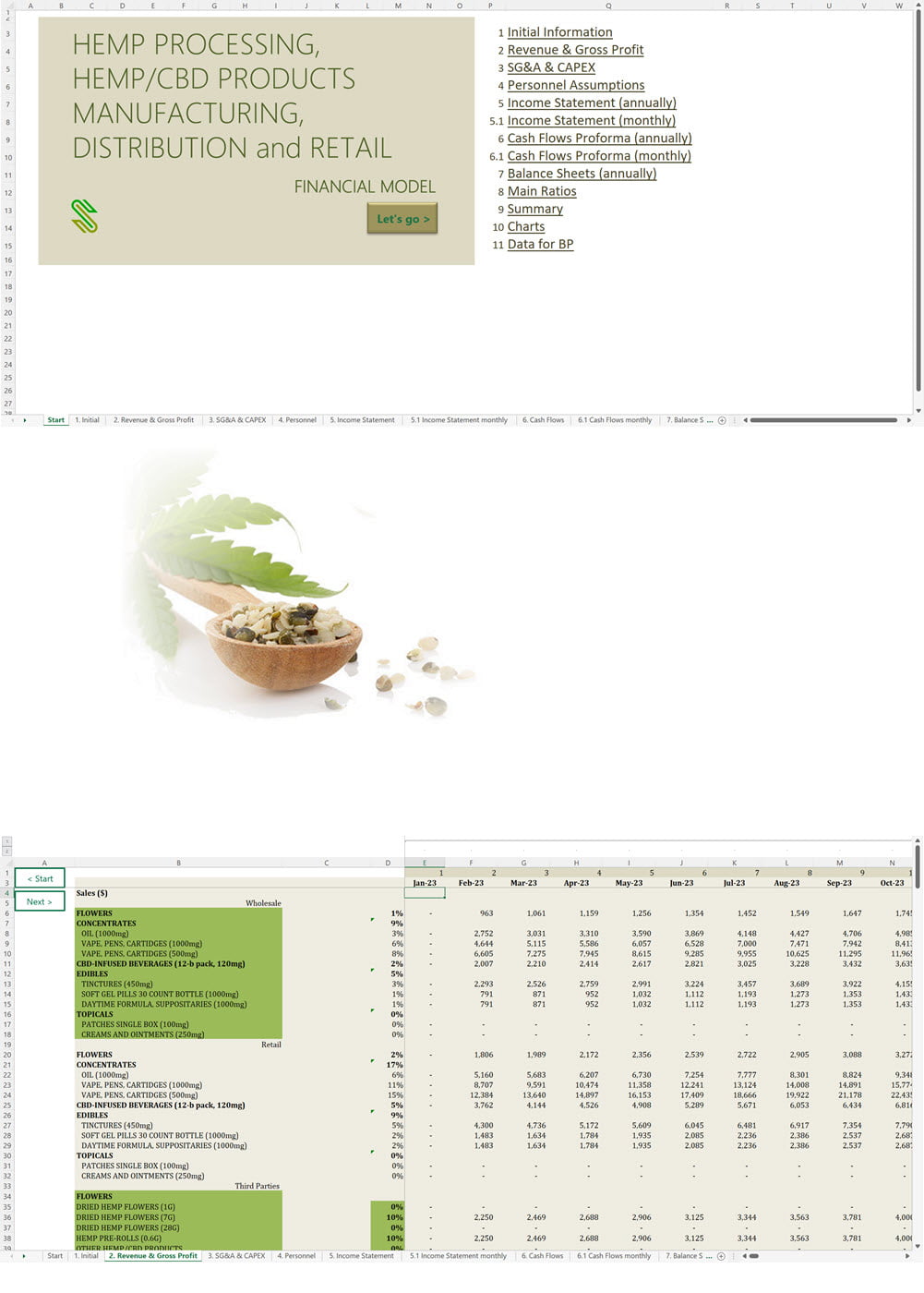
- Excel Financial Model: change variables and immediately see the impact, break down operational and capital costs, know how much it will take to get into the business and the potential profits.
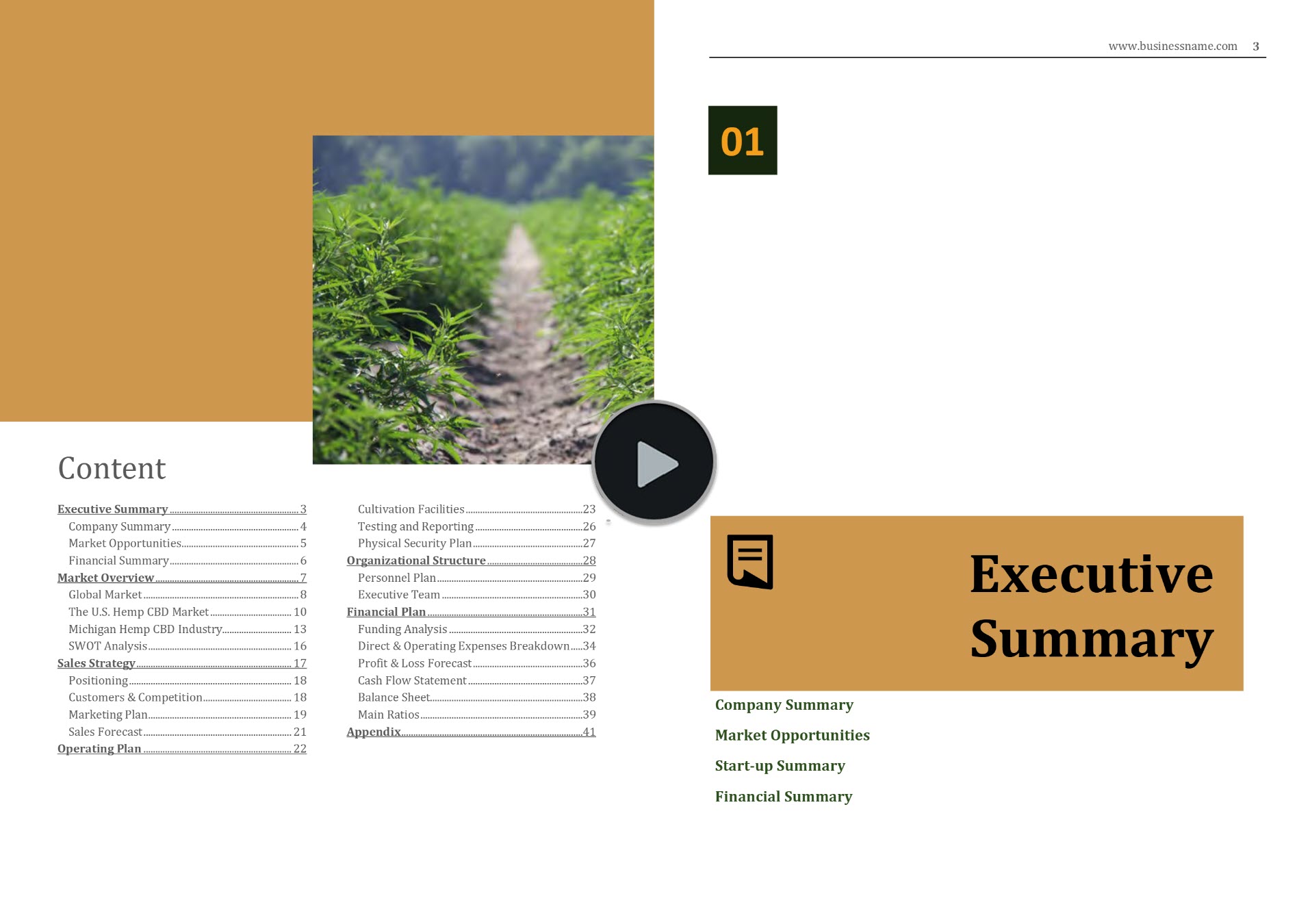
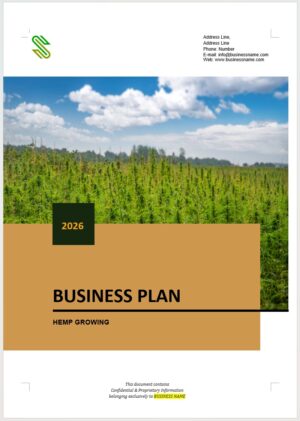
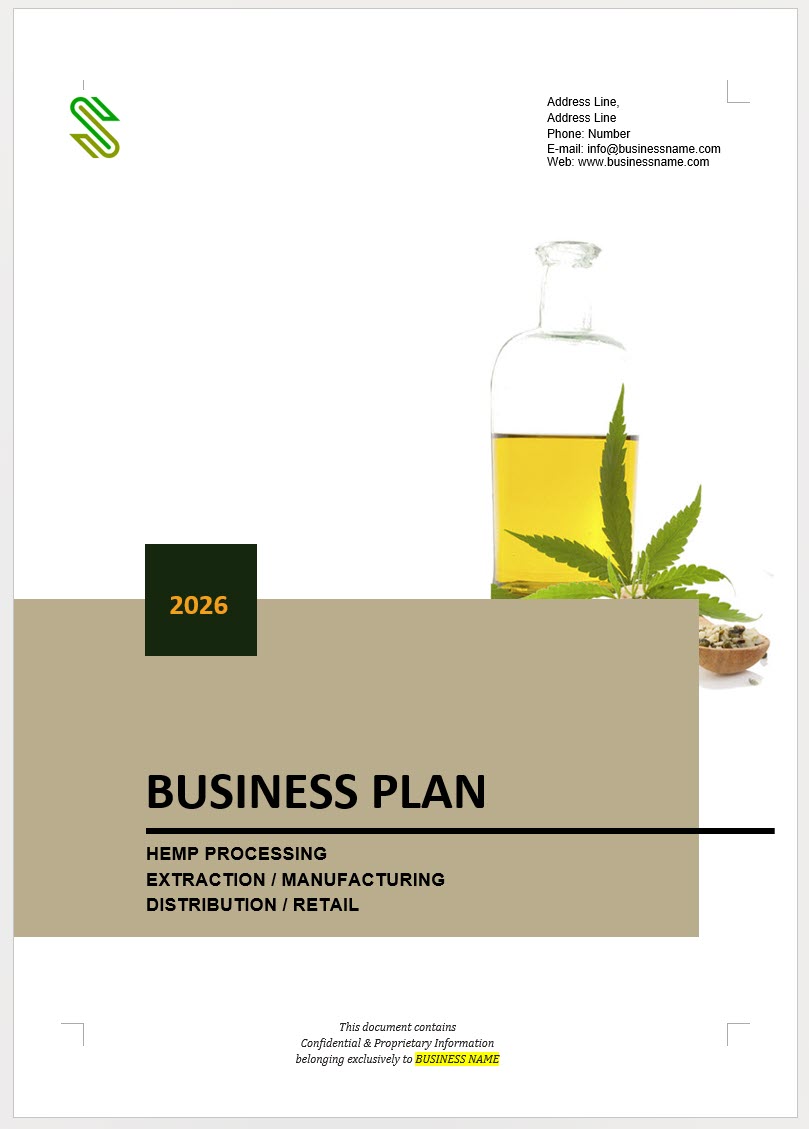
- Word Business Plan: value proposition, market analysis, marketing strategy, operating plan, organizational structure, financial plan and more.
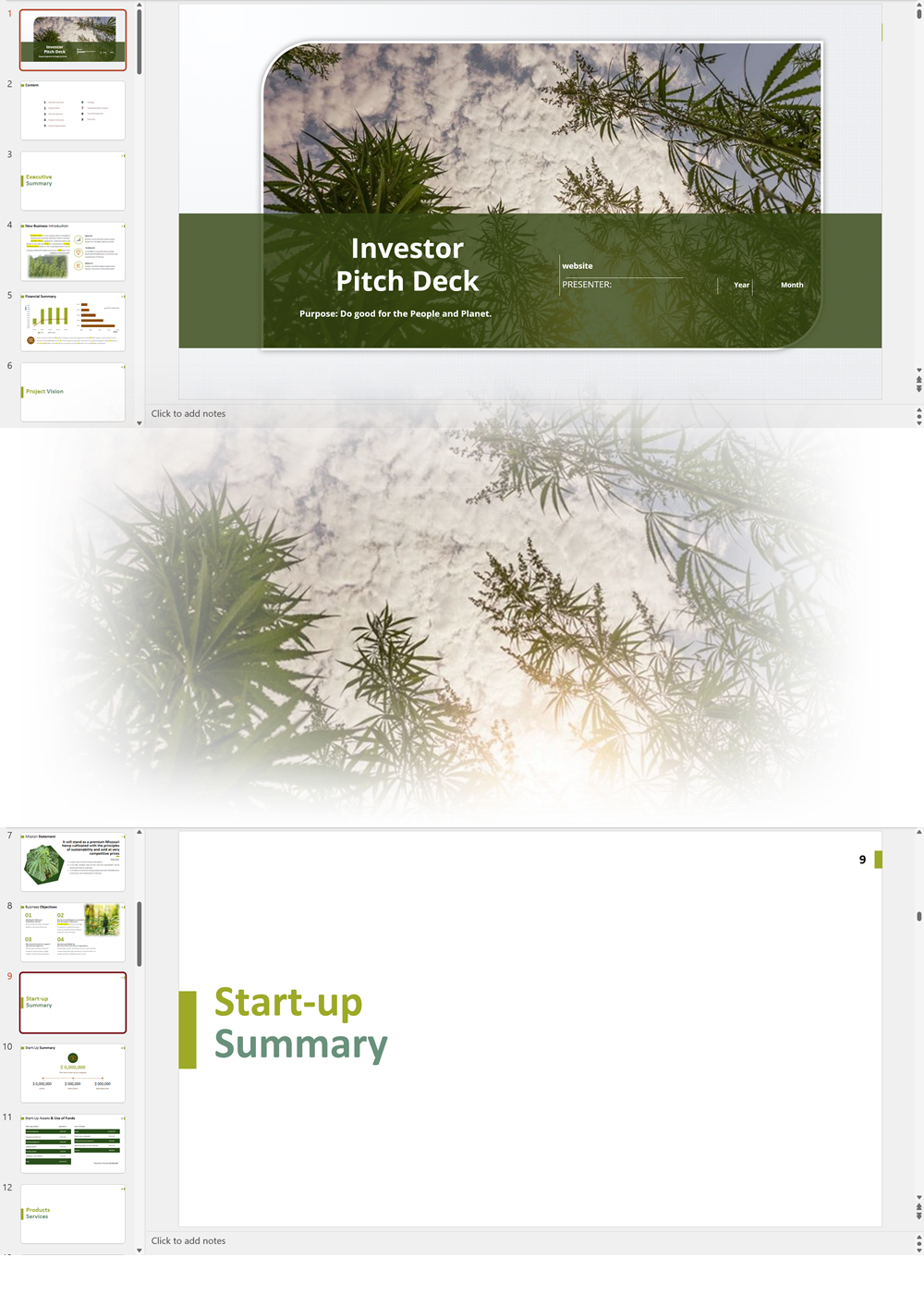
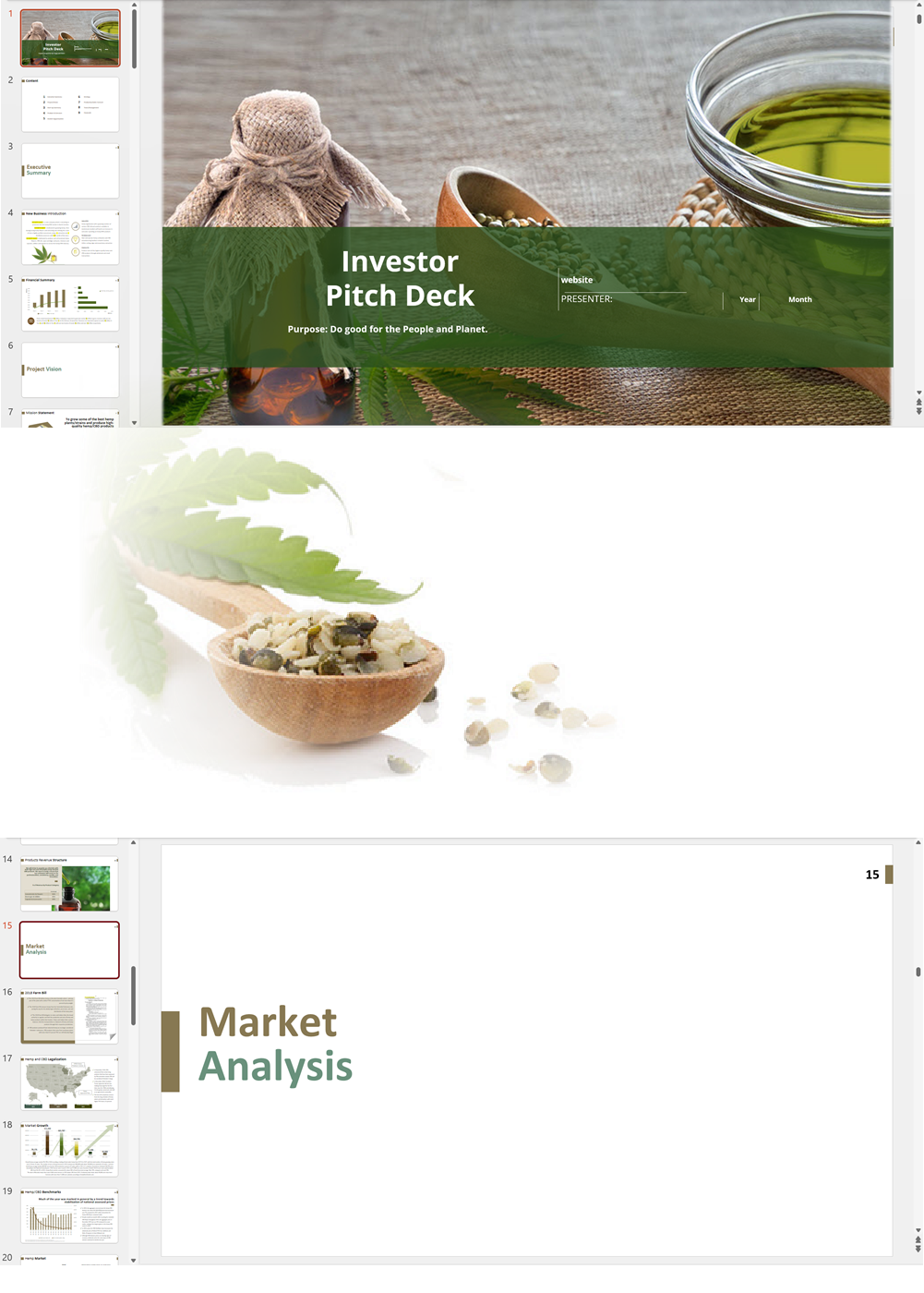
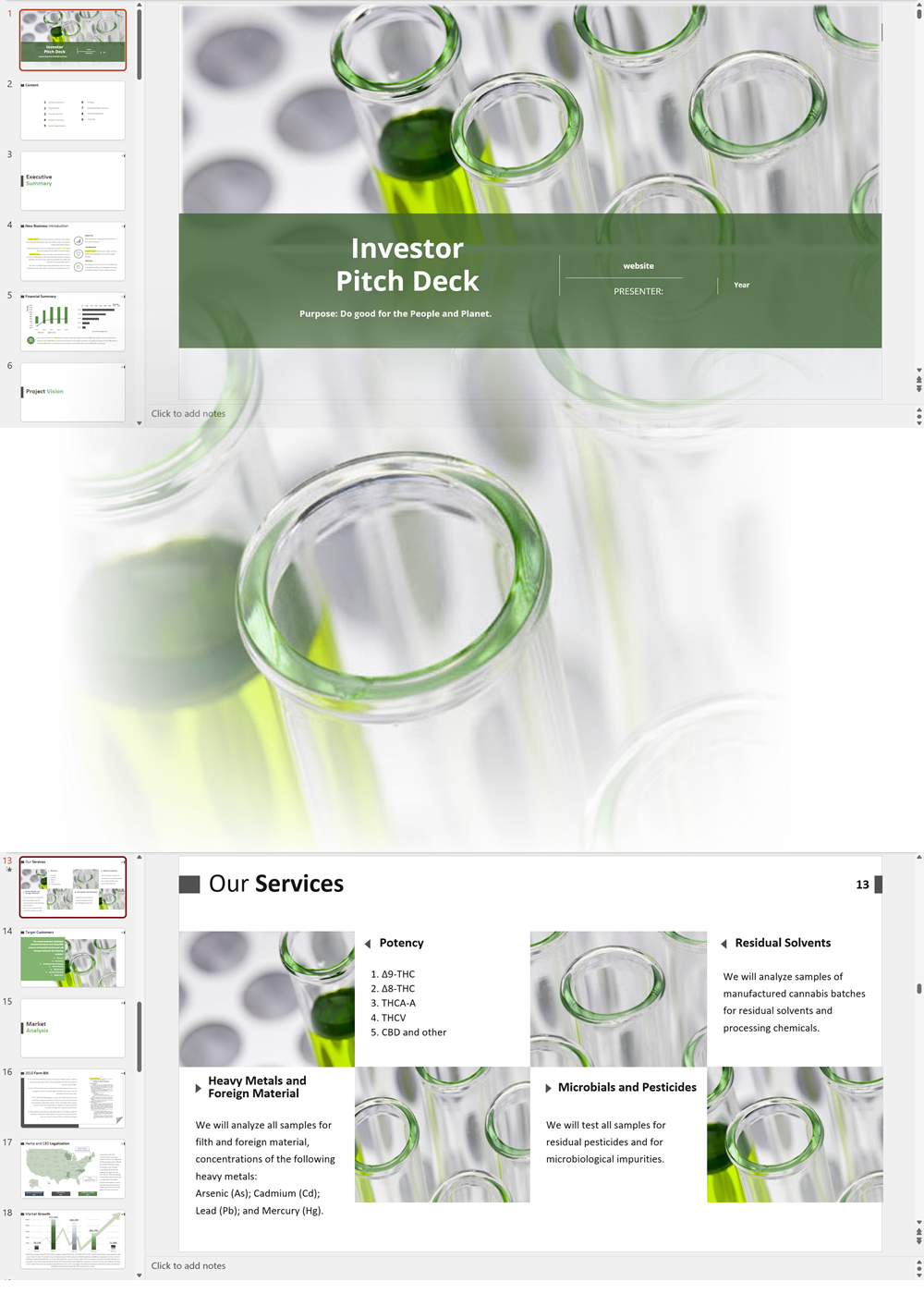
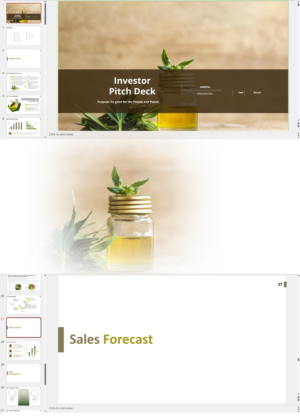
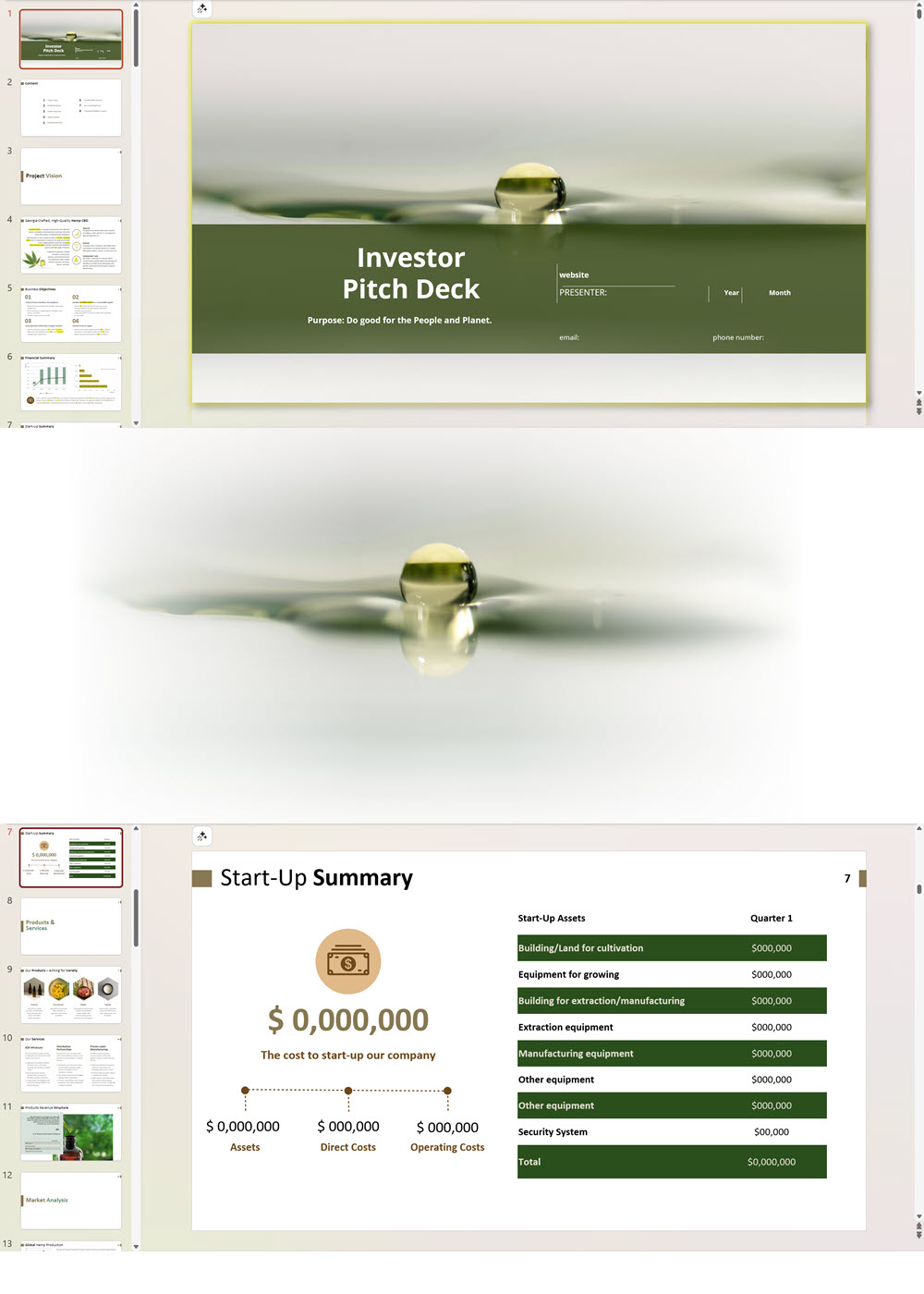
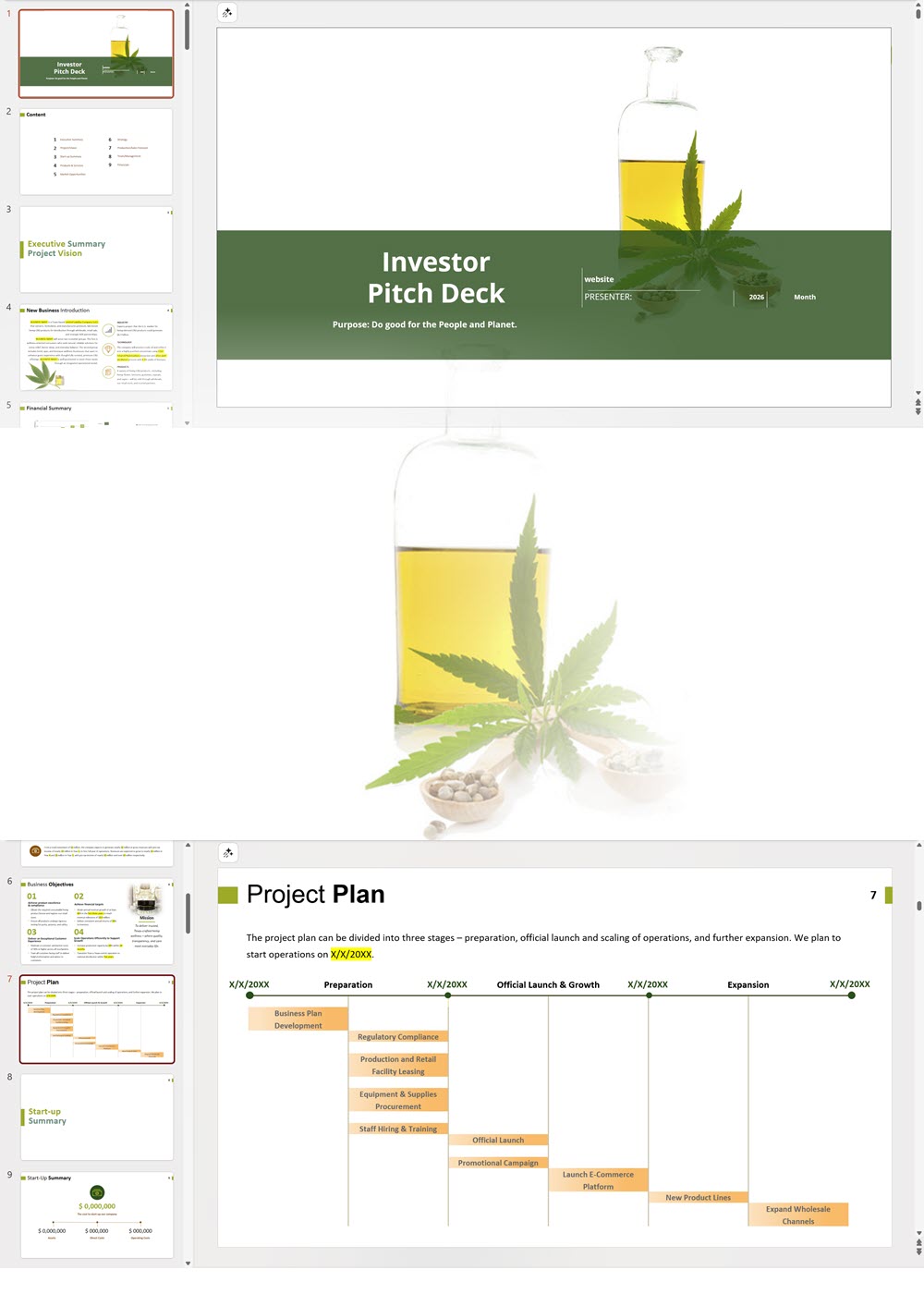
- PowerPoint Pitch Deck: provide a quick overview of your hemp CBD business plan.
'70% ready to go' business plan templates
Our hemp/CBD financial models and business plan templates will help you estimate how much it costs to start and operate your own hemp/CBD business, to build all revenue and cost line-items monthly over a flexible seven year period, and then summarize the monthly results into quarters and years for an easy view into the various time periods. We also offer investor pitch deck templates.
Hemp Cultivation and Nursery Business Plan Template Sample, Michigan
Best Selling Templates
-

Hemp Cultivation Business Plan Template
Price range: $75.00 through $275.00 Select options This product has multiple variants. The options may be chosen on the product page -

Hemp CBD Financial Model All in One
$200.00 Select options This product has multiple variants. The options may be chosen on the product page -
CBD Retail Investor Pitch Deck Template
$75.00 Select options This product has multiple variants. The options may be chosen on the product page
Our Templates
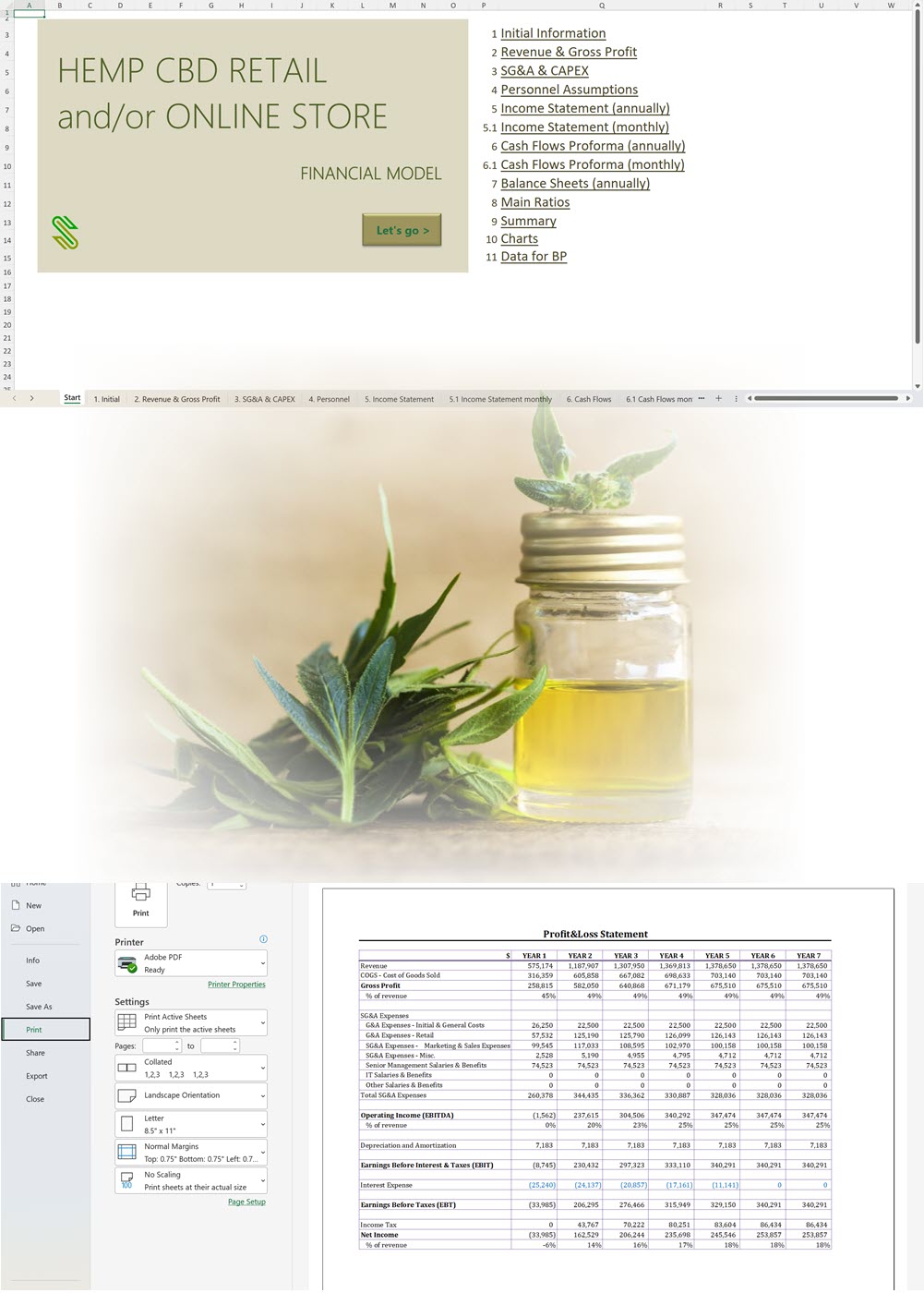
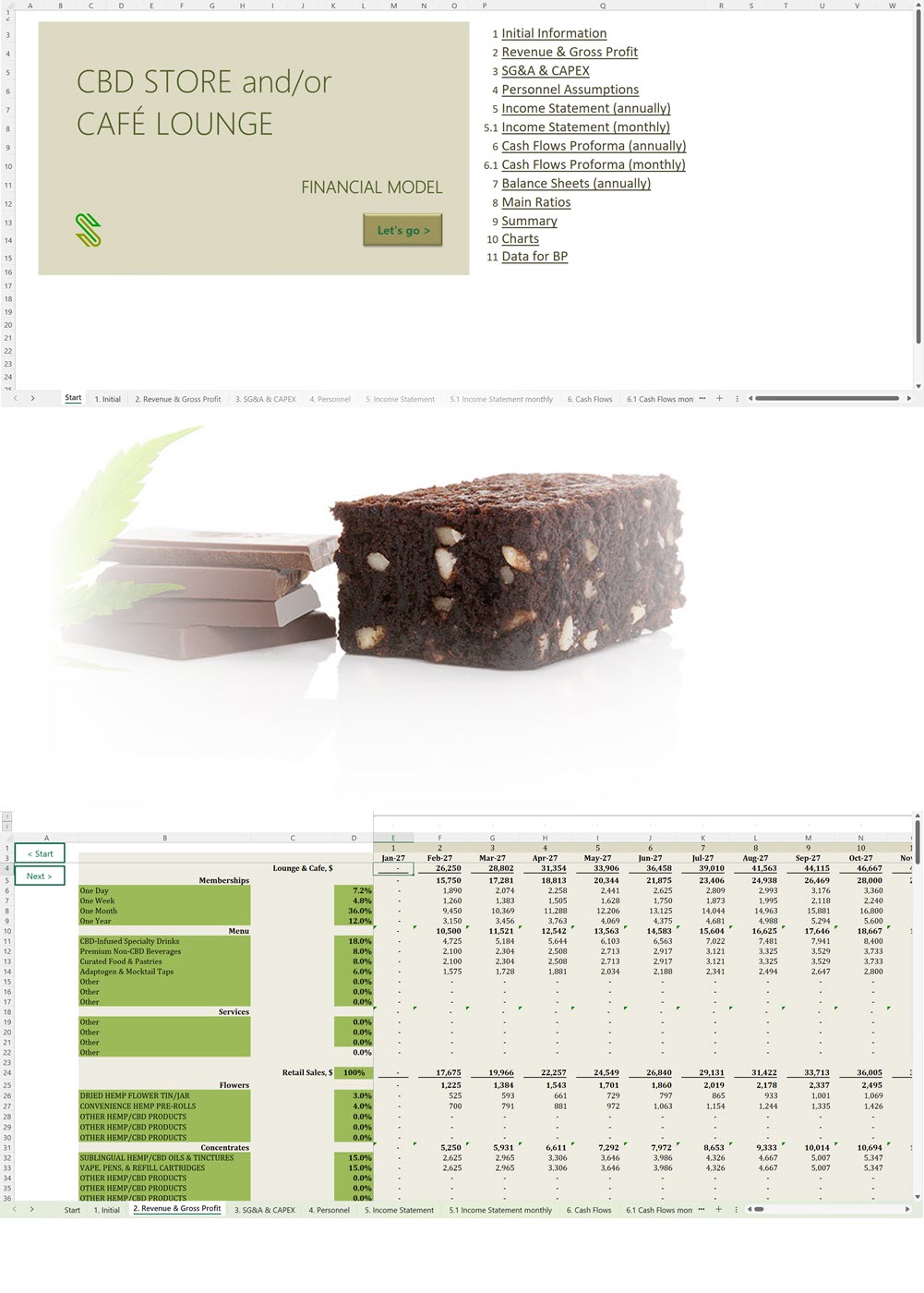
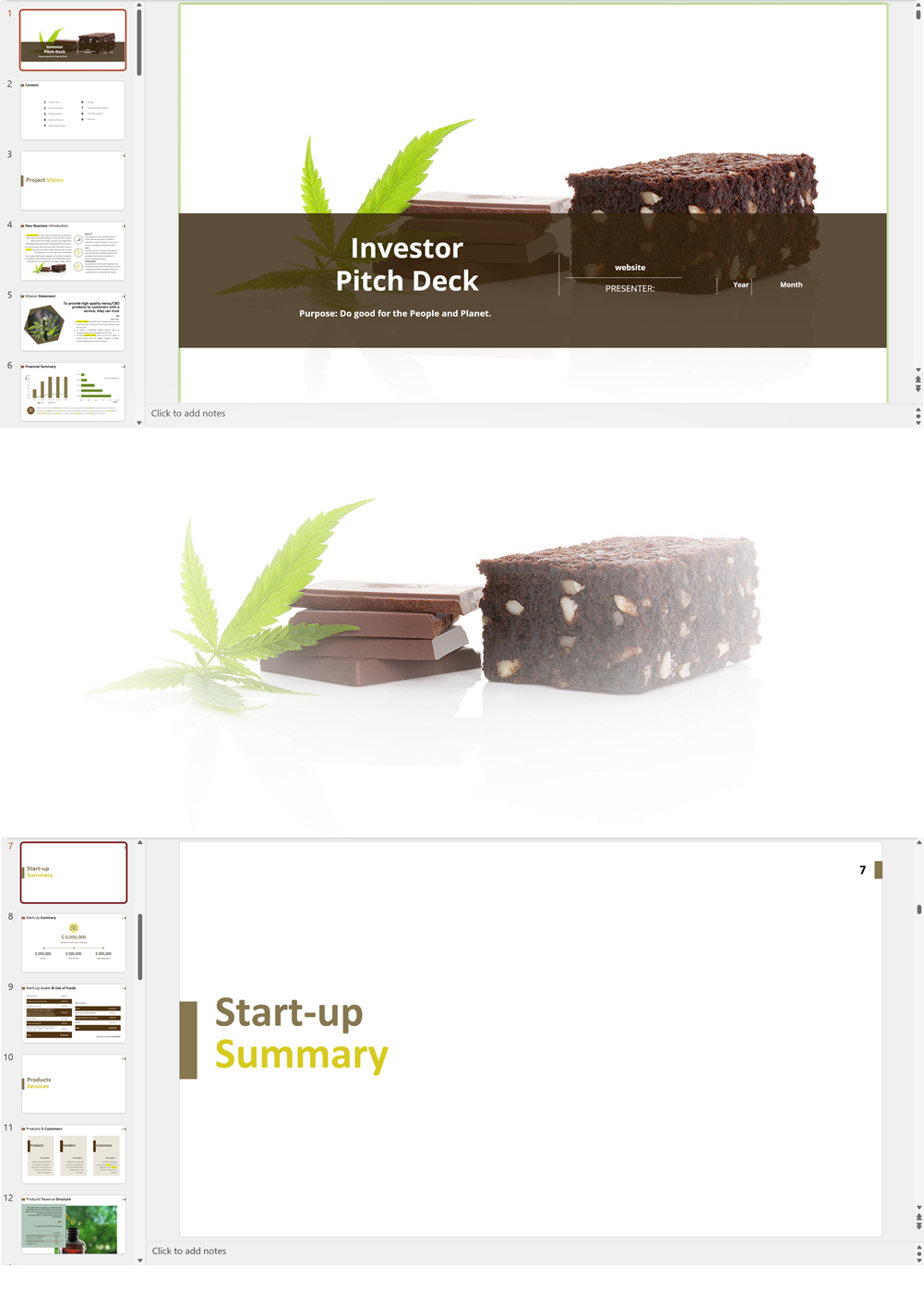
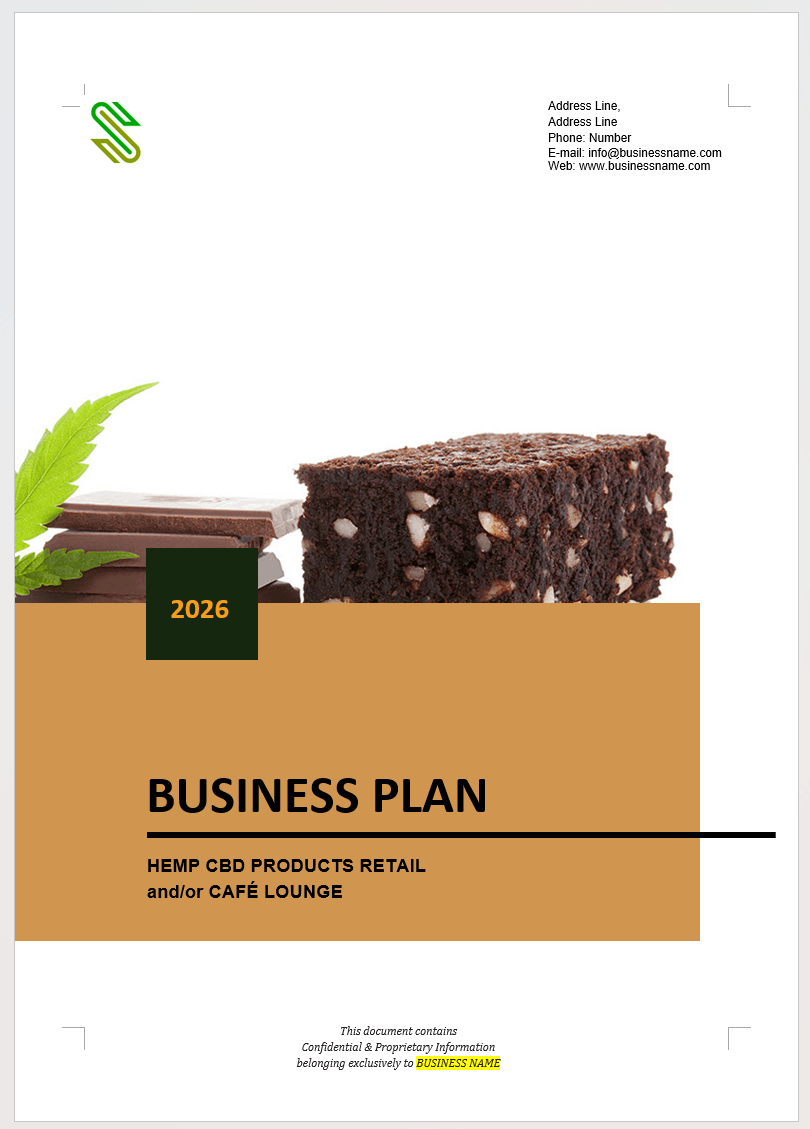
CBD Store and/or Cafe Lounge Business Plan Template
Price range: $75.00 through $275.00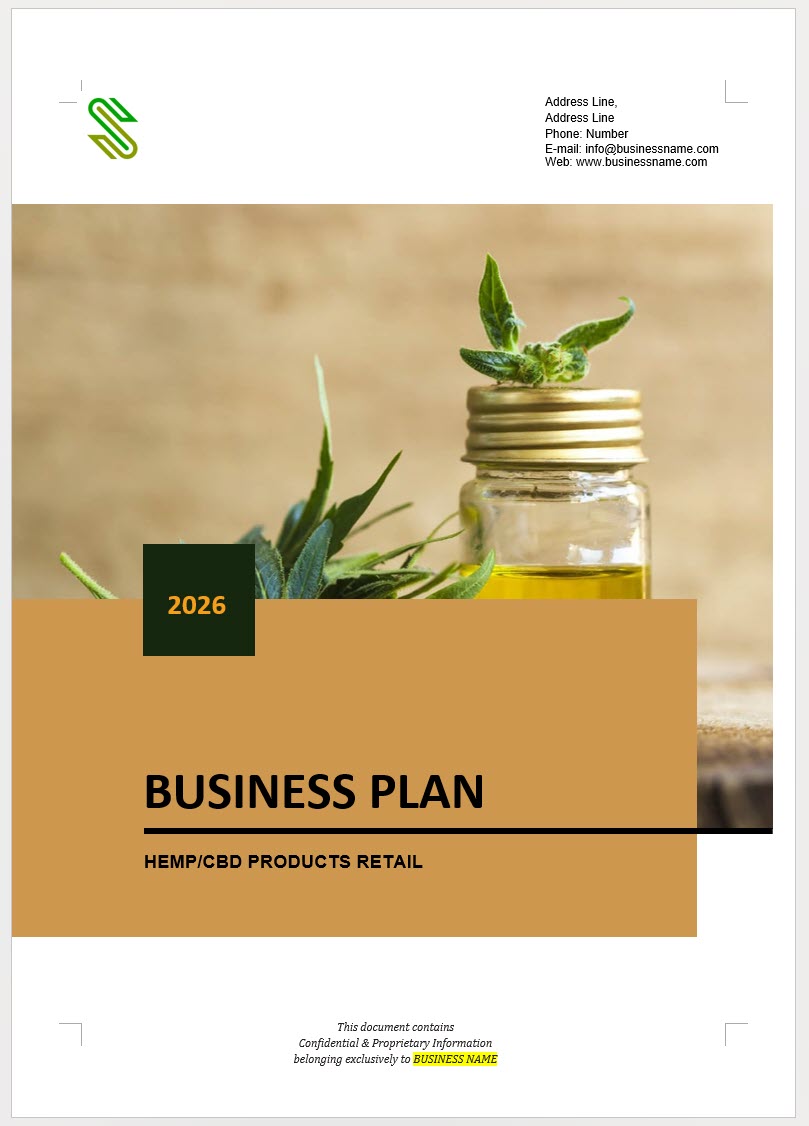
CBD Products Retail/Online Store Business Plan Template
Price range: $75.00 through $275.00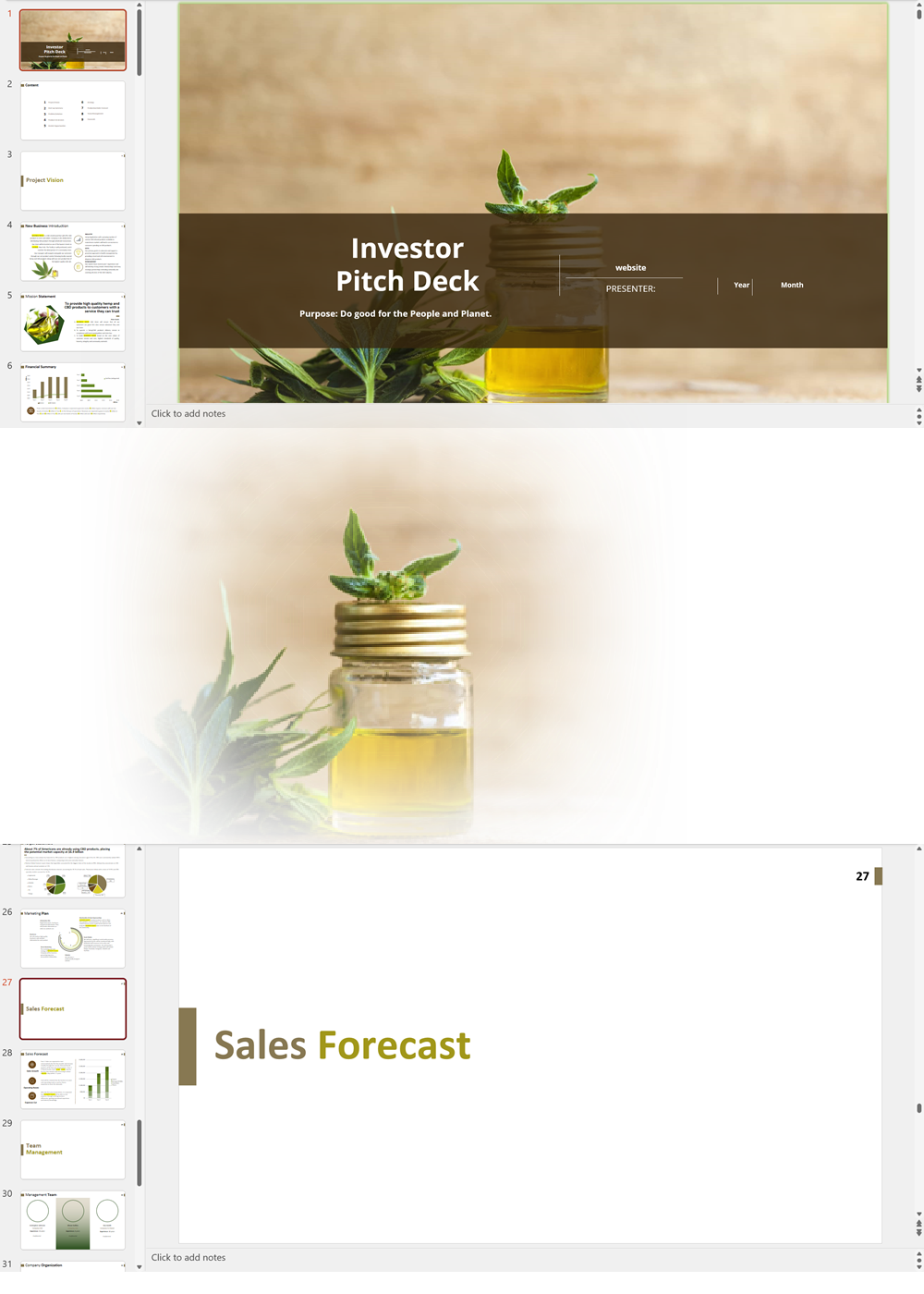
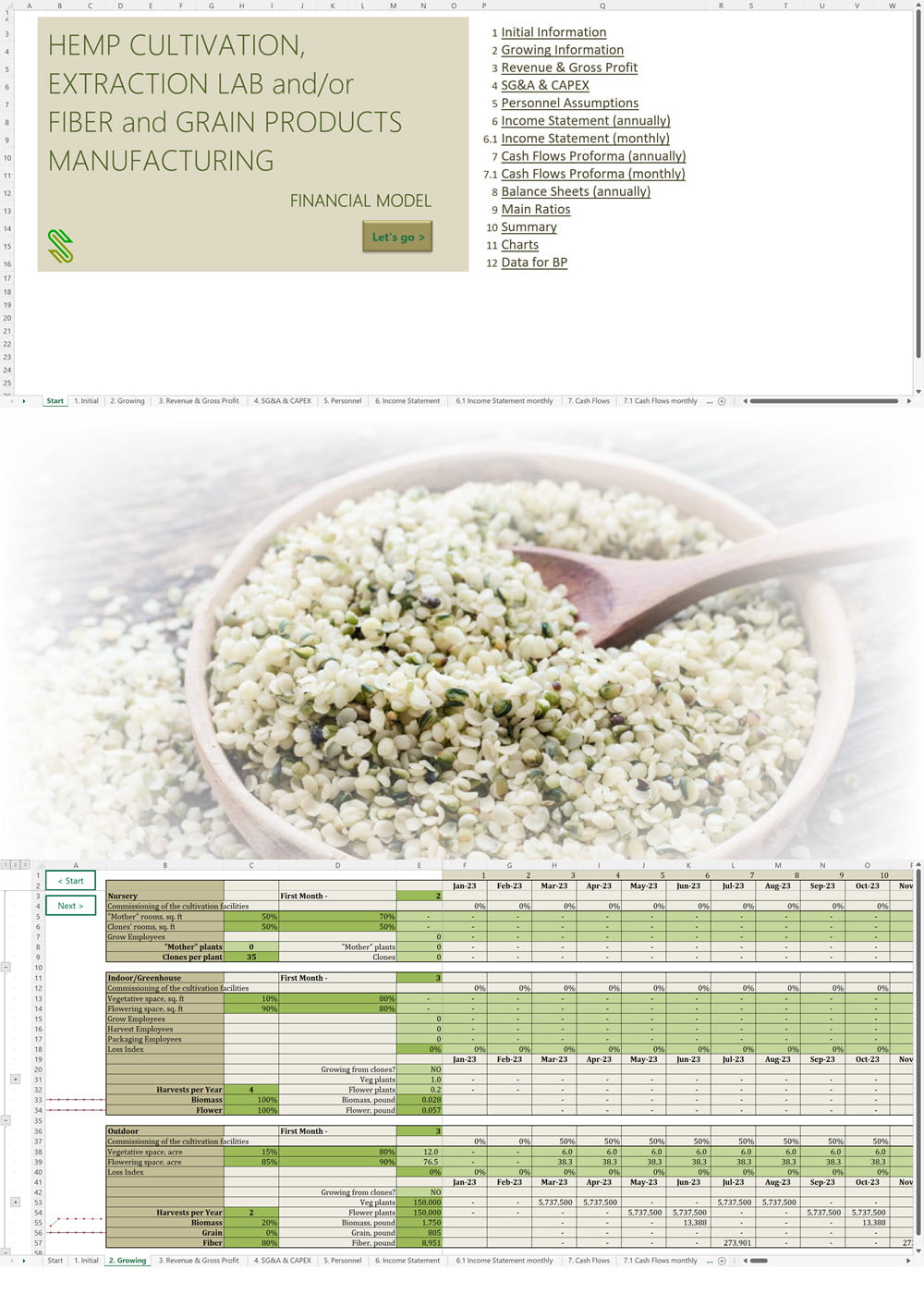
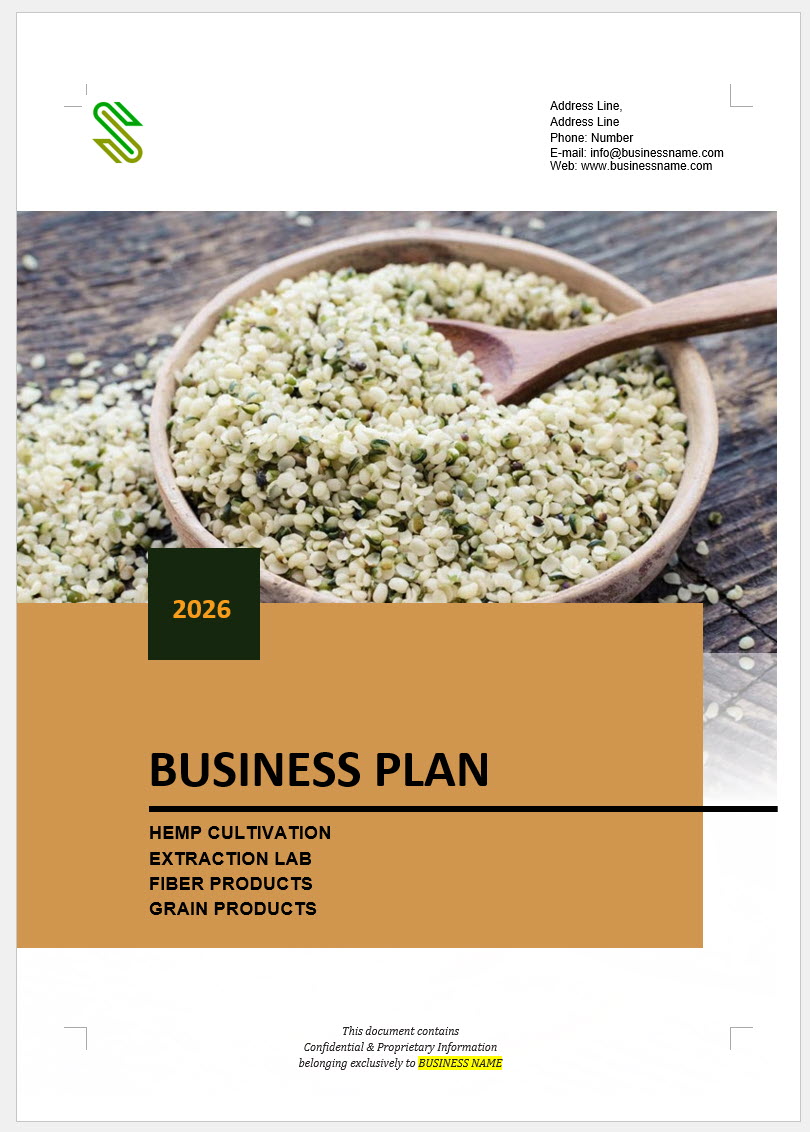
Hemp (Biomass, Fiber, Grain) Cultivation and Processing/ Manufacturing Business Plan Template
Price range: $75.00 through $350.00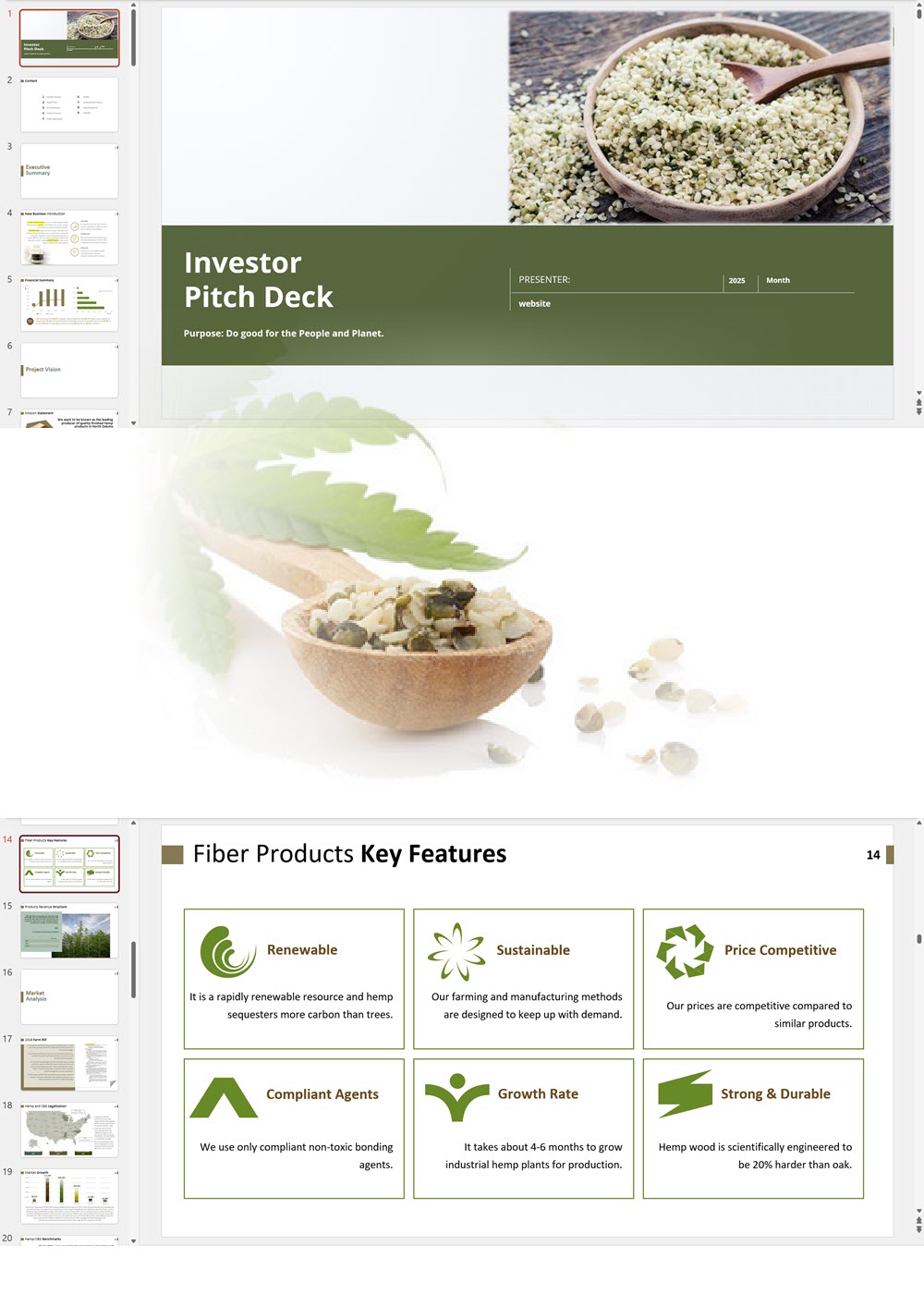
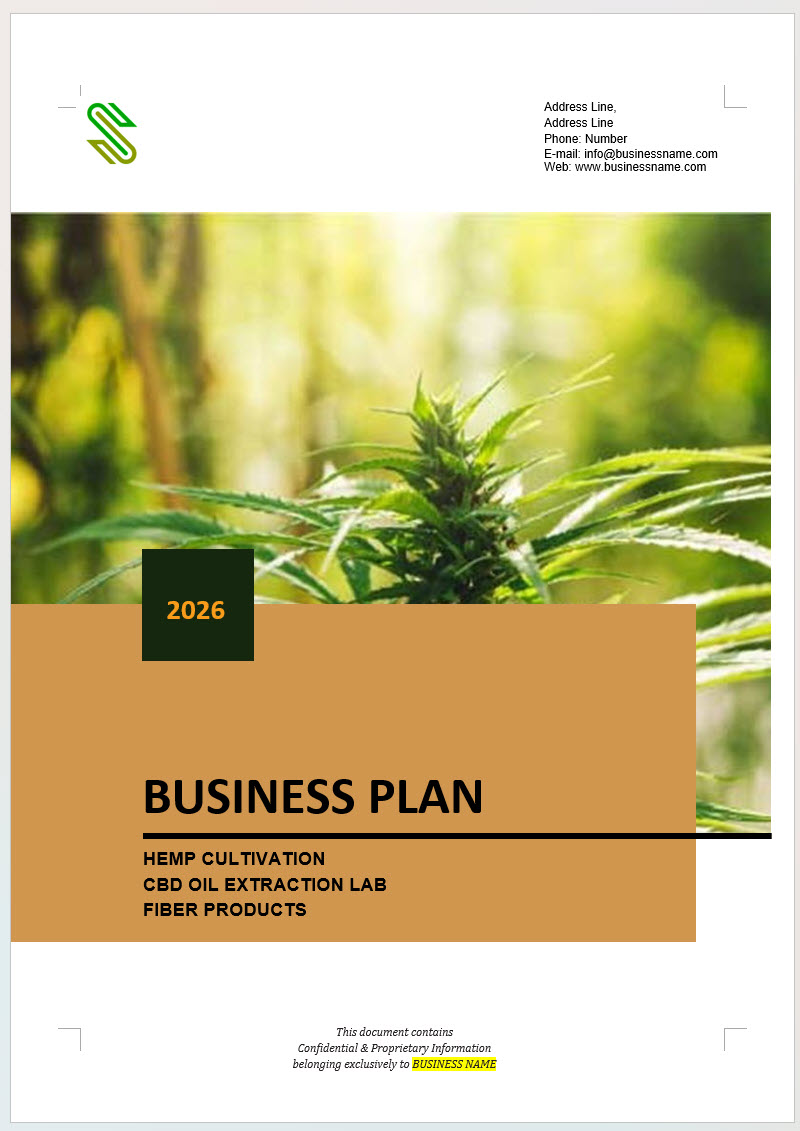
Hemp Cultivation and CBD Oil Extraction and/or Fiber Products Business Plan Template
Price range: $75.00 through $350.00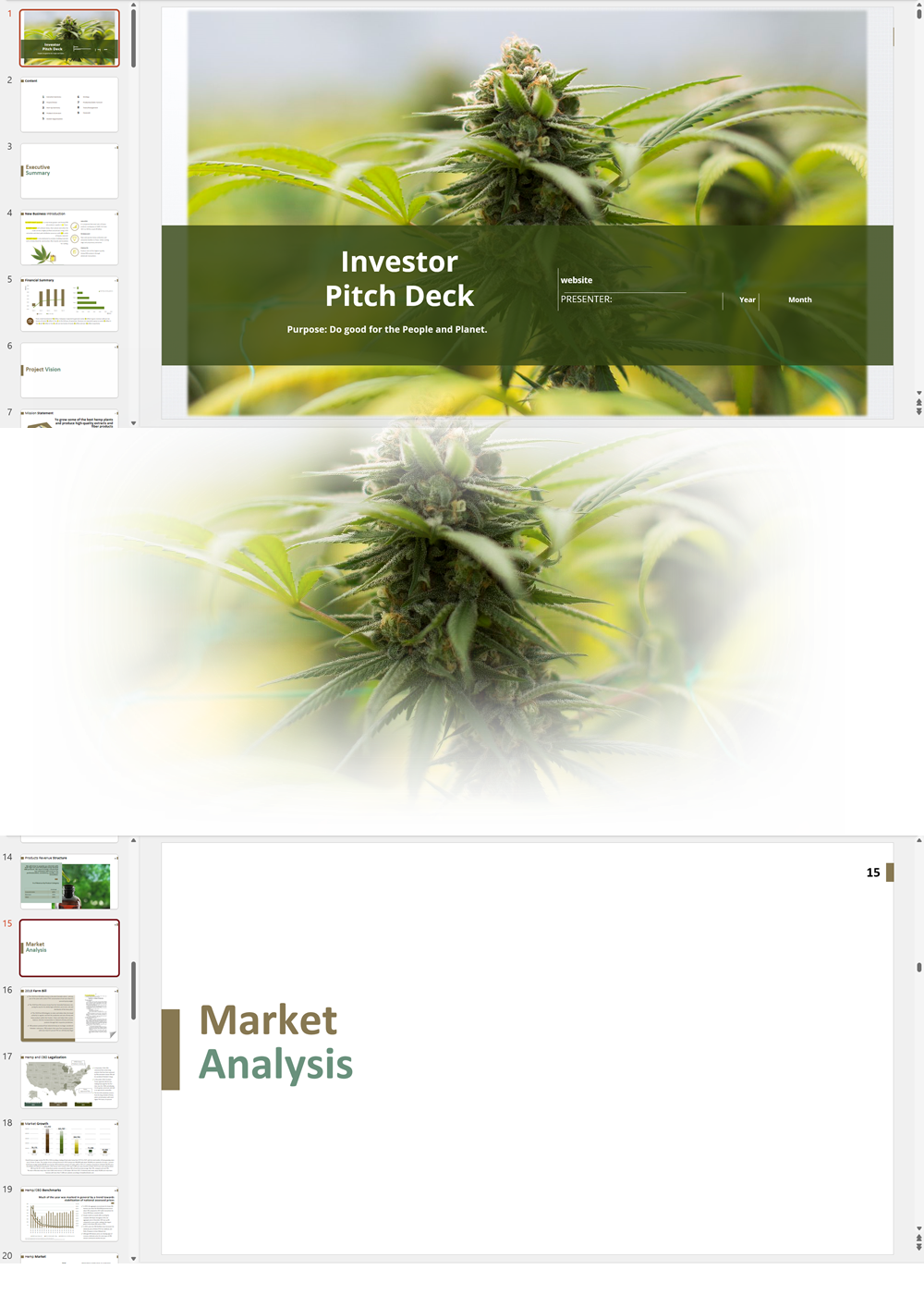
Hemp Fiber Growing and Manufacturing Business Plan Template
Price range: $75.00 through $275.00
Hemp Cultivation + Extraction + Manufacturing Business Plan Template
Price range: $75.00 through $450.00
Hemp CBD Extraction + Manufacturing + Retail Business Plan Template
Price range: $75.00 through $450.00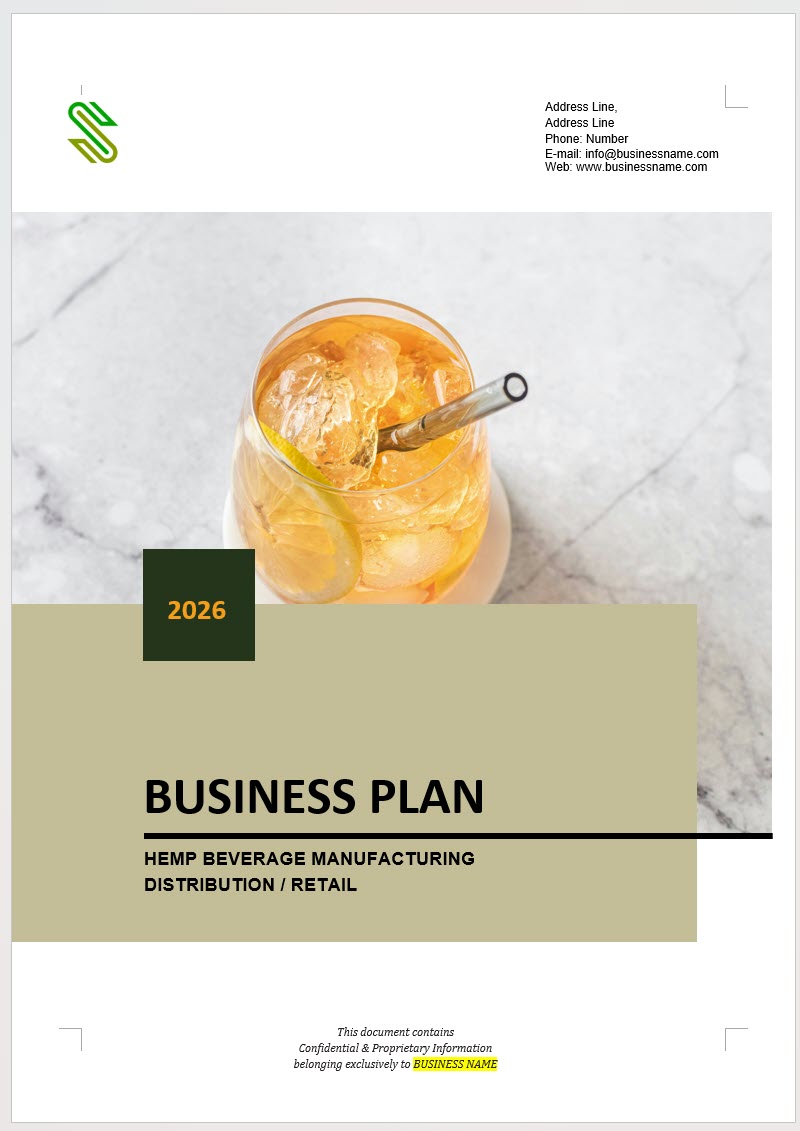
Hemp CBD Beverage Manufacturing, Wholesale and/or Retail Business Plan Template
Price range: $75.00 through $350.00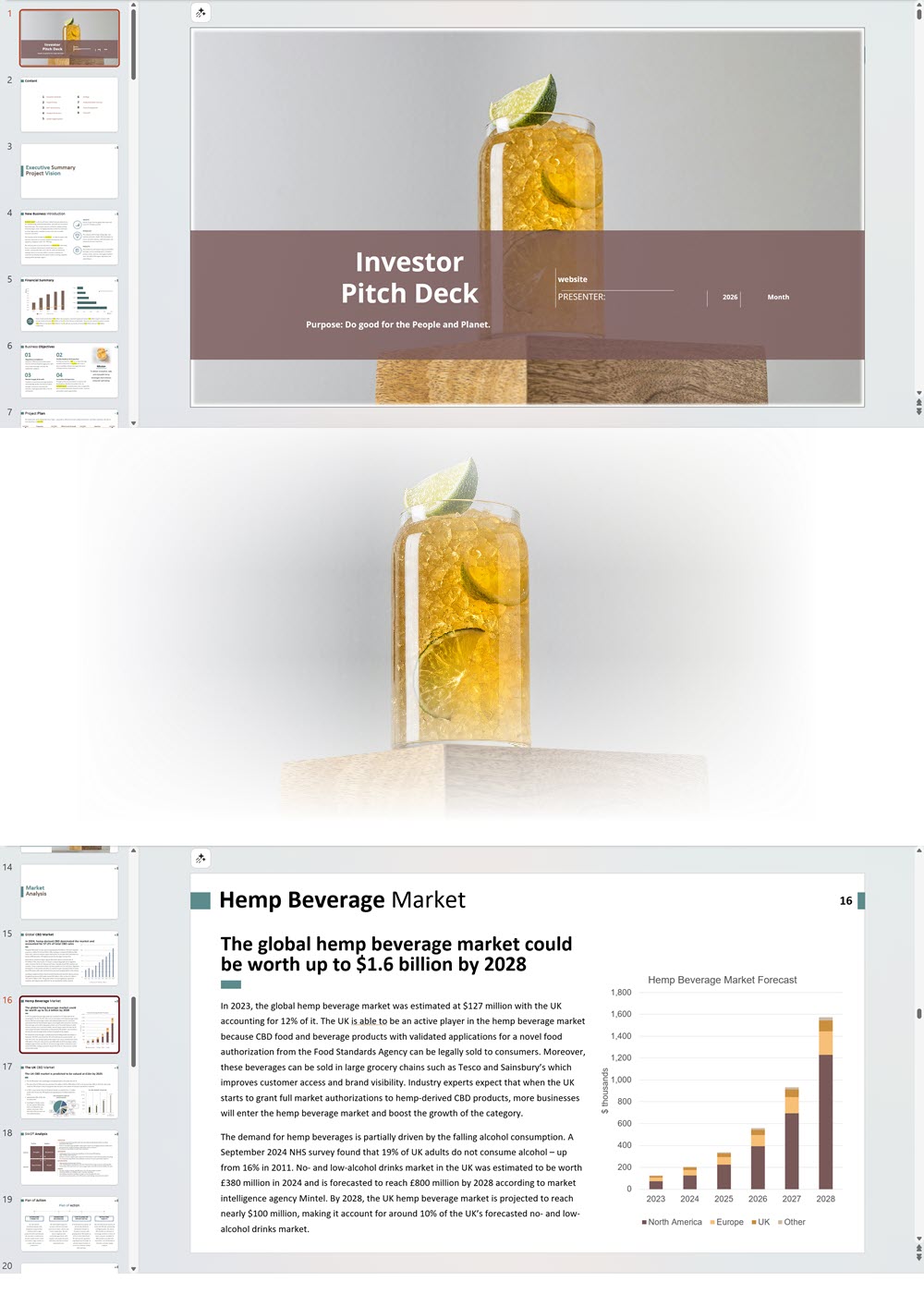
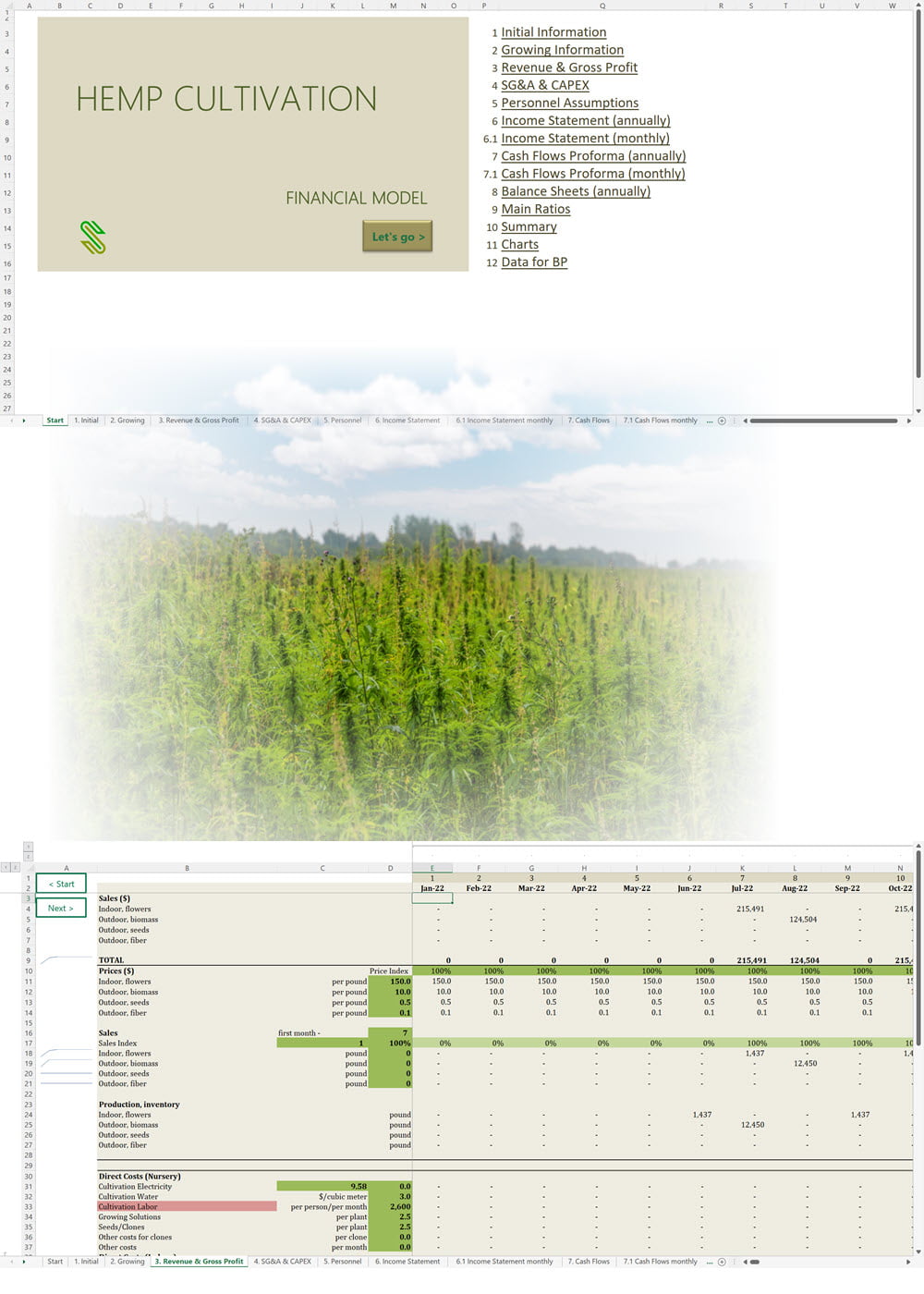
Hemp Cultivation Financial Model
$100.00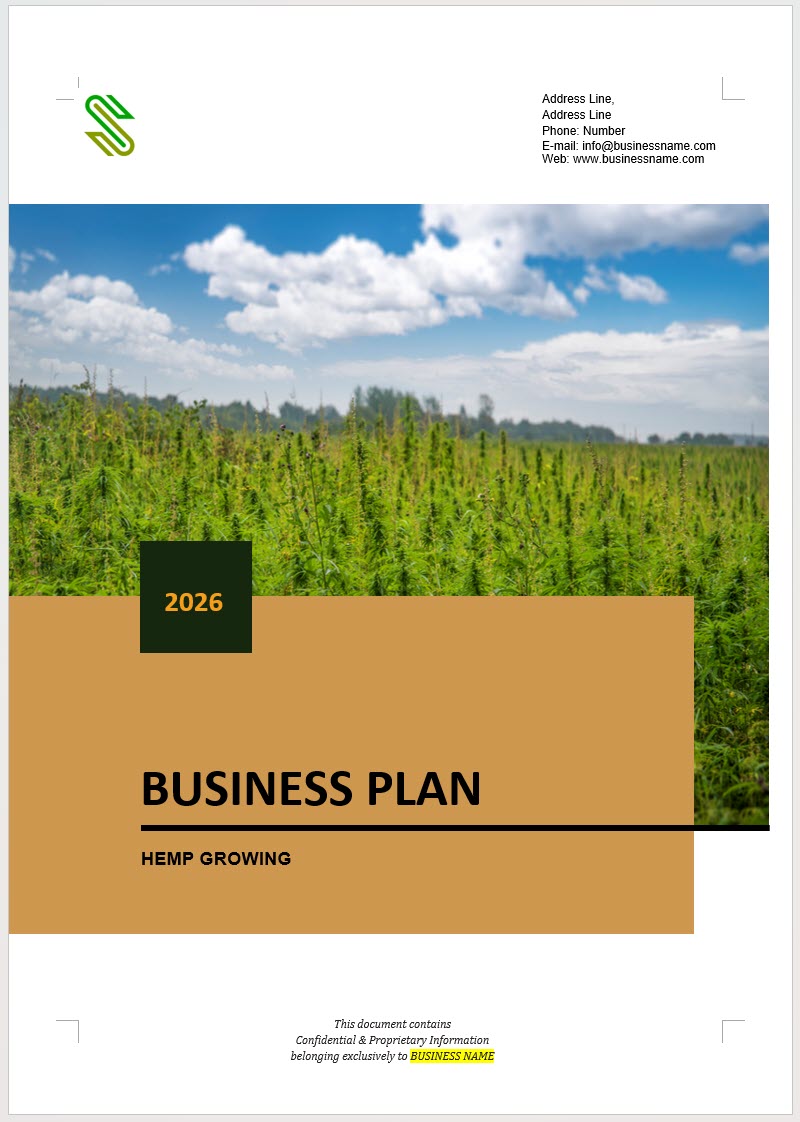
Hemp Cultivation Business Plan Template
Price range: $75.00 through $275.00