Hemp Legalization
The 2014 Farm bill in section 7606 authorized institutions of higher education or state departments of agriculture in states that have legalized hemp cultivation to conduct research and pilot programs. In June 2015, Nevada legalized the cultivation of hemp for research and pilot projects through Senate Bill 305 and these regulations were codified in 2016 as Chapter 557 in the Nevada Administrative Code. In June 2017, limited processing of hemp was approved through Senate Bill 396.
Following the passage of the 2018 Federal Farm Bill, Nevada signed into law Senate Bill 347 and Senate Bill 209, revising its statutes to be in line with the federal regulations. The Nevada’s State Hemp Plan was approved by the USDA on May 28, 2021.
The Nevada Department of Agriculture (NDA) oversees agricultural production and limited initial processing of raw hemp which includes grinding, oil extraction from the plant, and seed cleaning. The NDA does not regulate processed products for human consumption.
Both hemp and hemp CBD are legal in Nevada. SB 209 legalized the sale of CBD products designed for human consumption through ingestion, inhalation or by topical application. The bill gave Nevada’s Department of Health and Human Services authority over hemp-derived products. In a presentation explaining the updates to Nevada’s hemp laws, the NDA stated that “selling CBD oil that has not been combined with other food appears to be acceptable” as long as the product does not make any health claims. However, state regulations regarding CBD food products remain unclear.
Hemp Licensing in Nevada
There are two types of hemp registrations in Nevada: grower and handler. Both registrations are issued by the NDA. Applications must be submitted on or before July 1 of any year.
A grower means a person who is registered by the NDA and produces hemp.
Nonrefundable application fee: $500, and an additional fee of:
- $5 for each acre or portion thereof of an outdoor site for growing hemp.
- $0.33 for each 1,000 square feet or portion thereof of an indoor site used for growing hemp.
If the applicant holds a valid nursery stock dealer license issued pursuant to NRS 555.235 to 555.249, inclusive, and grows hemp solely for use as nursery stock, then the nonrefundable application fee is reduced to $725.
An applicant with an approved “Grower Application” can then choose to request a permit from the NDA to produce hemp seed. The applicant must pay a nonrefundable application fee of $100 and an additional fee of:
- $5 for each acre or portion thereof of an outdoor site for growing hemp.
- $0.33 for each 1,000 square feet or portion thereof of an indoor site used for growing hemp.
A handler means a person who is registered by the NDA and handles hemp for processing into commodities, products or agricultural hemp seed. Only agricultural processing methods can be used which include grinding, pressing, extraction, and seed cleaning.
Nonrefundable application fee: $1,000 per facility
The following information must be submitted with an application for a registration:
- If the applicant is a natural person – their physical and mailing addresses, telephone number, and electronic mail address.
- If the applicant is a business entity – the employee identification number of the business entity and the name, title, physical and mailing addresses, telephone number and electronic mail address of each key participant.
- A criminal history report of the applicant, or of each key participant of the applicant if the applicant is a business entity, completed within 120 days immediately preceding the date on which the application is submitted.
- The following, as applicable:
- A description of the approvals that need to be obtained.
- Proof satisfactory to the NDA demonstrating that the applicant is in compliance with all applicable federal and state laws.
- A description of the manner by which the applicant will produce hemp.
- A map of each location where hemp will be produced and stored.
- The street address of each lot or greenhouse where hemp will be produced.
- The geospatial location of each lot or greenhouse where hemp will be produced.
- The acreage of the lot or indoor square footage of the greenhouse dedicated to the production of hemp.
- Other information required by the NDA.
Before growing, handling or producing hemp, each site that will be used for those activities must be certified by and registered with the NDA.
Registration expires on December 31 of each year. Applications for registration renewal must be submitted with proof satisfactory to the NDA that the applicant complied with the regulations relating to hemp testing, and that the land and crop management practices of the applicant are adequate, consistent with any previous information submitted to the NDA and do not negatively affect natural resources. If the applicant has a state business license, then the applicant must also include in the application the business identification number assigned by the Secretary of State.
Nevada Hemp Industry Statistics
According to the Nevada Department of Agriculture, 1,128 acres of hemp were grown in Nevada in 2018 comparing to 435 acres in 2017. In 2019, there were 213 grower certificate holders, 53 handler certificate holders and 37 seeds producer certificate holders. Area of hemp planted surged by 336% to nearly 4,918 acres in 2019.
However, following the passage of the 2018 Federal Farm Bill, there was a sharp increase in hemp farming in the country and this led to oversupply. Nevada’s acres of hemp planted began to fall, descending to 1,626 acres in 2020 and then further down to 446 acres in 2021. This downward trend continued with 14 acres of hemp planted in 2022, 4 acres in 2023 and only 0.5 acres in 2024 (data as of October 1, 2024).
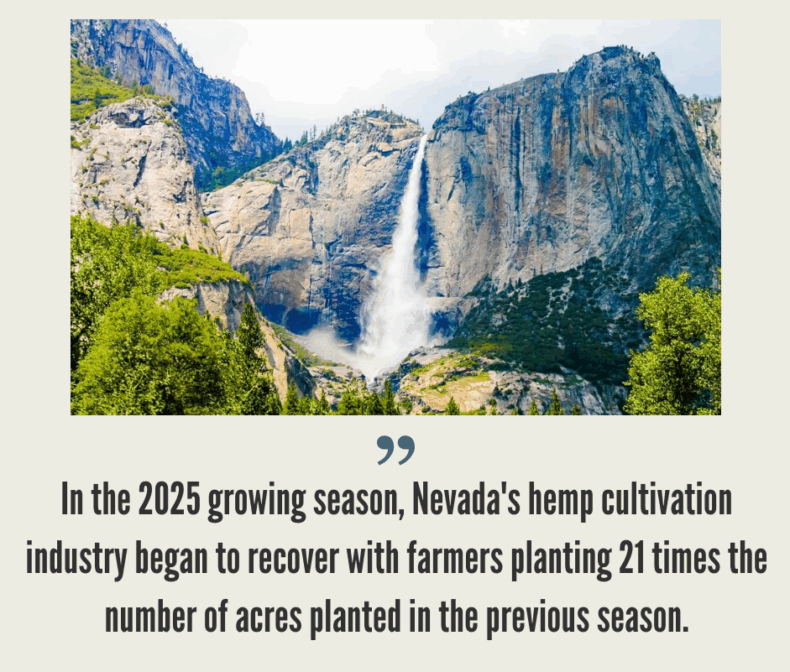
According to data from the NDA, as of August 2025, 11 hemp growers (an increase from the 9 growers in 2024) planted 10.50 acres of hemp for the 2025 growing season. Although still very low compared to the planted acreage in 2020 and 2021, this is nonetheless 21 times greater than the planted acreage in 2024, suggesting a possible recovery in Nevada’s hemp cultivation industry. As of August 1, 2025, there were 16 registered hemp processing facilities in the state.
Nevada Hemp Industry Infographics
How Can HempCBDbusinessplans Templates Help Start or Grow Your Hemp CBD Business?
A business plan is essential for securing funding. It will also help you understand how much money it will take to start a hemp CBD business and how much profit it could make. A well-structured business plan can make all the difference in demonstrating your proposed hemp CBD business’ compliance with regulations and its operational viability.
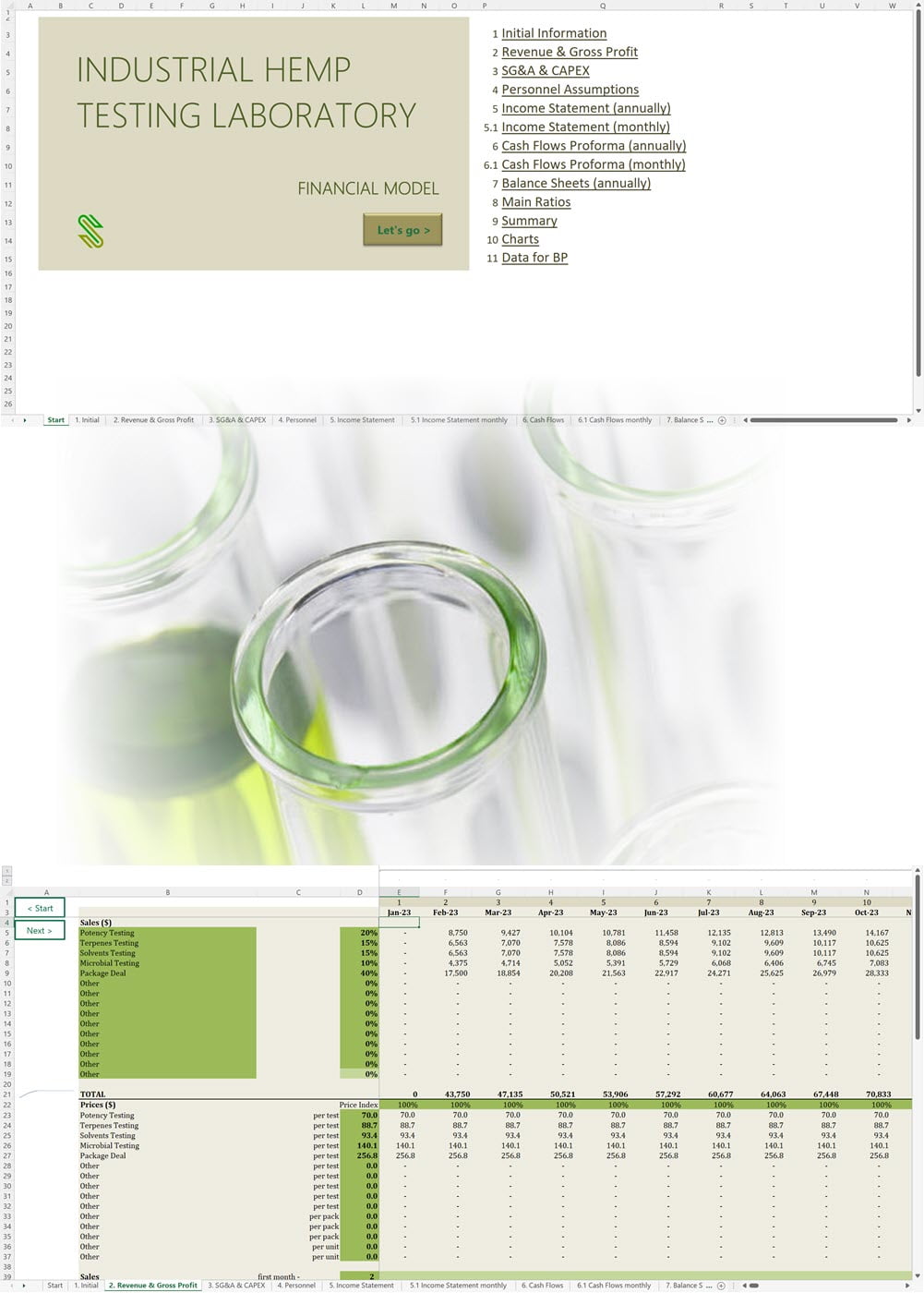
Our complete hemp CBD business plan template package is everything you need to create a professional business plan for a hemp CBD business with expert financials and projections. A complete hemp CBD business plan template package includes:
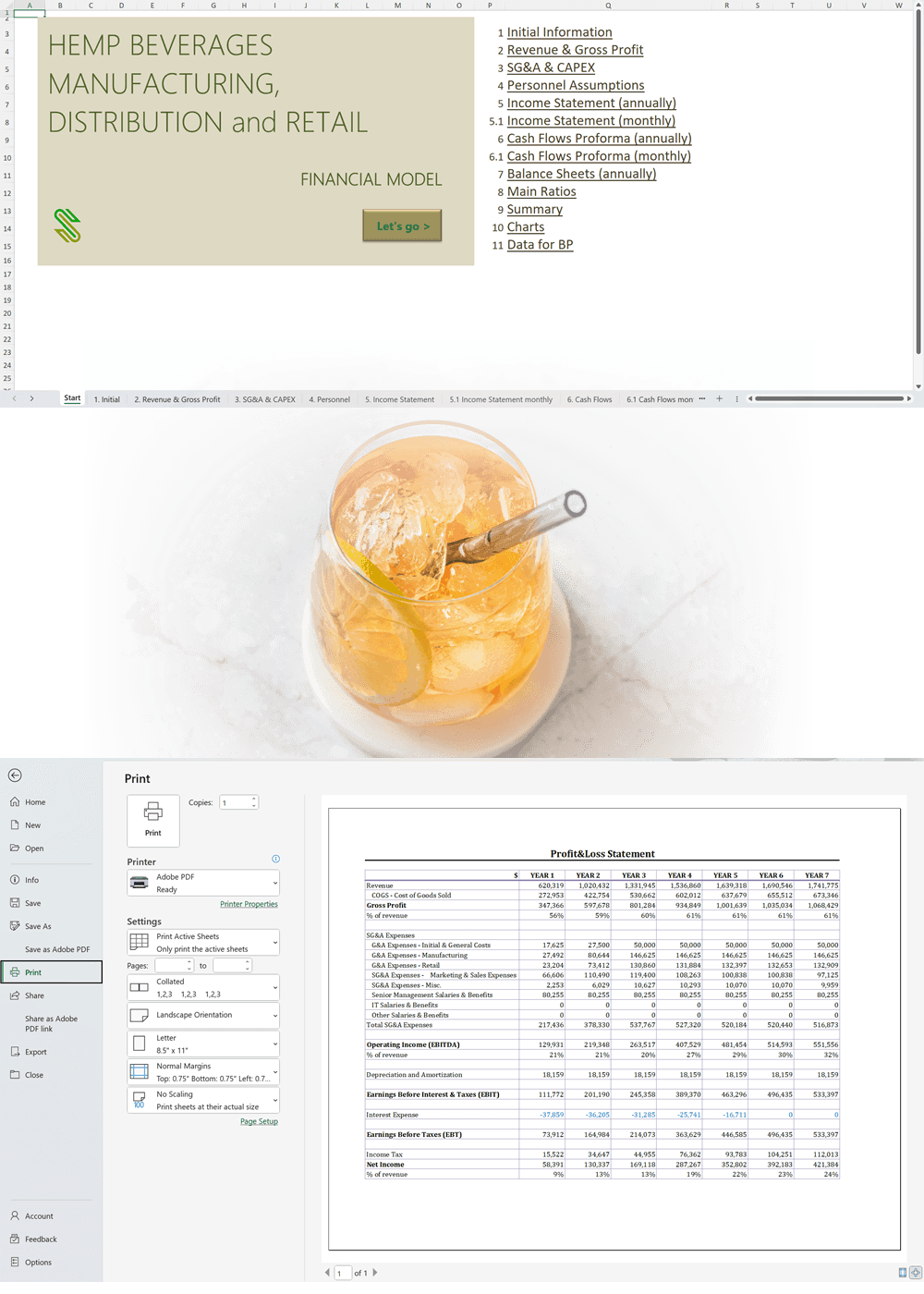
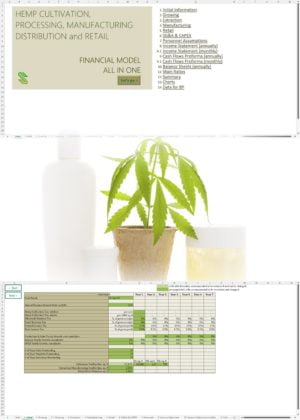
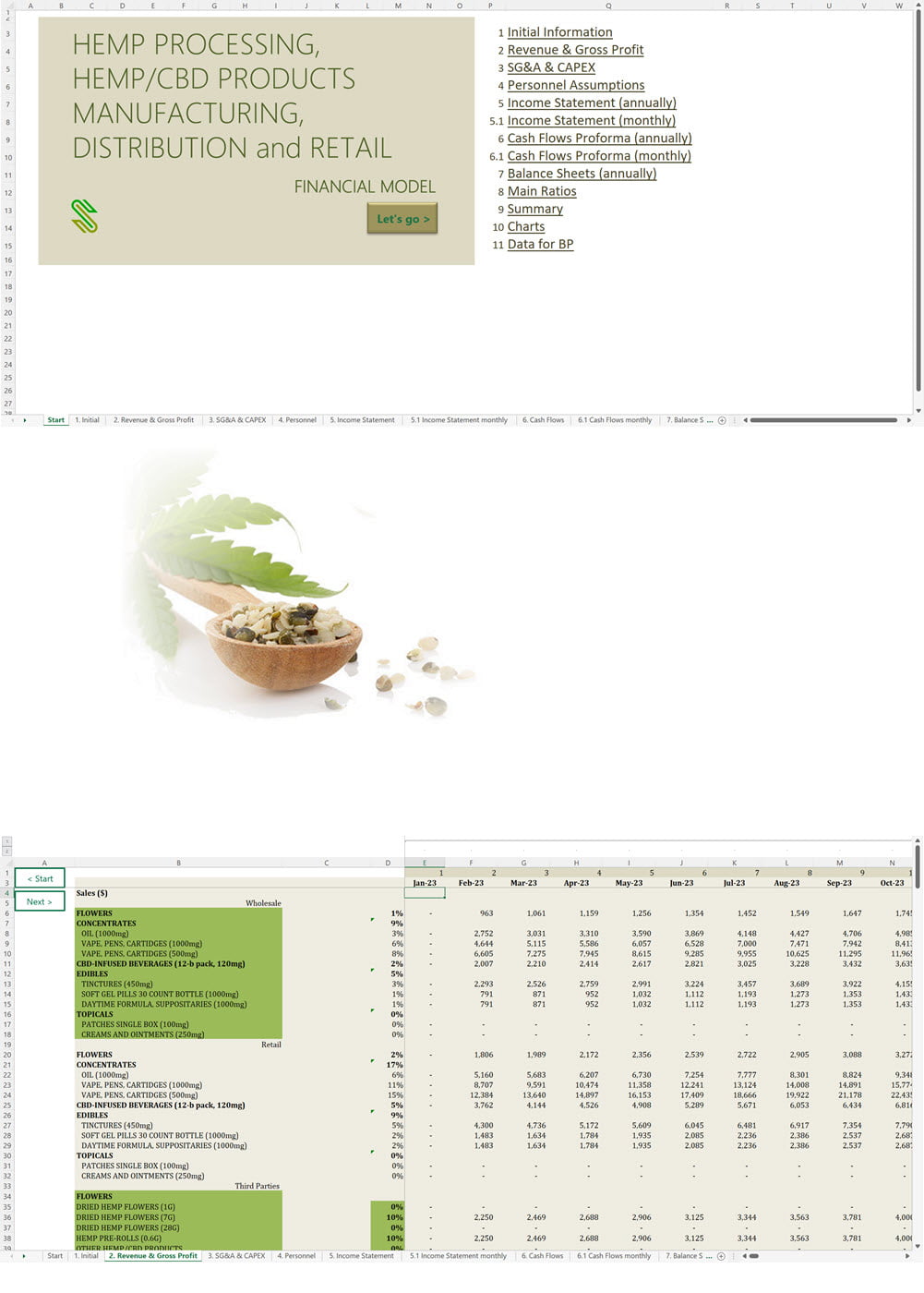
- Excel Financial Model: change variables and immediately see the impact, break down operational and capital costs, know how much it will take to get into the business and the potential profits.
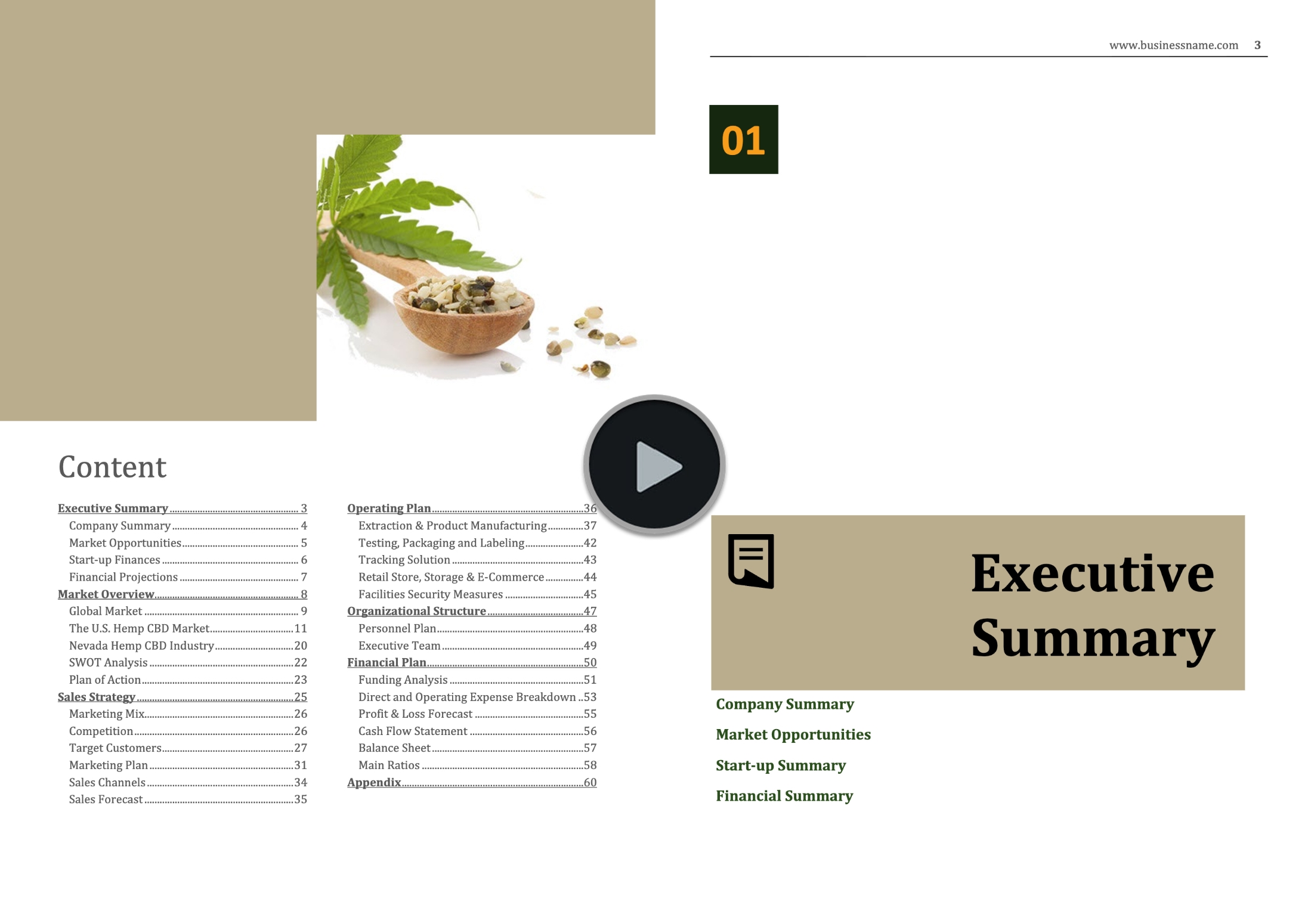
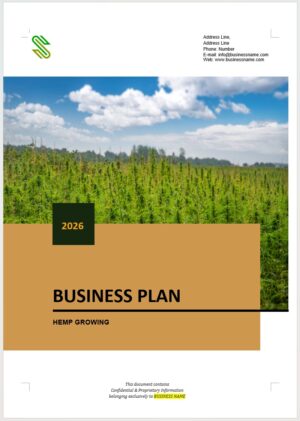
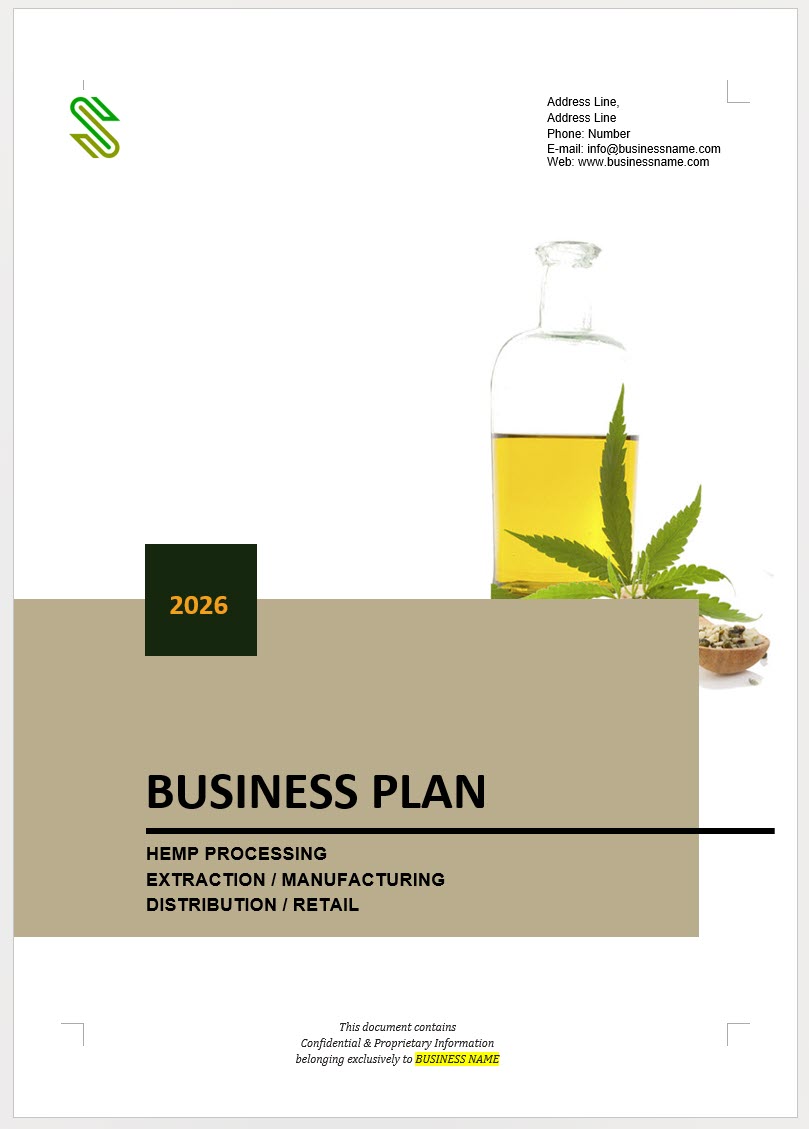
- Word Business Plan: value proposition, market analysis, marketing strategy, operating plan, organizational structure, financial plan and more.
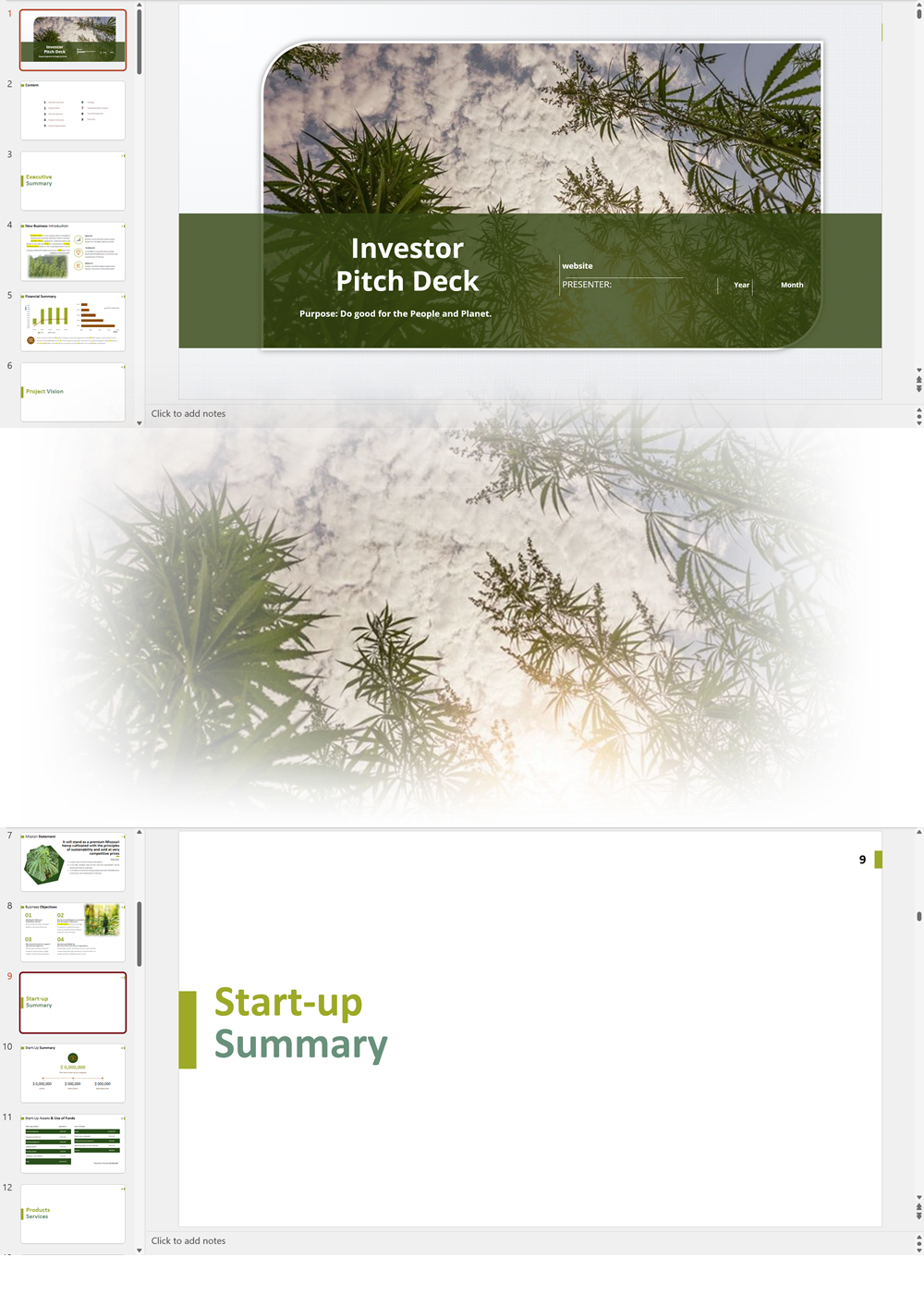
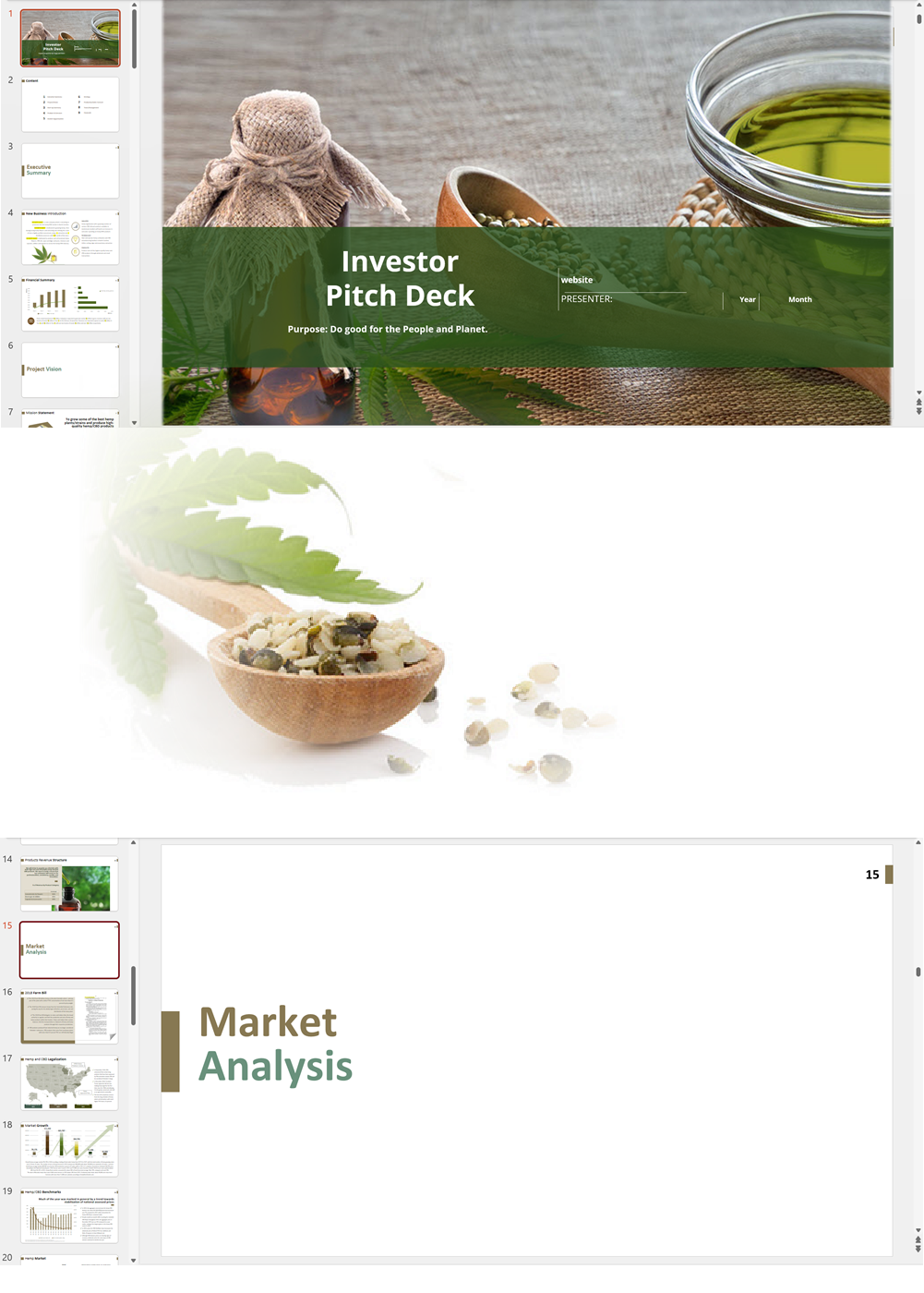
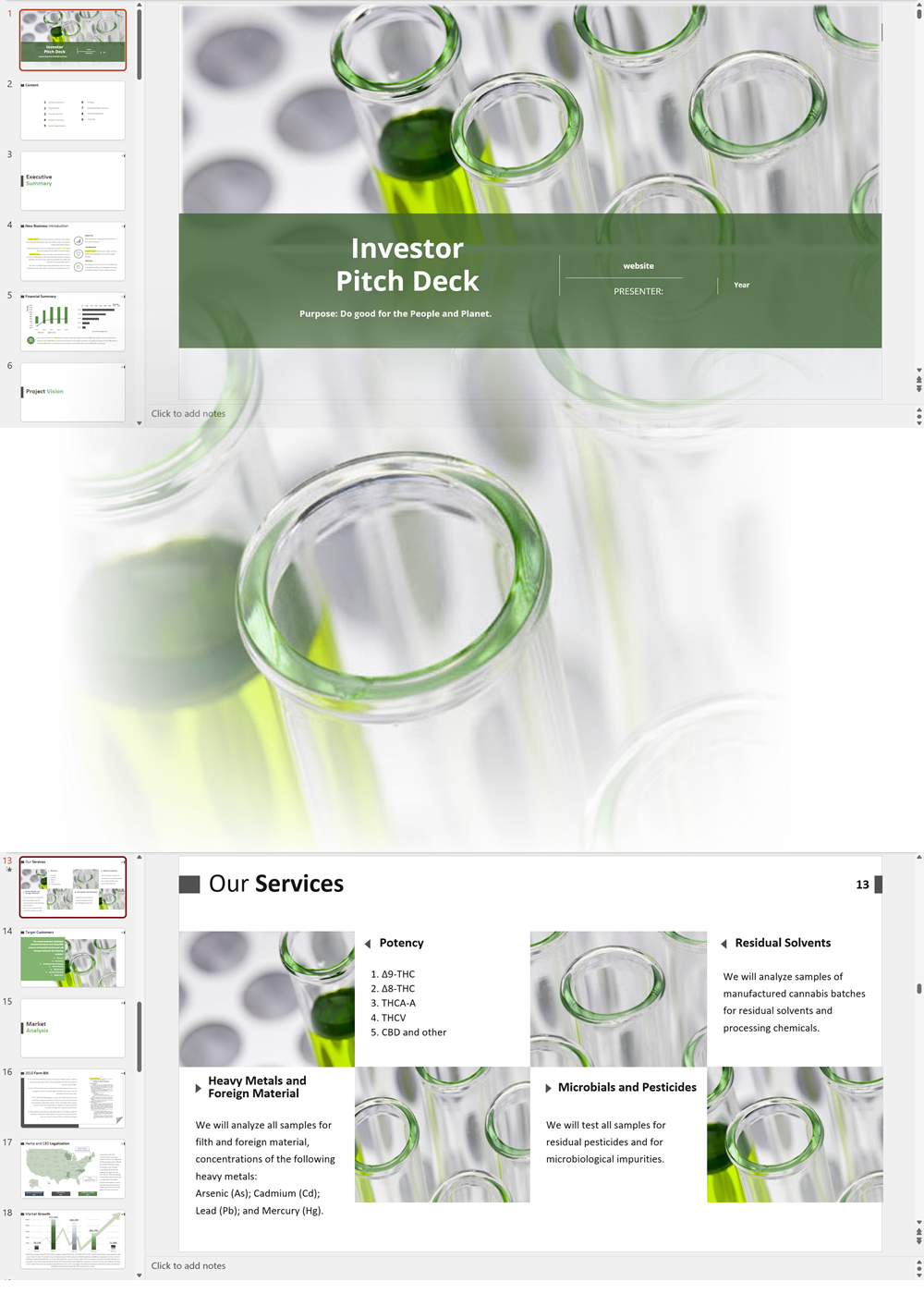
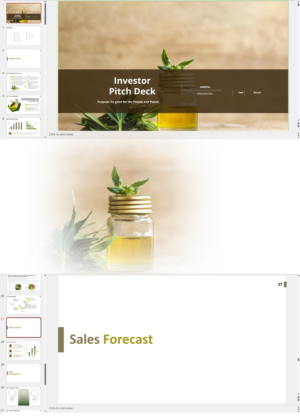
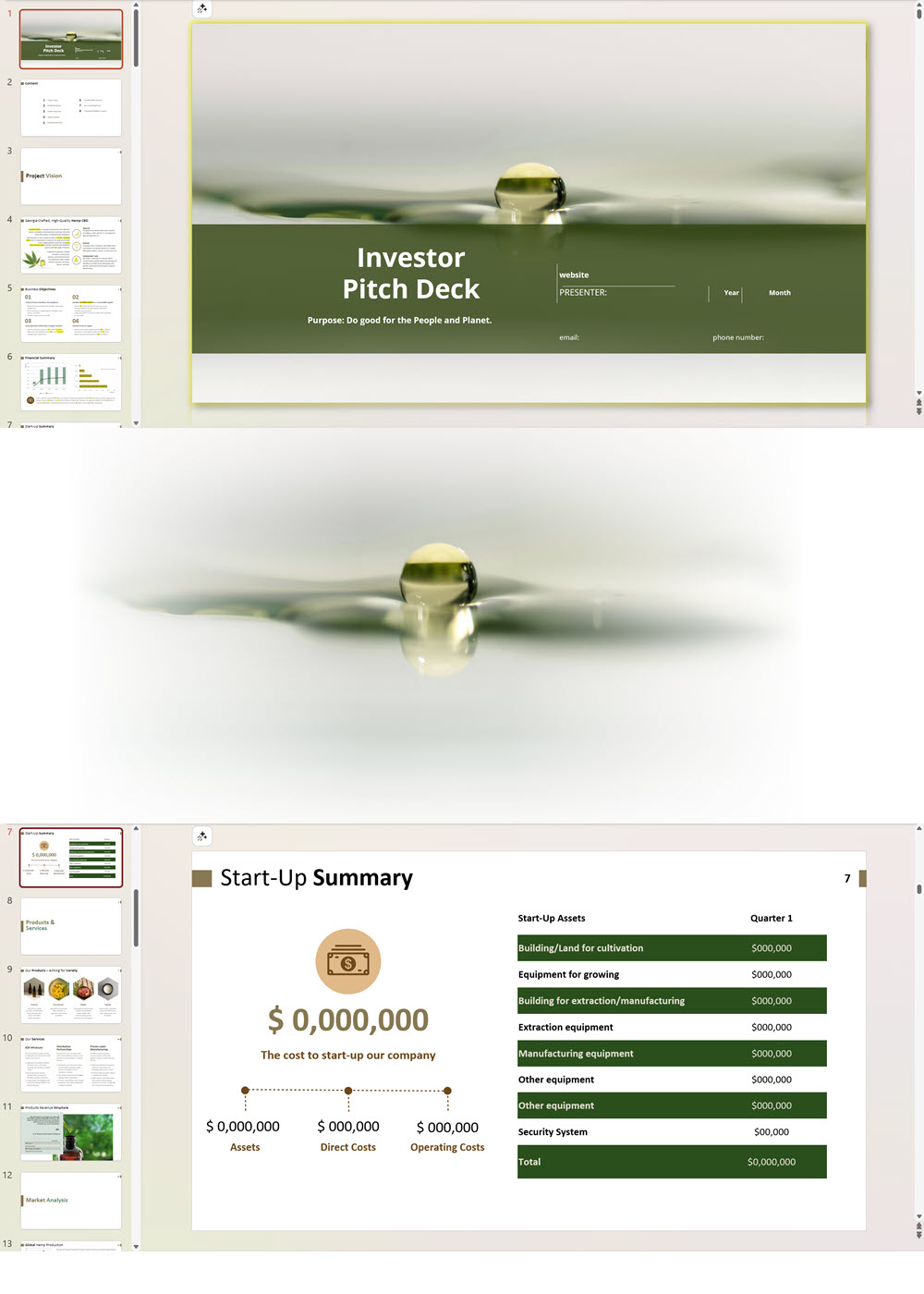
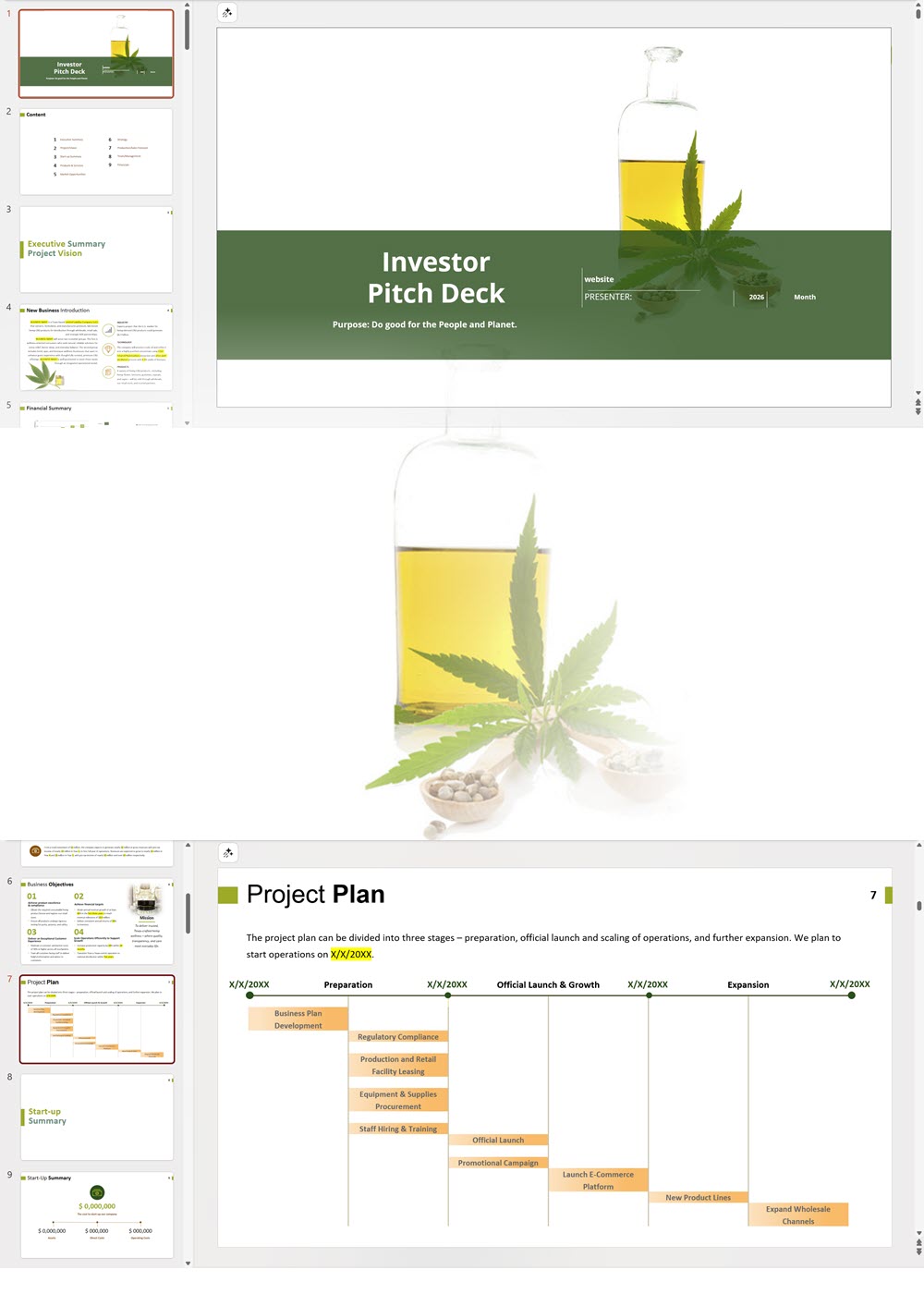
- PowerPoint Pitch Deck: provide a quick overview of your hemp CBD business plan.
'70% ready to go' business plan templates
Our hemp/CBD financial models and business plan templates will help you estimate how much it costs to start and operate your own hemp/CBD business, to build all revenue and cost line-items monthly over a flexible seven year period, and then summarize the monthly results into quarters and years for an easy view into the various time periods. We also offer investor pitch deck templates.
Hemp CBD Extraction + Manufacturing + Retail Business Plan Template Sample, Nevada
Best Selling Templates
-

Hemp Cultivation Business Plan Template
Price range: $75.00 through $275.00 Select options This product has multiple variants. The options may be chosen on the product page -

Hemp CBD Financial Model All in One
$200.00 Select options This product has multiple variants. The options may be chosen on the product page -
CBD Retail Investor Pitch Deck Template
$75.00 Select options This product has multiple variants. The options may be chosen on the product page
Our Templates
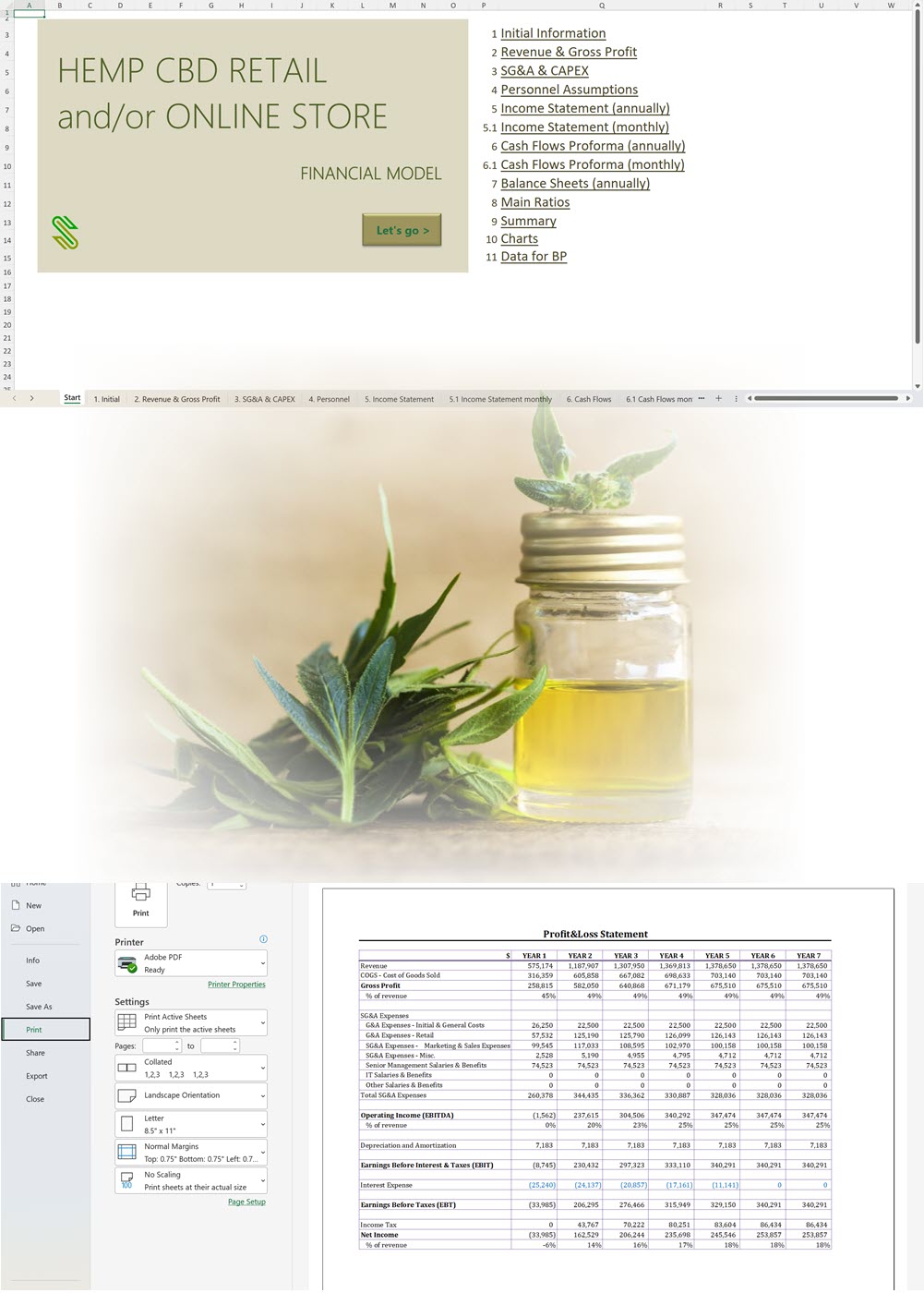
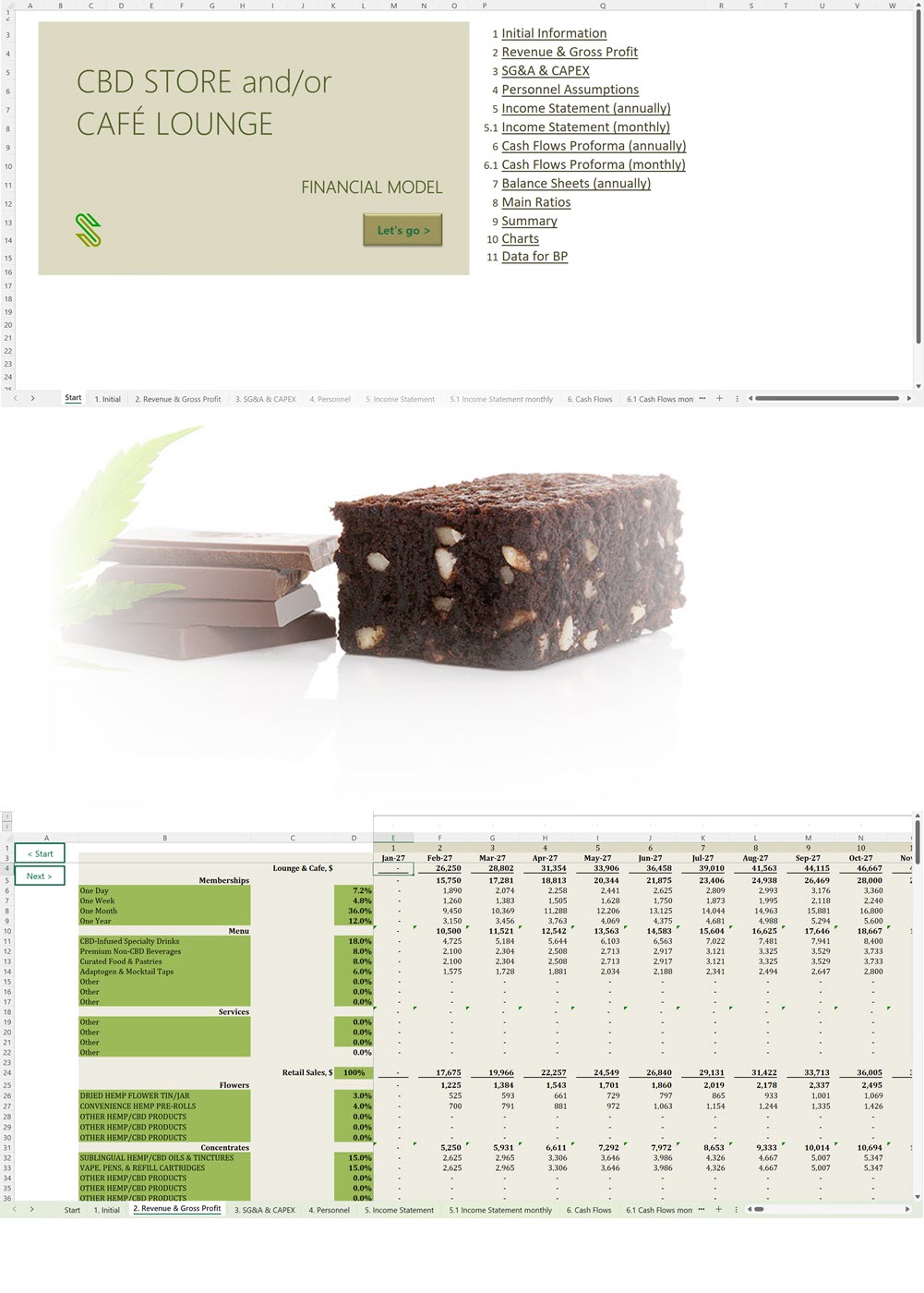
CBD Store and/or Cafe Lounge Business Plan Template
Price range: $75.00 through $275.00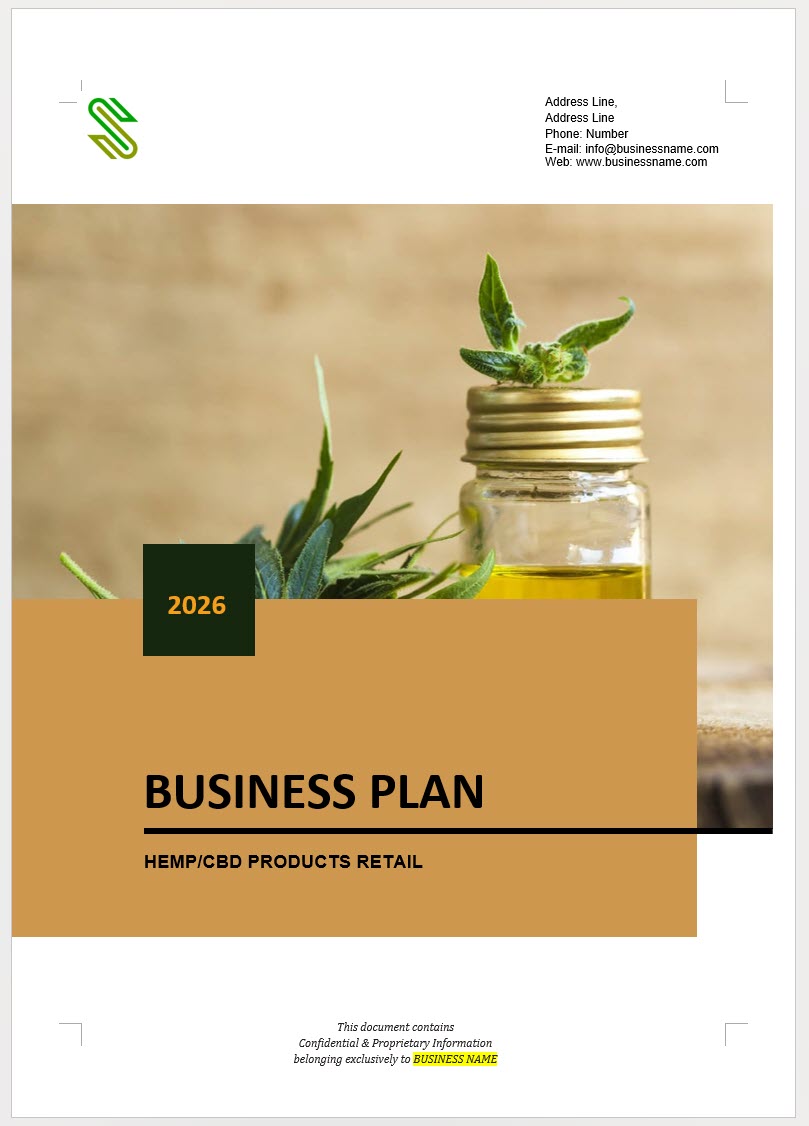
CBD Products Retail/Online Store Business Plan Template
Price range: $75.00 through $275.00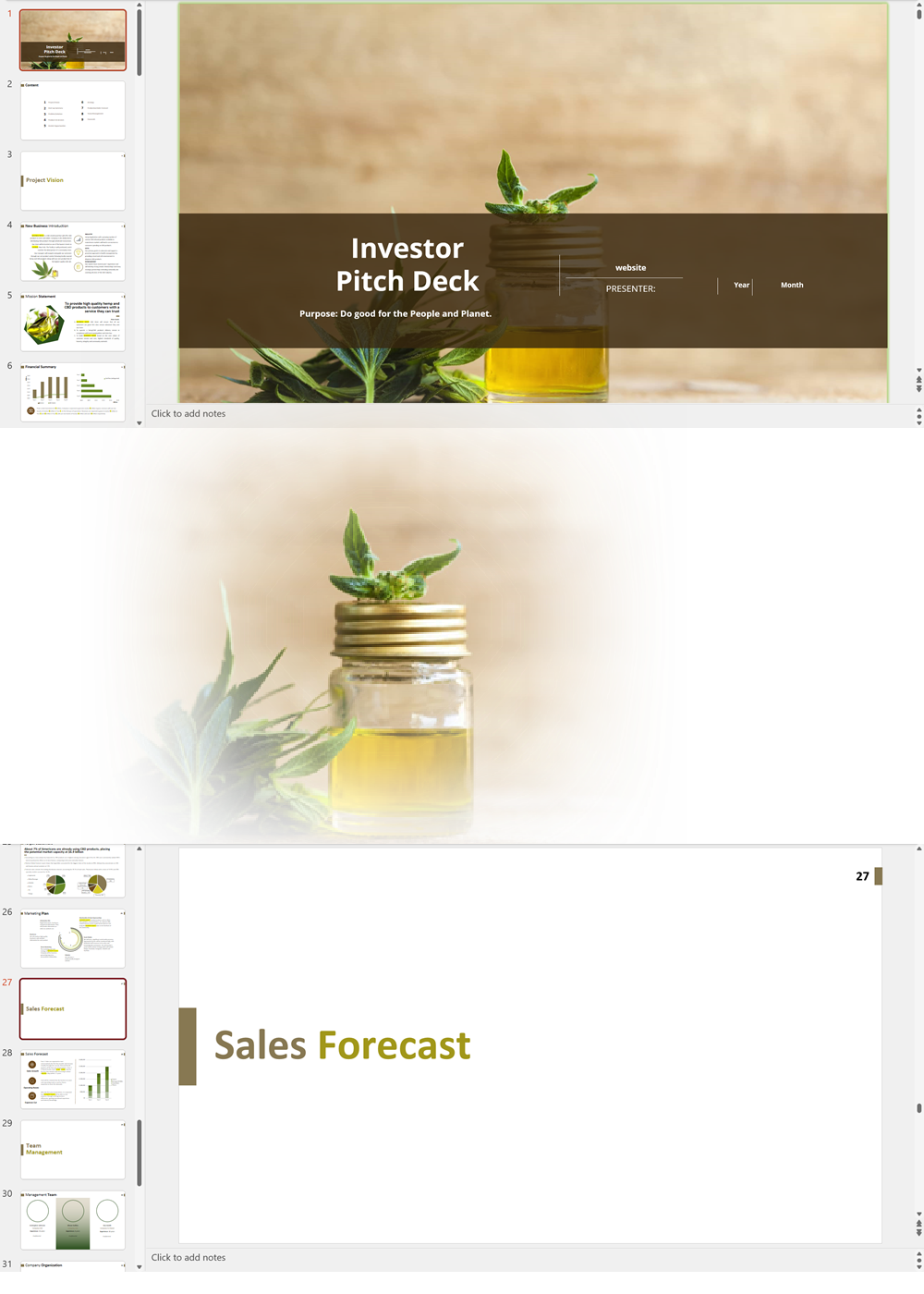
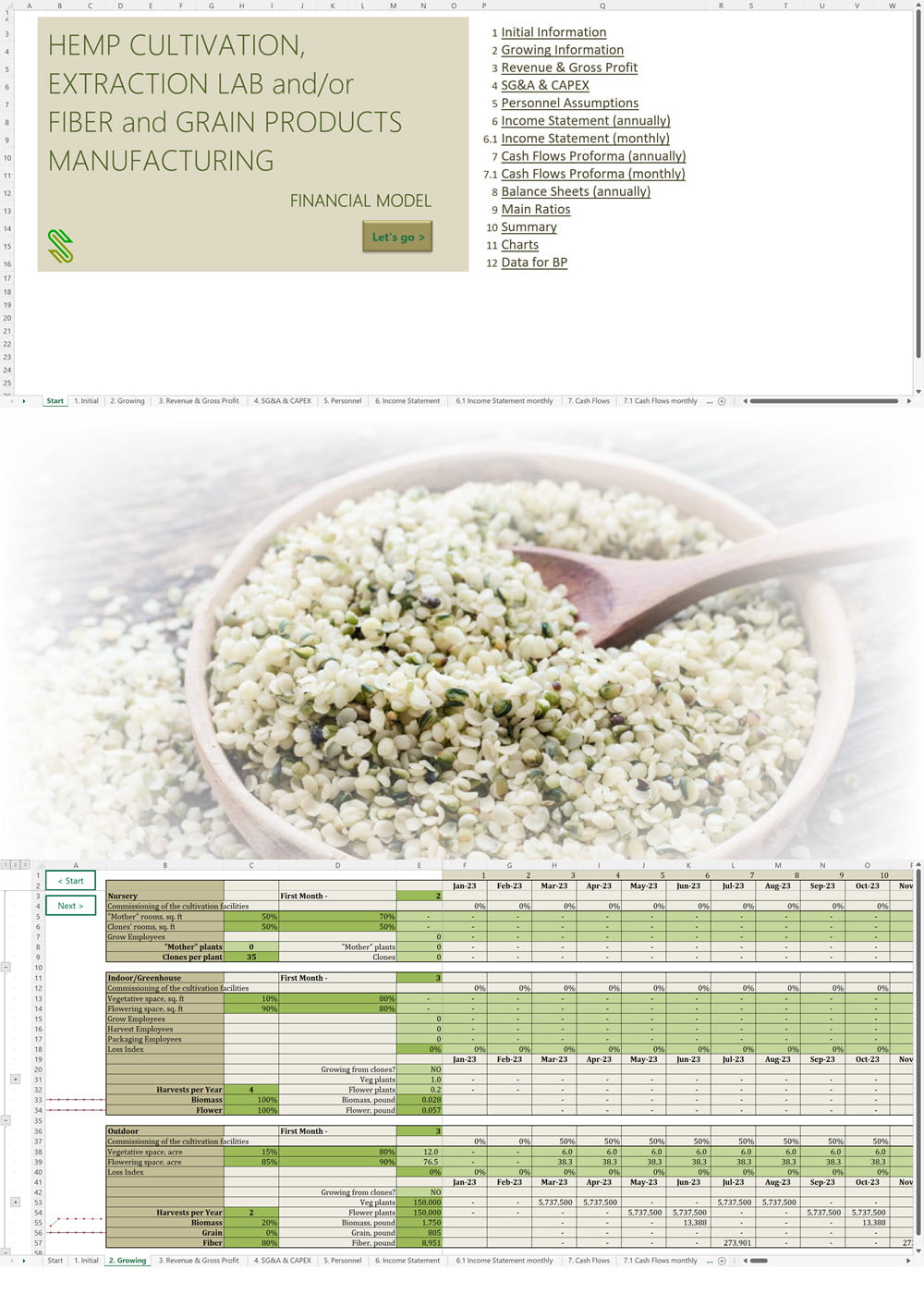
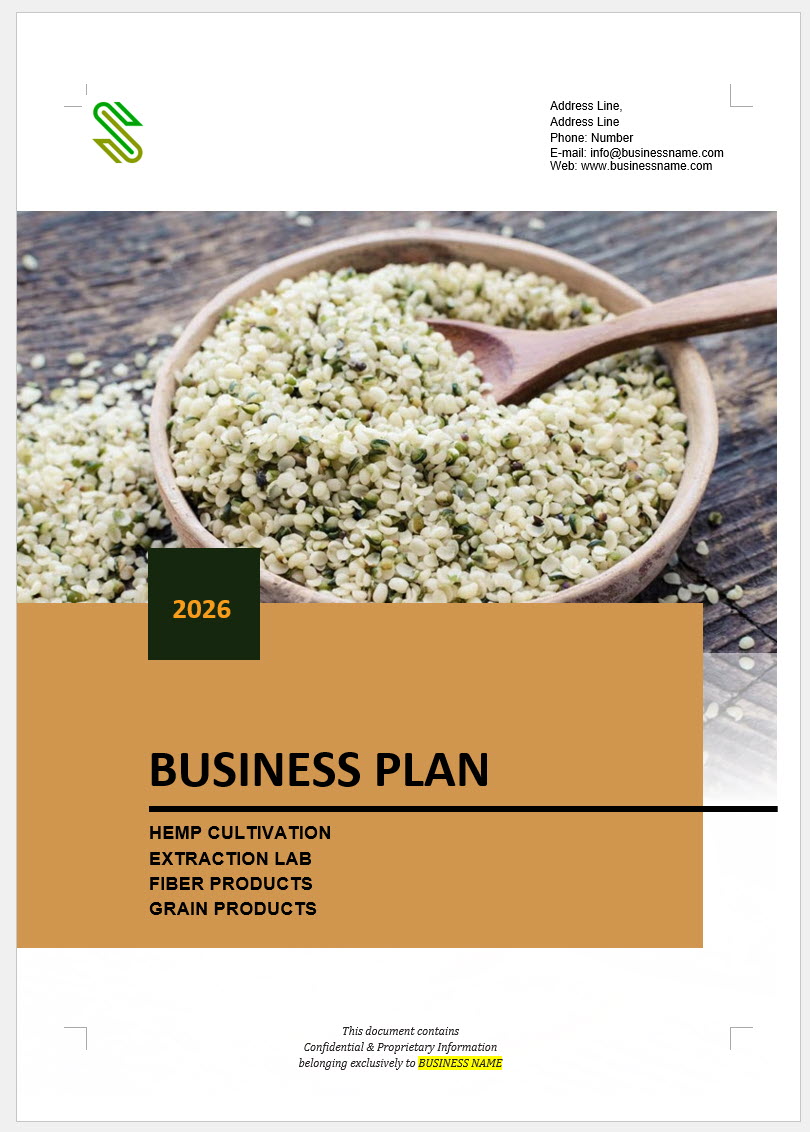
Hemp (Biomass, Fiber, Grain) Cultivation and Processing/ Manufacturing Business Plan Template
Price range: $75.00 through $350.00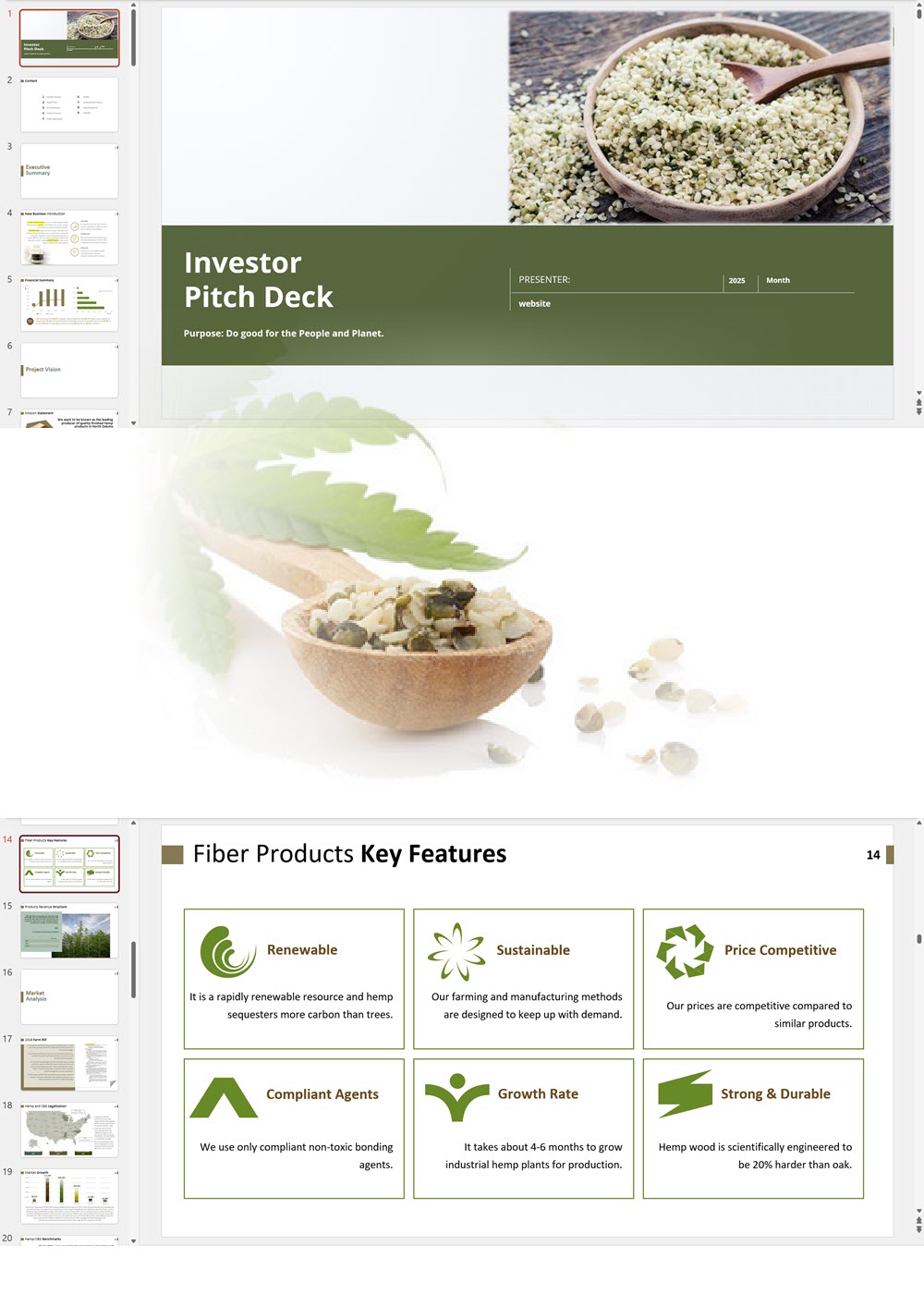
Hemp Cultivation and CBD Oil Extraction and/or Fiber Products Business Plan Template
Price range: $75.00 through $350.00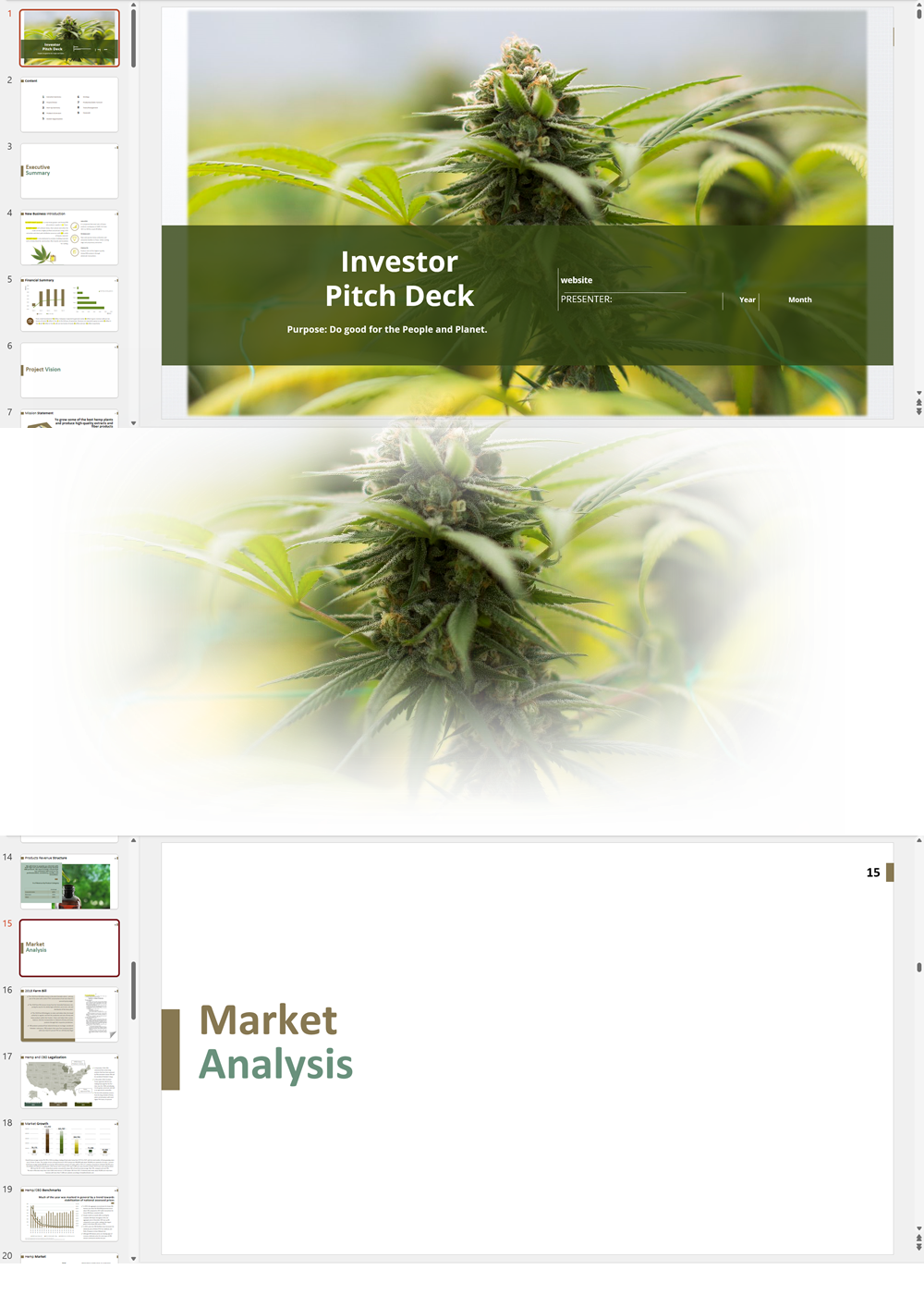
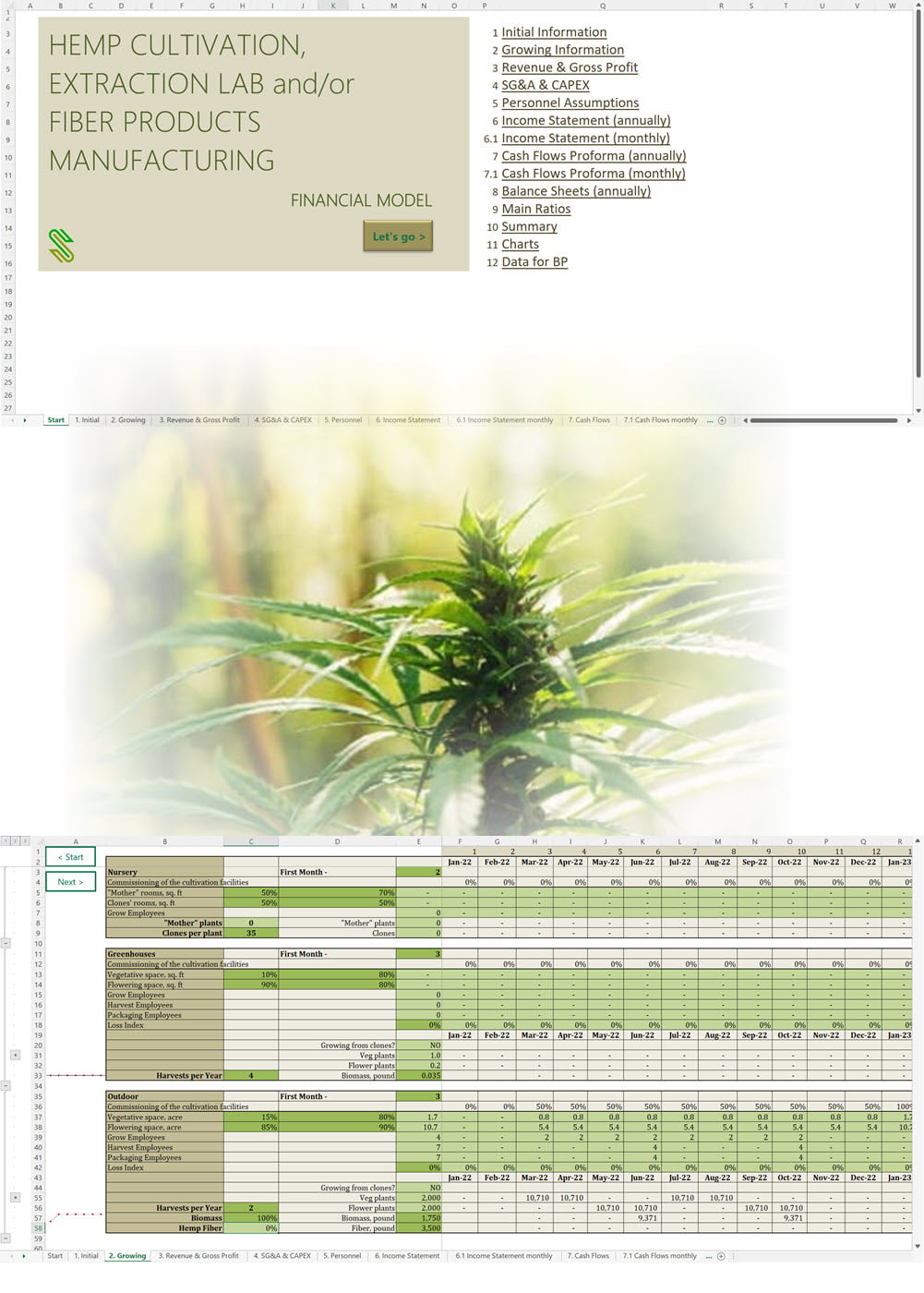
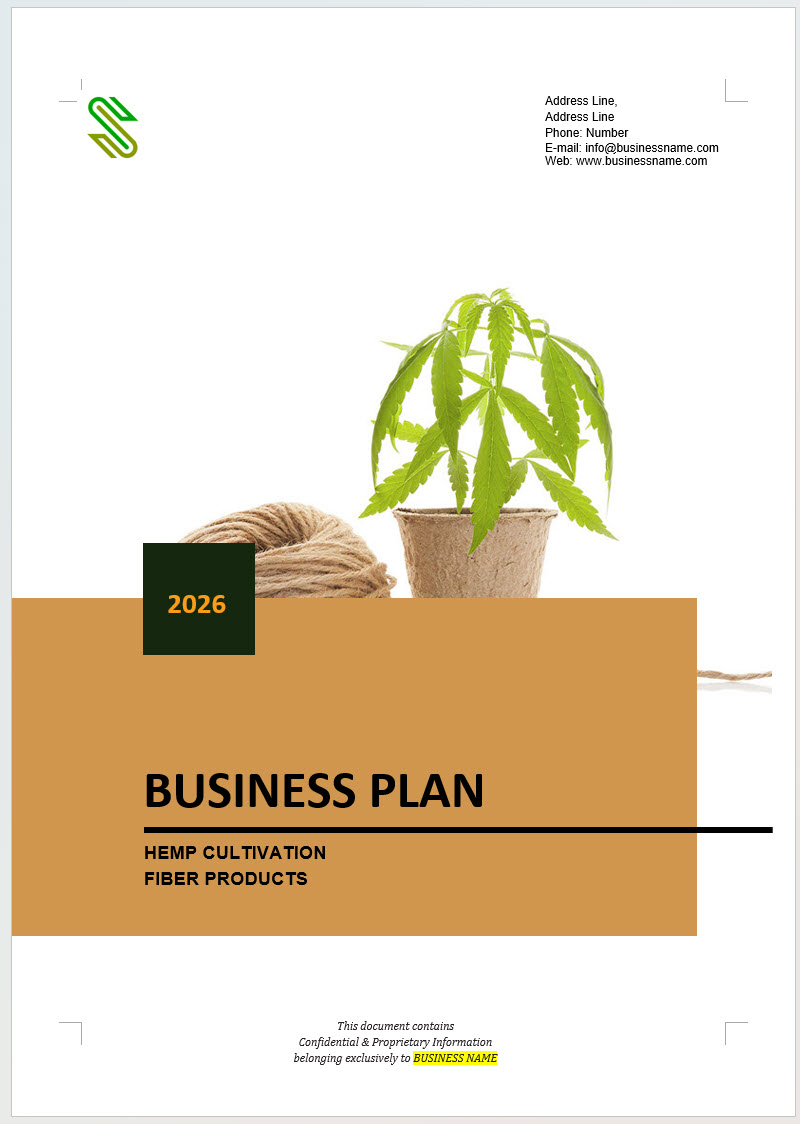
Hemp Fiber Growing and Manufacturing Business Plan Template
Price range: $75.00 through $275.00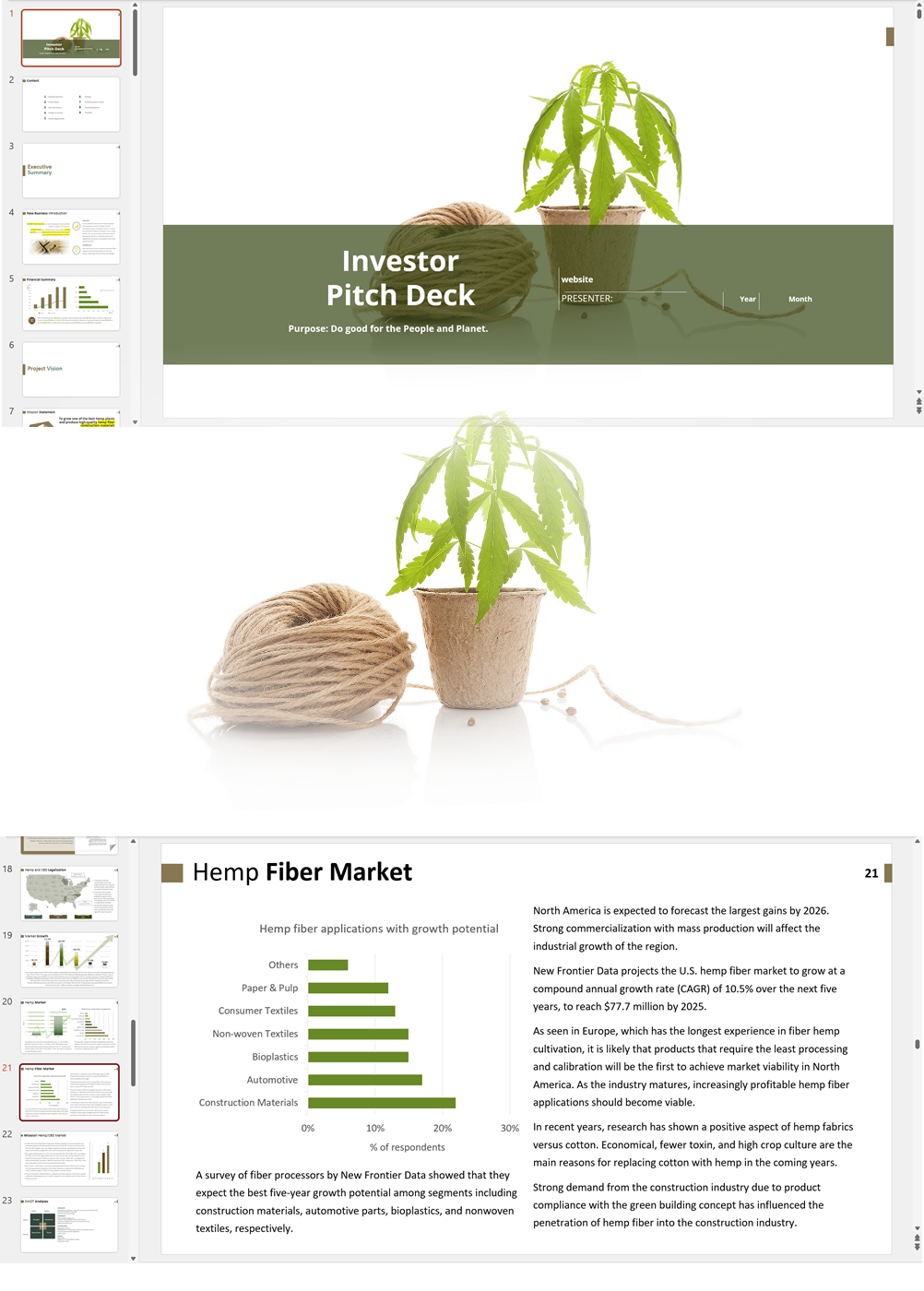
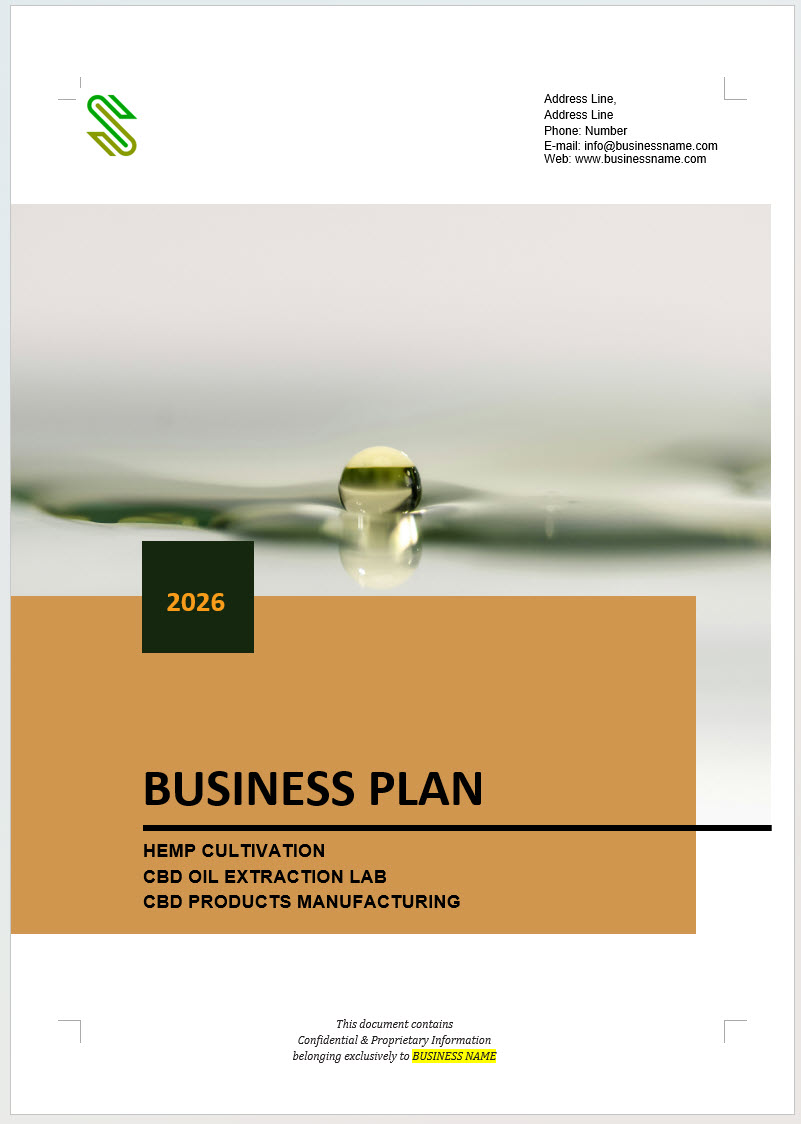
Hemp Cultivation + Extraction + Manufacturing Business Plan Template
Price range: $75.00 through $450.00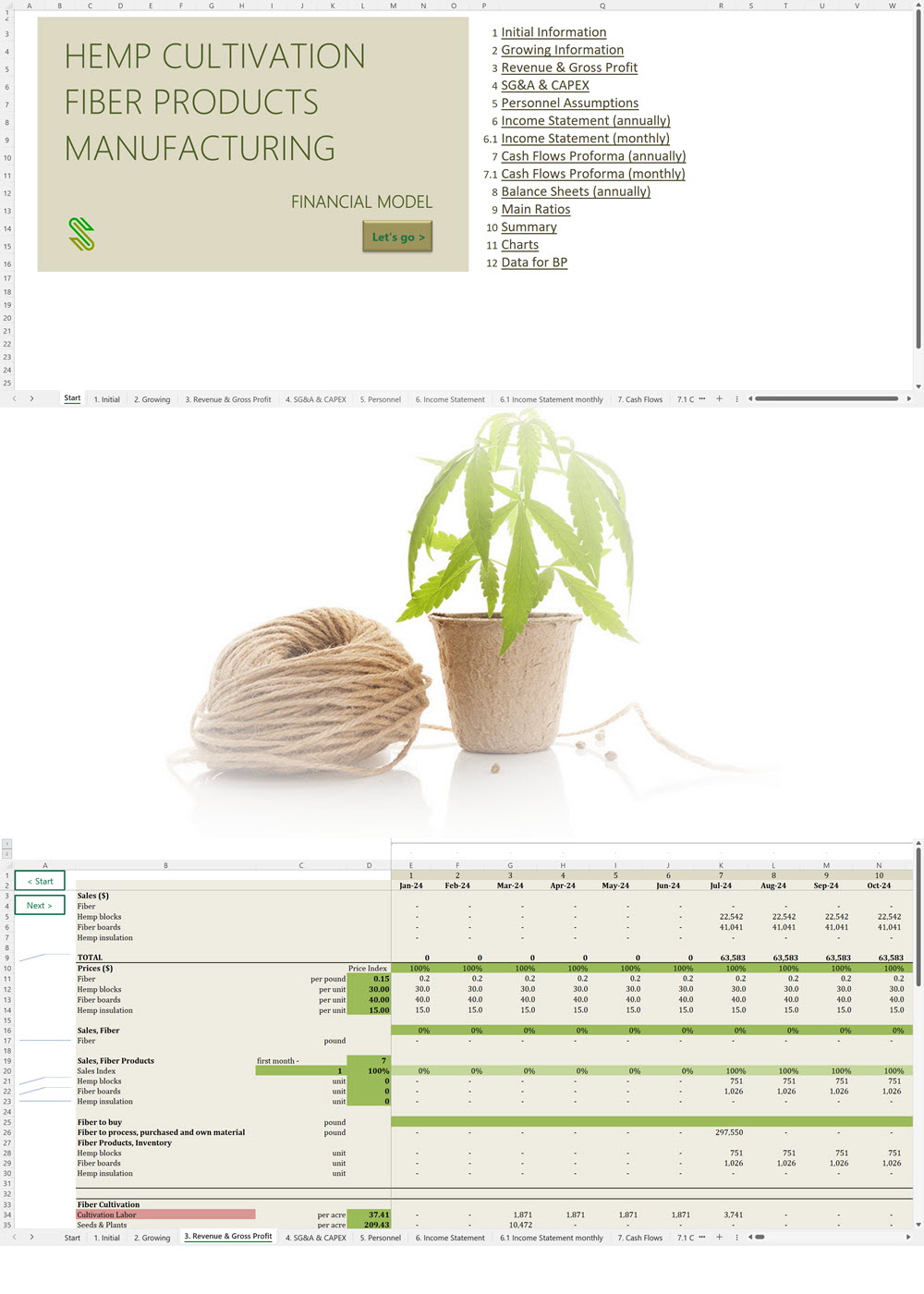
Hemp CBD Extraction + Manufacturing + Retail Business Plan Template
Price range: $75.00 through $450.00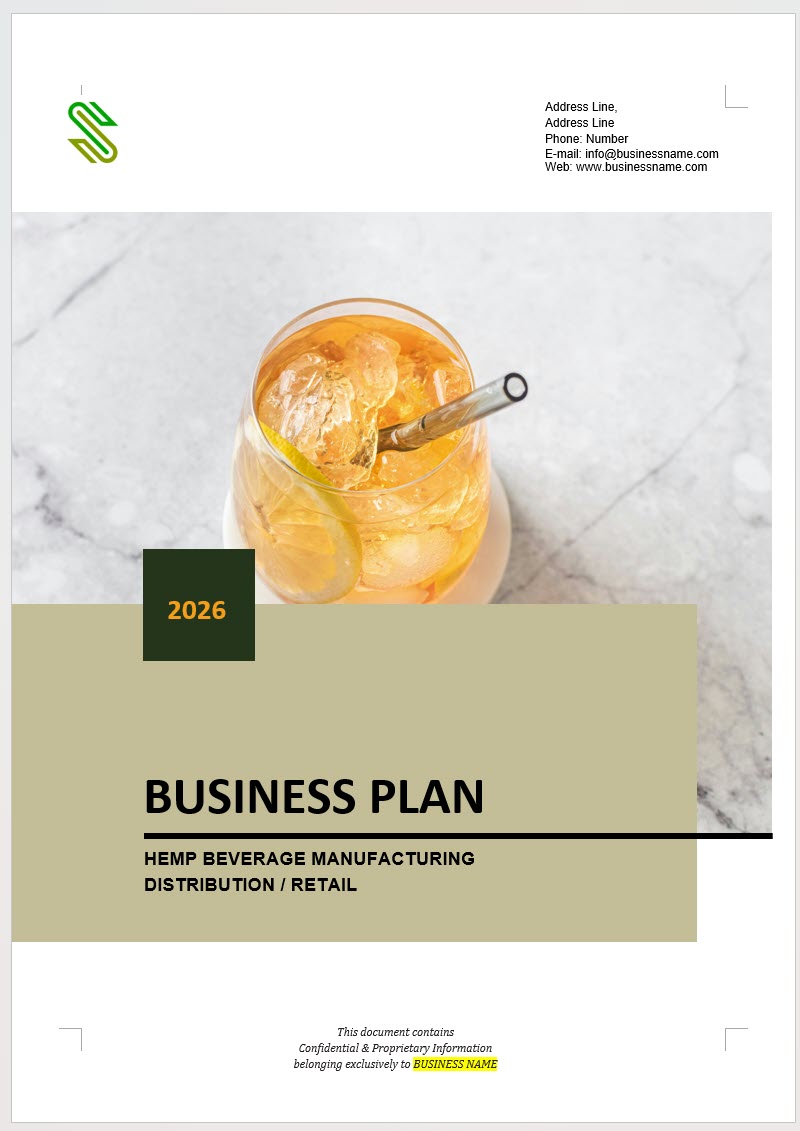
Hemp CBD Beverage Manufacturing, Wholesale and/or Retail Business Plan Template
Price range: $75.00 through $350.00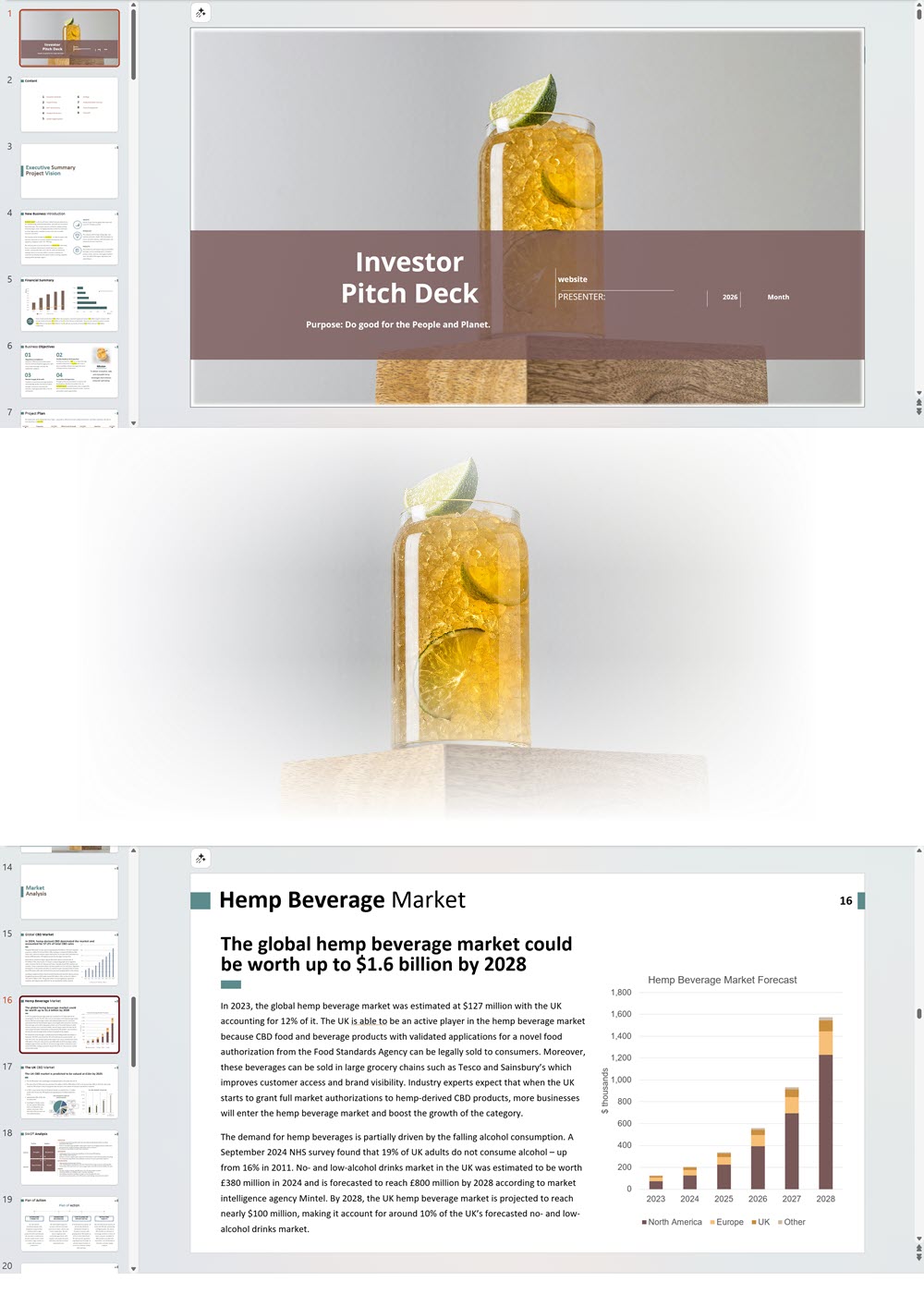
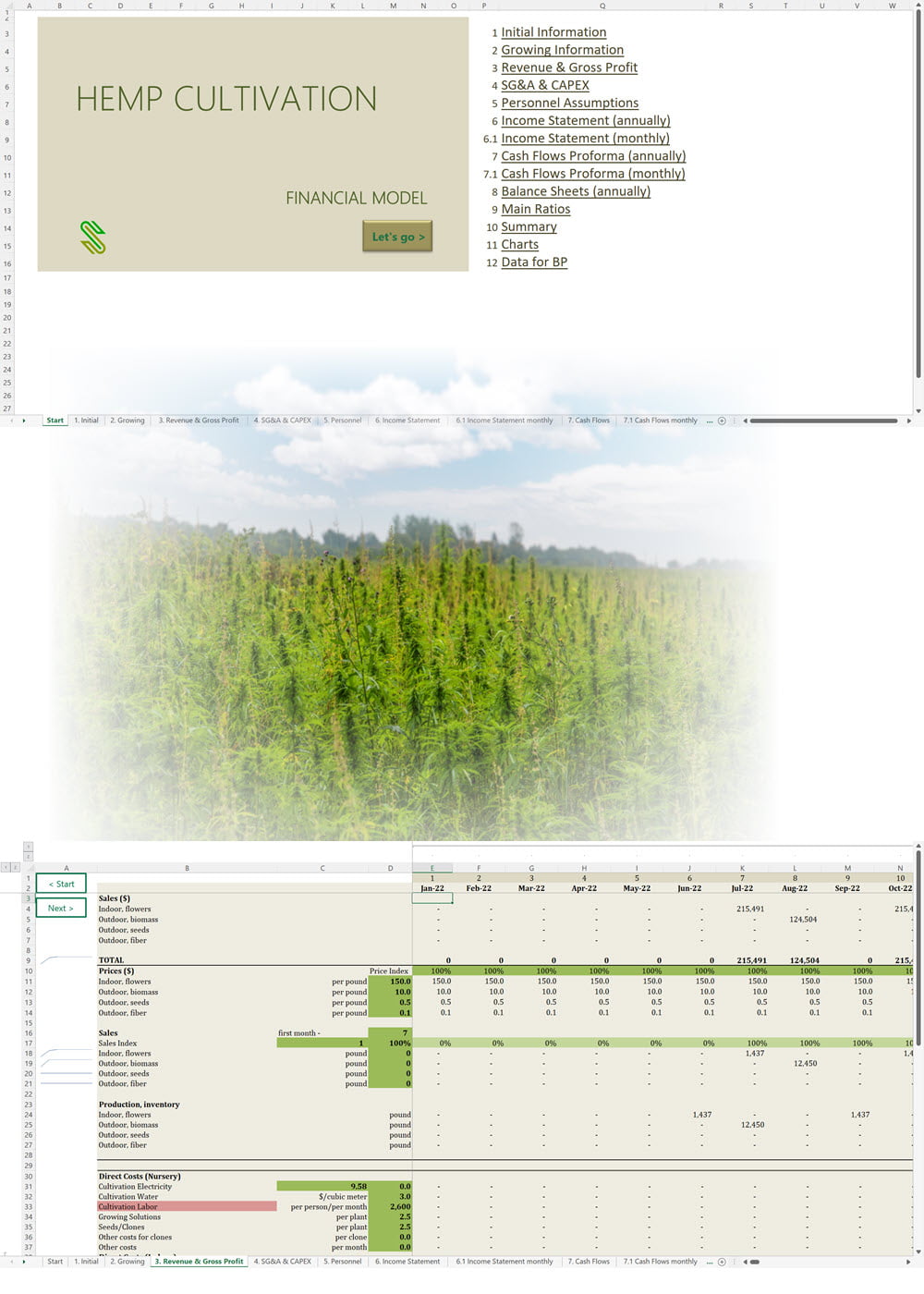
Hemp Cultivation Financial Model
$100.00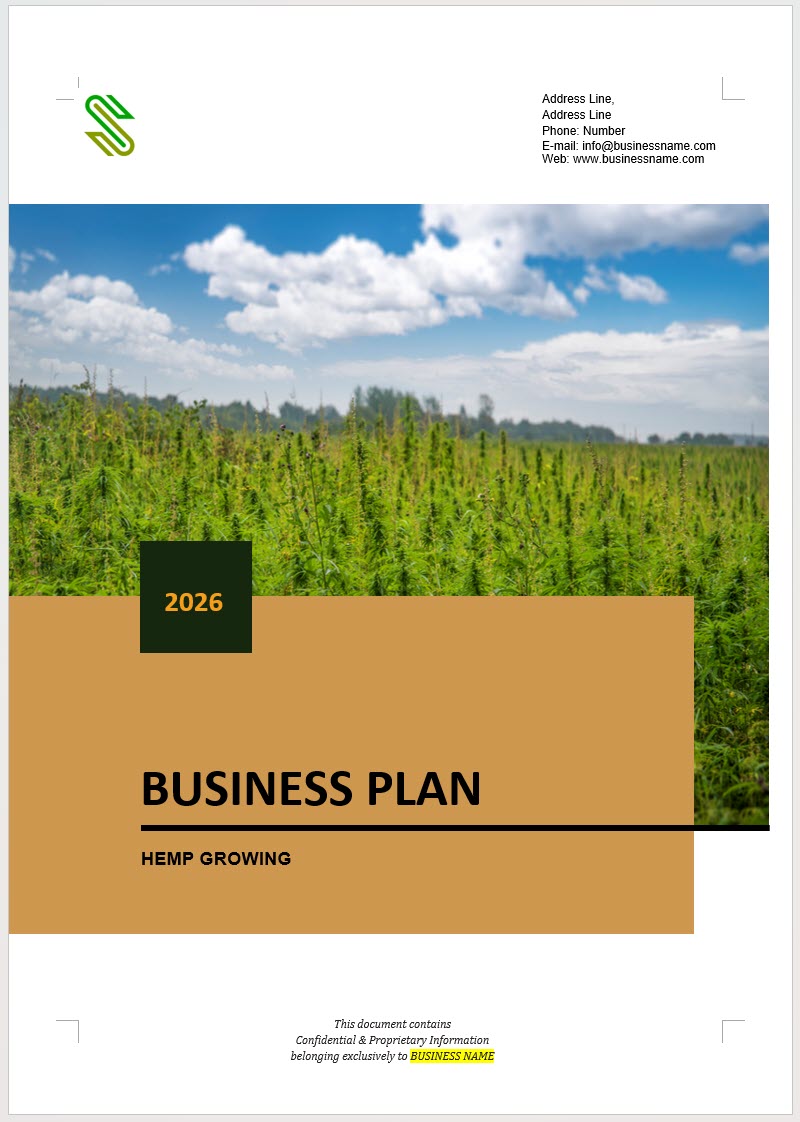
Hemp Cultivation Business Plan Template
Price range: $75.00 through $275.00