
Key Takeaways
- Hemp Industry Regulations:
- The hemp industry in North Carolina is regulated by Bill 315, with the North Carolina Hemp Commission (Commission) as a regulatory body.
- Licenses available:
- Cultivator license (USDA).
- Processor license (Commission).
- Products that are legal for sale:
- Hemp products that are legal in North Carolina include fabrics; cosmetics; paint; building materials; personal care products; food for humans, pets, or livestock (unless federally prohibited); oils; tinctures; and vapor products. According to the USDA, hemp must contain less than 0.3% THC.
Hemp Legalization in North Carolina
North Carolina farmers have been growing industrial hemp since 2017. North Carolina’s legislature set up an industrial hemp pilot program in 2016 and temporary rules to govern the program were adopted in 2017. The NC Department of Agriculture and Consumer Services regulated industrial hemp cultivation. Processors should register with the NC Department of Agriculture and Consumer Services.
Senate Bill 315, the North Carolina Farm Bill of 2019, passed the House on August 21, 2019. The bill officially authorizes and regulates statewide hemp growing, expands the North Carolina pilot program by modifying the North Carolina Hemp Commission to become a regulatory body, and sets guidelines for licensing. It also clarifies that legal hemp products include fabrics; cosmetics; paint; building materials; personal care products; food for humans, pets, or livestock (unless federally prohibited); oils; tinctures; and vapor products. Although smokable hemp was initially included, it was later removed from the list of approved products through an amendment. No license is required to sell hemp and hemp CBD products.
Starting in 2022, the USDA became responsible for issuing licenses to North Carolina hemp farmers.
How to Obtain a USDA Hemp Producer License
Application Process:
- Create an account on the USDA’s website.
- Submit a complete USDA hemp application along with the required information (mentioned below) through the Hemp eManagement Platform or by mail.
- The USDA will review the application for completeness and to determine if the applicant is eligible.
- The USDA will notify the applicant by mail or email to inform them whether their application has been approved or denied. If the application has been approved, a producer license will be issued.
There is no application fee.
If the license application is denied, applicants may appeal the denial in accordance with Subpart D of Part 990 of the Domestic Hemp Production Program.
Information required to be provided with the completed application form is not limited to:
- Contact information of the applicant.
- If the applicant is a business entity:
- Full name of the business.
- Address of the principal business location.
- Full name and title of the key participants on behalf of the entity.
- Email address (if available).
- Employer Identification Number.
- FBI criminal history report for an individual or, if the applicant is a business entity, all key participants, issued within 60 days of the application submission date.
Applicants must also certify that they will adhere to the USDA Domestic Hemp Production Plan.
Hemp producer licenses must be renewed every three years. The expiration date of a hemp producer license is on December 31 of the year that is at least three years after the license is issued. Applications for renewal must have the same information as required for the initial application. There is no renewal application fee.
How to Obtain a Hemp Processor Registration
Those wishing to process hemp products should submit the registration form provided by the North Carolina Department of Agriculture and Consumer Services so that they can be added to the NC Industrial Hemp Processor Registry.
North Carolina Hemp Industry Stats
The Vote Hemp reported that 3,184 acres of hemp were grown in North Carolina in 2019 compared to 965 acres in 2018. The licensed area more than tripled to 11,572 acres.
In 2021, there were 1,500 growers registered on 14,200 acres outdoor (14,562 acres in 2020) and 6.8 million square feet greenhouse area (7.1 million square feet in 2020). 2,908 and 2,150 acres were planted in 2020 and 2021 years, respectively.
In 2022, the amount of registered outdoor acreage and indoor square feet significantly declined as a result of oversupply and market correction across the industry, and 900 acres were planted in the state. Of this, 600 acres were harvested with fiber accounting for 70% of it while flower accounted for around 32%.
In 2023, the USDA licensed 589 hemp growers in North Carolina who planted 950 acres of hemp and harvested 220 acres according to the National Hemp Report. Nearly 13,000 pounds of floral hemp were produced in greenhouses or indoors – 17% of the total greenhouse and indoor floral hemp production in the US. Of this, 11,258 were utilized, valued at close to $7 million. In 2024, the number of licensed growers remained almost the same with 850 planted acres but acres harvested rose to 480. Around 10% of hemp harvested in the open was flower. Additionally, 3,030 pounds of floral hemp were produced in greenhouses or indoors with 2,963 pounds utilized – worth nearly $2 million.
The number of registered hemp processors rose from 1,295 in 2021 to 1,555 in 2022, and after a small drop to 1,413 hemp processors in 2023, resumed its consistent rise – reaching 1,665 in 2024 and then surpassing 1,700 registered hemp processors as of July 2025.
As of July 2025, there were 858 licensed hemp growers in North Carolina.
There are currently at least 144 stores selling hemp CBD products in North Carolina.
North Carolina Hemp Industry Infographics
How Can HempCBDbusinessplans Templates Help Start or Grow Your Hemp CBD Business?
A business plan is essential for securing funding. It will also help you understand how much money it will take to start a hemp CBD business and how much profit it could make. A well-structured business plan can make all the difference in demonstrating your proposed hemp CBD business’ compliance with regulations and its operational viability.
Our complete hemp CBD business plan template package is everything you need to create a professional business plan for a hemp CBD business with expert financials and projections. A complete hemp CBD business plan template package includes:
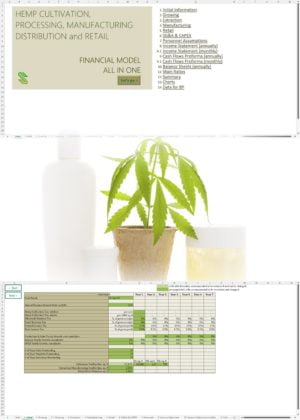
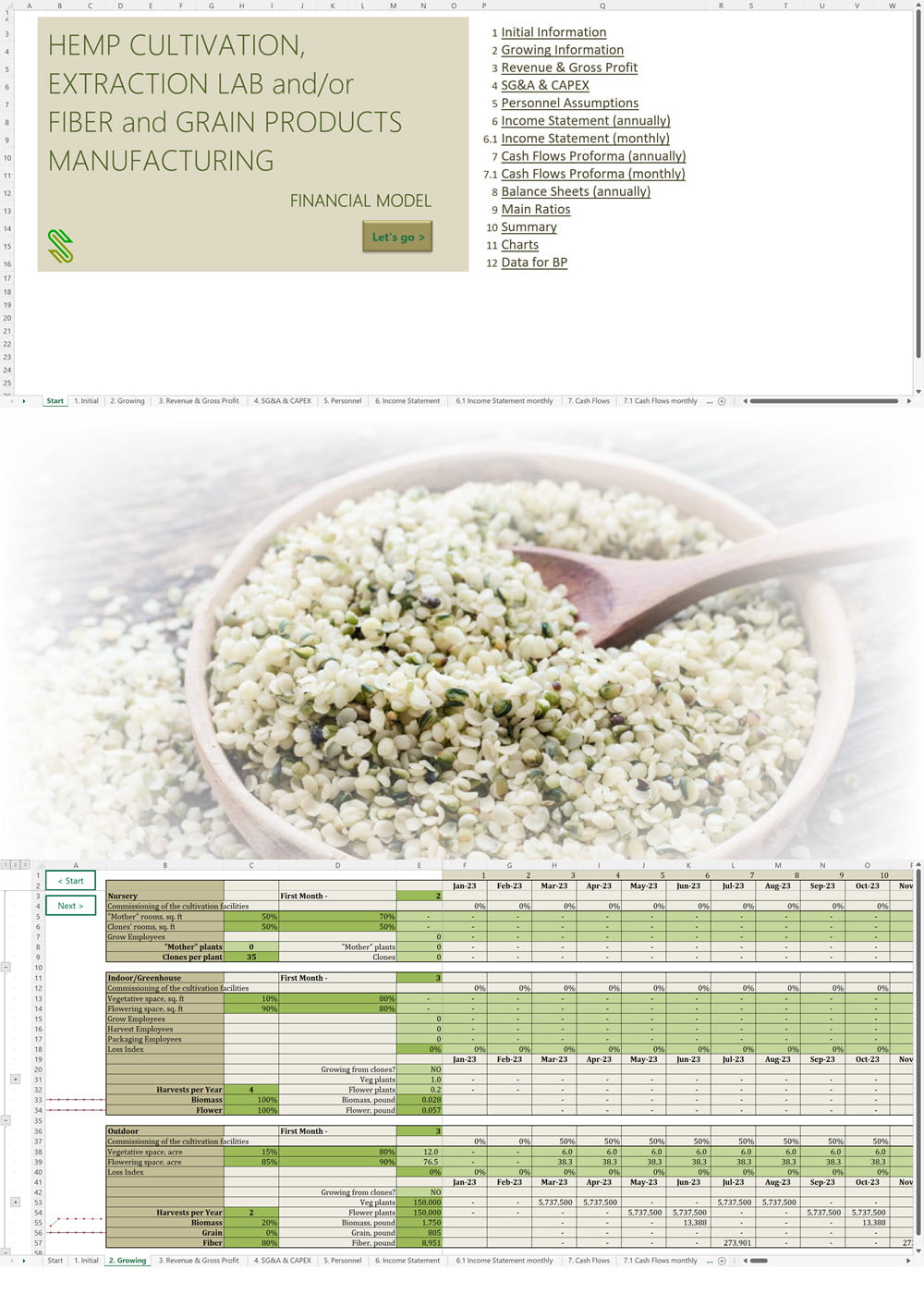
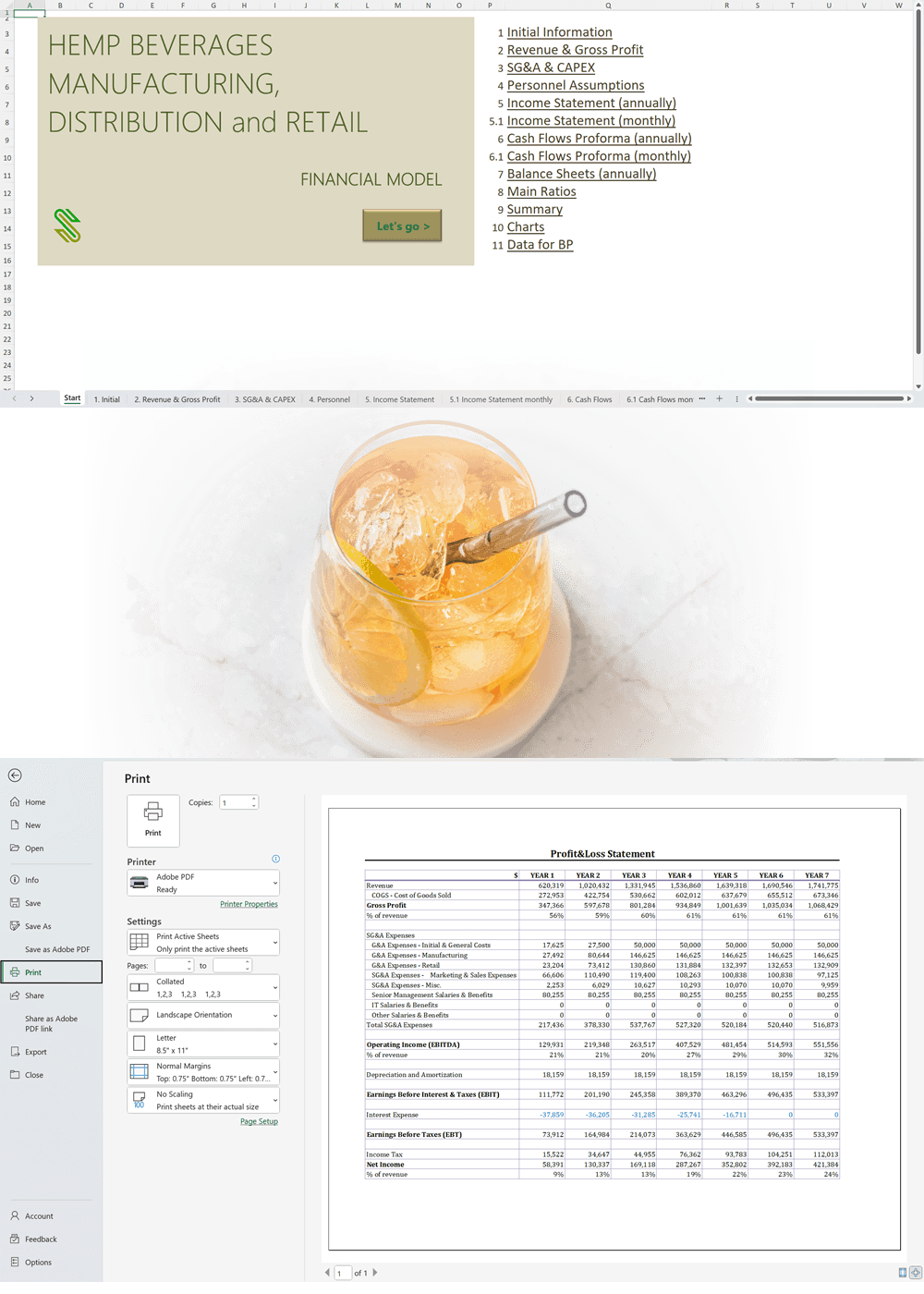
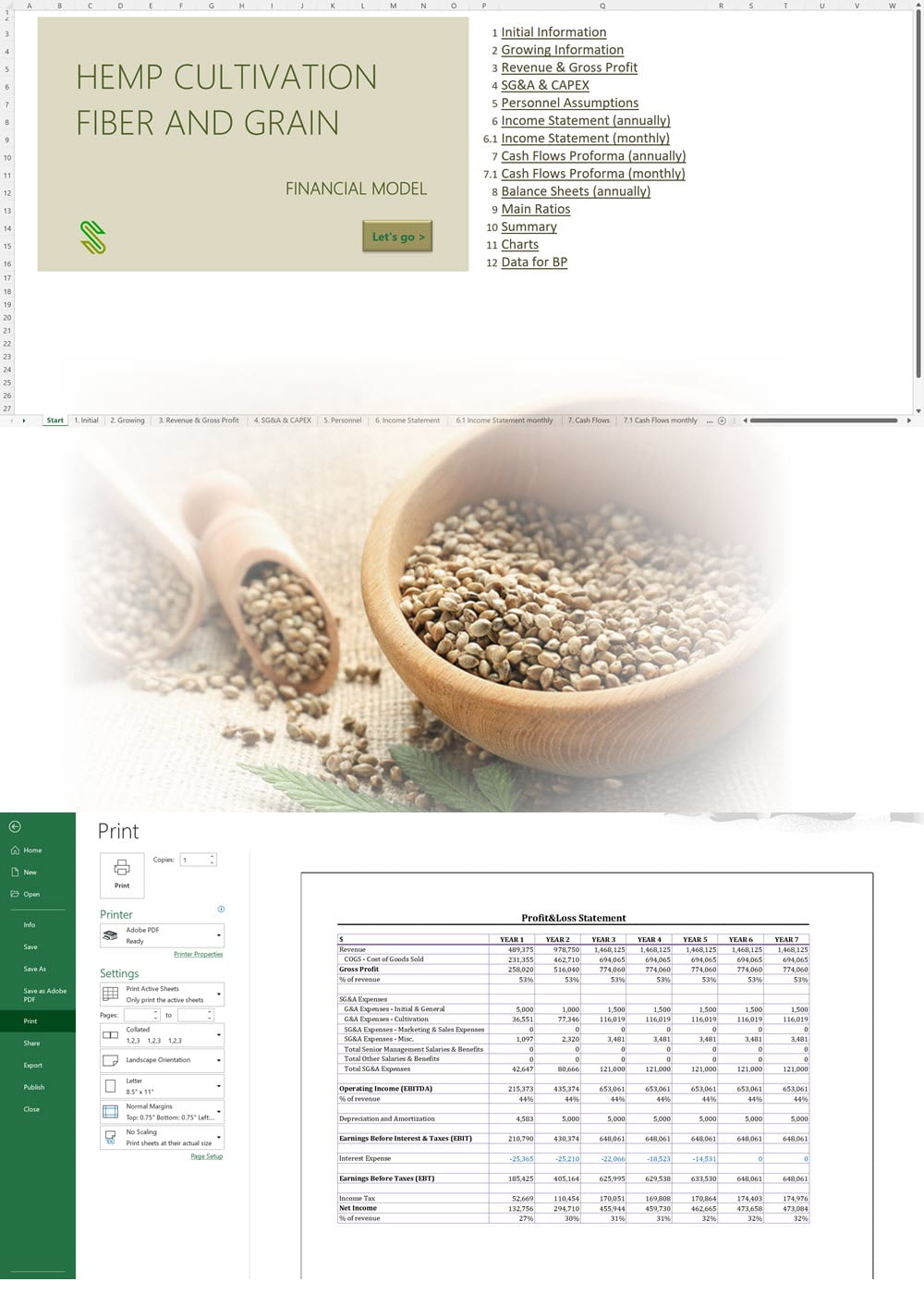
- Excel Financial Model: change variables and immediately see the impact, break down operational and capital costs, know how much it will take to get into the business and the potential profits.
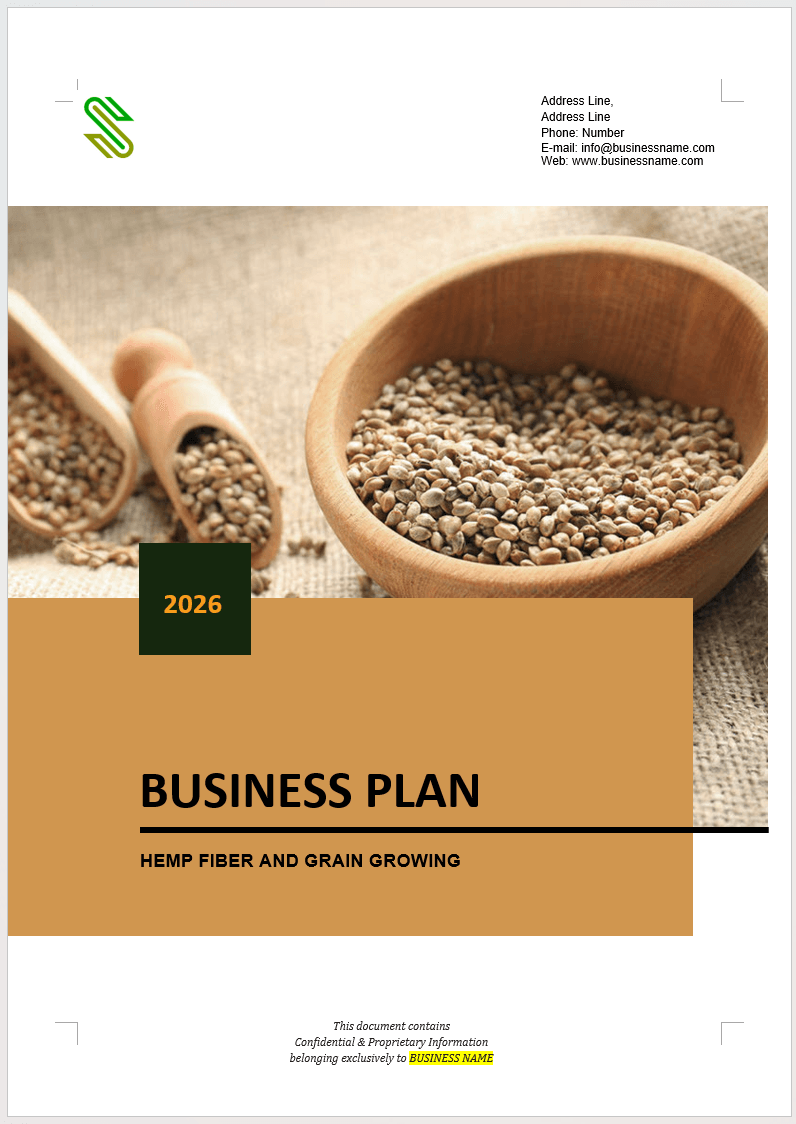
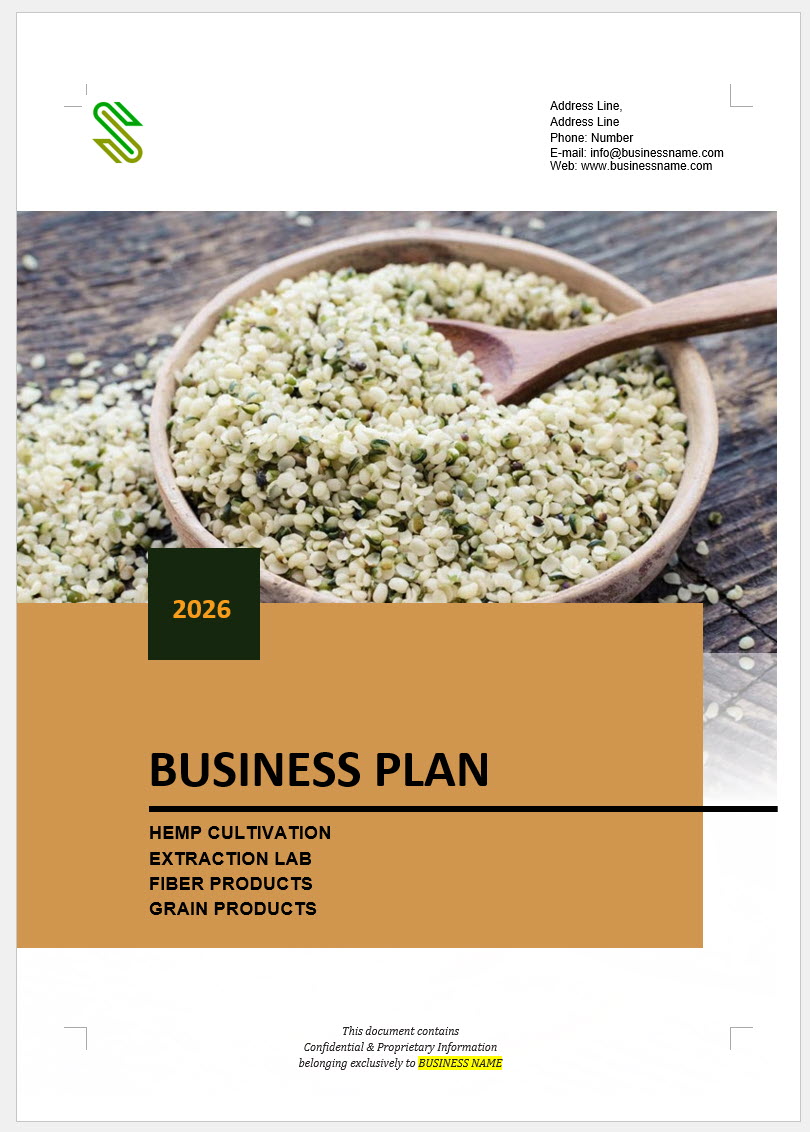
- Word Business Plan: value proposition, market analysis, marketing strategy, operating plan, organizational structure, financial plan and more.
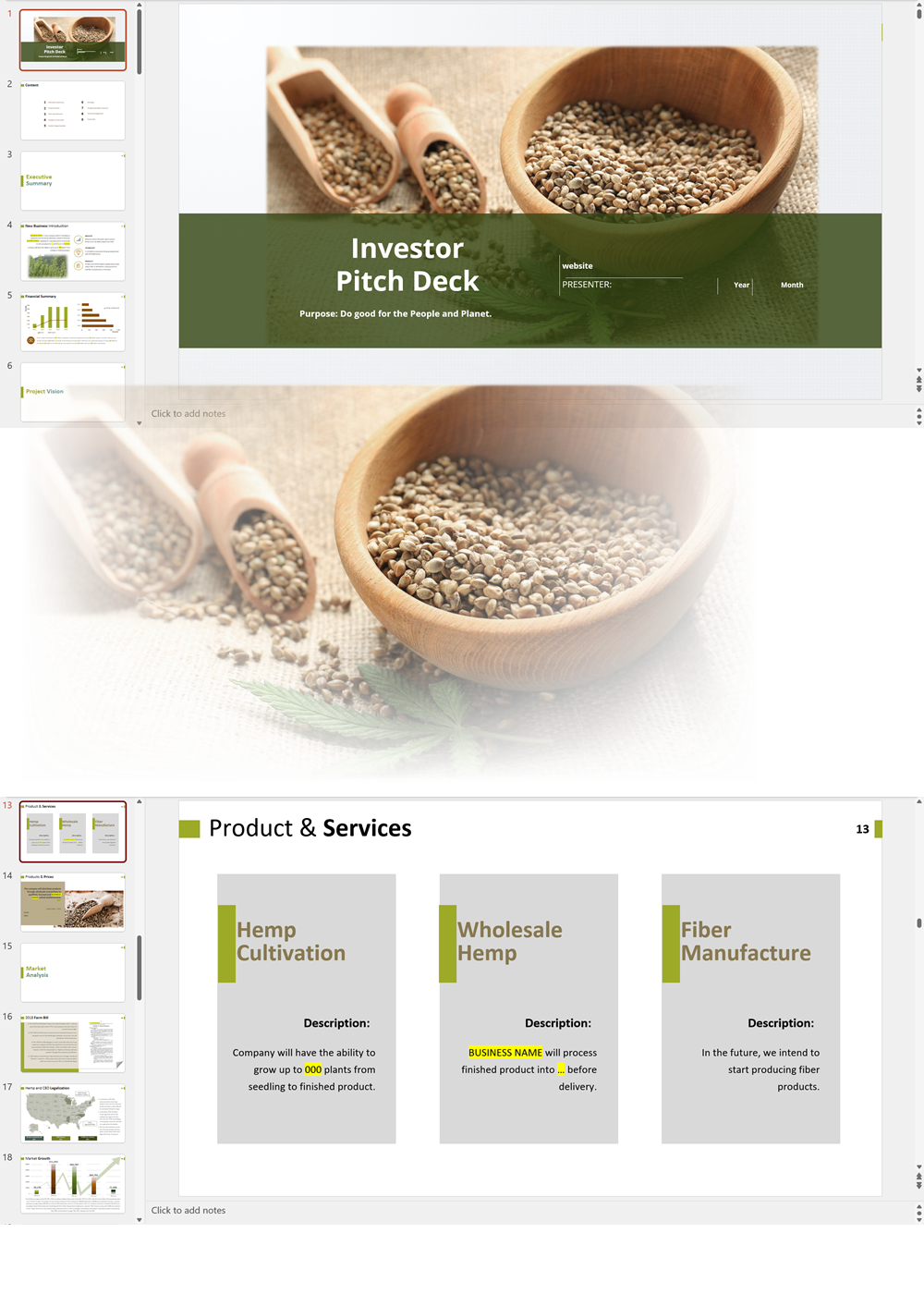
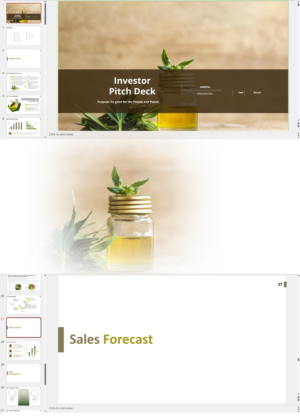
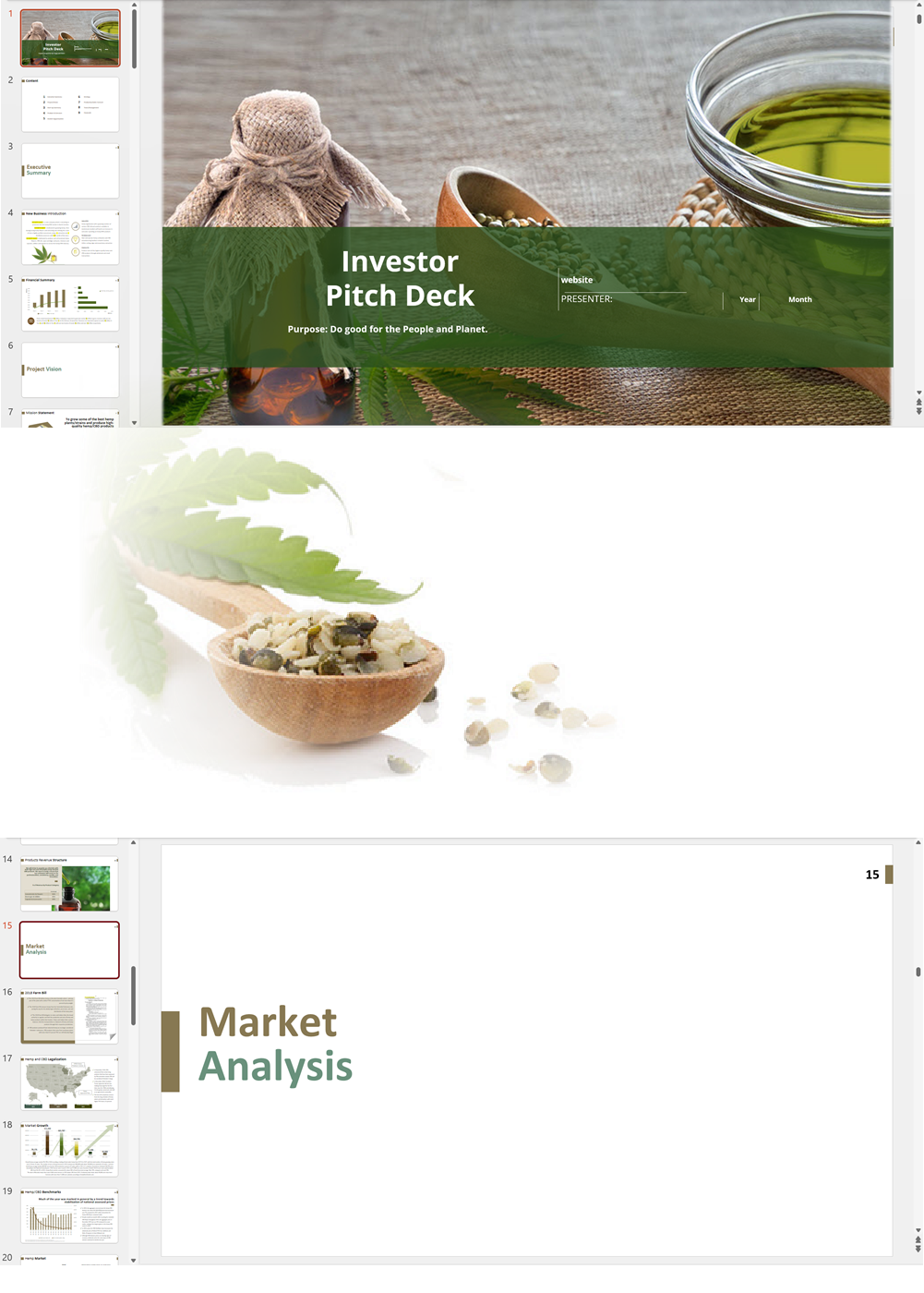
- PowerPoint Pitch Deck: provide a quick overview of your hemp CBD business plan.
'70% ready to go' business plan templates
Our hemp/CBD financial models and business plan templates will help you estimate how much it costs to start and operate your own hemp/CBD business, to build all revenue and cost line-items monthly over a flexible seven year period, and then summarize the monthly results into quarters and years for an easy view into the various time periods. We also offer investor pitch deck templates.
Hemp CBD Products Retail and/or Cafe Lounge Business Plan Sample, North Carolina

Best Selling Templates
-

Hemp Cultivation Business Plan Template
Price range: $75.00 through $275.00 Select options This product has multiple variants. The options may be chosen on the product page -

Hemp CBD Financial Model All in One
$200.00 Select options This product has multiple variants. The options may be chosen on the product page -
CBD Retail Investor Pitch Deck Template
$75.00 Select options This product has multiple variants. The options may be chosen on the product page
Our Templates
Hemp (Biomass, Fiber, Grain) Cultivation and Processing/ Manufacturing Business Plan Template
Price range: $75.00 through $350.00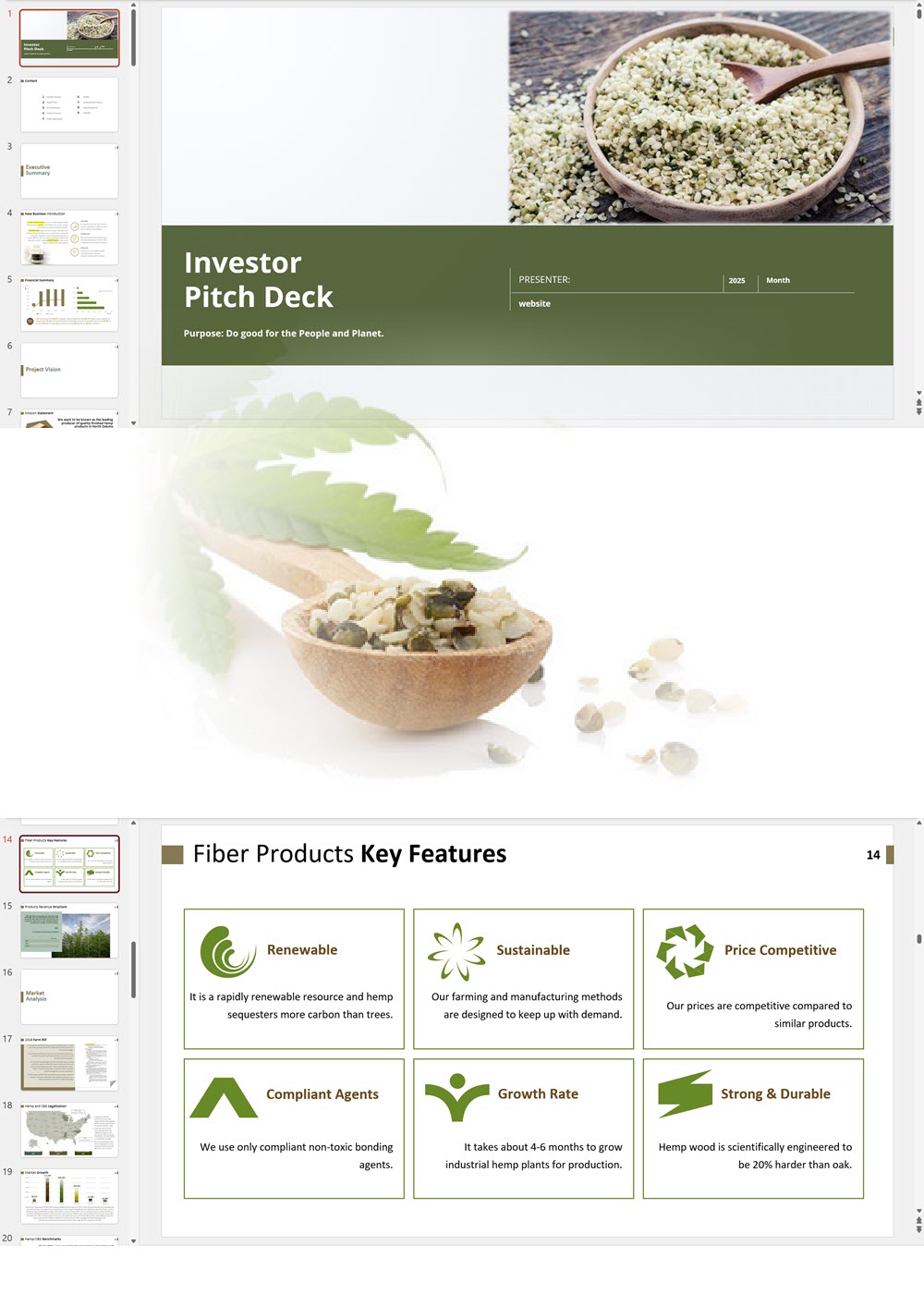
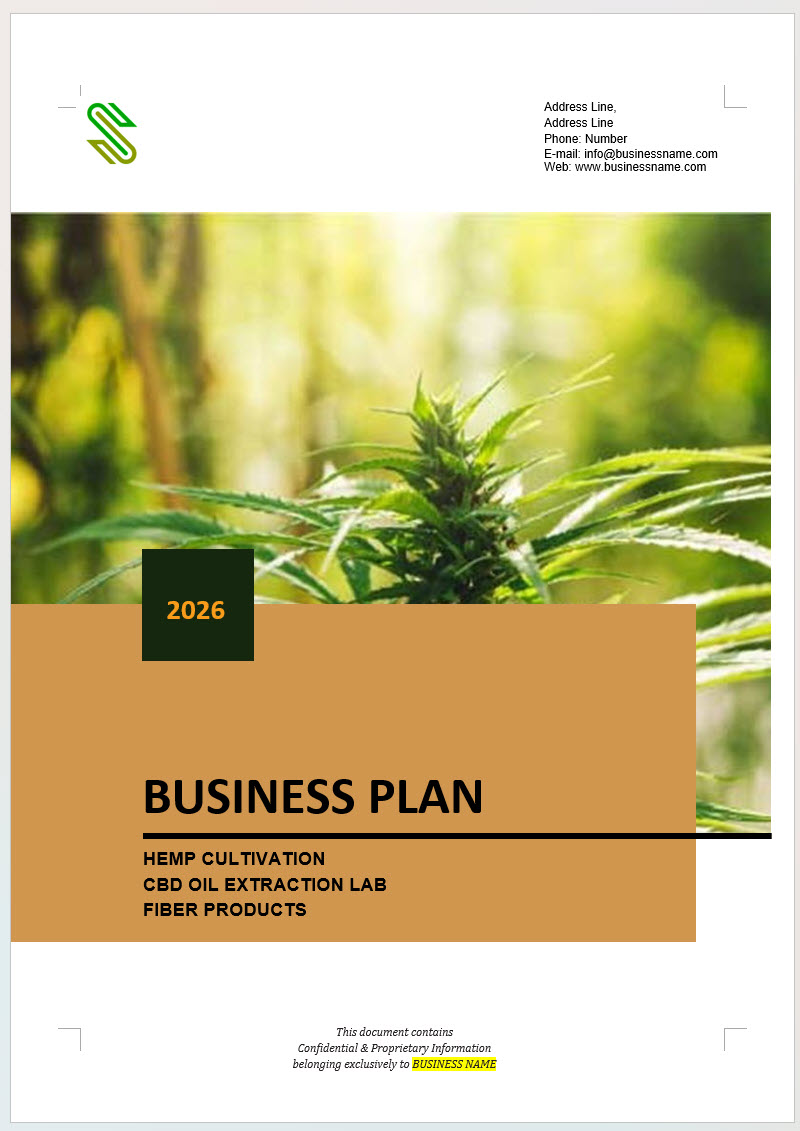
Hemp Cultivation and CBD Oil Extraction and/or Fiber Products Business Plan Template
Price range: $75.00 through $350.00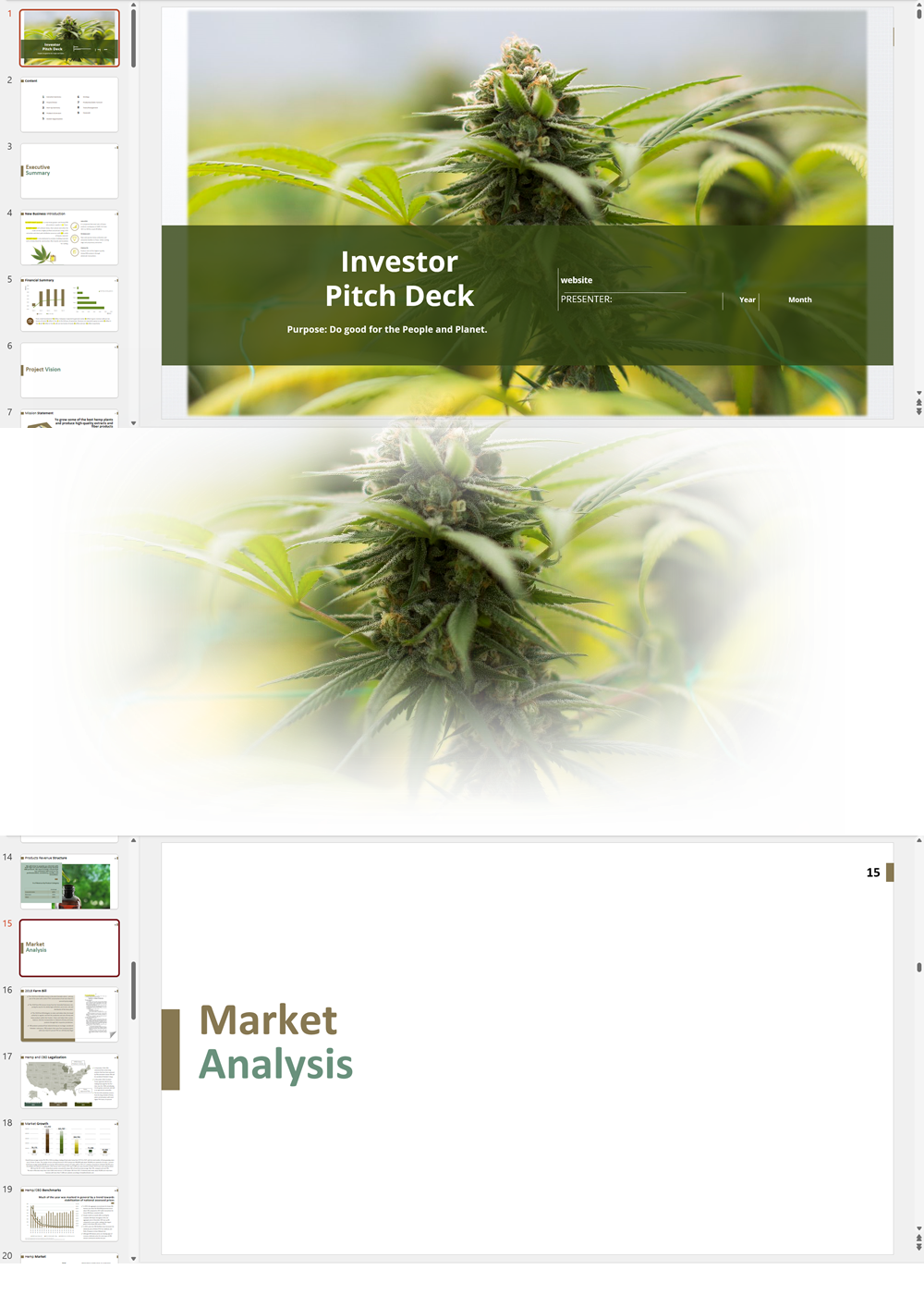
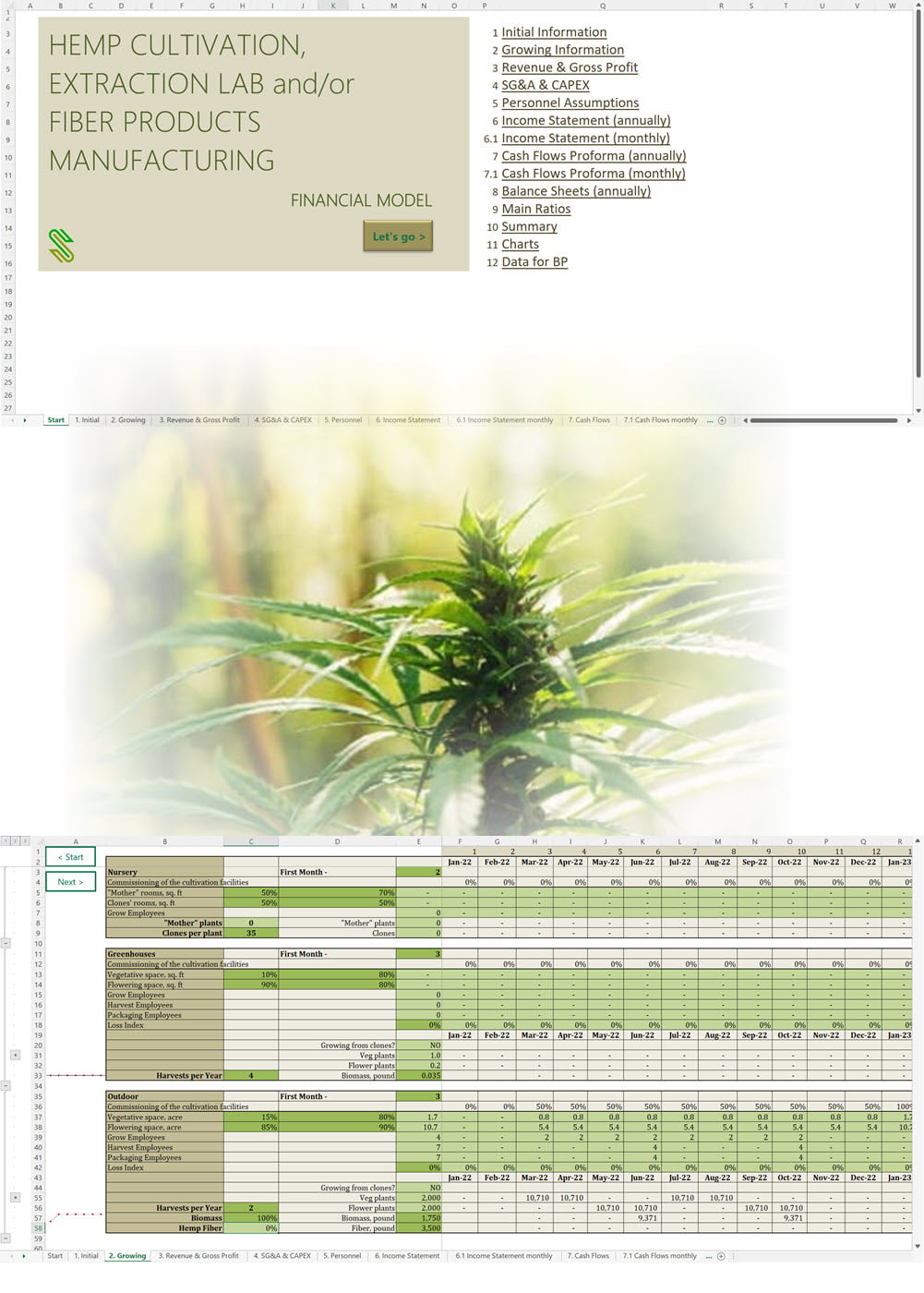
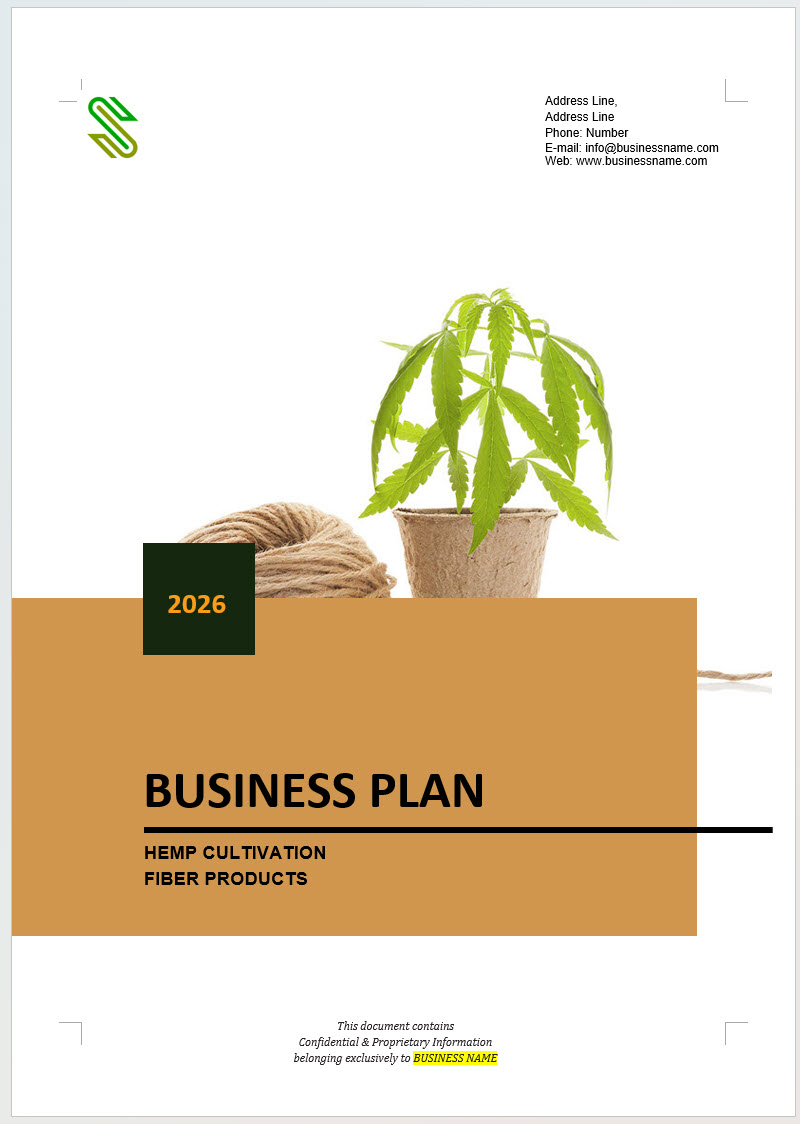
Hemp Fiber Growing and Manufacturing Business Plan Template
Price range: $75.00 through $275.00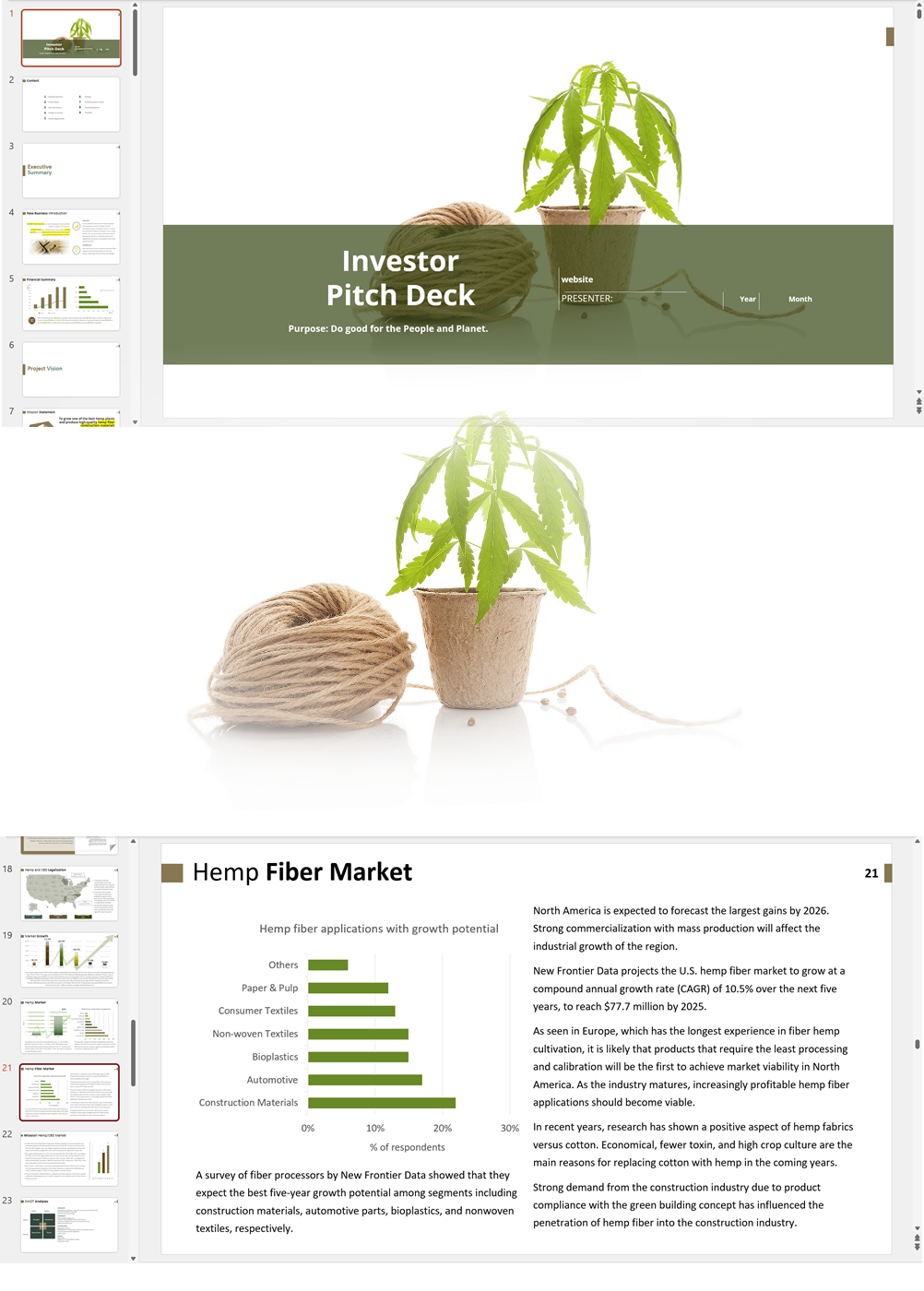
Hemp Cultivation + Extraction + Manufacturing Business Plan Template
Price range: $75.00 through $450.00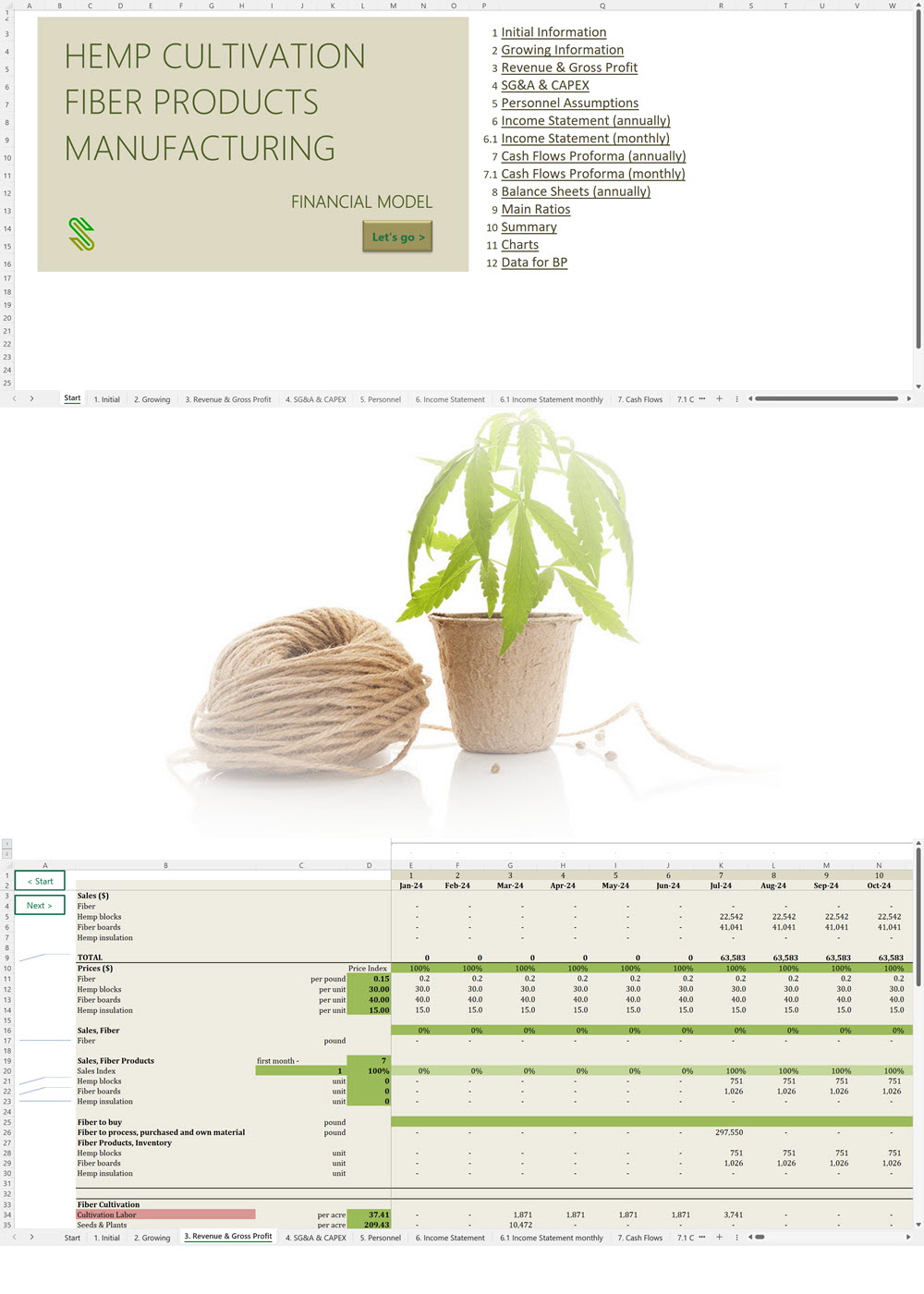
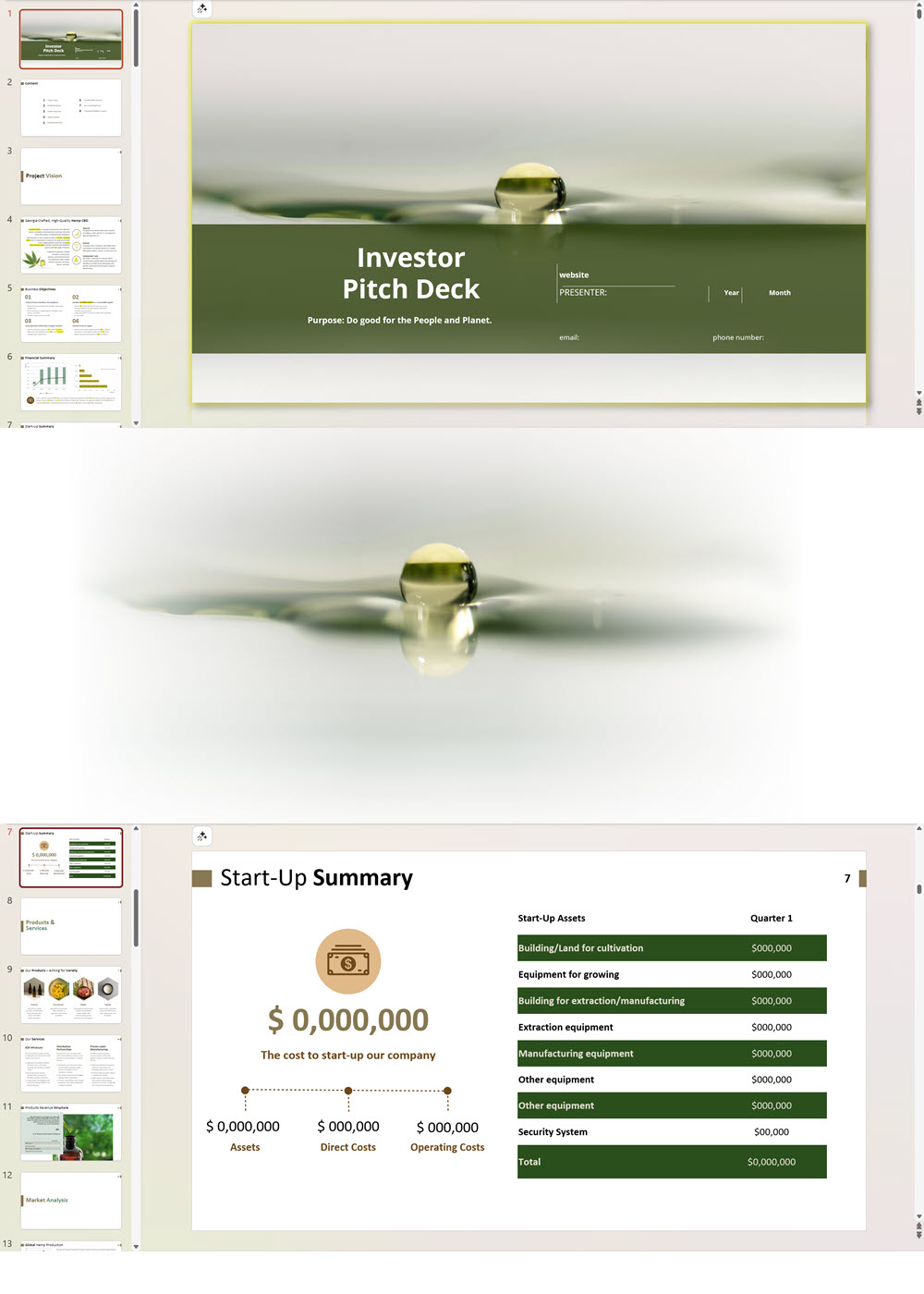
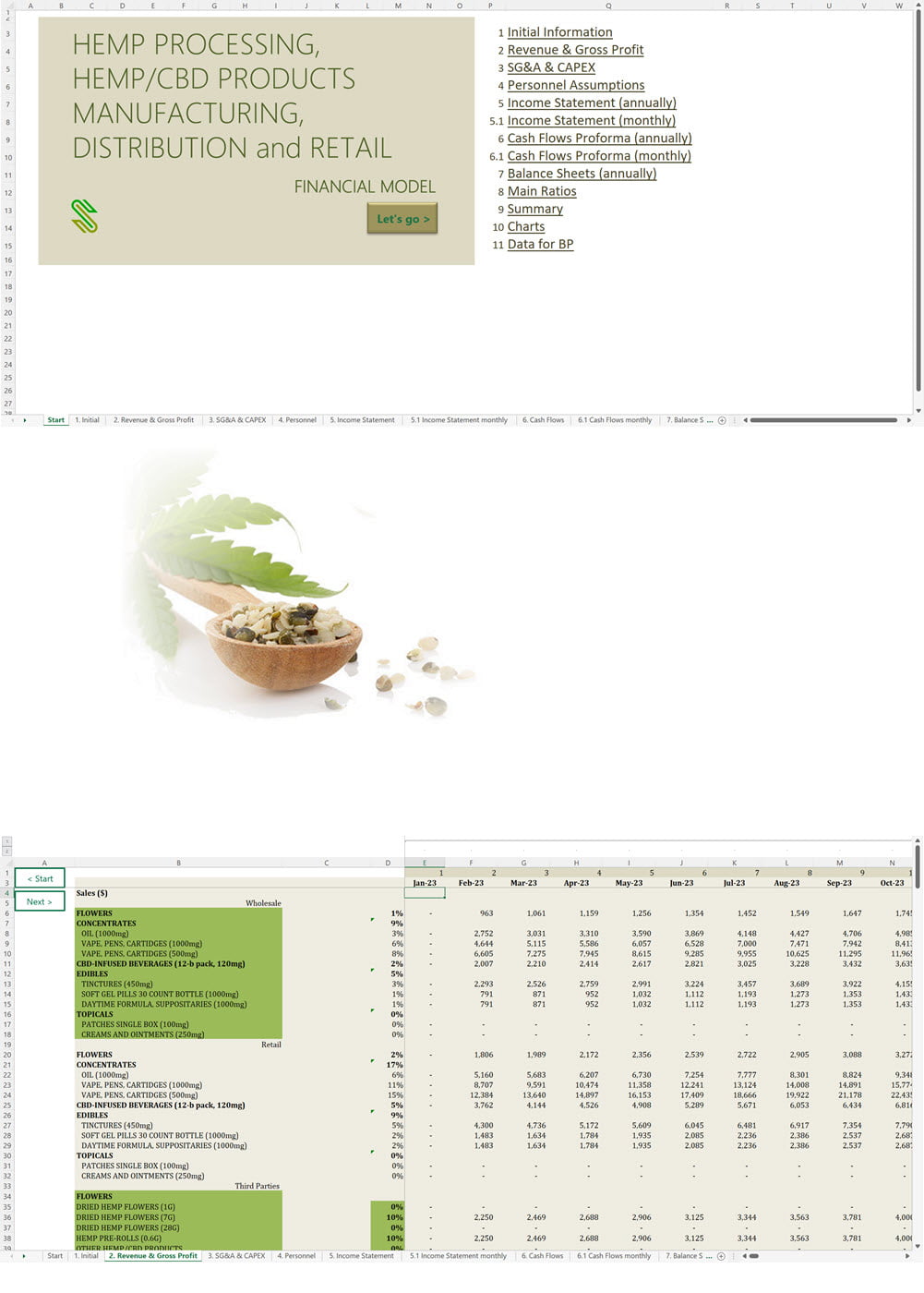
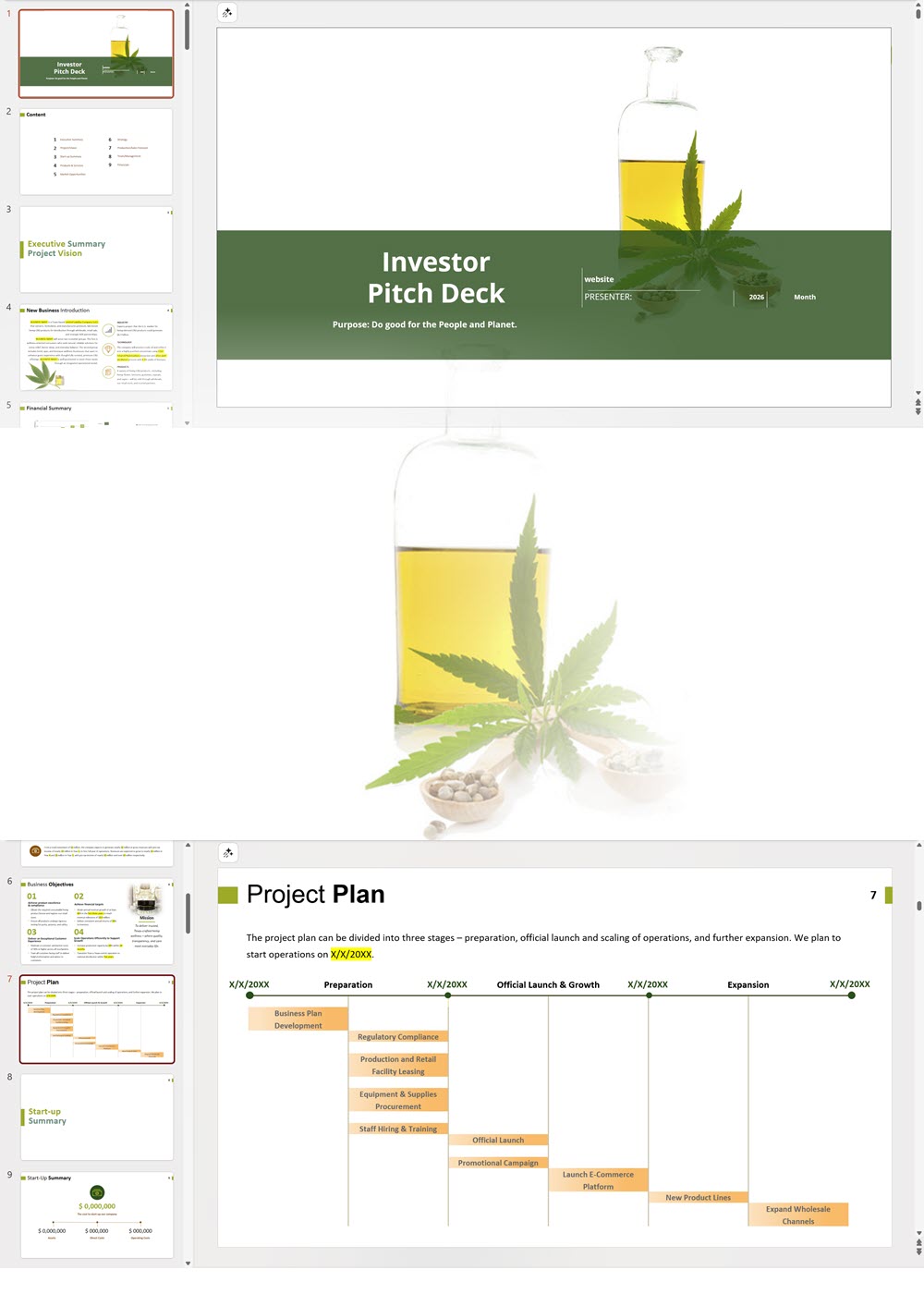
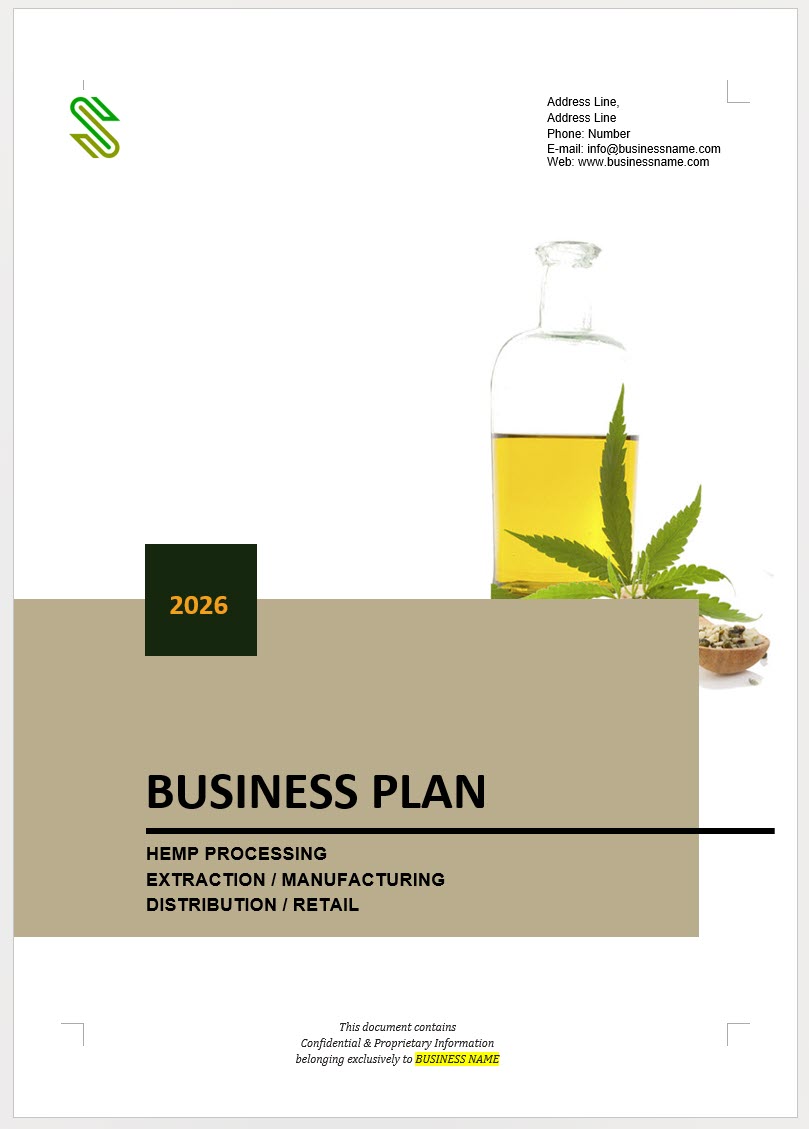
Hemp CBD Extraction + Manufacturing + Retail Business Plan Template
Price range: $75.00 through $450.00
Hemp CBD Beverage Manufacturing, Wholesale and/or Retail Business Plan Template
Price range: $75.00 through $350.00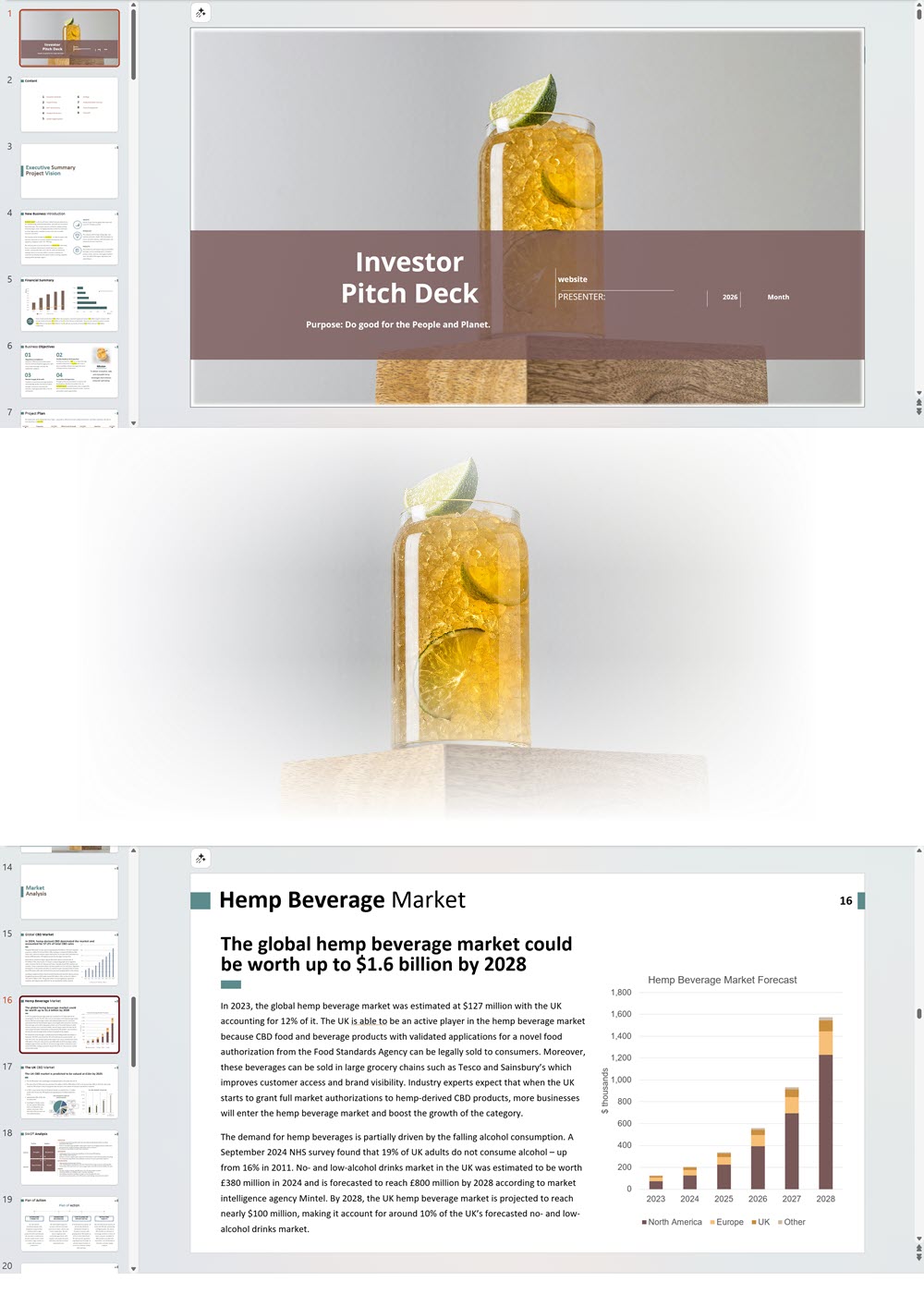
Hemp Cultivation Financial Model
$100.00
Hemp Cultivation Business Plan Template
Price range: $75.00 through $275.00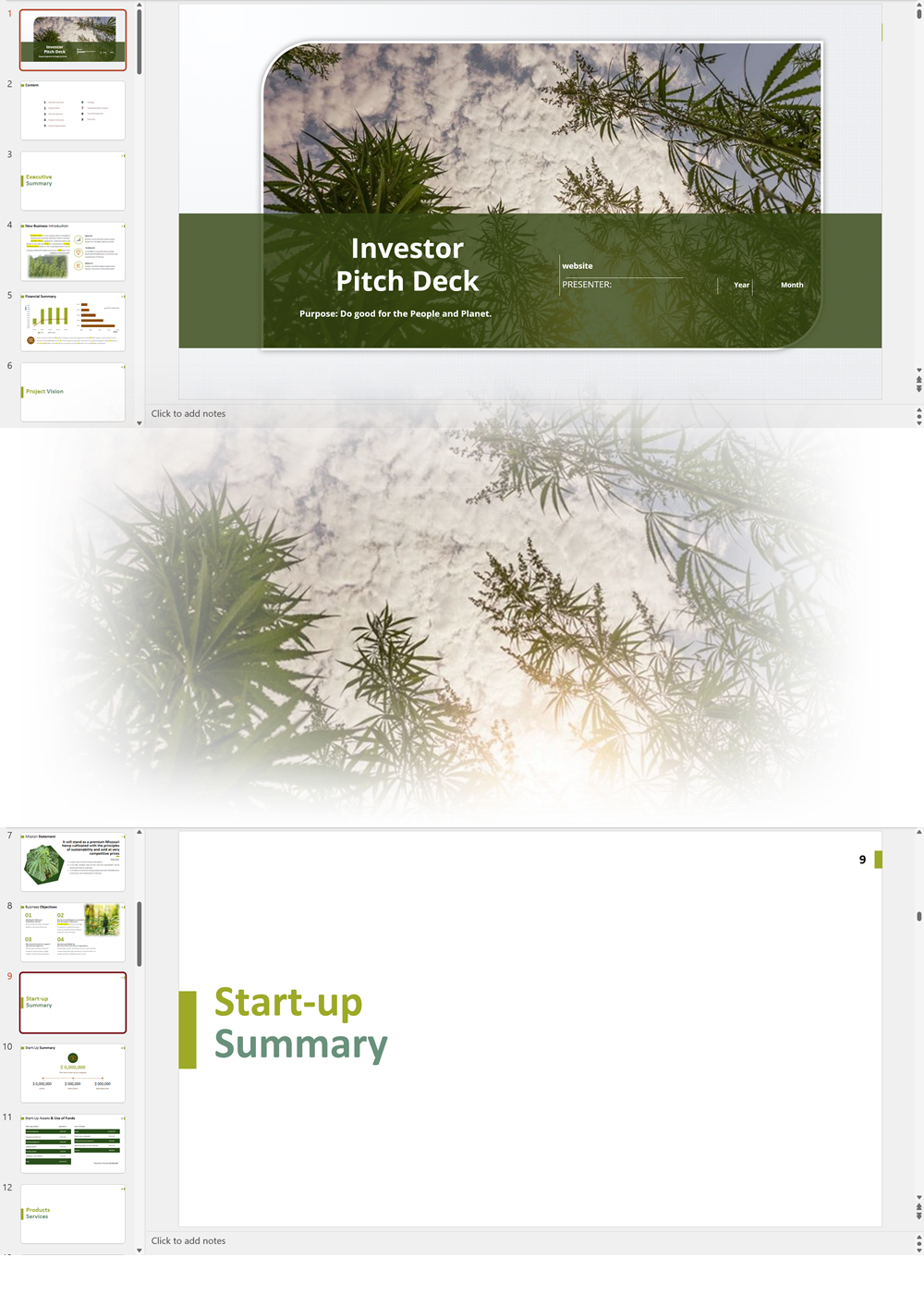
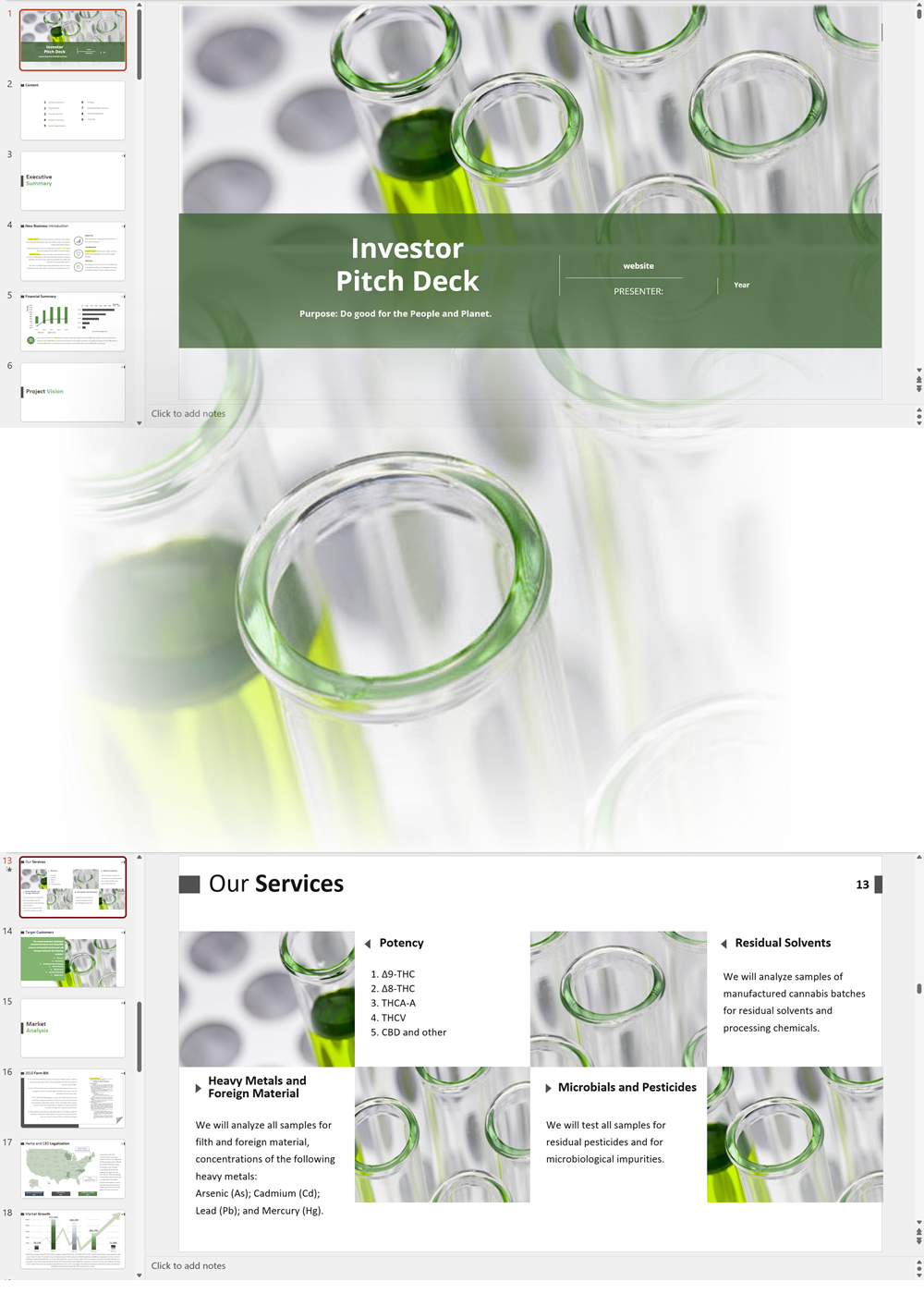
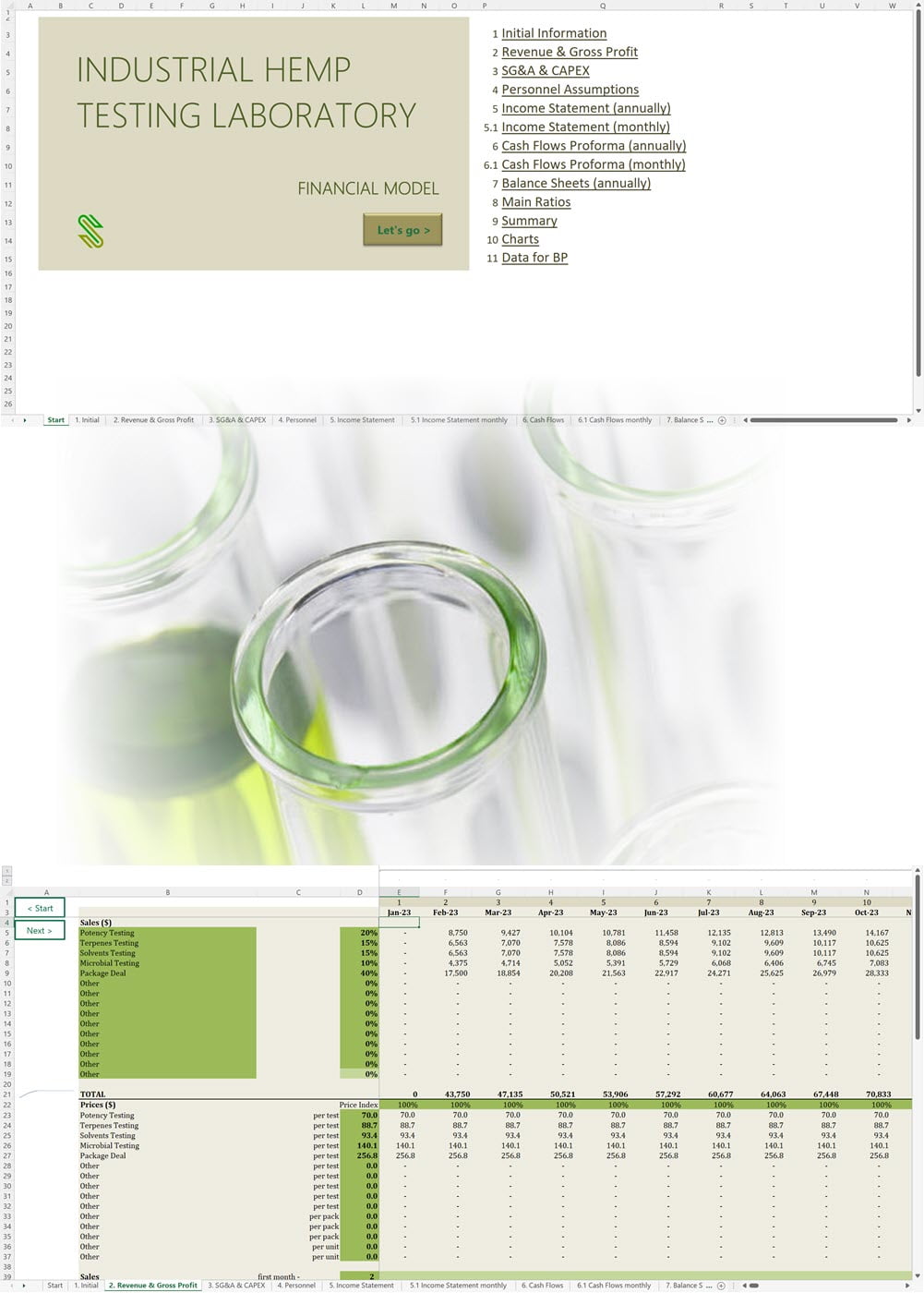
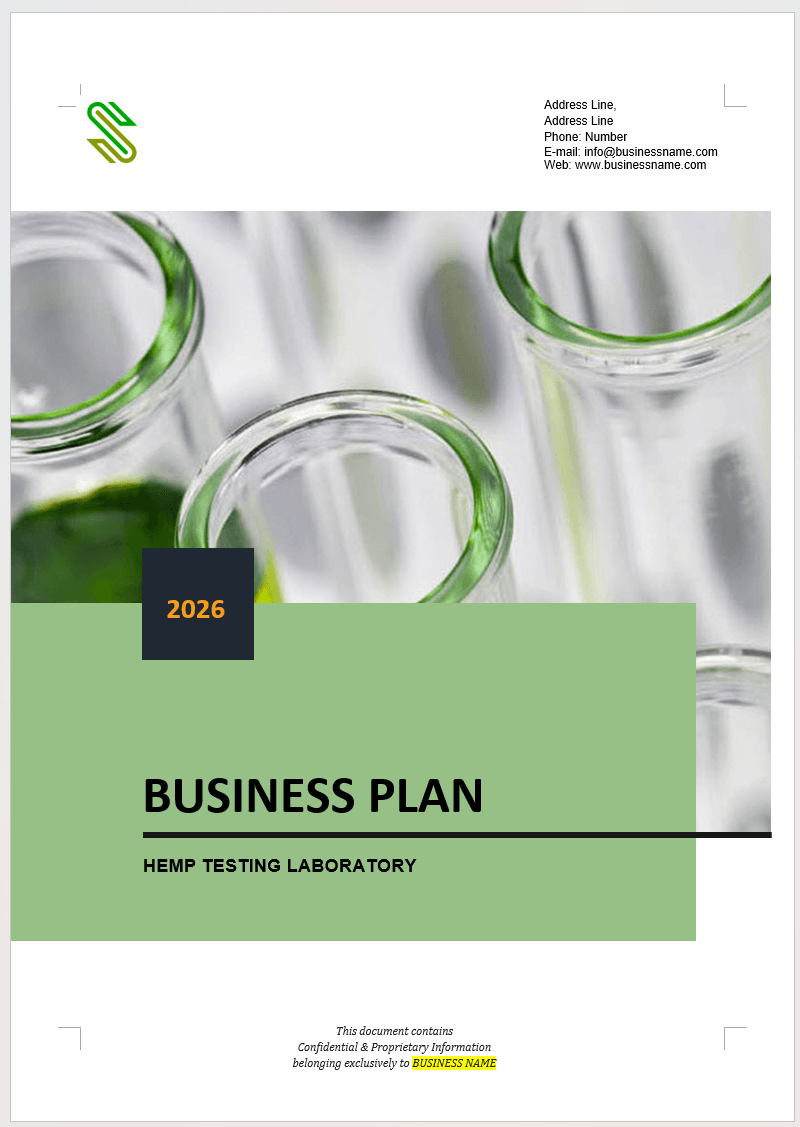
Hemp Testing Laboratory Business Plan Template
Price range: $75.00 through $275.00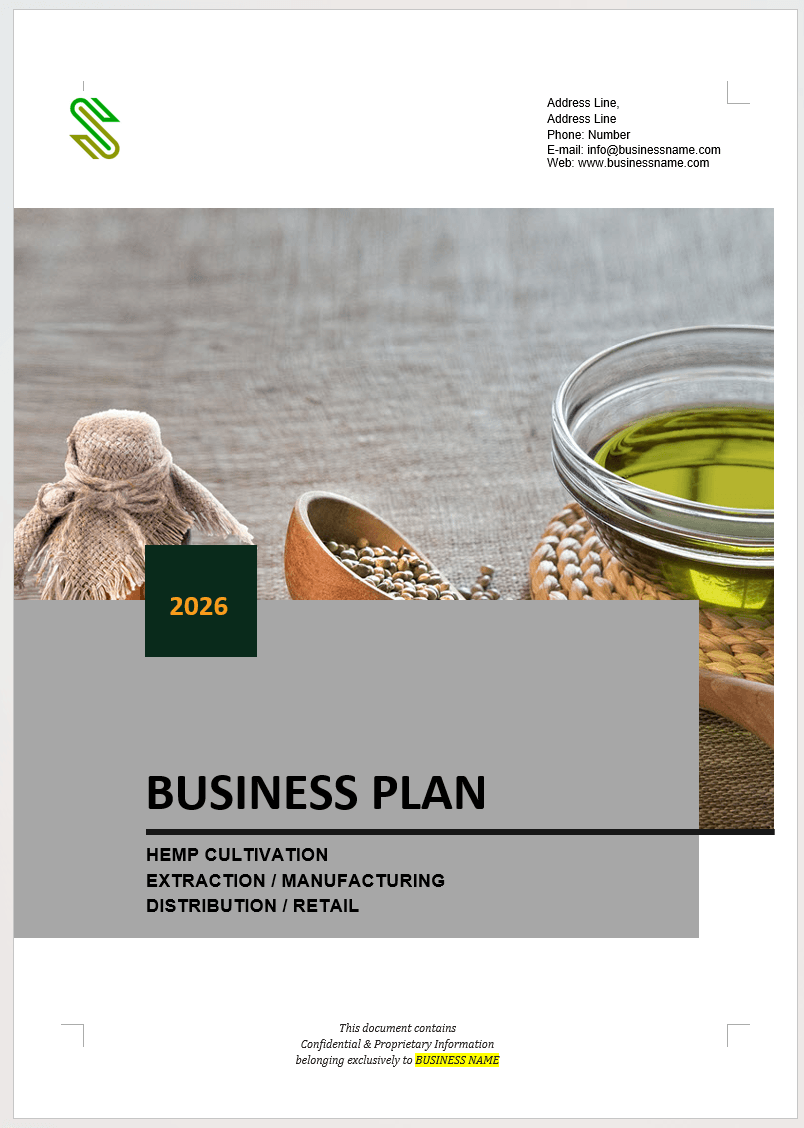
Hemp CBD Vertically Integrated Business Plan Template
Price range: $75.00 through $450.00
Hemp Nursery, Cultivation, Curing, Extraction Business Plan Template
Price range: $75.00 through $350.00