Legalization
Hawaii was one of 23 states to launch a government-sanctioned hemp pilot program following the 2014 Farm Bill, which partially legalized hemp under state-based research programs.
Hawaii legalized the plant in 2016, when lawmakers authorized research at the University of Hawaii at Manoa. A year later, Hawaii expanded hemp production to private farmers.
In 2017, Hawaii passed an Industrial Hemp Pilot Program to regulate the cultivation of industrial hemp and distribution of hemp seeds for agricultural or academic research. (HAW. REV. STAT. § 141-32(a) (2017)).
Act 14 was signed into law on August 27, 2020, legalizing hemp cultivation in Hawaii through the U.S. Department of Agriculture (USDA) Domestic Hemp Production Program. From November 1, 2020, individuals and entities who wish to grow hemp in Hawaii must acquire a hemp production license from the USDA.
Hemp processing rules and licenses are regulated by the state’s Department of Health. The agency charges processors $500 a year and requires them to be 500 feet away from schools, parks and neighborhoods. The interim rules limit hemp-extract sales to tinctures, tablets, capsules, powders and topicals. Hemp processing is regulated by Chapter 37 of the Hawaii Administrative Rules.
On July 2, 2025, Gov. Josh Green signed HB 1482 into law, limiting the sale of hemp-derived tinctures to consumers aged 21 and older and introducing a requirement that distributors and retailers of hemp products obtain a registration from the state Department of Health. The bill takes effect January 1, 2026.
How to Obtain a USDA Hemp Producer License
Application Process:
- Create an account on the USDA’s website.
- Submit a complete USDA hemp application along with the required information (mentioned below) through the Hemp eManagement Platform or by mail.
- The USDA will review the application for completeness and to determine if the applicant is eligible.
- The USDA will notify the applicant by mail or email to inform them whether their application has been approved or denied. If the application has been approved, a producer license will be issued.
There is no application fee.
If the license application is denied, applicants may appeal the denial in accordance with Subpart D of Part 990 of the Domestic Hemp Production Program.
Information required to be provided with the completed application form is not limited to:
- Contact information of the applicant.
- If the applicant is a business entity:
- Full name of the business.
- Address of the principal business location.
- Full name and title of the key participants on behalf of the entity.
- Email address (if available).
- Employer Identification Number.
- FBI criminal history report for an individual or, if the applicant is a business entity, all key participants, issued within 60 days of the application submission date.
Applicants must also certify that they will adhere to the USDA Domestic Hemp Production Plan.
Hemp producer licenses must be renewed every three years. The expiration date of a hemp producer license is on December 31 of the year that is at least three years after the license is issued. Applications for renewal must have the same information as required for the initial application. There is no renewal application fee.
Distributor and Retailer Registration in Hawaii
From January 1, 2026, all manufactured hemp product distributors and retailers in Hawaii must possess a registration from the Department of Health. To obtain the certificate of registration, a completed application form prescribed by the Department of Health must be submitted along with an application fee of $50.
The certificate of registration shall be valid for 5 years and can be renewed by filing a completed renewal application with a renewal fee of $50.
What Hemp CBD Products are Legal in Hawaii
Allowed hemp products are limited to the following types:
- Edible hemp products; and
- A form for topical application to the skin or hair.
Edible hemp products are limited to the following types: Tablets; Capsules; Powders; Softgels; Gelcaps; Oil-based tinctures; Gummies; and Beverages. Edible manufactured hemp products shall have a total tetrahydrocannabinol concentration of no more than 0.3 percent. Effective March 1, 2025, limits were introduced on the total THC content per serving and per package, depending on the type of product.
- Have a maximum volume of two fluid ounces per container;
- Have a maximum of seventy-five milligrams total tetrahydrocannabinol per container;
- Have a maximum concentration of two and one-half (2.5) milligrams of total tetrahydrocannabinol per serving;
- Not contain non-hemp derived flavors, sugars, or sweeteners;
- Be packaged with a dropper or spray top; and
- Be labeled for intended use measured in drops, dropperfuls, or sprays.
- One serving shall be one gummy;
- Shall contain no more than one milligram total tetrahydrocannabinol per serving;
- Shall contain no more than five milligrams total tetrahydrocannabinol per container.
- Have a minimum volume of six fluid ounces and a maximum of twelve fluid ounces per container; and
- Contain no more than one half milligram (0.5 mg) total tetrahydrocannabinol per container.
- One serving shall be one tablet, capsule, softgel, gelcap, or packet of powder;
- Shall contain no more than one milligram total tetrahydrocannabinol per serving.
No edible manufactured hemp product that is sold in a package of multiple servings shall contain more than five milligrams of total tetrahydrocannabinol per package.
Stats
In October 2020, Hawaii’s Department of Agriculture reported nearly 50 licensed hemp growers with a licensed cultivation area of 470 acres, of which 94 acres were planted. National Hemp Report shows that 17 acres were planted and harvested in Hawaii in 2021, and 18 acres of floral hemp were planted and harvested in 2022, according to the latest USDA statistics. In 2021, around 14,000 pounds of industrial hemp was harvested which was worth nearly $2 million according to the U.S. Department of Agriculture. In 2022, 10,002 pounds of industrial hemp was harvested. Data from the USDA hemp public search tool reveals that as of July 2025, there were 51 licensed hemp growers in Hawaii.
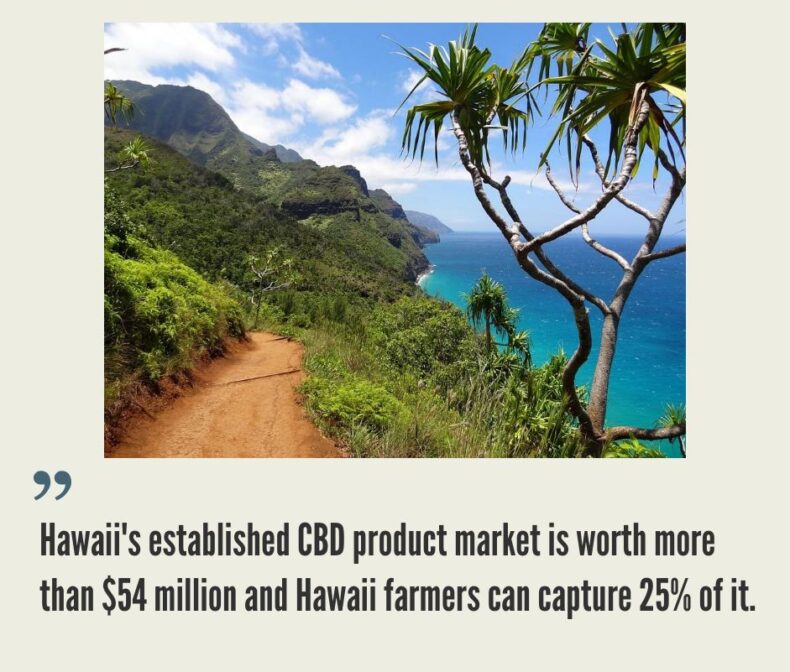
According to a report from Hawai’i Hemp Task Force, $54 million worth of CBD products were sold in Hawaii in 2020 and it is possible for Hawaii farmers to capture 25% of this established market. Hemp products, and CBD products in particular, have higher margins which would be helpful for farmers in Hawaii – especially small farms that make up 70% of the state’s farms.
Hawaii Hemp Industry Infographics
Hemp CBD Online Retail Business Plan Sample, Hawaii
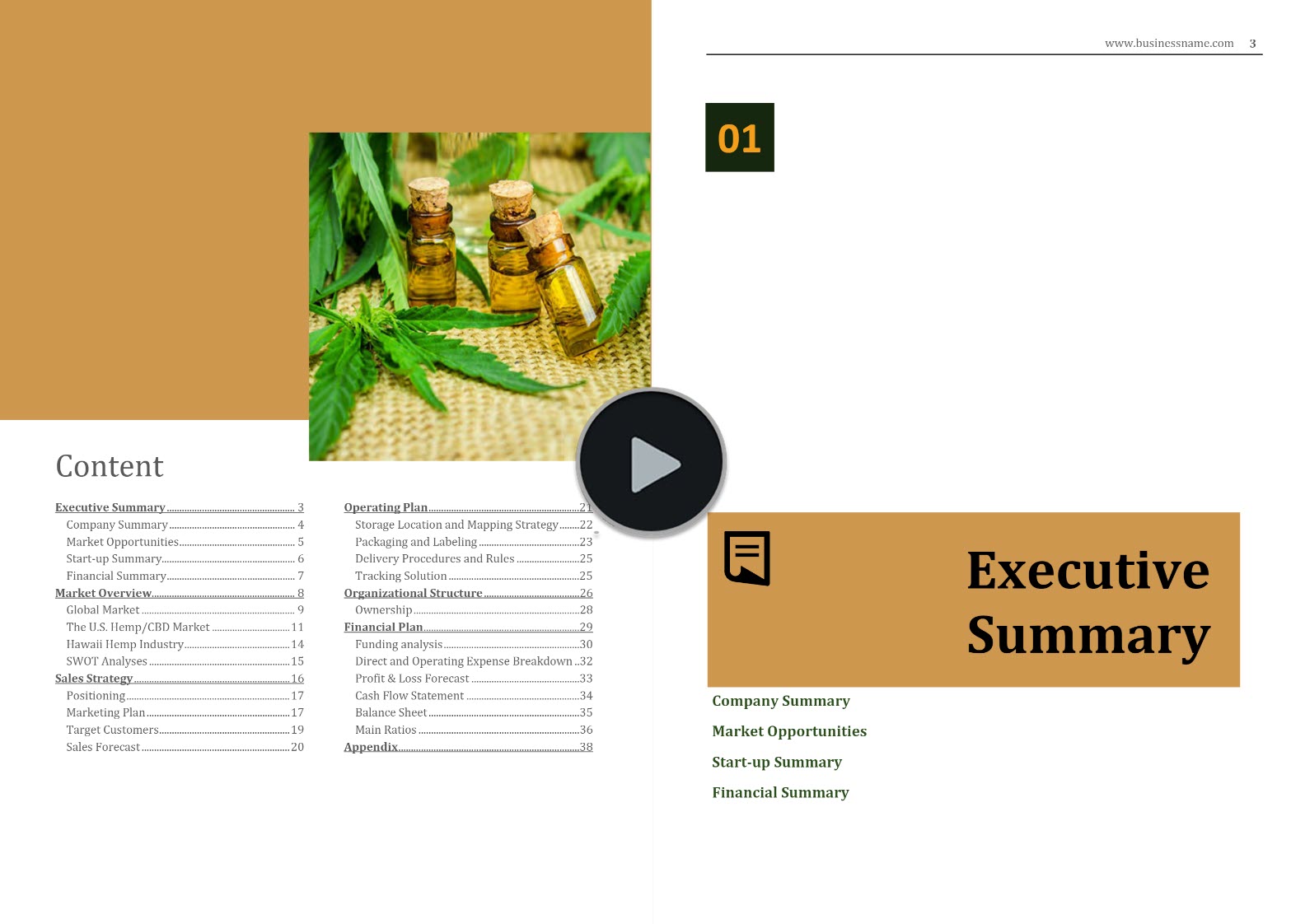
'70% ready to go' business plan templates
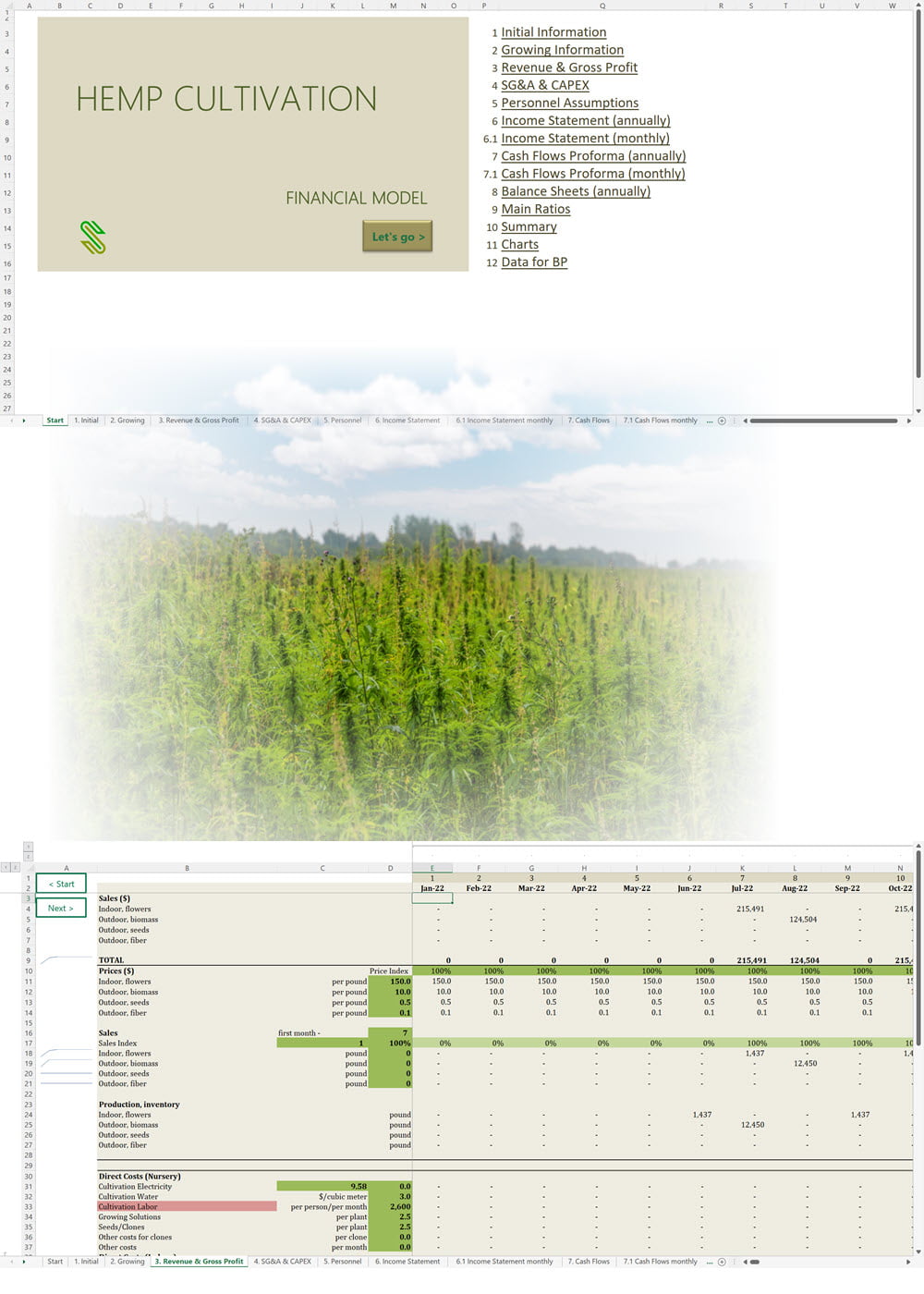
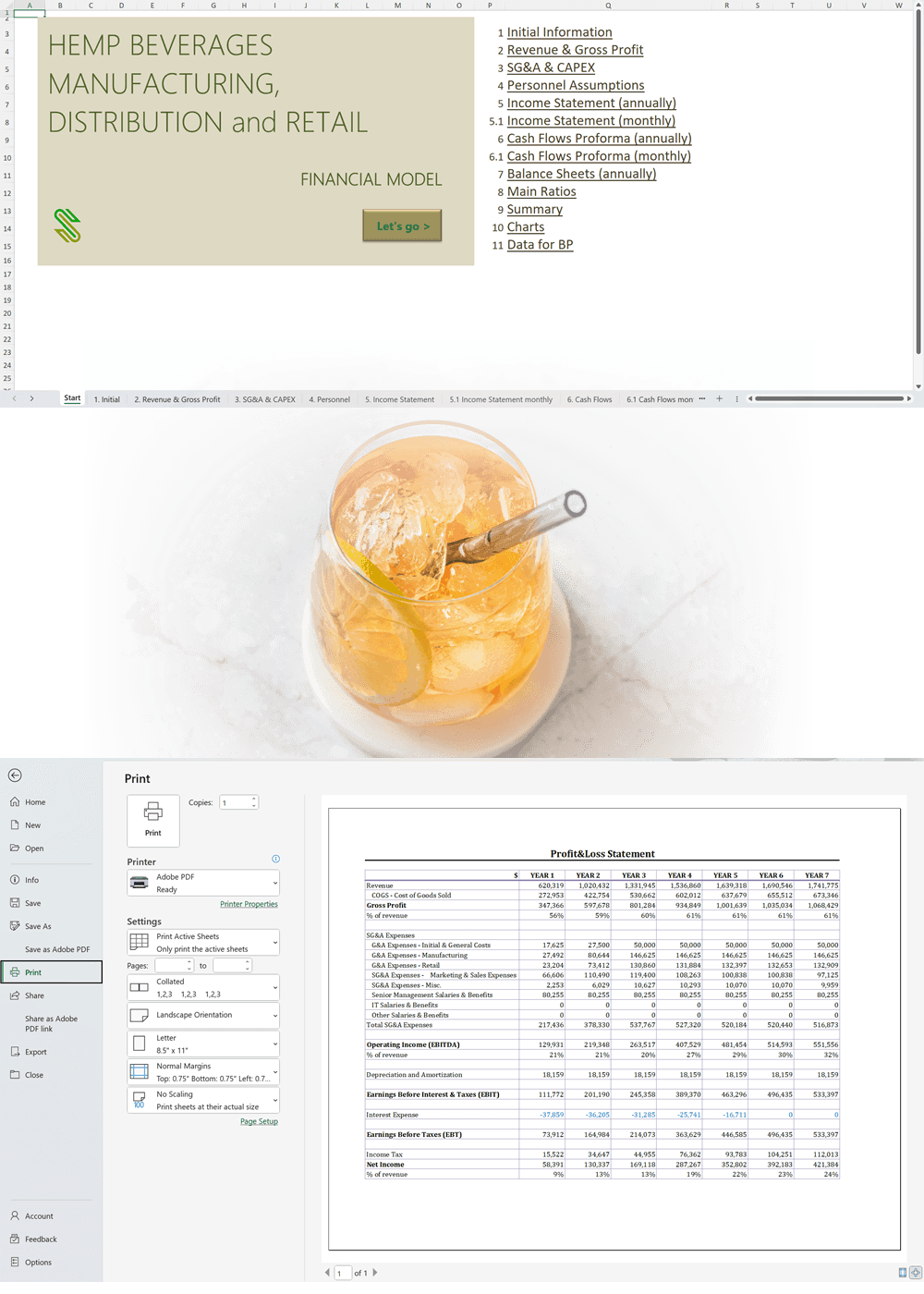
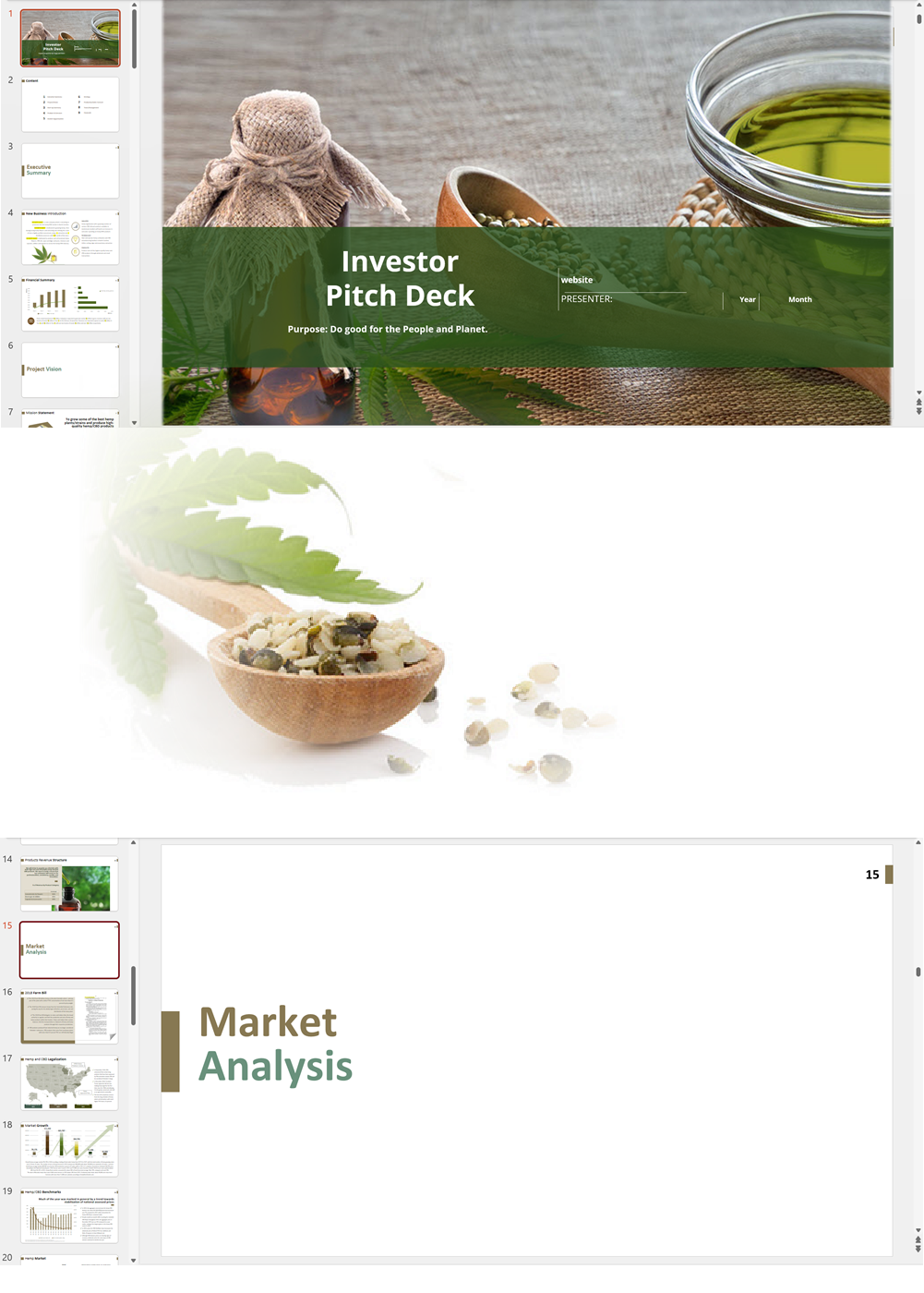
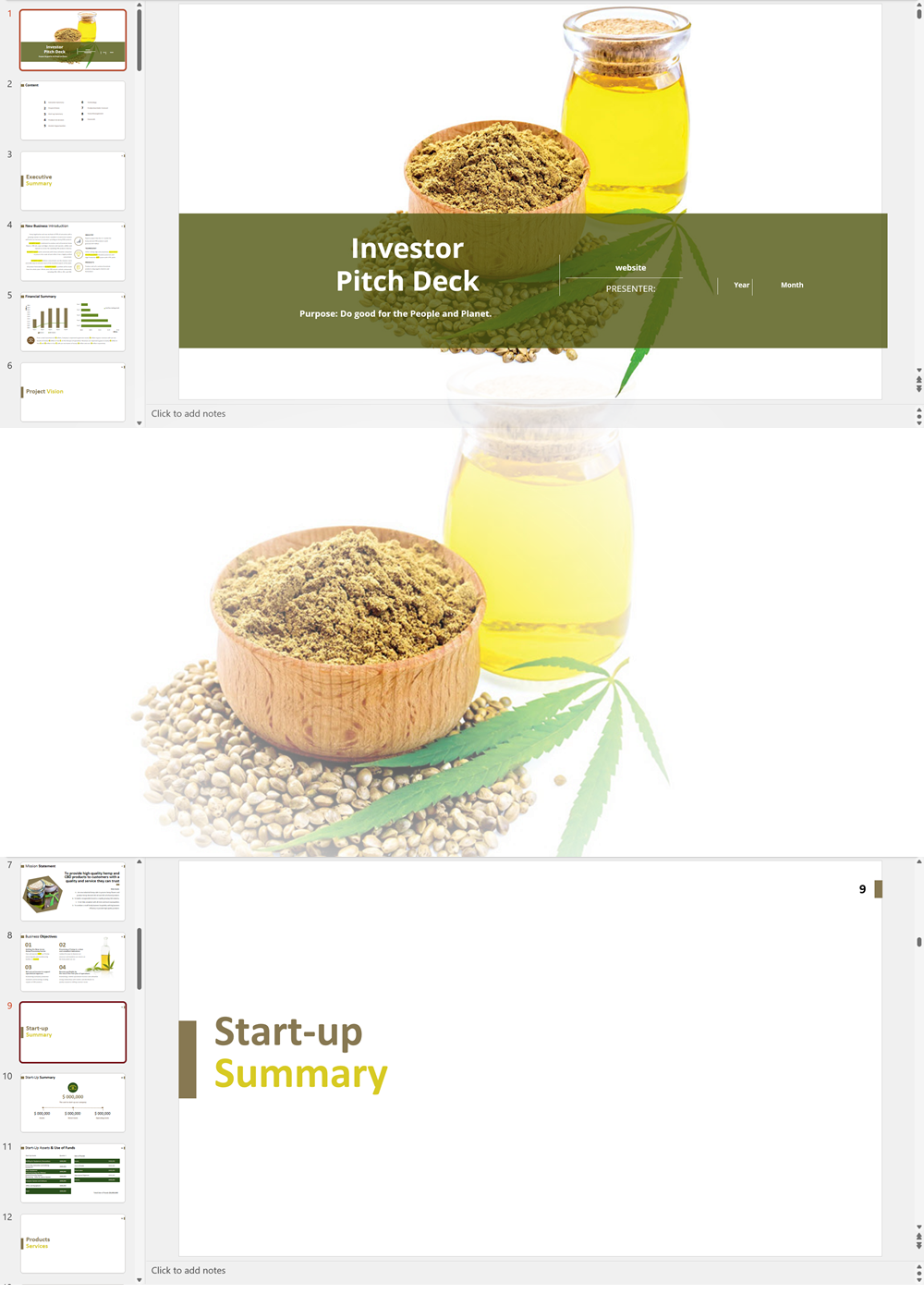
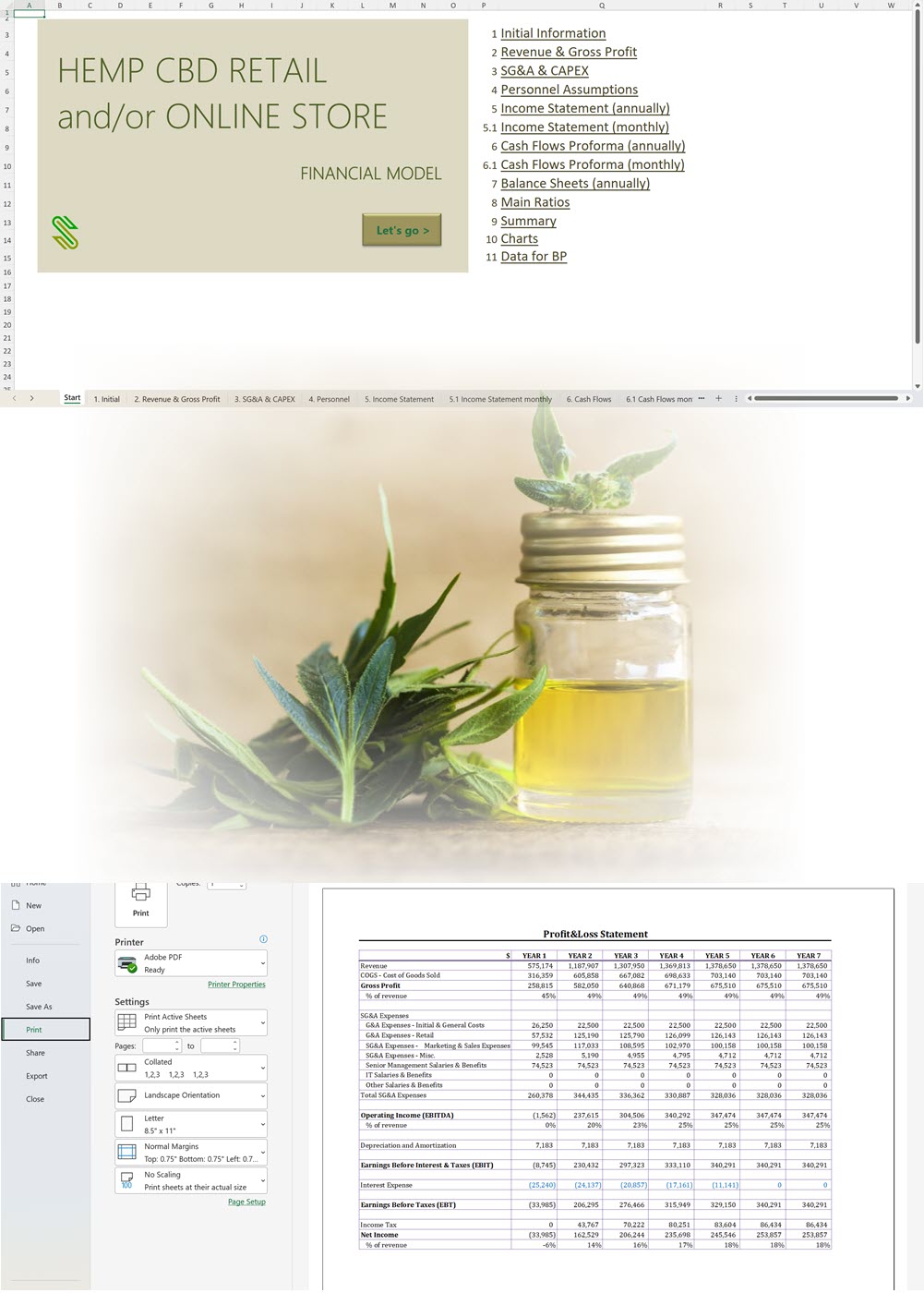
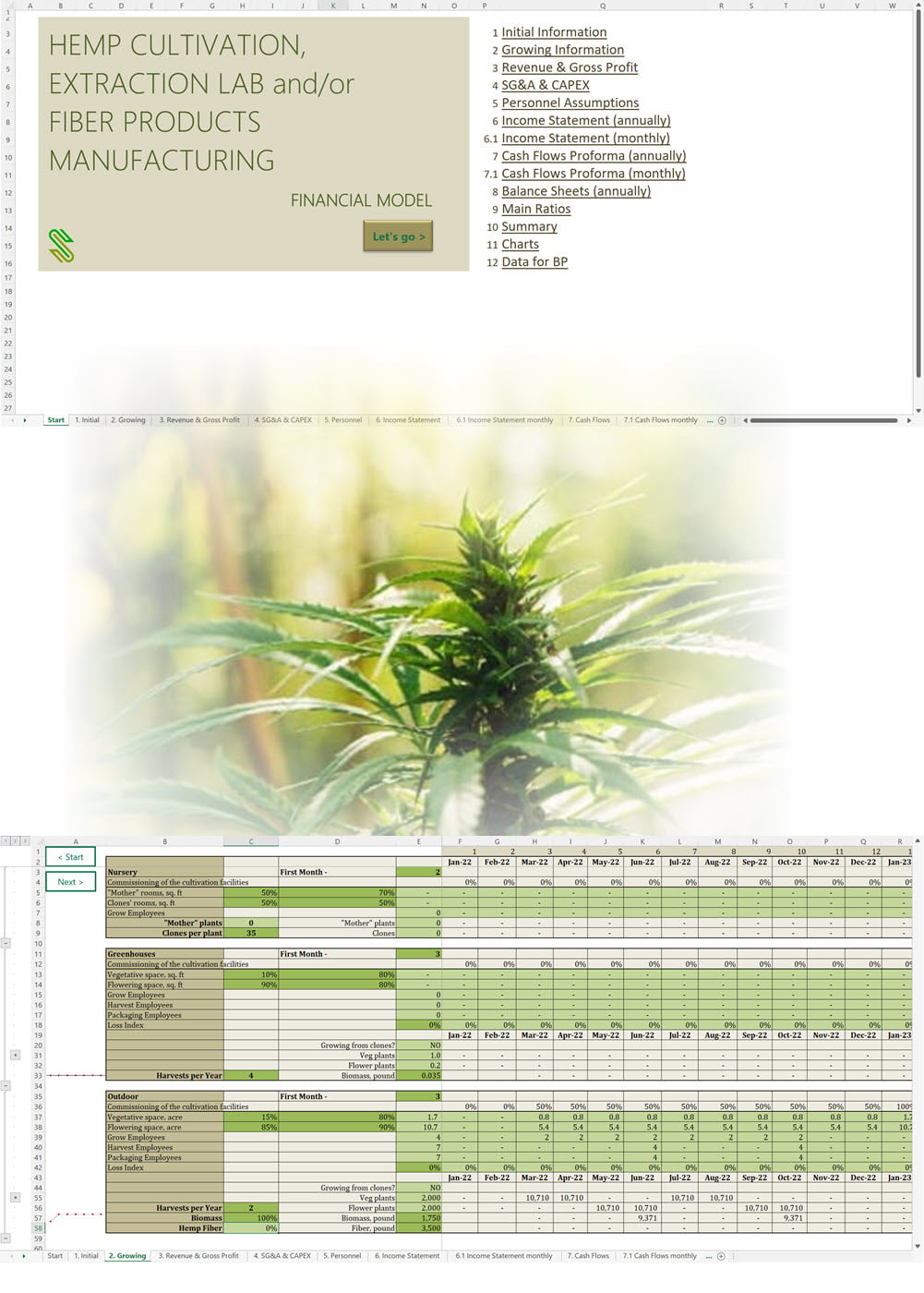
Our hemp/CBD financial models and business plan templates will help you estimate how much it costs to start and operate your own hemp/CBD business, to build all revenue and cost line-items monthly over a flexible seven year period, and then summarize the monthly results into quarters and years for an easy view into the various time periods. We also offer investor pitch deck templates.
Best Selling Templates
-

Hemp Cultivation Business Plan Template
Price range: $75.00 through $275.00 Select options This product has multiple variants. The options may be chosen on the product page -

Hemp CBD Financial Model All in One
$200.00 Select options This product has multiple variants. The options may be chosen on the product page -
CBD Retail Investor Pitch Deck Template
$75.00 Select options This product has multiple variants. The options may be chosen on the product page
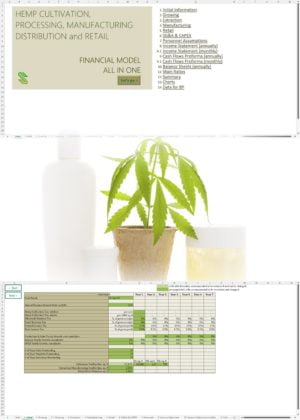
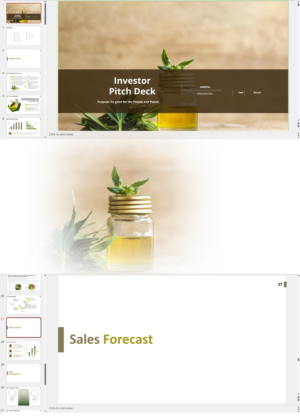
Cannabis business plan templates are available at cannabusinessplans.com.
Our Templates
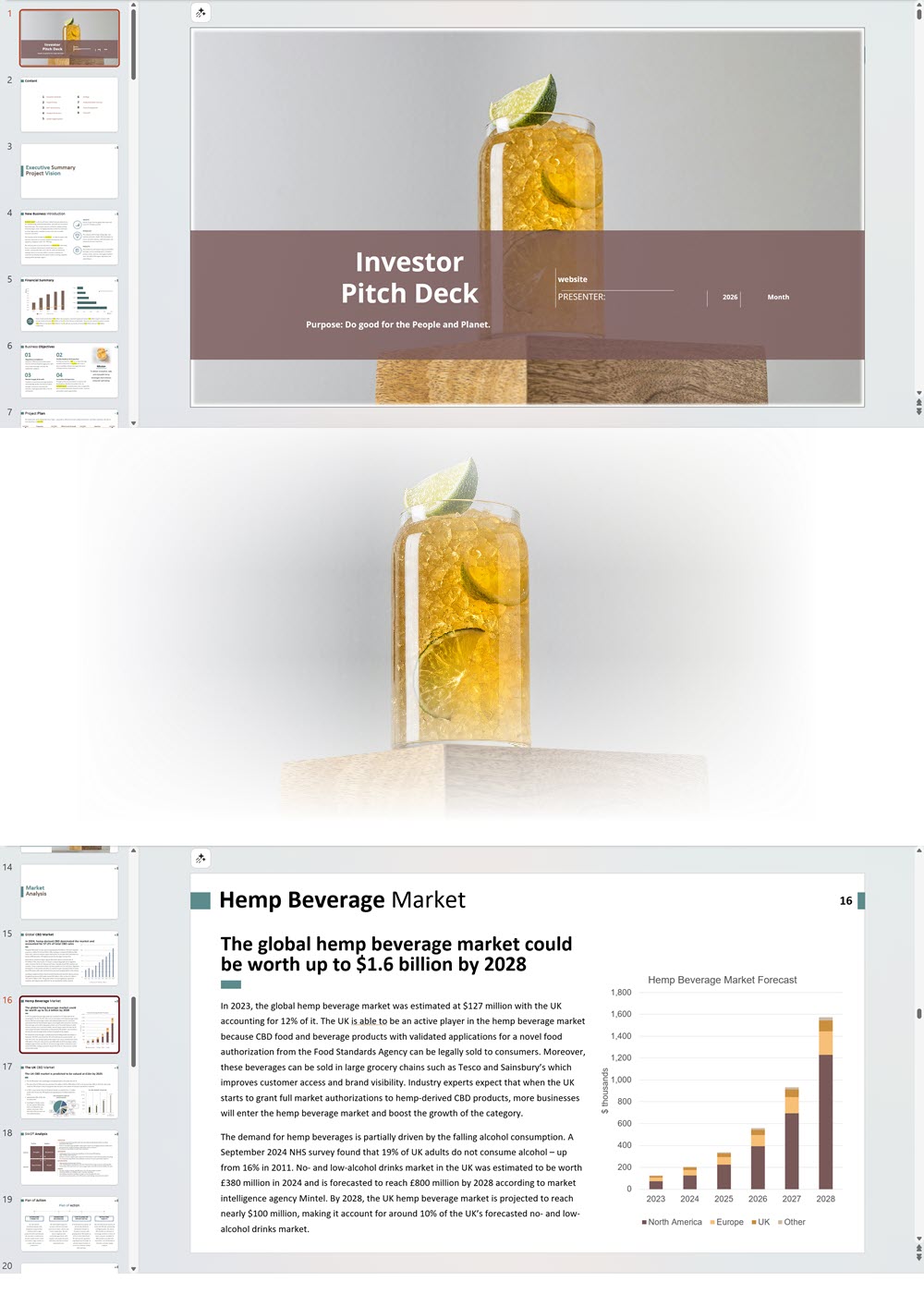
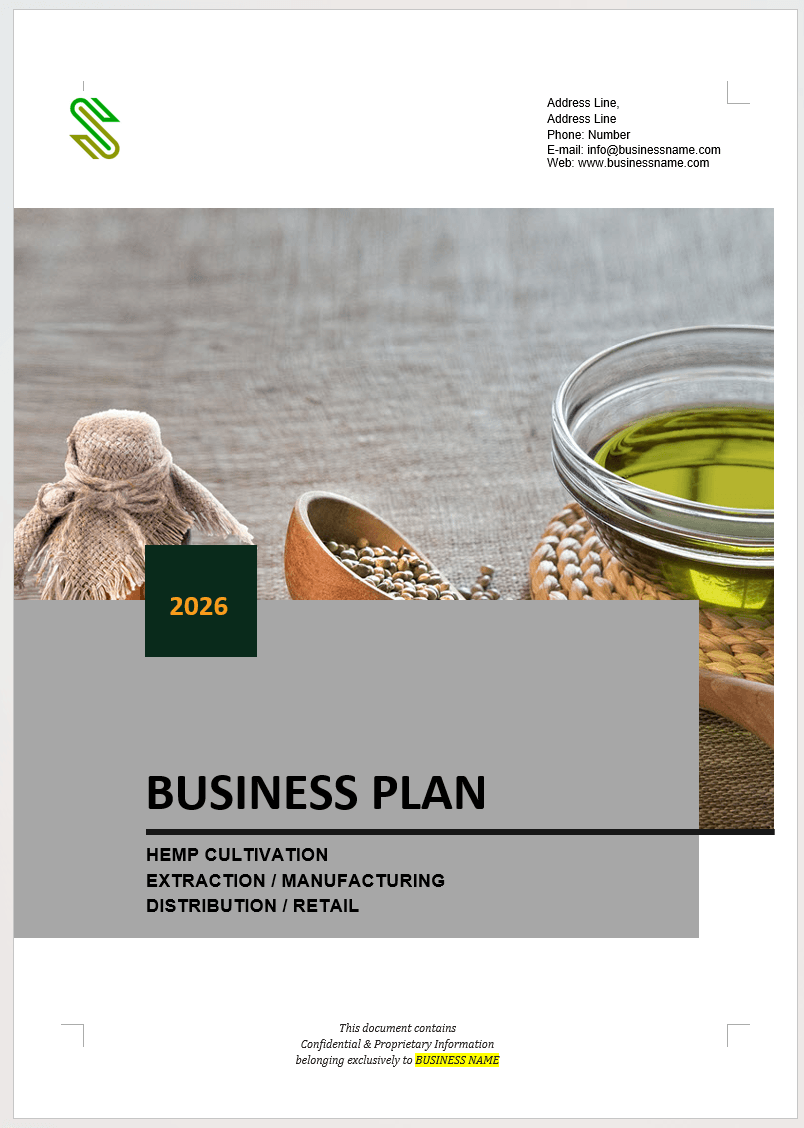
Hemp CBD Vertically Integrated Business Plan Template
Price range: $75.00 through $450.00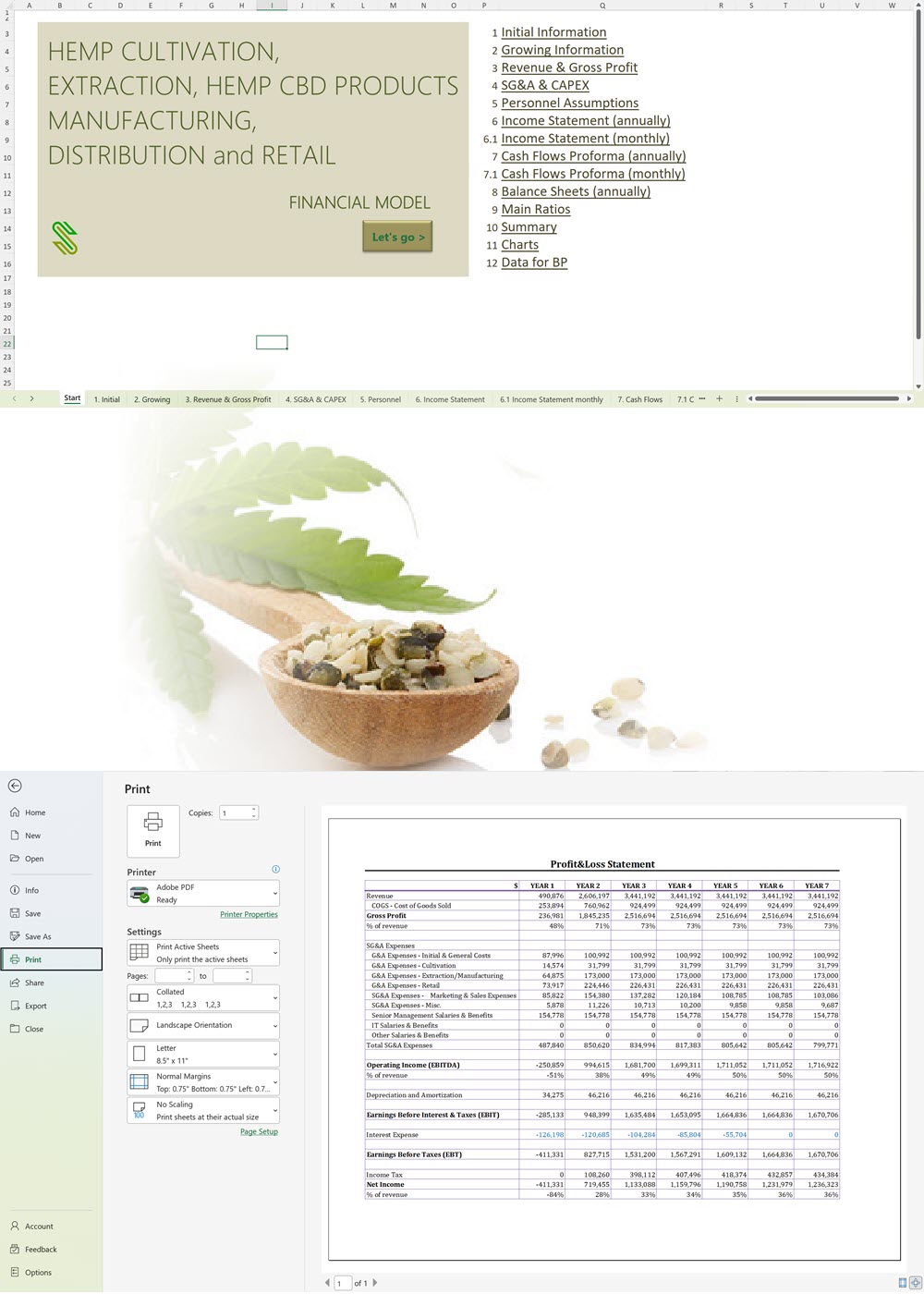
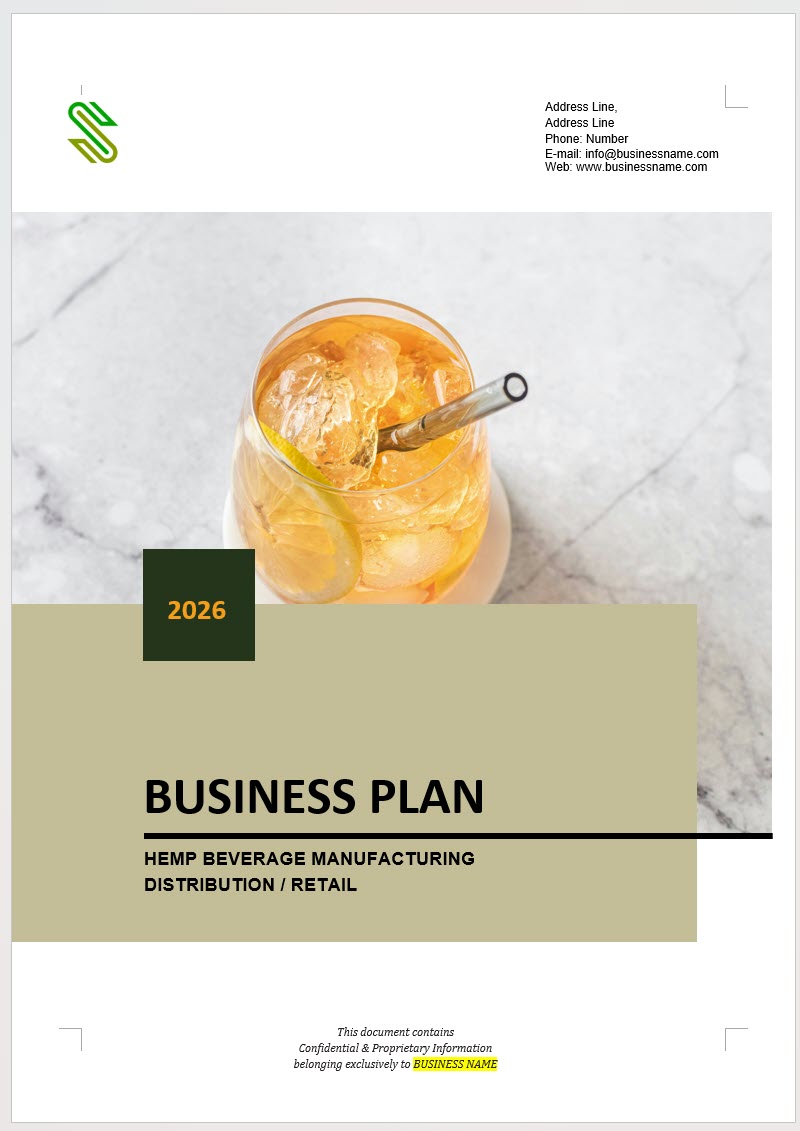
Hemp CBD Beverage Manufacturing, Wholesale and/or Retail Business Plan Template
Price range: $75.00 through $350.00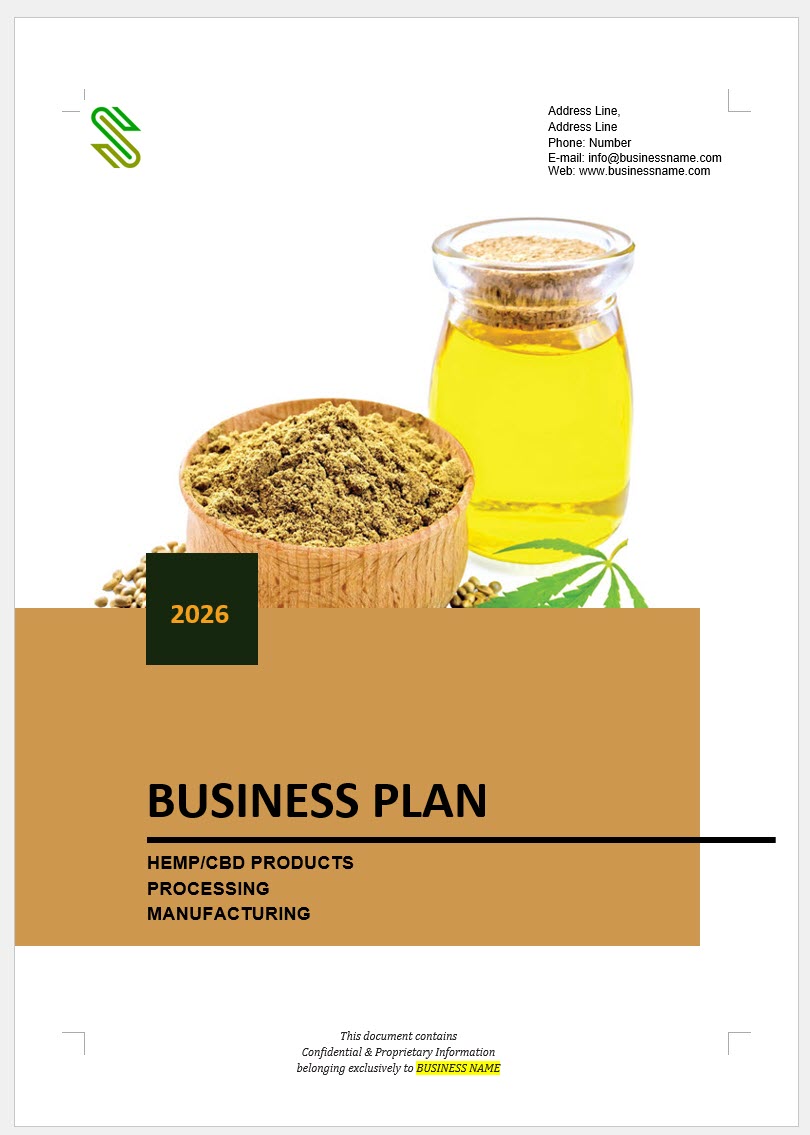
CBD Products Manufacturing Business Plan Template
Price range: $75.00 through $350.00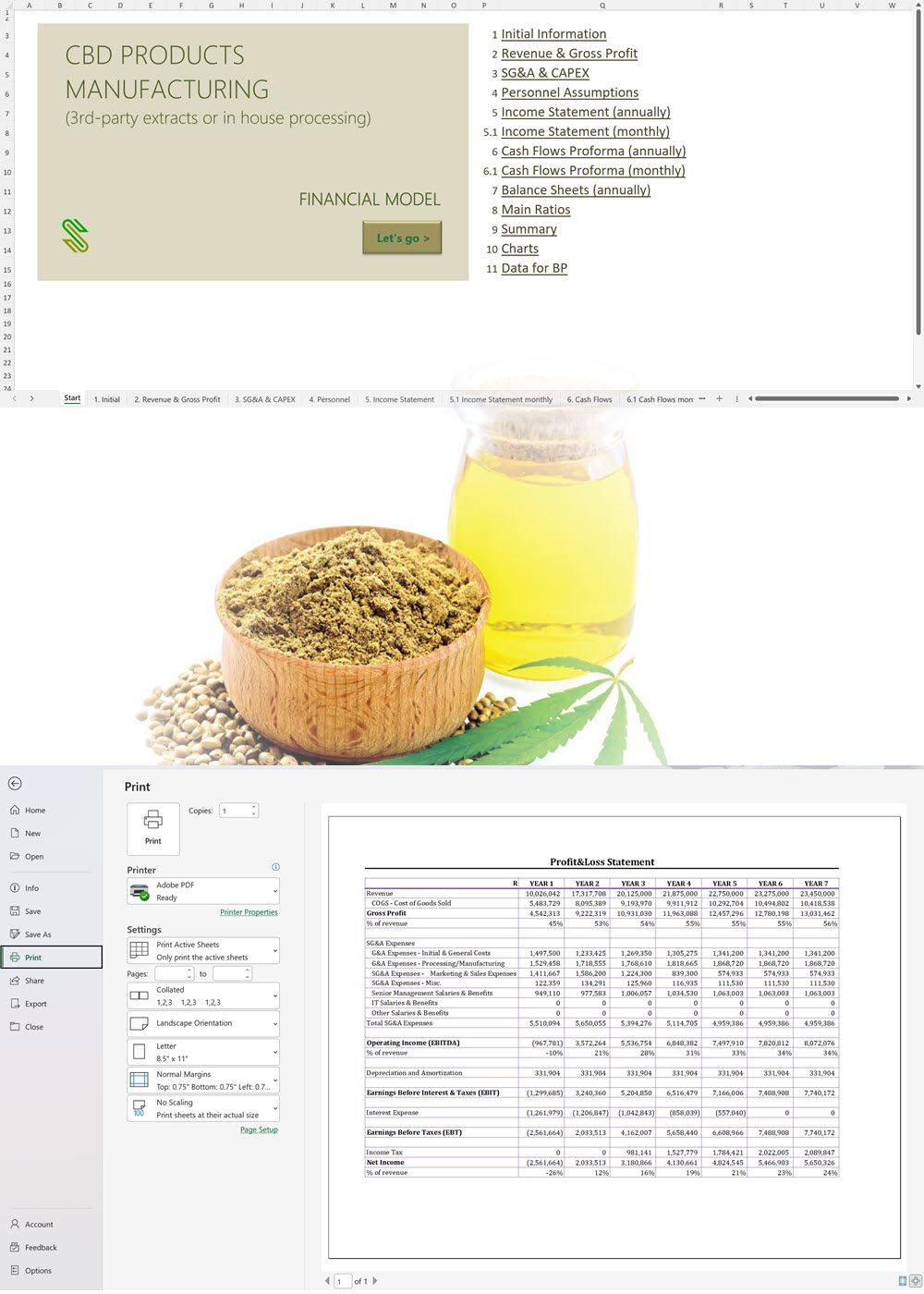
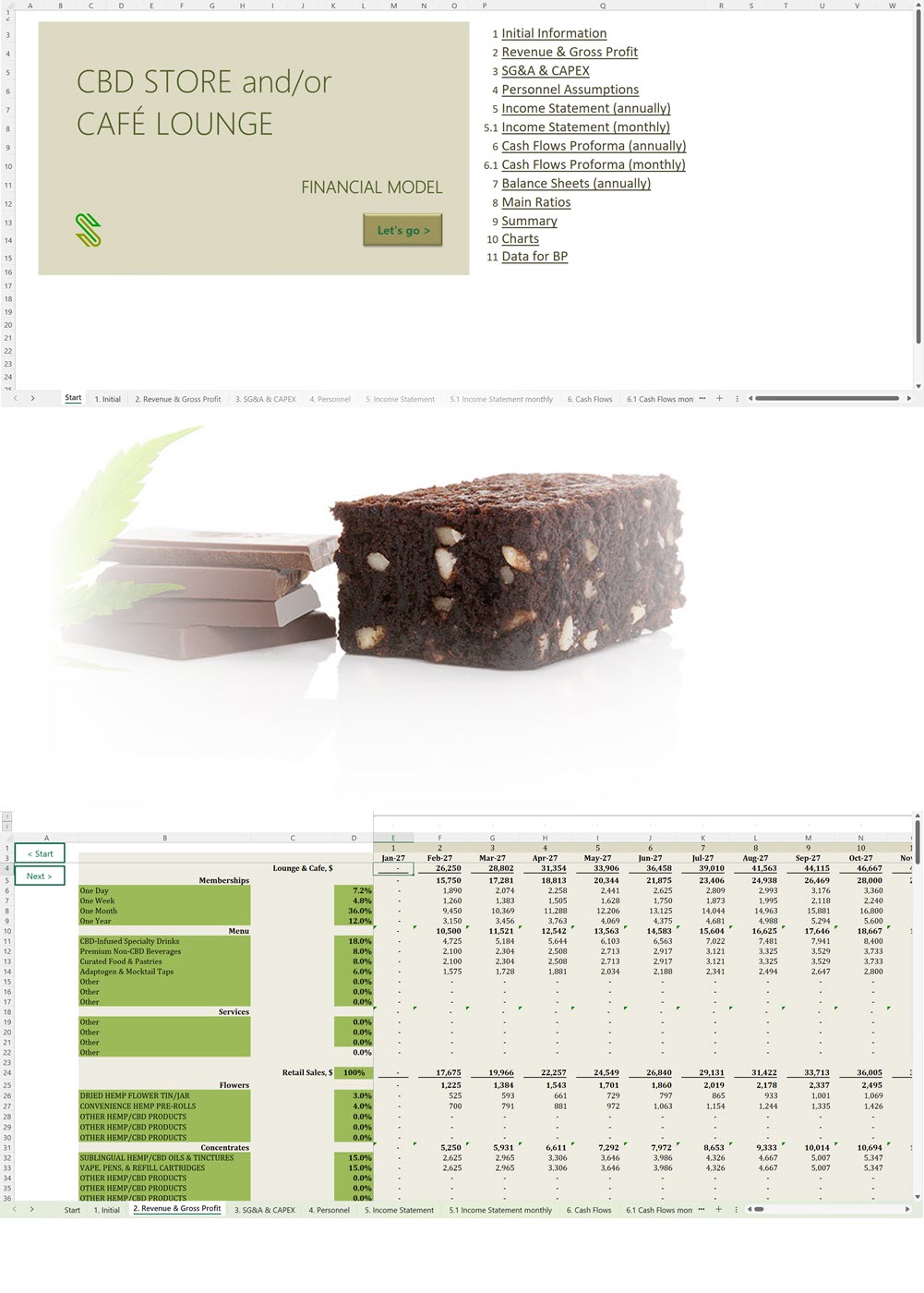
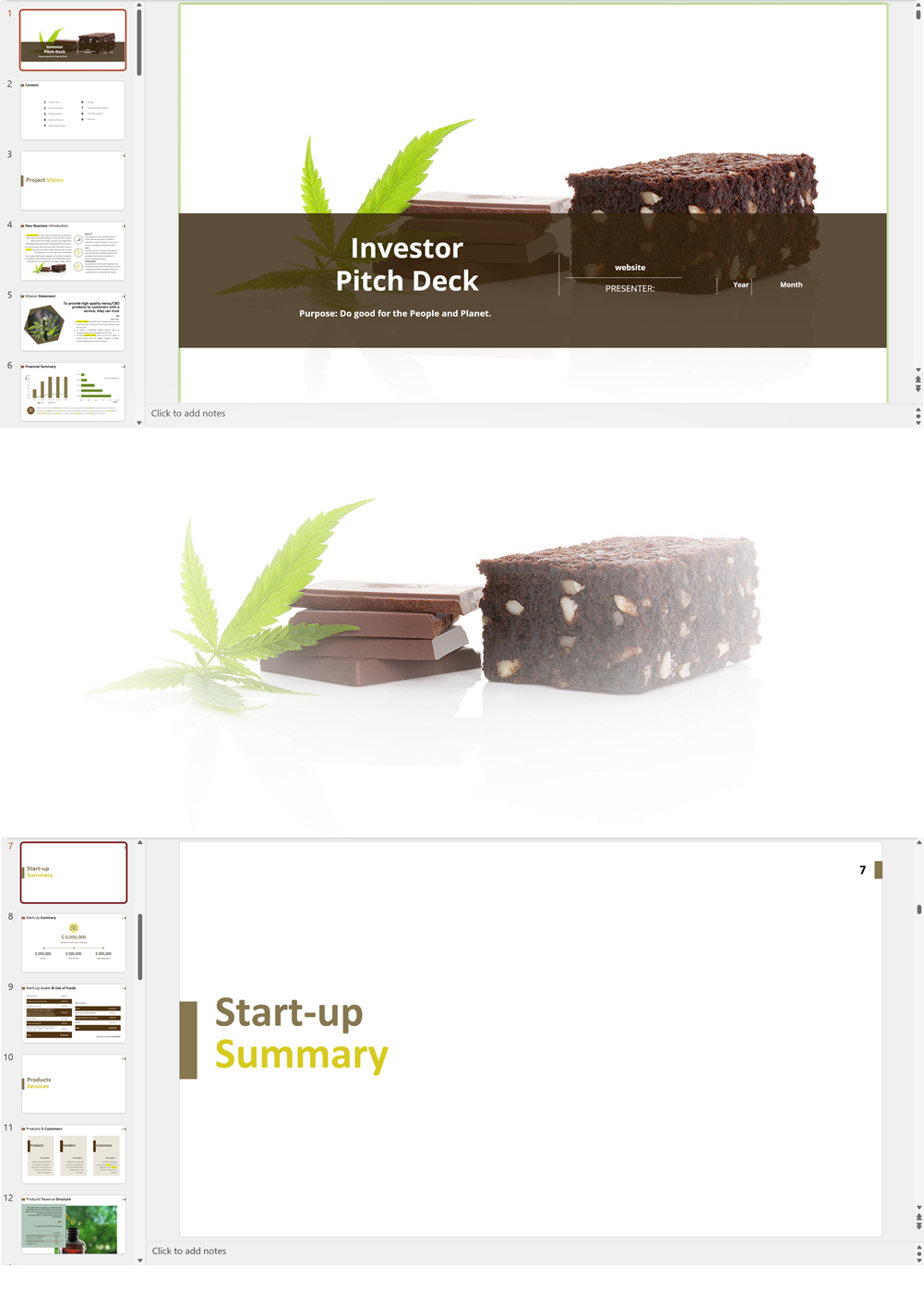
CBD Store and/or Cafe Lounge Business Plan Template
Price range: $75.00 through $275.00
CBD Products Retail/Online Store Business Plan Template
Price range: $75.00 through $275.00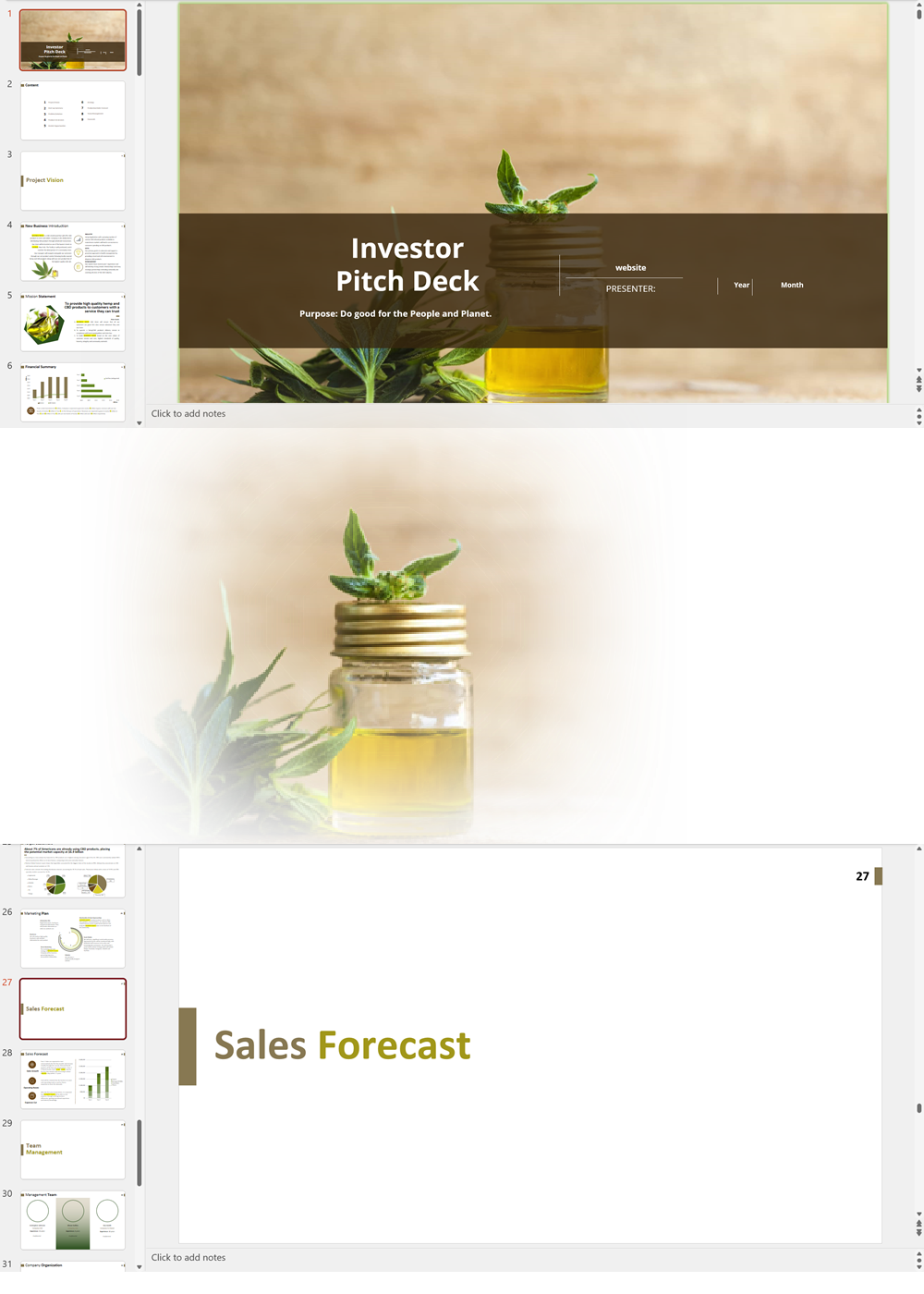
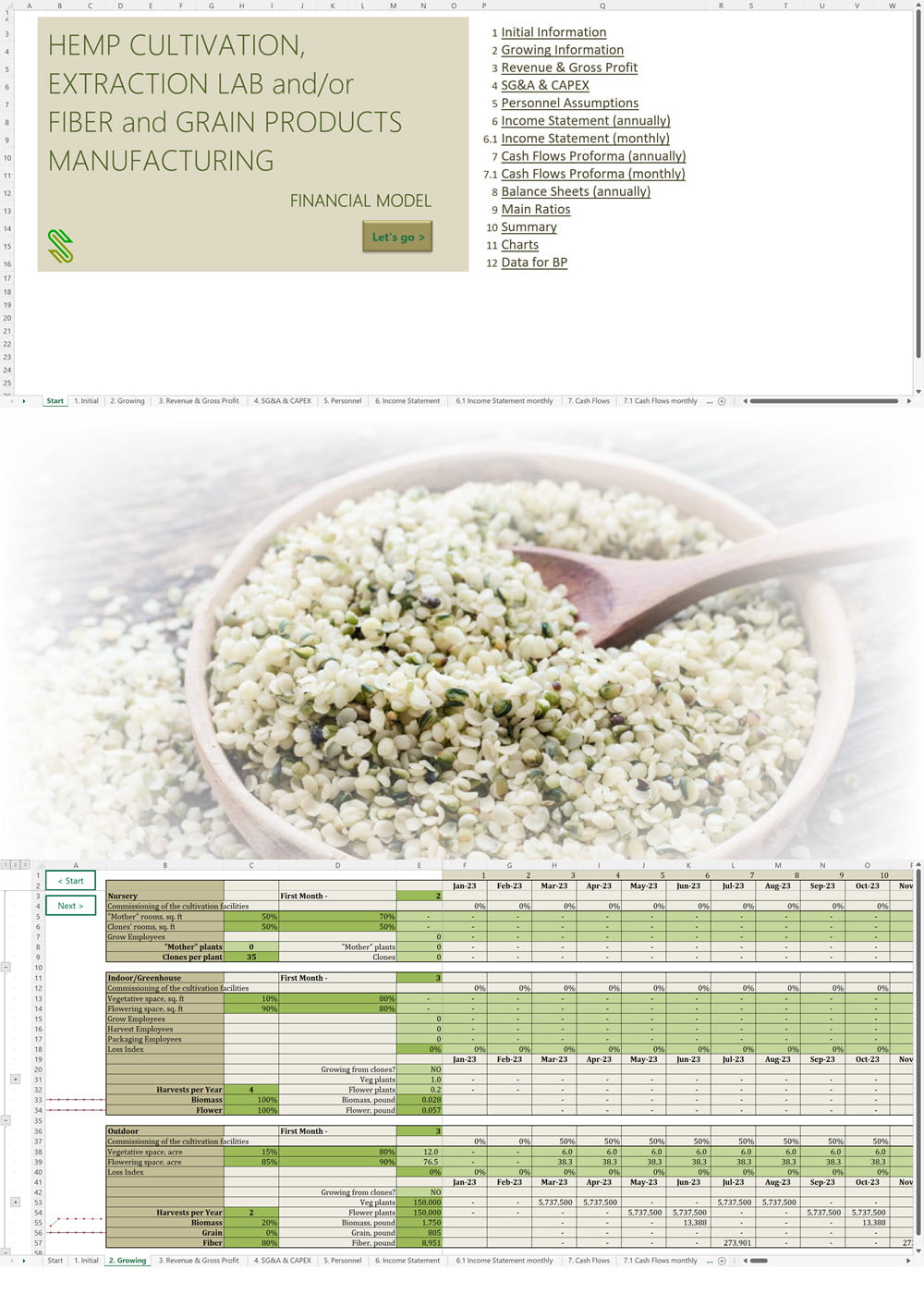
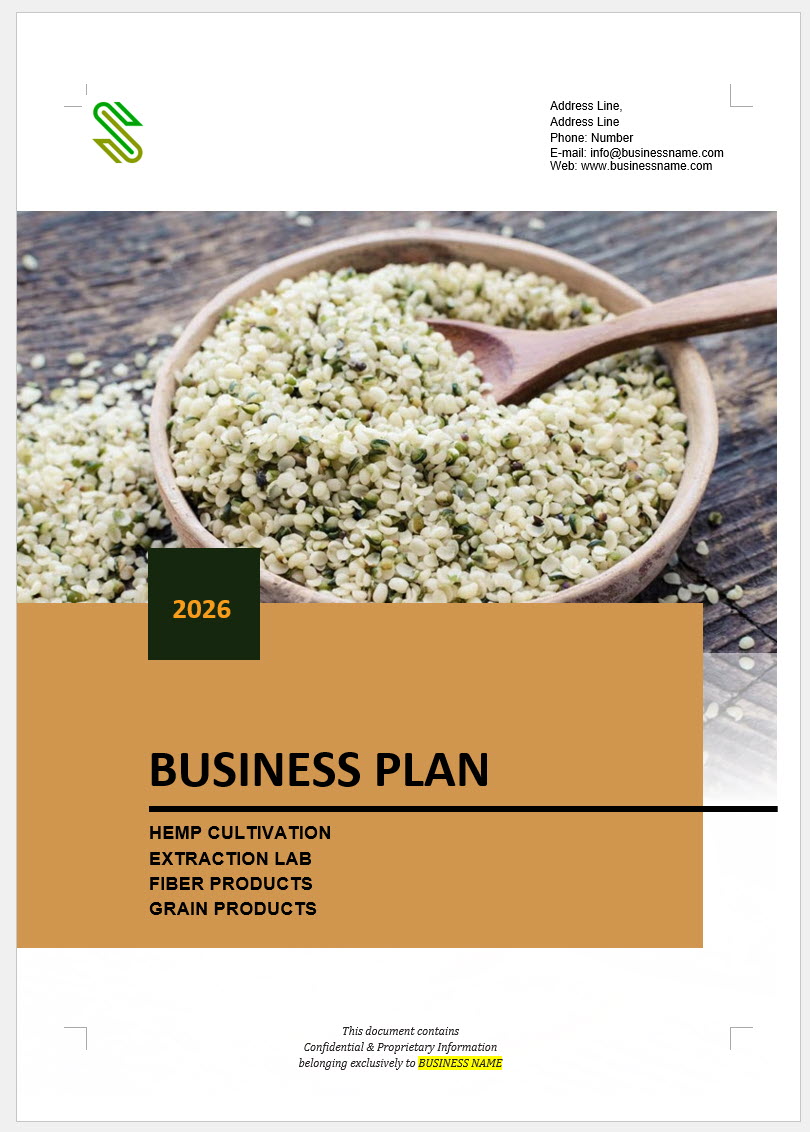
Hemp (Biomass, Fiber, Grain) Cultivation and Processing/ Manufacturing Business Plan Template
Price range: $75.00 through $350.00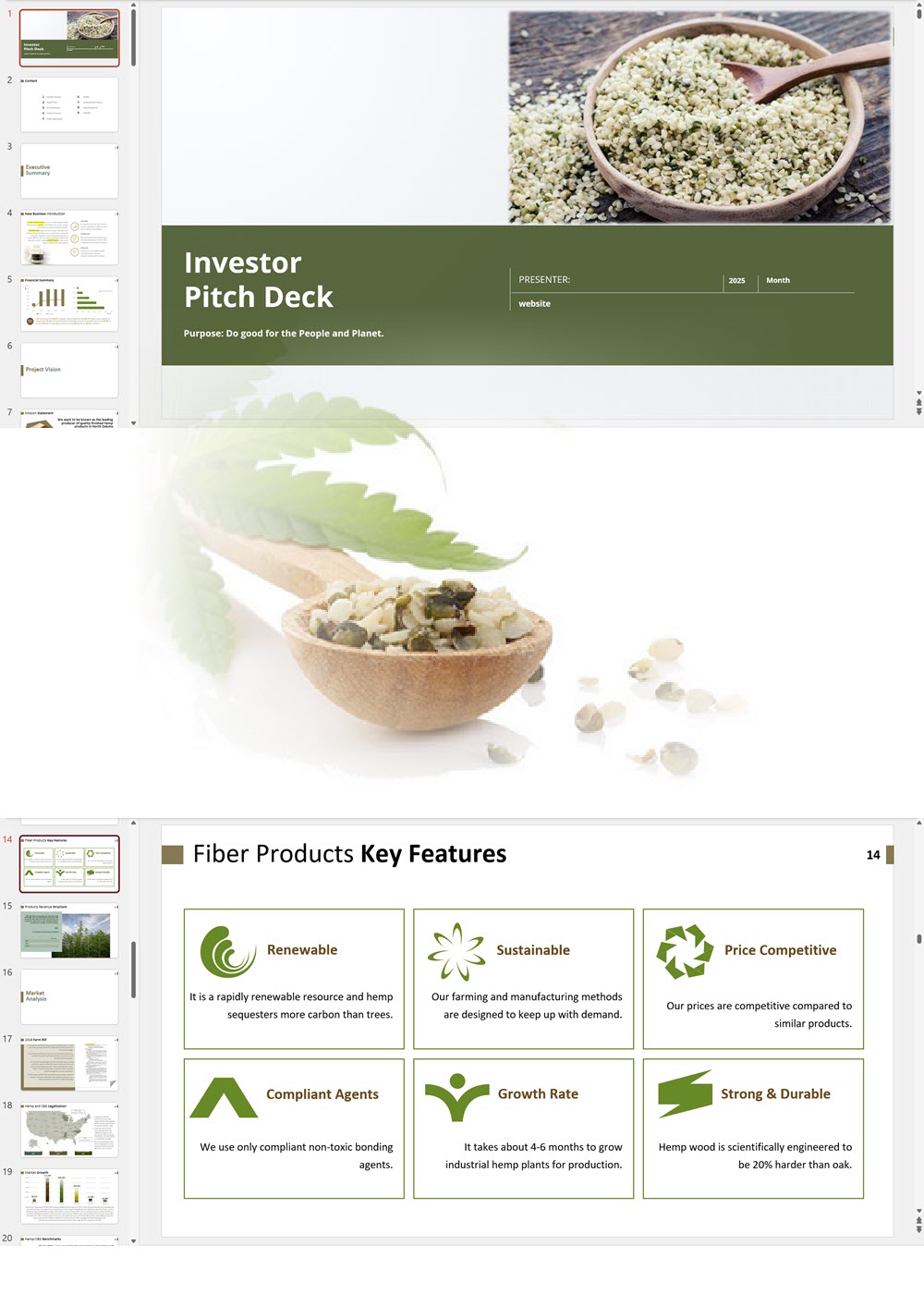
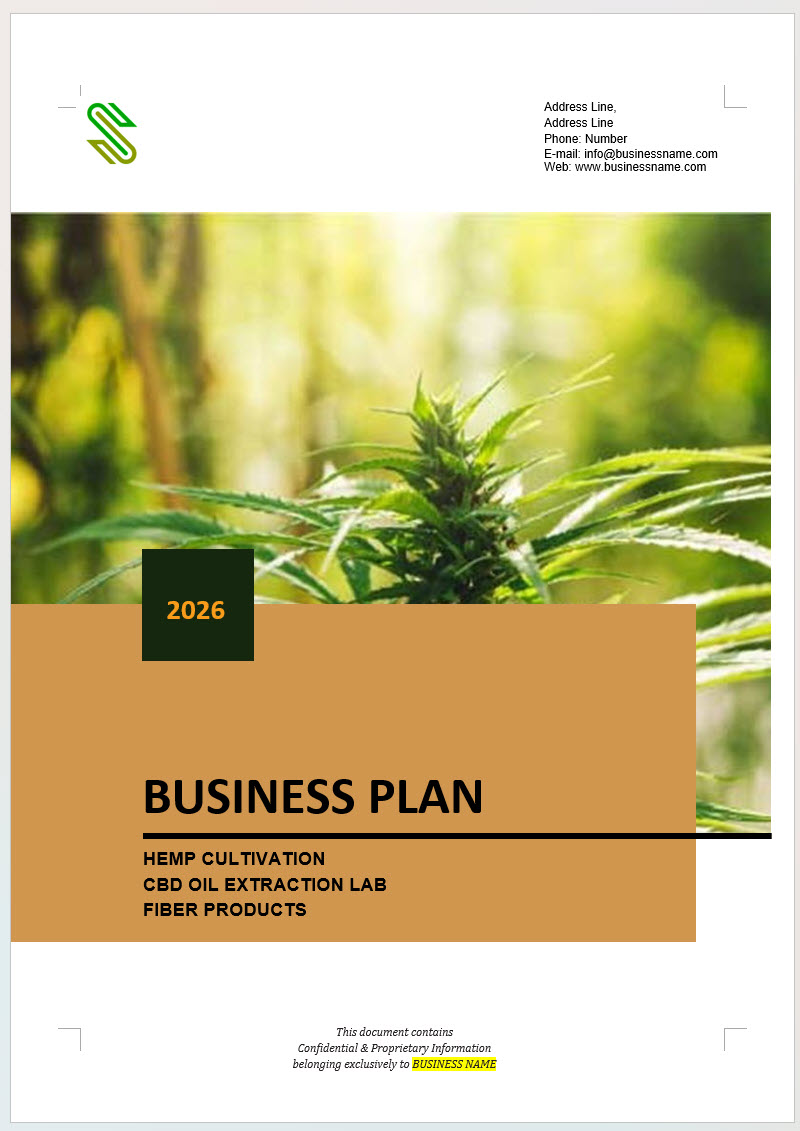
Hemp Cultivation and CBD Oil Extraction and/or Fiber Products Business Plan Template
Price range: $75.00 through $350.00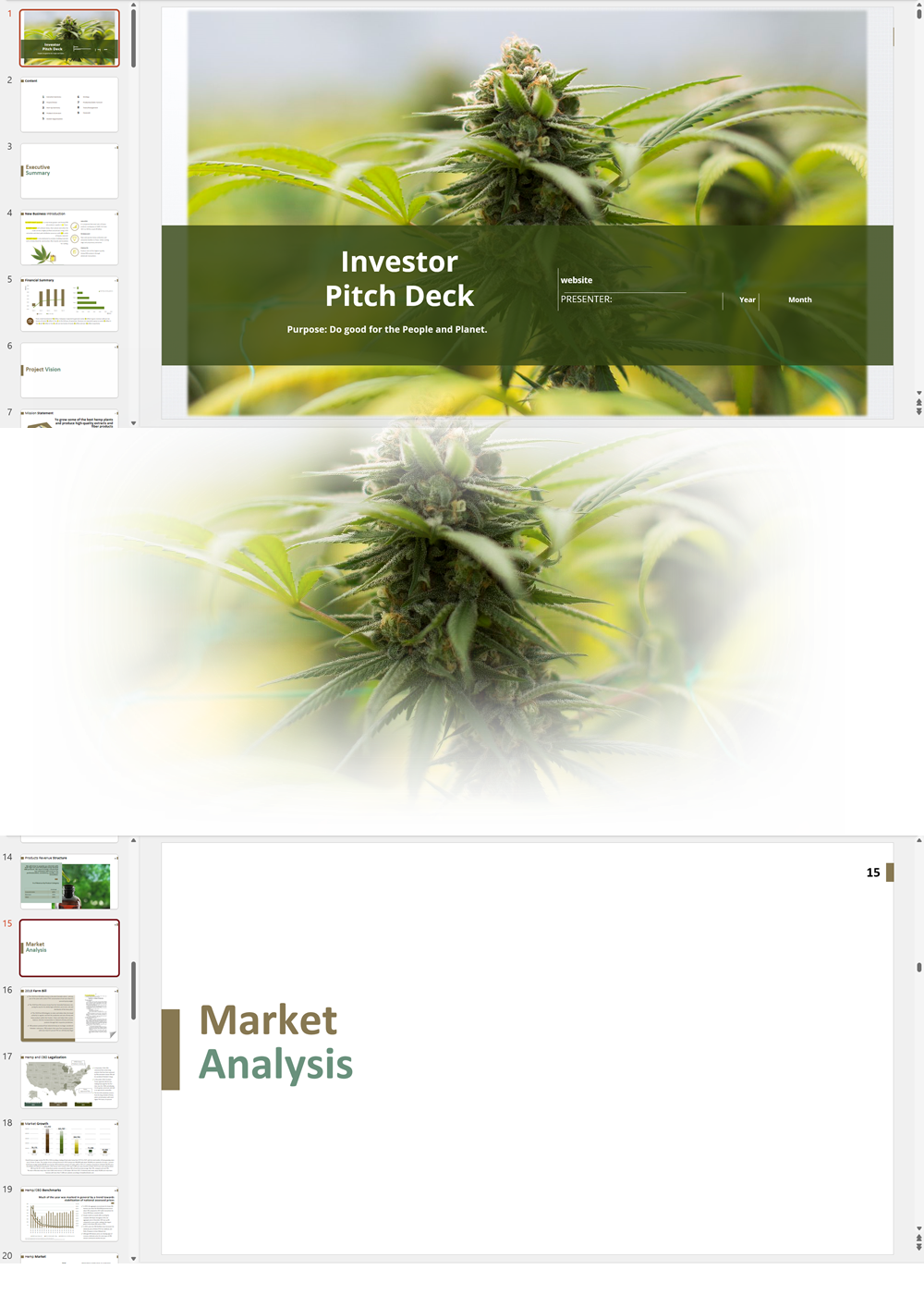
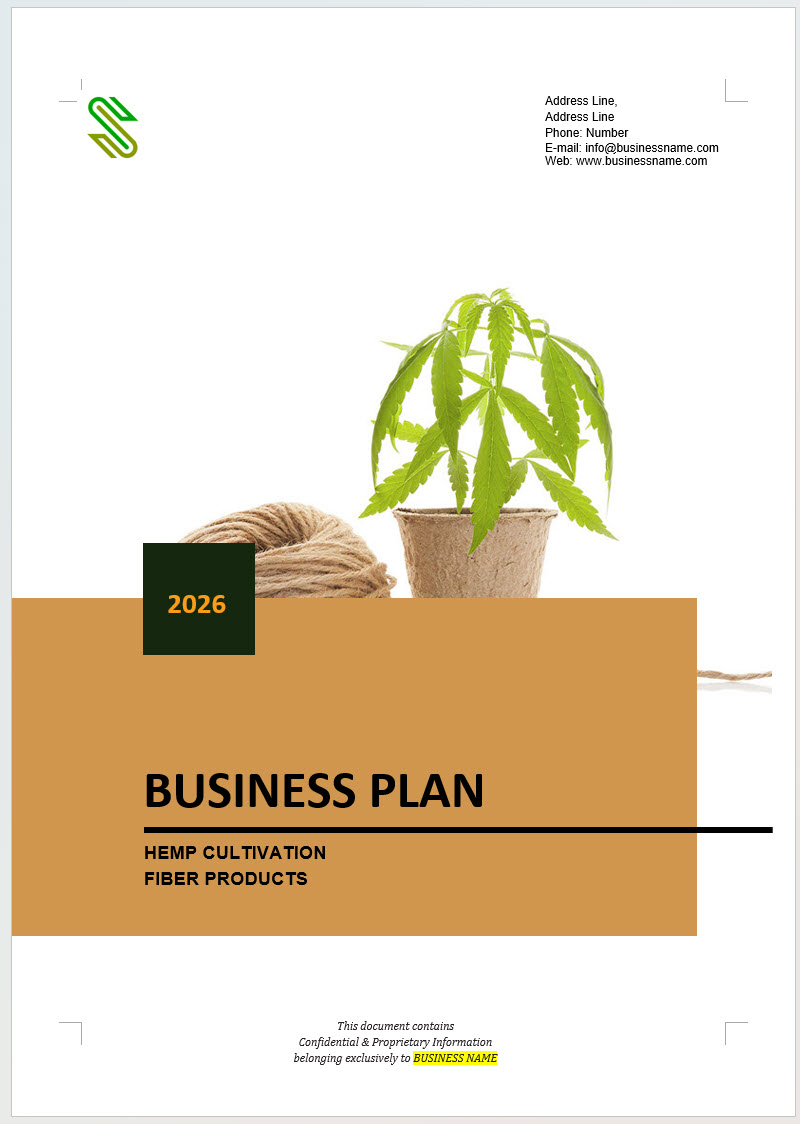
Hemp Fiber Growing and Manufacturing Business Plan Template
Price range: $75.00 through $275.00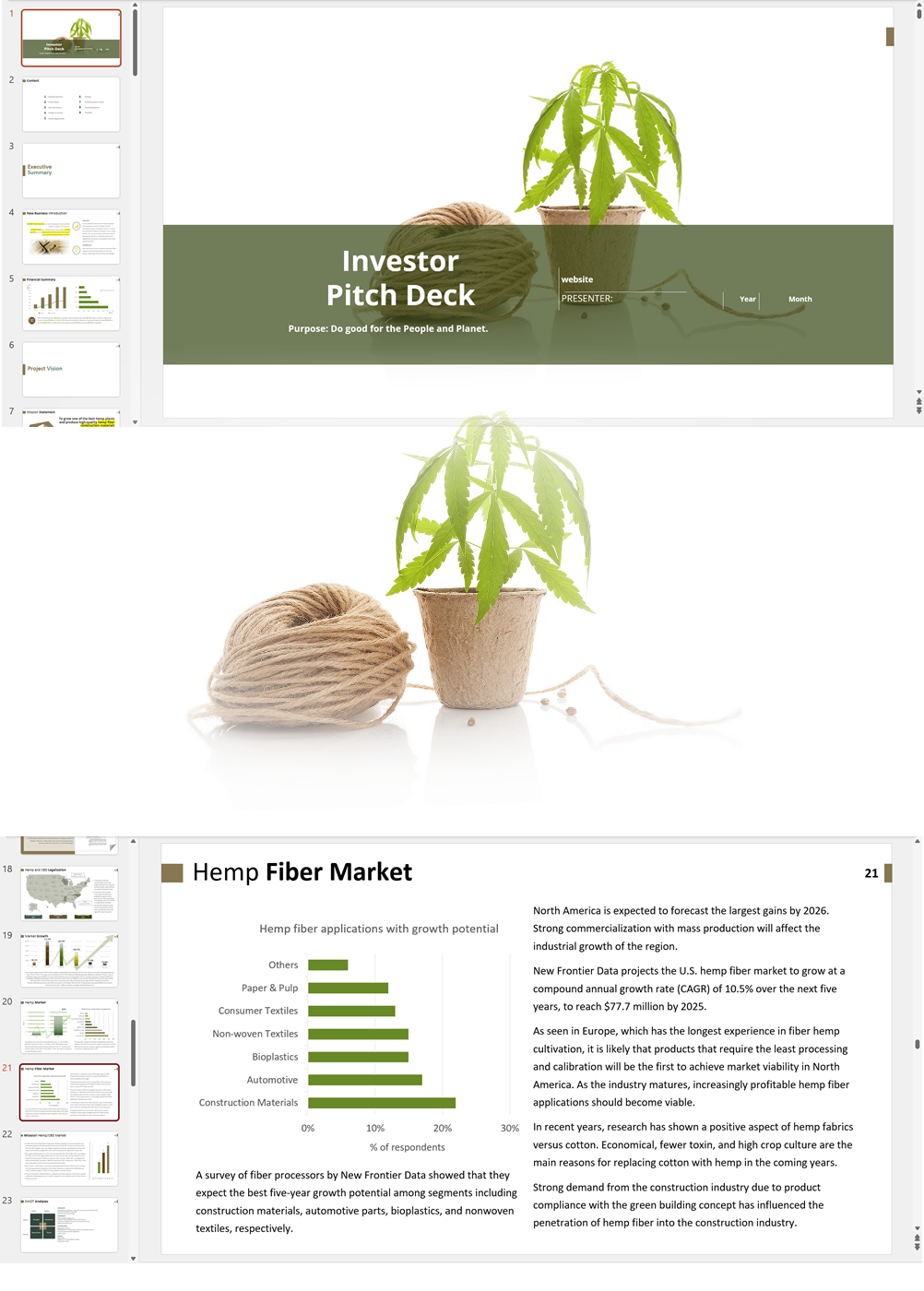
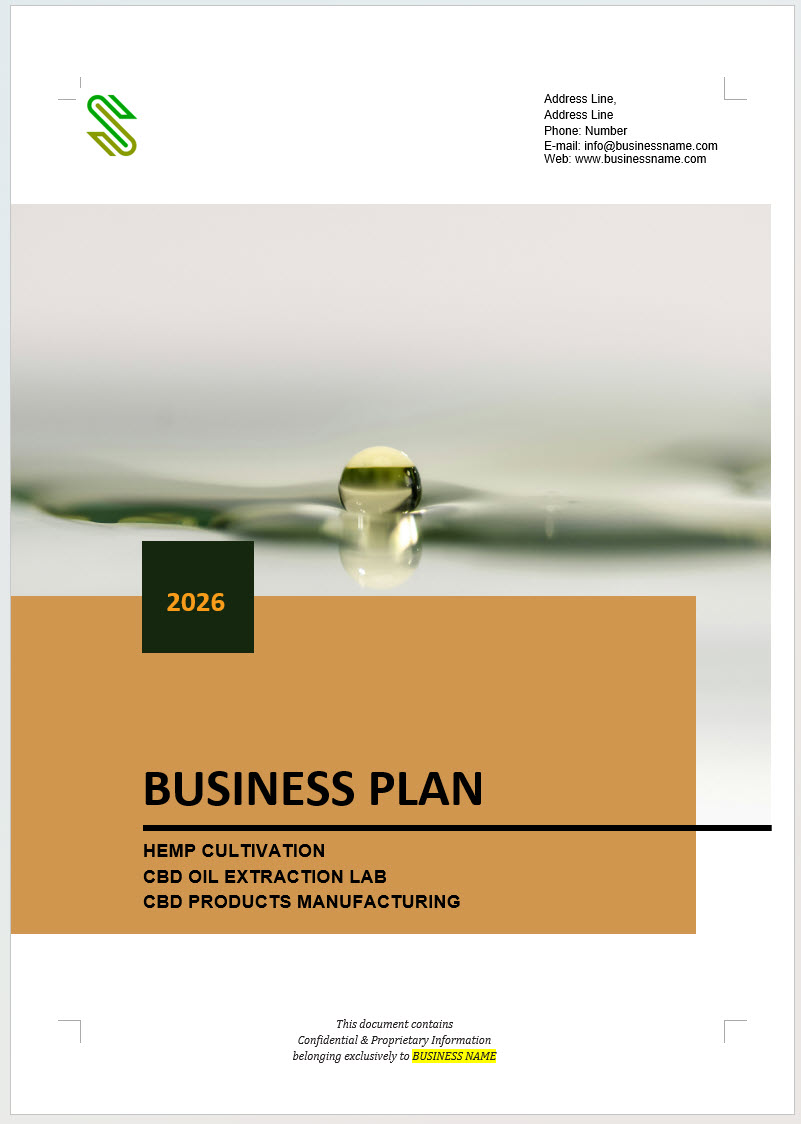
Hemp Cultivation + Extraction + Manufacturing Business Plan Template
Price range: $75.00 through $450.00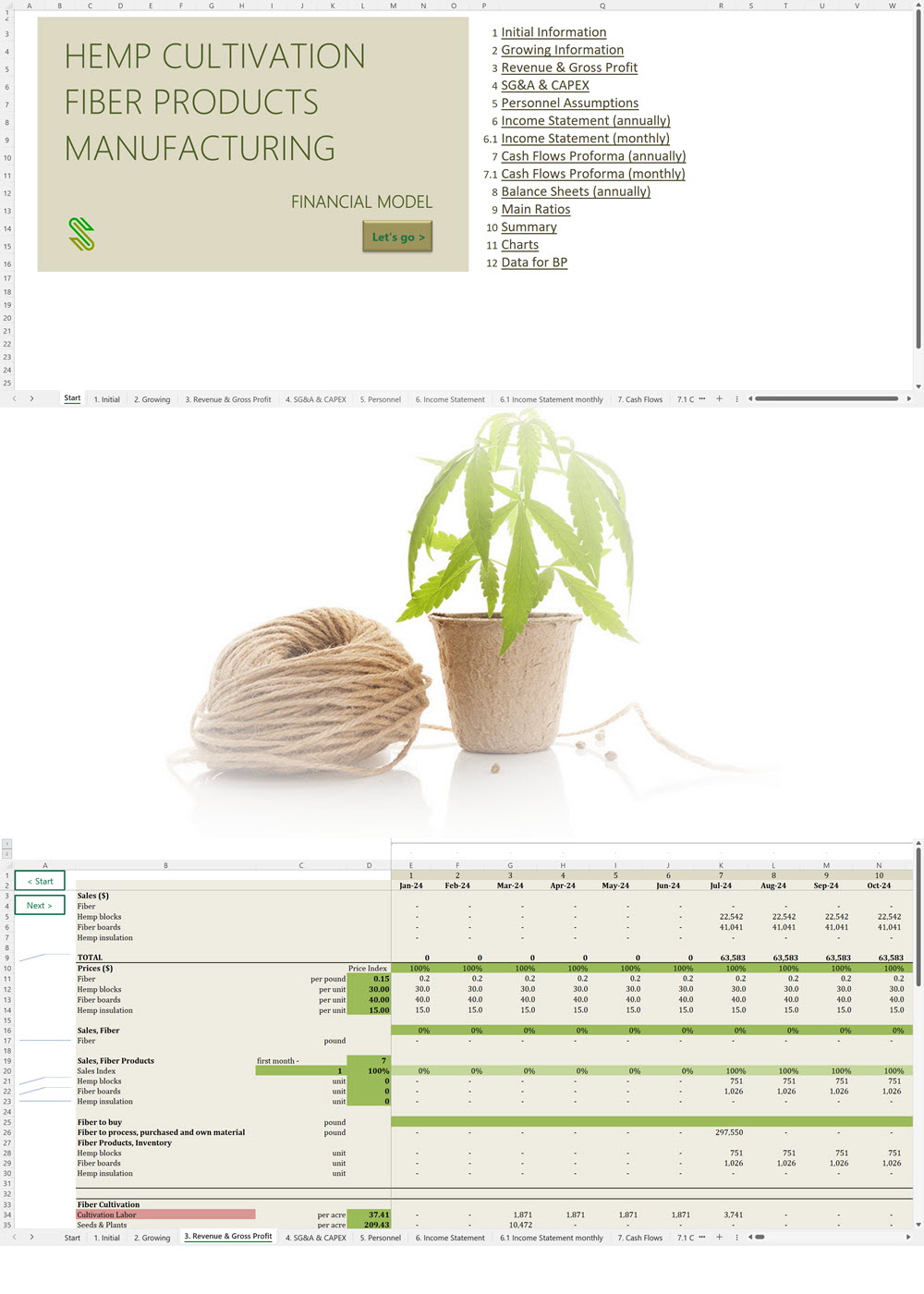
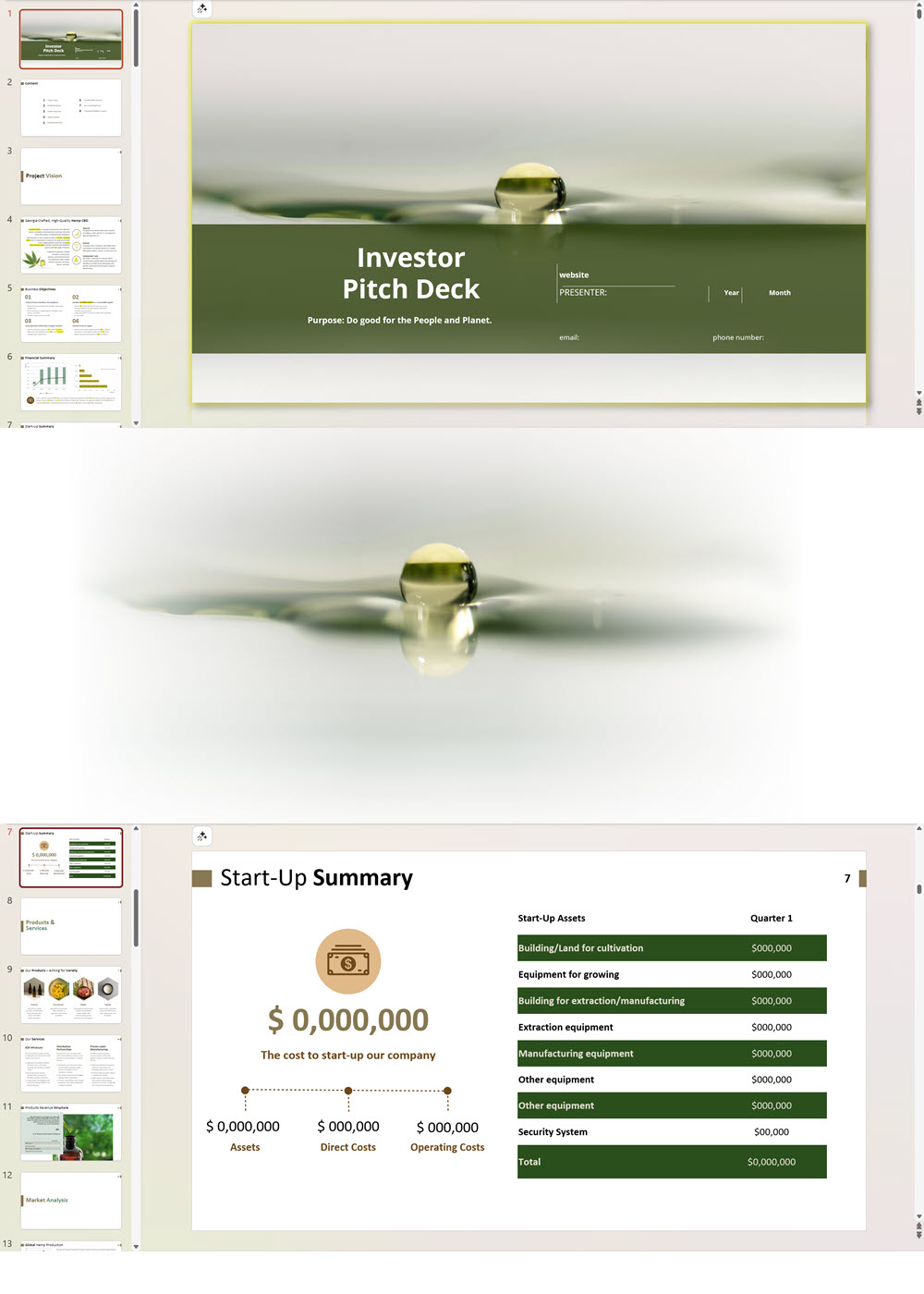
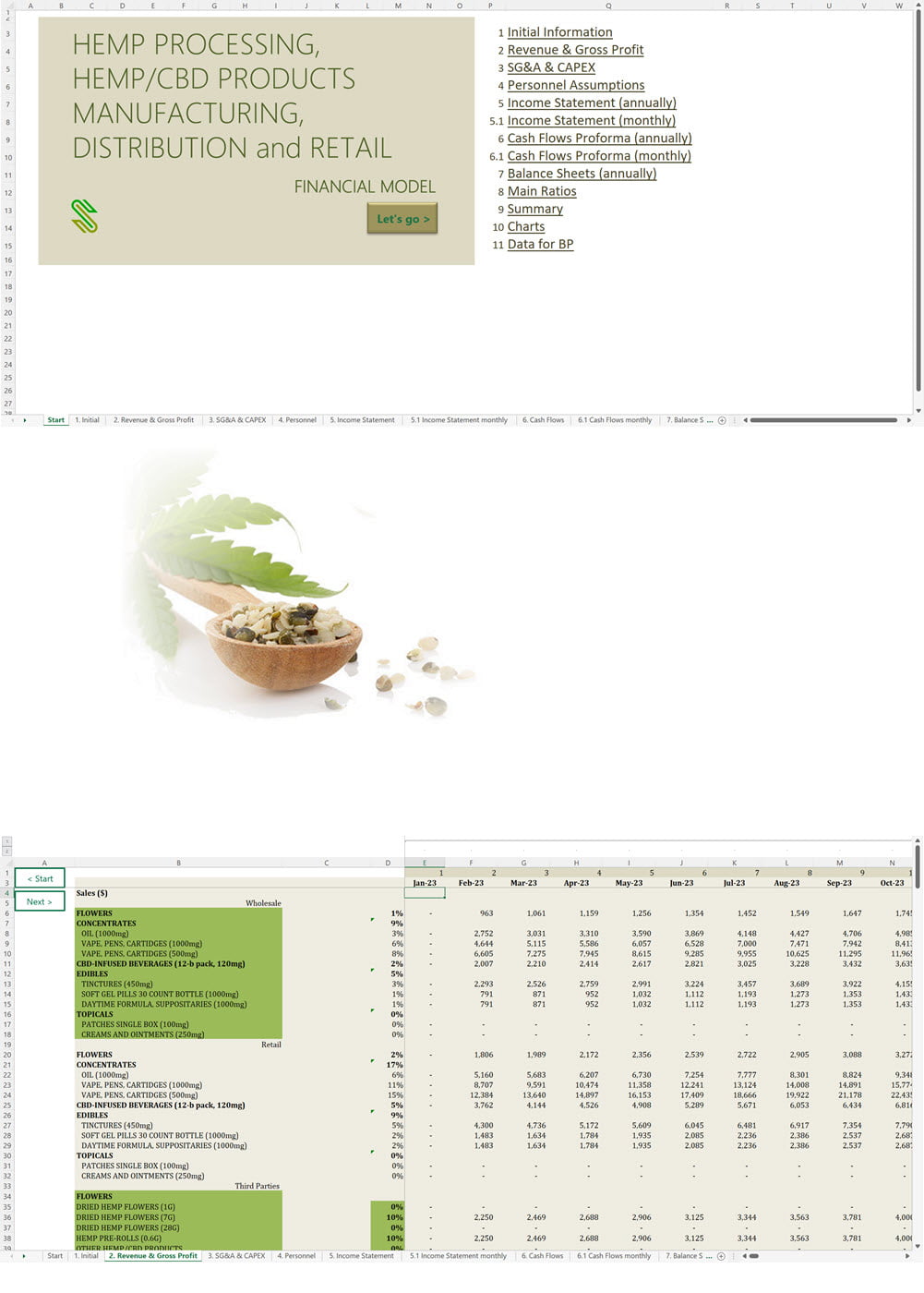
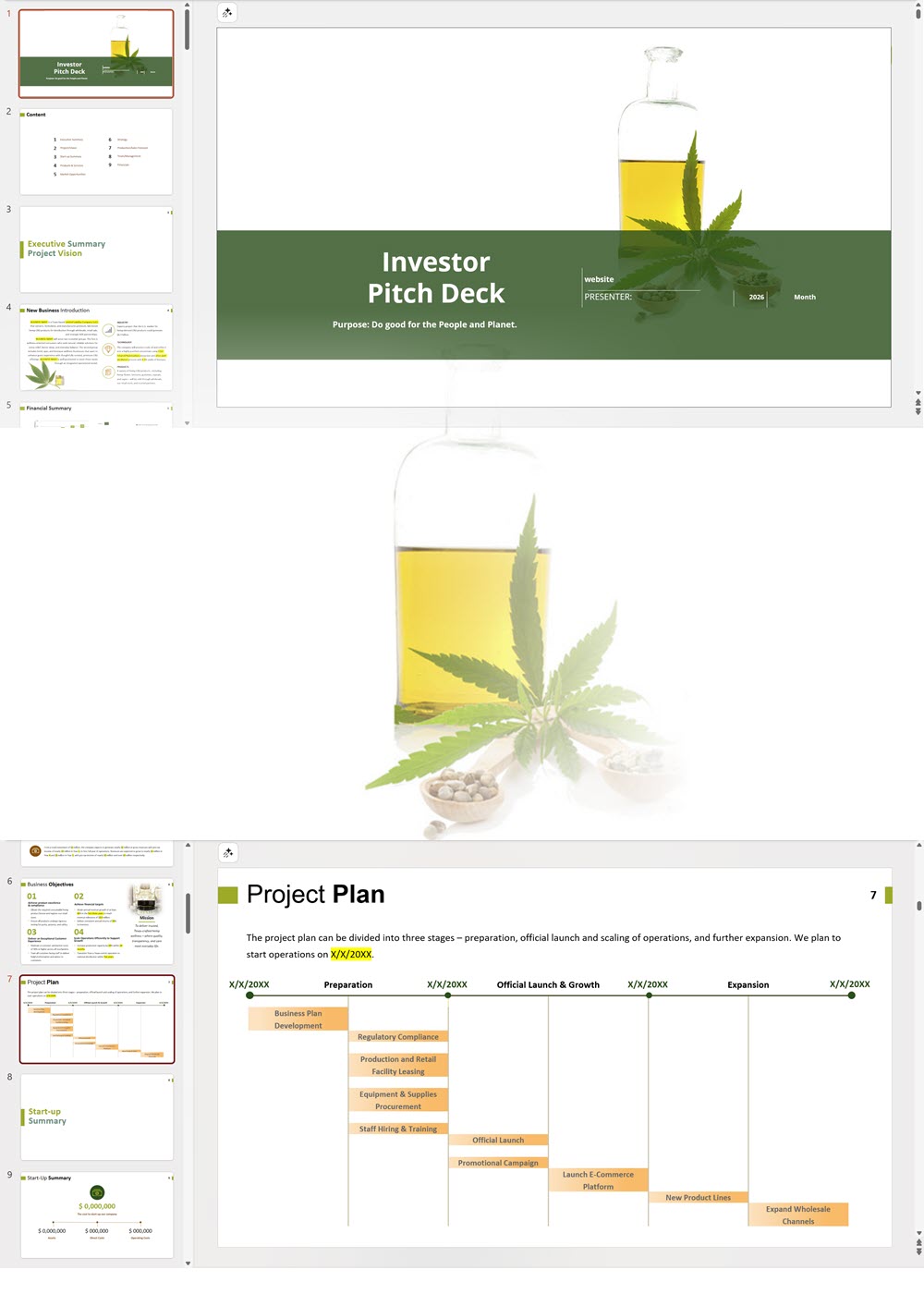
Hemp CBD Extraction + Manufacturing + Retail Business Plan Template
Price range: $75.00 through $450.00