Key Takeaways
- Hemp Industry Regulations:
- The hemp industry in Ohio is regulated by Chapter 928 of the Ohio Revised Code and Chapter 901:14 of the Ohio Administrative Code.
- From January 1, 2026, persons wishing to cultivate hemp in Ohio will have to apply for a hemp producer license through the USDA’s Domestic Hemp Production Program.
- Licenses available:
- Cultivator license.
- Processor license.
- Products that are legal for sale:
- Hemp products that are legal in Ohio include hemp buds, flowers, cigarettes, cigars, shredded hemp, cosmetics, personal care products, dietary supplements or food intended for animal or human consumption, cloth, cordage, fiber, fuel, paint, paper, particleboard, and any other product containing one or more cannabinoids derived from hemp, including cannabidiol. According to the USDA, hemp must contain less than 0.3% THC.
- Any product containing more than 0.4 mg of total THC per container is classified as an ‘intoxicating hemp product’ and can be sold only through licensed cannabis dispensaries.
- Market:
- As of June 2026, there were 44 registered hemp processors in Ohio and 26 growers according to the USDA search tool.
- In 2023, Ohio hemp cultivators planted 170 acres (62% up from 2022) and harvested 120 acres (69% from 2022). In 2025 Ohio’s hemp farmers planted 920 acres (more than 5 times the size of the area planted in 2023) and harvested 790 acres.
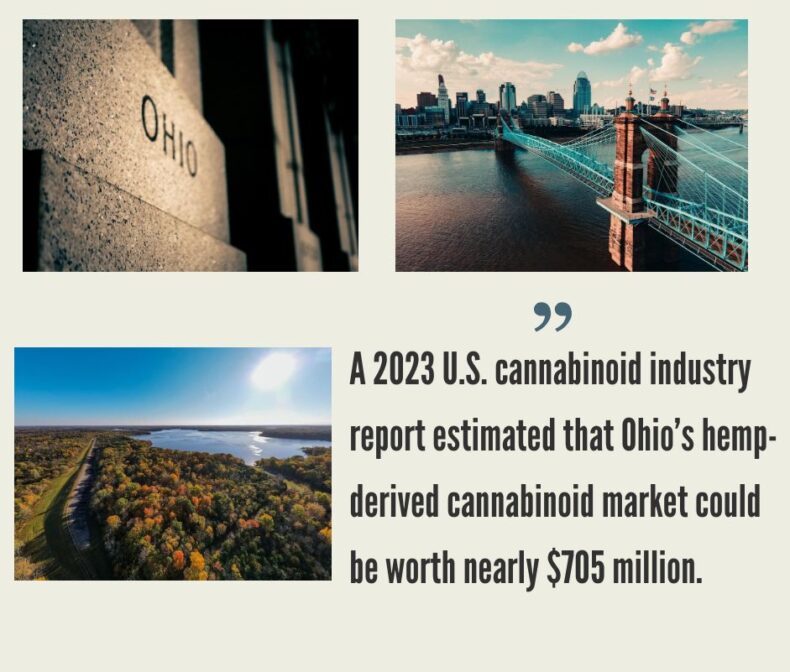
- A 2023 economic impact report on the U.S. cannabinoid industry from Whitney Economics estimated that Ohio’s hemp-derived cannabinoid market could be worth nearly $705 million with around 8,157 jobs in the industry.
Hemp Legalization
Senate Bill 57 was approved on July 30, 2019, to legalize hemp production in Ohio. The bill required the Ohio Department of Agriculture (ODA) to create rules for the state’s hemp program that comply with federal regulations.
Ohio’s State Hemp Production Plan was approved by the USDA in 2019.
The hemp industry in Ohio is regulated by Chapter 928 of the Ohio Revised Code and Chapter 901:14 of the Ohio Administrative Code. Growing for personal use is prohibited.
On July 25, 2025, the ODA announced that from January 1, 2026, the state’s hemp program will be discontinued and persons wishing to cultivate hemp in Ohio will have to apply for a hemp producer license through the U.S. Department of Agriculture’s Domestic Hemp Production Program.
In 2024, House Bill 642 was introduced in the state which would require the ODA to issue recommendations for adult-use hemp products including establishing a definition for adult-use hemp products and locations where they can be sold.
On October 8, 2025, Ohio Gov. Mike DeWine signed into law an executive order that bans the sale of intoxicating hemp products, starting October 14. Intoxicating hemp products are defined as THC-containing hemp products. Any THC-containing products can be sold through licensed cannabis dispensaries only. The ban is effective for 90 days, expiring on January 12, 2026, after which Ohio lawmakers can either extend the emergency regulations or design new regulations for intoxicating hemp products. However, soon after the ban went into effect, an Ohio judge delayed the ban until December 2, 2025, while a lawsuit filed by several businesses is in the process.
Since hemp regulations have been amended federally – closing the “hemp loophole” – from November 12, 2026, hemp-derived THC products can contain no more than 0.4 milligrams per container. Following this, Ohio introduced Senate Bill 56. The bill was signed into law and came into effect on March 20, 2026. The bill aligns with the new federal hemp regulations, defining intoxicating hemp products as products containing more than 0.4 mg of THC per container. These intoxicating hemp products can be sold only through licensed cannabis dispensaries.
On June 15, 2026, a U.S. District Judge issued a temporary restraining order for 10 intoxicating hemp businesses that sued 96 county and municipal prosecutors’ offices, blocking enforcement of the new law in application to their businesses specifically. The ruling allows them to continue to sell intoxicating hemp products in Ohio for 14 days with the option to extend the ruling further.
Hemp Products that are Legal in Ohio
Hemp products that are legal in Ohio include hemp buds, flowers, cigarettes, cigars, shredded hemp, cosmetics, personal care products, dietary supplements or food intended for animal or human consumption, cloth, cordage, fiber, fuel, paint, paper, particleboard, and any other product containing one or more cannabinoids derived from hemp, including cannabidiol. According to the USDA, hemp must contain less than 0.3% THC.
From March 20, 2026, any product containing more than 0.4 mg of total THC per container is classified as an ‘intoxicating hemp product’ and can be sold only through licensed cannabis dispensaries.
How to Obtain a USDA Hemp Producer License
Application Process:
- Create an account on the USDA’s website.
- Submit a complete USDA hemp application along with the required information (mentioned below) through the Hemp eManagement Platform or by mail.
- The USDA will review the application for completeness and to determine if the applicant is eligible.
- The USDA will notify the applicant by mail or email to inform them whether their application has been approved or denied. If the application has been approved, a producer license will be issued.
There is no application fee.
If the license application is denied, applicants may appeal the denial in accordance with Subpart D of Part 990 of the Domestic Hemp Production Program.
Information required to be provided with the completed application form is not limited to:
- Contact information of the applicant.
- If the applicant is a business entity:
- Full name of the business.
- Address of the principal business location.
- Full name and title of the key participants on behalf of the entity.
- Email address (if available).
- Employer Identification Number.
- FBI criminal history report for an individual or, if the applicant is a business entity, all key participants, issued within 60 days of the application submission date.
Applicants must also certify that they will adhere to the USDA Domestic Hemp Production Plan.
Hemp producer licenses must be renewed every three years. The expiration date of a hemp producer license is on December 31 of the year that is at least three years after the license is issued. Applications for renewal must have the same information as required for the initial application. There is no renewal application fee.
Hemp Processor License in Ohio
The hemp processor license is issued by the ODA. A license is not required to sell hemp or hemp products.
A processor license allows to convert hemp into a hemp product. Processing includes production and/or packaging of raw hemp flower for smokable hemp.
- Application fee: $100.
- License fees for each processing site:
- Processing raw hemp grain: $500.
- Processing raw hemp fiber: $500.
- Processing the raw floral component of hemp: $3,000.
- Wholesale production of products using cannabinoids in human and animal food, dietary supplements, cosmetics and personal care products: $500.
- Retail production of products using cannabinoids in human and animal food, dietary supplements, cosmetics and personal care products: $250.
- License period: three years.
Licensing Process:
- The applicant must submit a complete application to the ODA between November 1 and March 31 with all the required information and the relevant application fee.
- The ODA Hemp staff will review the application and then give it to the ODA Food Safety.
- The ODA Food Safety will review labels of the applicant’s hemp products and the processes used in manufacturing as well as discuss with the applicant how the hazards associated with their products are planned to be controlled.
- The proposed processing facility will be inspected by the ODA to ensure that it is in compliance with Chapter 928 of the Ohio Revised Code.
- If the inspection is successful, the applicant will receive the processor license.
Information and documents required to be submitted with the application is not limited to:
- If the applicant is an individual: the applicant’s full legal name, physical address, mailing address, email address and phone number.
- If the applicant is a business entity:
- The full name of the business
- Federal tax identification number
- Mailing address
- Principal business address
- Name of the individual authorized to sign on behalf of the business entity
- Full name, title and email address of the individual who will be responsible for the hemp operations of the business entity.
- Identity of every key participant (key participant is defined in the regulations)
- Phone number
- Email address
- For each processing location: GPS coordinates, physical address and maps of the proposed site.
- A list of the types of hemp products that will be manufactured.
- An operational plan, if the processor intends to extract cannabinoids from hemp plant material.
- Certificate of Occupancy
In addition to the information listed above, processors who will purchase raw, unprocessed hemp plant material must obtain a surety bond. The size of the surety bond will depend on the value of hemp material purchased in the previous calendar year:
- For amount of hemp material purchased worth $100,000 or less: $10,000 surety bond
- For amount of hemp material purchased worth more than $100,000: $20,000 surety bond
The applicant and all key participants must also complete a background check.
All hemp products manufactured in Ohio will have to be tested before being placed on the market. A processor licensee must select a random sample from each batch of hemp products and the samples will be tested by a testing laboratory that meets the requirements of rule 901:14-2-14 of the Administrative Code.
More detailed information for those wishing to apply for a processor license can be found on ODA’s official website.
Ohio Hemp Industry Stats
According to Cannabis Business Times, ODA data reveals that in 2020, there were 195 growers in Ohio licensed to plant 2,607 acres. However, hemp was grown on only 550 acres as stated by the Ohio Farm Bureau. In 2021, 179 licenses were awarded to cultivate hemp; 272 acres were planted and around 180 were harvested while in 2022, only 105 acres were planted and 71 acres were harvested according to the National Hemp Report. In 2023, both numbers rose with 170 acres planted and 120 acres harvested.
As of January 2025, there were 34 registered hemp processors in the state. While the area planted in 2024 is unknown, in 2025 Ohio’s hemp farmers planted 920 acres (more than 5 times the size of the area planted in 2023) and harvested 790 acres (2025 National Hemp Report). There were 72 active hemp cultivators in Ohio as of August 2025 according to the USDA hemp license search tool. As of June 2026, the number of growers has fallen to 26. Meanwhile the number of registered hemp processors has increased to 44.
A 2023 economic impact report on the U.S. cannabinoid industry from Whitney Economics estimated that Ohio’s hemp-derived cannabinoid market could be worth nearly $705 million with around 8,157 jobs in the industry. It is estimated that there are around 6,000 businesses operating in Ohio’s hemp supply chain.
Ohio Hemp Industry Infographics
How Can HempCBDbusinessplans Templates Help Start or Grow Your Hemp CBD Business?
A business plan is essential for securing funding. It will also help you understand how much money it will take to start a hemp CBD business and how much profit it could make. A well-structured business plan can make all the difference in demonstrating your proposed hemp CBD business’ compliance with regulations and its operational viability.
Our complete hemp CBD business plan template package is everything you need to create a professional business plan for a hemp CBD business with expert financials and projections. A complete hemp CBD business plan template package includes:
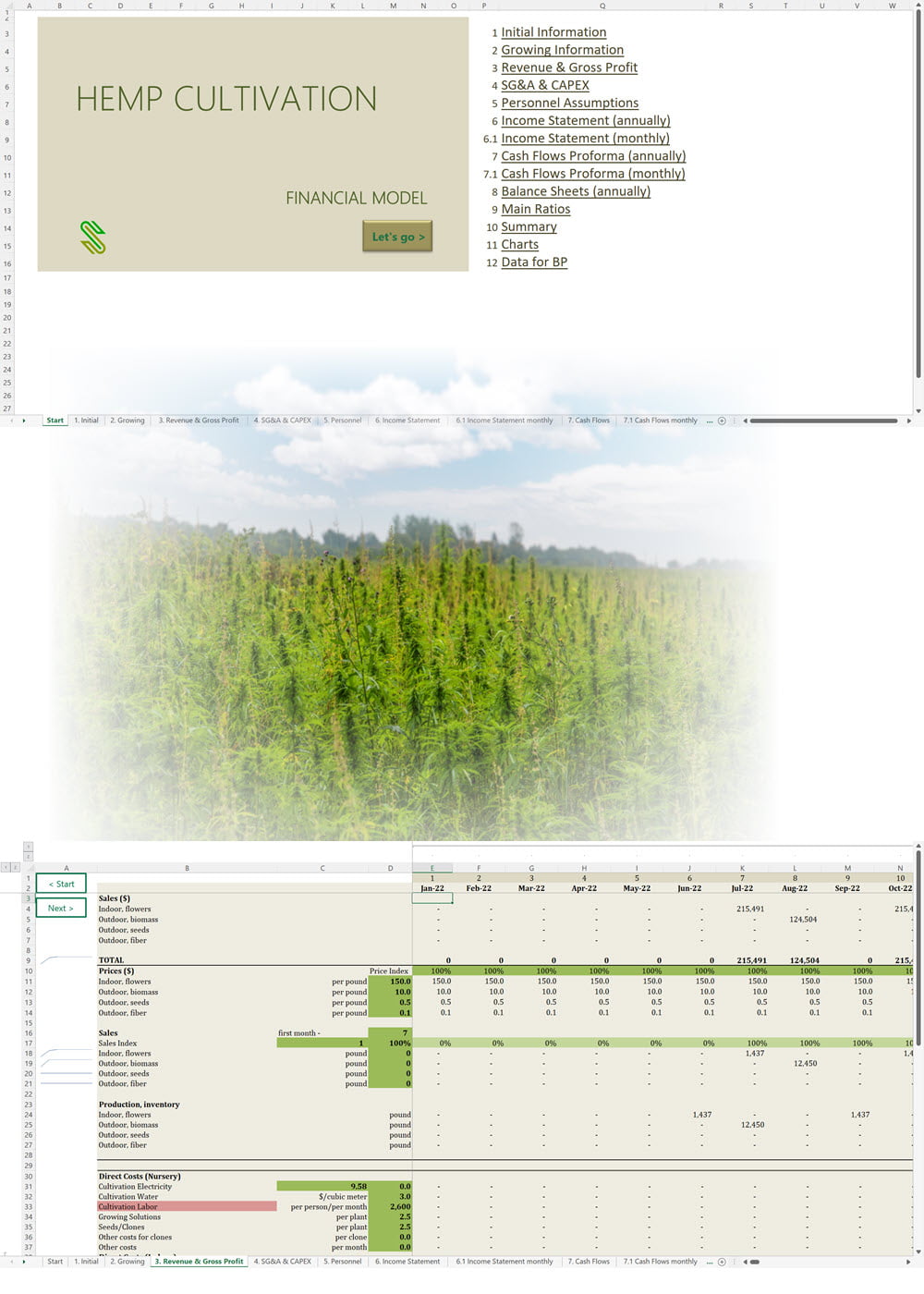
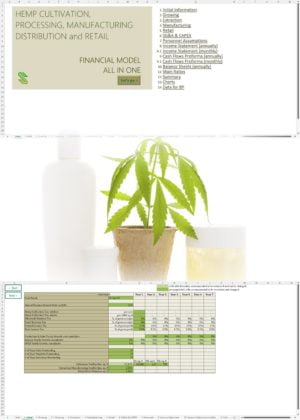
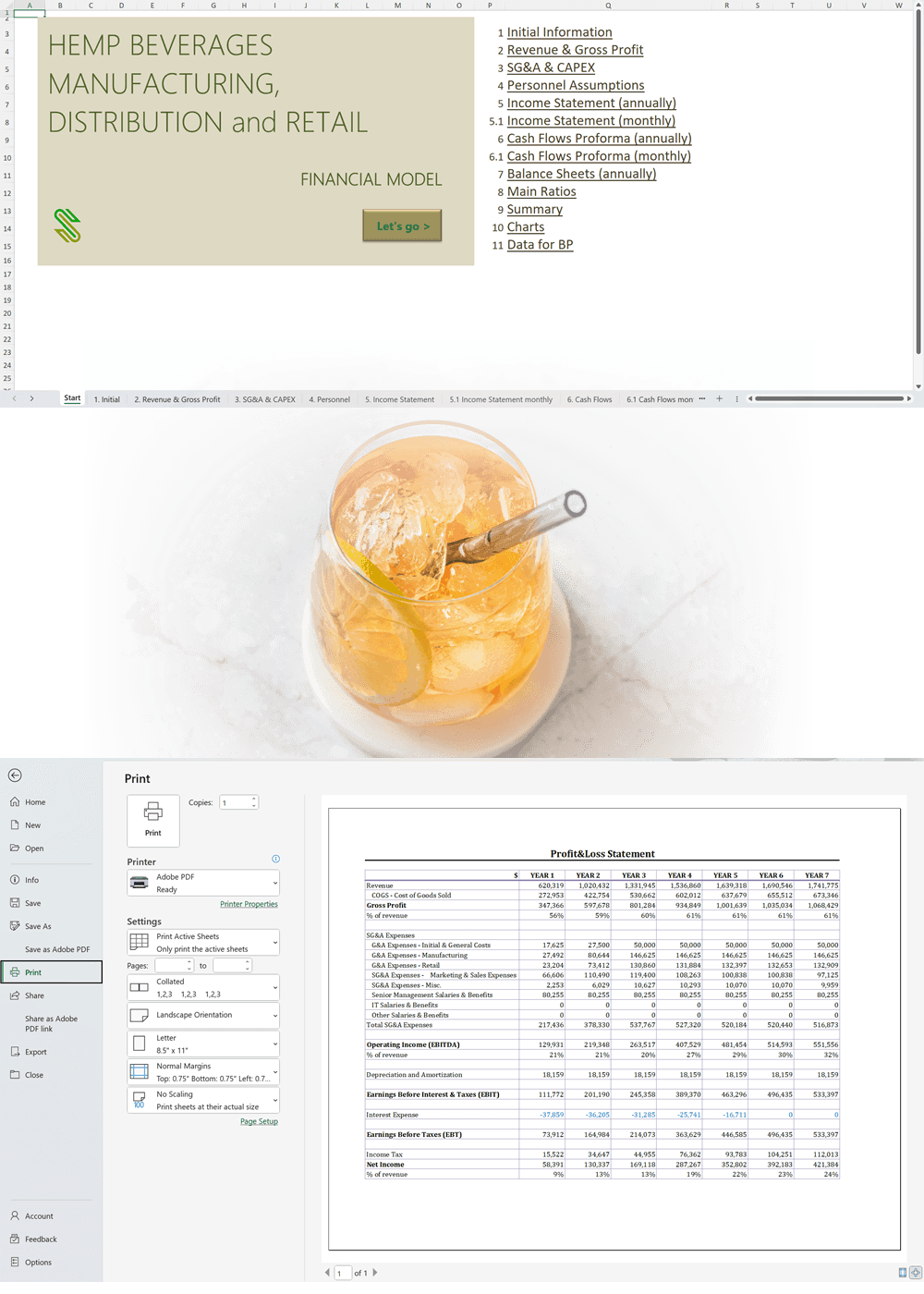
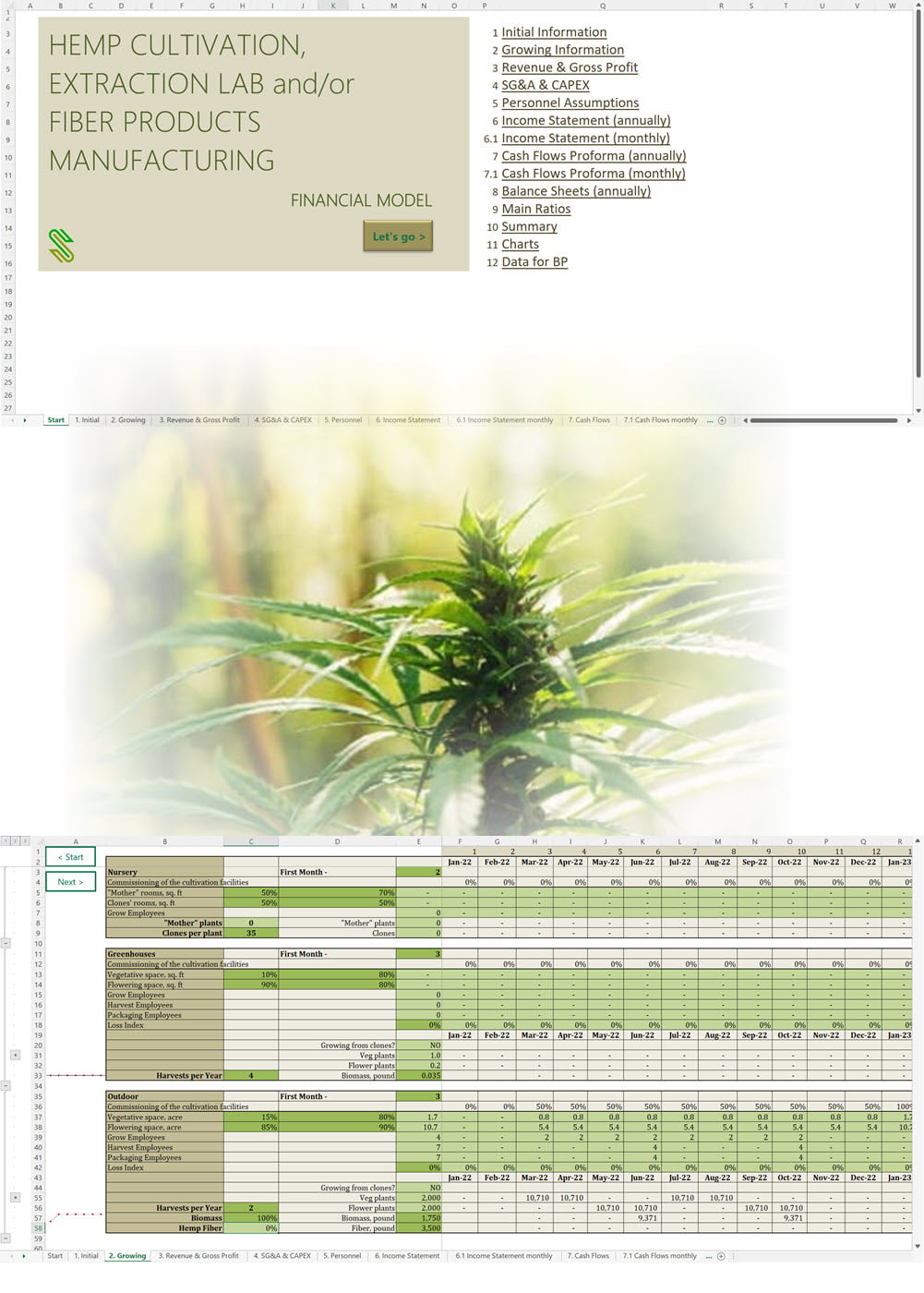
- Excel Financial Model: change variables and immediately see the impact, break down operational and capital costs, know how much it will take to get into the business and the potential profits.
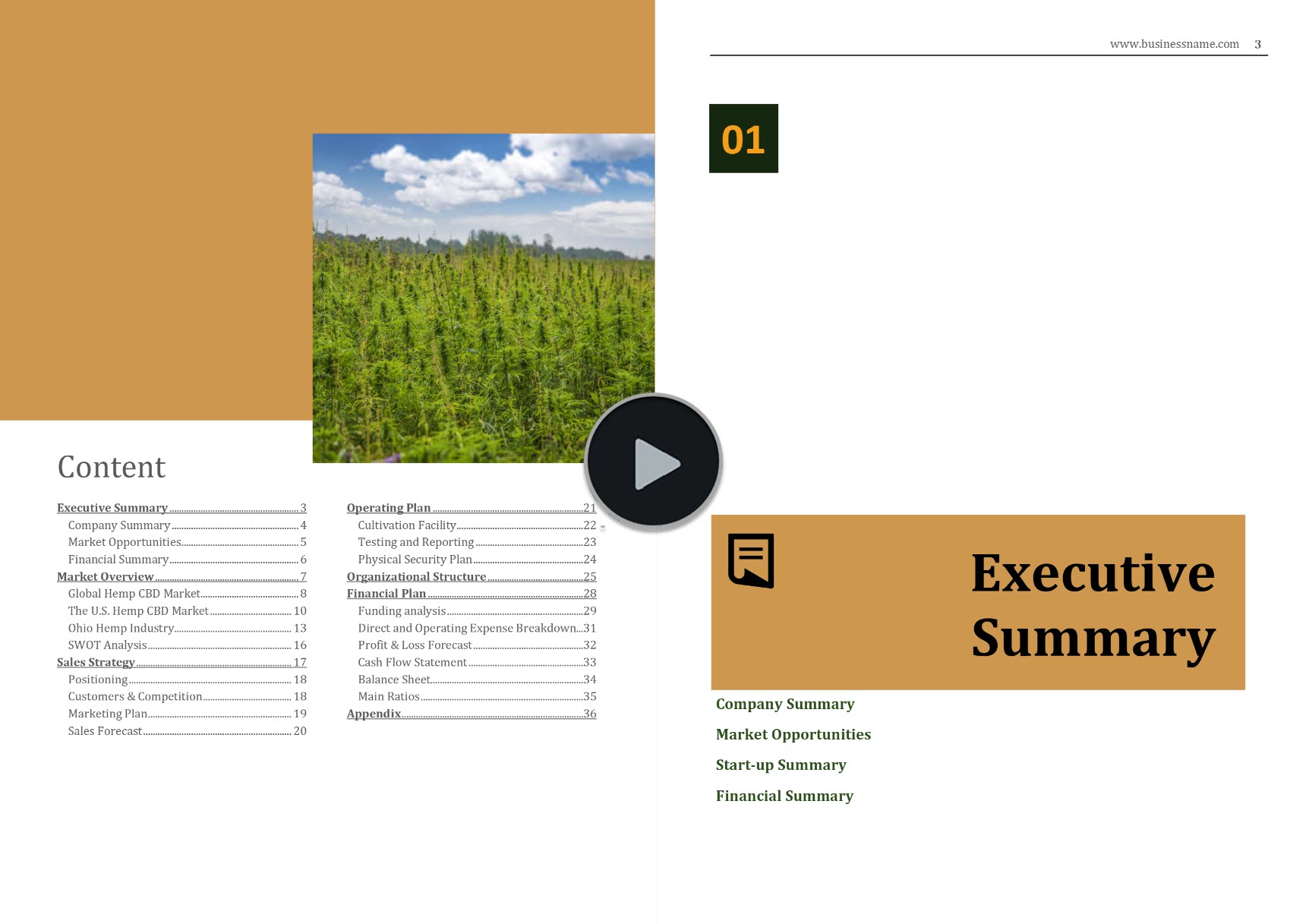
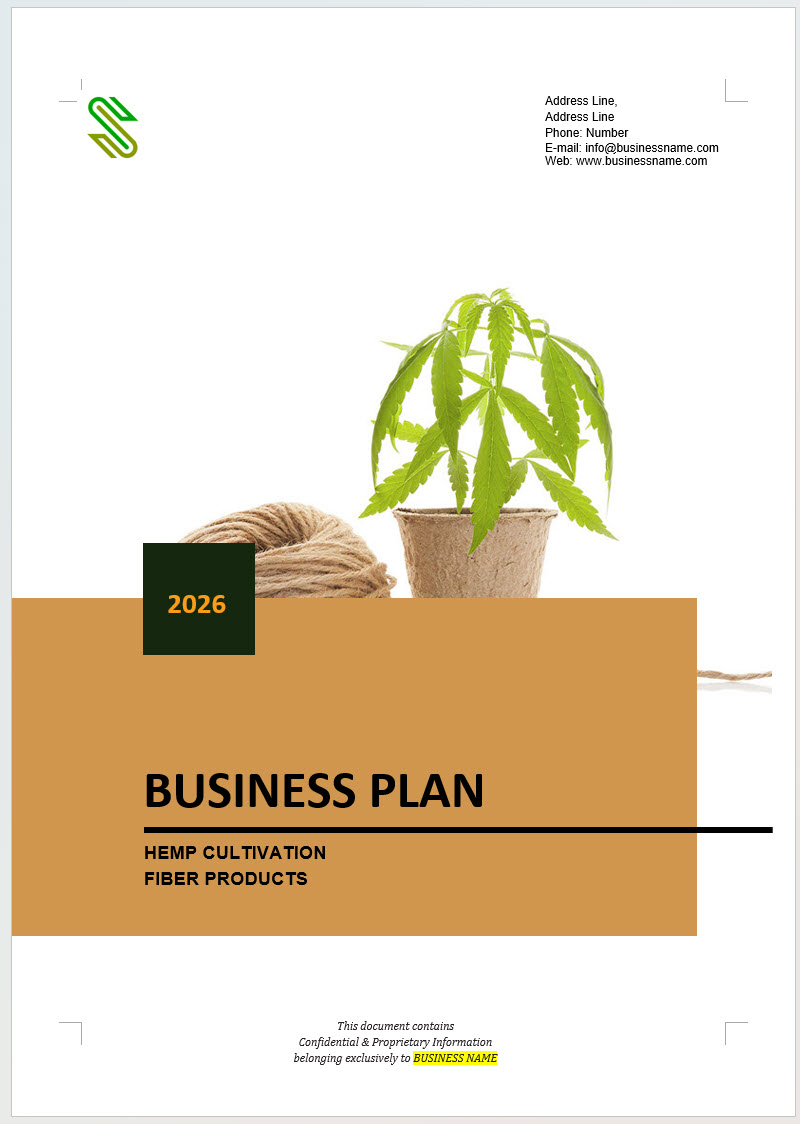
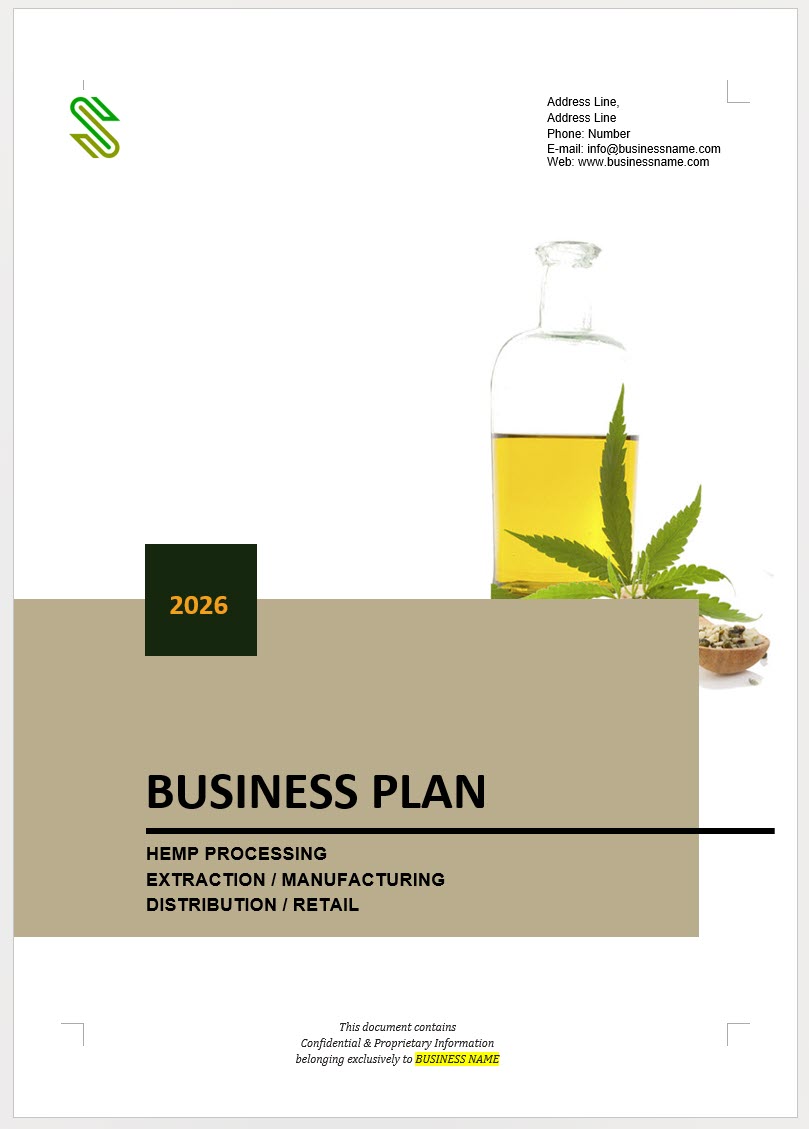
- Word Business Plan: value proposition, market analysis, marketing strategy, operating plan, organizational structure, financial plan and more.
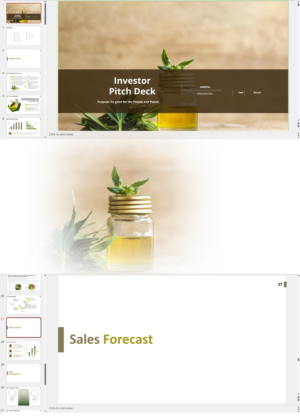
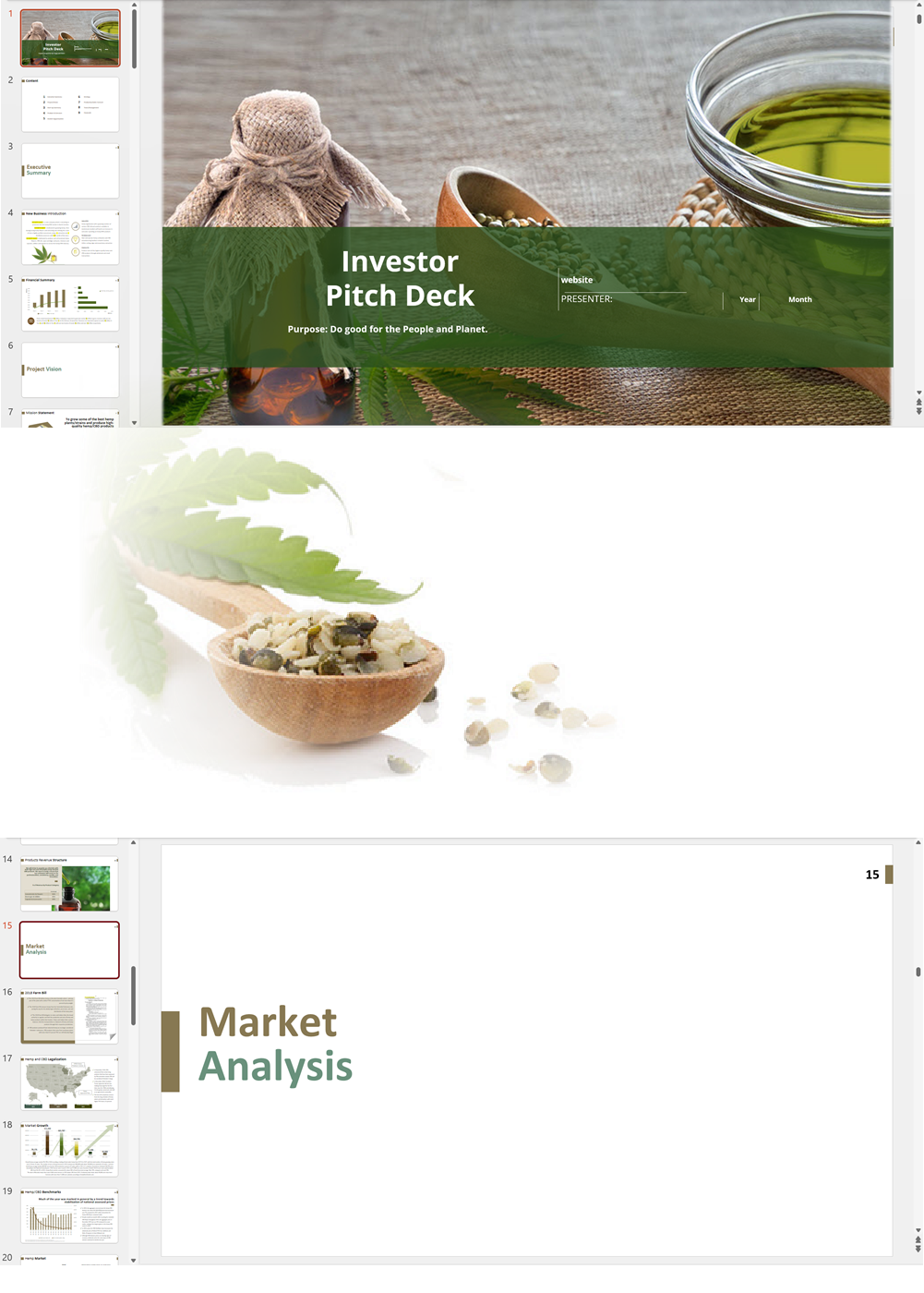
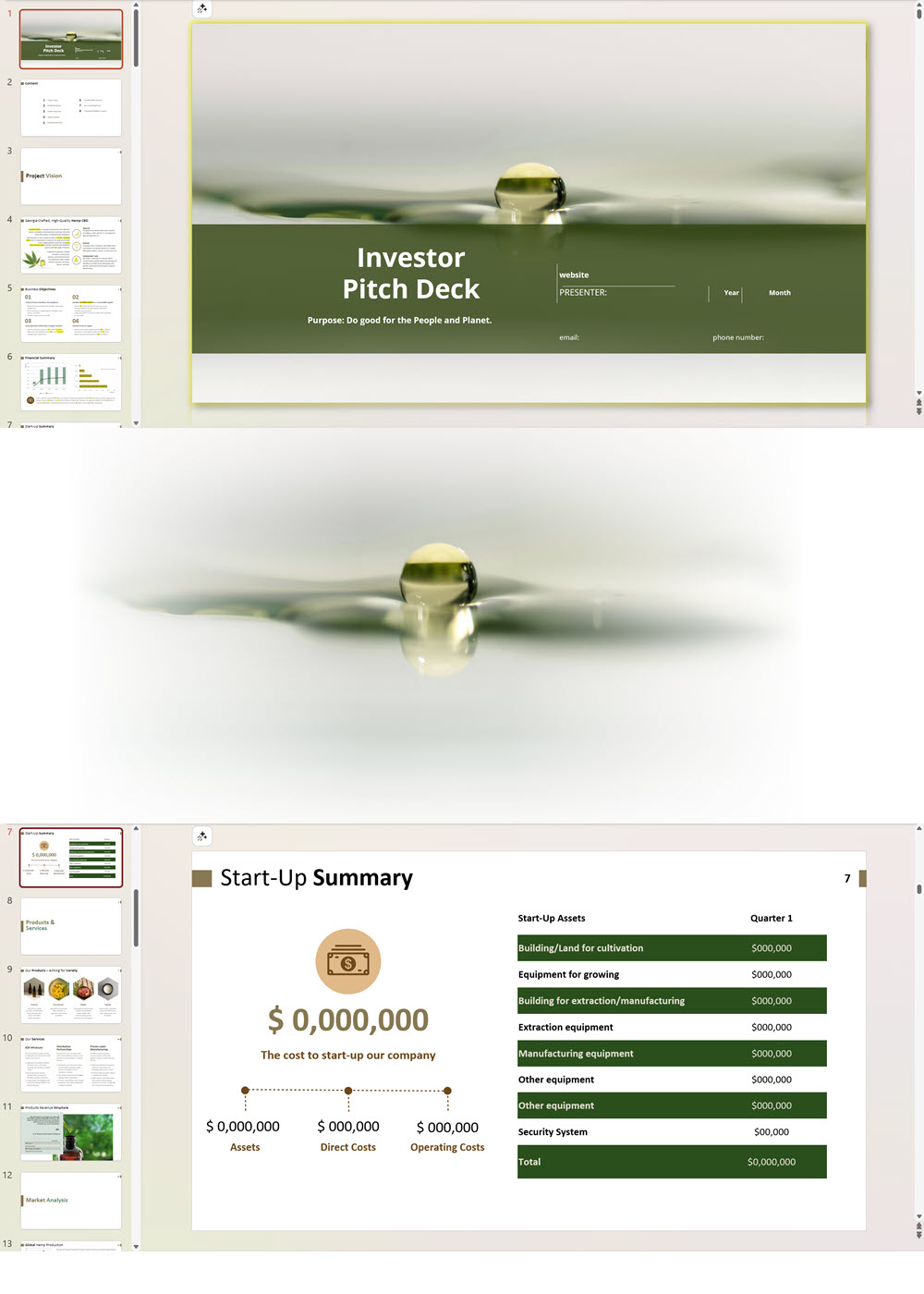
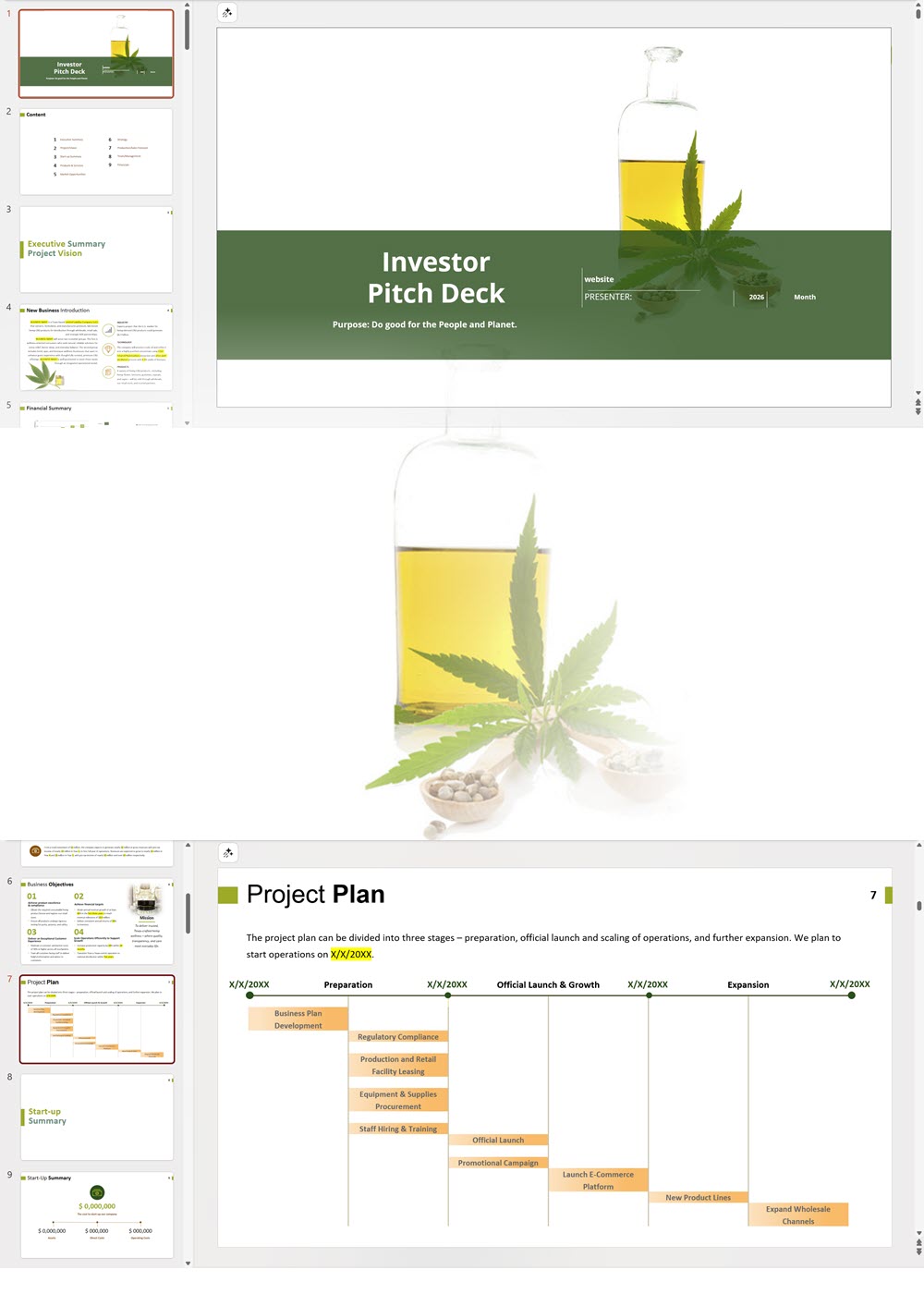
- PowerPoint Pitch Deck: provide a quick overview of your hemp CBD business plan.
'70% ready to go' business plan templates
Our hemp/CBD financial models and business plan templates will help you estimate how much it costs to start and operate your own hemp/CBD business, to build all revenue and cost line-items monthly over a flexible seven year period, and then summarize the monthly results into quarters and years for an easy view into the various time periods. We also offer investor pitch deck templates.
Hemp Cultivation Business Plan Template Sample, Ohio
Best Selling Templates
-

Hemp Cultivation Business Plan Template
Price range: $75.00 through $275.00 Select options This product has multiple variants. The options may be chosen on the product page -

Hemp CBD Financial Model All in One
$200.00 Select options This product has multiple variants. The options may be chosen on the product page -
CBD Retail Investor Pitch Deck Template
$75.00 Select options This product has multiple variants. The options may be chosen on the product page
Our Templates
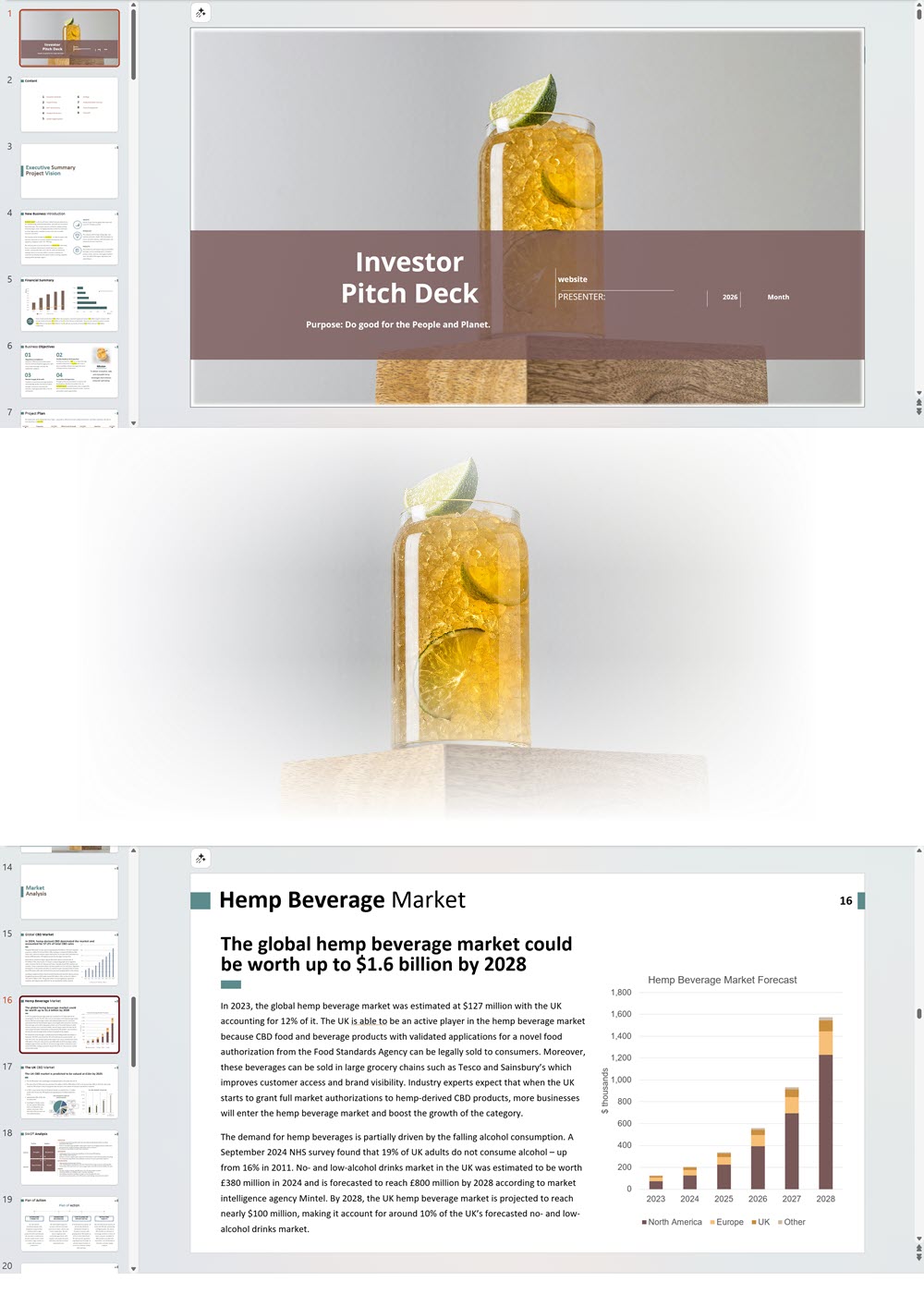
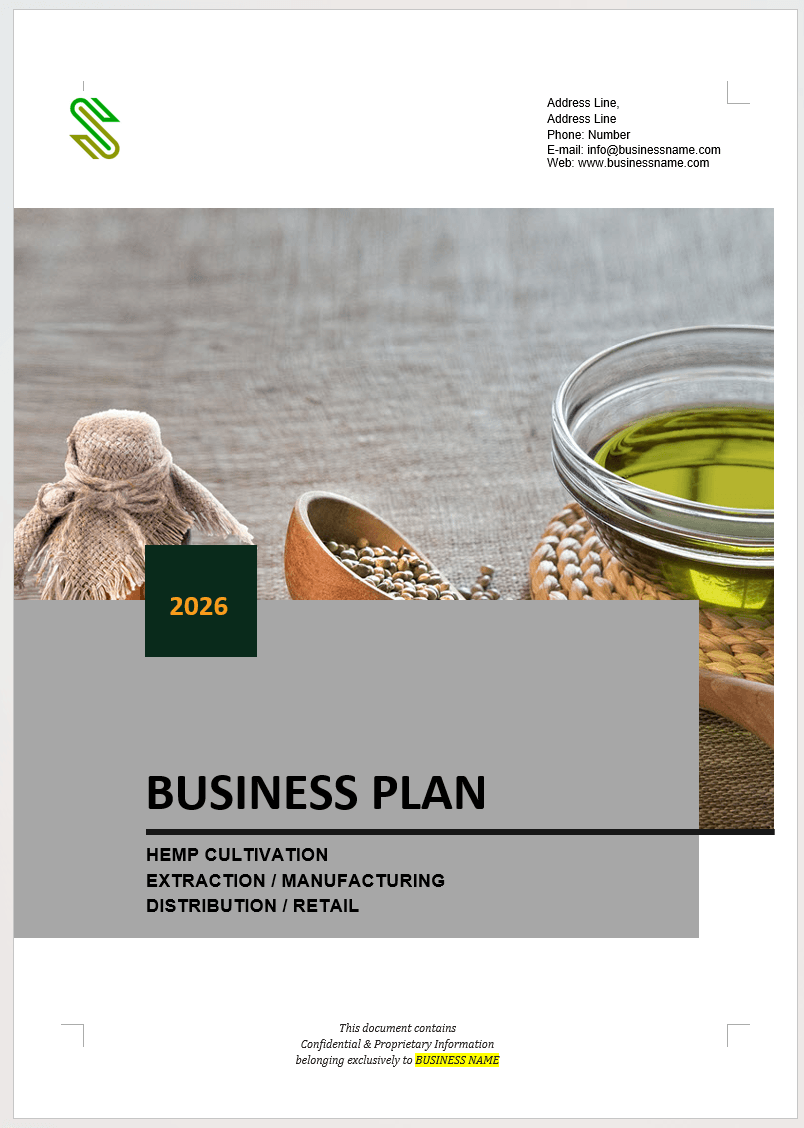
Hemp CBD Vertically Integrated Business Plan Template
Price range: $75.00 through $450.00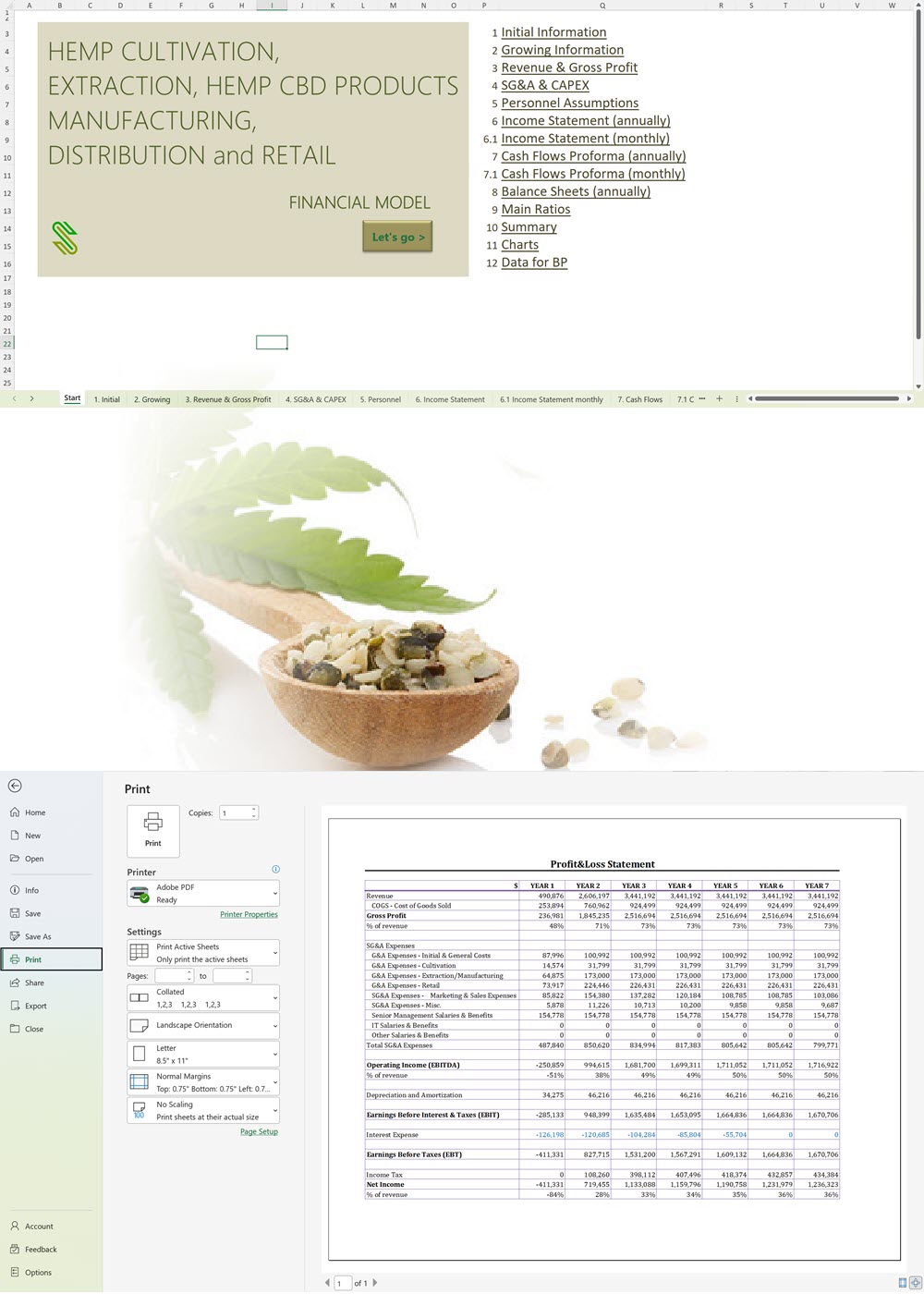

Hemp CBD Beverage Manufacturing, Wholesale and/or Retail Business Plan Template
Price range: $75.00 through $350.00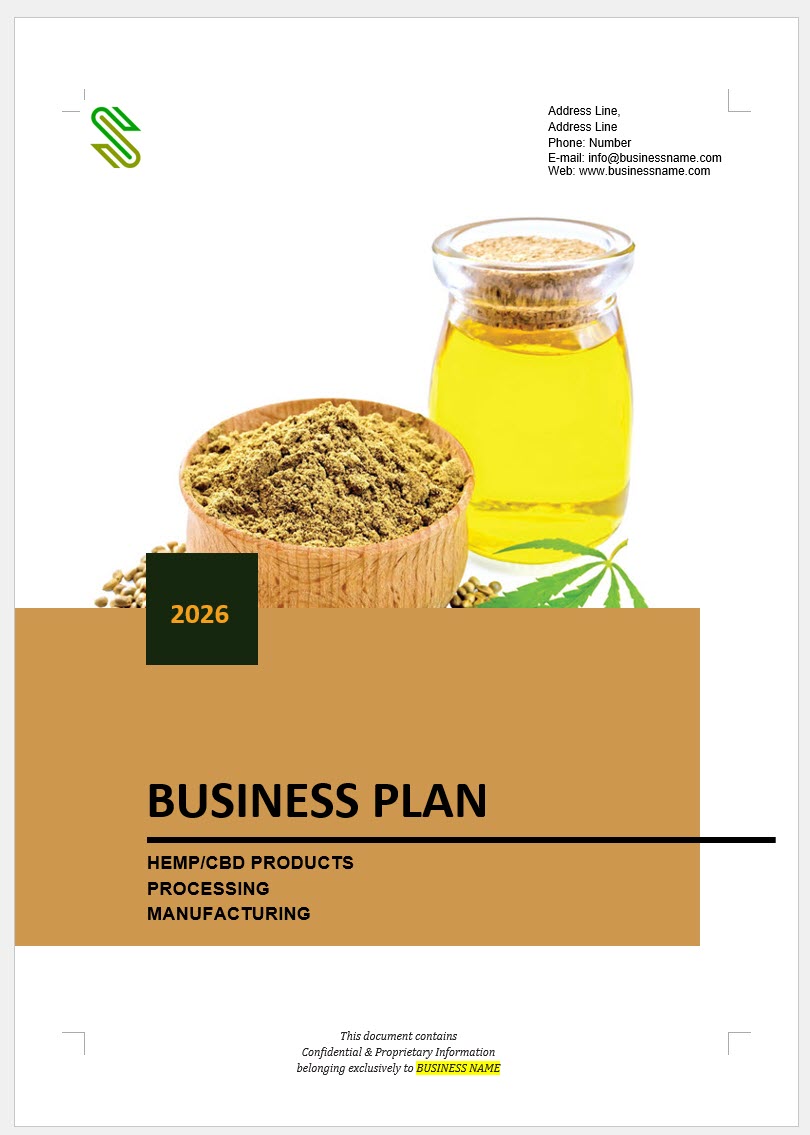
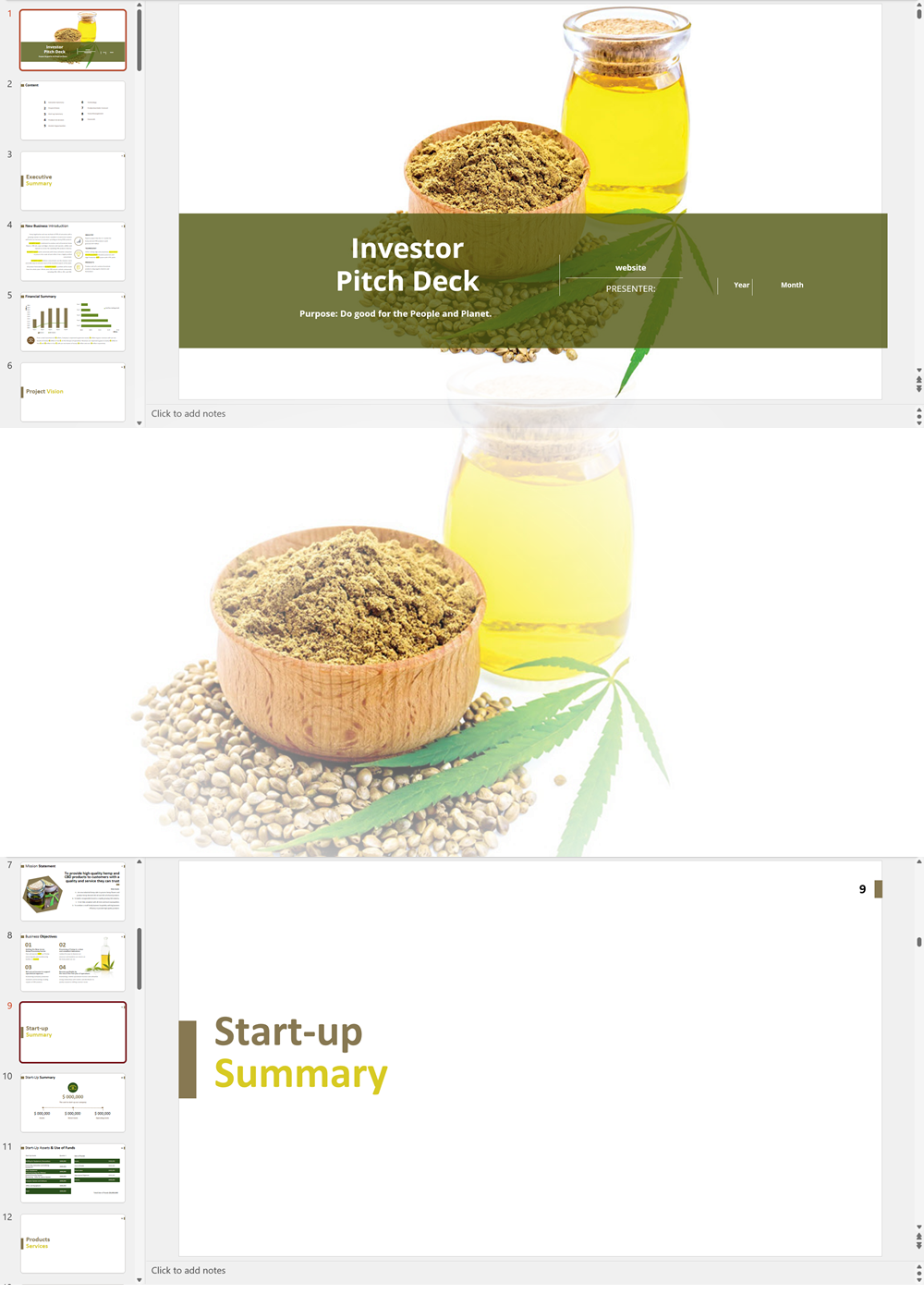
CBD Products Manufacturing Business Plan Template
Price range: $75.00 through $350.00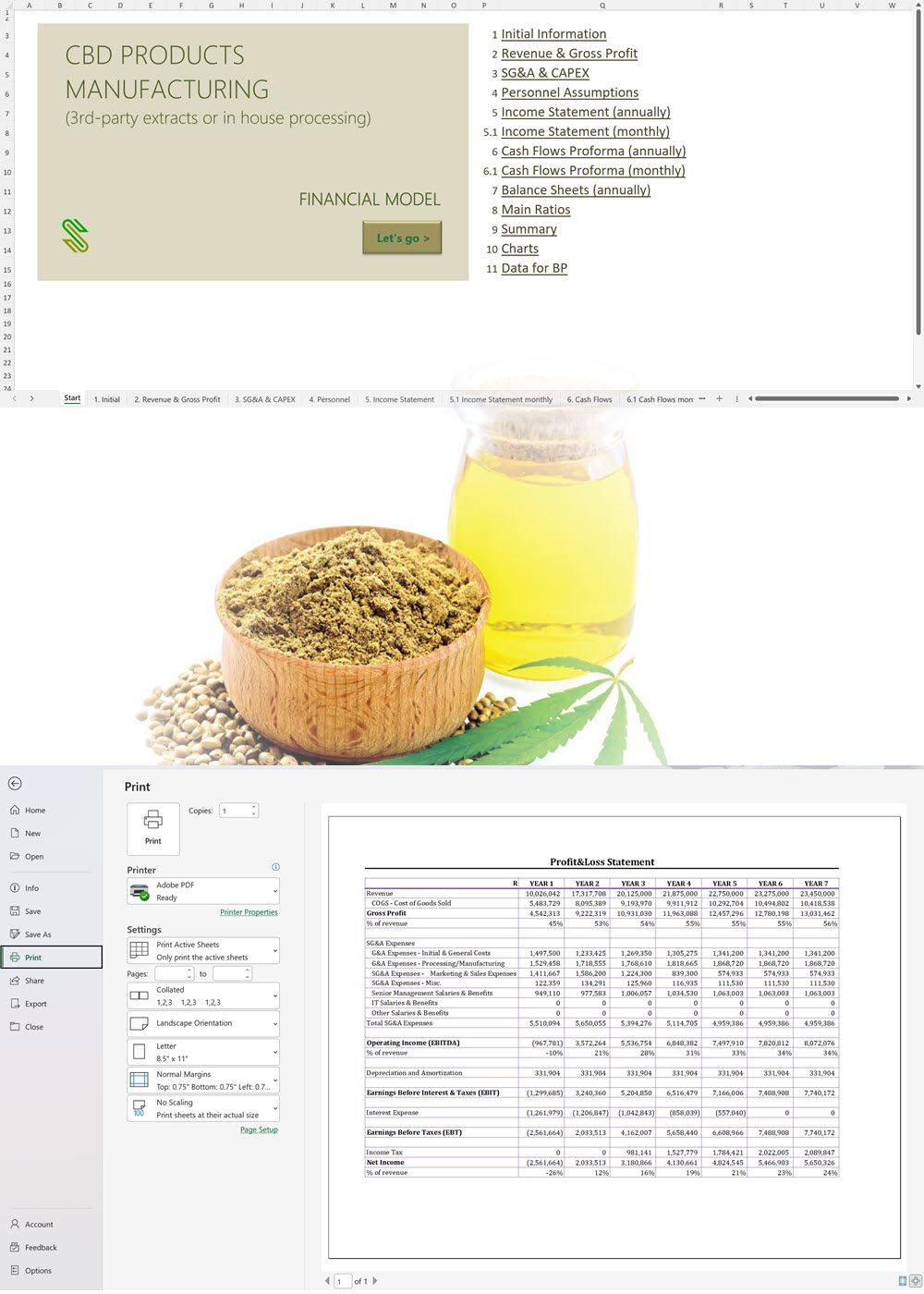
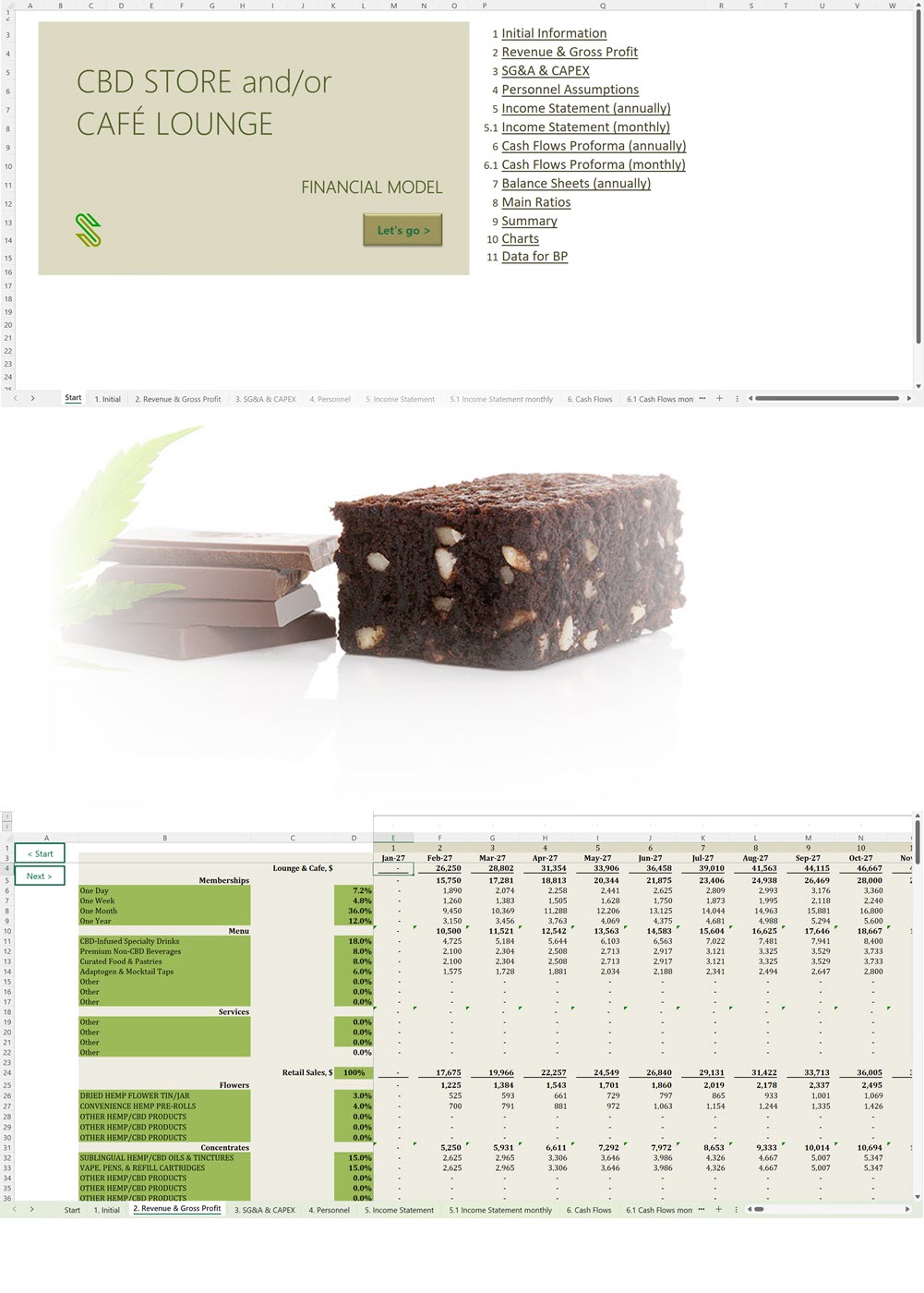
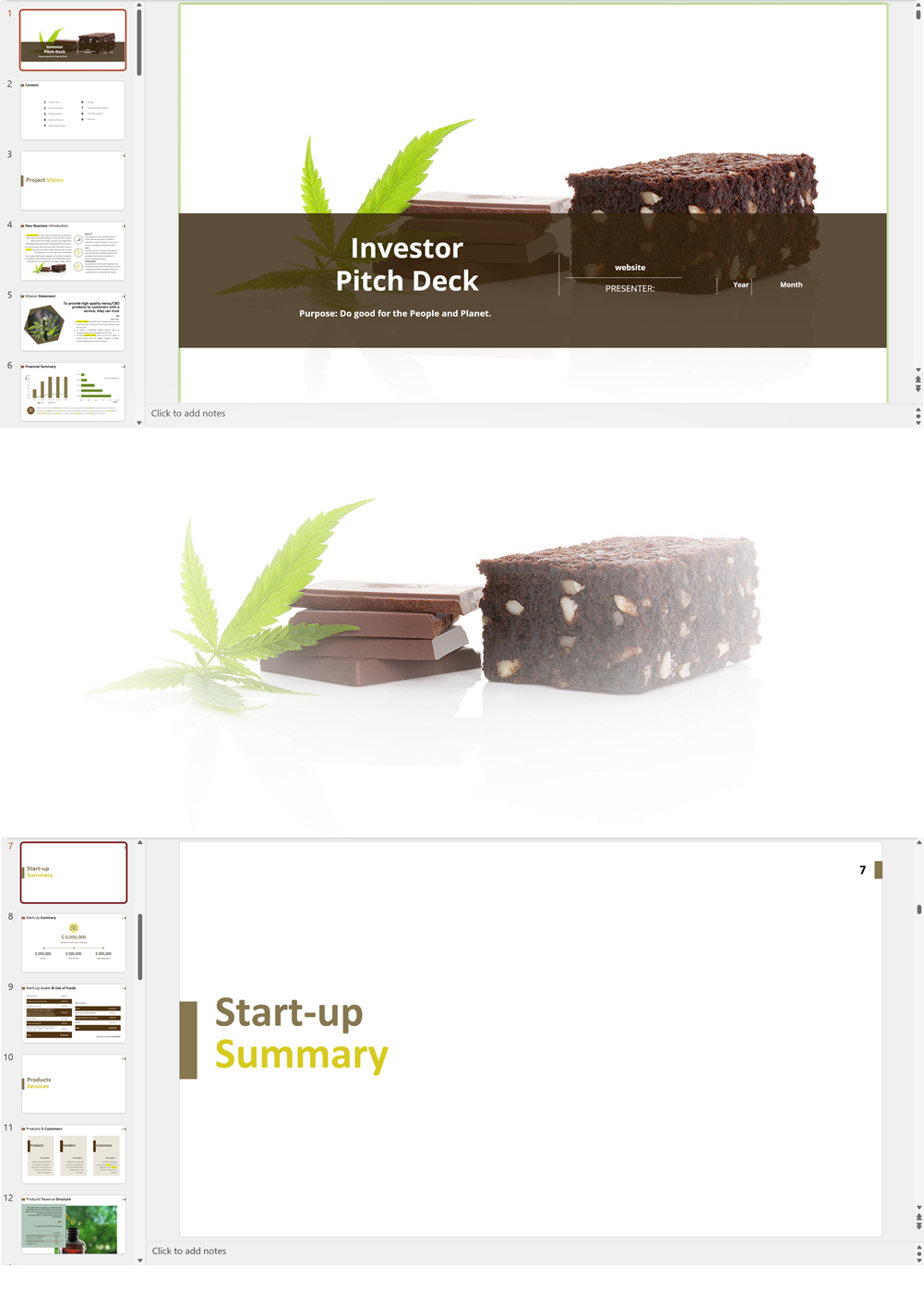
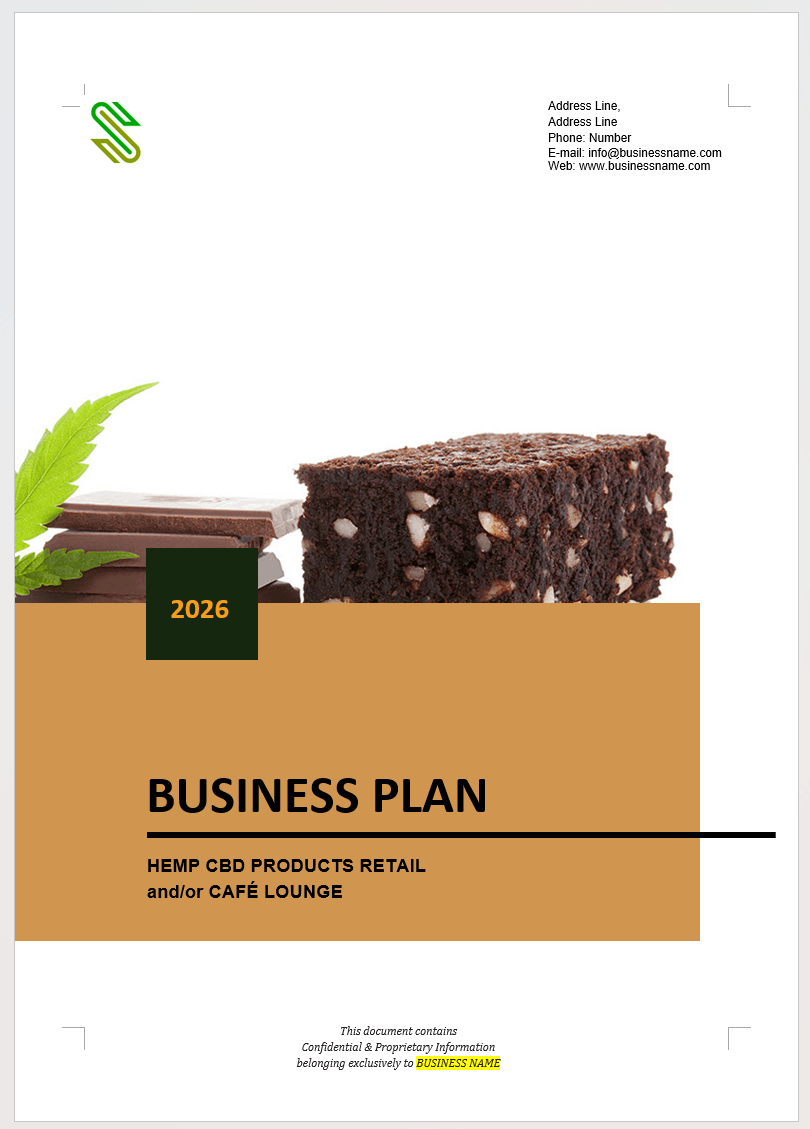
CBD Store and/or Cafe Lounge Business Plan Template
Price range: $75.00 through $275.00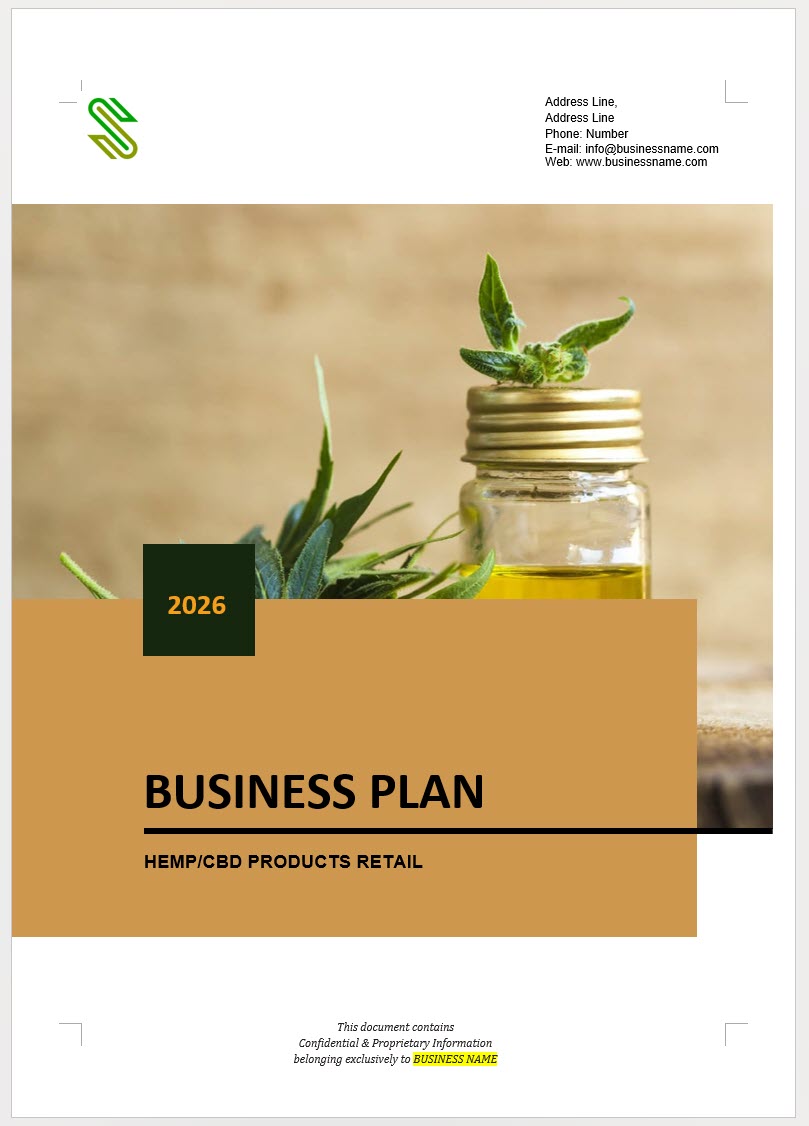
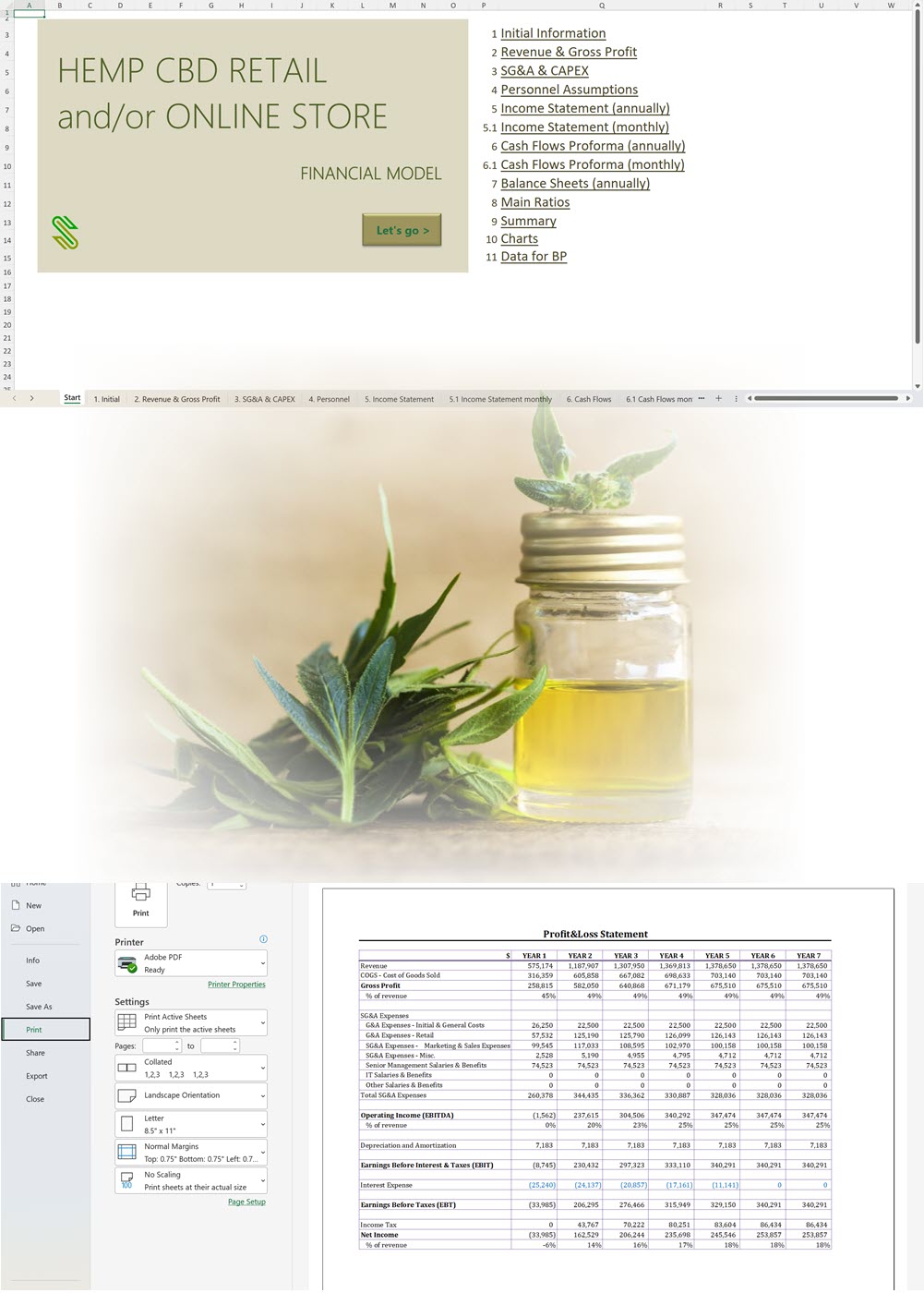
CBD Products Retail/Online Store Business Plan Template
Price range: $75.00 through $275.00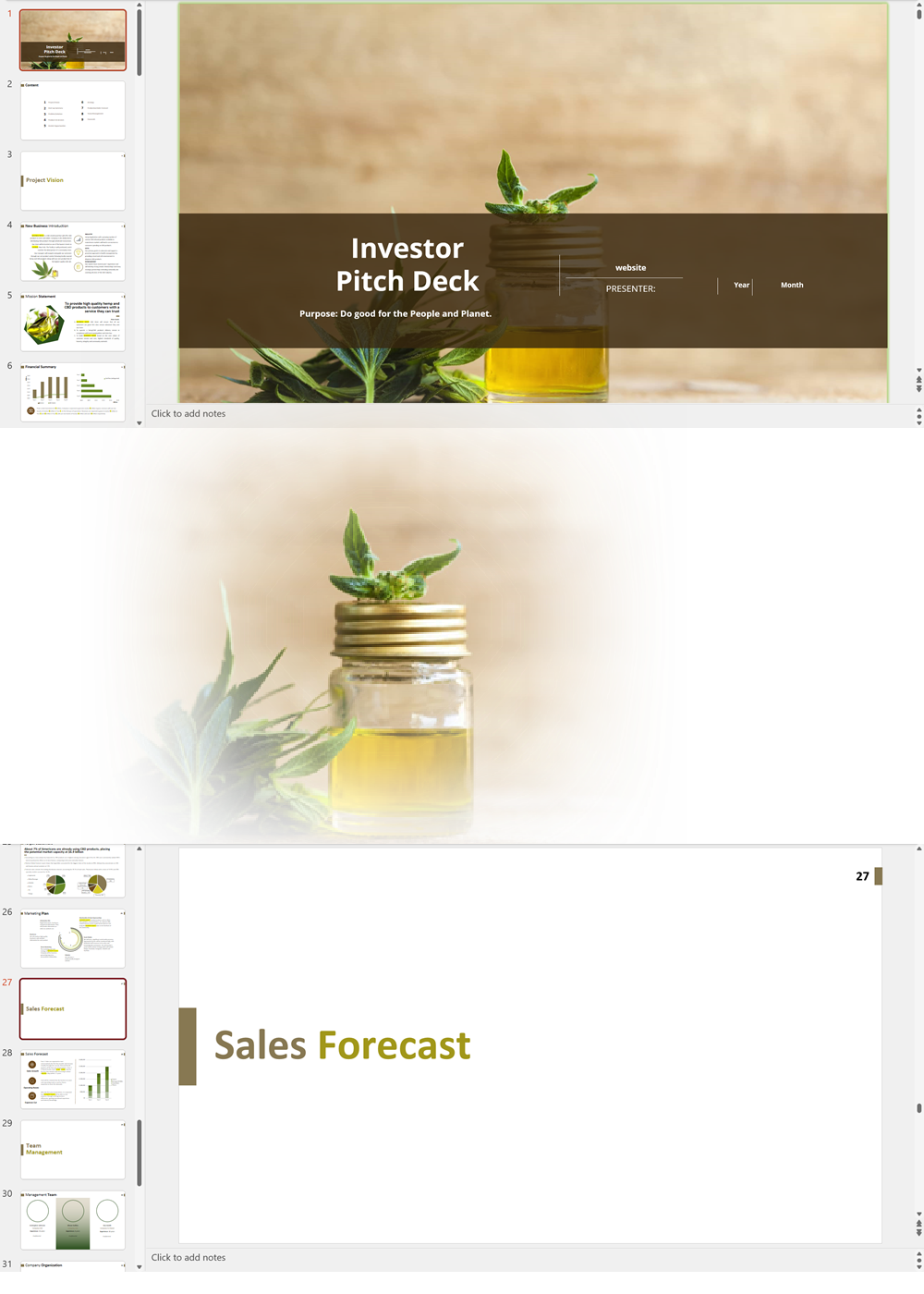
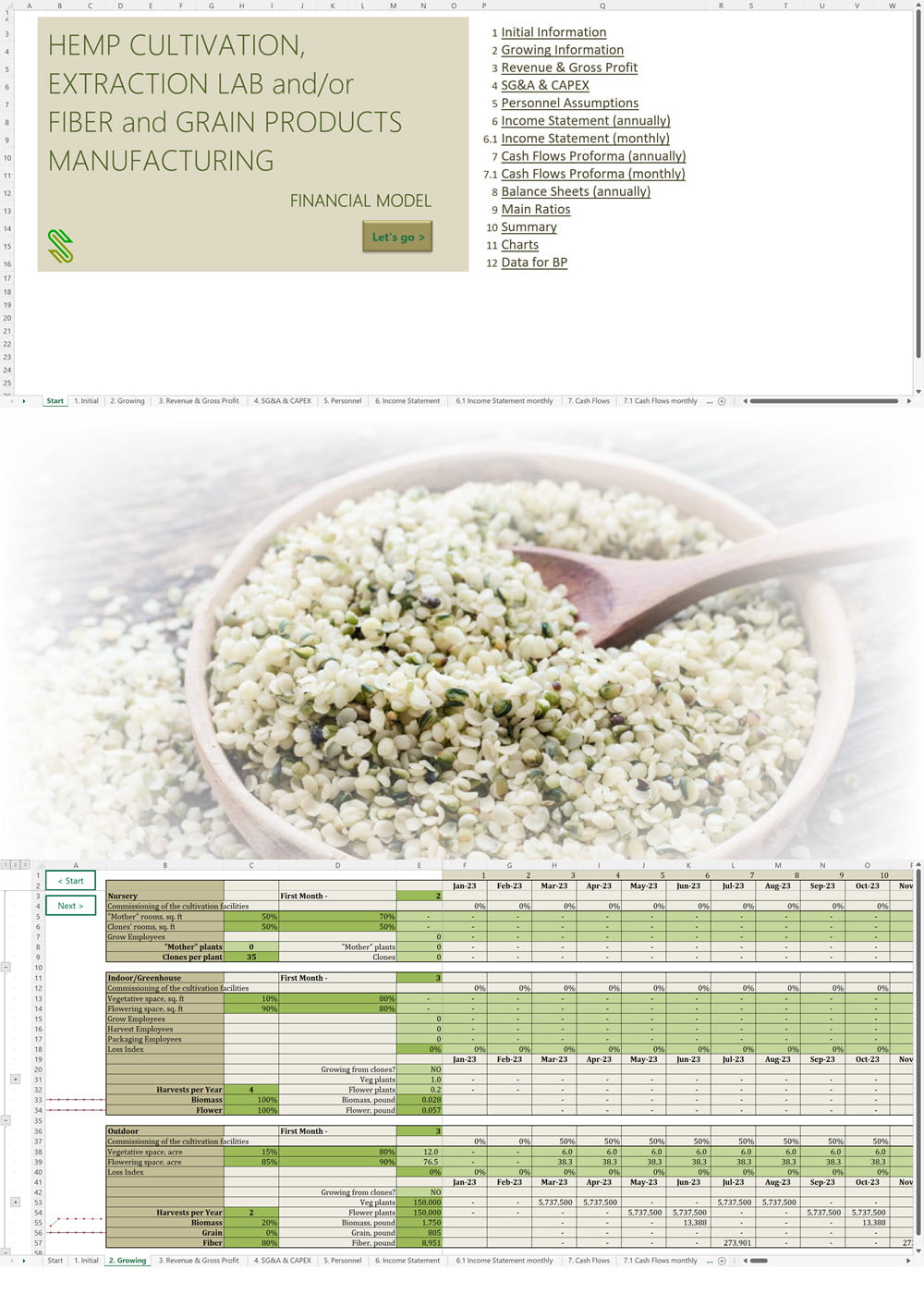
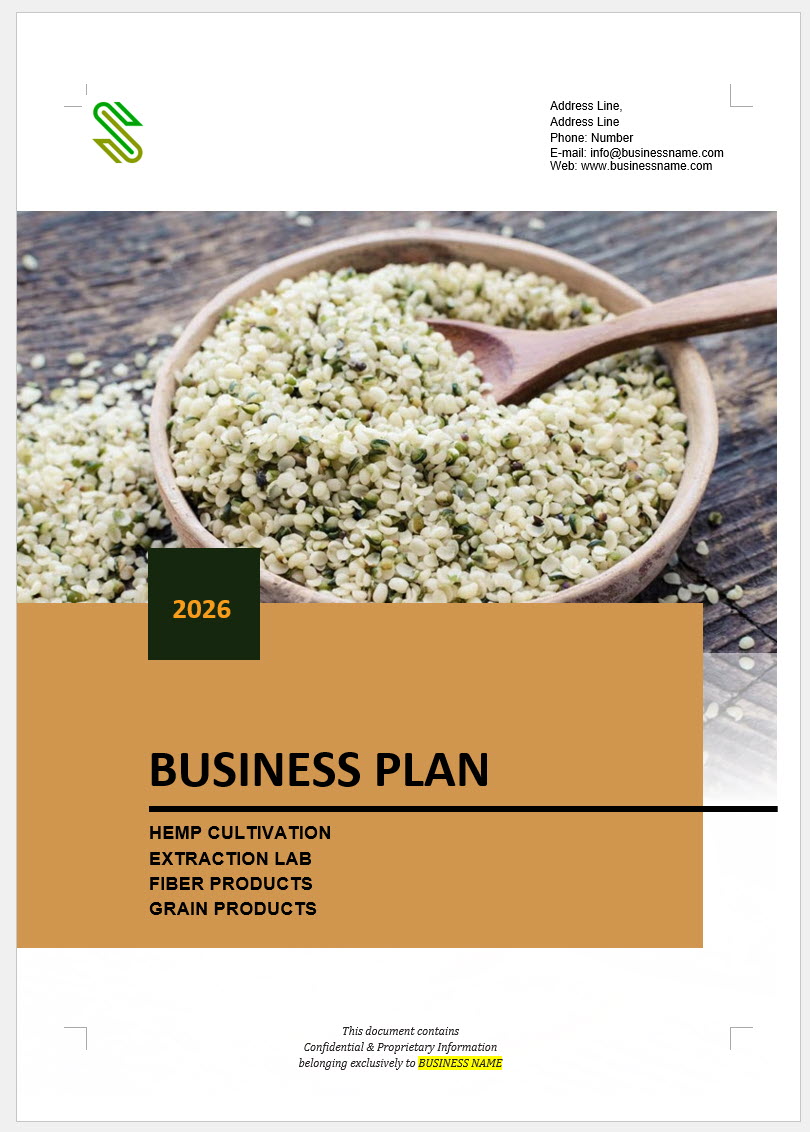
Hemp (Biomass, Fiber, Grain) Cultivation and Processing/ Manufacturing Business Plan Template
Price range: $75.00 through $350.00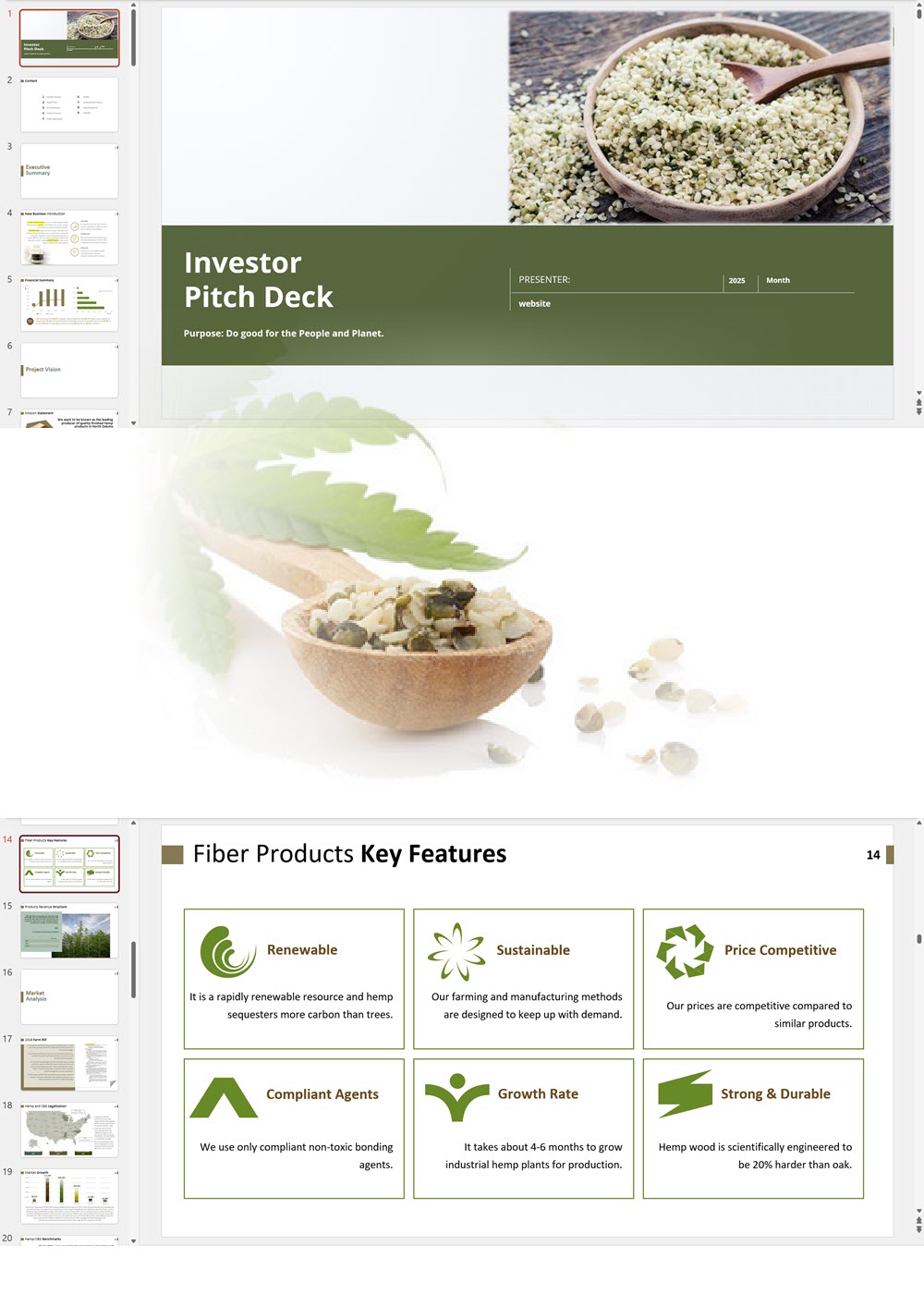
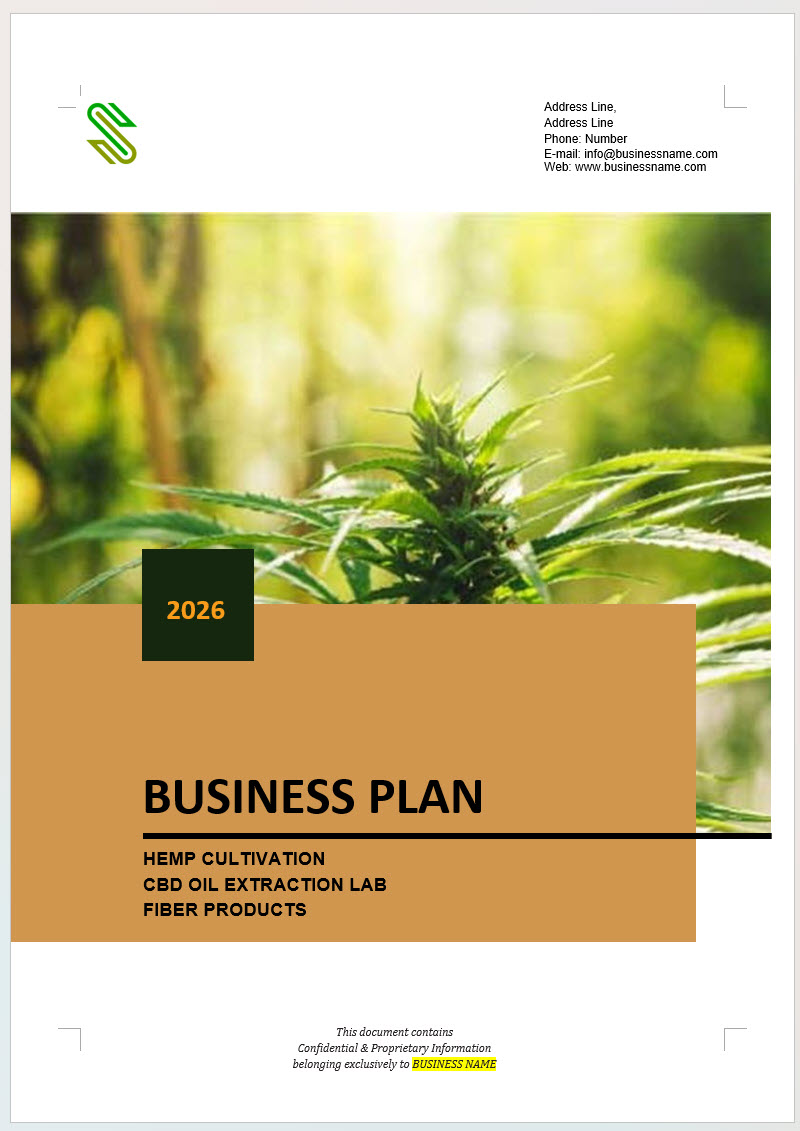
Hemp Cultivation and CBD Oil Extraction and/or Fiber Products Business Plan Template
Price range: $75.00 through $350.00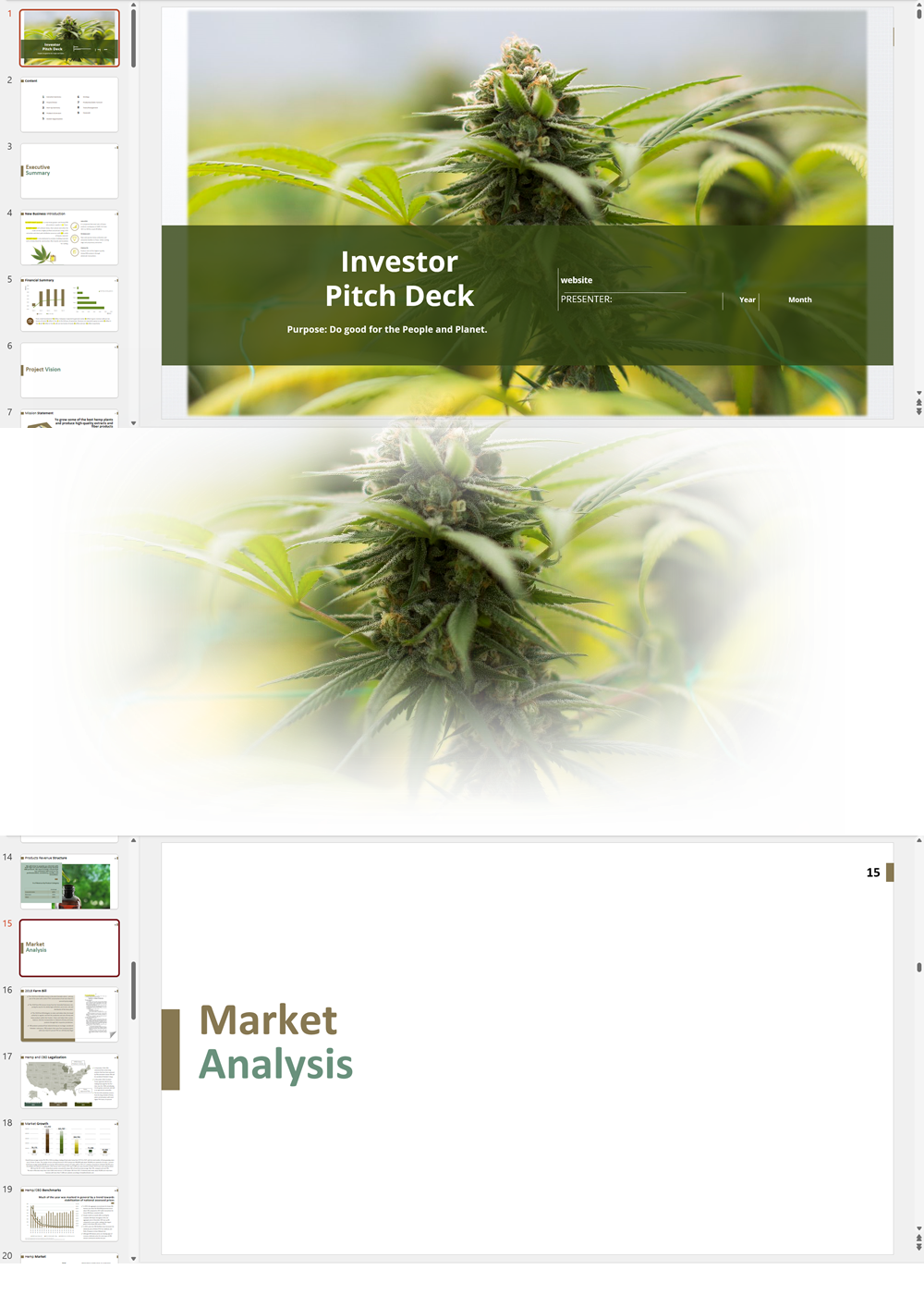
Hemp Fiber Growing and Manufacturing Business Plan Template
Price range: $75.00 through $275.00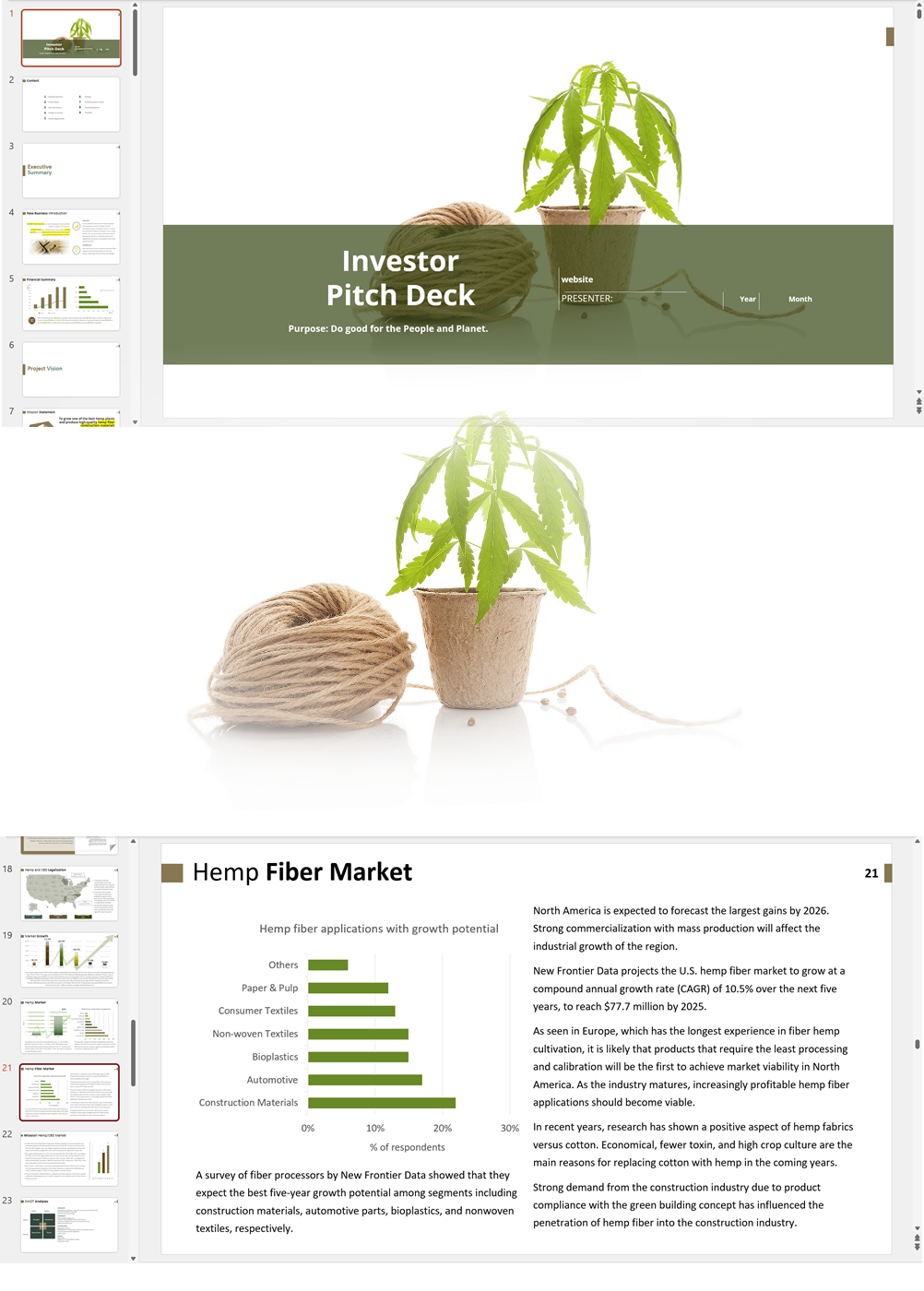
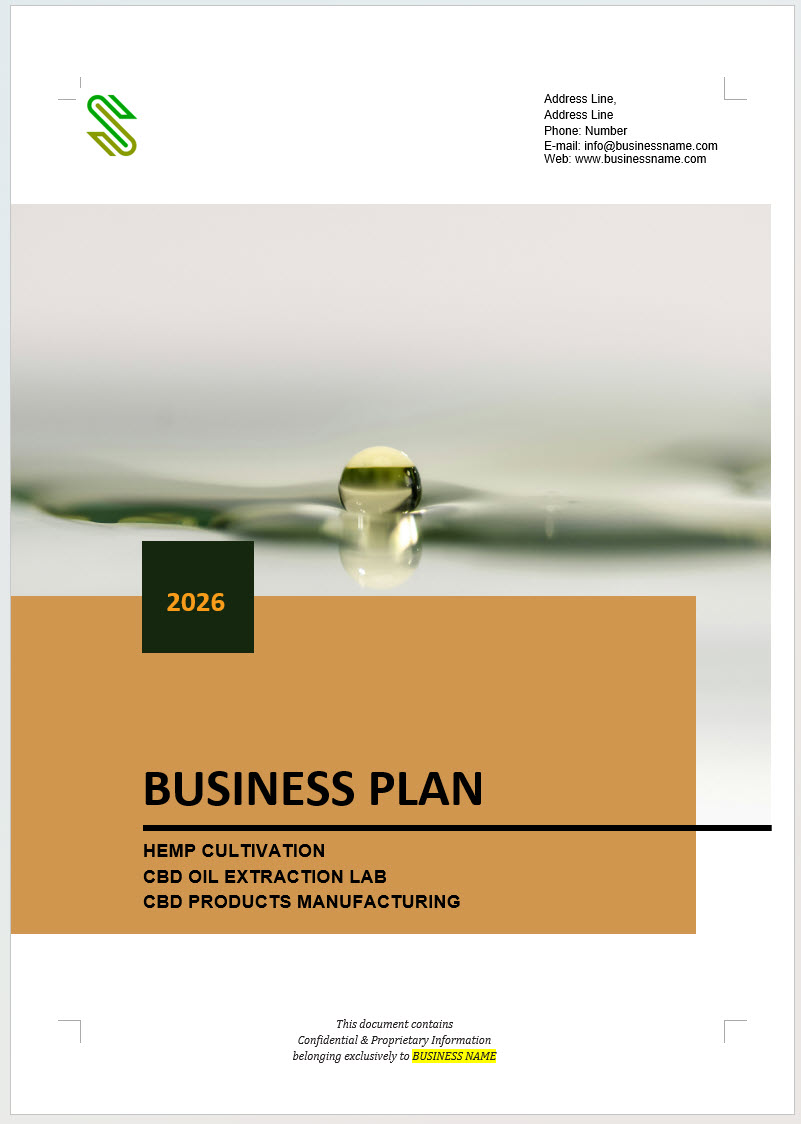
Hemp Cultivation + Extraction + Manufacturing Business Plan Template
Price range: $75.00 through $450.00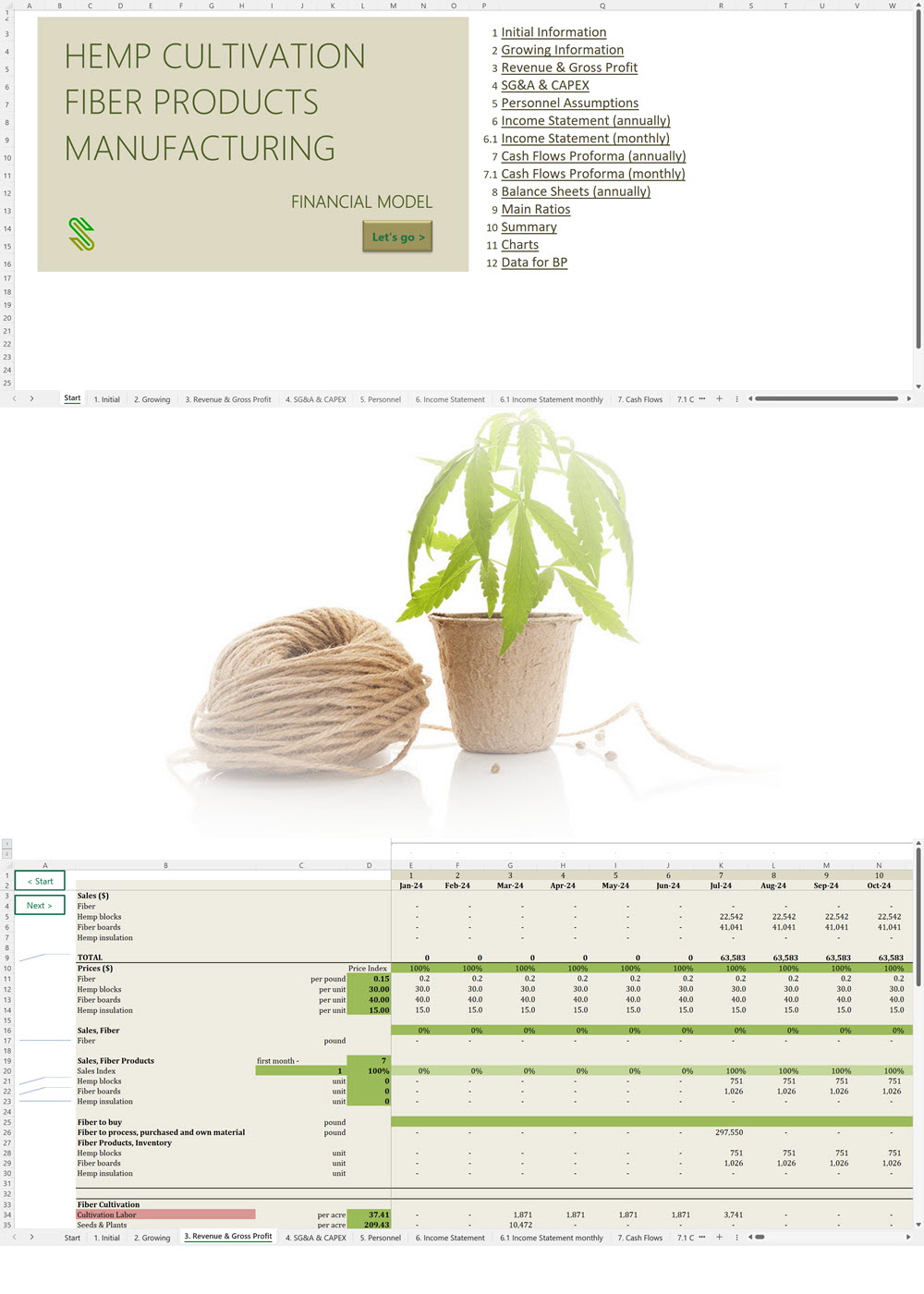
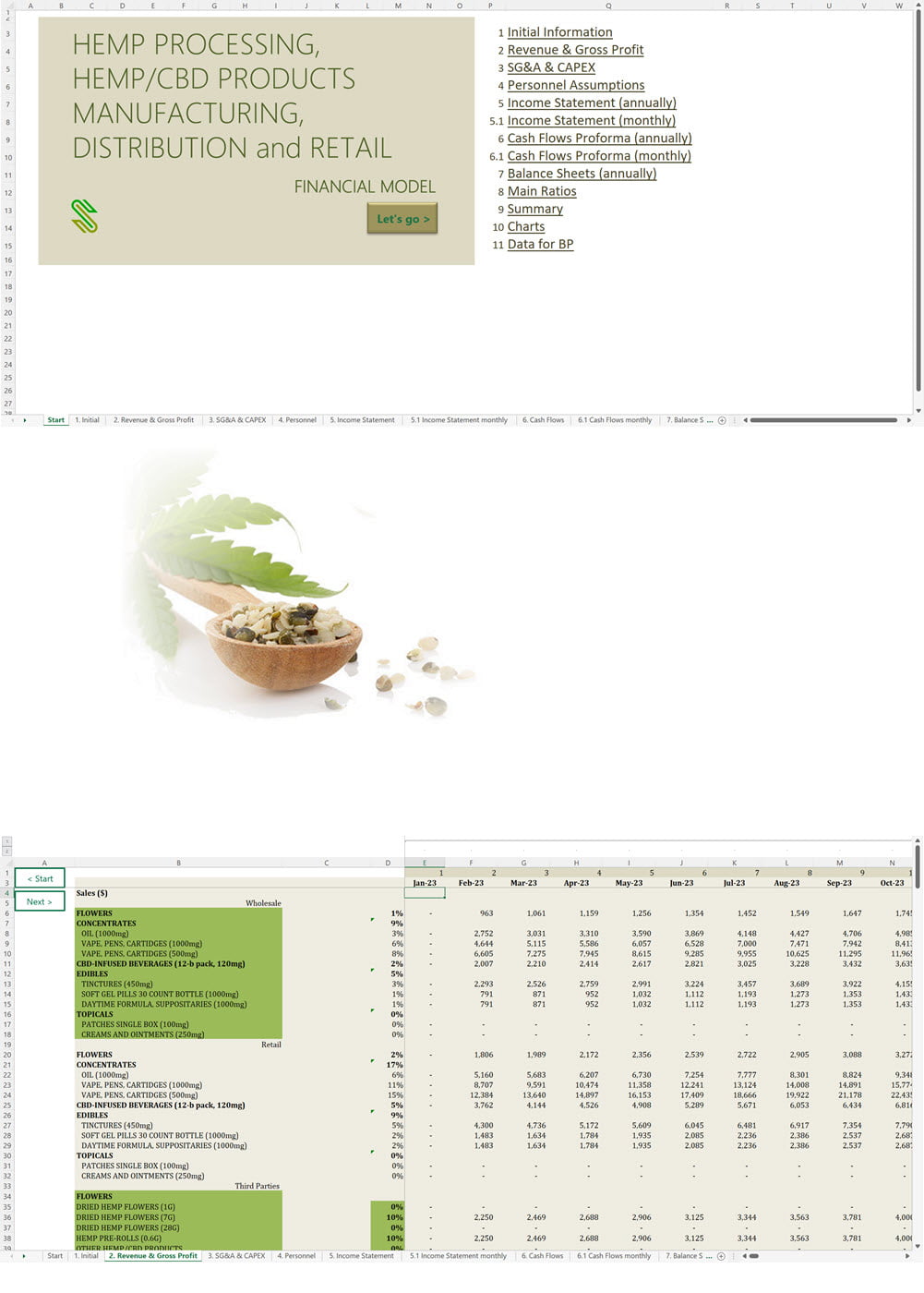
Hemp CBD Extraction + Manufacturing + Retail Business Plan Template
Price range: $75.00 through $450.00