Key Takeaways
- Hemp Industry Regulations:
- Montana’s hemp industry is regulated by its State Hemp Plan as well as Section 80-18-101 through 80-18-111 of MCA and ARM 4.19.101-202.
- Licenses available:
- hemp grower
- hemp processor
- hemp research
- Products that are legal for sale:
- Legal hemp products include those intended for industrial use and verifiable foodgrade industrial hemp seeds or industrial hemp seed oil is allowed to be used in food and dietary supplements.
- Hemp-derived CBD cannot be used in food products.
- Market:
- Montana is one of the largest hemp growing states in the U.S., accounting for 5.3% of the 2024 planted acreage.
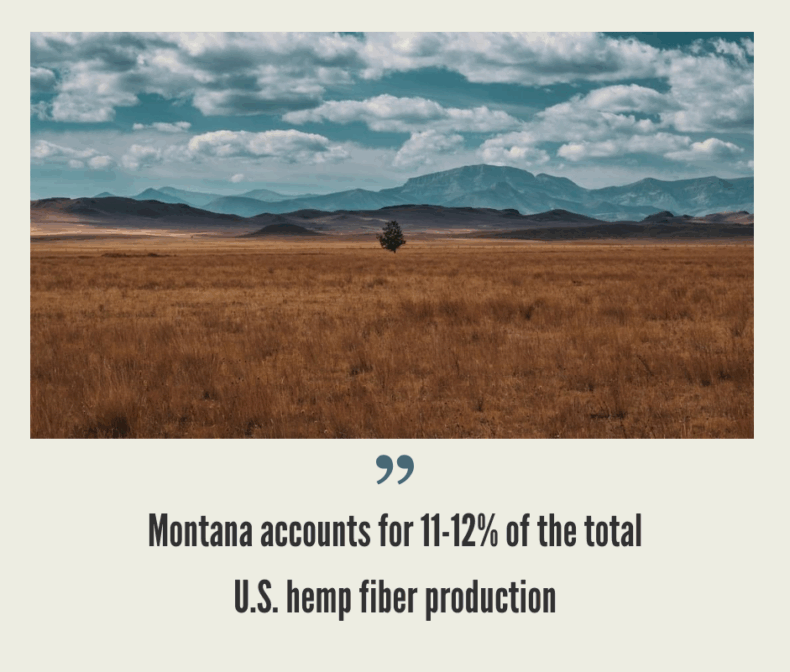
- Montana’s hemp producers mainly grow hemp for fiber – in 2023 nearly 82% of harvested acreage was fiber. Montana contributes around 11-12% of the total U.S. hemp fiber production.
- As of January 1, 2025, there were 17 licensed hemp producers, and 3 licensed hemp processors as of May 8, 2025.
Hemp Legalization
Montana first legalized industrial hemp in 2001 when it signed Senate Bill 261 into law, recognizing industrial hemp as an agricultural crop and requiring that a license is obtained to cultivate it. Montana’s state hemp plan was approved by the U.S. Department of Agriculture (USDA) and became effective on January 27, 2023. All hemp licensees must comply with Section 80-18-101 through 80-18-111 of MCA and ARM 4.19.101-202.
Hemp Licenses Available in Montana
There are three hemp license in Montana – hemp grower, hemp processor, and hemp research – that are issued by the Montana Department of Agriculture (MDA). The hemp research license needs to be obtained in addition to the grower license. Licenses are valid until December 31 of the issuance year and therefore must be renewed annually.
No special license is required to manufacture or sell finished hemp-derived products. The United States Food and Drug Association (FDA) and the Montana Department of Public Health and Human Services (DPHHS) are responsible for granting approval of manufacturing hemp-derived products at the retail level.
Hemp Grower
The licensing process for a hemp grower license is split into two stages.
First, the applicant will be issued a planting permit so they can buy seed or live plants, and seed or transplant hemp. The applicant must submit an initial license application with:
- individual applicant/business entity information
- full name, title, and contact information of each key participant
- copy of an FBI criminal history report for the applicant and each key participant
- for each variety or strain requested to be permitted:
- name of the variety grown from certified seed or common name of the strain
- quantity of land area requested to be permitted
- grow type (indoor or outdoor)
- name and license number of the seed or live plant provider
- seed label an/or a Certificate of Analysis verifying the name and THC levels of the hemp
Additionally, the applicant must pay a fee. The fee depends on which category the chosen hemp cultivar falls in. The MDA has created four risk-based categories. Seed can only be obtained from a seed provider that is licensed in Montana or a nursery that is licensed in their resident state.
Category A or B varieties: $850 licensing fee – the initial inspection and testing fee of the first sample is waived.
Category C varieties: $1,100 licensing fee – this fee includes the initial inspection and testing of the first sample.
Each additional sample will require a $250 fee for testing and a $250 fee for inspection/sampling.
At this stage, applicants must also report their hemp growing locations and acreage to the USDA Farm Service Agency (FSA) to be assigned “Lot Numbers”. These “Lot Numbers” will be needed for Stage 2 of the licensing process when a Planting Report must be submitted.
To receive the final license, the applicant must submit a Hemp Planting Report to the MDA, stating where the crops have been planted. Along with the Hemp Planting Report, an FSA map with clearly labeled varieties and lots must also be submitted. The Planting Report must be submitted within 4 weeks of planting seeds, receiving start-plants, or rooting of clones, and shall contain the following information for each variety or strain:
- FSA Lot ID
- name of the variety grown from certified seed or common name of the strain
- quantity and units of land area planted (acres for outdoors, number of plants for indoors)
- grow type (indoors or outdoors)
- estimated harvest period
- primary market
- latitude and longitude of the growing area
- physical county
For outdoor planting, the Hemp Planting Report must be submitted no later than July 30.
Following this, a Production license will be issued which permits the production, harvest, transportation, and processing of hemp.
In compliance with the 2018 Farm Bill, licensed hemp growers must submit their hemp acreage to the FSA annually.
Each licensed hemp grower must contact the MDA at least 30 days before harvest to confirm the harvest date and schedule a pre-harvest inspection. Additionally, each licensee must submit an Annual Hemp Harvest/Disposal Report, including the following information:
- FSA assigned lot number
- variety or strain
- total planted
- quantity not harvested
- total harvested
- quantity disposed for non-compliant THC
- harvest date
- yield (pounds/lot)
- intended use (e.g. CBD, fiber, grain, seed)
- explanation of discrepancies (e.g. crop failure, poor germ)
Hemp Research
For performing research activities with hemp, a hemp research license must be obtained in addition to the hemp grower license. Research means “growing hemp in a manner which the resulting hemp may not conform to the USDA guidelines in some manner. This includes but is not limited to the use of a pesticide not approved for hemp, efforts to lower a cultivar’s THC level through hybridization, or development of new cultivars which are not from certified seed. Research must be conducted with the intent of improving or expanding upon the genetics and/or cultivation practices of hemp”.
An applicant needs to send a request to the MDA, asking to review its research project before they can be provided with a license application form. In order to obtain the research license, the applicant’s research plan must meet several criteria that are outlined in Montana’s state hemp plan, Section 11, page 19.
Hemp Processor
A hemp processor license allows to produce derivatives from hemp that can be included in products for food, fiber, oils, supplements, or drugs, for the wholesale or ingredient market. There are two parts to the processor license. Part A allows to process floral and root extracts as well as hemp grain, seed, seed oil and fiber. Part B allows to process only hemp grain, seed, seed oil and fiber.
Part A annual fee: $2,500
Part B annual fee: $1,000
Licensed hemp processors need a Commodity Dealer License to purchase hemp from licensed hemp growers, unless the following conditions are met:
- hemp producer signs a written statement, acknowledging the hemp processor is not a licensed commodity dealer in Montana and that the processor does not have a commodity dealer bond.
- total amount of contracted hemp is not higher than $10 million in the license year.
- the processor is purchasing or processing hemp stalks for fiber.
Montana Hemp Industry
Montana is one of the largest hemp growing states in the U.S., accounting for 5.3% of the 2024 planted acreage according to the National Hemp Report.
In 2017, Montana had 14 hemp producers growing hemp on 425 acres. According to Hemp Industry Daily’s 2019 Cultivation Snapshot, Montana licensed more than 40,000 acres and 250 growers in 2019 comparing to 22,000 acres and 56 growers in 2018, demonstrating rapid growth. In 2020, Montana growers planted hemp on about 11,000 acres and 104,000 square feet (2.4 acres) of greenhouse space, according to the MDA. There were over 15 licensed hemp processing facilities.
Planted hemp acreage began to fall in 2021 as a result of hemp oversupply across the United States. In 2021 and 2022, 7,900 and 3,500 acres were planted in Montana according to the National Hemp Report with 4,500 and 1,470 acres harvested, respectively. In 2023, planted acreage fell to 2,900 (of which 2,450 acres were harvested) and then further down in 2024 to 2,400 acres (1,500 acres harvested).
Montana mainly grows hemp for fiber. This is likely due to the fact that retail sale of food products containing CBD is prohibited in Montana. In 2021, 3,200 acres were dedicated to growing fiber – 71% of the state’s harvested hemp acreage. Although in 2022 fiber accounted for only 43% of the harvested acreage, in 2023 Montana’s hemp growers once again placed the main focus on fiber with nearly 82% of harvested acreage dedicated to it. Montana contributes around 11-12% of the total U.S. hemp fiber production.
As of January 1, 2025, there were 17 licensed hemp producers, and 3 licensed hemp processors as of May 8, 2025, of which two were licensed to process floral hemp and/or root extracts and one was licensed to process only hemp grain, seed, seed oil, and/or fiber.
Montana Hemp Industry Infographics
How Can HempCBDbusinessplans Templates Help Start or Grow Your Hemp CBD Business?
A business plan is essential for securing funding. It will also help you understand how much money it will take to start a hemp CBD business and how much profit it could make. A well-structured business plan can make all the difference in demonstrating your proposed hemp CBD business’ compliance with regulations and its operational viability.
Our complete hemp CBD business plan template package is everything you need to create a professional business plan for a hemp CBD business with expert financials and projections. A complete hemp CBD business plan template package includes:
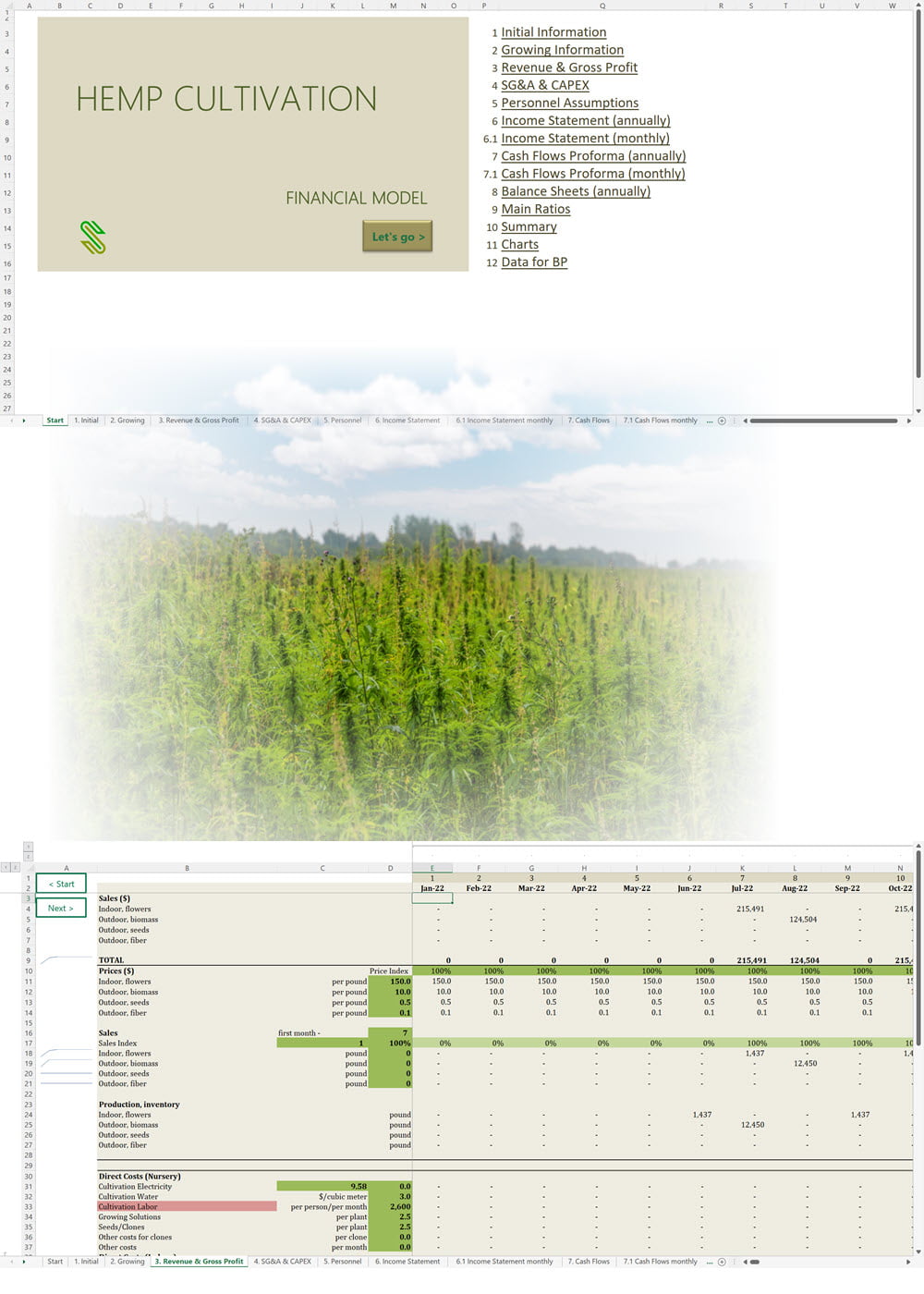
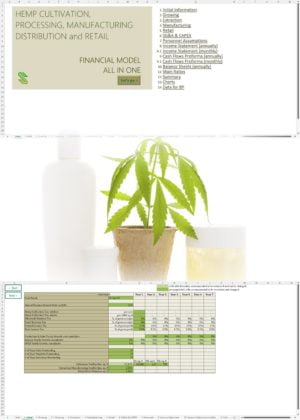
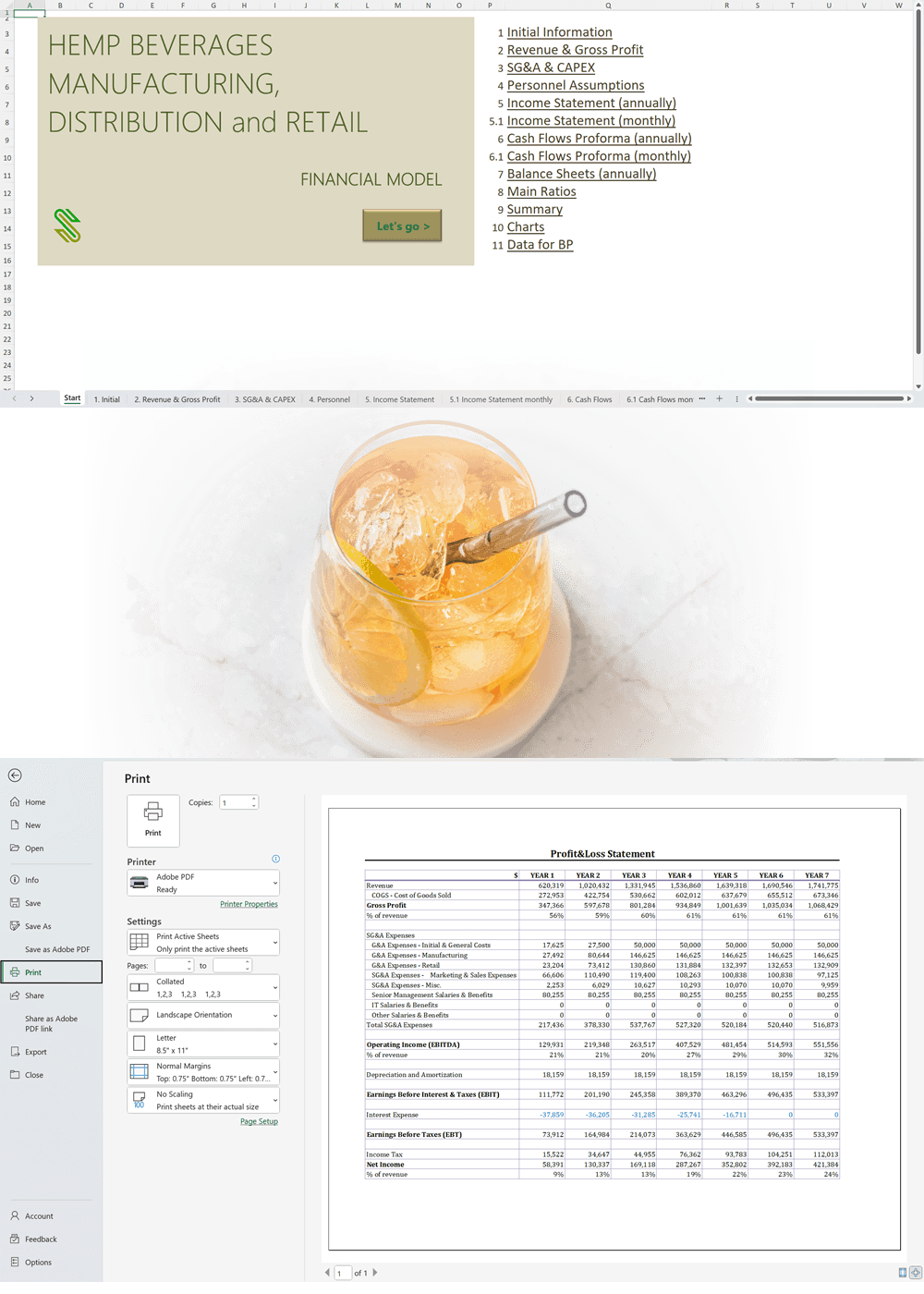
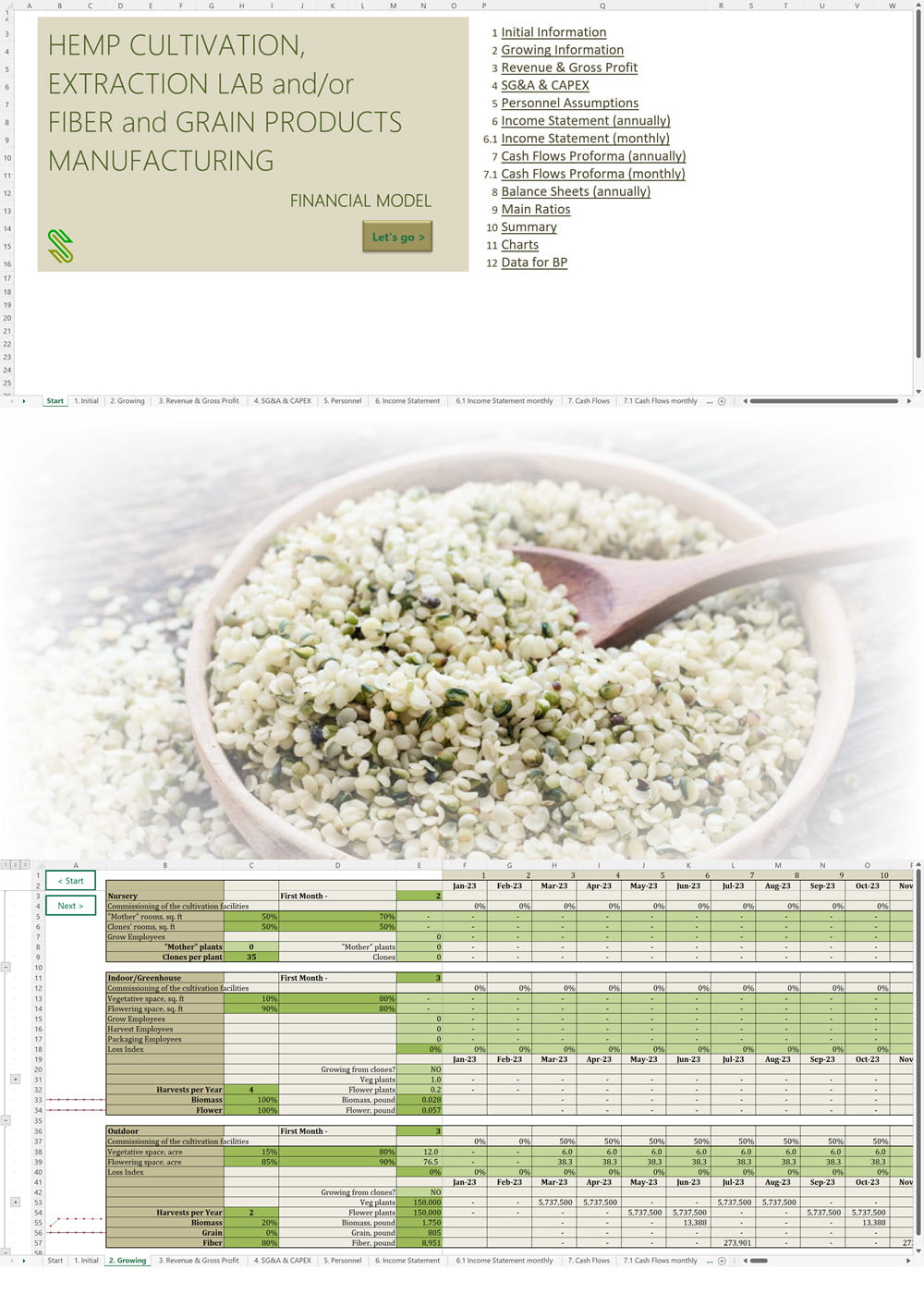
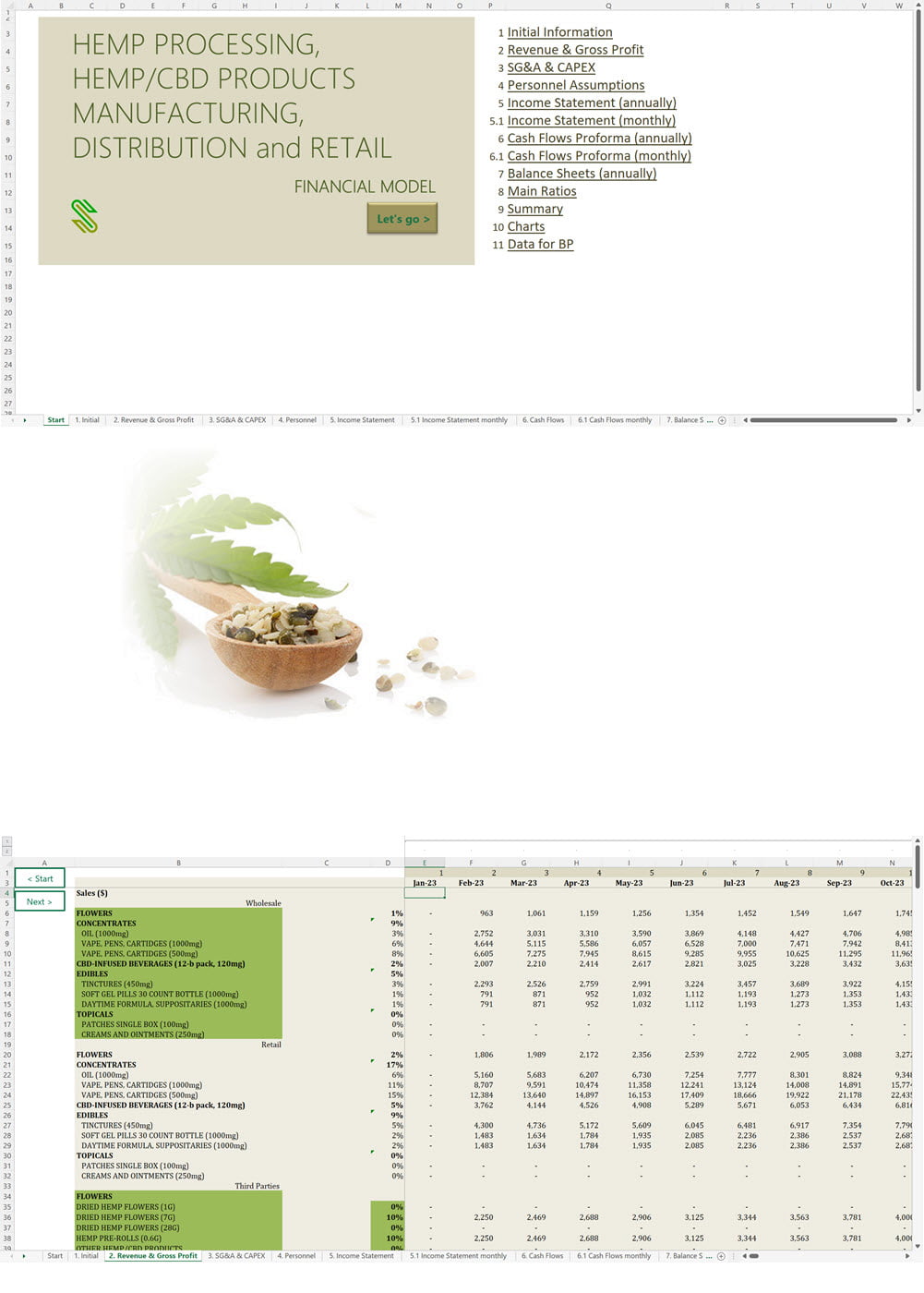
- Excel Financial Model: change variables and immediately see the impact, break down operational and capital costs, know how much it will take to get into the business and the potential profits.
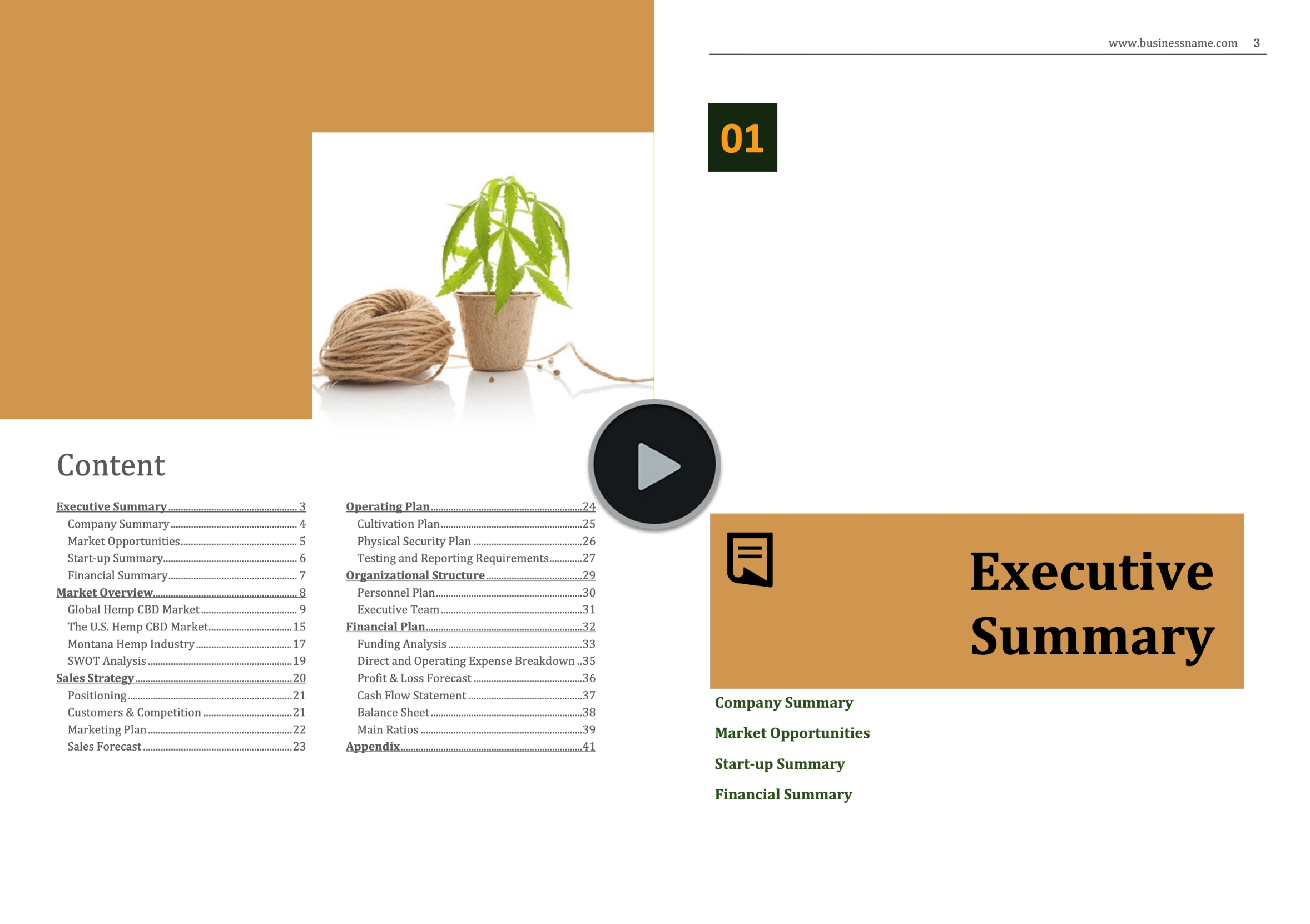
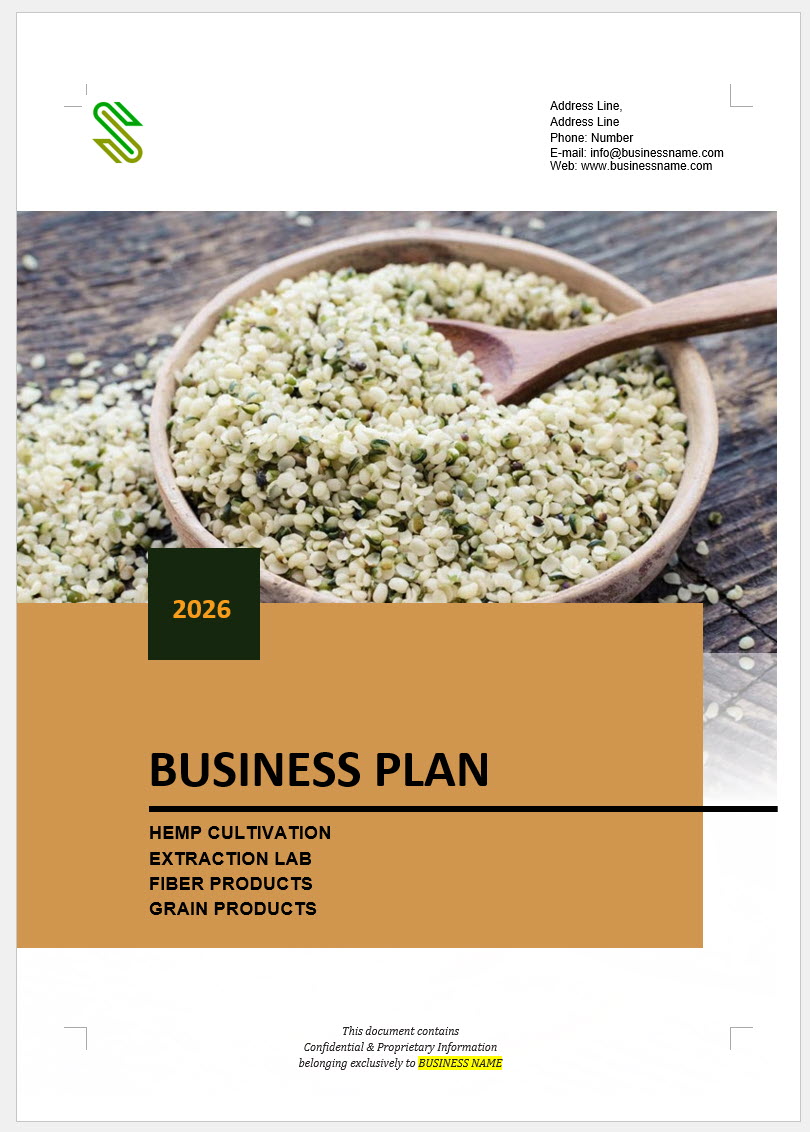
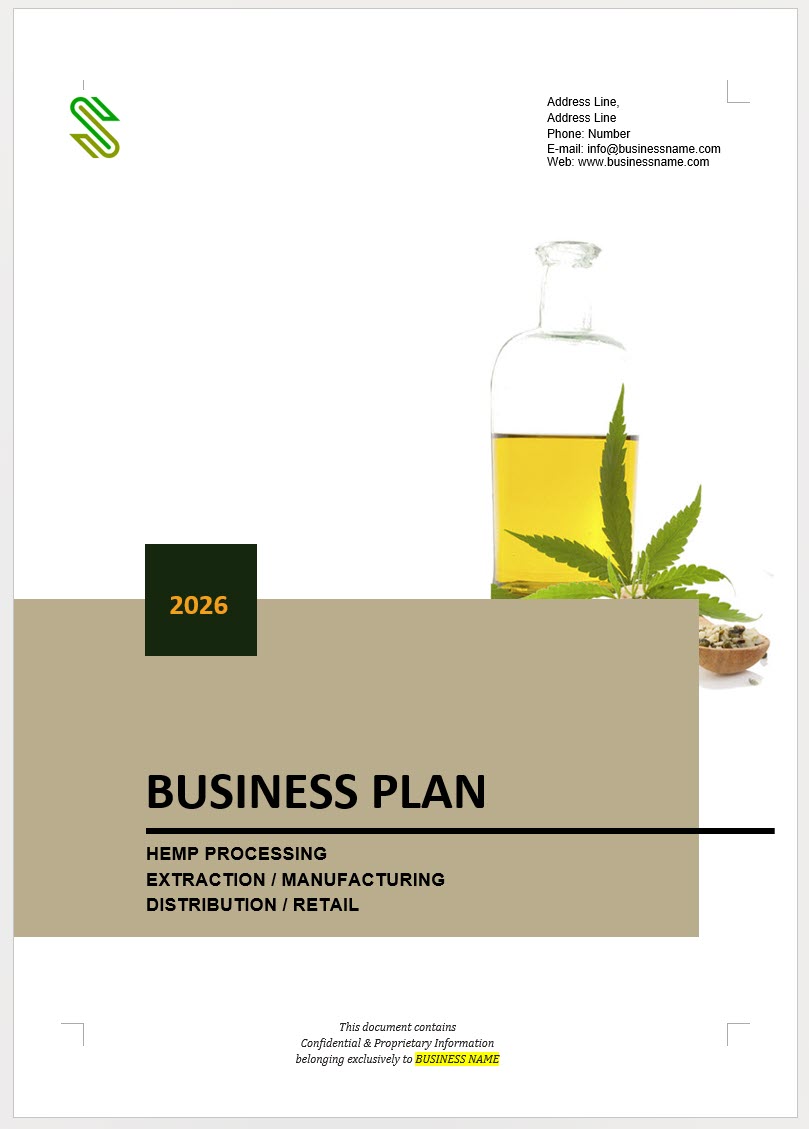
- Word Business Plan: value proposition, market analysis, marketing strategy, operating plan, organizational structure, financial plan and more.
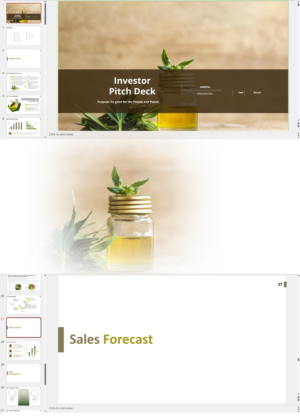
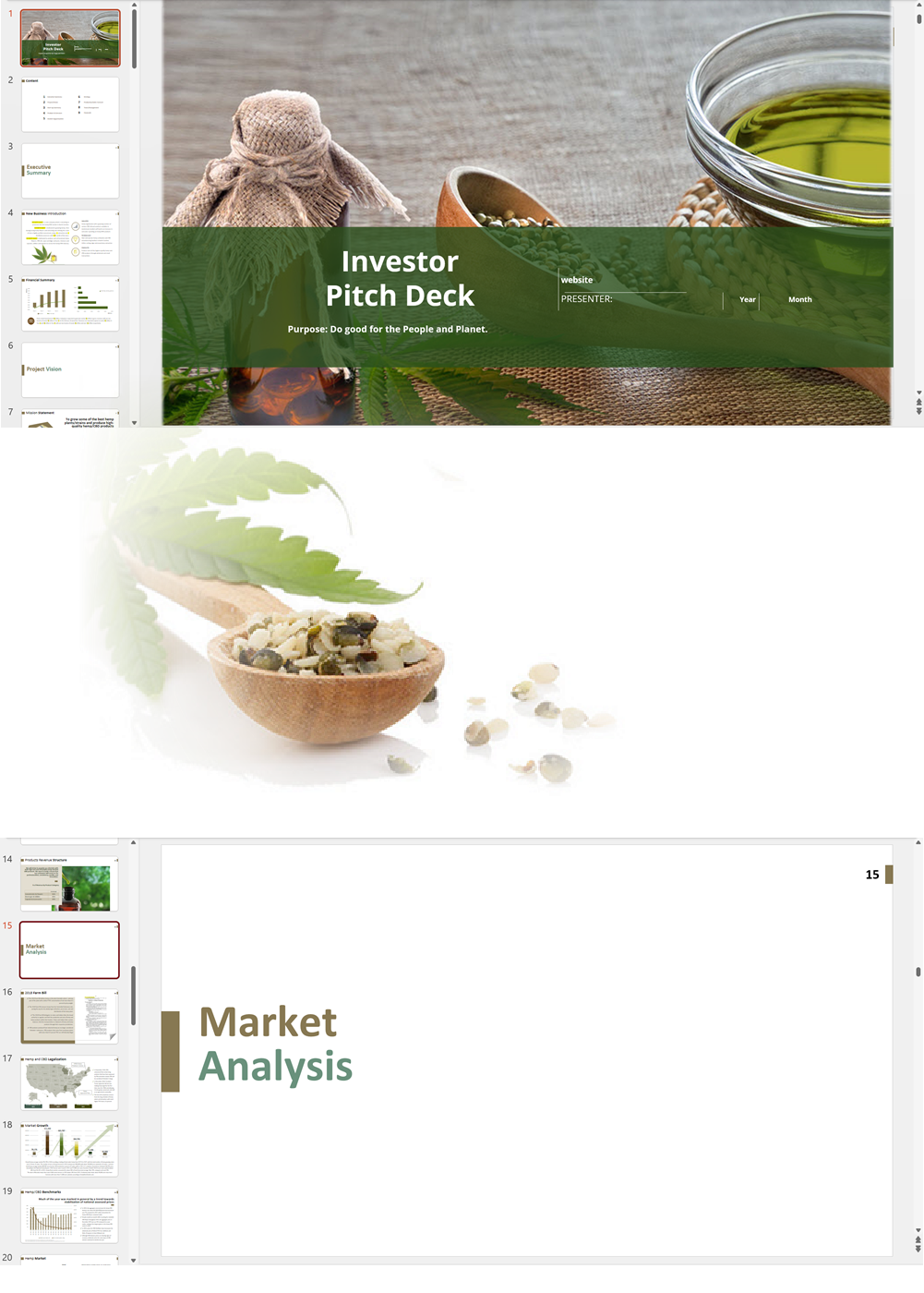
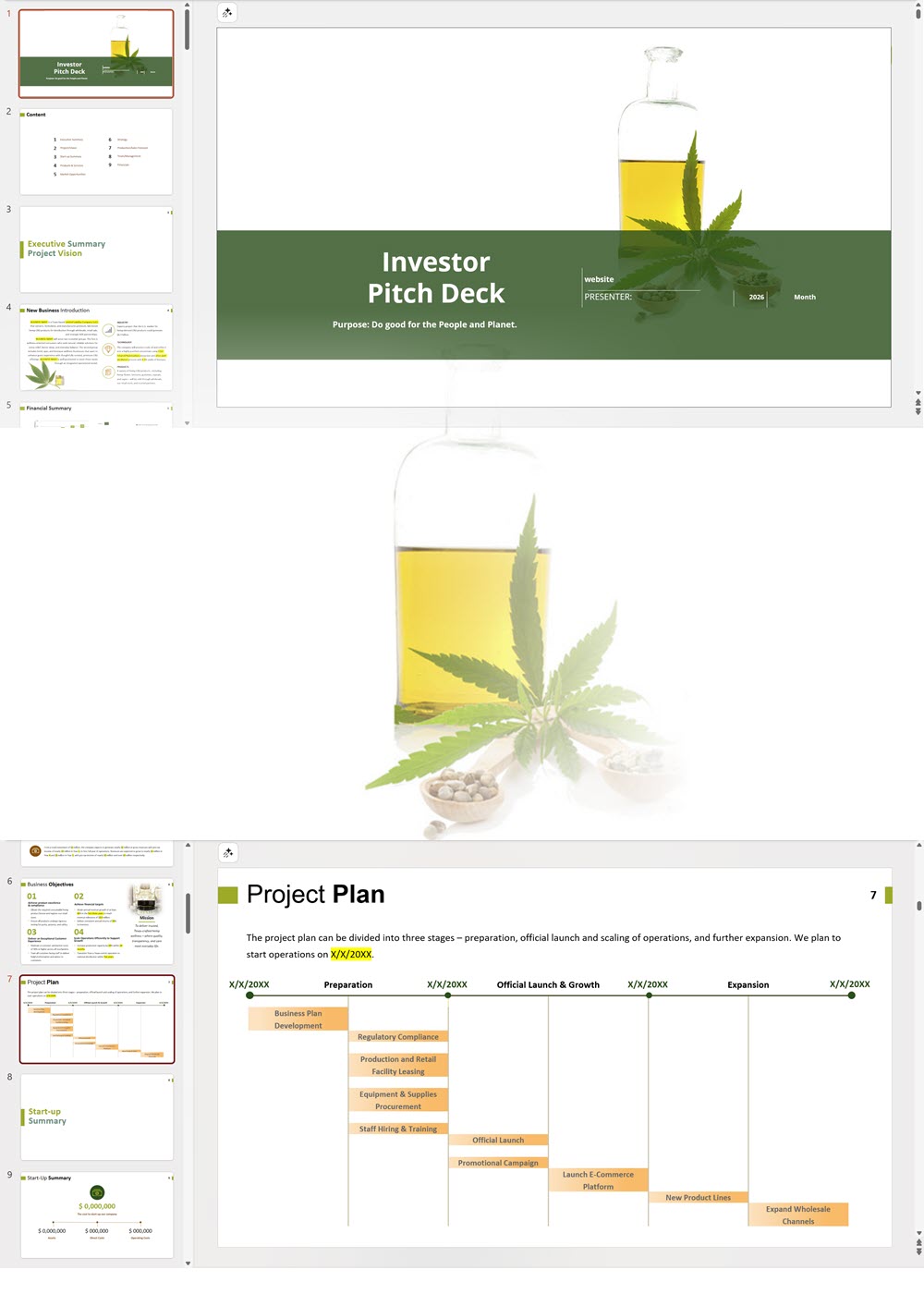
- PowerPoint Pitch Deck: provide a quick overview of your hemp CBD business plan.
'70% ready to go' business plan templates
Our hemp/CBD financial models and business plan templates will help you estimate how much it costs to start and operate your own hemp/CBD business, to build all revenue and cost line-items monthly over a flexible seven year period, and then summarize the monthly results into quarters and years for an easy view into the various time periods. We also offer investor pitch deck templates.
Hemp Fiber and Grain Cultivation Business Plan Sample, Montana
Best Selling Templates
-

Hemp Cultivation Business Plan Template
Price range: $75.00 through $275.00 Select options This product has multiple variants. The options may be chosen on the product page -

Hemp CBD Financial Model All in One
$200.00 Select options This product has multiple variants. The options may be chosen on the product page -
CBD Retail Investor Pitch Deck Template
$75.00 Select options This product has multiple variants. The options may be chosen on the product page
Cannabis business plan templates are available at cannabusinessplans.com.
Our Templates
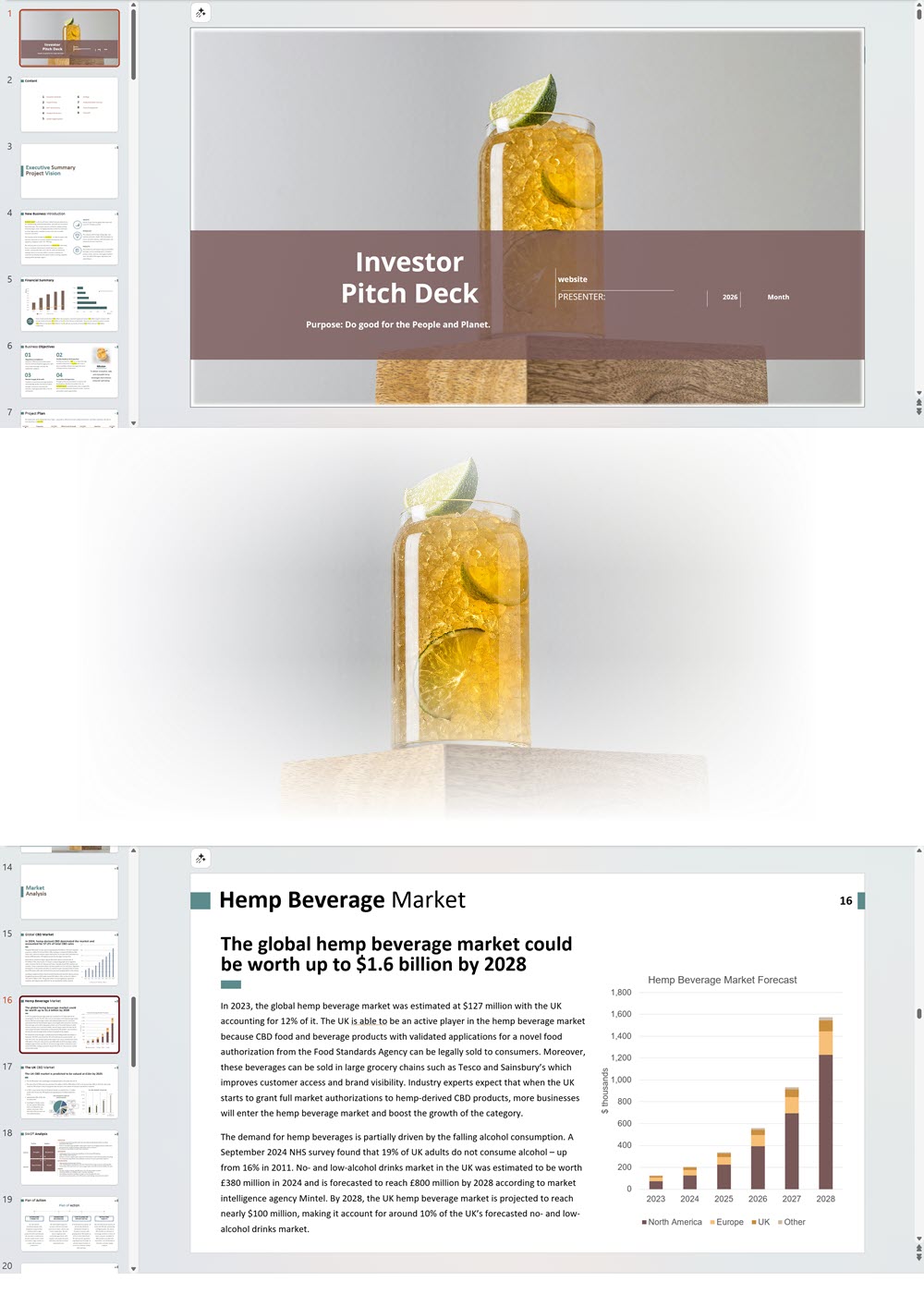
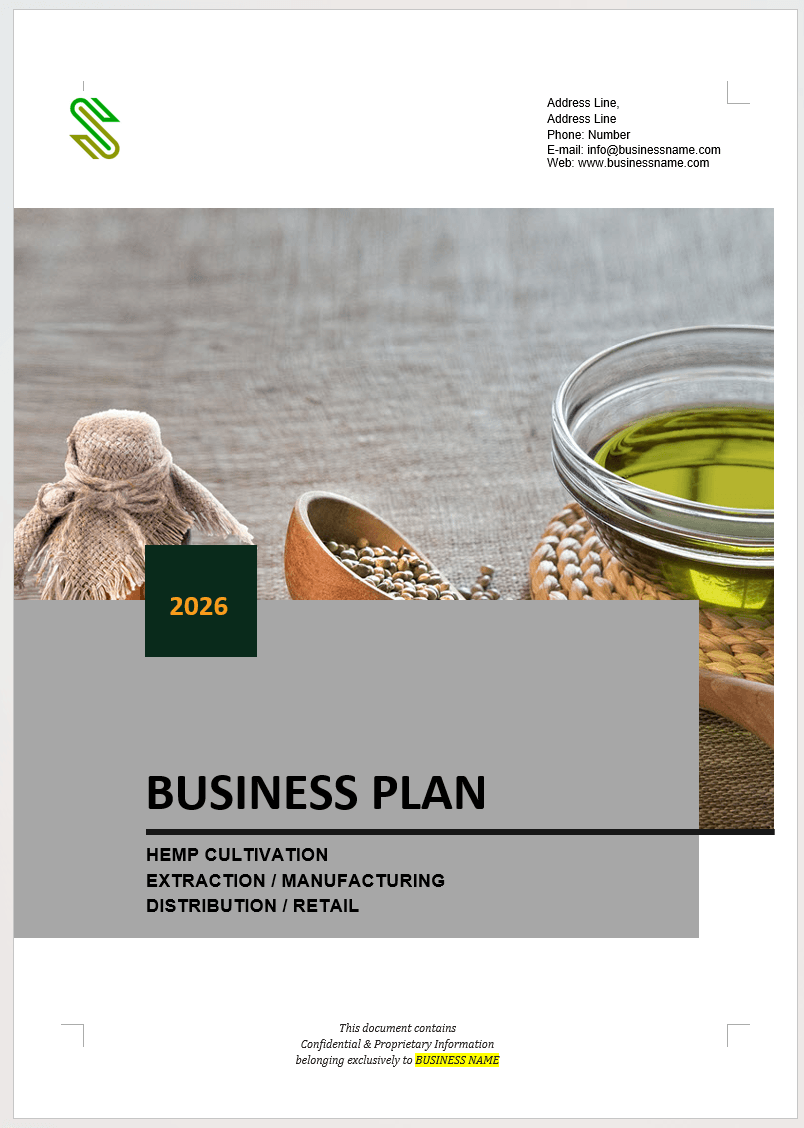
Hemp CBD Vertically Integrated Business Plan Template
Price range: $75.00 through $450.00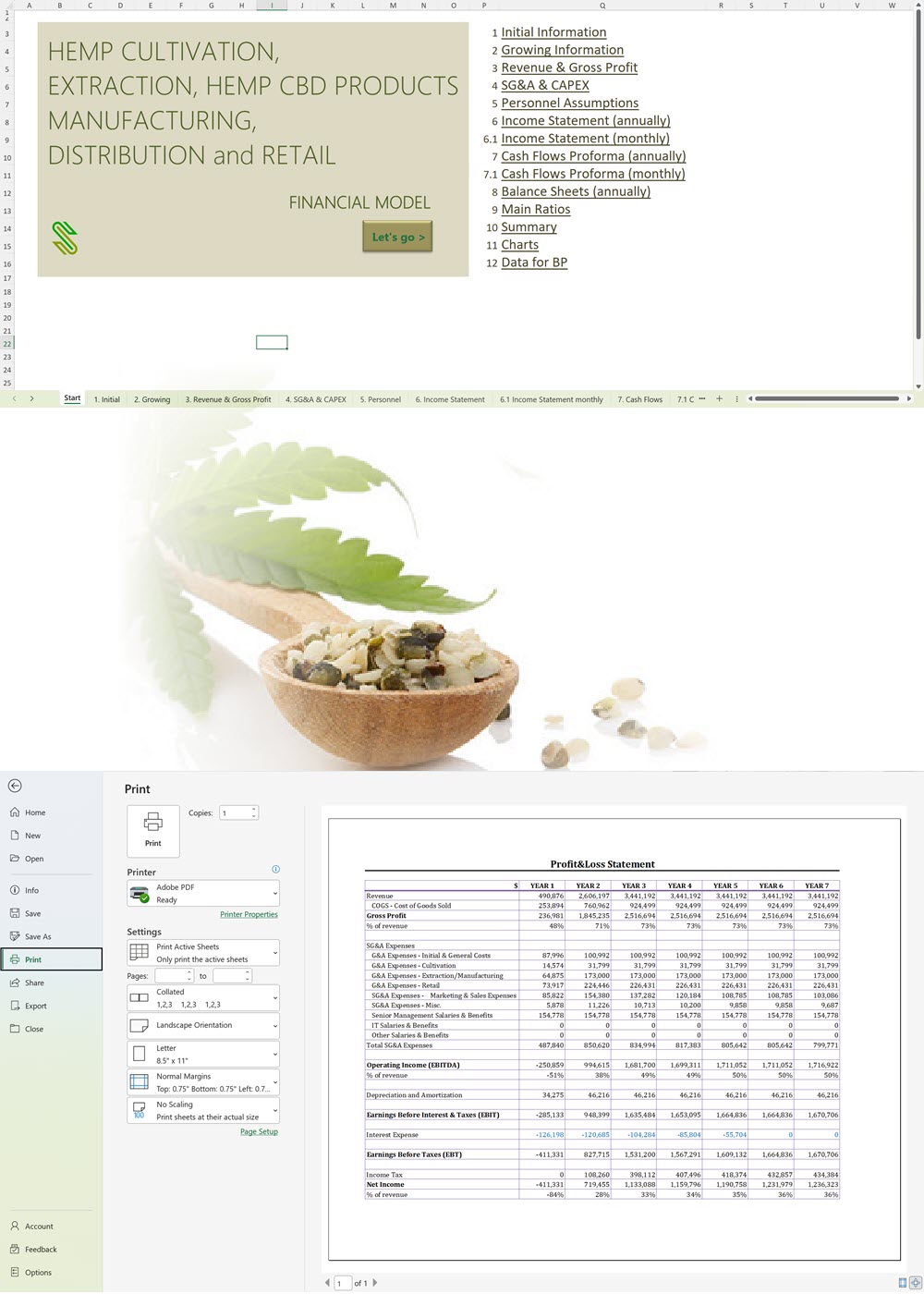
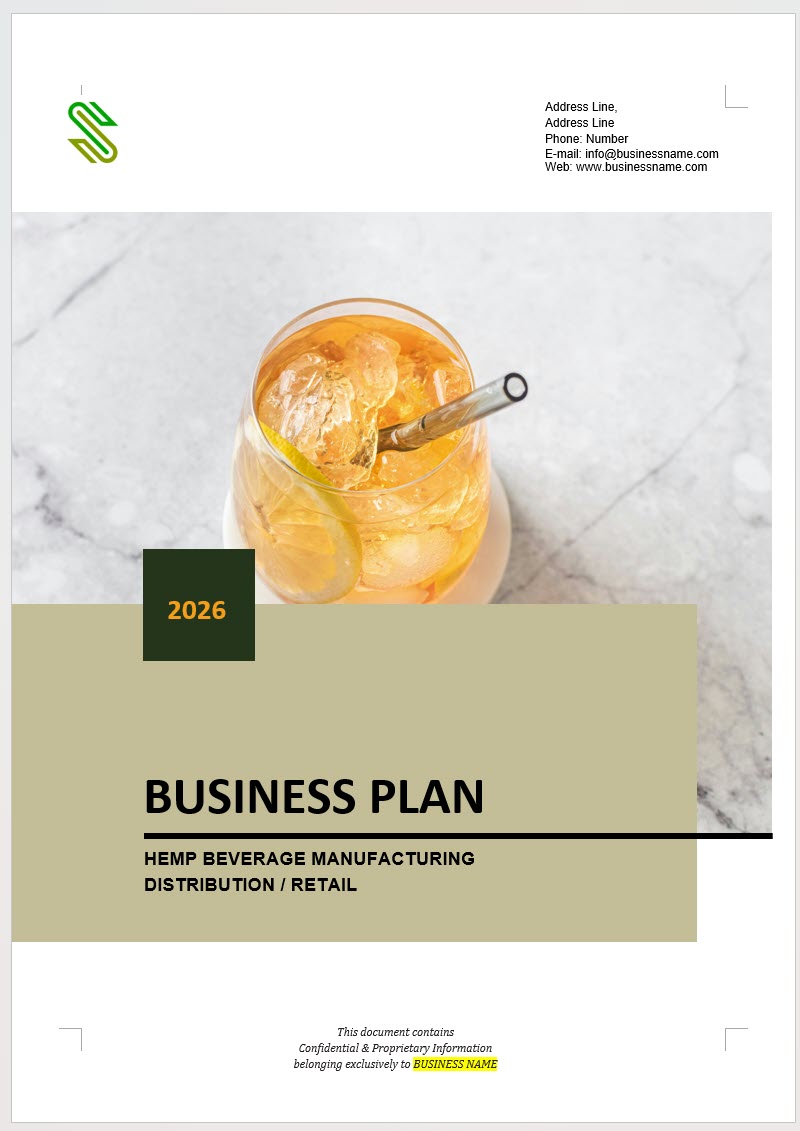
Hemp CBD Beverage Manufacturing, Wholesale and/or Retail Business Plan Template
Price range: $75.00 through $350.00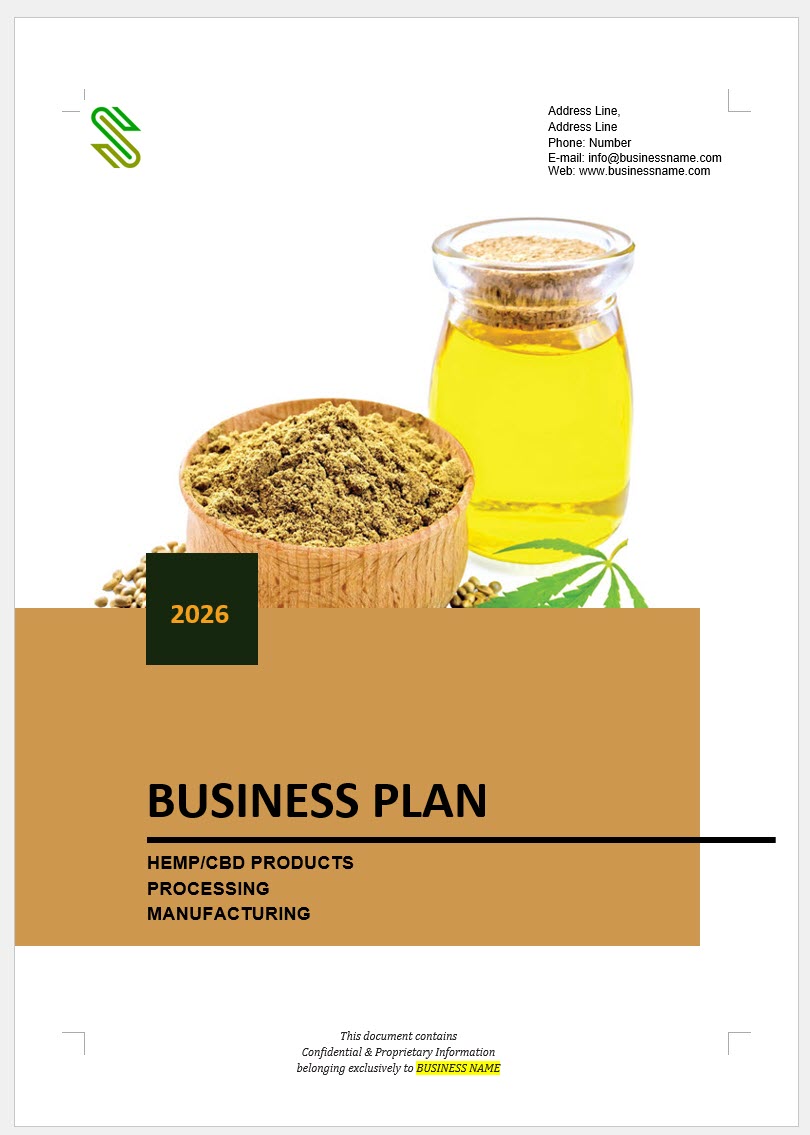
CBD Products Manufacturing Business Plan Template
Price range: $75.00 through $350.00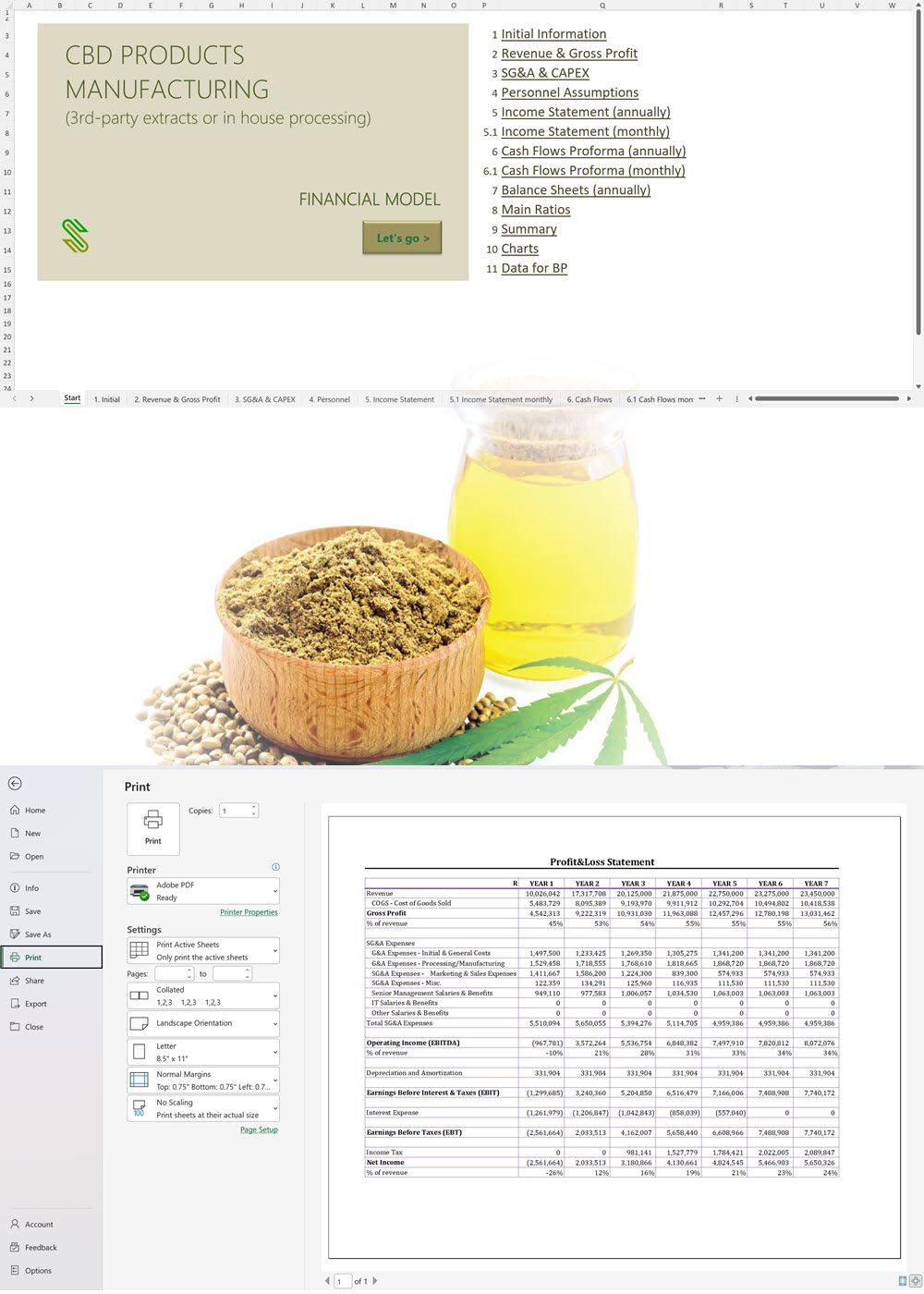
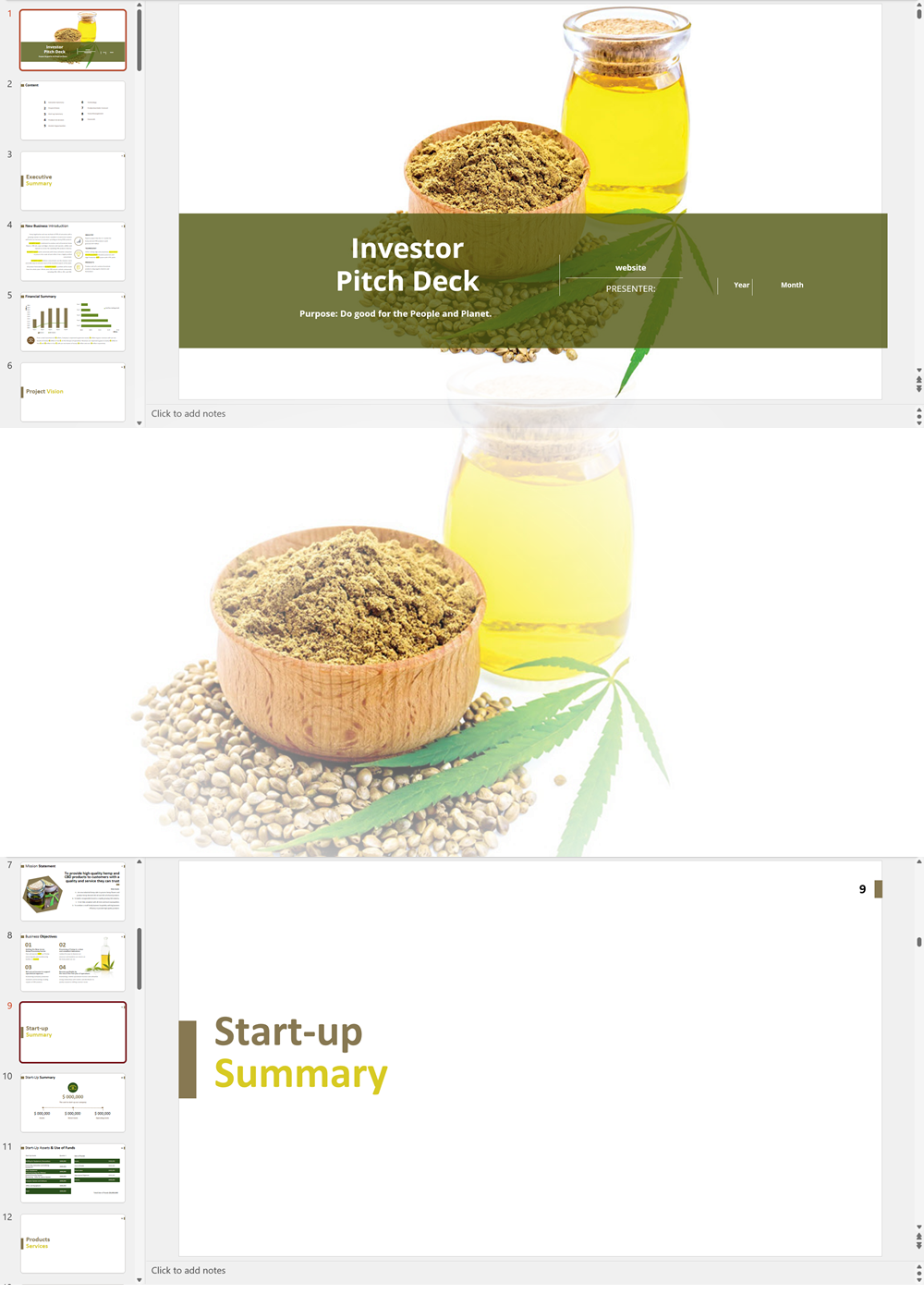
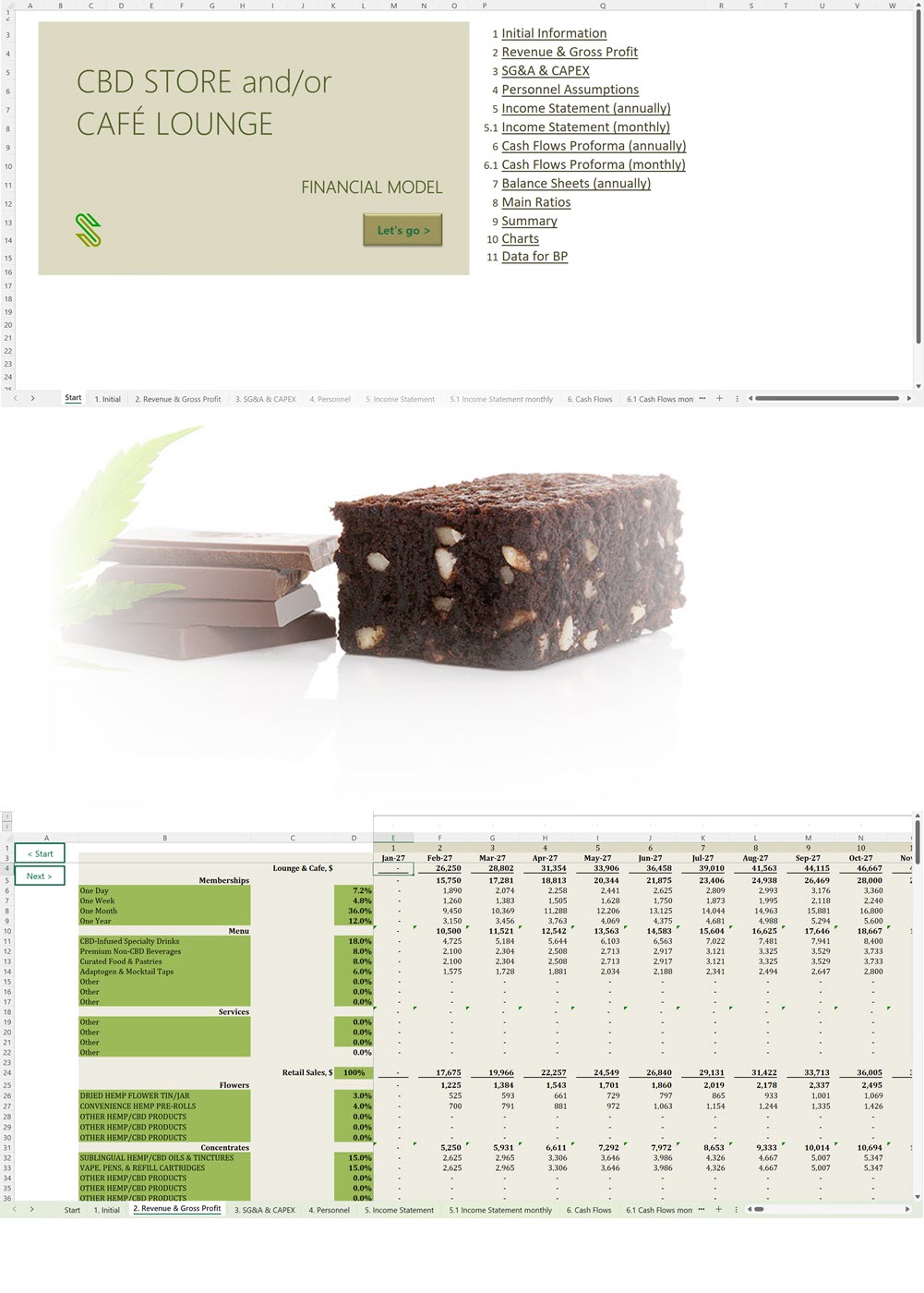
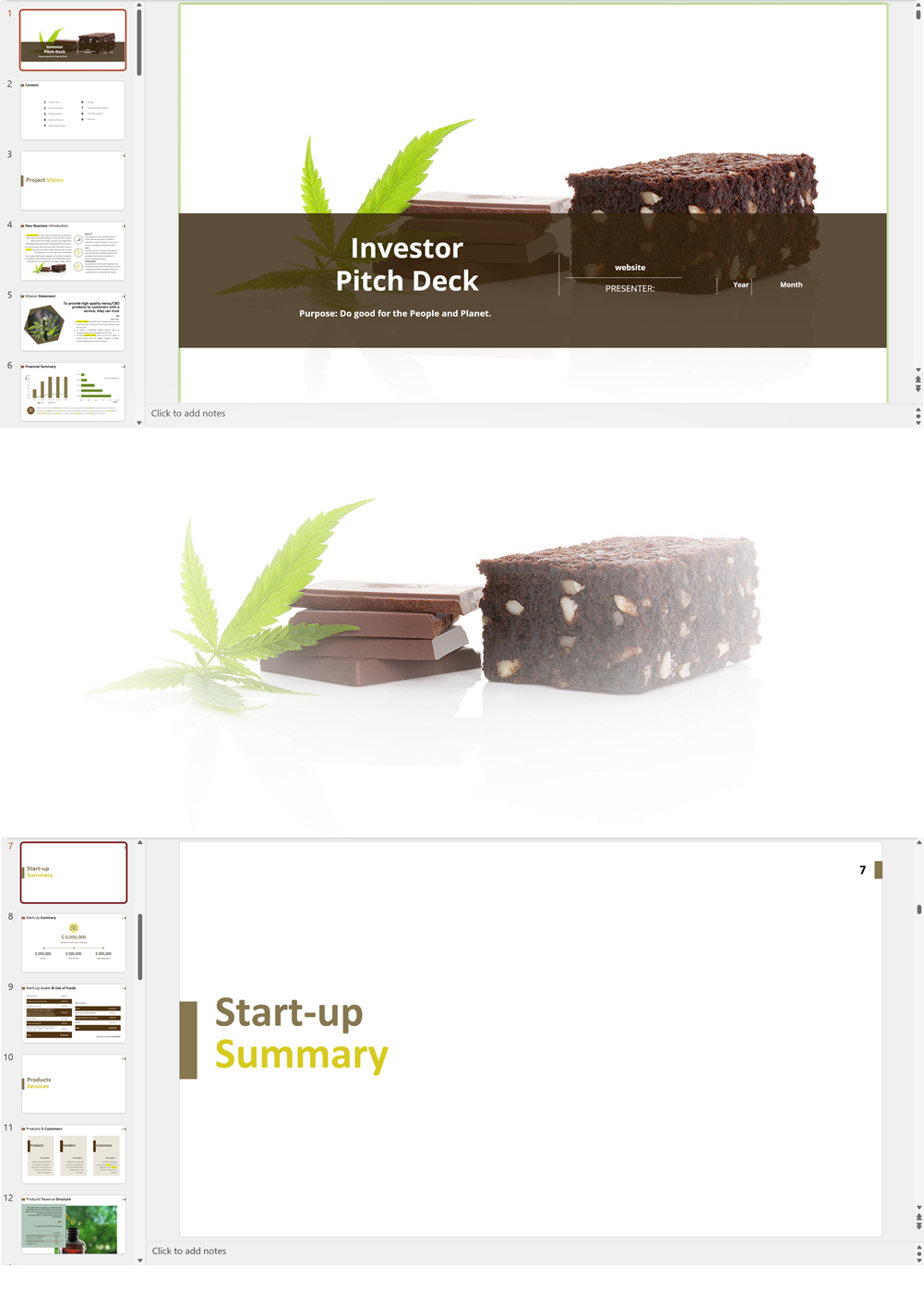
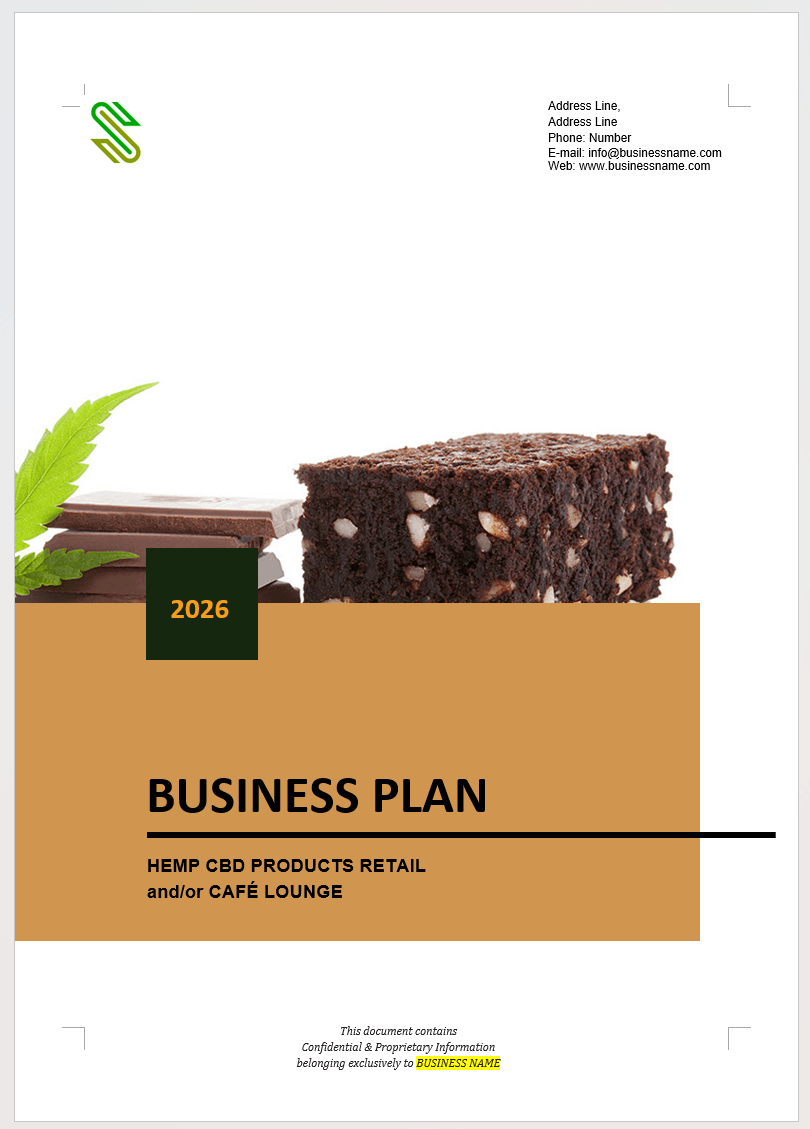
CBD Store and/or Cafe Lounge Business Plan Template
Price range: $75.00 through $275.00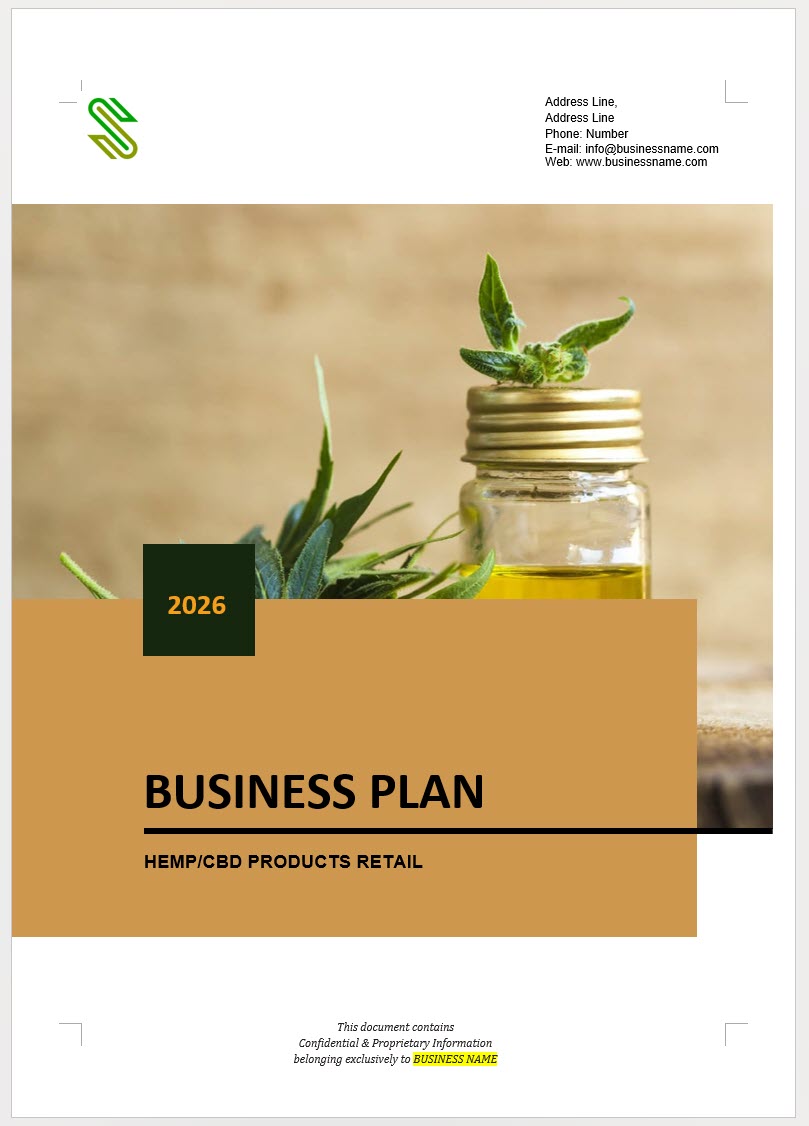
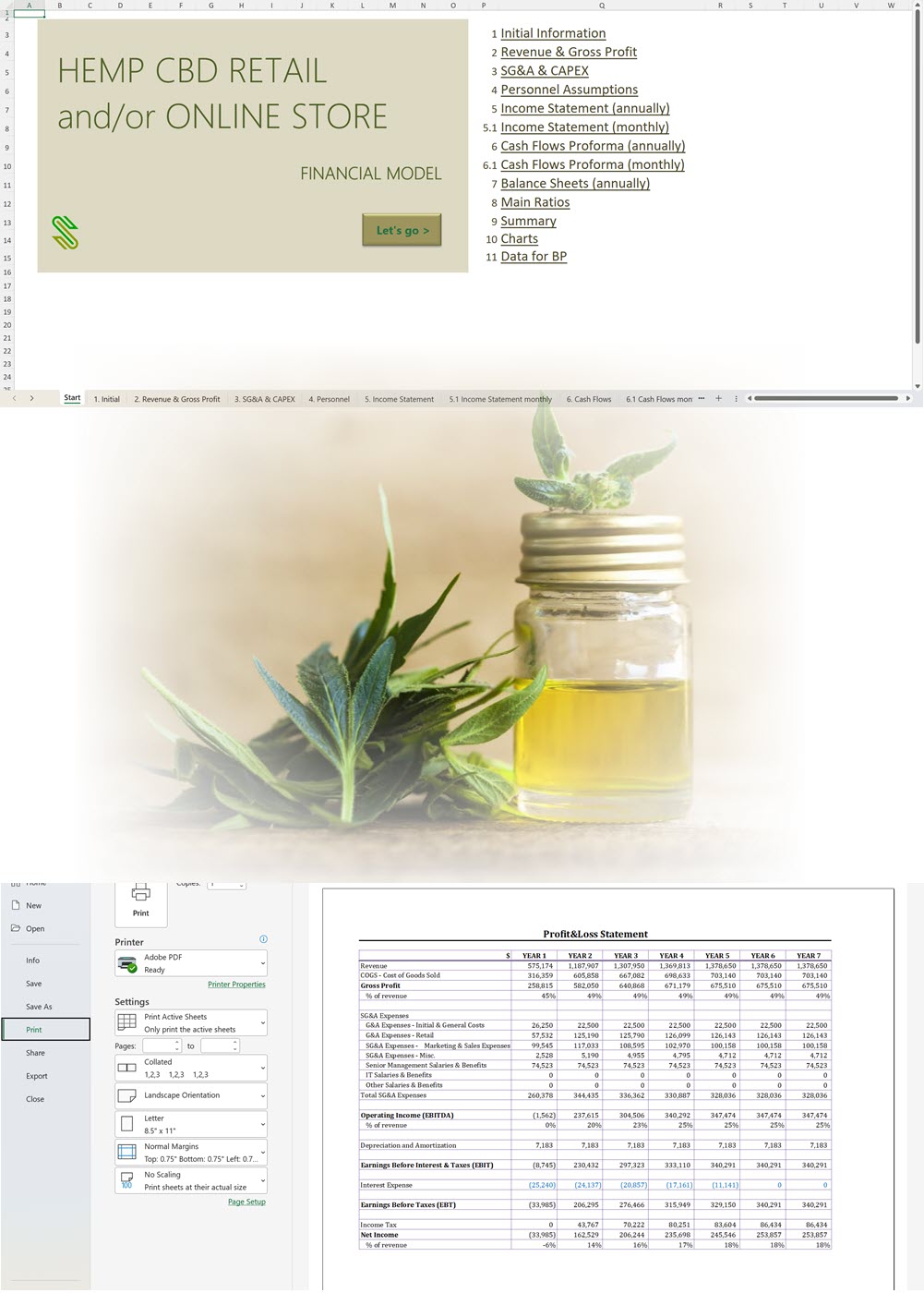
CBD Products Retail/Online Store Business Plan Template
Price range: $75.00 through $275.00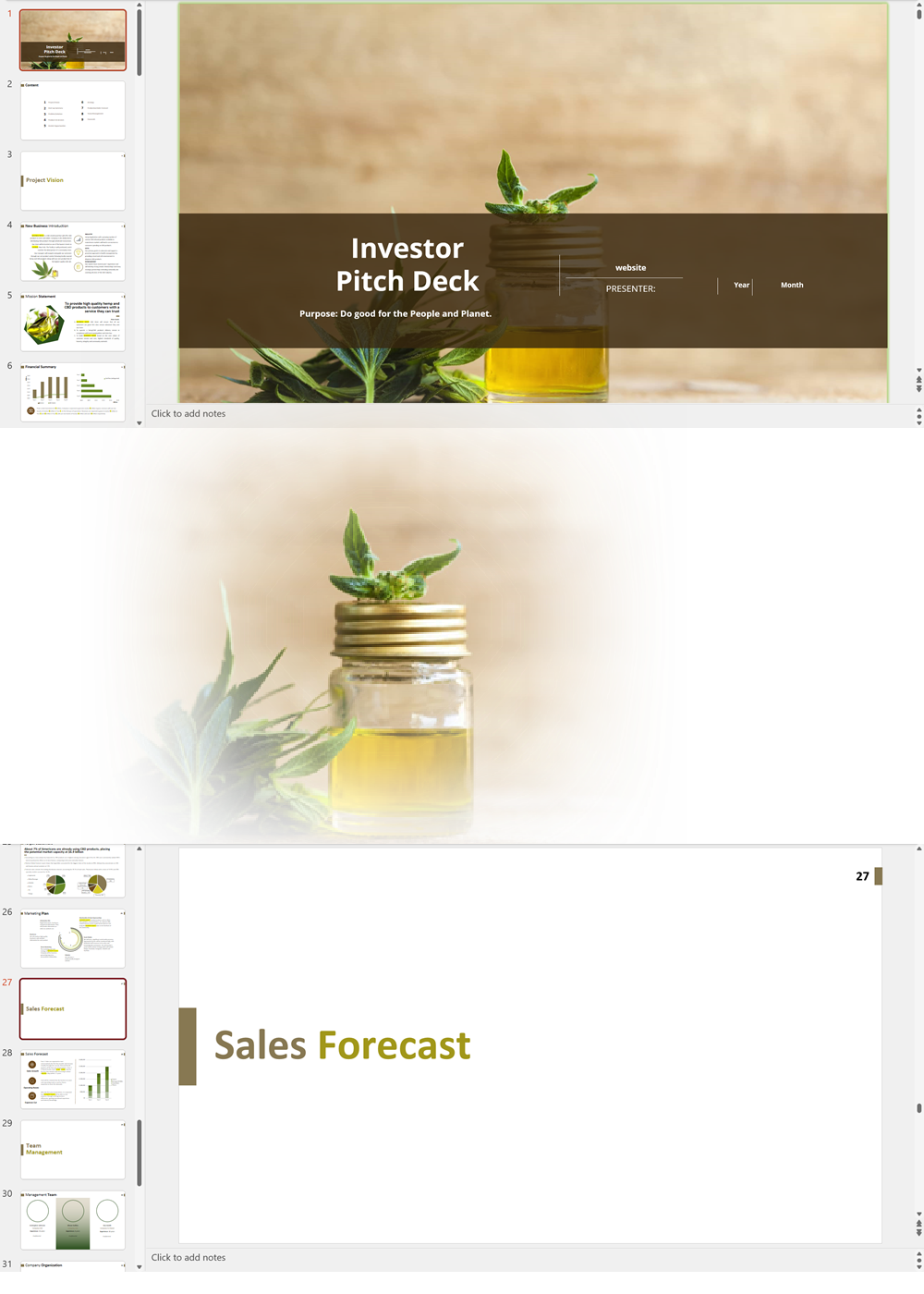
Hemp (Biomass, Fiber, Grain) Cultivation and Processing/ Manufacturing Business Plan Template
Price range: $75.00 through $350.00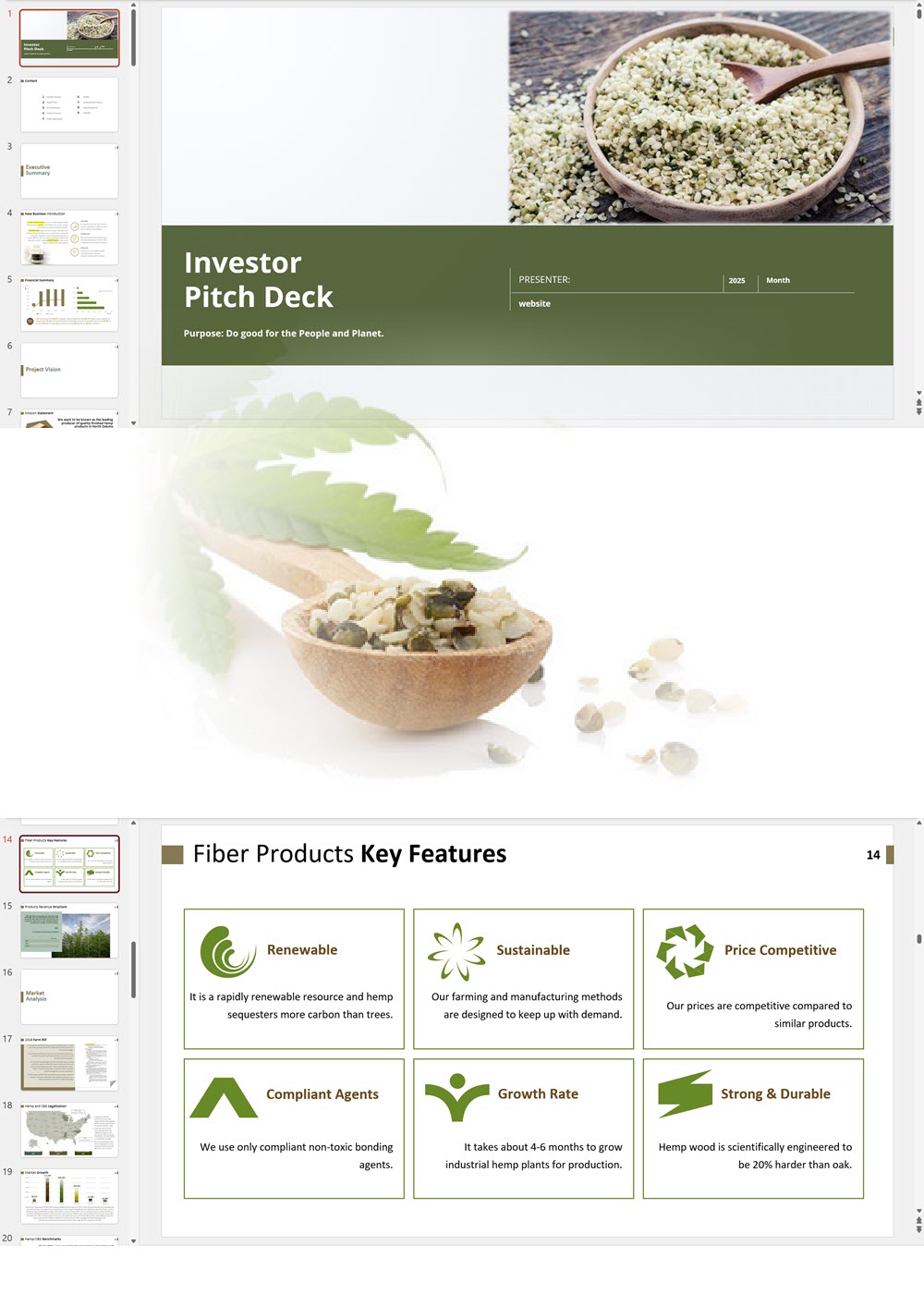
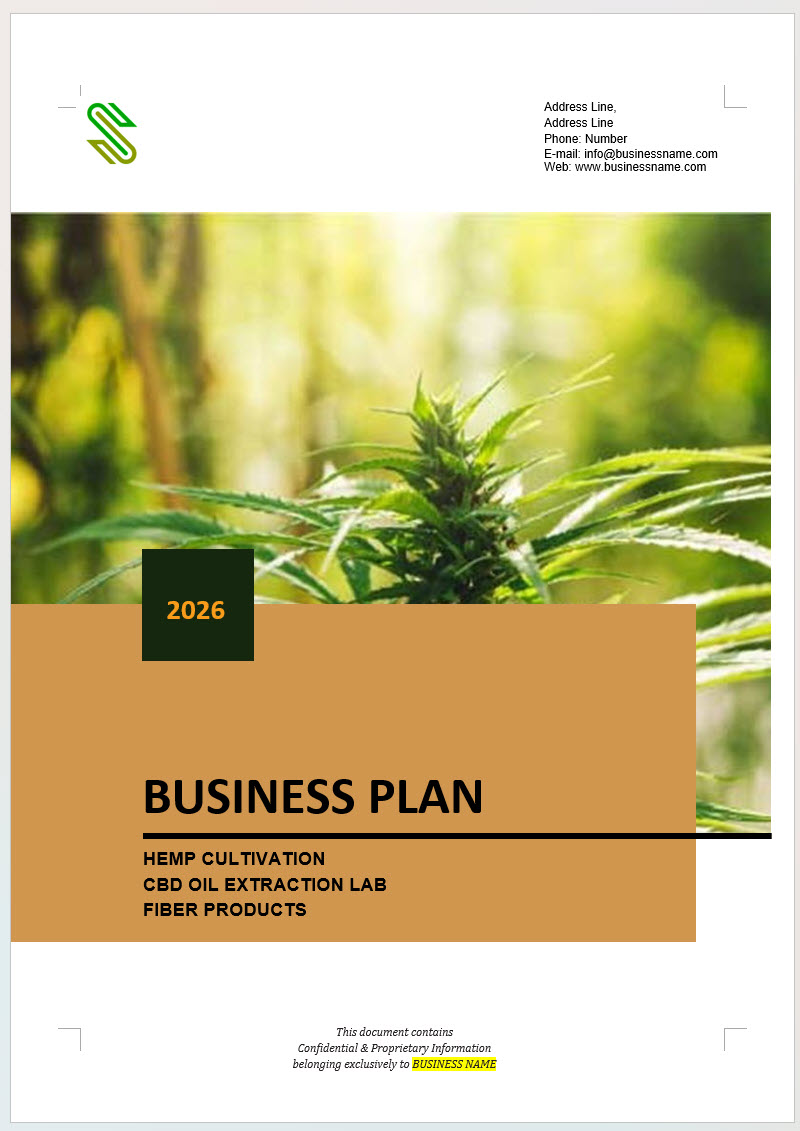
Hemp Cultivation and CBD Oil Extraction and/or Fiber Products Business Plan Template
Price range: $75.00 through $350.00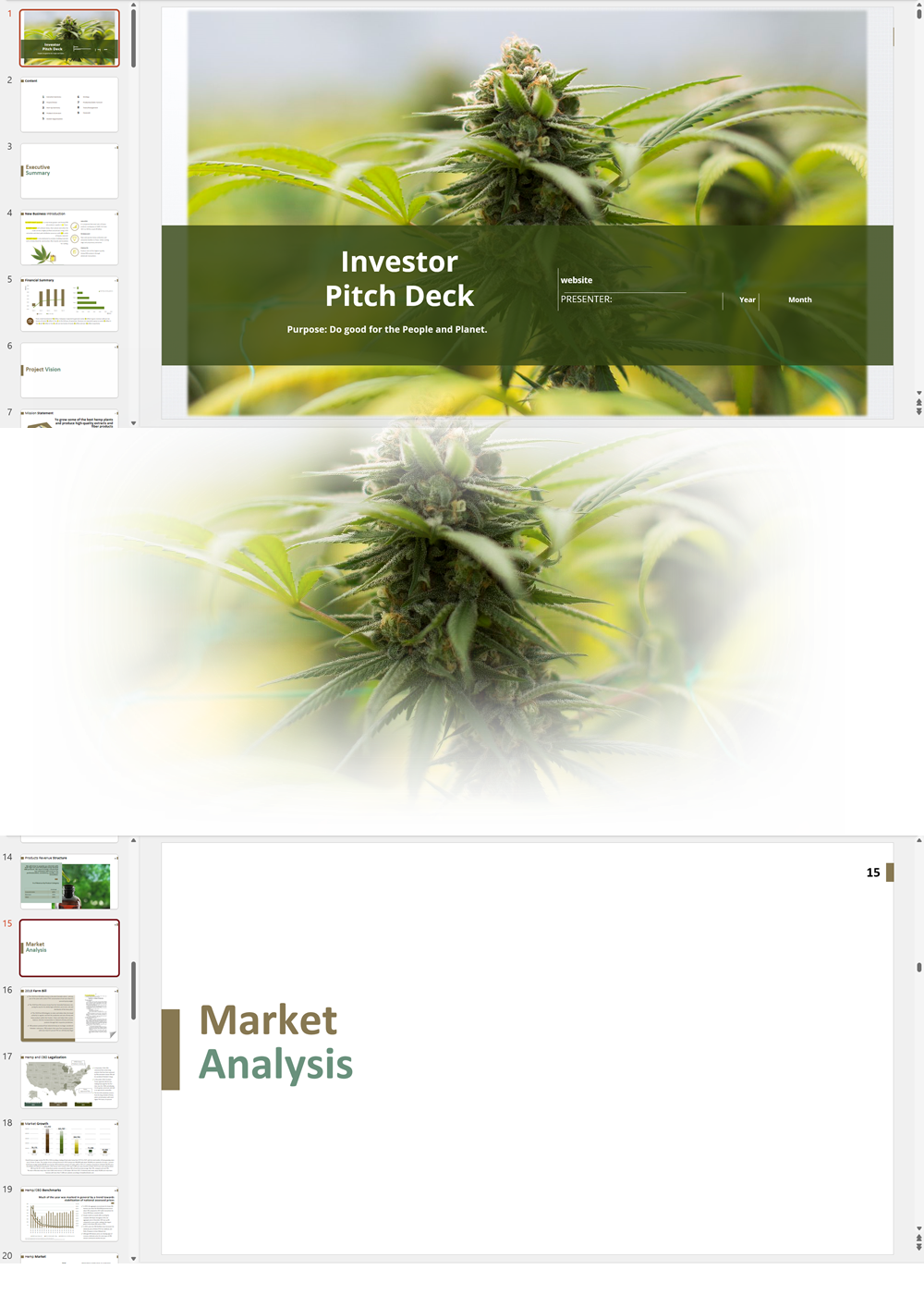
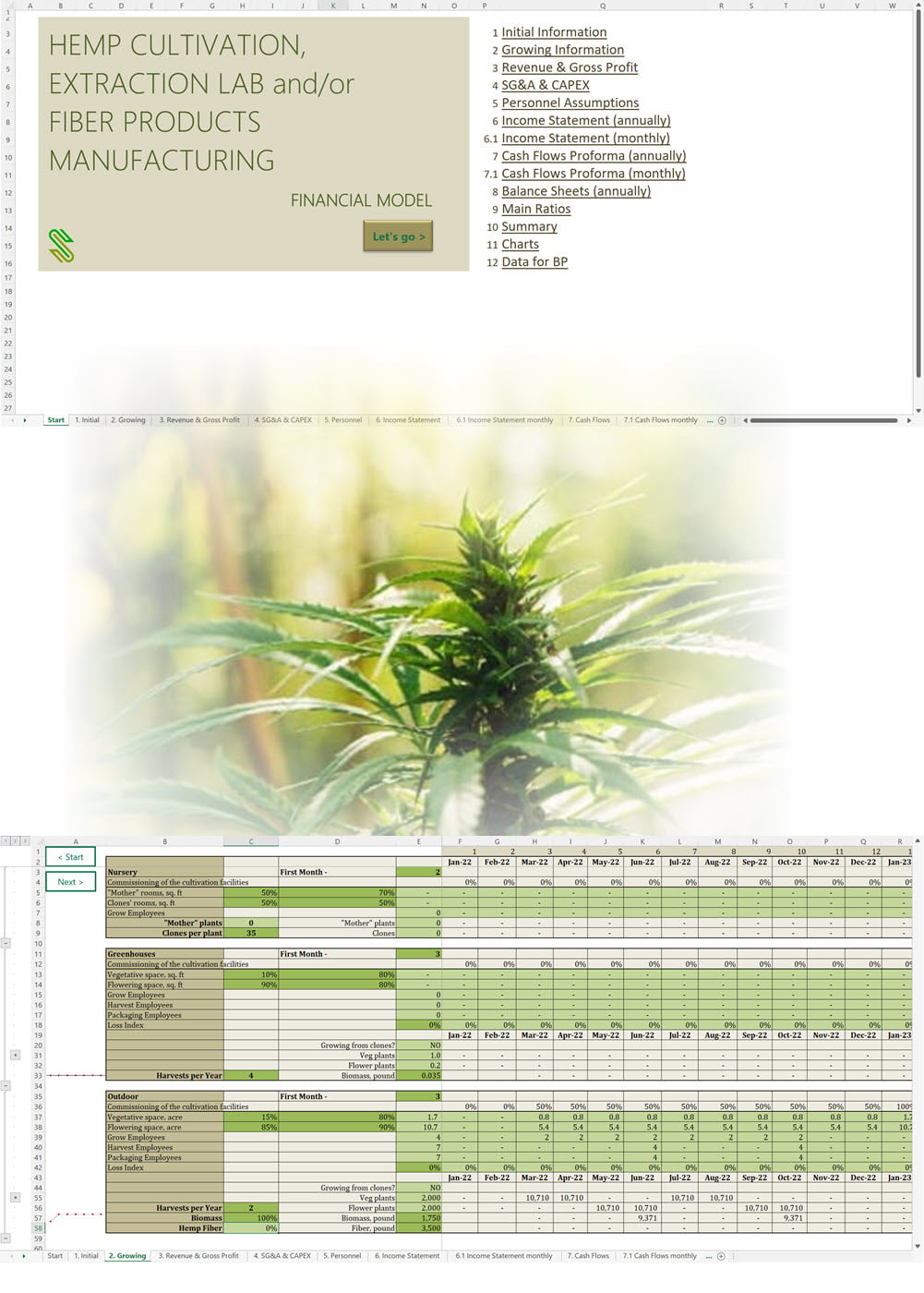
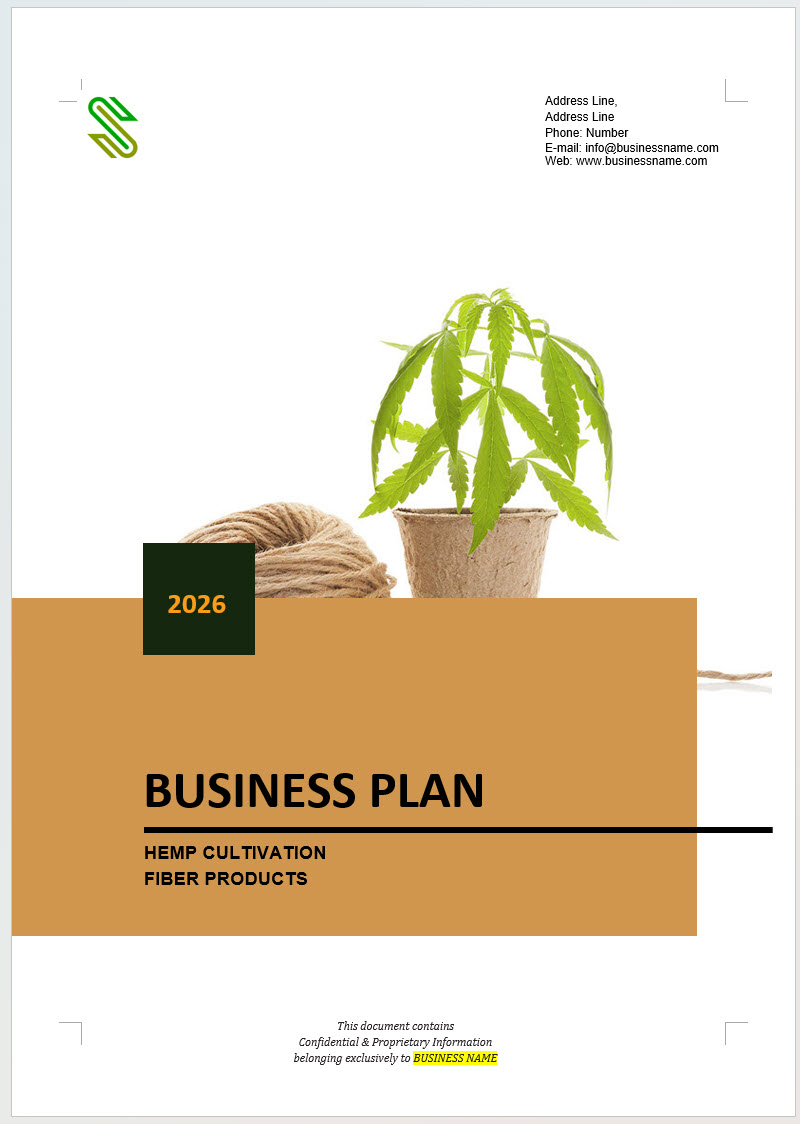
Hemp Fiber Growing and Manufacturing Business Plan Template
Price range: $75.00 through $275.00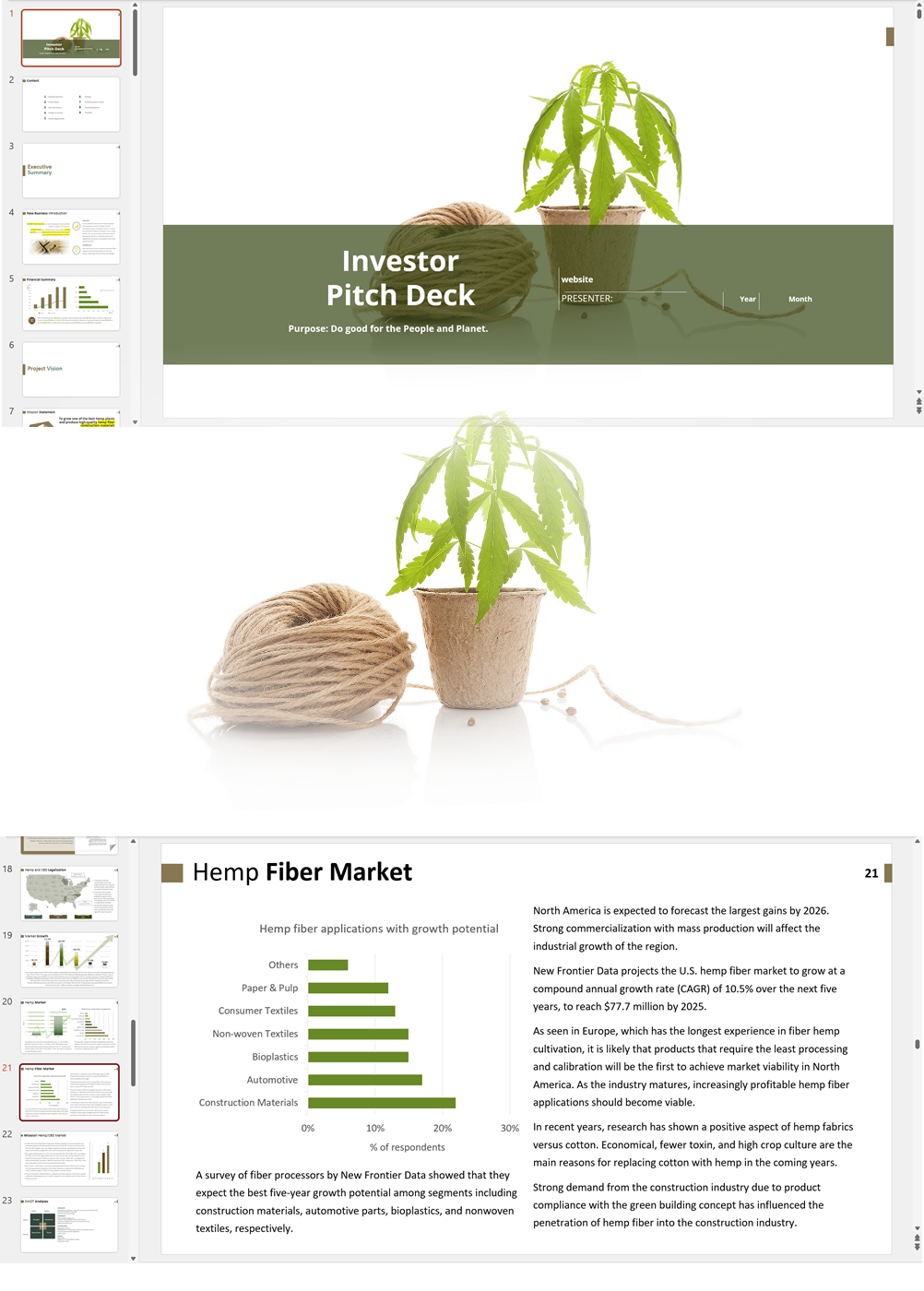
Hemp Cultivation + Extraction + Manufacturing Business Plan Template
Price range: $75.00 through $450.00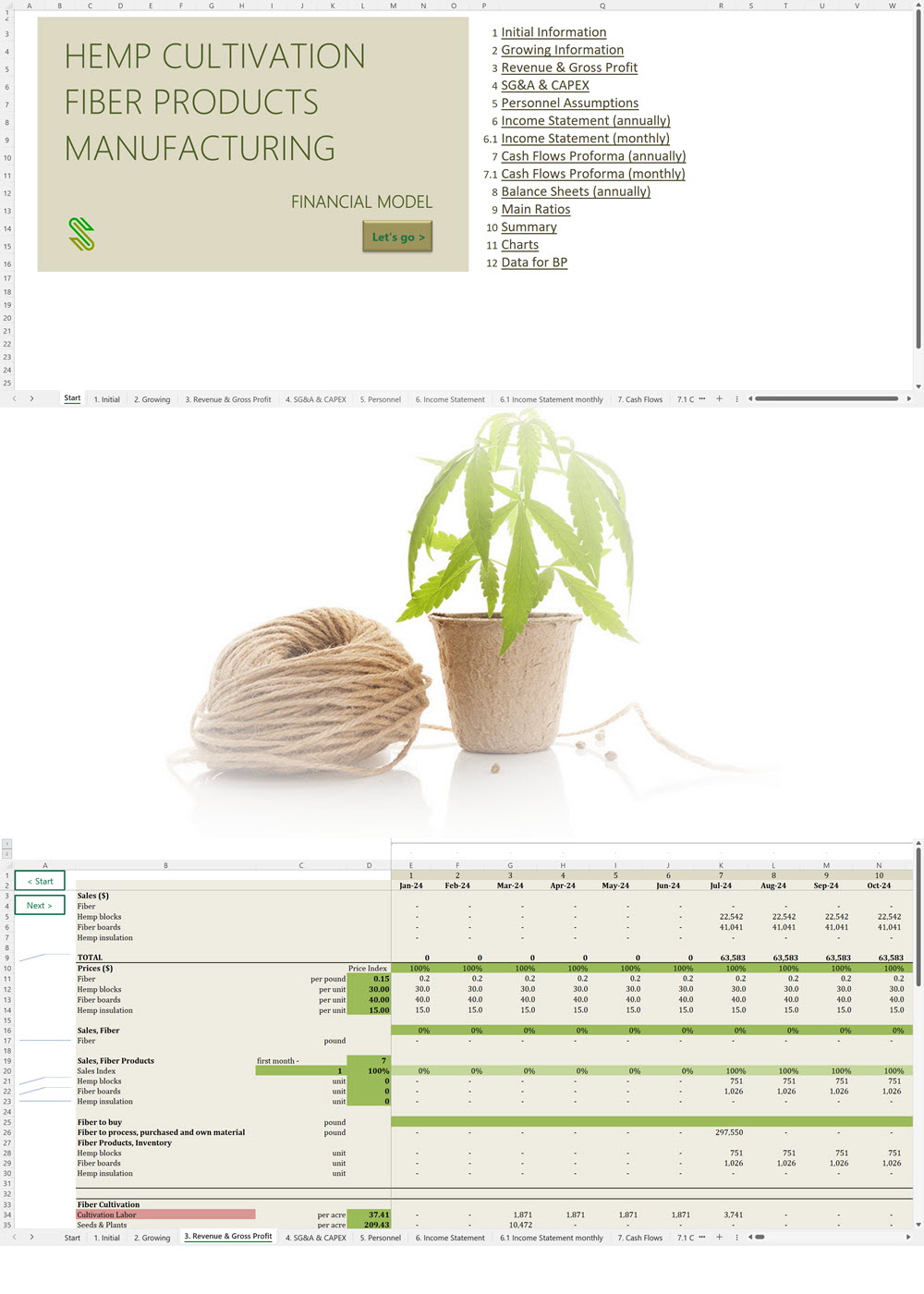
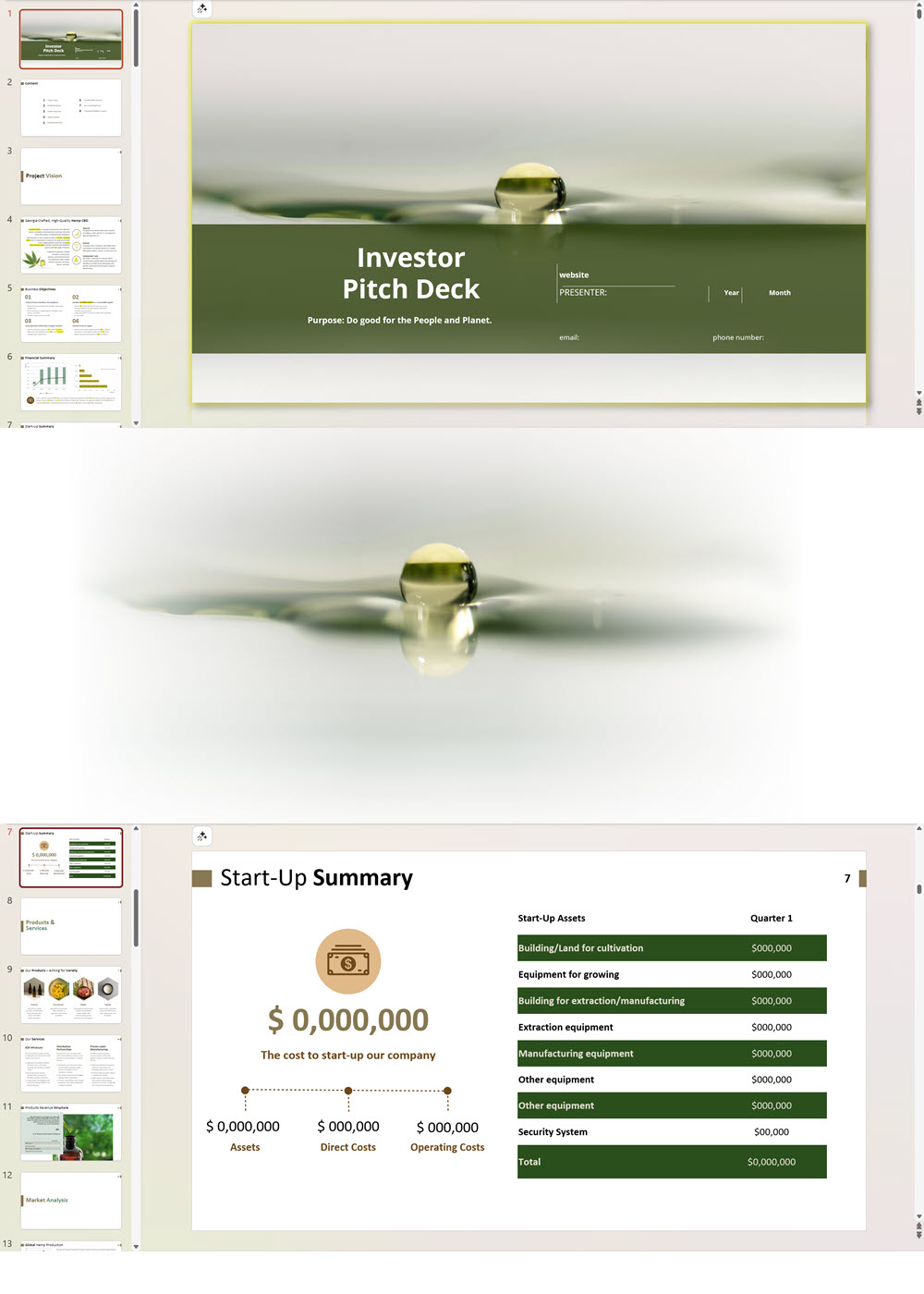
Hemp CBD Extraction + Manufacturing + Retail Business Plan Template
Price range: $75.00 through $450.00