Hemp CBD Legalization and Regulations
CBD is not classified as “cannabis” under Article 1 of the Cannabis Control Act and has been legally importable and sellable since approximately 2013.
On December 6, 2023, Japan’s Diet passed comprehensive amendments to the Cannabis Control Act and Narcotics and Psychotropics Control Law. Key amendments concerning hemp CBD products were the following:
- Came into effect on December 12, 2024:
- THC residue limits: products can contain no more than 10ppm (0.001%) of THC in oil, 1ppm in edibles, and 0.1ppm in beverages.
- Came into effect on March 1, 2025:
- Hemp cultivation license (no more than 0.3% THC):
- Type 1: Allows cultivation of hemp for industrial use in fibre, food, and other non-medical uses. Licenses are issued by prefectural governors.
- Type 2: Allows cultivation of hemp for use in pharmaceuticals. Licenses are issued by the Minister of Health, Labour and Welfare.
- Hemp cultivation license (no more than 0.3% THC):
A collection of official regulations and guidance documents for Japan’s hemp industry can be found on the official website of MHLW.
Hemp Cultivation License
Industrial Use
Under the Cannabis Control Act, a person wishing to cultivate industrial hemp must obtain a license from the prefectural governor. The license is valid from its date of issuance to December 31 of that year. License application fees vary by prefecture, ranging between ¥20,000 and ¥30,0000. License renewal fees are in the ¥3,200-¥3,500 range.
Hemp cultivators are governed by the Enforcement Regulations of the Law Concerning the Regulation of Cannabis Cultivation. Cultivation area must be greater or equal to 100 sq. m.
An application for the license must be submitted in Annex 1 format found in the Enforcement Regulations, along with the following documents:
- If the applicant is an individual:
- A document detailing their career history;
- A copy of their resident registration card; and
- An identification card or qualification certificate issued by a public institution with a photograph attached, or other document that the prefectural governor recognizes as equivalent to these.
- If the applicant is a corporation or organization:
- Articles of incorporation and certificate of registered matters;
- A document stating the names and brief resumes of the officers who will be performing the business; and
- A copy of each officer’s resident card and an identification card or qualification certificate issued by a public institution with a photograph attached, or other document that the prefectural governor recognizes as equivalent to these.
- A doctor’s certificate as to whether the person seeking a license (or, in the case of a corporation or organization, the officer who performs the business) has a mental disorder or is a drug addict.
- Cultivation land registration certificate.
- Map showing the area of the cultivation area.
- If land is not owned by the applicant, a letter of consent from the owner, a copy of the lease agreement, or other documents certifying that the person seeking a license can use the cultivation land.
- Business plan.
- Drawings and photographs showing the location and structure of the office where hemp will be handled.
- A document detailing the measures to be taken to prevent theft or loss of hemp.
The Ministry of Health, Labor and Welfare has provided a guide to the governors of prefectures regarding the review of applications for Type 1 hemp cultivation licenses. This guide may be helpful for applicants when it comes to planning their business plans to increases the chances of their application being approved.
Every year before January 30, a licensed hemp cultivator must report to the prefectural governor the:
- Cultivated area of hemp plants in the previous year.
- Quantity of fiber extracted from hemp plants in the previous year.
Pharmaceutical Use
Under the Cannabis Control Act, a person wishing to cultivate hemp for use as a raw material in pharmaceuticals must obtain a license from the Ministry of Health, Labor and Welfare (MHLW). License application fee is ¥180,600. License renewal fee is ¥12,300.
Hemp cultivators are governed by the Enforcement Regulations of the Law Concerning the Regulation of Cannabis Cultivation. Cultivation area must be greater or equal to 100 sq. m.
An application for the license must be submitted in Annex 1 format found in the Enforcement Regulations, via the Director of the Regional Bureau of Health Welfare, along with the following documents:
- If the applicant is an individual:
- A document detailing their career history;
- A copy of their resident registration card; and
- An identification card or qualification certificate issued by a public institution with a photograph attached, or other document that the MHLW recognizes as equivalent to these.
- If the applicant is a corporation or organization:
- Articles of incorporation and certificate of registered matters;
- A document stating the names and brief resumes of the officers who will be performing the business; and
- A copy of each officer’s resident card and an identification card or qualification certificate issued by a public institution with a photograph attached, or other document that the MHLW recognizes as equivalent to these.
- A doctor’s certificate as to whether the person seeking a license (or, in the case of a corporation or organization, the officer who performs the business) has a mental disorder or is a drug addict.
- Cultivation land registration certificate.
- Map showing the area of the cultivation area.
- If land is not owned by the applicant, a letter of consent from the owner, a copy of the lease agreement, or other documents certifying that the person seeking a license can use the cultivation land.
- Business plan.
- Drawings and photographs showing the location and structure of the office where hemp will be handled.
- A document detailing the measures to be taken to prevent theft or loss of hemp.
The Ministry of Health, Labor and Welfare has provided a guide to the Directors of Regional Health and Welfare Bureaus regarding the review of applications for Type 2 hemp cultivation licenses. This guide may be helpful for applicants when it comes to planning their business plans to increases the chances of their application being approved.
Research
The MHLW, through its regional bureaus, also issues research cultivation permits which authorize cultivation for scientific research, breeding improved varieties, and educational purposes. The application fee is ¥12,900. The license renewal fee is ¥5,500.
The documents required to be submitted with the application are the same as for the Type 1 and Type 2 cultivation licenses, with the addition of the requirement to have a research plan.
The Ministry of Health, Labor and Welfare has provided a guide to the Directors of Regional Health and Welfare Bureaus regarding the forms of licenses for hemp research growers.
How to Import CBD into Japan
Prior to importing a CBD product into Japan, a confirmation must be obtained from the Ministry of Health, Labor and Welfare (MHLW) that the product does not fall under the category of cannabis. The following documents must be submitted in the pre-confirmation stage:
- Certificate of Manufacture
- Component Analysis Report by an Analytical Laboratory
Both documents must state that the product has been extracted or manufactured only from the stalks or seeds of cannabis plants.
Japanese Hemp CBD Market
There are around 35-40 hemp cultivators in Japan. Most of hemp cultivation in Japan occurs in the Tochigi Prefecture where around 12 farmers cultivate a variety of hemp called Tochigishiro.
Several stores in Japan sell topicals, food, and beverages containing CBD. According to a survey performed by Tokyo-based Yano Research Institute in 2022, Japan’s CBD market was worth ¥18.5 million ($120 million) in 2021 and was projected to reach nearly ¥83 million ($535 million) by 2025, fueled by consumers’ growing interest in improving their health.
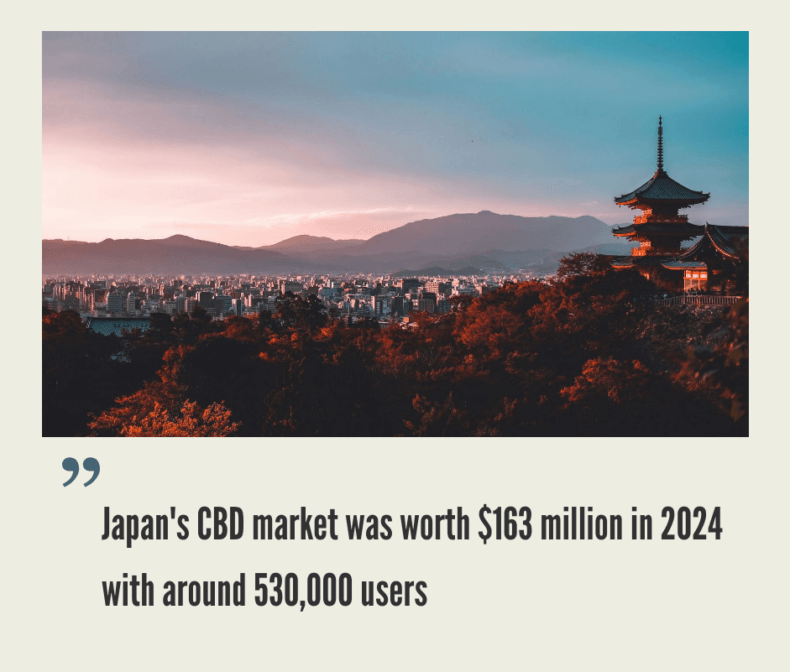
According to Euromonitor, Japan’s CBD market was worth USD$140 million in 2023 and rose by 16.4% to USD$163 million in 2024 with around 530,000 users. This growth is much slower compared to Yano Research Institute’s forecast but nevertheless shows an expanding market that could eventually reach the value of USD$500 million.
According to 2024 retail sales, vapour products are the most popular form of CBD products in the Japanese market, accounting for 37% of total CBD sales. They are followed by tincture and sprays with a 25% share and capsules and topicals which hold 12% each. Edibles and beverages also hold a considerable share, together contributing 13% of total sales.
Green Zone Japan carried out an anonymous online survey in 2022 and found that nearly 90% of respondents were CBD consumers. The most common method of consumption was through e-cigarettes (mentioned by 62.5% of respondents) which is consistent with the findings of Euromonitor. This was followed by oils (59.6%), topicals (34.3%), and food and beverages (34%).
The most common reasons stated for CBD consumption were relaxation (77.8%), improve sleep (66.3%), anxiety (56.2%), and to improve health (50.8%).
Japan is the world’s fourth-largest wellness market, creating substantial CBD demand potential as consumers discover more about its benefits and public acceptance rises with more education.
Japan Hemp CBD Industry Infographics
How Can HempCBDbusinessplans Templates Help Start or Grow Your Hemp CBD Business?
A business plan is essential for securing funding. It will also help you understand how much money it will take to start a hemp CBD business and how much profit it could make. A well-structured business plan can make all the difference in demonstrating your proposed hemp CBD business’ compliance with regulations and its operational viability.
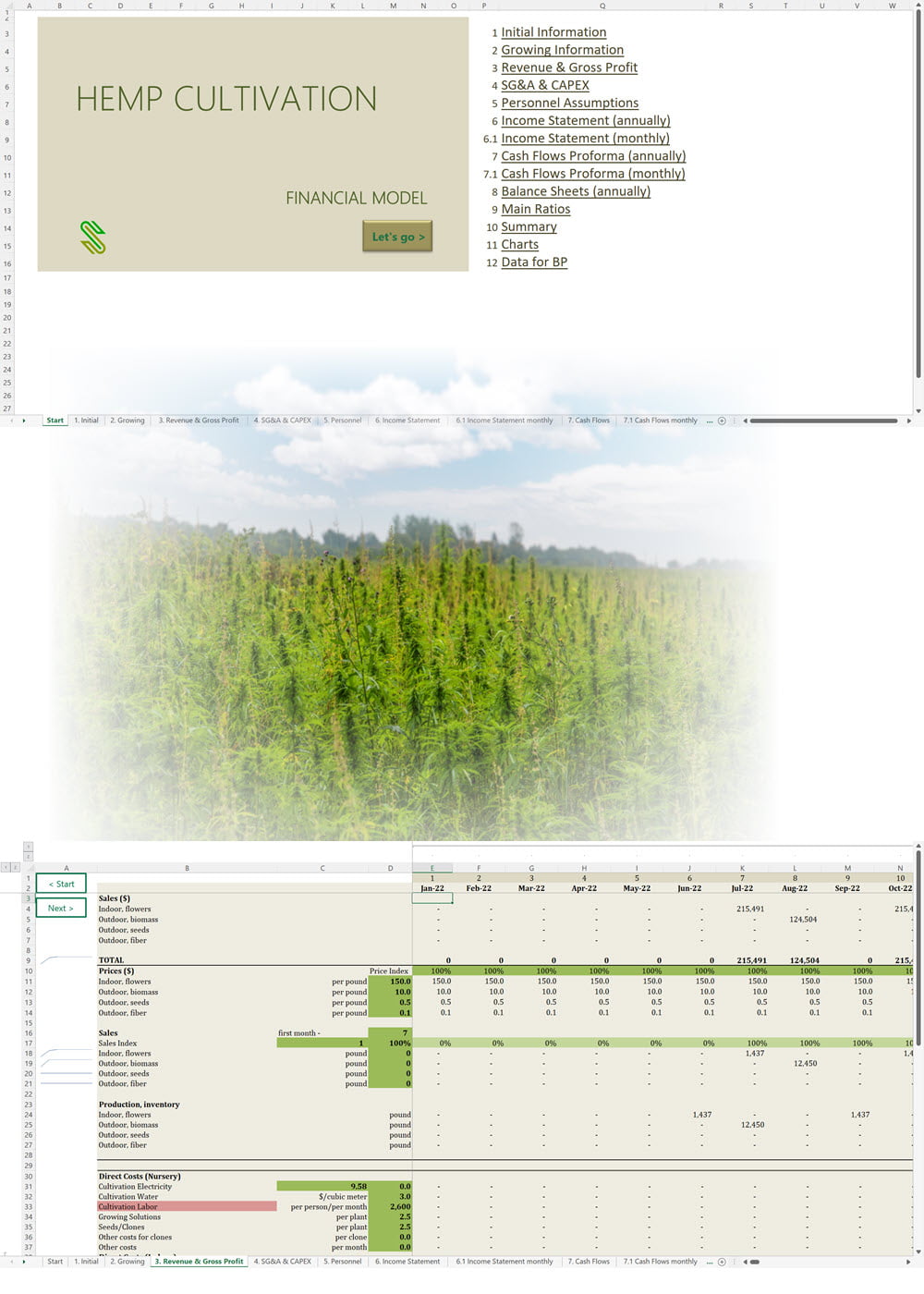
Our complete hemp CBD business plan template package is everything you need to create a professional business plan for a hemp CBD business with expert financials and projections. A complete hemp CBD business plan template package includes:
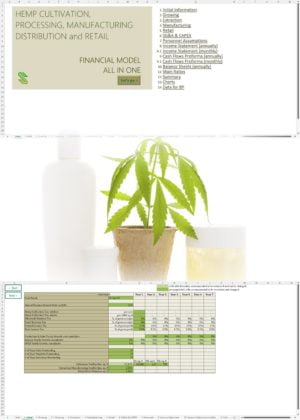
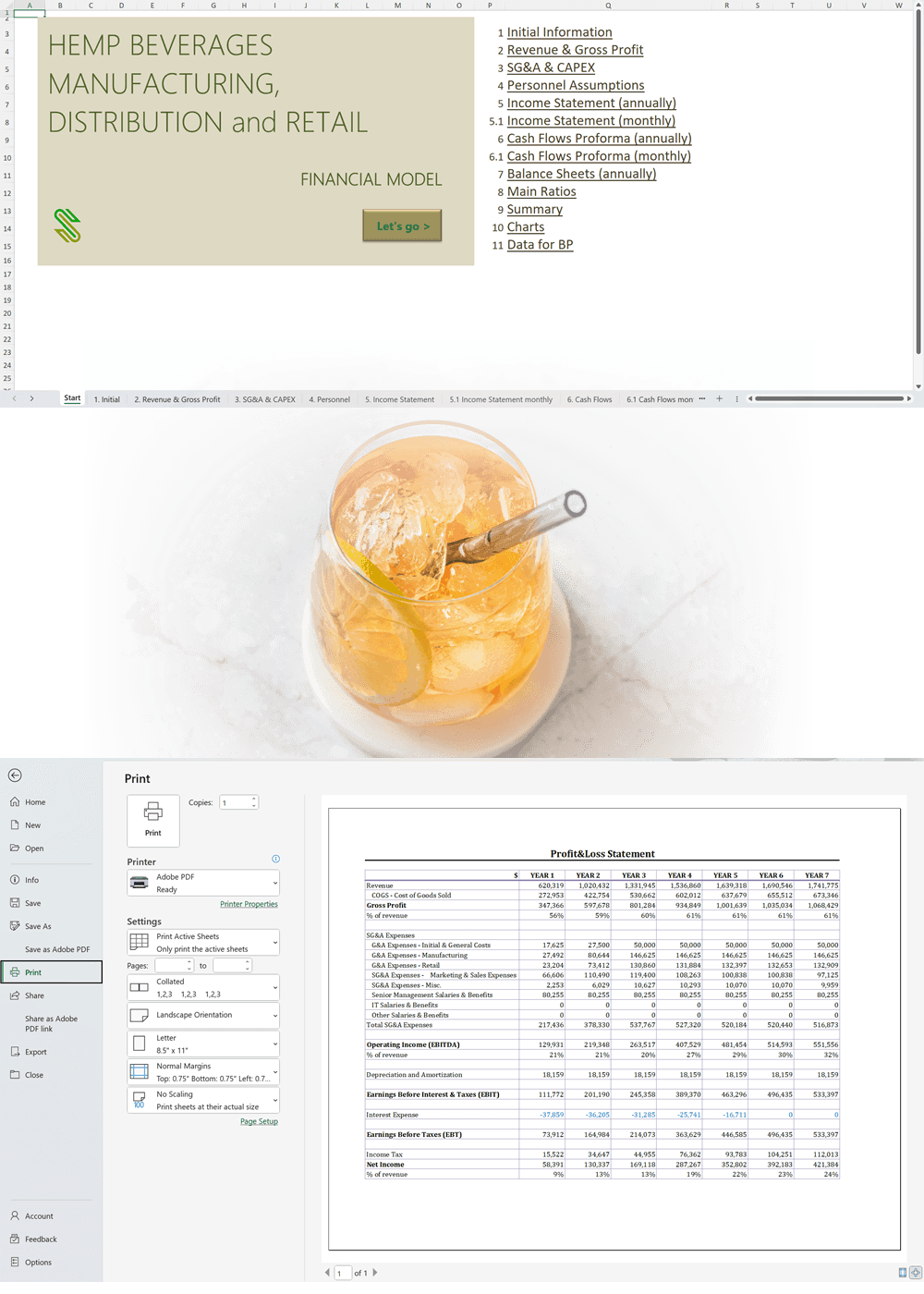
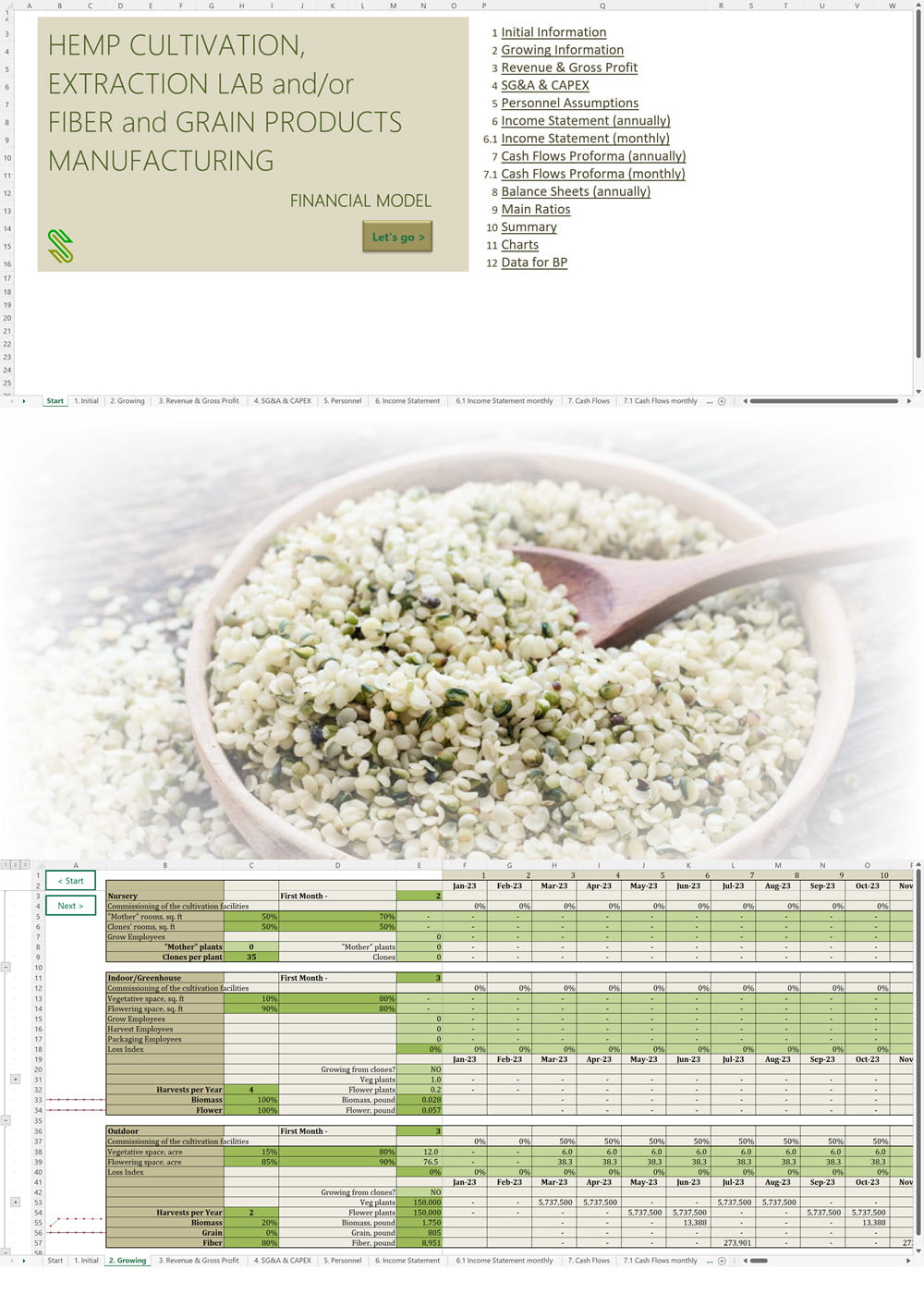
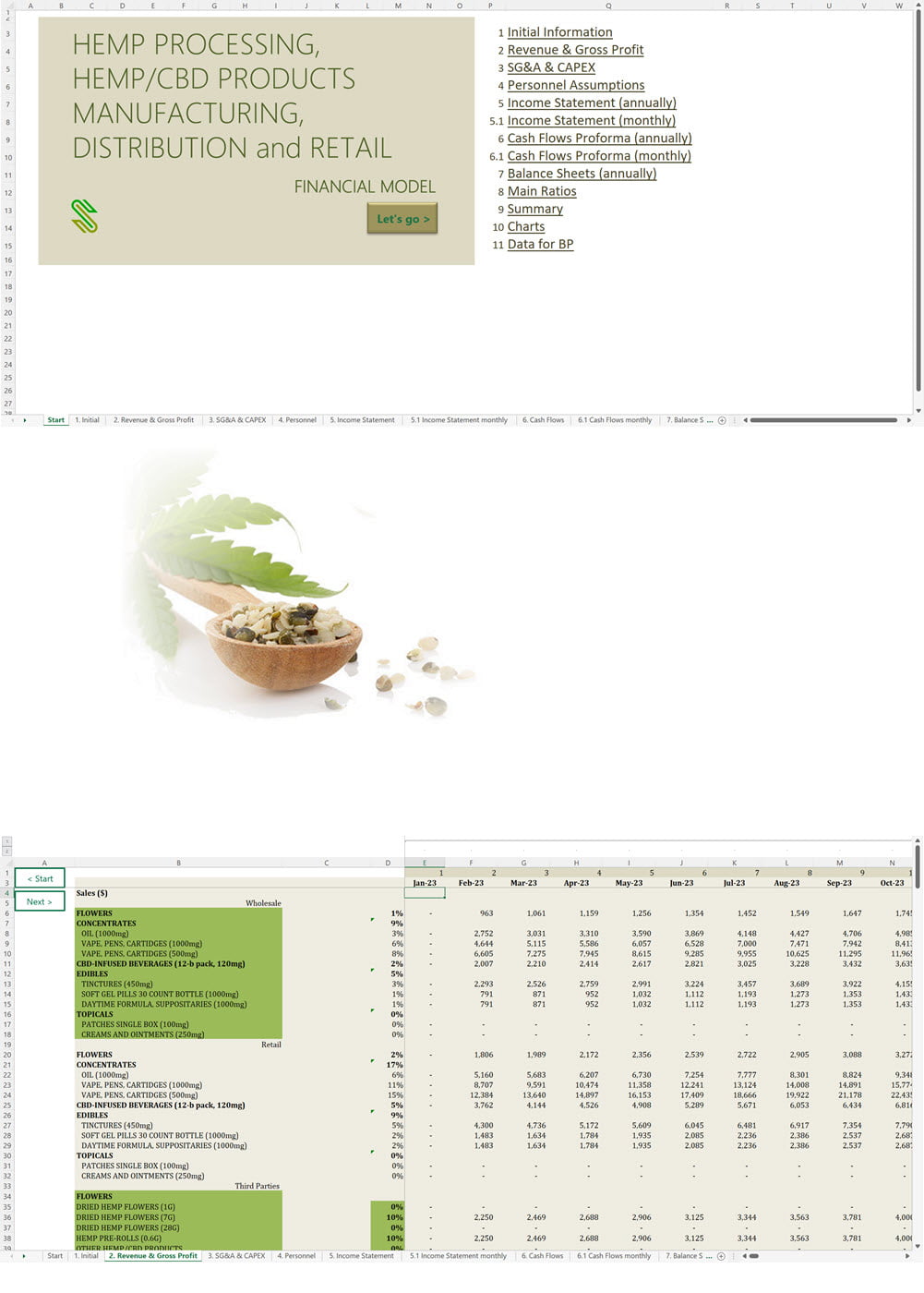
- Excel Financial Model: change variables and immediately see the impact, break down operational and capital costs, know how much it will take to get into the business and the potential profits.
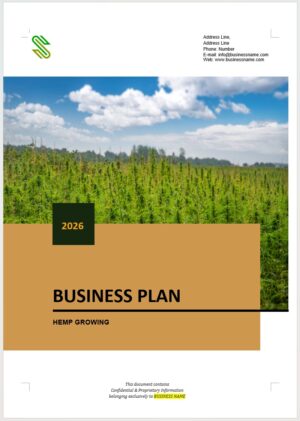
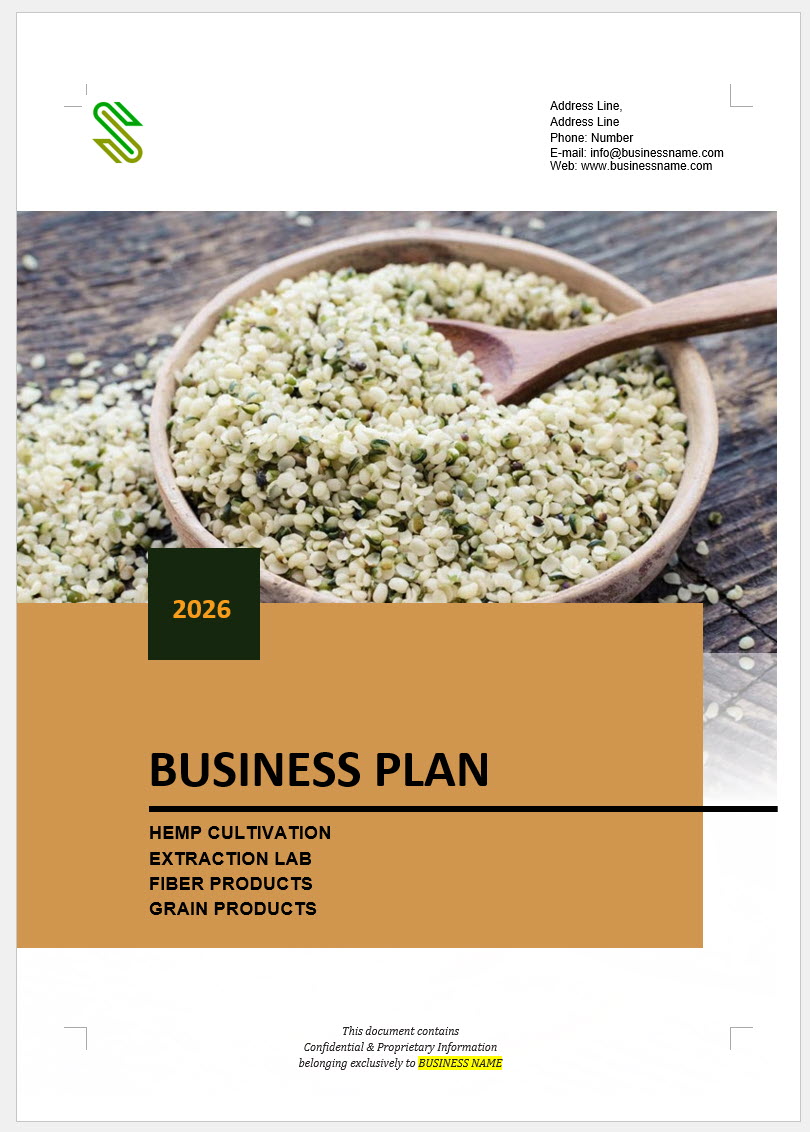
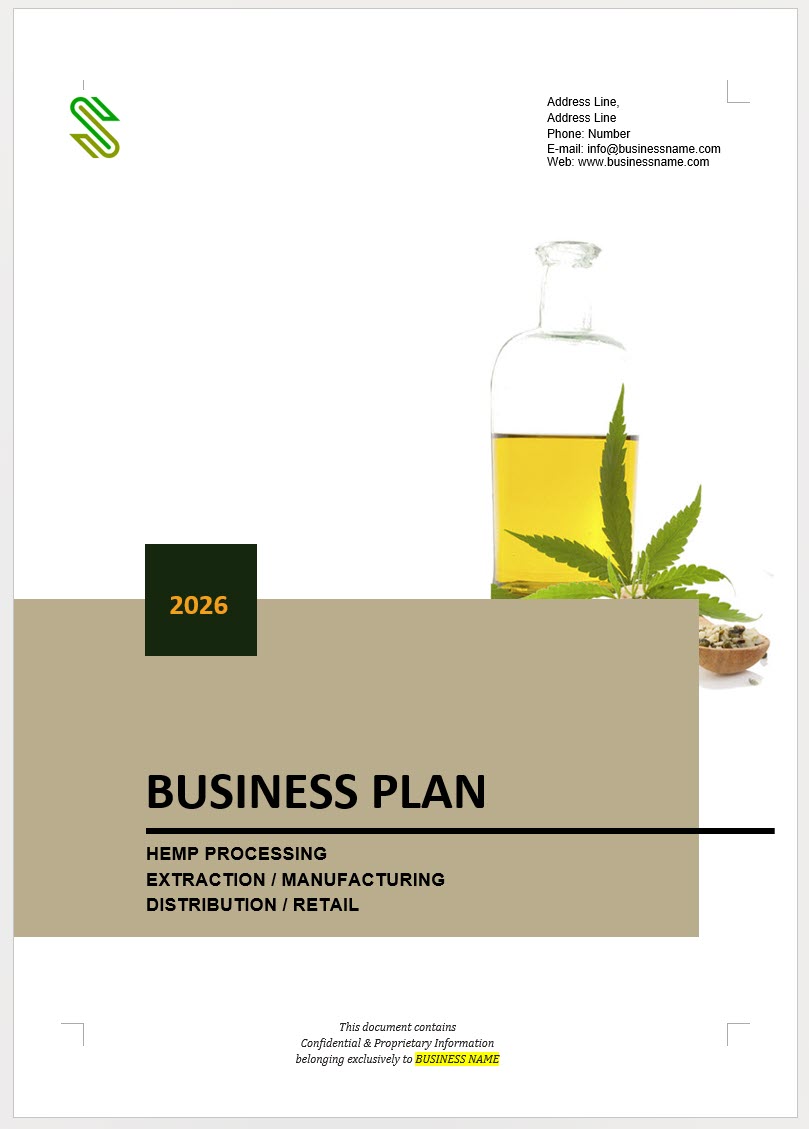
- Word Business Plan: value proposition, market analysis, marketing strategy, operating plan, organizational structure, financial plan and more.
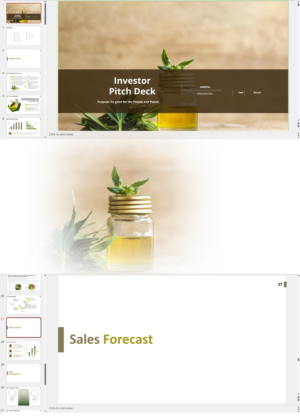
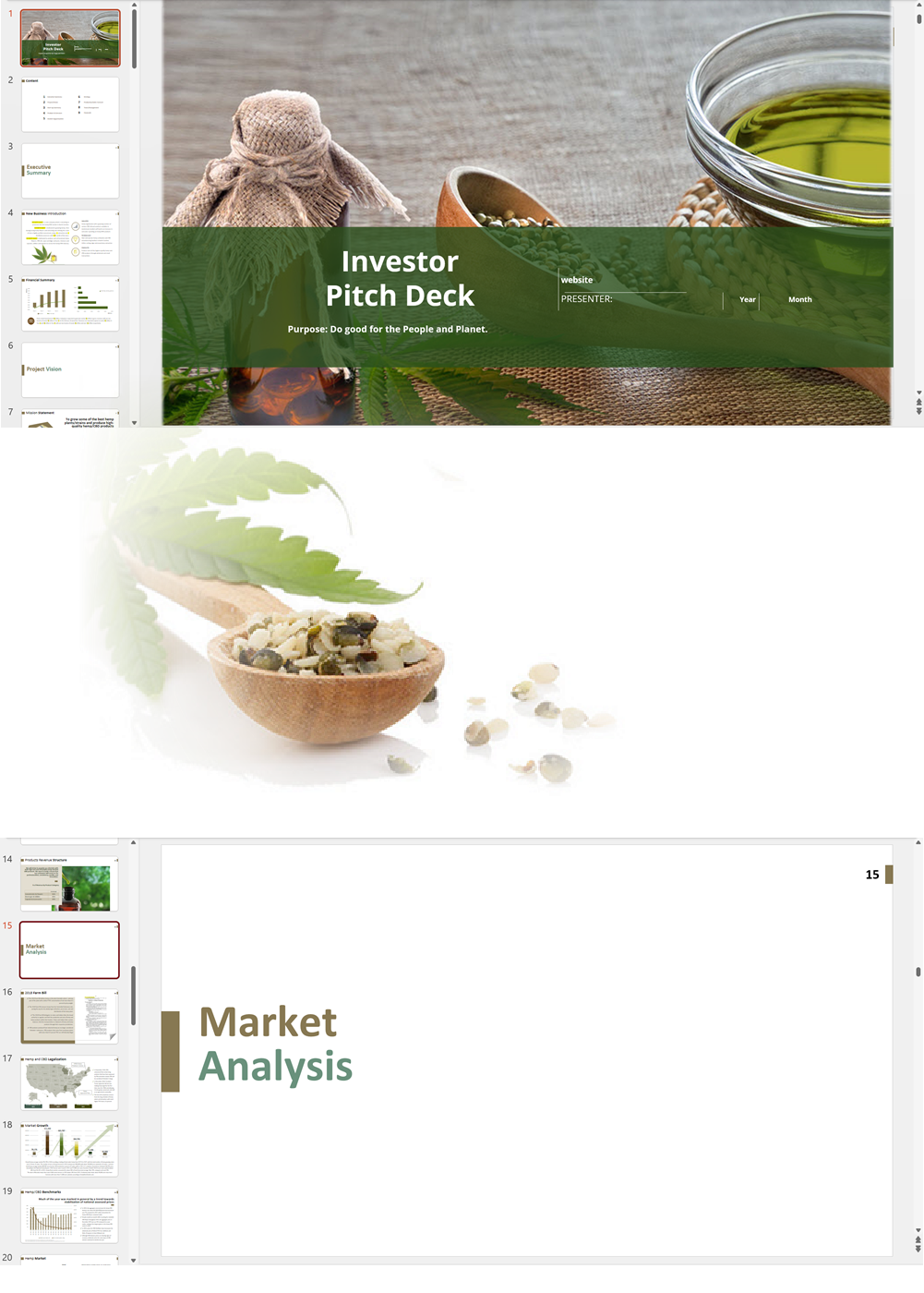
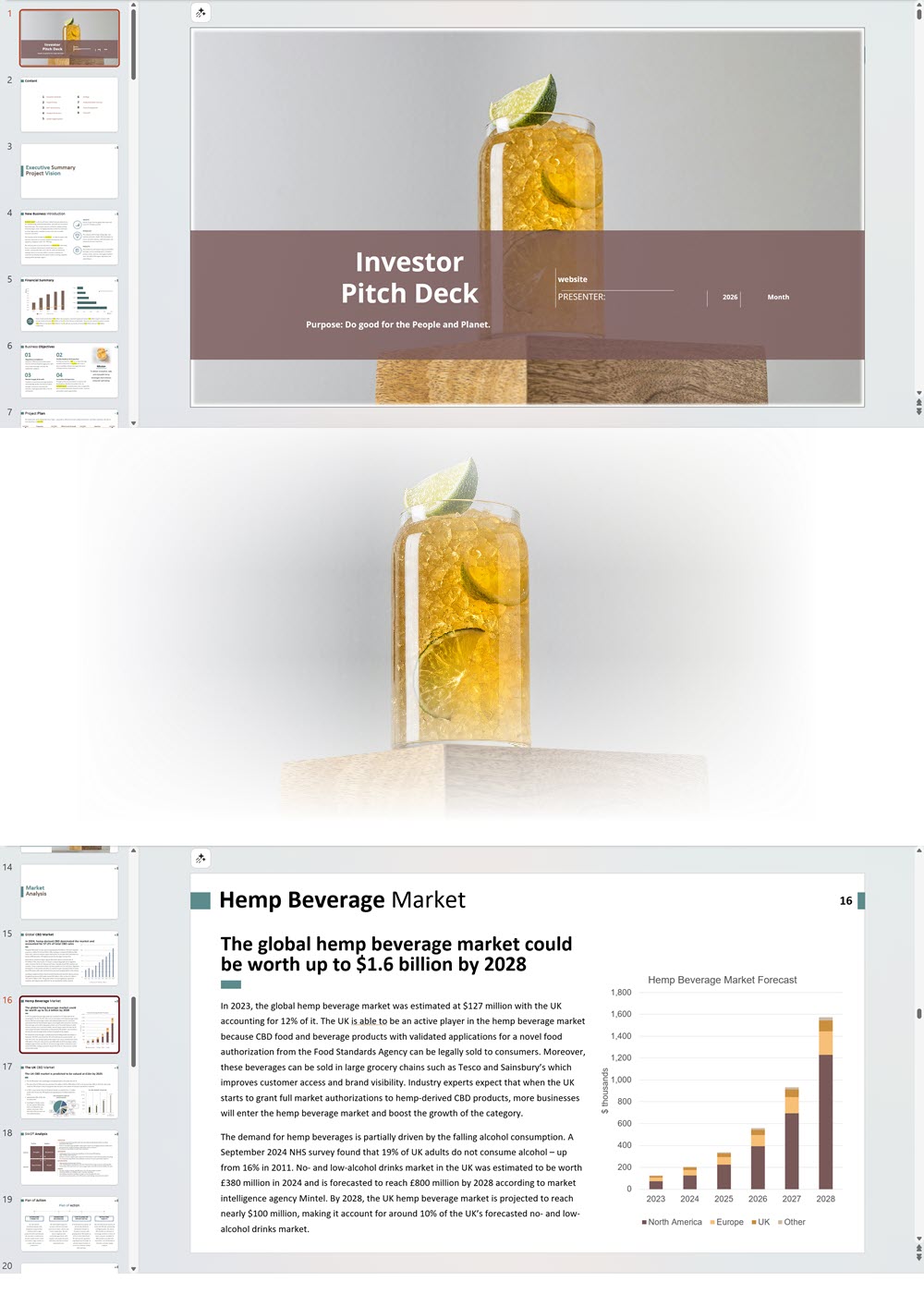
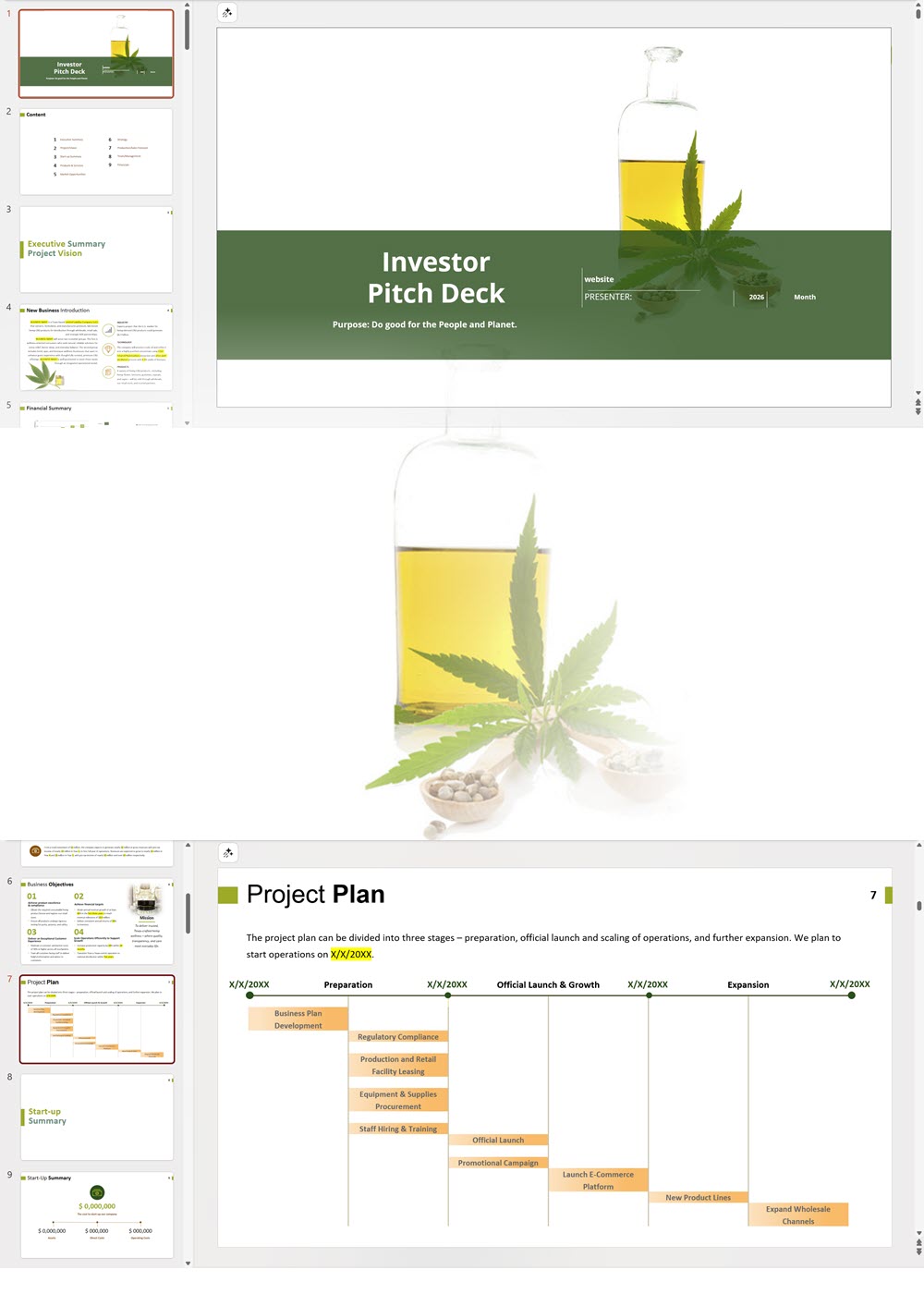
- PowerPoint Pitch Deck: provide a quick overview of your hemp CBD business plan.
'70% ready to go' business plan templates
Our hemp/CBD financial models and business plan templates will help you estimate how much it costs to start and operate your own hemp/CBD business, to build all revenue and cost line-items monthly over a flexible seven year period, and then summarize the monthly results into quarters and years for an easy view into the various time periods. We also offer investor pitch deck templates.
Best Selling Templates
-

Hemp Cultivation Business Plan Template
Price range: $75.00 through $275.00 Select options This product has multiple variants. The options may be chosen on the product page -

Hemp CBD Financial Model All in One
$200.00 Select options This product has multiple variants. The options may be chosen on the product page -
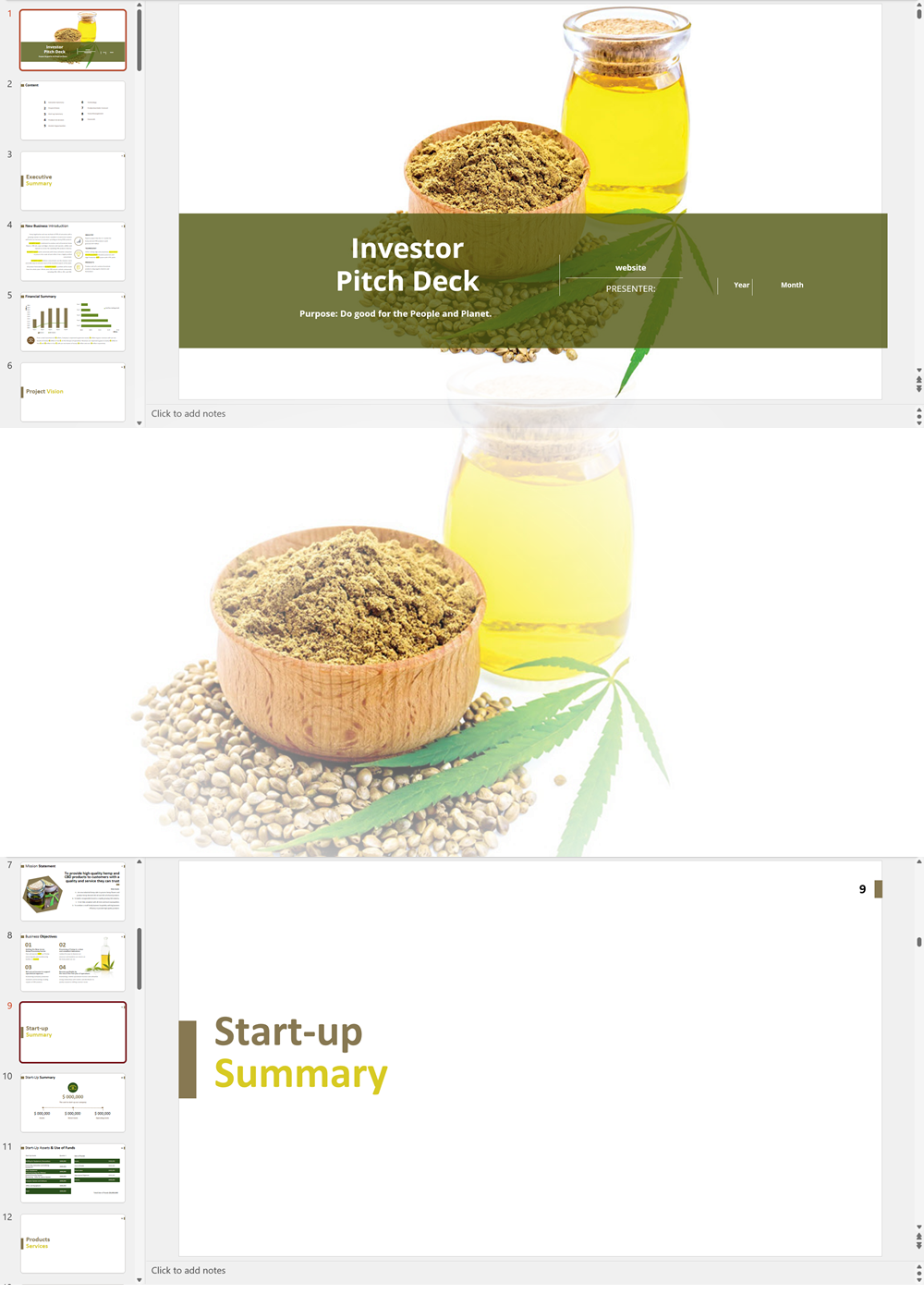
CBD Retail Investor Pitch Deck Template
$75.00 Select options This product has multiple variants. The options may be chosen on the product page
We also offer cannabis business plan templates at cannabusinessplans.com.
Our Templates
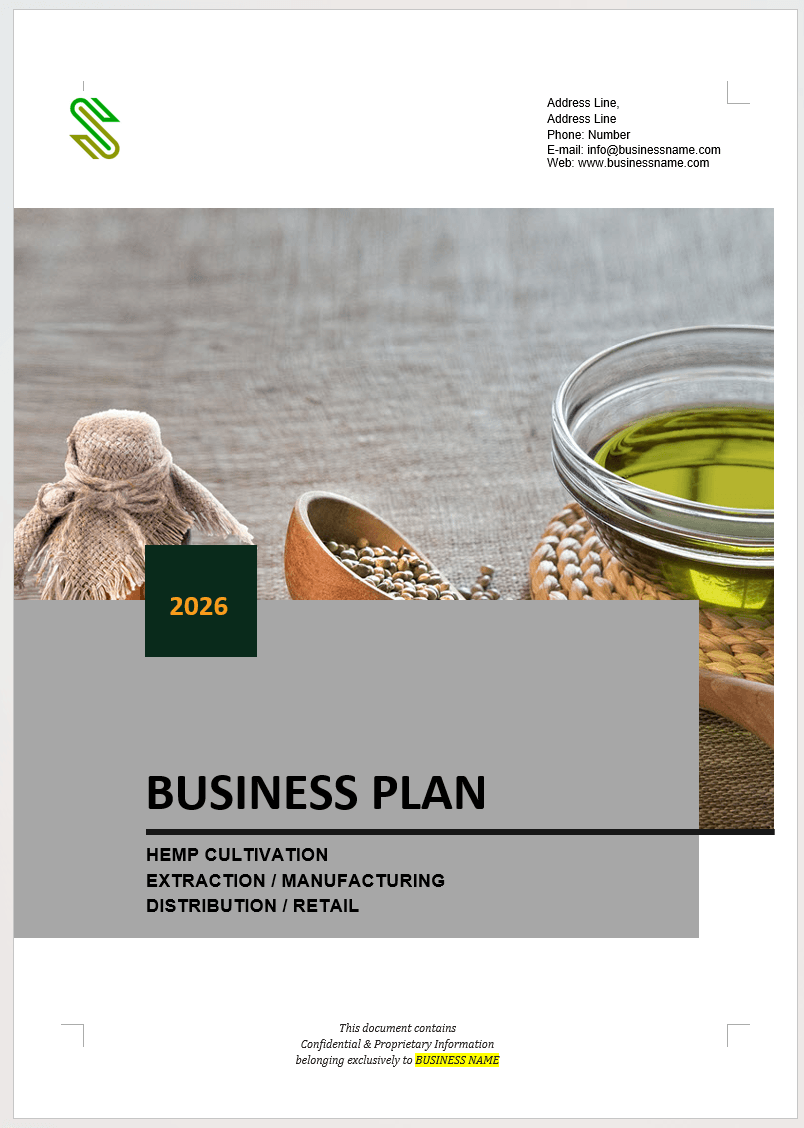
Hemp CBD Vertically Integrated Business Plan Template
Price range: $75.00 through $450.00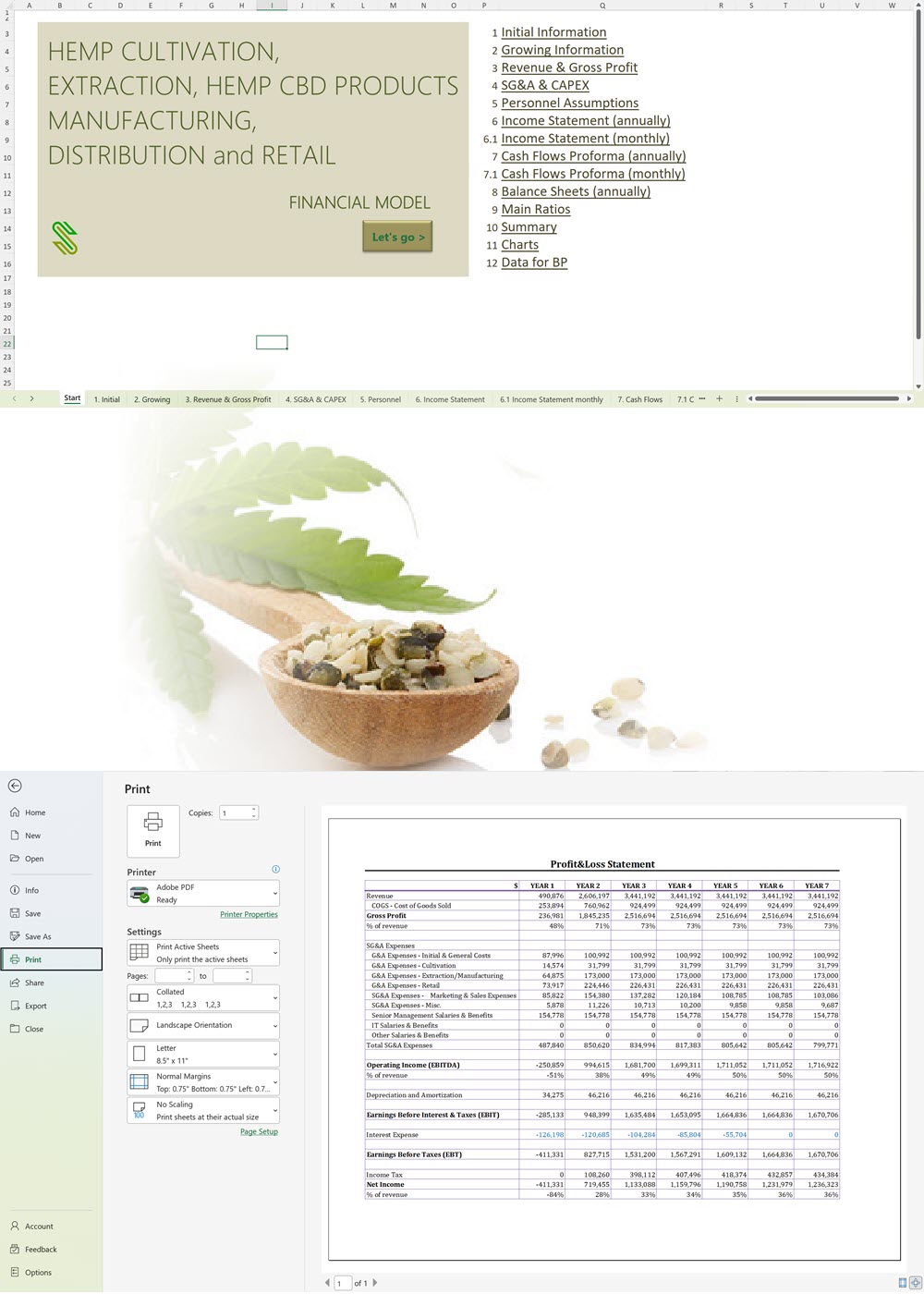
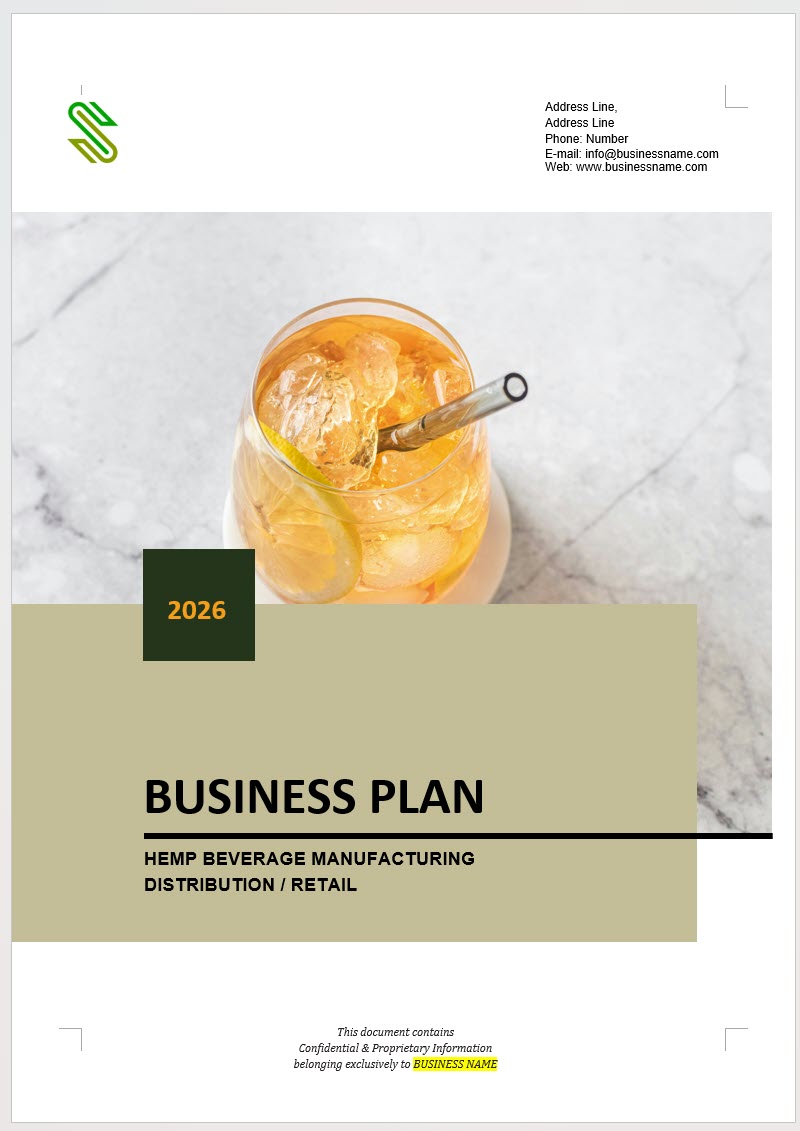
Hemp CBD Beverage Manufacturing, Wholesale and/or Retail Business Plan Template
Price range: $75.00 through $350.00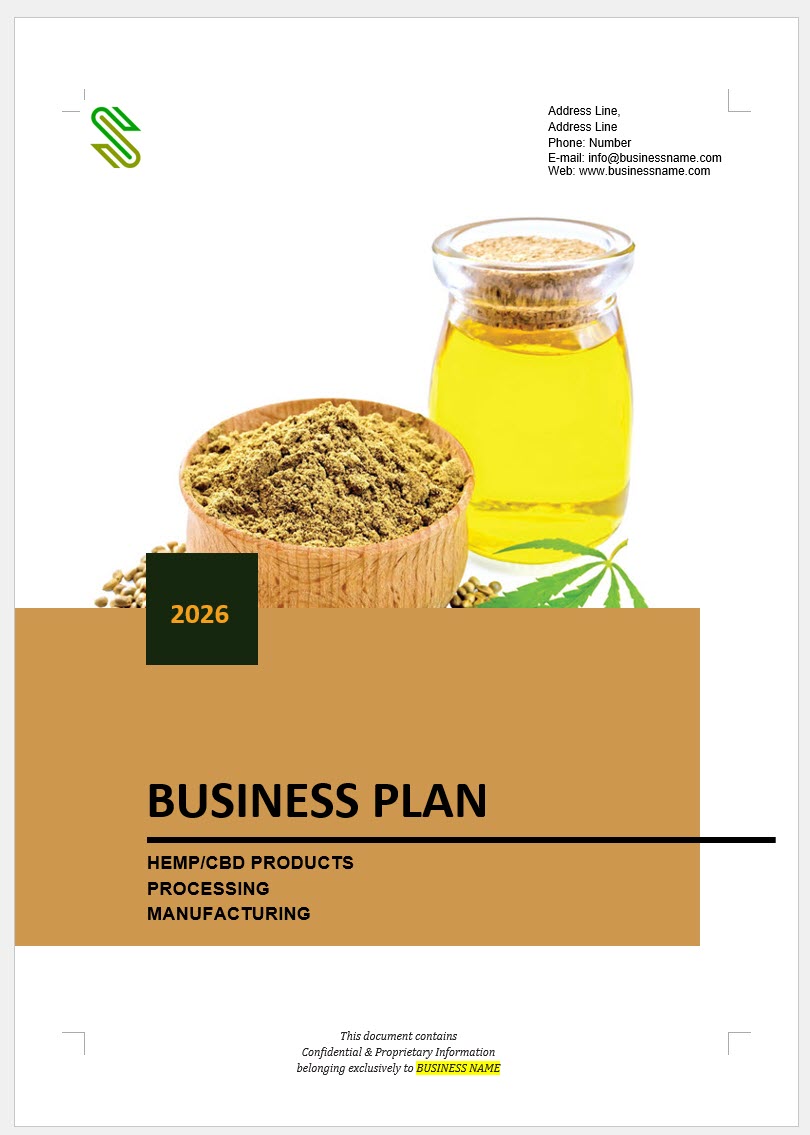
CBD Products Manufacturing Business Plan Template
Price range: $75.00 through $350.00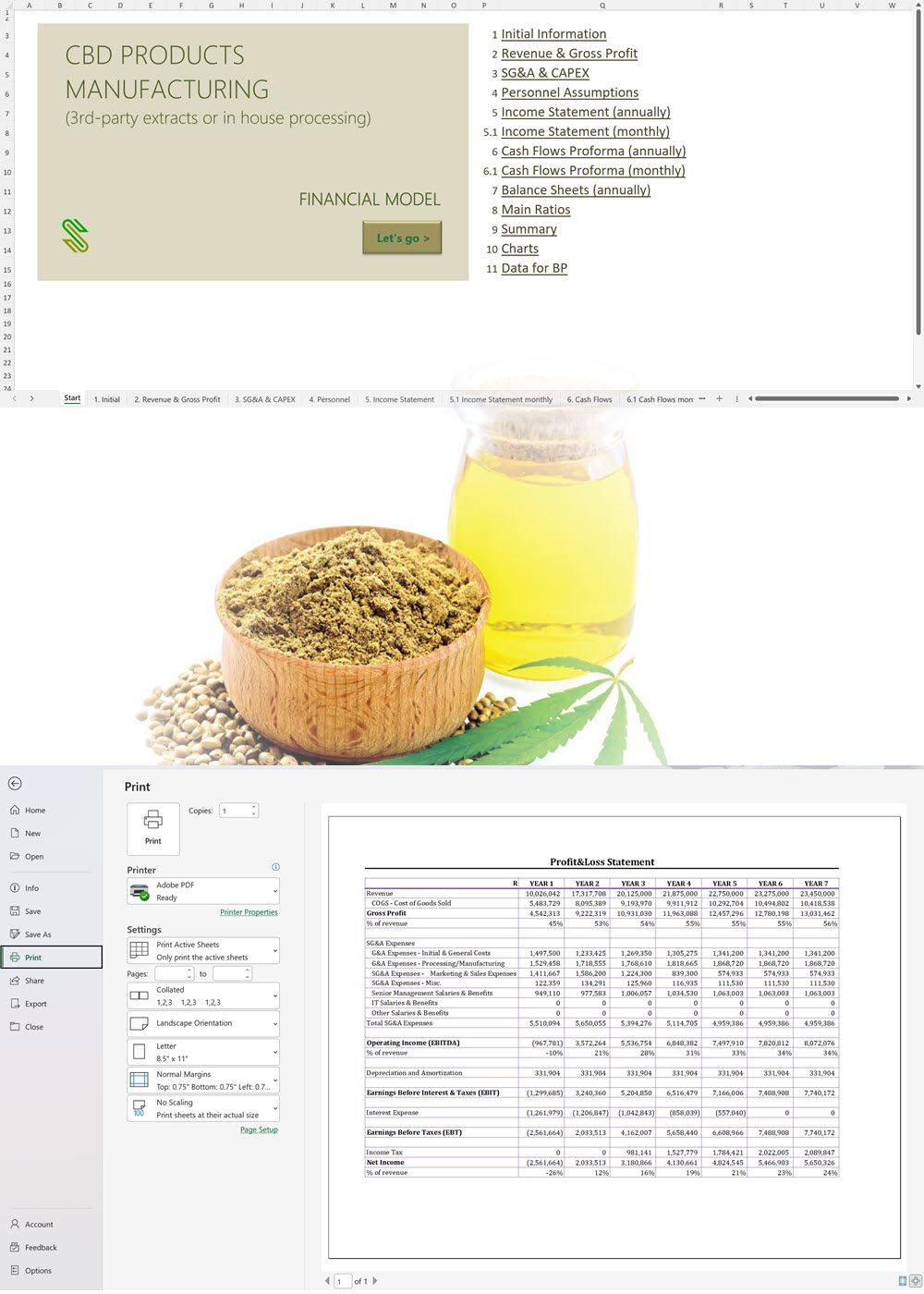
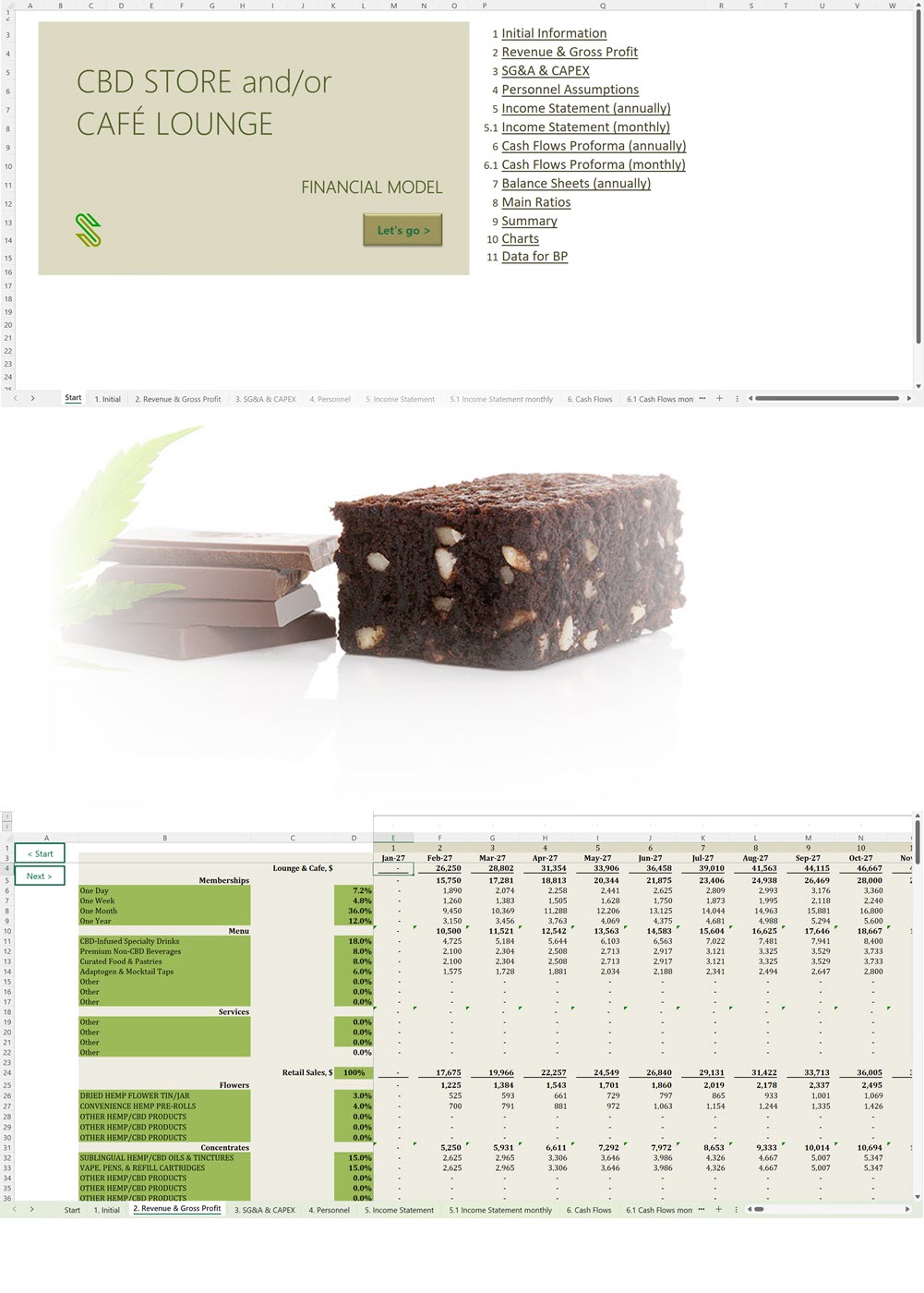
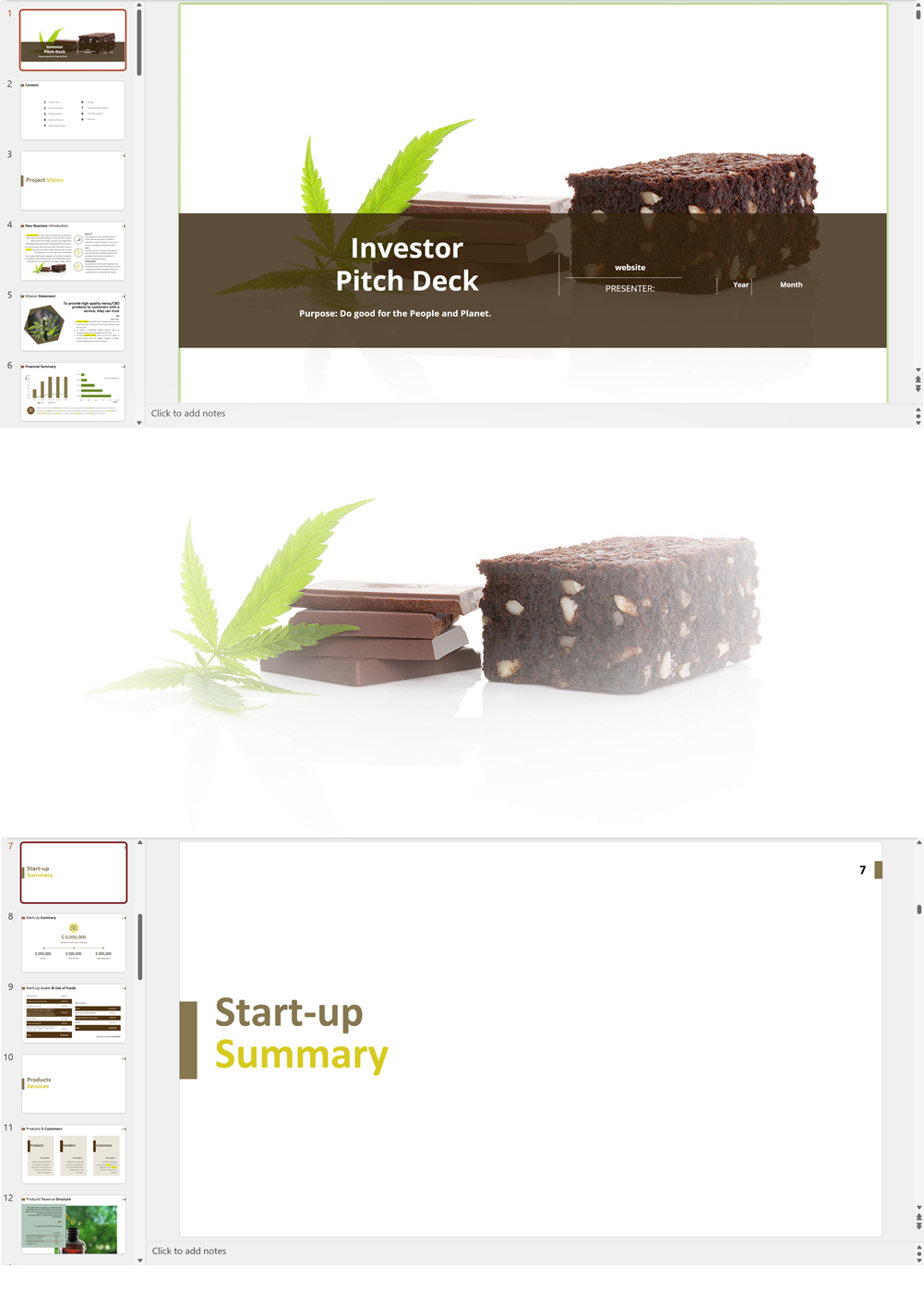
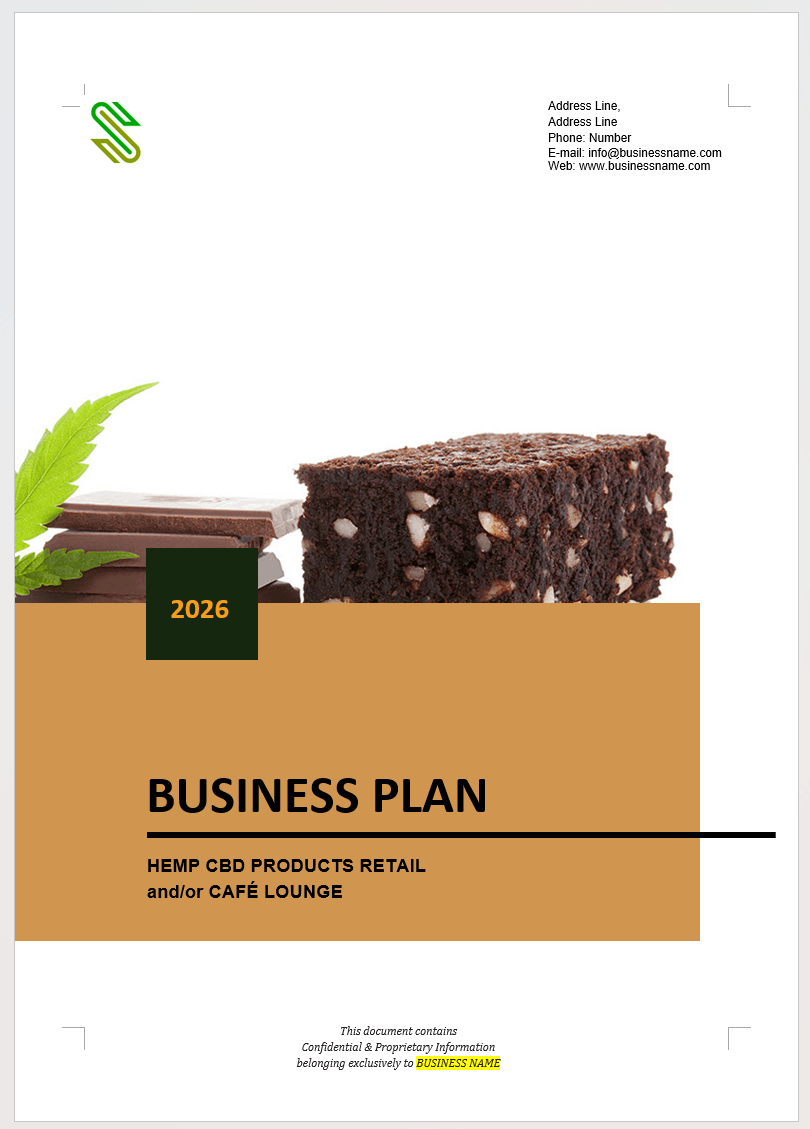
CBD Store and/or Cafe Lounge Business Plan Template
Price range: $75.00 through $275.00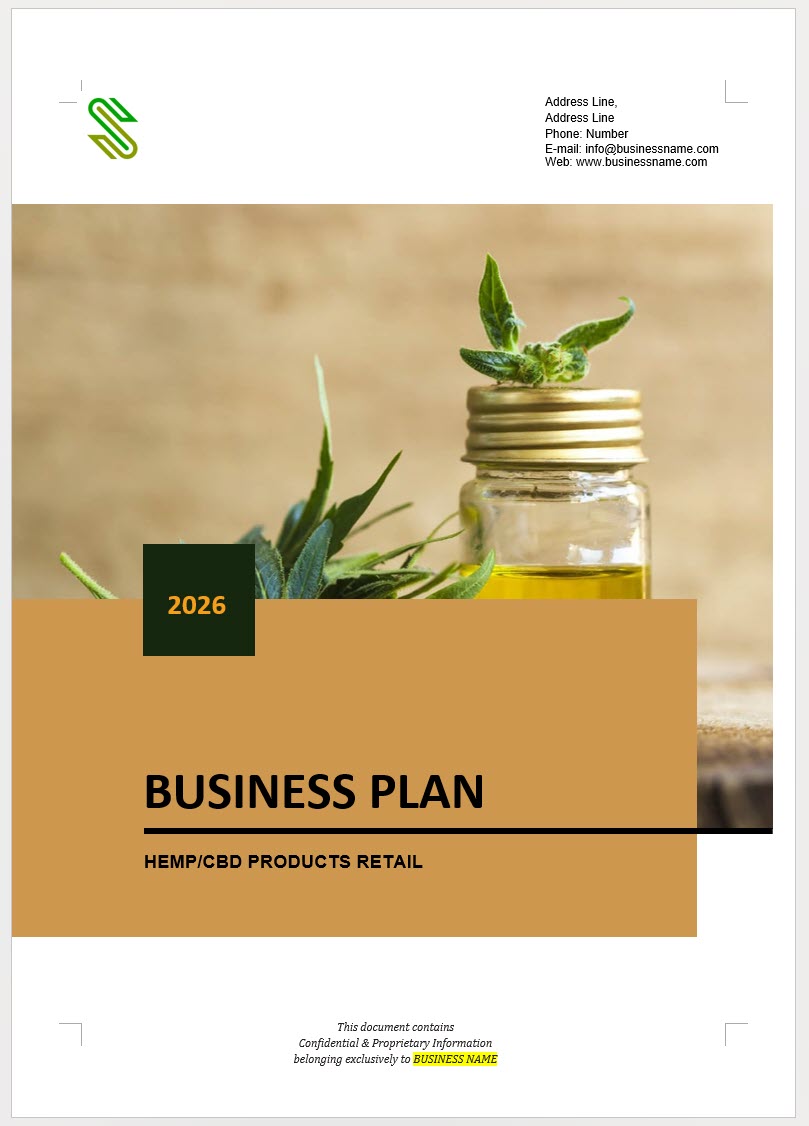
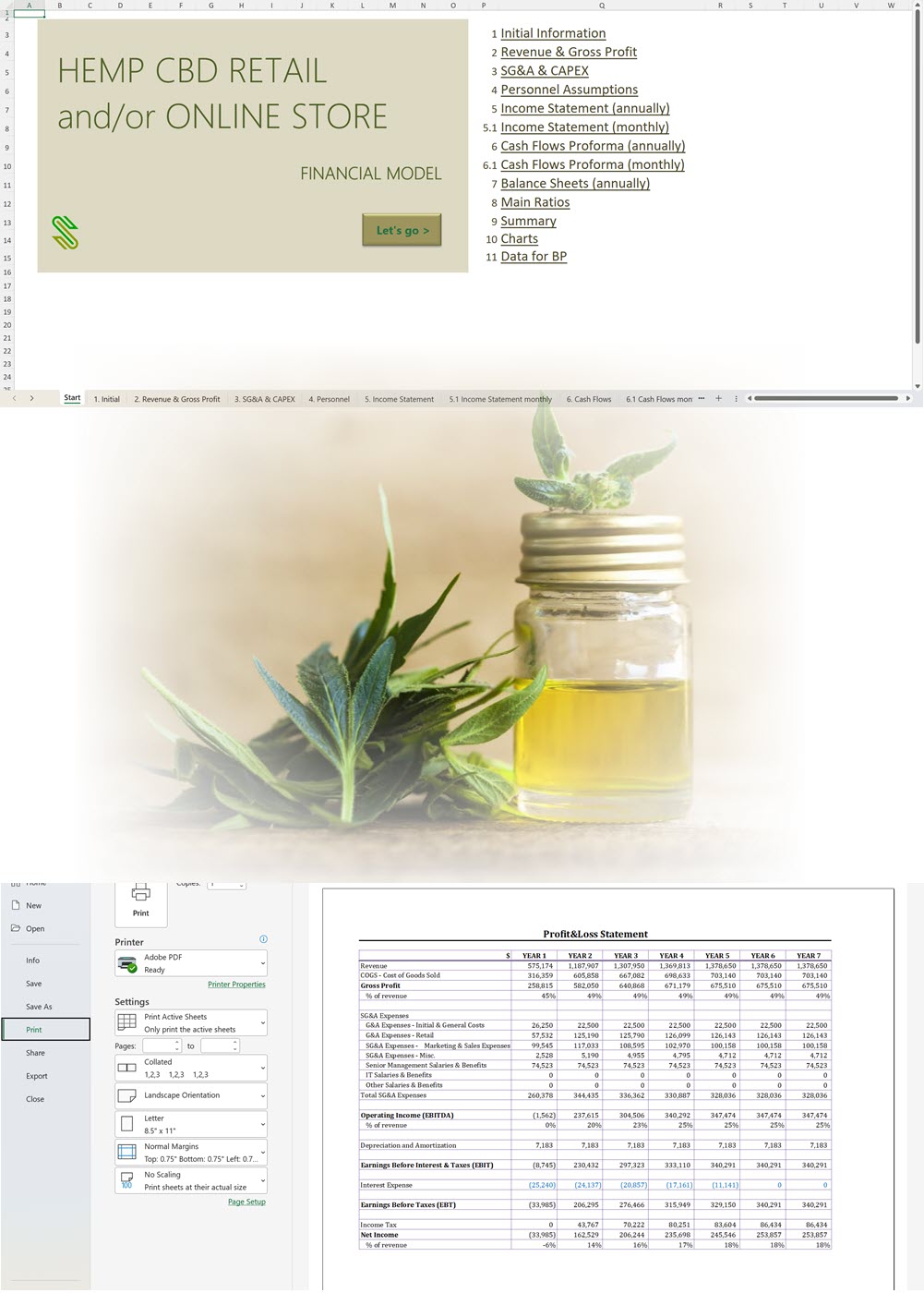
CBD Products Retail/Online Store Business Plan Template
Price range: $75.00 through $275.00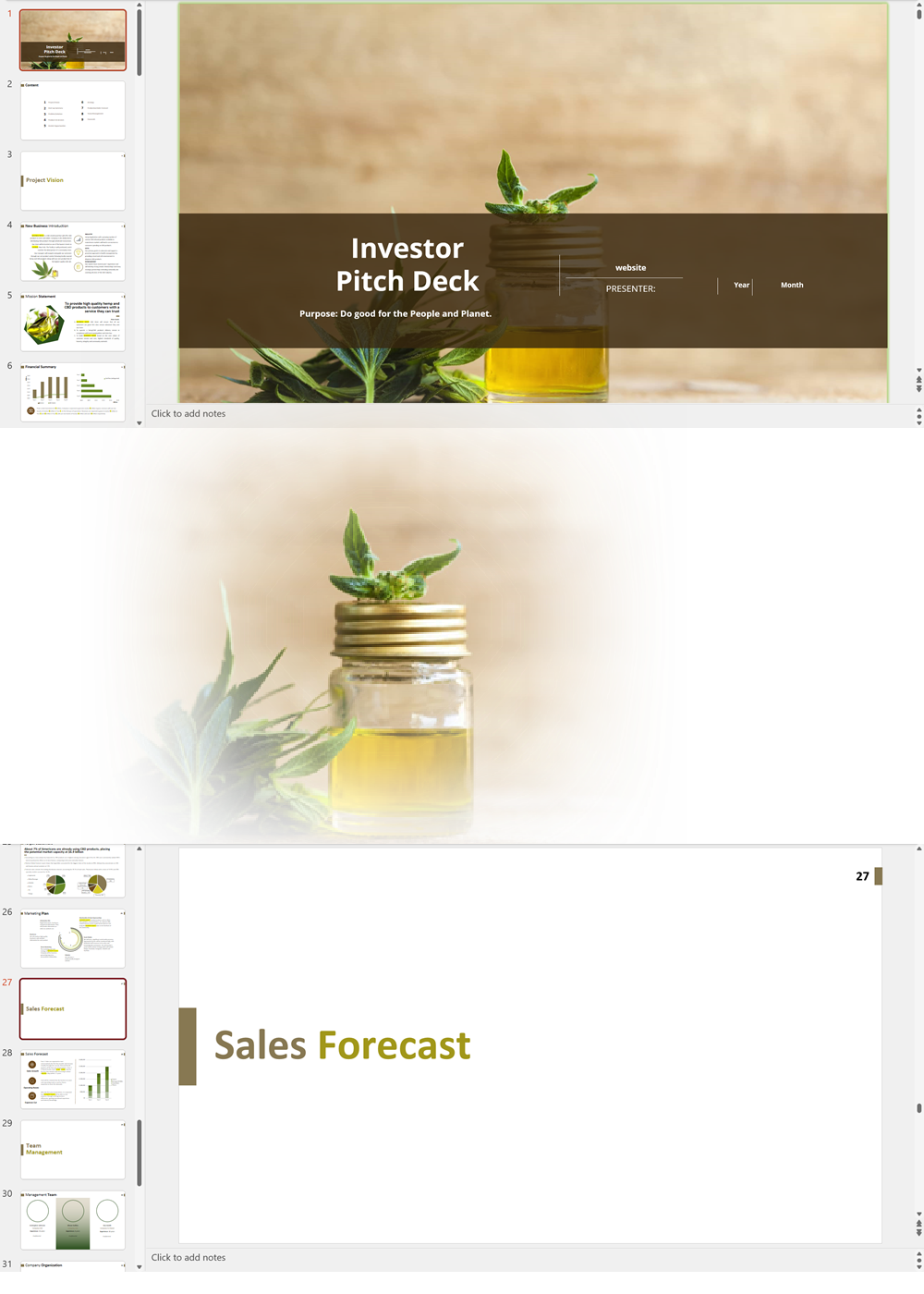
Hemp (Biomass, Fiber, Grain) Cultivation and Processing/ Manufacturing Business Plan Template
Price range: $75.00 through $350.00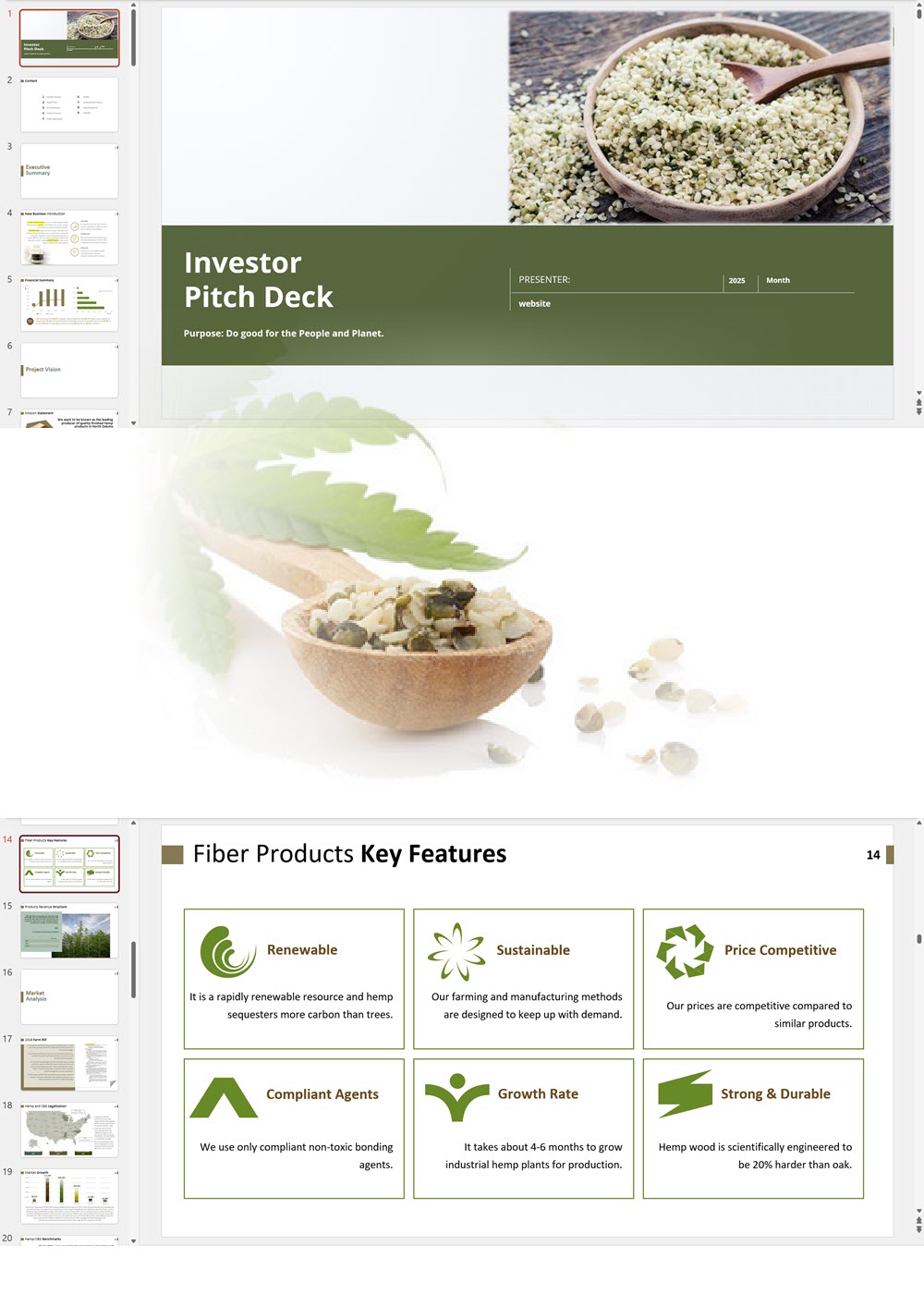
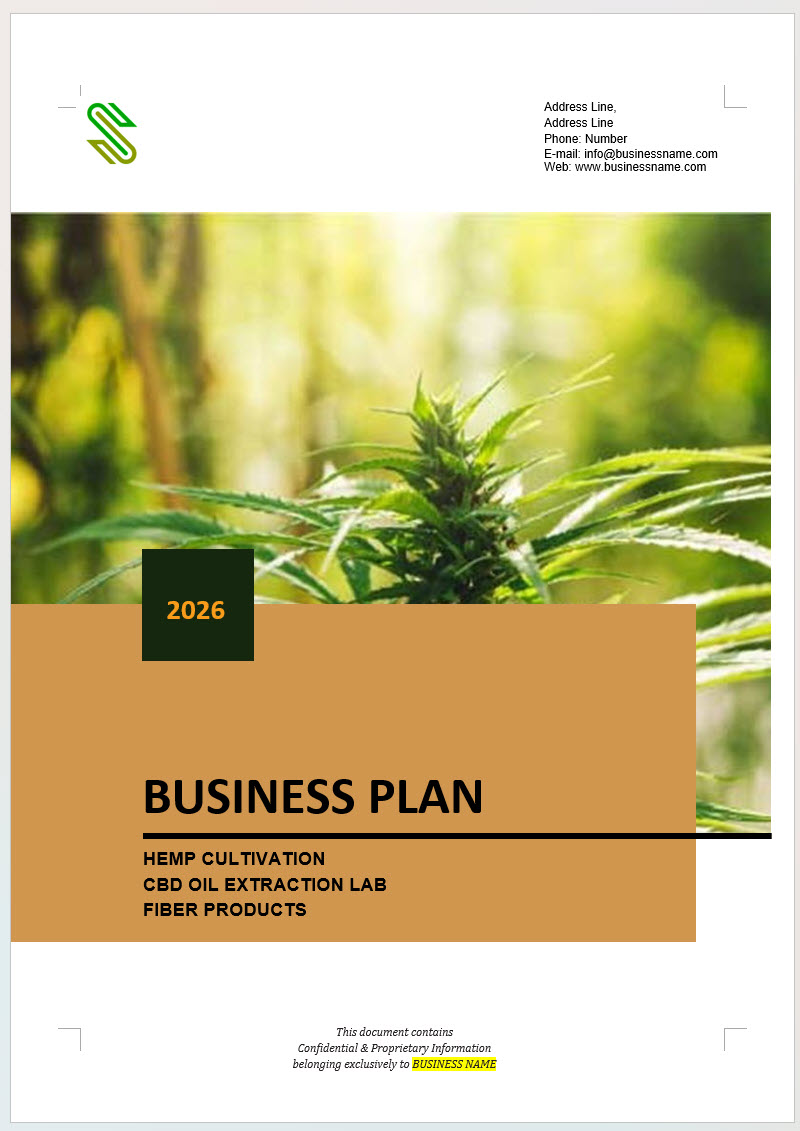
Hemp Cultivation and CBD Oil Extraction and/or Fiber Products Business Plan Template
Price range: $75.00 through $350.00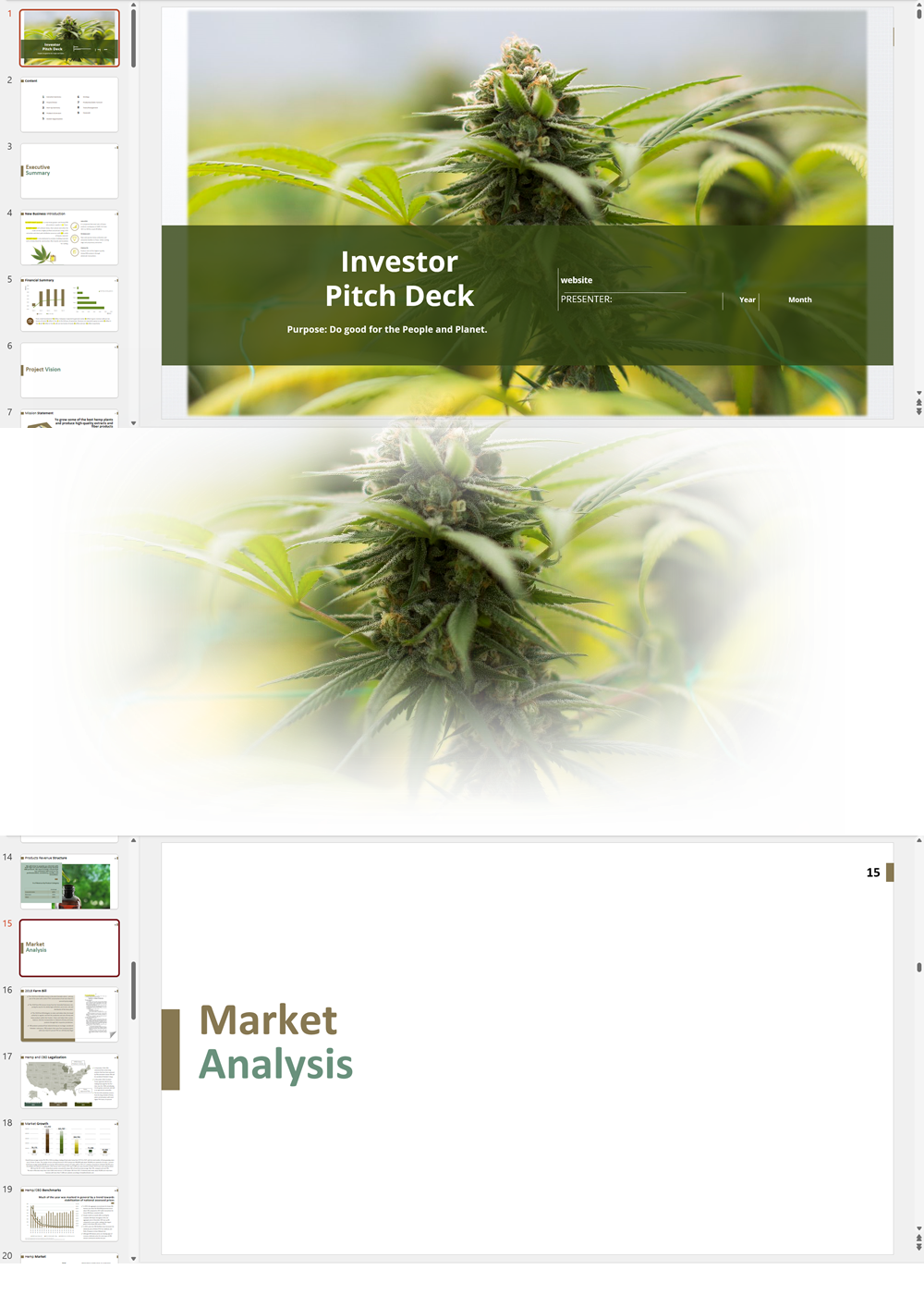
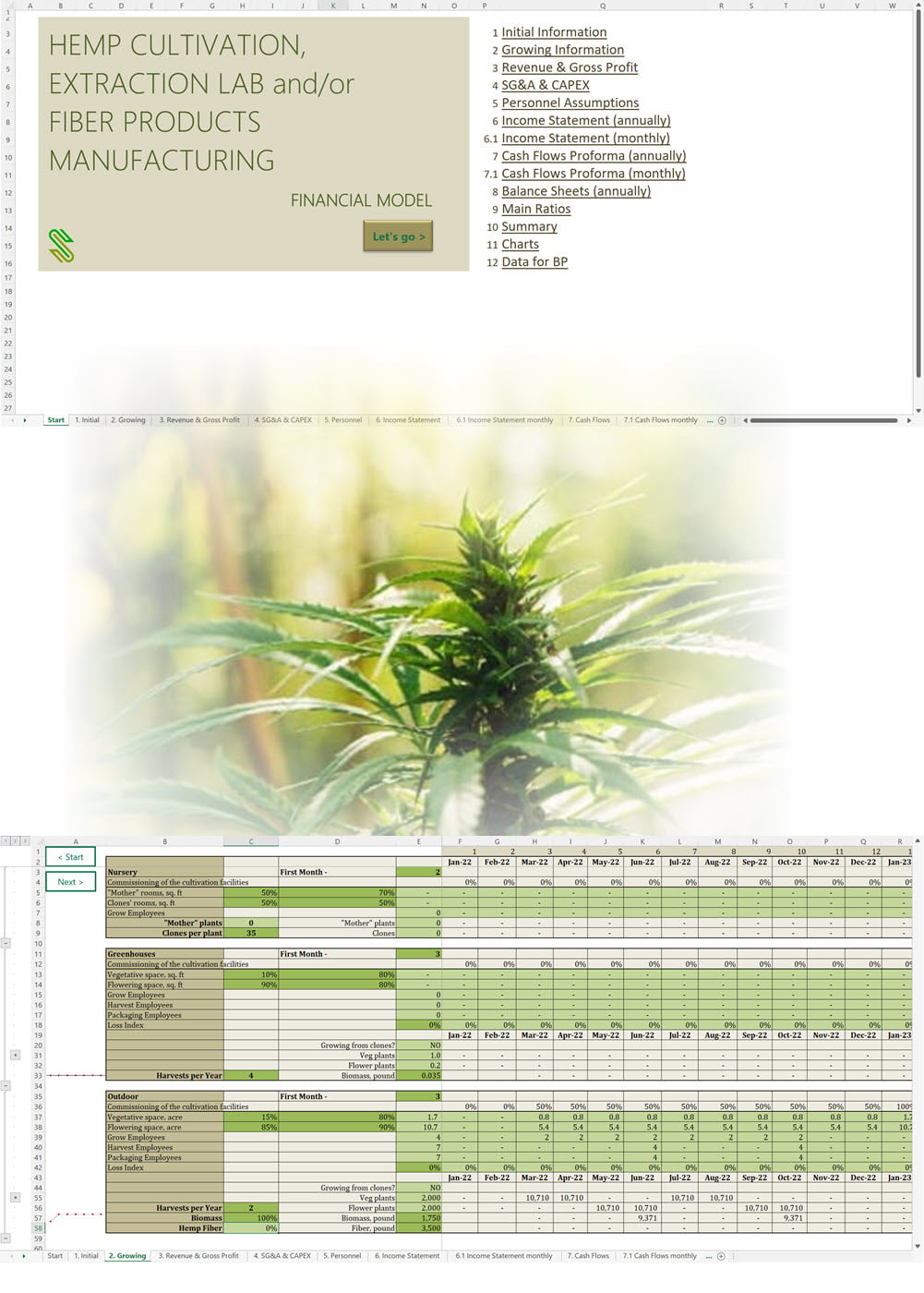
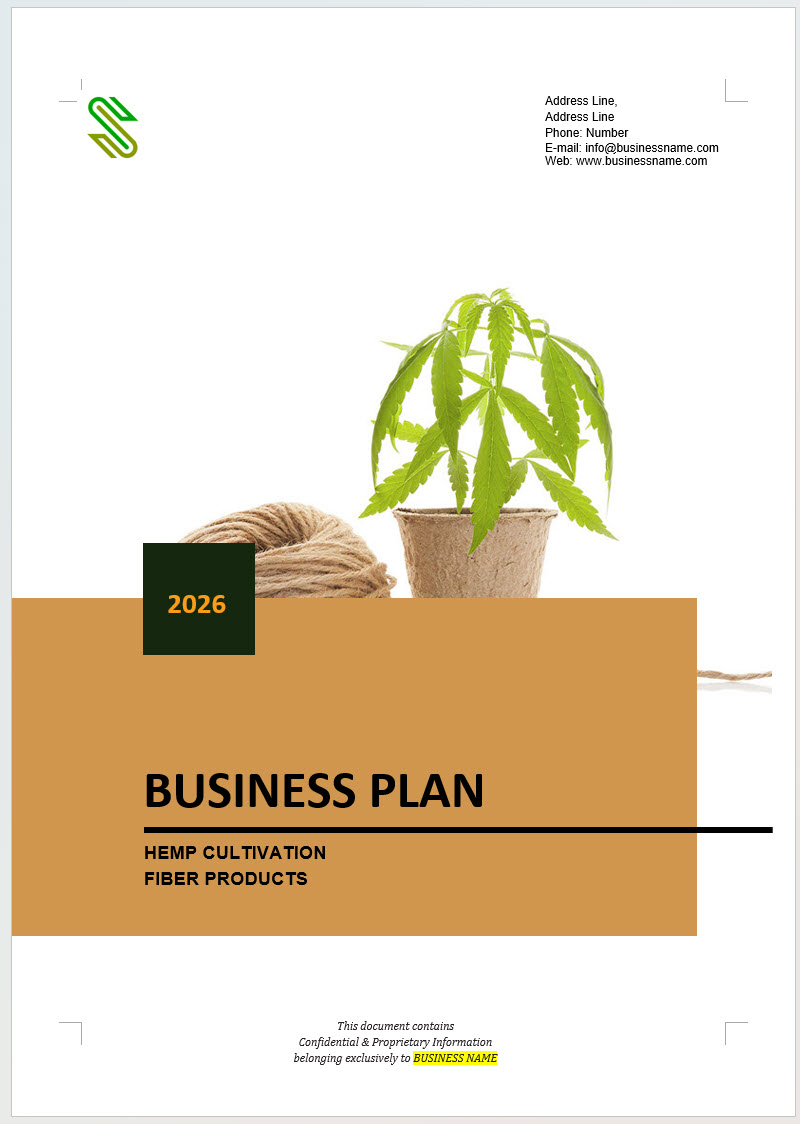
Hemp Fiber Growing and Manufacturing Business Plan Template
Price range: $75.00 through $275.00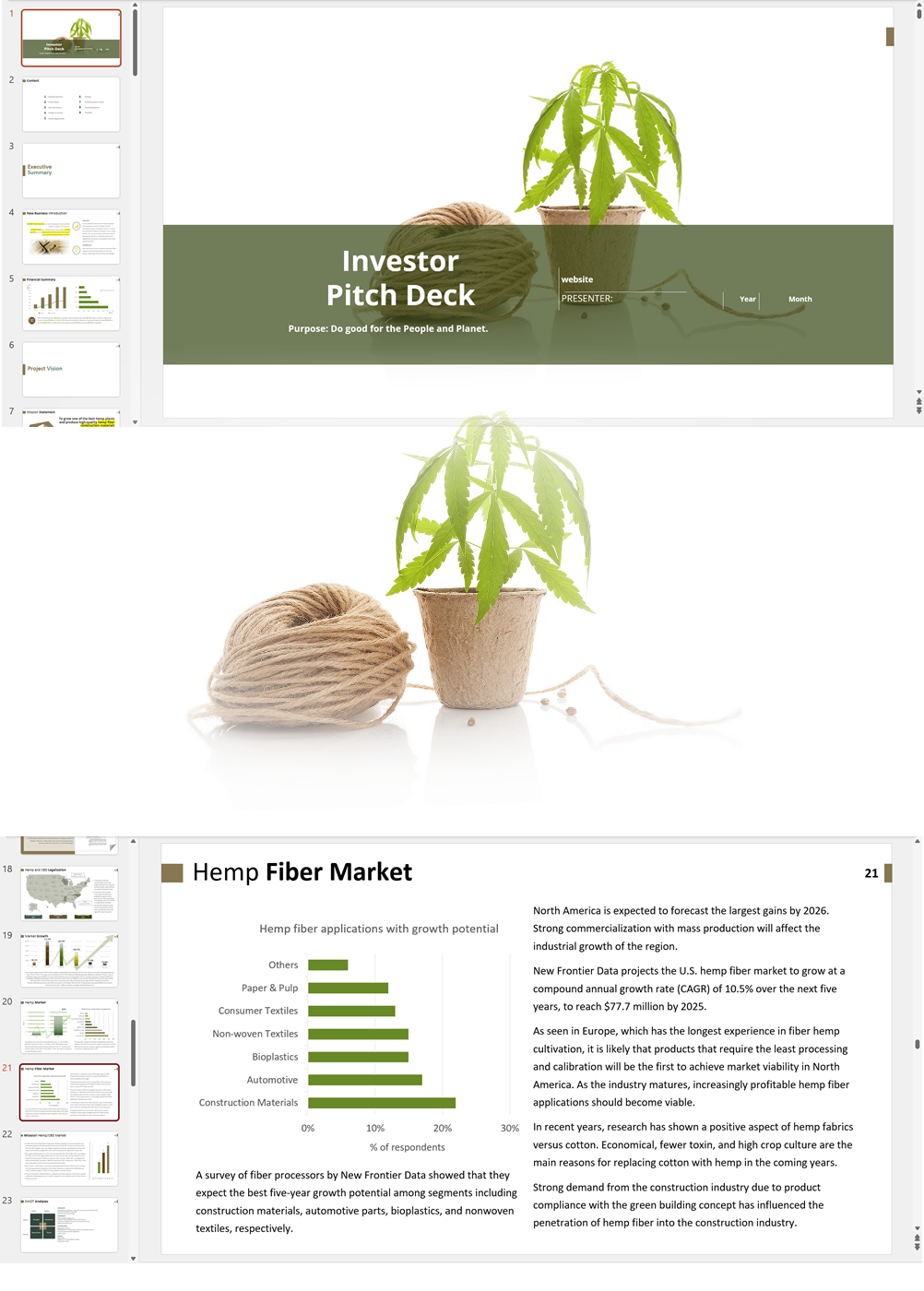
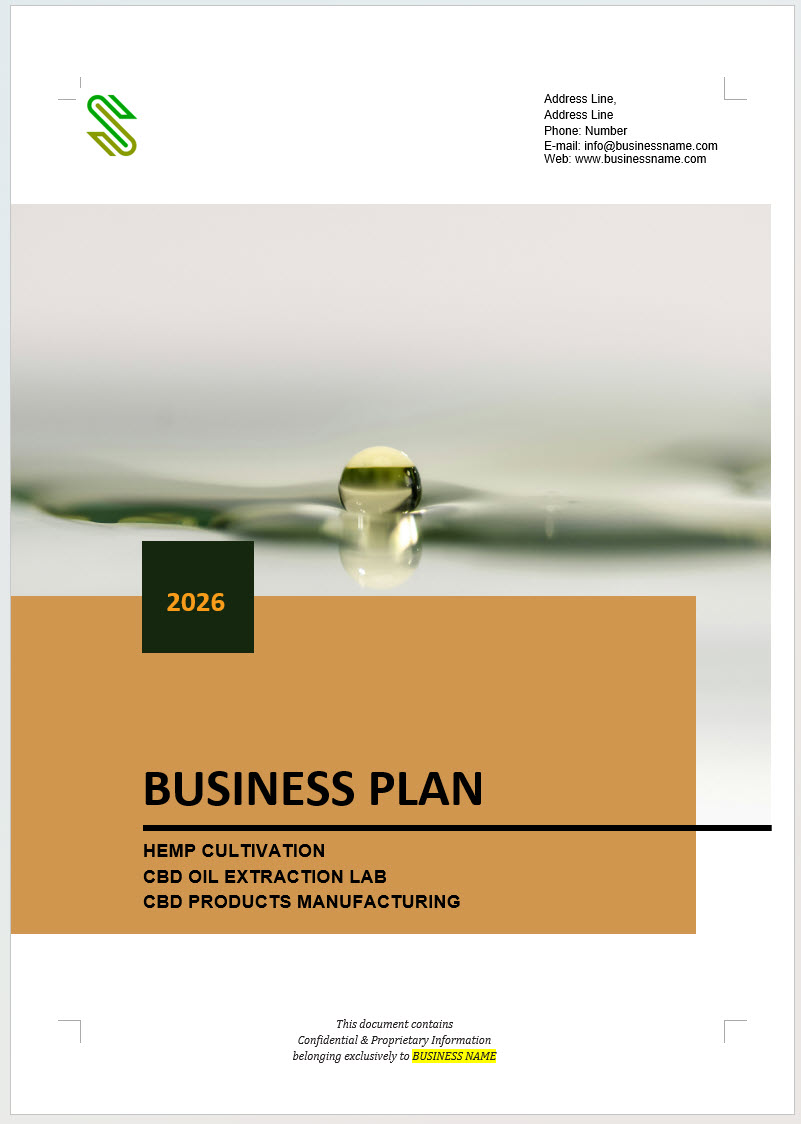
Hemp Cultivation + Extraction + Manufacturing Business Plan Template
Price range: $75.00 through $450.00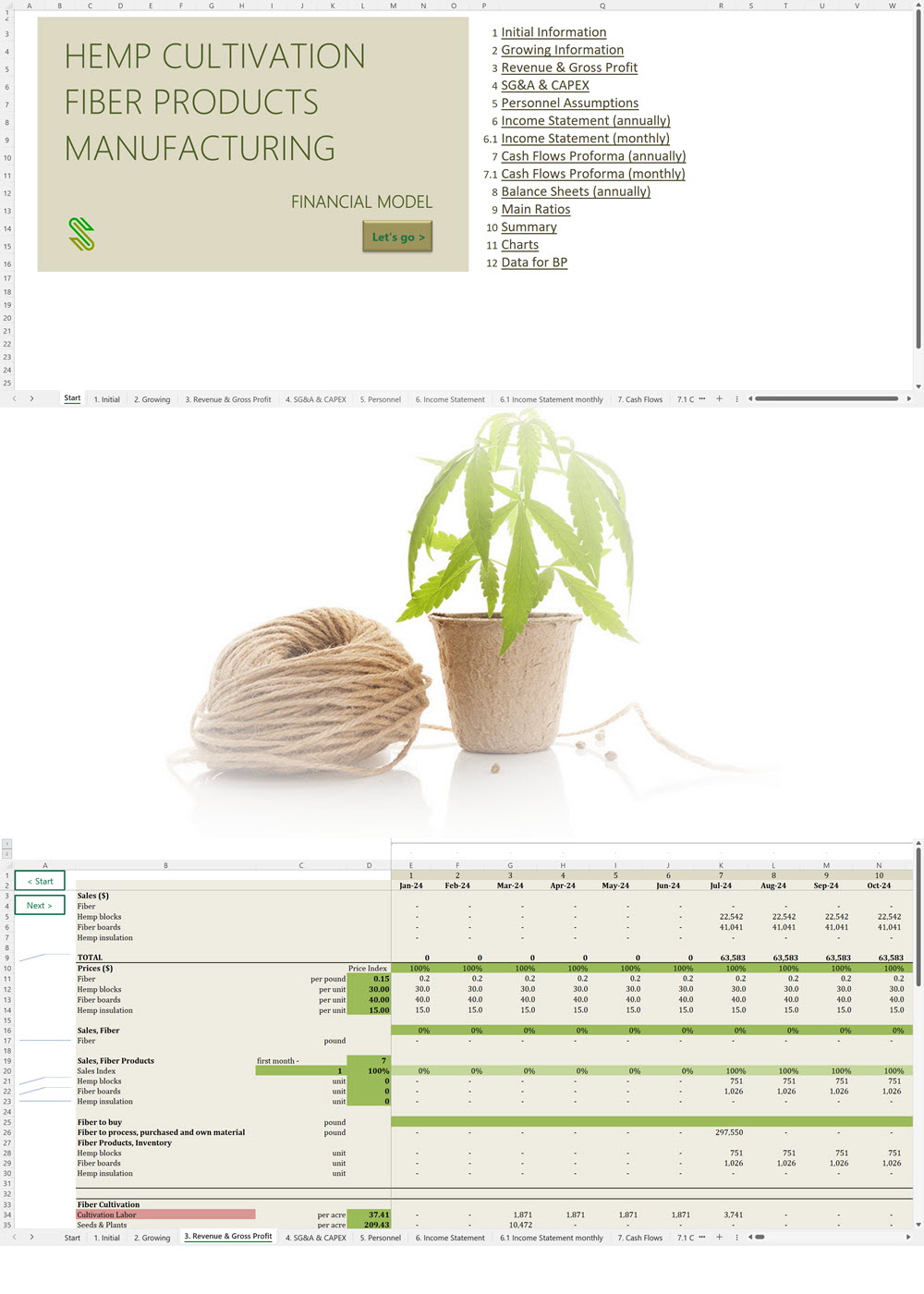
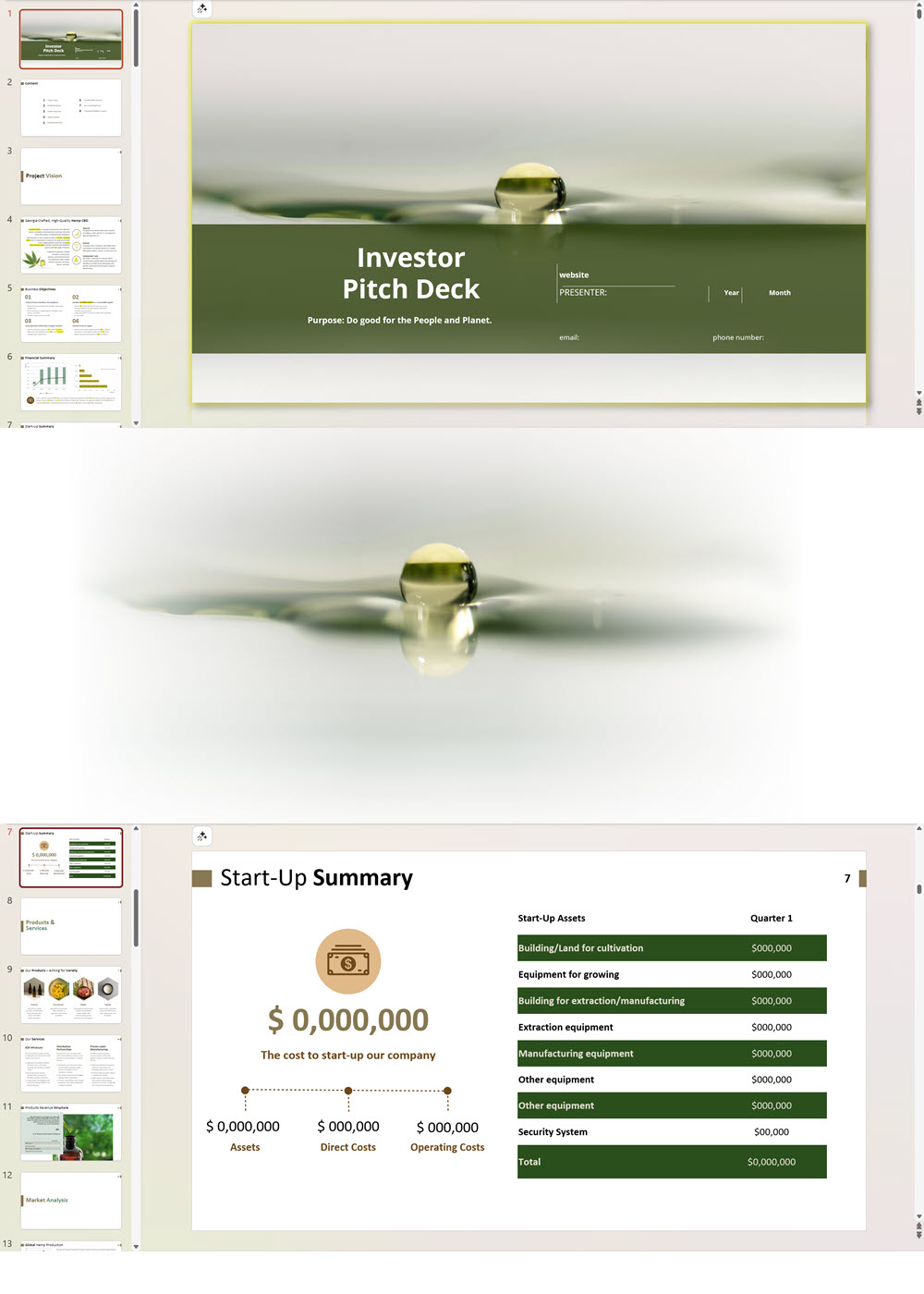
Hemp CBD Extraction + Manufacturing + Retail Business Plan Template
Price range: $75.00 through $450.00