Brazil Hemp Legalization
Brazil, the most populated nation in South America, has roughly 213.32 million people. In 2022, farming occupied a third of Brazil’s territory, or 282.5 million hectares, about ten times more than, for example, France. Hemp oil was legalized for medical cannabis products in 2015, however, Brazil does not allow its production within the country.
In 2015, the National Sanitary Surveillance Agency (ANVISA) authorized the import of cannabis-based medicines by patients in Brazil and also amended the Ministry of Health Ordinance No. 344/98 to remove CBD from the list of banned substances and classify it as a controlled substance, allowing it to be used for medical purposes.
| Population 2026 (m) | 214.08 | |
| GDP 2026 (US$ t) | 2.29 | |
| Agricultural land (% of land area) | 28.3% | |
| Total spending on health 2025 (US$ b) | 135 | |
| Patients treated with medical cannabis (as of 2025) (est.) | 873,111 | |
| Source: International Monetary Fund/World Bank Group/International Trade Administration/Kaya Mind | ||
In December 2019, National Sanitary Surveillance Agency (ANVISA) approved RDC 327, legalizing the manufacturing, import and sale of medical cannabis in the country. However, domestic cultivation remained prohibited, meaning companies had to import all raw materials. Although the products are identified as “cannabis-based products”, they are often referred to in other major cannabis markets as hemp products since they must contain mostly CBD and no more than 0.2% THC. However, it is possible for the THC level to be higher in medicinal hemp products that are to be used by patients subject to palliative care or in irreversible or terminal clinical situations.
On June 8, 2021, the Brazilian Chamber of Deputies’ Special Commission approved PL 399/2015, which would have authorized the production and marketing of products made from industrial hemp and cleared the way for products in health and beauty, cellulose, fibres and non-medical veterinary as long as those products contain less than 0.3% THC, with seeds also being permitted in foods. However, after this, progress stalled and the bill was not signed into law.
In October 2022, the Federal Council of Medicine (CFM) published Resolution No. 2324 which introduced restrictions to the therapeutic use of medical cannabis in Brazil but this resolution was then suspended by Resolution No. 2326 in the same month.
On March 14, 2023, the 1st District of the Superior Court of Justice (STJ) suspended all legal actions relating to the cultivation of cannabis for medical, pharmaceutical and industrial purposes until a precedent is set for the matter by the STJ. In June 2024, Brazil decriminalized the possession of up to 40 grams of cannabis or up to six female cannabis plants by an individual.
In November 2024, the Superior Court of Justice issued a ruling that approved the import and cultivation of low-THC cannabis (hemp) in Brazil for the medicinal, pharmaceutical or industrial purposes, and directed ANVISA to create regulations for the production and cultivation of hemp.
On January 28, 2026, ANVISA approved regulatory changes for Brazil’s medical cannabis sector, as was directed by the ruling of the Superior Court of Justice. Five Resolutions from the Collegiate Board (RDC) were approved.
- Domestic Production: The first RDC regulates the domestic cultivation and production of hemp for medical or industrial purposes, creating a Special Authorization which companies wishing to produce hemp must obtain.
- Research: The second RDC creates a new regulatory framework for research which allows the use of cannabis plants with THC levels above 0.3% by universities and research institutes for scientific research. This also requires a Special Authorization.
- Associations: The third RDC creates a temporary regulatory framework for non-profit patient associations, allowing small-scale production of hemp. These associations will be monitored to evaluate the sanitary viability of production outside the industrial model as well as the safety and quality of production by these associations. Selection for these associations will occur through a public call for proposals.
- Update Existing Regulations: An update to the regulatory framework for the manufacture and import of medical cannabis products in Brazil. The new regulations permit:
- Compounding of CBD as an active pharmaceutical ingredient (API) in pharmacies.
- New routes of pharmaceutical administration: dermatological, sublingual, buccal, and inhalation use, in addition to the already approved nasal and oral routes.
- Access to medications with a THC concentration greater than 0.2% to be extended to individuals diagnosed with severe debilitating diseases.
- Importation of medical cannabis products.
- Companies to share technical information on cannabis-based medicines, provided it is directed exclusively at healthcare professionals authorized to prescribe and is limited to content approved by ANVISA.
- Update List of Controlled Substances: Cannabis with up to 0.3% THC is removed from the list of prohibited substances.
Sanitary Authorization
In order to manufacture, import, or sell cannabis-derived products, a Sanitary Authorization must be obtained from ANVISA. The permit is valid for five years.
Eligibility:
- Company must have an Operating Authorization and Special Authorization to manufacture medicines, under the terms of RDC No. 16, of April 1, 2014, and its updates. Company must also possess a valid Certificate of Good Manufacturing Practices issued by ANVISA; OR
- Company must have an Operating Authorization and Special Authorization as importers of medicines, under the terms of RDC No. 16, of 2014, and its updates. Company must also possess a valid Certificate of Good Distribution and Storage Practices for medicines.
A company wishing to manufacture or import hemp products for medicinal purpose must submit a request to ANVISA with all necessary documents. Submission must be electronic.
Documents required to be submitted include:
- Petition form for cannabis products, available on ANVISA’s website, duly completed and signed.
- Indication of the number and date of publication of the Operating Authorization and Special Authorization; number of the ANVISA Resolution that grants valid certification of Good Manufacturing Practices for medicines; and number of the ANVISA Resolution that grants valid certification of Good Distribution and Storage Practices for medicines, when applicable.
- Declaration of proof of compliance with Good Manufacturing Practices for Active Pharmaceutical Ingredients (APIs) or Active Pharmaceutical Vegetable Inputs (IFAVs) by active ingredient manufacturer.
- Declaration of proof of compliance with Good Agricultural and Harvesting Practices by the party responsible for cultivating the cannabis plant.
- Declaration issued by the manufacturer of the CBD phytopharmaceutical or extract, or proof of compliance with the legislation in force in the country of origin for the cultivation of the cannabis plant.
- Data on plant species with complete botanical nomenclature and chemotype.
- Technical report regarding the pharmaceutical development of the cannabis product.
- Rationale for the development of the cannabis products.
- In case of IFAV, detailed extraction method for obtaining the cannabis extract.
- Production report, including master formula, batch sizes, list of equipment used, description of the complete production process, in-process controls and flowchart.
- Latest version of the documents containing the quality specifications of the plant drug, the phytopharmaceutical CBD or extract and the finished product, including tests, acceptance criteria and analytical methods.
- Quality control report for raw materials and finished product.
- Document proving compliance with good laboratory practice requirements by the contracted laboratory, if applicable.
- Protocols and reports for the validation of analytical methods and description of methods adopted.
- Protocols and reports for the accelerated and long-term stability studies, for 3 batches of the finished product, and in use, and photostability studies.
- Labeling and packaging layouts.
- Information leaflet layout.
- Declaration of conformity and the model of the Free and Informed Consent Form to be signed by the patient and the prescribing professional, as found in the Annex of the Resolution.
For more detailed information, please see the new regulations approved on January 28, 2026.
Through a Technical Note published in 2023, ANVISA clarified that the import of cannabis flower and plant parts is not allowed – this includes hemp flower and plant parts.
Medicinal Cannabis Market in Brazil
Although referred to as “cannabis-derived products” by ANVISA, the majority of these products are CBD-dominant and contain less than 0.2% THC.
Sales of medical cannabis in Brazil in 2022 were estimated at $37.1 million, according to Prohibition Partners. Data from ANVISA in 2022 revealed that more than 160,000 patients obtained permits from ANVISA since 2014 through three forms of access – imports, patient associations and pharmacies – with roughly 75% of those prescriptions given in 2022 alone. In 2024, the number of patients who have received treatment with medical cannabis in Brazil surpassed 672,000 which is 56% higher than in 2023. Revenue from medical cannabis reached BRL 852 million: up by 22% from BRL 699 million generated in the previous year.
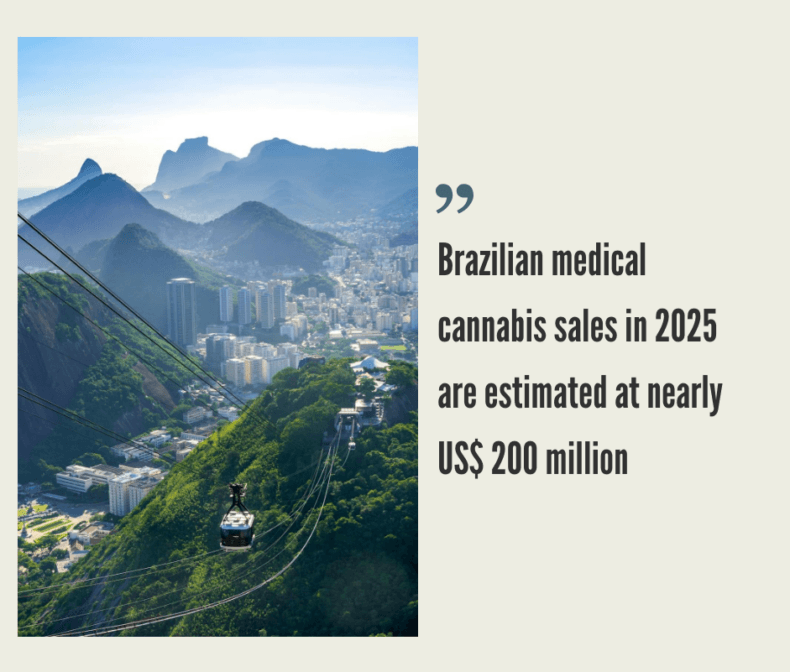
The Brazilian medical cannabis market in 2025 is estimated at nearly R$ 953 million (approximately US$187 million), according to data from the “Growshops, Headshops and Brands Market 2025” yearbook by the consulting firm Kaya Mind. It is estimated that as of November 2025, there were more than 873,000 medical cannabis patients. Around 40% of them access medical cannabis through imports while 34% obtain cannabis through pharmacies and 26% through patient associations.
From 2010 to August 2020, Brazil imported US$90.4 million worth of CBD with the main importers being India, Japan and China, followed by the United States which were responsible for 14% of the total. In 2015, only around 850 requests for import of cannabis-based medicines were authorized by ANVISA. From there, the number of import authorizations continuously grew, nearly doubling from 2021 to 2022 and surging by 70% from 2022 to 2023. From January to April 2024, already 48,408 imports were authorized – a 24% increase from the same period in the previous year.
According to a survey by Kaya Mind, 79% of cannabis consumers in Brazil use it for feelings of relaxation, with other often mentioned reasons being stress and anxiety relief (64% of respondents) and sleep improvement (45%).
Kaya Mind estimates that around 6.9 million people in Brazil could benefit from medical cannabis as treatment.
In 2023, the Brazilian medical cannabis industry had 516 importers, 276 pharmacies and clinics, 137 patient associations and 27 laboratories. According to the Kaya Mind 2025 Yearbook, the number of patient associations rose by nearly 130% to 315 associations in 2025.
As of January 2026, there were 49 medical cannabis products registered by ANVISA. According to Kaya Mind, in 2025 a total of 68 companies submitted 210 requests for a Sanitary Authorization under RDC 327/19. Kaya Mind estimates that active medical cannabis cultivators have 27 hectares of cultivation land.
Kaya Mind estimates that the total cannabis market in Brazil, including medical, adult-use, and industrial hemp, could have the potential value of up to R$ 26 billion (around US$5 billion) with adult-use accounting for the largest portion of that at R$ 11.7 billion and industrial hemp accounting for R$ 4.5 billion.
Industrial Hemp Market in Brazil
While the majority of market information is on the medicinal use of cannabis, there has been rising recognition of the plant’s industrial uses in Brazil. For instance, in 2025, a Brazilian agricultural research agency EMBRAPA received approval from Brazil’s health agency for large-scale research on industrial hemp. The aim of the project is to discover varieties that are most suitable for Brazilian soil and climate, generate scientific data to support the creation of a regulatory framework, and foster industrial innovation across various sectors.
According to EMBRAPA, Brazil has significant competitive strengths in hemp cultivation. These advantages include favorable climatic and agricultural conditions, large area of farming land, a skilled workforce, and scientific excellence in areas such as genetic improvement, biotechnology, and agribusiness. Additionally, Brazil’s location in the Southern Hemisphere provides a strategic seasonal complementarity: while major hemp-producing countries in the north are out of season, Brazil can cultivate and supply hemp, enabling a more consistent year-round global supply chain.
Brazil Cannabis Market Infographics
How Can HempCBDbusinessplans Templates Help Start or Grow Your Hemp CBD Business?
A business plan is essential for securing funding. It will also help you understand how much money it will take to start a hemp CBD business and how much profit it could make. A well-structured business plan can make all the difference in demonstrating your proposed hemp CBD business’ compliance with regulations and its operational viability.
Our complete hemp CBD business plan template package is everything you need to create a professional business plan for a hemp CBD business with expert financials and projections. A complete hemp CBD business plan template package includes:
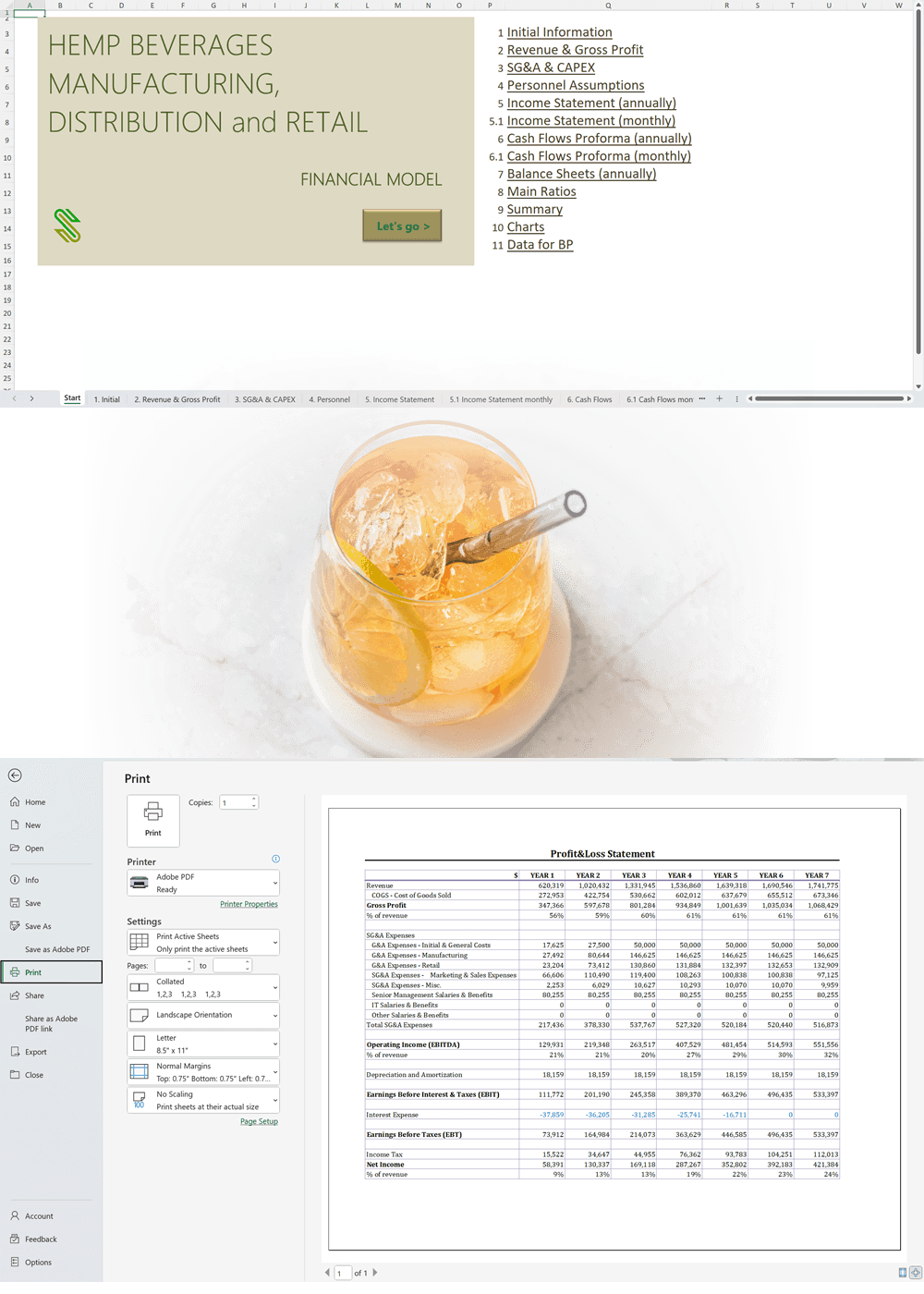
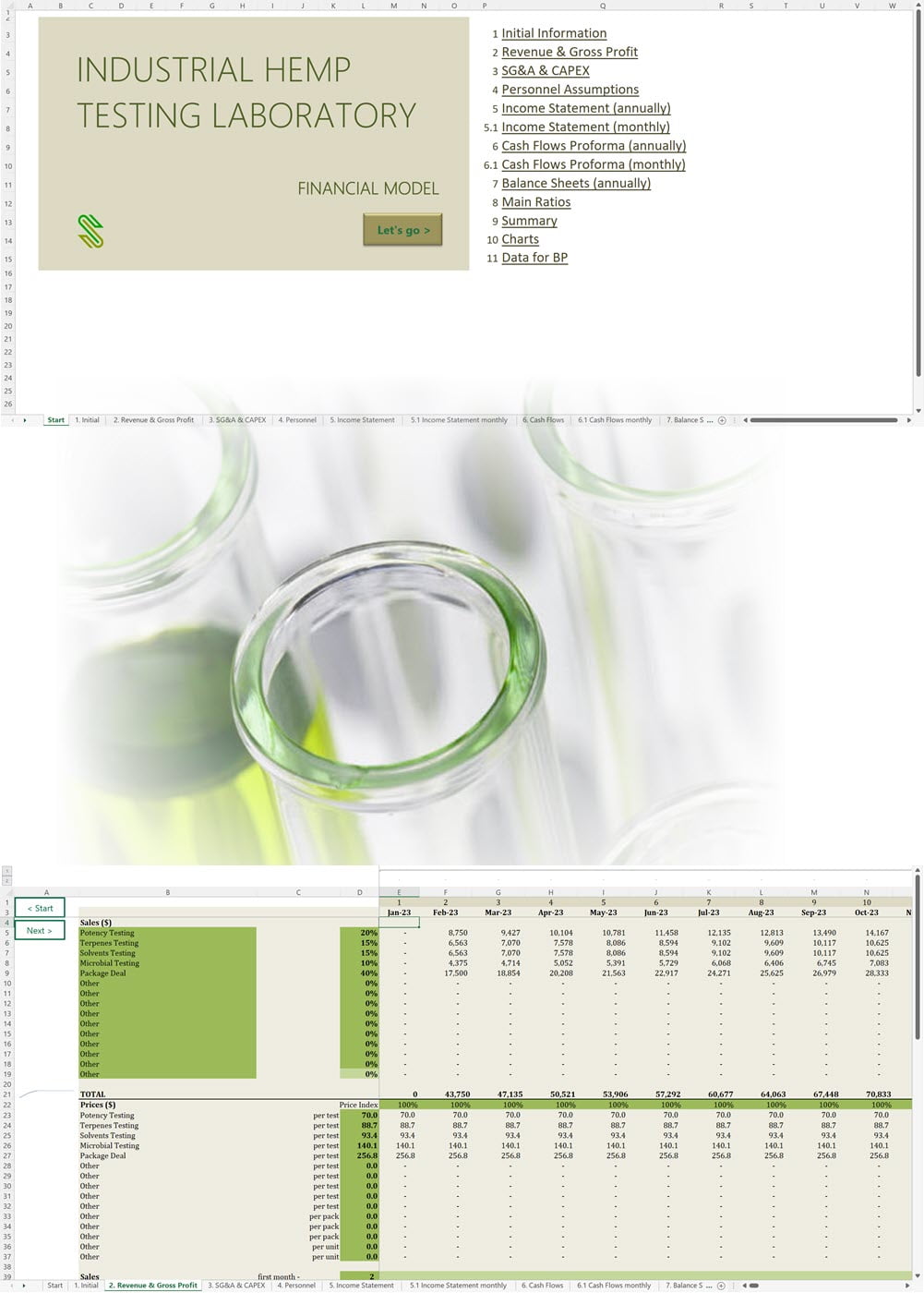
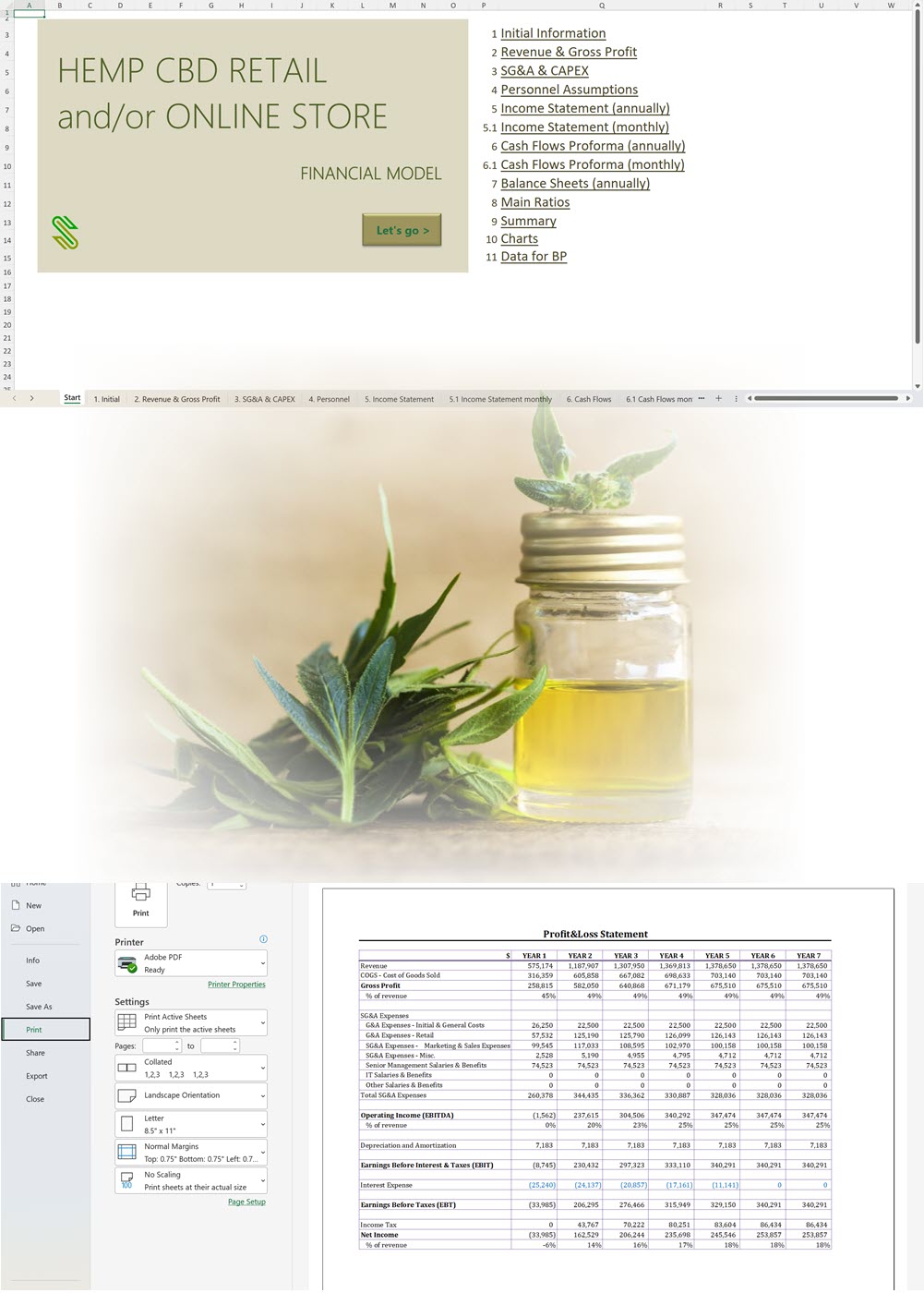
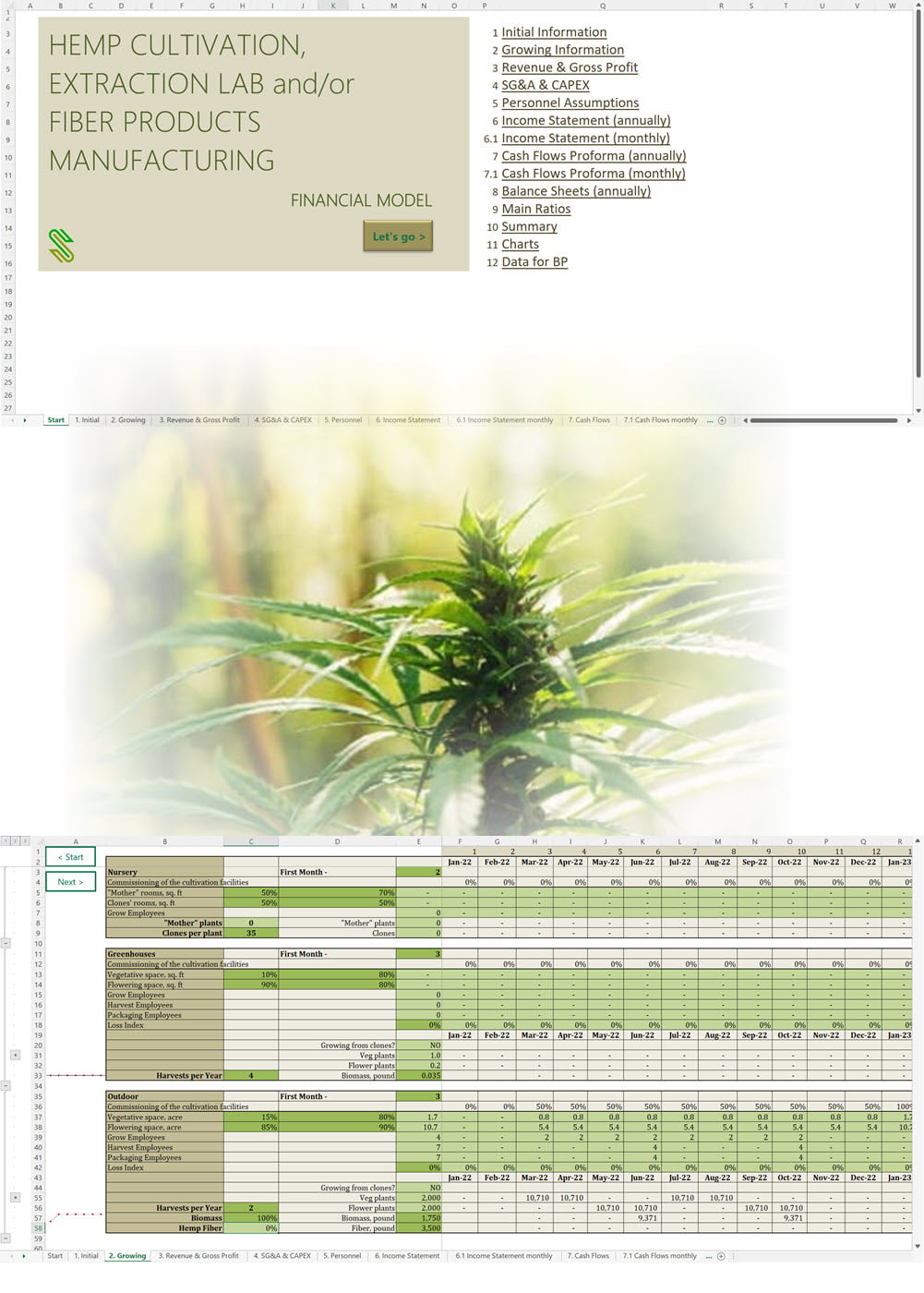
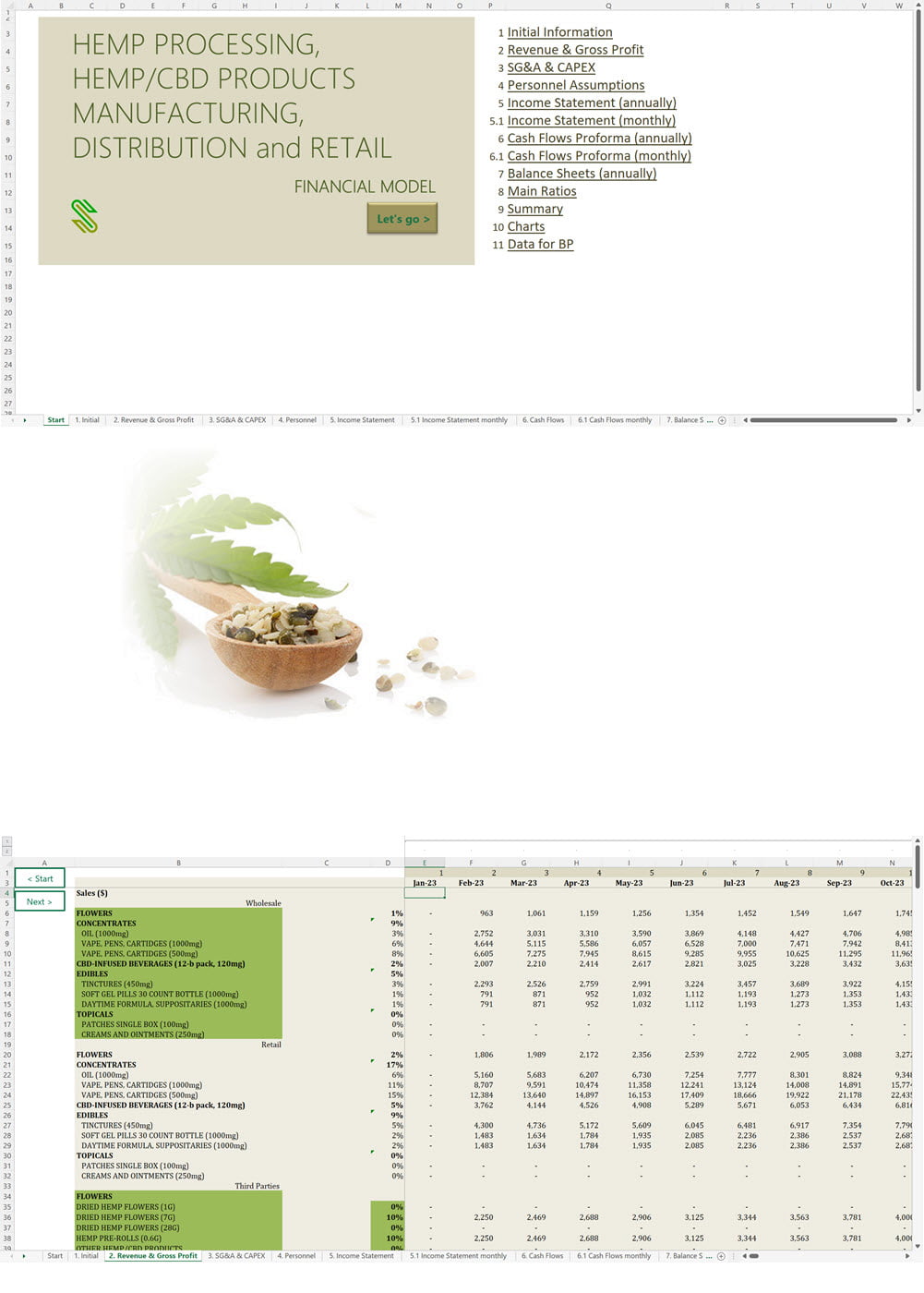
- Excel Financial Model: change variables and immediately see the impact, break down operational and capital costs, know how much it will take to get into the business and the potential profits.
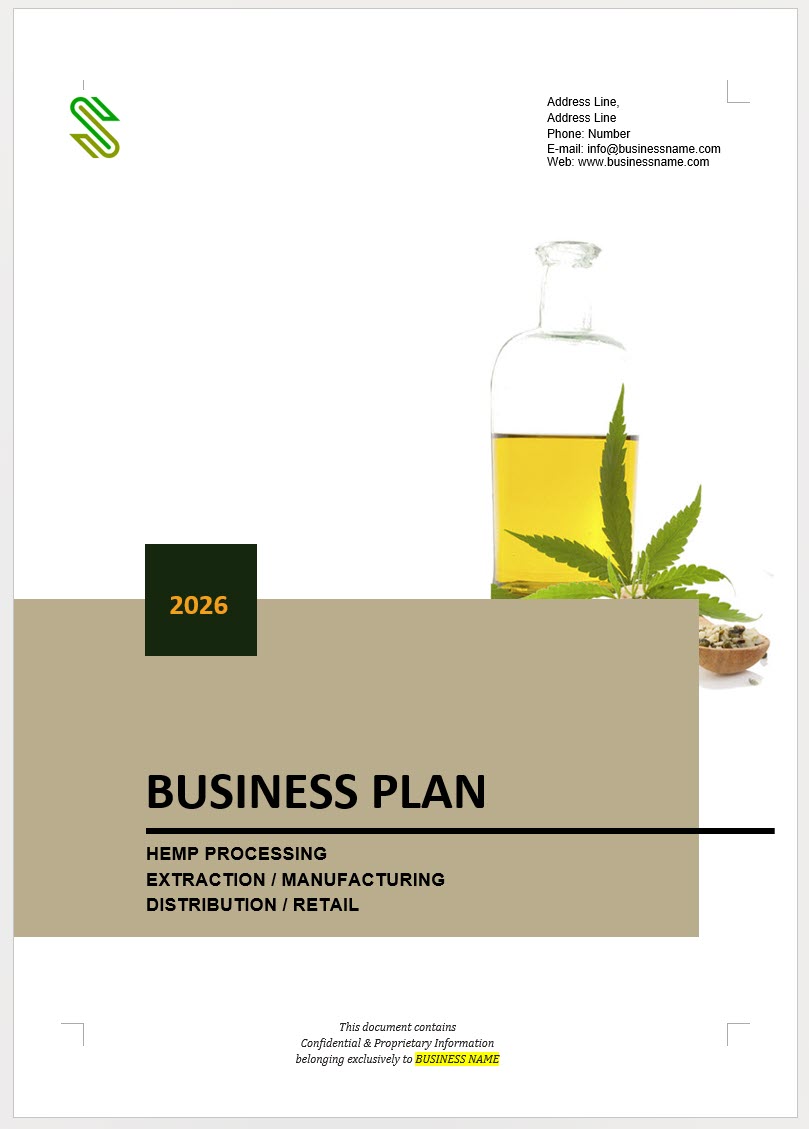
- Word Business Plan: value proposition, market analysis, marketing strategy, operating plan, organizational structure, financial plan and more.
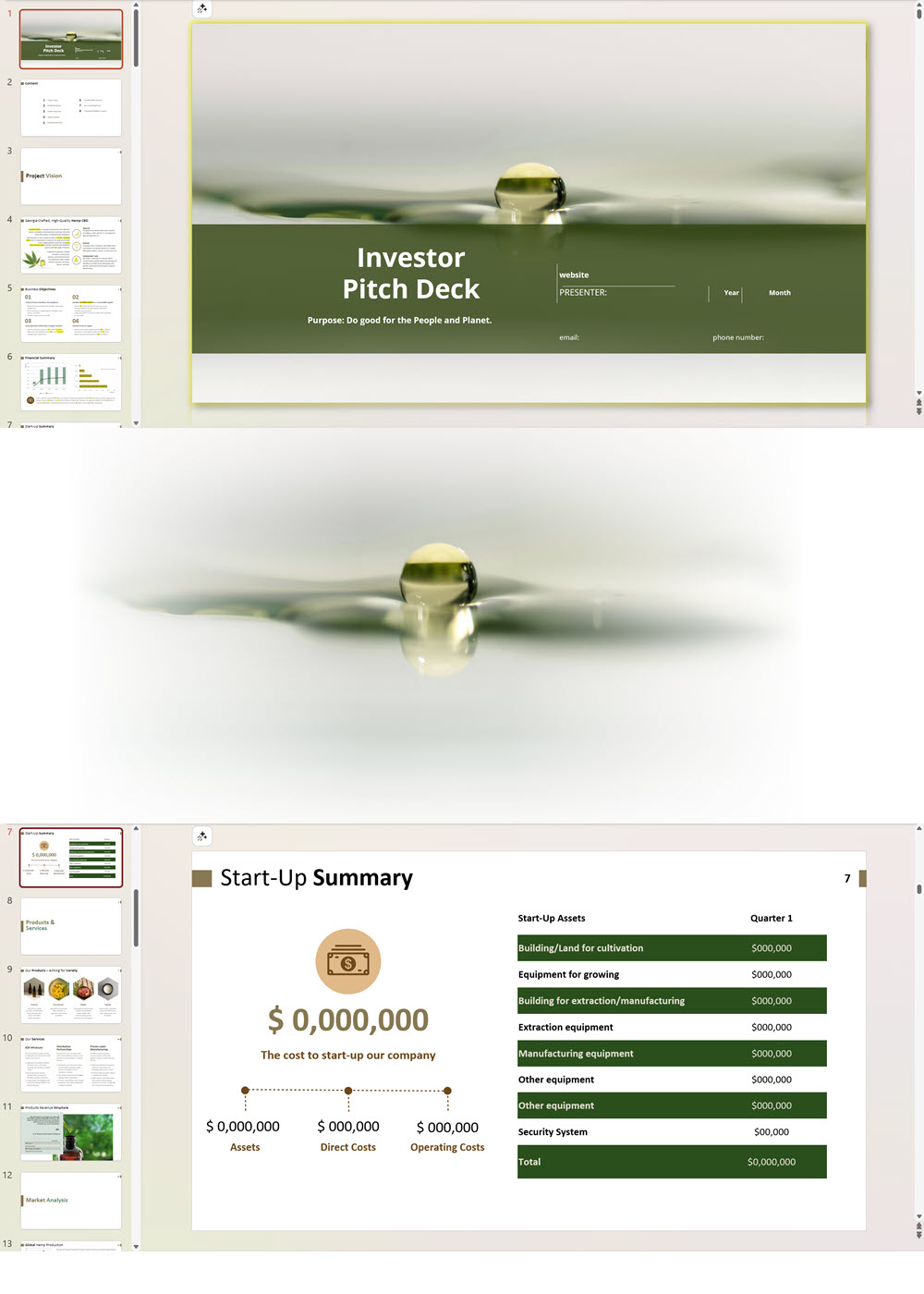
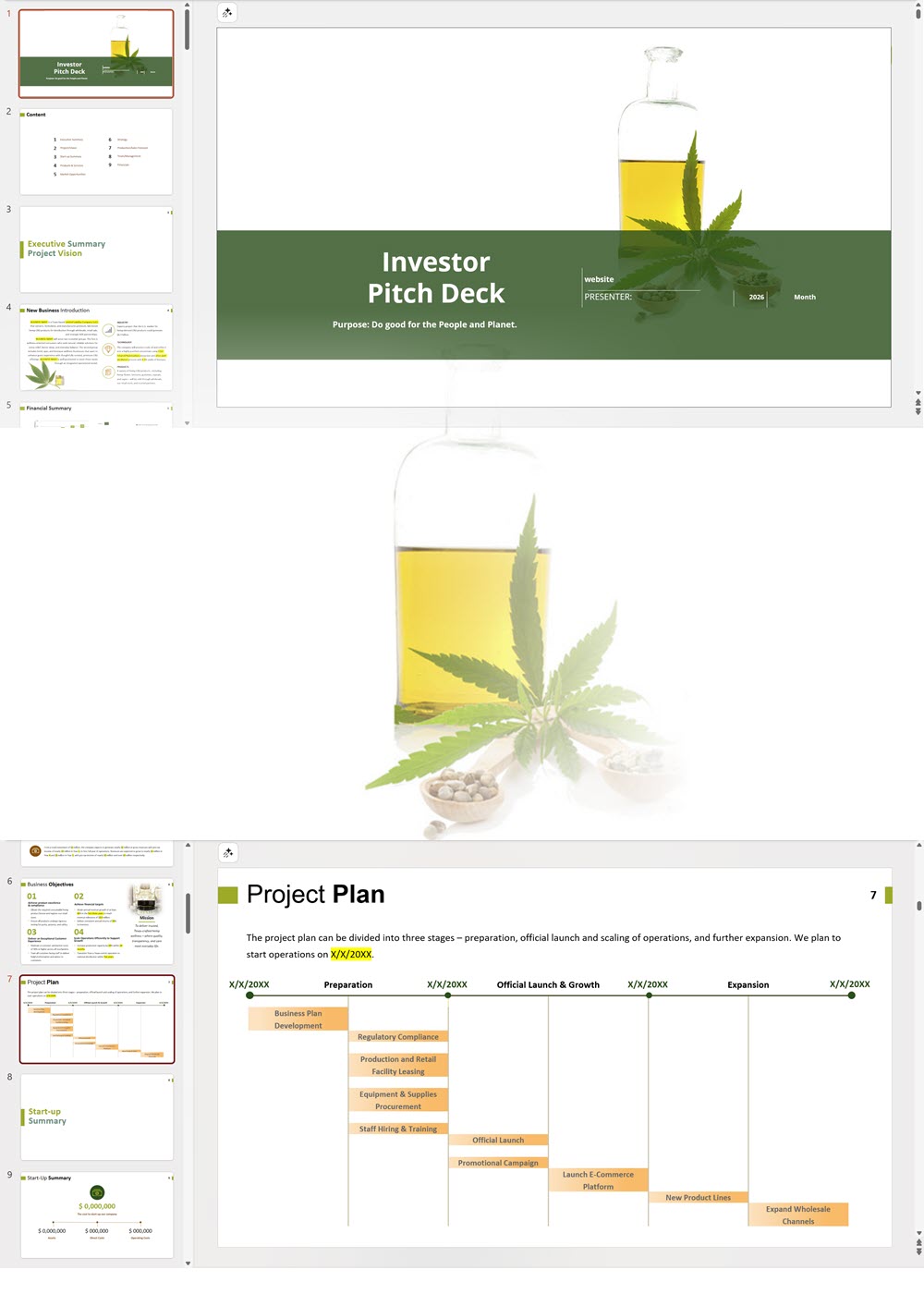
- PowerPoint Pitch Deck: provide a quick overview of your hemp CBD business plan.
'70% ready to go' business plan templates
Our hemp/CBD financial models and business plan templates will help you estimate how much it costs to start and operate your own hemp/CBD business, to build all revenue and cost line-items monthly over a flexible seven year period, and then summarize the monthly results into quarters and years for an easy view into the various time periods. We also offer investor pitch deck templates.
CBD Products Manufacturing Business Plan Sample, Brazil
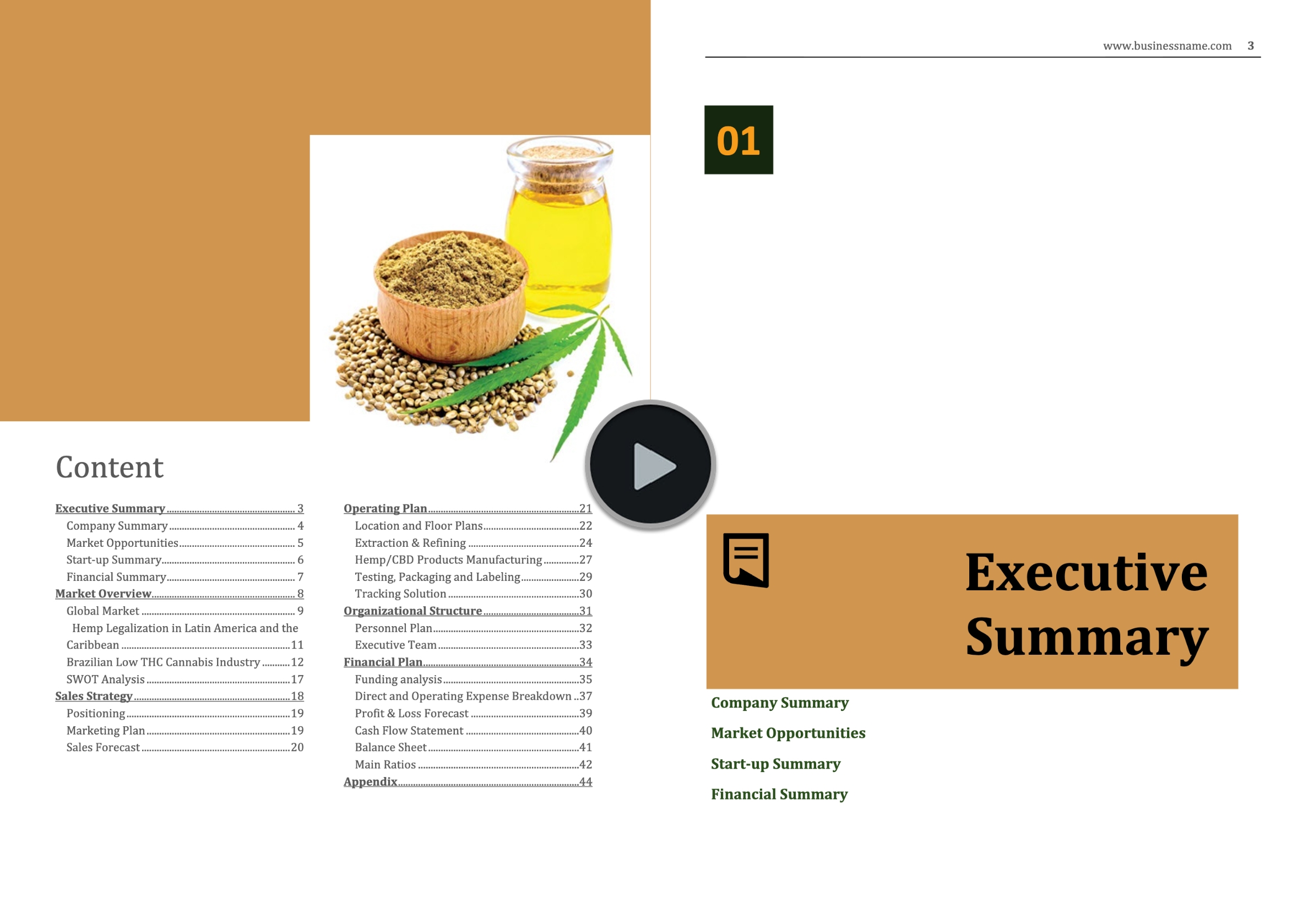
Best Selling Templates
-

Hemp Cultivation Business Plan Template
Price range: $75.00 through $275.00 Select options This product has multiple variants. The options may be chosen on the product page -

Hemp CBD Financial Model All in One
$200.00 Select options This product has multiple variants. The options may be chosen on the product page -
CBD Retail Investor Pitch Deck Template
$75.00 Select options This product has multiple variants. The options may be chosen on the product page
Our Templates
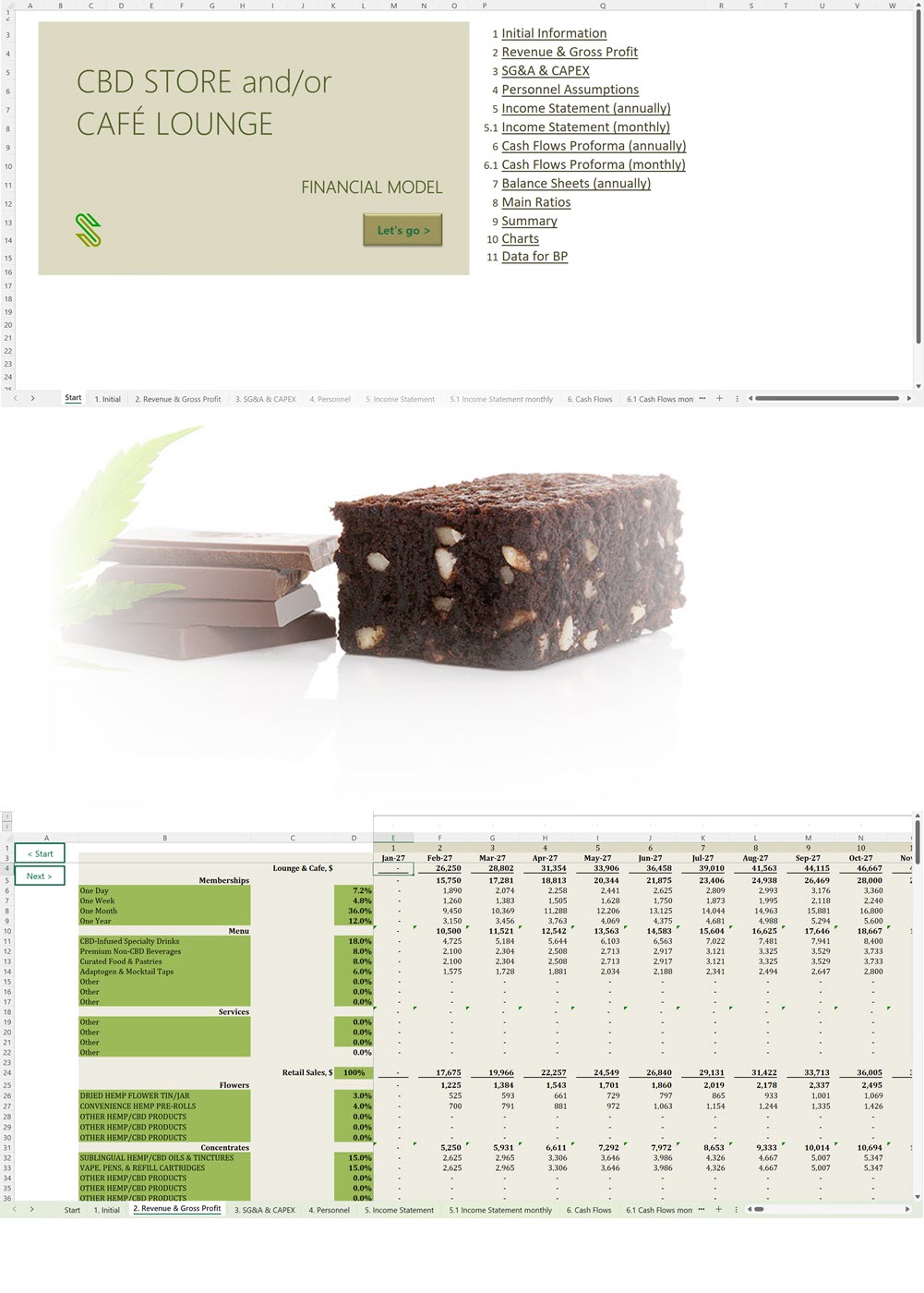
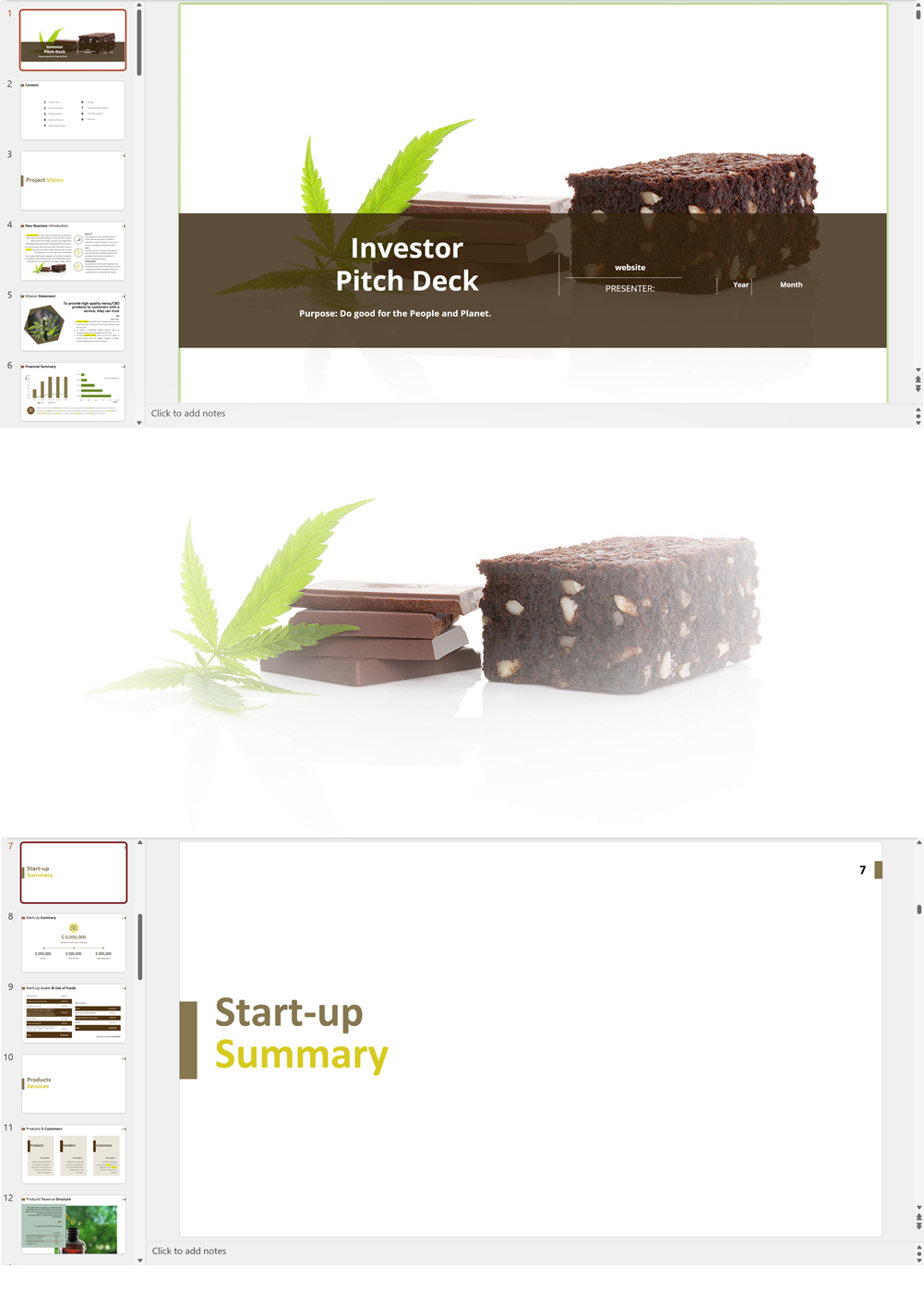
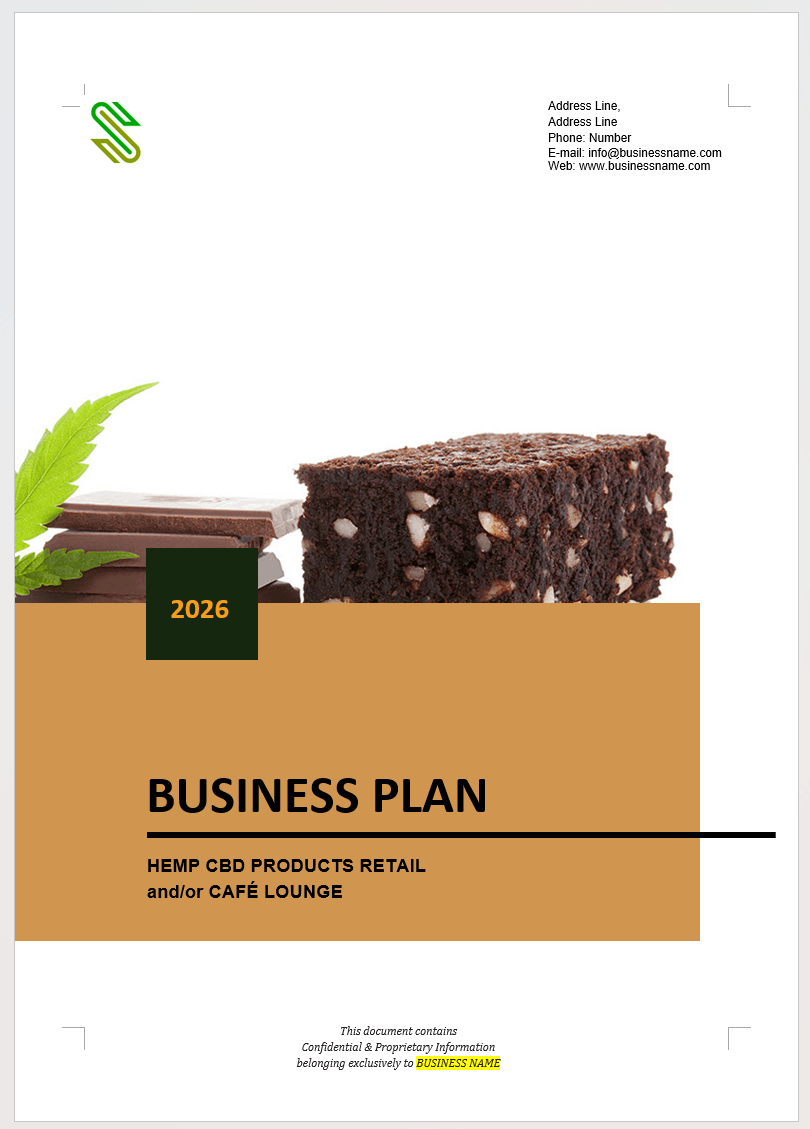
CBD Store and/or Cafe Lounge Business Plan Template
Price range: $75.00 through $275.00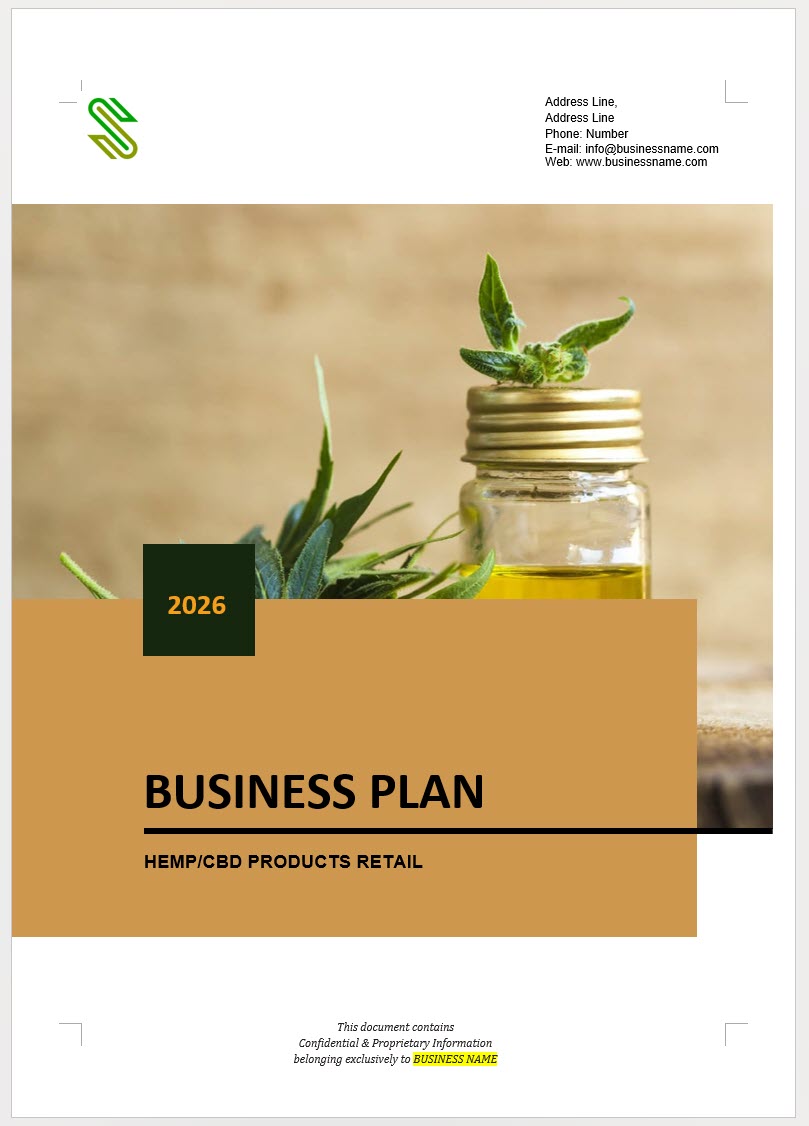
CBD Products Retail/Online Store Business Plan Template
Price range: $75.00 through $275.00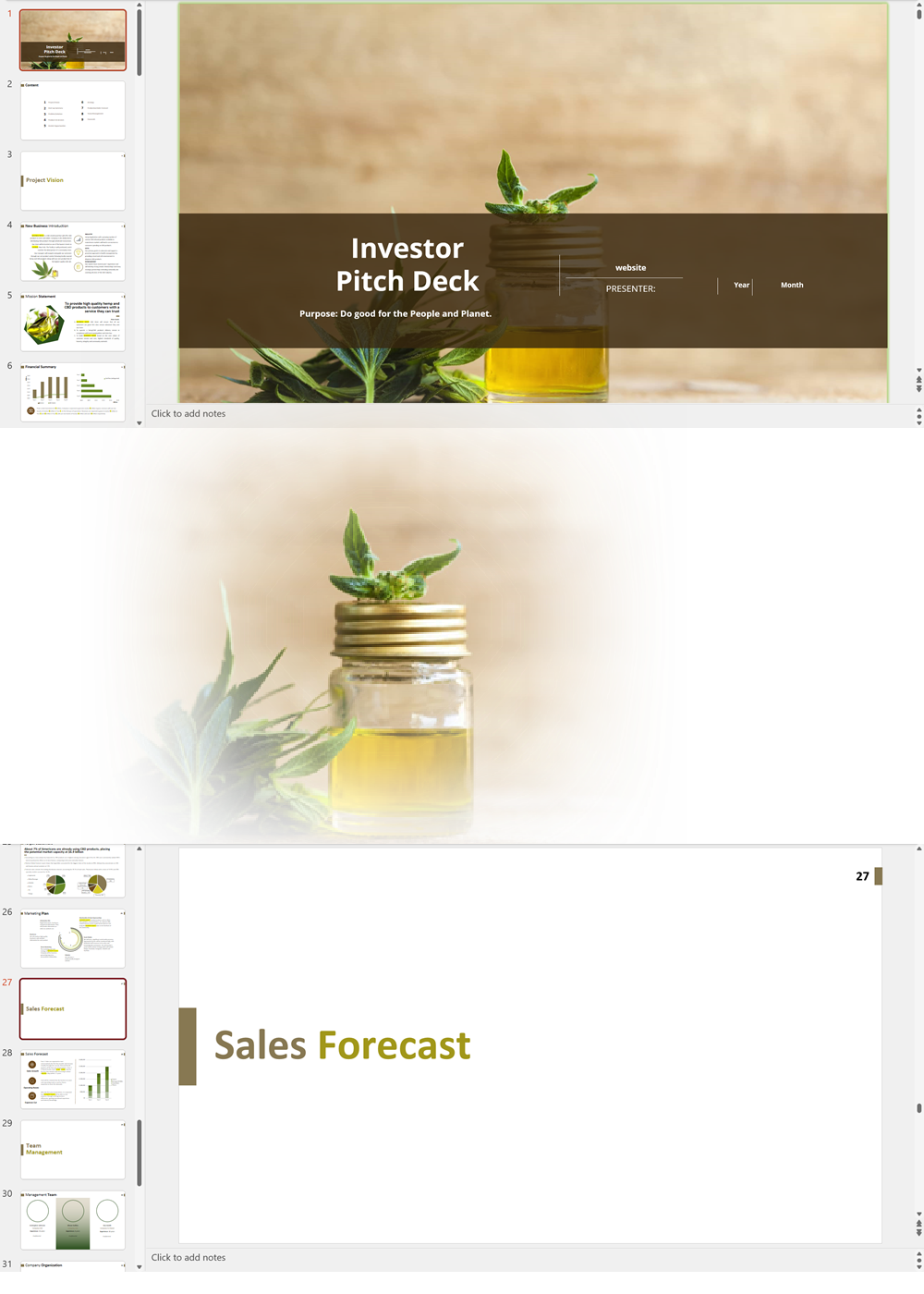
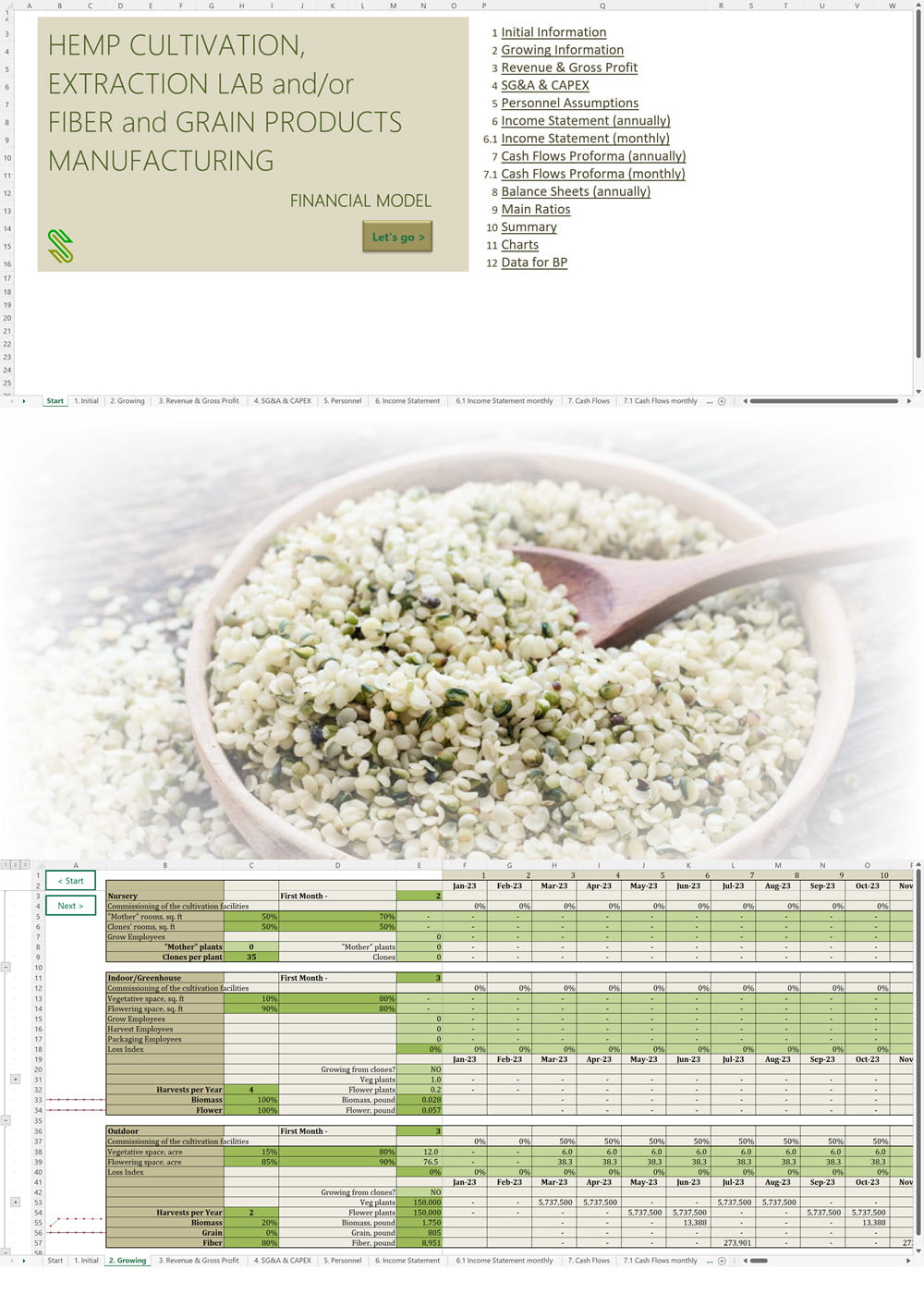
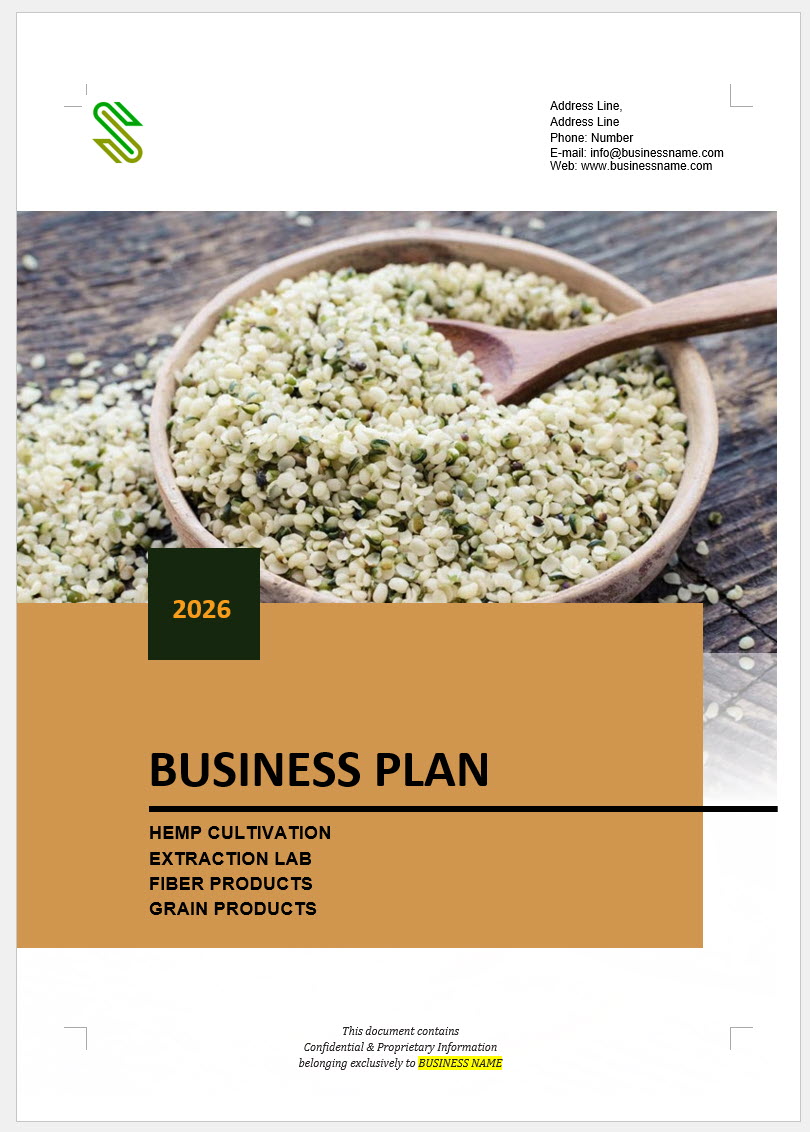
Hemp (Biomass, Fiber, Grain) Cultivation and Processing/ Manufacturing Business Plan Template
Price range: $75.00 through $350.00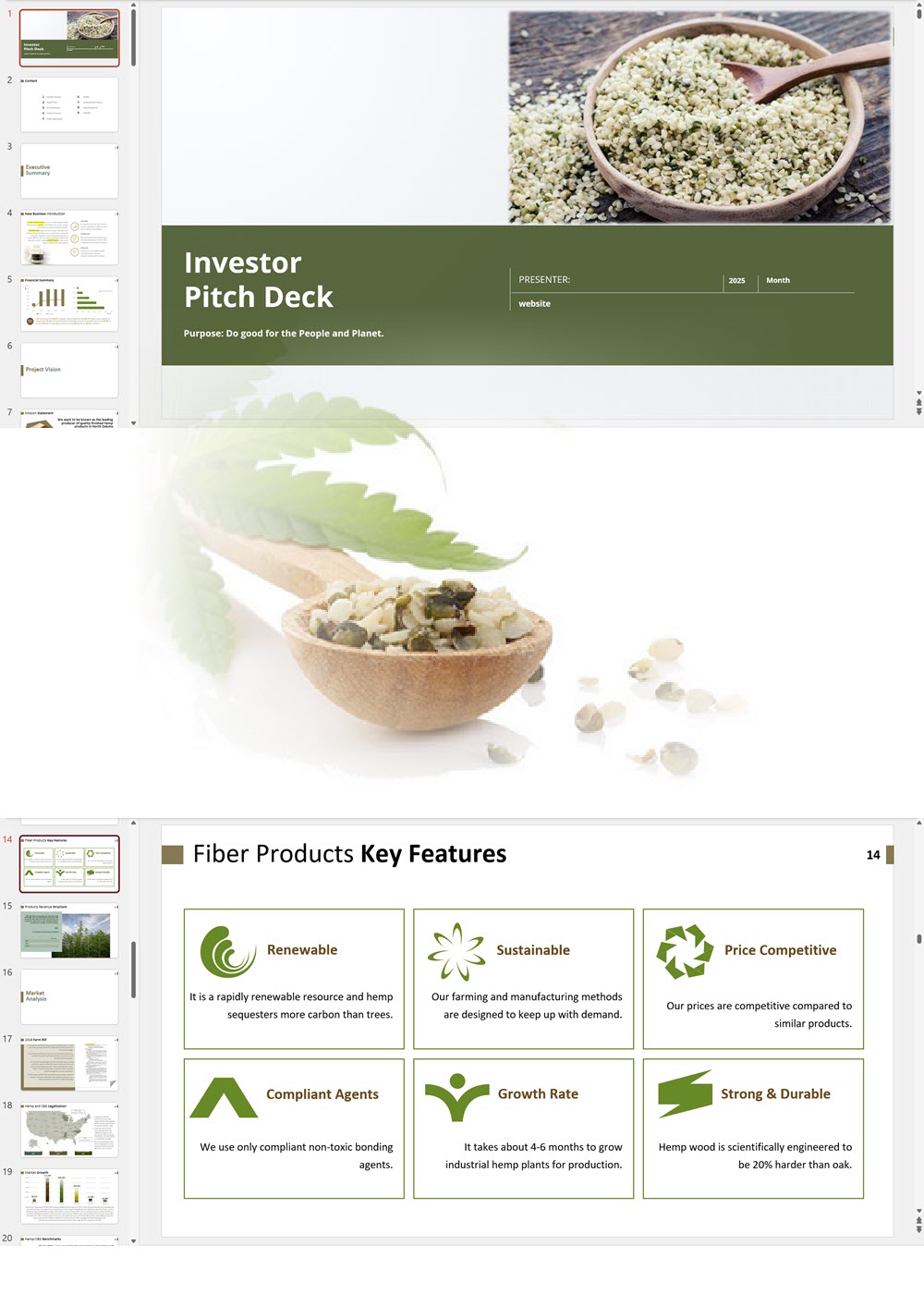
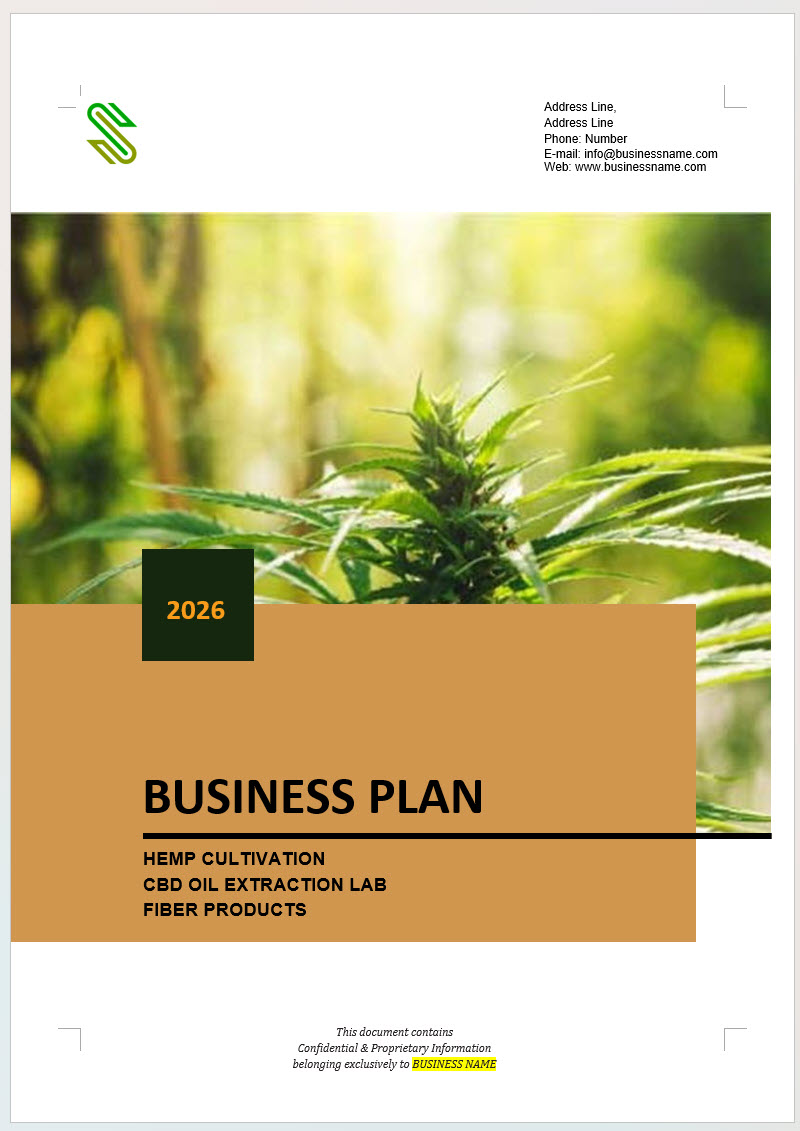
Hemp Cultivation and CBD Oil Extraction and/or Fiber Products Business Plan Template
Price range: $75.00 through $350.00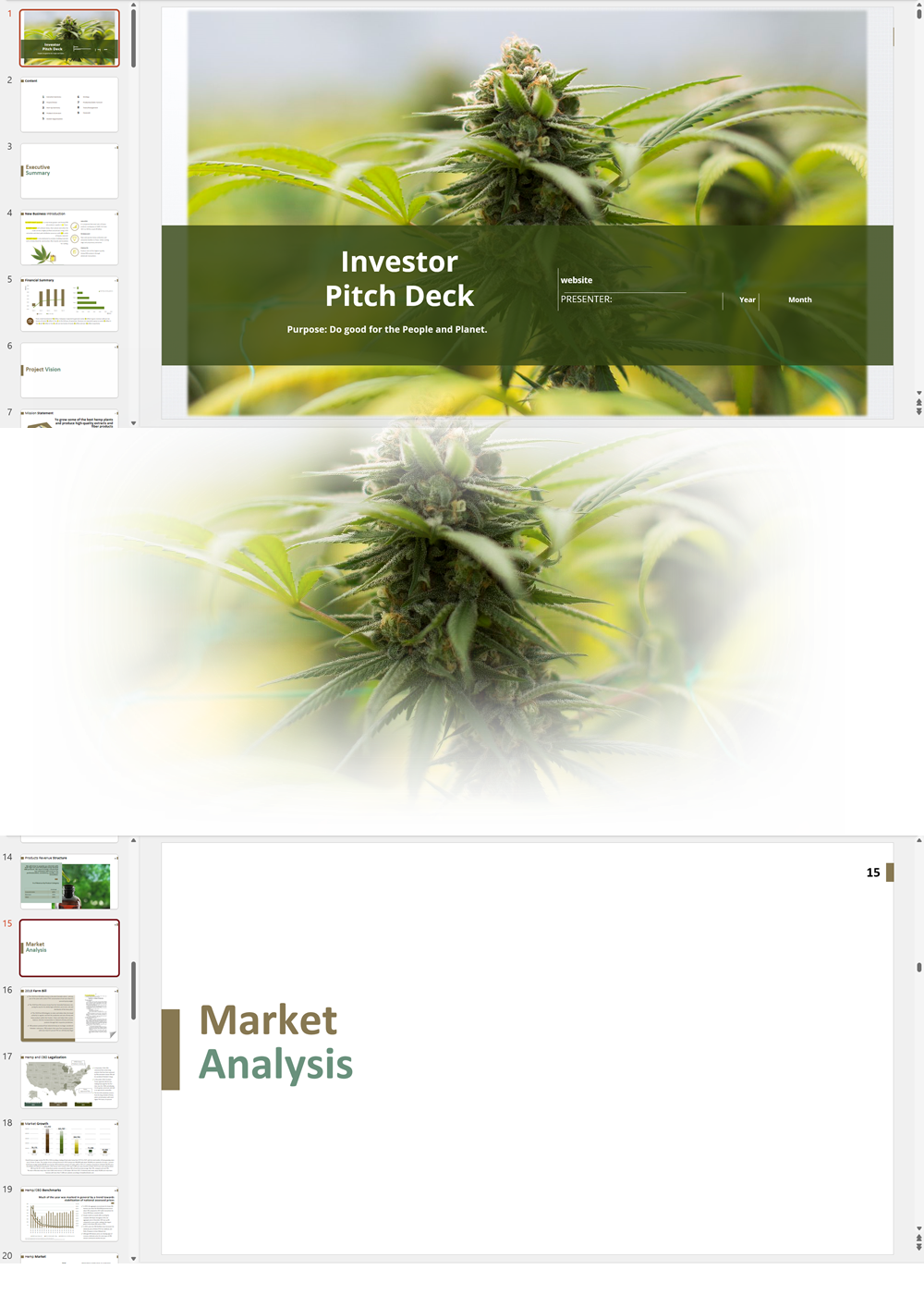
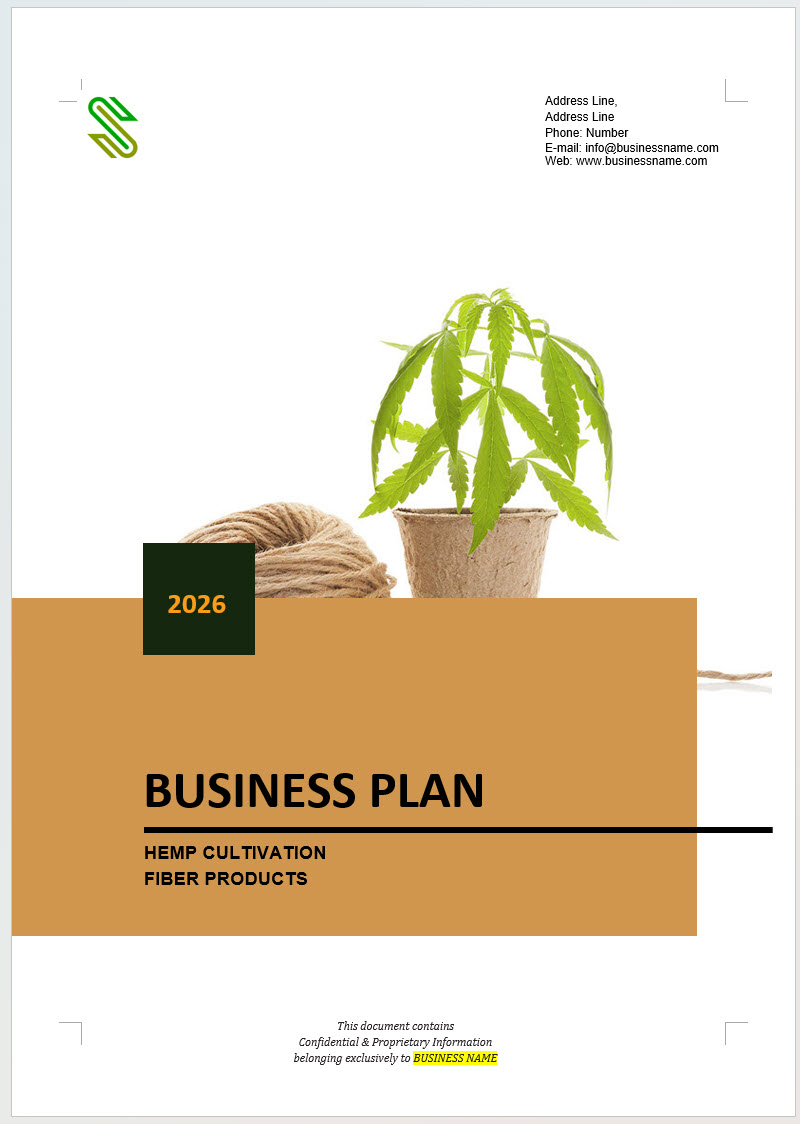
Hemp Fiber Growing and Manufacturing Business Plan Template
Price range: $75.00 through $275.00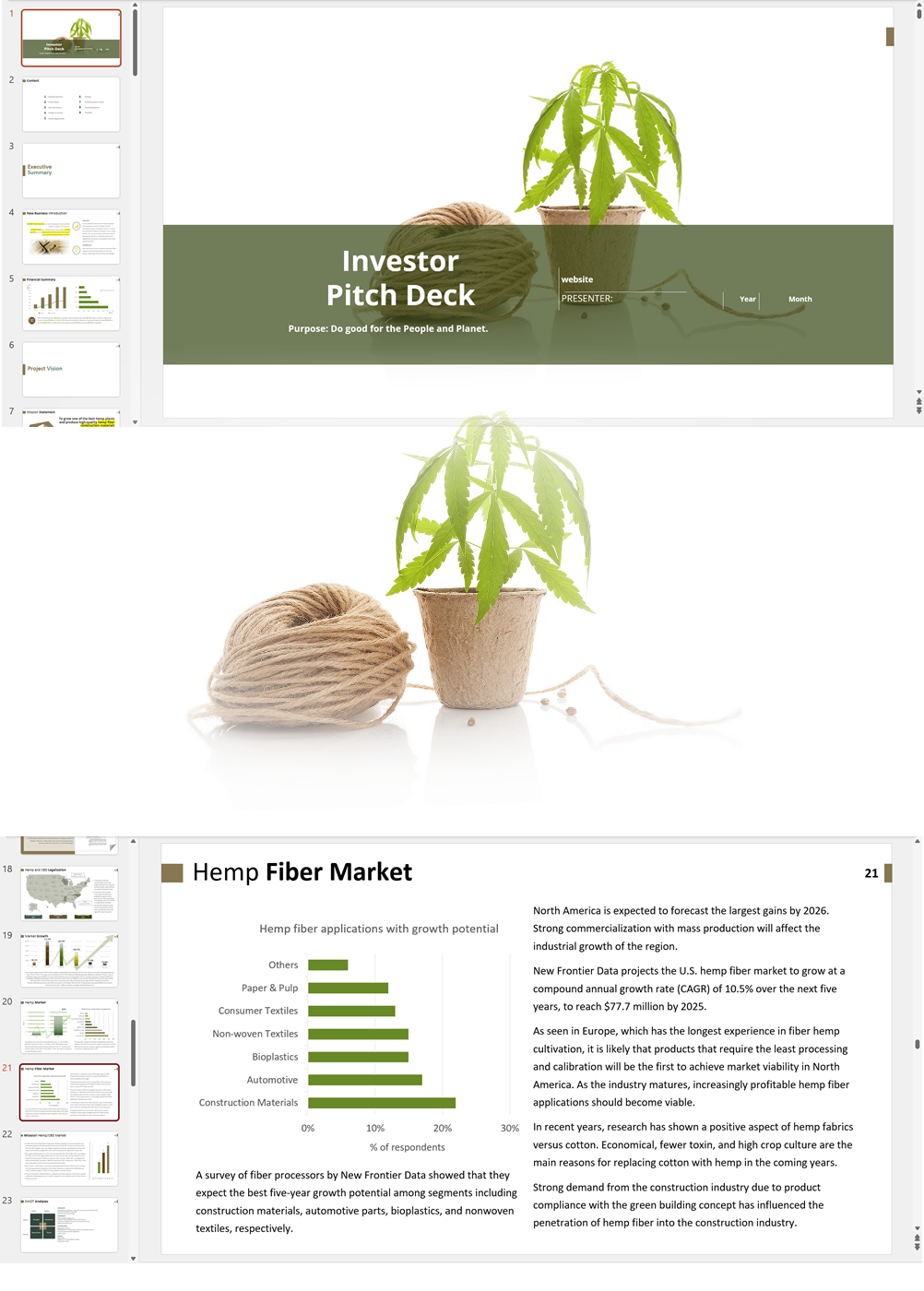
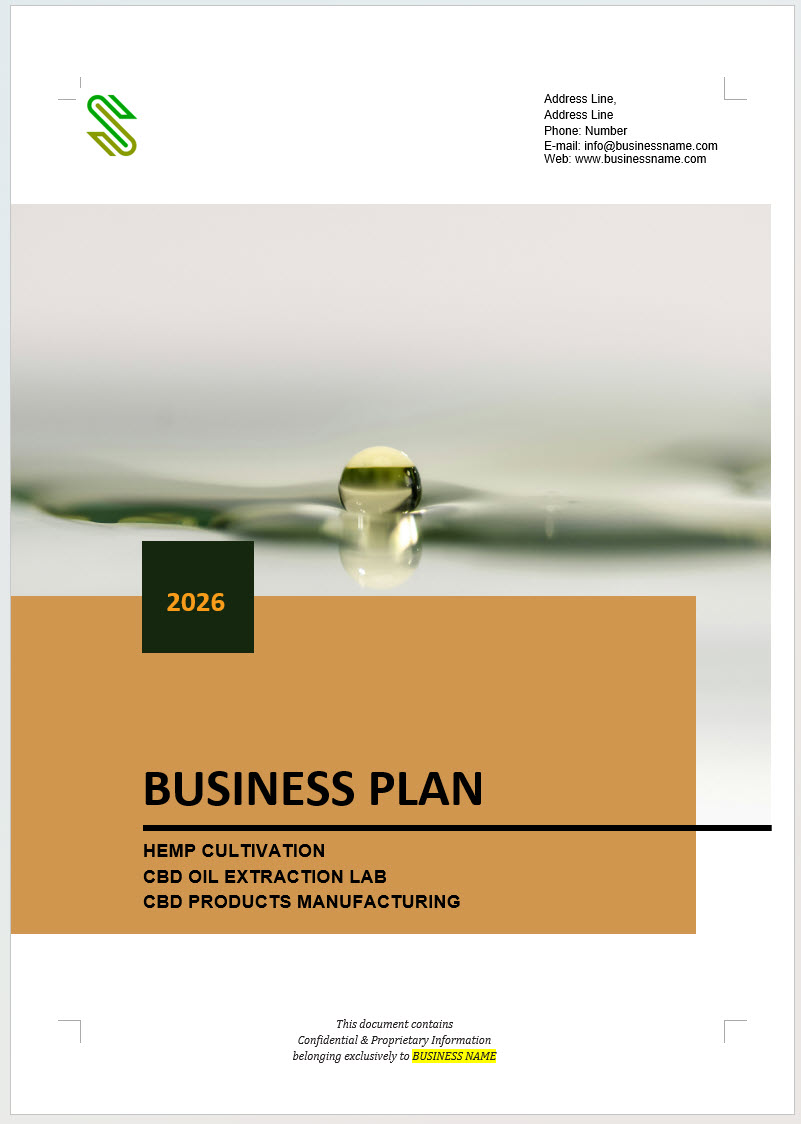
Hemp Cultivation + Extraction + Manufacturing Business Plan Template
Price range: $75.00 through $450.00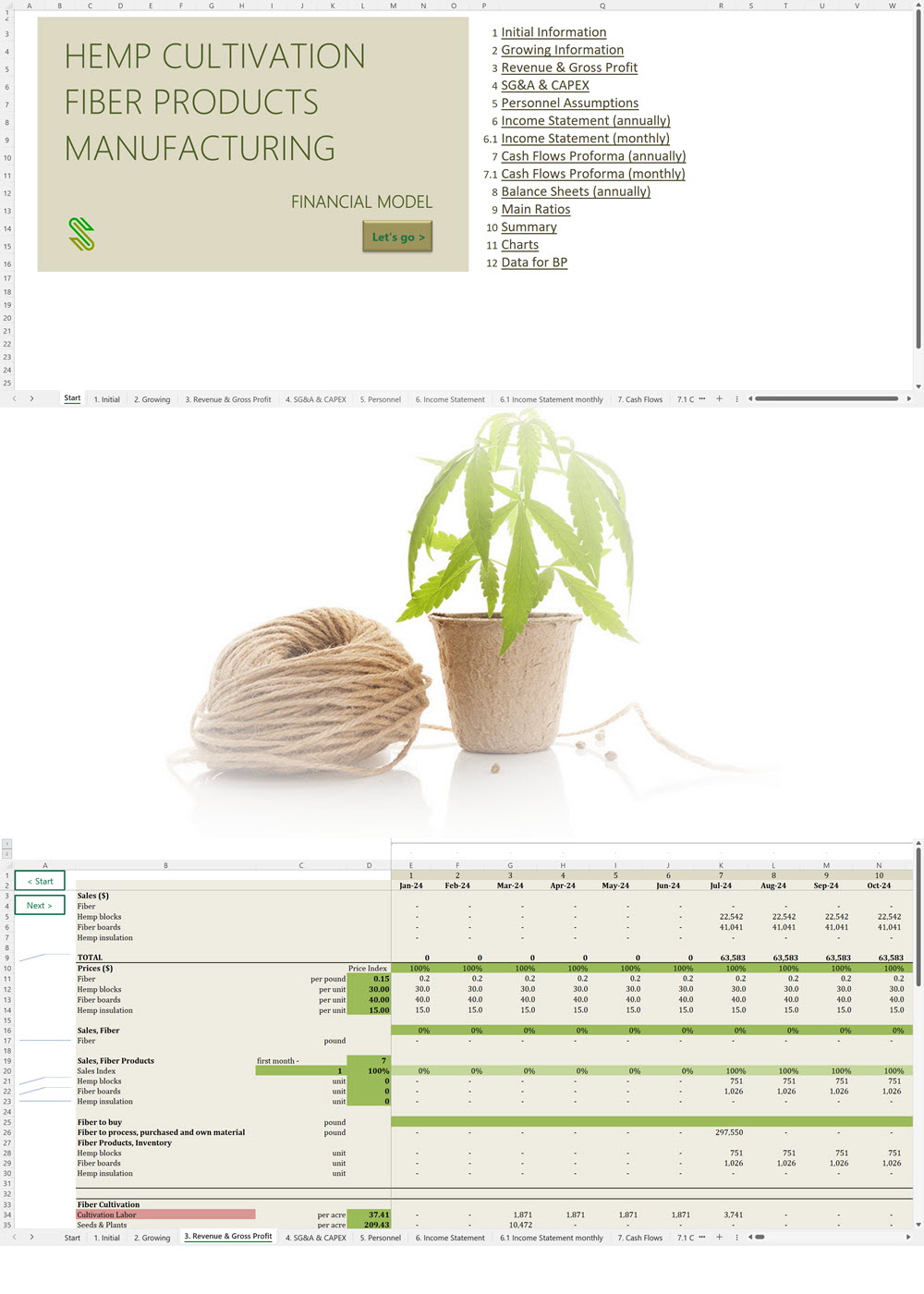
Hemp CBD Extraction + Manufacturing + Retail Business Plan Template
Price range: $75.00 through $450.00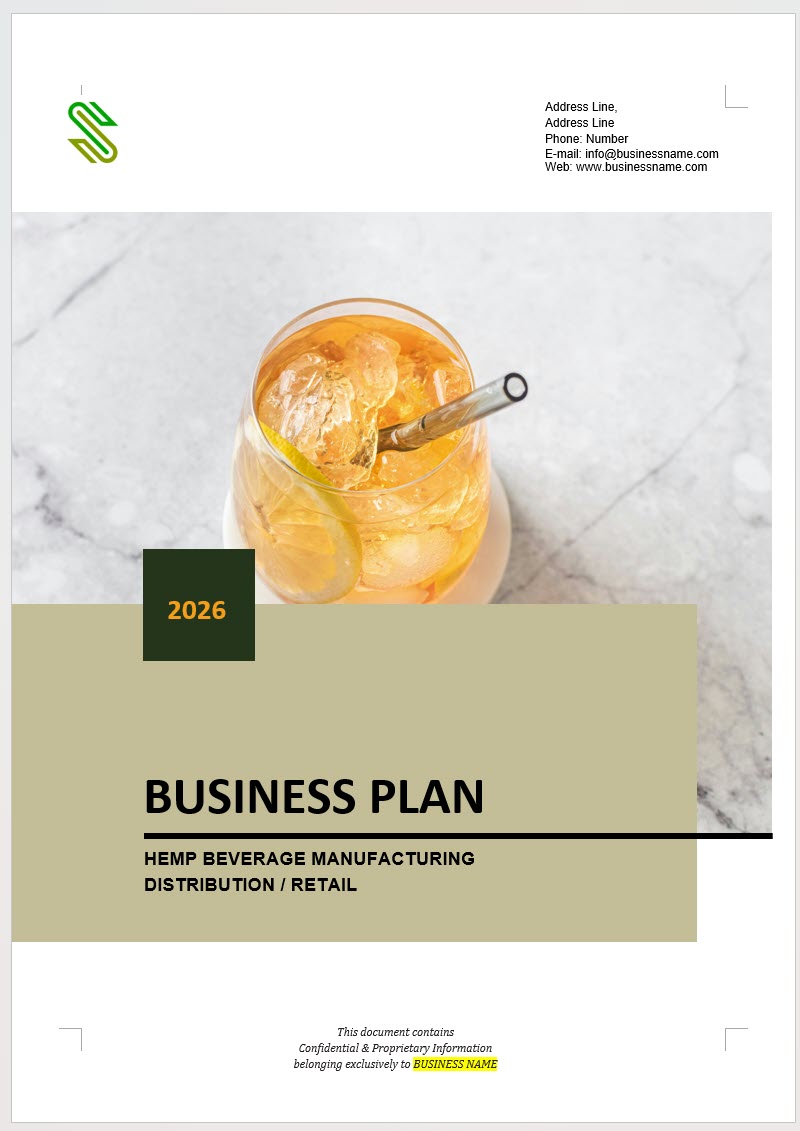
Hemp CBD Beverage Manufacturing, Wholesale and/or Retail Business Plan Template
Price range: $75.00 through $350.00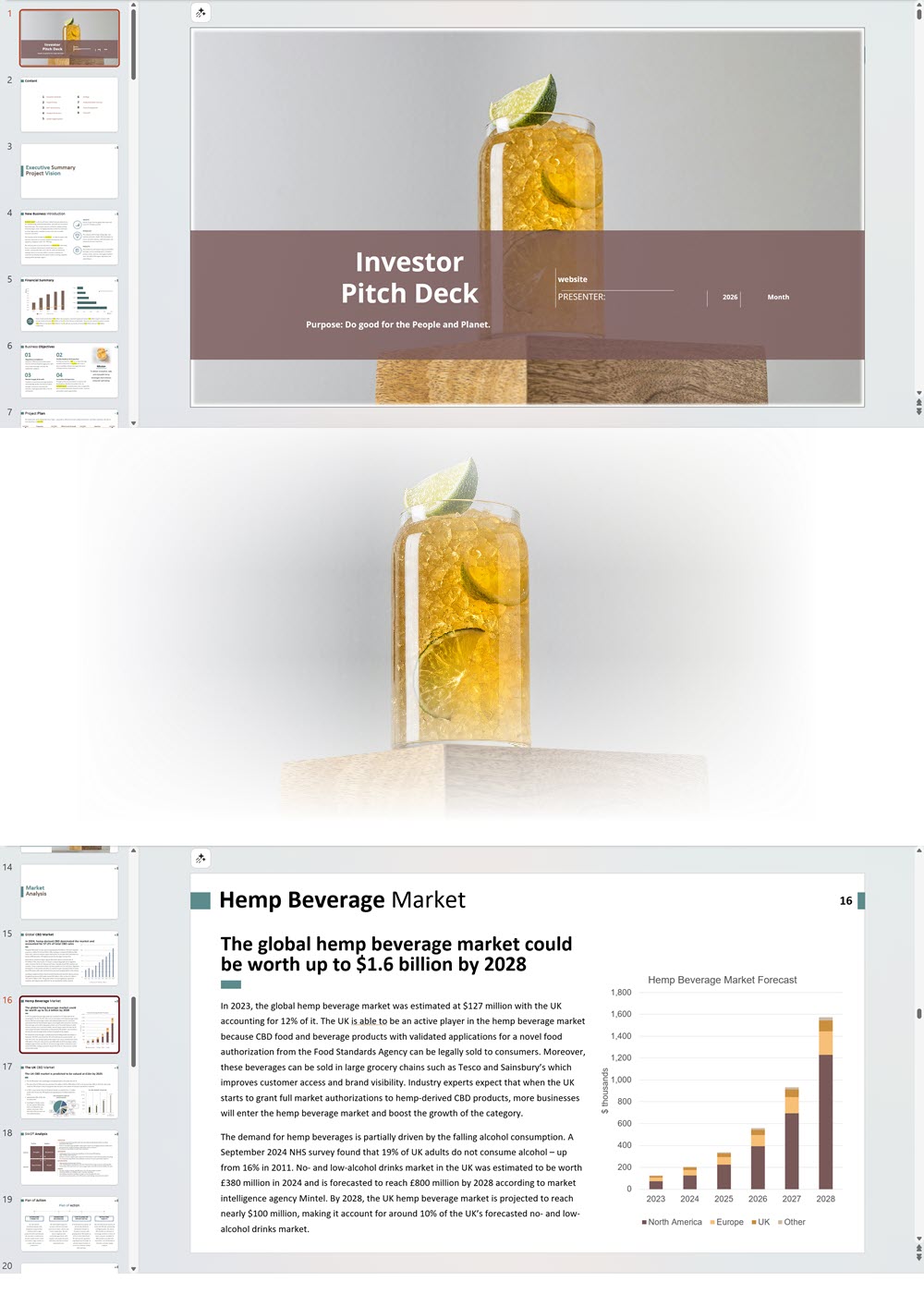
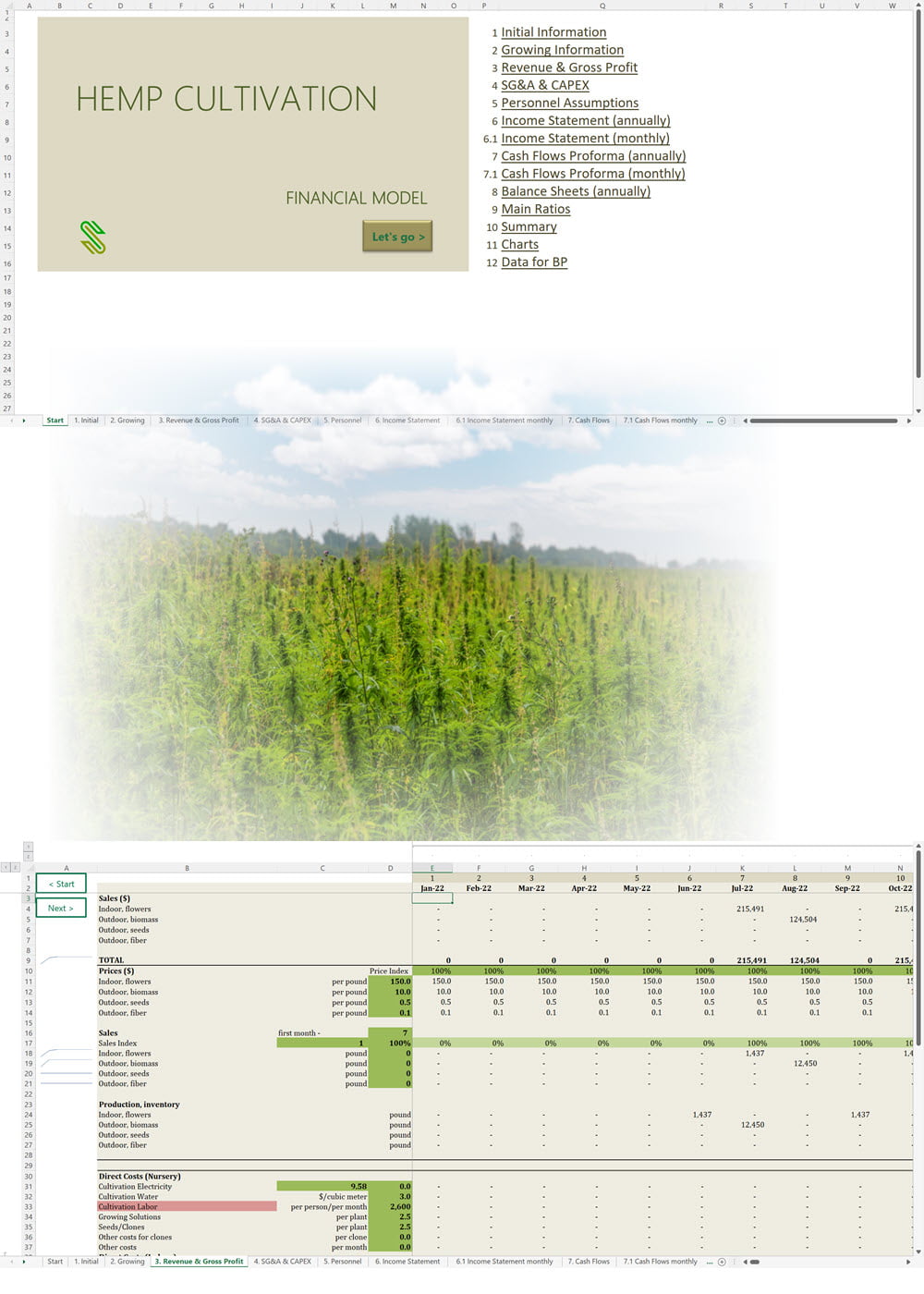
Hemp Cultivation Financial Model
$100.00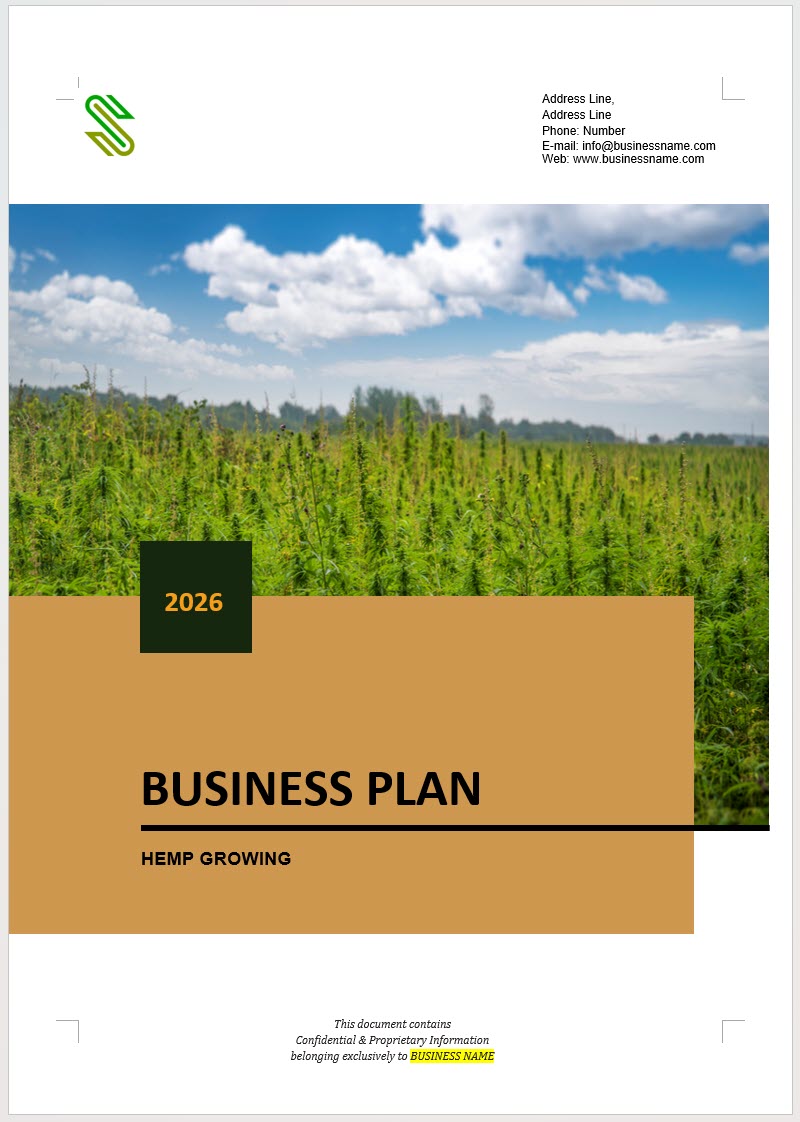
Hemp Cultivation Business Plan Template
Price range: $75.00 through $275.00