California Hemp Legalization
California first legalized industrial hemp cultivation in 2013 after Senate Bill 566 was signed into law. Senate Bill 1409 was approved by the Governor on September 30, 2018, and came into effect on January 1, 2019, updating the state’s hemp laws and establishing a licensing system for California farmers to grow industrial hemp with the California Department of Food and Agriculture (CDFA) responsible for regulatory oversight of the state’s hemp industry. Beginning April 30, 2019, the CDFA began publishing applications for commercial hemp cultivation and hemp seed breeders. In California, hemp cultivators must register in each county through the County Agricultural Commissioner to be able to perform hemp cultivation in the specific county.
California’s Industrial Hemp Program plan was approved by the USDA and came into effect on January 1, 2022.
On October 6, 2021, Governor Gavin Newsom signed AB 45 into law, legalizing industrial hemp use in food, dietary supplements, beverages, pet food, and cosmetics. This bill also established that industrial hemp manufacturers – businesses that extract cannabinoids from hemp biomass or purchase industrial hemp extract for the purpose of manufacturing a final product – must register with the California Department of Public Health (CDPH) and obtain the Industrial Hemp Enrollment and Oversight (IHEO) authorization. An IHEO authorization can be obtained to manufacture extracts, human food (with or without cannery), processed pet food, cosmetics, and inhalable products for out of state sales, containing hemp. No special license is required to sell hemp-derived products.
However, on September 6, 2024, emergency regulations were issued that required all hemp-derived products intended for human consumption to have no detectable levels of THC per serving, prohibited the sale of these products to individuals aged below 21, and limited the number of servings per package to five. Hemp-derived products that contain THC can be legally sold through licensed cannabis retailers.
Intoxicating Cannabinoid Products
On October 2, 2025, Governor Newsom signed Assembly Bill 8 into law, regulating all intoxicating cannabinoid products – which include both cannabis-derived and hemp-derived cannabinoid products – under one framework. The bill establishes guidelines for how hemp can enter the licensed cannabis market, restricts the sale of intoxicating hemp products to licensed dispensaries only, allows only adults aged 21 and older to purchase intoxicating hemp products, and bans the sale of synthetic cannabinoid products and inhalable hemp products, including hemp flower and hemp pre-rolls.
According to the bill, industrial hemp raw extract cannot be incorporated into food, food additives, beverages, or dietary supplements unless it consists of CBD or CBN isolate with a purity level greater than 99% and does not contain any tetrahydrocannabinols or synthetic cannabinoids. Industrial hemp will not be subject to cannabis regulations, except upon entry into the California licensed market under Division 10 of the Business Professions Code, and shall be regulated by the Department of Food and Agriculture in accordance with the provisions of Division 24 of the Food and Agriculture Code. These amendments – along with the prohibition of manufacturing inhalable hemp products for sale in California and the testing, packaging and labeling regulations for hemp-based products – come into effect on January 1, 2026.
All other amendments in the bill concerning hemp-based products will come into effect on January 1, 2028. Until then, a licensed manufacturer can only use cannabinoid concentrates and extracts that are manufactured or processed exclusively from cannabis obtained from a licensed cannabis cultivator and a licensee may not possess, distribute, transport, manufacture, or sell industrial hemp on or from a licensed premises, except when a licensed testing laboratory is conducting tests on industrial hemp.
California Hemp Industry Stats
In 2019, 501 farmers were licensed to grow 35,001 acres of industrial hemp in California, with the largest numbers of licensed acres in Kern County and Riverside County – 7,841 acres and 7,196 acres, respectively. For the 2020 growing season, 38,464 acres were registered by 558 growers.
However, as a result of hemp oversupply across the United States, in 2021 the number of registered hemp acres fell dramatically to 14,331. According to data from the National Hemp Report, Californian hemp farmers planted 2,650 acres – only around 18% of the licensed acres – and harvested 2,250 acres. The negative trend continued in 2022 with 232 growers planting just 910 acres though yield remained high with 96% of these acres successfully harvested.
California’s hemp industry began to recover in 2023. Despite an even further fall in registered growers to 90, more acres were planted and harvested – 2,100 acres and 1,900 acres, respectively. This recovery continued in 2024 with farmers planting 3,150 acres (the third highest acreage nationally after Texas and South Dakota) and harvesting 2,600 acres (the second highest acreage nationally after South Dakota) according to the National Hemp Report. In 2024, California accounted for nearly 7% of the total national planted acreage and nearly 8% of the total national harvested acreage.
It is not yet known how many acres of hemp were planted and harvested in 2025 but given that registered acres for the 2025 season were 4,687 – up by 31% from 2024 – it can be expected that the acres planted and harvested will be higher as well.
As of September 10, 2025, there were 67 licensed hemp growers, 12 breeders, 7 agricultural research institutions, and 89 hemp product manufacturers among whom 15 are authorized to manufacture inhalables for out of state distribution, 51 are authorized to manufacture food products containing industrial hemp, and 24 are authorized to manufacture cosmetics.
Over the years, registered hemp acreage has become more spread out over various counties rather than concentrated at high levels in specific counties. Still, in 2024 and 2025, a new leader emerged in terms of registered hemp acres – the Fresno County. It accounted for 41% and 55% of registered hemp acres in the 2024 and 2025 growing seasons, respectively.
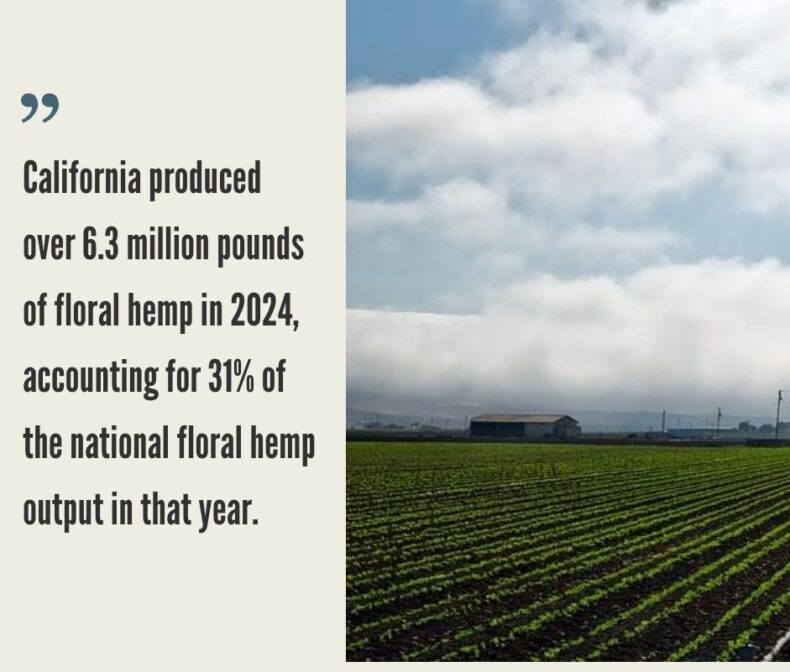
In recent years, California became one of the largest floral hemp producers in the United States. In 2023, almost 64% of its harvested acreage was floral hemp, producing 1.67 million pounds – 21% of the national total – and its utilized production was valued at a staggering $58 million. With 100% of its harvested hemp grown for flower, California produced over 6.3 million pounds in 2024 – ranking first nationally in floral hemp output. The value of utilized production was $17 million.
California Hemp Industry Infographics
How Can HempCBDbusinessplans Templates Help Start or Grow Your Hemp CBD Business?
A business plan is essential for securing funding. It will also help you understand how much money it will take to start a hemp CBD business and how much profit it could make. A well-structured business plan can make all the difference in demonstrating your proposed hemp CBD business’ compliance with regulations and its operational viability.
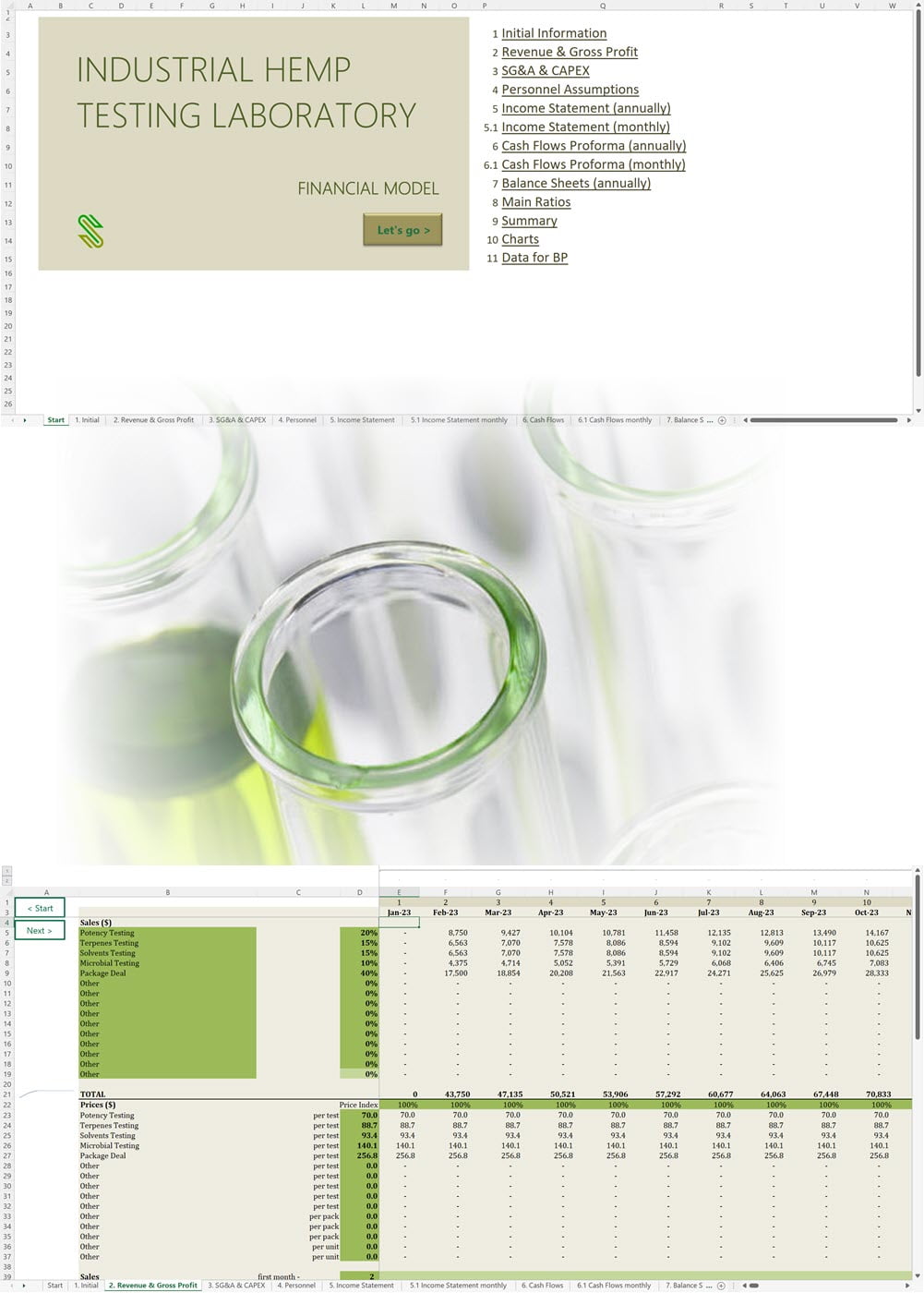
Our complete hemp CBD business plan template package is everything you need to create a professional business plan for a hemp CBD business with expert financials and projections. A complete hemp CBD business plan template package includes:
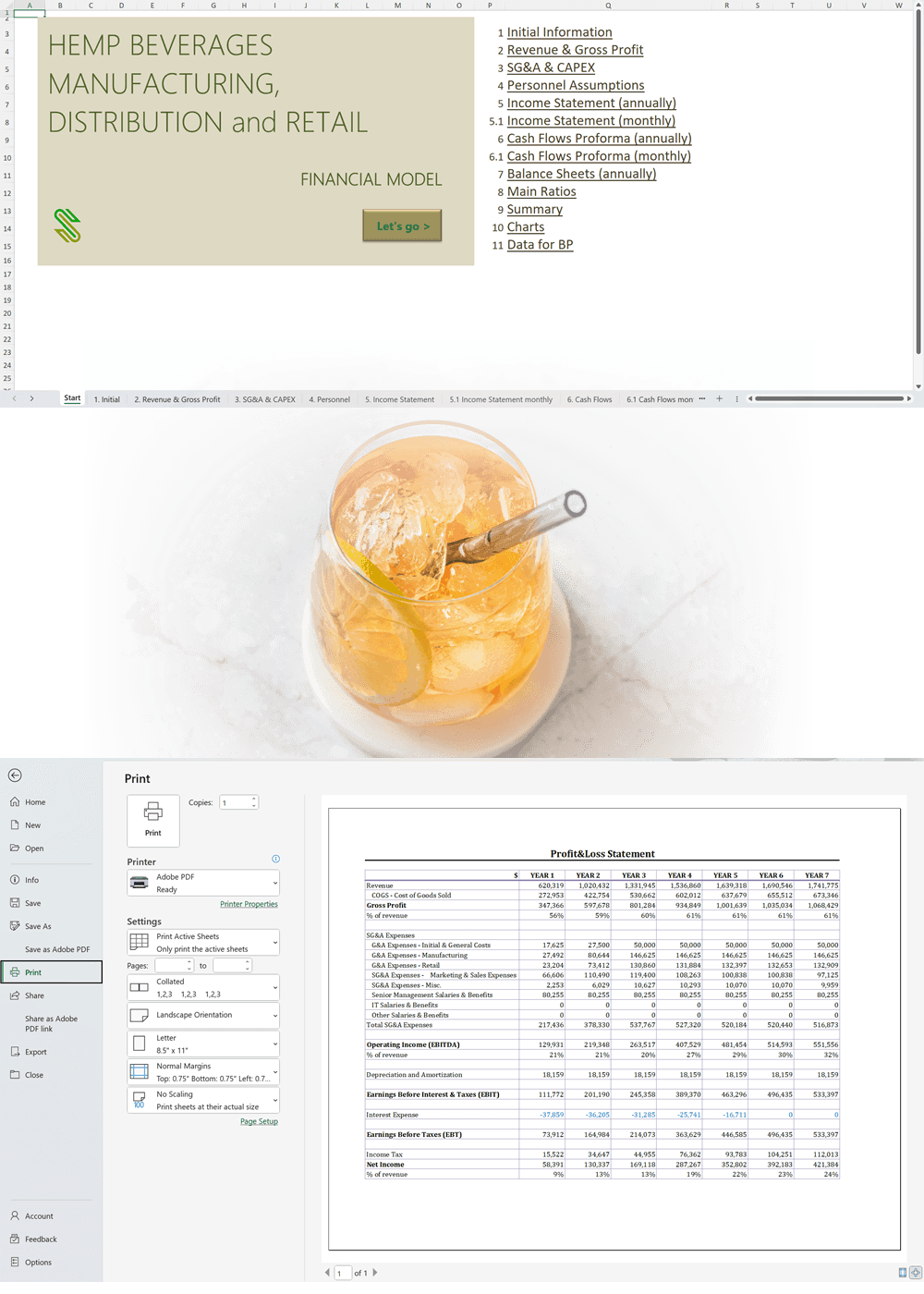
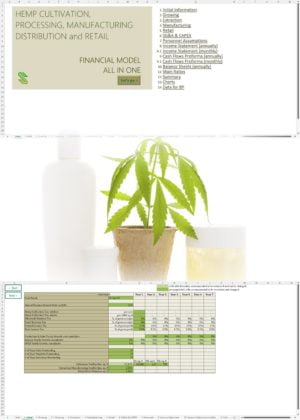
- Excel Financial Model: change variables and immediately see the impact, break down operational and capital costs, know how much it will take to get into the business and the potential profits.
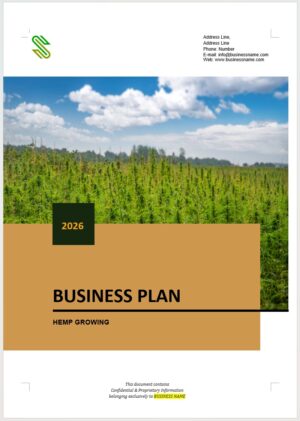
- Word Business Plan: value proposition, market analysis, marketing strategy, operating plan, organizational structure, financial plan and more.
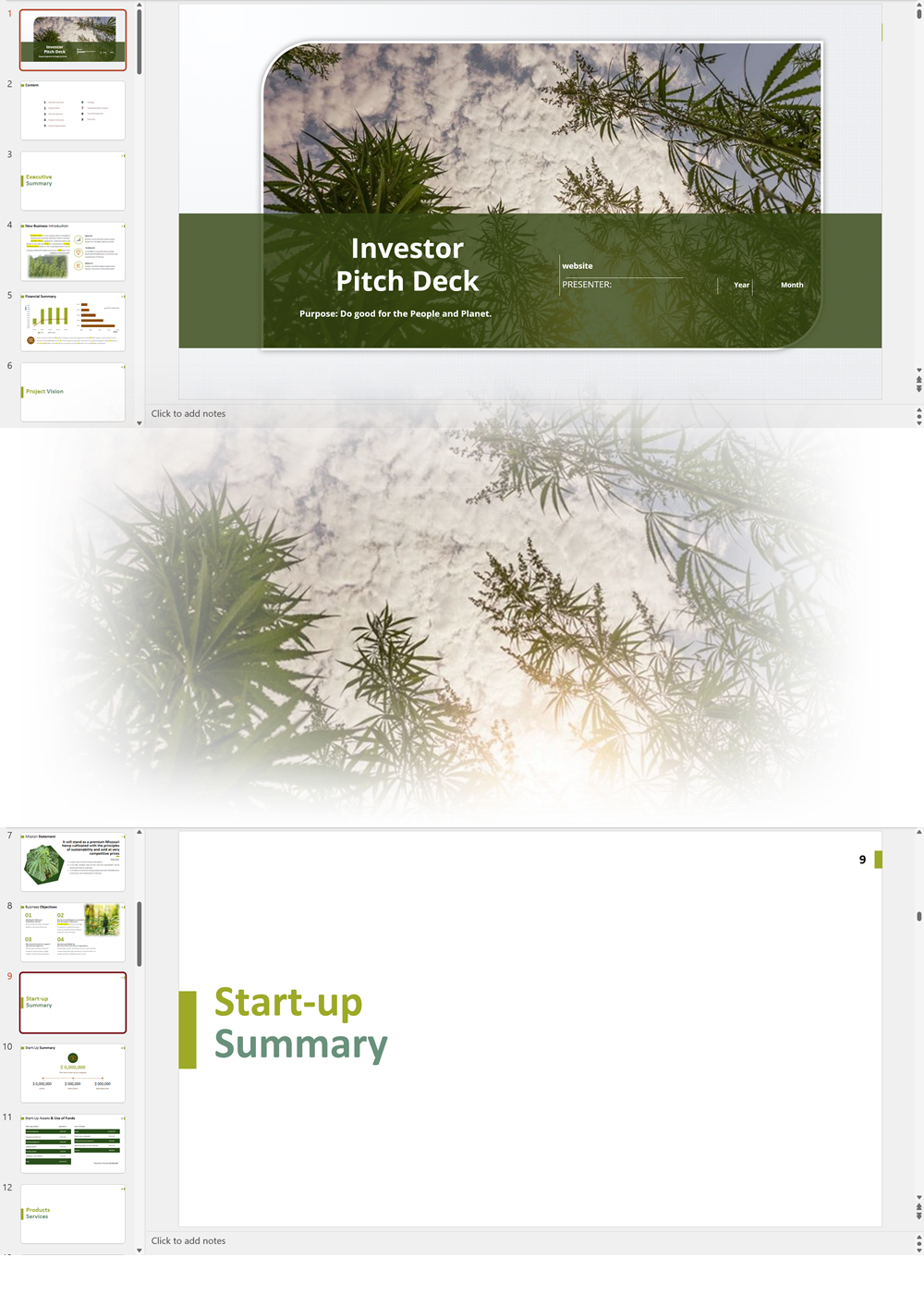
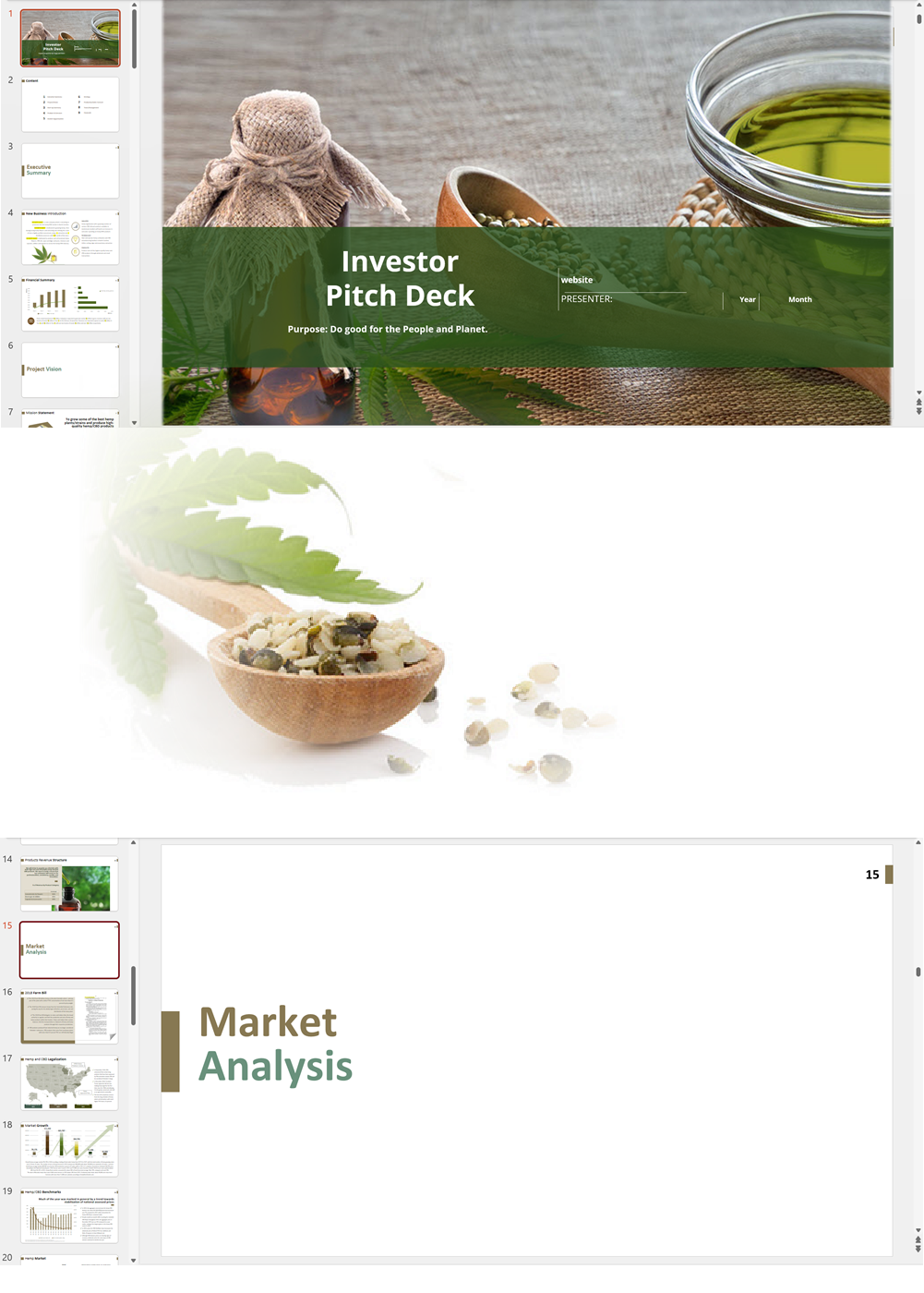
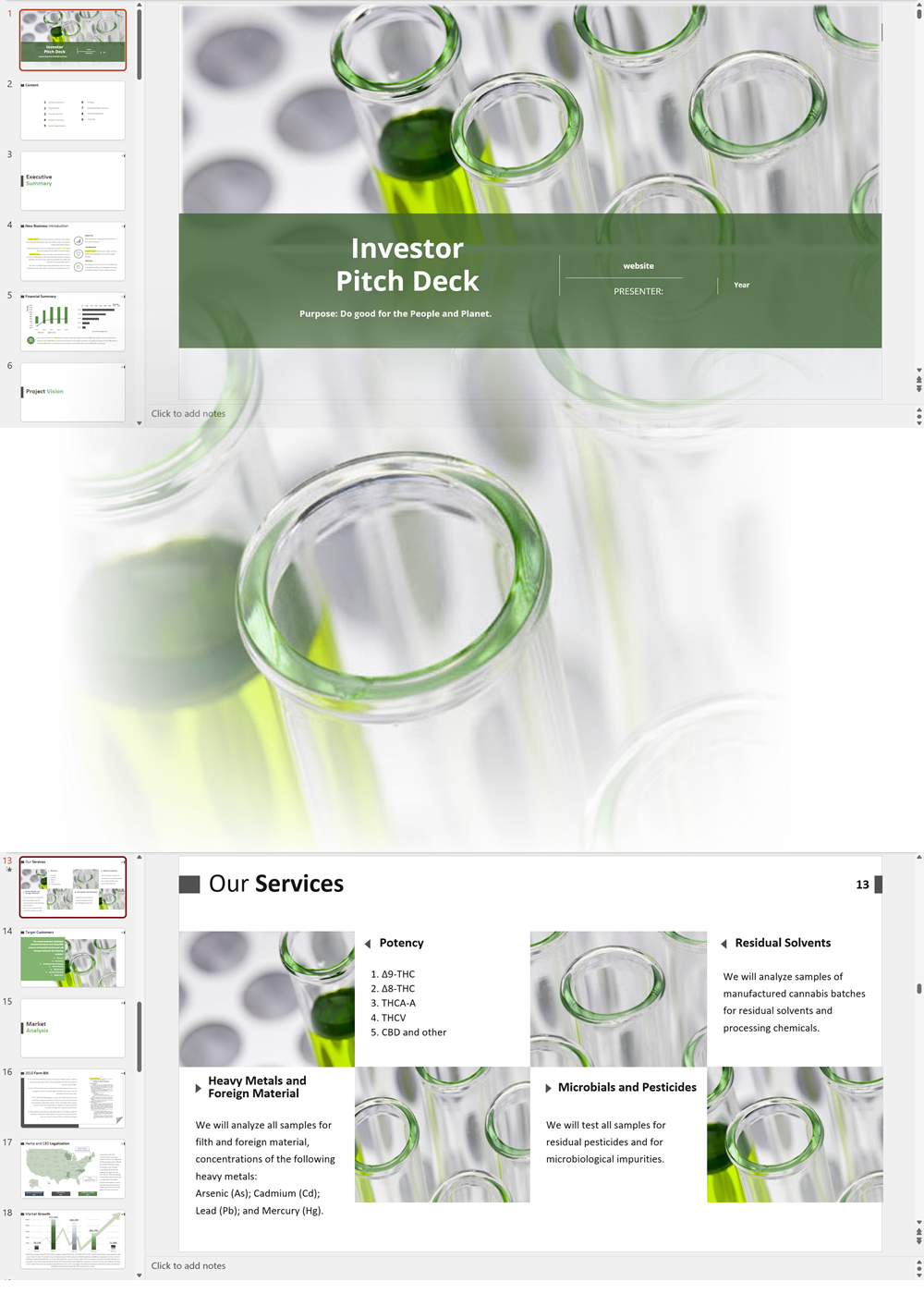
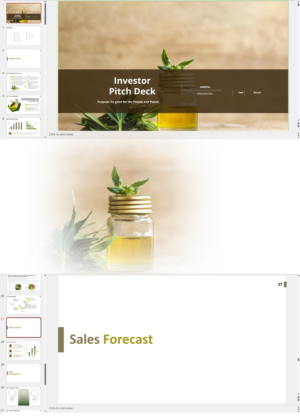
- PowerPoint Pitch Deck: provide a quick overview of your hemp CBD business plan.
'70% ready to go' business plan templates
Our hemp/CBD financial models and business plan templates will help you estimate how much it costs to start and operate your own hemp/CBD business, to build all revenue and cost line-items monthly over a flexible seven year period, and then summarize the monthly results into quarters and years for an easy view into the various time periods. We also offer investor pitch deck templates.
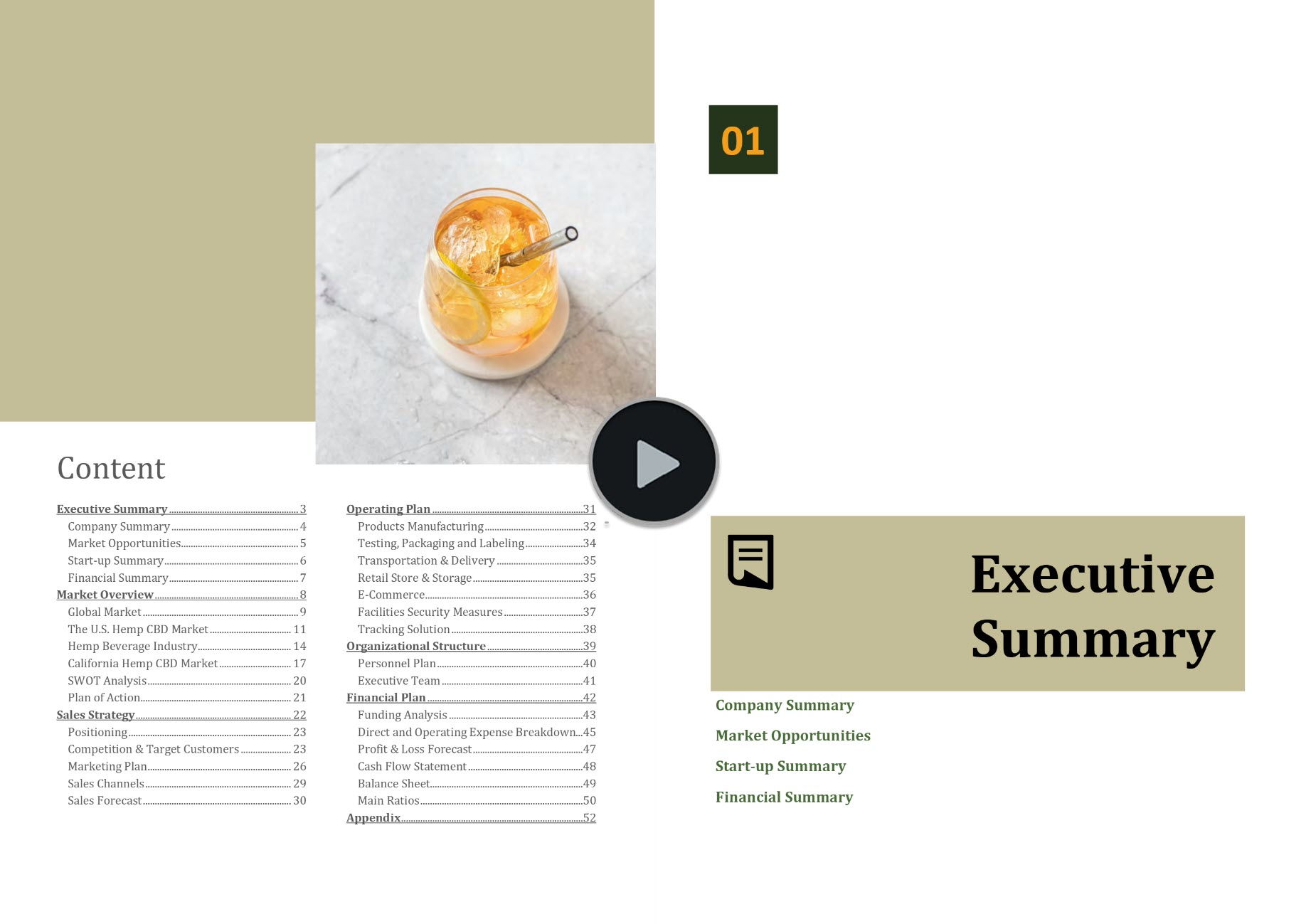
Hemp CBD Beverages Manufacturing, Wholesale and/or Retail Business Plan Template Sample, California
Best Selling Templates
-

Hemp Cultivation Business Plan Template
Price range: $75.00 through $275.00 Select options This product has multiple variants. The options may be chosen on the product page -

Hemp CBD Financial Model All in One
$200.00 Select options This product has multiple variants. The options may be chosen on the product page -
CBD Retail Investor Pitch Deck Template
$75.00 Select options This product has multiple variants. The options may be chosen on the product page
Our Templates
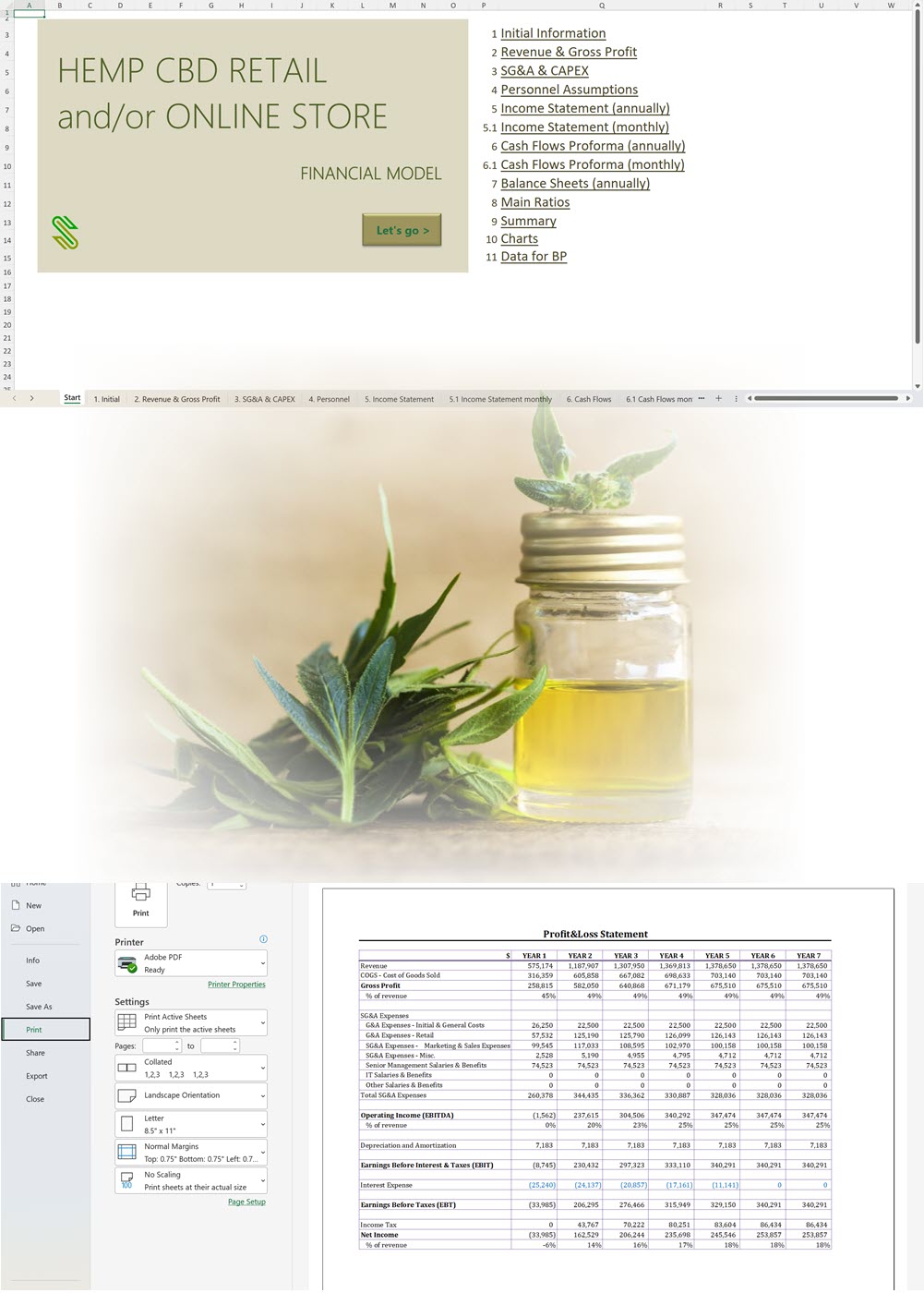
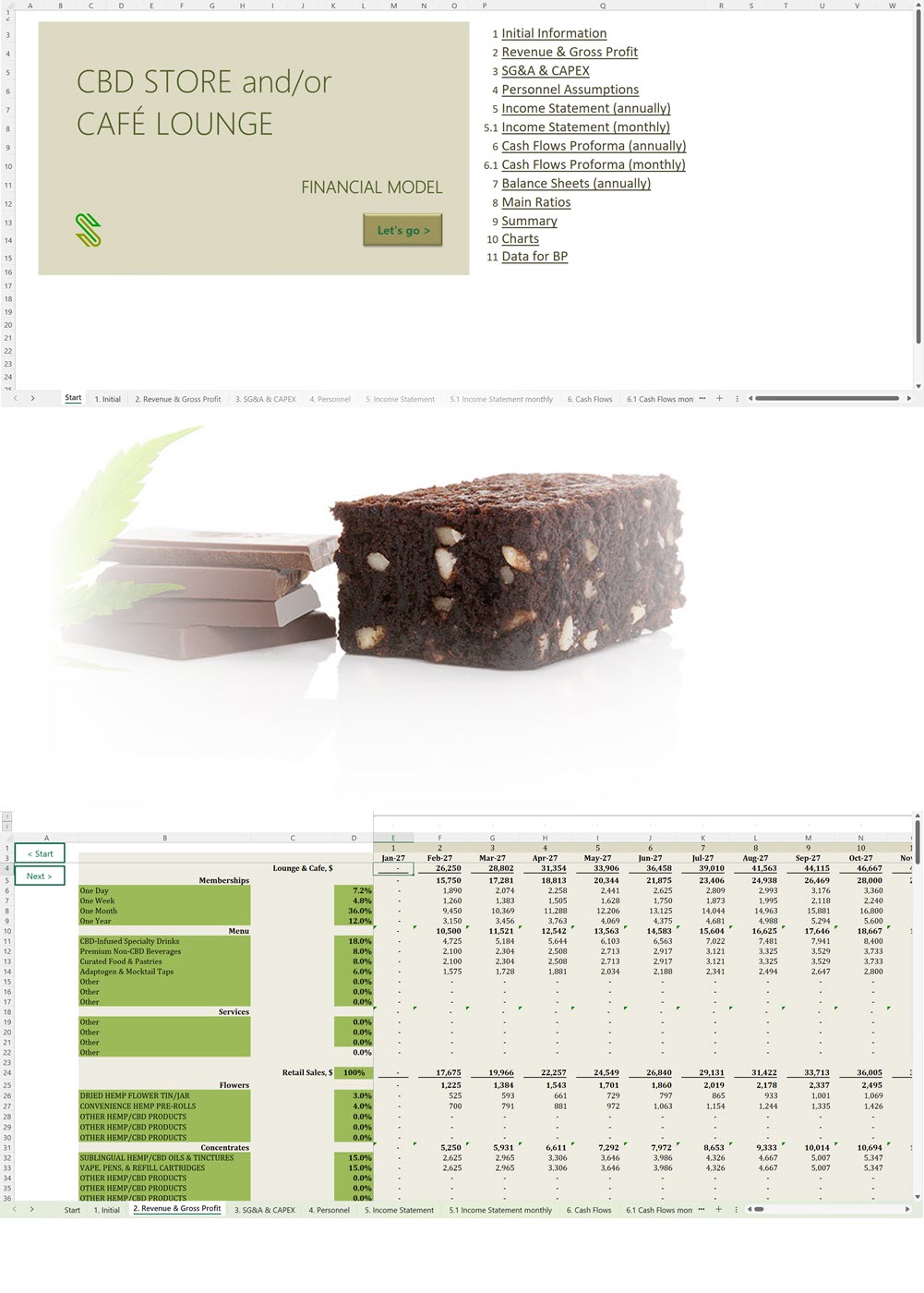
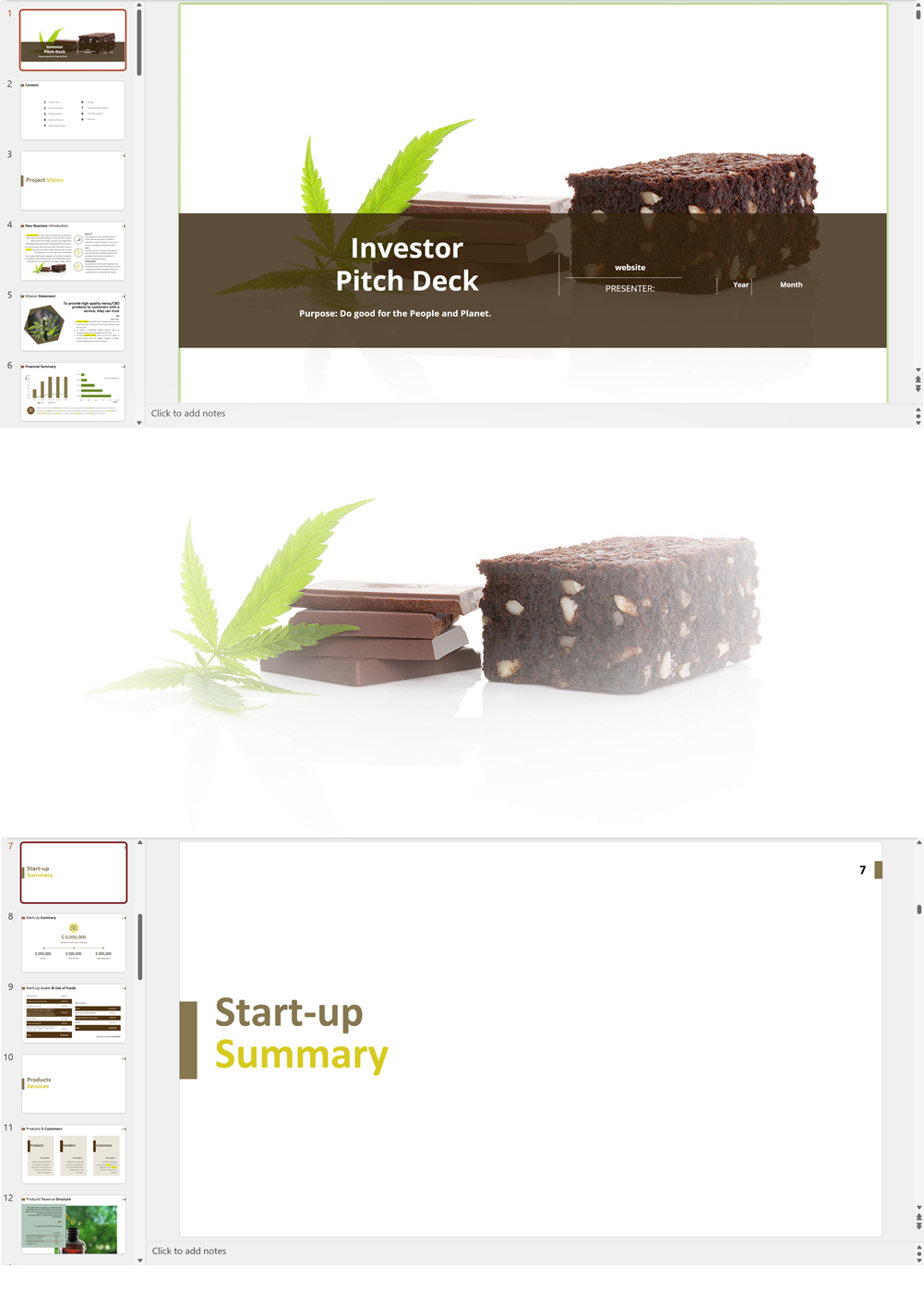
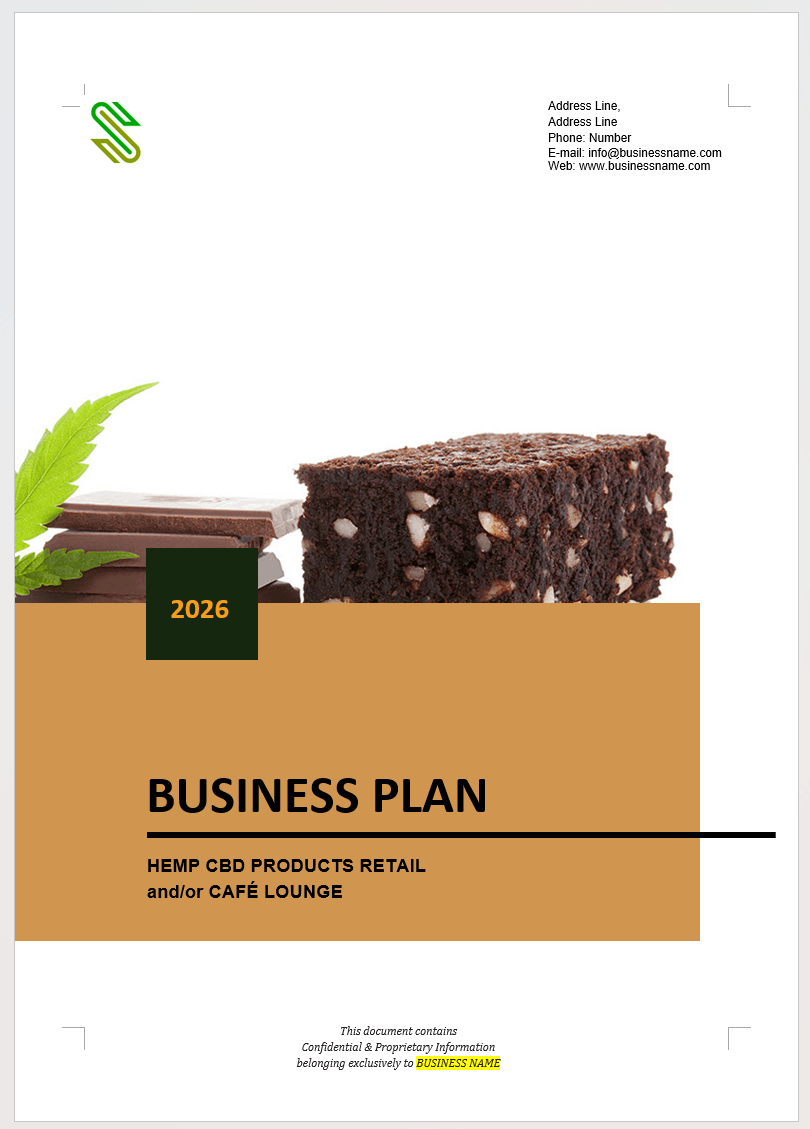
CBD Store and/or Cafe Lounge Business Plan Template
Price range: $75.00 through $275.00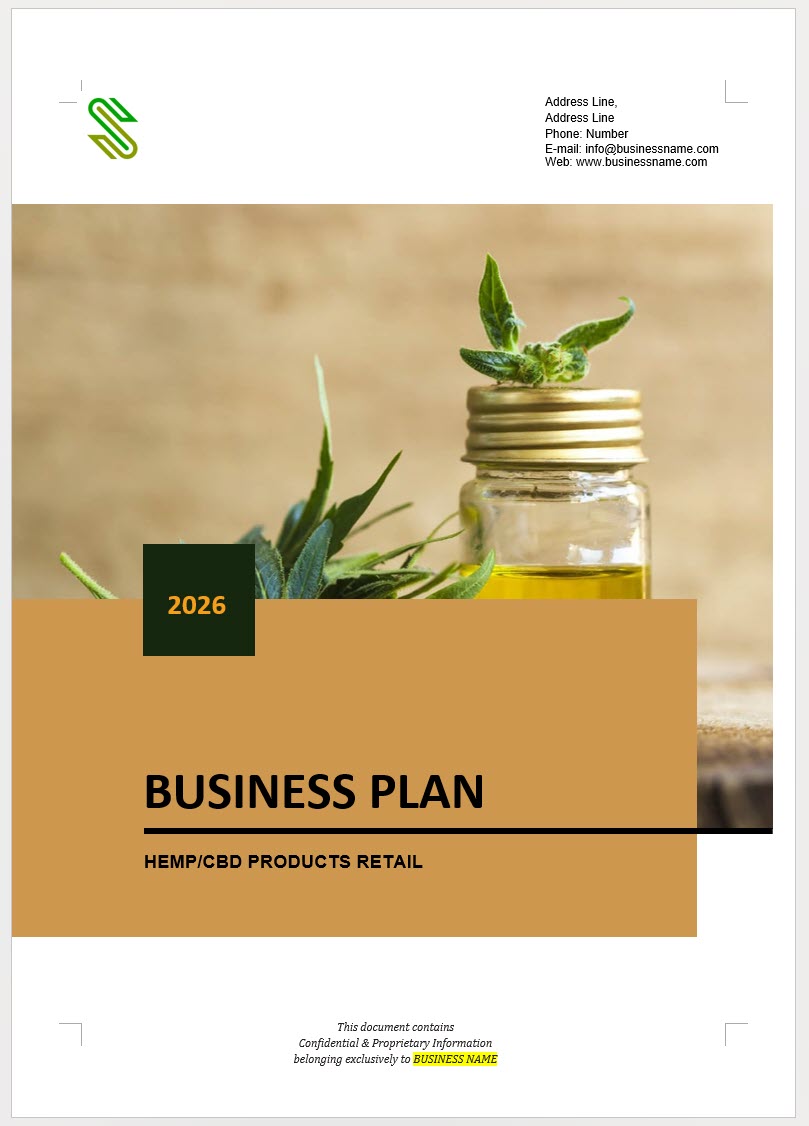
CBD Products Retail/Online Store Business Plan Template
Price range: $75.00 through $275.00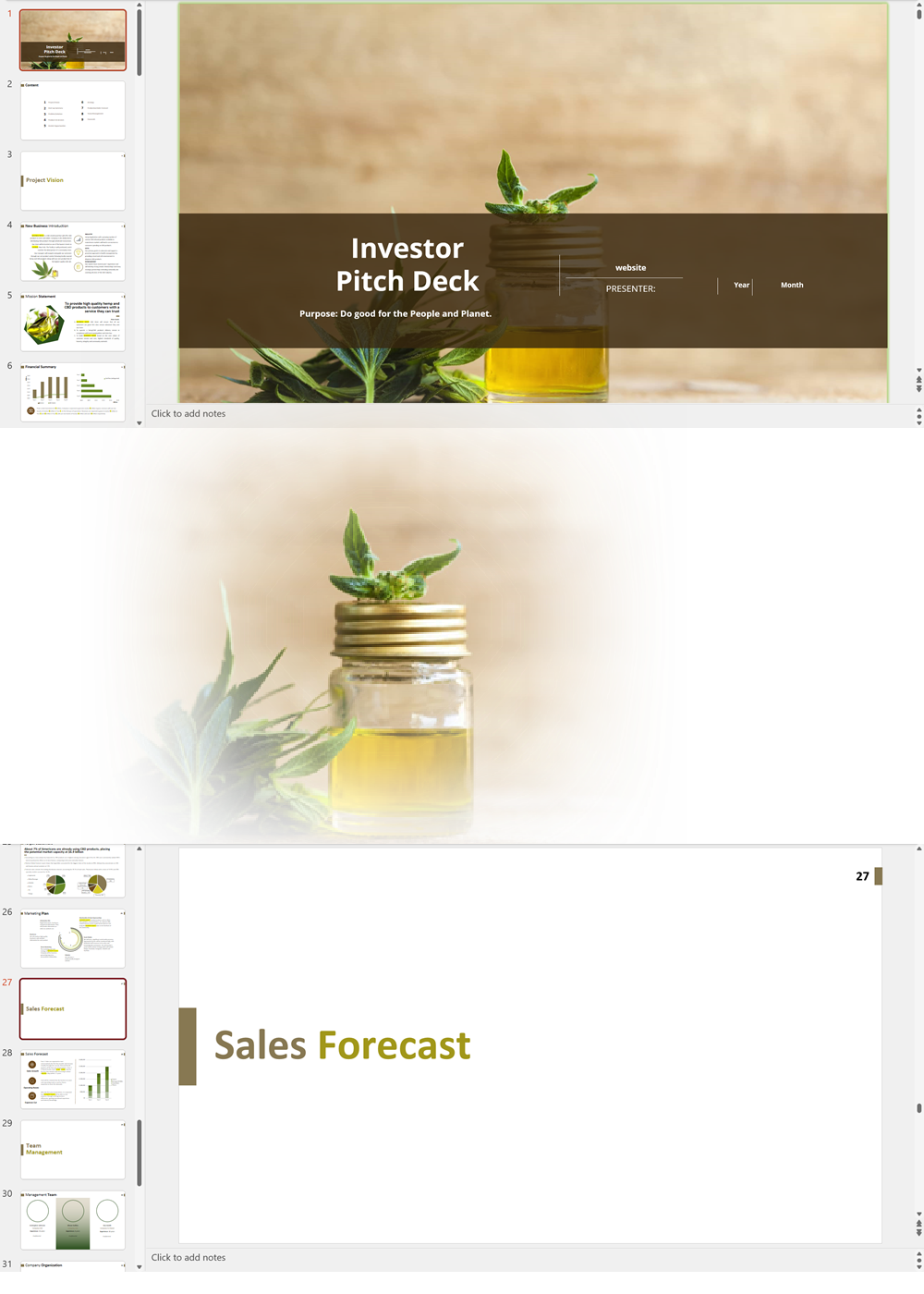
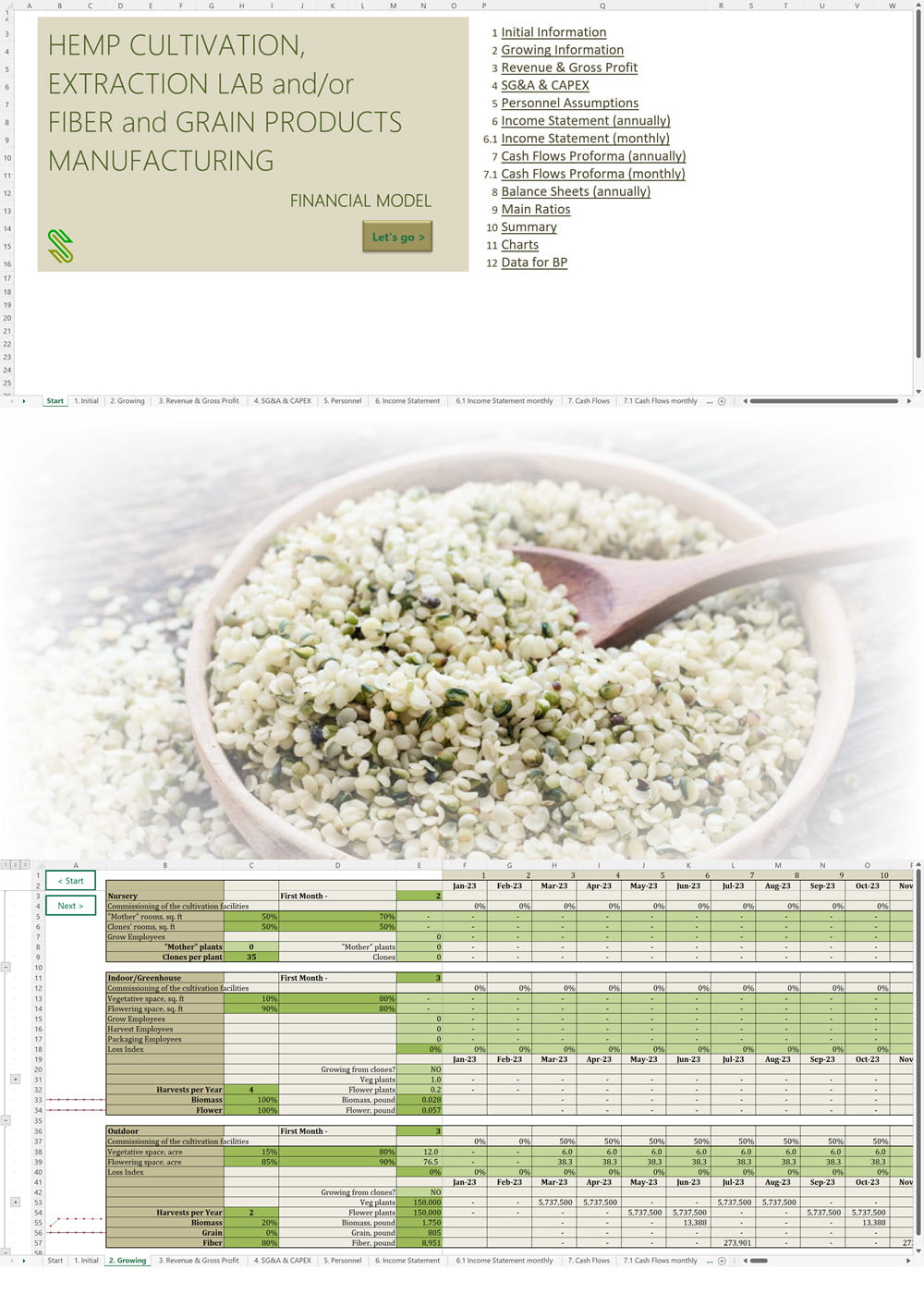
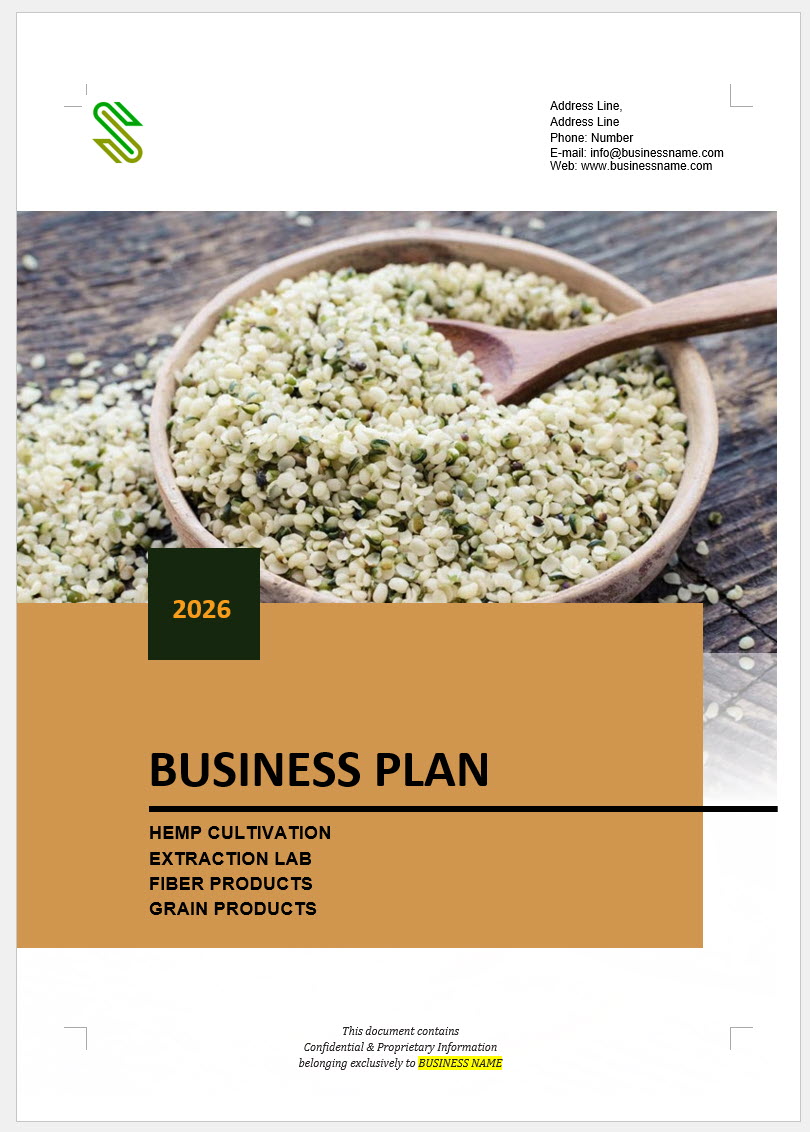
Hemp (Biomass, Fiber, Grain) Cultivation and Processing/ Manufacturing Business Plan Template
Price range: $75.00 through $350.00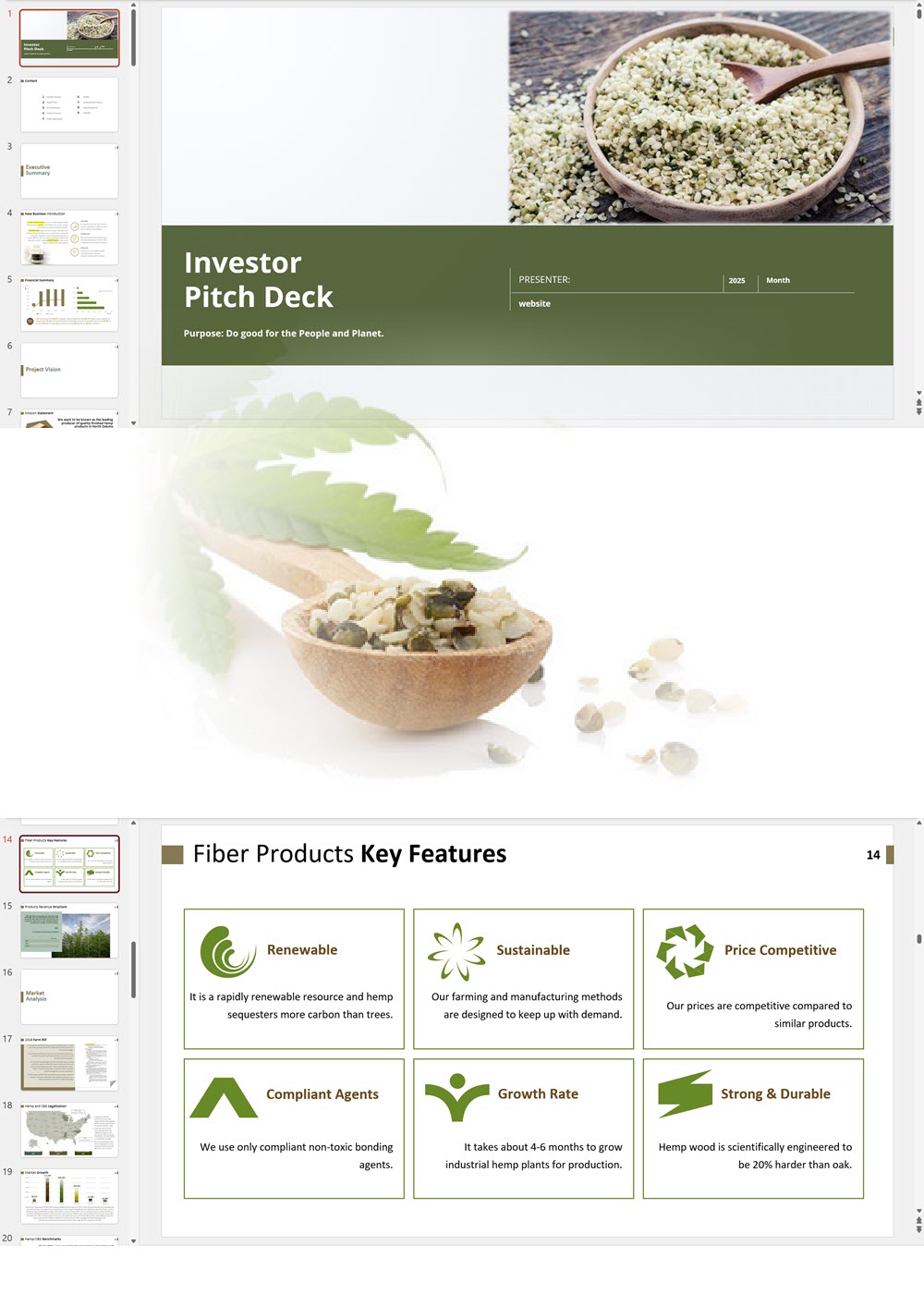
Hemp Cultivation and CBD Oil Extraction and/or Fiber Products Business Plan Template
Price range: $75.00 through $350.00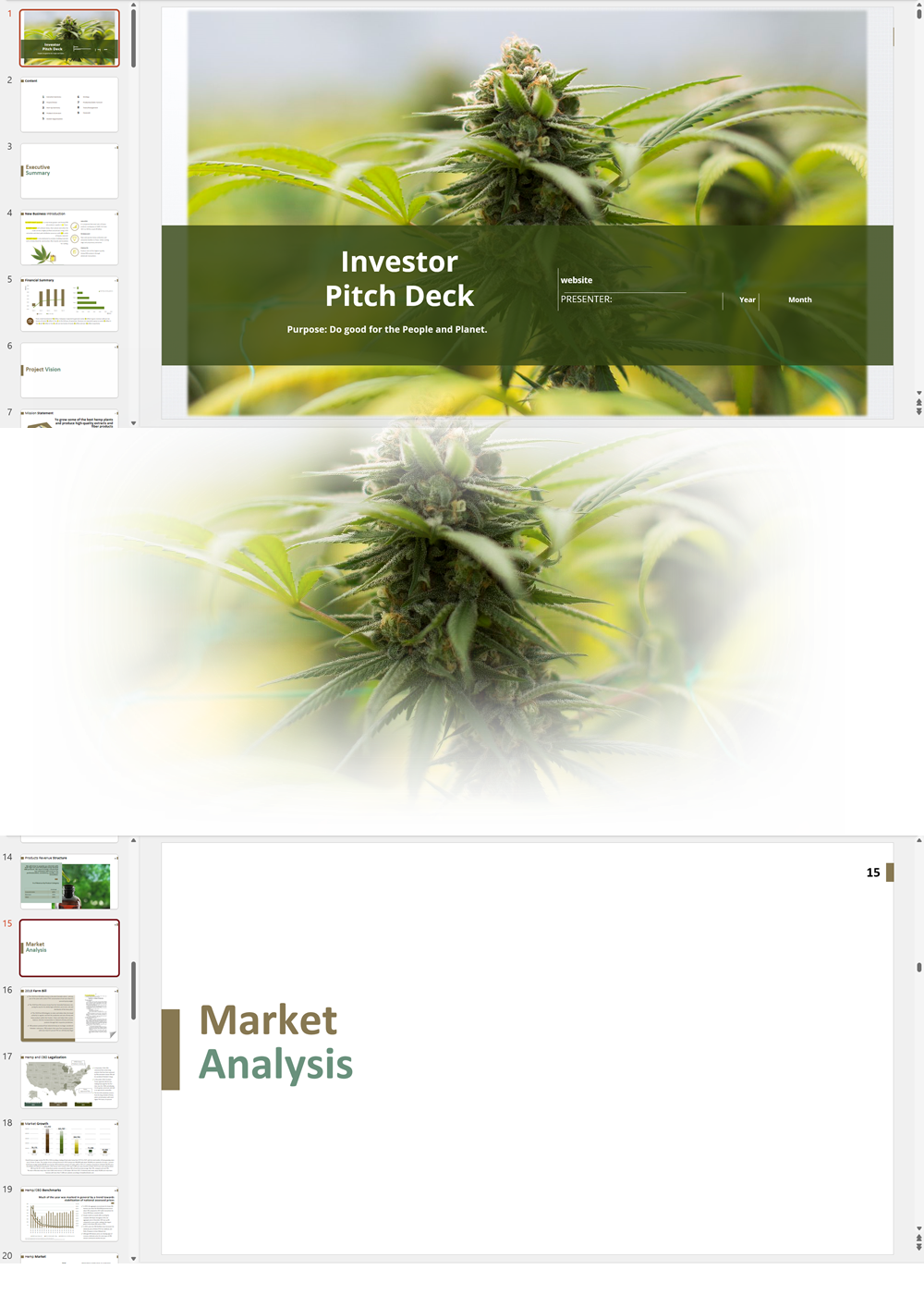
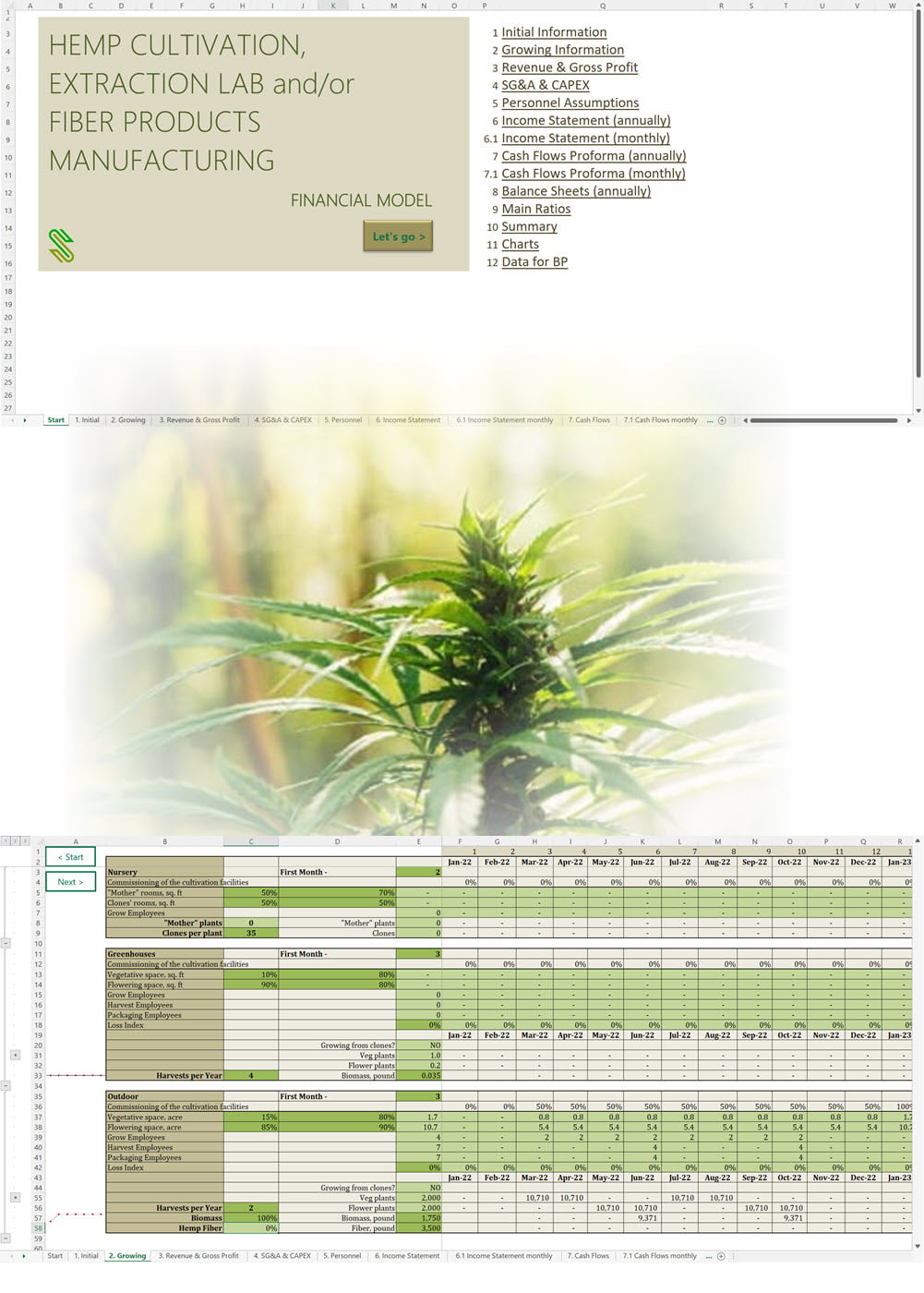
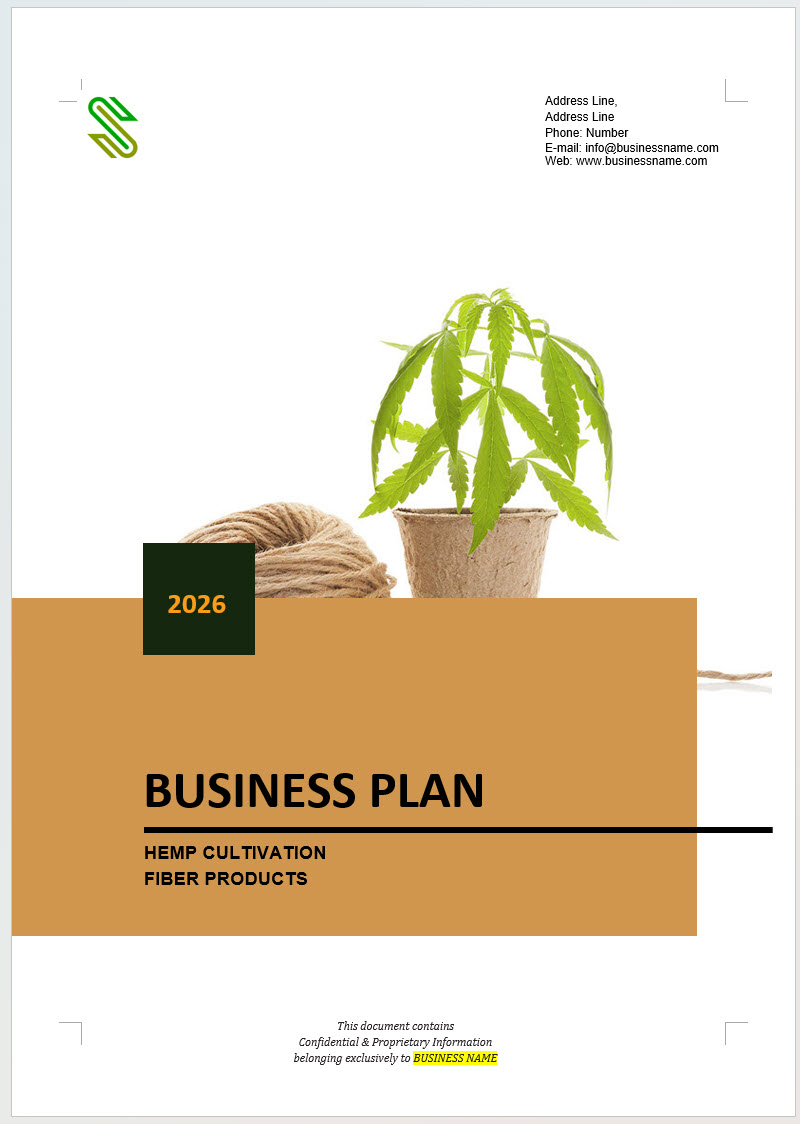
Hemp Fiber Growing and Manufacturing Business Plan Template
Price range: $75.00 through $275.00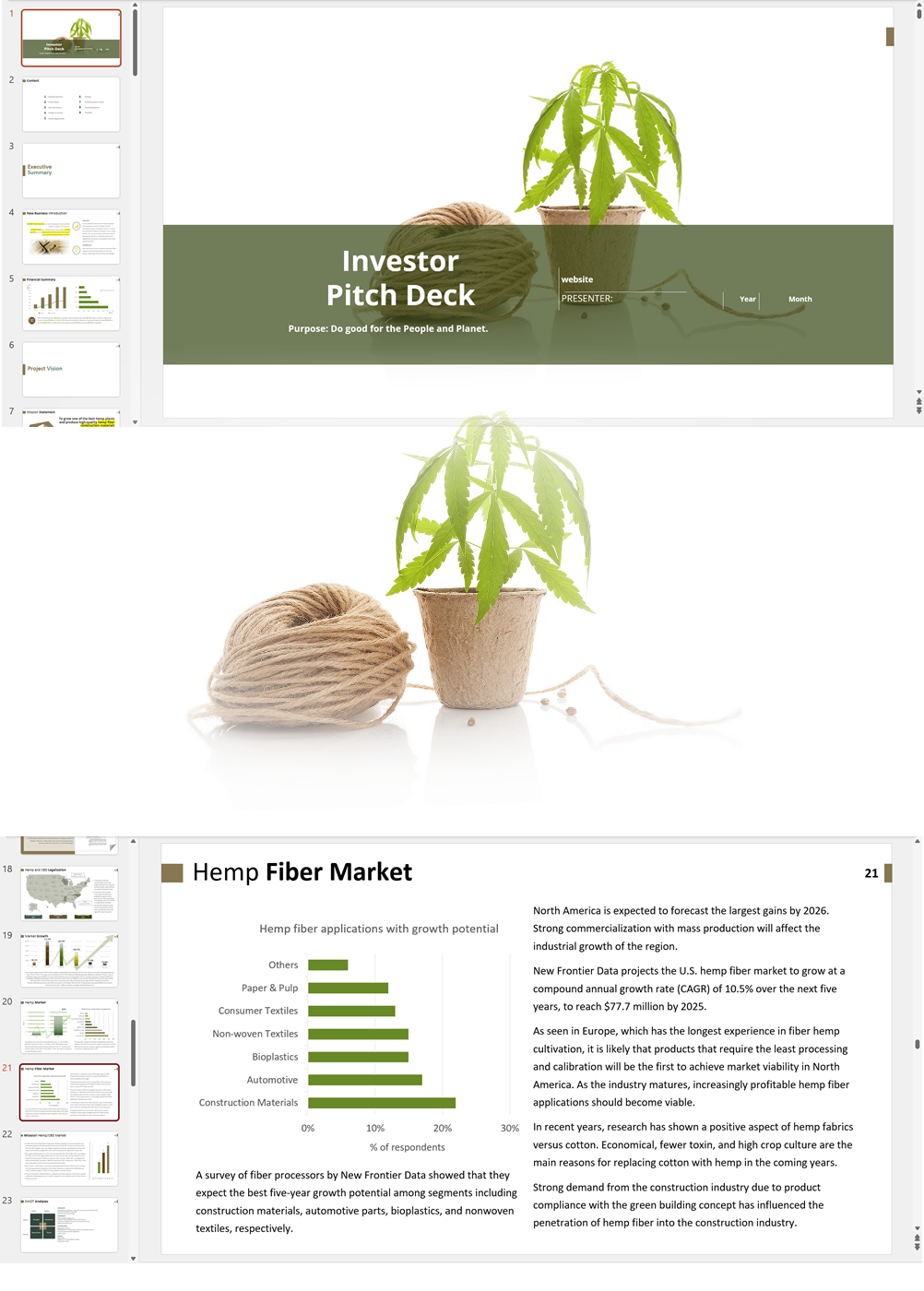
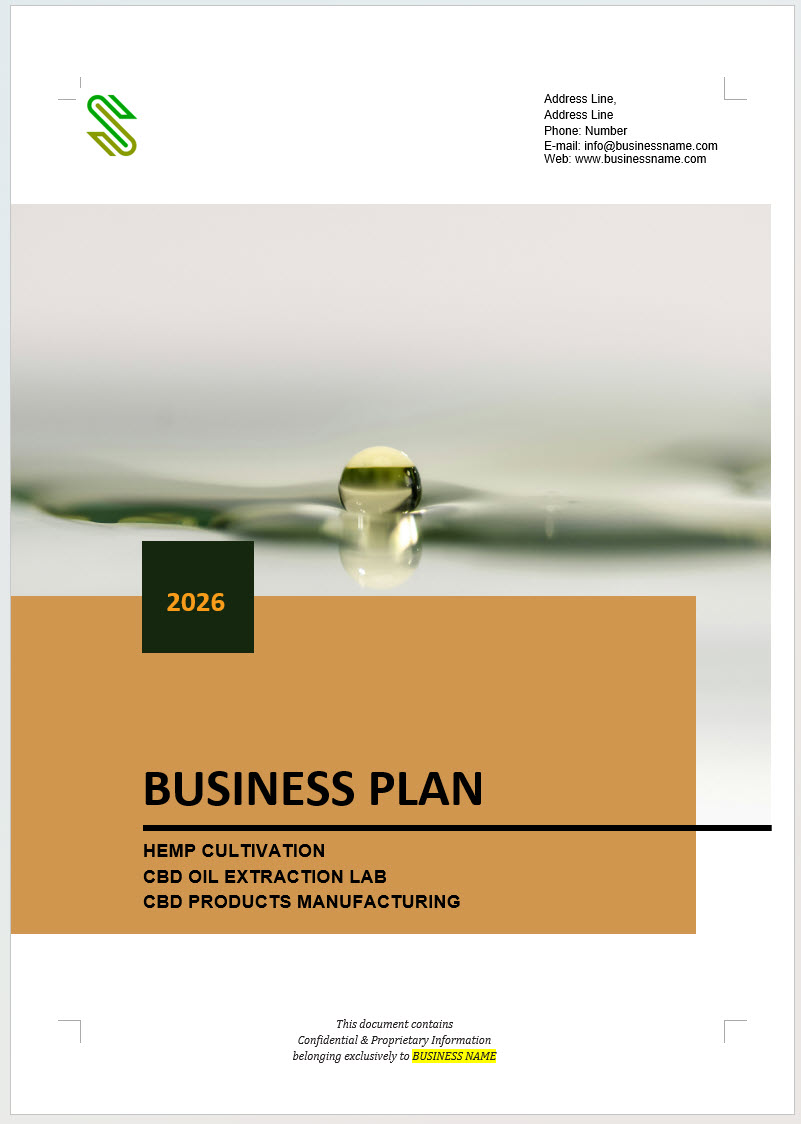
Hemp Cultivation + Extraction + Manufacturing Business Plan Template
Price range: $75.00 through $450.00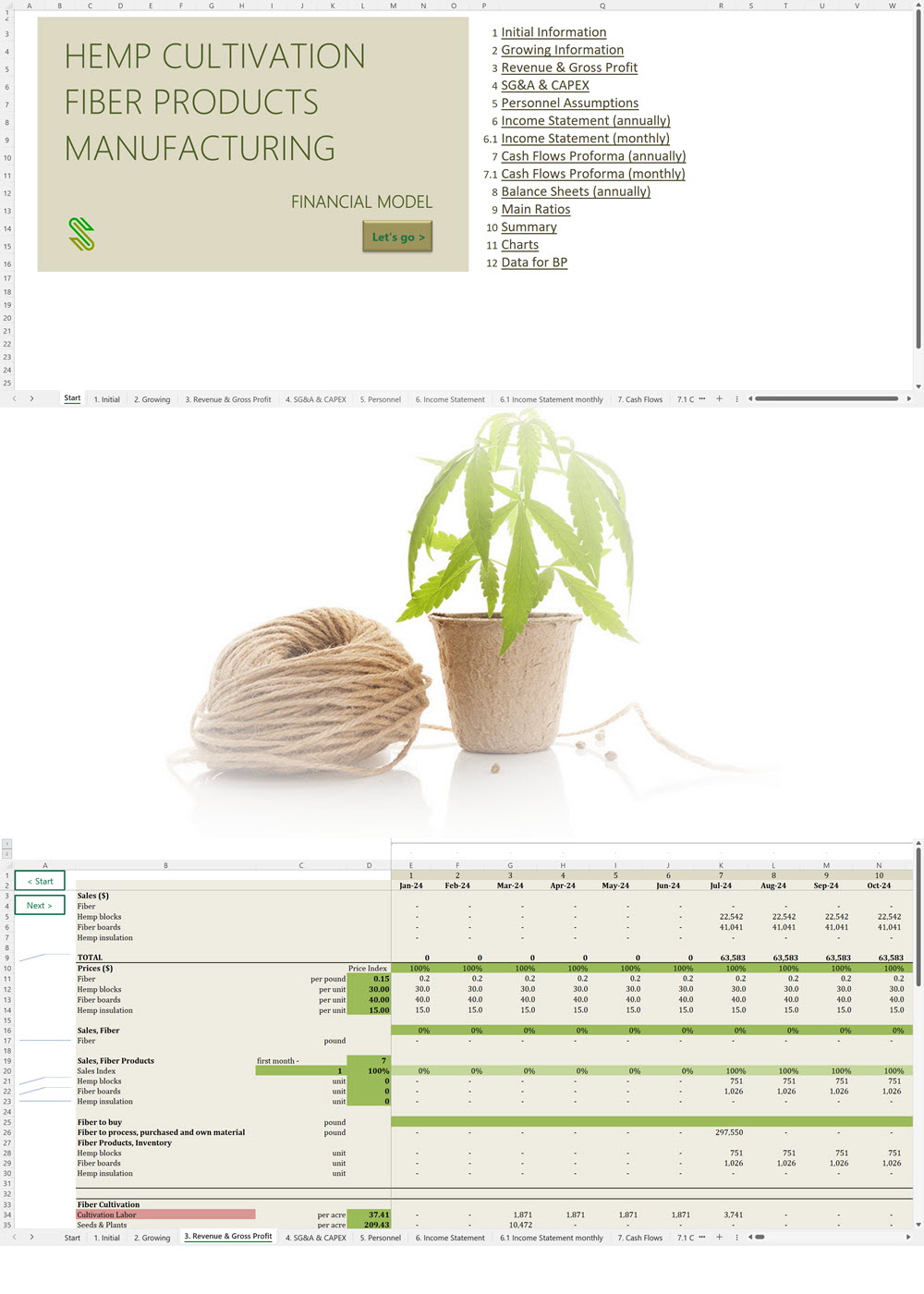
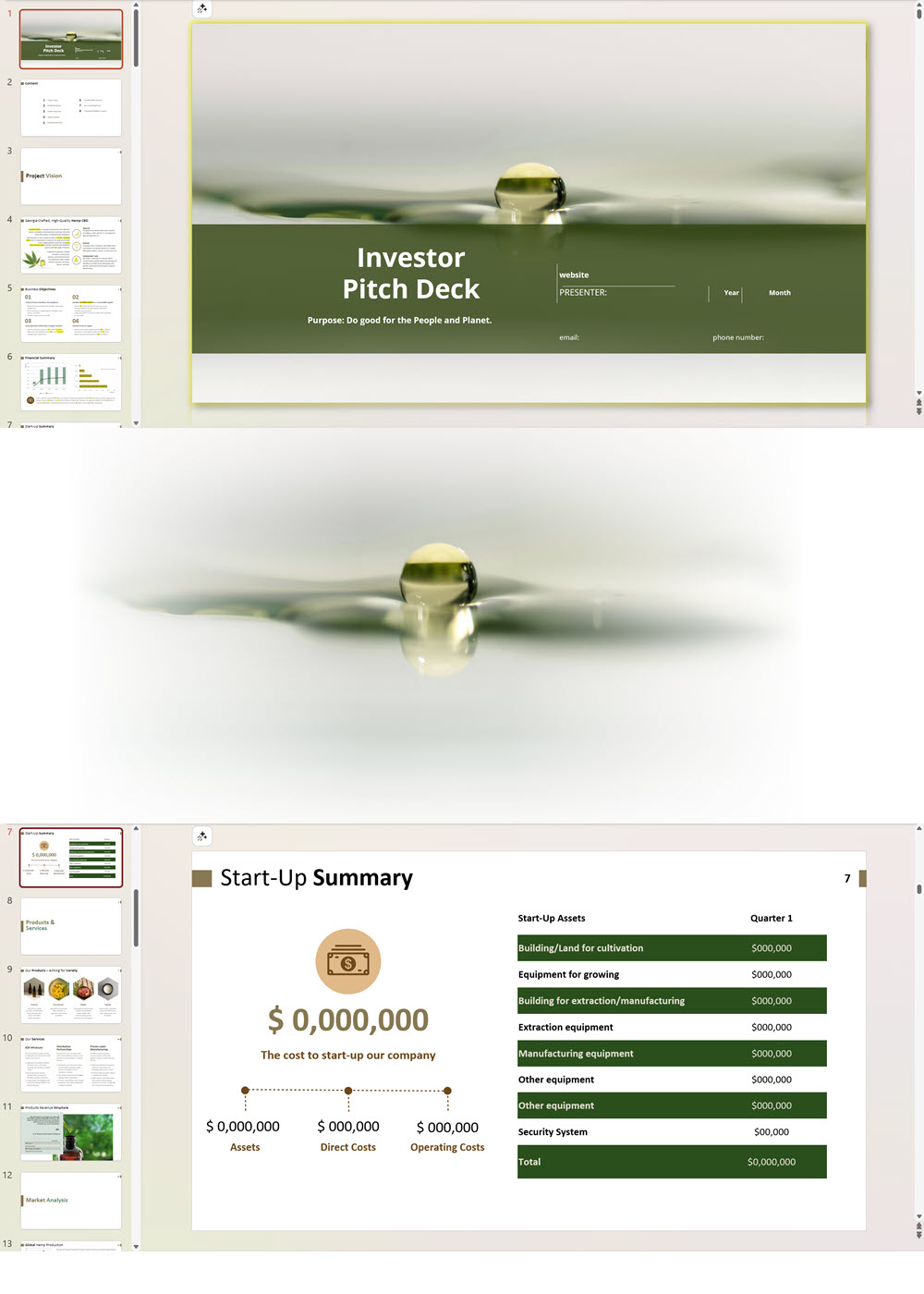
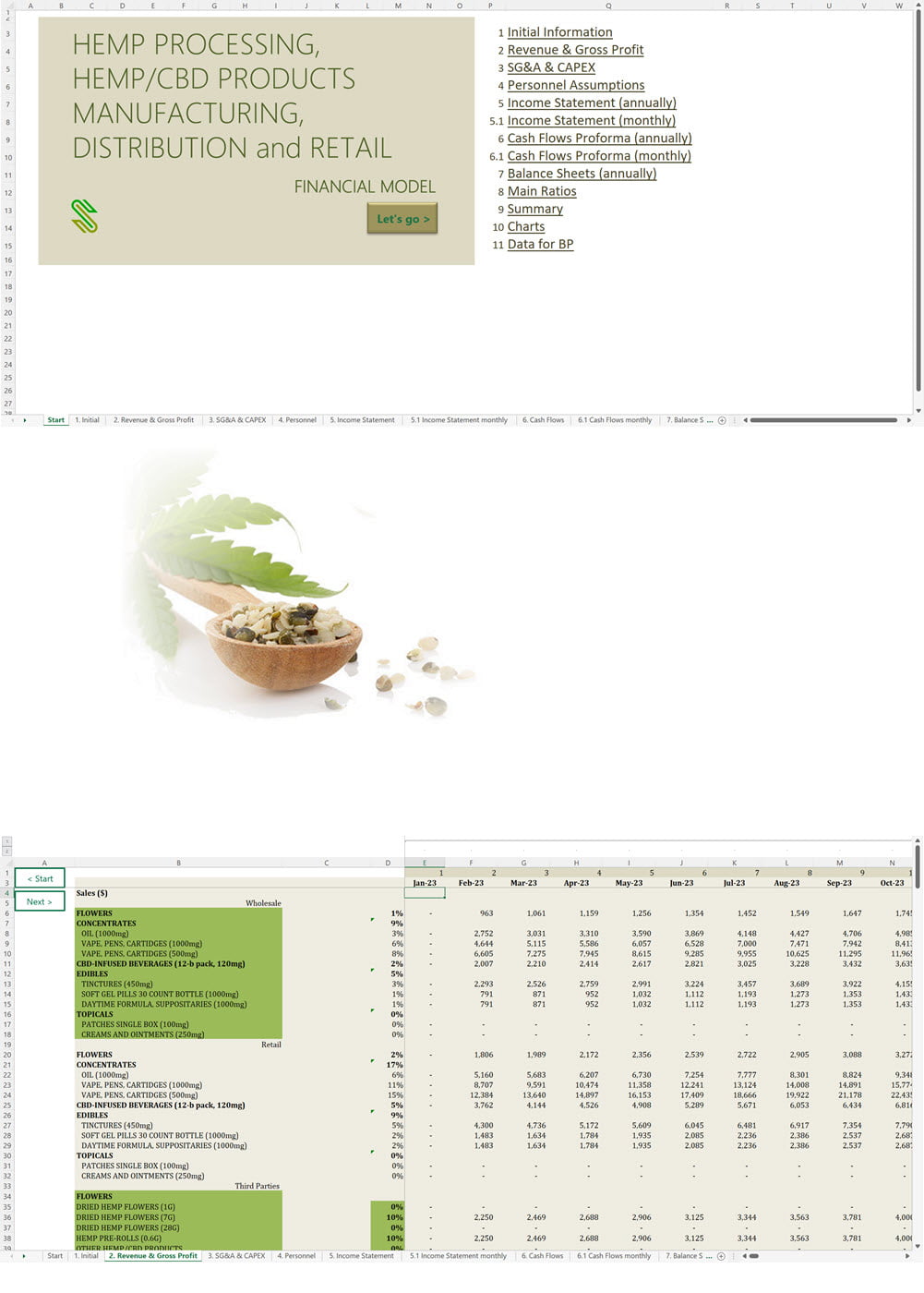
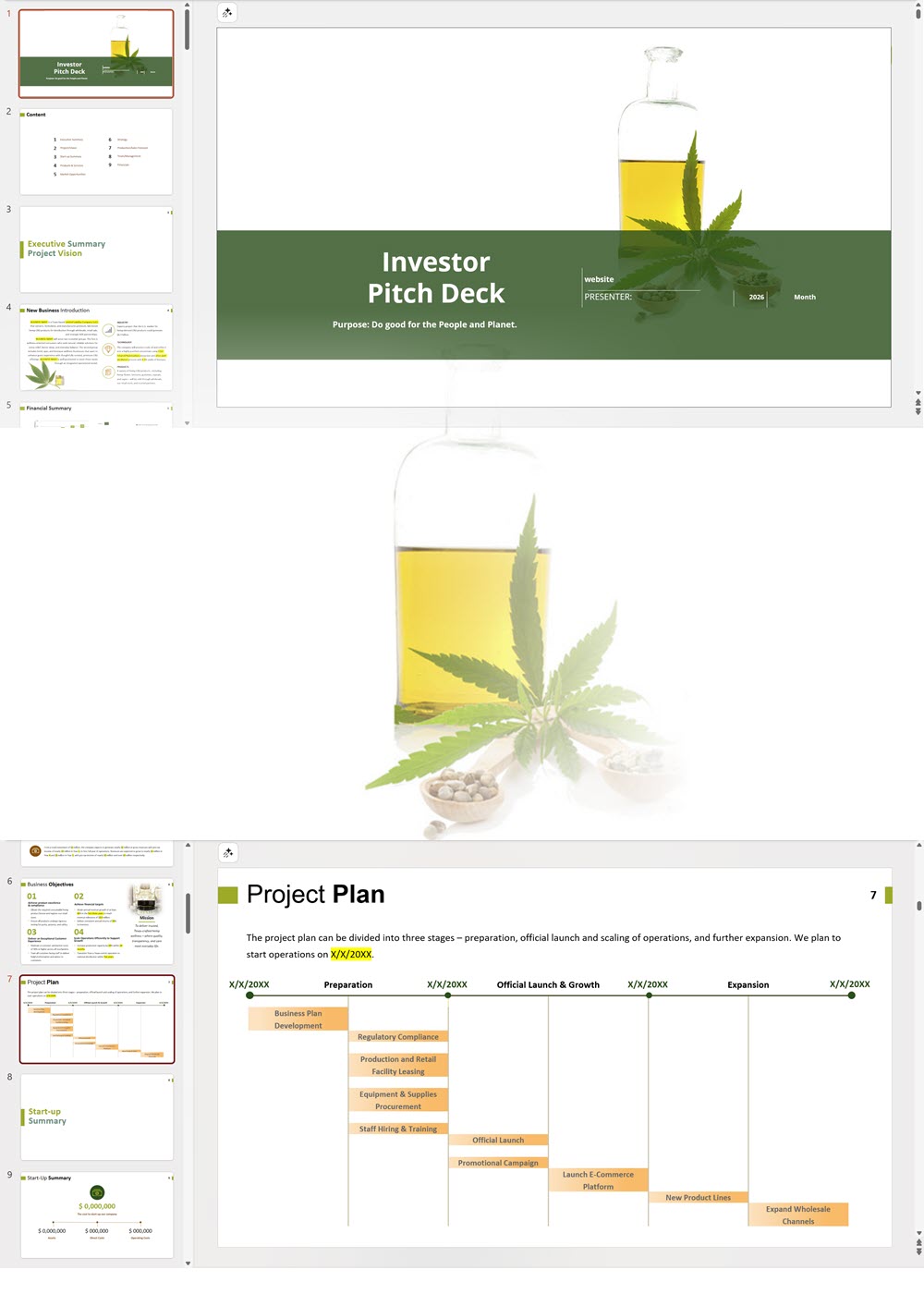
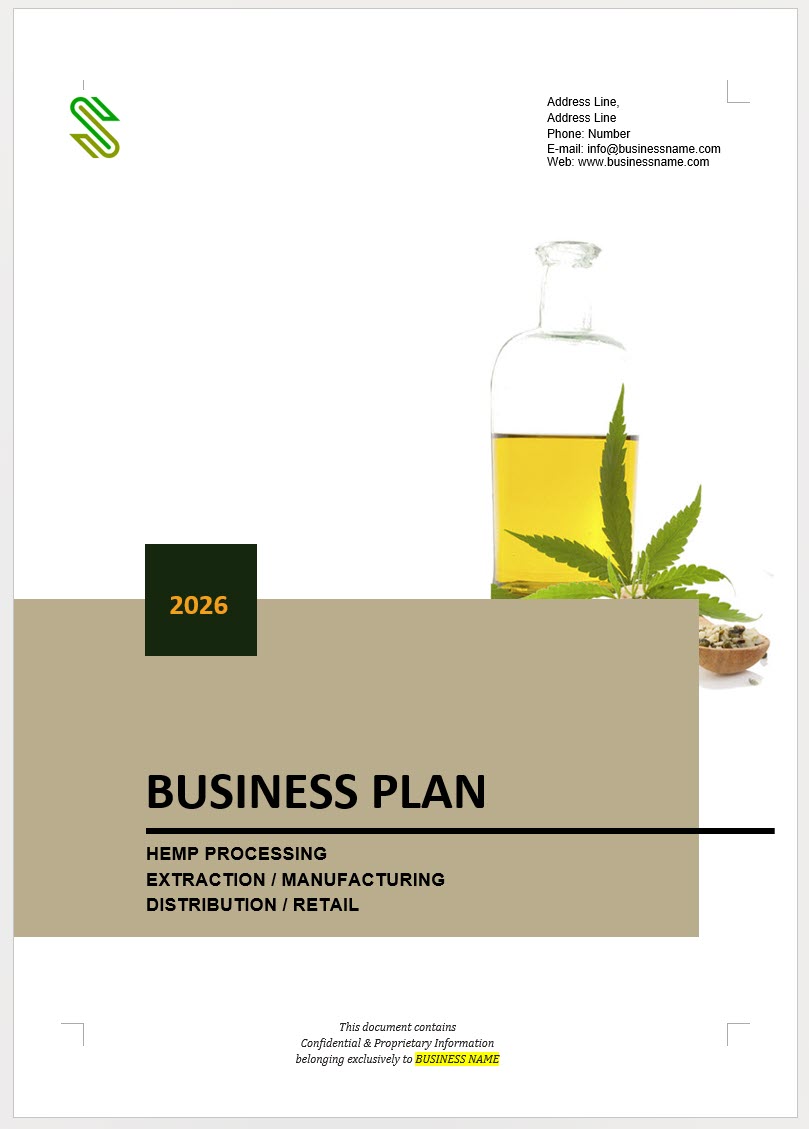
Hemp CBD Extraction + Manufacturing + Retail Business Plan Template
Price range: $75.00 through $450.00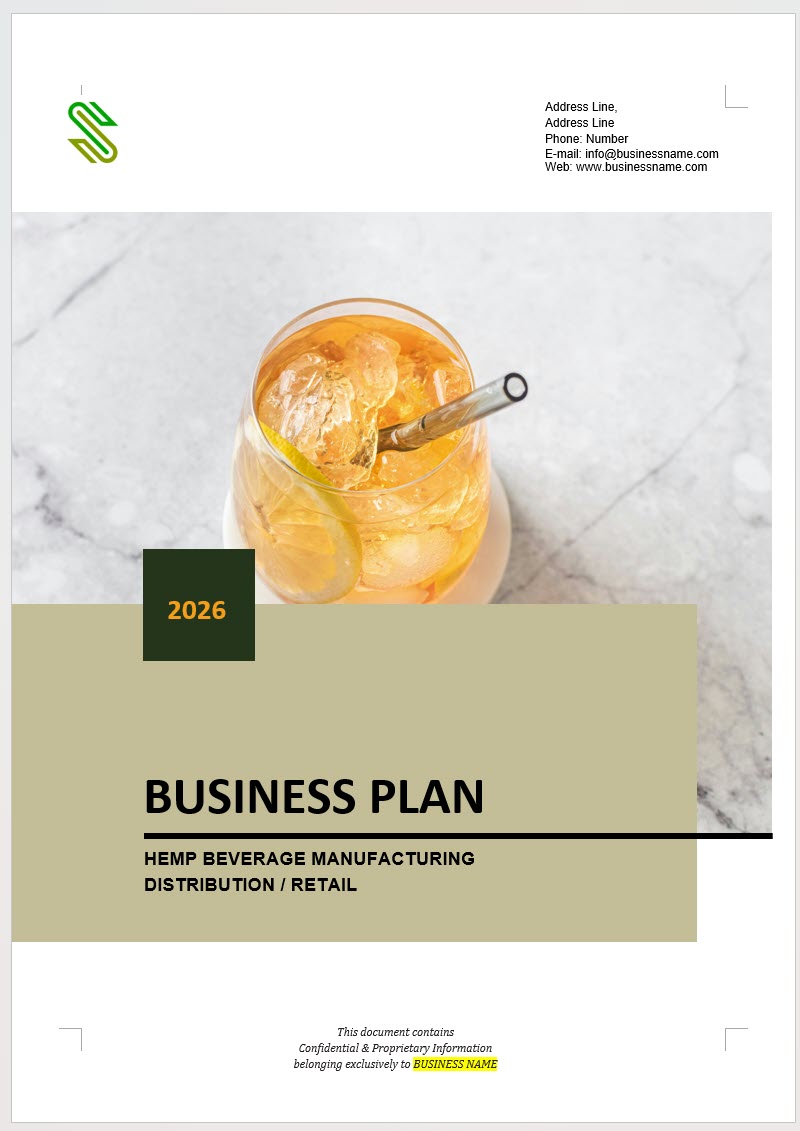
Hemp CBD Beverage Manufacturing, Wholesale and/or Retail Business Plan Template
Price range: $75.00 through $350.00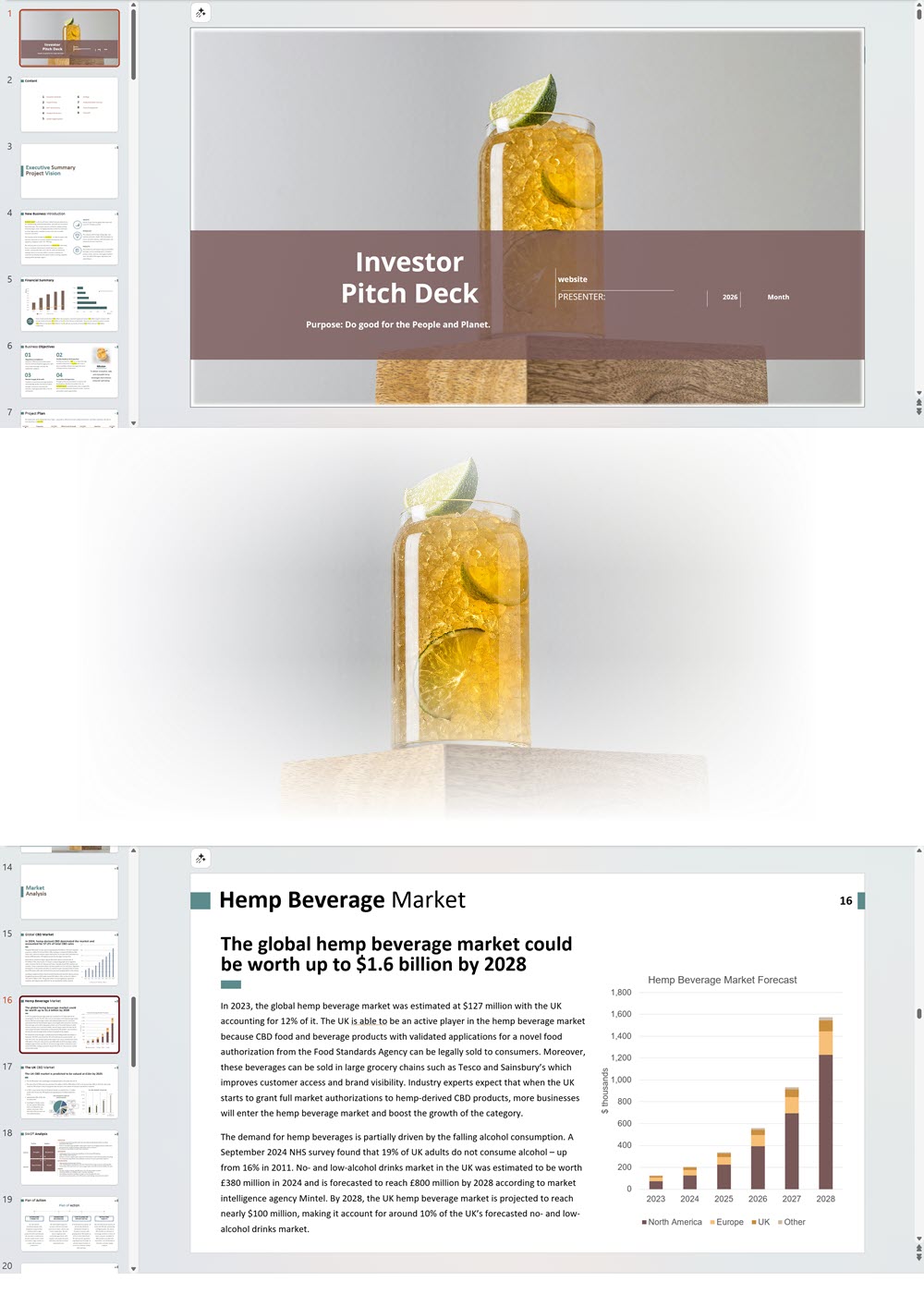
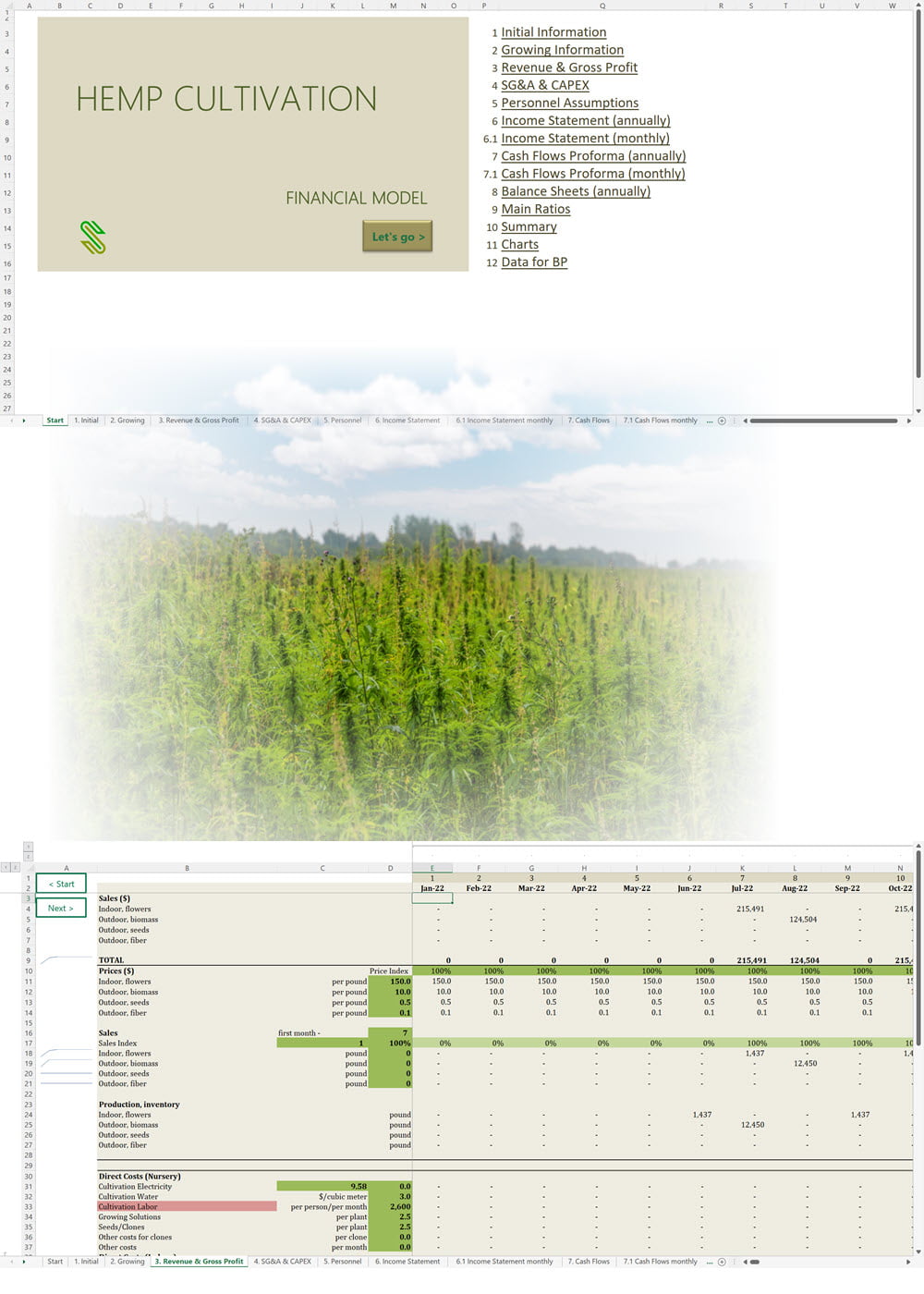
Hemp Cultivation Financial Model
$100.00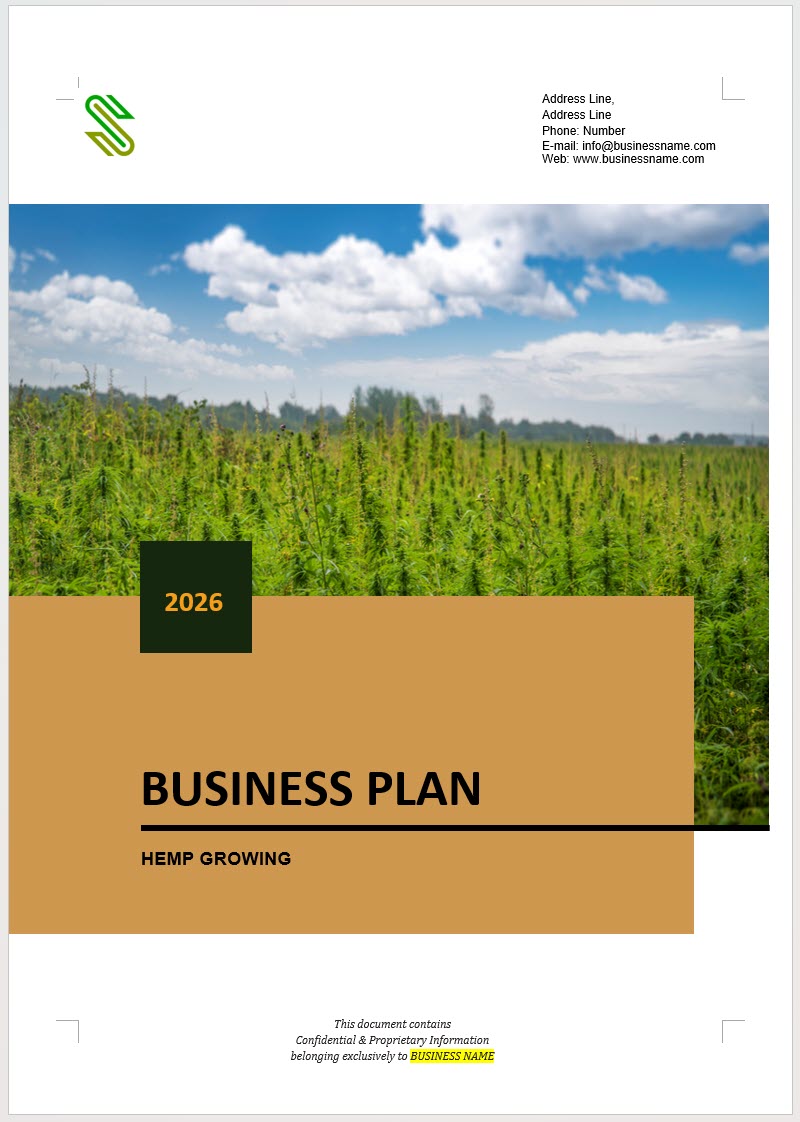
Hemp Cultivation Business Plan Template
Price range: $75.00 through $275.00