Key takeaways:
- Hemp Industry Regulations:
- The hemp licensing program in Massachusetts is regulated by 330 CMR 32.00 (Hemp Production Regulation) and the 2024 Hemp Processor Policy.
- Licenses and permits available:
- Producer (Grower)
- Processor
- Dual (Producer/Processor)
- Research
- Products legal:
- The following hemp-derived products are legal for sale in Massachusetts: Hemp seed and hemp seed oil; Hulled hemp seed; Hemp seed powder; Hemp protein; Food products containing hemp seed protein, hulled hemp and hemp seed oil; Clothing; Building material; Items made from hemp fiber; Non-food CBD for human consumption (as long as there are no therapeutic or medicinal claims on the label).
- Licensed hemp processors can also sell the following products to businesses licensed by the Cannabis Control Commission (CCC):
Raw unprocessed hemp, including flower; Unfinished hemp-derived material such as extracts and distillates; Finished hemp products, including raw flower packaged, labeled and ready for sale.
- Industry stats:
- According to the National Hemp Report, the majority of hemp cultivation in Massachusetts is for floral hemp.
Hemp Legalization
Hemp has been legal to cultivate in Massachusetts since 2016. In 2018, the state established a licensing process and issued 13 licenses to grow hemp. In 2019, the Massachusetts Department of Agricultural Resources (MDAR) has issued 102 licenses to grow and process hemp in the state.
In June 2019, Massachusetts House passed a bill that expands the definition of agricultural land to include hemp so farmers can receive the tax and protection benefits as other farmers and allows farmers with agricultural deed restrictions on their land to grow hemp.
The Massachusetts Hemp Program is currently operating under a State Plan that was approved by the USDA on May 7, 2020. The State Plan was updated on December 20, 2021.
Under the state laws, any person intending to plant, grow, harvest, or process Industrial Hemp in Massachusetts must obtain a license issued by MDAR. The hemp licensing program in Massachusetts is regulated by 330 CMR 32.00 (Hemp Production Regulation) and the 2024 Hemp Processor Policy.
Hemp-derived delta-8 THC products cannot be processed or sold in Massachusetts. It is also illegal to manufacture or sell food that contains CBD and/or THC in the state.
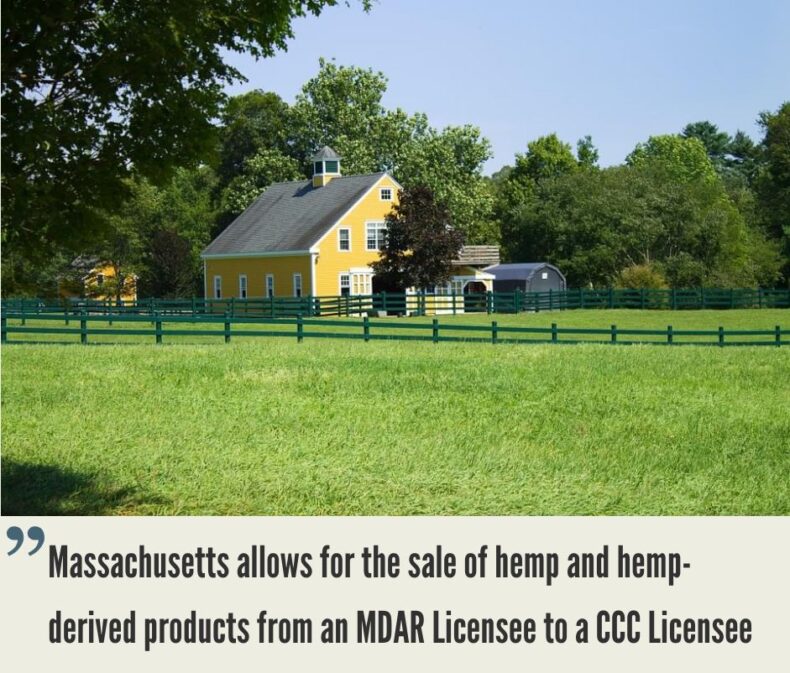
On October 4, 2021, MDAR released policy updates and guidance documents regarding the wholesale of hemp-derived products from MDAR licensed entities to CCC licensed entities as well as the retail sale of hemp-derived products by CCC licensed agents (MA marijuana retailers).
Hemp Products that are Legal in Massachusetts
According to the Massachusetts law, all hemp and hemp-derived products in the state must have no more than 0.3% delta-9 THC content “on a dry weight basis or per volume or weight of marijuana product or the combined per cent of delta-9-tetrahydrocannabinol and tetrahydrocannabinolic acid in any part of the plant of the genus cannabis regardless of moisture content”.
The following hemp-derived products are legal for sale in Massachusetts:
- Hemp seed and hemp seed oil.
- Hulled hemp seed.
- Hemp seed powder.
- Hemp protein.
- Food products containing hemp seed protein, hulled hemp and hemp seed oil.
- Clothing.
- Building material.
- Items made from hemp fiber.
- Non-food CBD for human consumption (as long as there are no therapeutic or medicinal claims on the label).
Hemp flower/plant can only be sold by a Massachusetts licensed Grower to a Massachusetts licensed Grower or Processor.
Licensed hemp processors can also sell the following products to businesses licensed by the Cannabis Control Commission (CCC):
- Raw unprocessed hemp, including flower.
- Unfinished hemp-derived material such as extracts and distillates.
- Finished hemp products, including raw flower packaged, labeled and ready for sale.
Hemp Licenses Available in Massachusetts
Under the state laws, any person intending to plant, grow, harvest, or process Industrial Hemp in Massachusetts must obtain a license issued by the MDAR. No license is required to sell hemp-derived products directly to customers.
The producer (grower) license allows to grow and propagate industrial hemp.
- Application fee: $100
- License fee: $300 per location
The processor license allows to process harvested industrial hemp into hemp products or hemp seeds.
- Application fee: $100
- License fee: $300 per location
The Dual License allows to grow, harvest and process industrial hemp.
- Application fee: $100
- License fee: $500 per location
The research license allows to produce hemp for the investigation and study of hemp.
The applicant must submit a complete application to the MDAR between December 1st and April 30th with all the required information and the application fee. According to the MDAR’s official website, the application is approved or denied usually within 3-4 weeks after the application submission date. If the application is approved, the licensee will have to pay the relevant license fee before the license is issued to them.
Information required to be submitted with the application for a producer, processor or dual license is not limited to:
- The applicant’s details such as their full name, mailing address and contact information. If the applicant is a business entity, the full name of the business, principal business location address and details of Key Participants as well as the employer identification number of the business need to be provided.
- Name and address of the proposed site for the hemp business establishment.
- GPS coordinates taken at the approximate center of the proposed site (for a Grower license) or at the approximate center of the proposed building entrance (for a Processor license).
- A map for each growing and/or processing site.
- If applying for a Grower or Dual license, the acreage or square footage of the growing space where hemp will be cultivated.
- An Identity History Summary Report for the applicant and all key participants, completed no earlier than 60 days before the date of the application submission.
- If applying for a Processor or Dual License, proof of permits or approvals from the municipal fire safety official and the municipal building official that the proposed activities comply with applicable fire codes, safety codes as well as building and zoning requirements.
Processors may only use hemp and hemp-derived products obtained from any producer licensed by the MDAR, USDA, under a USDA-approved plan from a jurisdiction outside the Commonwealth of Massachusetts or as otherwise authorized under feral law. If hemp or hemp-derived products are obtained from a producer otherwise authorized under federal law, documentation demonstrating that such federal authorization is permitted is required.
For a research license application, the following information must be provided:
- The name and contact details of the individual(s) charged with overseeing the research.
- The address and GPS coordinates of the proposed site where research will take place.
- A letter of endorsement from the Research Institution.
- Statement that all hemp used for research will either be grown by the licensee or will be obtained from a hemp producer authorized by the USDA, the Commonwealth of Massachusetts or another government entity with regulatory authority over hemp.
- The name and location address of the Research Institution.
- Acreage (if in a field) and square footage (if in a greenhouse or indoors) of the area where hemp will be planted.
- A description of the type of research that will be performed.
- An Identity History Summary Report for all individuals charged with overseeing the research, completed no earlier than 60 days before the date of the application submission.
Hemp License Renewal
All hemp licenses expire on the December 31st of the year in which they were issued.
To renew a hemp license, the licensee must submit a complete renewal application to the MDAR between October 1st and December 1st. With the renewal application, the same information has to be provided as for the initial license application. The same application fees apply.
Massachusetts Hemp Market
In 2022, 11 grower, 43 processor and 39 dual licenses have been issued. As of August 2024, these numbers were lower with 5 producer licensees, 31 processor licensees and 18 dual licensees according to data from the MDAR.
According to the National Hemp Report, Massachusetts planted 80 acres and harvested 68 acres of hemp in 2021. In 2022, only 26 acres were planted and 23 acres were harvested. This downward trend continued in 2023 with 17 acres planted and 16 acres harvested. In 2021, more than 85% of hemp harvested in Massachusetts was floral hemp. In 2022, floral hemp accounted for more than 90% of the harvested acres hemp and in 2023, all of the hemp harvested was floral hemp.
Massachusetts Hemp Industry Infographics
Hemp/CBD Products Online Store Business Plan Template Sample, Massachusetts
'70% ready to go' business plan templates
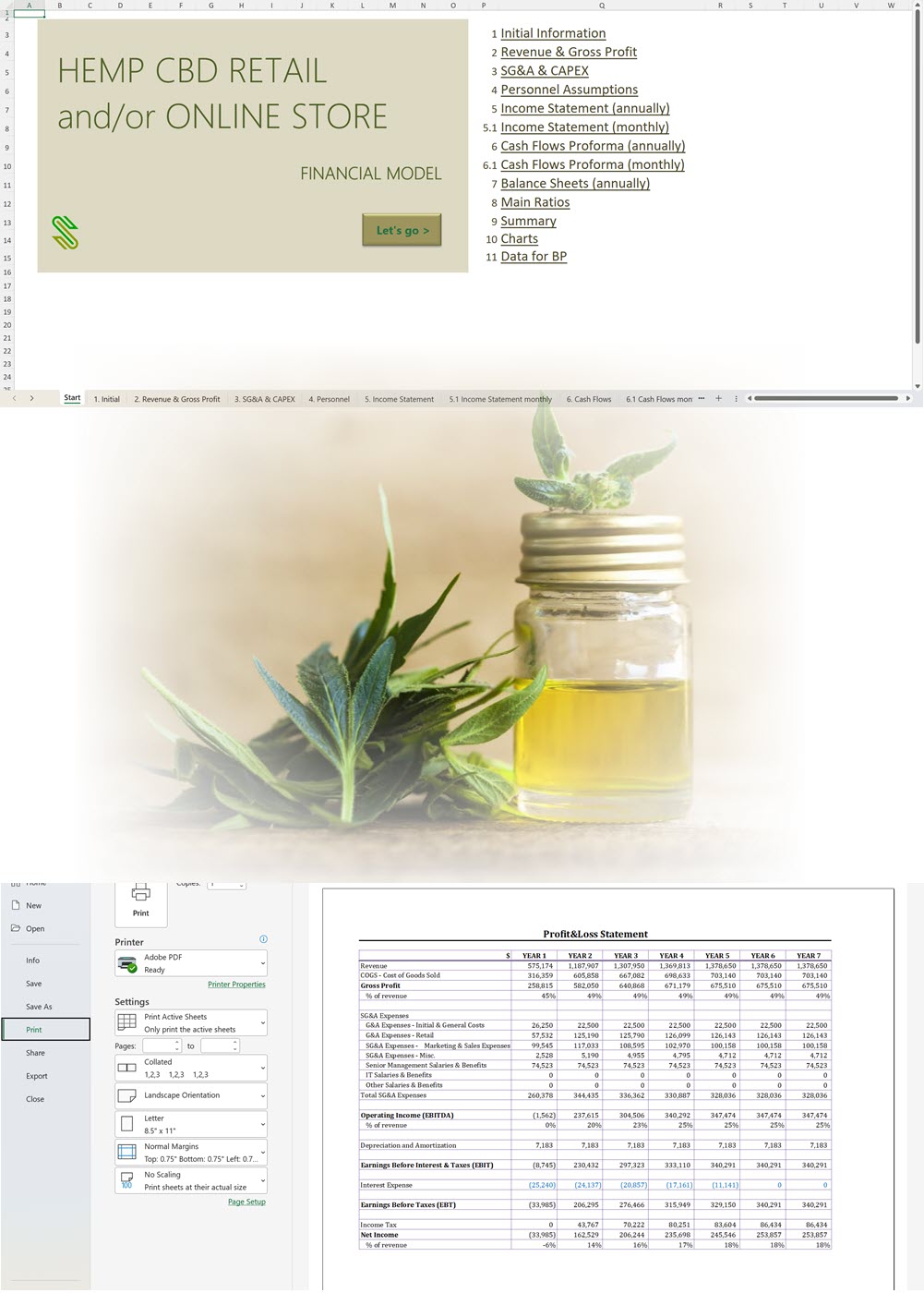
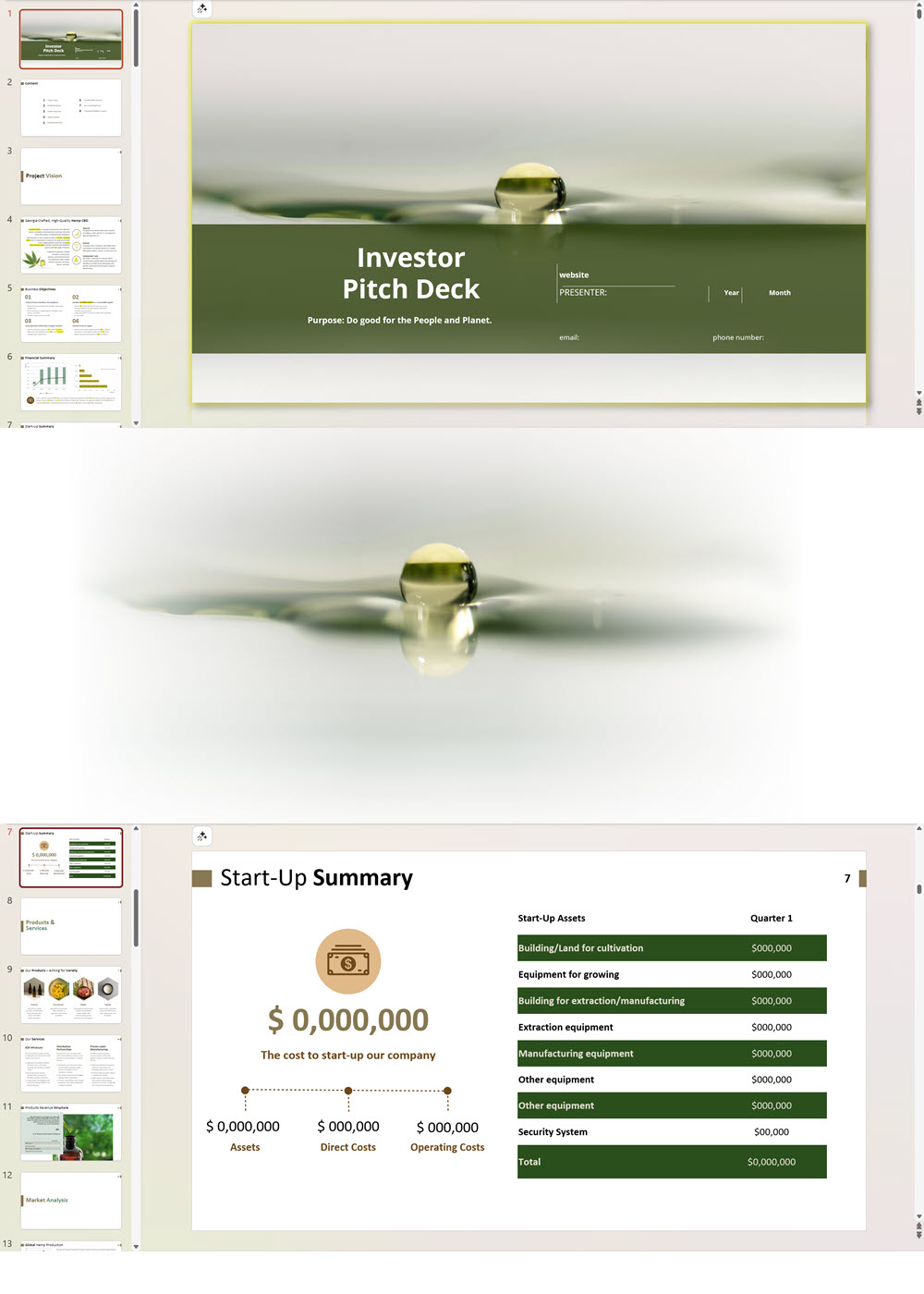
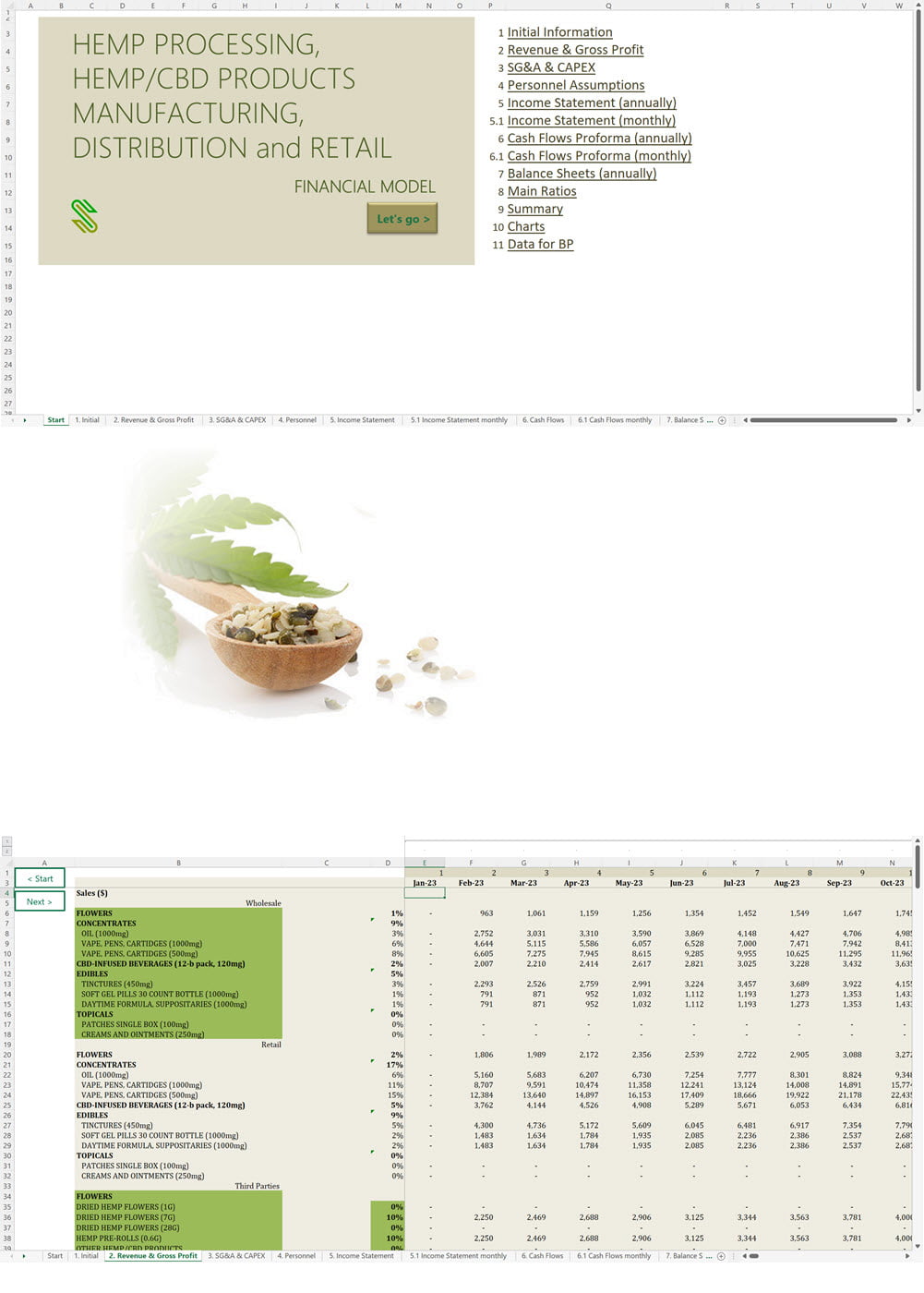
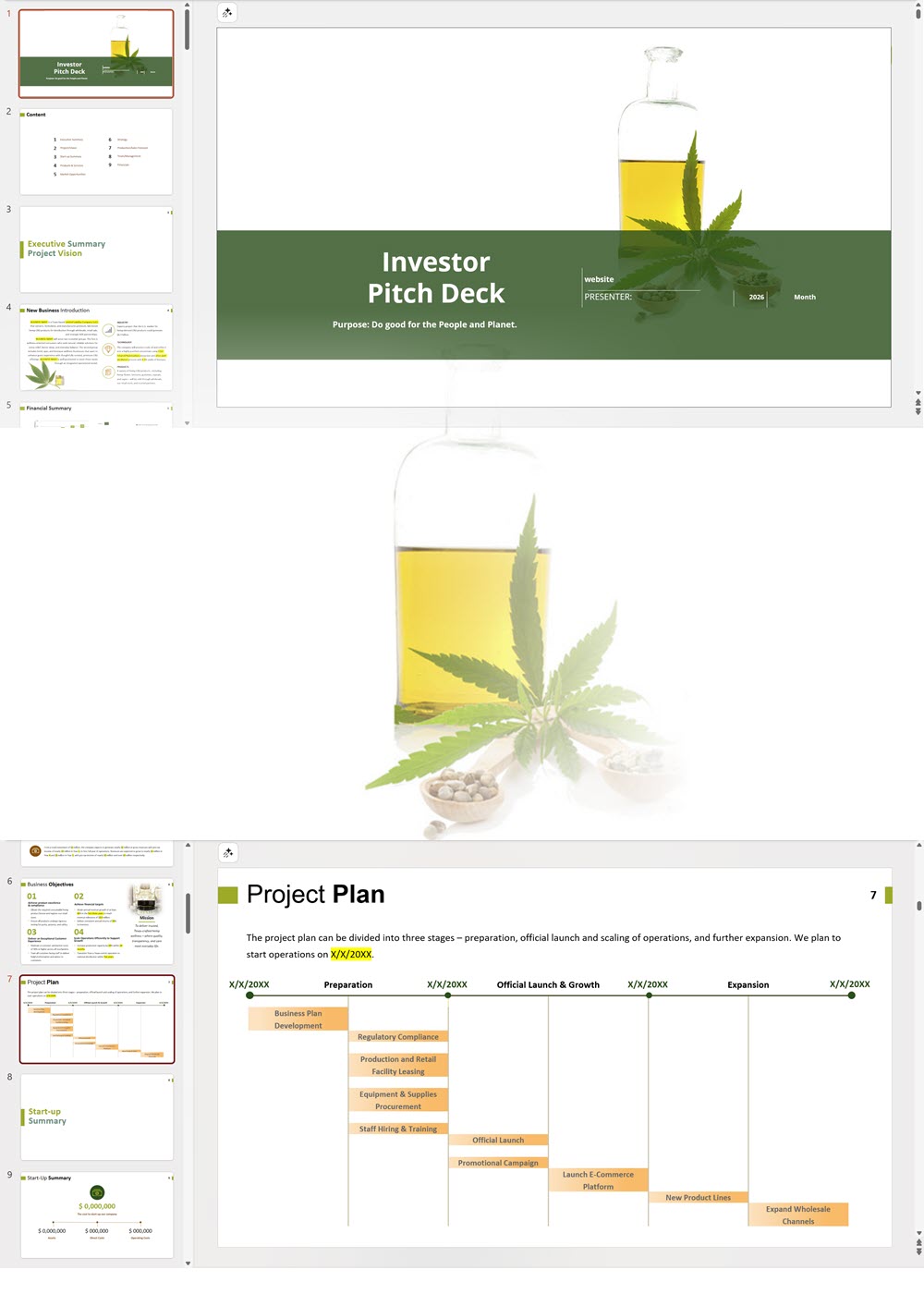
Our hemp/CBD financial models and business plan templates will help you estimate how much it costs to start and operate your own hemp/CBD business, to build all revenue and cost line-items monthly over a flexible seven year period, and then summarize the monthly results into quarters and years for an easy view into the various time periods. We also offer investor pitch deck templates.
Best Selling Templates
-

Hemp Cultivation Business Plan Template
Price range: $75.00 through $275.00 Select options This product has multiple variants. The options may be chosen on the product page -

Hemp CBD Financial Model All in One
$200.00 Select options This product has multiple variants. The options may be chosen on the product page -
CBD Retail Investor Pitch Deck Template
$75.00 Select options This product has multiple variants. The options may be chosen on the product page
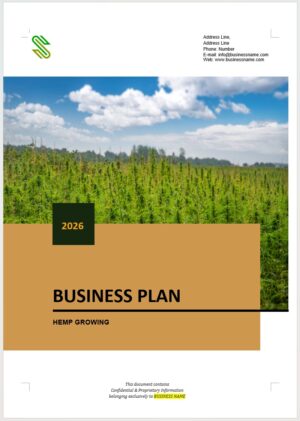
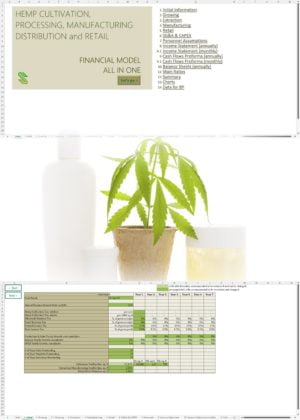
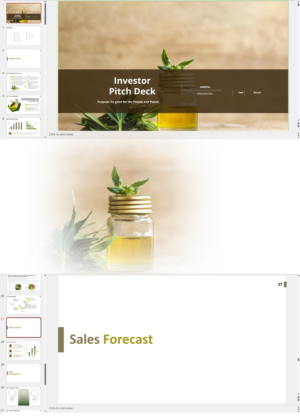
Cannabis business plan templates are available at cannabusinessplans.com.
Our Templates
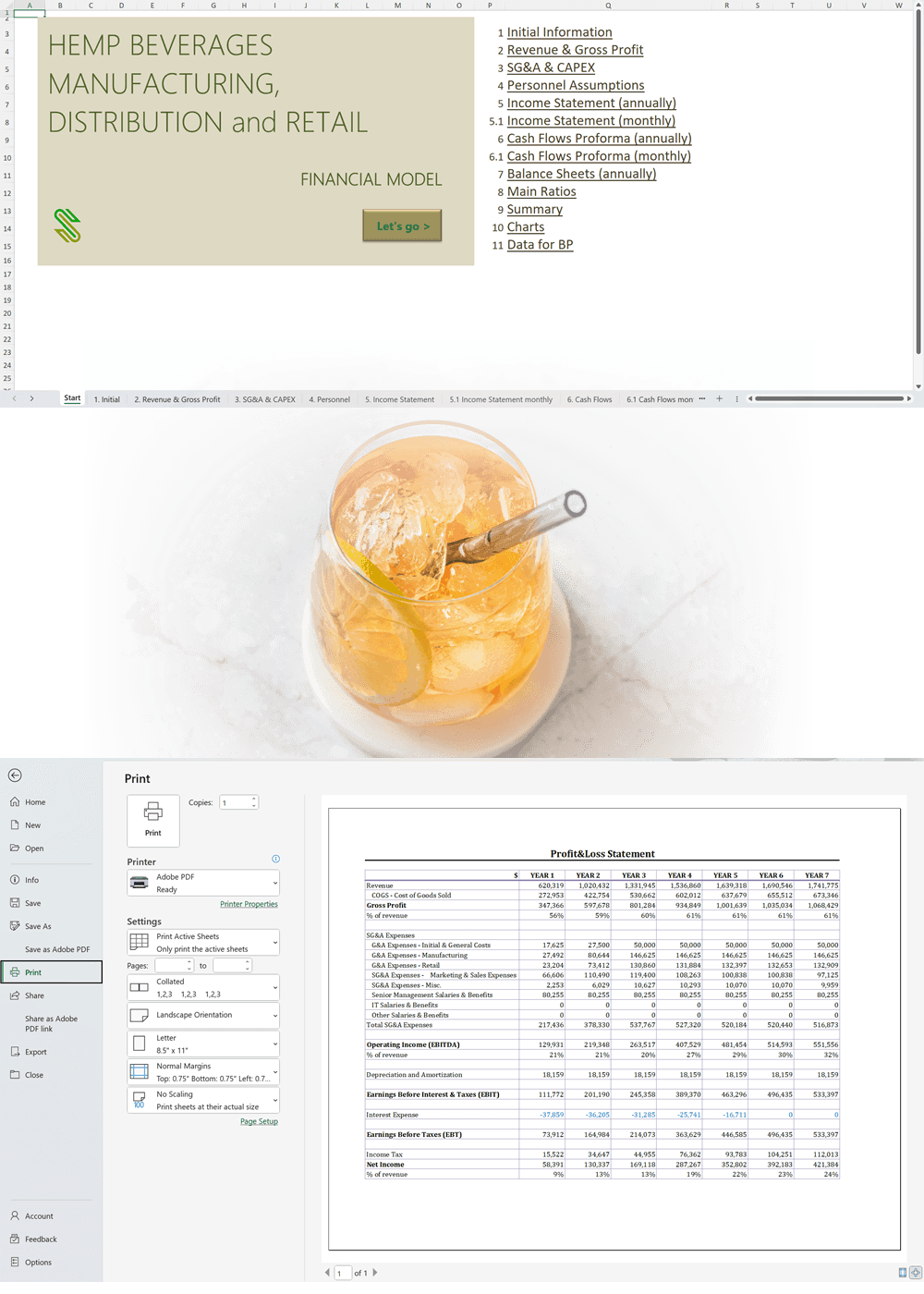
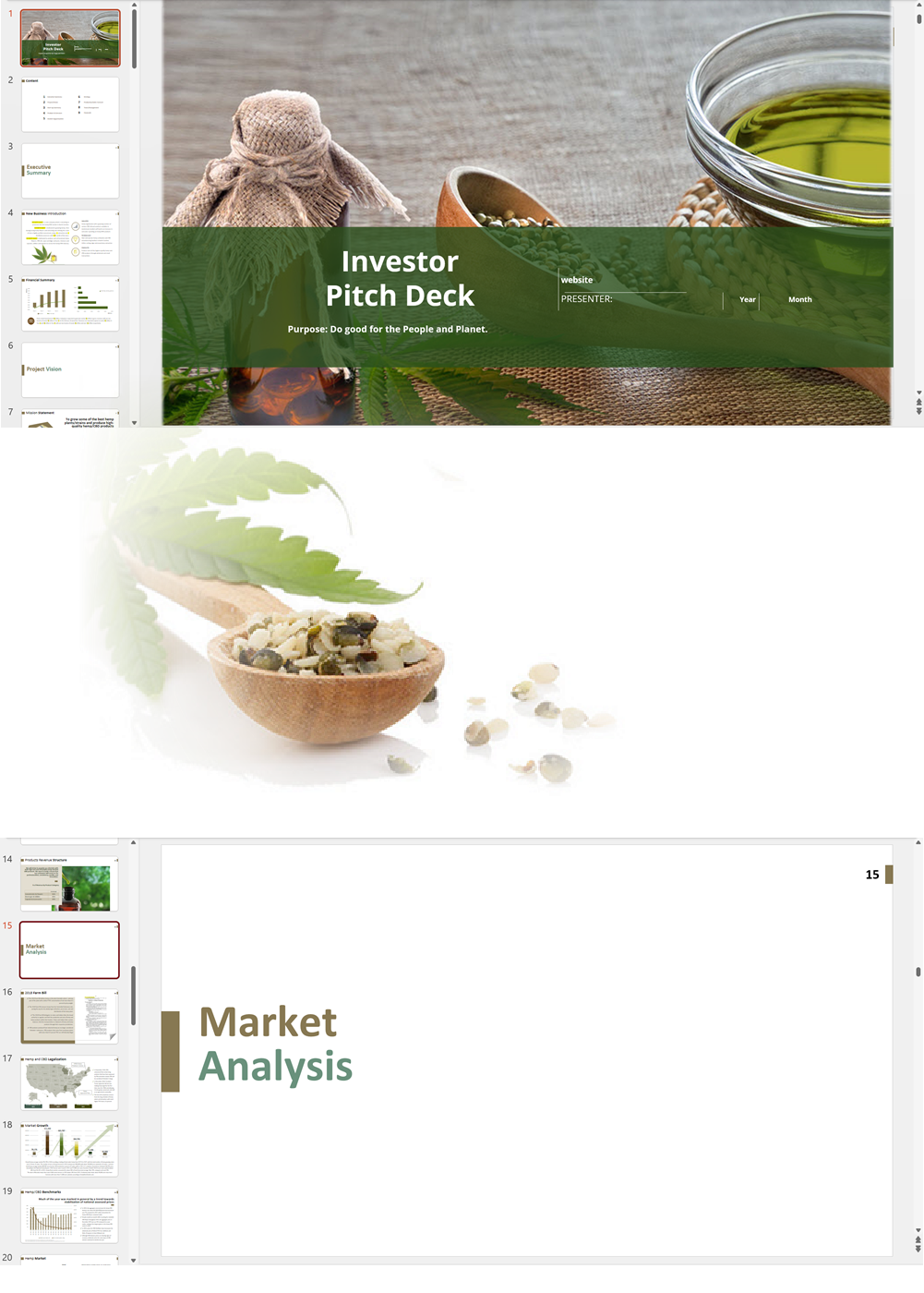
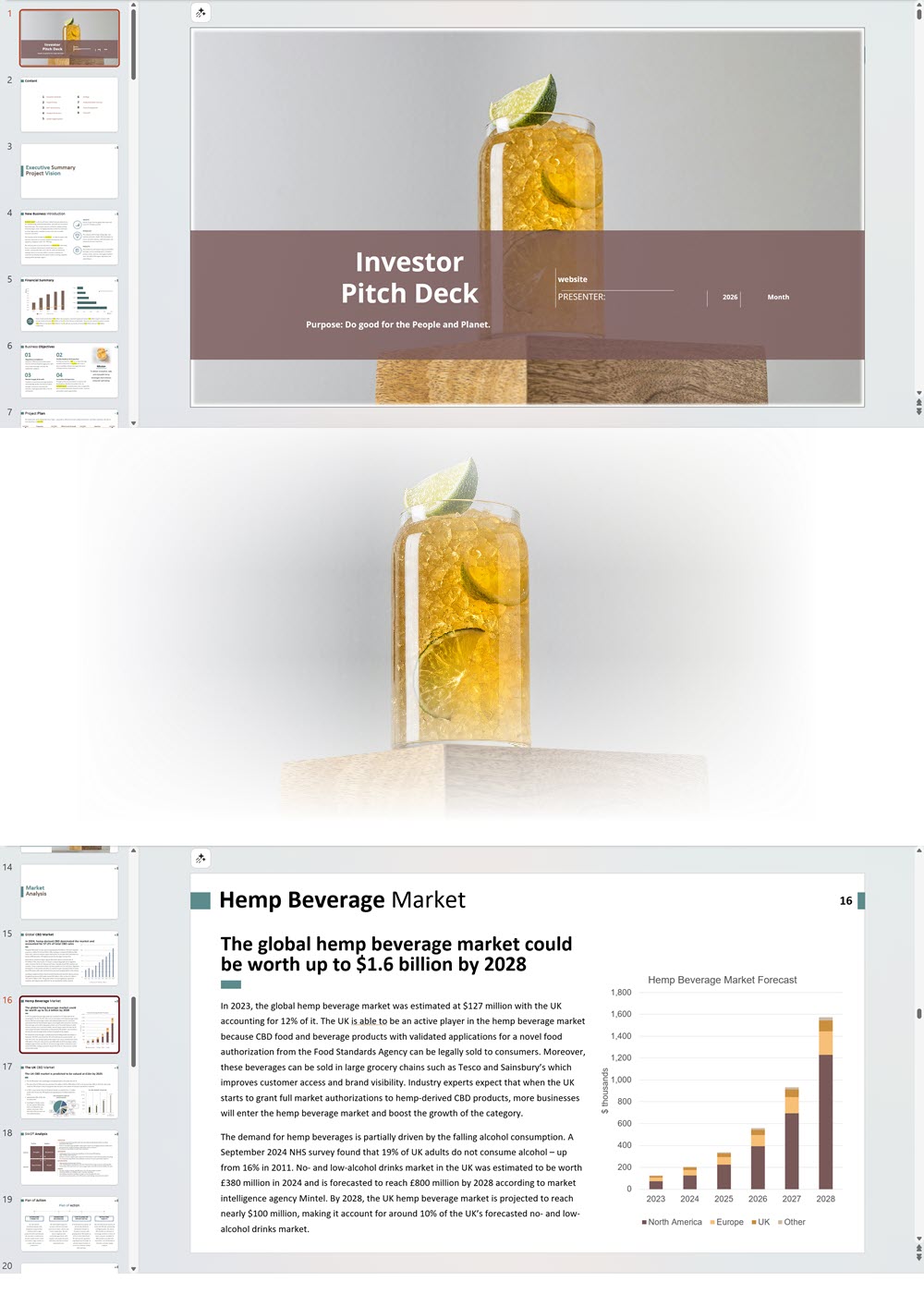
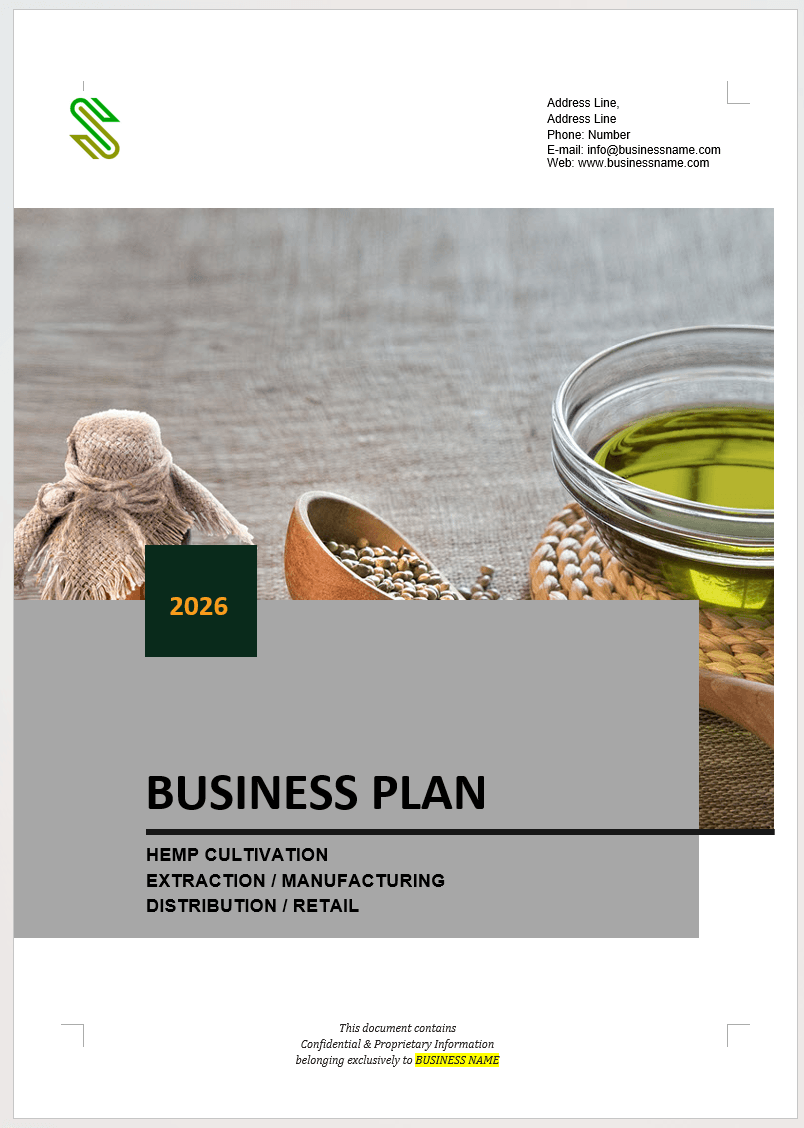
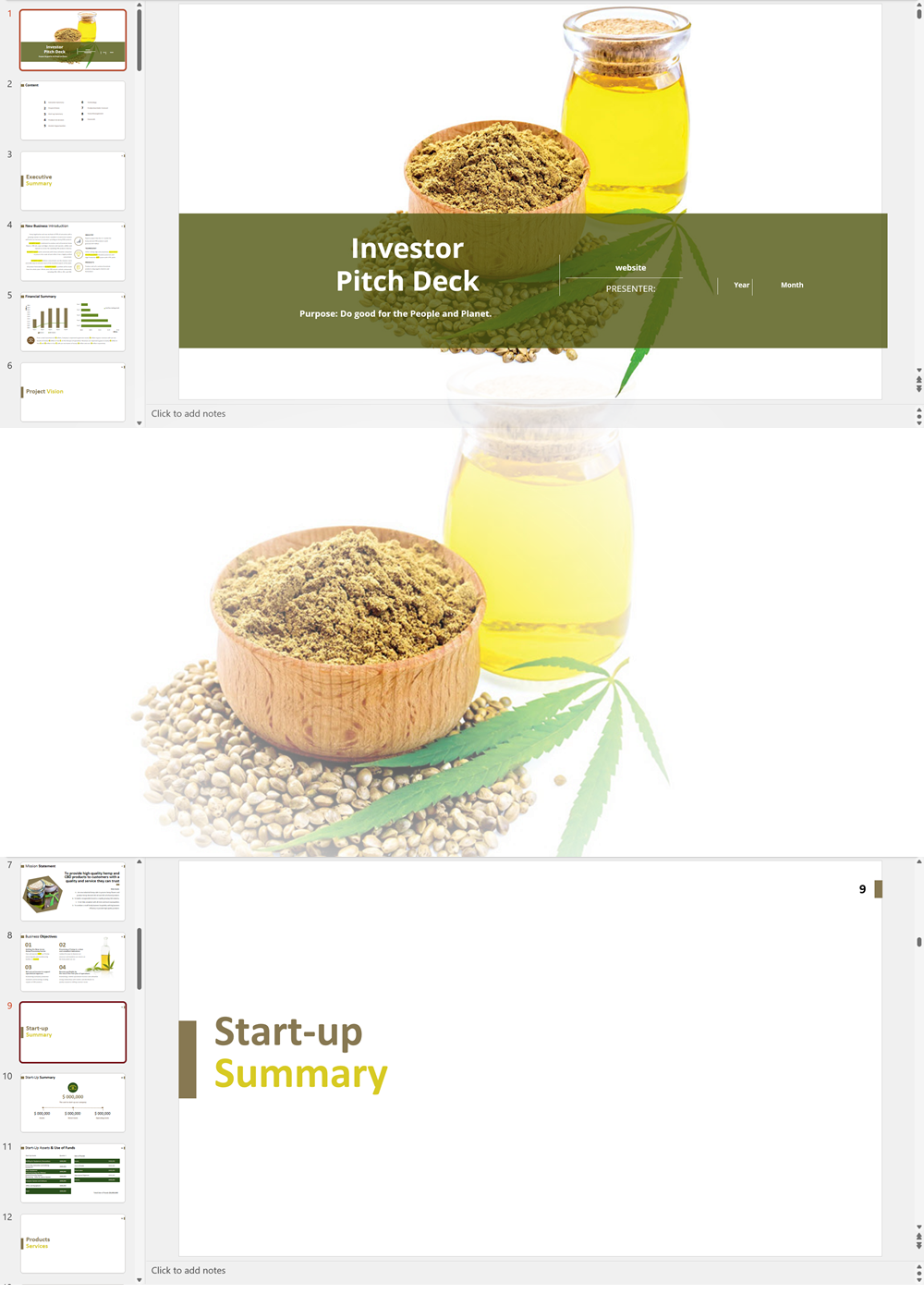
Hemp CBD Vertically Integrated Business Plan Template
Price range: $75.00 through $450.00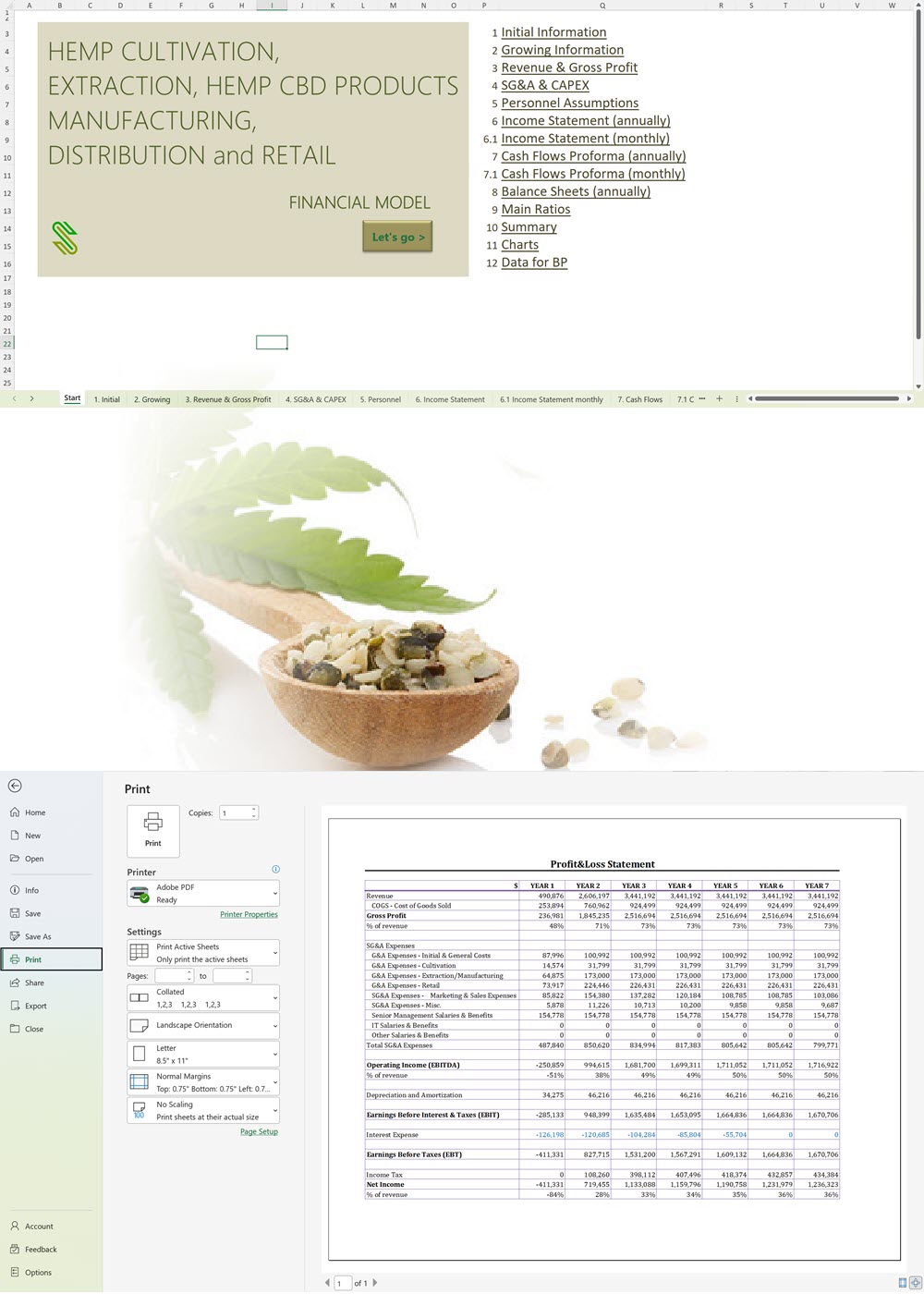
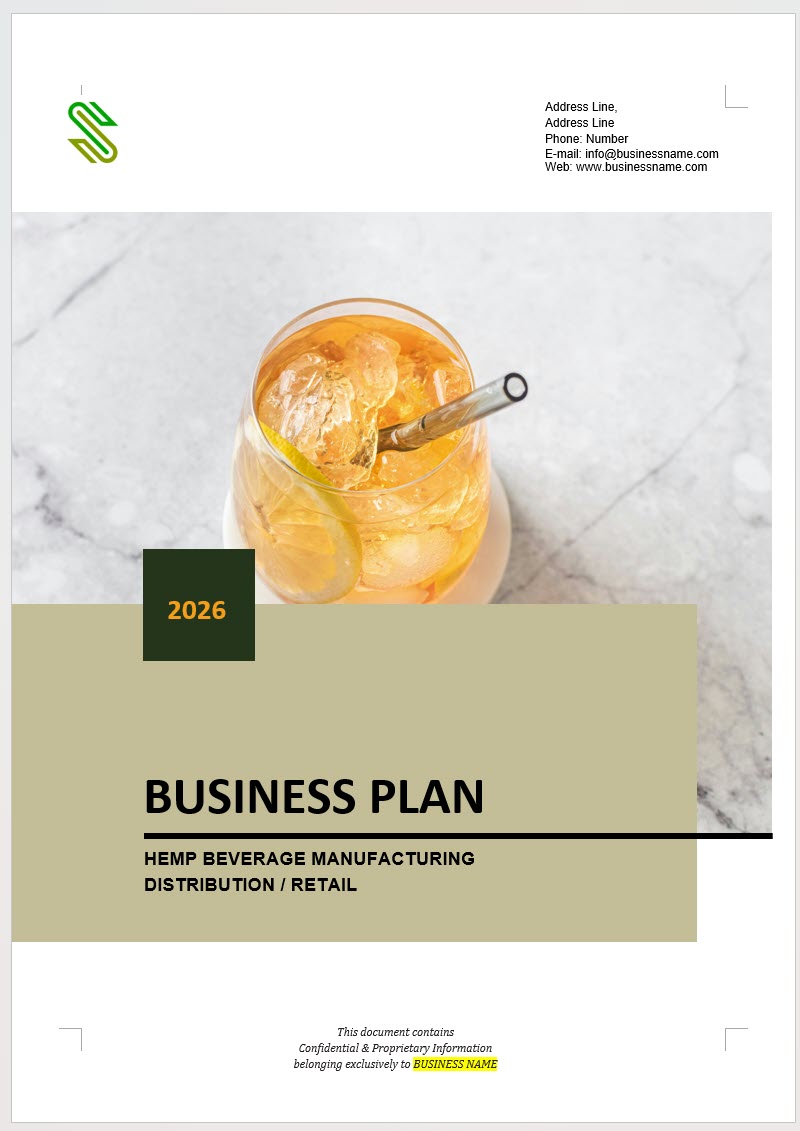
Hemp CBD Beverage Manufacturing, Wholesale and/or Retail Business Plan Template
Price range: $75.00 through $350.00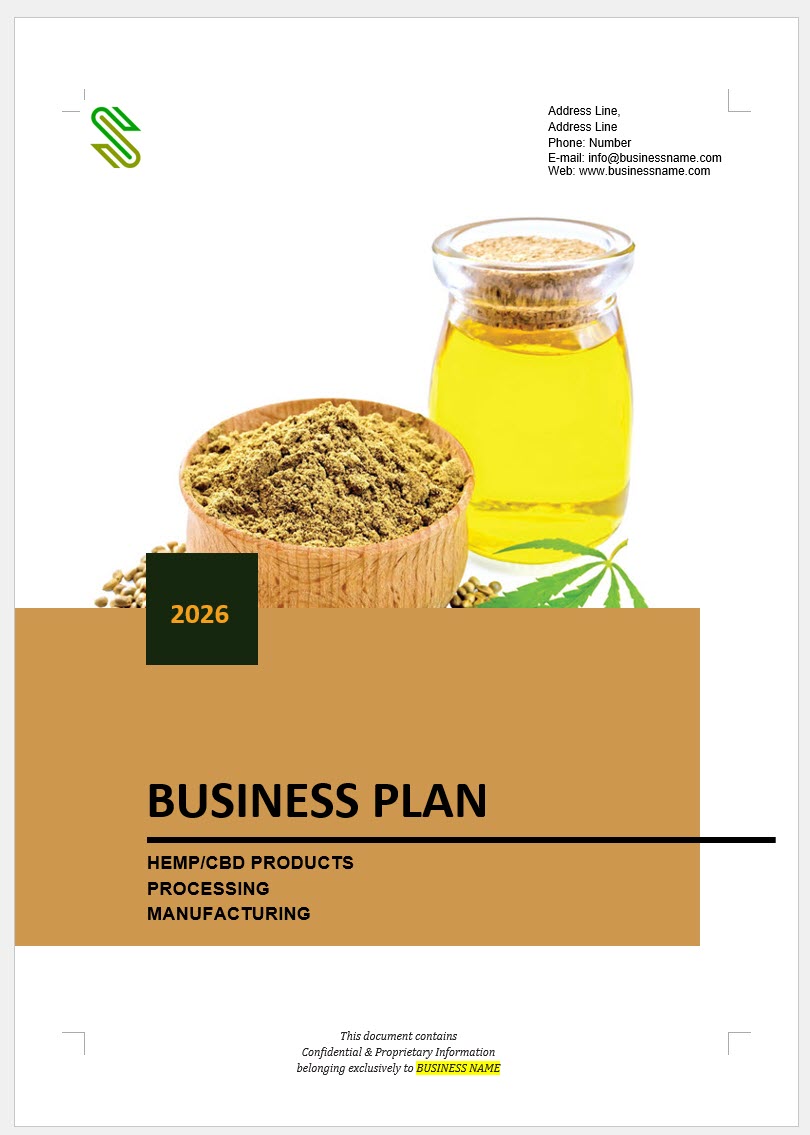
CBD Products Manufacturing Business Plan Template
Price range: $75.00 through $350.00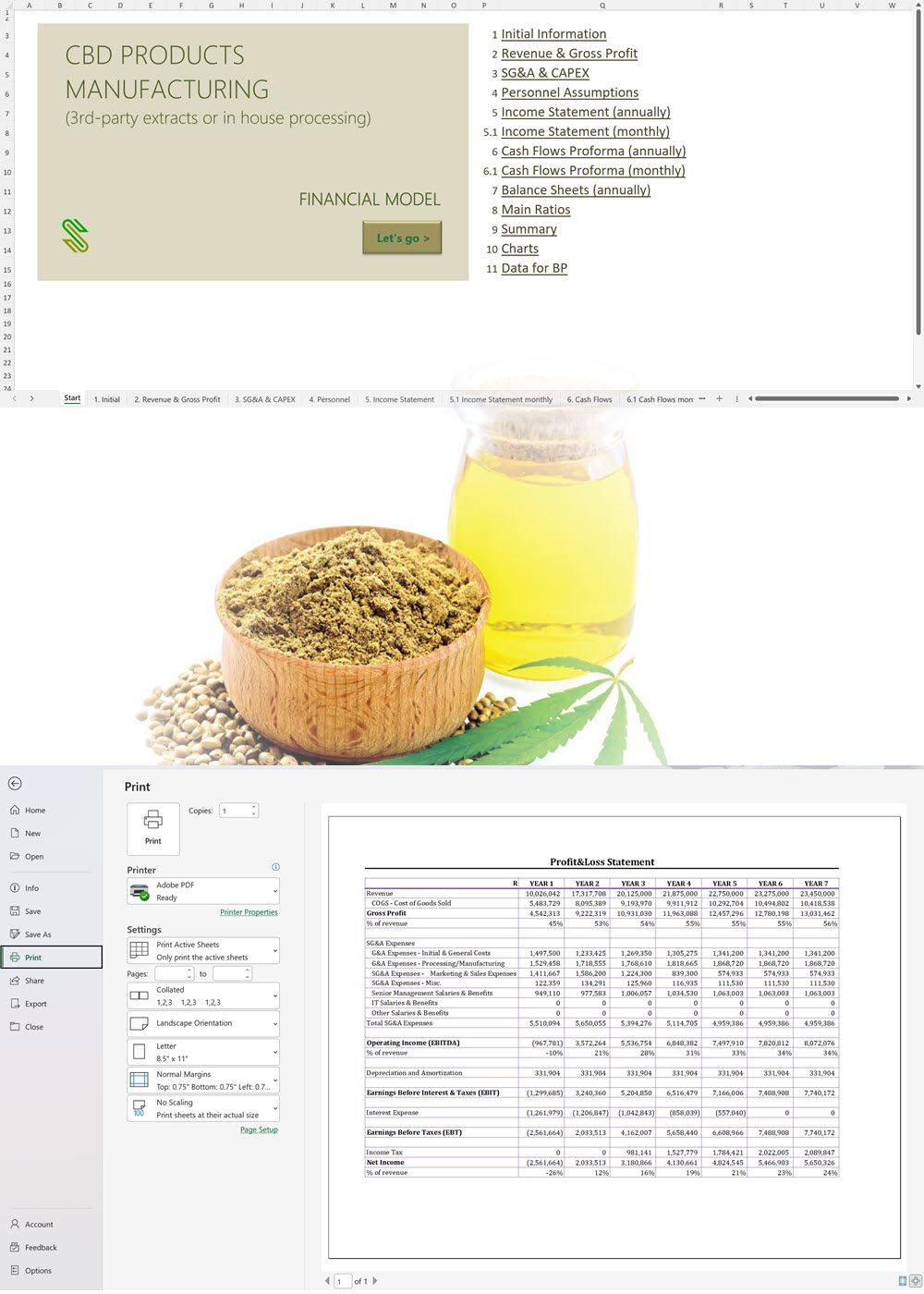
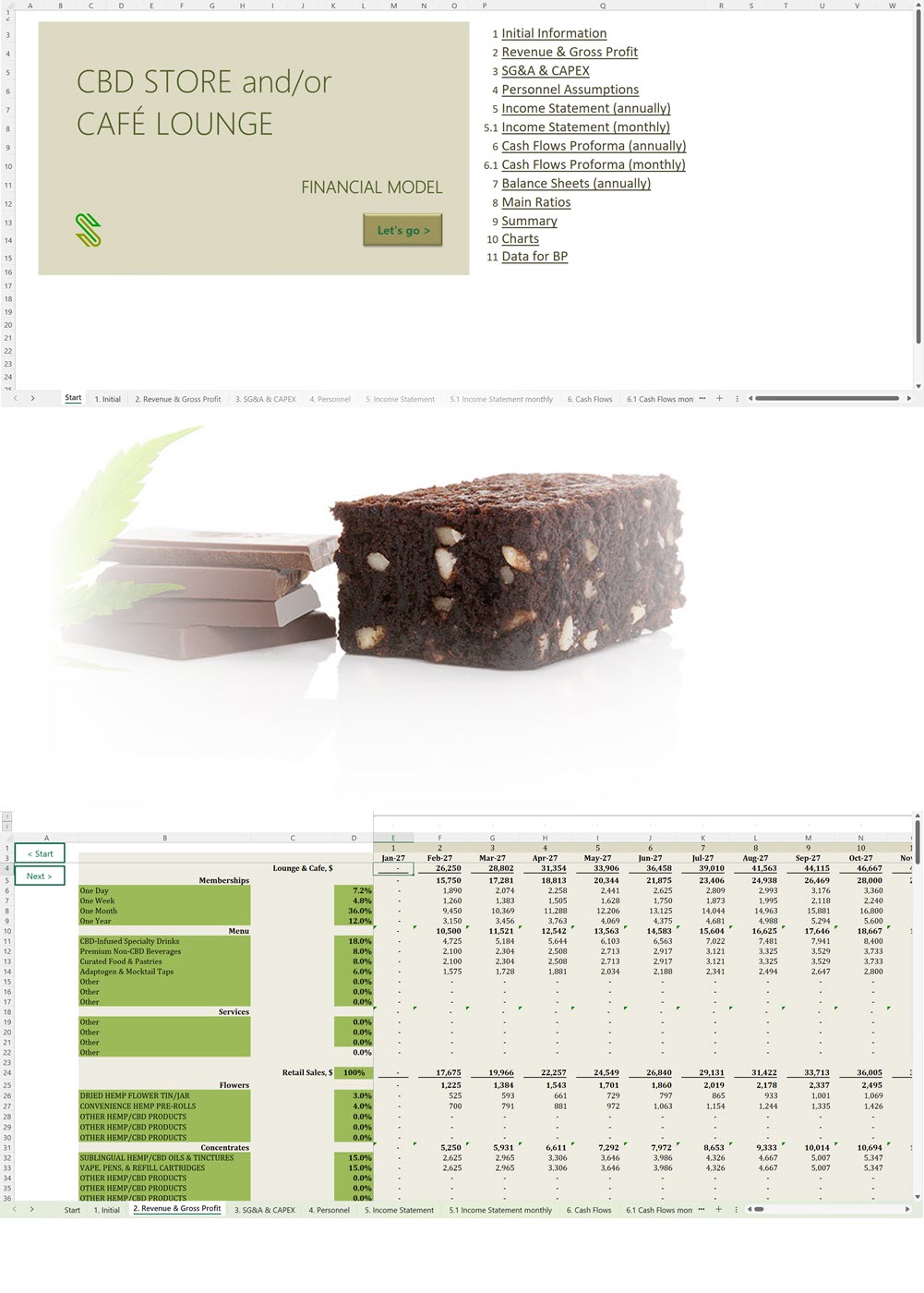
CBD Store and/or Cafe Lounge Business Plan Template
Price range: $75.00 through $275.00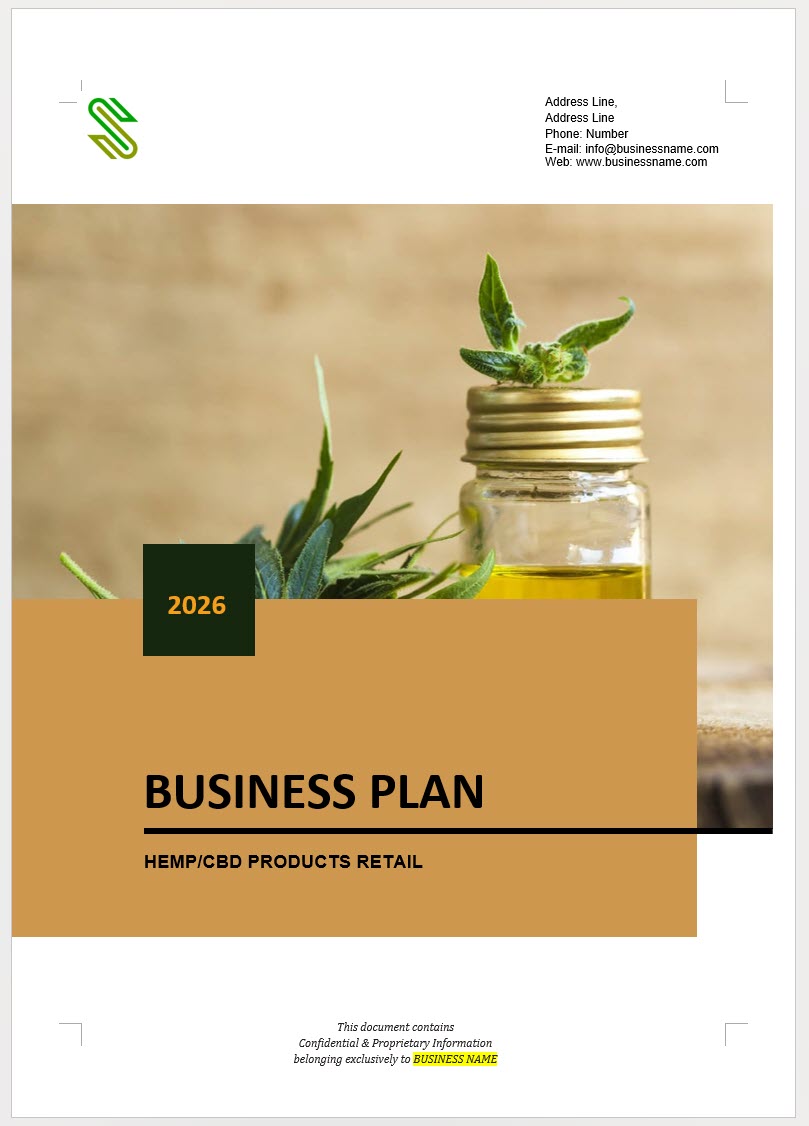
CBD Products Retail/Online Store Business Plan Template
Price range: $75.00 through $275.00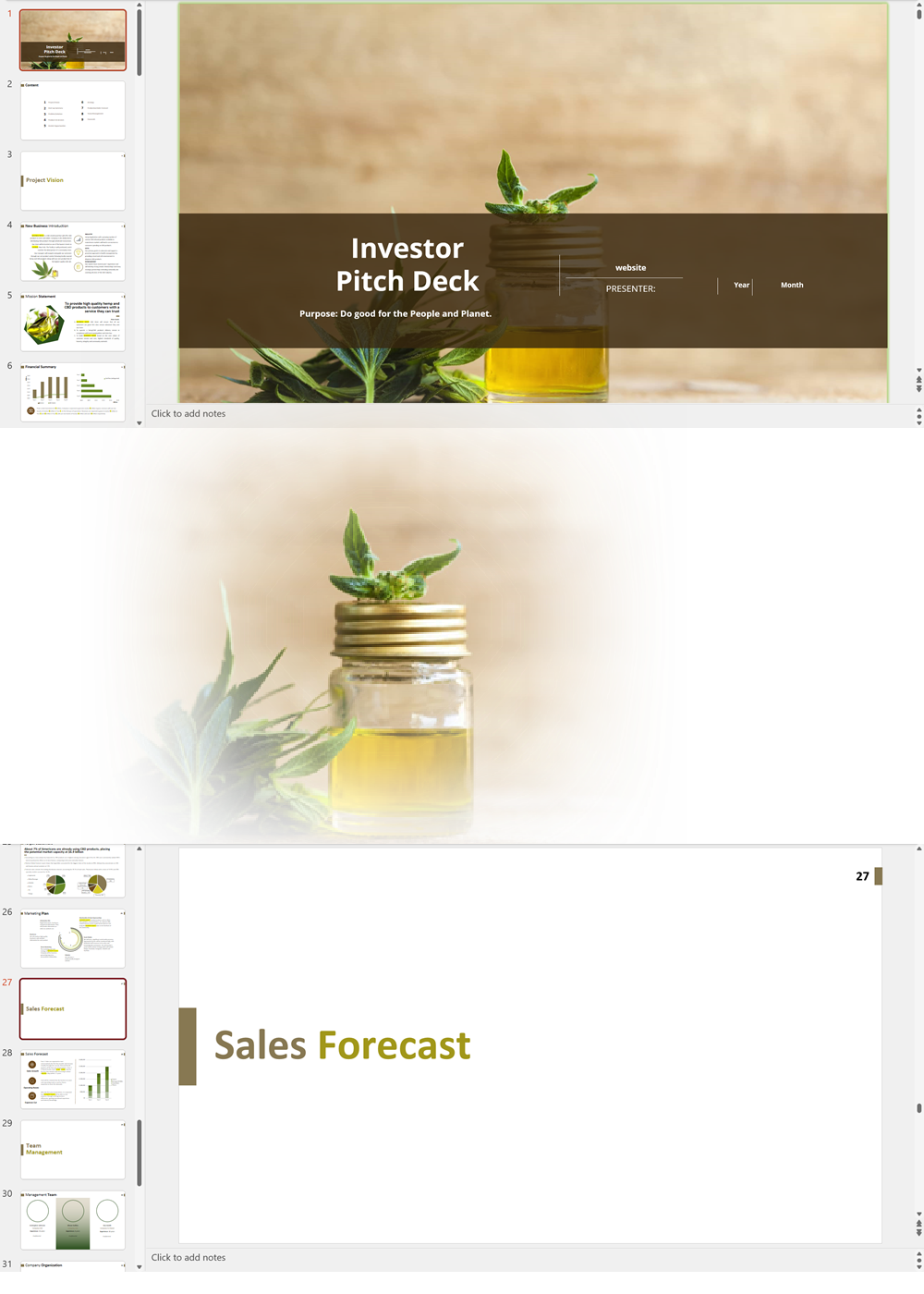
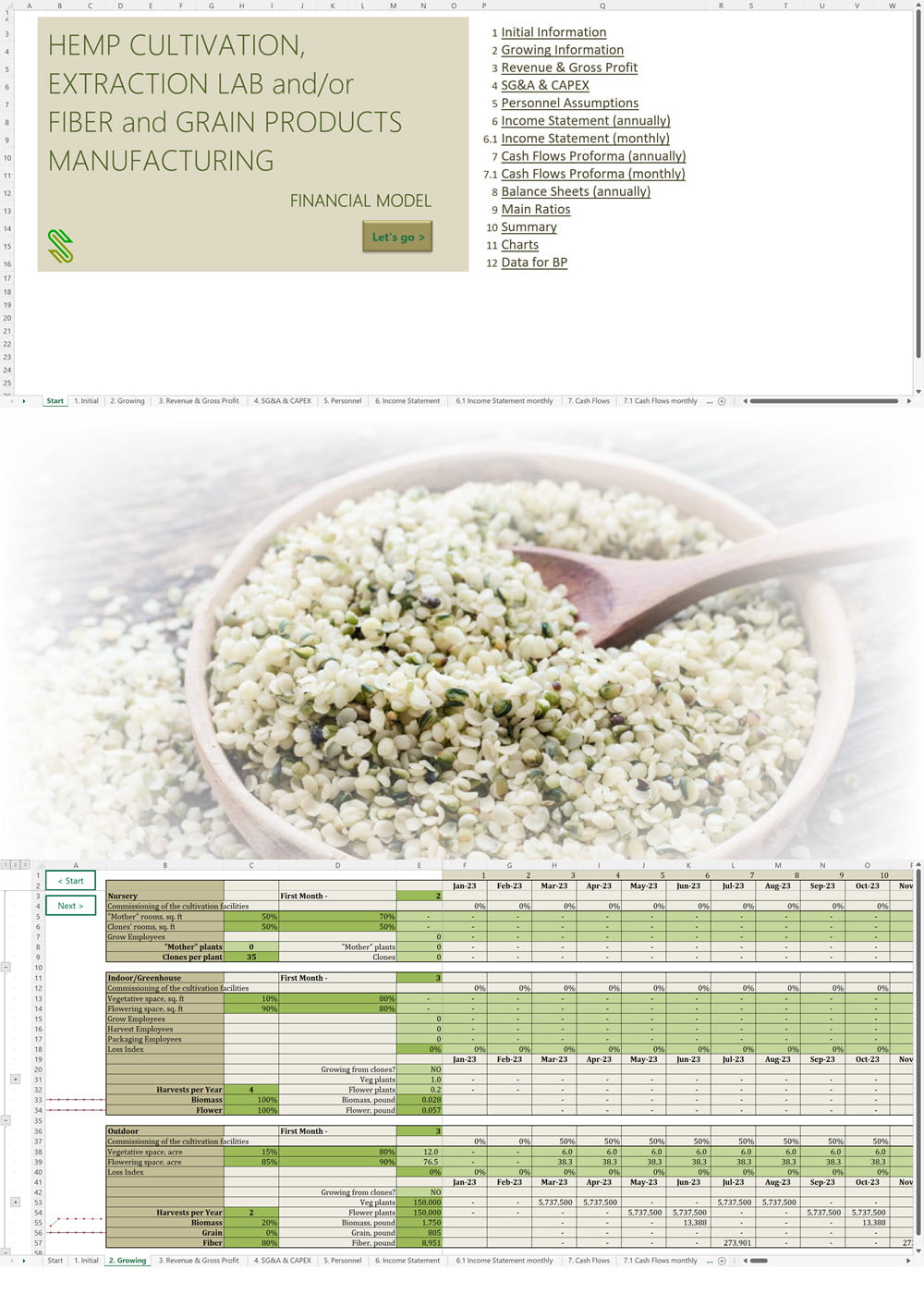
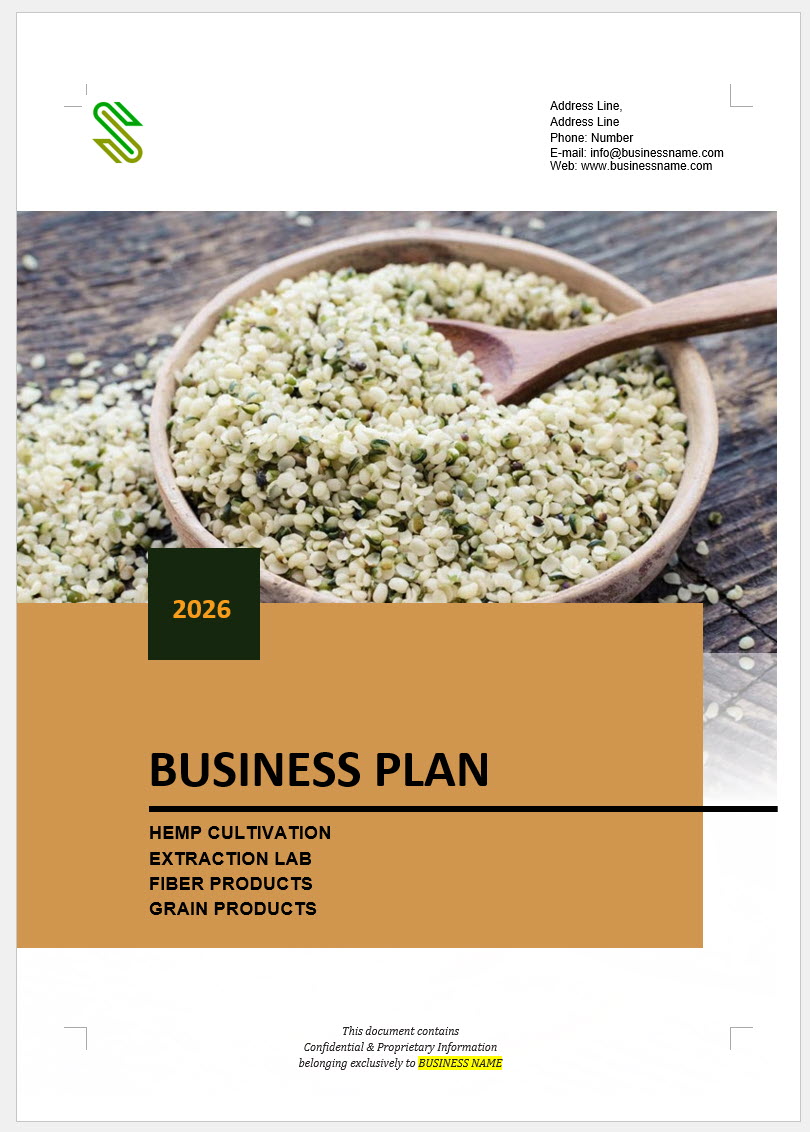
Hemp (Biomass, Fiber, Grain) Cultivation and Processing/ Manufacturing Business Plan Template
Price range: $75.00 through $350.00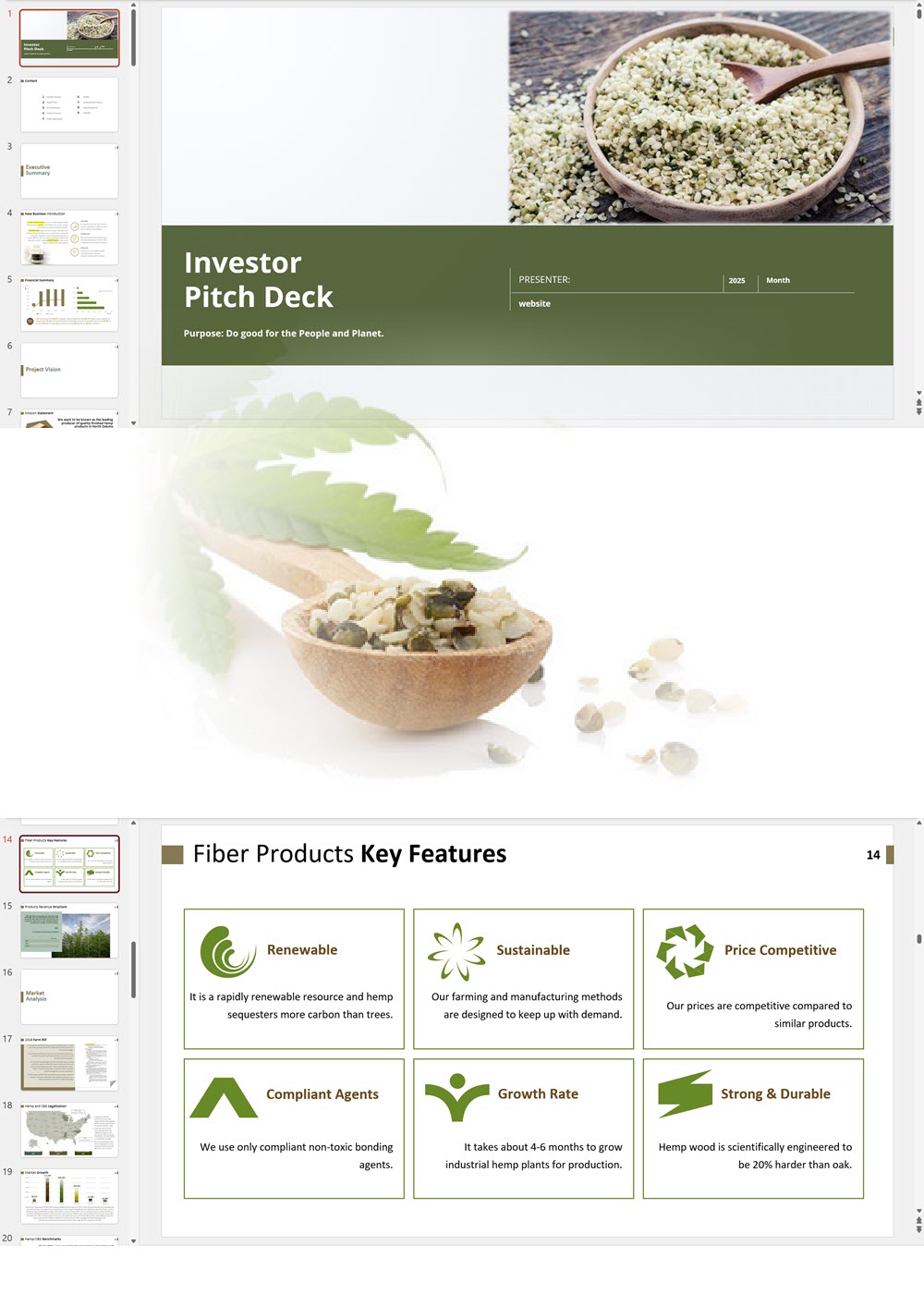
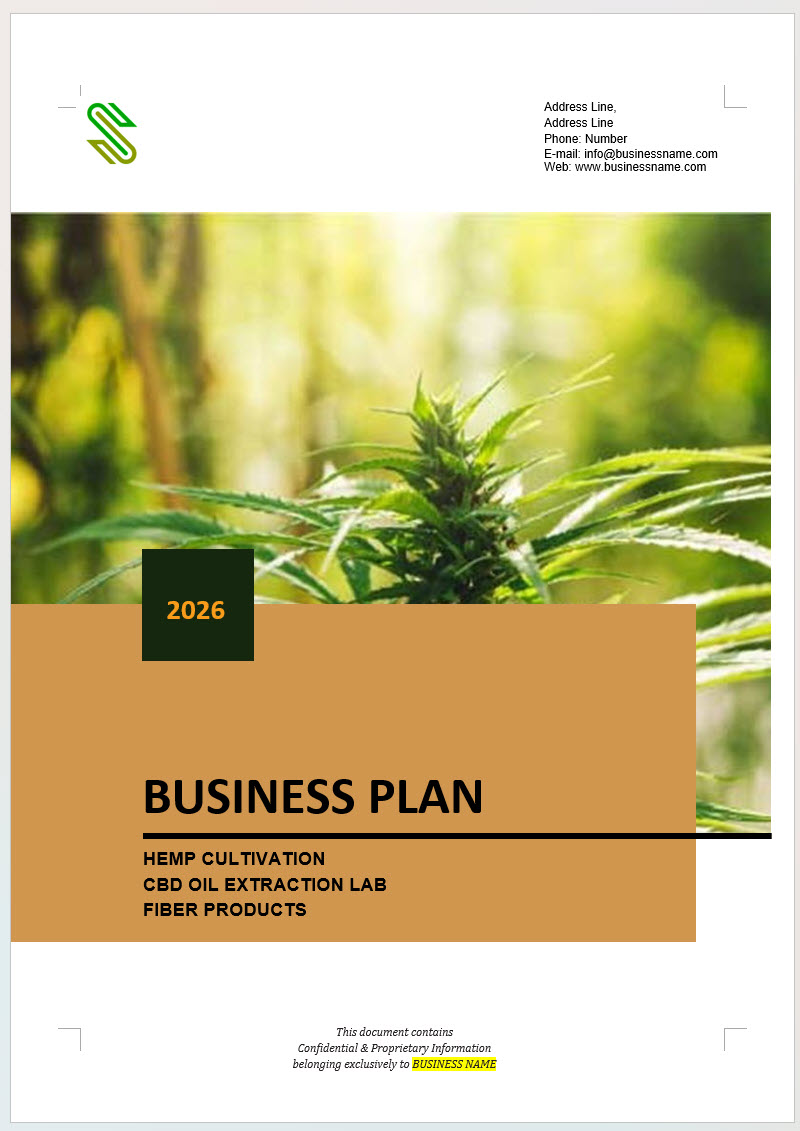
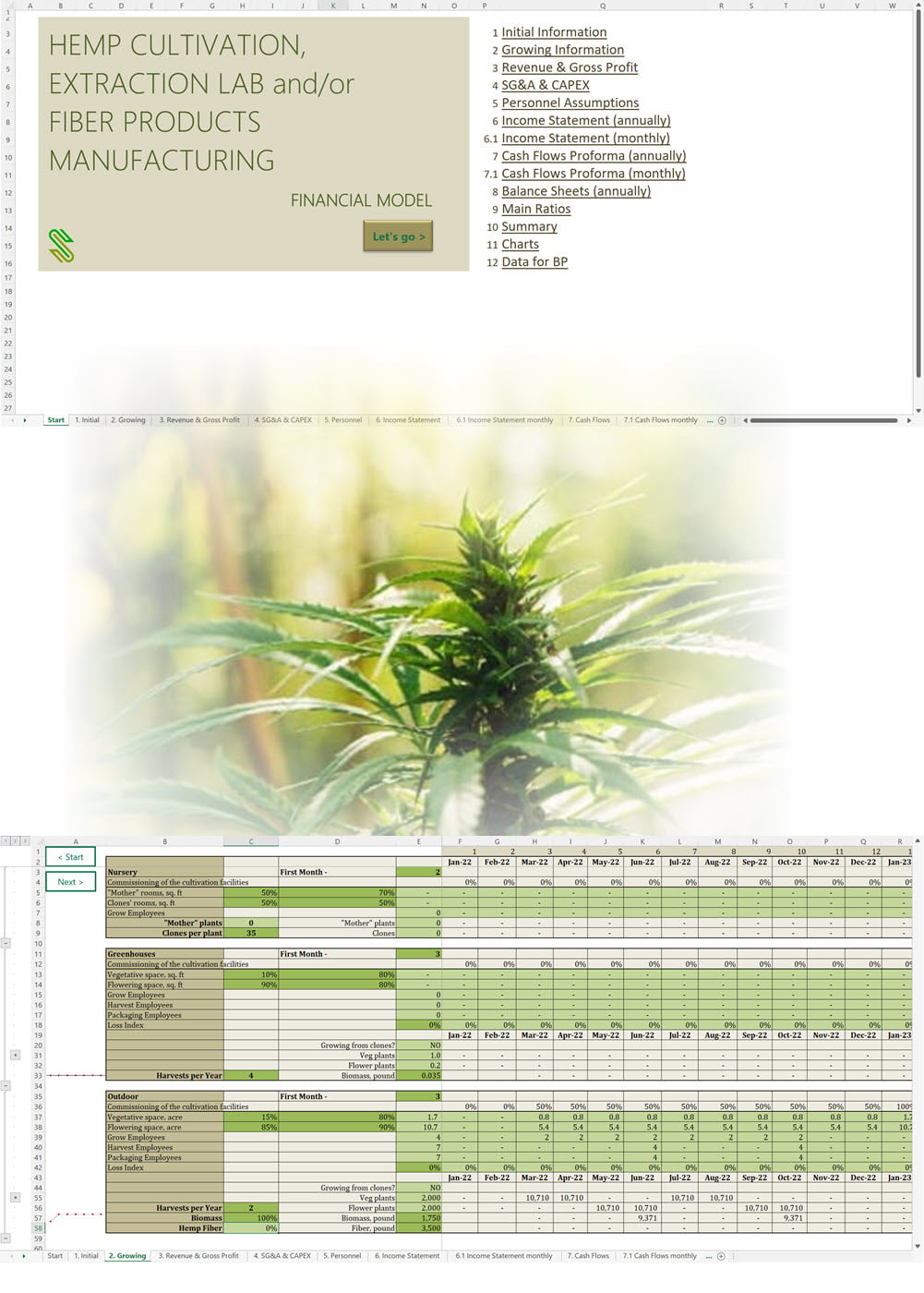
Hemp Cultivation and CBD Oil Extraction and/or Fiber Products Business Plan Template
Price range: $75.00 through $350.00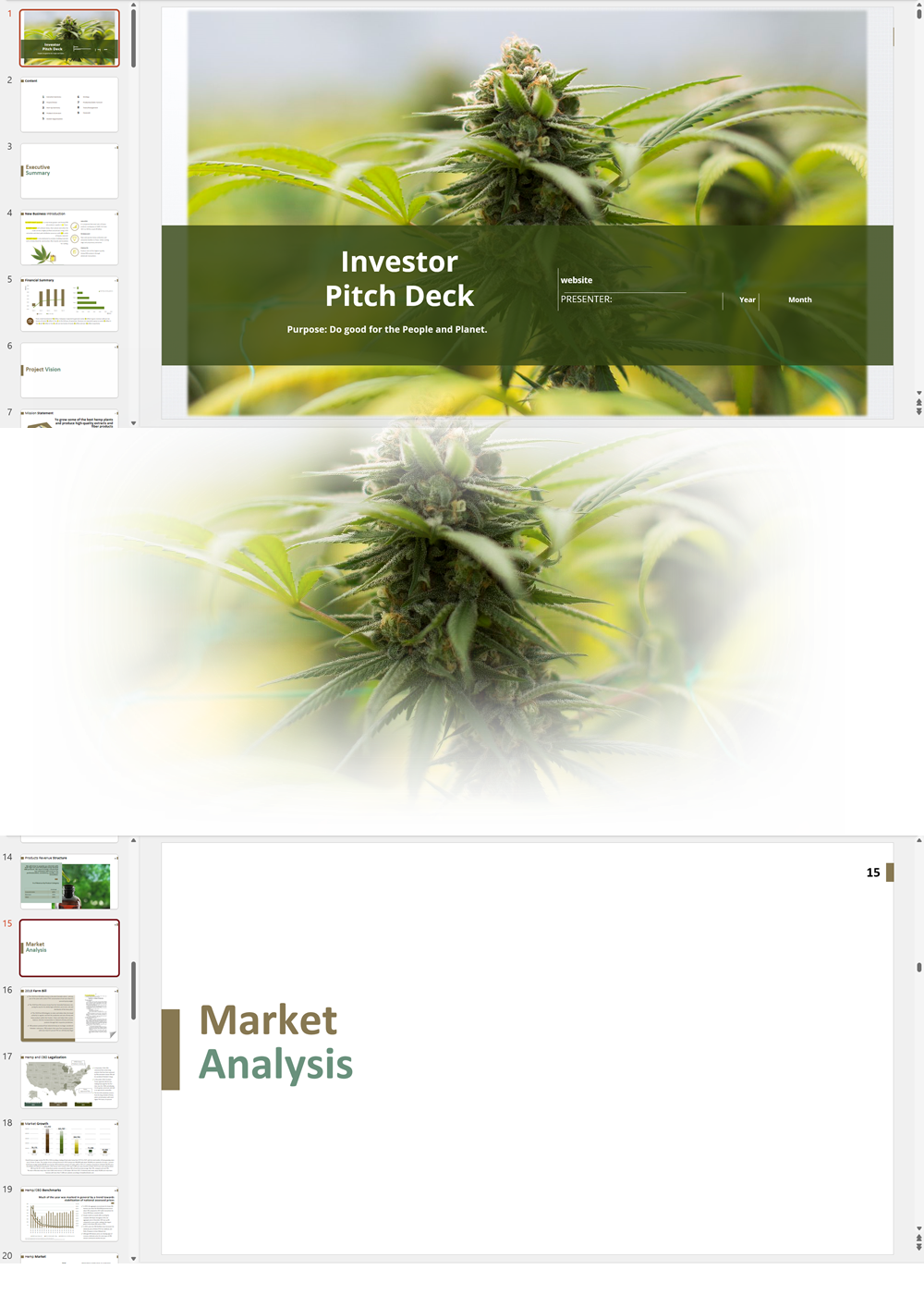
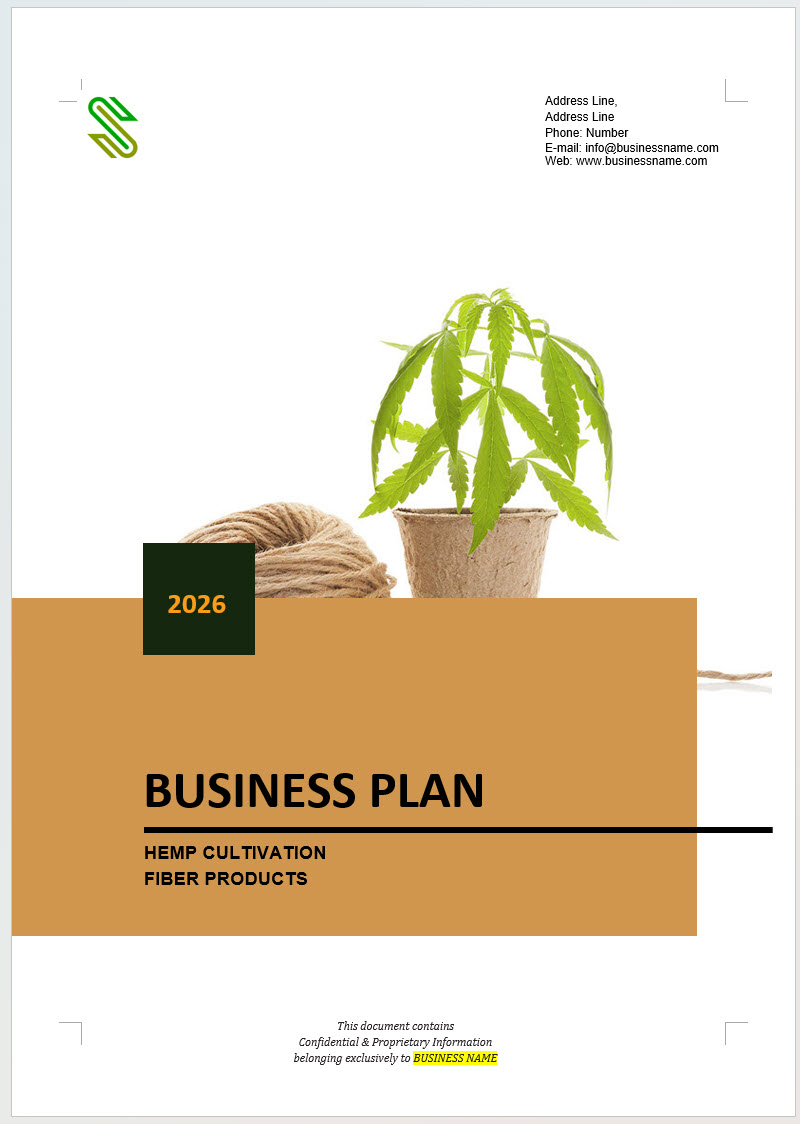
Hemp Fiber Growing and Manufacturing Business Plan Template
Price range: $75.00 through $275.00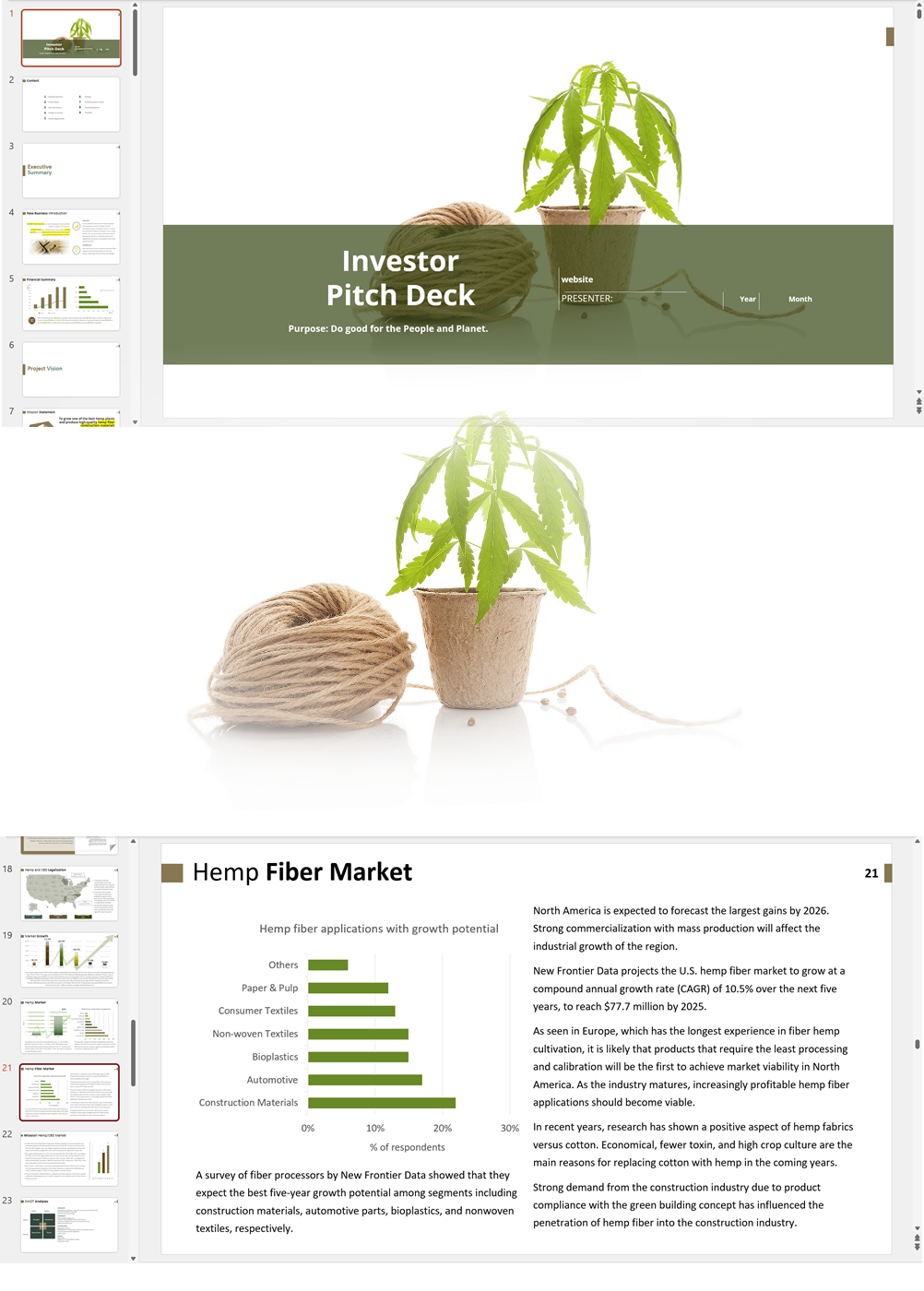
Hemp Cultivation + Extraction + Manufacturing Business Plan Template
Price range: $75.00 through $450.00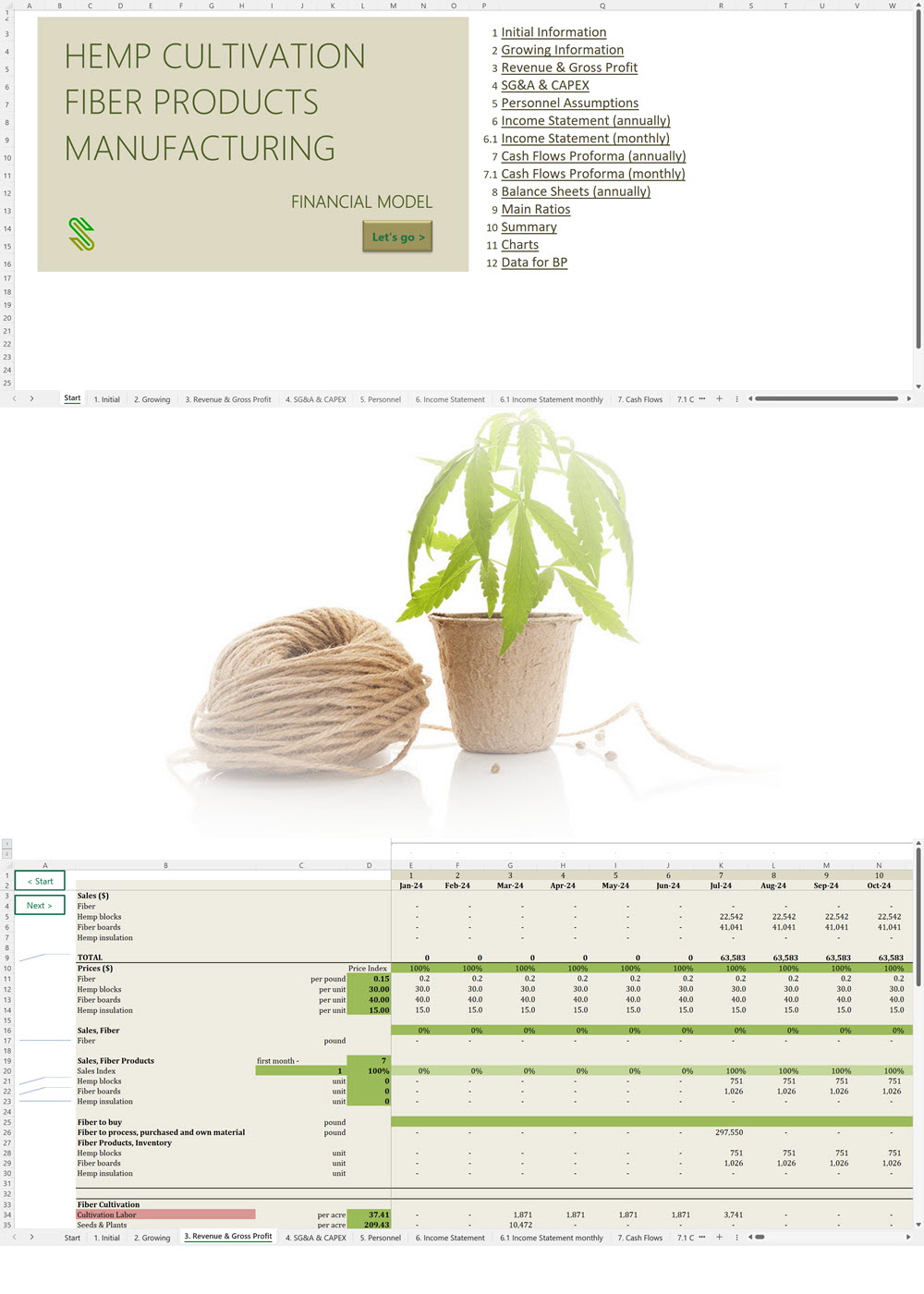
Hemp CBD Extraction + Manufacturing + Retail Business Plan Template
Price range: $75.00 through $450.00