Texas Hemp Regulations
On March 15th, 2019, John Hellerstedt, Commissioner of the Texas Department of Health and Human Services, signed an amendment to remove hemp from the list of controlled substances. The amendment was signed and sent to the Texas Register for publishing. It became effective on April 5th, 2019.
On June 10, 2019, Texas Gov. Greg Abbott signed into law House Bill 1325 to legalize the cultivation and processing of hemp and hemp-derived products, including cannabidiol (CBD) in the state. In Texas, legal consumable hemp products include CBD oil, CBD gummy bears, food and drinks infused with CBD, over-the-counter drugs containing CBD, and topical lotions and cosmetics that contain CBD.
The Texas Department of Agriculture (TDA) submitted the state hemp plan to USDA on December 2, 2019 and it was approved by the USDA on January 27, 2020. Administrative rules regarding the administration of Texas’ hemp program were published in January 2020 and became effective March 11. Administration rules regarding the manufacture, distribution, and sale of consumable hemp went into effect on August 2, 2020.
The TDA opened the hemp licensing and permit application process online on March 16, 2020.
Effective September 1, 2025, Senate Bill 2024 bans e-cigarettes containing hemp-derived cannabinoids.
On September 10, 2025, Governor Abbott signed into law an executive order that directs the Texas Alcoholic Beverage Commission (TABC) and the Texas Department of State Health Services (DSHS) to immediately start a rulemaking process that would ban sales of hemp products to individuals aged under 21, require age verification at the point of sale, and consider whether current rules have to be revised to strengthen testing, labeling and recordkeeping requirements or increase licensing fees to reflect regulatory costs. The Governor also directs TABC, DSHS, Texas A&M AgriLife Extension Service, and other relevant state agencies to study the implementation of a regulatory framework similar to the one proposed in House Bill 309.
In March 2026, the DSHS released new regulations on consumable hemp-derived THC products. These regulations included significant changes to the state’s hemp laws, including:
- Effectively banning smokeable hemp by combining both delta-9 THC and THCA into a “total THC” standard, reclassifying products that were previously legal under the 0.3% delta-9 THC limit as illegal.
- Increasing licensing fees – from $155 to $5,150 for retailers; from $258 to $10,000 for manufacturers.
- Sellers must verify that all purchasers are 21 or older and conduct ID checks on all sales.
These new rules came into effect on March 31, 2026. However, on May 1, 2026, a Travis County judge granted a temporary injunction, blocking the new “total THC” standard and preventing the state from charging higher registration/licensing fees to hemp businesses. The temporary injunction is effective until a trial set for July 27, 2026.
Hemp Licensing in Texas
Hemp producer, handler, processor of non-consumable products, and sampler licenses are issued by the TDA while registrations/licenses for processors of, and retailers selling, consumable hemp products containing CBD are issued by the Department of State Health Services.
The licensing process and fees for obtaining a hemp producer, processor or handler license is the same.
Producer license: allows to cultivate and handle hemp in Texas, as well as transport hemp outside of Texas. Only strains from the state-approved list can be cultivated.
Handler license: allows to harvest, possess, store transport, and dispose of hemp plants. A hemp producer licensee is not required to possess a hemp handler license if they plan to handle only their own hemp crop. If they however plan to handle a hemp crop that is not their own, then a hemp handler license is necessary.
Processor license: allows to process hemp into non-consumable hemp products.
Application fee for an initial license: $100 (this fee is waived for applicants that hold a dispensing organization license under Chapter 487)
License renewal fee: $100
License period: 1 year
An application must be submitted to the TDA, containing the following information:
- Full name, Texas address, telephone number, and email address of the applicant.
- If the applicant is submitting an application on behalf of an entity, the full name of the entity, the principal Texas business location address, the full names, titles, addresses, an emails of key participants, the full name, title, and email of the applicant who will have signing authority, and the Texas taxpayer ID number.
- For a producer or handler license:
- A legal description of each location where hemp will be cultivated or stored, and the GPS coordinates for the perimeter of each location.
- Proof of ownership or control over the location where hemp will be cultivated or stored.
- Any other information required by the Department.
A criminal background check must also be submitted for each applicant and each key participant.
The Department shall issue the license no later than the 60th day after the date that the completed application and the application fees are received. Renewal applications must be submitted in the same manner and with the same information as the applications for the initial license.
Before a producer licensee can begin to plant, they must also obtain a Lot Crop Permit (LCP) for each planting area. This means that an LCP must be obtained for each variety grown. The cost to register a facility is $100 per facility.
Information required to be submitted for an LCP includes:
- License number.
- GPS locations of the lot where the hemp variety will be planted, the facility where the lot is located, and anticipated dates of cultivation.
Additionally, the locations on which producer licensees grow hemp must be registered with the USDA Farm Service Agency.
A hemp sampler license allows to take hemp samples for THC level testing. Applicants must undergo a background check and pay the $100 license fee.
The consumable hemp product license is required to manufacture consumable hemp products containing CBD, including the activities of preparing, compounding, processing, packaging, repackaging, labeling and relabeling. The manufacturing and processing of consumable hemp products for smoking is prohibited.
Initial License Fee: $10,000 per facility
License Renewal Fee: $10,000 per facility
An online application can be submitted through the Business and Professional Licenses webpage of DSHS. Applicants are required to submit the following information:
- The name of the applicant.
- The business name, if different than applicant name.
- The mailing address of the business.
- The street address of the facility.
- The primary business contact telephone number.
- The personal email address of the applicant.
- The email address of the business, if different than the applicant’s email address.
- A fingerprint-based criminal background check from each applicant.
- Written consent from the applicant or the property owner if the applicant is not the property owner, allowing the Department and any other state or local law enforcement agency to enter onto all premises where activities with hemp are performed to conduct a physical inspection or to ensure compliance with the regulations.
- Legal description of the property and GPS coordinates of the perimeter of each location.
To sell consumable hemp products containing CBD in Texas, each location where such products will be sold must be registered. The retailer cannot make any changes to the products, including adding a company name to the hemp products or its packaging.
Initial License Fee: $5,000 per location
License Renewal Fee: $5,000 per location
Applicants are required to submit the following information:
- The name under which the business is operated.
- The mailing address of the facility.
- The street address of each location.
- The primary business contact telephone number.
- The phone number for each location.
- The primary business email address.
A sample of a hemp crop must be collected for testing before harvest. Testing must be performed by a laboratory that is registered with TDA and accredited by an independent accreditation body in accordance with International Organization for Standardization ISO/IEC 17025.
Texas Hemp Industry
Texas hemp farmers received permits to cultivate almost 5,500 acres in 2020. National Hemp Report revealed that about 2,800 acres of industrial hemp were planted in 2021 and Hemp Benchmarks reports all types of hemp in Texas for 2022 at 2,145 acres. According to the National Hemp Report, 250 acres of hemp were planted in 2023 and 110 acres were harvested, of which 64 acres were grown for floral hemp.
In 2024, there was a dramatic increase in the acres of hemp planted in Texas – the area multiplied by almost 20 times from 2023 to reach 4,900 acres. Similarly, the acres of hemp harvested rose significantly to 1,500 acres. Around 67% of hemp harvested was for fiber – accounting for 5.3% of all U.S. fiber hemp acreage that year – while floral hemp made up about 30%.
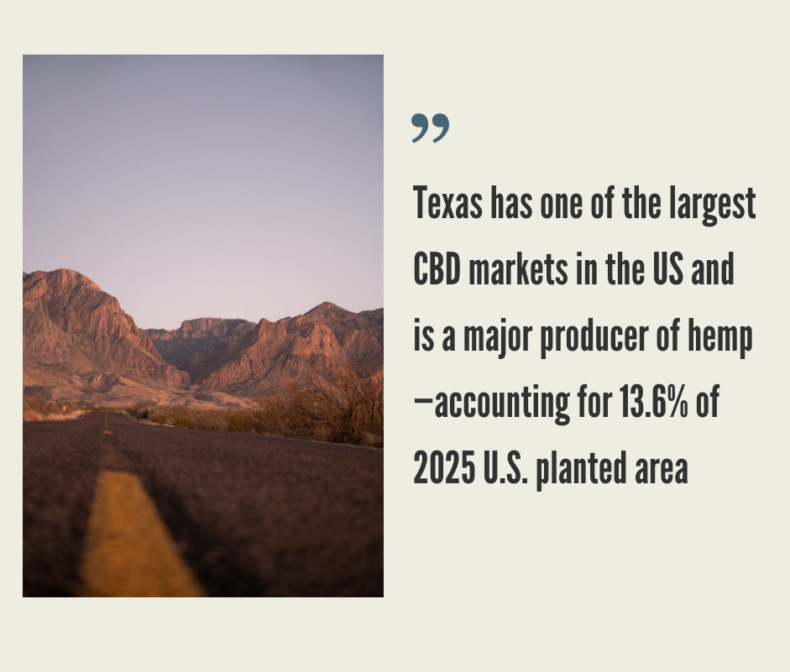
The upward trend persisted into 2025 with Texas’ planted acreage rising by 36.7% to 6,700 acres, and harvested acreage more than tripling to 4,650 – indicating a significant improvement in yield from 2024. This placed Texas as the leader in the US by acres planted for the second year in a row, accounting for 13.6% of total planted hemp acreage and 10.6% of total harvested hemp acreage in 2025. Around 76% of harvested hemp was grown for fiber, producing nearly 3.4 million pounds which is 5% of the 2025 hemp fiber production in the US. Nearly all of it was utilized, valued at a little over $1.6 million.
With regard to the potential area for industrial hemp in Texas and at the national level, fiber production would have a big impact on farming systems, including the substantial opportunity to rotate crops. An established fiber hemp industry might entail several hundred thousand acres. It is estimated that if about 1 million people (3% of Texas population) used a 6-ounce bottle of CBD oil per month, then about 20,000-25,000 acres of production nationally would fulfill that demand, demonstrating that with high demand there is a significant upside potential to the planted hemp acreage.
As of June 2025, there were 59 non-consumable hemp processors in Texas. According to the USDA Hemp Public Search Tool, as of April 2026, there were 362 active licensed hemp producers in Texas.
The number of registered hemp consumable product retailers grew rapidly from just 1,948 in December 2020 – the first year that the DSHS began registered retailers – to 6,809 in December 2023. In April 2024, there were 7,311 registered retailers. As of April 2026, there were more than 13,850 shops registered to sell hemp products and 757 businesses licensed to produce consumable hemp products in Texas according to data from the DSHS.
According to findings of a survey carried out by Whitney Economics, 72% of respondents who operate hemp-derived cannabinoid businesses in Texas stated that they were profitable. Texas serves as the primary supply hub for the state’s hemp cannabinoid industry, ranking as the top sourcing state across retail, wholesale, and manufacturing, according to responses from surveyed businesses for the report. In addition to strong local sourcing, Texas businesses run a diversified supply chain, pulling raw materials and finished goods from an average of three to four states, de-risking against shortages and providing greater product range for customers. Whitney Economics estimates that 53,000 jobs are supported by the Texas hemp industry, and the potential market size could be $5.5 billion.
On June 24, 2022, the Texas Supreme Court upheld the Texas statute that prohibits the “processing or manufacturing of a consumable hemp product for smoking” in Texas. However, retail sale and wholesale distribution of these products manufactured outside Texas is allowed.
Texas Hemp Industry Infographics
How Can HempCBDbusinessplans Templates Help Start or Grow Your Hemp CBD Business?
A business plan is essential for securing funding. It will also help you understand how much money it will take to start a hemp CBD business and how much profit it could make. A well-structured business plan can make all the difference in demonstrating your proposed hemp CBD business’ compliance with regulations and its operational viability.
Our complete hemp CBD business plan template package is everything you need to create a professional business plan for a hemp CBD business with expert financials and projections. A complete hemp CBD business plan template package includes:
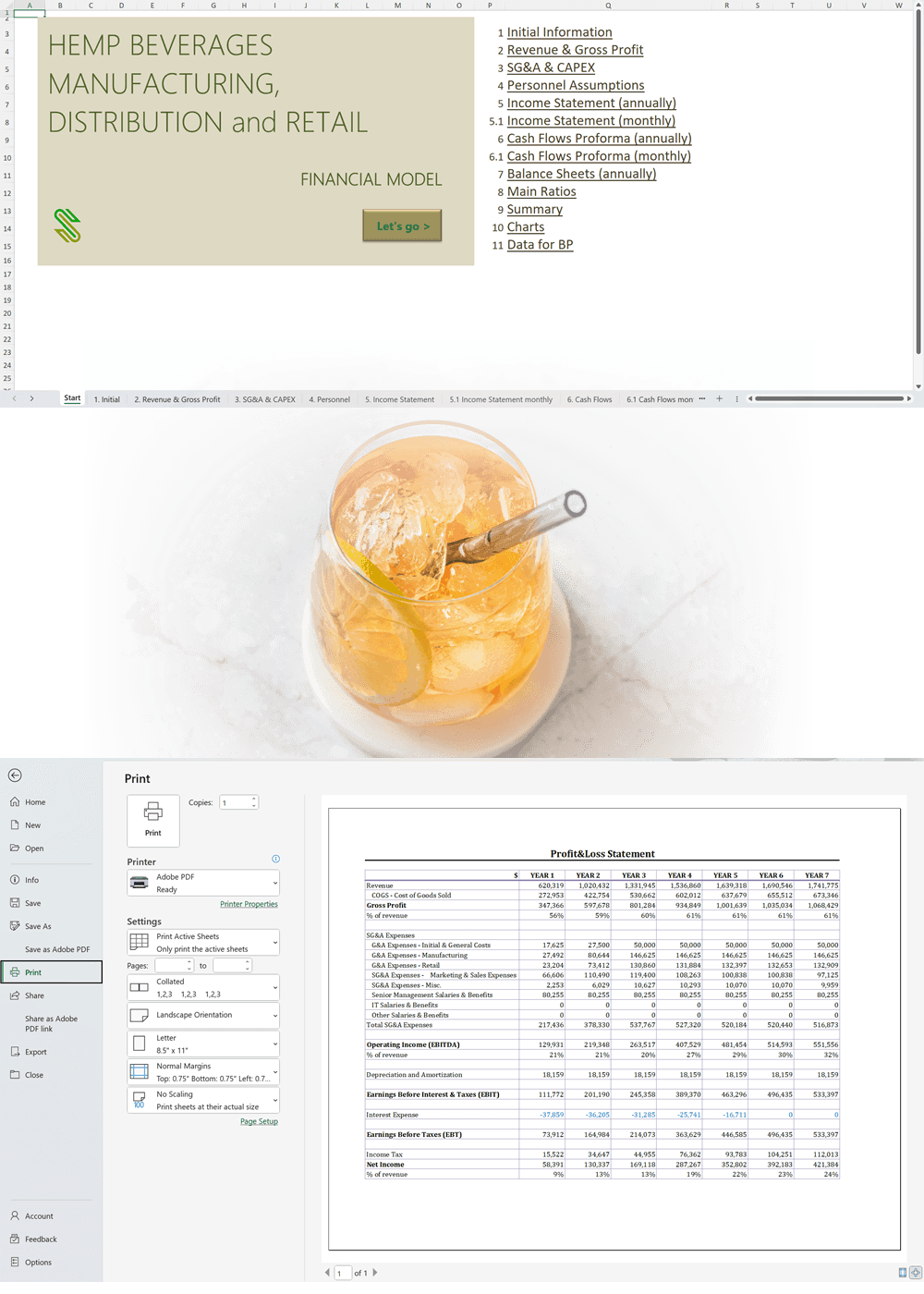
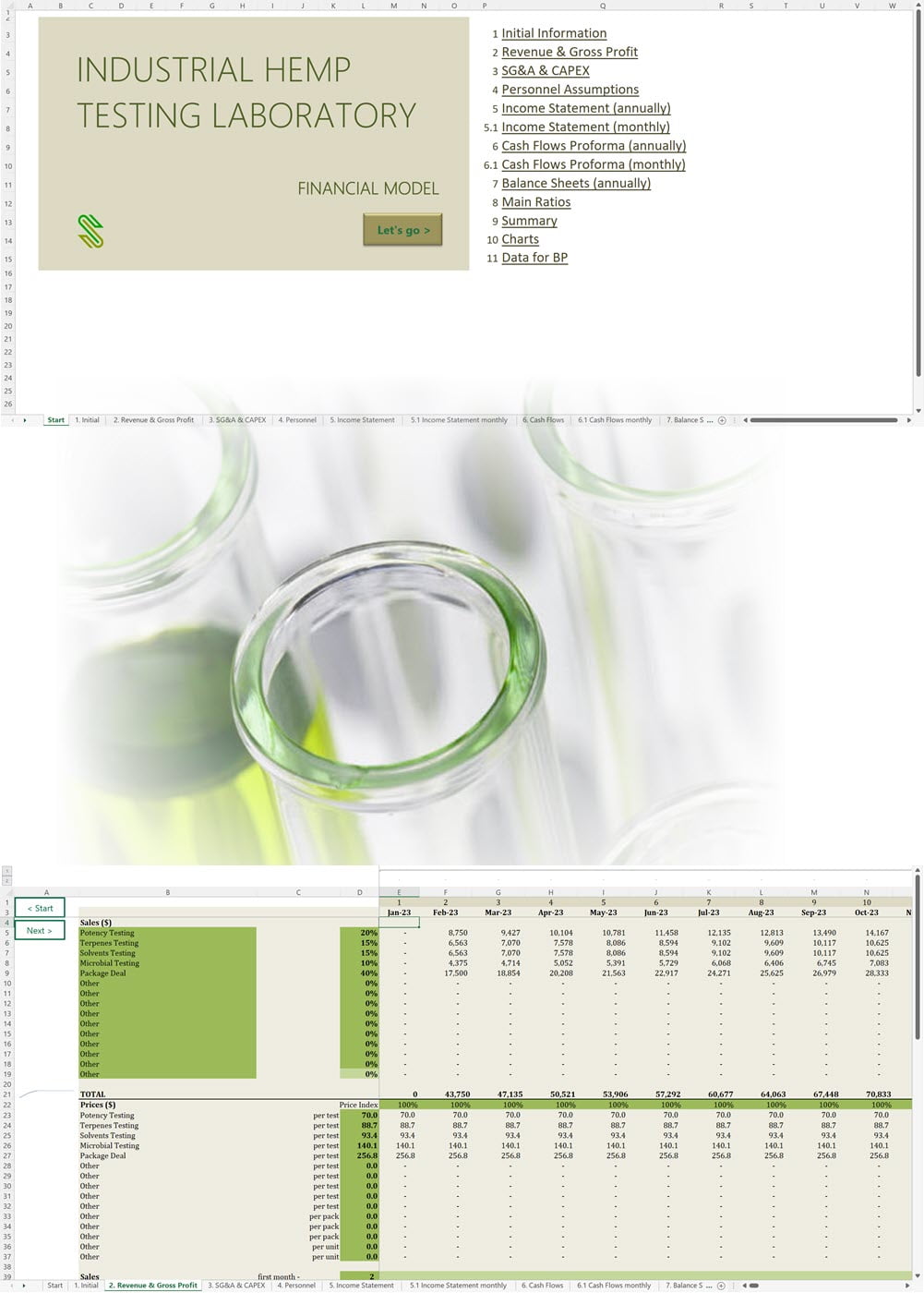
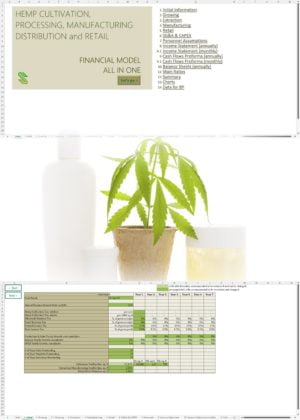
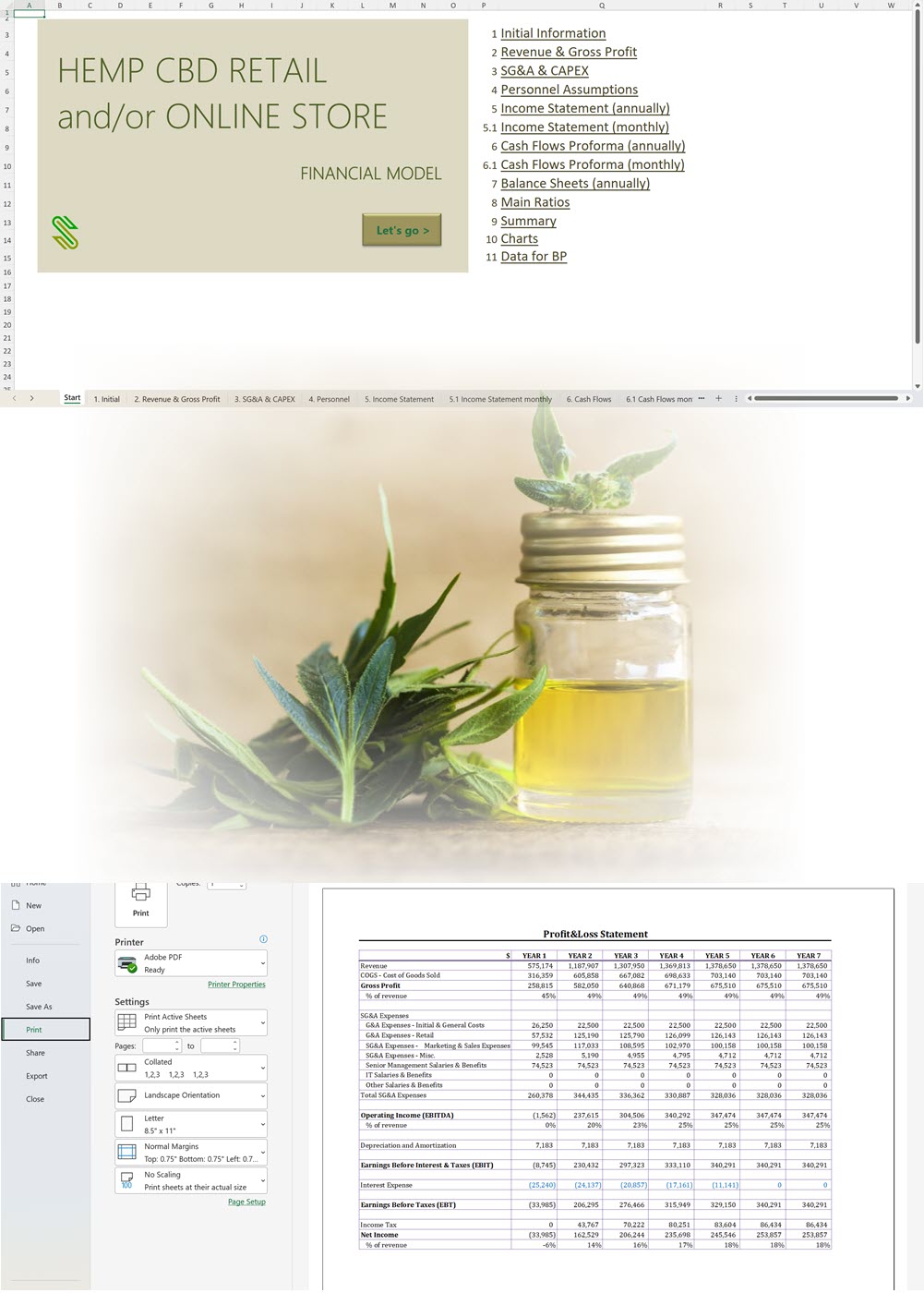
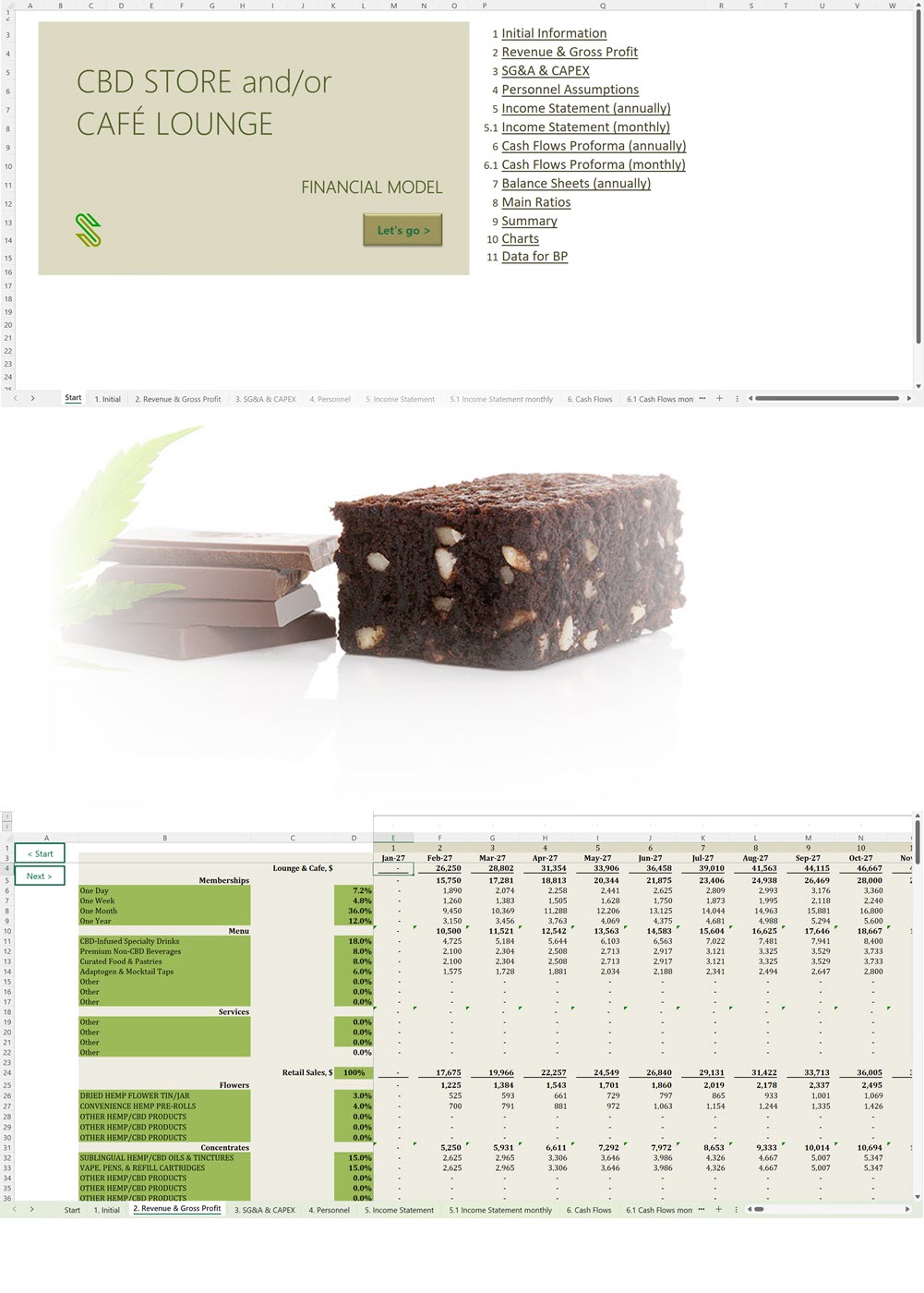
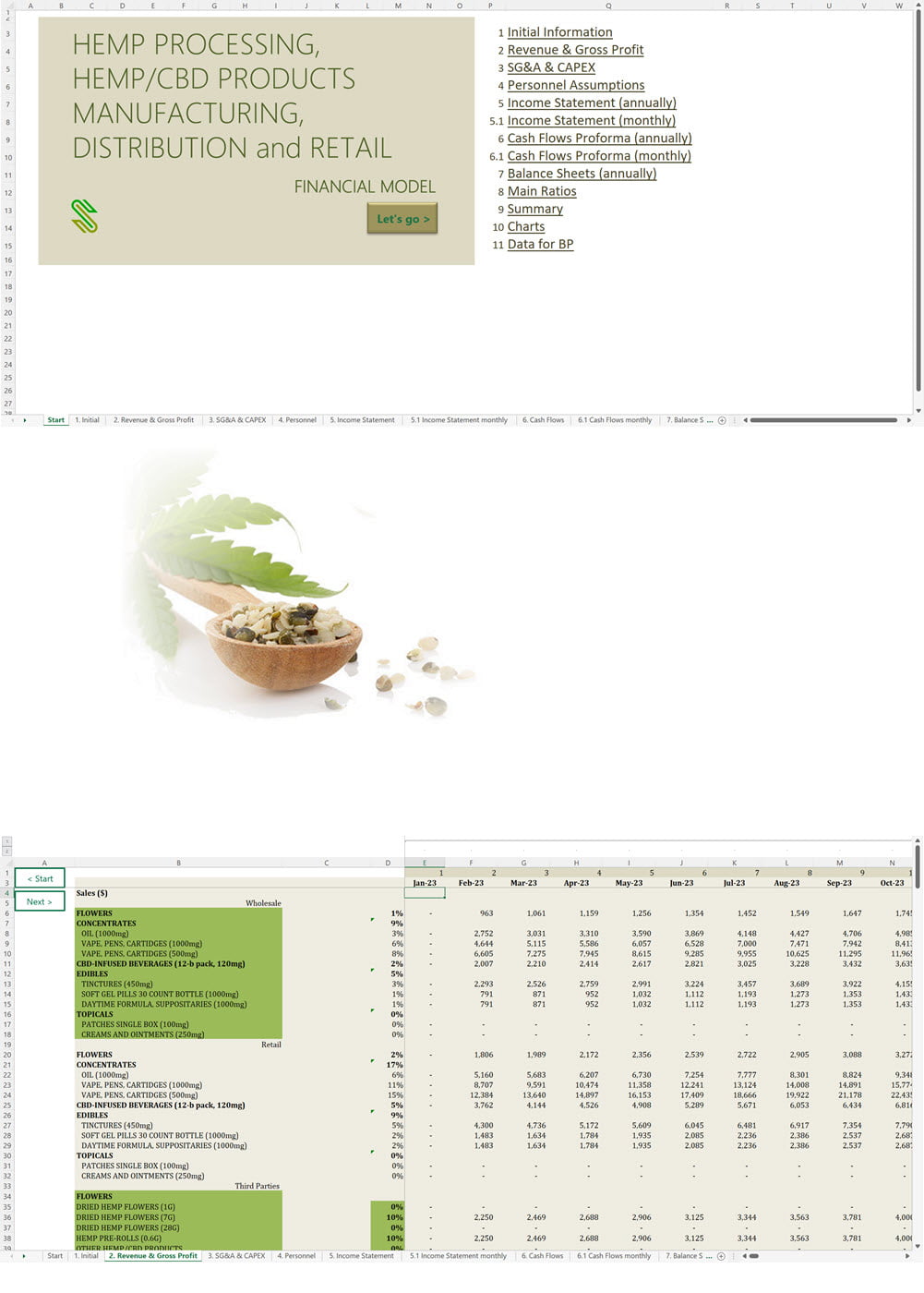
- Excel Financial Model: change variables and immediately see the impact, break down operational and capital costs, know how much it will take to get into the business and the potential profits.
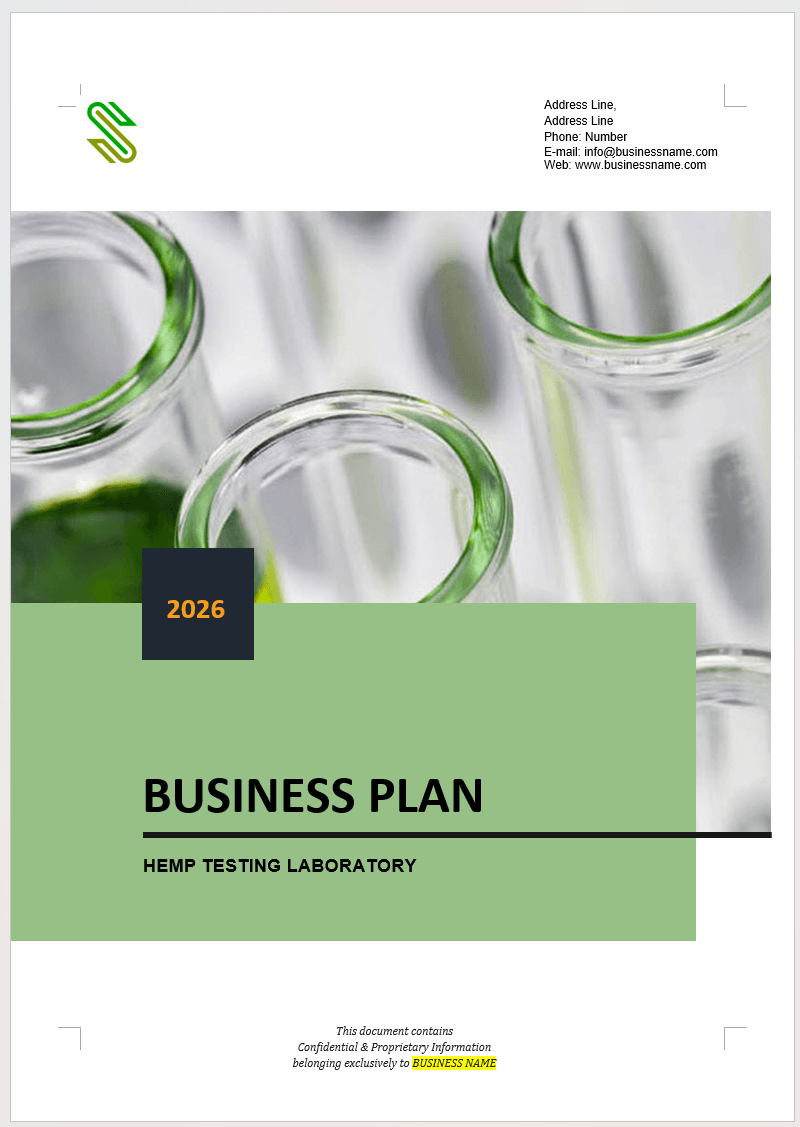
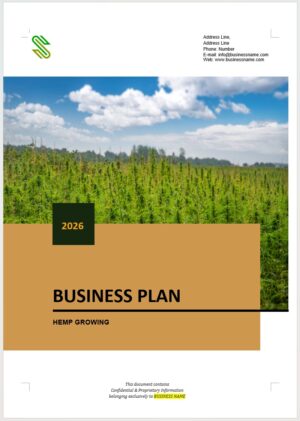
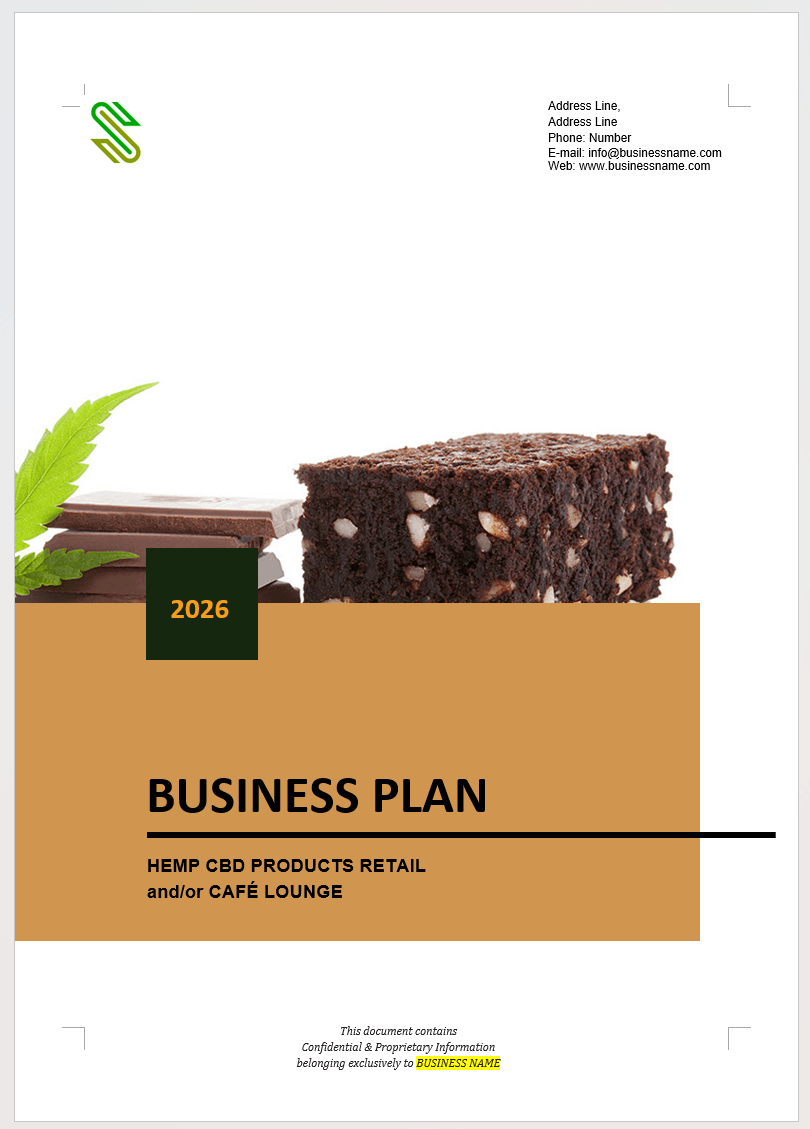
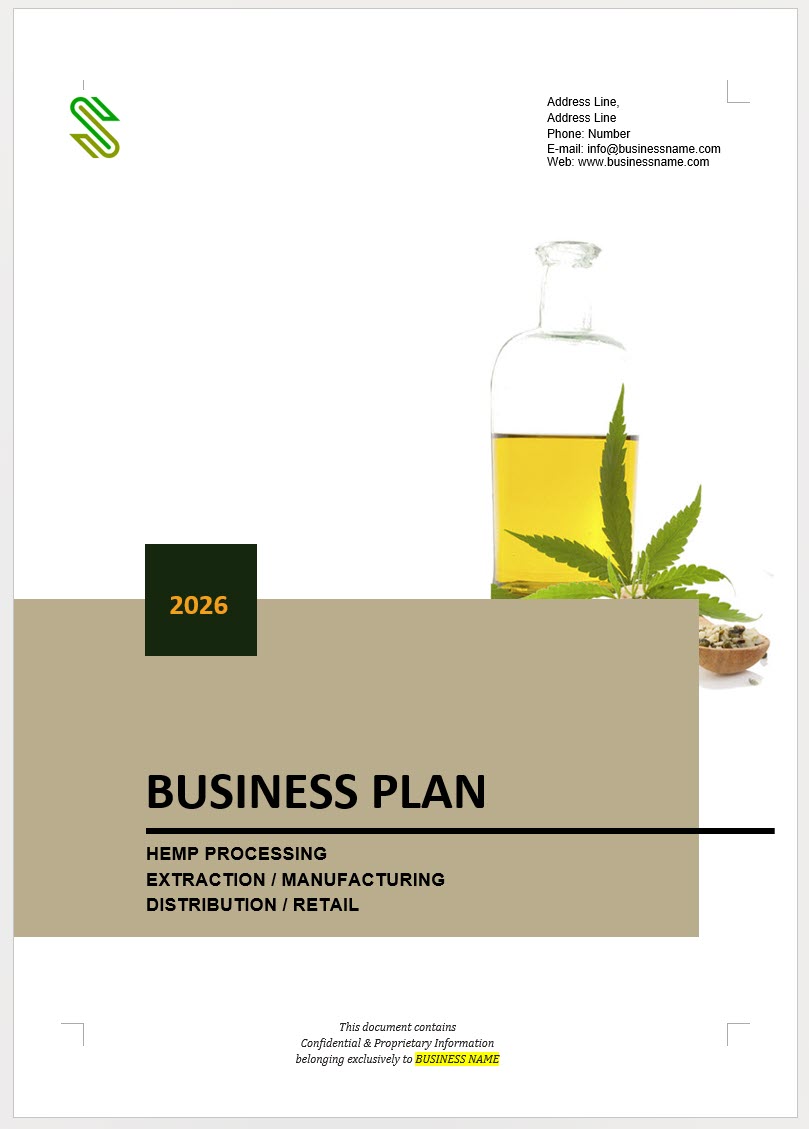
- Word Business Plan: value proposition, market analysis, marketing strategy, operating plan, organizational structure, financial plan and more.
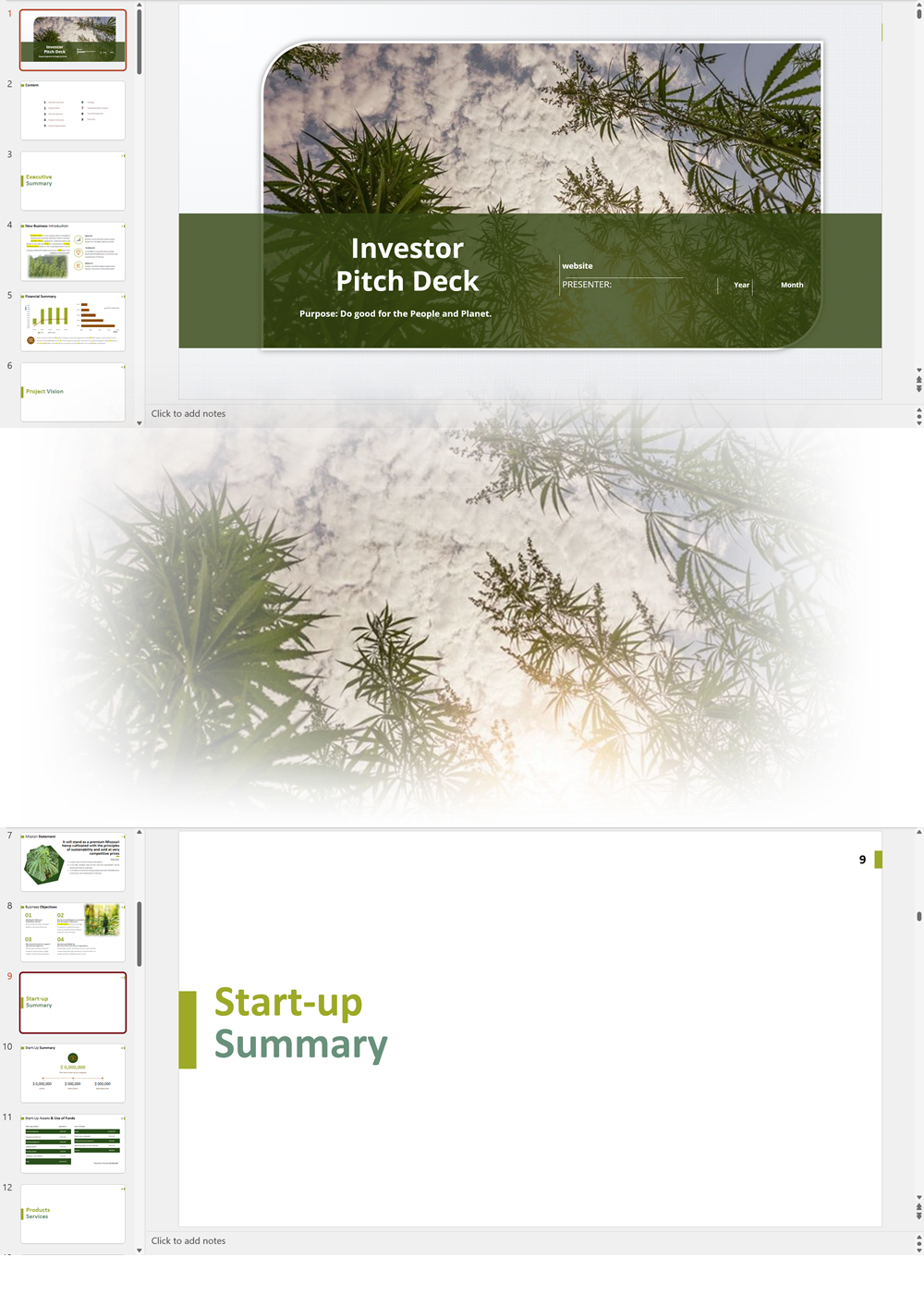
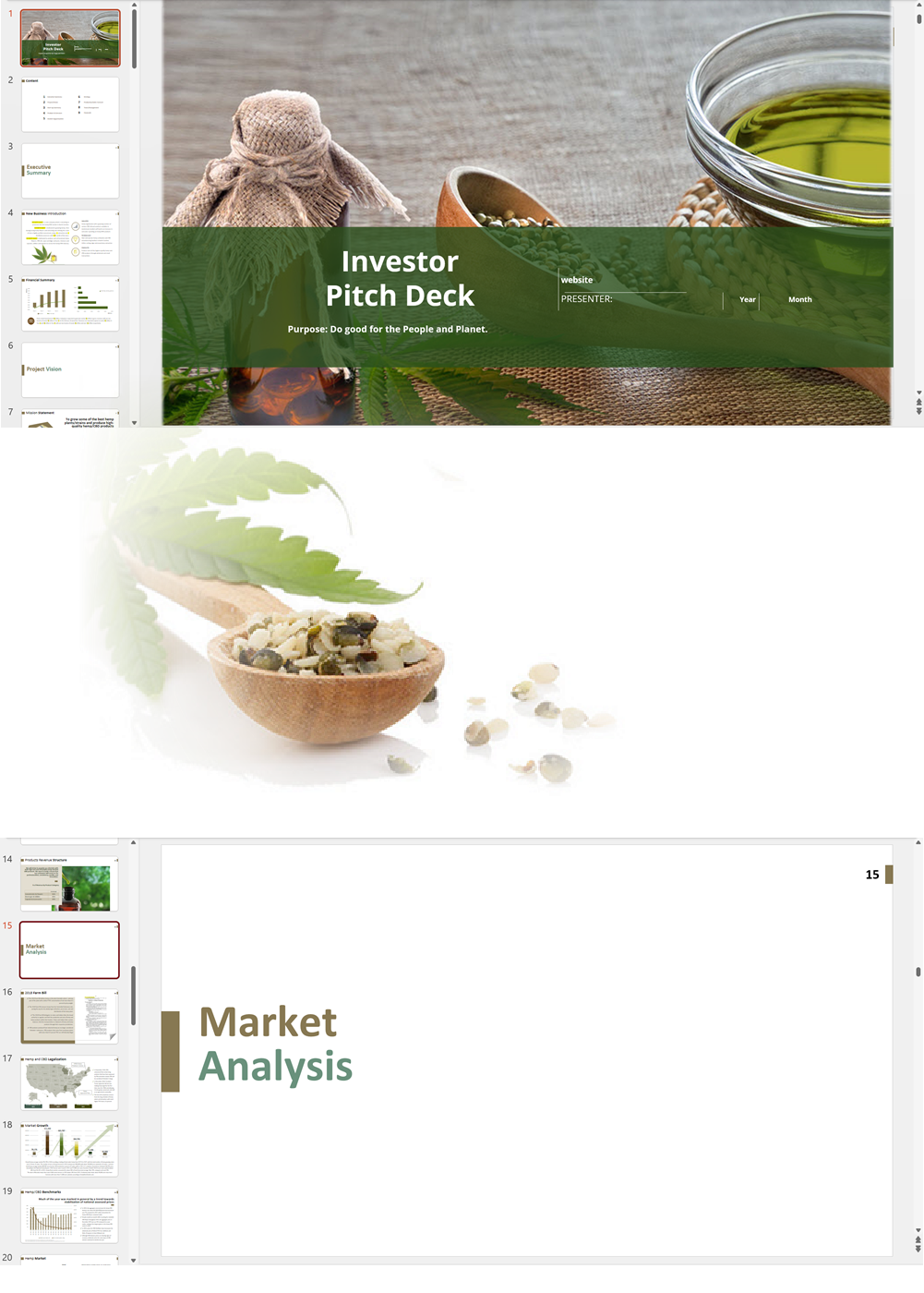
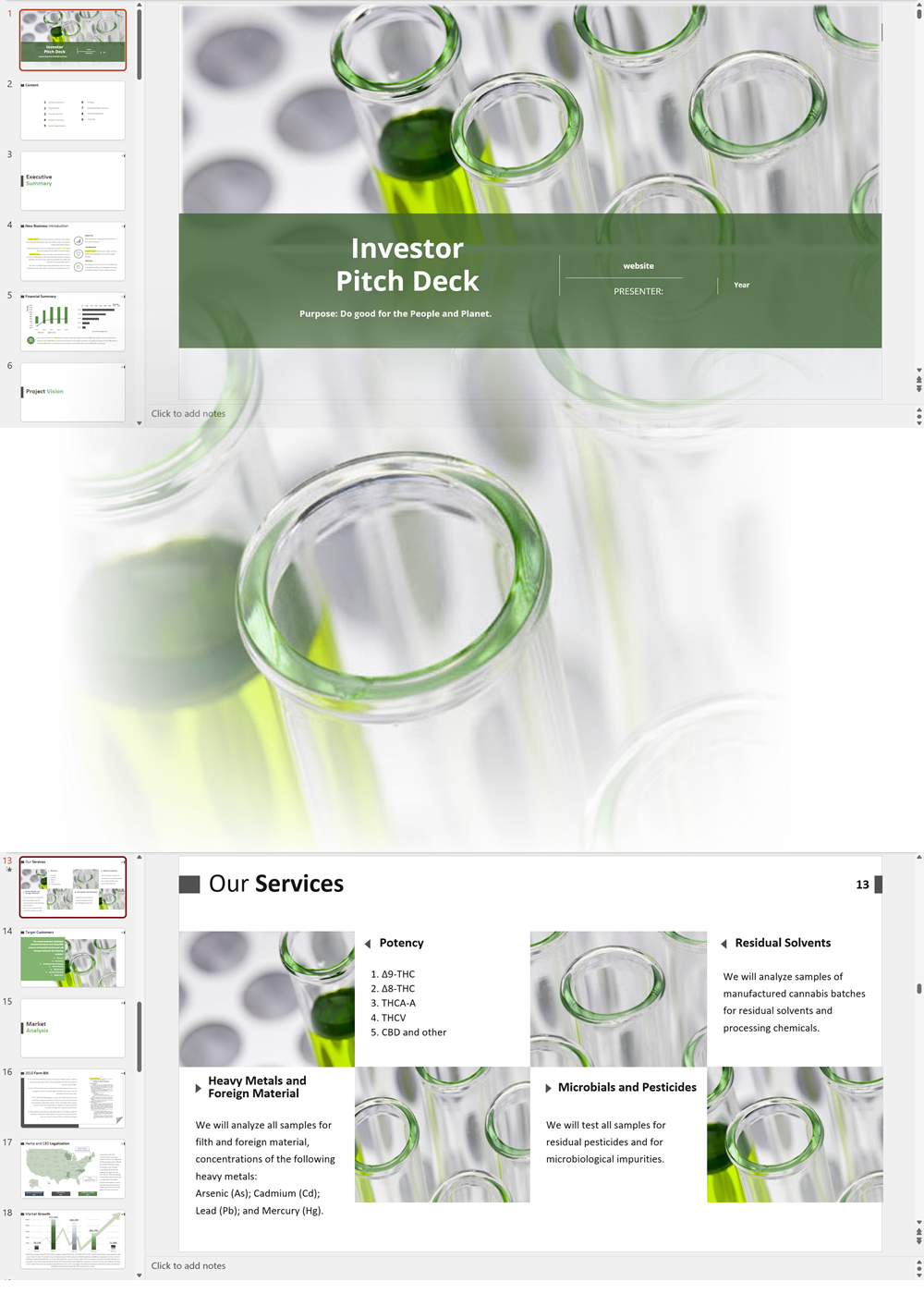
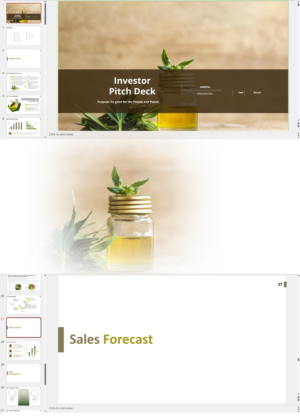
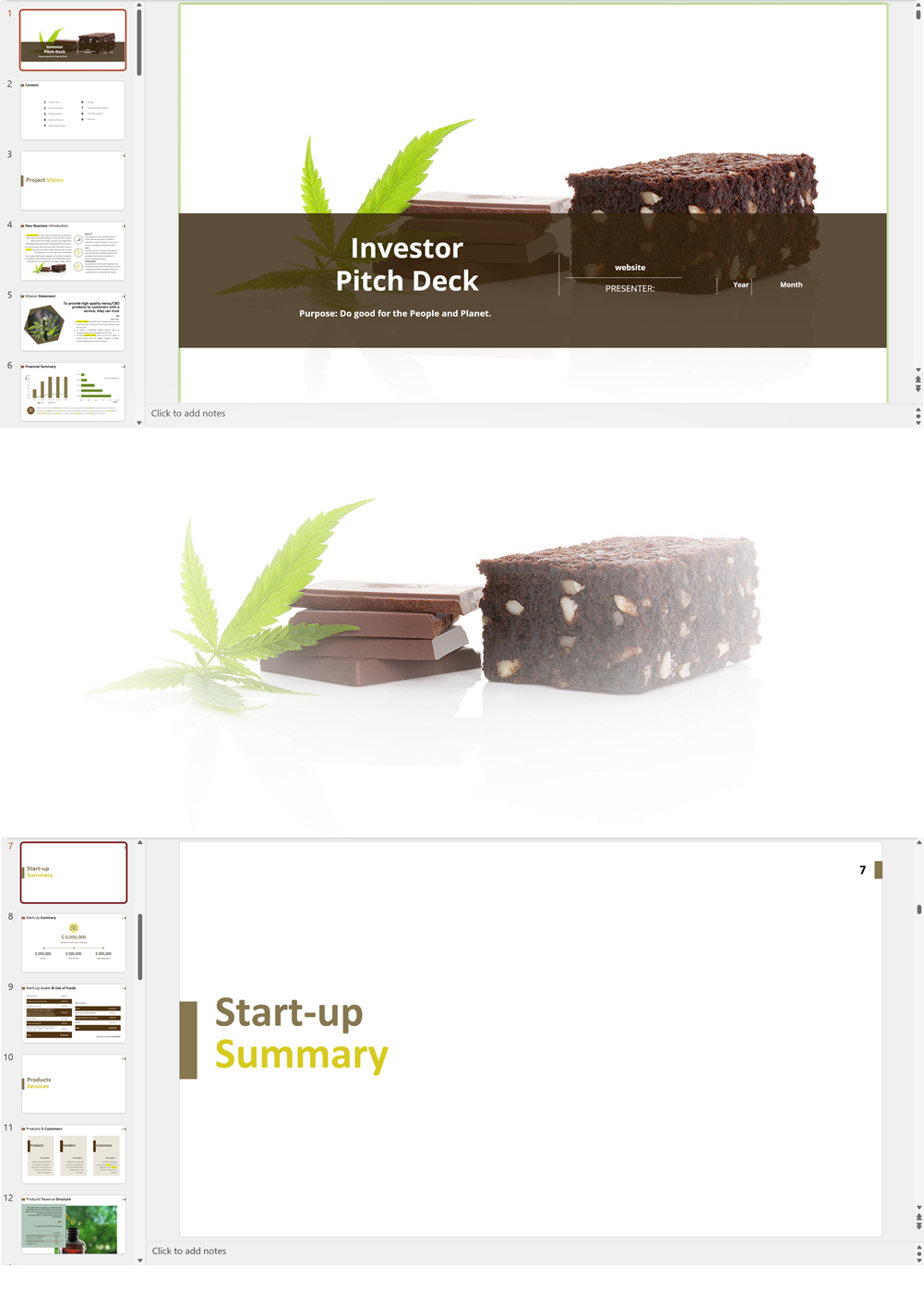
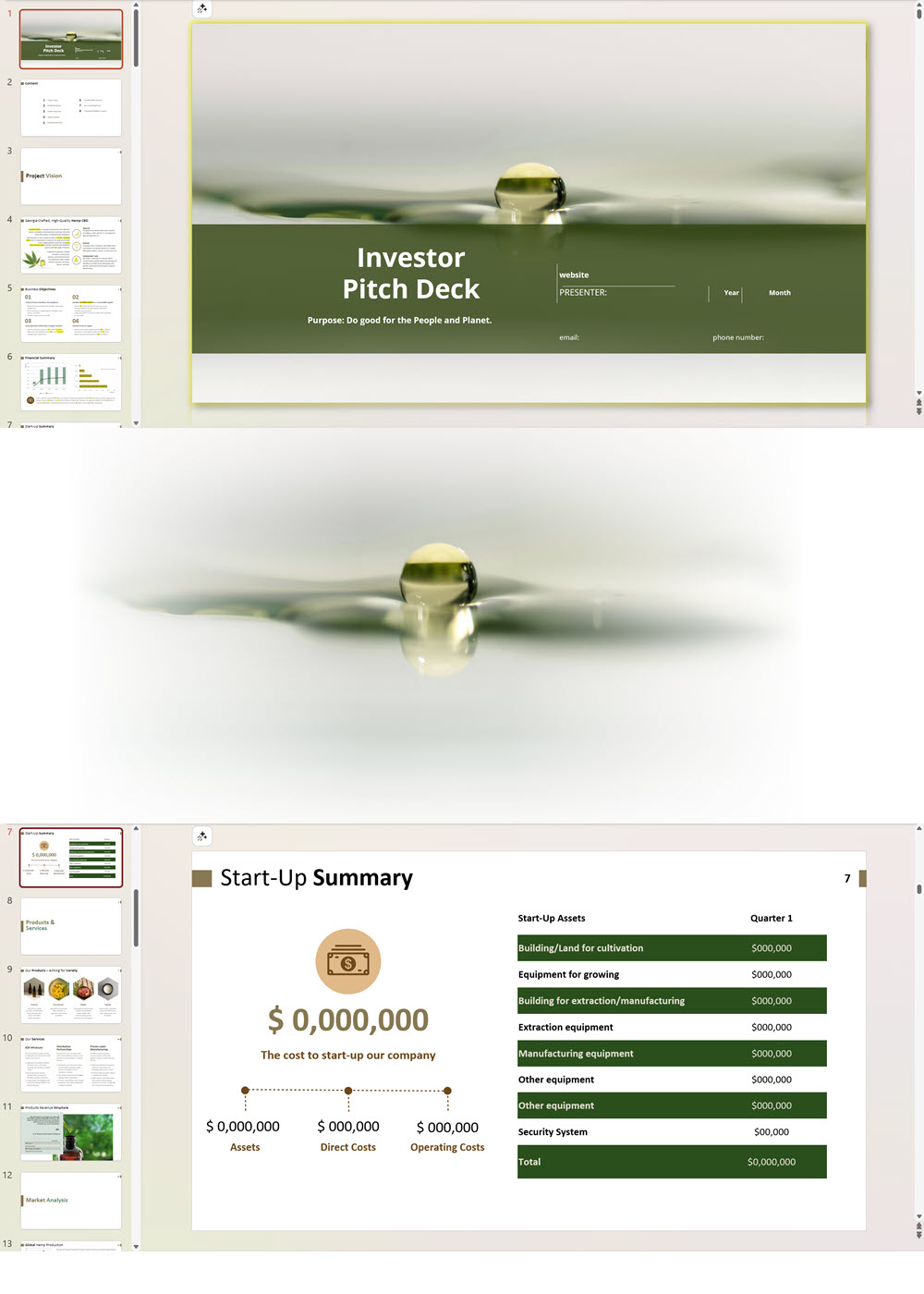
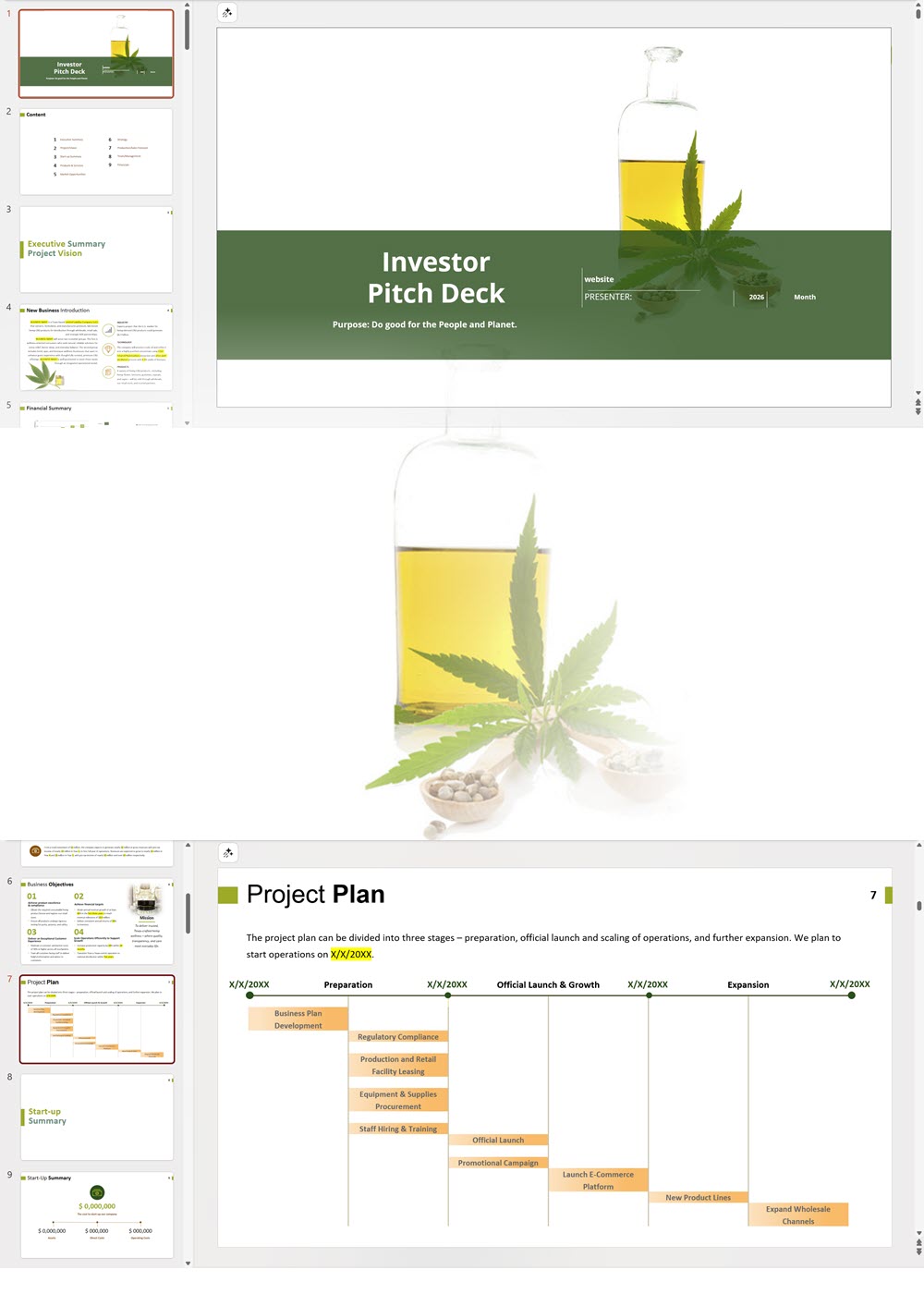
- PowerPoint Pitch Deck: provide a quick overview of your hemp CBD business plan.
'70% ready to go' business plan templates
Our hemp/CBD financial models and business plan templates will help you estimate how much it costs to start and operate your own hemp/CBD business, to build all revenue and cost line-items monthly over a flexible seven year period, and then summarize the monthly results into quarters and years for an easy view into the various time periods. We also offer investor pitch deck templates.
Hemp CBD Products Retail/Online Store Business Plan Sample, Texas
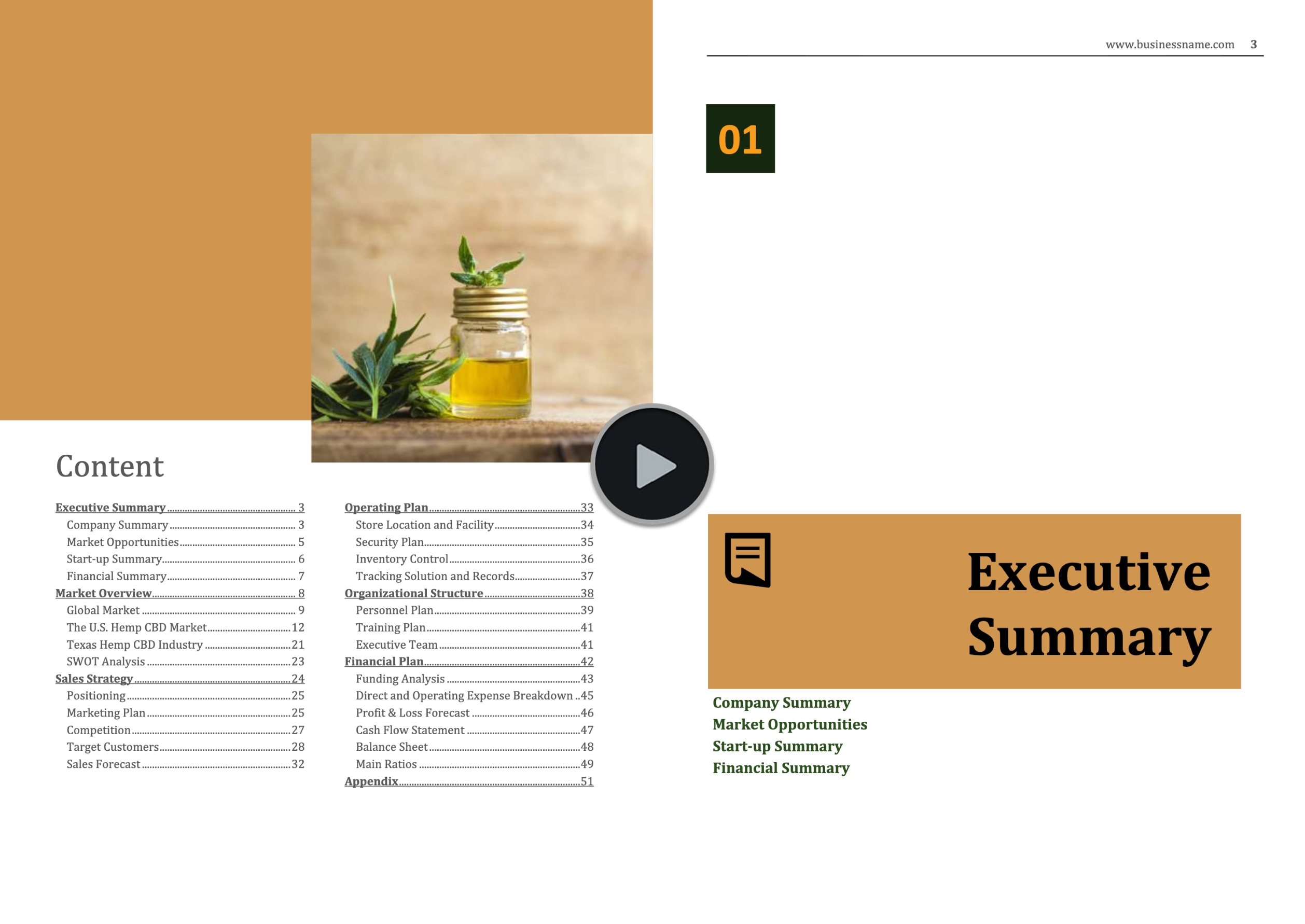
Best Selling Templates
-

Hemp Cultivation Business Plan Template
Price range: $75.00 through $275.00 Select options This product has multiple variants. The options may be chosen on the product page -

Hemp CBD Financial Model All in One
$200.00 Select options This product has multiple variants. The options may be chosen on the product page -
CBD Retail Investor Pitch Deck Template
$75.00 Select options This product has multiple variants. The options may be chosen on the product page
Cannabis business plan templates are available at cannabusinessplans.com.
Our Templates
CBD Store and/or Cafe Lounge Business Plan Template
Price range: $75.00 through $275.00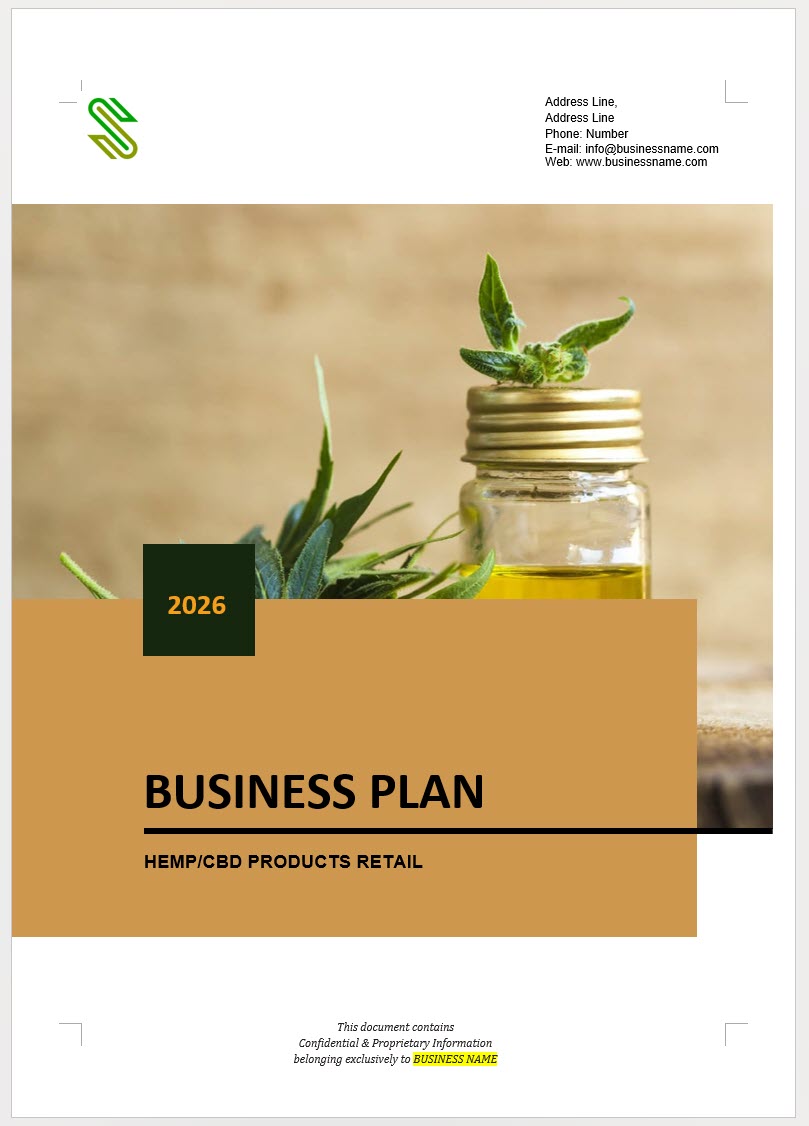
CBD Products Retail/Online Store Business Plan Template
Price range: $75.00 through $275.00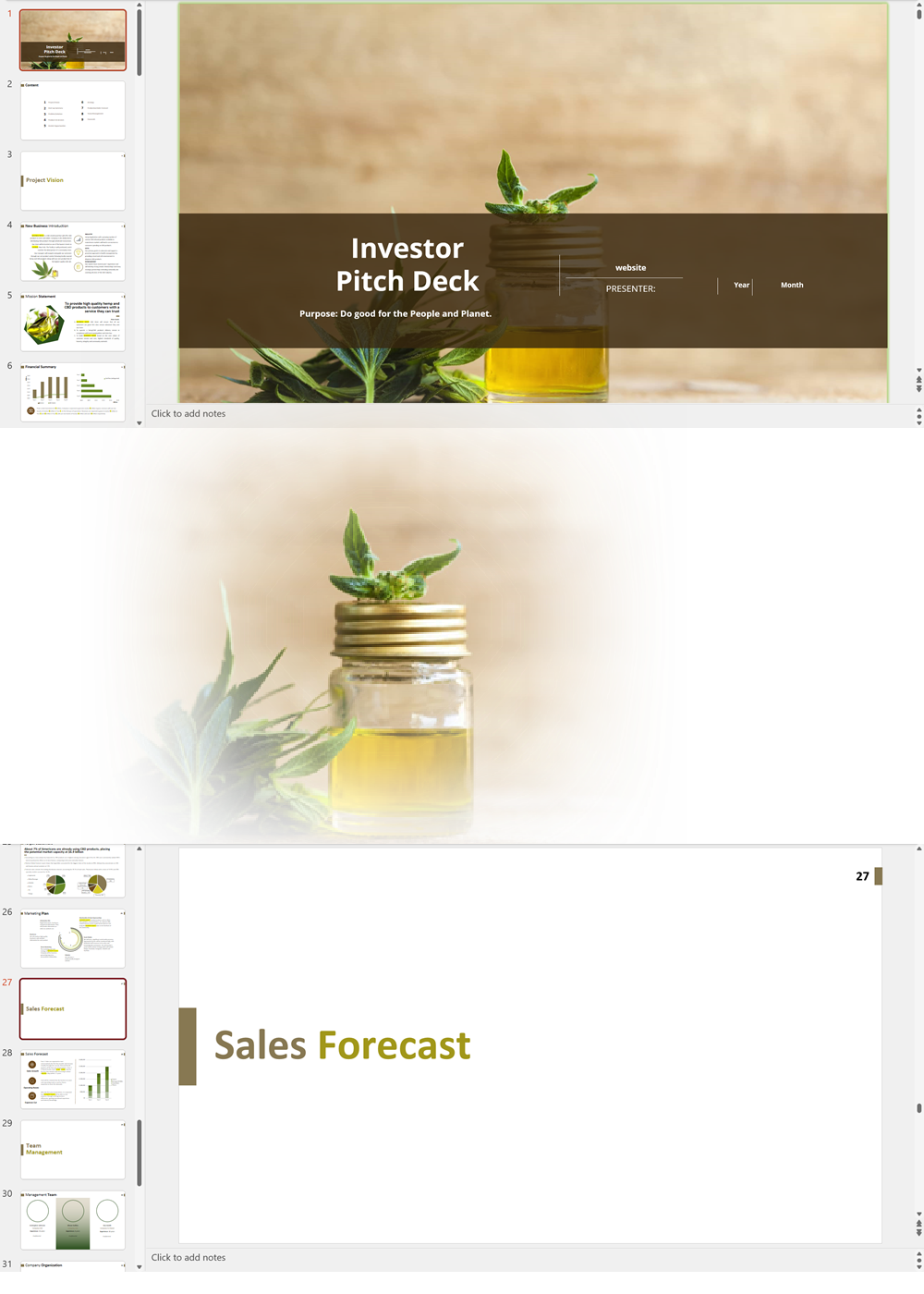
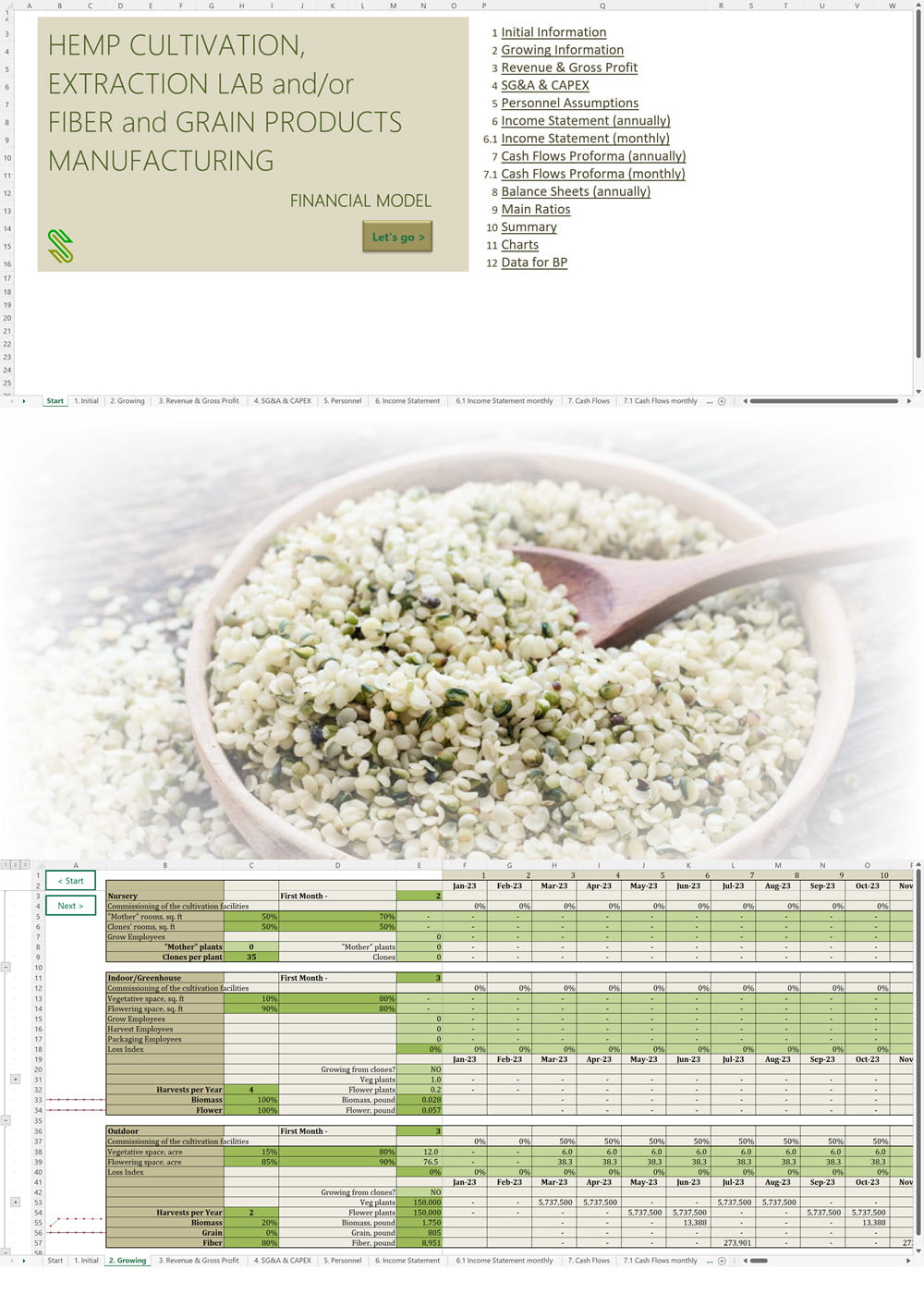
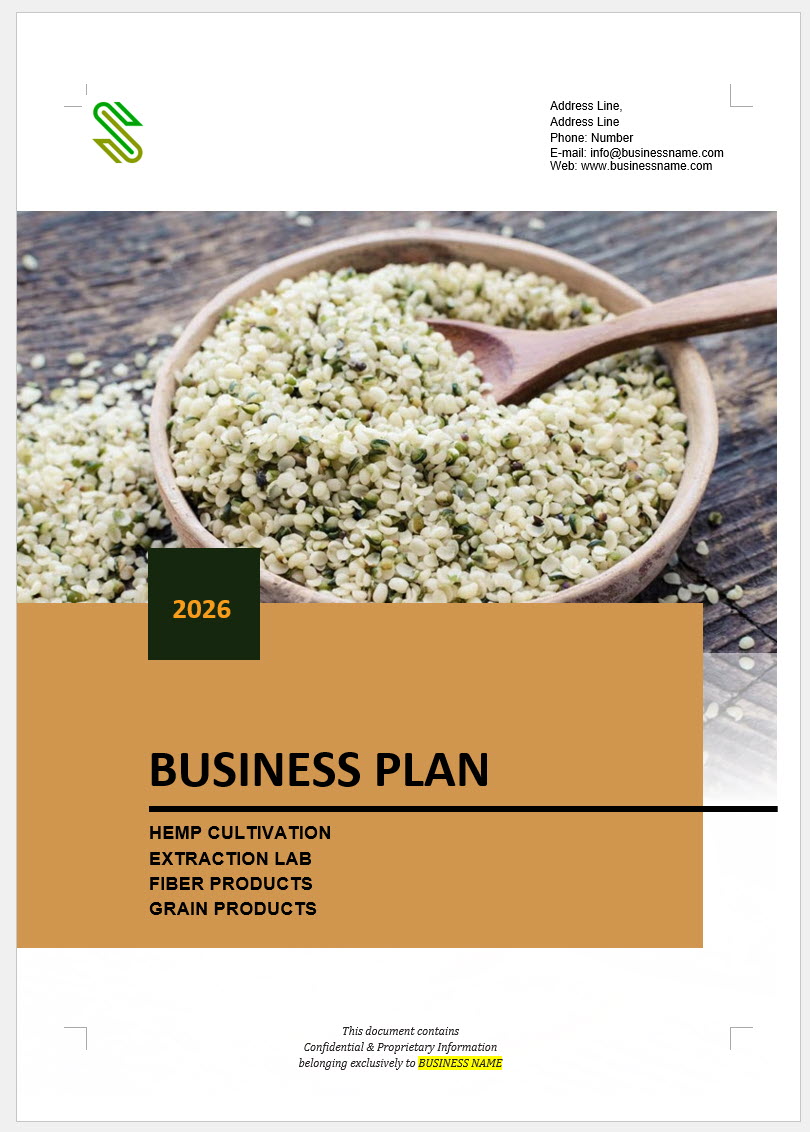
Hemp (Biomass, Fiber, Grain) Cultivation and Processing/ Manufacturing Business Plan Template
Price range: $75.00 through $350.00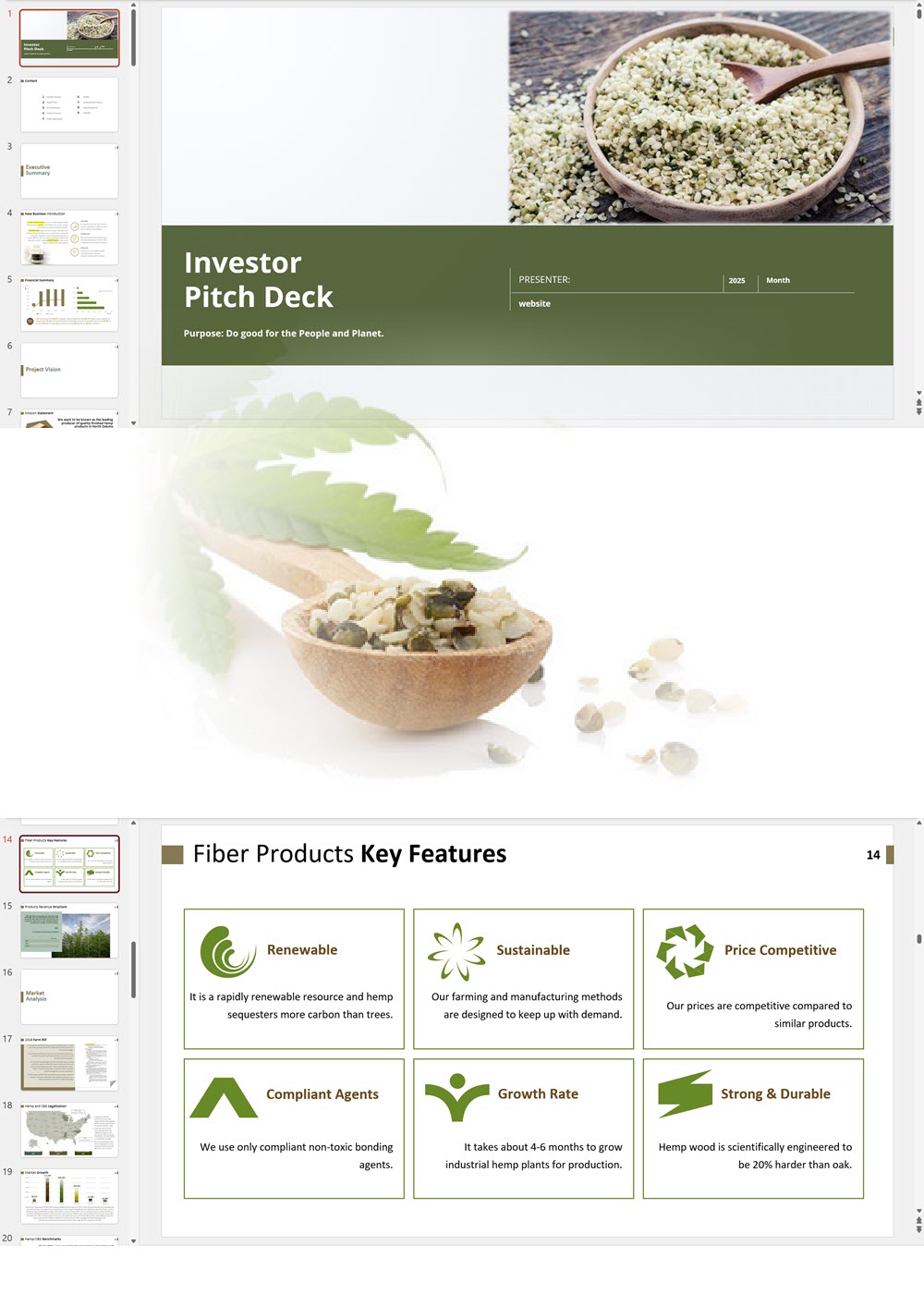
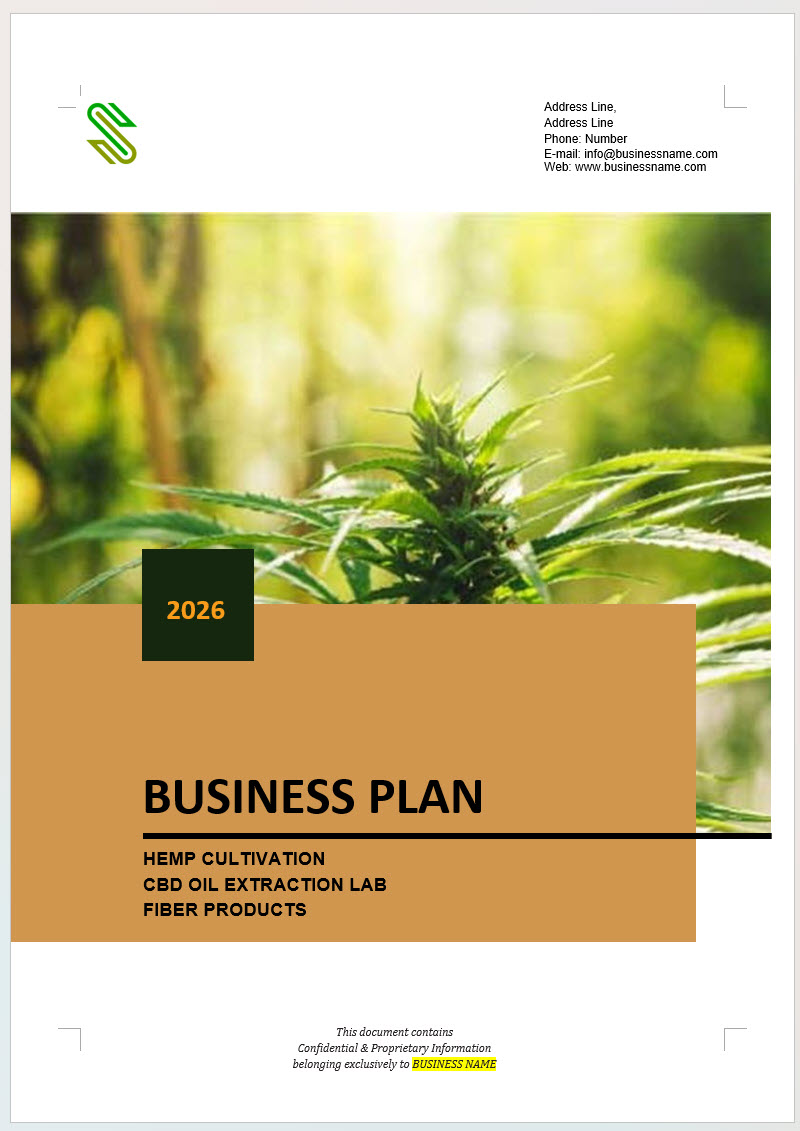
Hemp Cultivation and CBD Oil Extraction and/or Fiber Products Business Plan Template
Price range: $75.00 through $350.00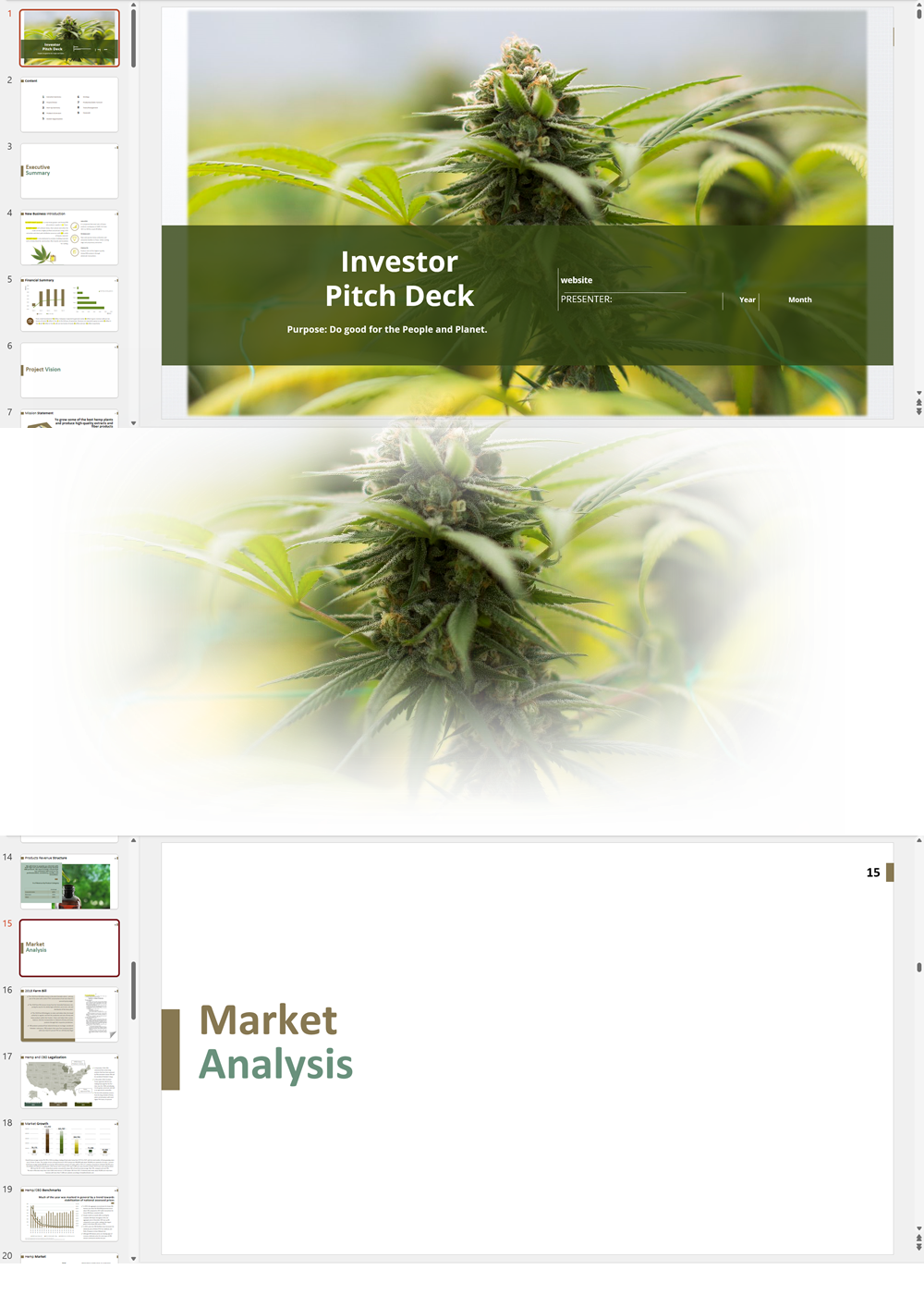
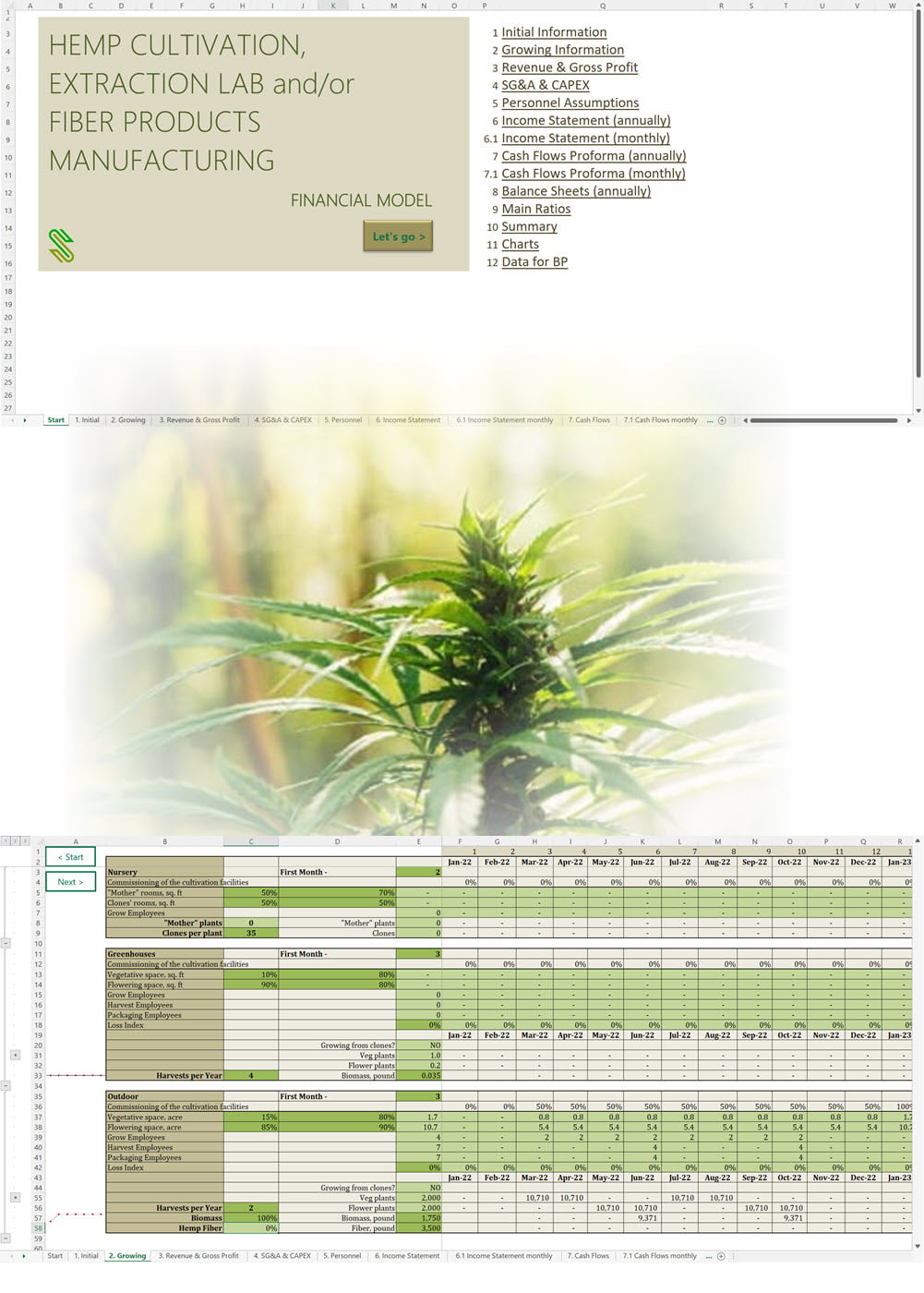
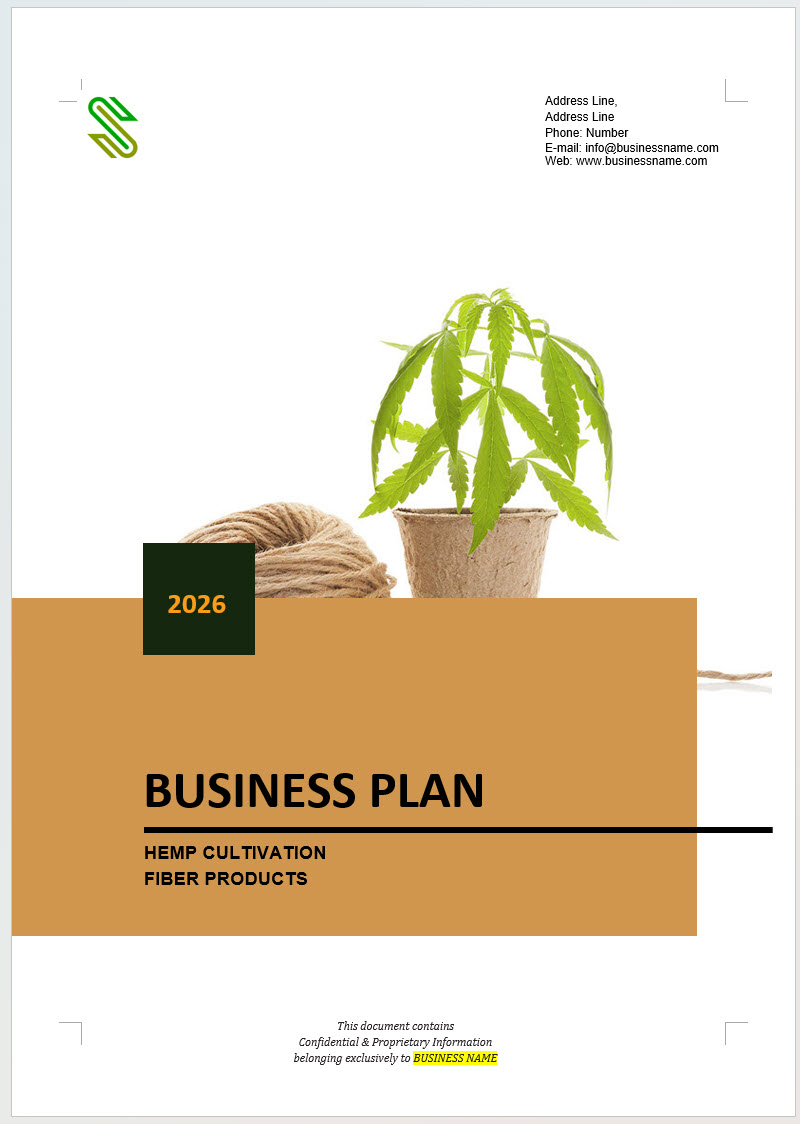
Hemp Fiber Growing and Manufacturing Business Plan Template
Price range: $75.00 through $275.00
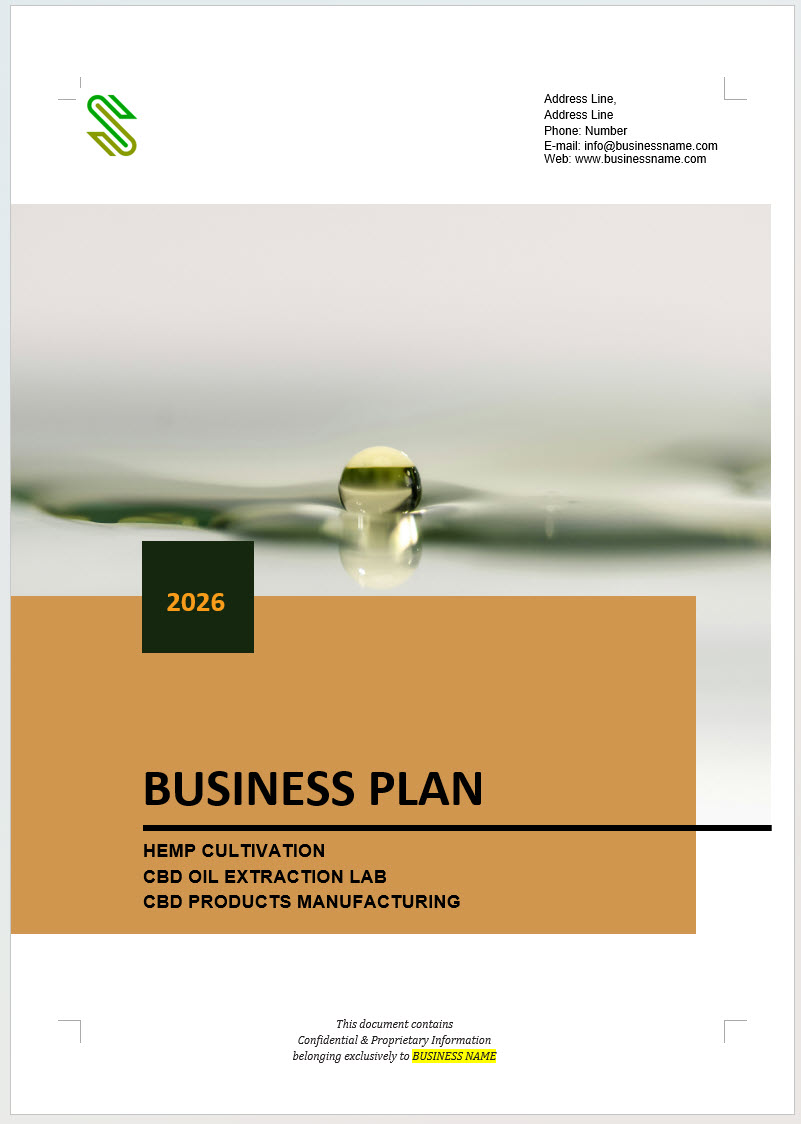
Hemp Cultivation + Extraction + Manufacturing Business Plan Template
Price range: $75.00 through $450.00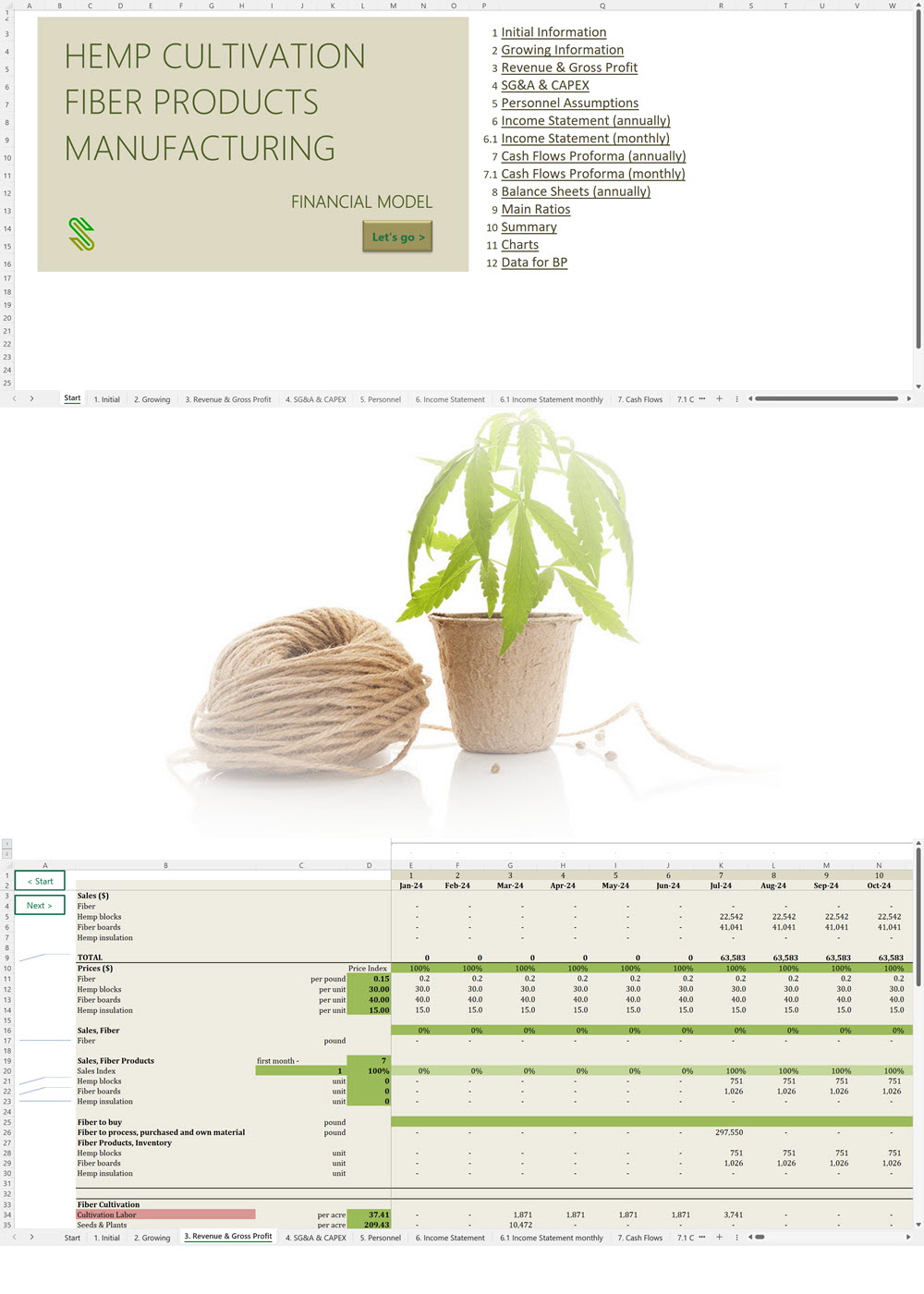
Hemp CBD Extraction + Manufacturing + Retail Business Plan Template
Price range: $75.00 through $450.00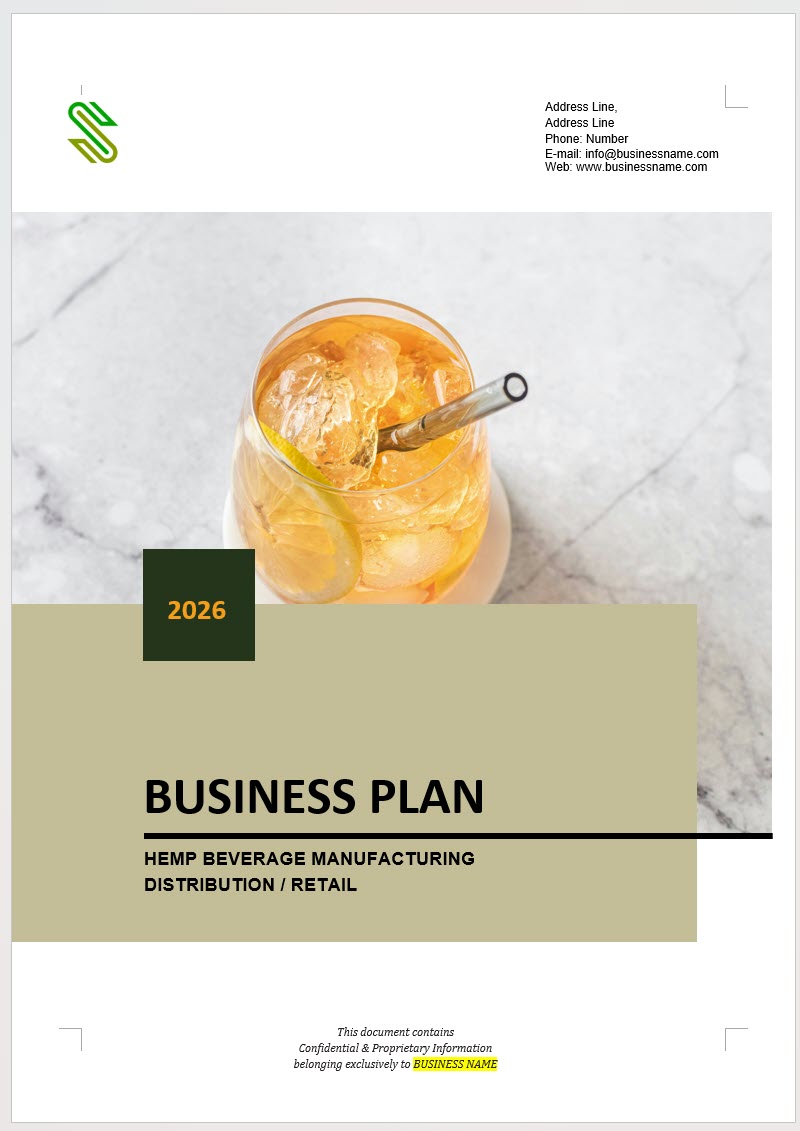
Hemp CBD Beverage Manufacturing, Wholesale and/or Retail Business Plan Template
Price range: $75.00 through $350.00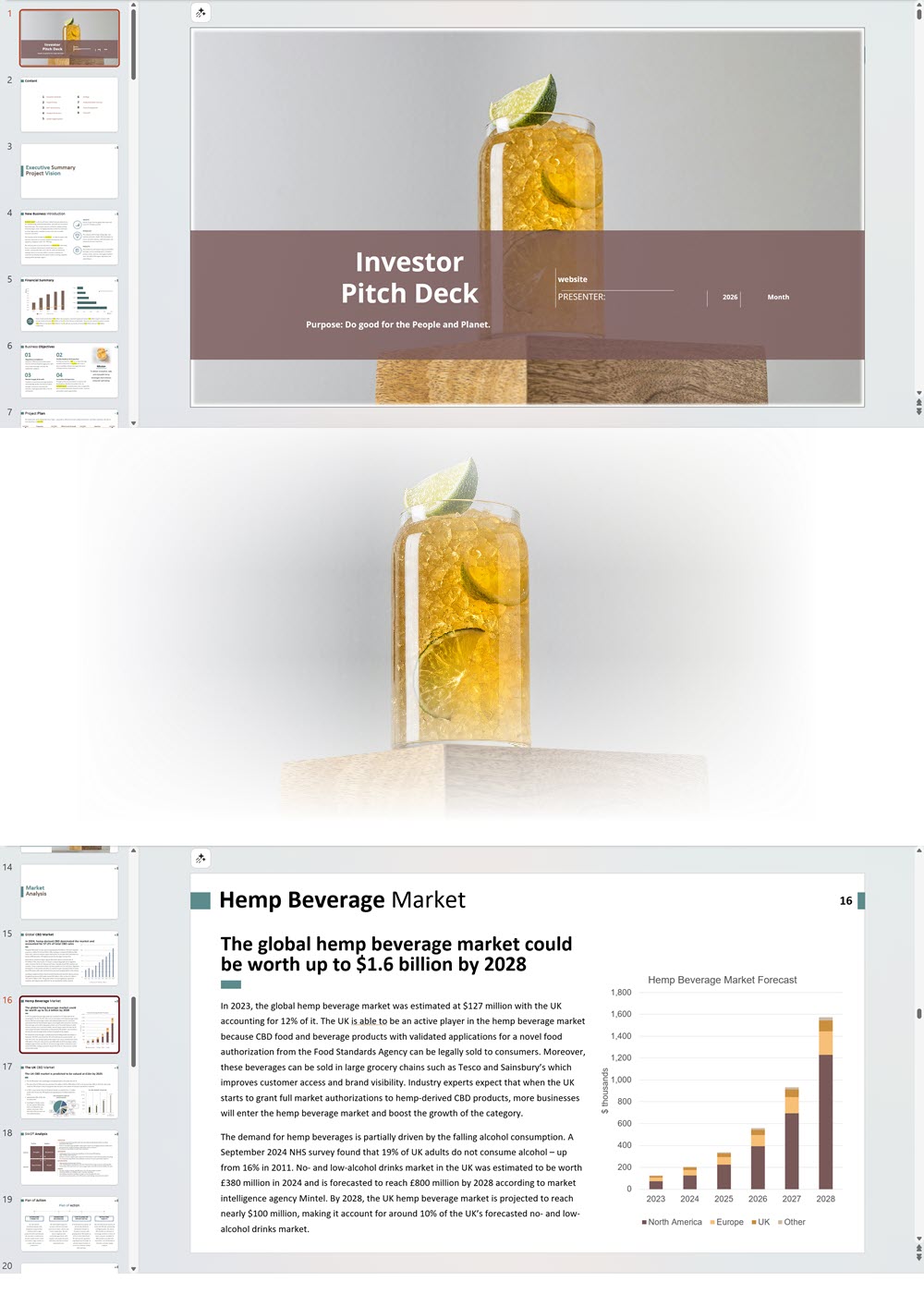
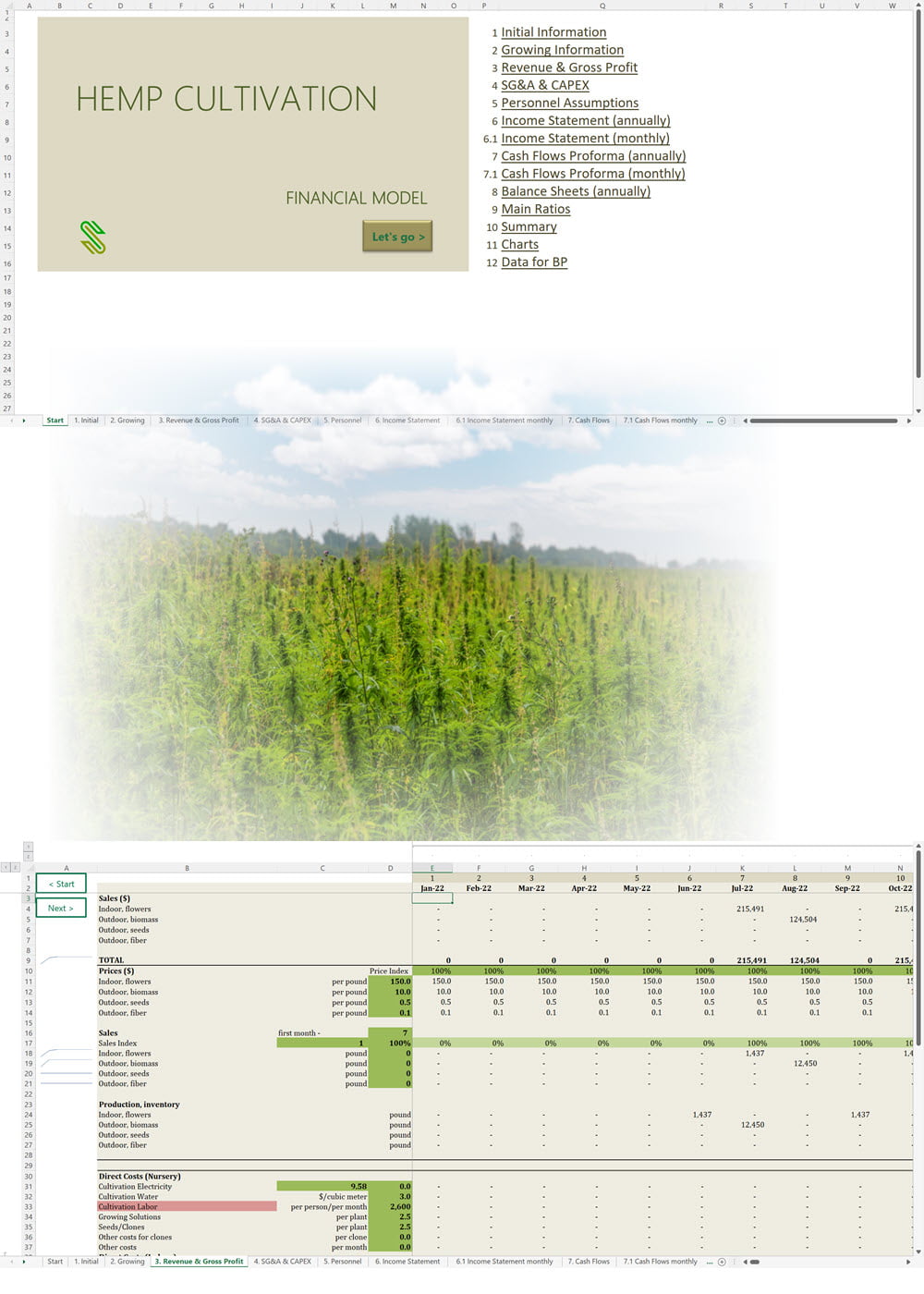
Hemp Cultivation Financial Model
$100.00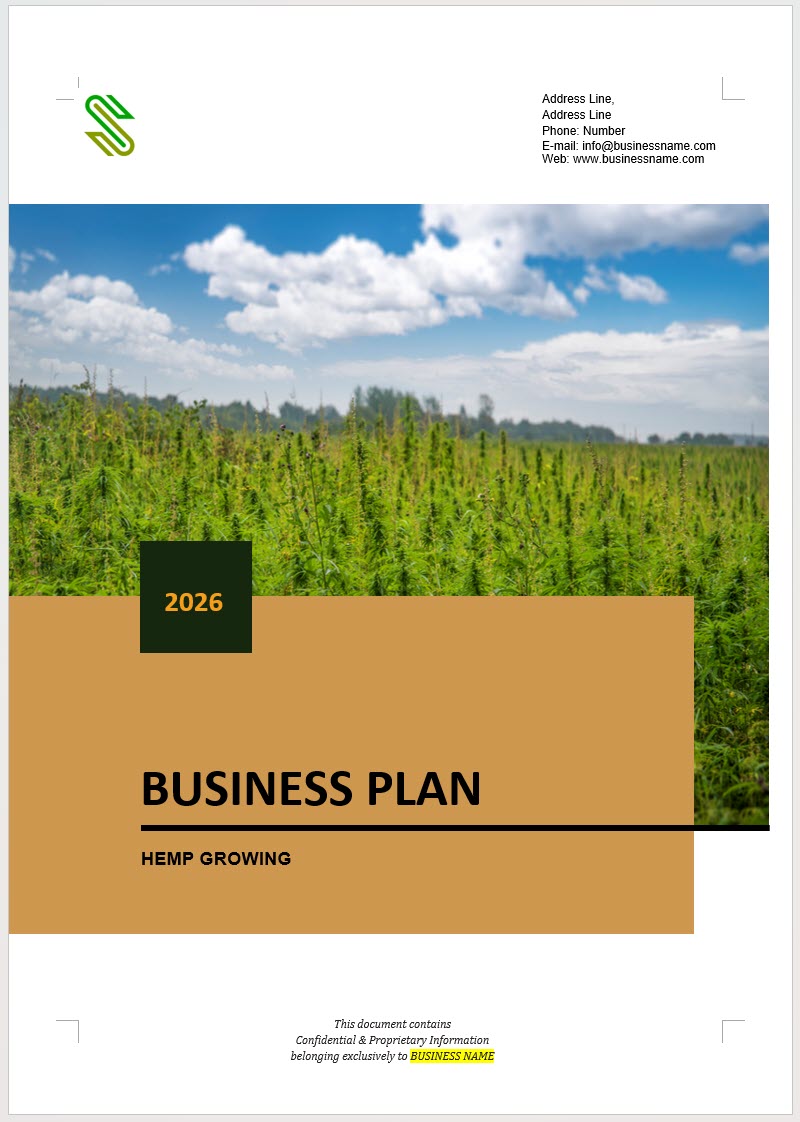
Hemp Cultivation Business Plan Template
Price range: $75.00 through $275.00