Law and Regulations
In April 2018, Governor Mary Fallin signed House Bill 2913 into law, creating the Oklahoma Industrial Hemp Agricultural Pilot Program, managed by the Oklahoma Department of Agriculture, Food, and Forestry (ODAFF). It allowed licensed farmers to grow hemp but only if they contracted with an accredited Oklahoma university for research and development.
Following the federal 2018 Farm Bill which fully legalized its commercial cultivation and sale nationwide, Oklahoma approved Senate Bill 868 on April 18, 2019. This bill transformed the state’s pilot framework into a permanent, commercial program. In May 2019, Senate Bill 238 passed, creating formal regulations for hemp-derived CBD consumer products sold in retail stores. It mandated that labels must state the country of origin of the CBD and whether the CBD in the product is synthetic or natural.
The Oklahoma State Hemp Plan was approved by the United States Department of Agriculture (USDA) in May 2021.
Hemp Licenses Available in Oklahoma
There are two types of hemp licenses in Oklahoma – cultivator and processor.
Cultivator License:
- Application fee: $500
- Renewal application fee: $5 per acre on a contiguous field or $0.33 per square foot in a building
Processor License:
- Application/renewal application fee:
- $1,000 for processors with annual sales below $50,000
- $2,000 for processors with annual sales between $50,001 and $250,000
- $5,000 for processors with annual sales of more than $250,000
Application Process
An application for a cultivator or processor license must be submitted to the ODAFF not less than 30 days prior to the planting, cultivation, handling, or processing of any industrial hemp crop and no later than December 1 if a subsequent license is required to harvest industrial hemp crops planted before December 31 but scheduled for harvest after December 31.
The application form for a cultivation license must include, at a minimum, the following information:
- The name and address of the applicant;
- EIN number, if the applicant is a business entity, along with names and email addresses of key participants.
- Contact information, including names, phone numbers, and email addresses, for any officials or employees responsible for oversight of the Oklahoma Industrial Hemp Program and communications with the ODAFF.
- If the applicant intends to use subcontractors, the legal name, address of primary business locations and any satellite business offices, and contact information of the subcontractors.
- Proof of ownership of the cultivation site or the following information if the cultivation site is not wholly owned by the applicant:
- Name, address, and contact information for all persons or entities having any ownership interest in the cultivation site;
- An original, signed, dated, and notarized letter of acknowledgment from each person having any ownership interest indicating approval for the cultivation of industrial hemp on the cultivation site; and
- If applicable, a copy of the property lease for the duration of the license.
- A legal description, GPS coordinates, and annotated map/aerial photograph of the contiguous field where hemp will be grown.
- Physical address, GPS coordinates, and annotated map/blueprint of the building where hemp will be grown.
- Description of any areas where hemp will be stored or processed, including physical address, GPS coordinates and an annotated map/blueprint.
- Schedule of intended dates of planting/harvesting.
- Statement of intended use and disposition of the industrial hemp harvested.
- A notarized and sworn statement from an official or employee of the applicant and from an official or employee of any associated subcontractor that only industrial hemp seed will be planted at the cultivation site.
- Acknowledgement and agreement with terms and conditions specified in the Oklahoma State Hemp Plan.
The application form for a processor/handlers license must include, at a minimum, the following information:
- The name and address of the applicant;
- EIN number, if the applicant is a business entity, along with names and email addresses of key participants.
- Contact information, including names, phone numbers, and email addresses, for any officials or employees responsible for oversight of the Oklahoma Industrial Hemp Program and communications with the ODAFF.
All licenses expire on December 31 of the year in which the licenses are issued.
Hemp Market Statistics
According to the Department of Agriculture, there were 129 industrial hemp growers licensed with 3,885 acres in production in 2020 comparing to 359 growers’ licenses and 4,610 acres in 2019.
In 2021, Oklahoma’s hemp cultivators planted 2,800 acres and harvested just 275 (National Hemp Report, April 2023). While data for 2022 was not disclosed in the National Hemp Reports, in 2023 Oklahoma’s 21 licensed hemp growers planted 890 acres – a significant fall from 2021 due to nationwide hemp overproduction and market correction – with 280 acres harvested.
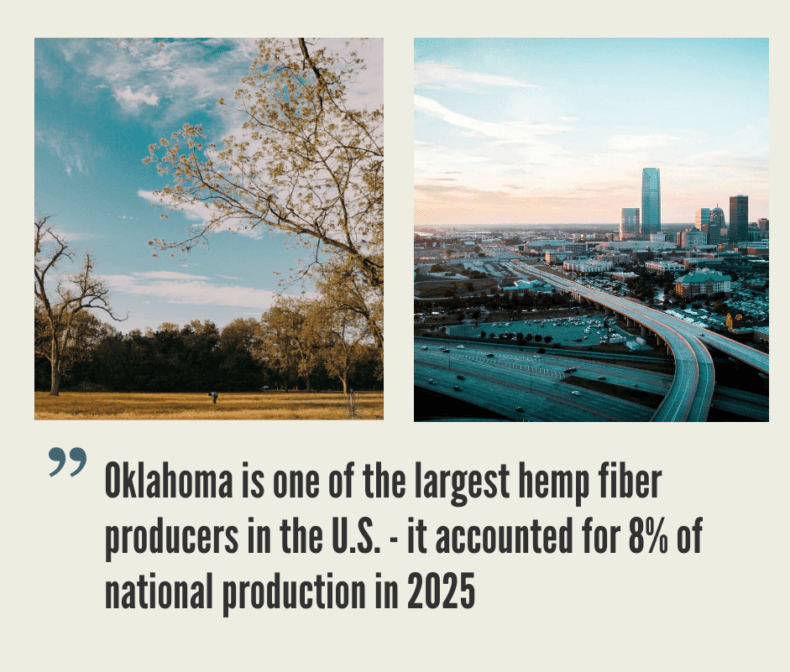
In 2024, Oklahoma’s planted hemp acreage rebounded with planted acreage tripling to 2,700 acres (National Hemp Report, April 2026), of which 2,200 acres were harvested – demonstrating improved yield from the previous years. According to the report, only 22 harvested acres were grown for floral hemp while 2,200 harvested acres were grown for fiber. Oklahoma actually accounted for 16% of total hemp fiber production (pounds) in the U.S. in 2024, with 9.8 million pounds valued at $590,000. The recovery continued into 2025 where 3,000 acres of hemp were planted and 2,600 acres were harvested, all of which were grown for fiber. Despite greater harvested acreage, its fiber yield per acre fell slightly and its share of total U.S. hemp fiber production halved to 8%.
Initially, there were very few hemp processors in Oklahoma. According to the ODAFF, in 2022, there were only 5 licensed processors. In 2023, this number rose to 22.
For the 2026 growing year, there were 95 licensed hemp growers and 27 licensed hemp processors in Oklahoma.
Oklahoma Hemp Industry Infographics
How Can HempCBDbusinessplans Templates Help Start or Grow Your Hemp CBD Business?
A business plan is essential for securing funding. It will also help you understand how much money it will take to start a hemp CBD business and how much profit it could make. A well-structured business plan can make all the difference in demonstrating your proposed hemp CBD business’ compliance with regulations and its operational viability.
Our complete hemp CBD business plan template package is everything you need to create a professional business plan for a hemp CBD business with expert financials and projections. A complete hemp CBD business plan template package includes:
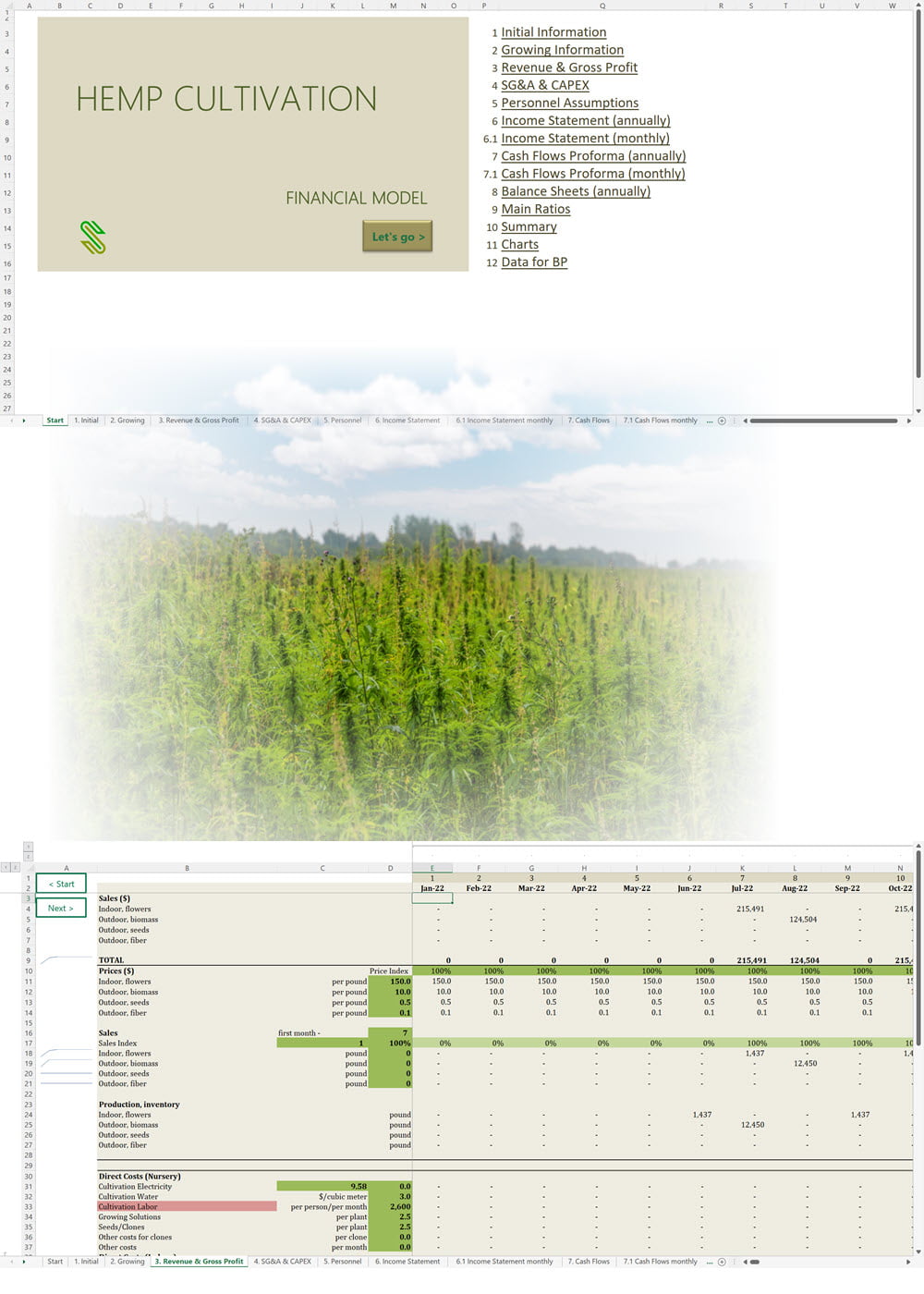
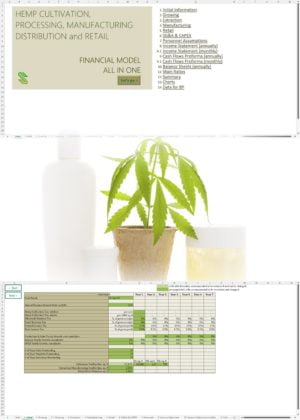
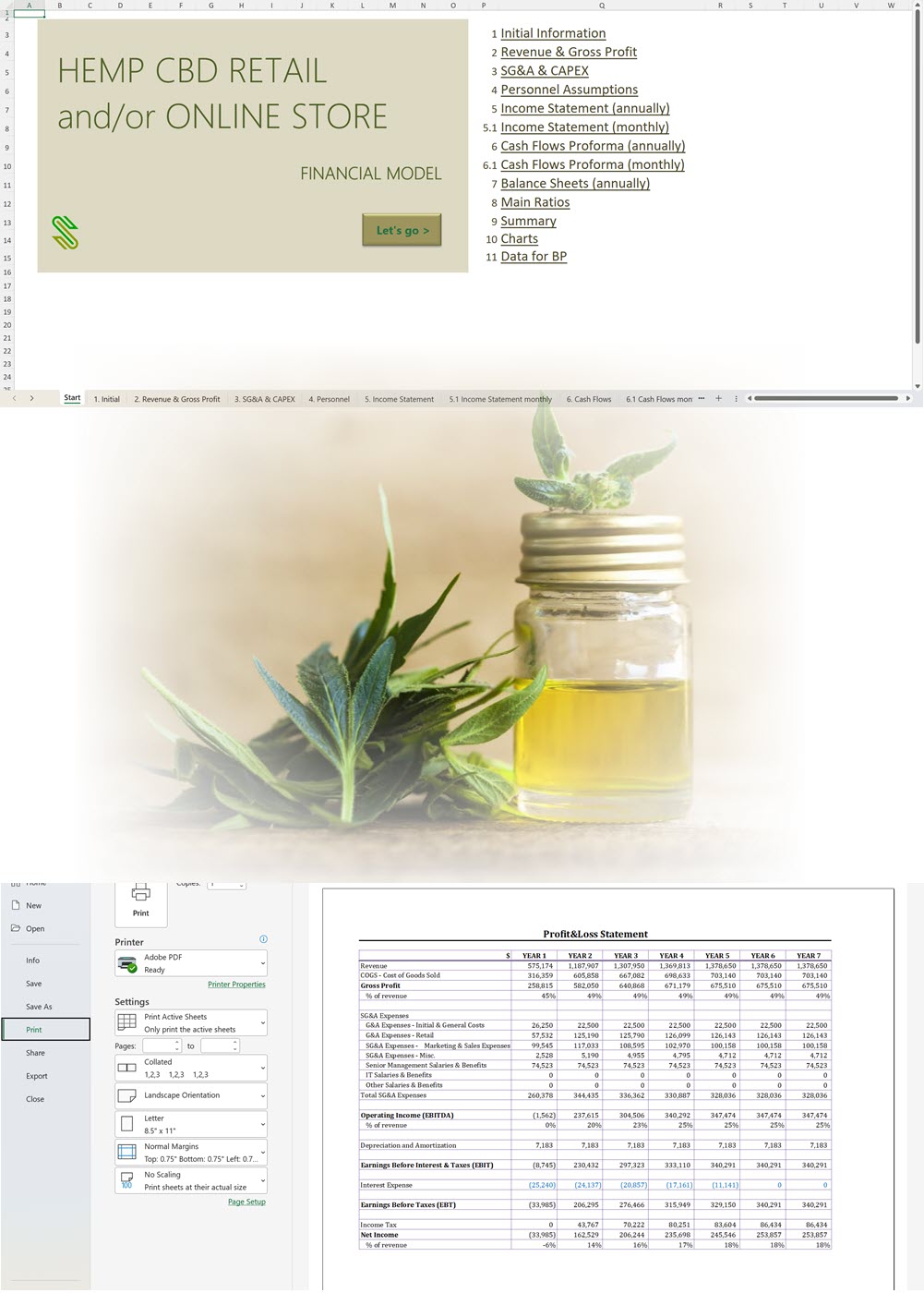
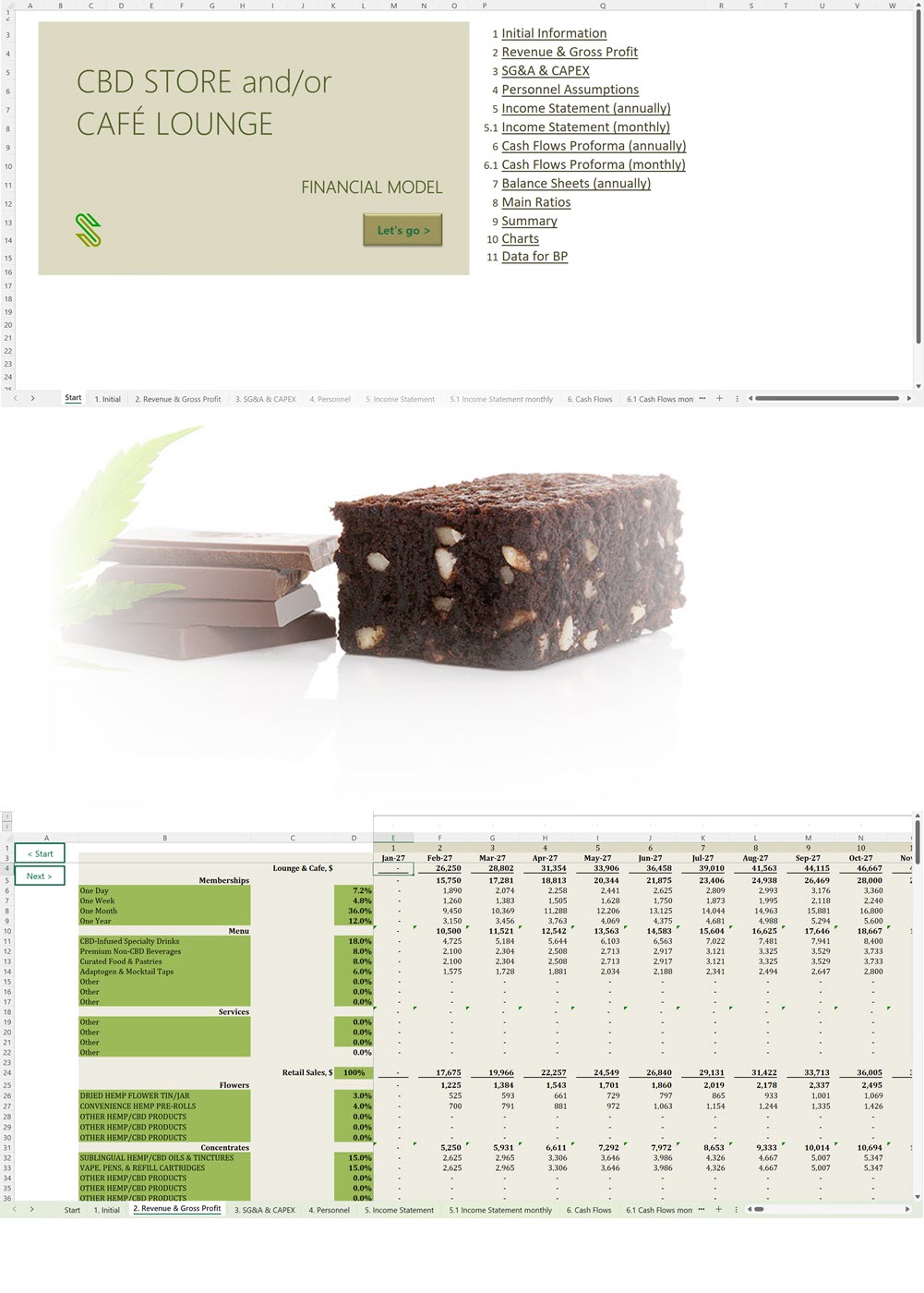
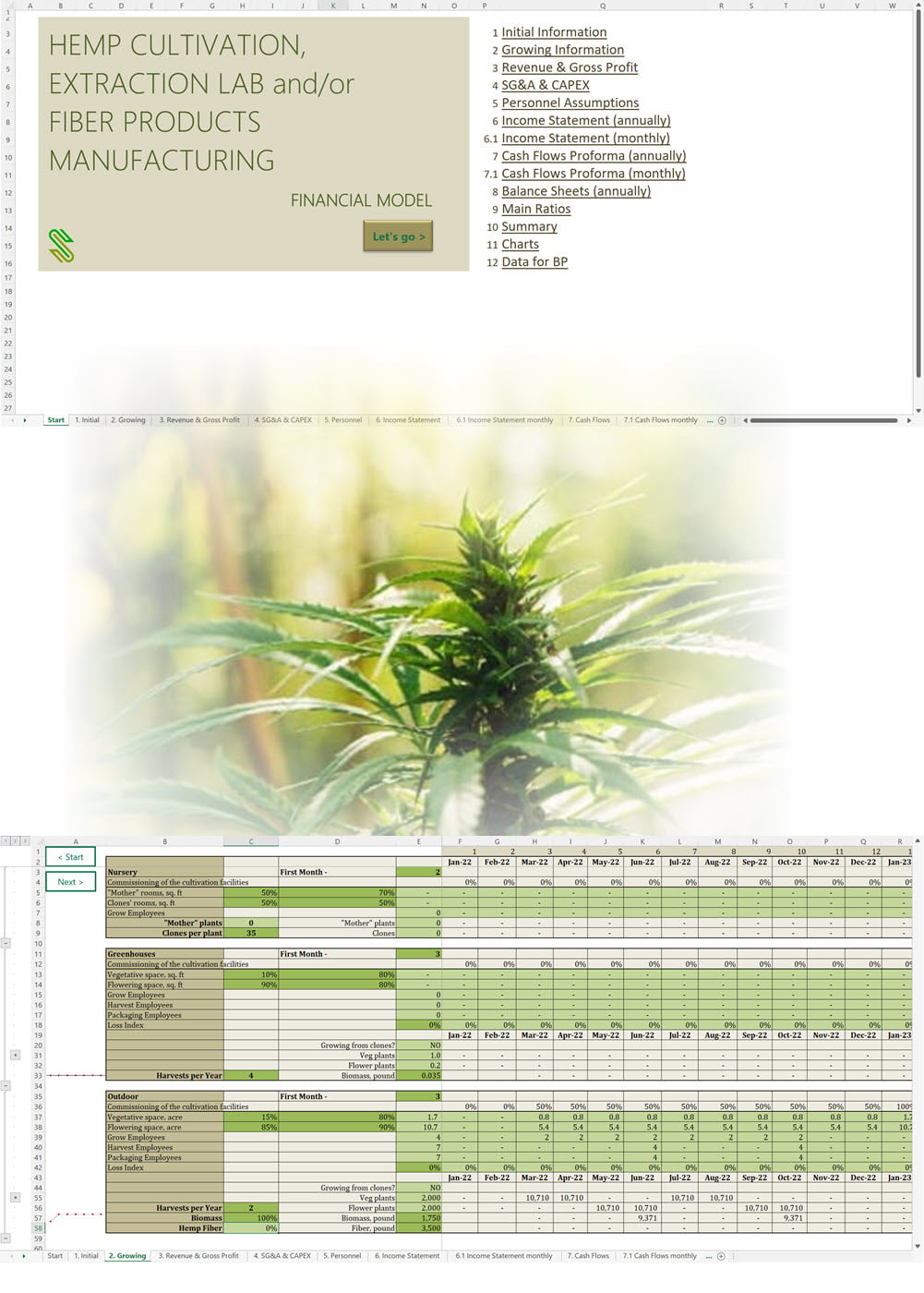
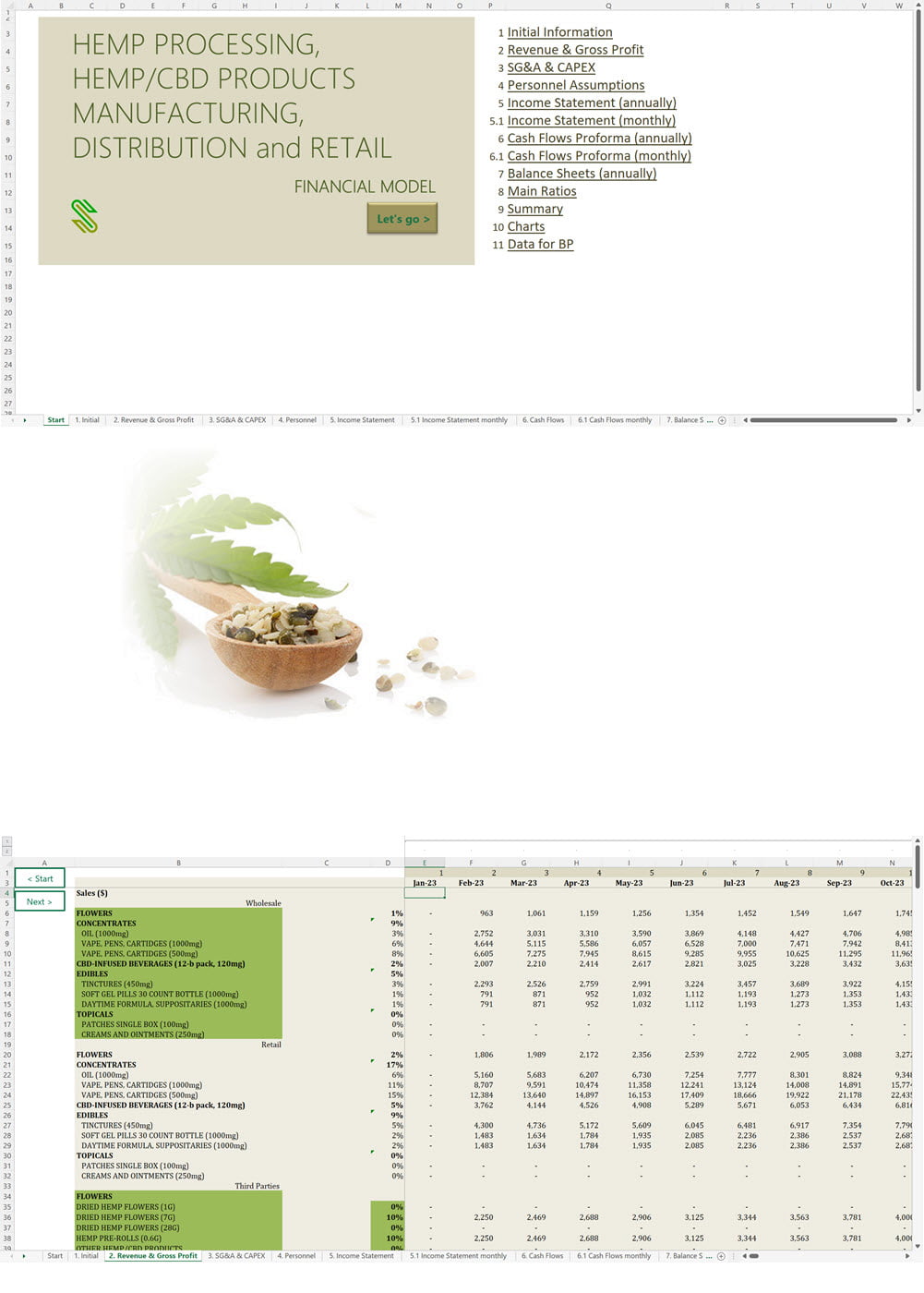
- Excel Financial Model: change variables and immediately see the impact, break down operational and capital costs, know how much it will take to get into the business and the potential profits.
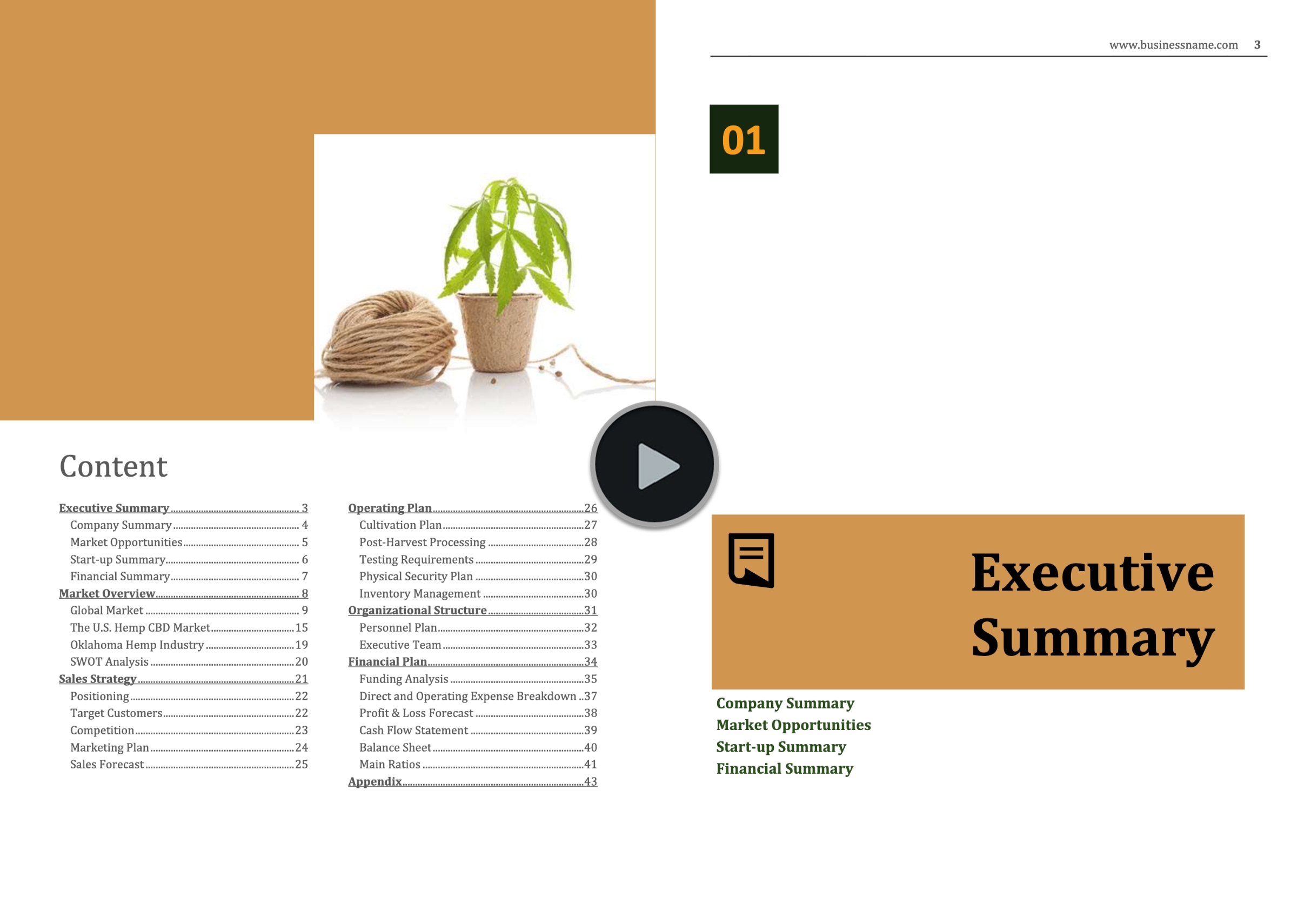
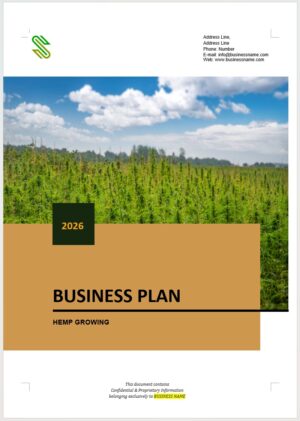
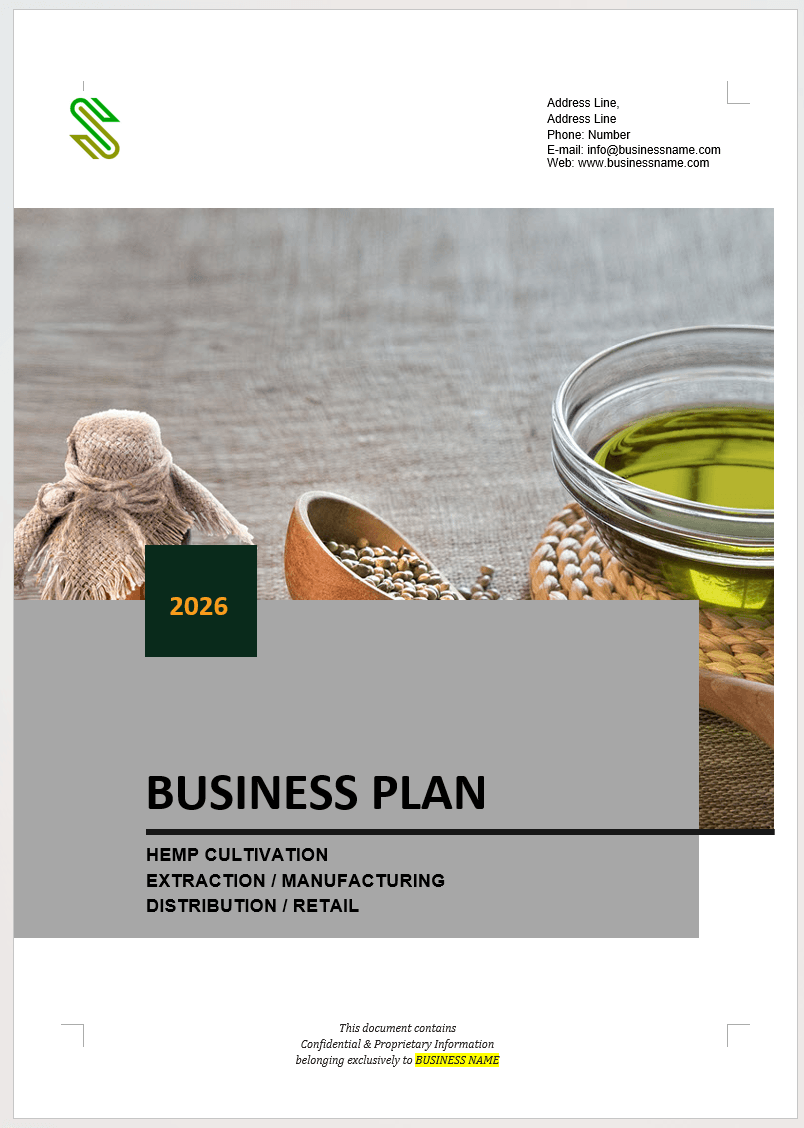
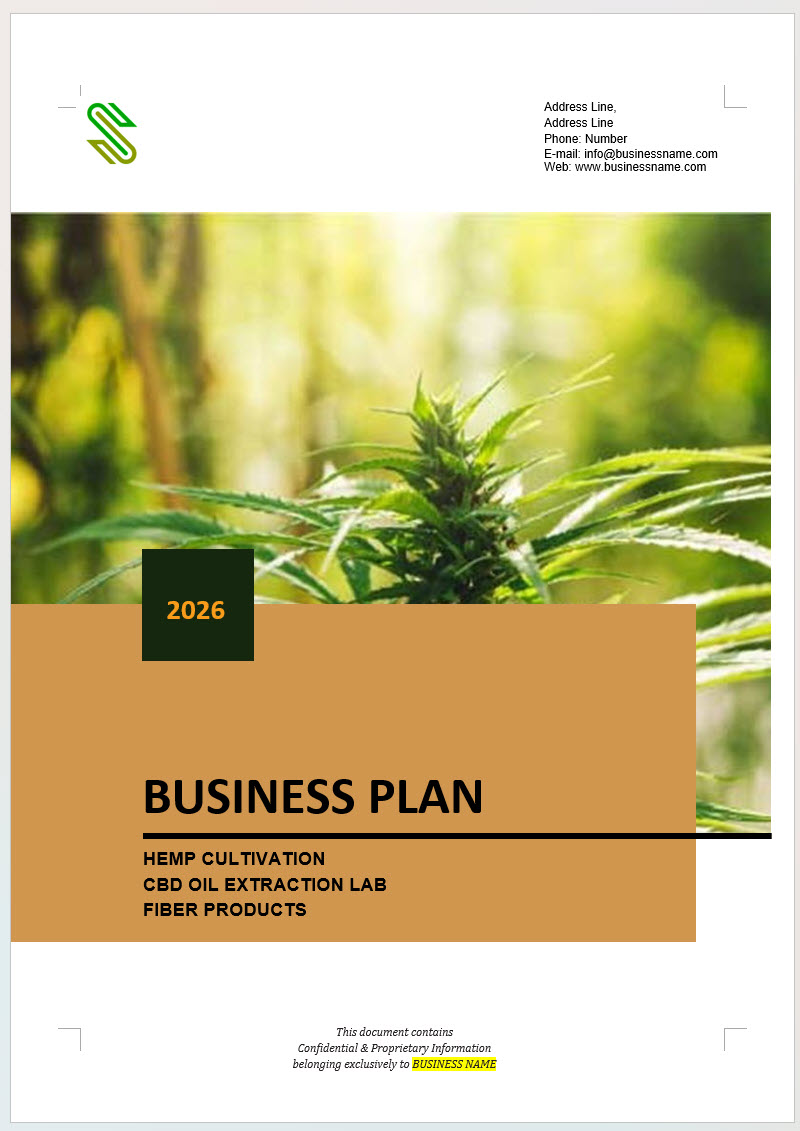
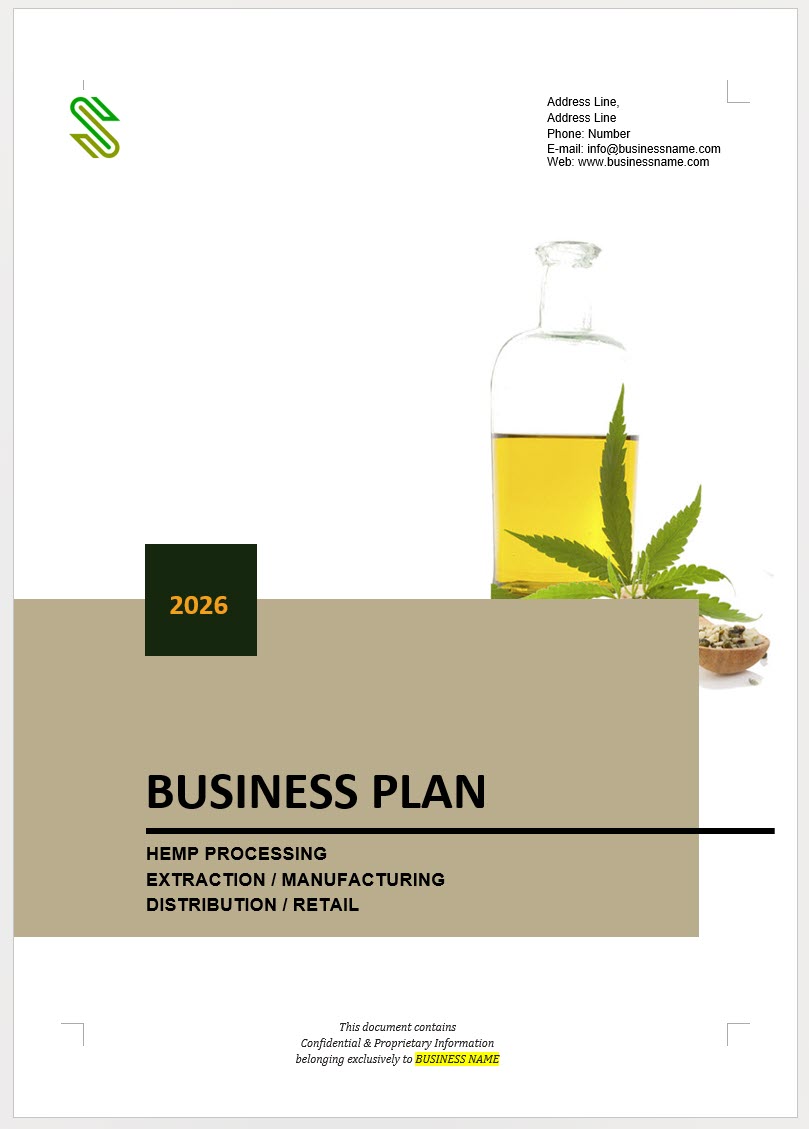
- Word Business Plan: value proposition, market analysis, marketing strategy, operating plan, organizational structure, financial plan and more.
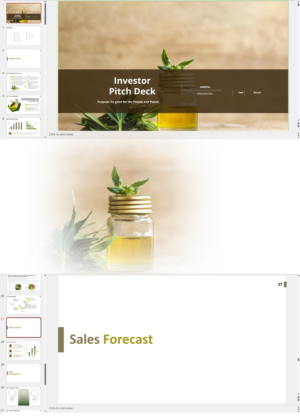
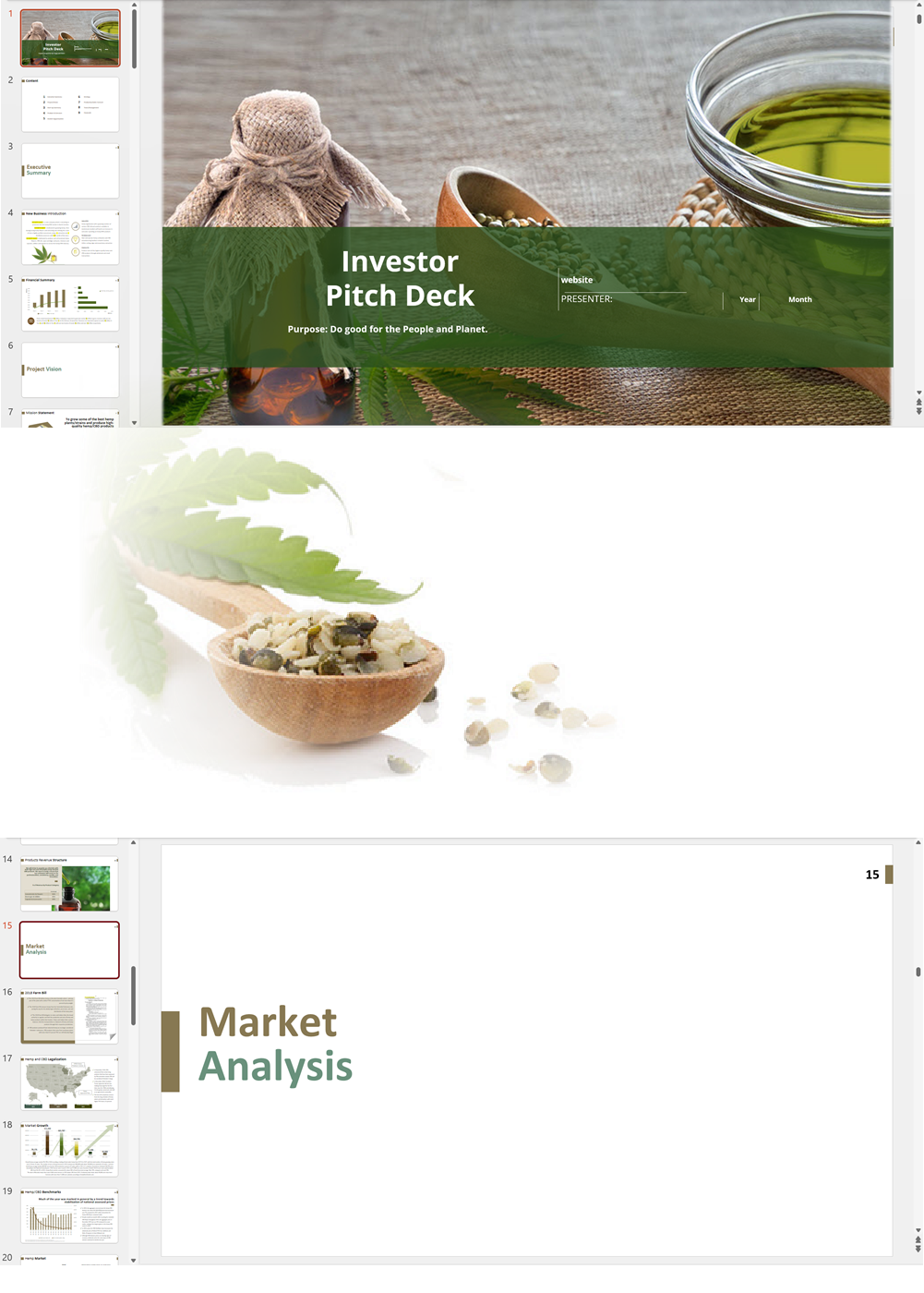
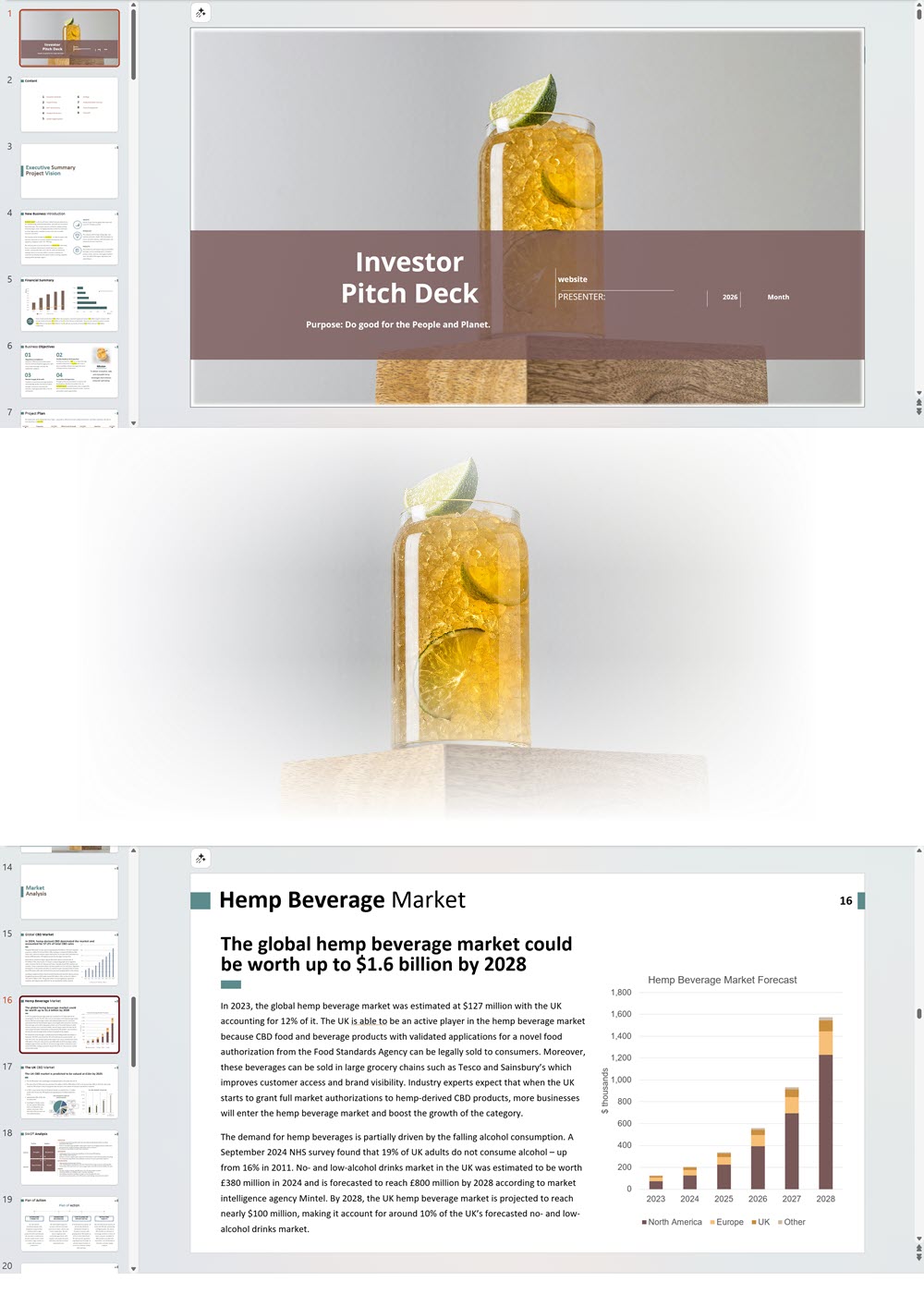
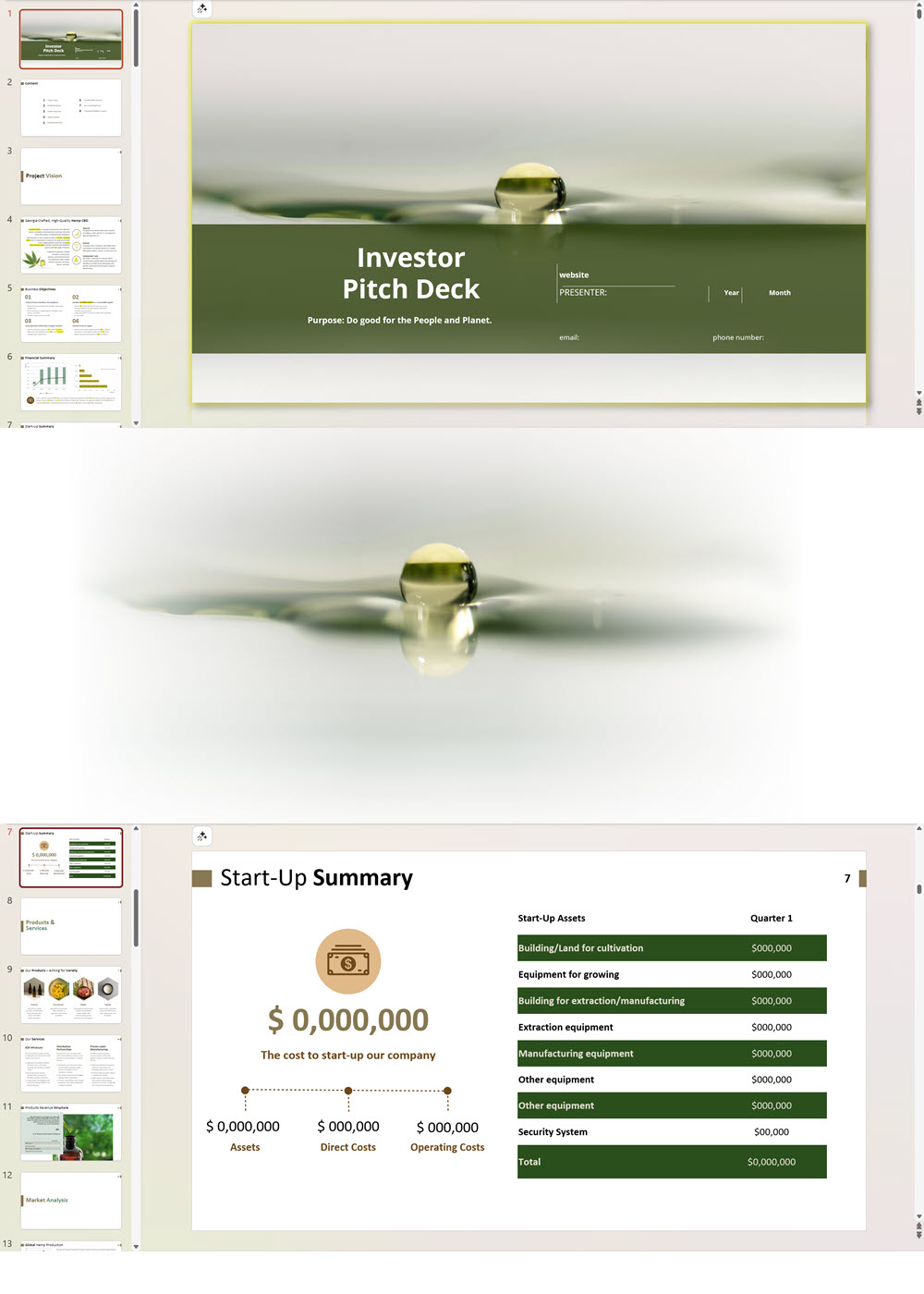
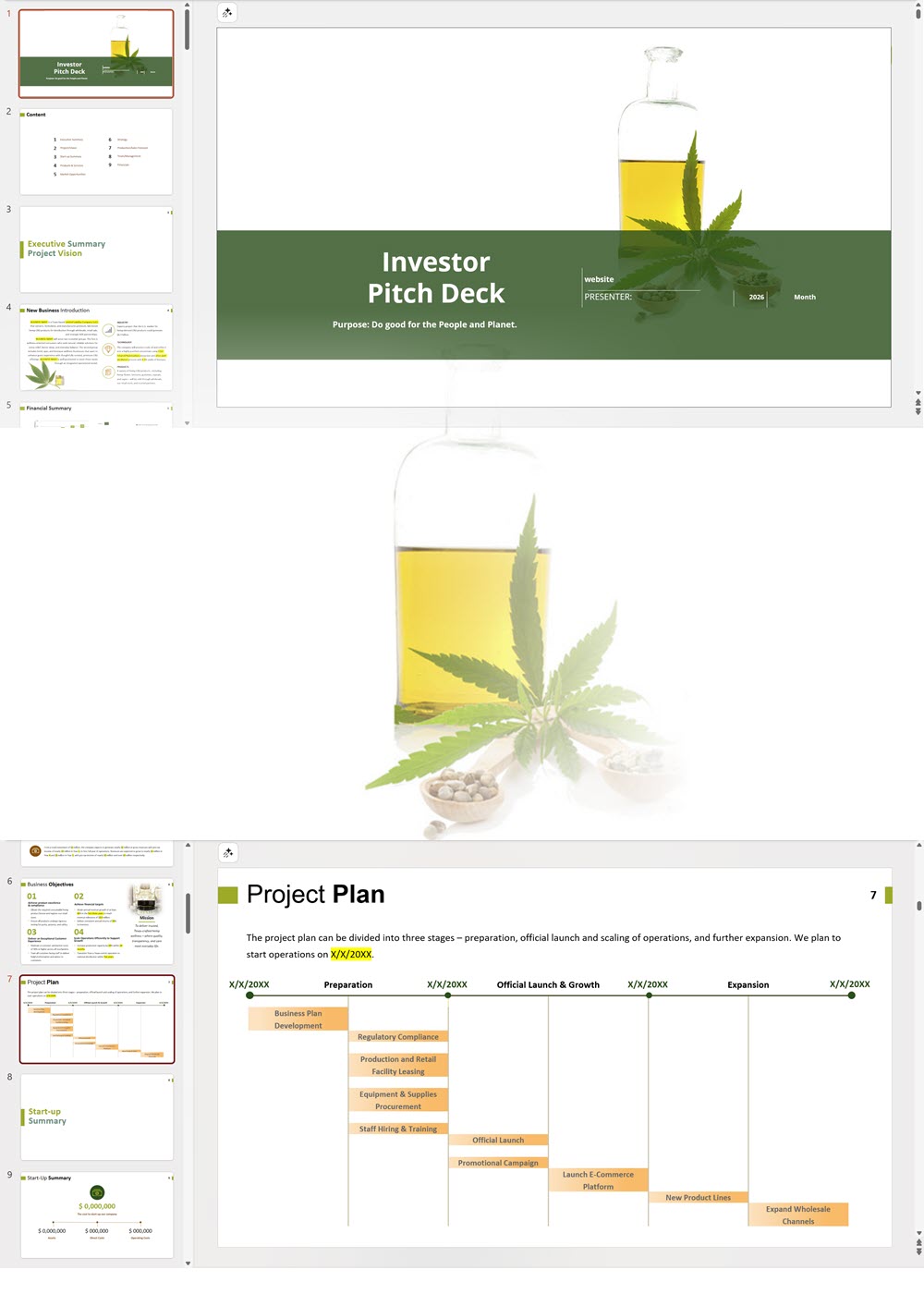
- PowerPoint Pitch Deck: provide a quick overview of your hemp CBD business plan.
'70% ready to go' business plan templates
Our hemp/CBD financial models and business plan templates will help you estimate how much it costs to start and operate your own hemp/CBD business, to build all revenue and cost line-items monthly over a flexible seven year period, and then summarize the monthly results into quarters and years for an easy view into the various time periods. We also offer investor pitch deck templates.
Hemp Fiber and Grain Cultivation Business Plan Template Sample, Oklahoma
Best Selling Templates
-

Hemp Cultivation Business Plan Template
Price range: $75.00 through $275.00 Select options This product has multiple variants. The options may be chosen on the product page -

Hemp CBD Financial Model All in One
$200.00 Select options This product has multiple variants. The options may be chosen on the product page -
CBD Retail Investor Pitch Deck Template
$75.00 Select options This product has multiple variants. The options may be chosen on the product page
We also offer cannabis business plan templates at cannabusinessplans.com.
Our Templates
Hemp CBD Vertically Integrated Business Plan Template
Price range: $75.00 through $450.00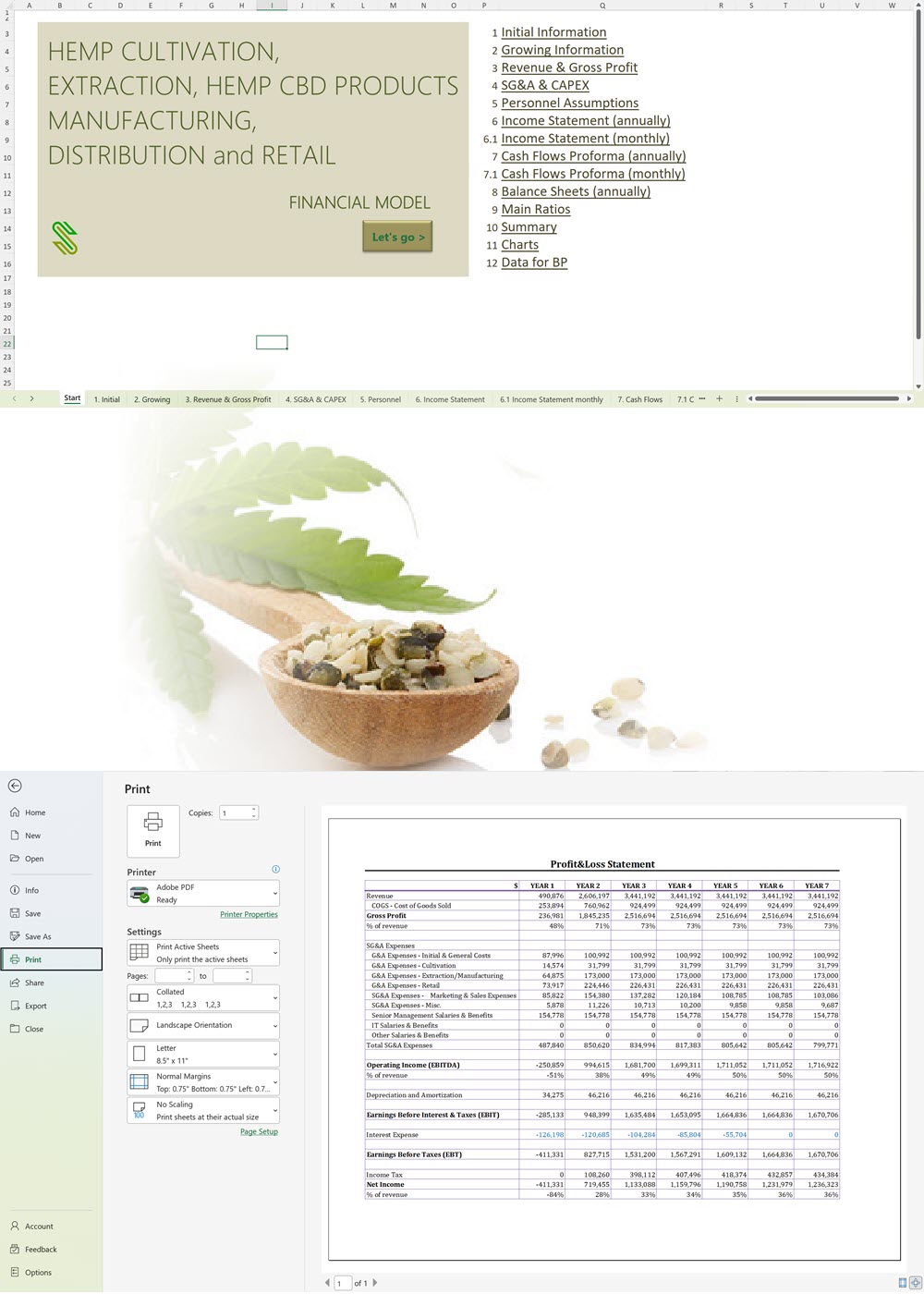
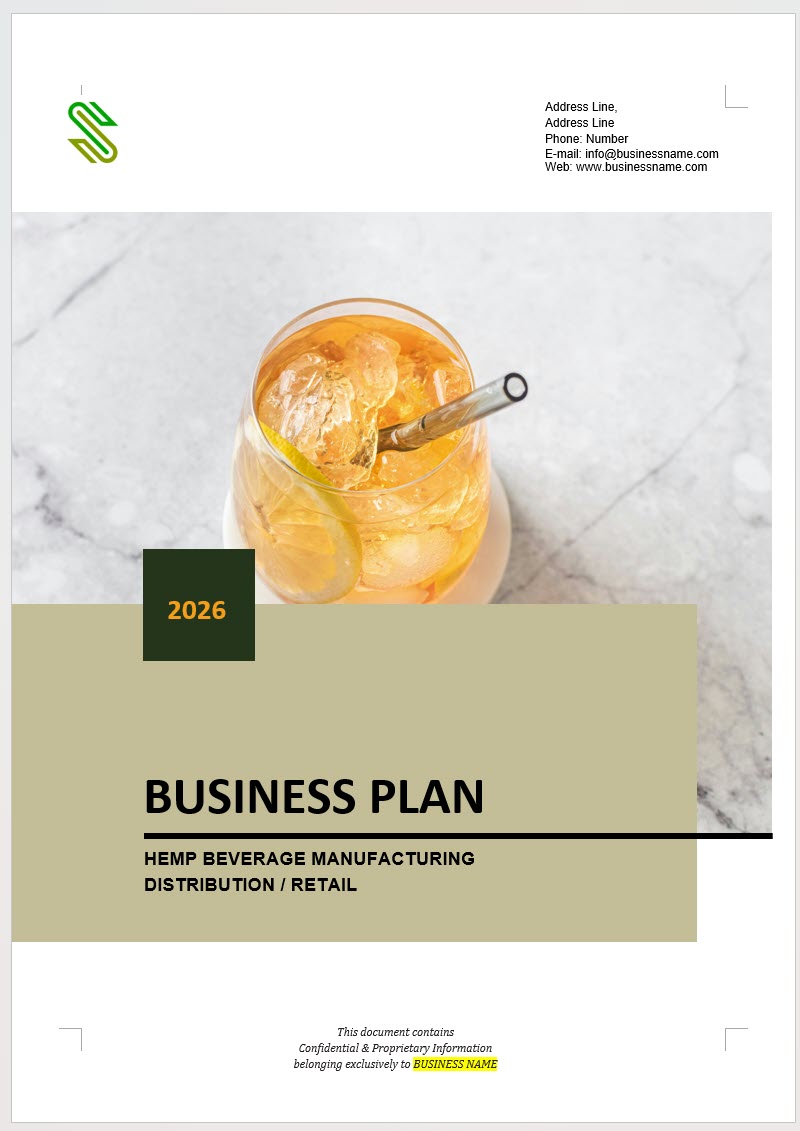
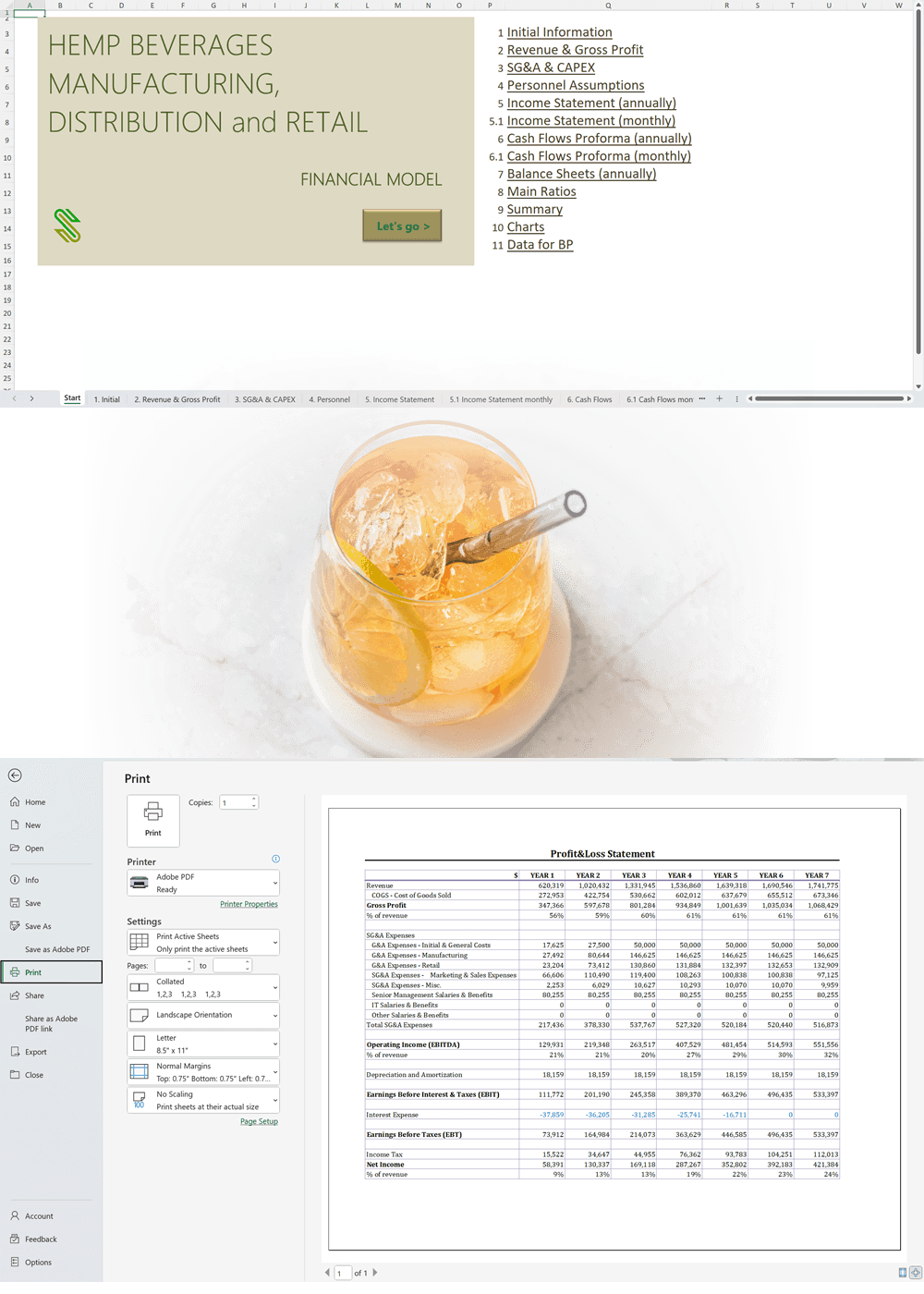
Hemp CBD Beverage Manufacturing, Wholesale and/or Retail Business Plan Template
Price range: $75.00 through $350.00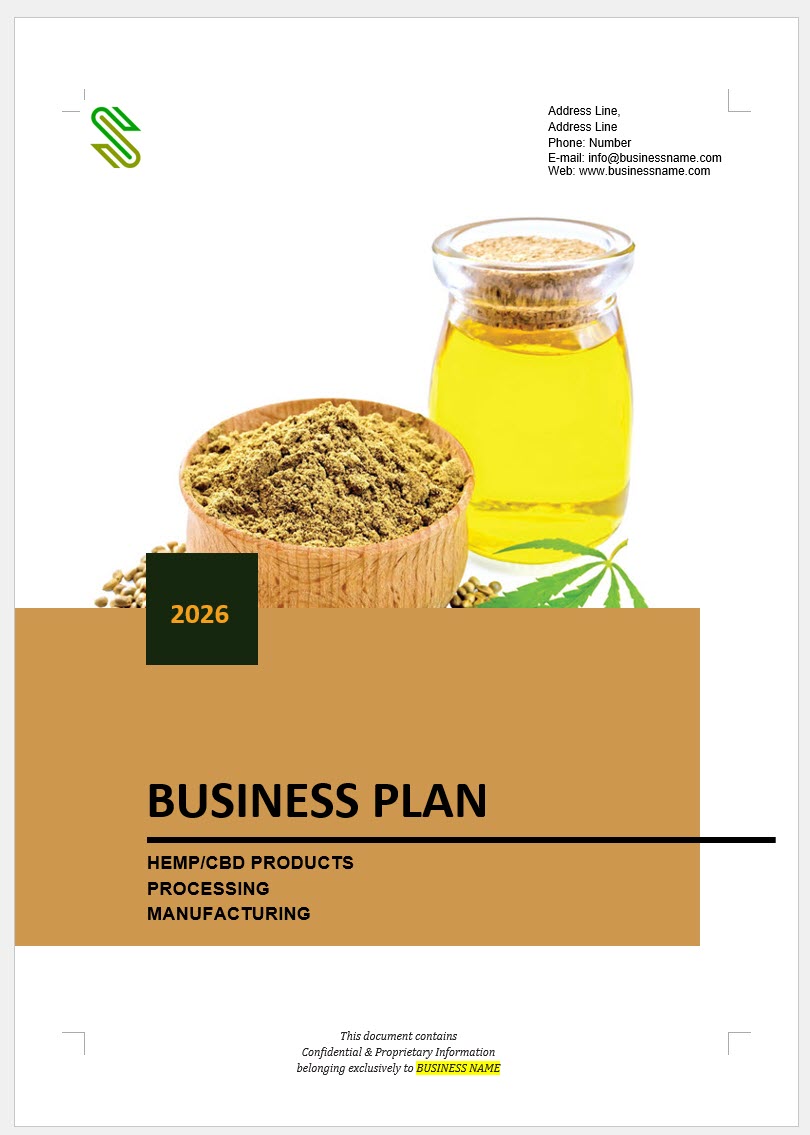
CBD Products Manufacturing Business Plan Template
Price range: $75.00 through $350.00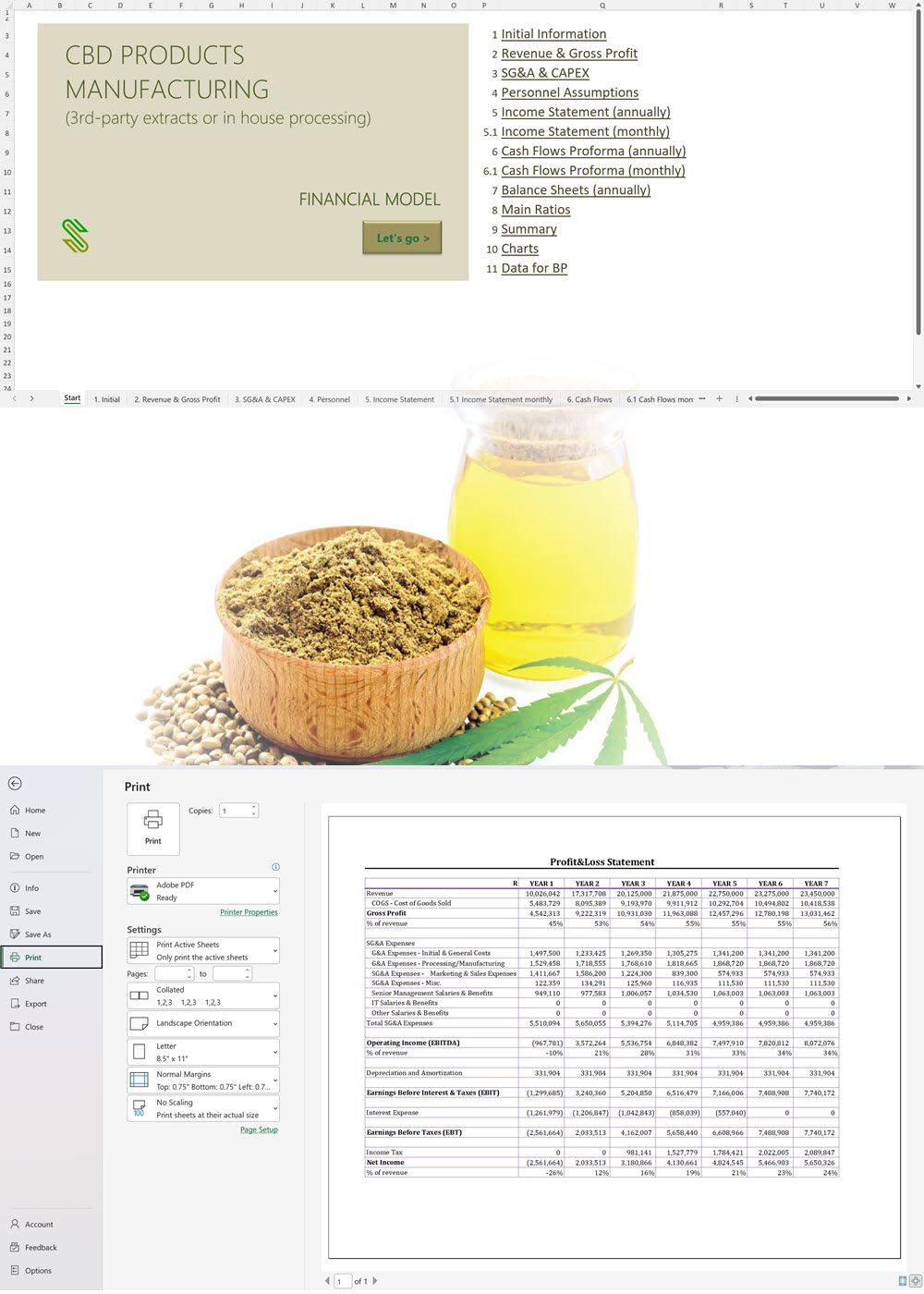
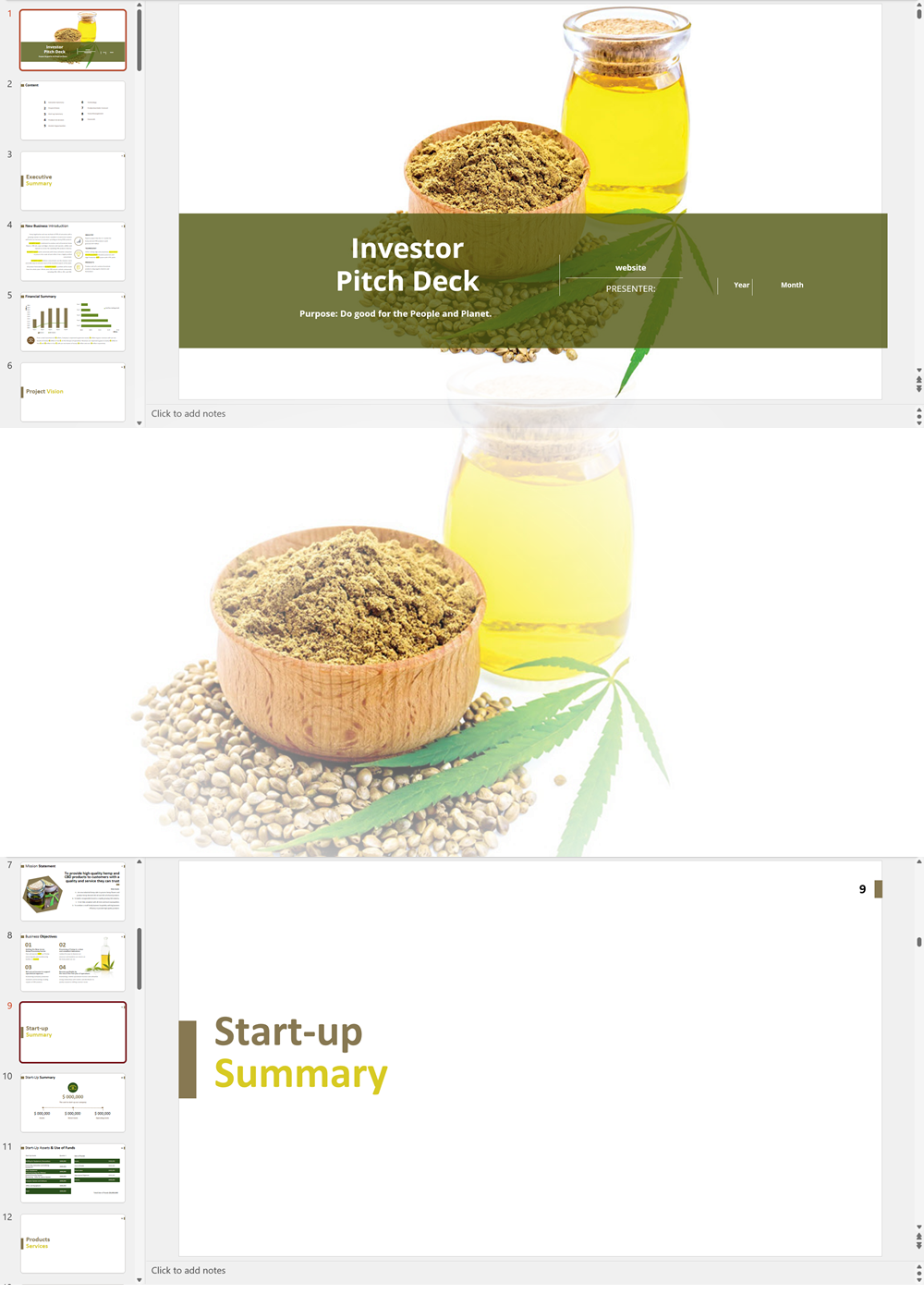
CBD Store and/or Cafe Lounge Business Plan Template
Price range: $75.00 through $275.00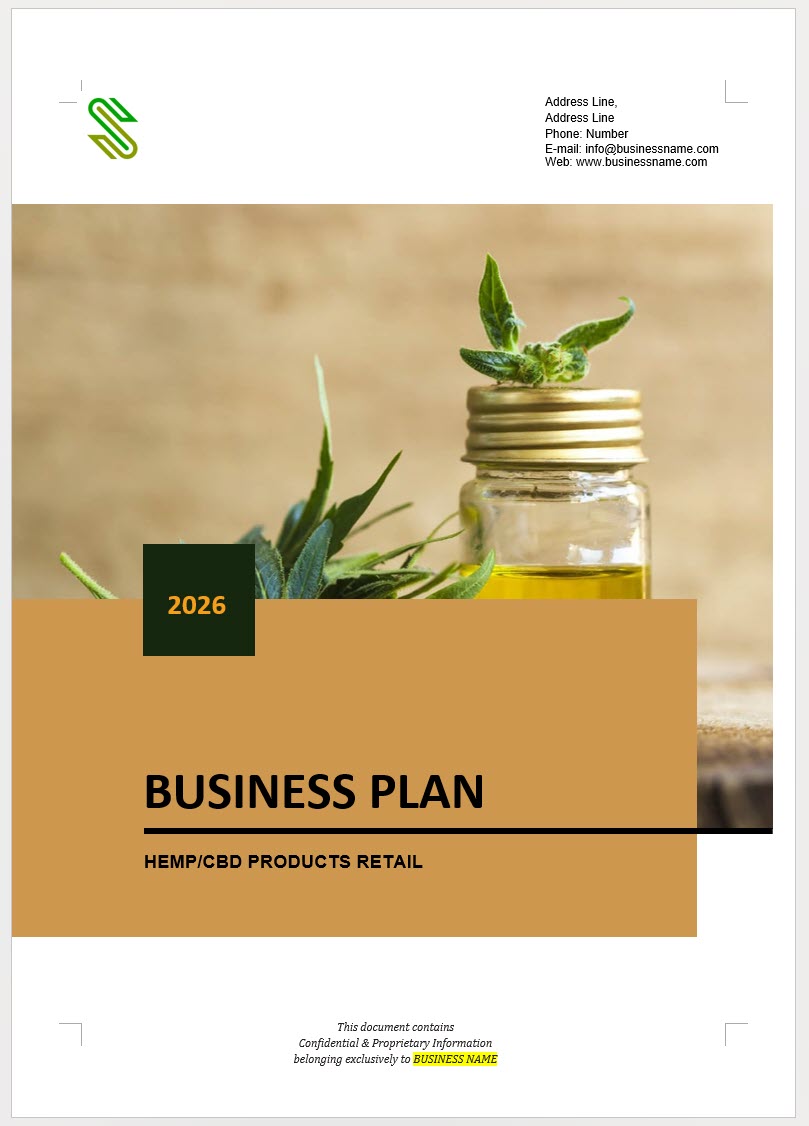
CBD Products Retail/Online Store Business Plan Template
Price range: $75.00 through $275.00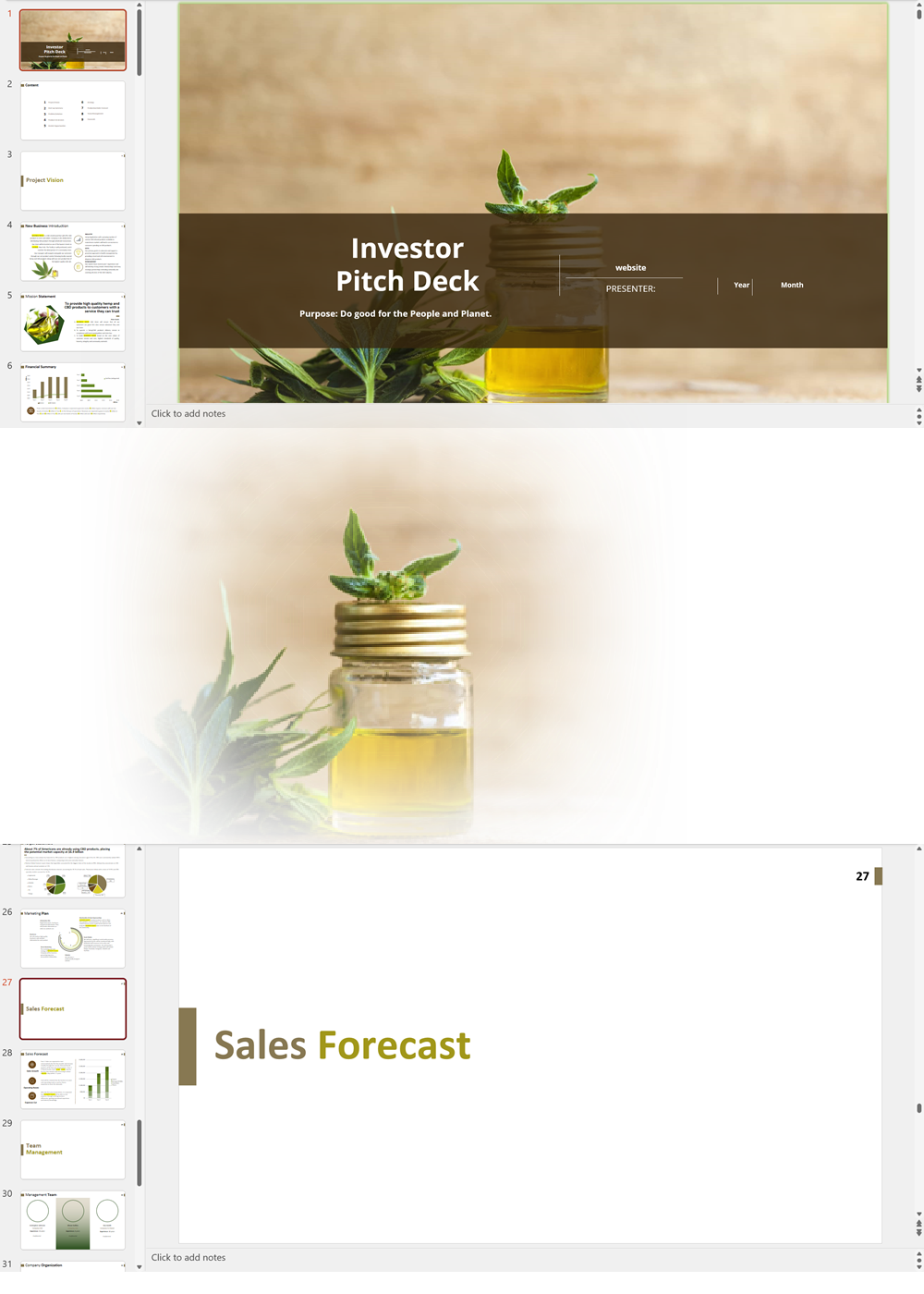
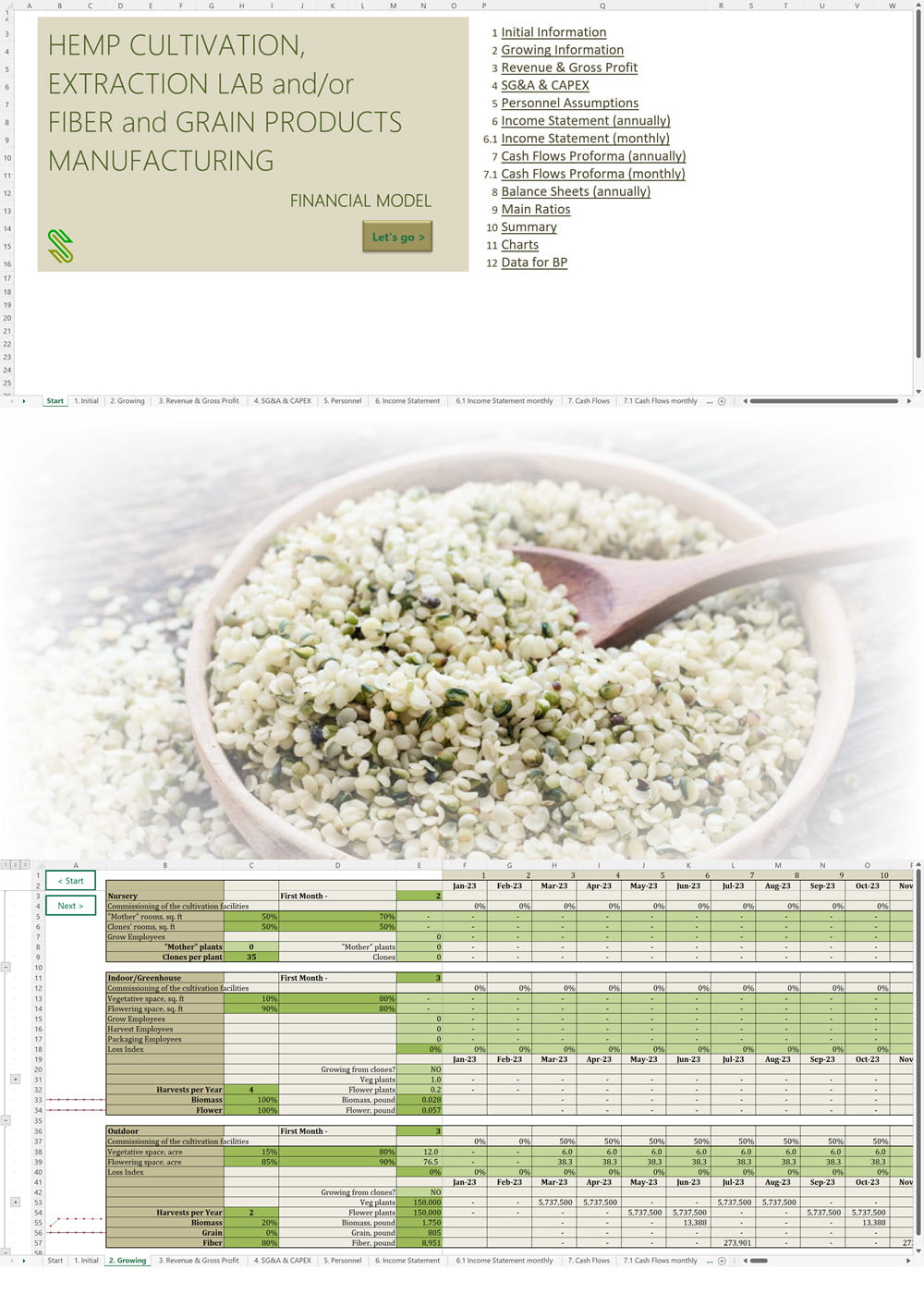
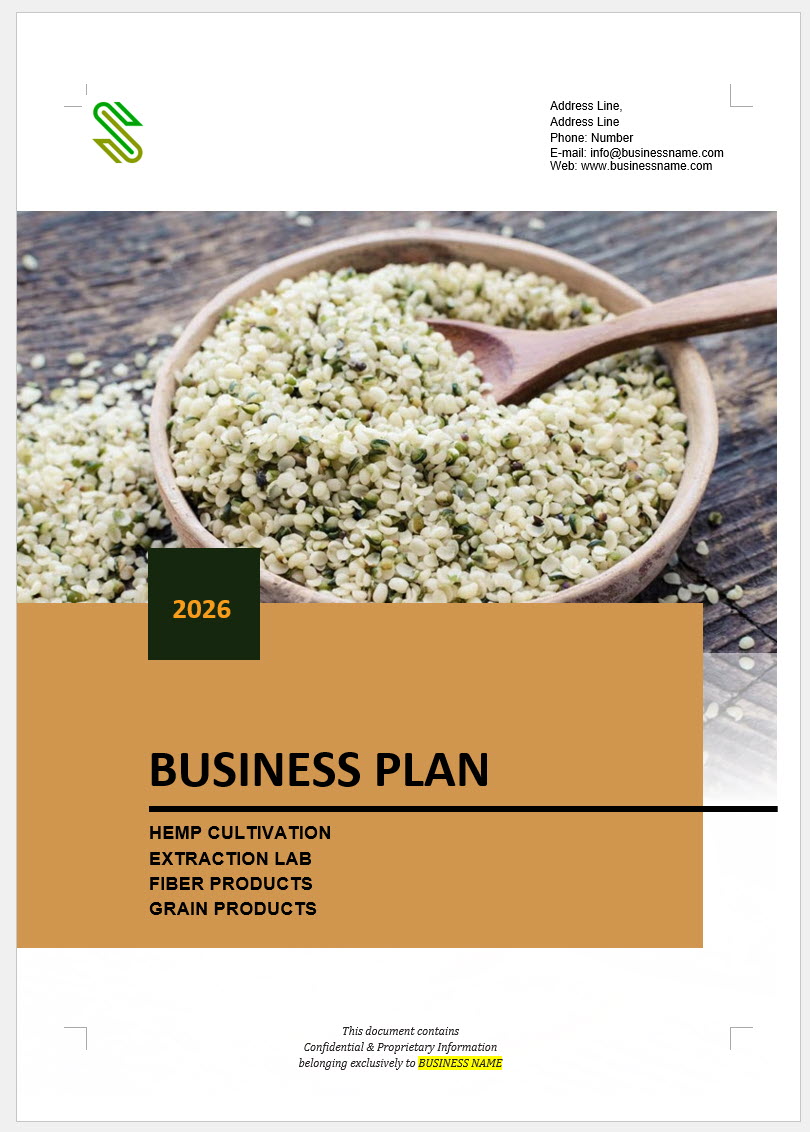
Hemp (Biomass, Fiber, Grain) Cultivation and Processing/ Manufacturing Business Plan Template
Price range: $75.00 through $350.00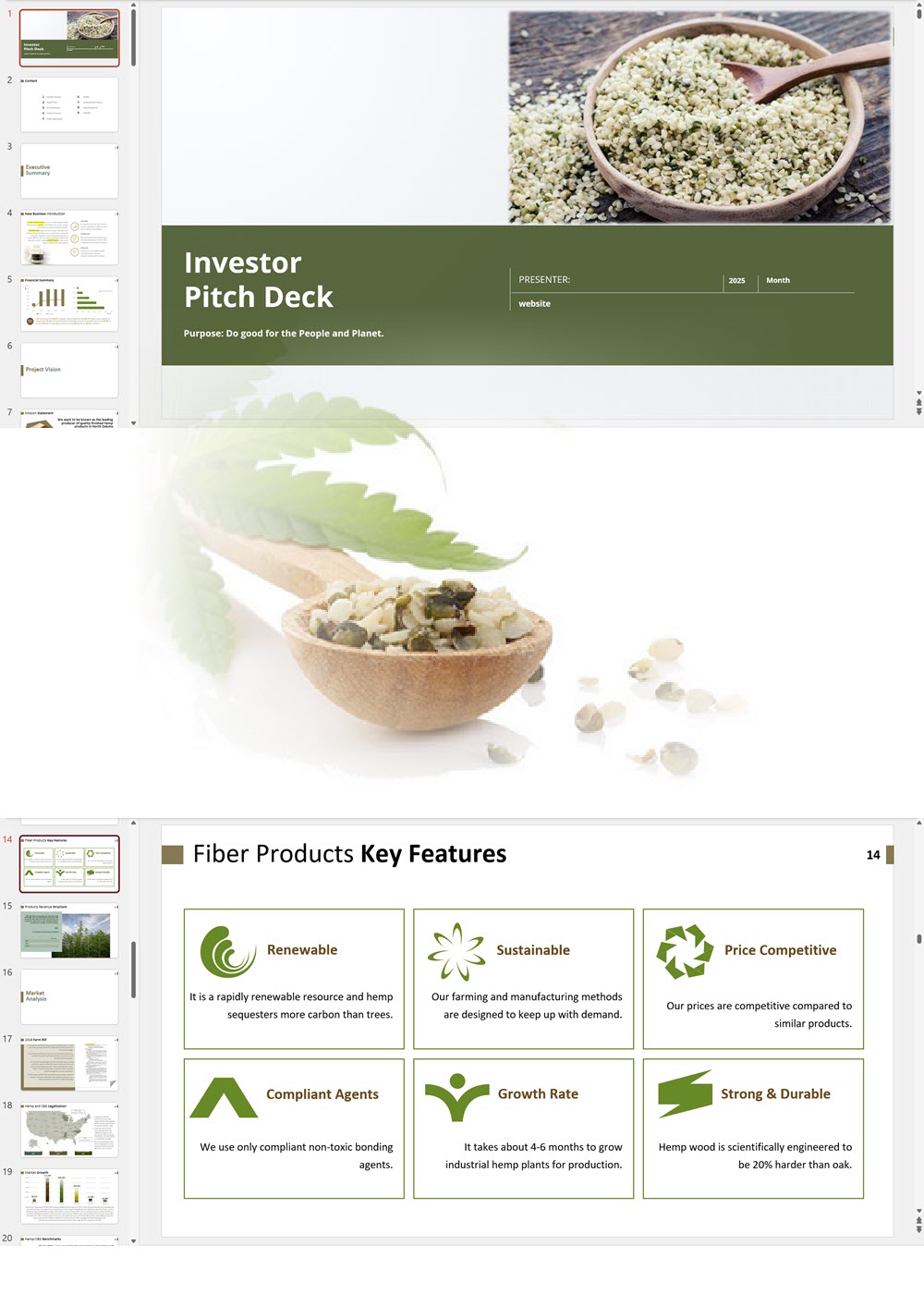
Hemp Cultivation and CBD Oil Extraction and/or Fiber Products Business Plan Template
Price range: $75.00 through $350.00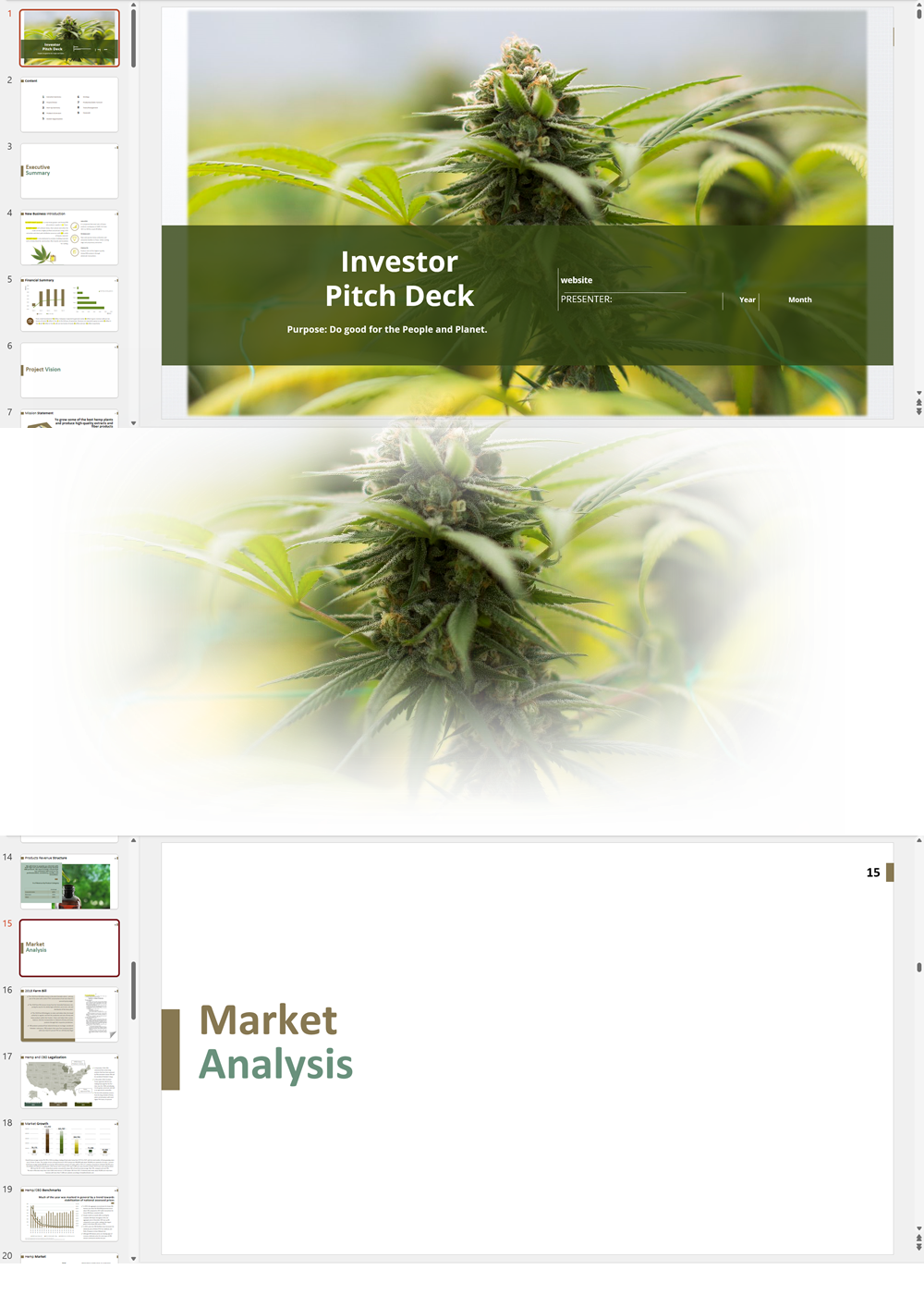
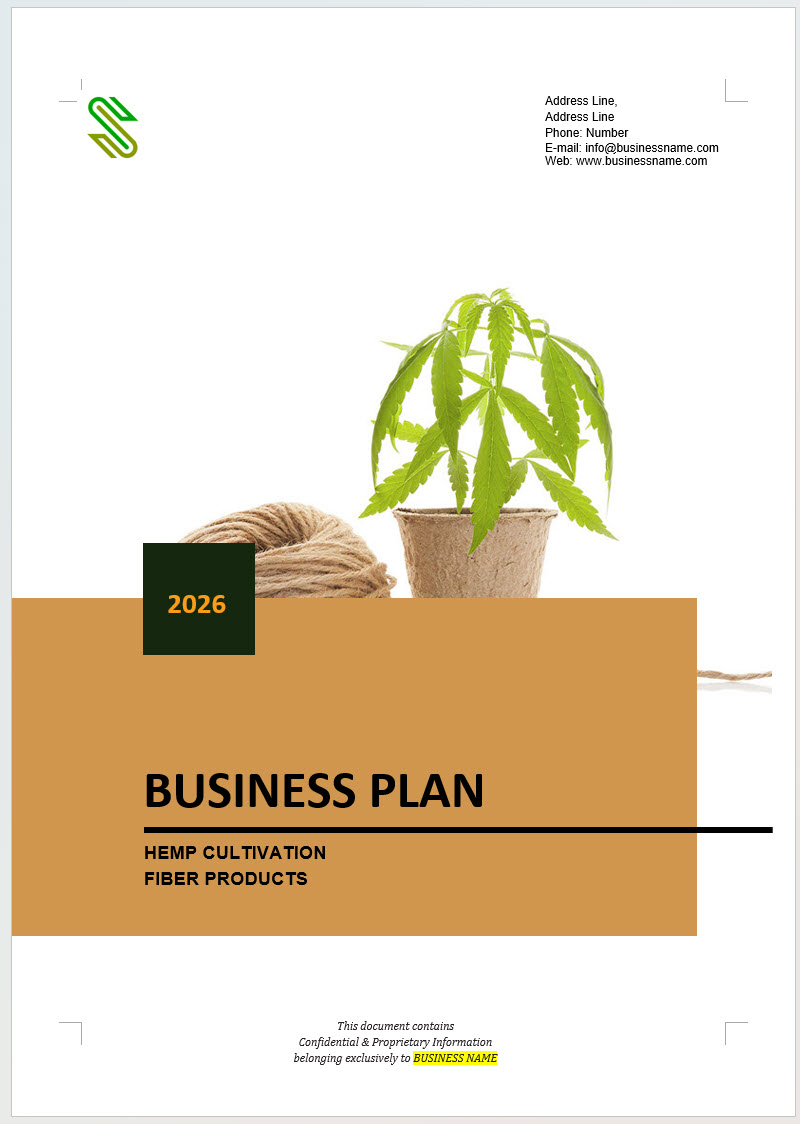
Hemp Fiber Growing and Manufacturing Business Plan Template
Price range: $75.00 through $275.00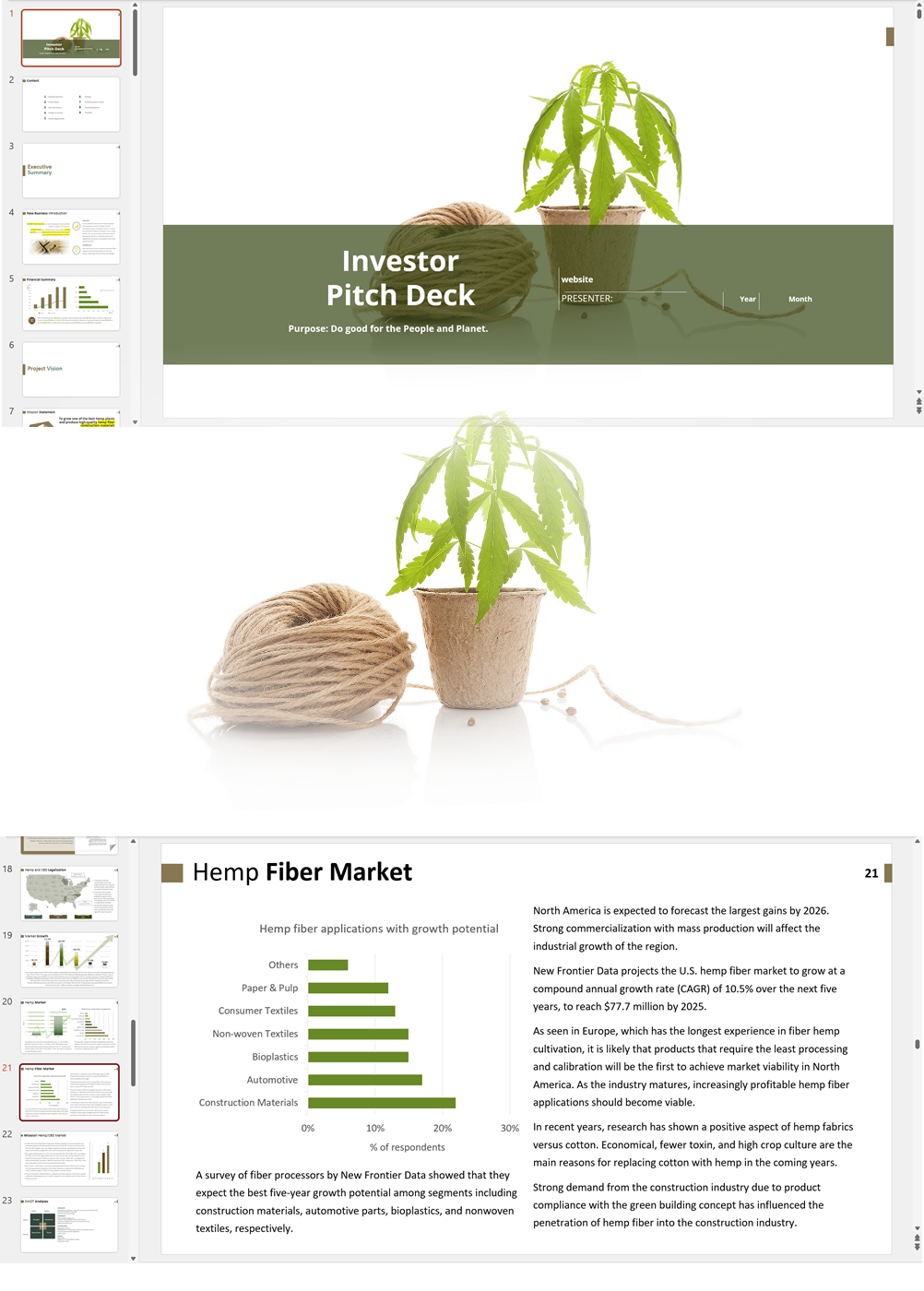
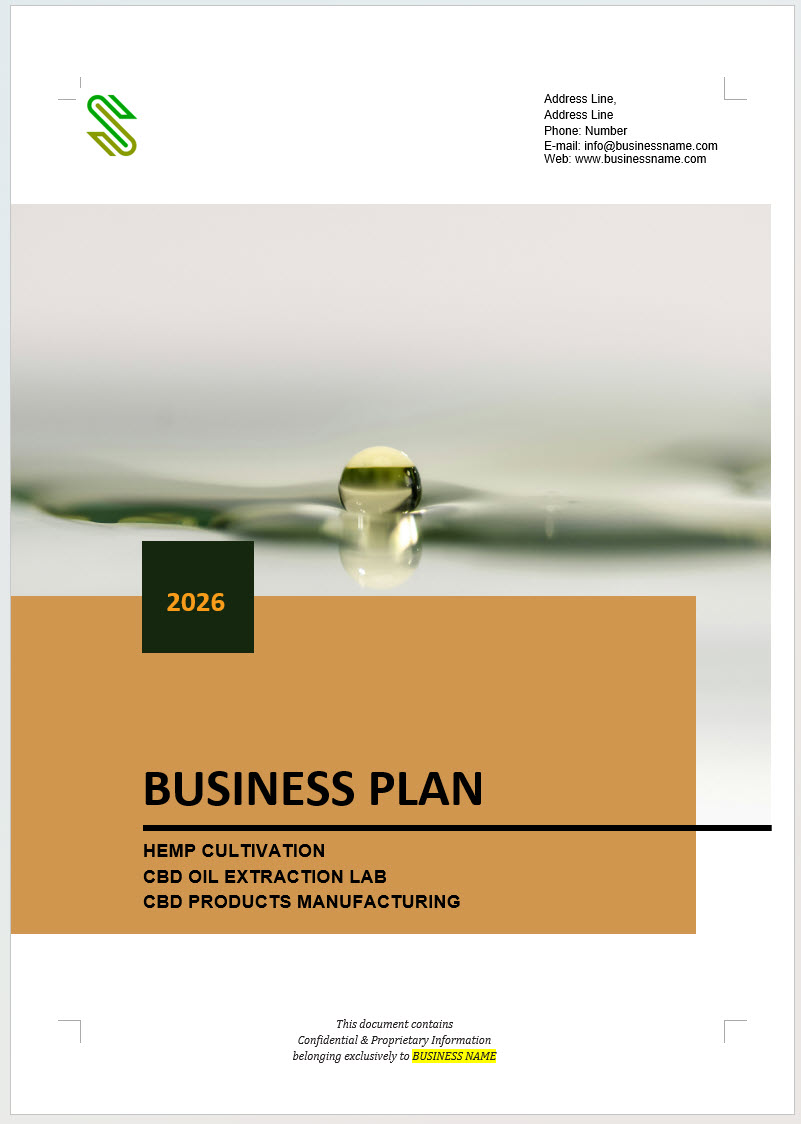
Hemp Cultivation + Extraction + Manufacturing Business Plan Template
Price range: $75.00 through $450.00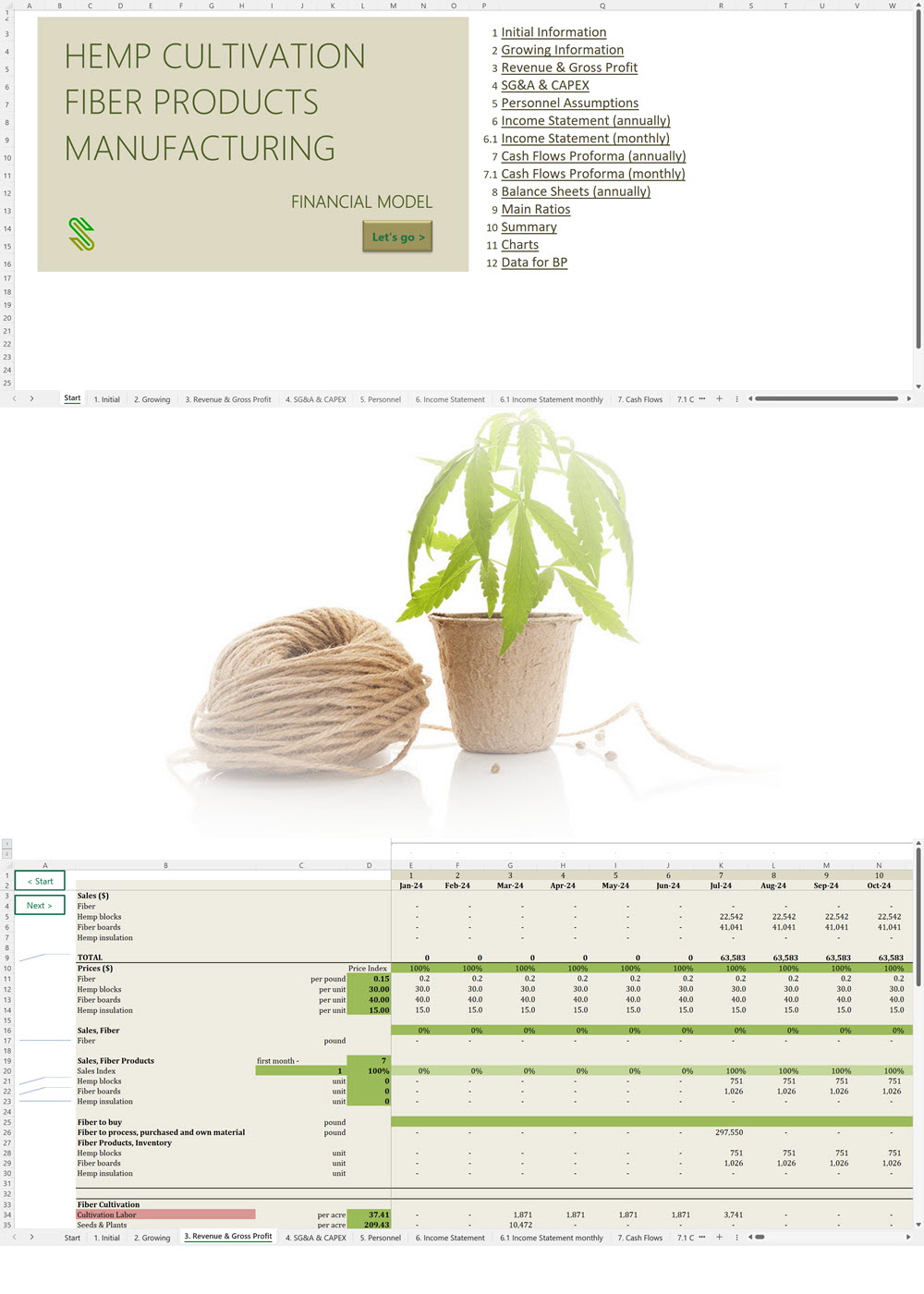
Hemp CBD Extraction + Manufacturing + Retail Business Plan Template
Price range: $75.00 through $450.00