Industrial Hemp
Hemp Legalization in Germany
In 1996, Germany legalized the cultivation of industrial hemp containing less than 0.2% THC. In 2021, the European Parliament approved to increase the allowed level of THC to 0.3% for industrial hemp and Germany has adopted these regulations. The Federal Office for Agriculture and Food (BLE, an acronym for its German name) is responsible for regulating hemp production and licensing in Germany.
In October 2024, the Federal Cabinet approved the Industrial Hemp Liberalization Act which eliminates the “intoxication clause” that prohibited trade in industrial hemp if there was a possibility that THC could be extracted for intoxicating purposes. The bill also allows indoor cultivation of industrial hemp, creating opportunities for growers. It is also clearly mentioned that hemp flowers are included in the definition of industrial hemp which allows their use and commercialization if the THC content is not higher than 0.3%. While the bill was approved by the Cabinet, it was never finalized and the political changes happening at that moment caused the bill to expire.
On October 7, 2025, the Alliance 90/The Greens parliamentary group in the Bundestag introduced a bill that would amend the Consumer Cannabis Act, making the following changes:
- Eliminate the “Abuse Clause” that treated CBD products as “potentially intoxicating” – therefore allowing full plant utilization, including flowers and leaves that are rich in CBD, as long as they contain no more than the established THC limit.
- Allowing hemp CBD-based products to be sold legally on the market – including CBD flowers, oils, hemp leaves for teas, and other product forms.
- Increase the THC limit from 0.3% to 1.0%.
- Permit indoor cultivation for the production of CBD-containing products.
Industrial Hemp Licensing in Germany
Those wishing to cultivate hemp must obtain a license from the BLE. Only varieties registered in the EU Common Catalogue can be cultivated and among them, only certified hemp varieties listed here are eligible for receiving subsidies.
When applying for a license from the BLE, farmers must state in writing their intention to cultivate and the number of acres on which they plan to grow hemp. Once the license is obtained, the BLE can perform field inspections during the cultivation process on around 30% of the acreage declared for the production of hemp in order to ensure that THC levels are not higher than 0.3%. The licensed farmer must also notify the BLE when the flowering stage begins and hemp can only be harvested after the test results for THC content identify that THC levels are lower than 0.3%.
Importing hemp from third countries into Germany is subject to licensing pursuant to Article 176, paragraph 1, and Article 189 of Regulation (EU) No. 1308/2013.
German Hemp Market
In 2019, there were 575 licensed hemp producers and around 4,508 hectares of hemp was grown. This is almost 50% greater than in 2018. In 2021, the number of licensed farmers growing industrial hemp rose to 863 with nearly 6,500 hectares dedicated to growing the crop.
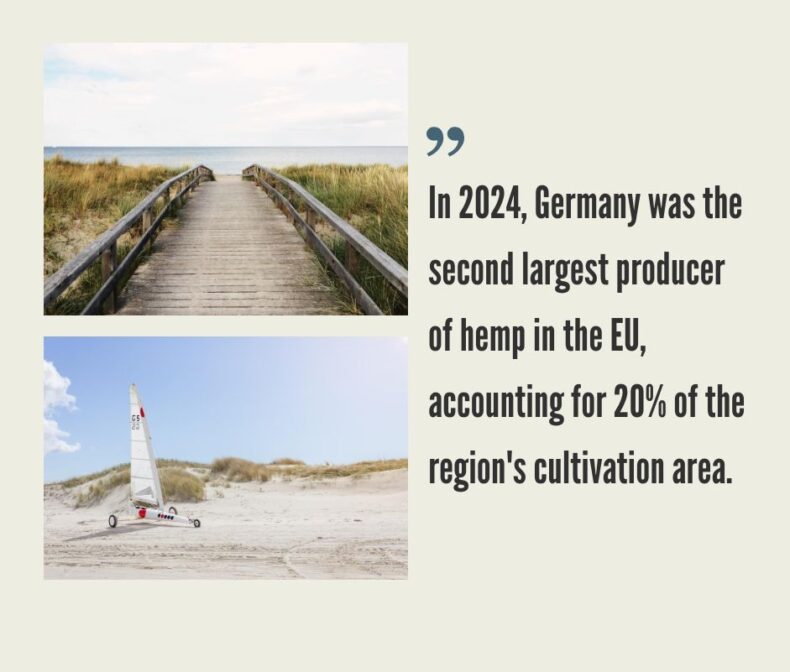
An estimated 889 agricultural enterprises grew hemp on around 6,943 hectares in 2022 which fell slightly to 5,834 hectares in 2023 and then surged by nearly 22% to reach 7,116 hectares in 2024. This brought Germany’s share of EU hemp cultivation area to 20%. In 2025, 496 farms reported cultivating hemp on 5,274 hectares.
CBD
Hemp-derived CBD Products in Germany
In Germany, CBD is governed by national and EU regulations. CBD is not listed in Germany’s Narcotics Act (BtMG) which means that it is legal. However, the amount of THC in over-the-counter CBD products is limited to no more than 0.3% and the product must be made from EU certified hemp varieties.
In April 2024, the German Federal Court of Justice ruled that 7.5 grams of THC is classified as ‘not a small amount’. Hence, CBD products must not contain more than 7.5 grams of THC or they will be deemed to be used for intoxicating purposes.
On October 7, 2025, the Alliance 90/The Greens parliamentary group in the Bundestag introduced a bill that would amend the Consumer Cannabis Act – if approved, it would remove the “abuse clause” and clear the way for the utilization of hemp flowers and leaves which are rich in CBD. The bill would also legalize the placement on the market of CBD products such as CBD flowers for smoking, tea leaves, oil, and other product forms as long as they contain no more than the legal THC limit (the bill proposes 1%).
CBD Oil
CBD oil is the most common CBD product in Germany. It can be purchased in pharmacies, beauty and wellness stores as well as online. However, the labelling and marketing regulations for CBD oil depend on how it is classified in specific regions. Some regions such as Hamburg classify CBD oil that is clearly labelled as “not for human consumption” and marketed as a cosmetic oral product, a ‘cosmetic’ and therefore is governed by the EU cosmetic guidelines. Meanwhile, the Baden-Württemberg region classifies CBD oil mouth drops as an unsafe food, placing CBD oil products under the EU Novel Food Classification.
Food Containing CBD
Food and food supplements containing CBD are classified as “novel foods” in Germany so cannot be sold on the German market without first receiving an authorization from the European Commission. The European Food Safety Authority (EFSA) has published guidelines on how to submit applications for novel foods. Here are the main steps:
- Submit an online application to the European Commission.
- Once the application is received by the Commission, its validity is verified. The status of the application is updated in the e-submission system so the applicant can monitor the progress of their application.
- The EFSA will perform a scientific assessment on the risk and safety of CBD.
All the information required to be provided in the application for a novel food and the format in which it should be provided can be found in the administrative guidelines linked above. In 2022, the EFSA put the process on hold. There are currently no CBD-infused edible or drinkable products approved to be sold on the German market.
In March 2020, the German Federal Government and the Federal Ministry of Food and Agriculture stated that foodstuffs containing parts of hemp plant are not novel foods if they are made “from traditionally produced extracts with the natural full spectrum of the cannabinoids contained in the hemp plant”: this essentially means that the CBD content in the product is equal to the CBD content in the source plant. In Germany, cannabinoids from the hemp plant are only considered to be novel foods if they are used in isolation or fortified.
CBD Cosmetics
CBD is included in the EU Cosmetic Ingredients database so it can be used in cosmetics in Germany if it contains no more than 0.3% THC and meets all EU cosmetic product requirements.
Under the EU law, cosmetic products containing CBD can be marketed as having antioxidant, anti-sebum, skin-conditioning and skin-protecting properties.
CBD Flowers
In May 2025, the Bielefeld Main Customs Office begun issuing tax stamps for THC-free hemp flowers, meaning that CBD flower products are subject to tobacco tax as well as the 19% VAT. This proves that THC-free hemp flowers are recognized as taxable industrial goods, and not as cannabis, reducing legal risk and creating opportunities for the sale of THC-free hemp flowers in Germany.
CBD Product Consumption Patterns
A study on consumption patterns and health-related effects of over-the-counter CBD products in Germany, published in May 2025, found that 36% of survey respondents consumed CBD through CBD oil. The next most frequently mentioned forms of CBD consumed were CBD flower (10%) and cosmetics (9%). Those who preferred CBD flowers explained that the reason was its stronger taste and that they considered it as an alternative to cannabis or tobacco.
Around 72% of respondents purchased CBD through the internet while 18% purchased it through specialized shops. Half of the respondents used CBD at least once a day.
Respondents reported various reasons for consuming CBD, including improving quality of life by relieving pain and anxiety, improving health-related issues, relieving disease-related symptoms, and improving physical and mental capacities.
How Can HempCBDbusinessplans Templates Help Start or Grow Your Hemp CBD Business?
A business plan is essential for securing funding. It will also help you understand how much money it will take to start a hemp CBD business and how much profit it could make. A well-structured business plan can make all the difference in demonstrating your proposed hemp CBD business’ compliance with regulations and its operational viability.
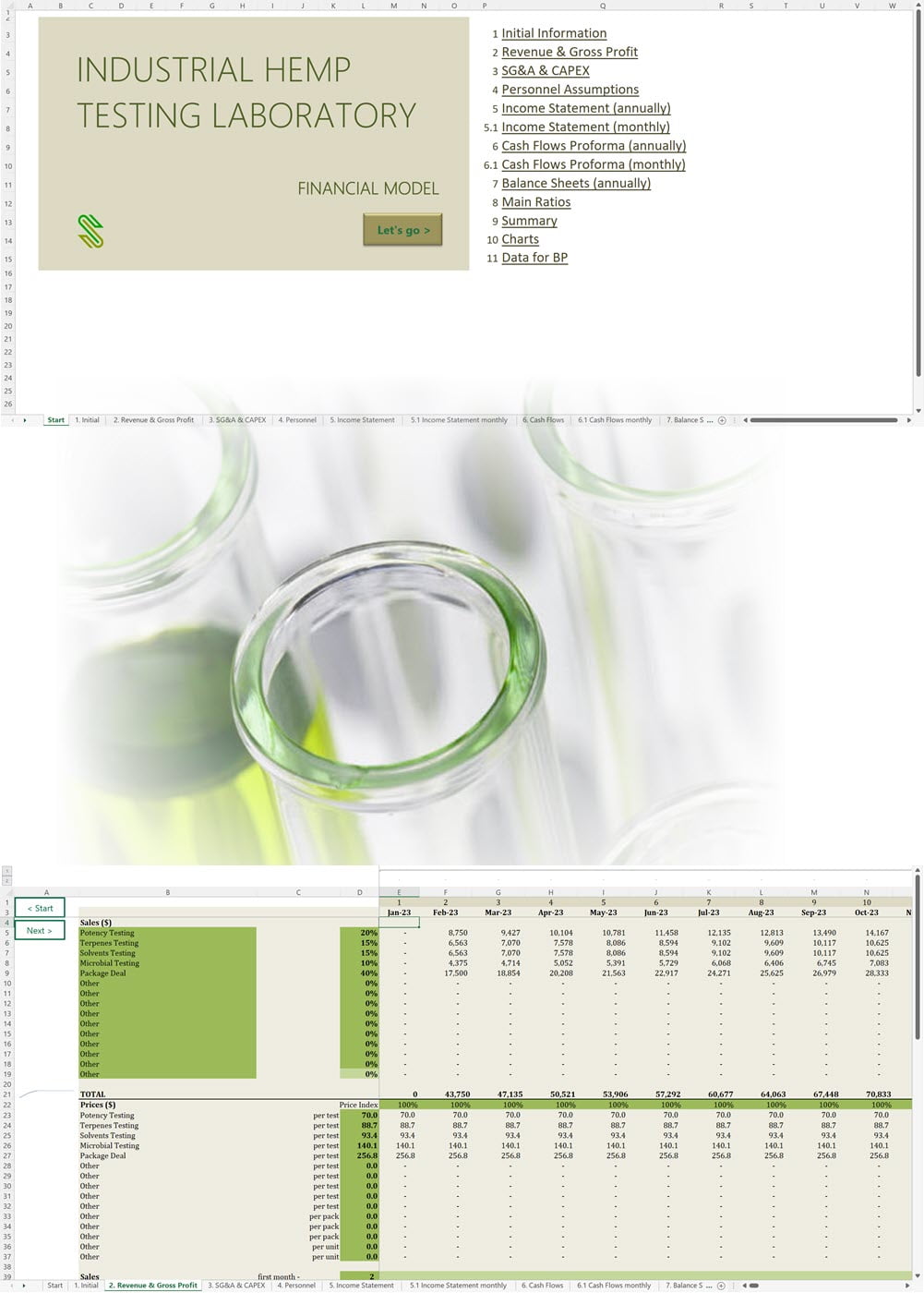
Our complete hemp CBD business plan template package is everything you need to create a professional business plan for a hemp CBD business with expert financials and projections. A complete hemp CBD business plan template package includes:
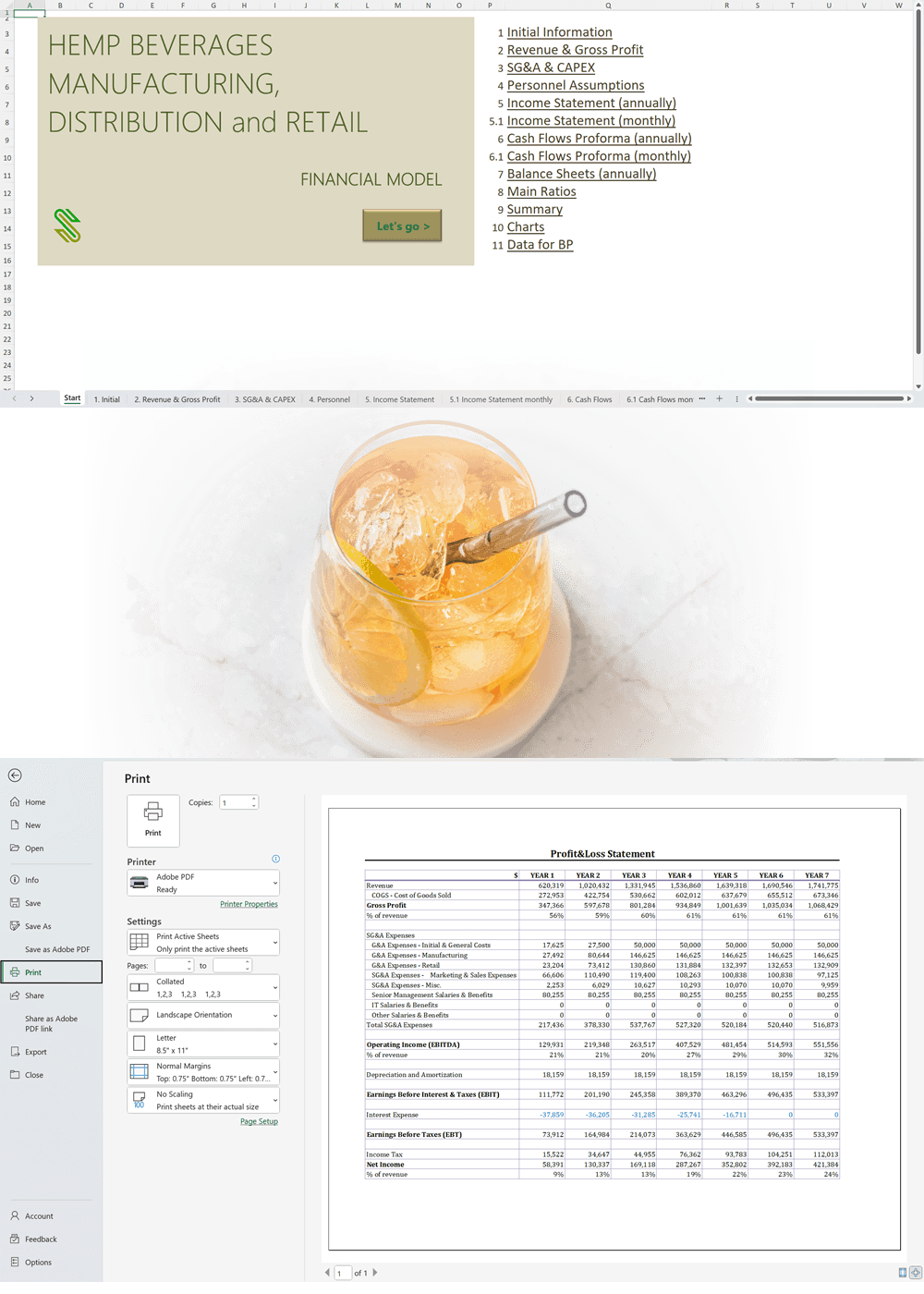
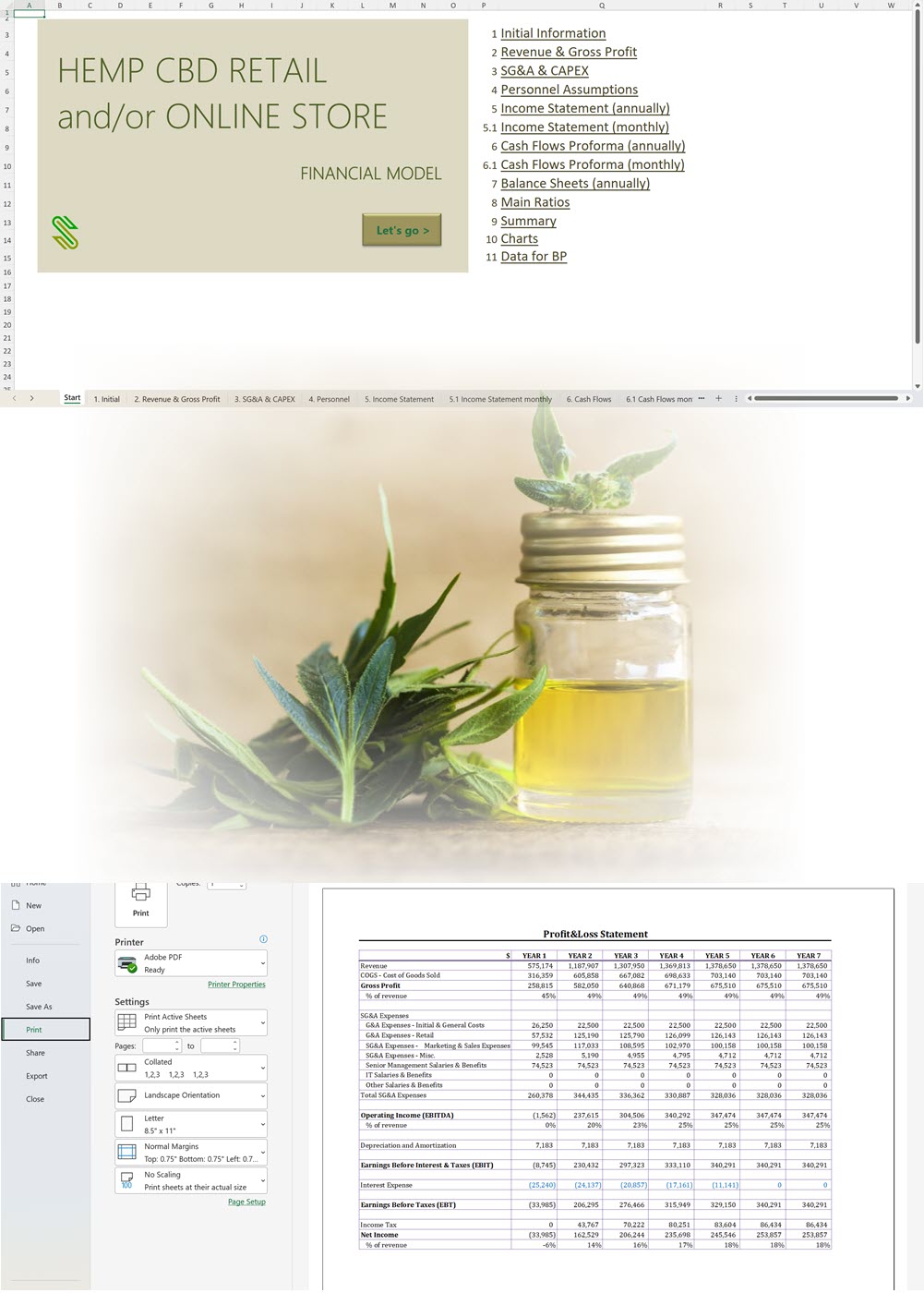
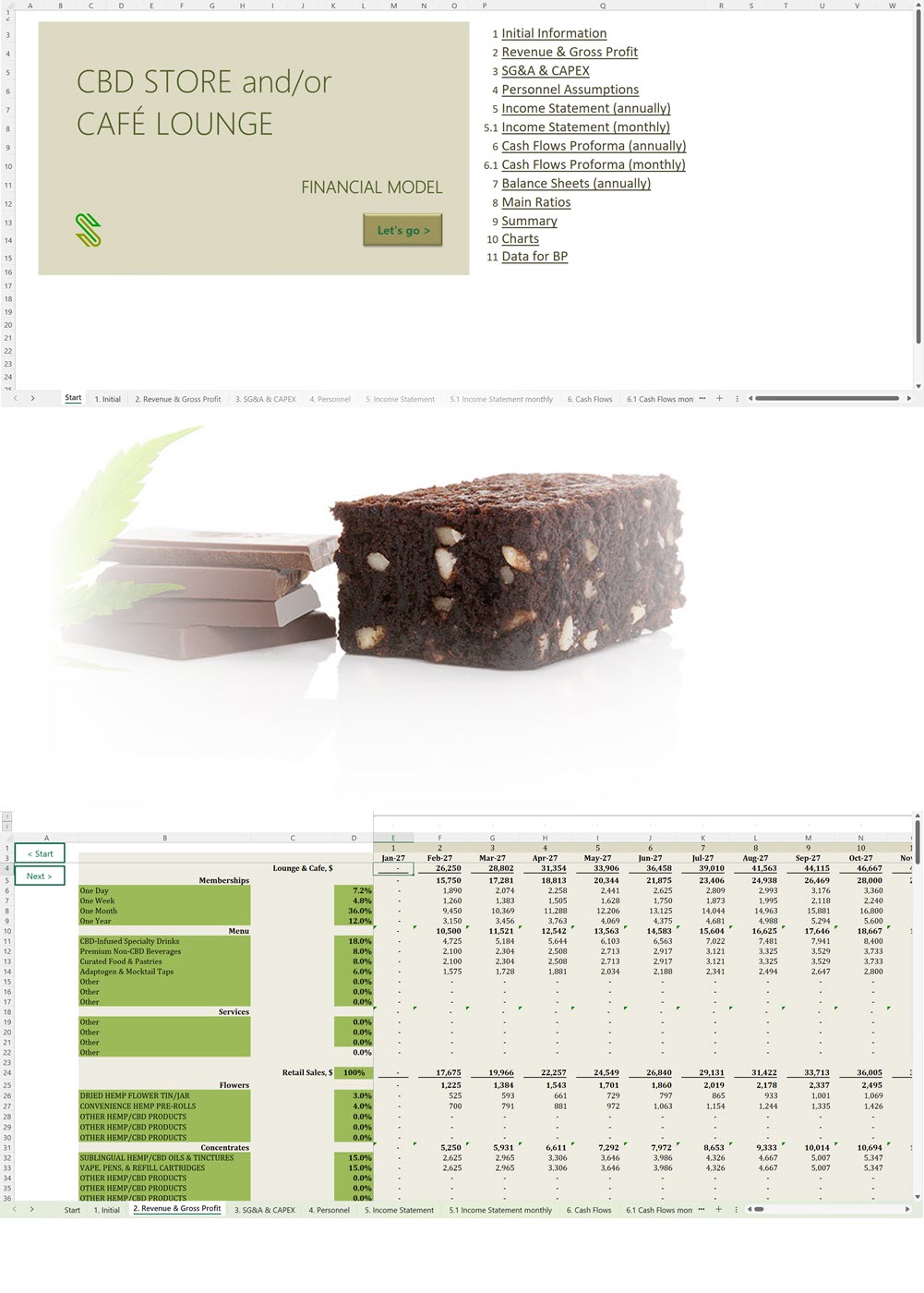
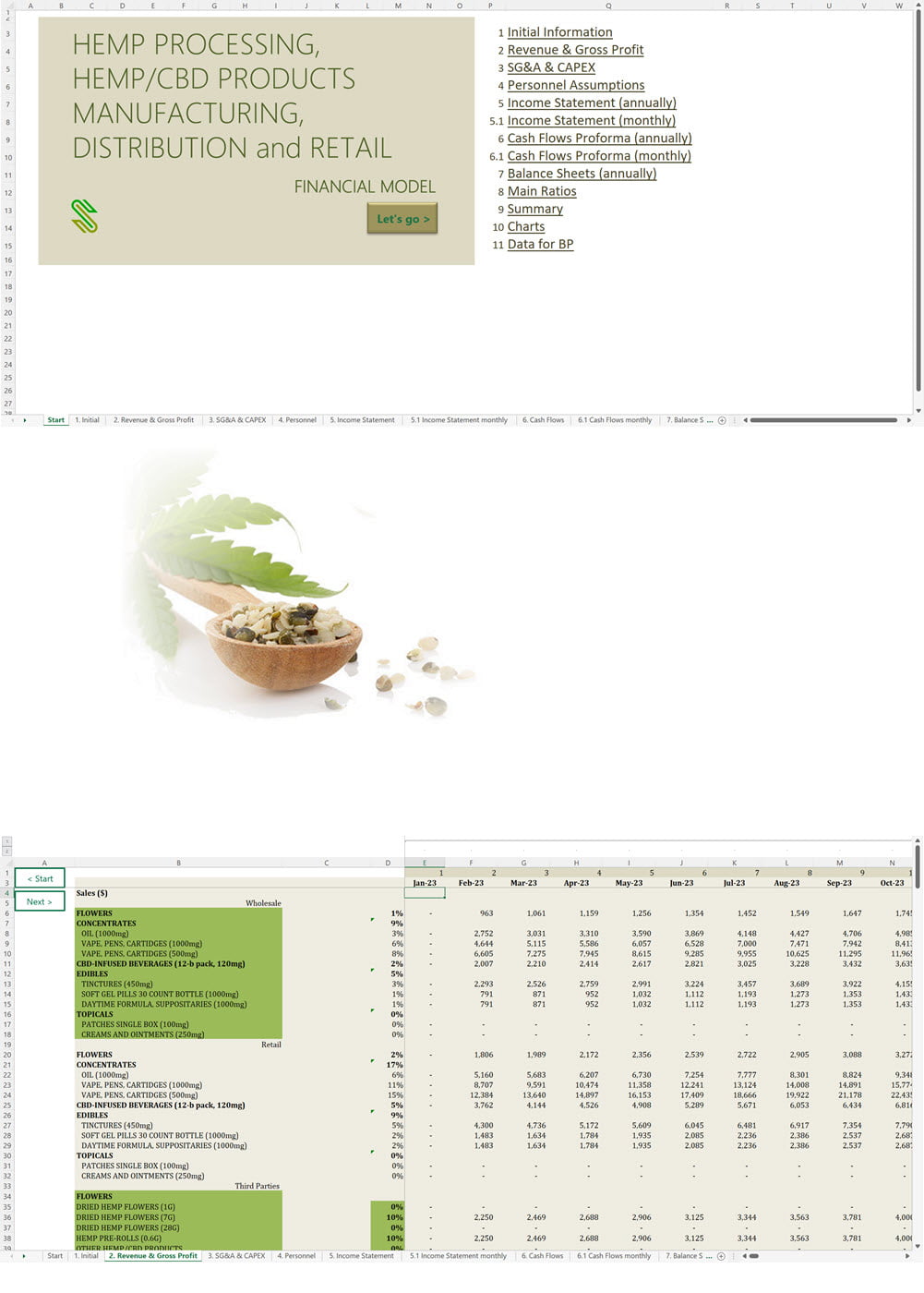
- Excel Financial Model: change variables and immediately see the impact, break down operational and capital costs, know how much it will take to get into the business and the potential profits.
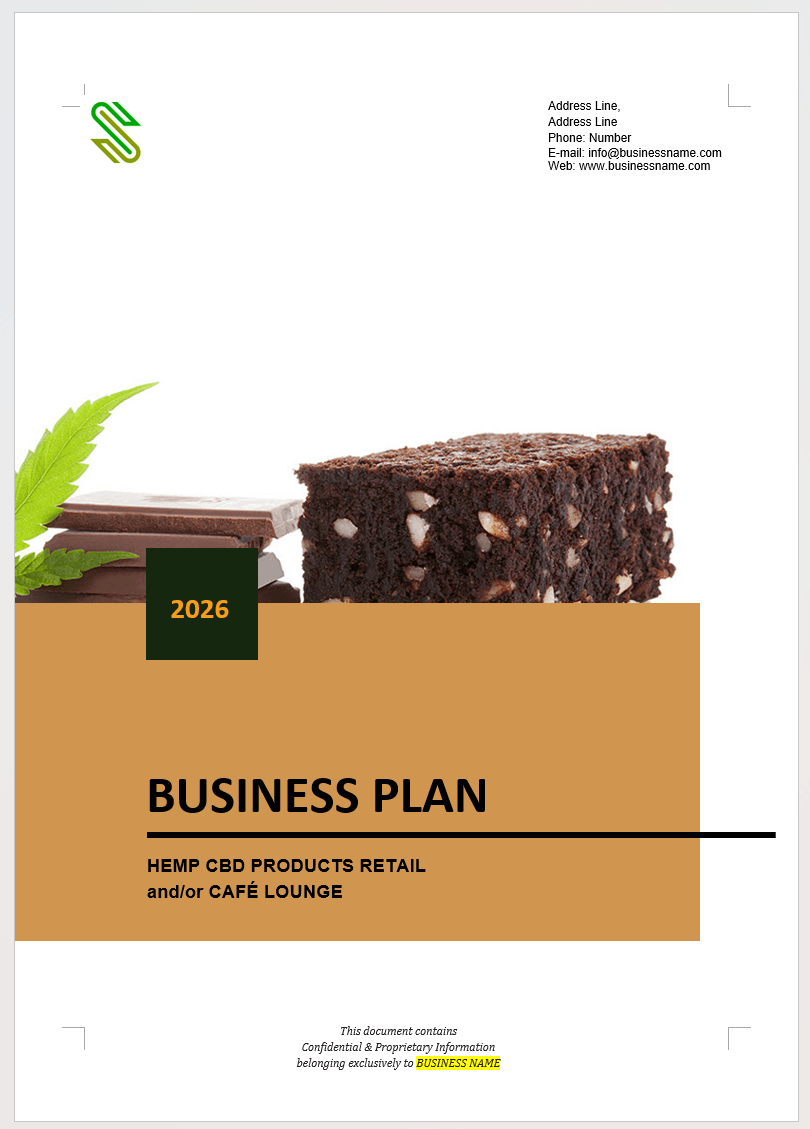
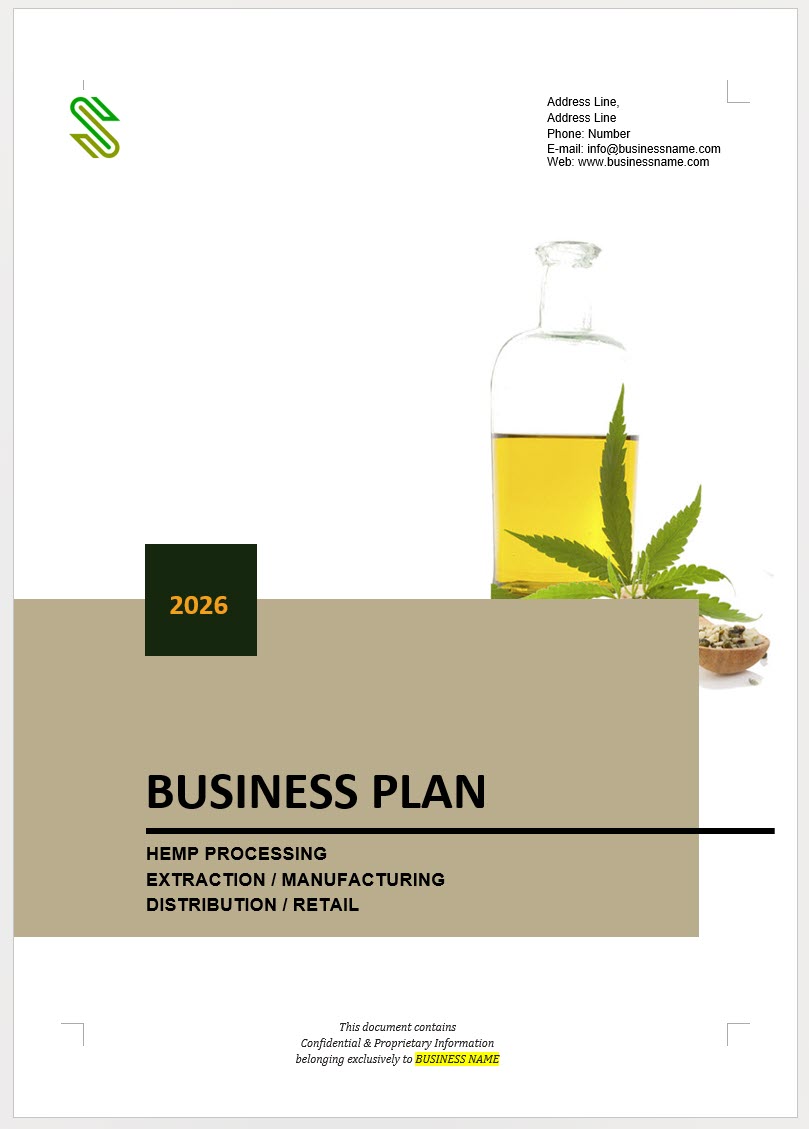
- Word Business Plan: value proposition, market analysis, marketing strategy, operating plan, organizational structure, financial plan and more.
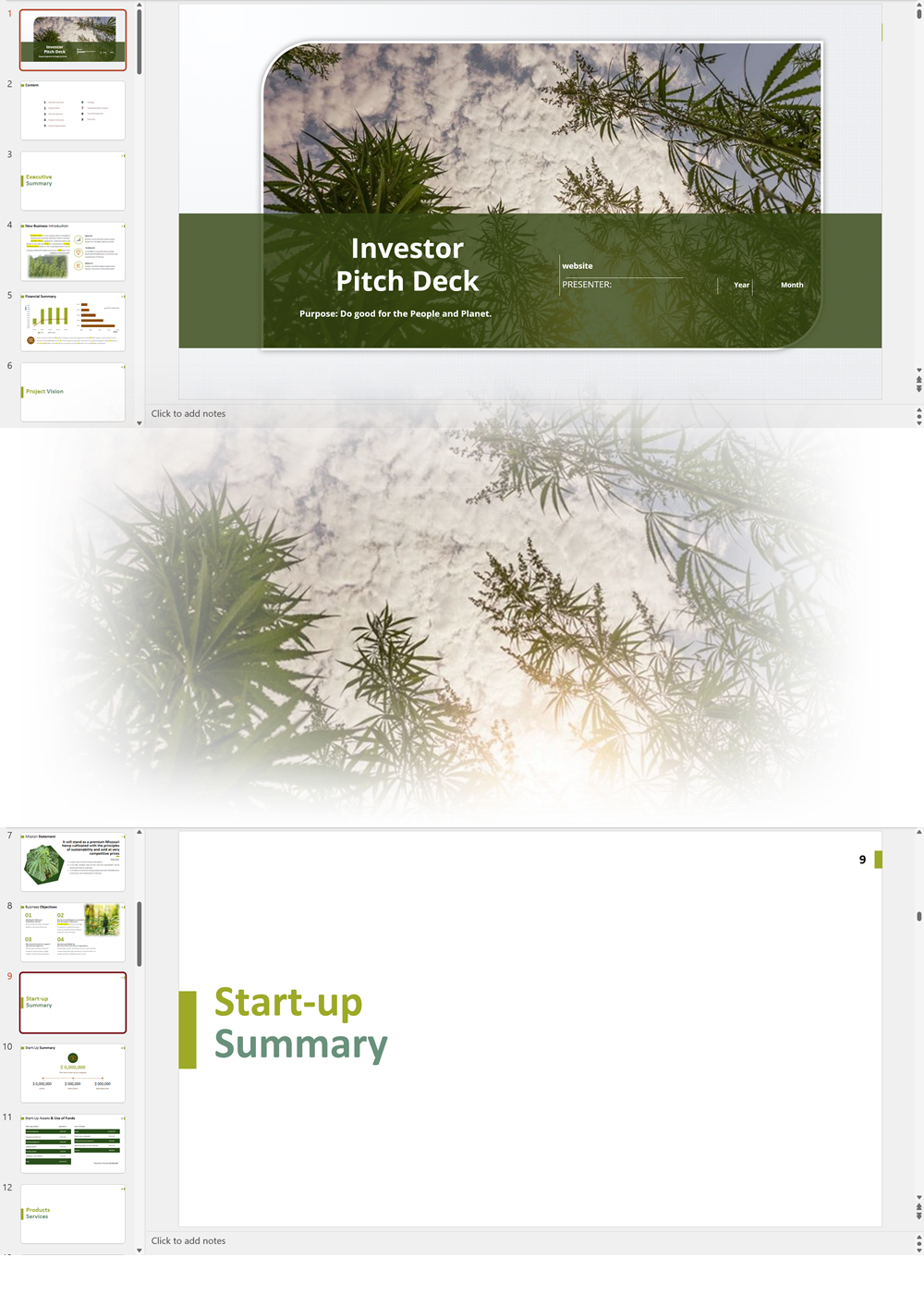
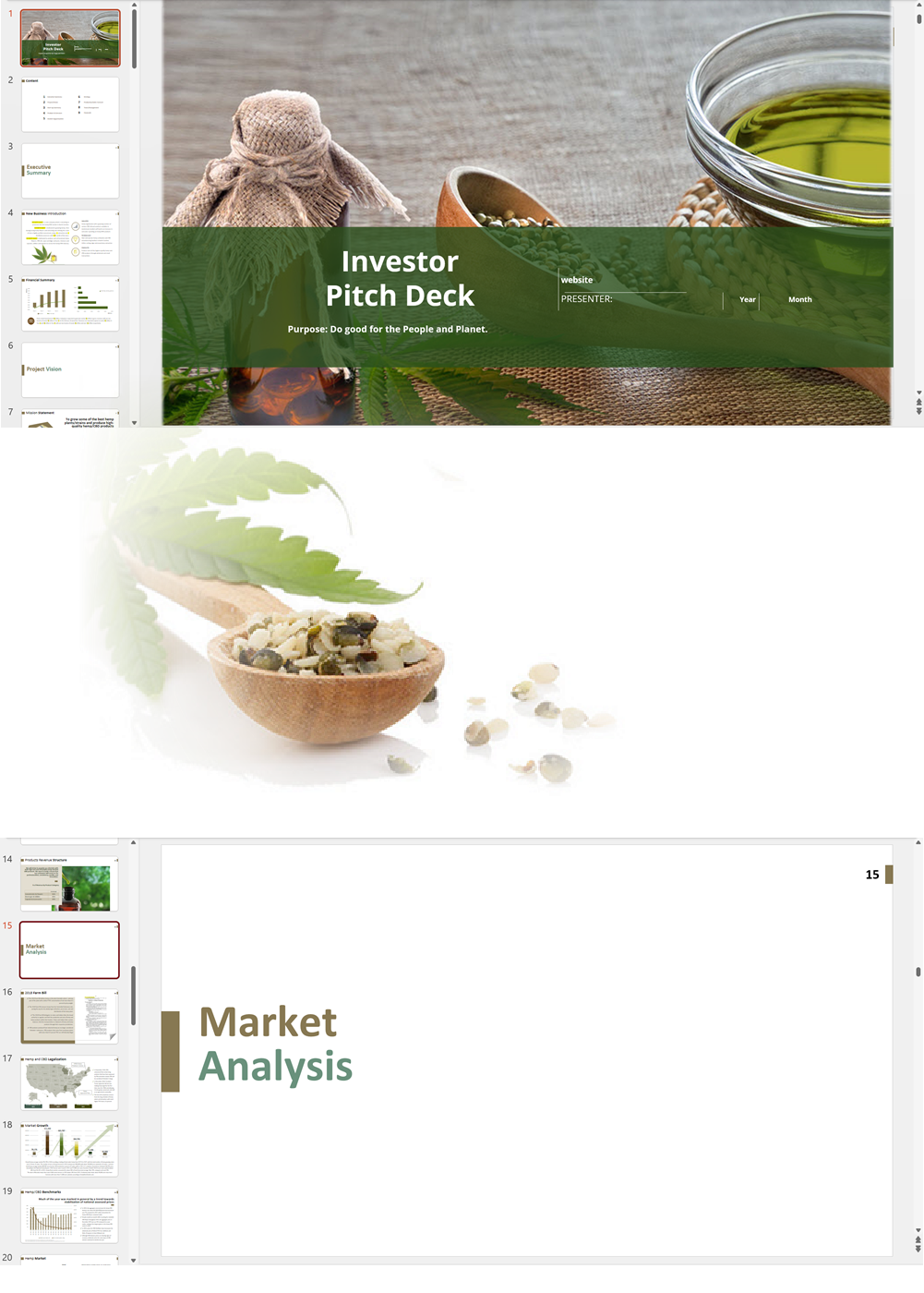
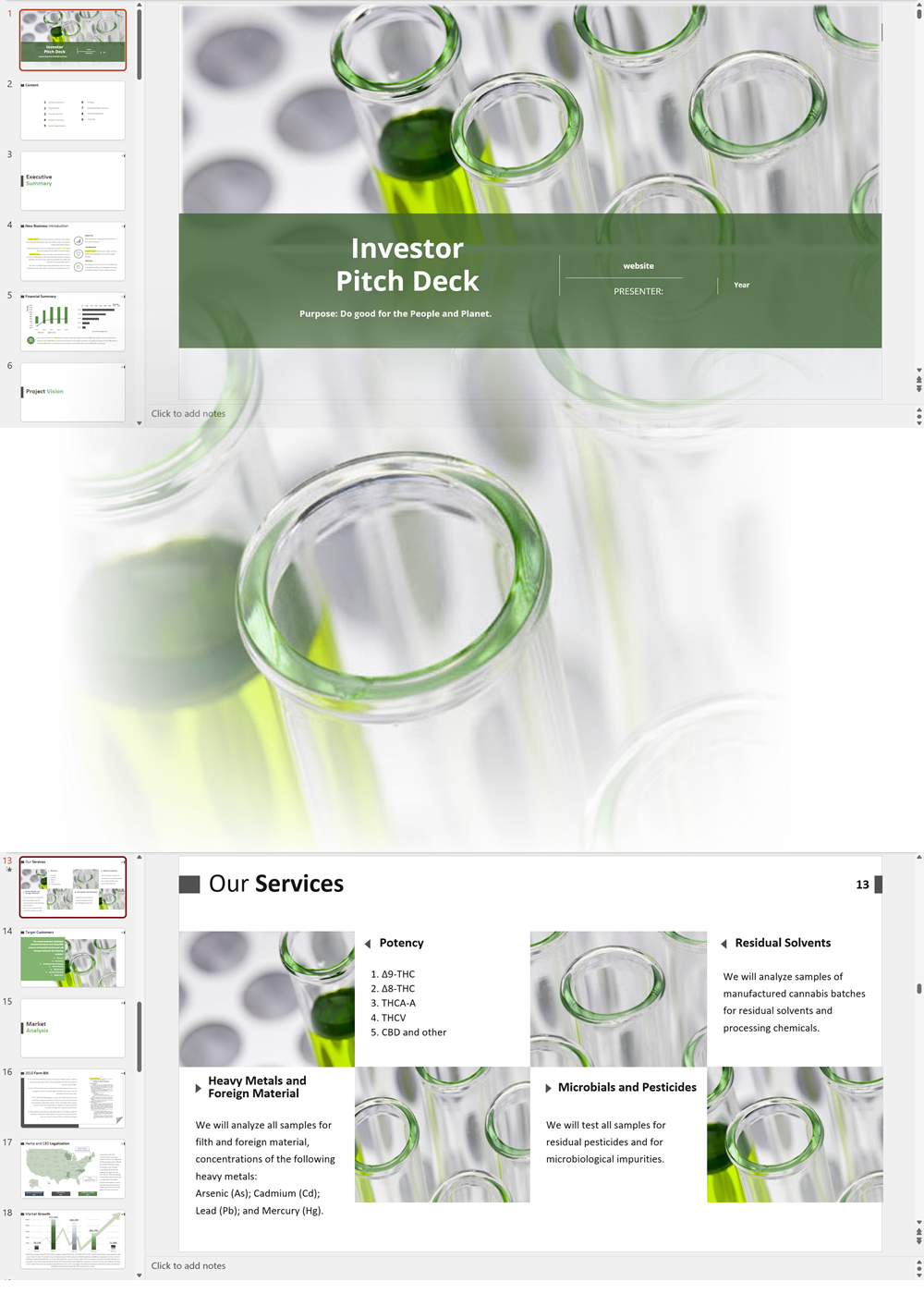
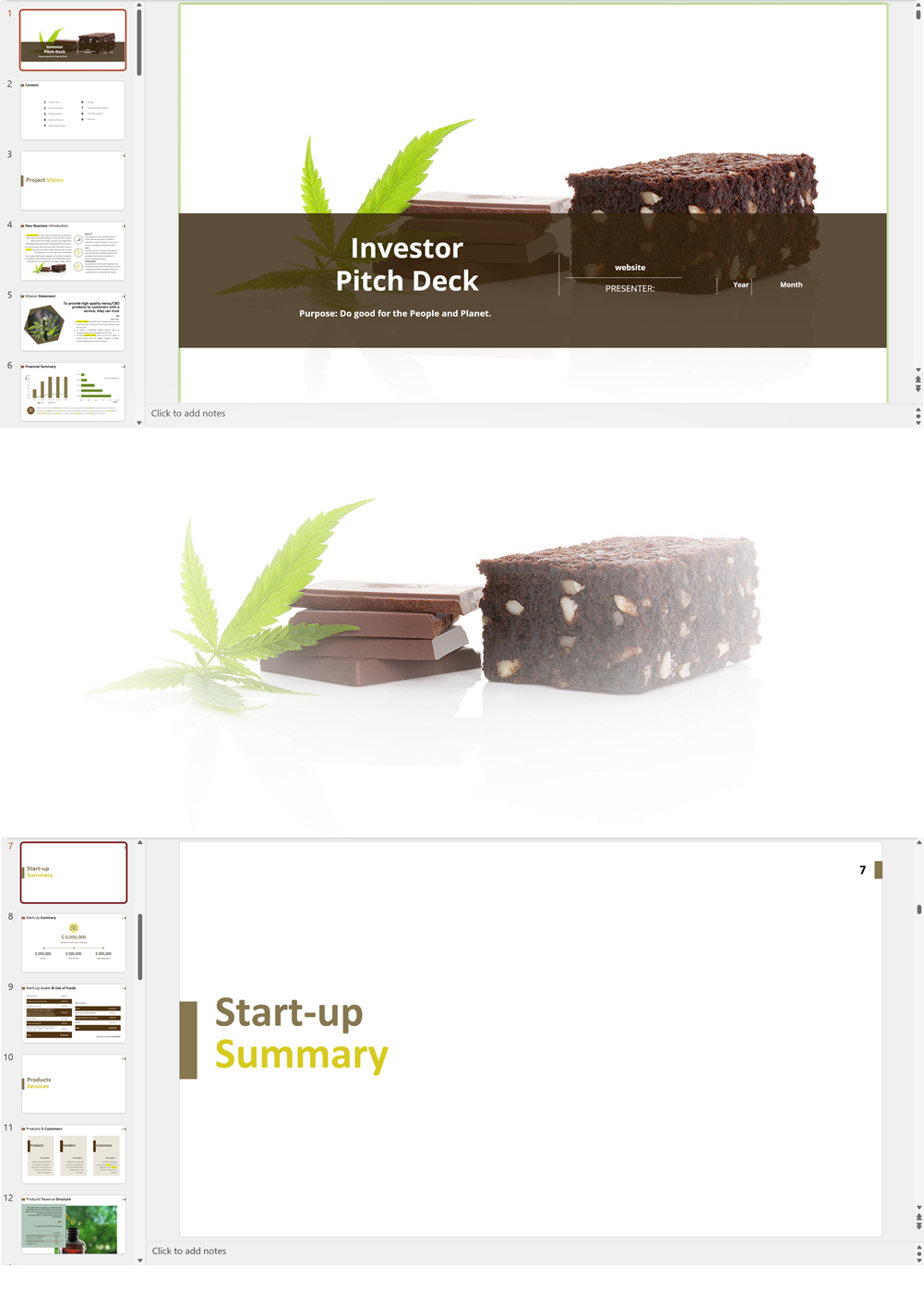
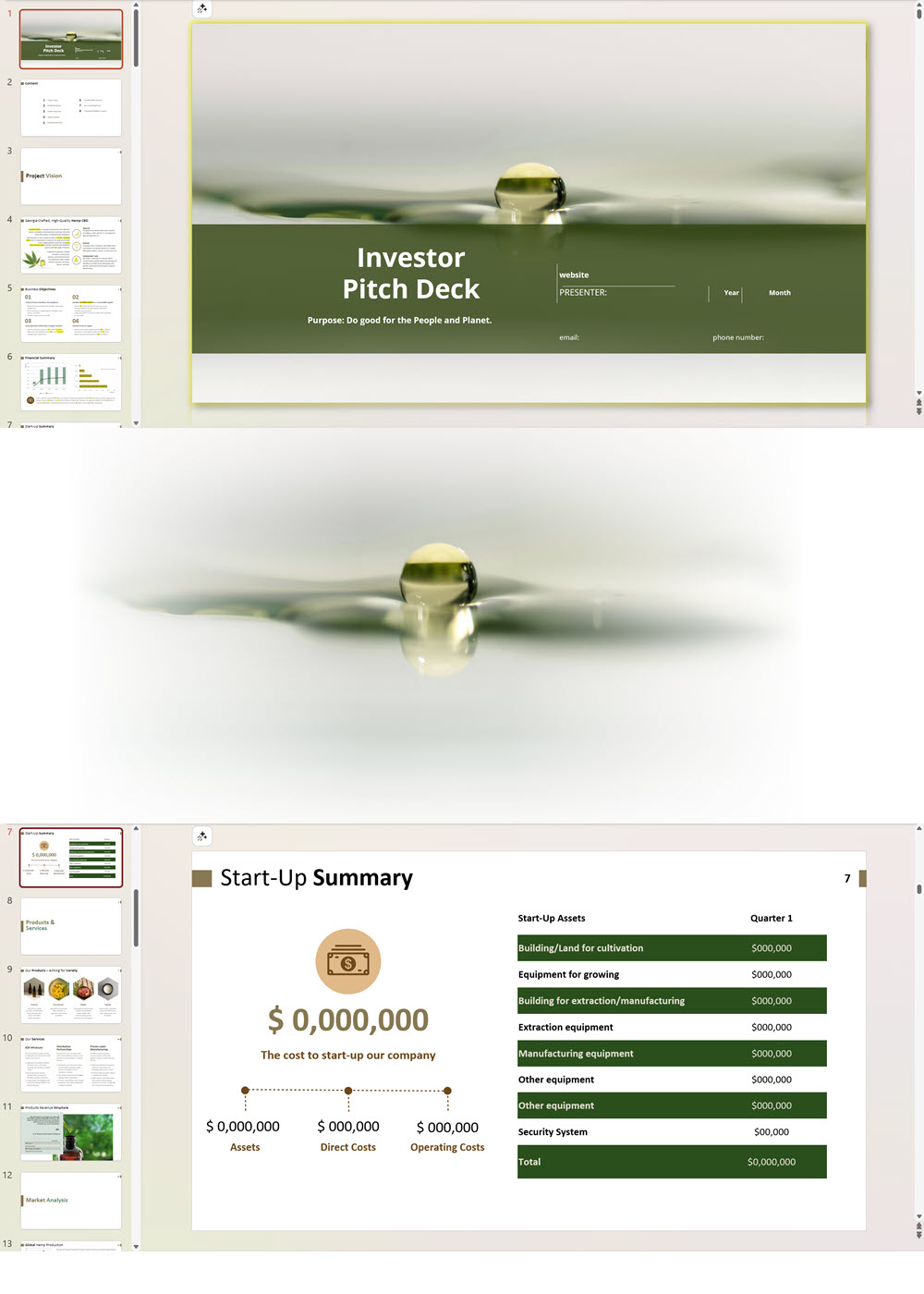
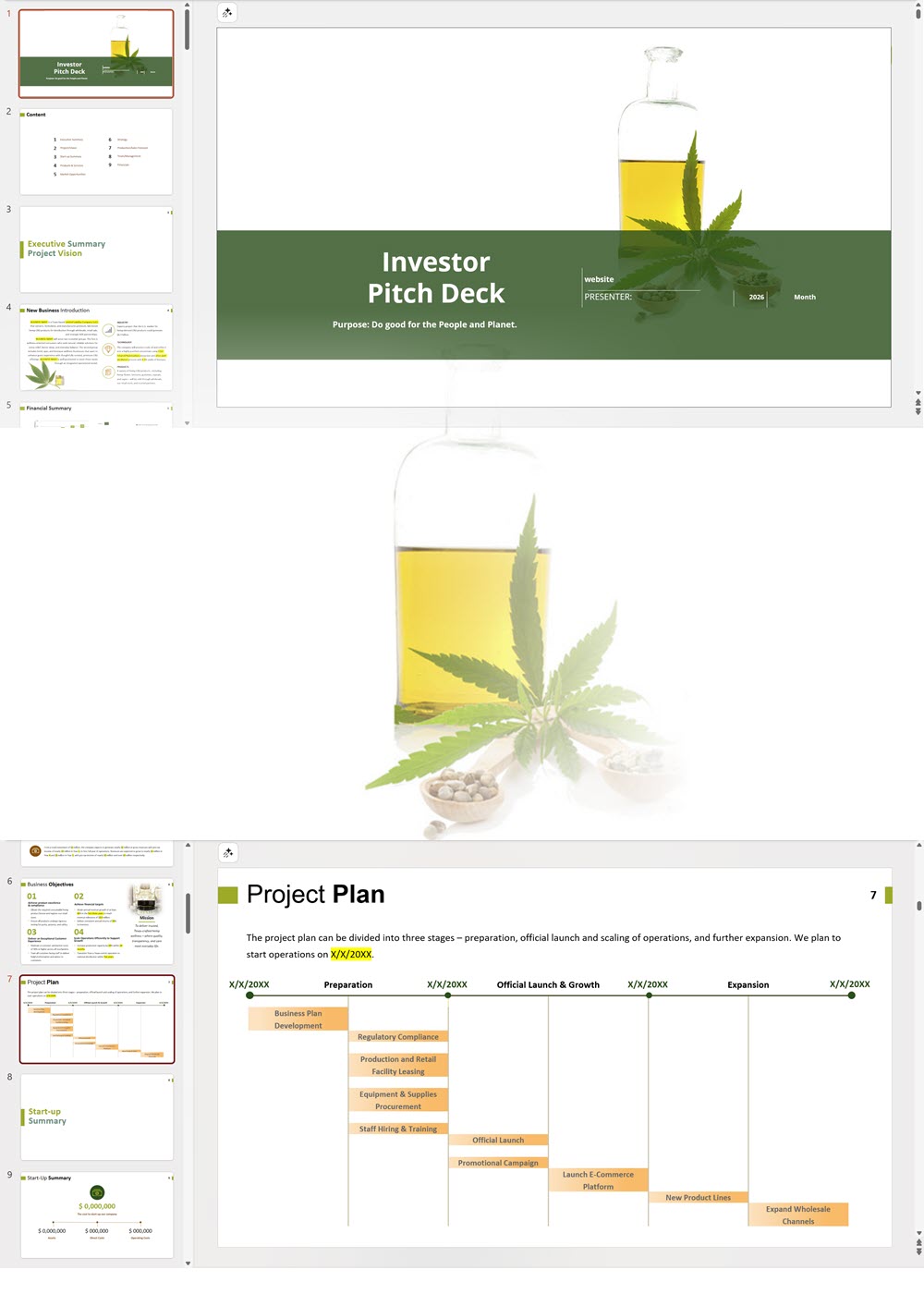
- PowerPoint Pitch Deck: provide a quick overview of your hemp CBD business plan.
'70% ready to go' business plan templates
Our hemp/CBD financial models and business plan templates will help you estimate how much it costs to start and operate your own hemp/CBD business, to build all revenue and cost line-items monthly over a flexible seven year period, and then summarize the monthly results into quarters and years for an easy view into the various time periods. We also offer investor pitch deck templates.
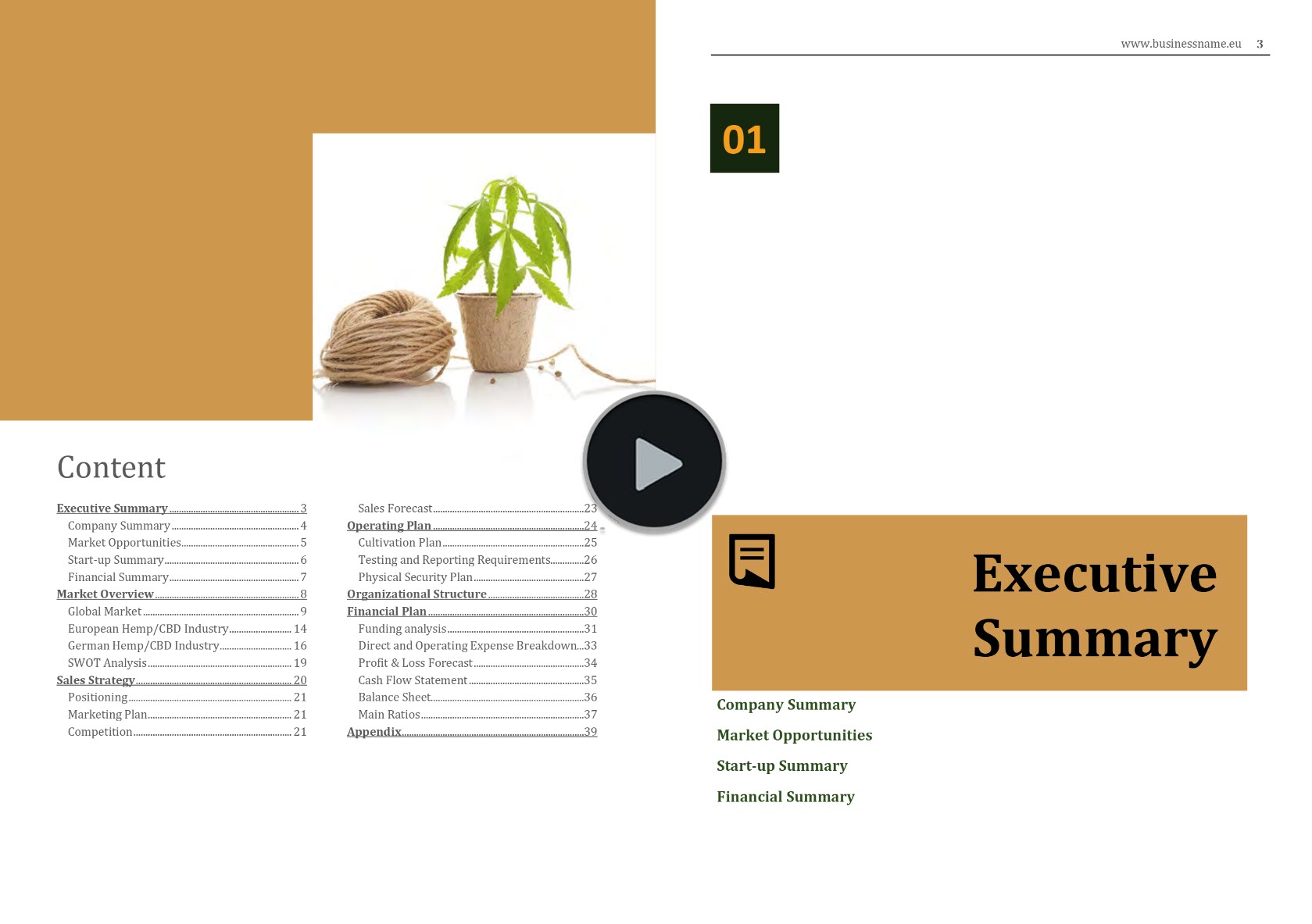
Hemp Fiber and Grain Cultivation Business Plan Sample, Germany
Best Selling Templates
-

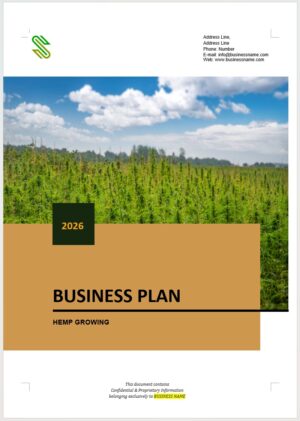
Hemp Cultivation Business Plan Template
Price range: $75.00 through $275.00 Select options This product has multiple variants. The options may be chosen on the product page -

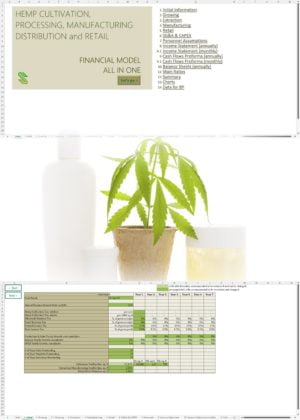
Hemp CBD Financial Model All in One
$200.00 Select options This product has multiple variants. The options may be chosen on the product page -
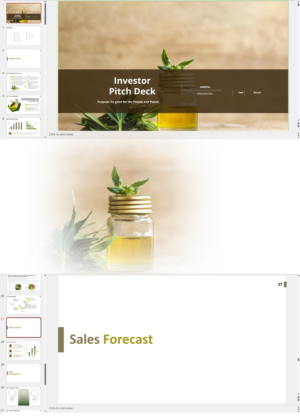
CBD Retail Investor Pitch Deck Template
$75.00 Select options This product has multiple variants. The options may be chosen on the product page
Cannabis business plan templates are available at cannabusinessplans.com.
Our Templates
CBD Store and/or Cafe Lounge Business Plan Template
Price range: $75.00 through $275.00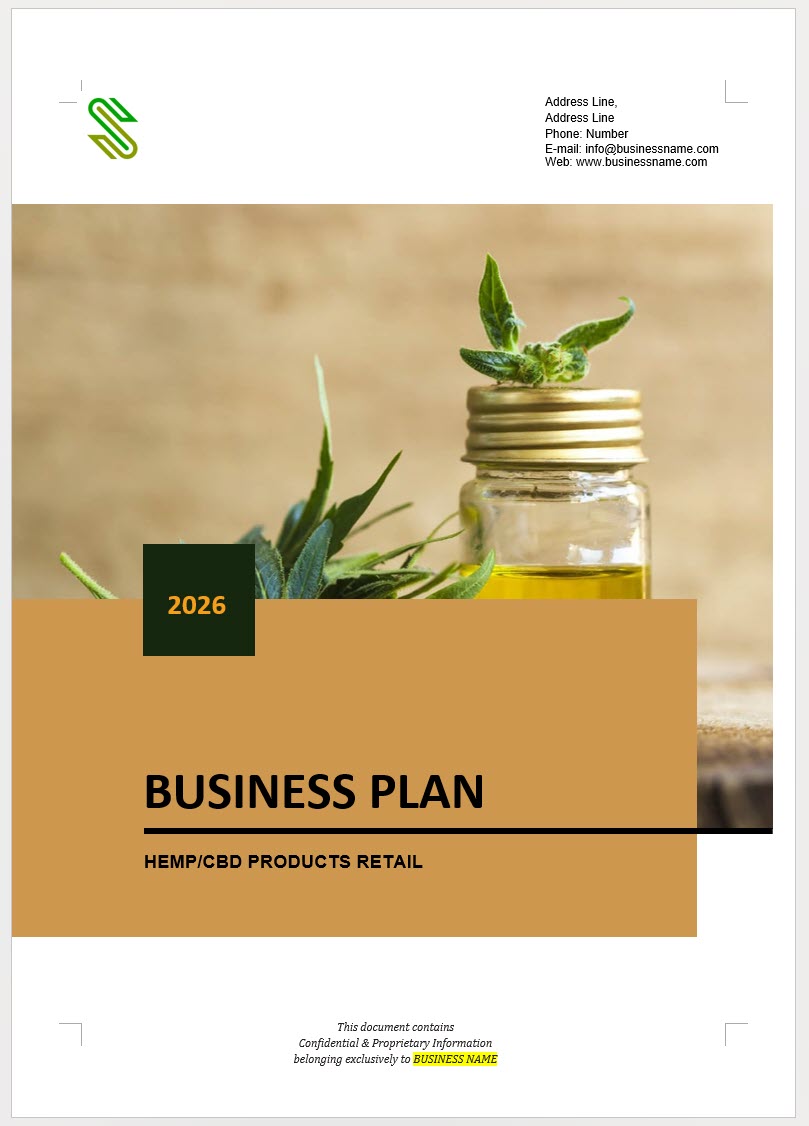
CBD Products Retail/Online Store Business Plan Template
Price range: $75.00 through $275.00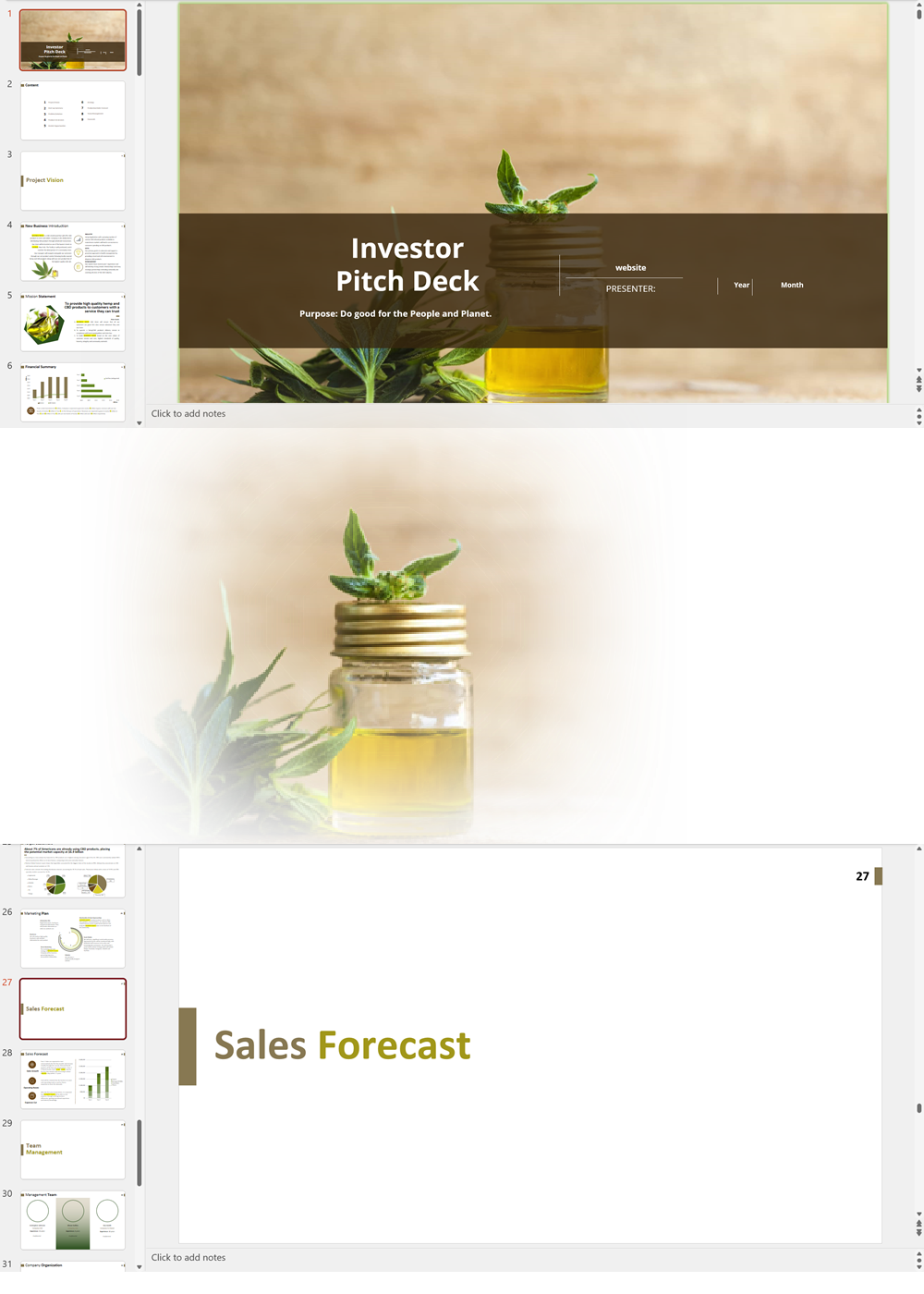
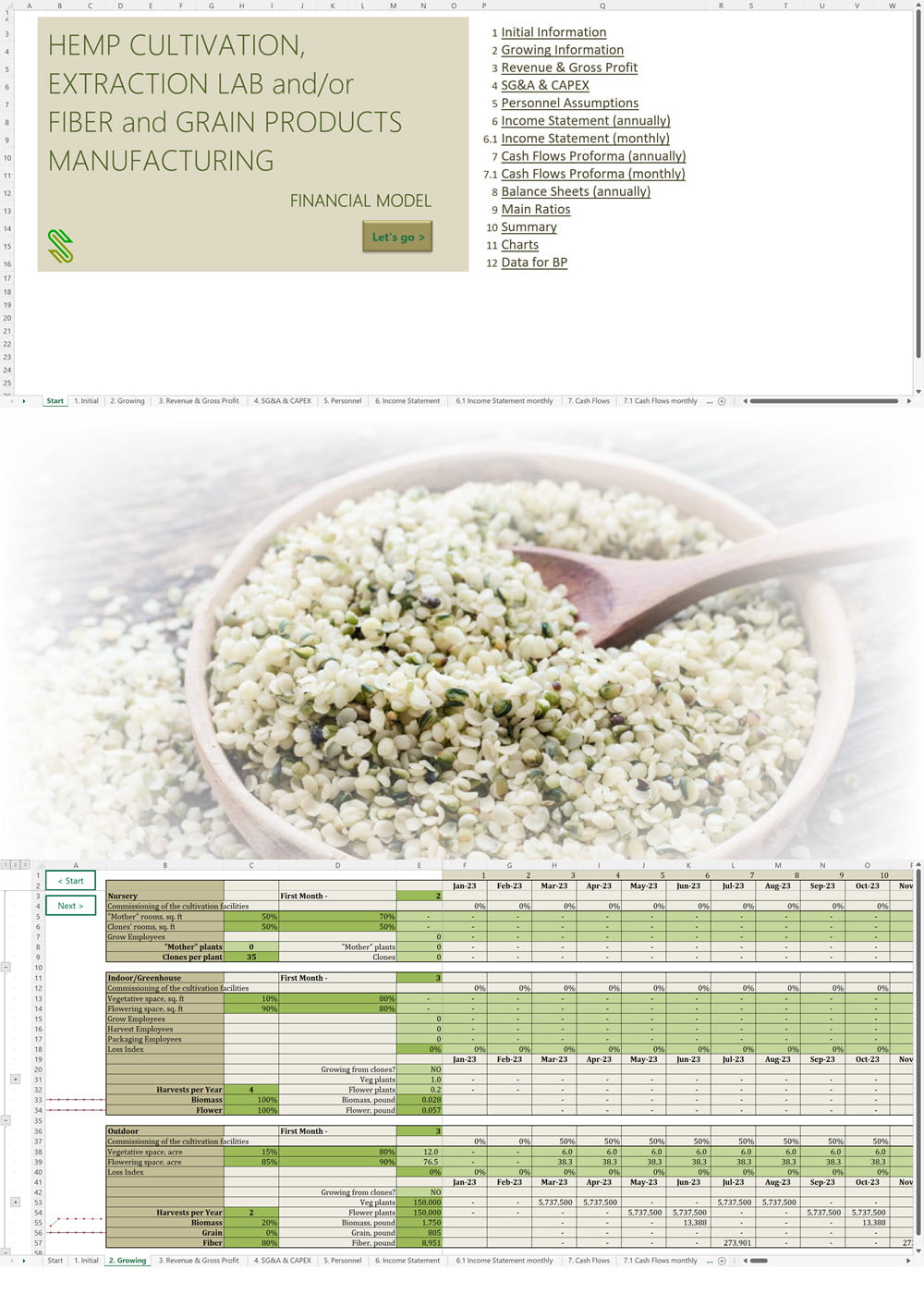
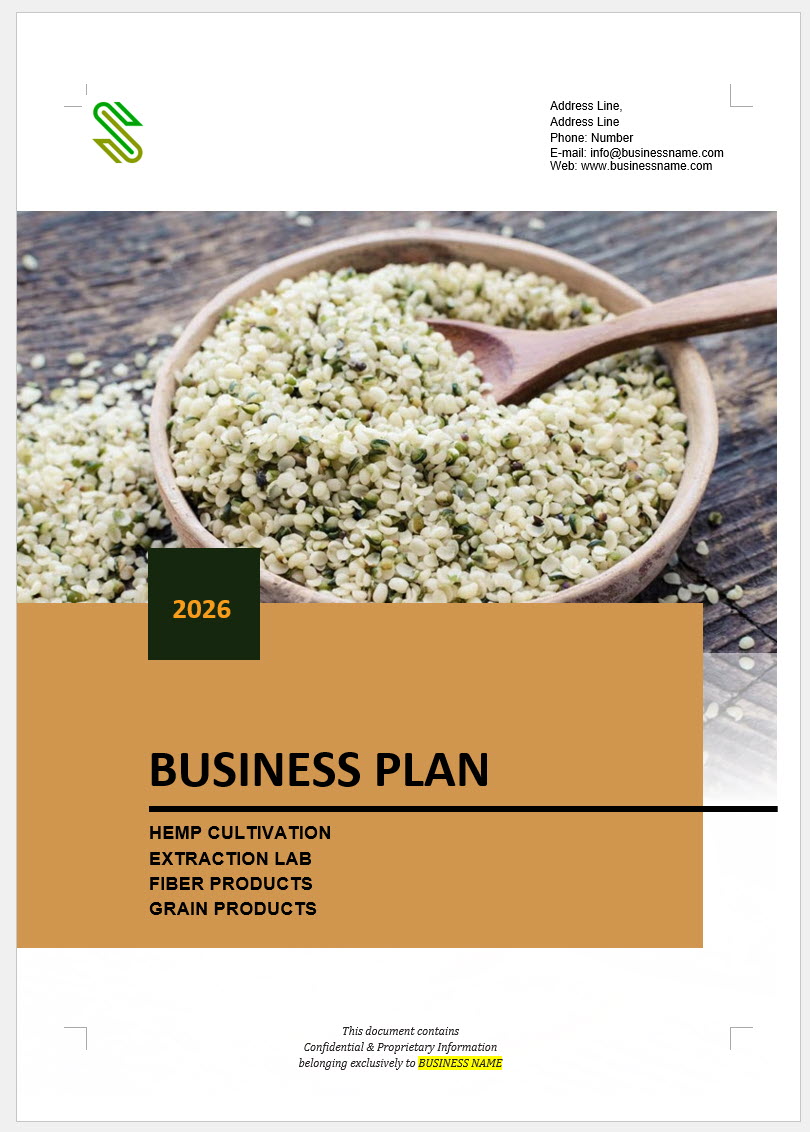
Hemp (Biomass, Fiber, Grain) Cultivation and Processing/ Manufacturing Business Plan Template
Price range: $75.00 through $350.00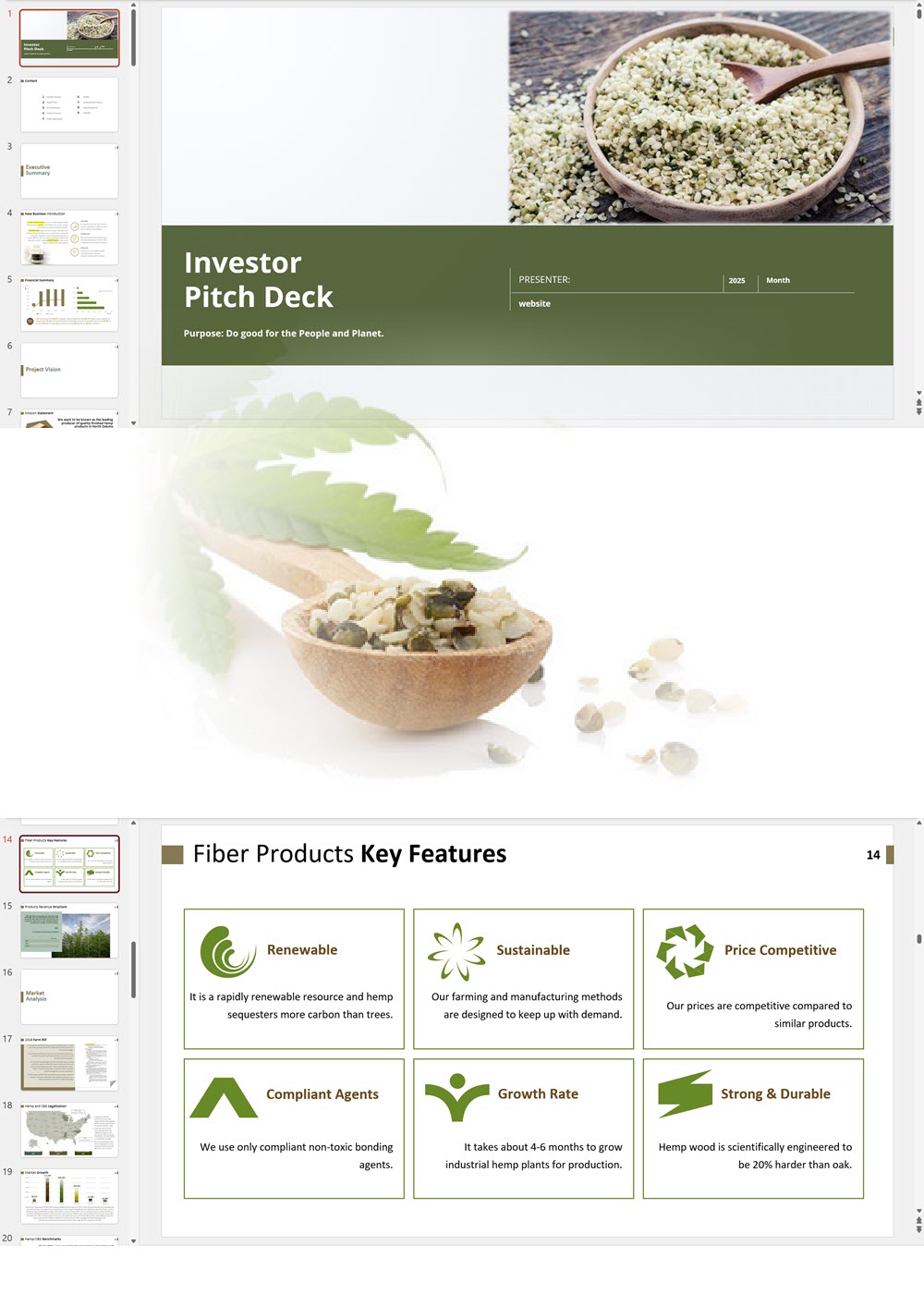
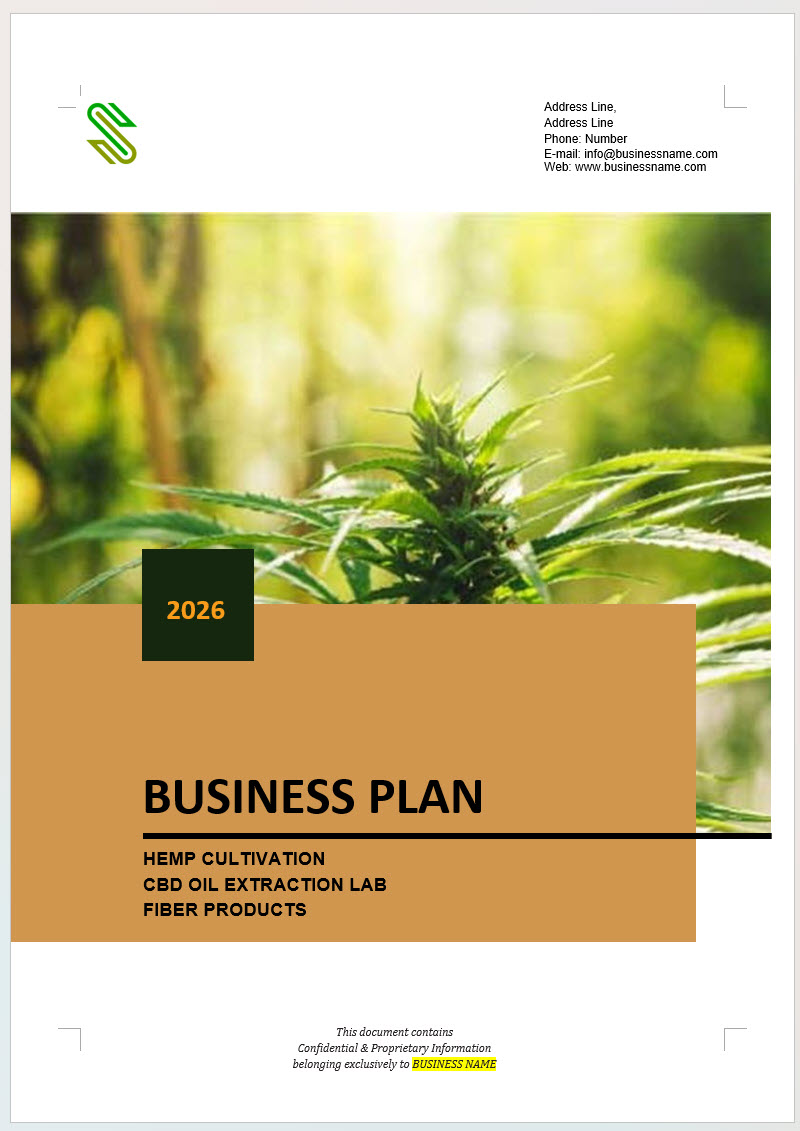
Hemp Cultivation and CBD Oil Extraction and/or Fiber Products Business Plan Template
Price range: $75.00 through $350.00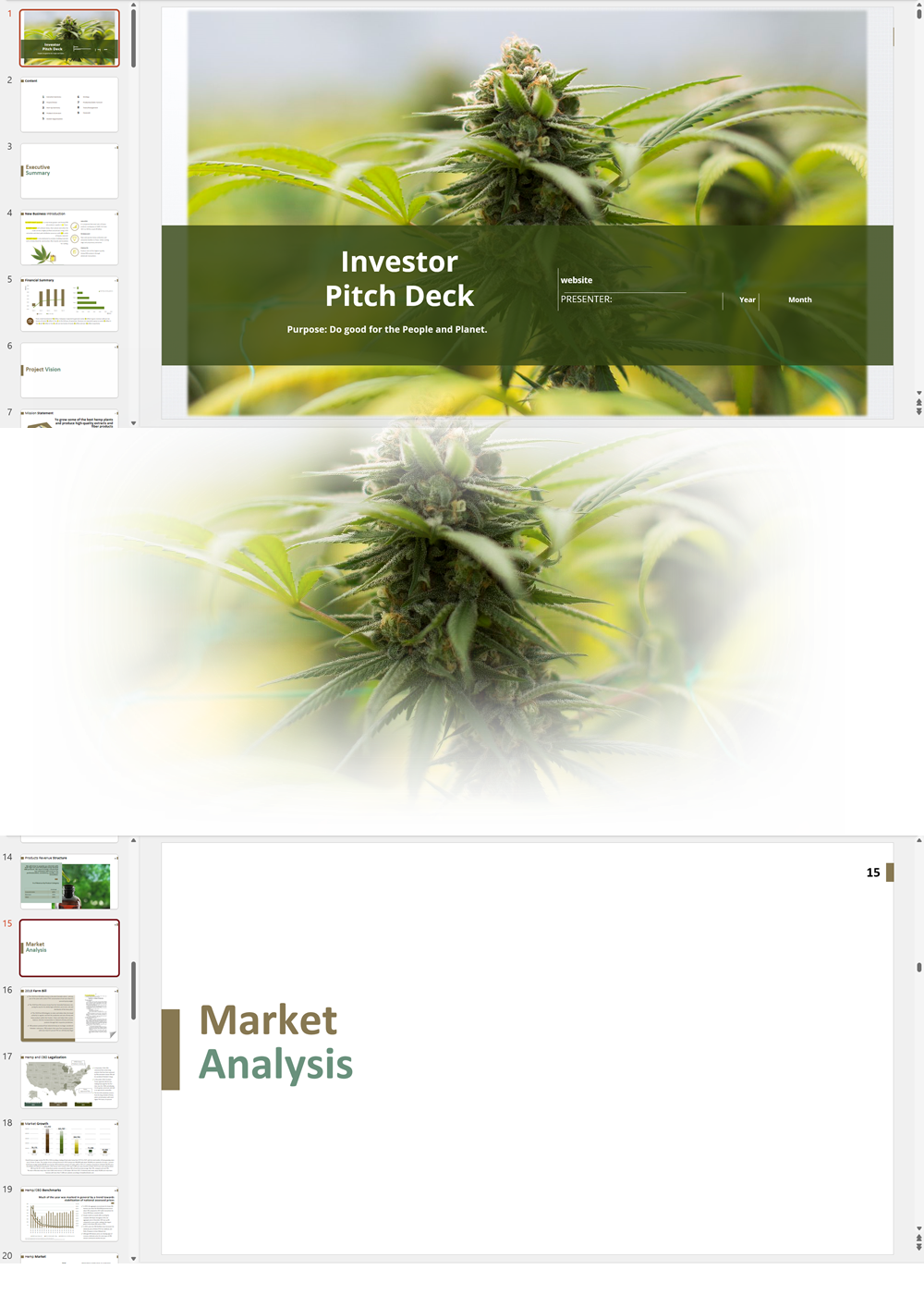
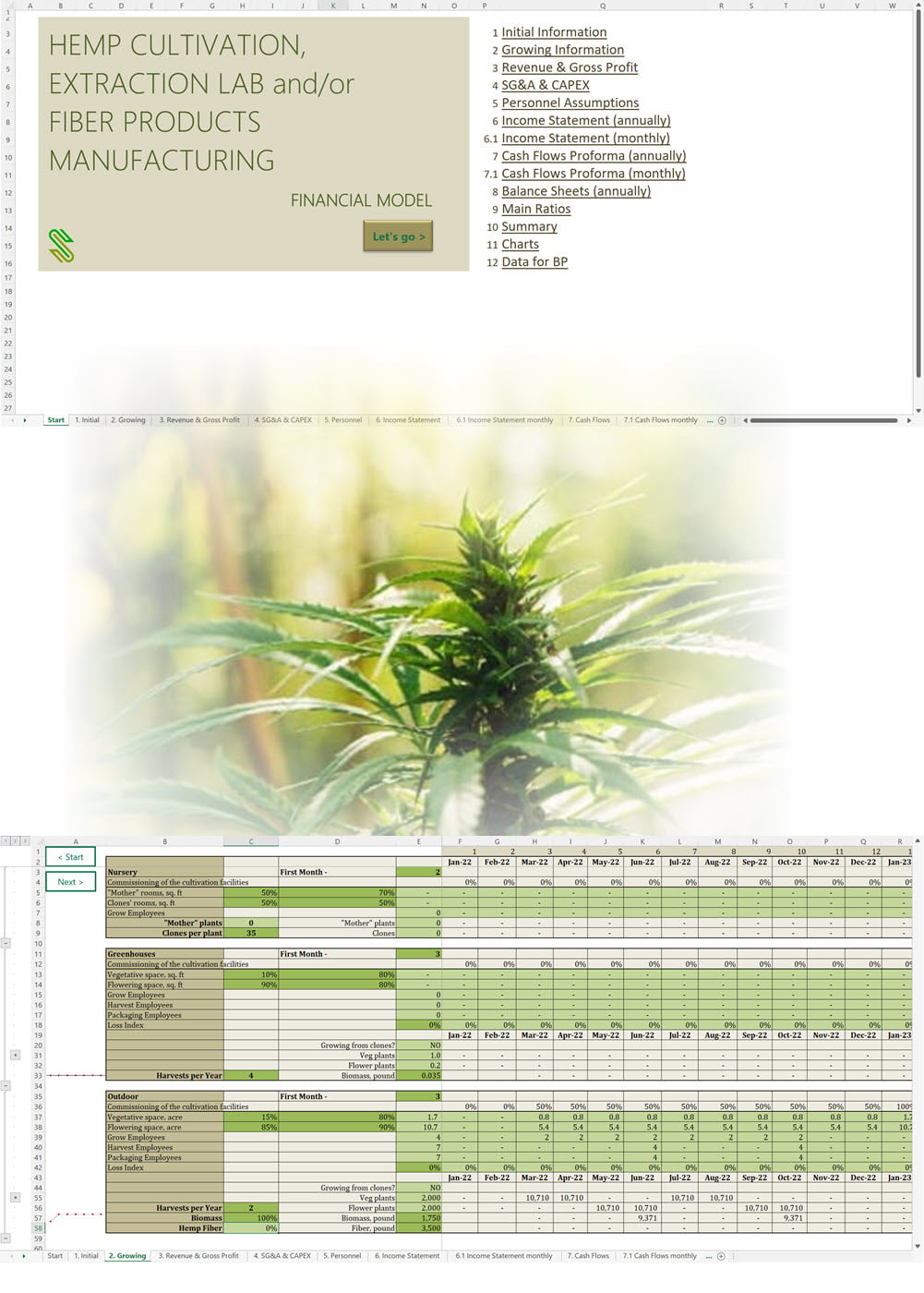
Hemp Fiber Growing and Manufacturing Business Plan Template
Price range: $75.00 through $275.00
Hemp Cultivation + Extraction + Manufacturing Business Plan Template
Price range: $75.00 through $450.00
Hemp CBD Extraction + Manufacturing + Retail Business Plan Template
Price range: $75.00 through $450.00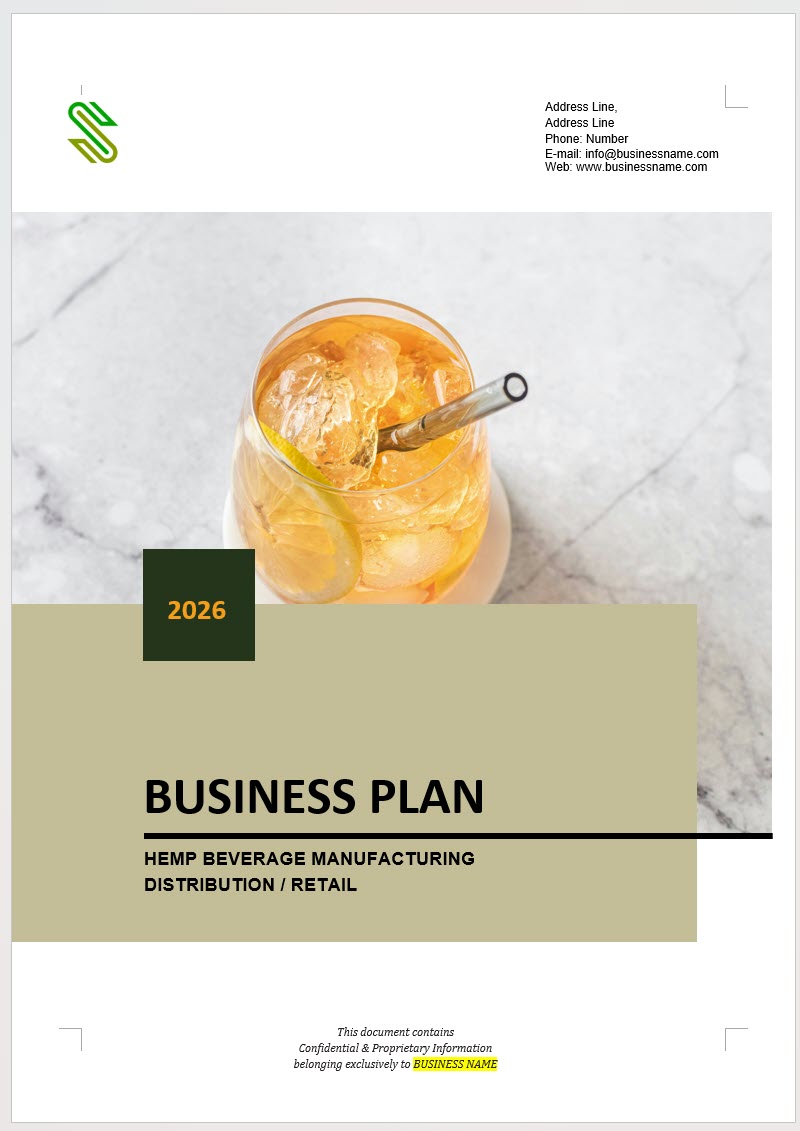
Hemp CBD Beverage Manufacturing, Wholesale and/or Retail Business Plan Template
Price range: $75.00 through $350.00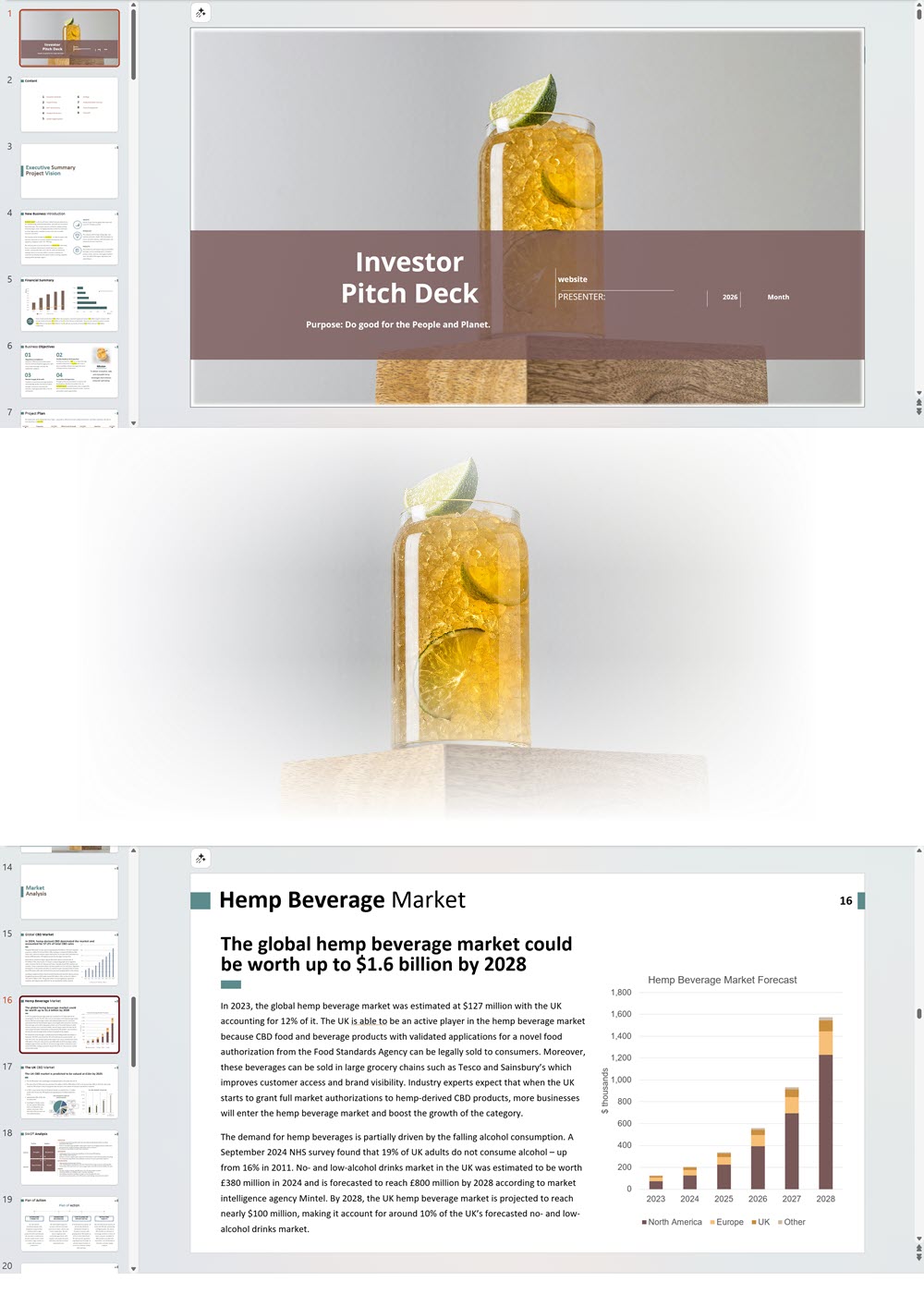
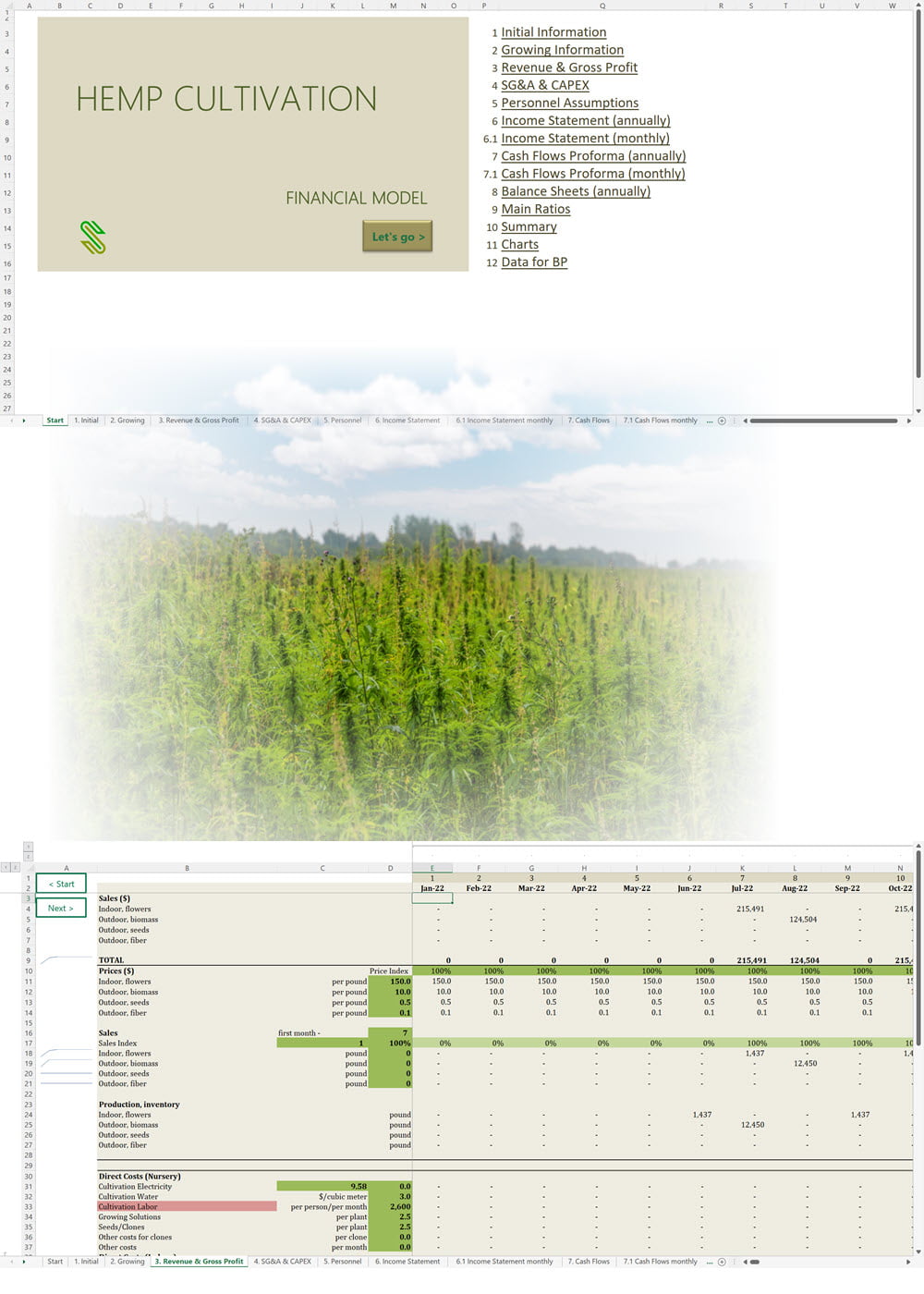
Hemp Cultivation Financial Model
$100.00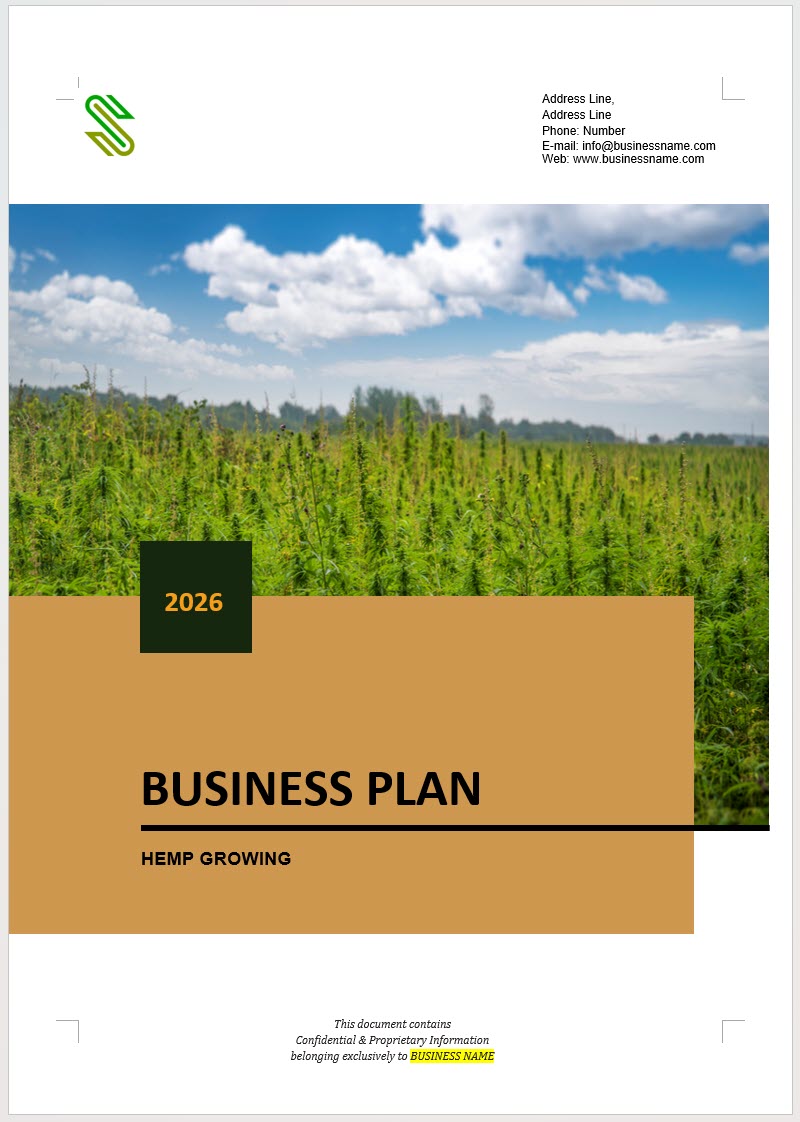
Hemp Cultivation Business Plan Template
Price range: $75.00 through $275.00