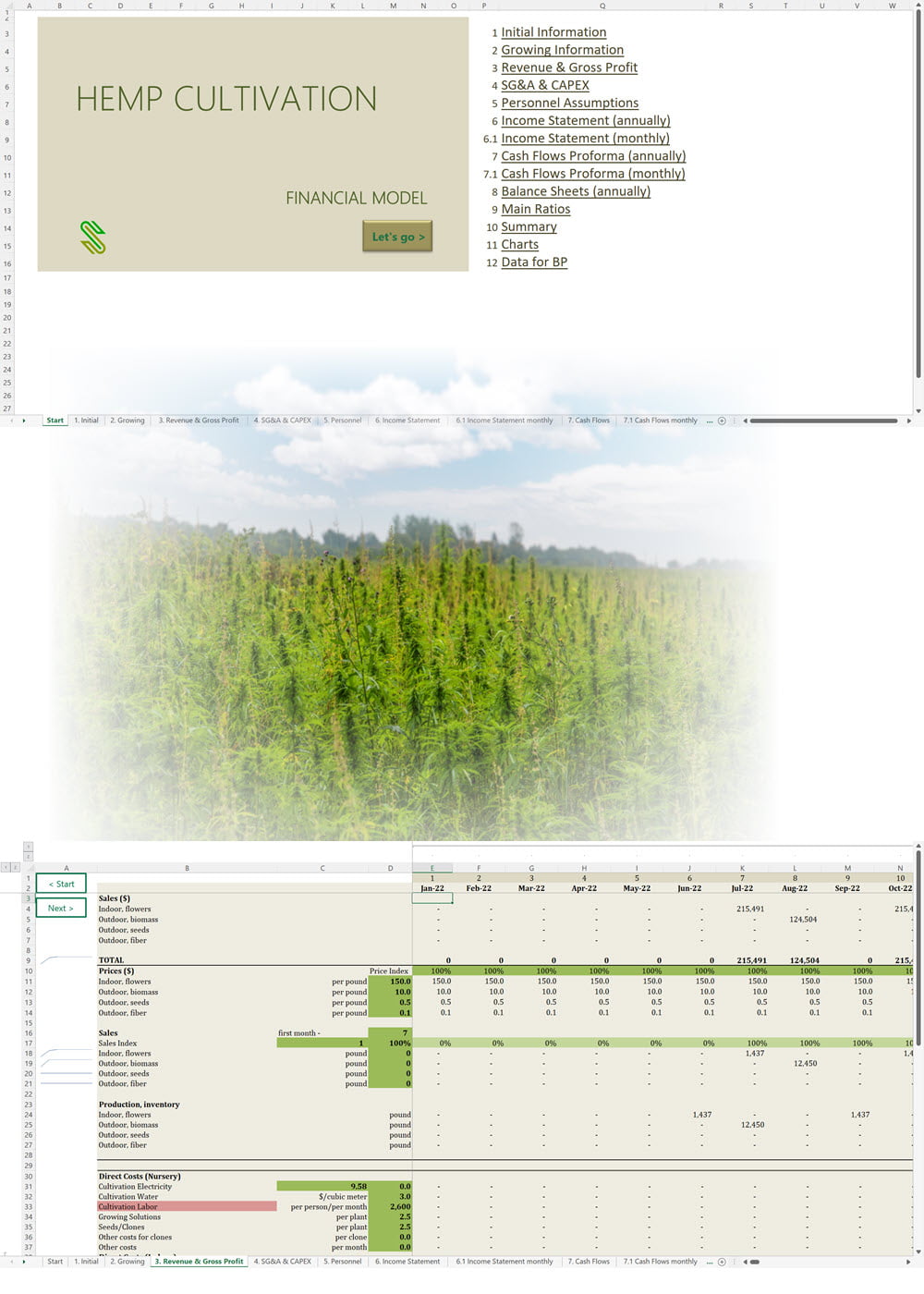
Key Takeaways
- Hemp Industry Regulations:
- The hemp industry in Illinois is regulated by the Industrial Hemp Act. This law will be repealed on November 12, 2026, from which point the new framework (The Illinois Hemp Act) will take full effect.
- Administrative regulations are contained in the Ill. Admin. Code tit. 8, pt. 1200 – Industrial Hemp Act.
- Licenses and permits available:
- Cultivation license.
- Industrial hemp processor license.
- Hemp product manufacturer license.
- Products legal:
- Hemp products and hemp-derived CBD products that contain no more than 0.3% THC, and that are not intended for consumption through smoking or vaping.
- Industry stats:
- Illinois’ hemp farmers planted 730 acres in 2025 and greatly improved their yield by harvesting 580 acres – nearly 80% of the planted acres.
- While Illinois’ hemp farmers used to grow hemp for floral biomass, in 2024, only 15% of harvested acreage was industrial floral hemp while the remainder was dedicated to growing for fiber, demonstrating a pivot in the main product for which hemp is cultivated in the state.
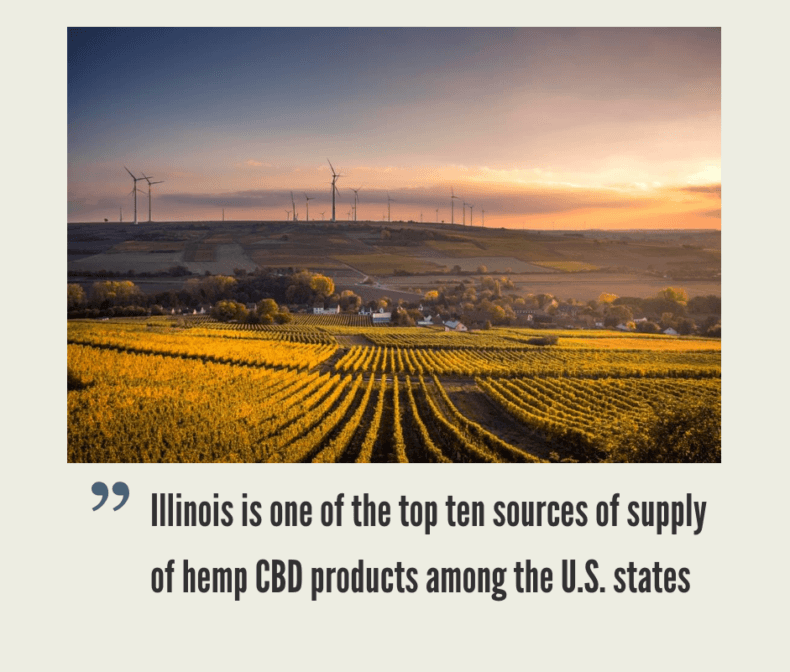
- According to the 2023 National Cannabinoid Report by Whitney Economics, Illinois is one of the top 10 sources of supply of hemp in the U.S. with 12.8% of the interviewed businesses stating that they source hemp-derived products from Illinois.
Illinois Hemp Industry Regulations
In August of 2018, Governor Bruce Rauner signed the Illinois Industrial Hemp Act. In April 2019, the Illinois Department of Agriculture (IDOA) approved final administrative regulations to allow Illinois farmers to grow industrial hemp and began issuing official commercial licenses.
The IDOA submitted its formal State Hemp Plan to the United States Department of Agriculture (USDA) in November 2020.
In June 2026, Governor JB Pritzker signed Senate Bill 3222 (the Illinois Hemp Act omnibus bill) into law. Some changes became effective immediately, including:
- Only individuals aged 21 and over can buy hemp products containing more than 0.4 milligrams of THC or other cannabinoids that have similar effects to THC (such as Delta-8, THC-O, HHC, and THC-P).
- Some changes to the information required to be contained on a label of a hemp product and its packaging.
Other changes become effective on November 12, 2026, strategically matching updated federal regulatory targets:
- The definition of “hemp” will be updated following the new federal definition. Hemp will have to contain no more than 0.3% of total THC (including THCA).
- Final consumer hemp cannabinoid products sold outside of dispensaries will have to contain no more than 0.4 mg of total THC per container.
- Consumer hemp cannabinoid products must consist of FDA-recognized safe ingredients only; will be prohibited from containing alcohol, tobacco, or nicotine; and cannot be intended for smoking or vaping.
- The existing hemp processor registration will be terminated and all existing registrants will have to apply for a new industrial hemp processor license or the hemp product manufacturing license if they are manufacturing products intended for human or animal consumption.
Testing
All hemp must be tested to confirm that it contains no more than 0.3% THC prior to it being moved on to processing or transport. If hemp tests above 0.3% THC but below 0.7% THC, there is an opportunity for a retest at the licensee’s expense. If hemp tests at or above 0.7% THC, it must be destroyed.
Permitted Product Forms
In Illinois, permitted forms of hemp-derived cannabinoid products include consumable and topical products, such as edibles, beverages, creams, etc. All products must contain only ingredients that are generally recognized as safe (GRAS) for use in food or are approved food additives under the Federal Food, Drug, and Cosmetic Act. All products must be prepackaged and cannot be added to food or any other consumable product at the point of sale. Products intended to be smoked or vaped are prohibited.
How to Start a Hemp Business in Illinois?
According to Illinois law, hemp growers and processors must register with the IDOA.
Licensing Process:
- Complete Industrial Hemp Application, providing information on the license type, applicant, location, and growing field (if applicable).
- Illinois Secretary of State File Registration, if applicable for company type.
- Receive notice of Approval from the official email of IDOA.
- If approved, a licensing fee email notice will be sent. Once the fee is paid, the license will be issued.
Cultivation License
A hemp cultivation license allows to cultivate hemp and industrial hemp.
Application fee: $100 for each noncontiguous land area and each indoor cultivation operation area.
License fee: $1,000 for a 3 year license, $700 for a 2 year license, $375 for a 1 year license.
The following information will have to be provided with the application for a hemp cultivation license:
- Name, address, phone number, and email address of the person or entity applying for the license.
- Type of business or organization.
- Business name and address.
- Legal description of the land area, including GPS coordinates of each contiguous land area, to be used to cultivate industrial hemp.
- Map of the land area on which the applicant plans to grow industrial hemp, showing boundaries and dimensions of the growing area in acres or square feet.
- Varieties of industrial hemp that are intended for cultivation.
- Designated testing laboratory for Academic Research Institutions.
Industrial Hemp Processor License
An industrial hemp processor license allows to process or handle raw industrial hemp plant material to create a product no intended for human or animal consumption.
License fee: $200
Validity period: 2 years
Hemp Product Manufacturer License
A hemp product manufacturer license allows to process or handle hemp (other than industrial hemp) or intermediate hemp-derived cannabinoid products to create products intended for human or animal consumption.
License fee: $5,000
Validity period: 2 years
The following information will have to be provided with the application for a hemp product manufacturer license:
- Entity name, address, email address, and telephone number of the applicant.
- Identification of the facility to be used.
- Copy of the applicable local zoning ordinance and verification that the facility location is not in an area zoned for residential use and complies with local zoning rules and distance limitations established by the local jurisdiction.
- Identification of an authorized point of contact for interactions with the IDOA.
- A list of all operations and processes to be conducted at the facility, including all methods of extraction and concentration.
The IDOA will carry out an inspection of the facility to assess whether the facility is suitable for operations prior to issuing the license. A hemp product manufacturer must operate under the supervision of a food service sanitation manager certified by the Department of Public Health. The facility must also be in compliance with the Illinois Food, Drug, and Cosmetic Act, the Sanitary Food Preparation Act, and the Food Handling Regulation Enforcement Act.
Illinois Hemp Market
Industrial Hemp Cultivation Stats
In 2019, the IDOA received over 1,000 applications for permits to grow industrial hemp and issued 651 licenses, representing more than 10,000 acres with a total of 7,141 acres of hemp planted during the season and 5,233 acres harvested (73%). There were 164 applications for the processing permit, with 83 issued.
According to the IDOA, the state issued 802 hemp growers licenses to plant over 20,000 acres for the 2020 season, and 317 processors permits. Hemp farmers reported 2,734 acres planted and 2,392 acres were harvested.
In 2021 and 2022, the amount of approved acreage declined further as a result of oversupply and market correction across the industry and totaled 1,100 and 320 acres planted and 940 and 150 acres of industrial hemp harvested correspondingly, according to the National Hemp Report. Illinois initially grew hemp for floral biomass as in 2021, nearly 94% of harvested acreage was industrial floral hemp, producing 1.6 million pounds with 1.2 million of them utilized and valued at $515,000. In 2022, all of harvested hemp was floral biomass. Despite having utilized only 40,000 pounds, they were valued at $2.16 million – suggesting that Illinois’ farmers grew premium quality hemp flower in that year.
In 2023, while the broader national planted acreage continued to decline, Illinois’ planted acreage actually rose to 440 acres with 290 acres harvested. Similarly to 2022, 41,000 pounds of hemp were utilized but their value rose even further to nearly $6 million which is 2.2% of the total national value of utilized hemp in 2023 despite the utilized production accounting for less than 1% of total pounds of floral hemp utilized nationwide.
The recovery continued into 2024 with farmers planting 680 acres but harvesting only 255 acres. However, the harvested acreage of industrial floral hemp fell to just 15% while the rest was dedicated to growing for fiber. This reveals that Illinois farmers have shifted focus to growing hemp for fiber and industrial uses rather than flower.
According to the National Hemp Report, Illinois’ hemp farmers planted 730 acres in 2025 and greatly improved their yield by harvesting 580 acres – nearly 80% of the planted acres. Illinois’ hemp farmers did not report the acreage harvested of floral hemp and fiber so it is unknown whether in 2025 the focus was more on growing floral hemp for CBD extraction or fiber for industrial uses.
As of July 2026, there were 57 licensed hemp growers in Illinois according to the USDA Hemp Public Search Tool.
Hemp CBD Market Stats
According to the 2023 National Cannabinoid Report by Whitney Economics, Illinois is one of the top 10 sources of supply of hemp in the U.S. with 12.8% of the interviewed businesses stating that they source hemp-derived products from Illinois. The report also estimates that the total addressable market demand for hemp CBD products could be at least $454 million.
Illinois Hemp Industry Infographics
How Can HempCBDbusinessplans Templates Help Start or Grow Your Hemp CBD Business?
A business plan is essential for securing funding. It will also help you understand how much money it will take to start a hemp CBD business and how much profit it could make. A well-structured business plan can make all the difference in demonstrating your proposed hemp CBD business’ compliance with regulations and its operational viability.
Our complete hemp CBD business plan template package is everything you need to create a professional business plan for a hemp CBD business with expert financials and projections. A complete hemp CBD business plan template package includes:
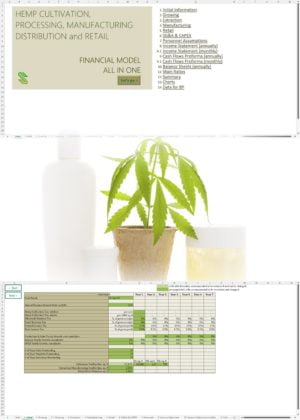
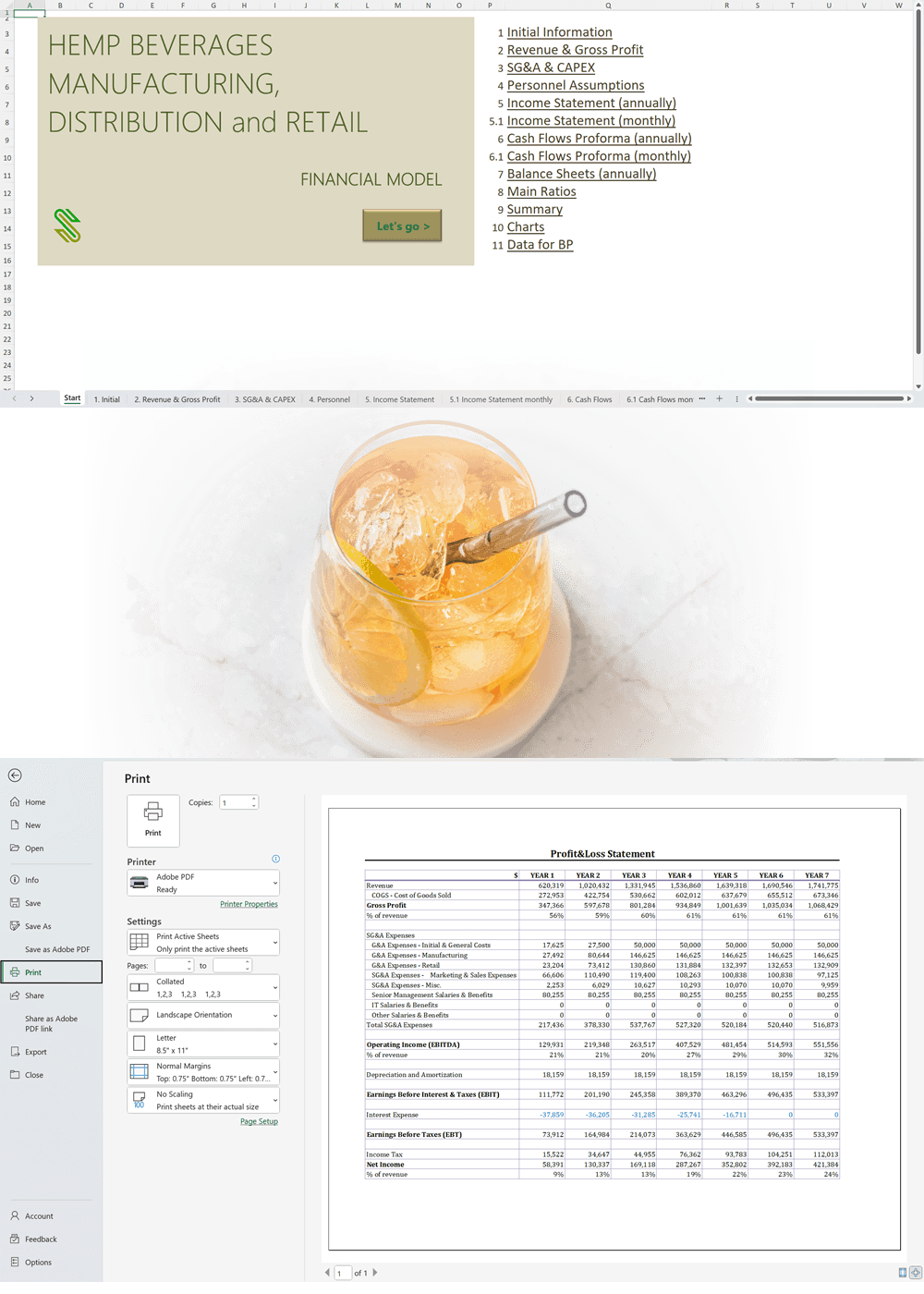
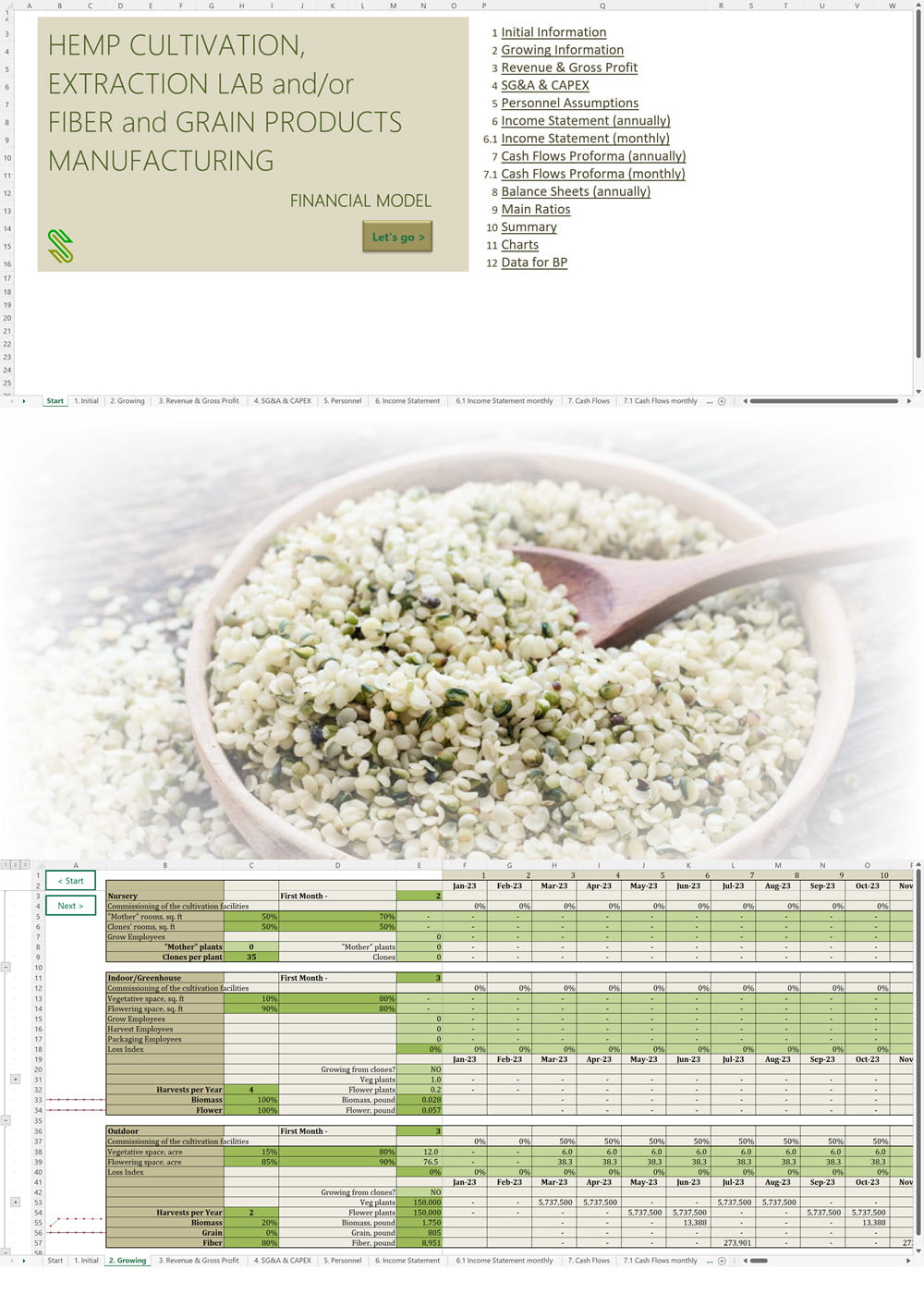
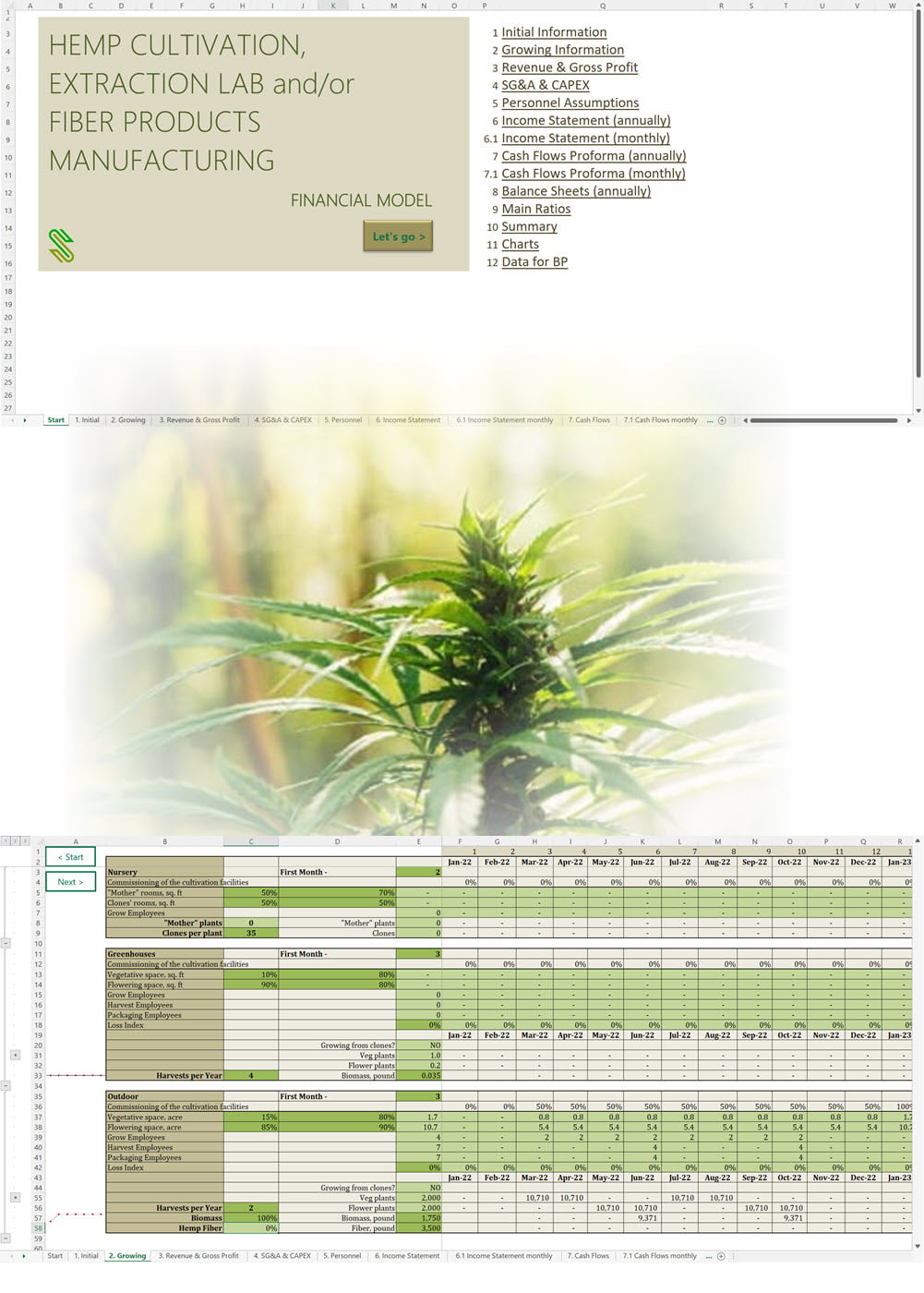
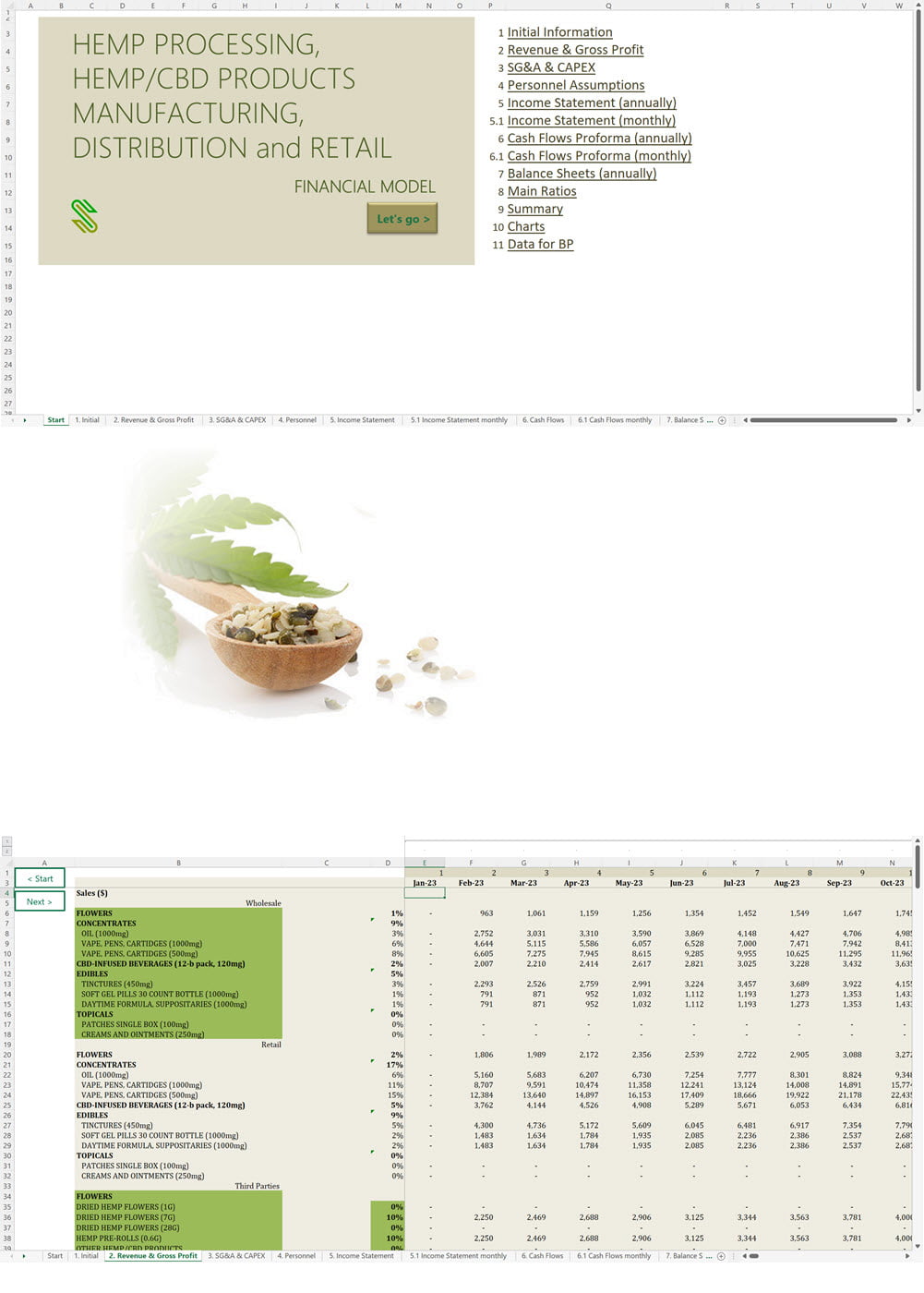
- Excel Financial Model: change variables and immediately see the impact, break down operational and capital costs, know how much it will take to get into the business and the potential profits.
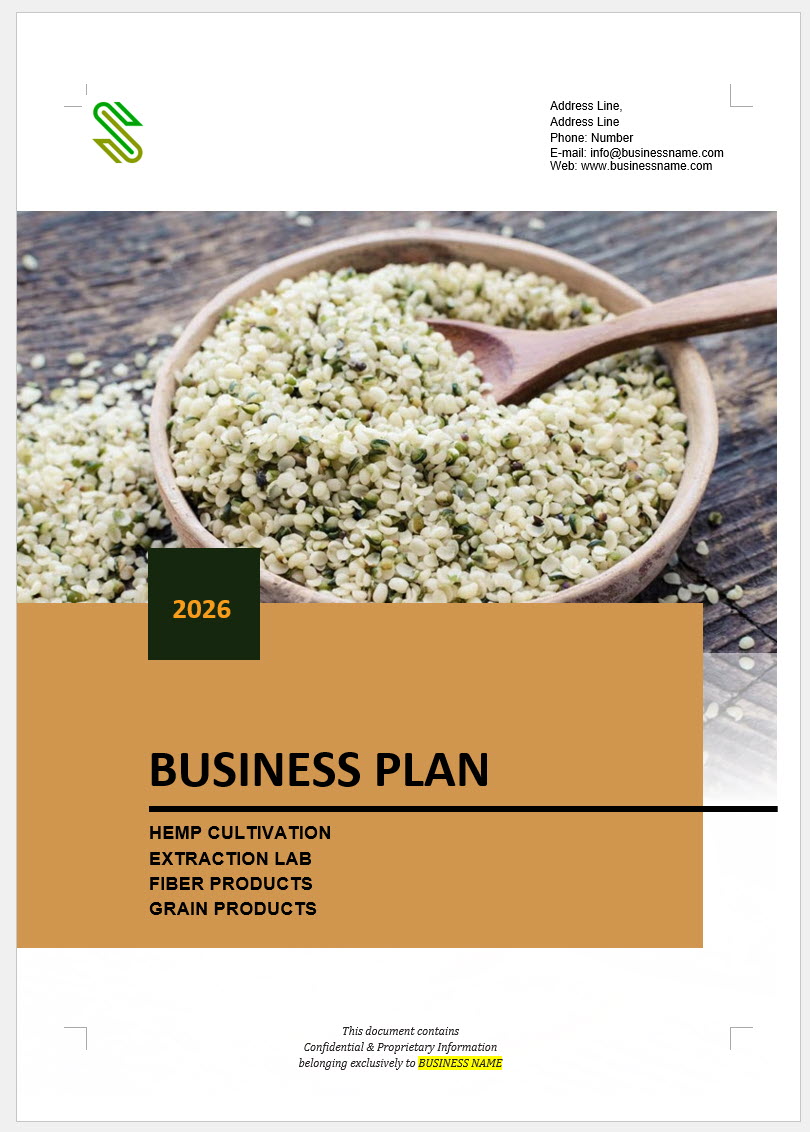
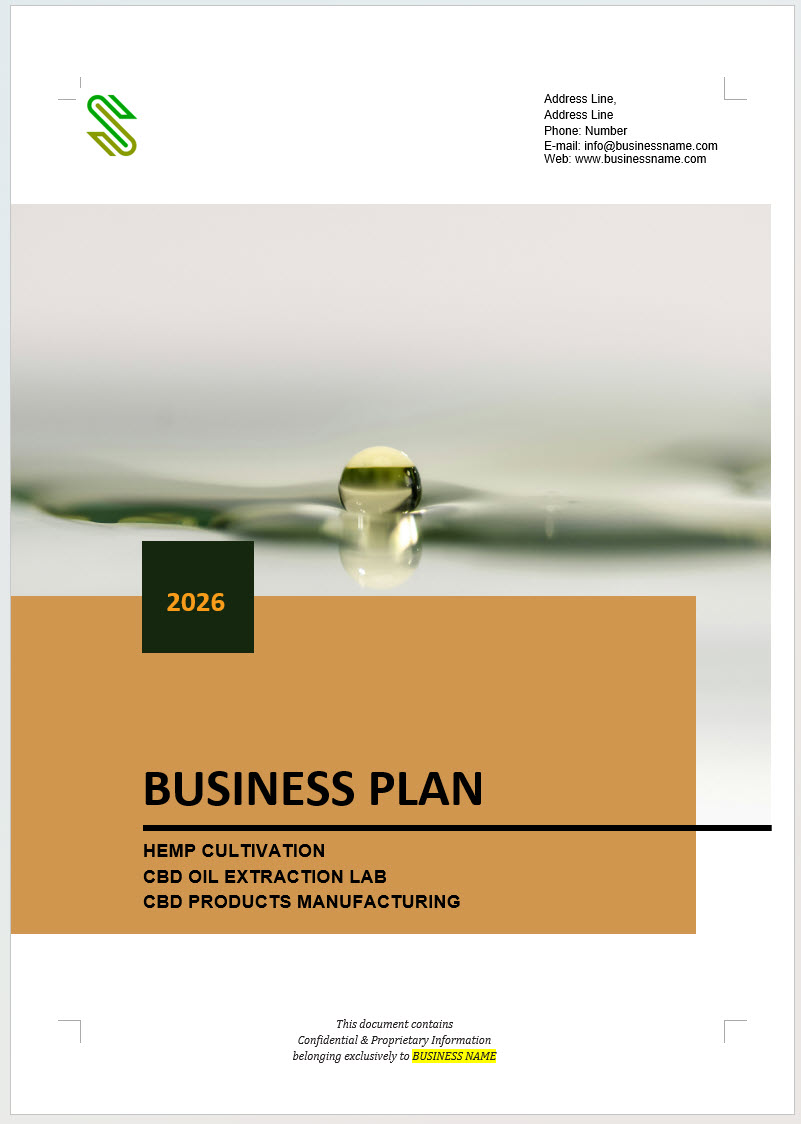
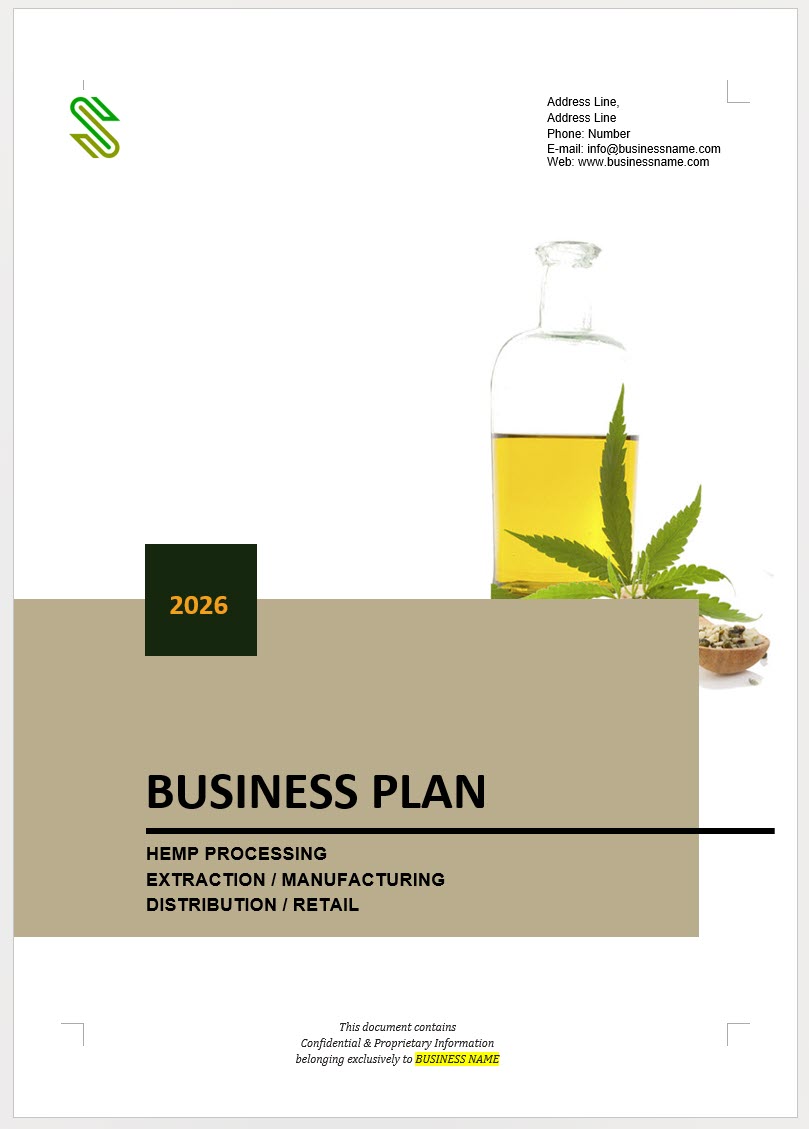
- Word Business Plan: value proposition, market analysis, marketing strategy, operating plan, organizational structure, financial plan and more.
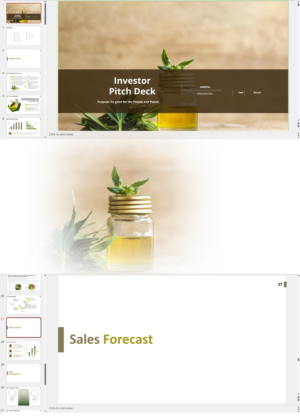
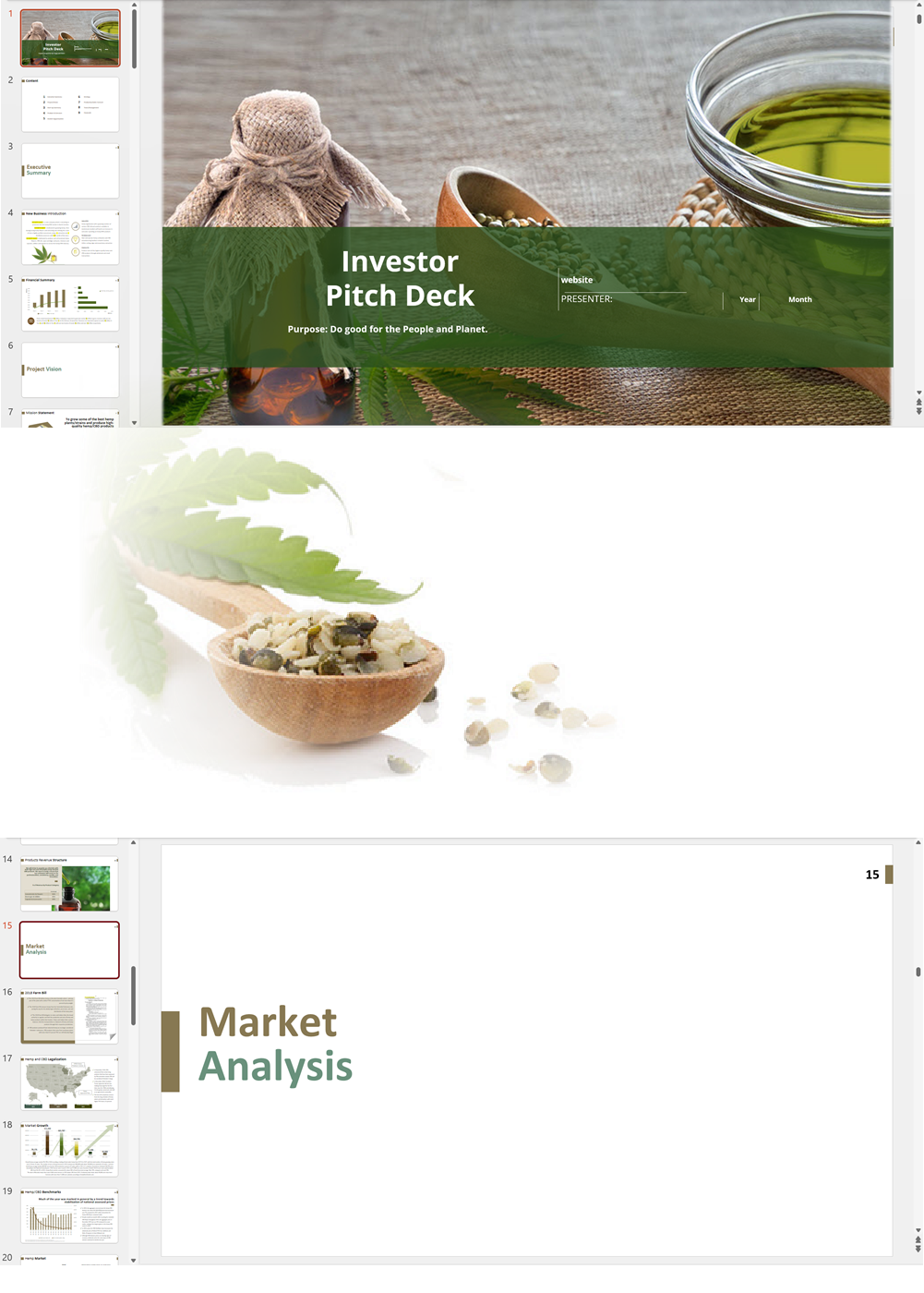
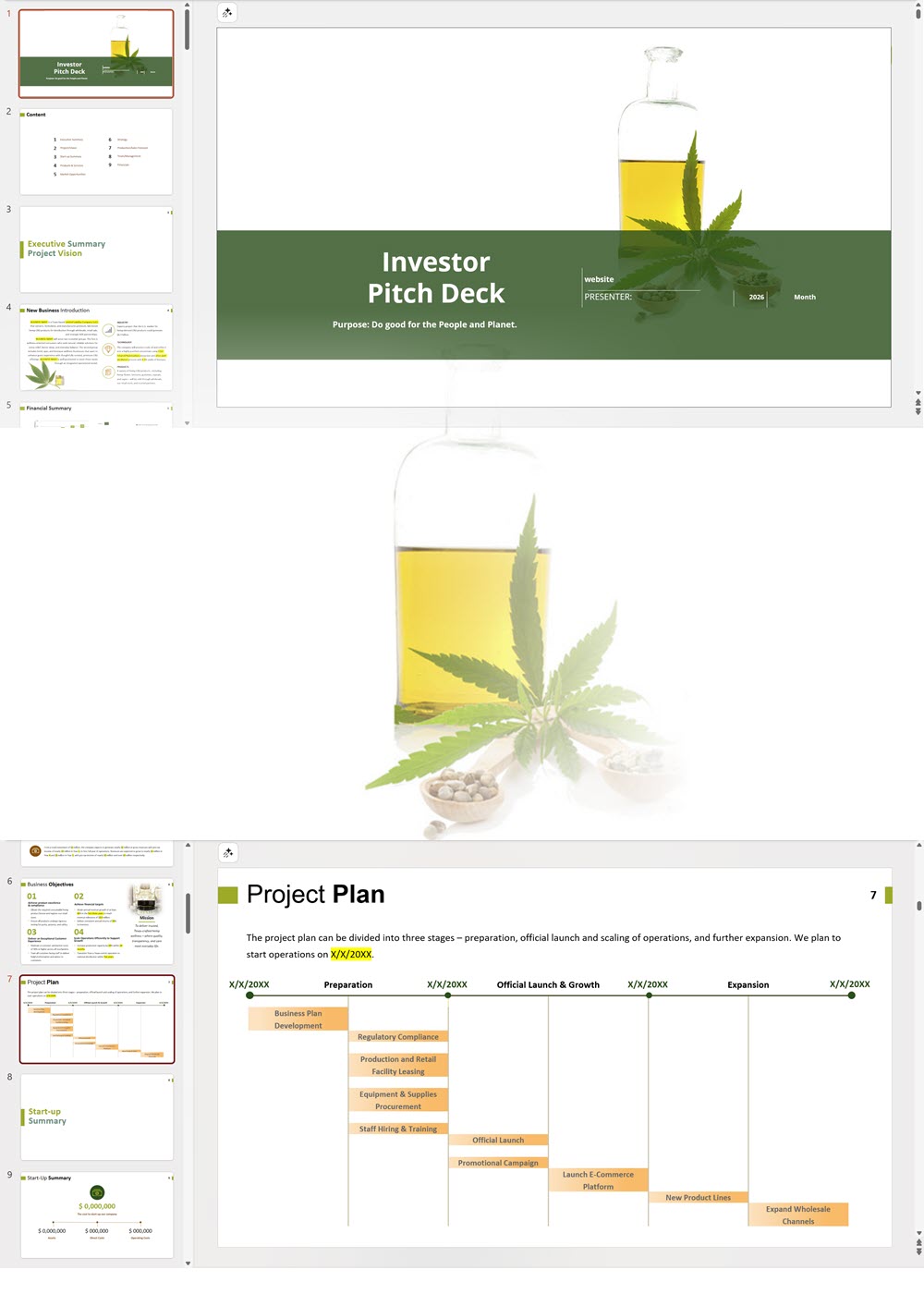
- PowerPoint Pitch Deck: provide a quick overview of your hemp CBD business plan.
'70% ready to go' business plan templates
Our hemp/CBD financial models and business plan templates will help you estimate how much it costs to start and operate your own hemp/CBD business, to build all revenue and cost line-items monthly over a flexible seven year period, and then summarize the monthly results into quarters and years for an easy view into the various time periods. We also offer investor pitch deck templates.
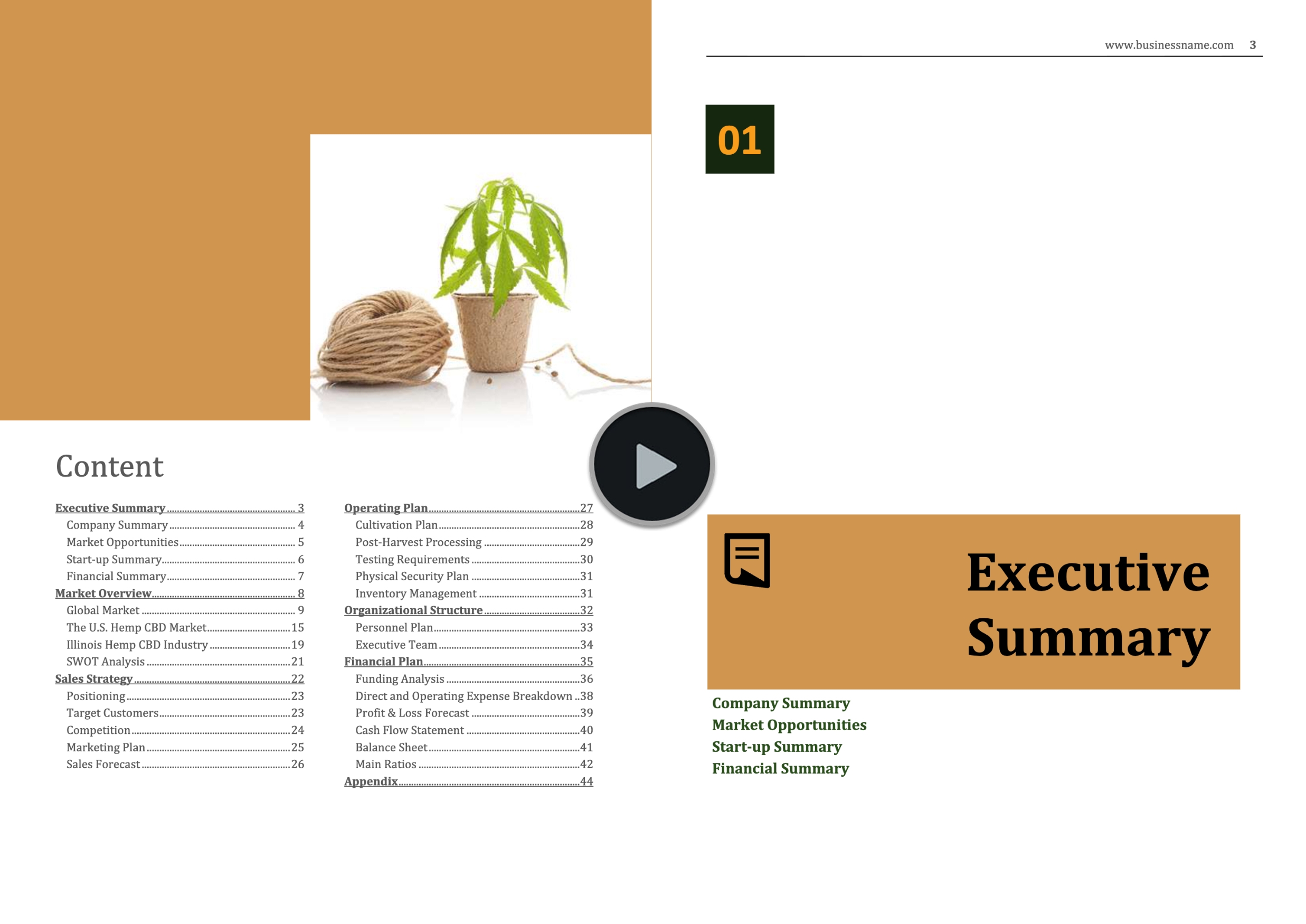
Hemp Fiber and Grain Cultivation Business Plan Template Sample, Illinois
Best Selling Templates
-

Hemp Cultivation Business Plan Template
Price range: $75.00 through $275.00 Select options This product has multiple variants. The options may be chosen on the product page -

Hemp CBD Financial Model All in One
$200.00 Select options This product has multiple variants. The options may be chosen on the product page -
CBD Retail Investor Pitch Deck Template
$75.00 Select options This product has multiple variants. The options may be chosen on the product page
Cannabis business plan templates are available at cannabusinessplans.com.
Our Templates
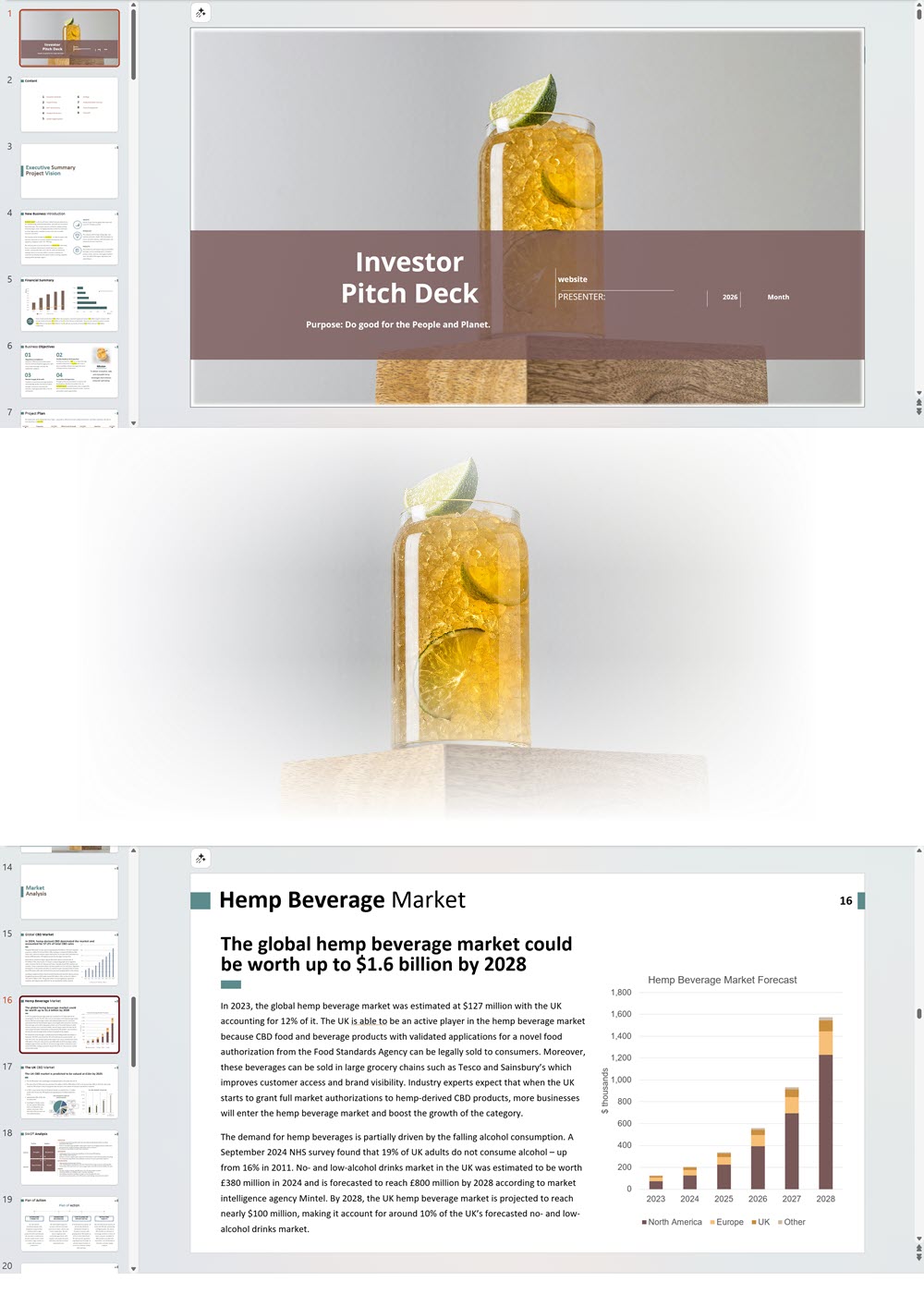
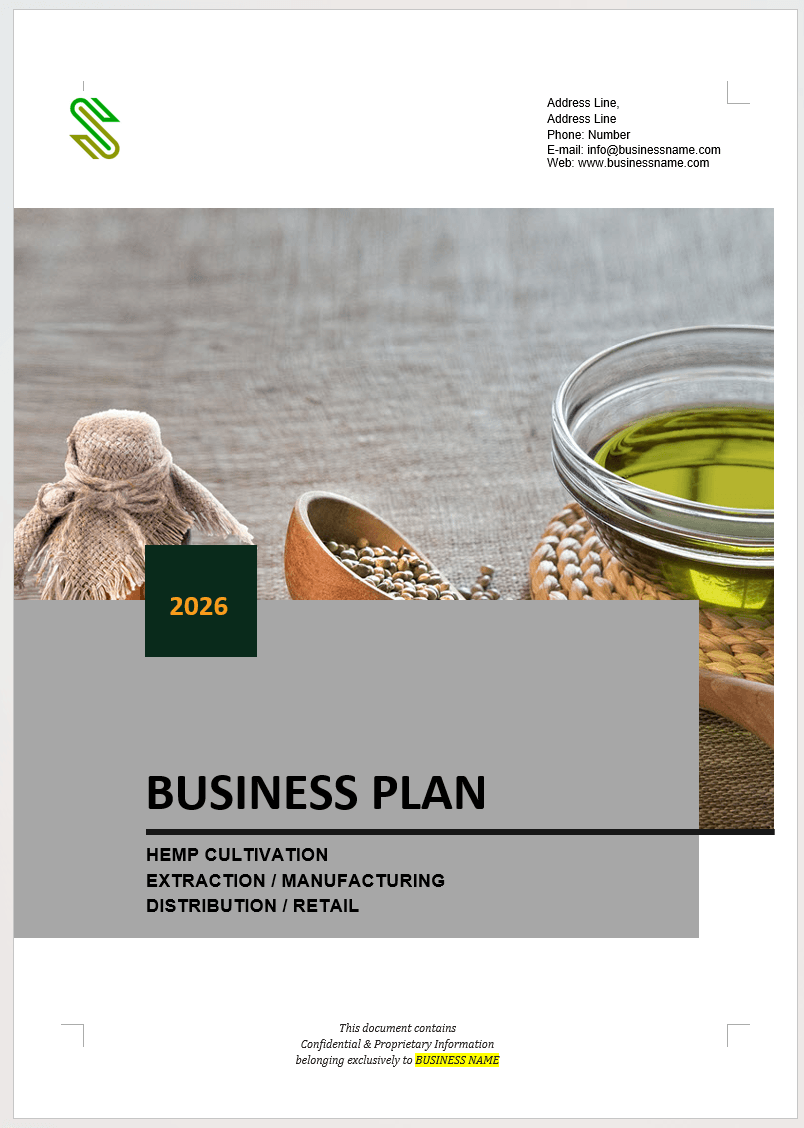
Hemp CBD Vertically Integrated Business Plan Template
Price range: $75.00 through $450.00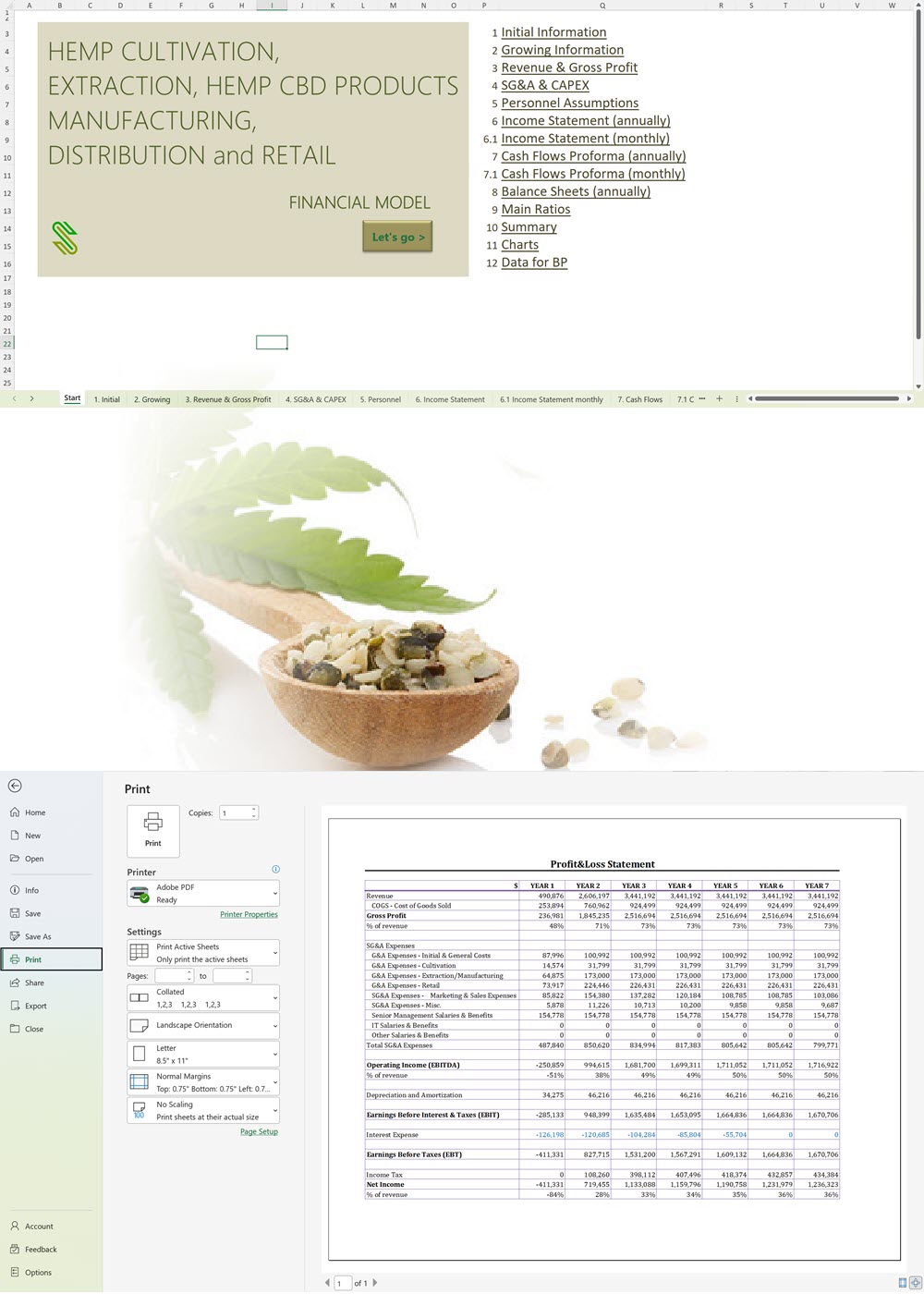
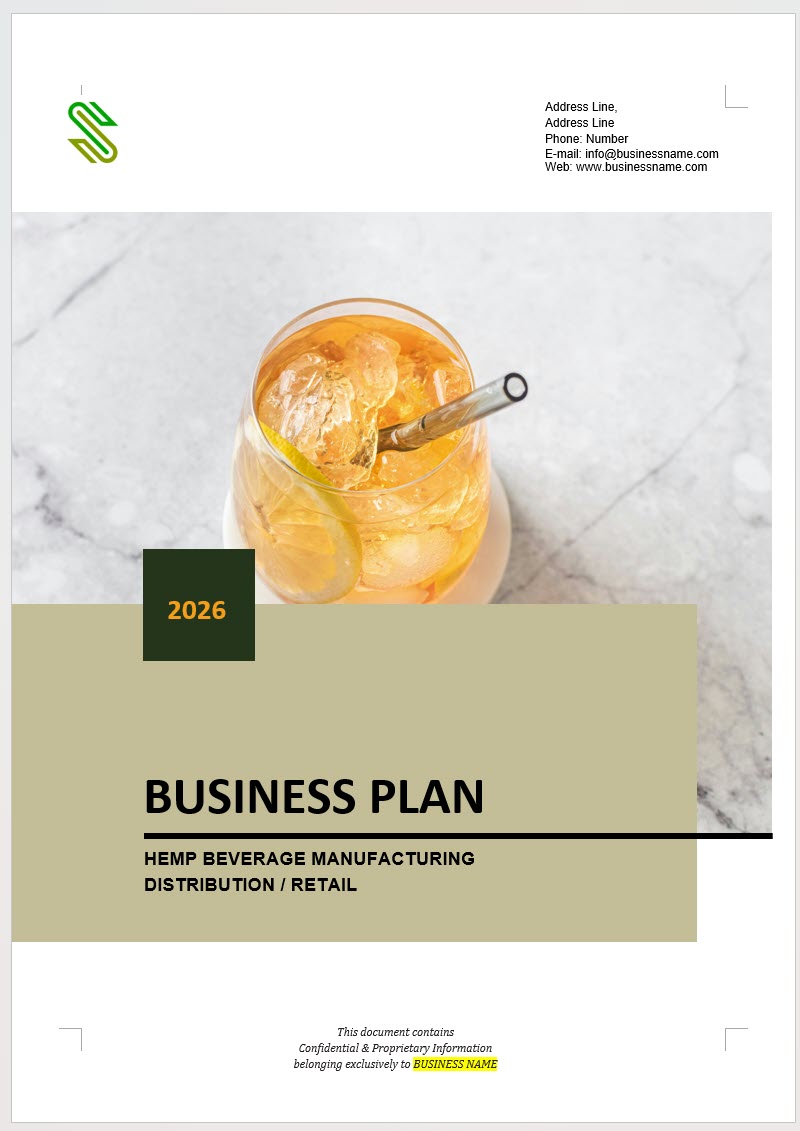
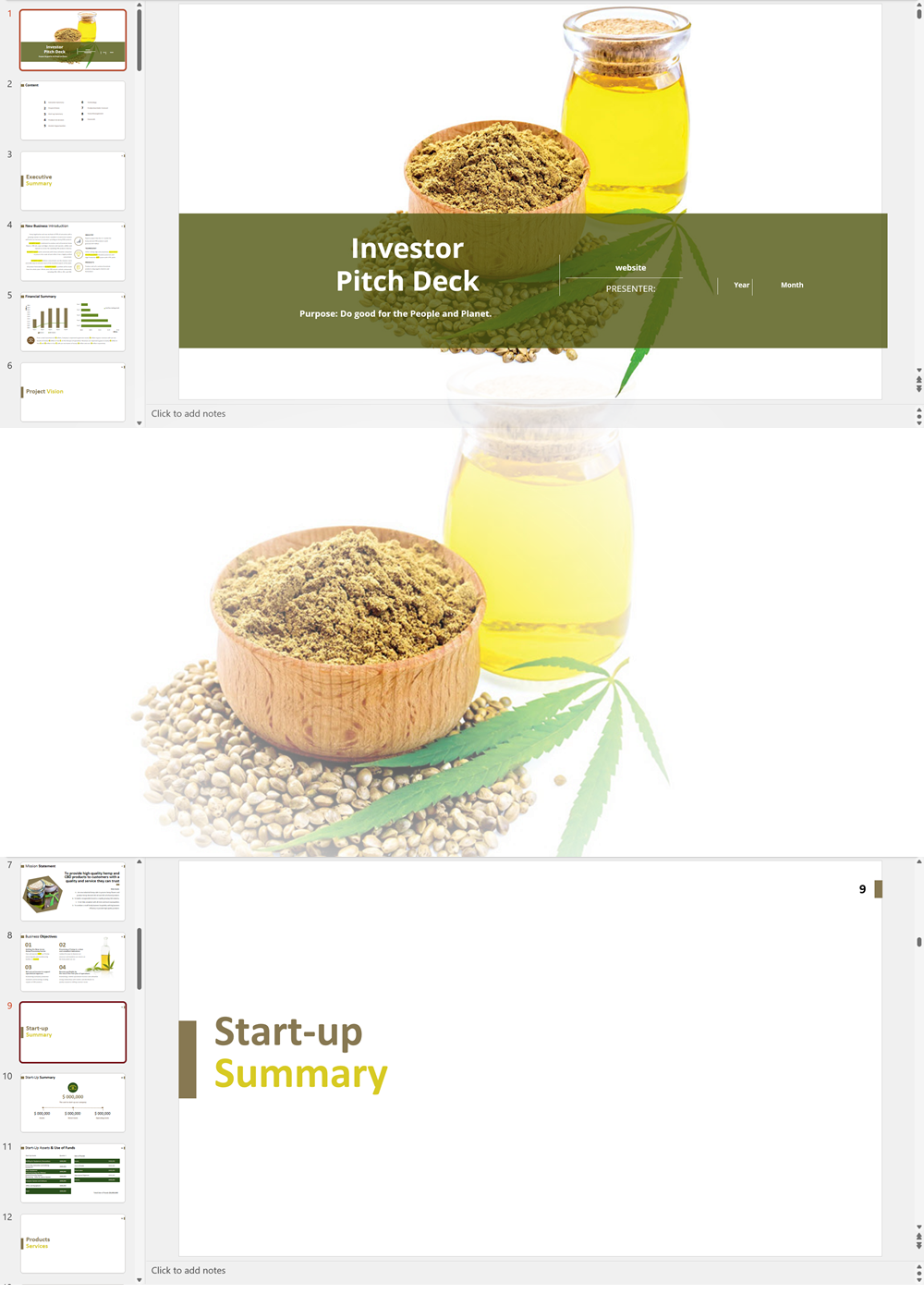
Hemp CBD Beverage Manufacturing, Wholesale and/or Retail Business Plan Template
Price range: $75.00 through $350.00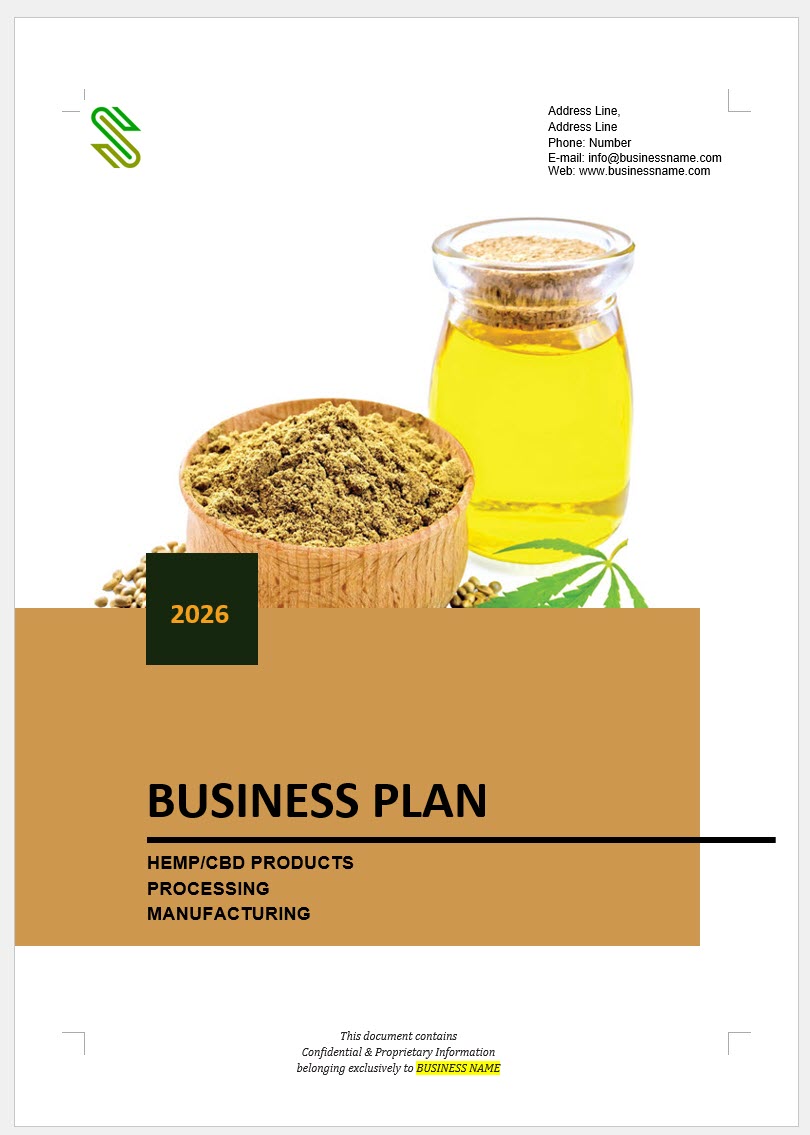
CBD Products Manufacturing Business Plan Template
Price range: $75.00 through $350.00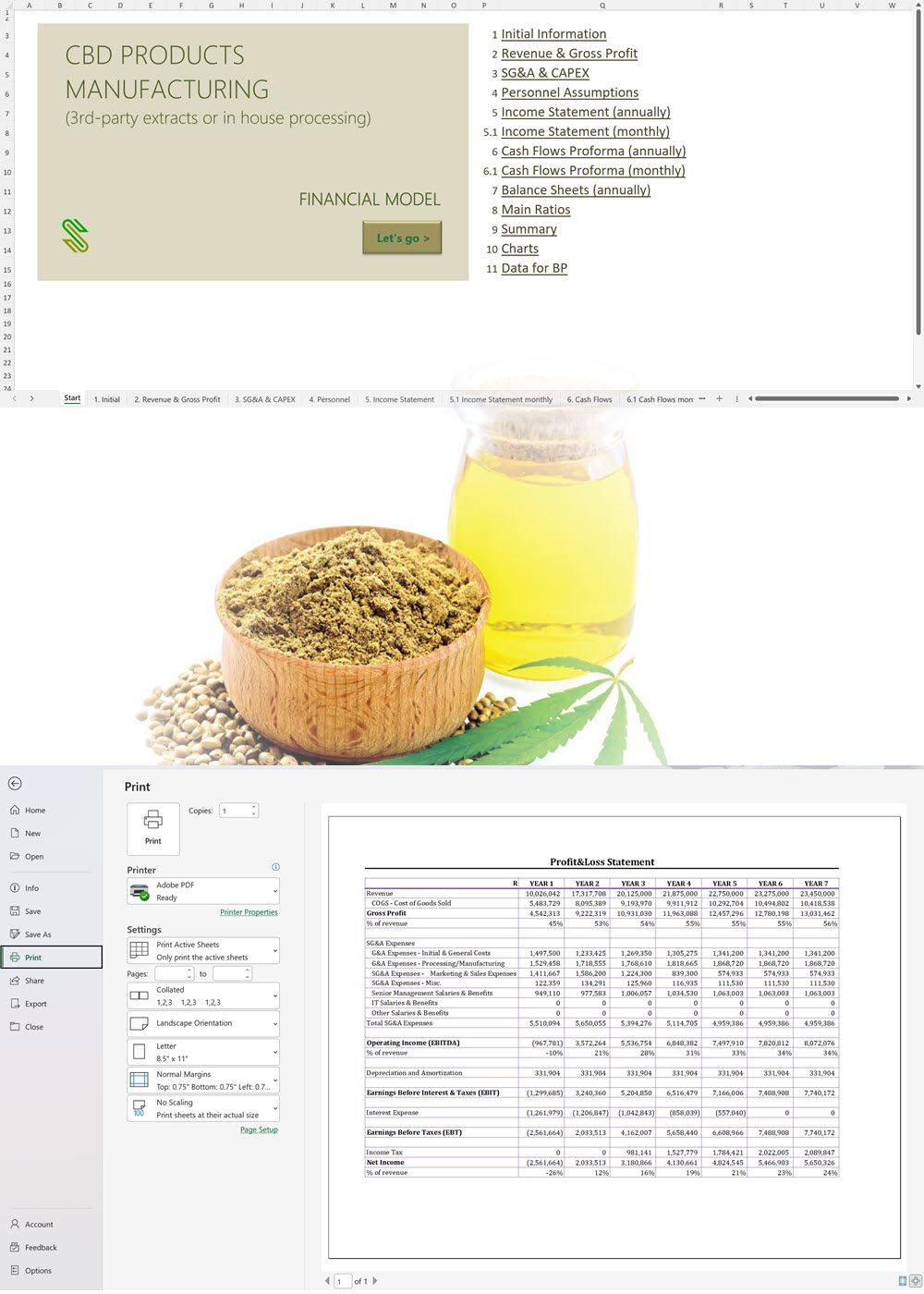
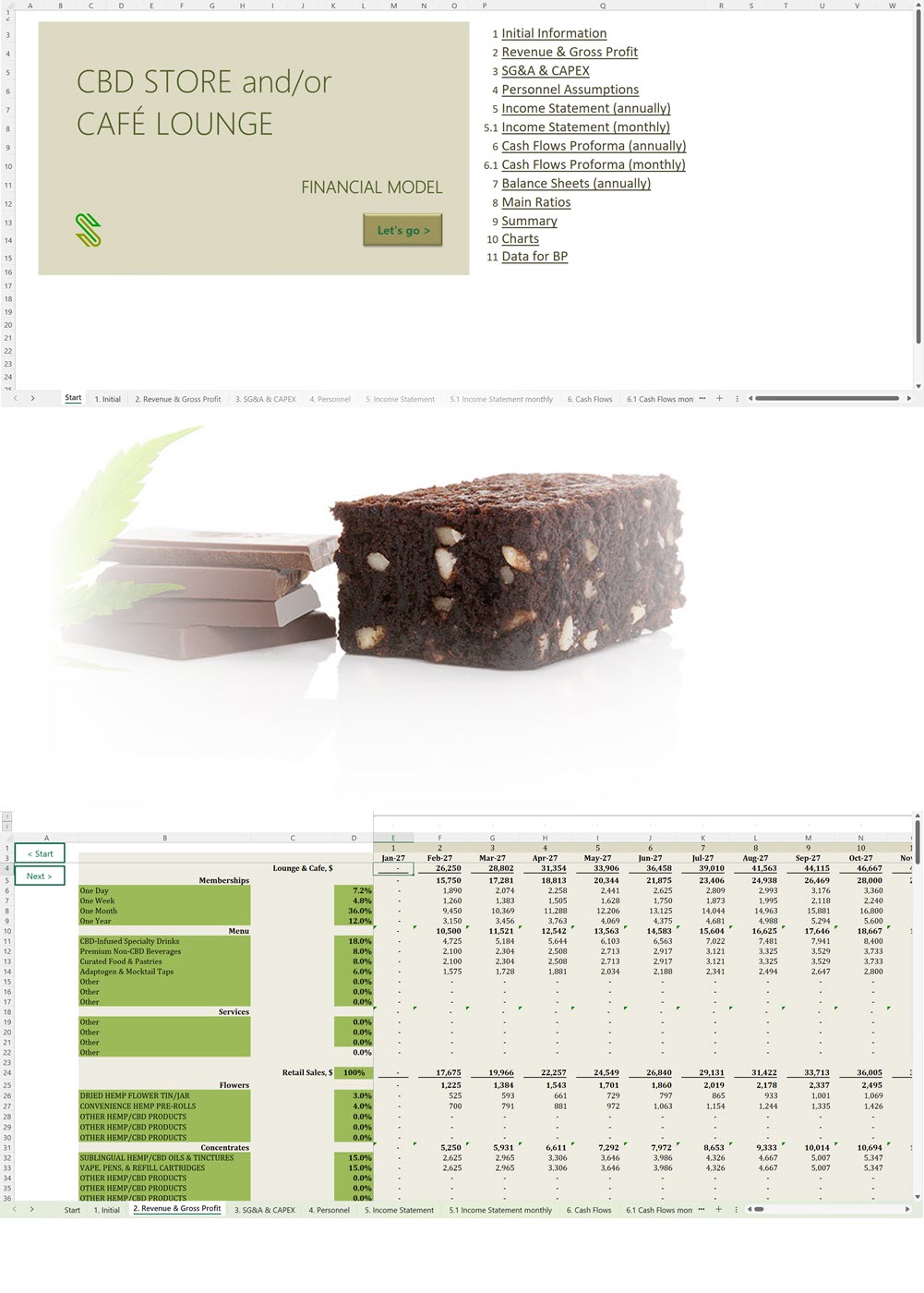
CBD Store and/or Cafe Lounge Business Plan Template
Price range: $75.00 through $275.00
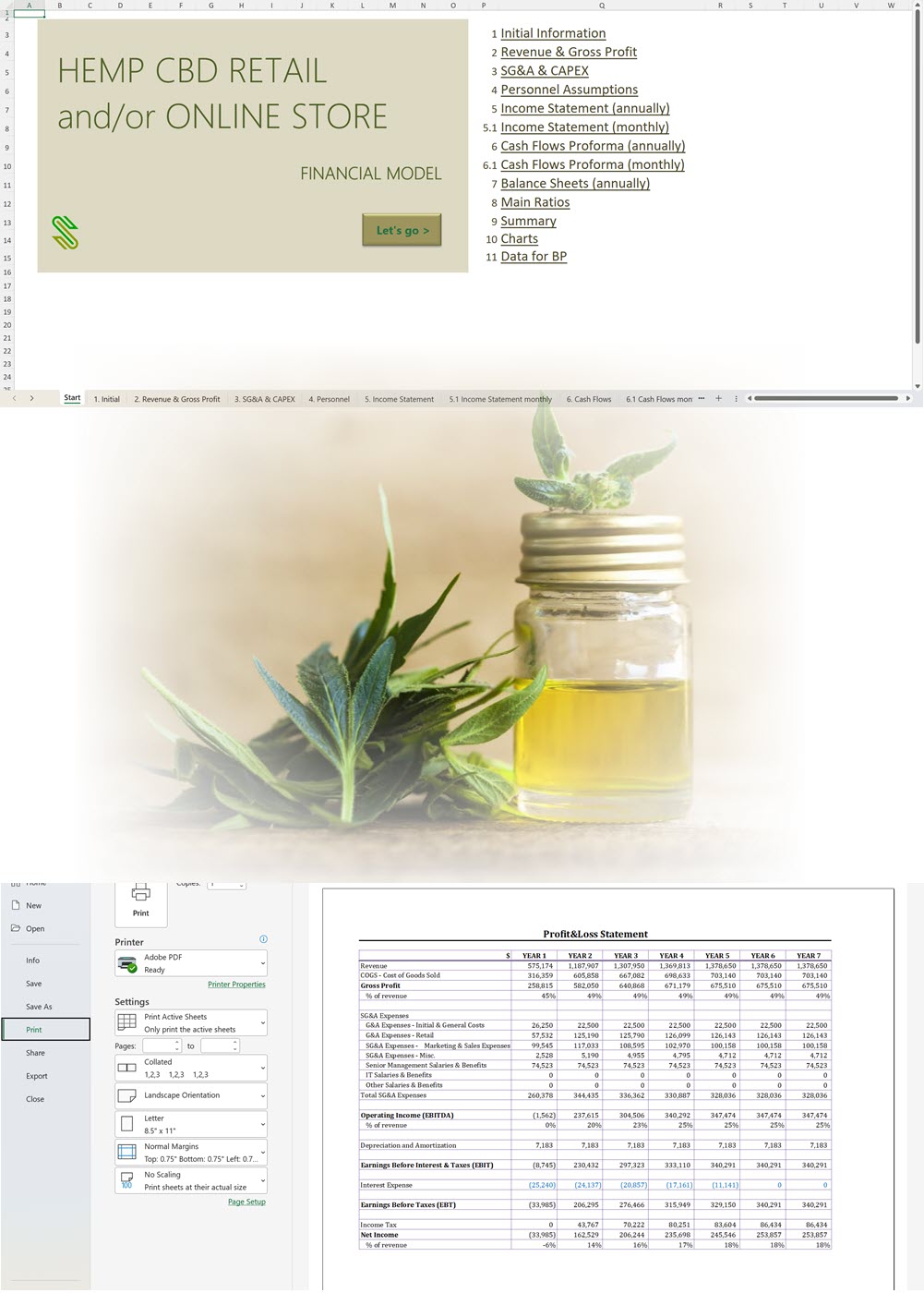
CBD Products Retail/Online Store Business Plan Template
Price range: $75.00 through $275.00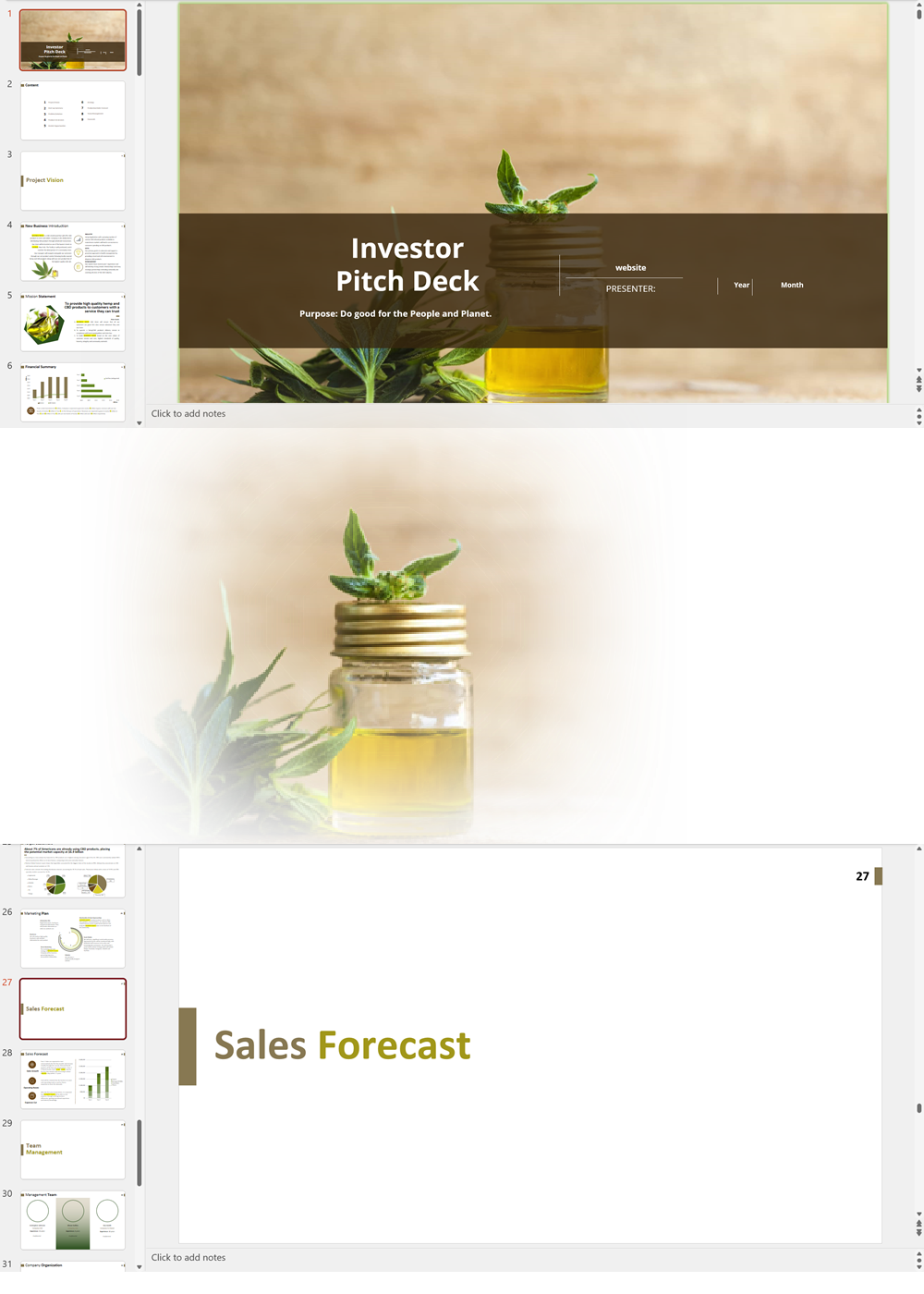
Hemp (Biomass, Fiber, Grain) Cultivation and Processing/ Manufacturing Business Plan Template
Price range: $75.00 through $350.00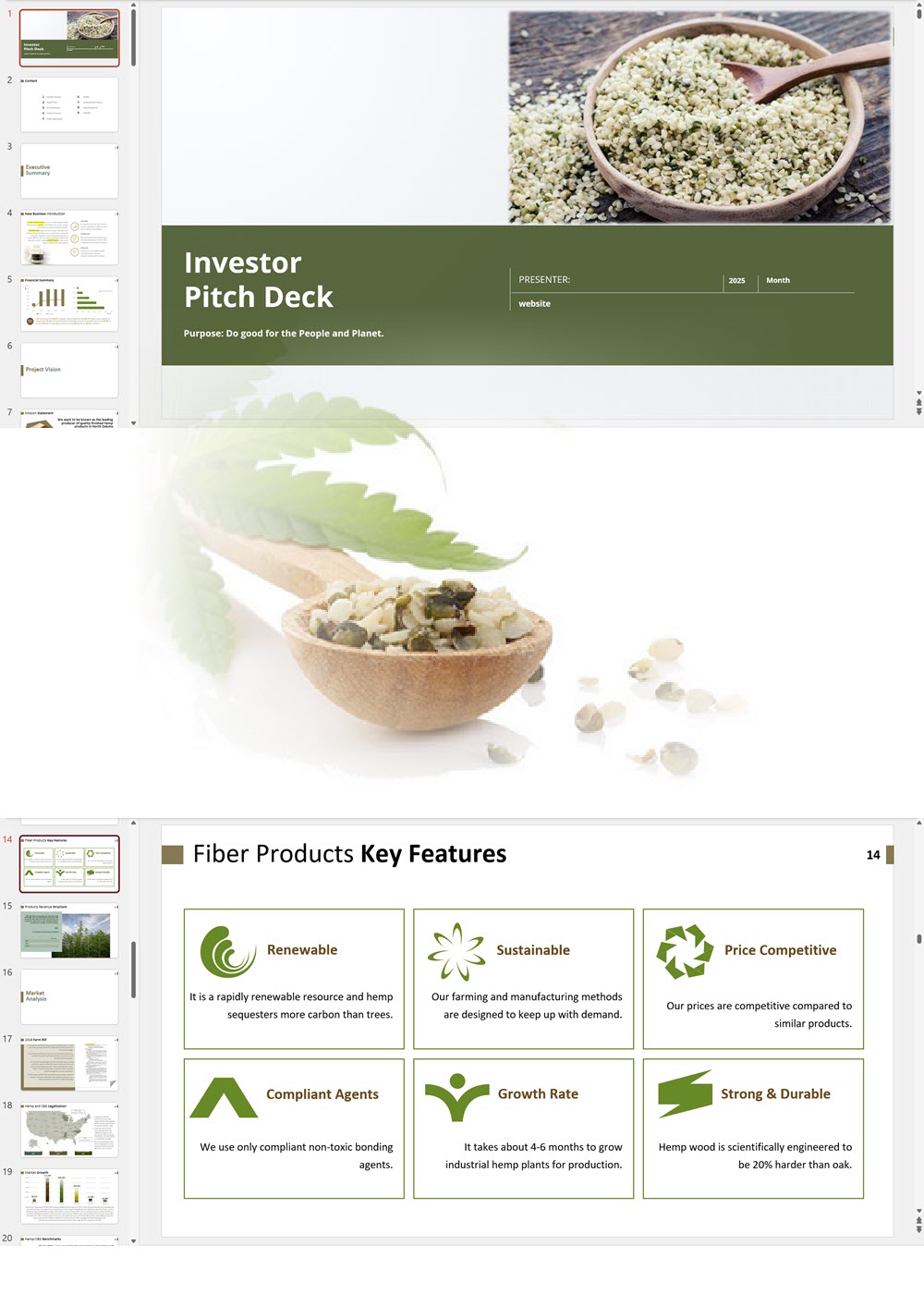
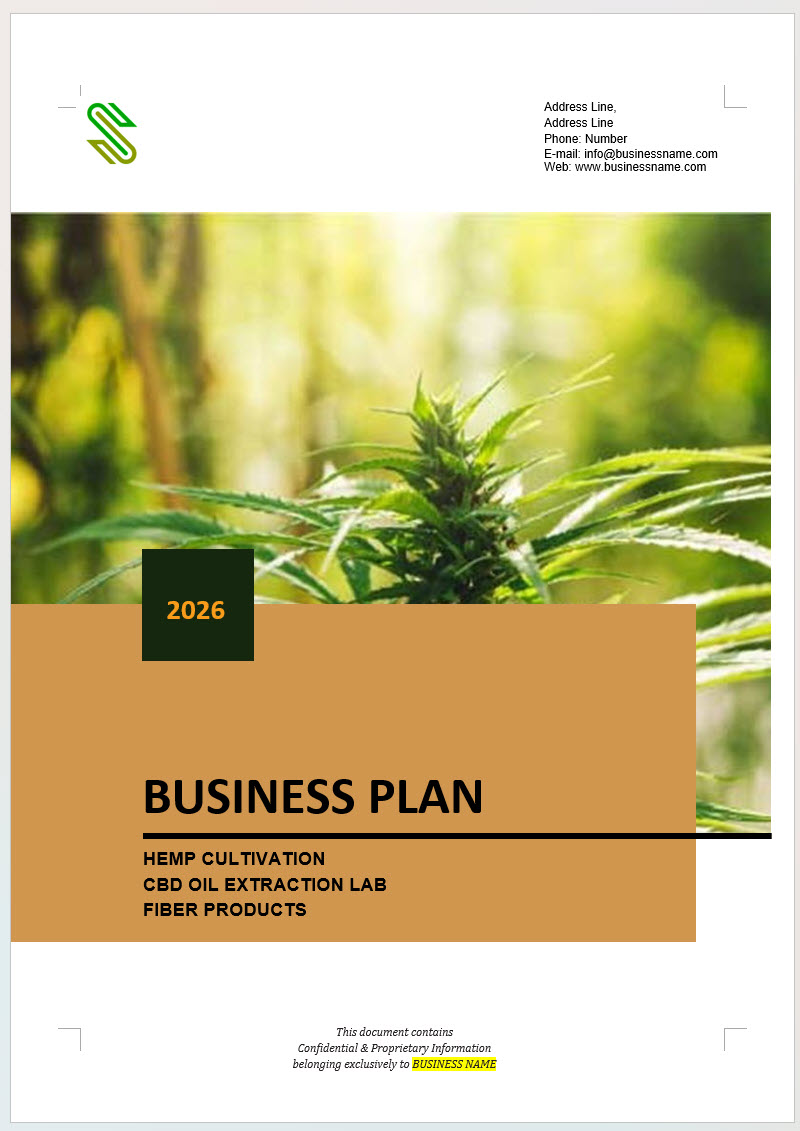
Hemp Cultivation and CBD Oil Extraction and/or Fiber Products Business Plan Template
Price range: $75.00 through $350.00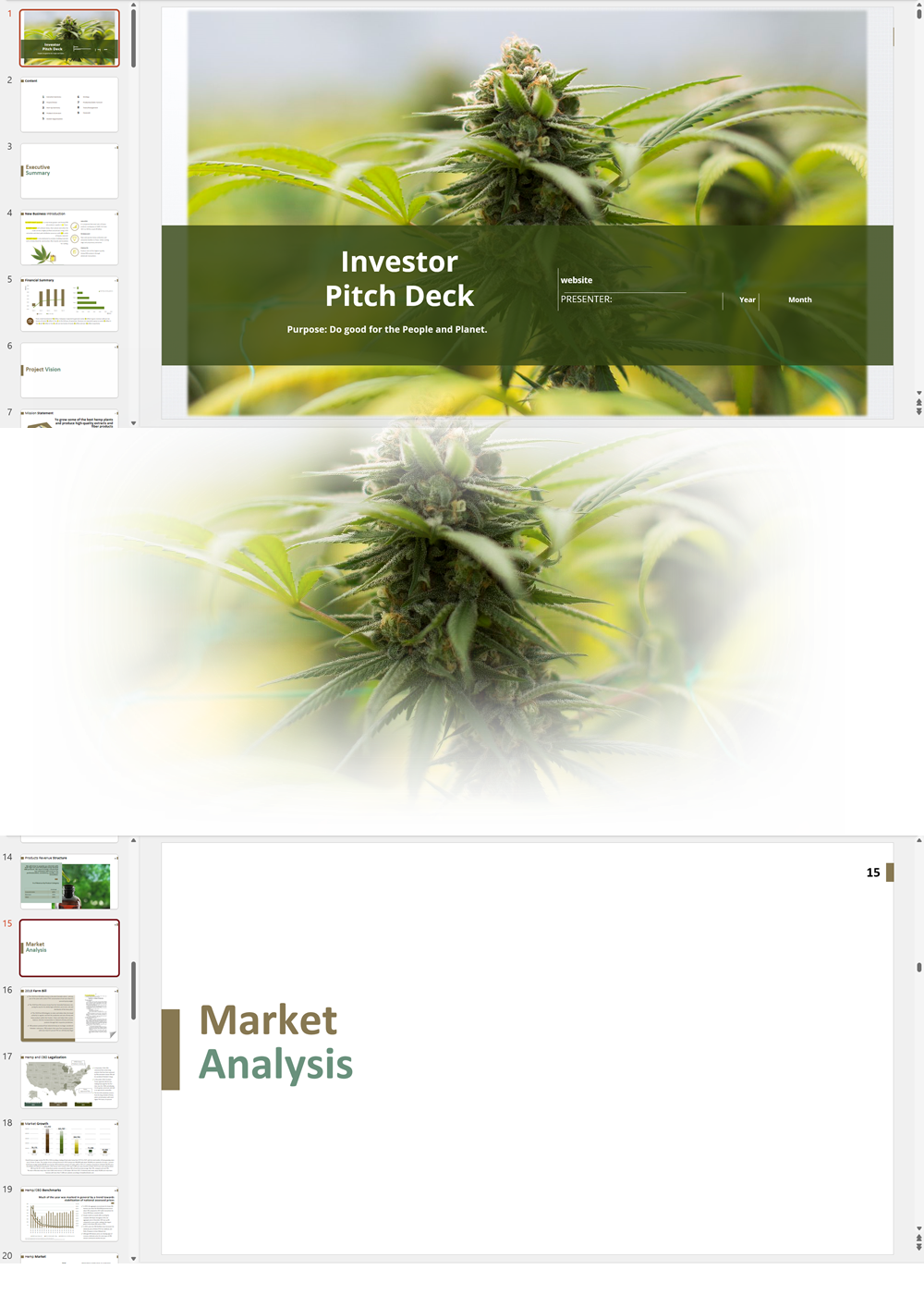
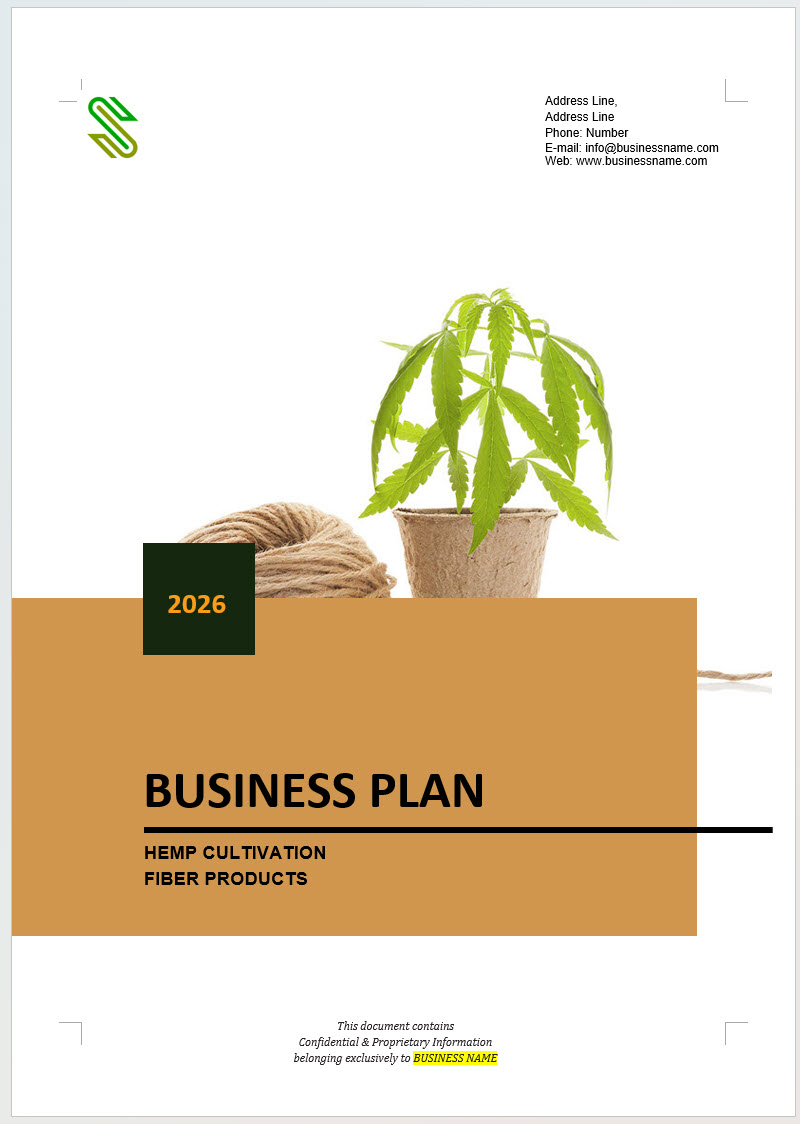
Hemp Fiber Growing and Manufacturing Business Plan Template
Price range: $75.00 through $275.00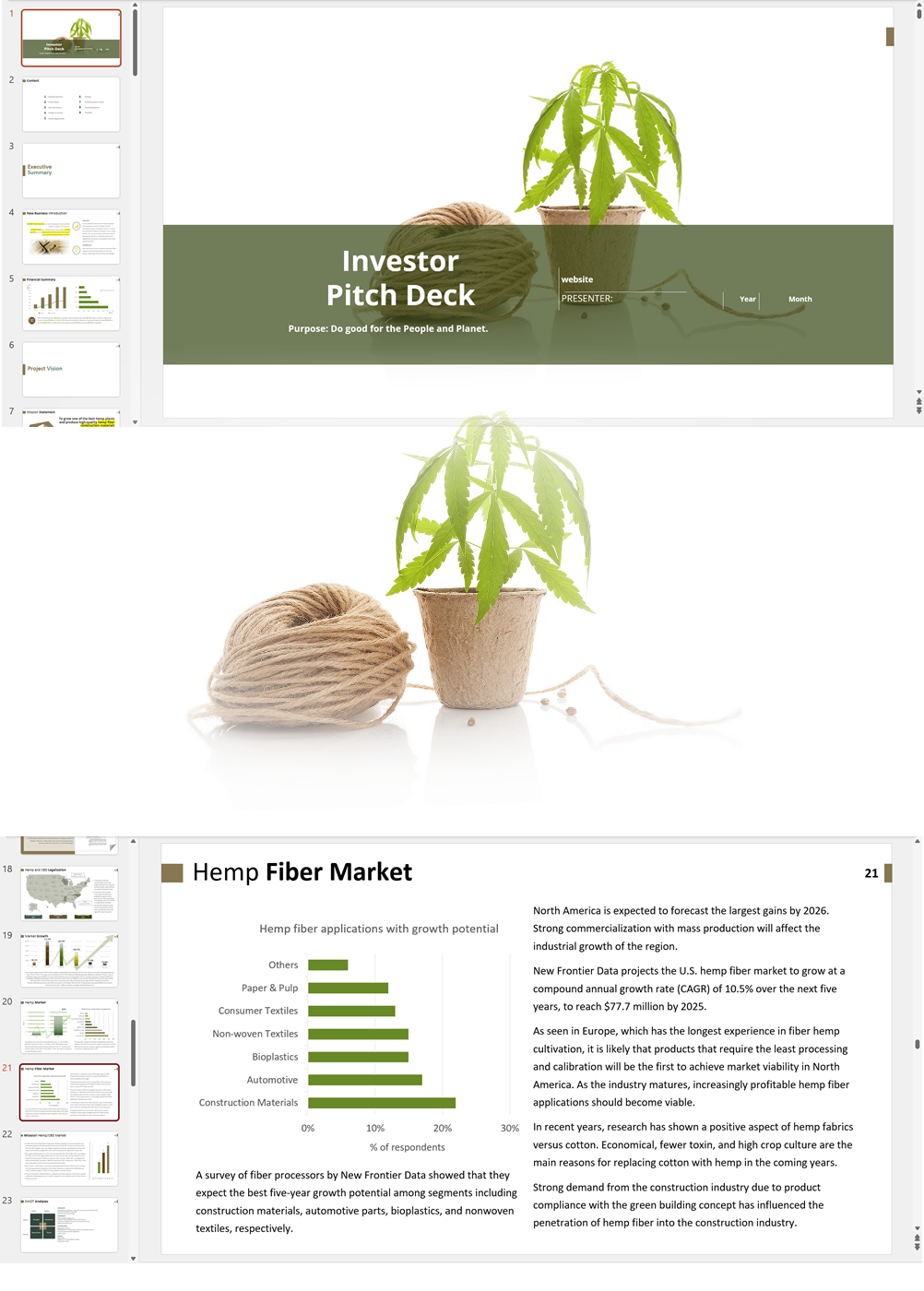
Hemp Cultivation + Extraction + Manufacturing Business Plan Template
Price range: $75.00 through $450.00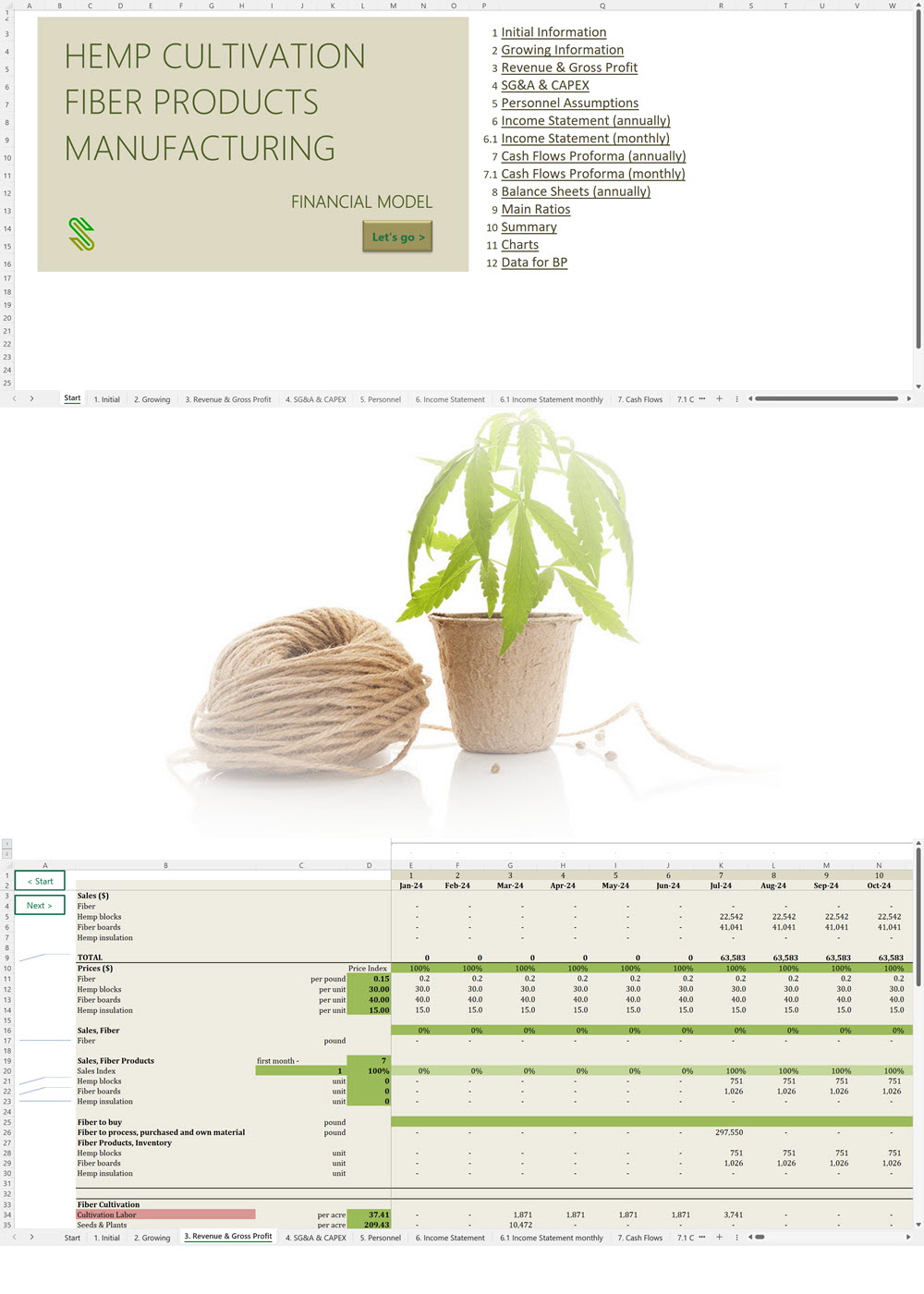
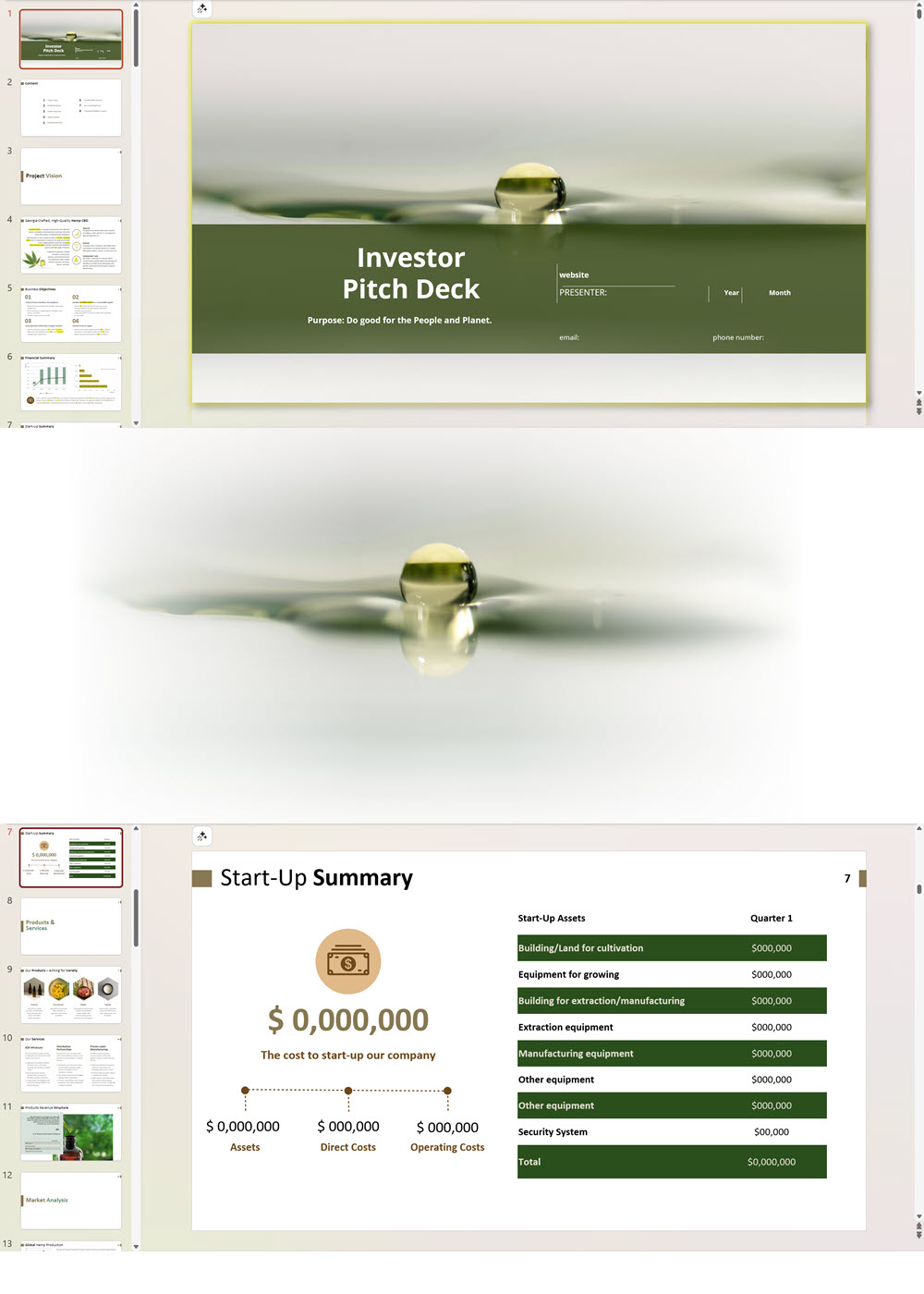
Hemp CBD Extraction + Manufacturing + Retail Business Plan Template
Price range: $75.00 through $450.00