South Carolina Hemp Legalization
South Carolina first legalized hemp in 2017 when House Bill 3559 was signed into law, creating a hemp cultivation pilot program through which only 20 farmers could apply for a permit to grow industrial hemp.
Following the 2018 Federal Farm Bill, on March 28, 2019, South Carolina’s Governor Henry D. McMaster signed into law House Bill 3449 which permitted the South Carolina Department of Agriculture (SCDA) to issue hemp cultivation licenses to any farmer who met the legal requirements.
In 2020, the U.S. Department of Agriculture approved South Carolina’s Hemp Farming State Plan.
South Carolina Medical CBD/Low THC Law
In 2014, the South Carolina Legislature passed a law exempting patients diagnosed with Lennox Gastaut Syndrome, Dravet Syndrome, or “any other severe form of epilepsy that is not adequately treated by traditional medical therapies” from criminal penalties for using and possessing cannabis extracts that contain more than 15% cannabidiol and no more than 0.9% or less THC. The law went into effect on June 2, 2014.
Hemp Permits Available in South Carolina
Each hemp farmer, processor, or handler shall obtain a permit from SCDA prior to engaging in the regulated activity. South Carolina does not require a retail hemp CBD license.
A Hemp Farmer Permit issued by SCDA authorizes the permittee to obtain hemp seed, possess hemp seed for planting, cultivate a hemp crop, harvest hemp plant parts, as well as possess, store, handle, transport, and market plant parts pursuant to the State Plan. Non-Refundable Application Fee: $100 Permit Fee: $500 An application for a hemp farmer permit must be completed, including obtaining a background check and FSA number, by February 28, 2025, of each cultivation year. A Late Application Period is given from March 1 to March 8 where applicants are required to pay an additional non-refundable $500 late fee. The following information must be submitted with the application: A Hemp Processor Permit issued by SCDA authorizes the permittee to possess hemp plant parts, convert hemp plant parts to a Hemp Product, as well as possess, store, handle, transport, and market plant parts pursuant to the State Plan. Non-Refundable Application Fee: $100 Permit Fee: $1,500 To be a Permitted Hemp Processor, you are required to also obtain a South Carolina Dealer and Handler License, a South Carolina Weighmaster License and a Hemp Processor Permit. The following information must be submitted with the application: There are several categories of Permitted Hemp Handler: Non-Refundable Application Fee: $100 Permit Fee for Brokers, Labs, R&D, Seed Providers, Transporters: $250 Permit Fee for Warehouse/Storage/Drying: $500 The following information must be submitted with the application:
Fingerprints, and appropriate fees, required by the South Carolina Law Enforcement Division to perform a fingerprint-based state criminal records check and for the Federal Bureau of Investigation to perform a national fingerprint-based criminal records check.
Fingerprints, and appropriate fees, required by the South Carolina Law Enforcement Division to perform a fingerprint-based state criminal records check and for the Federal Bureau of Investigation to perform a national fingerprint-based criminal records check.
What Types of Hemp Products are Legal in South Carolina
“Federally defined THC level for hemp” means a delta-9 THC concentration of not more than 0.3 percent on a dry weight basis, or the THC concentration for hemp defined in 7 U.S.C. SECTION 5940, whichever is greater.
“Hemp products” means all products with the federally defined THC level for hemp derived from, or made by, processing hemp plants or hemp plant parts, that are prepared in a form available for commercial sale, including, but not limited to, cosmetics, personal care products, food intended for animal or human consumption, cloth, cordage, fiber, fuel, paint, paper, particleboard, plastics, and any product containing one or more hemp-derived cannabinoids, such as cannabidiol.
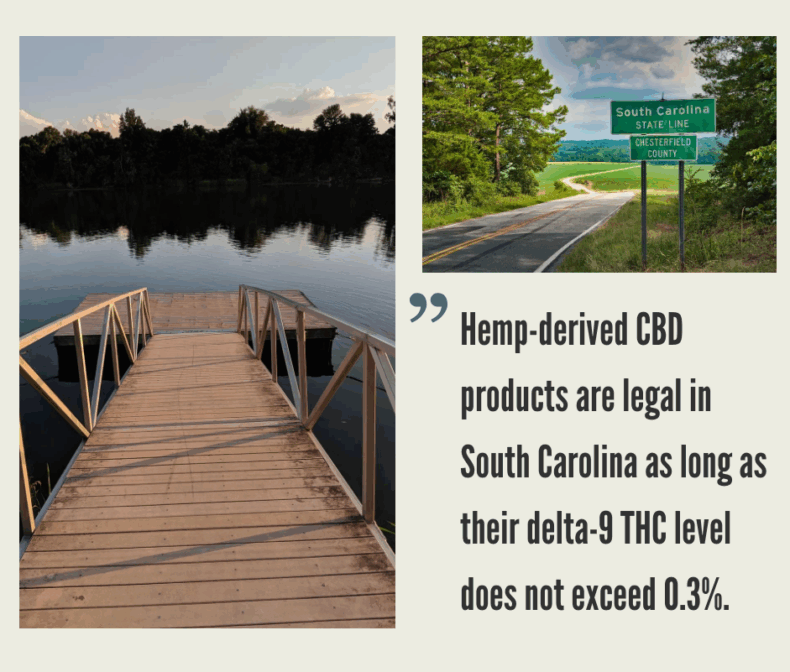
Hemp-derived CBD products are legal in South Carolina if their THC level do not exceed the 0.3% limit imposed by federal and state authorities.
South Carolina Solicitor General Robert D. Cook issued an opinion September 16, 2024, that it is legal to manufacture, distribute and sell nonalcoholic beverages containing hemp-derived delta-9 THC in compliance with the 2018 Farm Bill.
South Carolina Hemp Industry Statistics
South Carolina began licensing hemp farmers for the first time in 2018. The state licensed 20 growers to produce hemp in 2018, limiting each to 20 acres, and allowed for a doubling in 2019 to 40 permits with each farmer growing hemp on a maximum of 40 acres.
Some 350 people applied to farm hemp in South Carolina in 2020 according to the South Carolina Department of Agriculture. Among them, 270 farmers received permits, in addition to 14 processors and 14 handlers.
In 2021-2022, the amount of registered outdoor acreage and indoor square feet significantly declined as a result of oversupply and market correction across the industry. In 2022, 190 growers, 8 processors and 9 handlers were licensed in the state. The National Hemp Report reveals that in 2021, South Carolina’s licensed hemp growers planted 320 acres of hemp and harvested 230 acres. In 2022, though acres planted rose to 350 acres, only 62 acres were harvested.
In 2023, 193 growers, 9 processors and 7 handlers received permits in the state, 175 acres of hemp were planted and 135 acres were harvested – more than double the acreage in the previous year.
In 2024, there were 81 licensed hemp growers (including one licensed to grow hemp seedlings/transplants), 4 processors, 2 testing labs, 2 transporters, 1 research and development company and 1 broker. Acreage planted fell further to 40 acres with 10 acres harvested.
Initially, South Carolina grew hemp mostly for its flower. In 2021, 78% of its harvested hemp was floral hemp, utilized production valued at nearly $3 million. This proportion was even higher in 2022 with 95% of harvested hemp being floral hemp. Additionally, in 2022, South Carolina produced nearly 3,000 pounds of floral hemp in greenhouse or indoor growing facilities, accounting for 2.8% of the total national floral hemp production in greenhouse or indoor growing facilities. From the lack of data in the National Hemp Report on floral hemp harvested in South Carolina in 2023 and 2024, it can be assumed that the state’s hemp farmers started growing hemp for reasons other than flower. This is supported by comments from the program coordinator for SCDA, who said that they are starting to “see more farmers move toward fiber and industrial uses”.
There are currently over 90 stores selling hemp products in South Carolina. South Carolina does not have any regulations on hemp beverages and this has allowed the hemp beverage market to flourish with more and more breweries and retail stores in the state adding hemp beverages to their product range.
South Carolina Hemp Industry Infographics
How Can HempCBDbusinessplans Templates Help Start or Grow Your Hemp CBD Business?
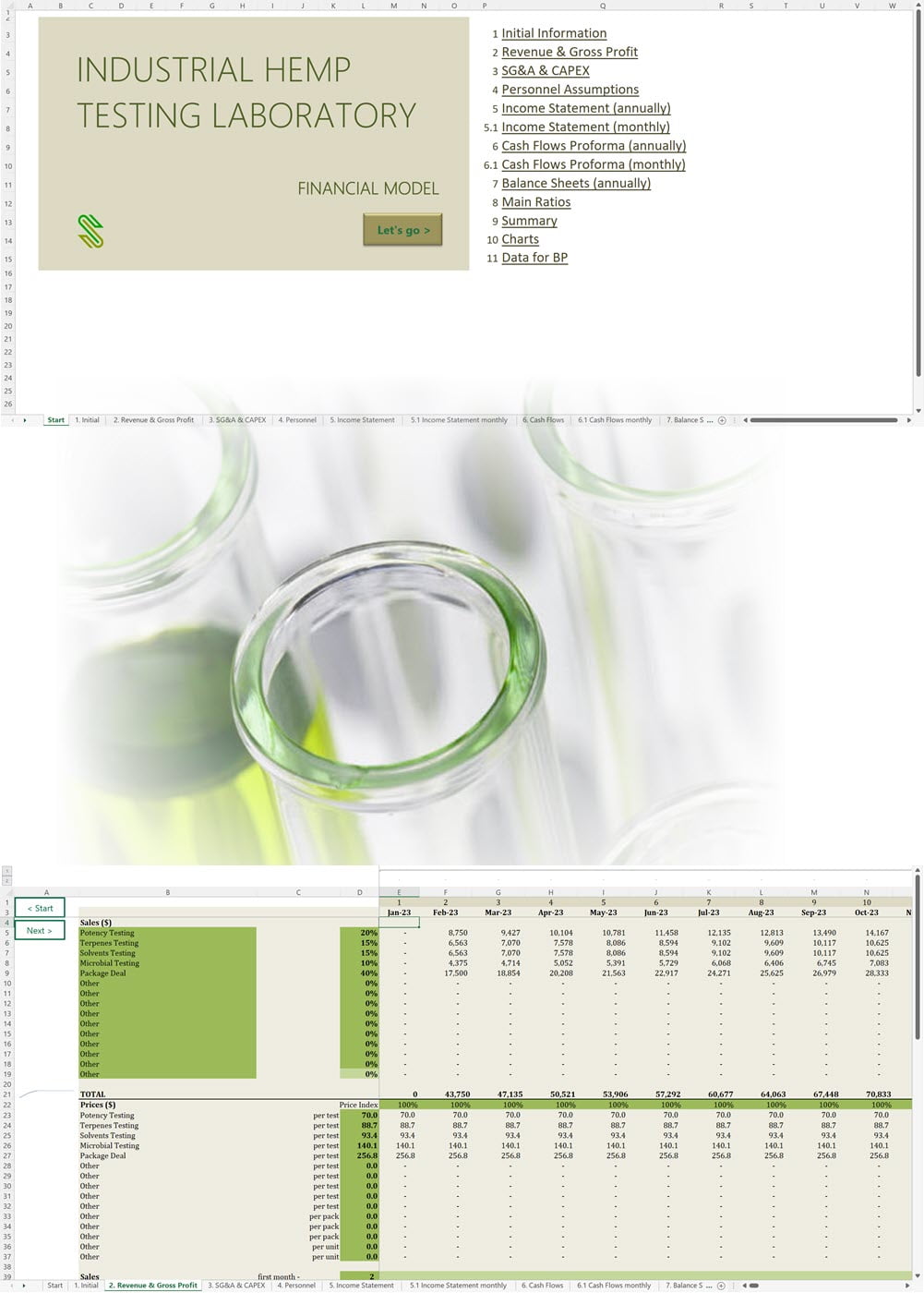
A business plan is essential for securing funding. It will also help you understand how much money it will take to start a hemp CBD business and how much profit it could make. A well-structured business plan can make all the difference in demonstrating your proposed hemp CBD business’ compliance with regulations and its operational viability.
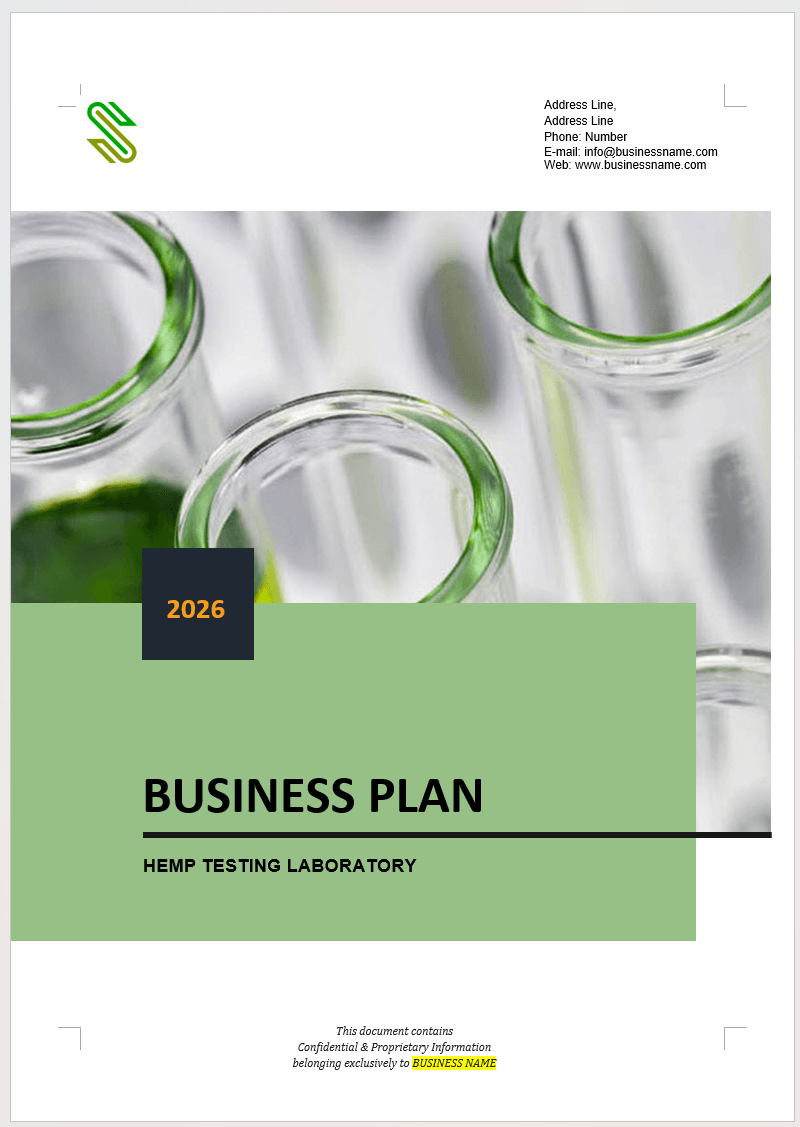
Our complete hemp CBD business plan template package is everything you need to create a professional business plan for a hemp CBD business with expert financials and projections. A complete hemp CBD business plan template package includes:
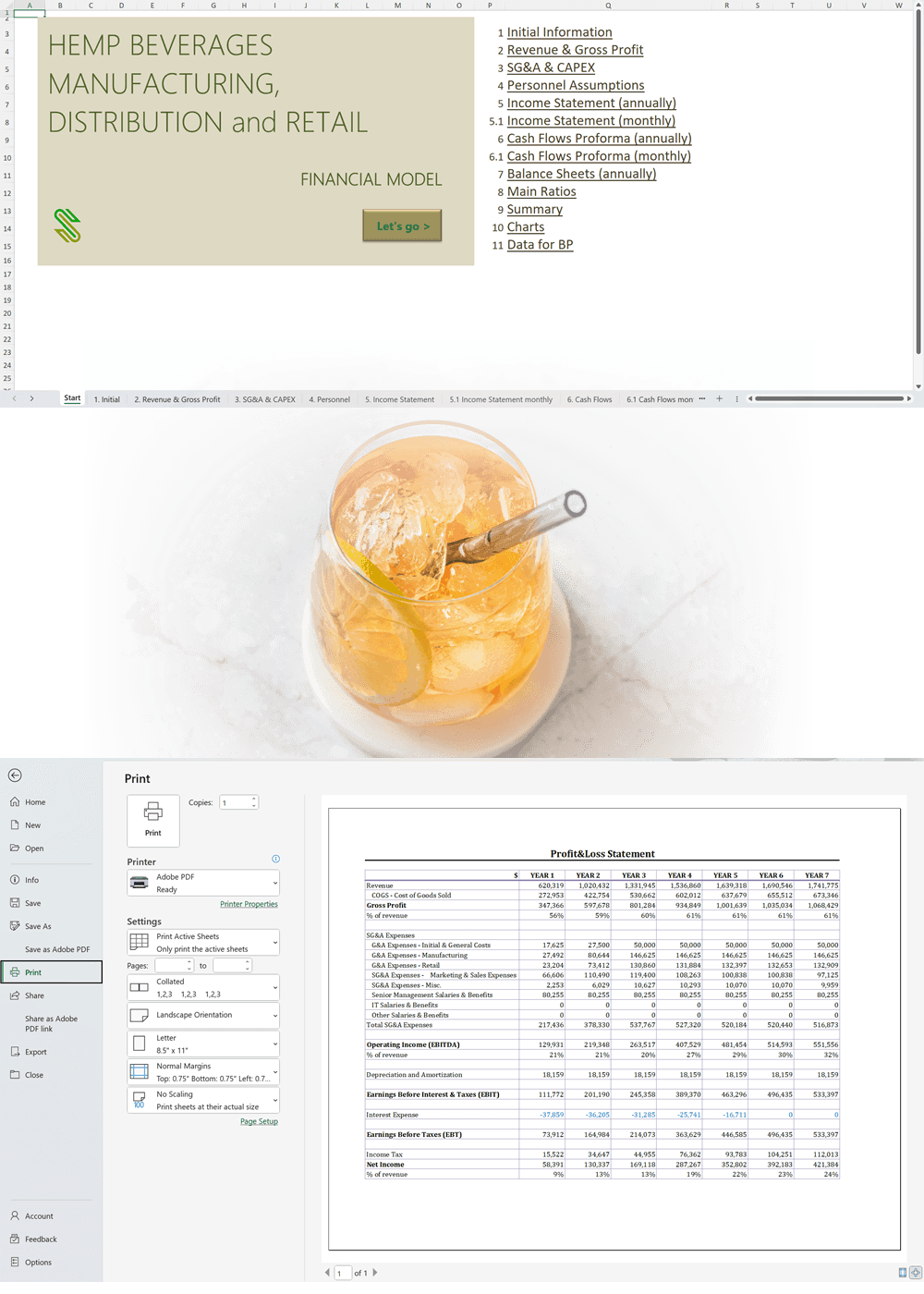
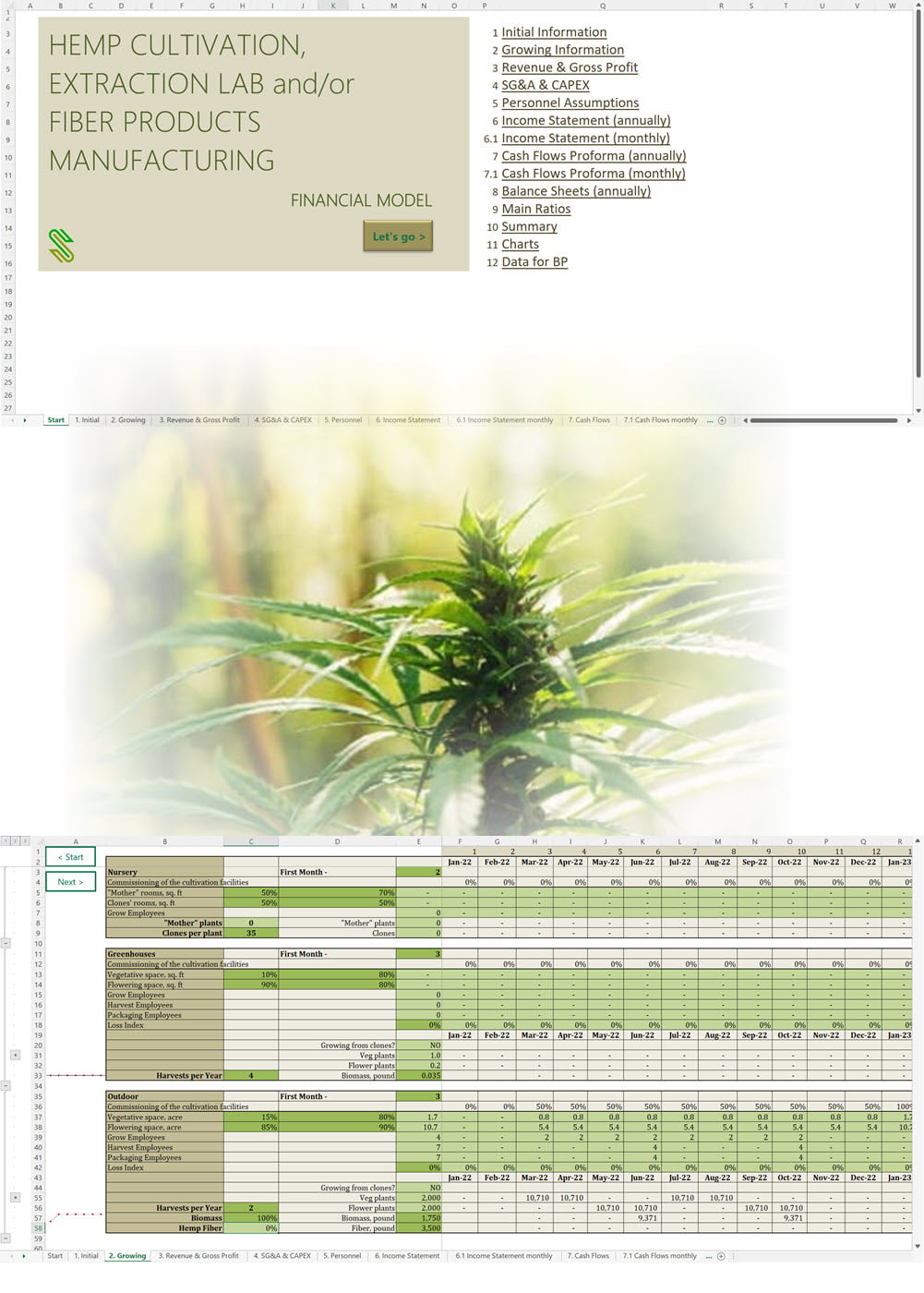
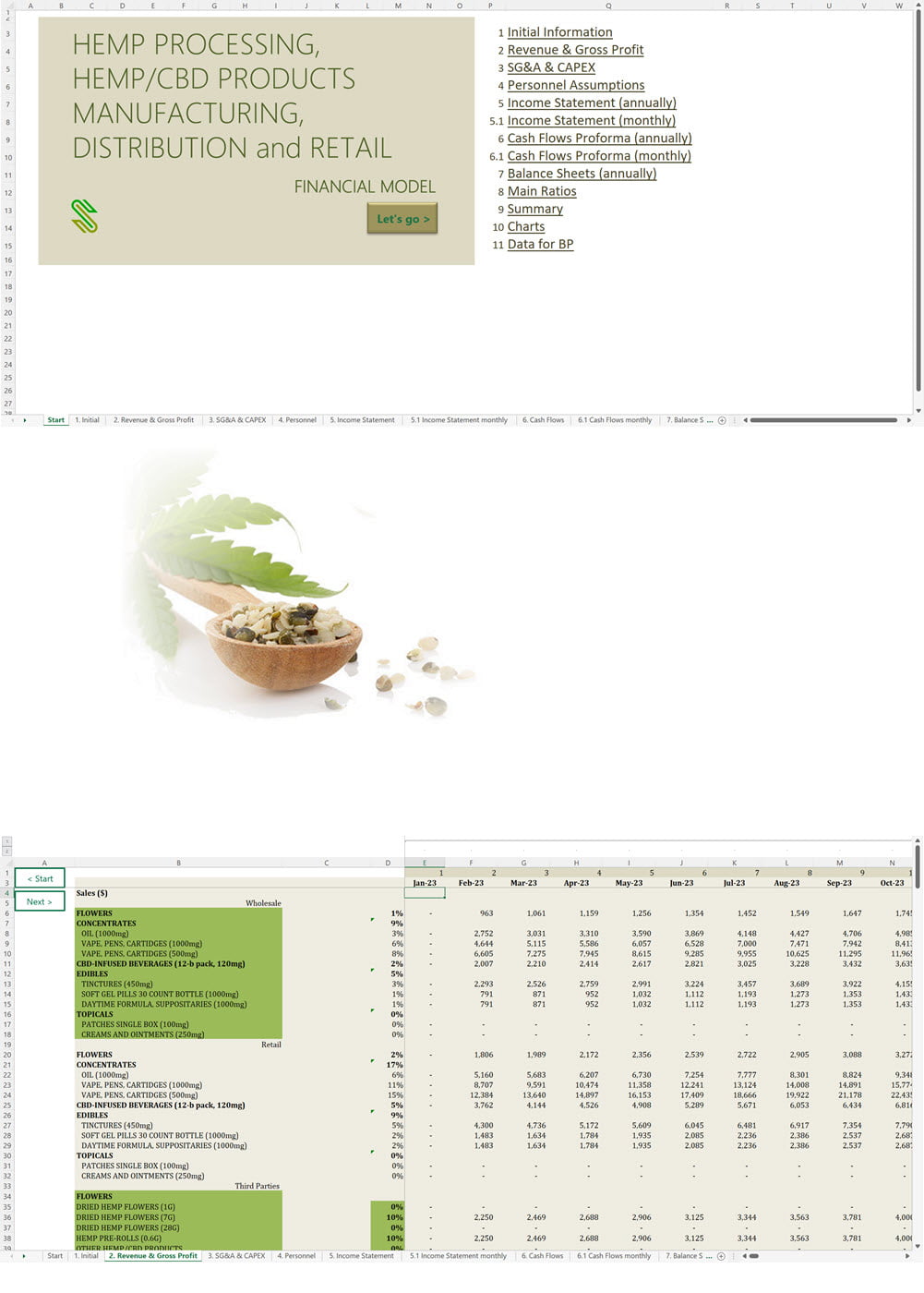
- Excel Financial Model: change variables and immediately see the impact, break down operational and capital costs, know how much it will take to get into the business and the potential profits.
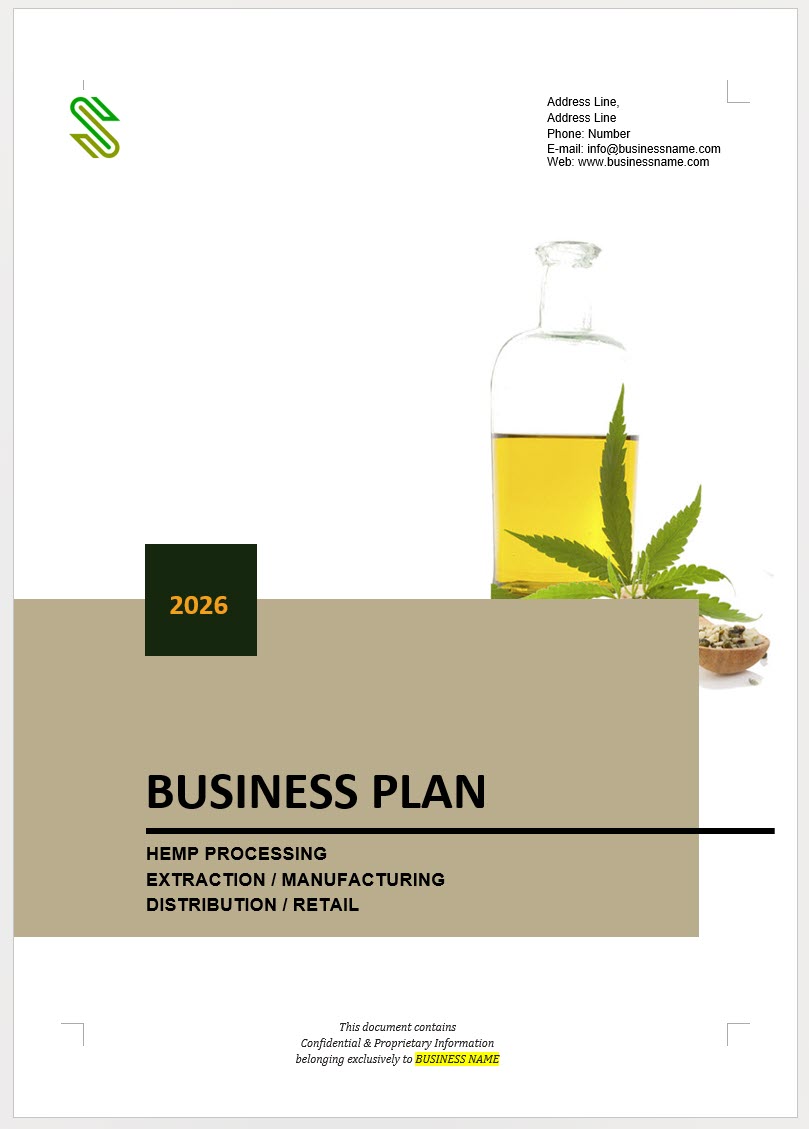
- Word Business Plan: value proposition, market analysis, marketing strategy, operating plan, organizational structure, financial plan and more.
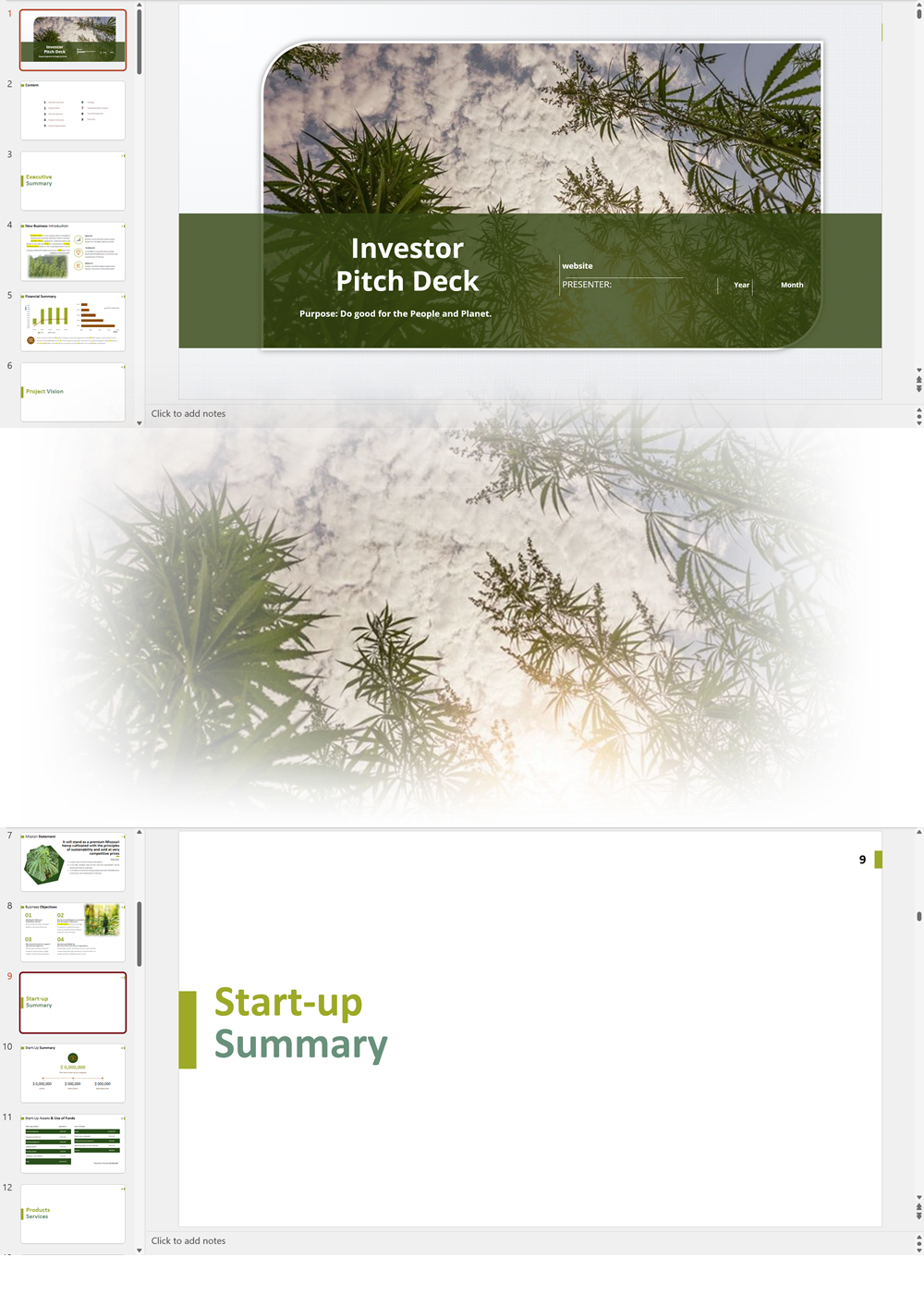
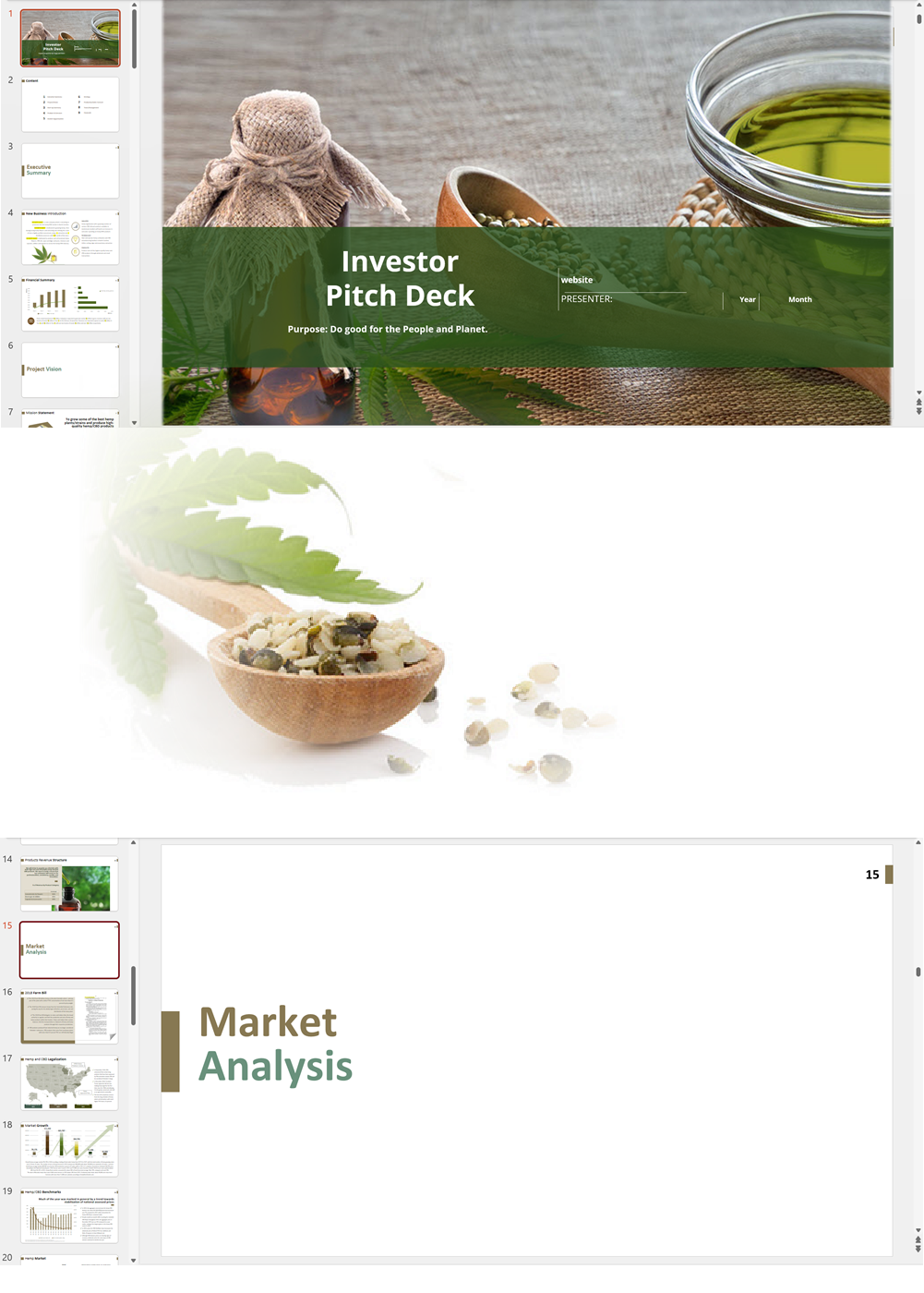
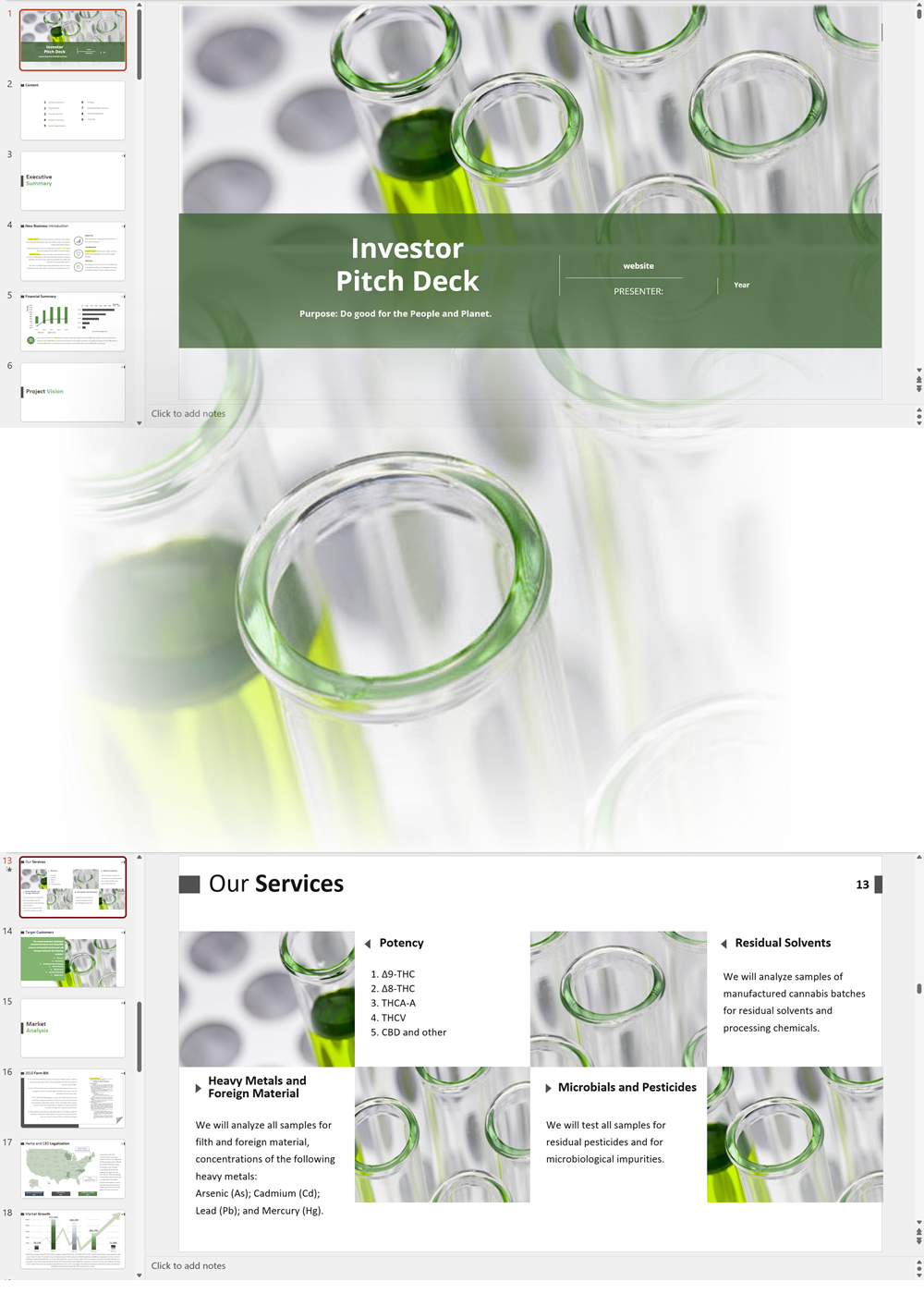
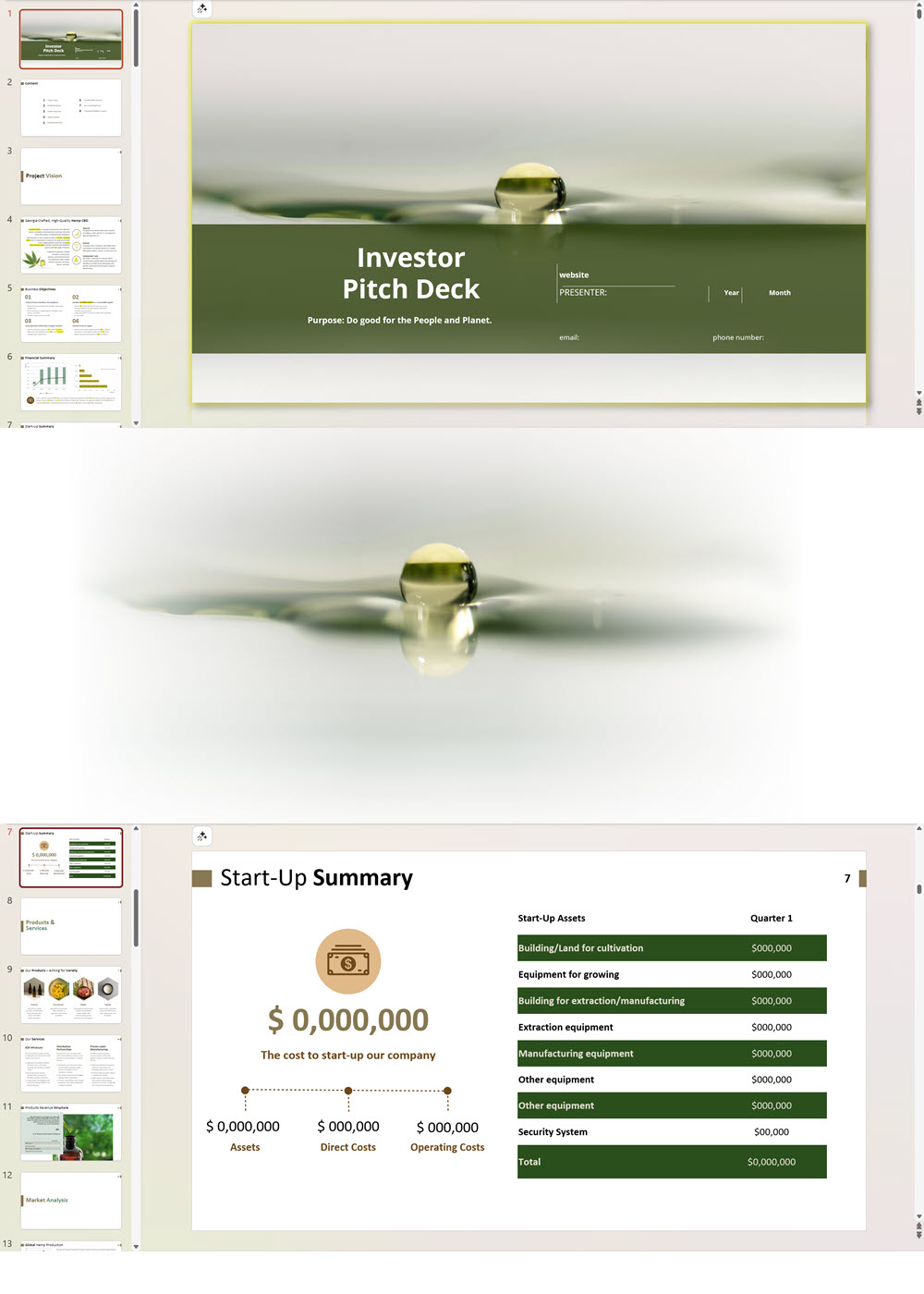
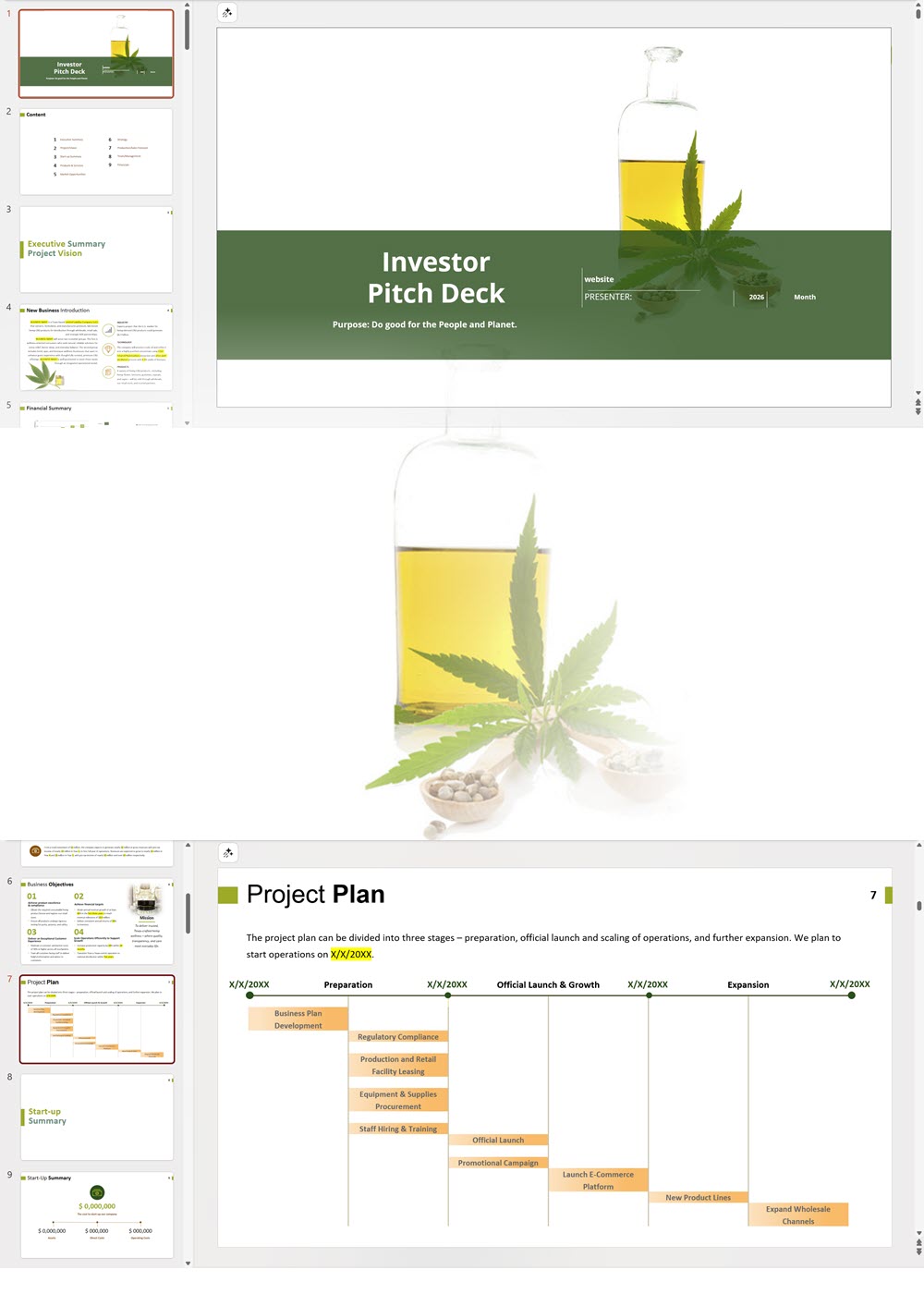
- PowerPoint Pitch Deck: provide a quick overview of your hemp CBD business plan.
'70% ready to go' business plan templates
Our hemp/CBD financial models and business plan templates will help you estimate how much it costs to start and operate your own hemp/CBD business, to build all revenue and cost line-items monthly over a flexible seven year period, and then summarize the monthly results into quarters and years for an easy view into the various time periods. We also offer investor pitch deck templates.
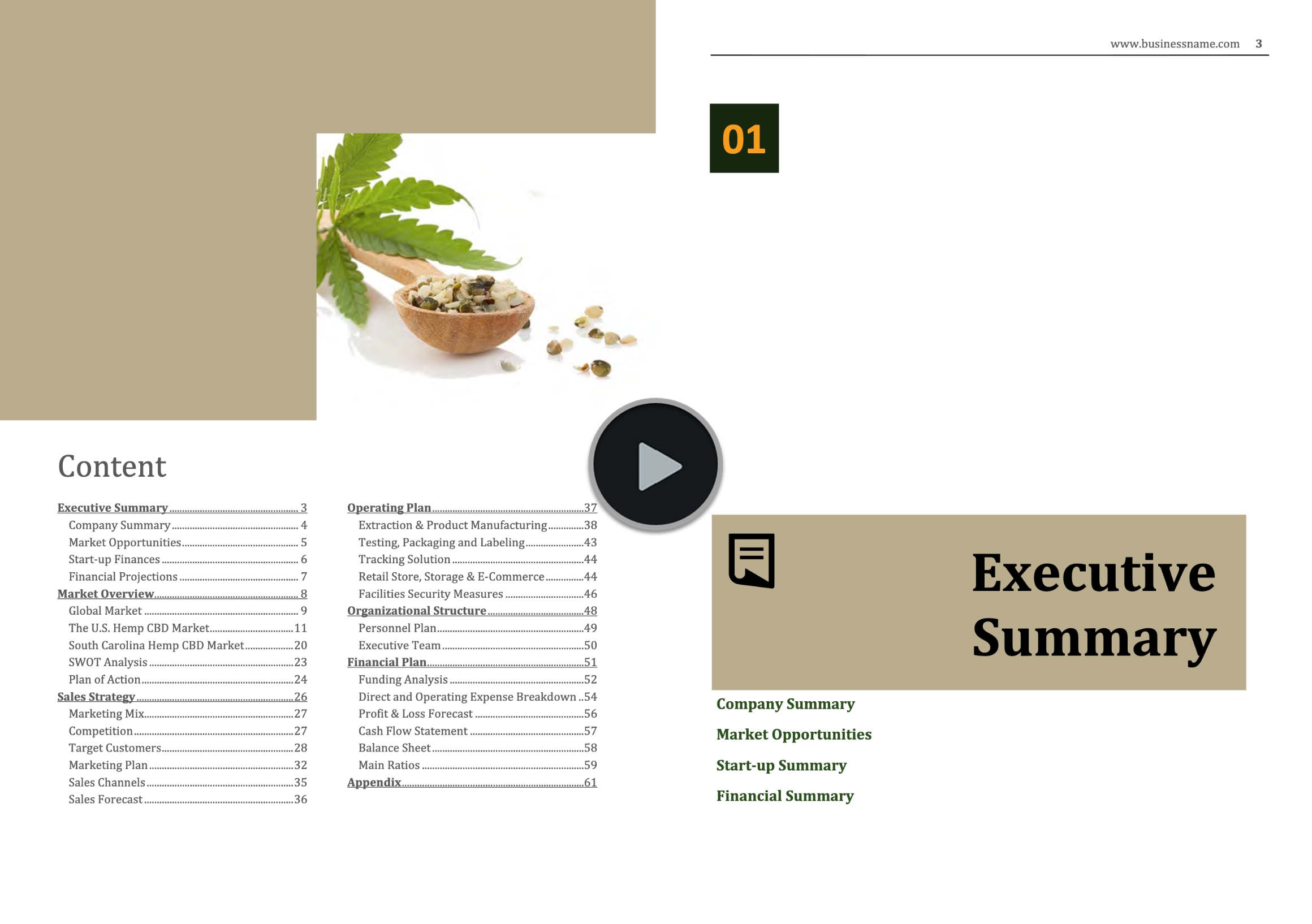
Hemp CBD Extraction Manufacturing Retail Business Plan Template Sample, South Carolina
Best Selling Templates
-

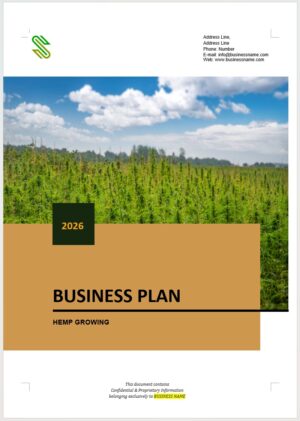
Hemp Cultivation Business Plan Template
Price range: $75.00 through $275.00 Select options This product has multiple variants. The options may be chosen on the product page -

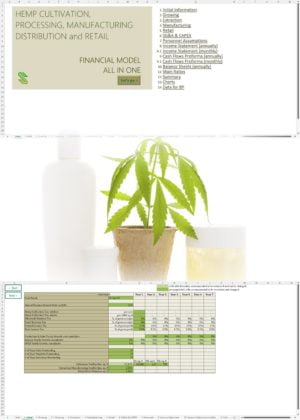
Hemp CBD Financial Model All in One
$200.00 Select options This product has multiple variants. The options may be chosen on the product page -
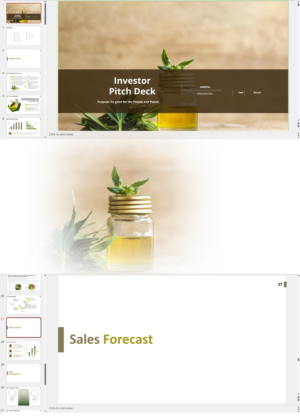
CBD Retail Investor Pitch Deck Template
$75.00 Select options This product has multiple variants. The options may be chosen on the product page
Our Templates
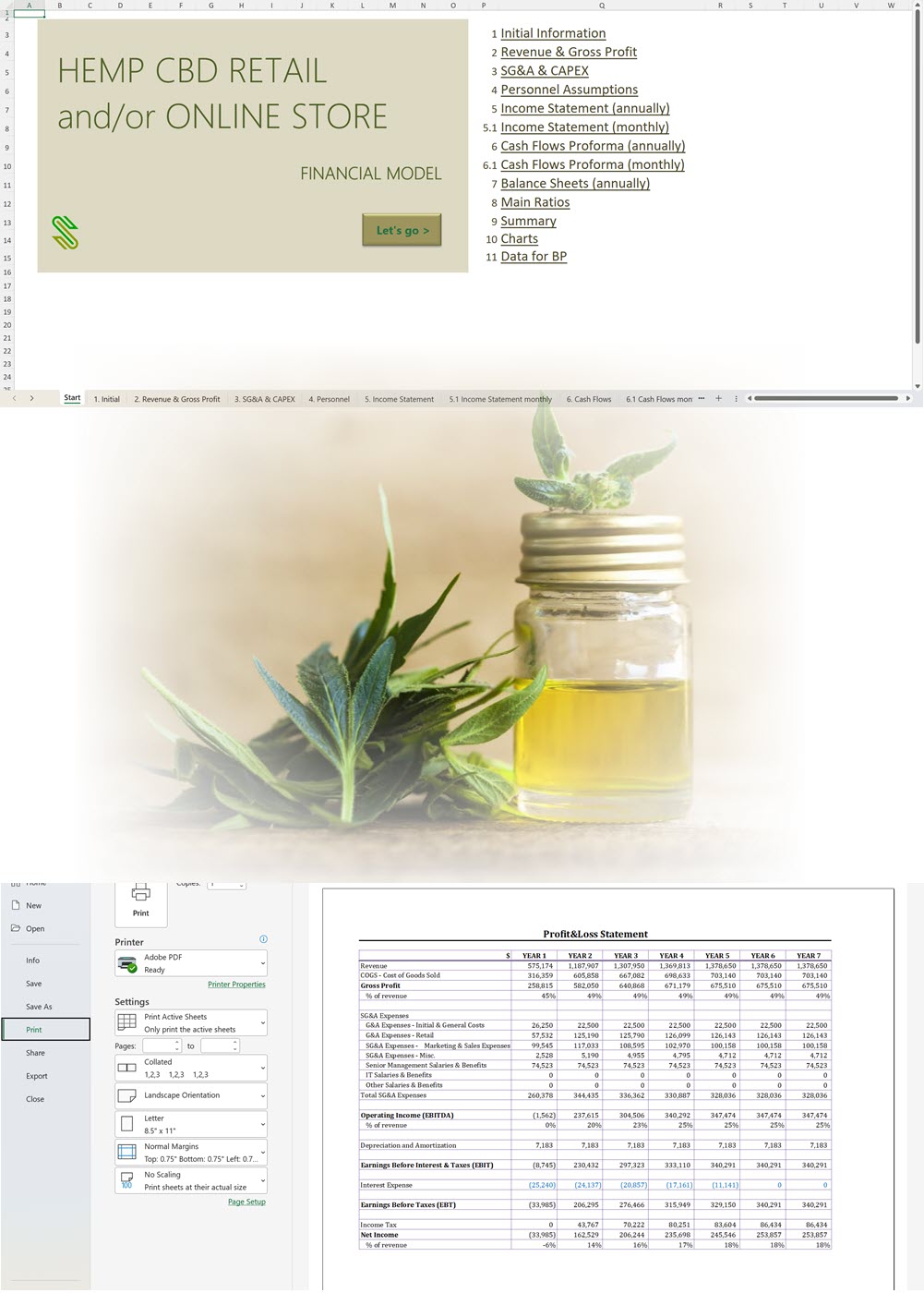
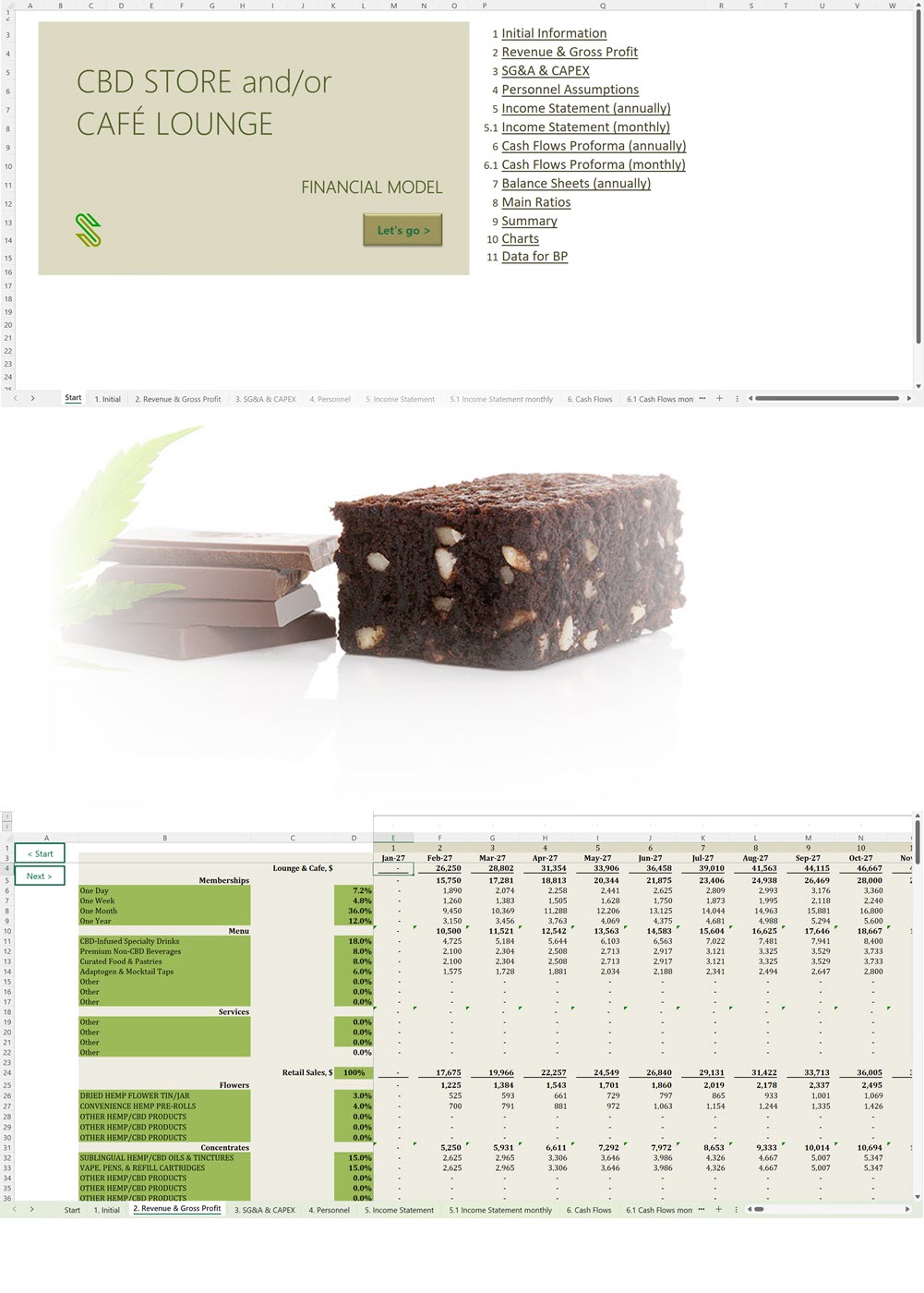
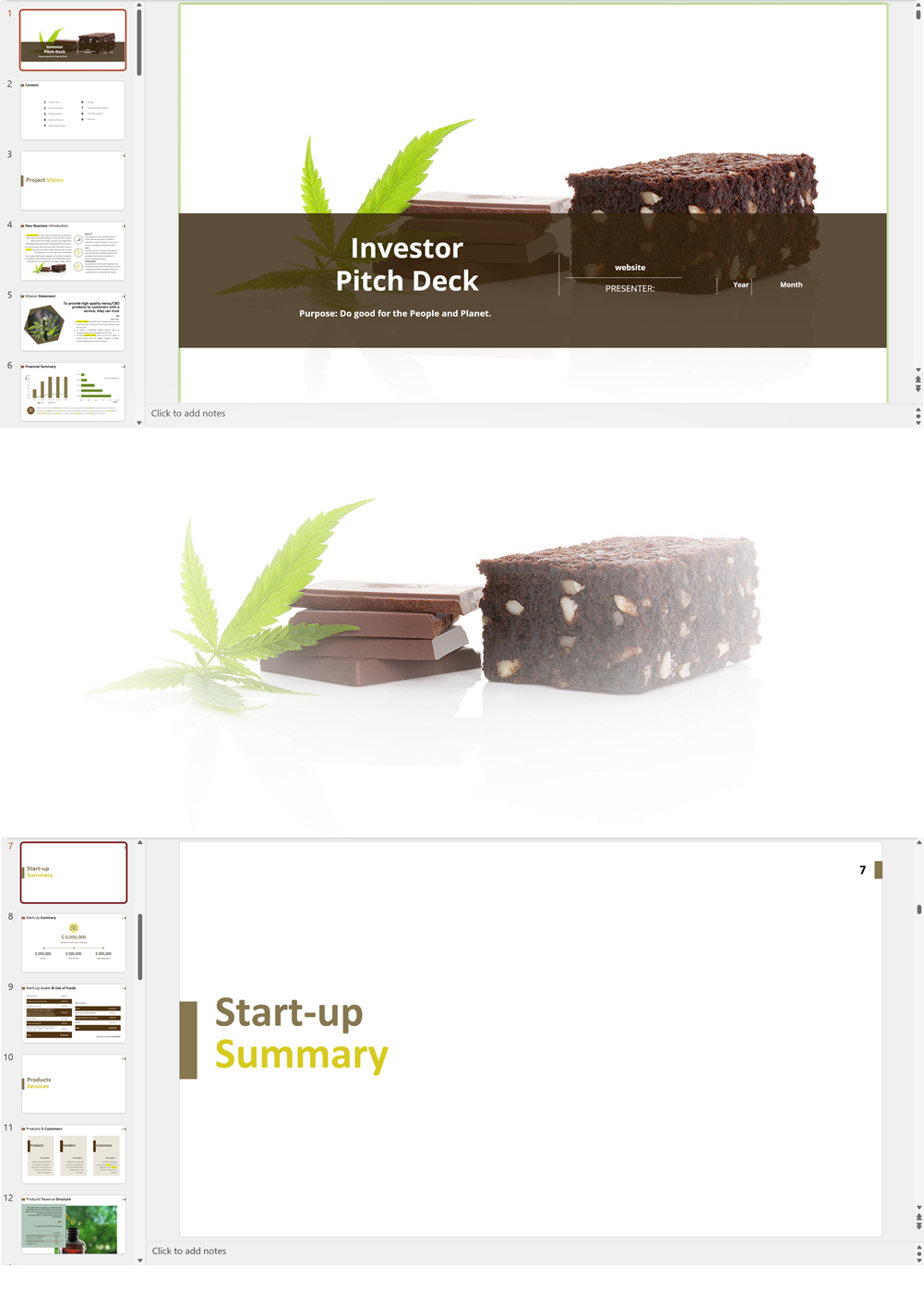
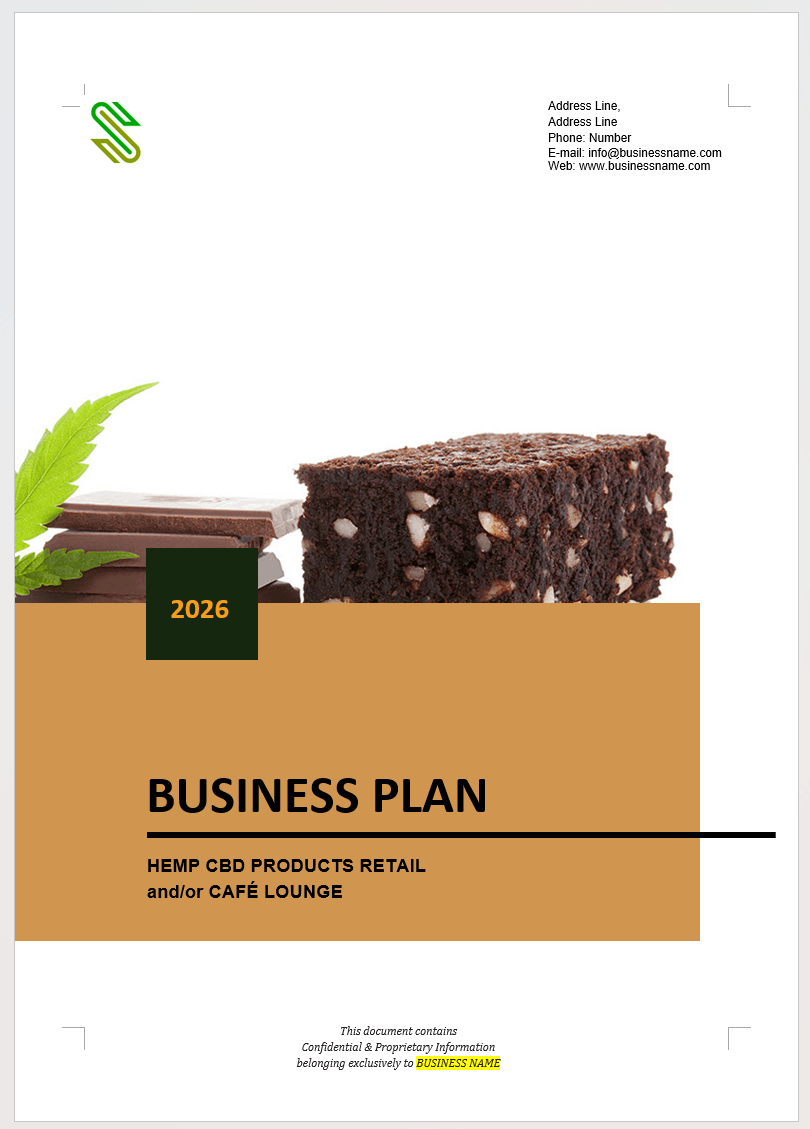
CBD Store and/or Cafe Lounge Business Plan Template
Price range: $75.00 through $275.00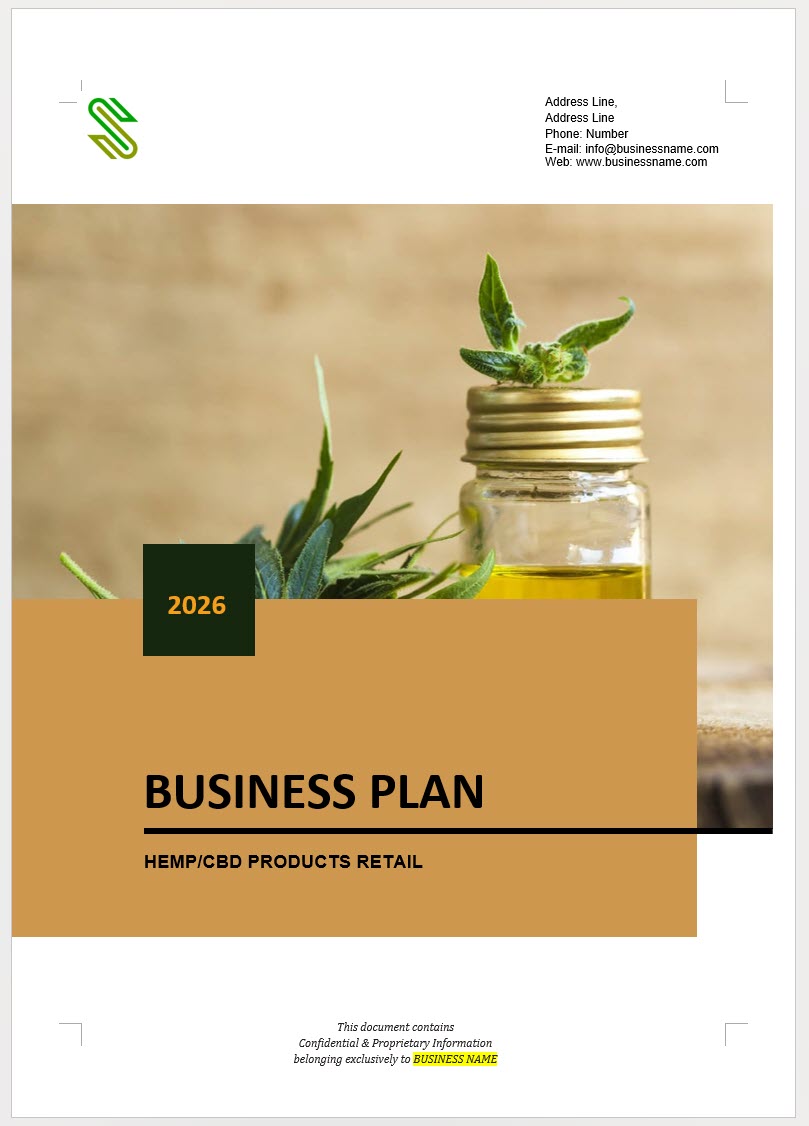
CBD Products Retail/Online Store Business Plan Template
Price range: $75.00 through $275.00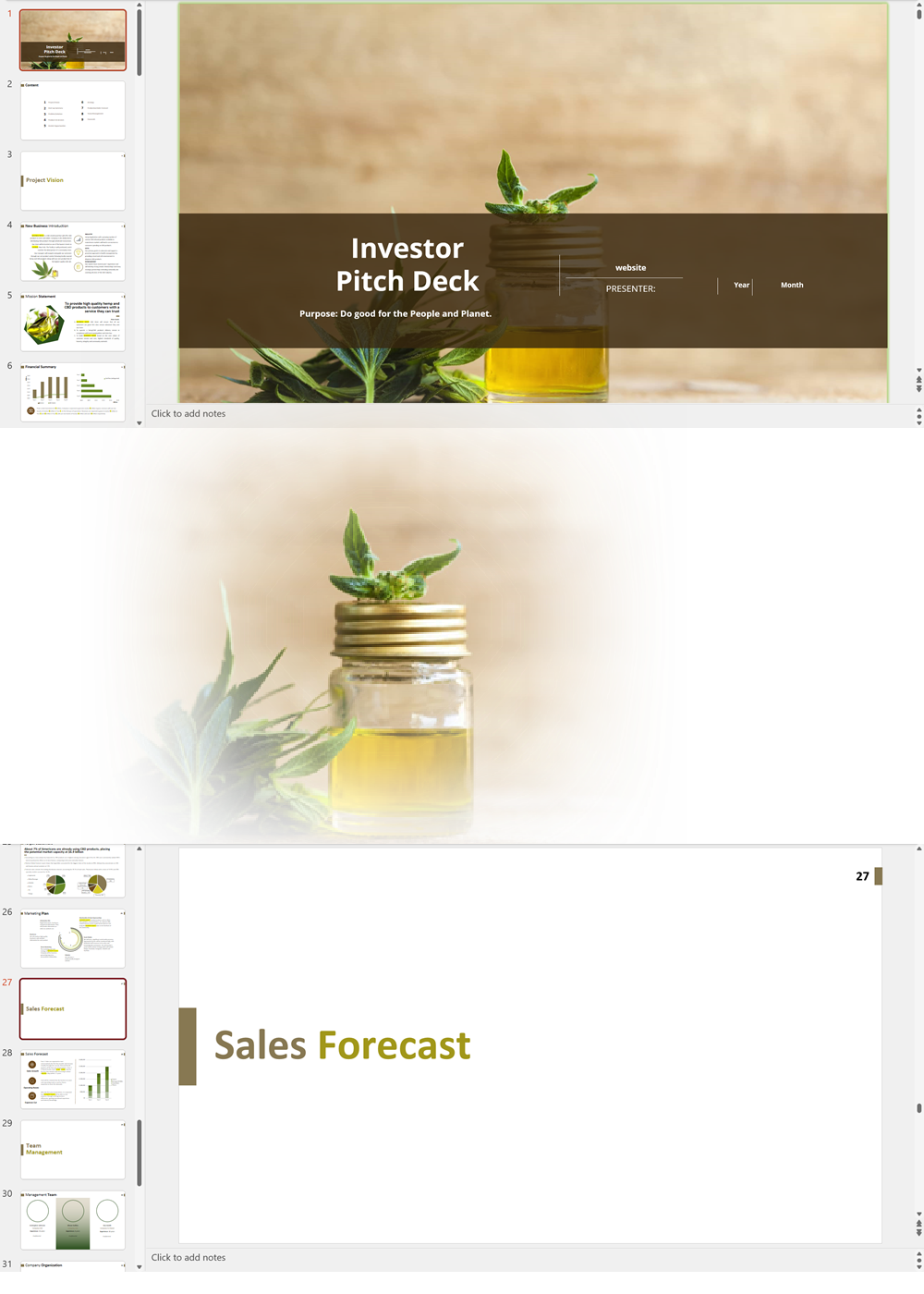
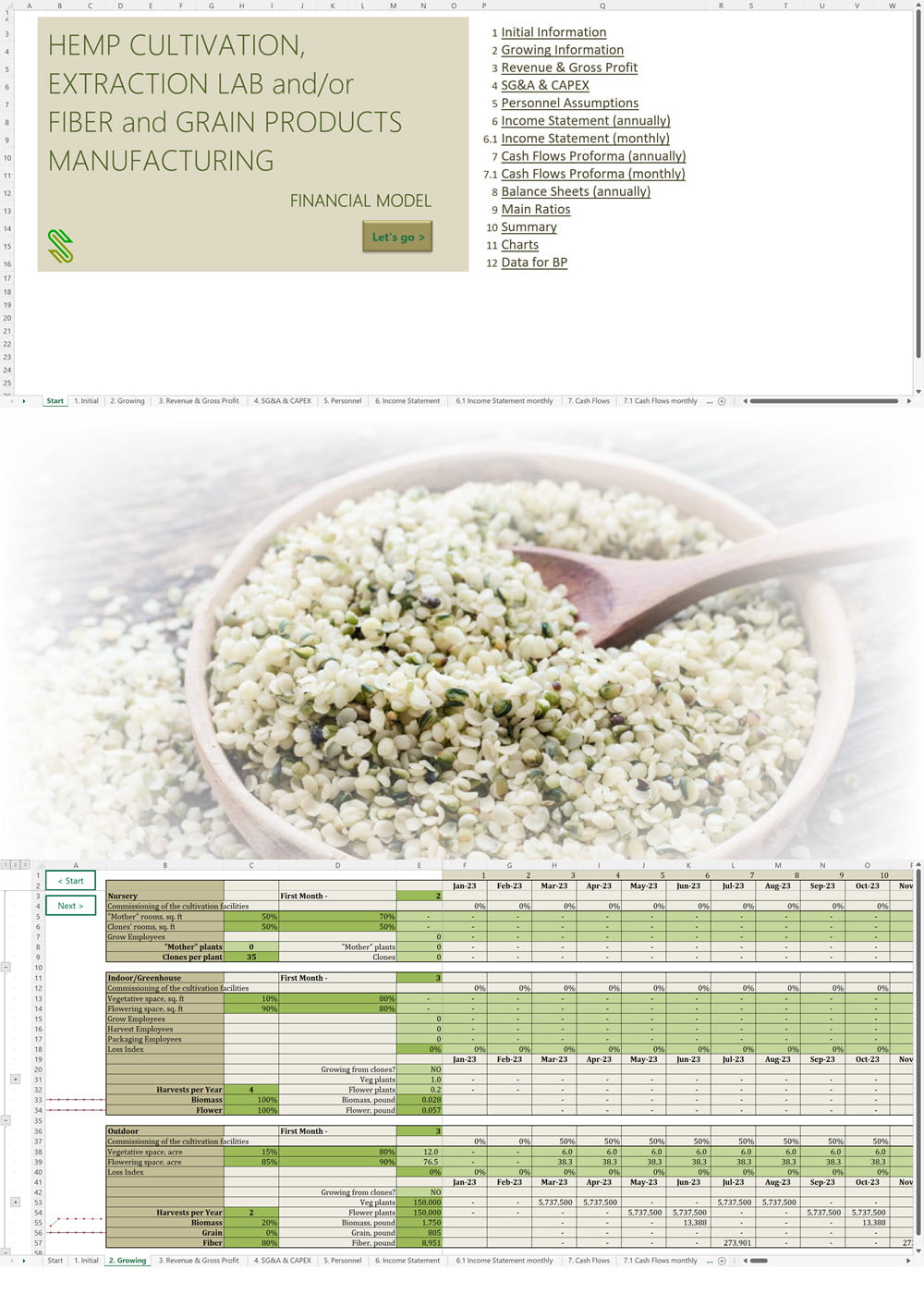
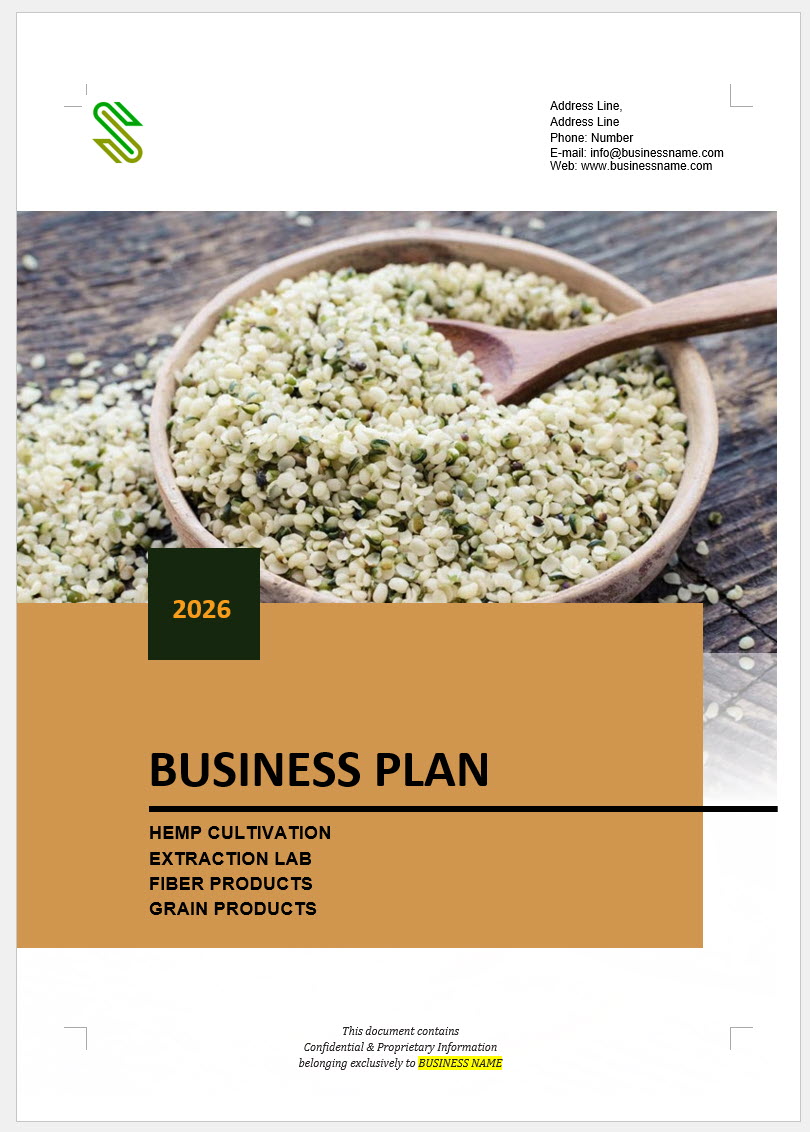
Hemp (Biomass, Fiber, Grain) Cultivation and Processing/ Manufacturing Business Plan Template
Price range: $75.00 through $350.00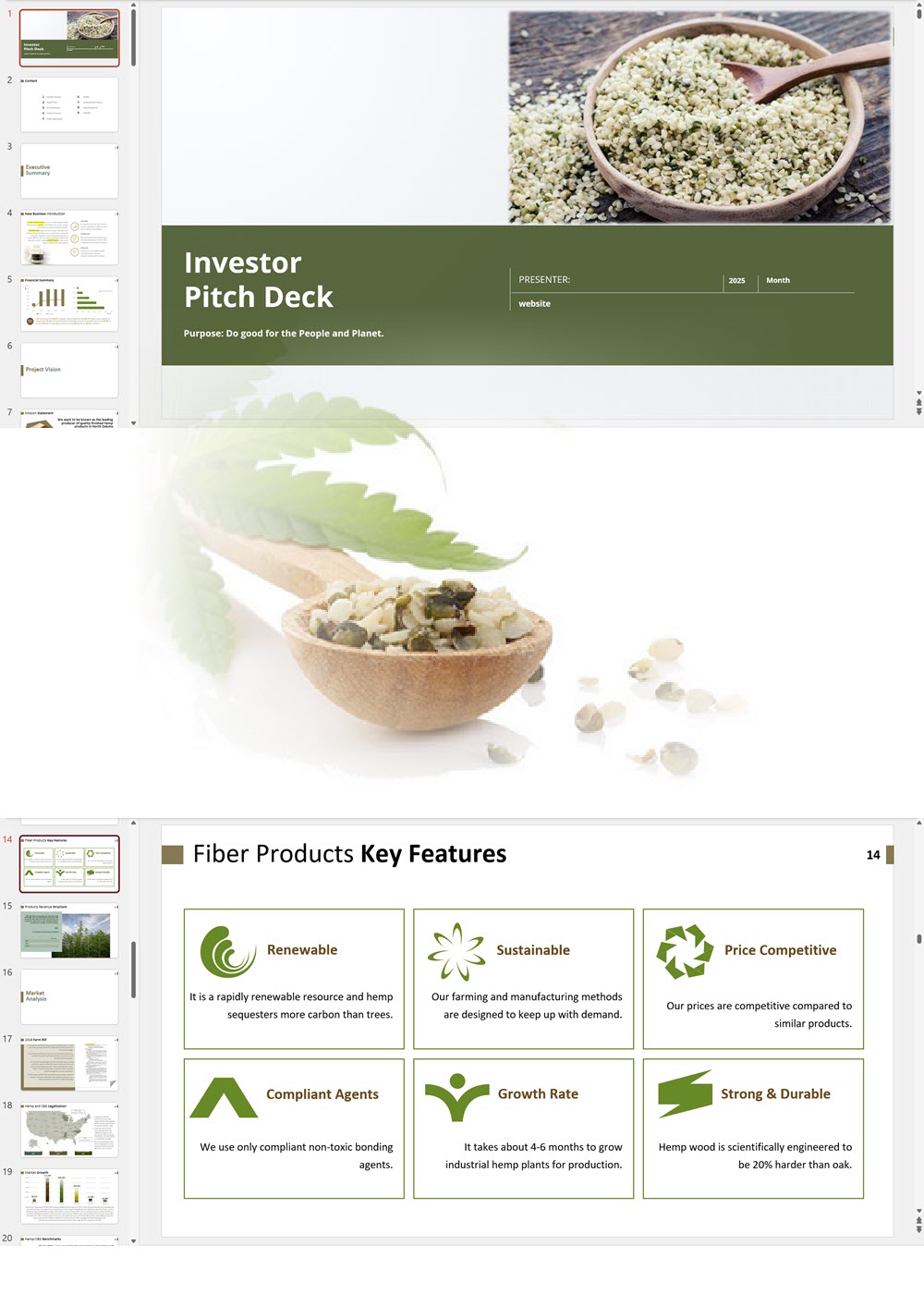
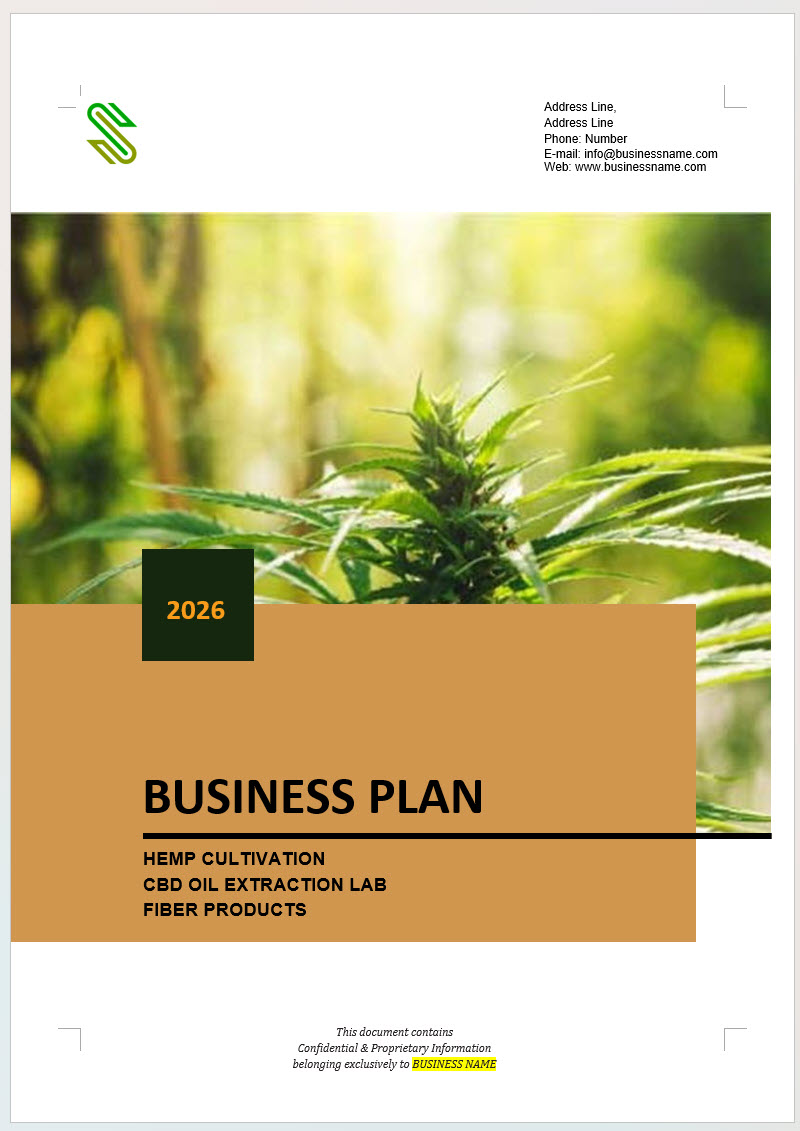
Hemp Cultivation and CBD Oil Extraction and/or Fiber Products Business Plan Template
Price range: $75.00 through $350.00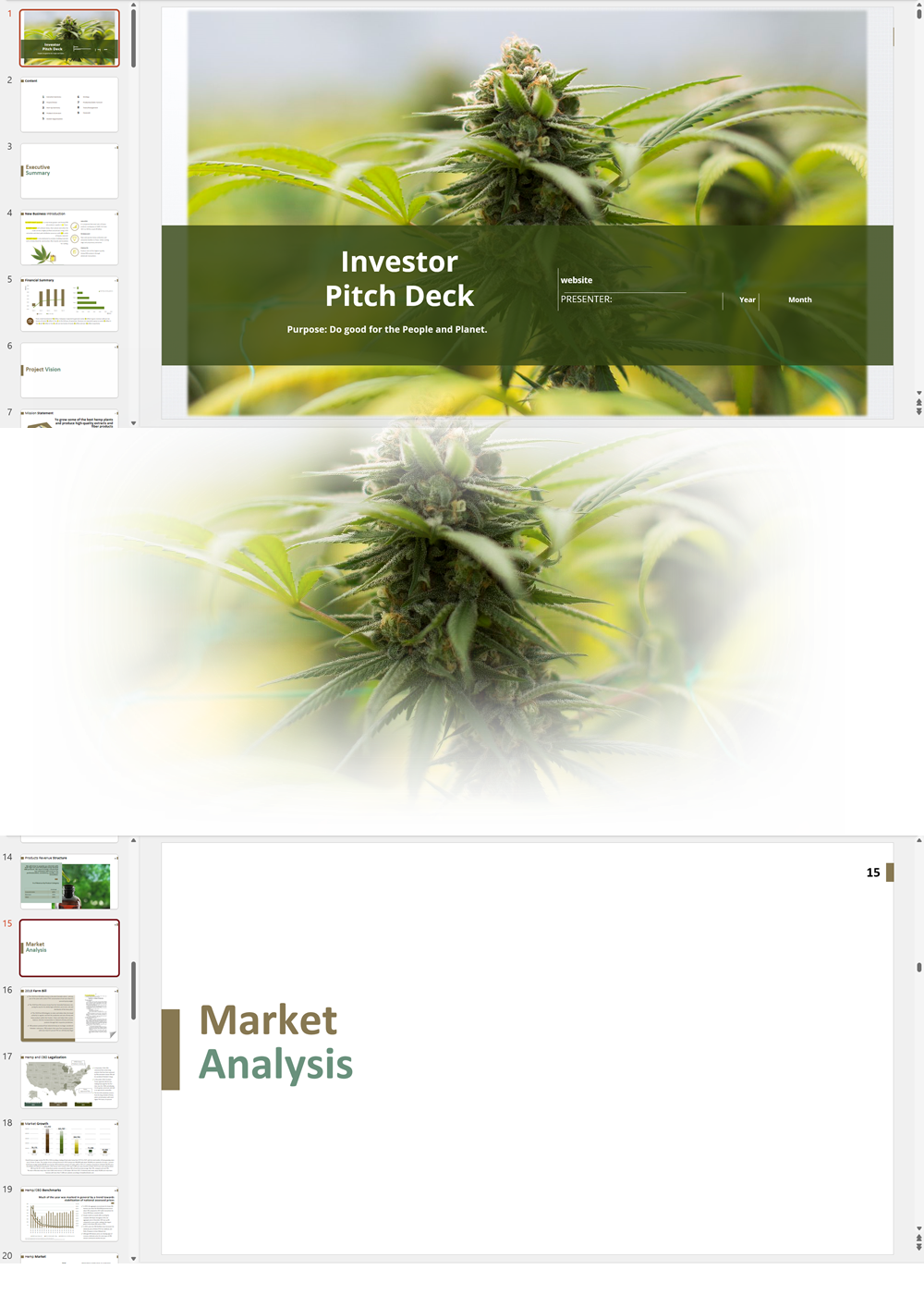
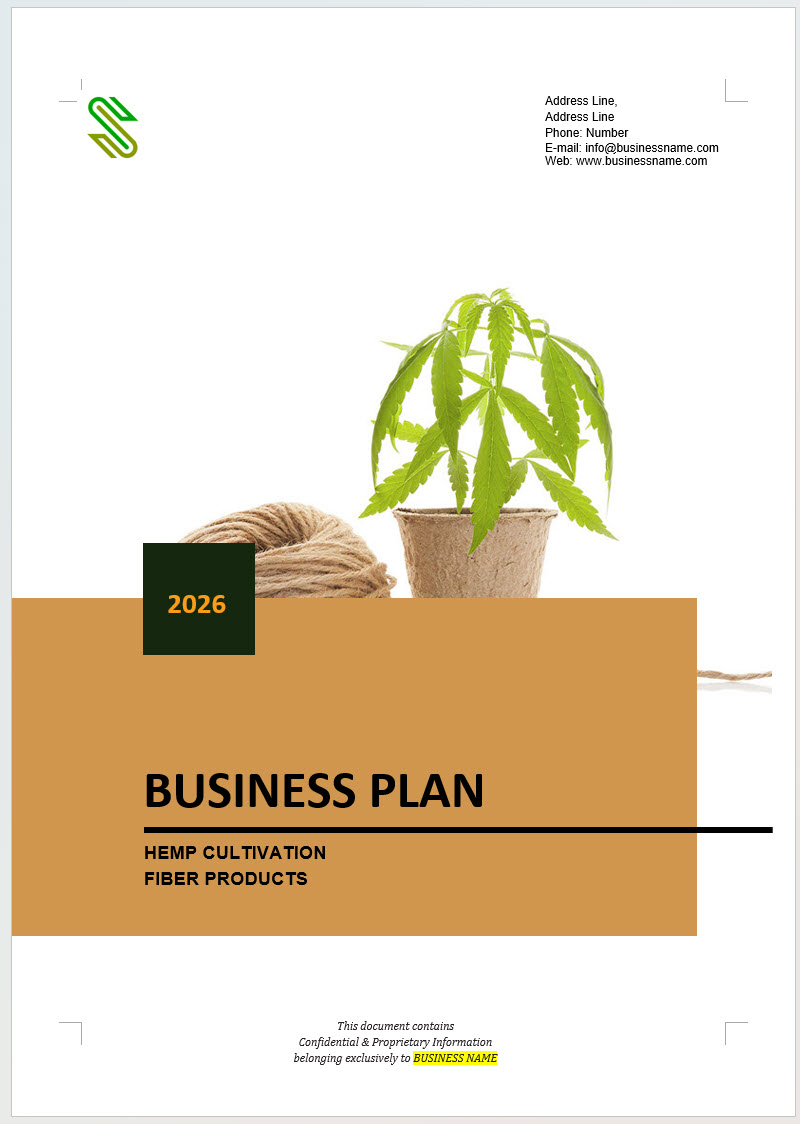
Hemp Fiber Growing and Manufacturing Business Plan Template
Price range: $75.00 through $275.00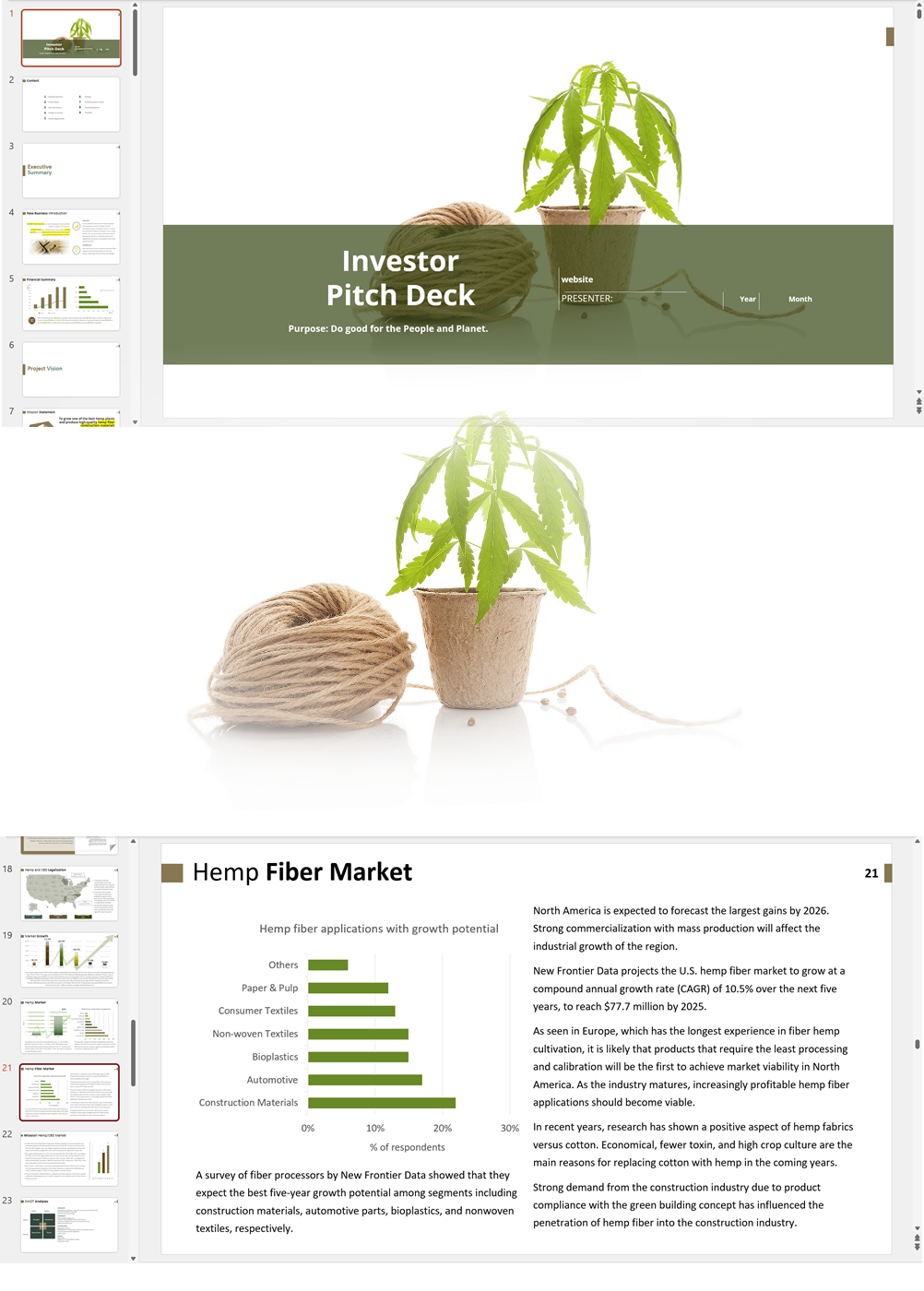
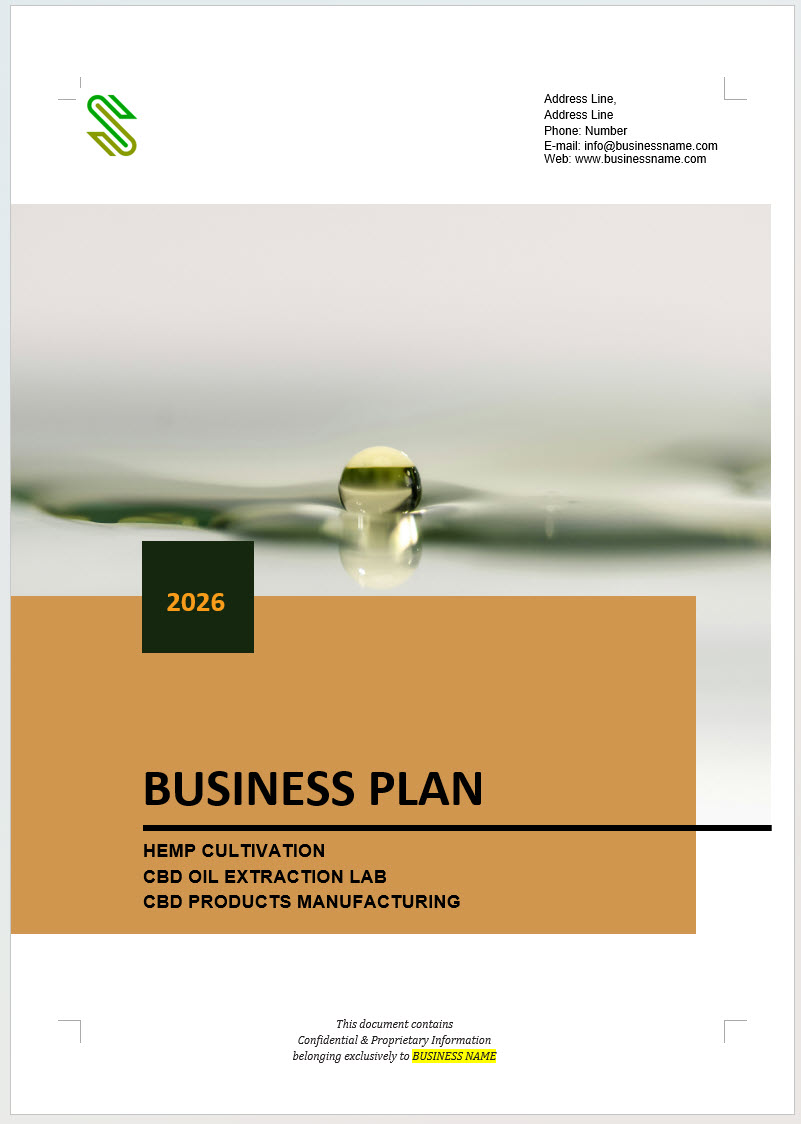
Hemp Cultivation + Extraction + Manufacturing Business Plan Template
Price range: $75.00 through $450.00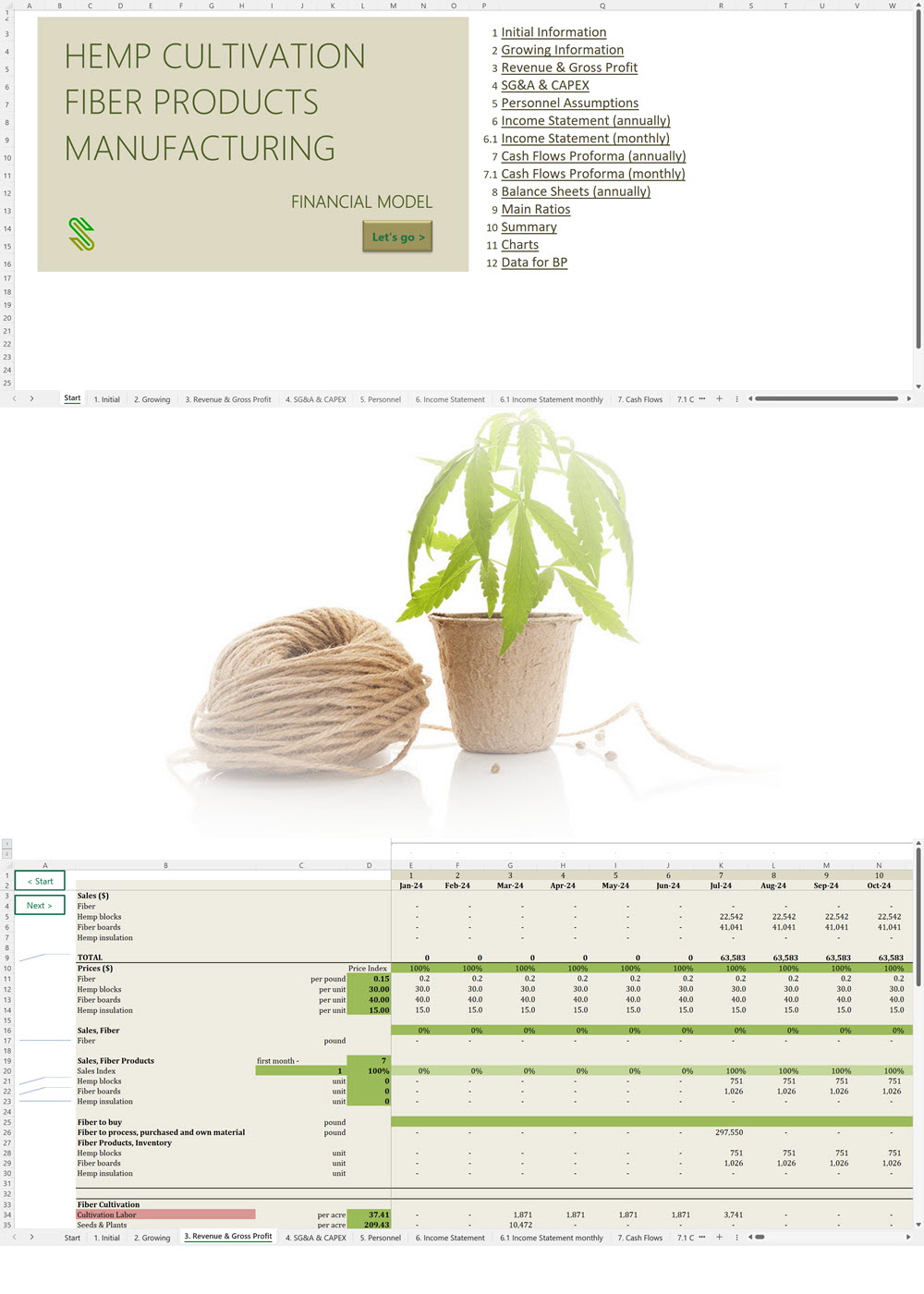
Hemp CBD Extraction + Manufacturing + Retail Business Plan Template
Price range: $75.00 through $450.00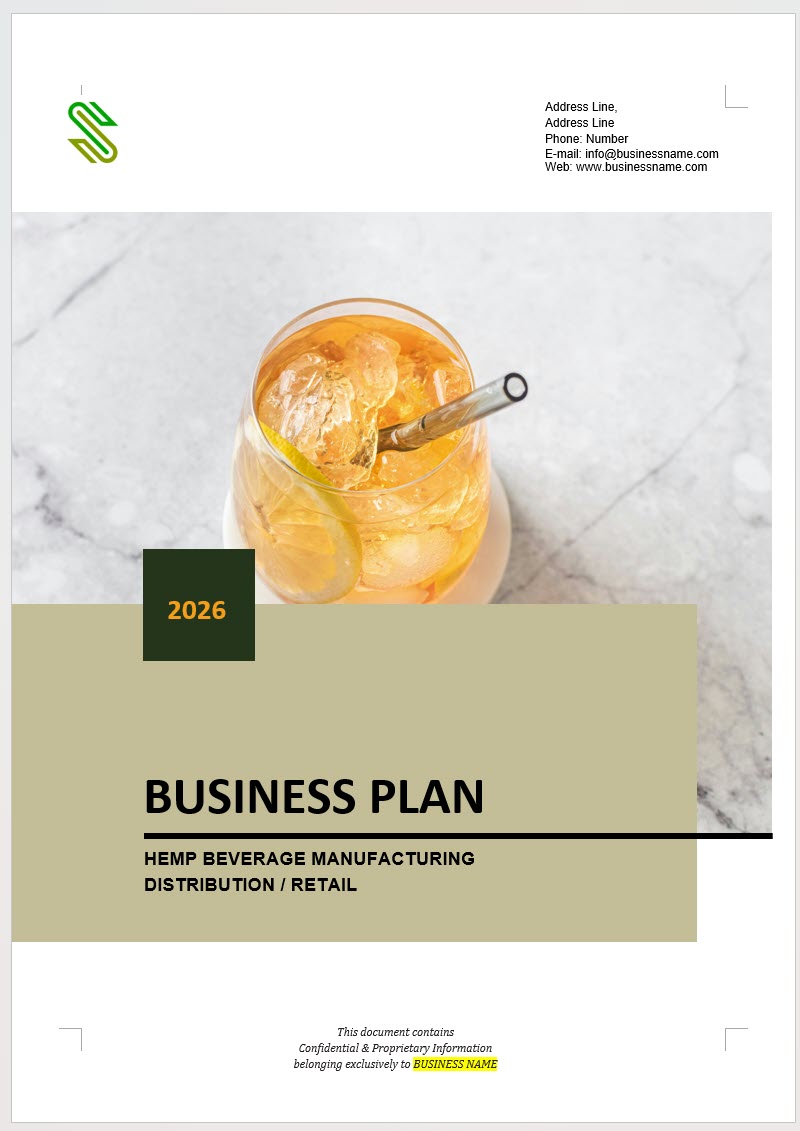
Hemp CBD Beverage Manufacturing, Wholesale and/or Retail Business Plan Template
Price range: $75.00 through $350.00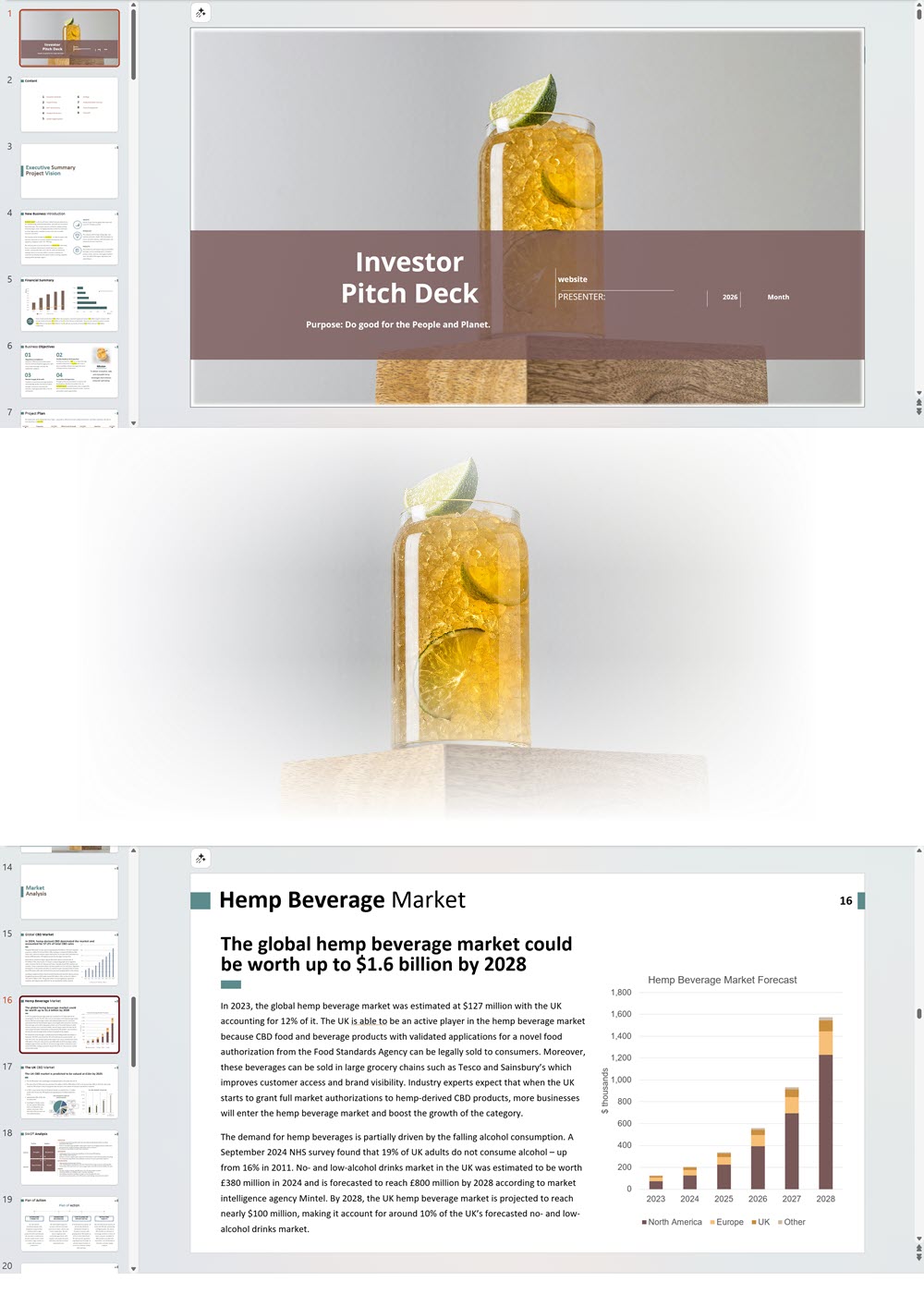
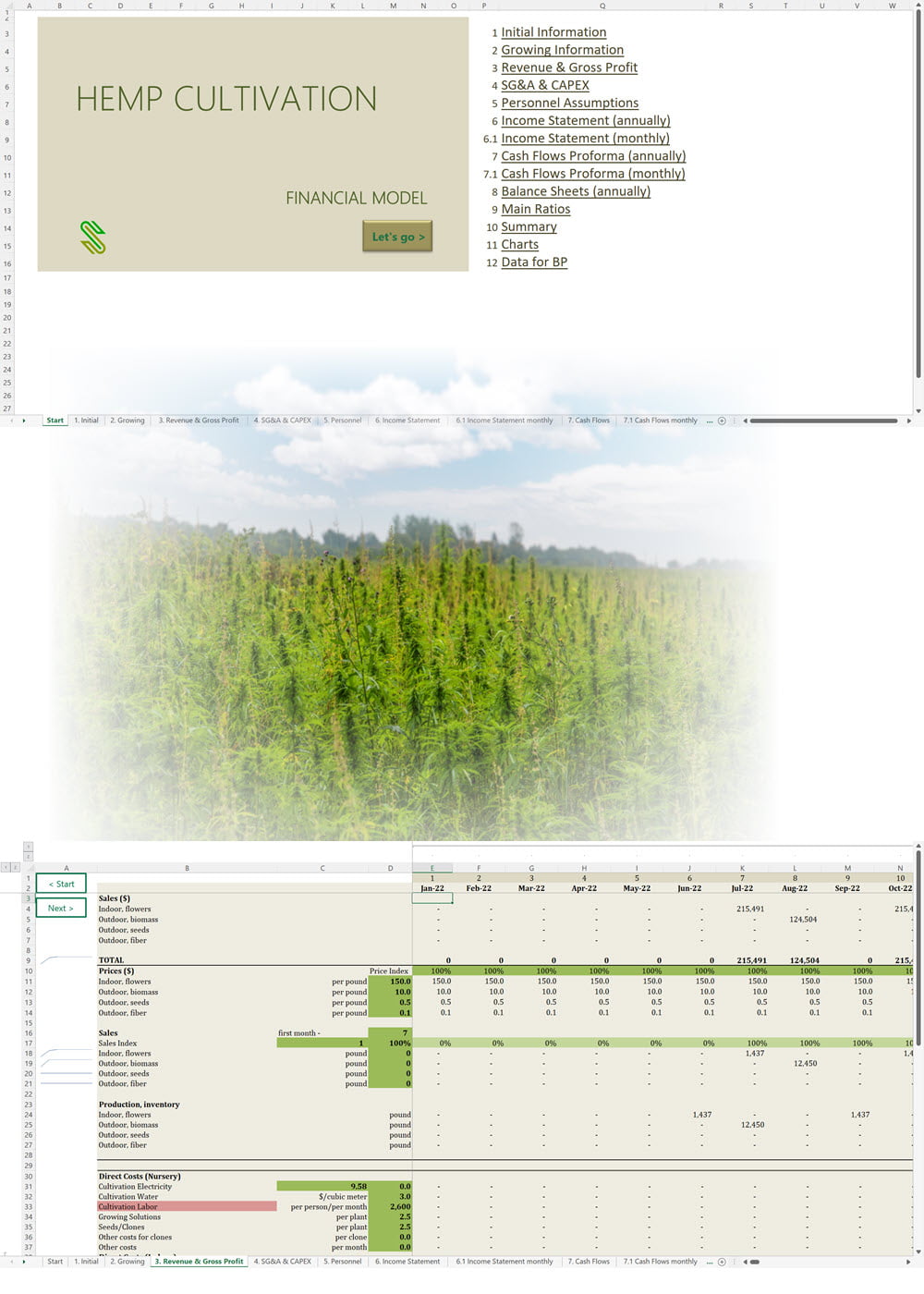
Hemp Cultivation Financial Model
$100.00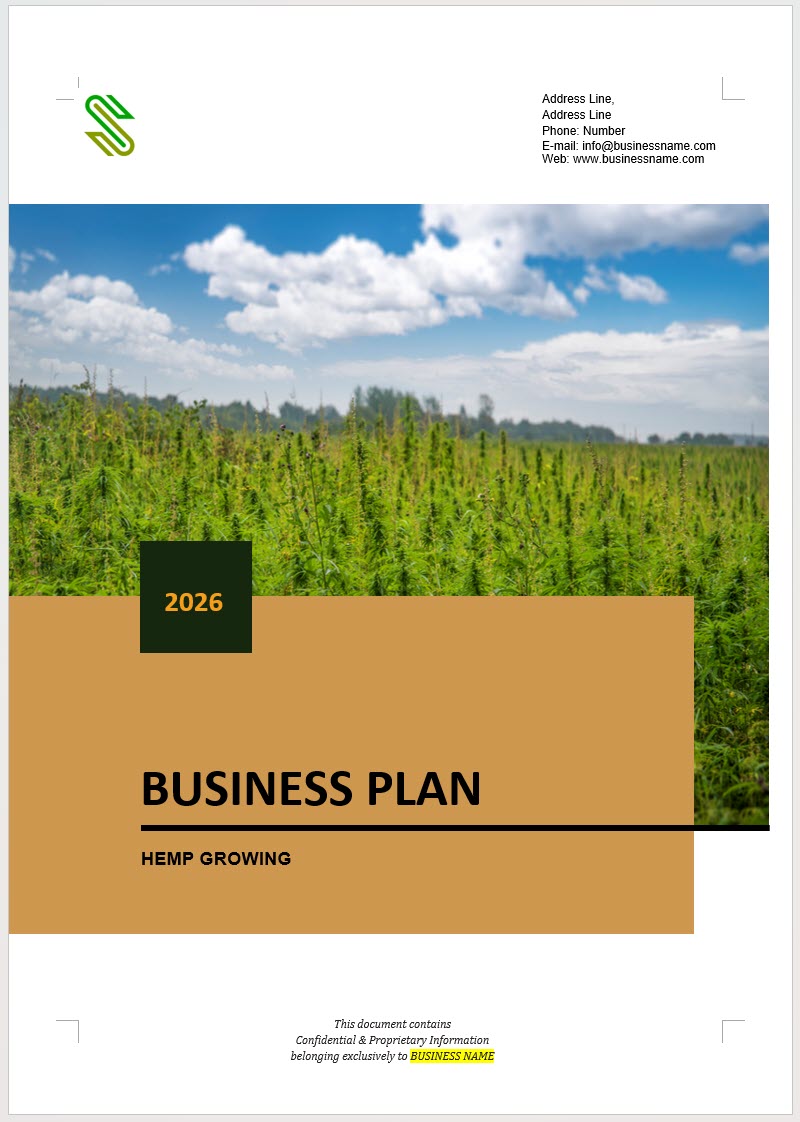
Hemp Cultivation Business Plan Template
Price range: $75.00 through $275.00