Key Takeaways: U.S. Hemp Industry Landscape (2025)
- Federal Legalization, State-Level Control: The 2018 Farm Bill removed hemp from the Controlled Substances Act but delegated regulatory authority to states, creating a fragmented but steadily maturing compliance environment.
- Post-Crash Recovery & Value Surge: After severe overproduction in 2019-2022, U.S. hemp cultivation has rebounded strongly, with planted acres reaching ~49,300 and 2025 farm-gate production value hitting $739 million (+64% YoY).
- Clear Segment Divergence: Floral/CBD drives the majority of raw production value on just ~39% of harvested acreage; Fiber dominates land use (~50%); Grain is the fastest-growing value segment (+250% since 2023).
- CBD Market Rebounds to ~$2B: Hemp-derived CBD sales have recovered from a 2022 dip, fueled by wellness adoption and non-psychoactive demand. Edibles, topicals, and nutraceuticals lead consumption, with total revenue projected to hit $3.76B by 2030.
- Shift to Extraction & Protected Cultivation: Indoor/greenhouse acreage is scaling rapidly, with 56% of protected floral hemp now prioritized for extraction over hand-trimmed retail flower – signaling a clear B2B raw-material pivot.
U.S. Hemp CBD Legalization
Hemp
In June 2018, the U.S. Senate passed its 2018 Farm Bill and in December 2018, President Trump signed the bill into law to make hemp legal for the first time since the 1930s. The bill removes hemp from the Controlled Substances Act, effectively legalizing the plant federally and allowing it to be grown, processed, and sold as an agricultural commodity. Individual states were authorized to draft their own regulations governing hemp cultivation.
- The 2018 Farm Bill defines hemp as the plant Cannabis sativa L. and any part of the plant with a THC concentration of not more than 0.3 percent by dry weight.
- The 2018 Farm Bill removes hemp from the Controlled Substances Act.
- The 2018 Farm Bill delegates to states and Indian tribes the broad authority to regulate and limit the production and sale of hemp and hemp products within their borders.
- CBD products produced from industrial hemp are no longer considered Schedule I substances, CBD products that come from marijuana plants with more than 0.3% THC are still federally illegal.
CBD
In September, 2018, the U.S. Drug Enforcement Administration announced that certain drug products that have been approved by the Food and Drug Administration (FDA) and which contain cannabidiol (CBD) will be considered Schedule V drugs. Specifically, this order places FDA-approved drugs that contain CBD derived from cannabis and no more than 0.1 percent tetrahydrocannabinols in schedule V.
The 2018 Farm Bill also legalized the production and sale to consumers of hemp-derived CBD products as long as they have less than 0.3% THC content. As the demand for hemp-derived CBD products grew, states began to increasingly regulate them by creating licenses or registrations permitting their manufacture or sale, placing a limit on the milligrams of THC or CBD they can contain, or restricting the stores through which they can be sold.
U.S. Hemp CBD Industry
Hemp Cultivation
Following the passage of the 2018 Farm Bill, hemp acreage in the U.S. reached 78,176 in 2018, recording a tripling of land under hemp from 25,713 in 2017. The total number of hemp growing states rose to 23 from 19, according to the American hemp advocacy group Vote Hemp.
In 2019, the number of licensed hemp acres totaled 500,000 in 34 states. Vote Hemp estimated that about 230,000 acres of hemp were actually planted in 2019 and with a 50% crop loss, yields totaled 115,000 acres. In 2020, licensed hemp acres fell slightly to 465,787 acres with 47 states reporting number to Hemp Industry Daily.
The initial enthusiasm surrounding the hemp industry led to overproduction and resulted in hemp acreage plummeting. According to New Frontier Data – and considering that 62% of State Departments of Agriculture (84% of the top 25 producing states) reported data on hemp cultivation – 7,542 hemp grower licenses were issued in 2022 (down 22% from 9,711 in 2021), and 71,508 acres were licensed (down 75% from 284,793 in 2021). About 28,314 acres were planted (down 48% from 54,152 in 2021) and 18,251 acres were harvested in 2022, according to the 2022 National Hemp Report. The negative trend continued in 2023 with 27,680 acres planted and 21,079 acres harvested. Despite this, the open value of utilized hemp production actually rose to nearly $286 million – up by 34.7% from 2022.
In 2024, the industry began to recover. Licensed U.S. hemp farmers planted a total of 45,294 acres (up 63.6% from 2023) and harvested 32,694 (up 55.1%) according to the 2024 National Hemp Report. The total U.S. hemp production value rose further to nearly $450 million – 41% up from 2023 – of which around 90% came from utilized floral hemp production. Hemp floral varieties accounted for about 36% of total harvested acreage, fiber for 58%, grain for 15% and seed for 7%. States with the highest harvested acres were South Dakota (11.3% of national acreage), California (8%), Oklahoma (6.7%), Kentucky (7.6%), and Idaho (6.4%).
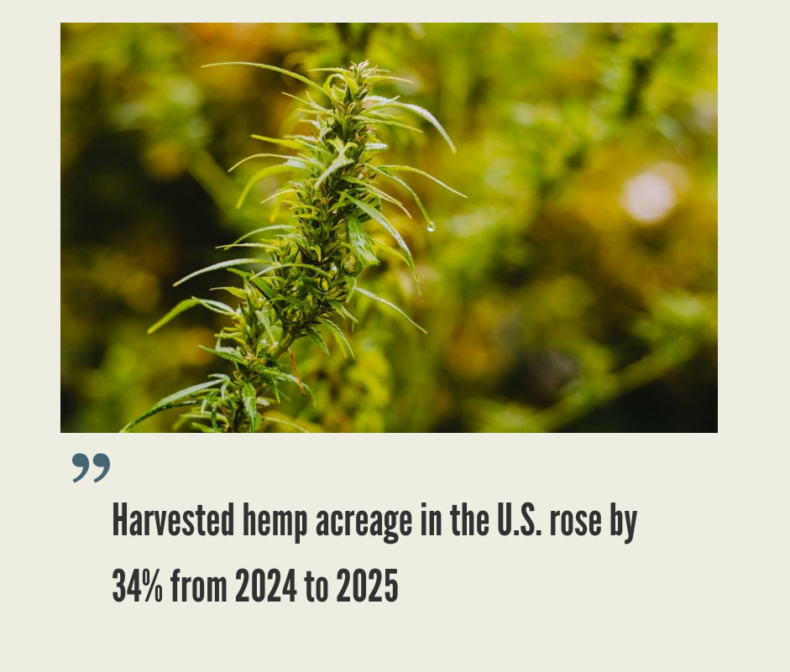
The recovery continued into 2025 (2025 National Hemp), with the total value of utilized hemp production reaching $739 million – 64.4% up from 2024 – demonstrating an acceleration in the growth of harvested industrial hemp’s value. US hemp farmers planted 49,267 acres (8.8% up from 2024) of hemp in the open in 2025 and harvested 43,707 acres (33.7% up from 2024), significantly improving their yield. Texas was the leader in planted acreage for the second year in a row – having planted 6,700 acres – followed by Kentucky with 4,800 acres, California with 4,000 acres, and Nebraska with 3,300 acres.
Fiber continued to account for the majority of the area harvested for hemp grown in the open with nearly 50% of harvested hemp acreage being for fiber. Hemp floral varieties accounted for around 39%, grain for 17%, and seed for 8%. While the value of hemp fiber grown in the open fell by 13% to $13.5 million in 2025, the value of floral hemp in the open grew by 49% to $574 million and the value of grain and hemp surged by 209% and 193% to $8.09 million and $49.7 million, respectively.
Production of hemp under protection also rose in 2025, reaching close to 4 million square feet – up by 13% from 2024 – with California accounting for around half of the national area. While in 2024 61% of floral hemp grown under protection was hand trimmed, in 2025 this share fell to 33% and priority was given to using the harvested hemp for extraction (56% of total production). This indicates a rising demand for hemp products that utilize extracts such as edibles, oils, and topicals. Value of hemp production under protection rose by 225% to $93.3 million.
It is worth noting that National Hemp Report estimates only take into account sales of raw hemp material, not finished hemp products.
Hemp Fiber Market
Hemp fiber, being a renewable resource, is used in the production of daily use products such as paper, textiles, fuel, and construction materials and the growing demand for eco-friendly products will significantly contribute to the growth of the industrial hemp market. Breathability, antibacterial, and sustainability are key properties involved in the production of hemp fiber products.
In recent years, the share of hemp fiber among harvested hemp acreage has risen from 35% in 2023 to 58% in 2024 before stabilizing at nearly 50% in 2025, reflecting hemp fiber’s growing importance in the industrial hemp market. Production has increased by 37% from 49 million pounds in 2023 to over 67 million in 2025. However, with the rise in production came a correction in the price per pound which fell from $0.25 in 2023 to $0.21 in 2025.
The US hemp fiber market size was estimated at $135 million in 2025 and is projected to reach $360.2 million by 2033, according to Grand View Research. This is expected to be driven by increasing clarity in state hemp regulations and the growing adoption of green building standards raising demand for hemp-based construction materials such as hempcrete. While the construction material segment presents significant growth opportunities, the fashion and textile segment accounted for around 28% of US hemp fiber market revenue – establishing itself as currently the leading market for hemp fiber adoption.
Hemp Grain Market
Hemp seeds are extremely nutritious, containing 20-25% protein, 25-30% oil and 10-15% insoluble fiber, as well as oil containing >90% polyunsaturated fatty acids, which are a valuable addition to the diet of humans and animals. They are gluten-free and are an excellent source of nutrients for products created for the growing flexitarian market. Hemp seeds are also used to make oil, which is consumed in food and beverages, personal care, and animal feed. Oil is also used in food supplements and medicinal and therapeutic products such as pharmaceuticals.
Harvested hemp acreage for grain has risen by 89% from close to 4,000 acres in 2023 to 7,515 acres in 2025 with total production more than doubling to 7.3 million pounds. This expanding supply, combined with a 48% increase in price per pound from $0.77 in 2023 to $1.14 in 2025, resulted in the value of hemp grain surging by 250% to $8.1 million.
Hemp-Derived CBD Market
CBD is a cannabinoid that can be extracted from cannabis in both its marijuana and hemp forms. Hemp-based CBD oil products have a lower delta-9 tetrahydrocannabinol (THC) concentration, while marijuana-derived CBD oil products have a relatively high concentration of THC. Therefore, it is more likely that a prescription from a doctor will be necessary to acquire marijuana-based CBD products rather than hemp-based CBD oils, making hemp-derived CBD products much more accessible to consumers which in turn contributes to greater demand for them.
In addition to it being more accessible, some consumers also prefer hemp-derived CBD because it delivers therapeutic benefits without being psychoactive. Analysis of sales in the general cannabis market reveals that high-CBD products grew at a much faster pace than the broader categories. For instance, data from BDSA’s POS data platform showed that in 2022, while the broad edibles category rose by 36%, high-CBD edibles surged by 110%. A similar pattern was visible in the concentrates category where high-CBD products rose by 171% compared to 49% in the broader category.
The Hemp Industries Association (HIA) reported total U.S. retail sales of hemp products of nearly $700 million in 2016. HIA claims that U.S. hemp retail sales have grown at a rate of 10%-20% annually since 2011. Mostly, this growth is attributable to sales of hemp-based care products, supplements, and foods. Together, these categories accounted for more than two-thirds of the value of U.S. retail sales in 2016.
Hemp Business Journal reviewed sales of clothing, auto parts, building materials and various other products, and estimated the total retail value of hemp products sold in the U.S. in 2017 to be at least $820 million, including hemp foods (17%); personal care products (22%); textiles (13%); supplements (5%); hemp derived cannabidiol or CBD products (23%), consumer textiles (13%); industrial applications (18%); and other consumer products such as paper and building materials which accounted for the remaining 2% of the market.
After the passage of the 2018 Farm Bill, notable growth occurred in the hemp-derived CBD products category with sales growing from just $190 million in 2017 to $390 million in 2018 and then more than doubling to $975 million in 2019. The U.S. market for CBD products in the B2C sector hit $2.7 billion in 2020 – including both hemp and marijuana-derived sources – with hemp-derived CBD accounting for more than half of the total sales.
In 2021, the hemp CBD market showed stability, with primary companies in the industry reporting relatively small consecutive shifts in gross revenue, while in 2022, the market value decreased by 26.6% to $1.07 billion. Signs of recovery from the oversupply of previous years emerged in 2023 as hemp-derived CBD sales rose to $1.4 billion, and continued into 2024 as they climbed further to close to $1.7 billion. Sales in 2025 are estimated at nearly $2 billion.
Demand for hemp-derived CBD is expected to be driven by its applications in the pharmaceutical industry and growing consumer awareness of its health benefits. The latter aspect in particular is expected to fuel the market as consumers become increasingly interested in wellness and search for ways to incorporate hemp-derived CBD into their daily routine – from hemp beverages to topical creams. According to data from Grand View Research, the U.S. accounts for around 53% of global CBD revenue. The U.S. CBD market was worth $9.7 billion in 2025 and an estimated 53.6% of total revenue is generated from the hemp-derived segment. It is projected to reach $11.4 billion if current market shares hold. The B2B channel contributes the majority of revenue.
The main product categories in the hemp-based products market are edibles and beverages, nutraceuticals, and topicals, which each account for around 30% of the total U.S. hemp-based product sales. Other notable categories include the growing market for hemp CBD pet products and inhalables such as vapes.
U.S. Hemp CBD Business Infographics
'70% ready to go' business plan templates
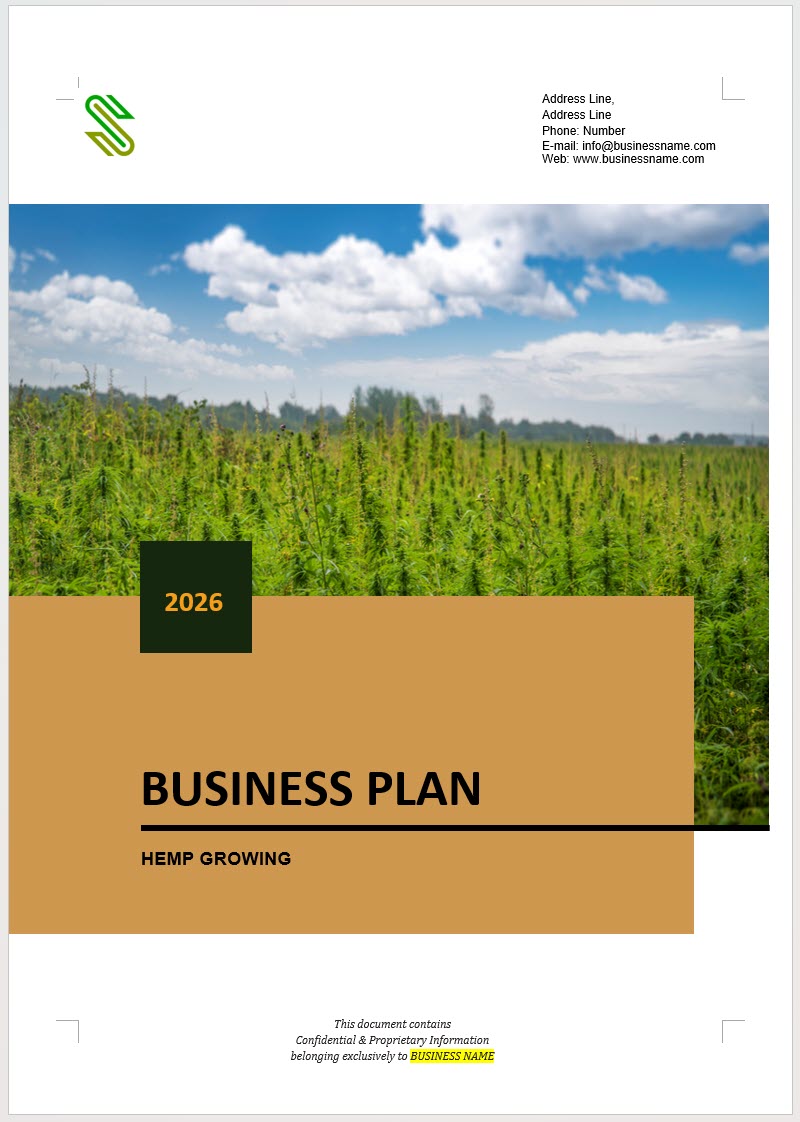
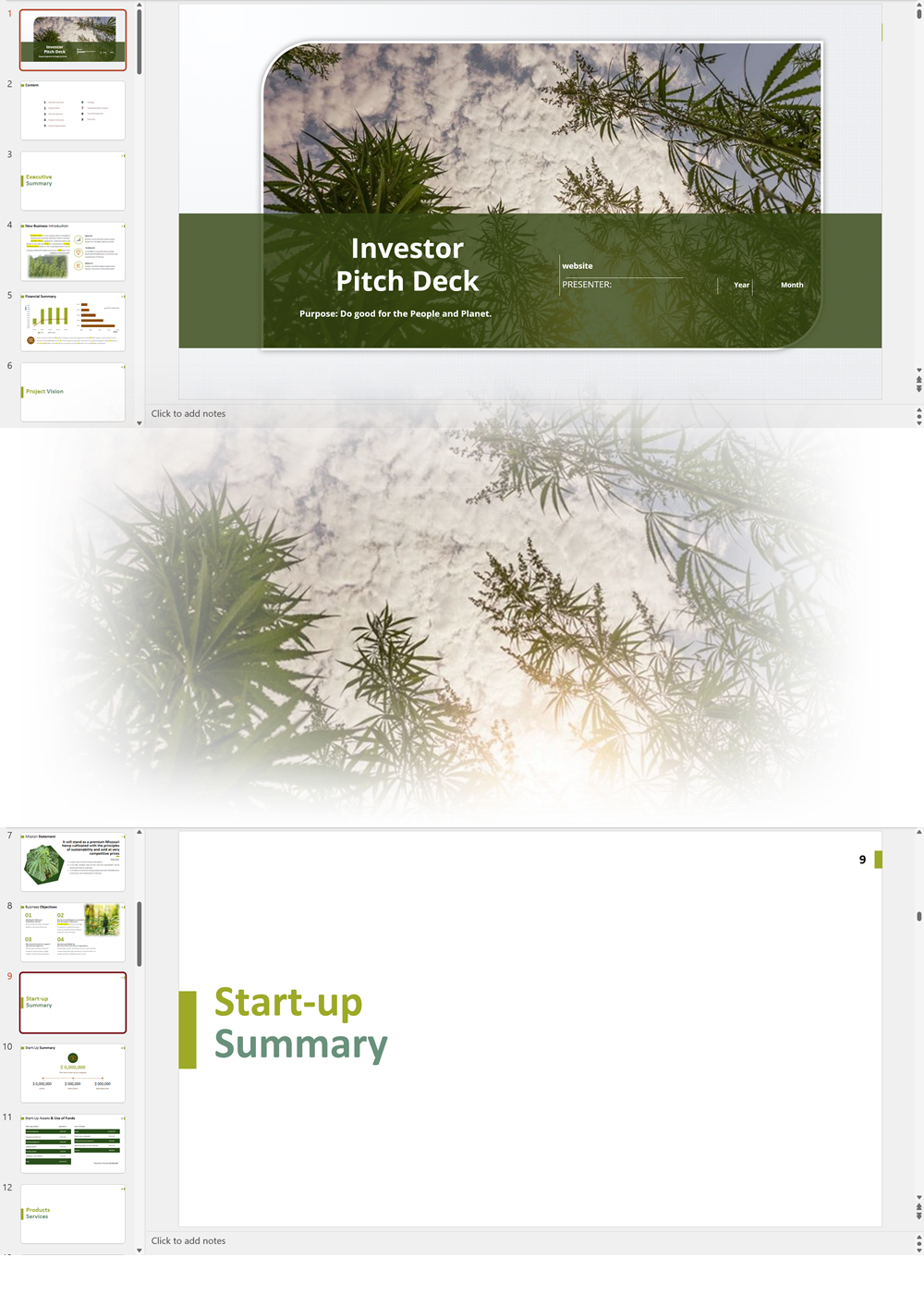
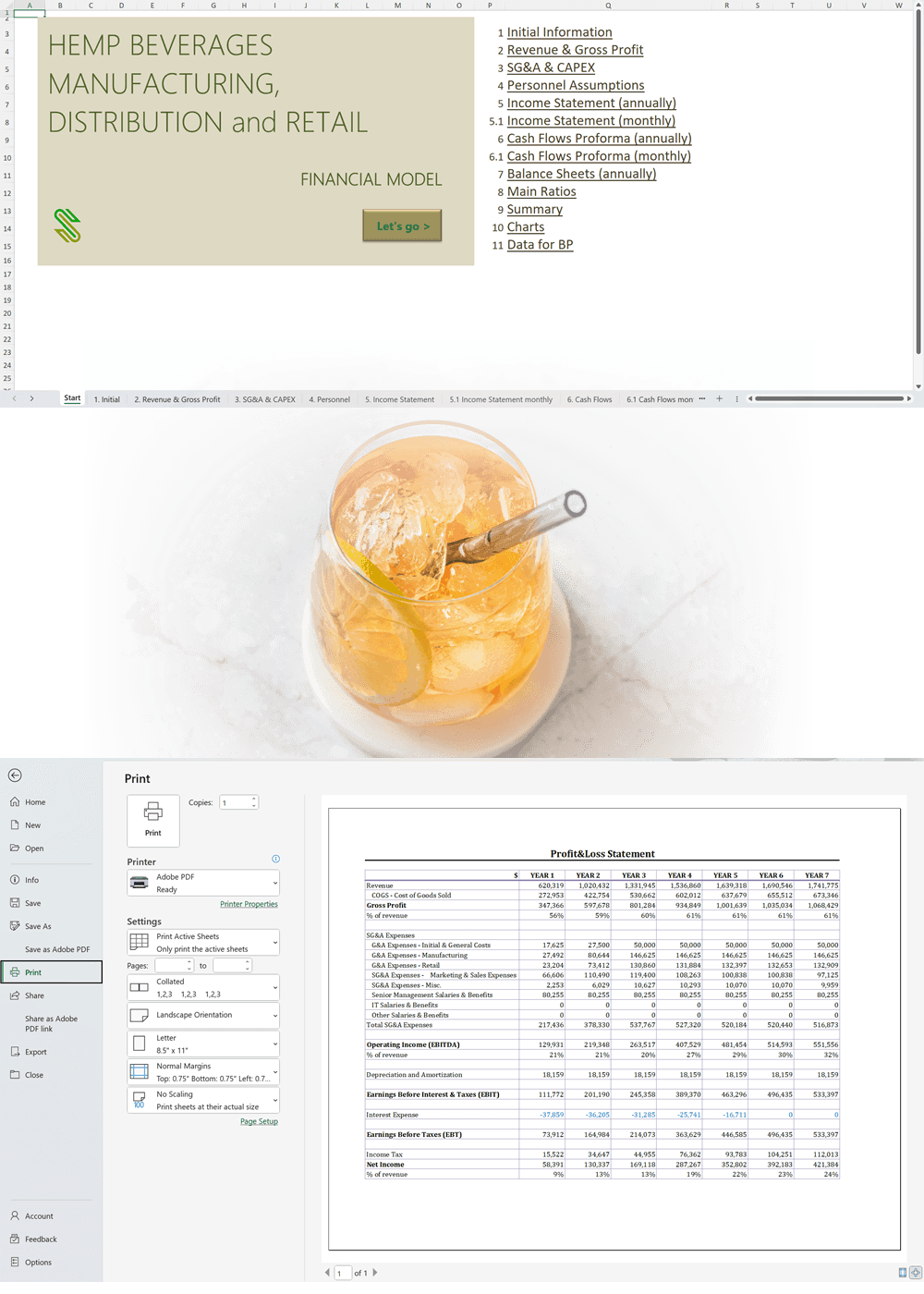
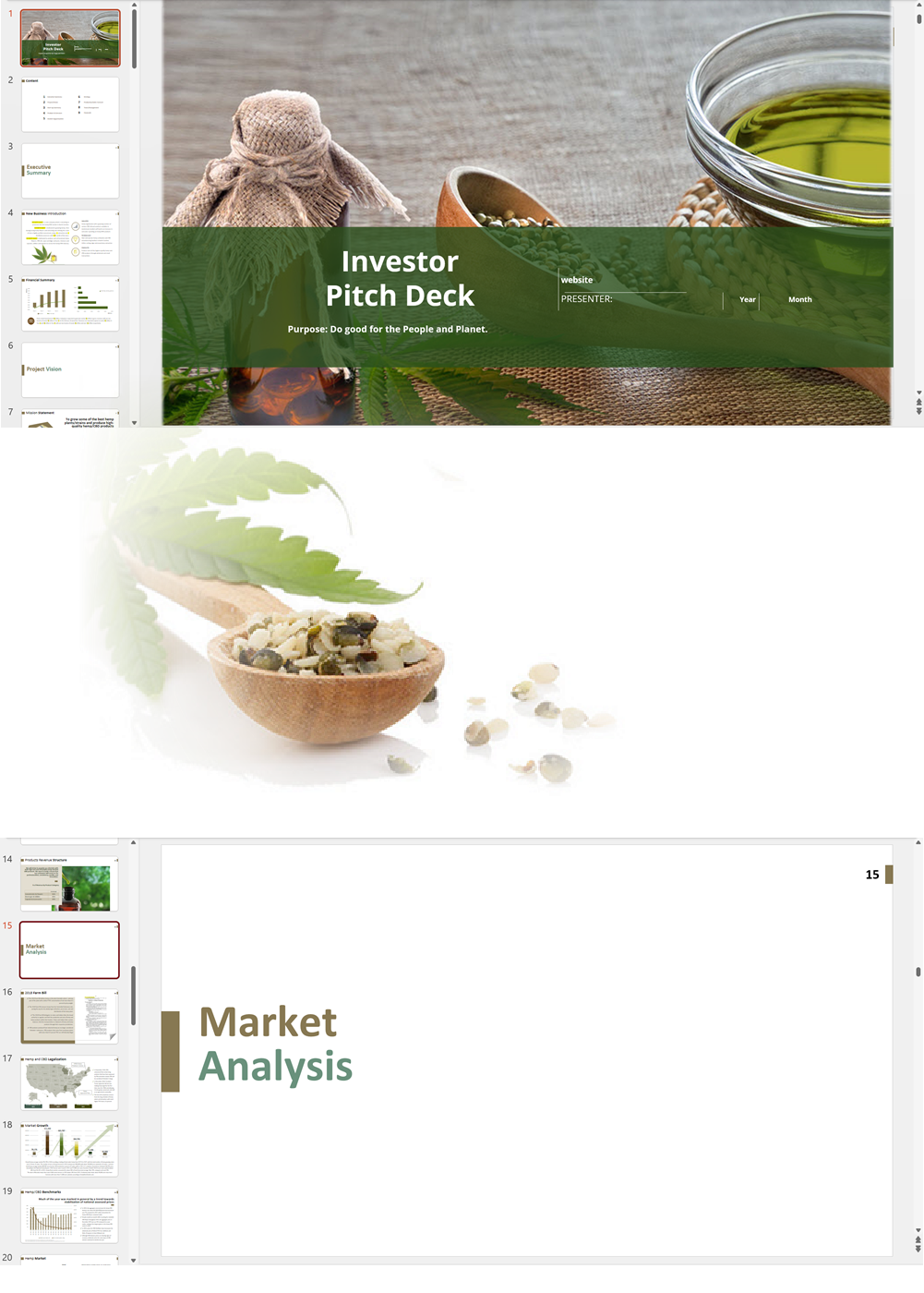
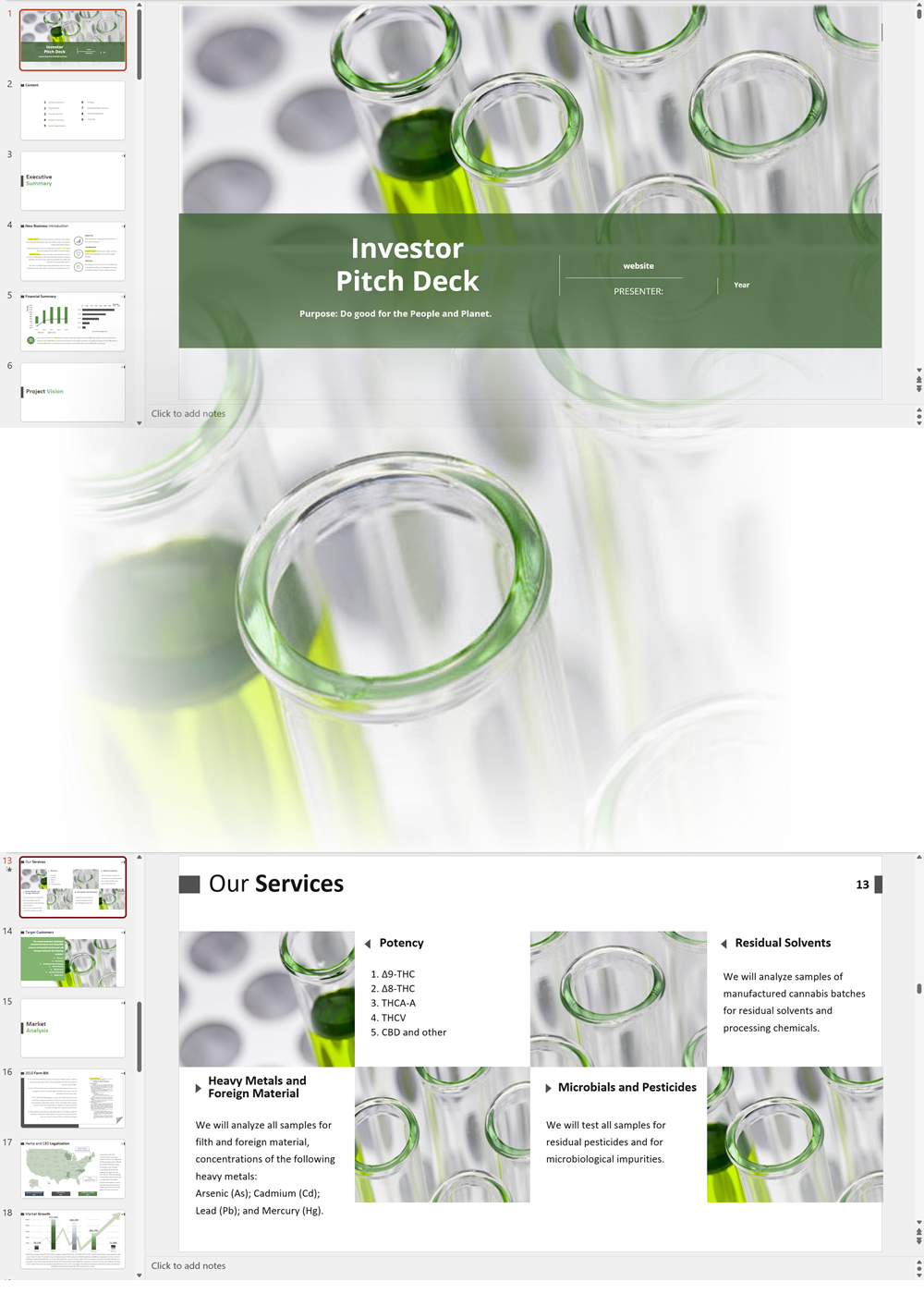
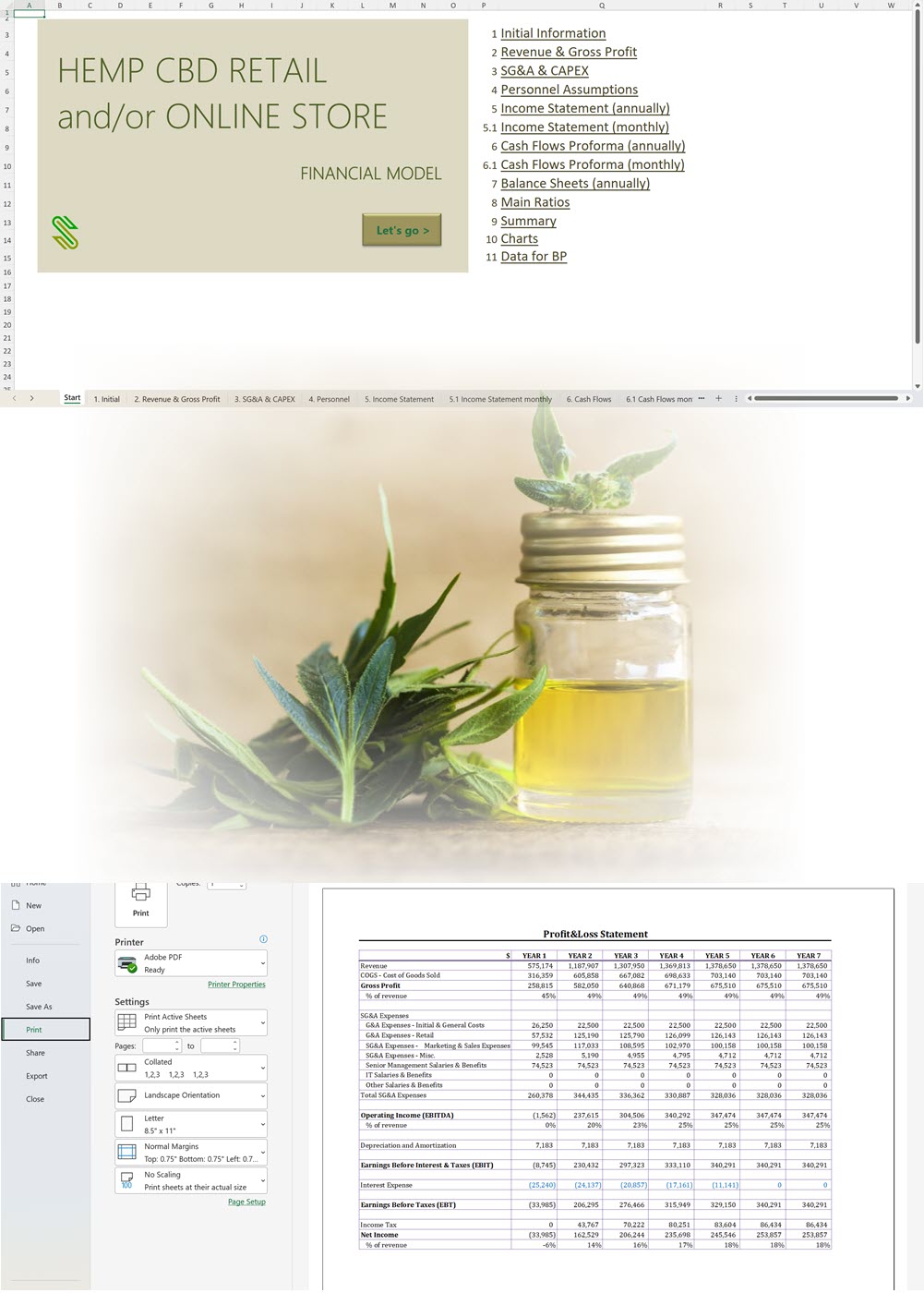
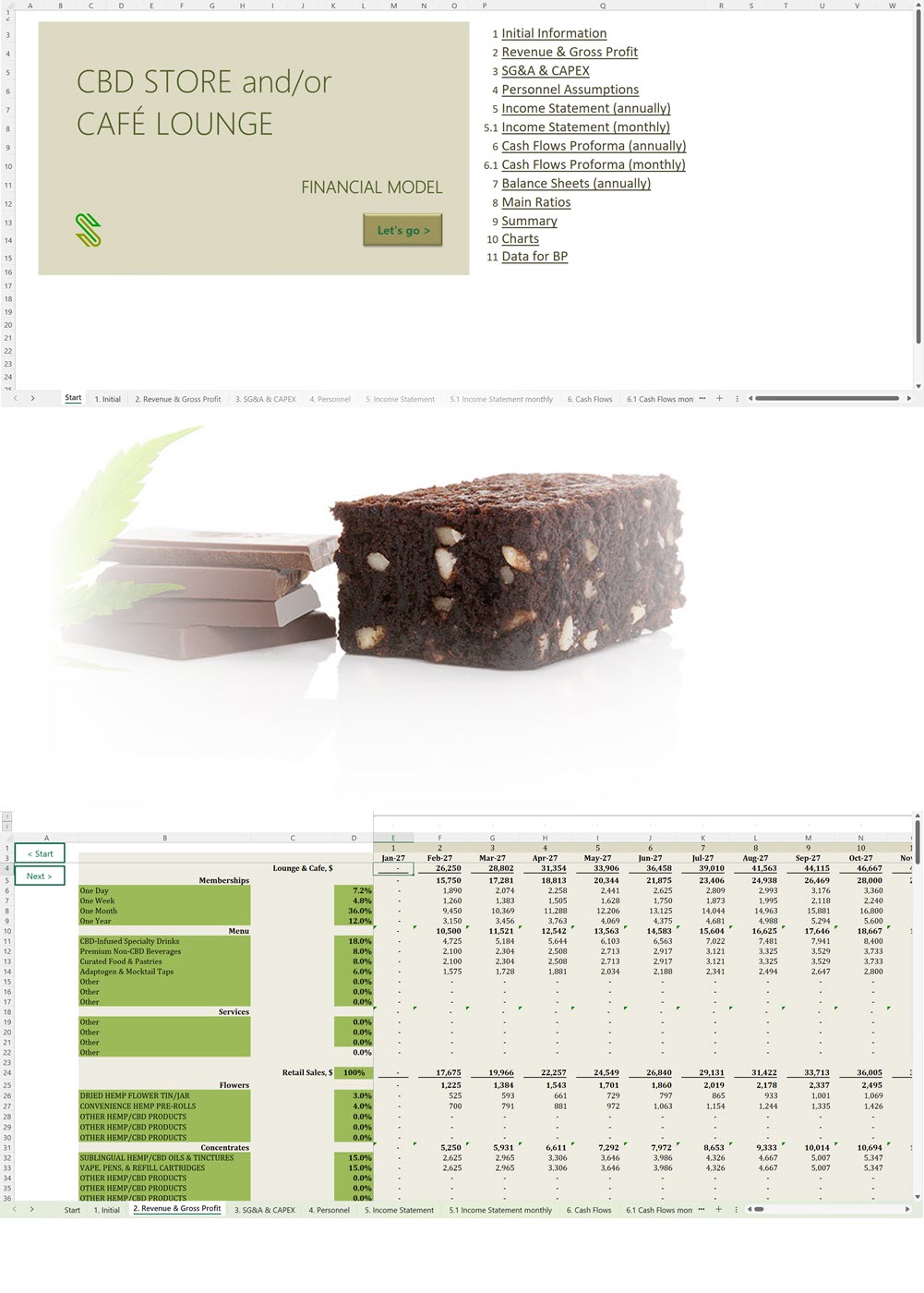
Our hemp/CBD financial models and business plan templates will help you estimate how much it costs to start and operate your own hemp/CBD business, to build all revenue and cost line-items monthly over a flexible seven year period, and then summarize the monthly results into quarters and years for an easy view into the various time periods. We also offer investor pitch deck templates.
We offer Hemp Cultivation, Hemp Fiber Manufacturing, Hemp Nursery, Hemp (Biomass, Fiber, Grain) Cultivation and Processing/ Manufacturing, CBD Products Manufacturing, Hemp Cultivation + CBD Extraction Lab, CBD Products Retail, CBD Retail and Lounge, Hemp Cultivation + CBD Extraction Lab + CBD Products Manufacturing, Hemp/CBD Vertically Integrated, Hemp Testing Laboratory and other Business Plan Templates, that can include fully-functioning Excel financial model, Word business plan document and PowerPoint pitch deck templates.
Best Selling Hemp Templates
-

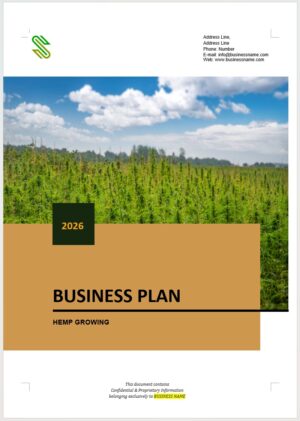
Hemp Cultivation Business Plan Template
Price range: $75.00 through $275.00 Select options This product has multiple variants. The options may be chosen on the product page -

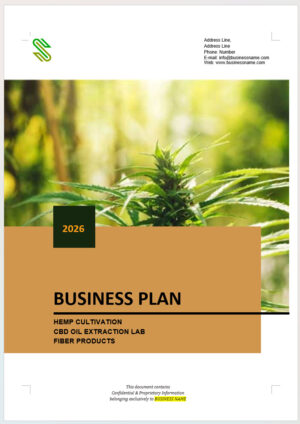
Hemp Cultivation and CBD Oil Extraction and/or Fiber Products Business Plan Template
Price range: $75.00 through $350.00 Select options This product has multiple variants. The options may be chosen on the product page -

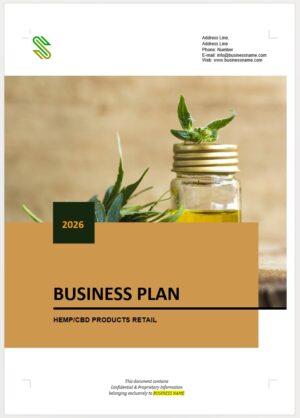
CBD Products Retail/Online Store Business Plan Template
Price range: $75.00 through $275.00 Select options This product has multiple variants. The options may be chosen on the product page
Hemp/CBD Business, Legalization and Opportunities in Europe
Hemp/CBD Business, Legalization and Opportunities in Australia
Hemp/CBD Business, Legalization and Opportunities in New Zealand
Hemp/CBD Business, Legalization and Opportunities in Africa
Hemp/CBD Business, Legalization and Opportunities in South America
Hemp/CBD Business, Legalization and Opportunities in Canada
Our Templates
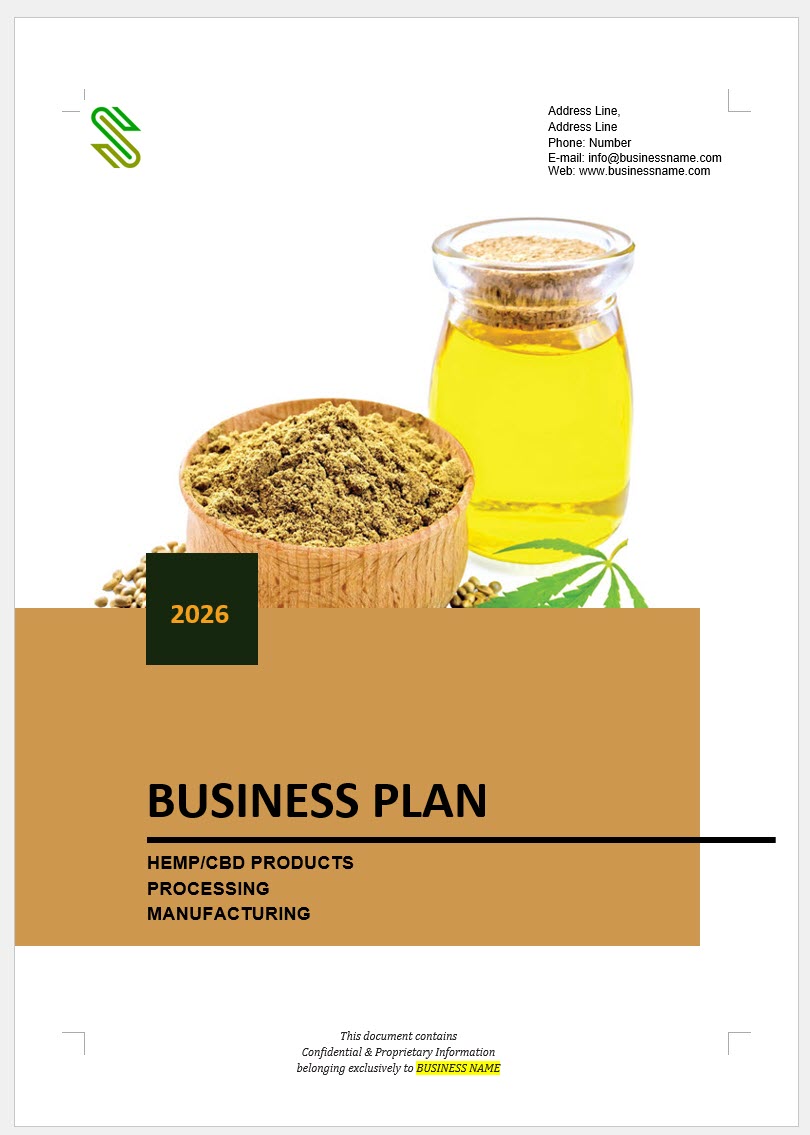
CBD Products Manufacturing Business Plan Template
Price range: $75.00 through $350.00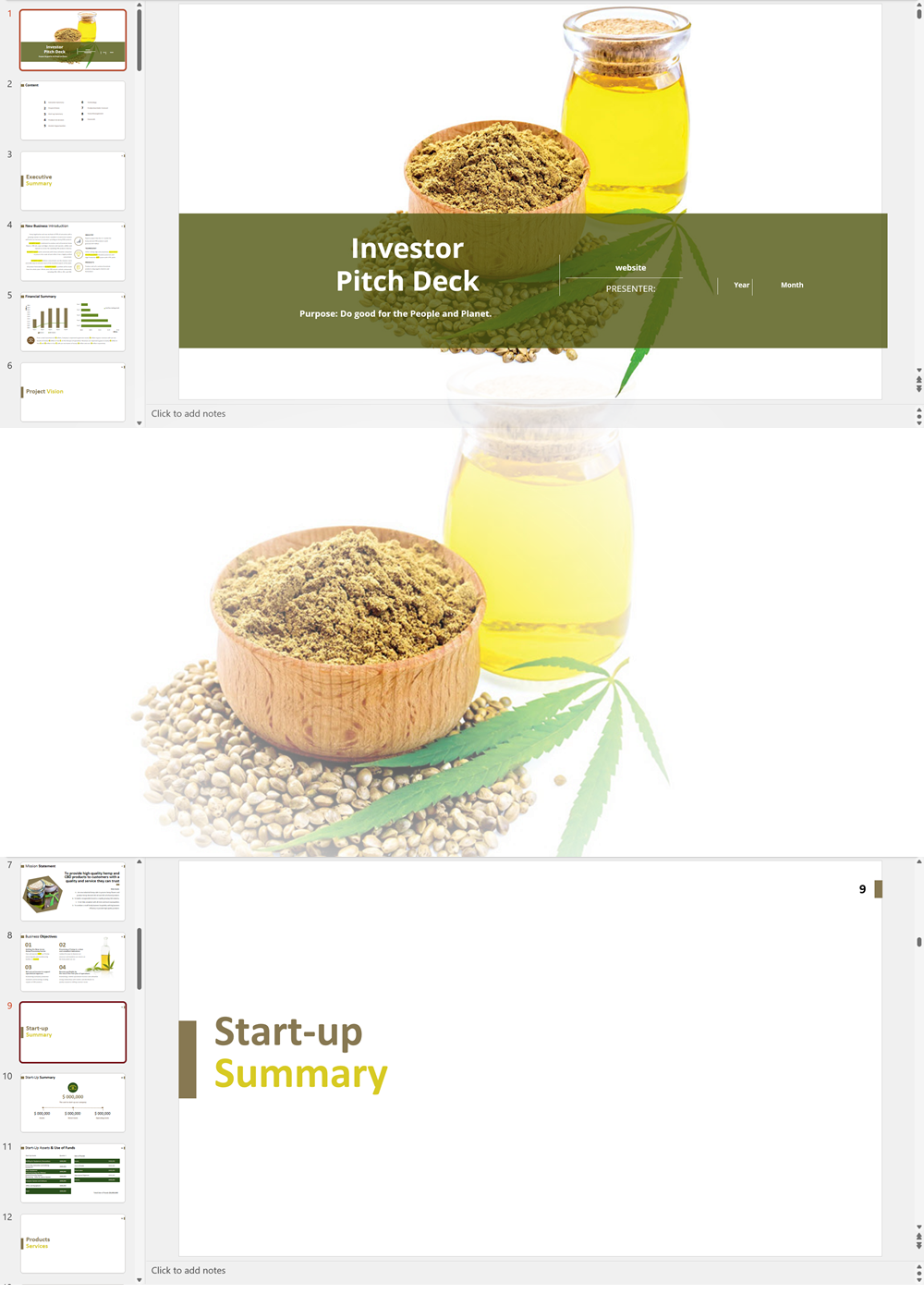
CBD Store and/or Cafe Lounge Business Plan Template
Price range: $75.00 through $275.00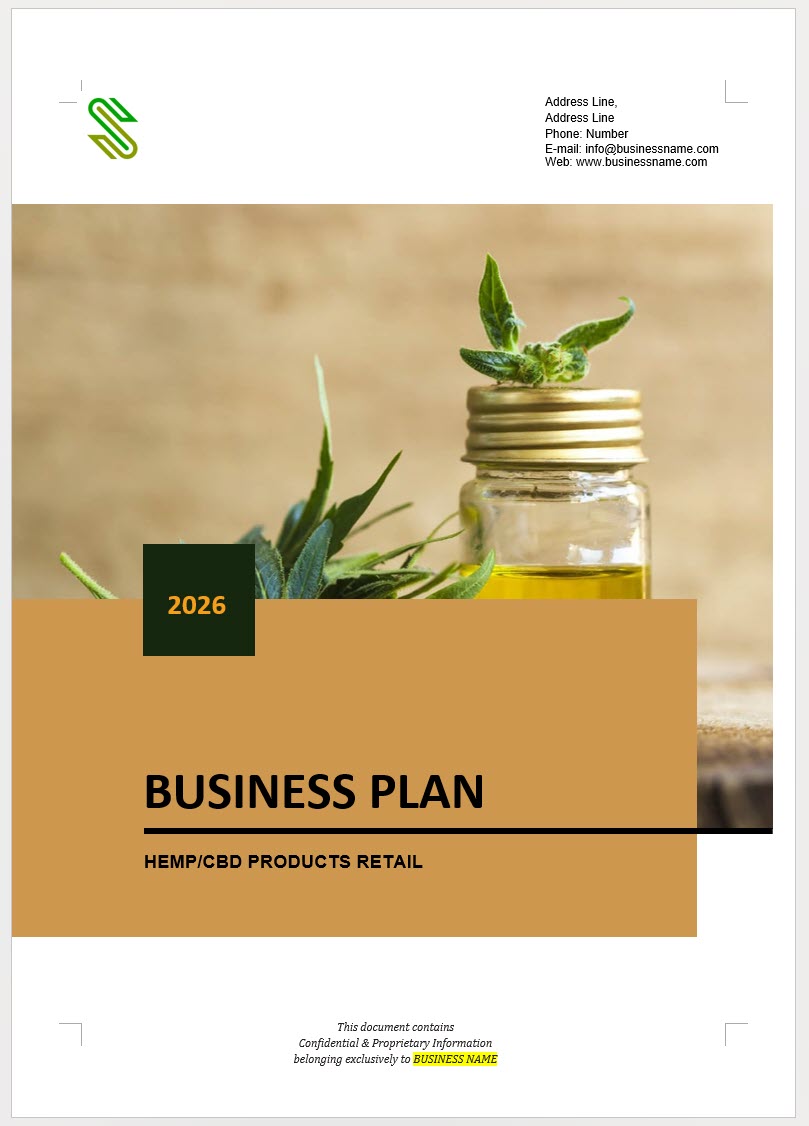
CBD Products Retail/Online Store Business Plan Template
Price range: $75.00 through $275.00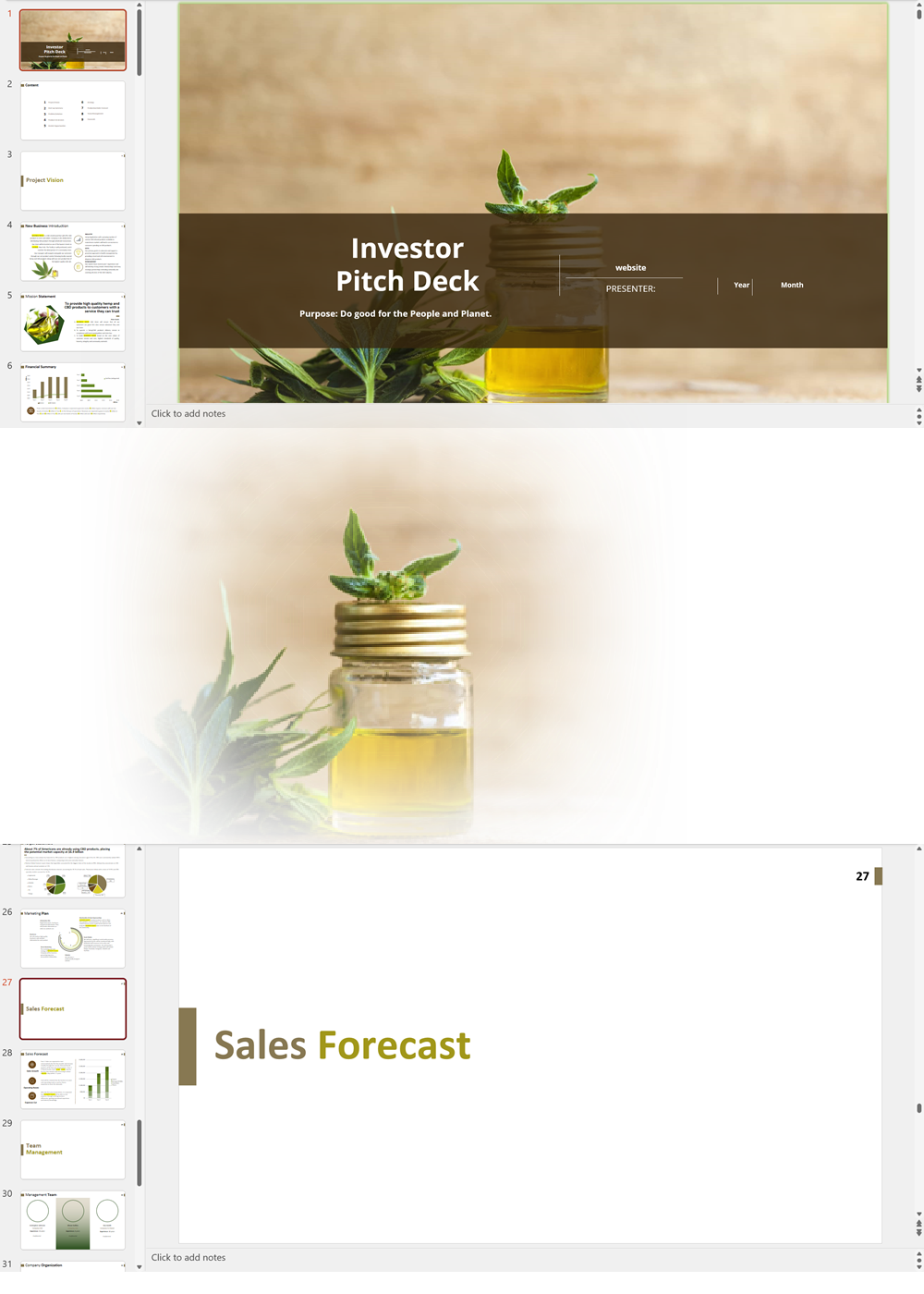
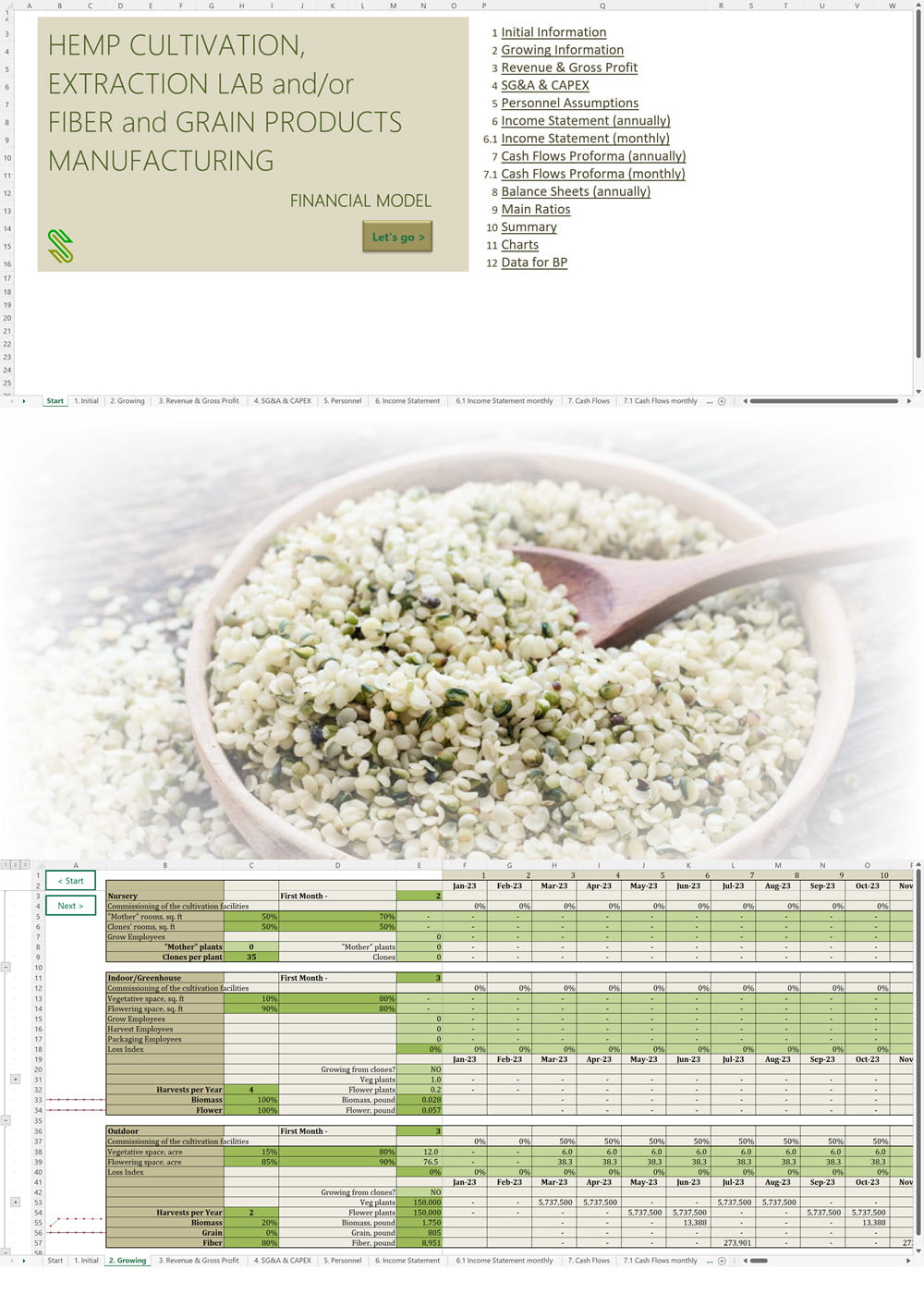
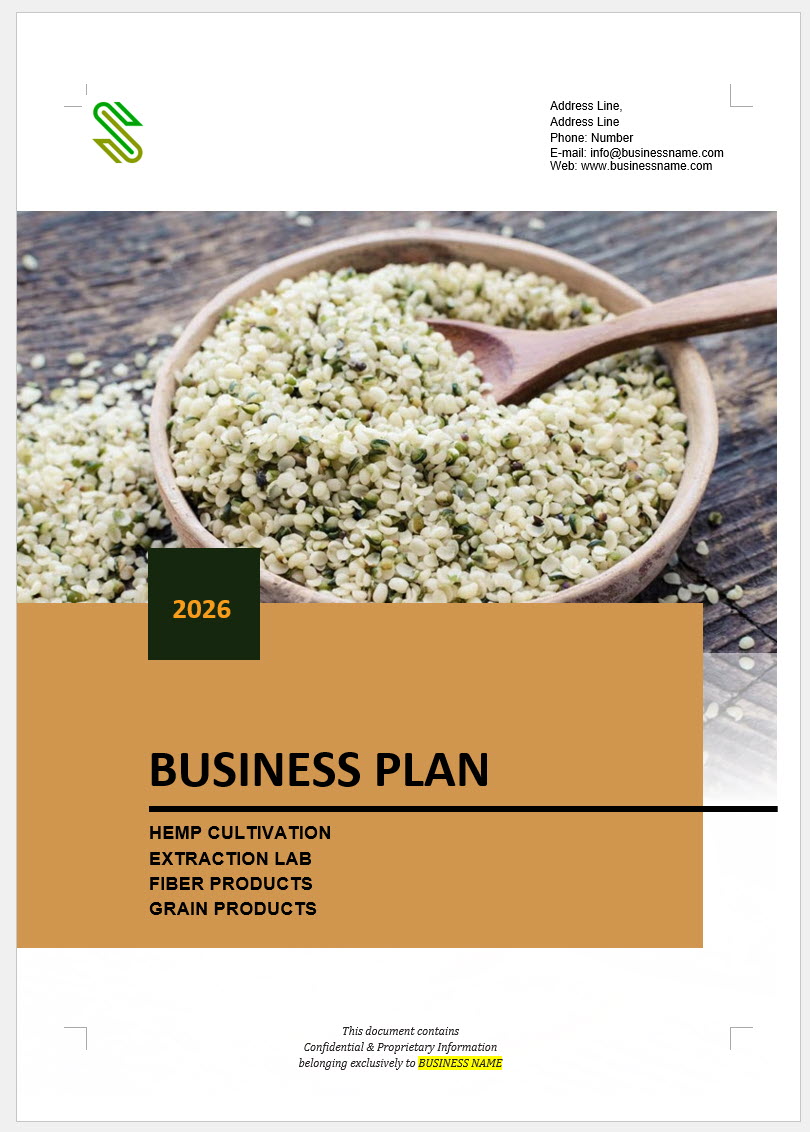
Hemp (Biomass, Fiber, Grain) Cultivation and Processing/ Manufacturing Business Plan Template
Price range: $75.00 through $350.00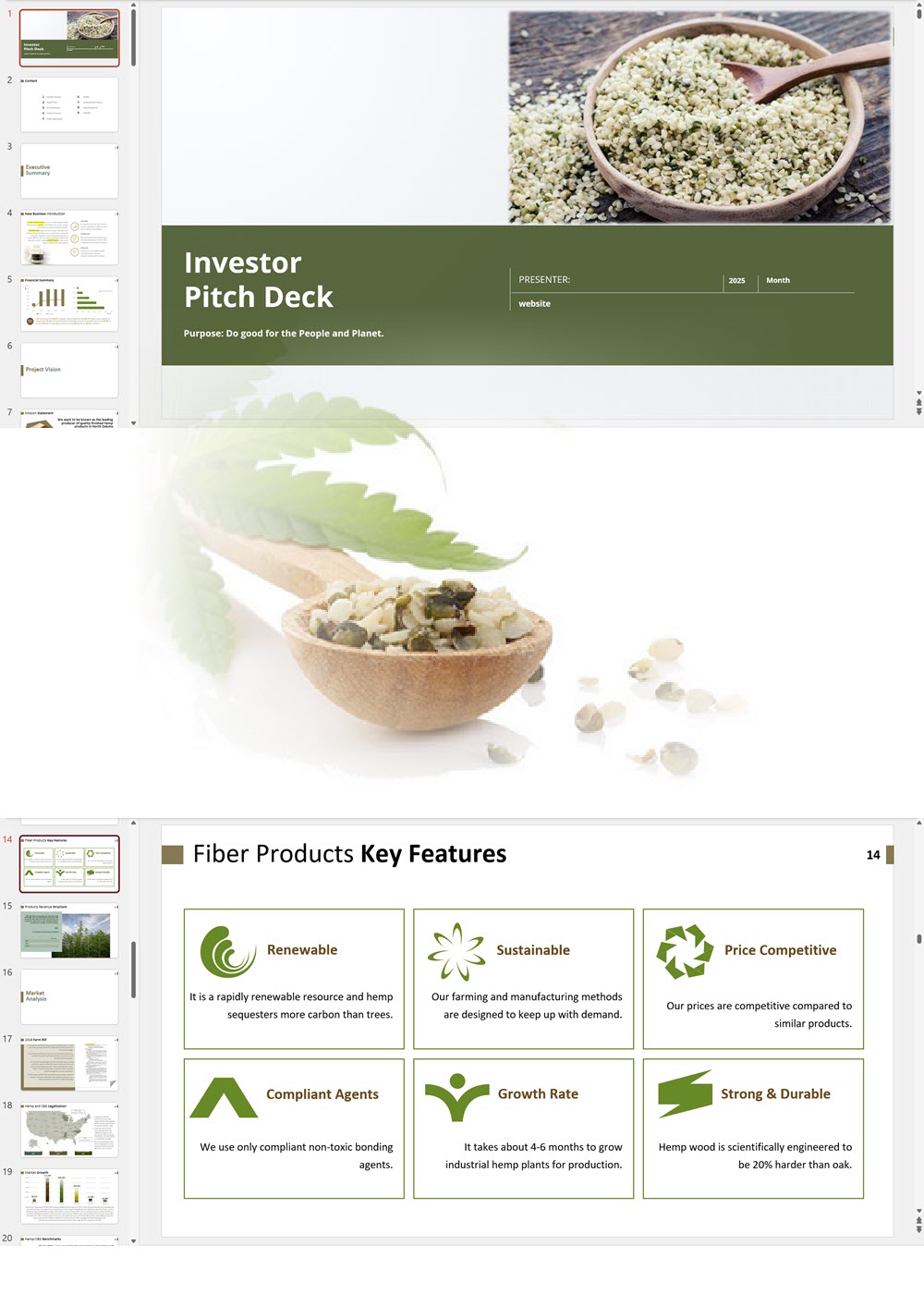
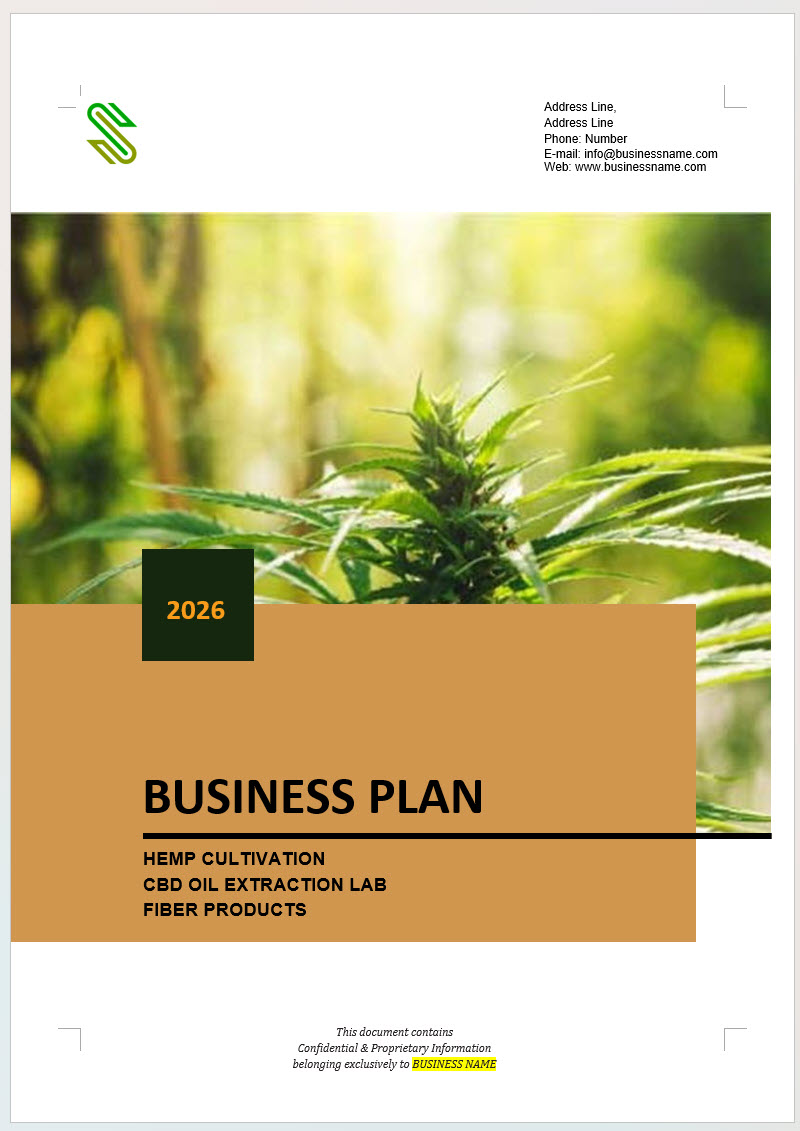
Hemp Cultivation and CBD Oil Extraction and/or Fiber Products Business Plan Template
Price range: $75.00 through $350.00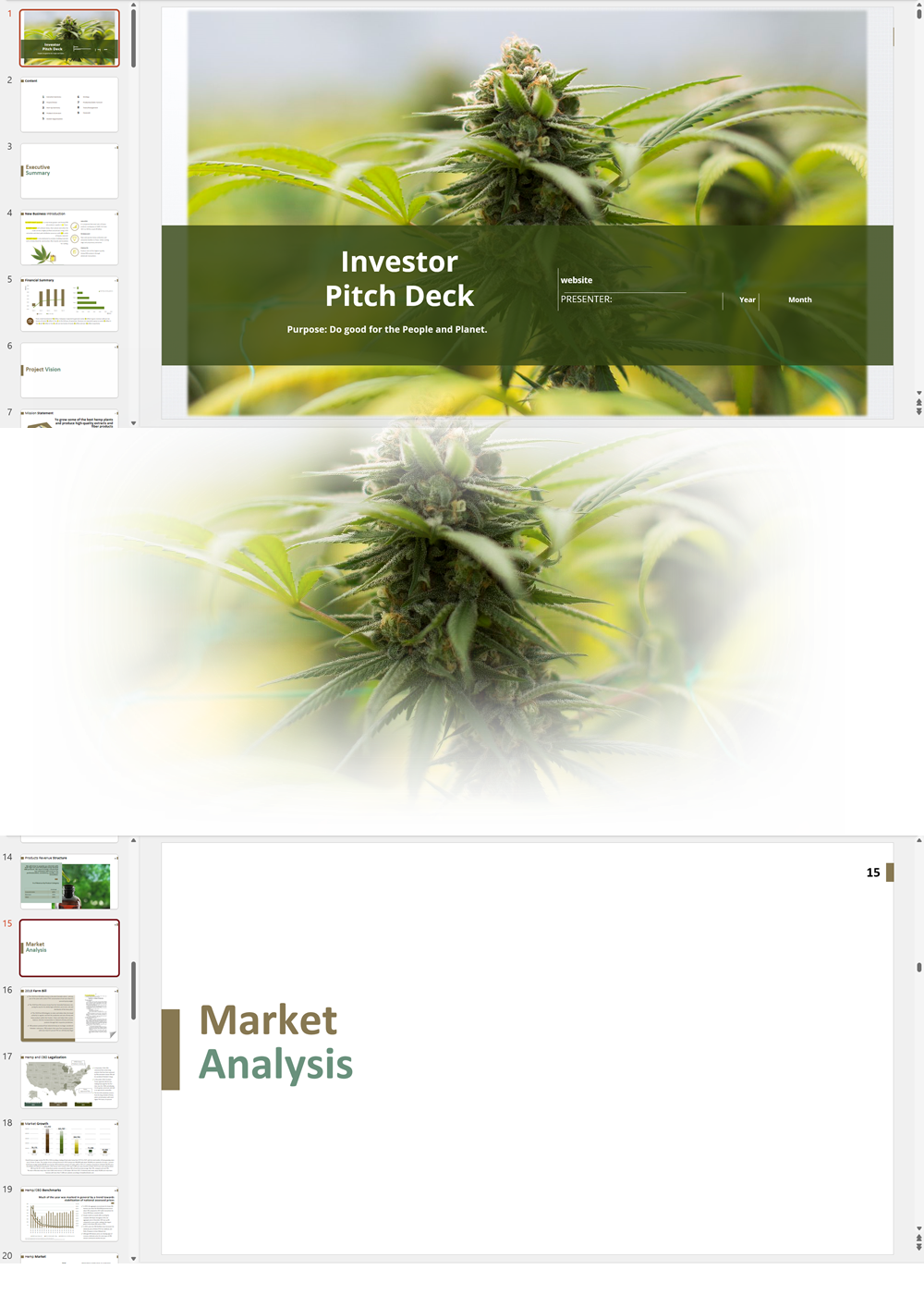
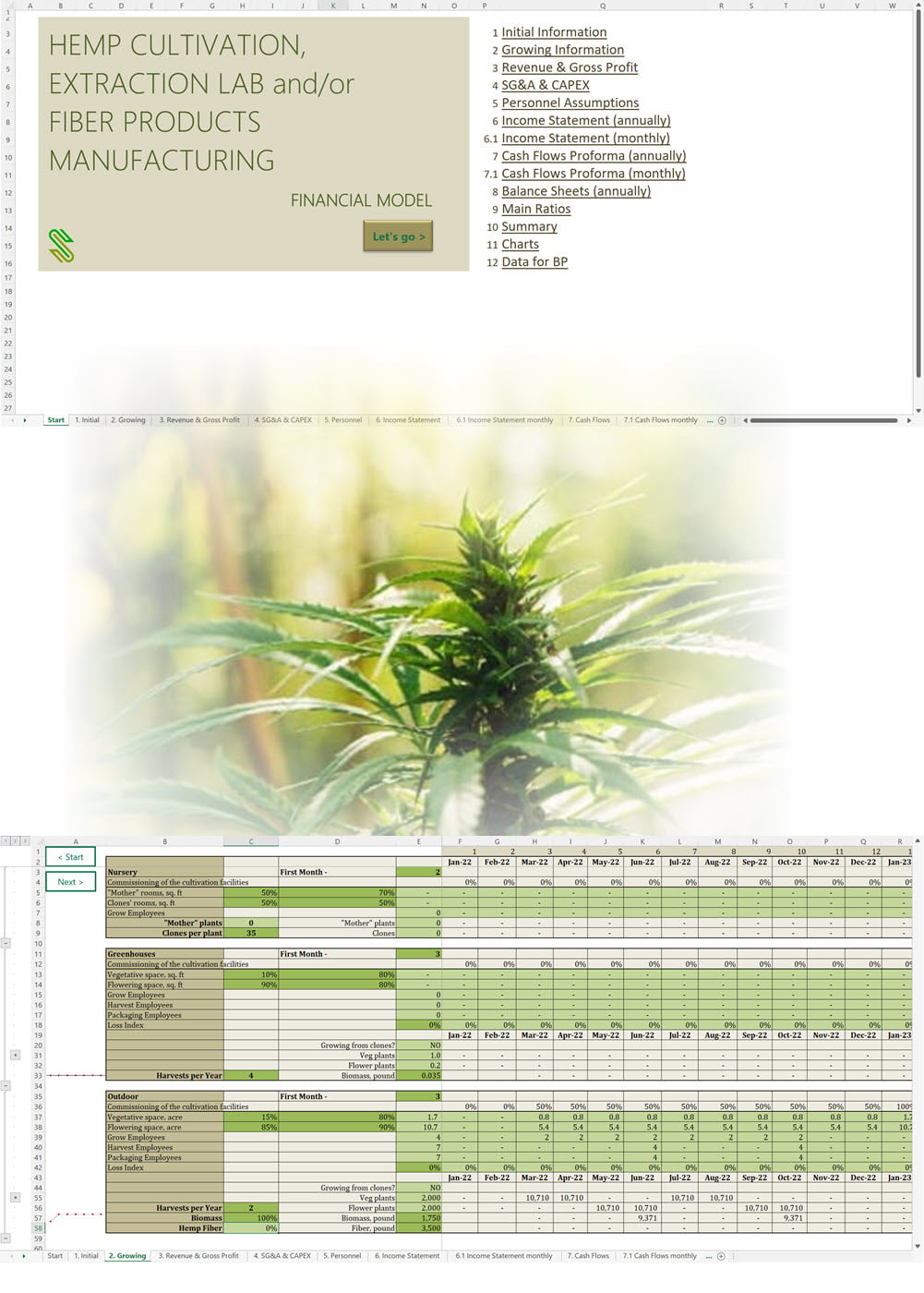
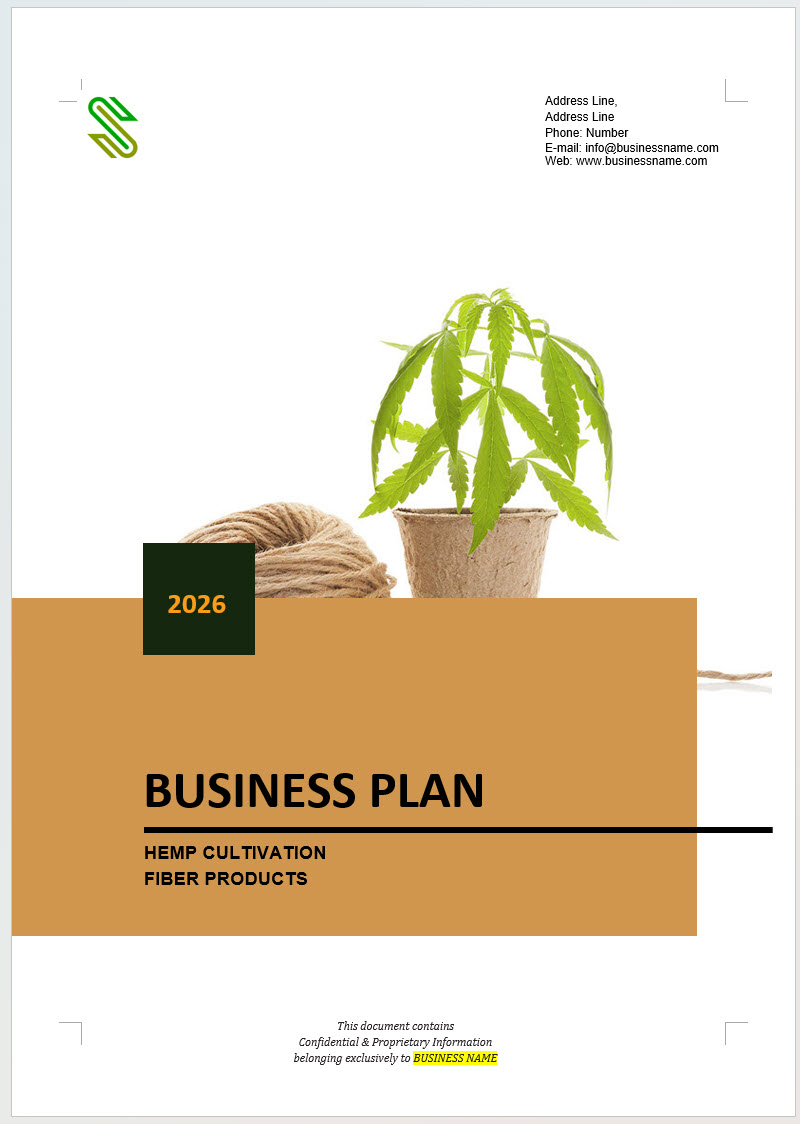
Hemp Fiber Growing and Manufacturing Business Plan Template
Price range: $75.00 through $275.00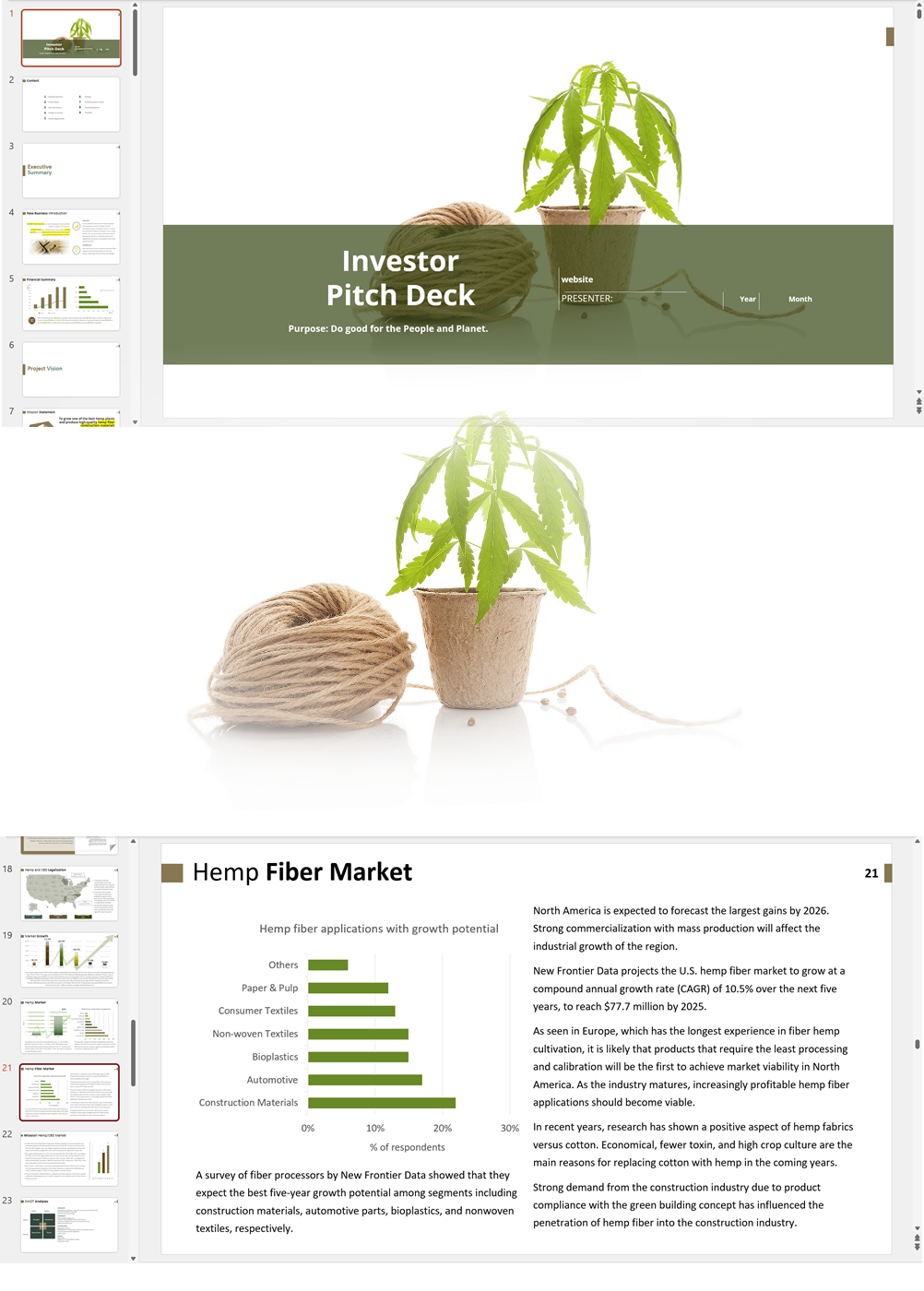
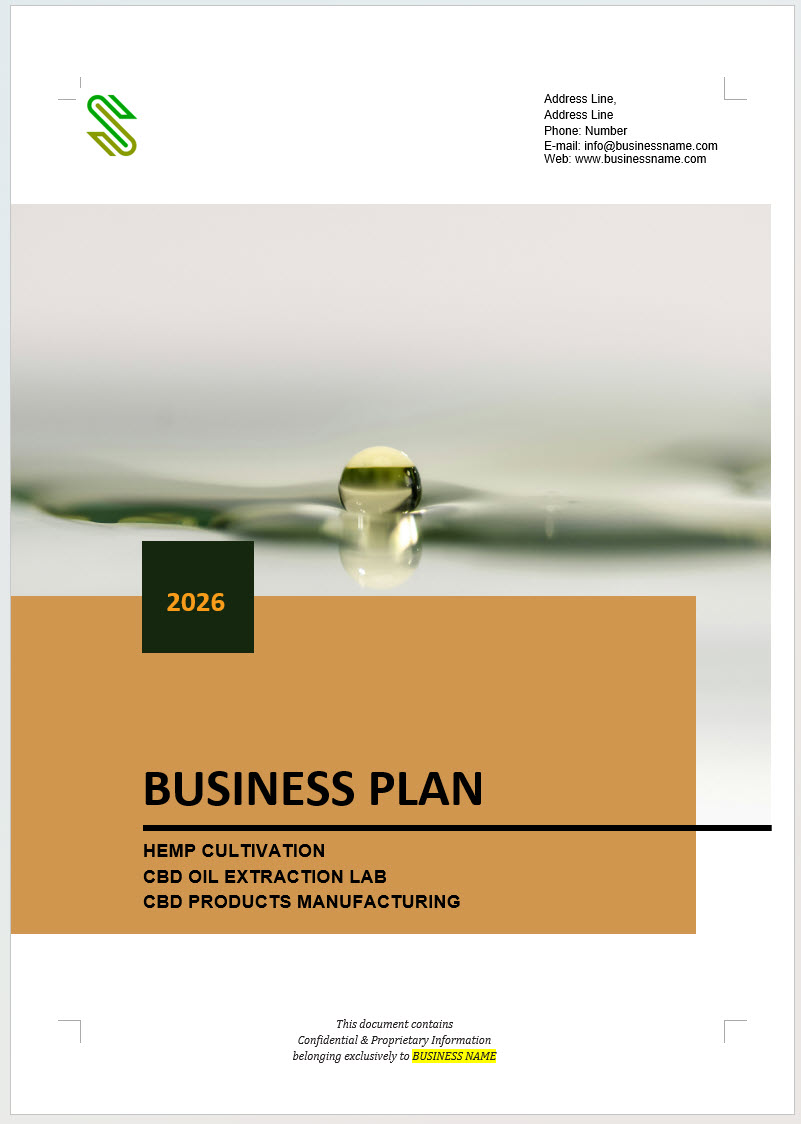
Hemp Cultivation + Extraction + Manufacturing Business Plan Template
Price range: $75.00 through $450.00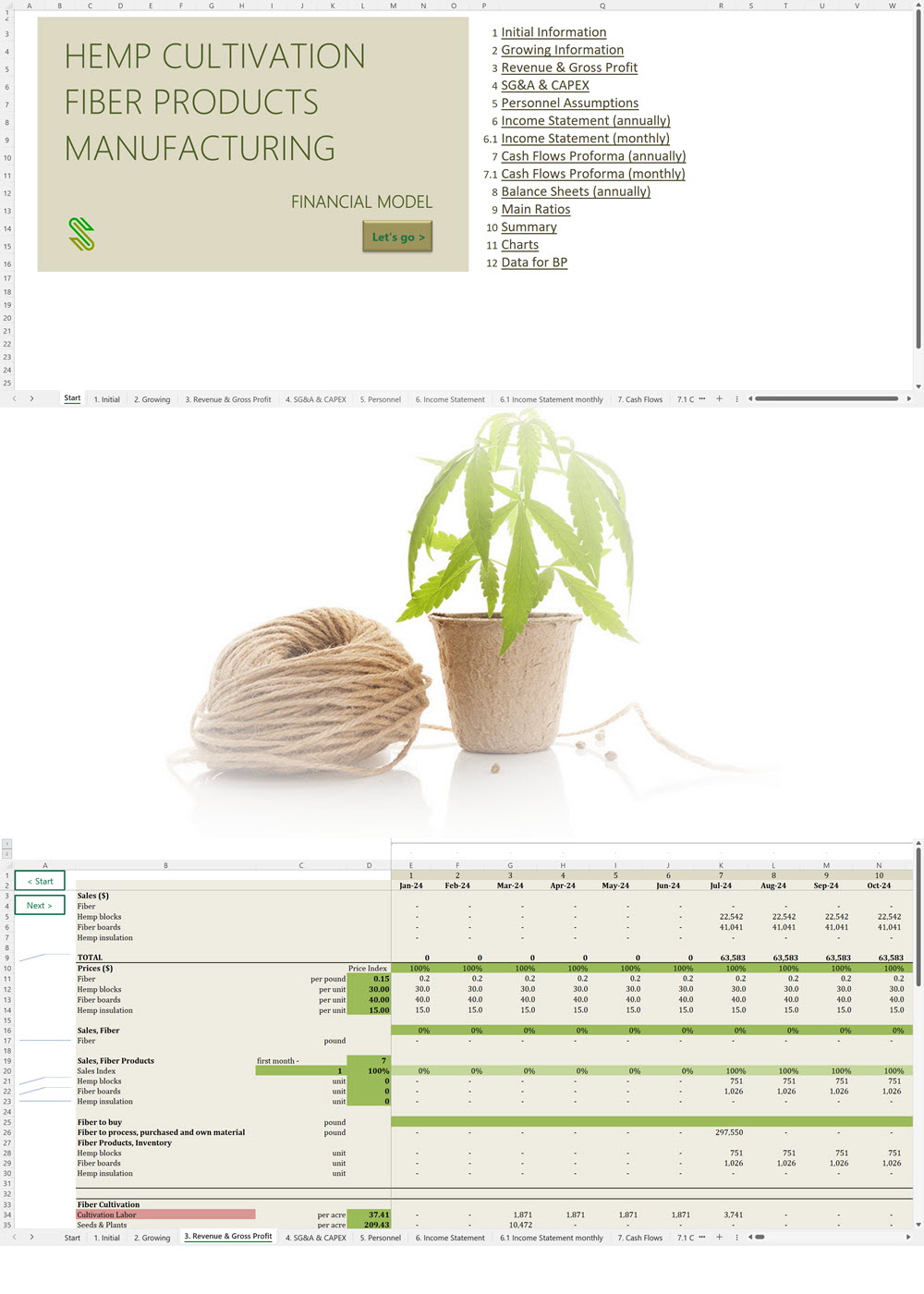
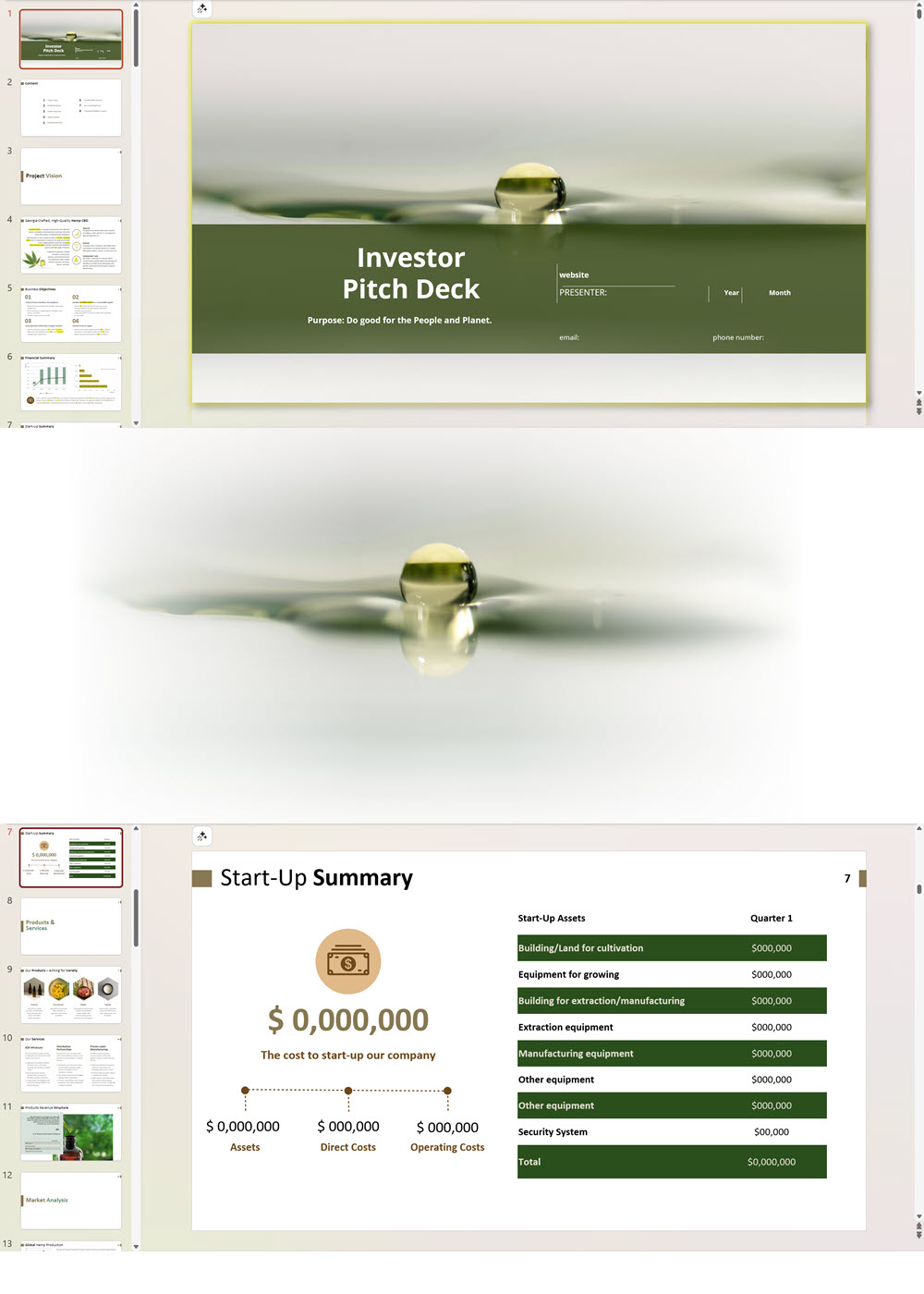
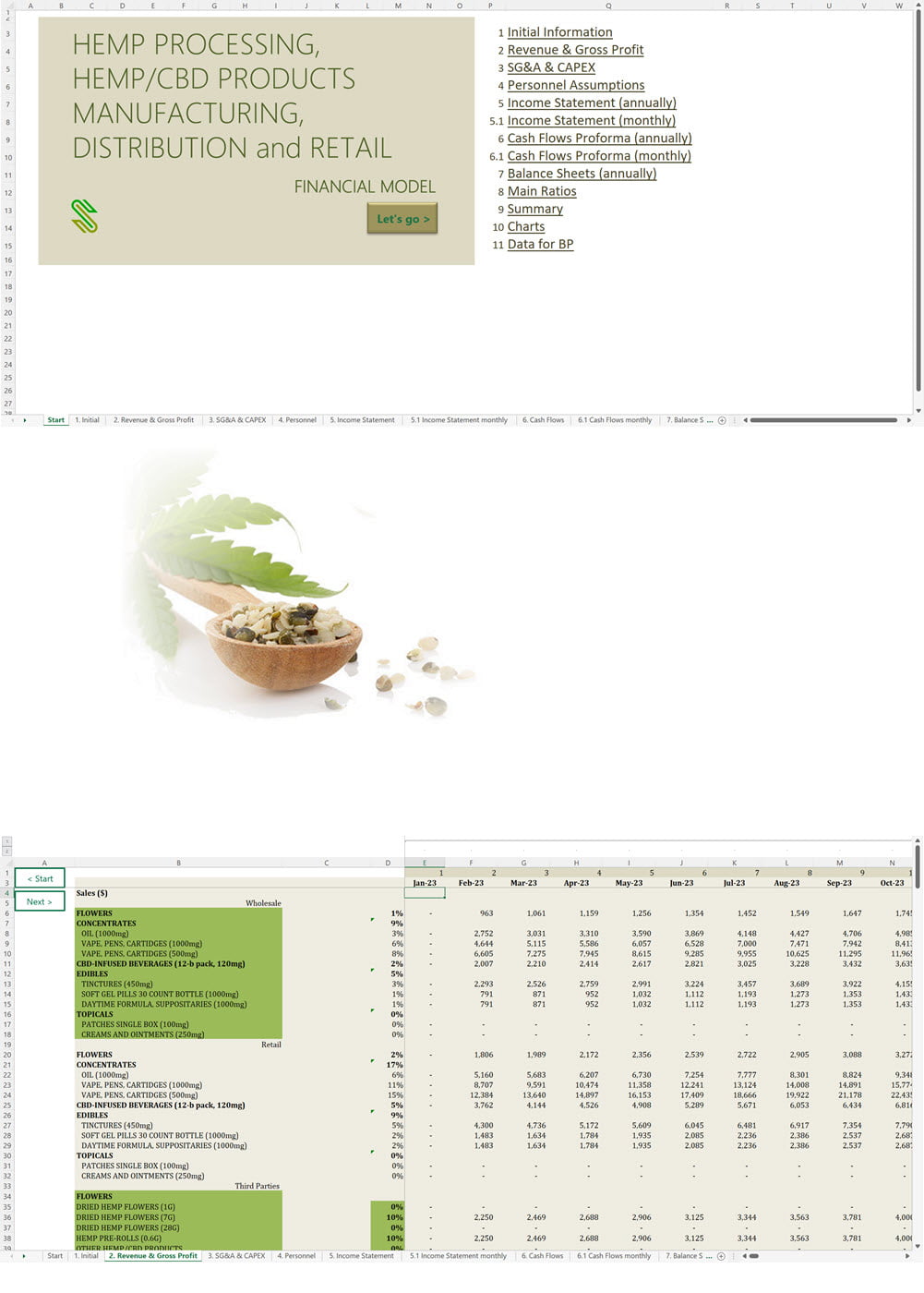
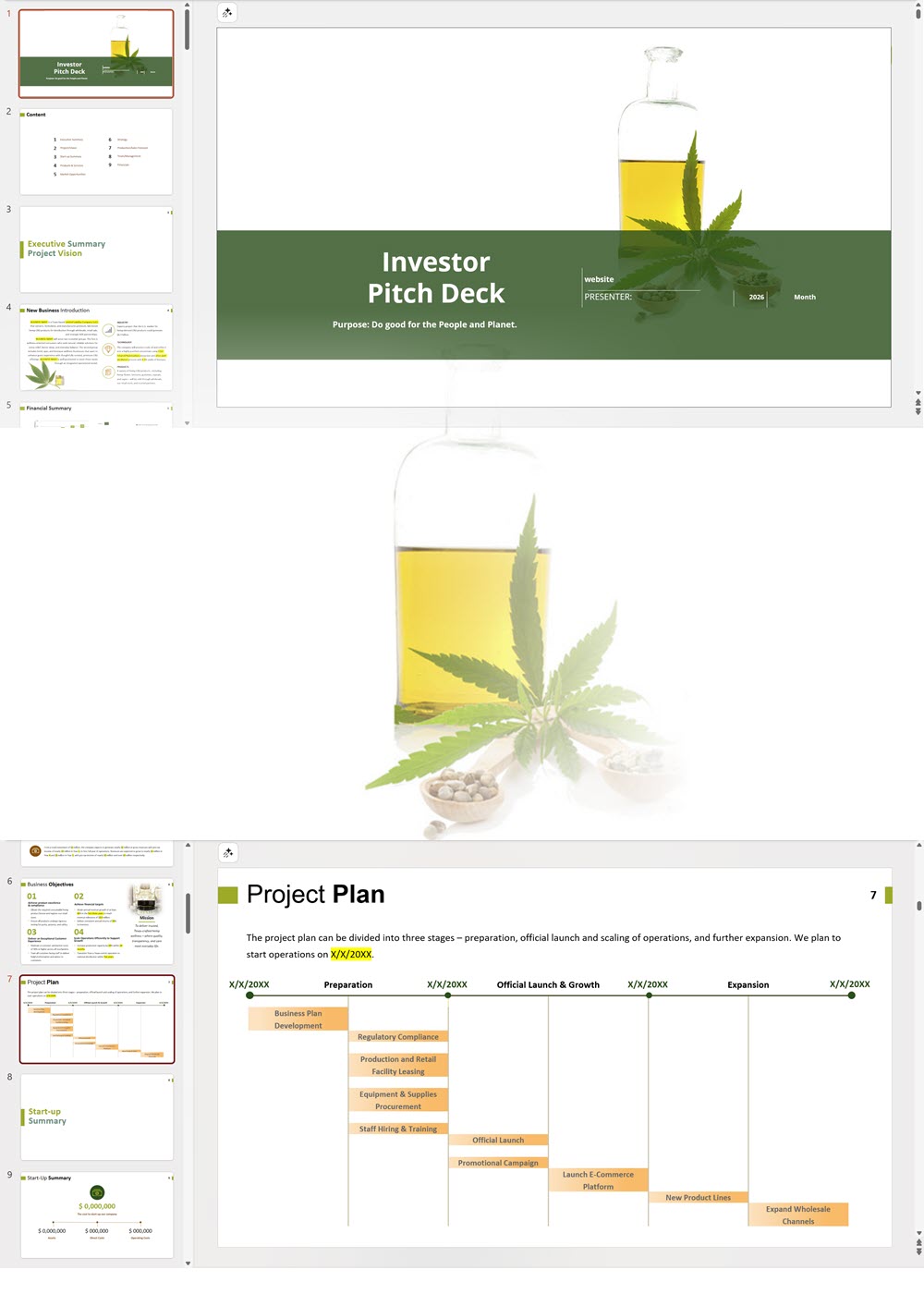
Hemp CBD Extraction + Manufacturing + Retail Business Plan Template
Price range: $75.00 through $450.00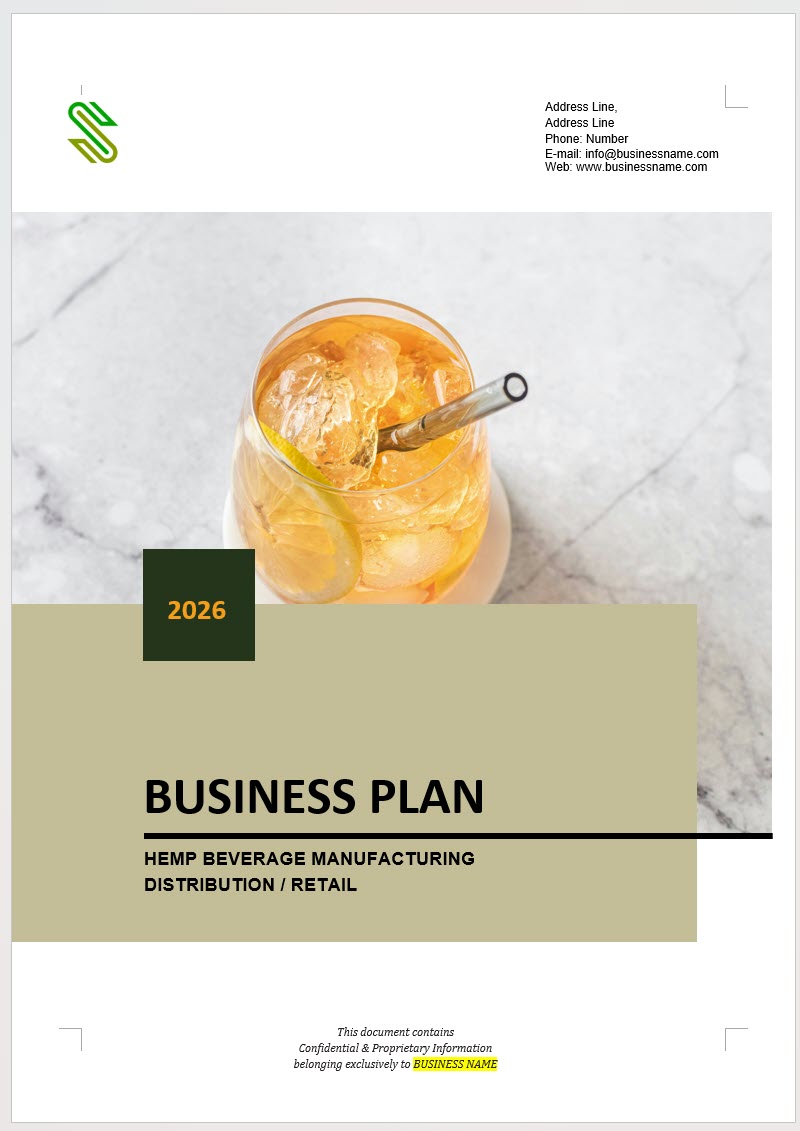
Hemp CBD Beverage Manufacturing, Wholesale and/or Retail Business Plan Template
Price range: $75.00 through $350.00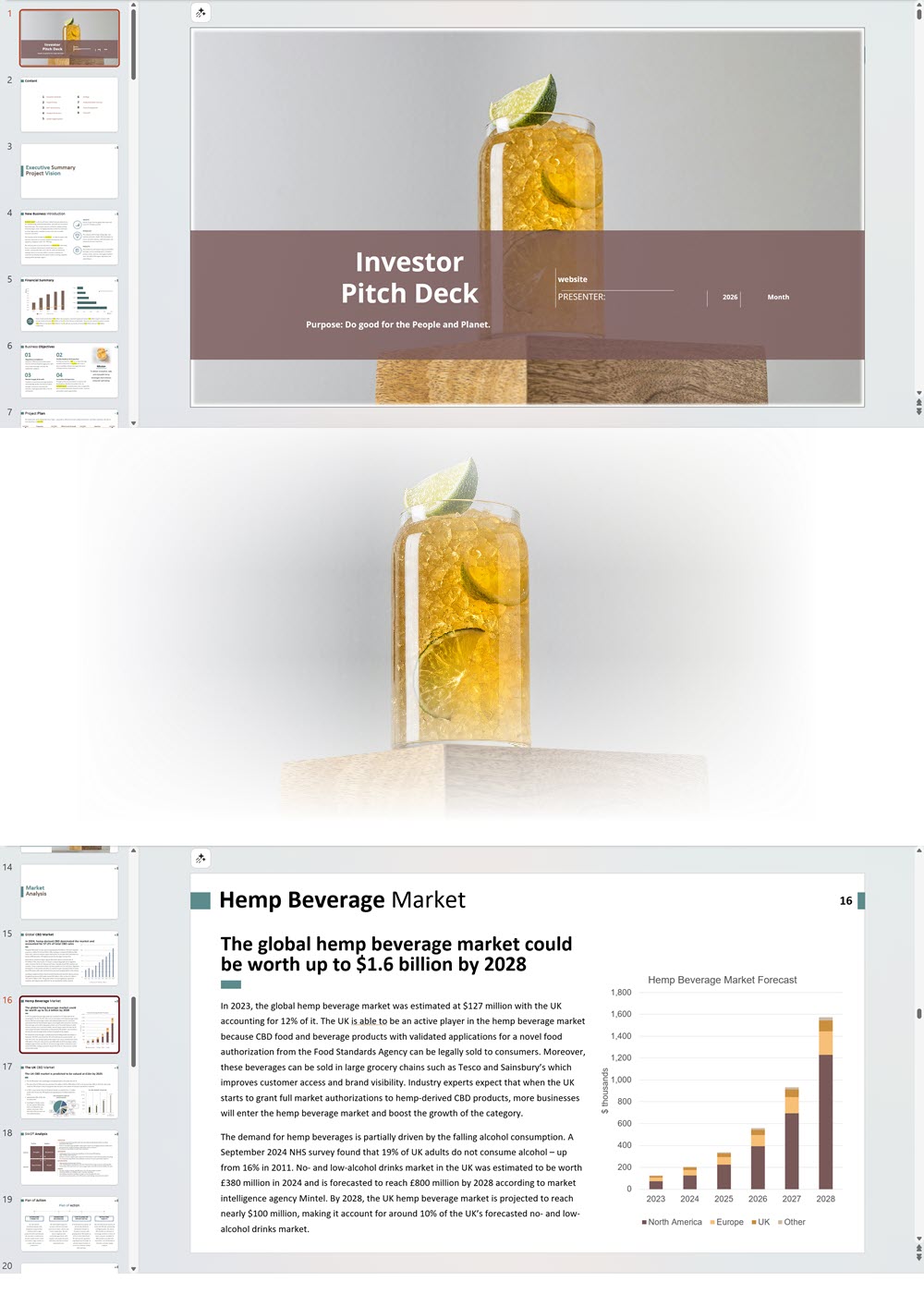
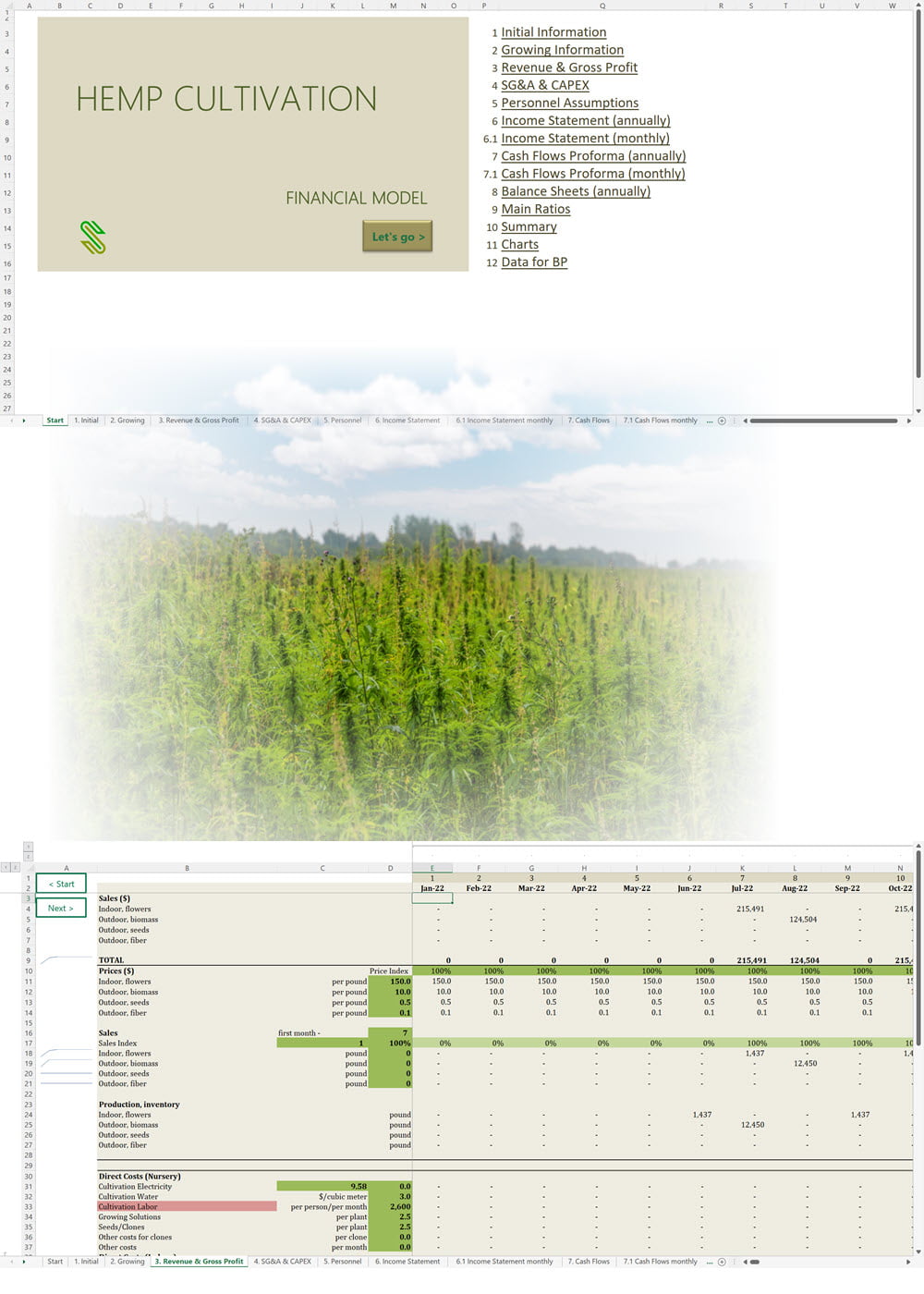
Hemp Cultivation Financial Model
$100.00